And what’s a butterfly? At best, He’s but a caterpillar, drest.
~John Grey
Another season of caterpillar finds and larval programs is winding down. We have been searching high and low for larvae and, consequently, caring for a menagerie of crawling critters for several weeks now. My caterpillar programs have ended, and Melissa’s will be finished later this week. Our charges have been oohed and aahed over by hundreds of wide-eyed learners at a series of events at the North Carolina Botanical Garden, the museum’s BugFest, and a well-attended (and well-run) Master Gardener’s conference in Greensboro. These little guys have really earned their keep this past month. Many have pupated in preparation for their long winter’s nap, others have been (or will be) released back into the wild, and, sadly, many have succumbed to a variety of parasitoid wasps. It is somewhat shocking how many caterpillars meet this fate, but I suppose it is one of the main reasons we are all not knee-deep in frass (caterpillar poop) by the end of the summer.
So, this post is to say thank you to all the marvelous Lepidoptera larvae that have graced us with their beauty and fascinating behaviors these past few weeks. Their variety of “attire” and striking forms are just one of the reasons that I have developed such a fondness for caterpillars over the years. Here are a few of the stars of this caterpillar season…
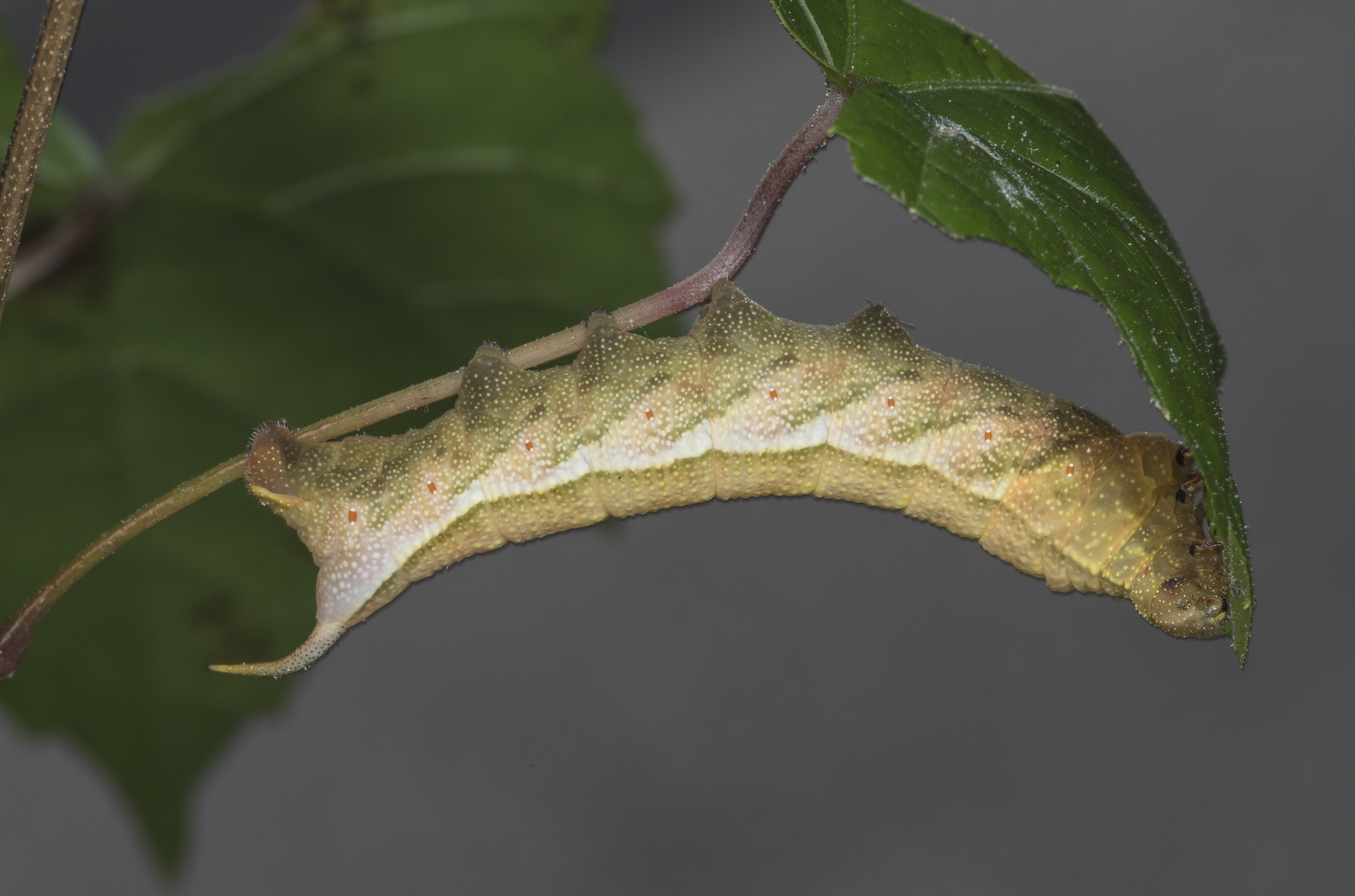
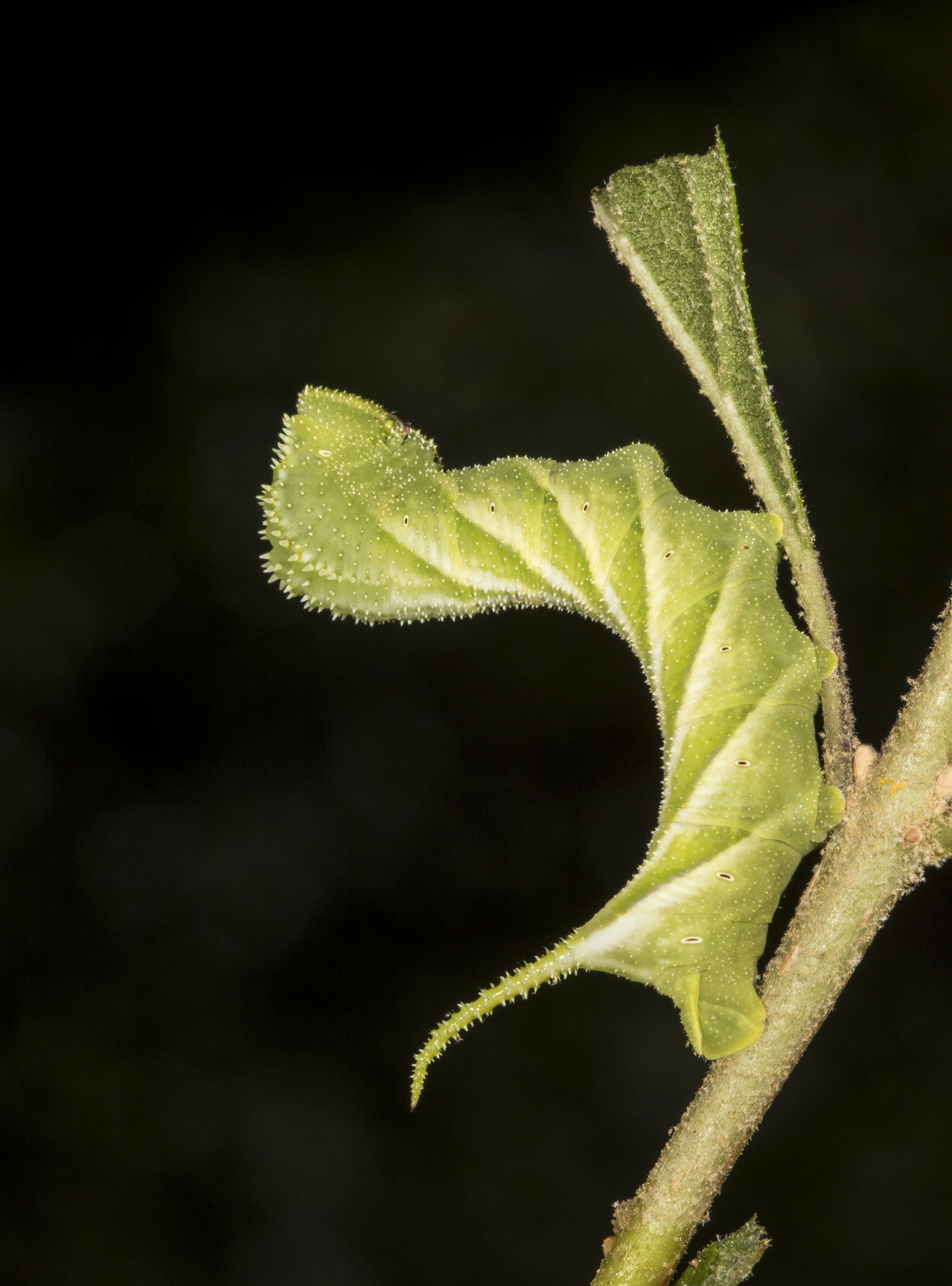
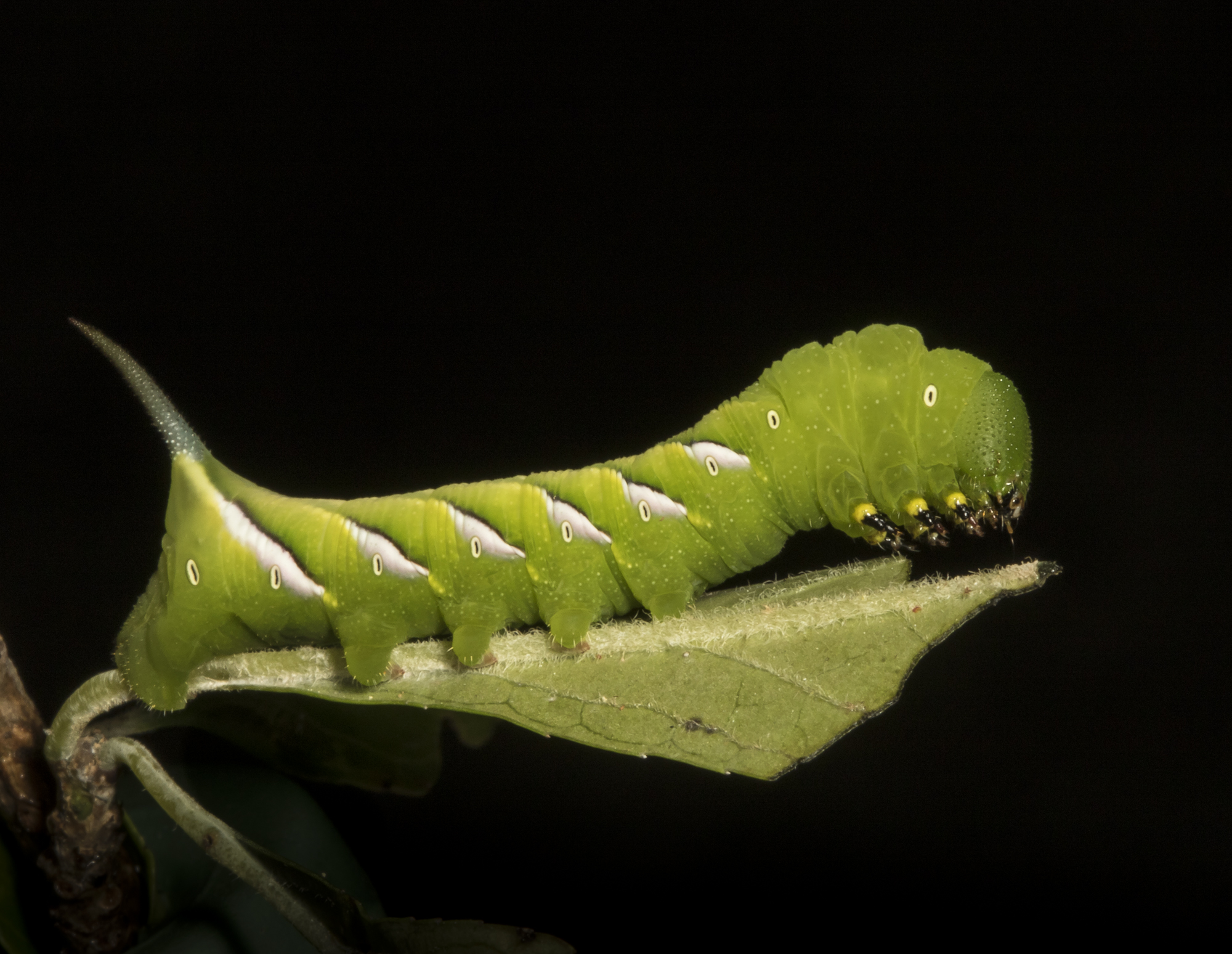
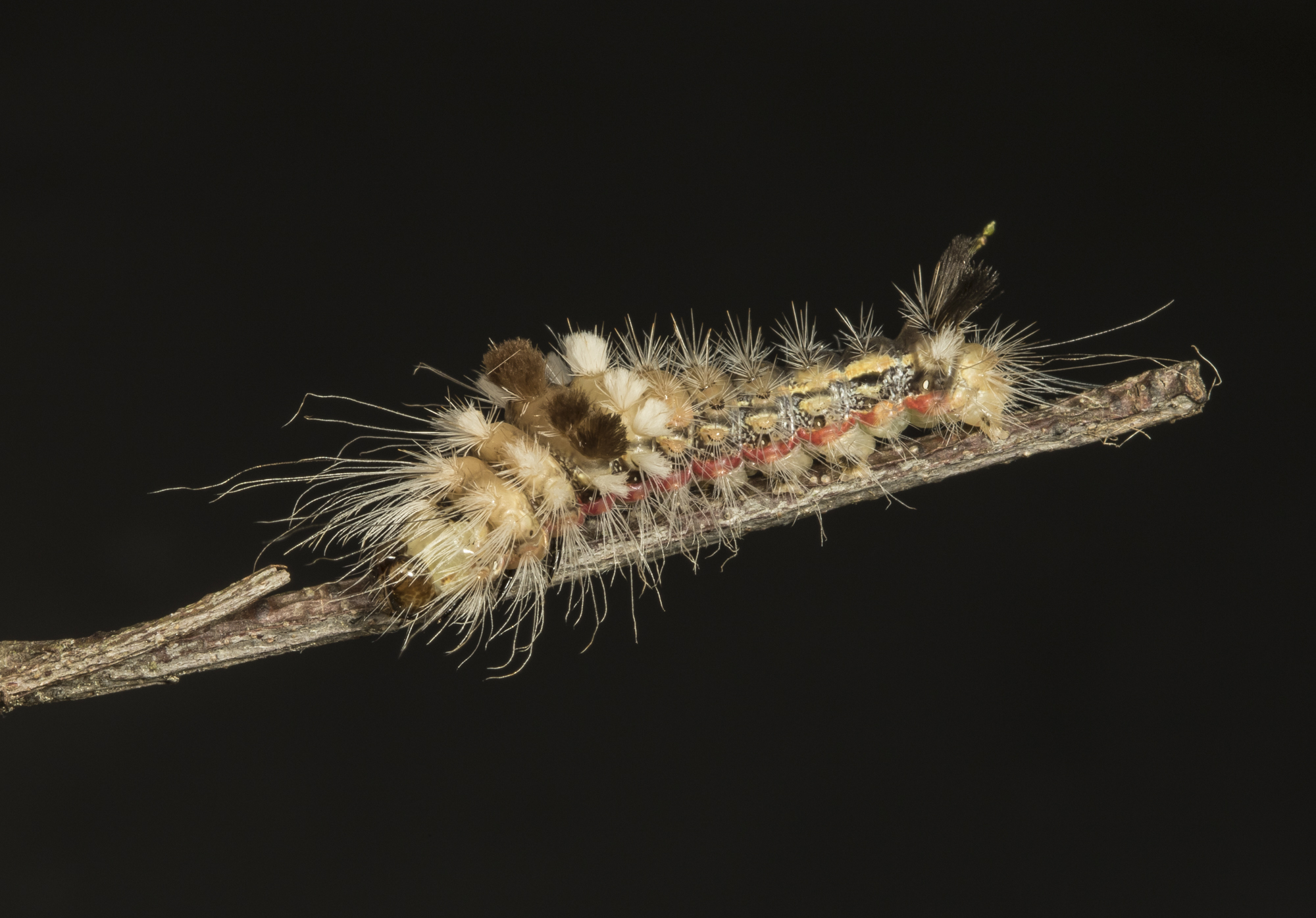
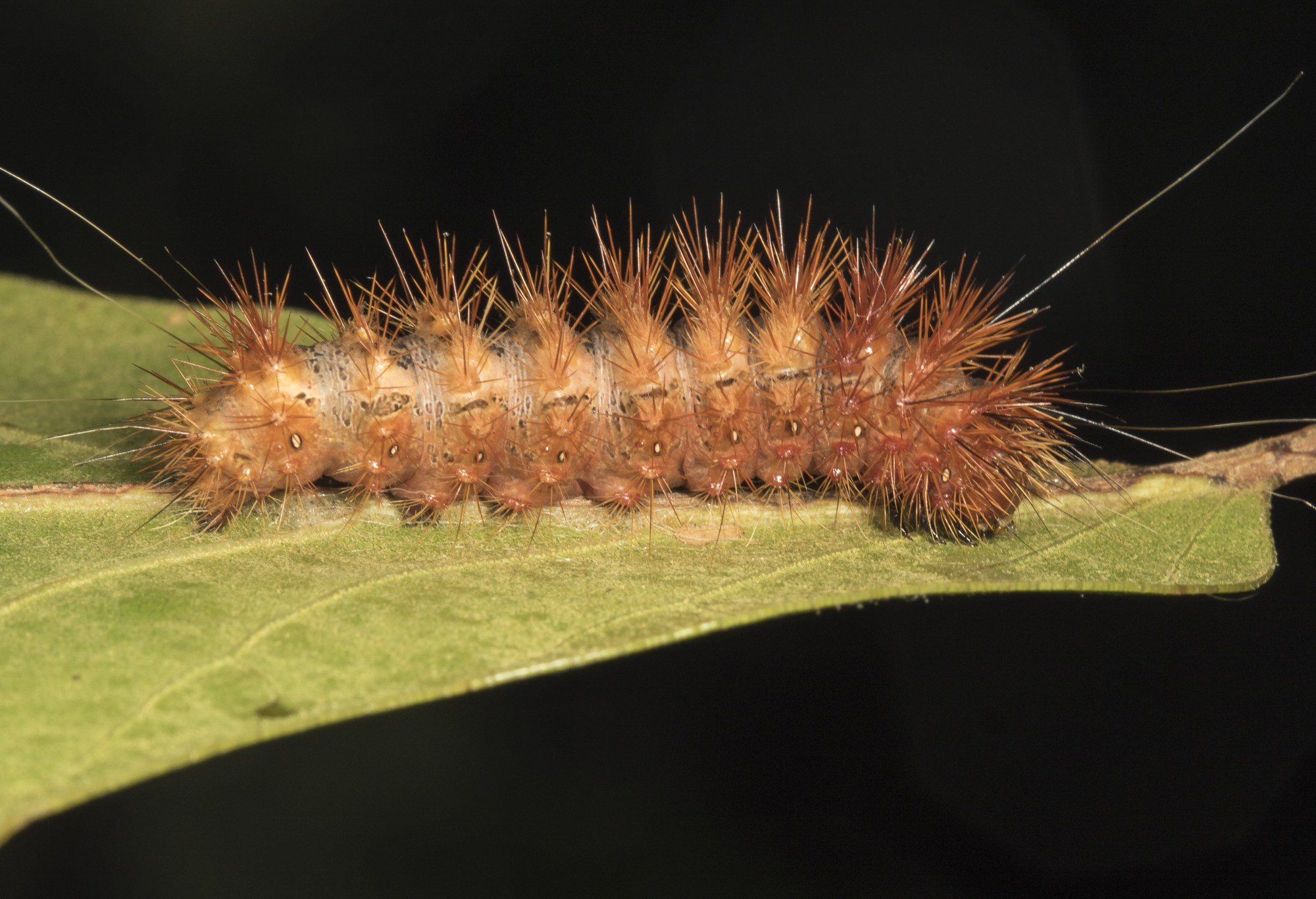
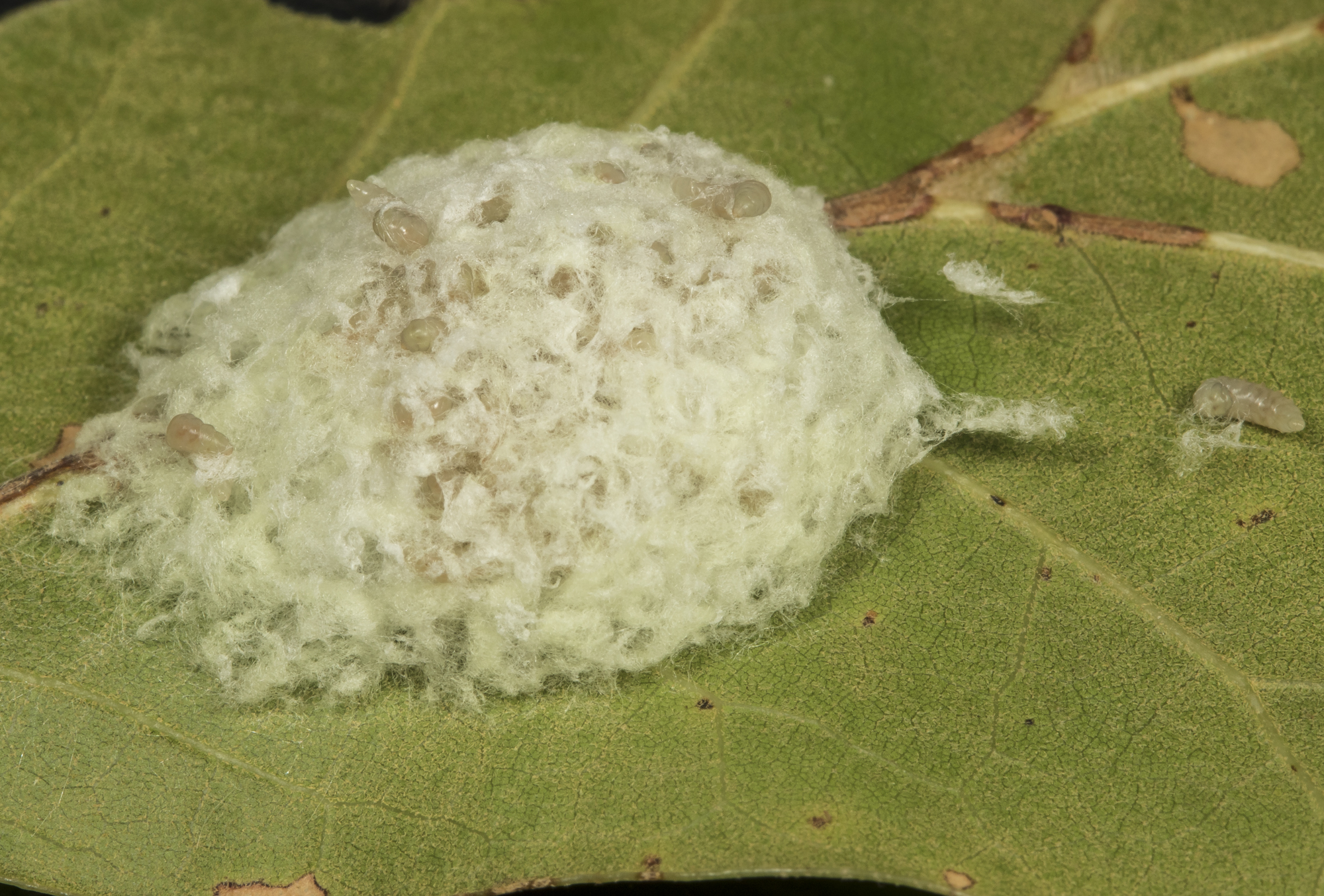
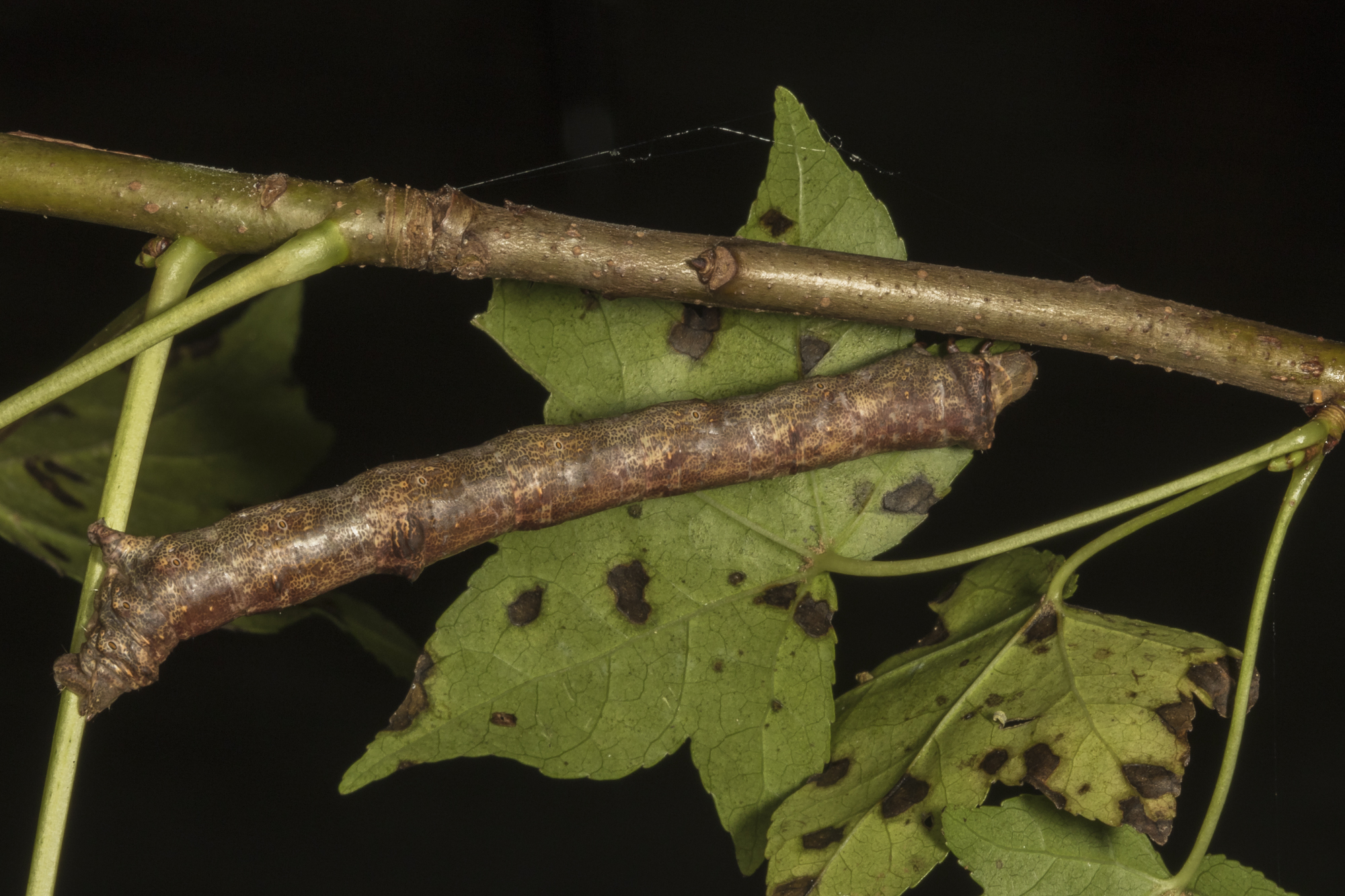
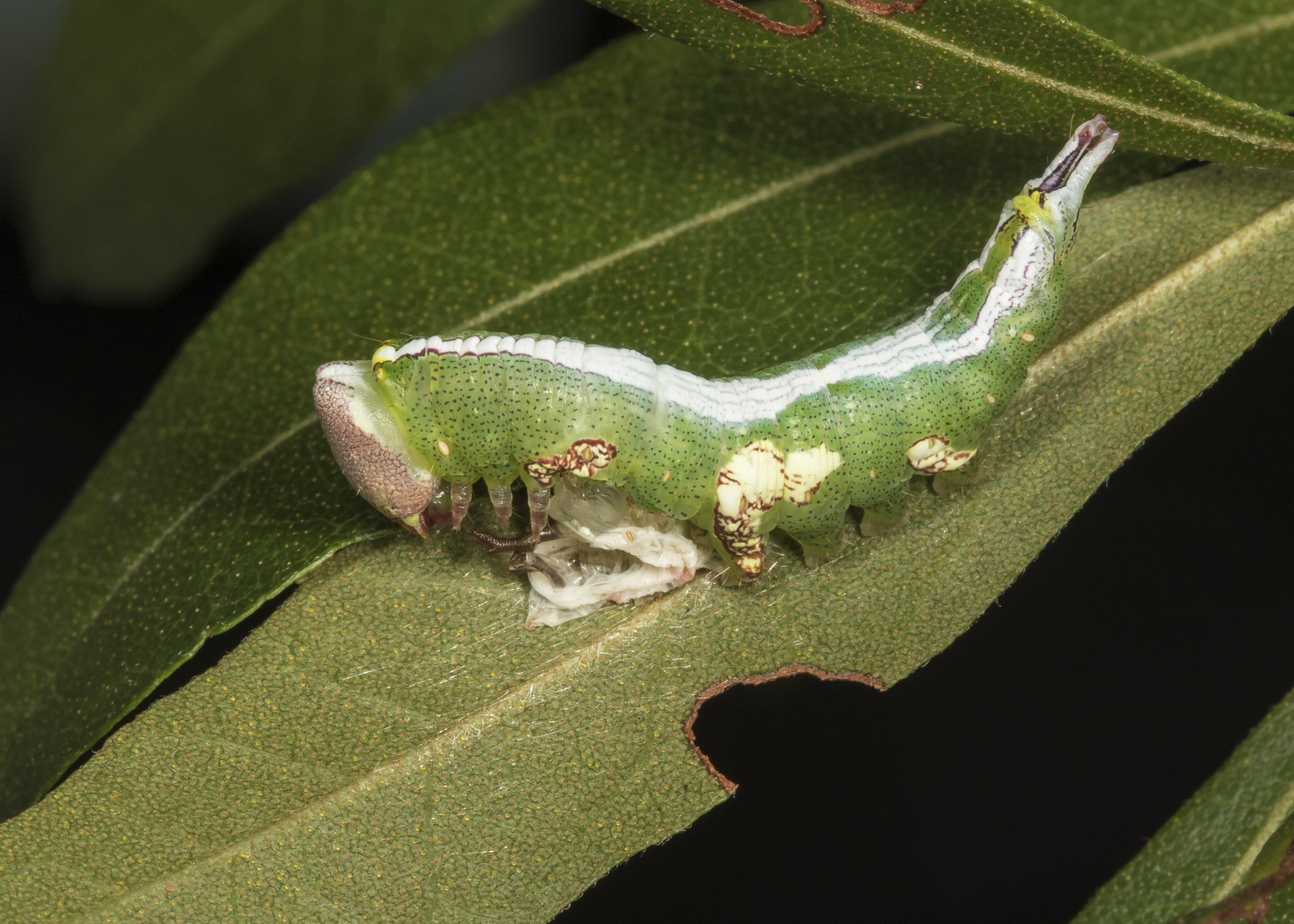
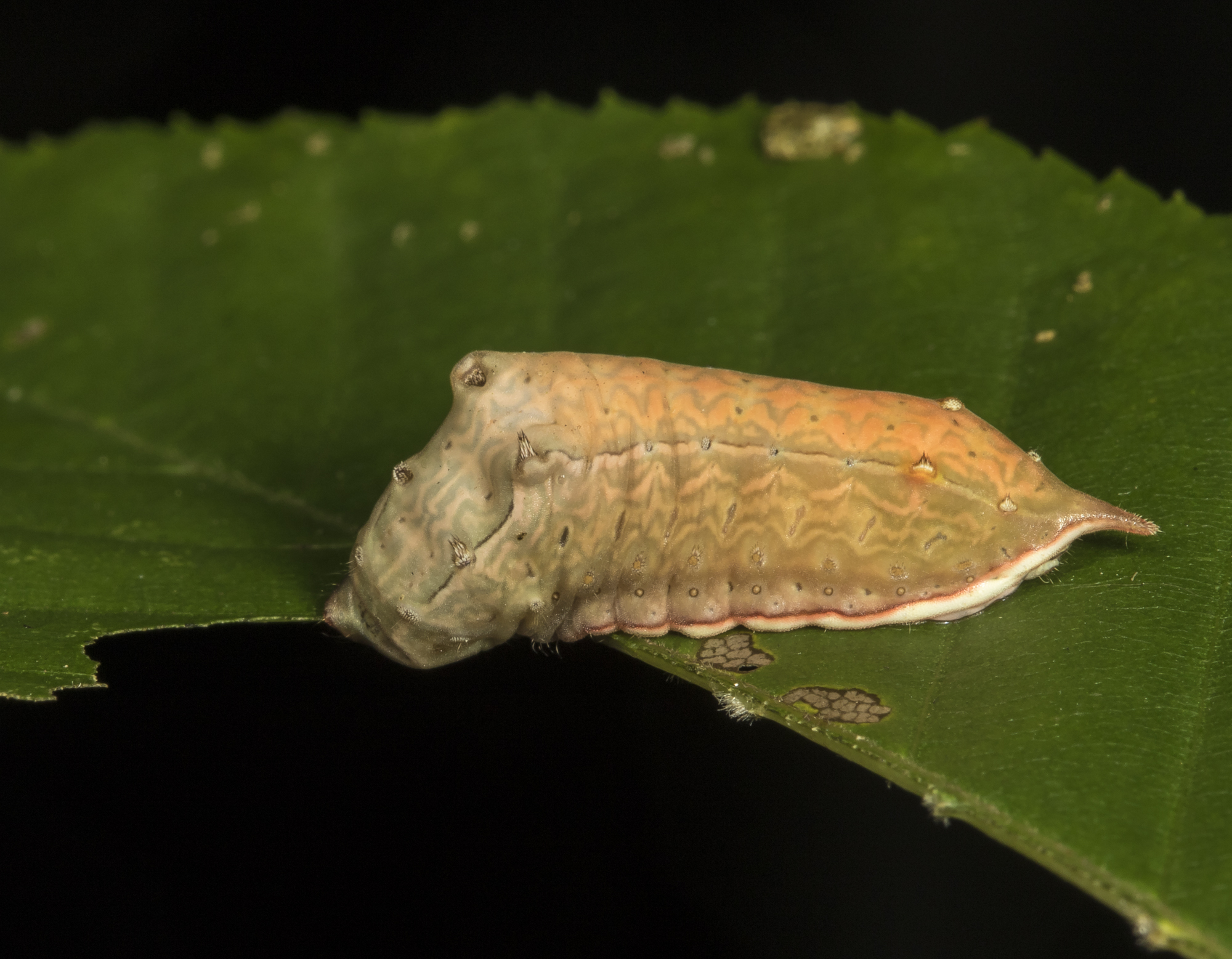
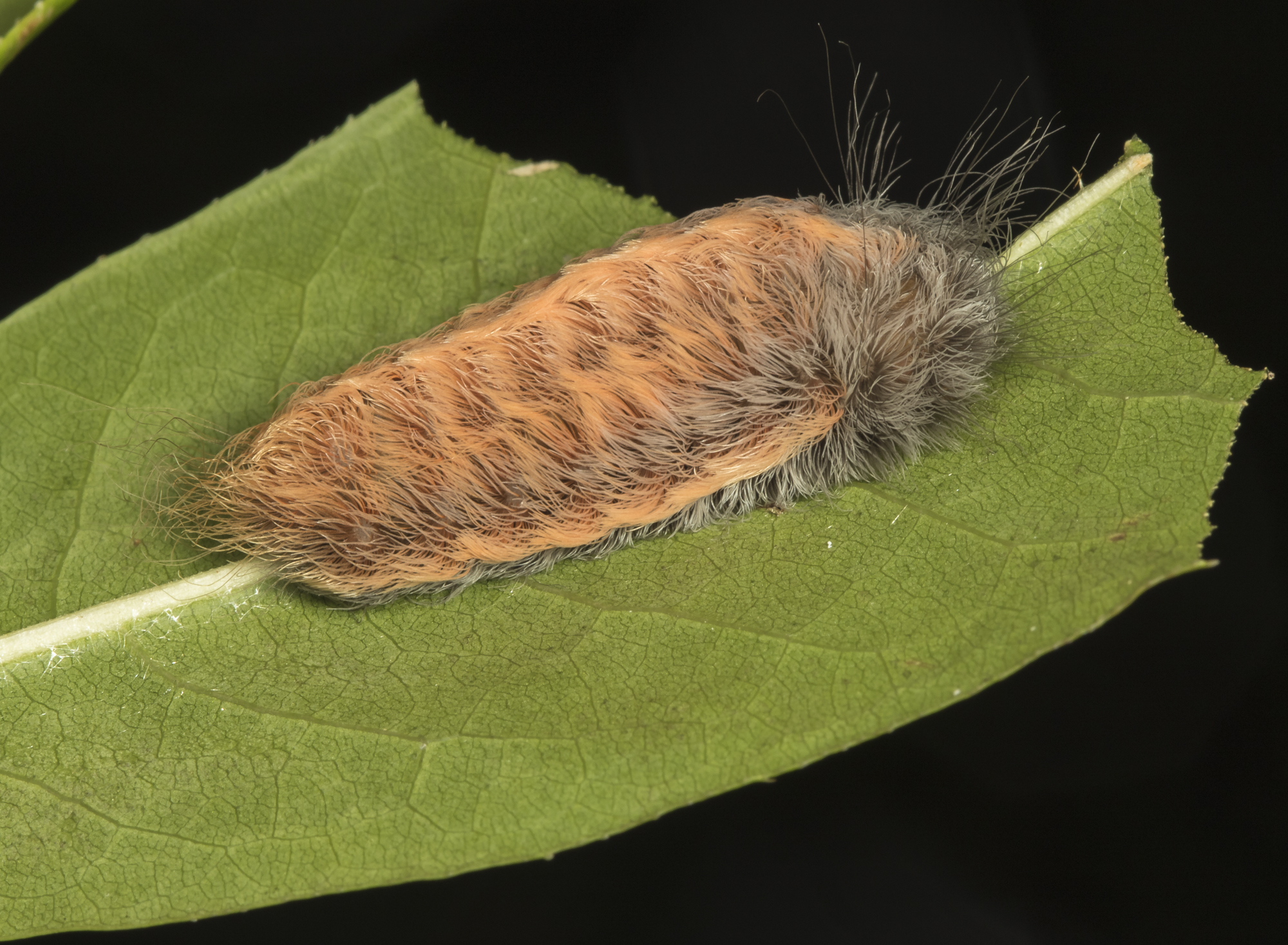
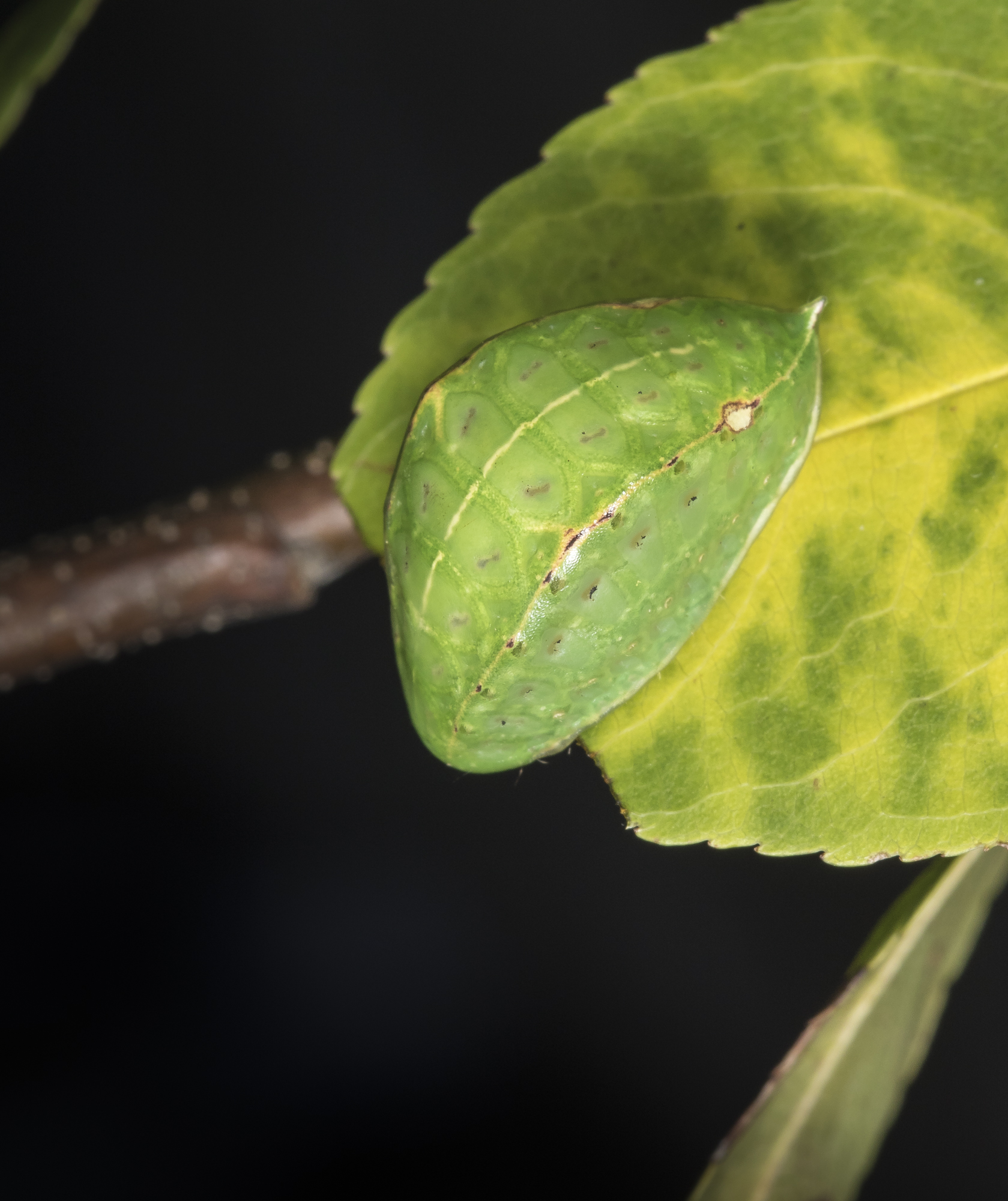
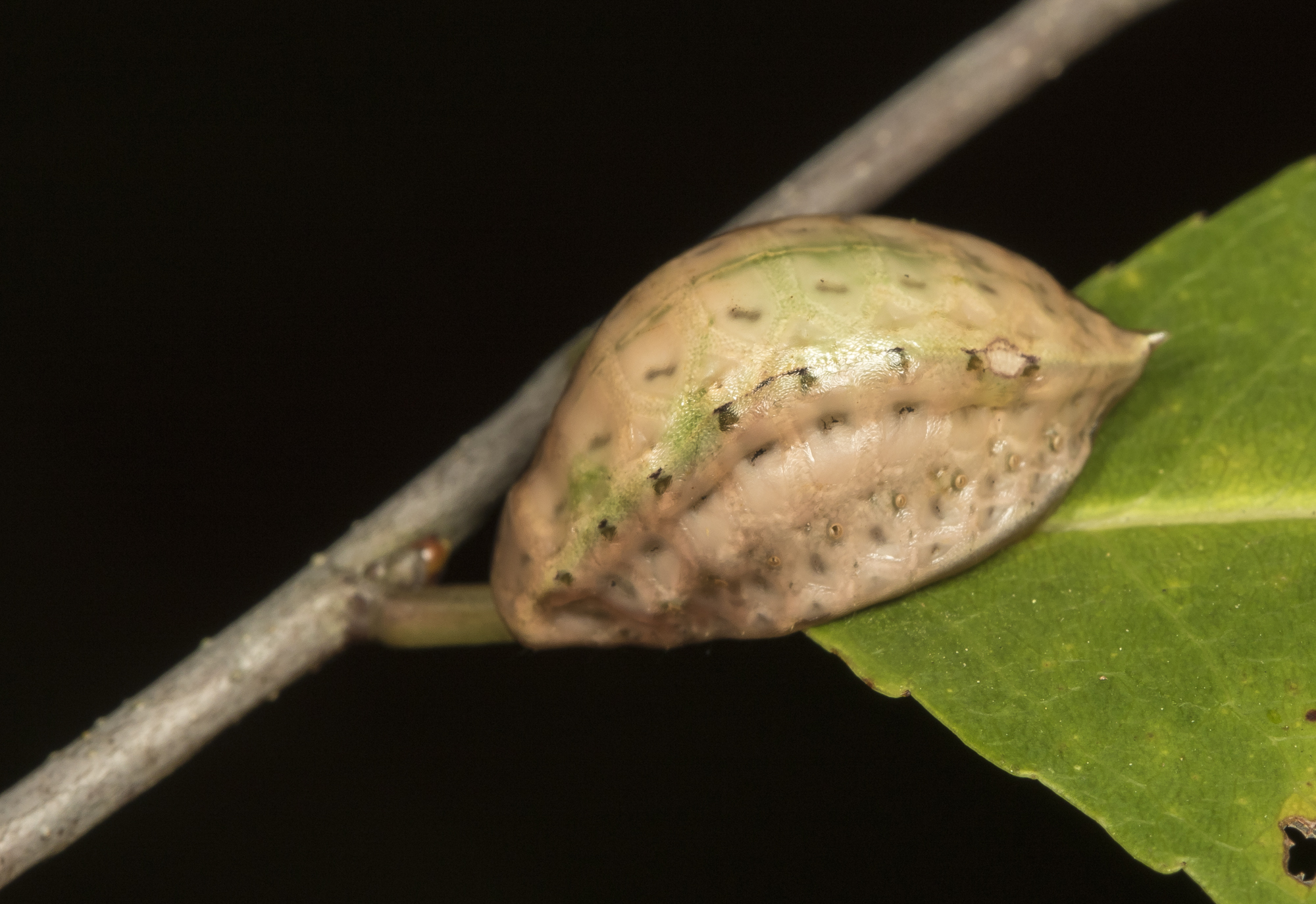
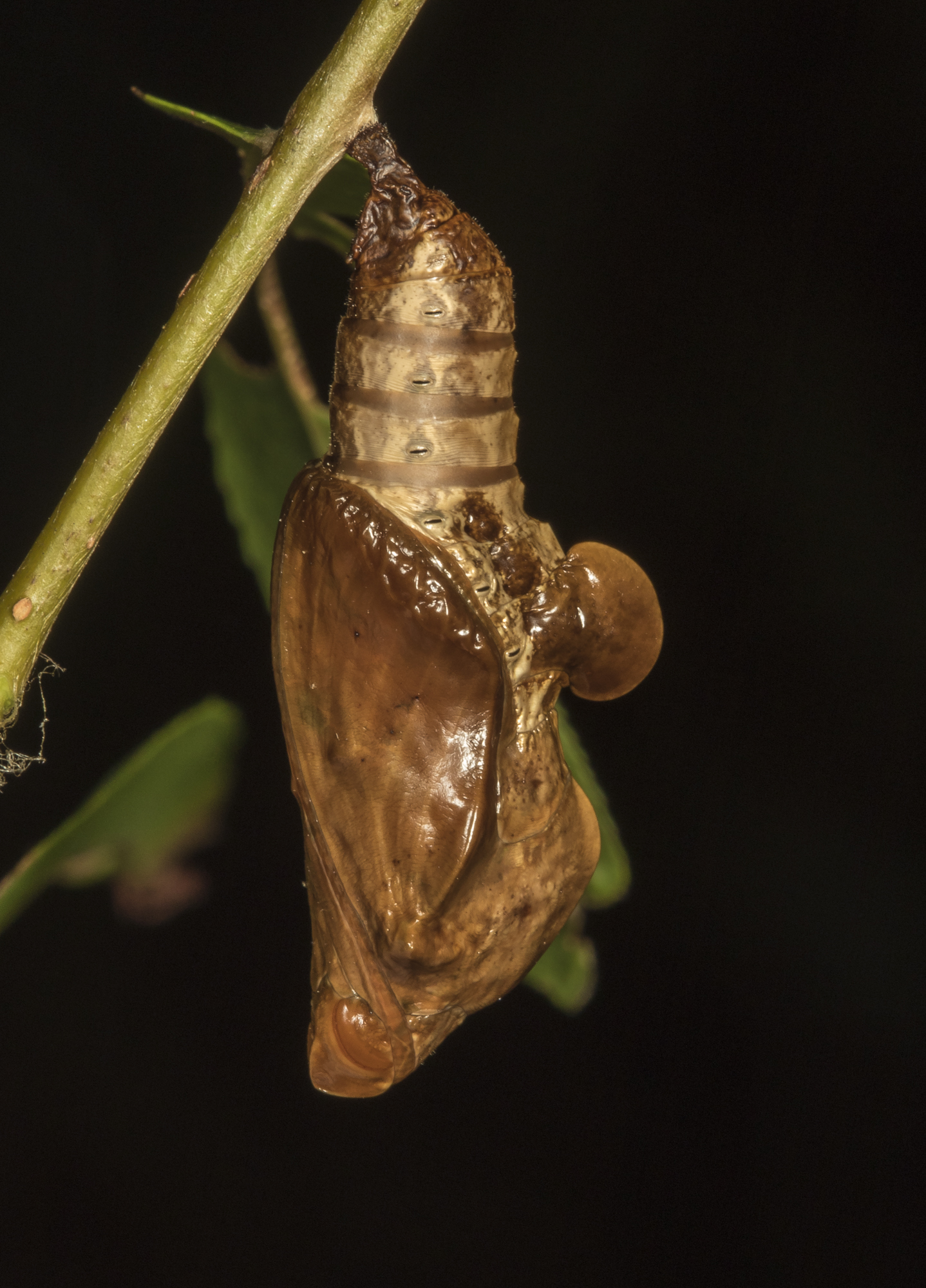
Hog sphinx on wild grape (click photos to enlarge)Same hog sphinx, later instarWaved sphinx on ashRustic sphinx on beautyberryPawpaw sphinx deciduous hollyHummingbird clearwing on possum hawFour-horned sphinx on river birchYellow-haired dagger, early instarHoary alder dagger moth on tag alderBantam maple dagger on mapleSalt marsh caterpillarStrange, communal pupal case of parasitoid wasps that emerged from the salt march caterpillarBlack-etched prominent “whipping its tails” as a defenseMottled prominent, early instar, on oakWhite-barred emerald, a wonderful twig mimic, on oakPurplish-brown looper, a huge twig mimic with a head capsule that resembles a leaf bud, on sweetgumImperial moth on sourwoodWavy-lined heterocampa just after a molt (you can see the thoracic antlers of the early instar on the shed skin), on wax myrtleStinging rose caterpillar about to eat its shed skin (I accidentally touched this guy at BugFest and felt a mild bee sting sensation for about 45 minutes), on persimmonPuss moth caterpillar shedding its skin (note color change), on wild cherrySpiny oak slug on witch hazelSmaller parasa on ironwoodNason’s slug on oakIo moth on hickoryBlack-waved flannel moth, early instarSame black-waved flannel moth, later instarSkiff moth, last instar, on wild cherrySame skiff moth, getting ready to pupateViceroy butterfly chrysalisMonarch butterfly chrysalis
Thanks for sharing your love of caterpillars. These are beauties and I can hardly wait to show them to my almost 3 year-old granddaughter. She’s so into all the crawly-things and along with getting outside and searching plants and turning over logs your blogs are a wonderful way for her to learn. I wish we could have made it to Bug Fest but we weren’t in town. Hopefully next year! Thanks again for sharing your knowledge and photos!
Which one do I like best? Well, maybe the Io moth with all those green spikes! Lots of fun, have read and reread this. It’s amazing to me what is going on outside that most of us never take time to see. Thanks Mike!
















 Roads End Naturalist
Leave a comment