
The last time you’re doing something – knowing you’re doing it for the last – makes it even more alive than the first.
~Gloria Naylor
This week we headed down to the Pungo Unit of Pocosin Lakes NWR for our annual Christmas Bird Count (CBC). As best as I can remember, I have been doing this count since its start in about 1985 when my good friend, Paris Trail, and I teamed up with then Pettgrew State Park superintendent, Sid Shearin, to create an Audubon Christmas Bird Count circle centered on the park. The 15-mile diameter circle extends into the Pungo Unit and I was given that as my part of the circle to cover for the count. I have been there for almost every one of the counts since in all kinds of weather and with the help of a variety of friends over the years. This year, Melissa and I were joined by a cadre of 4 friends, all excellent birders, so we anticipated a great count total. We rented a local Airbnb adjacent to the refuge for two nights to make things easier. And the weather cooperated in spectacular fashion with sunny skies and pleasant temperatures. Here are some of our highlights…
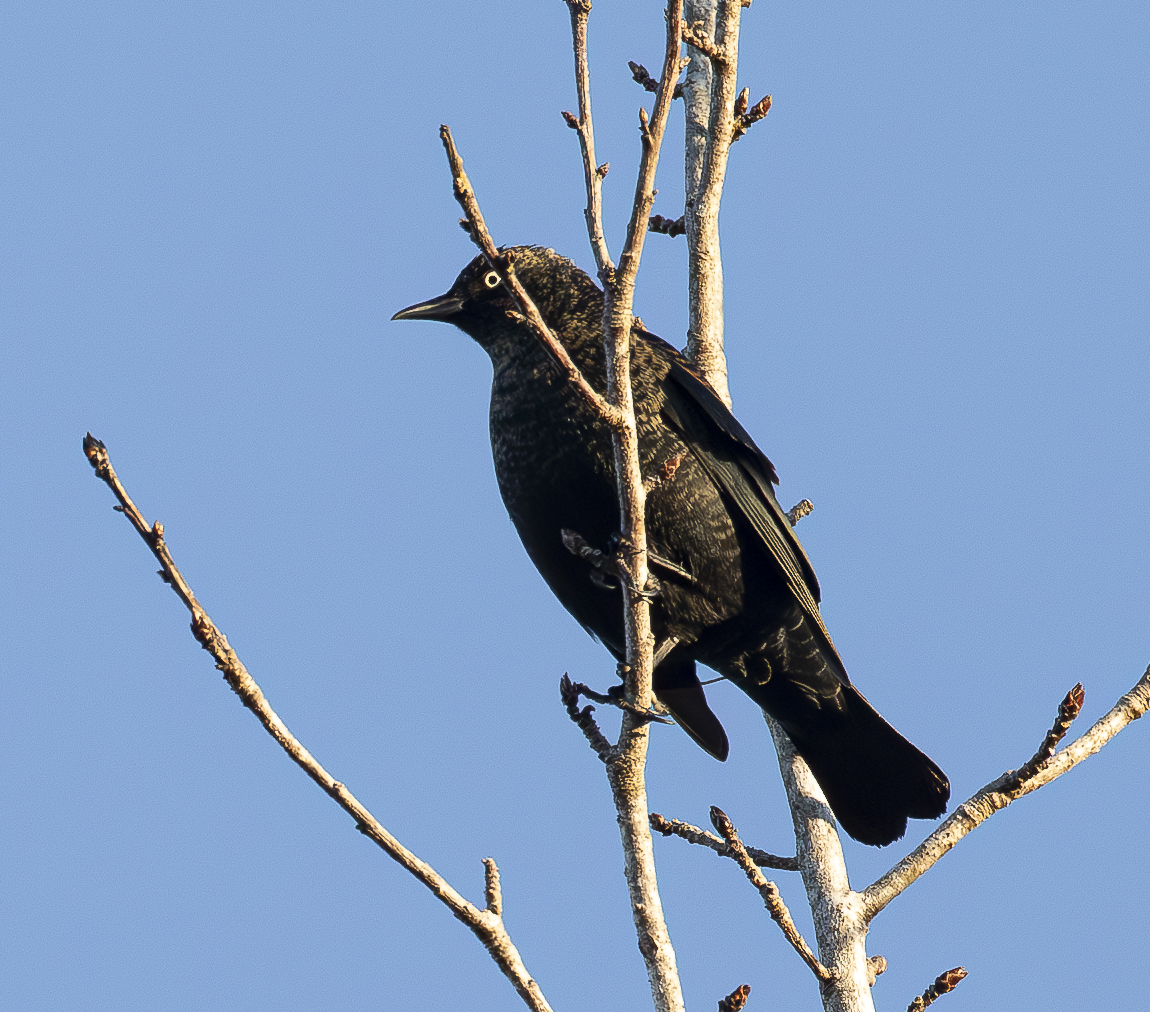
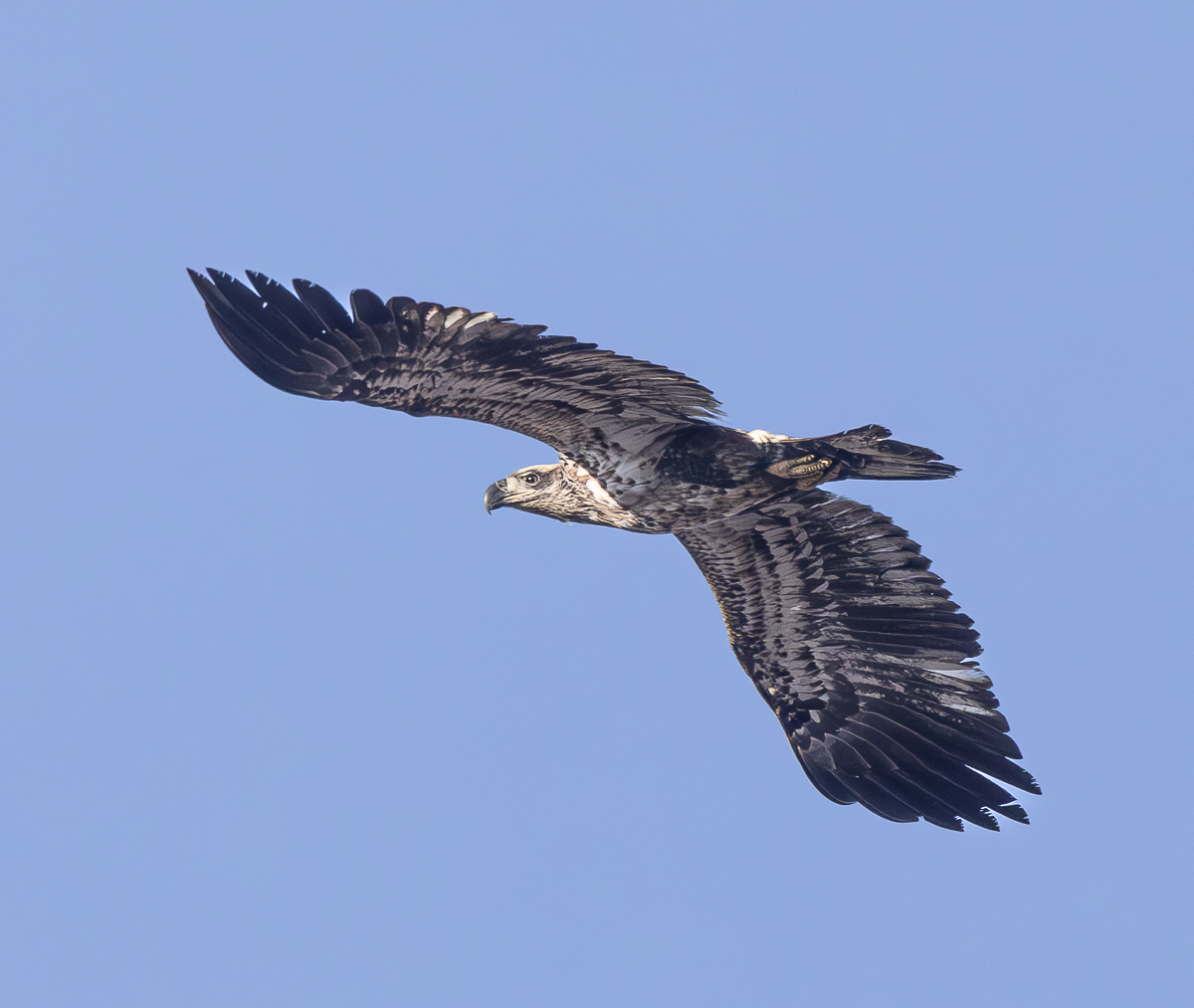

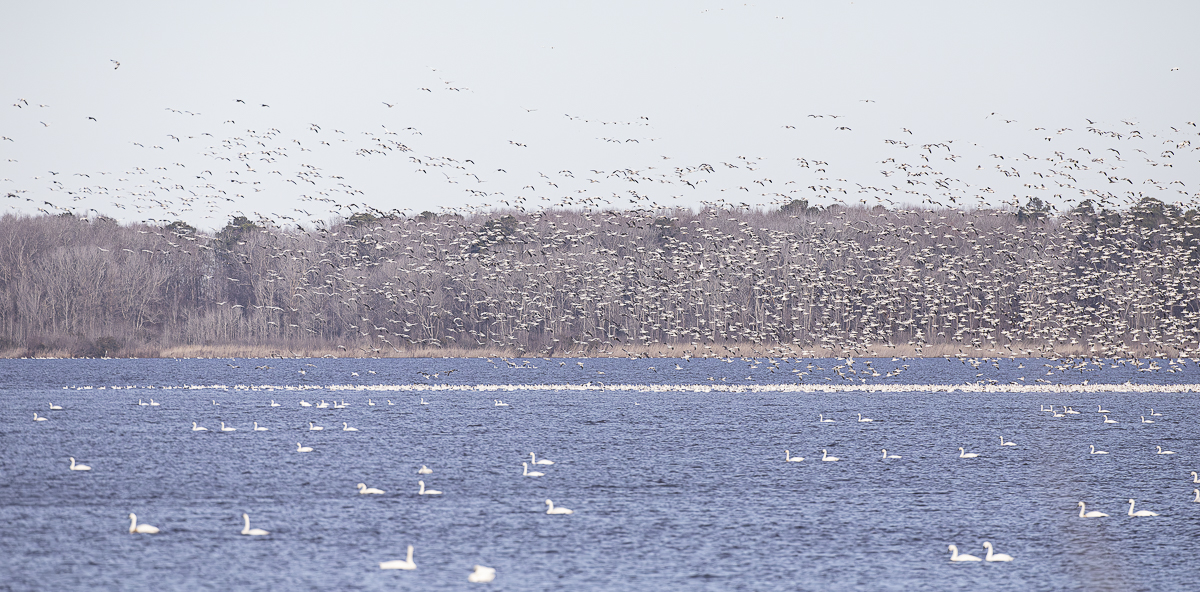
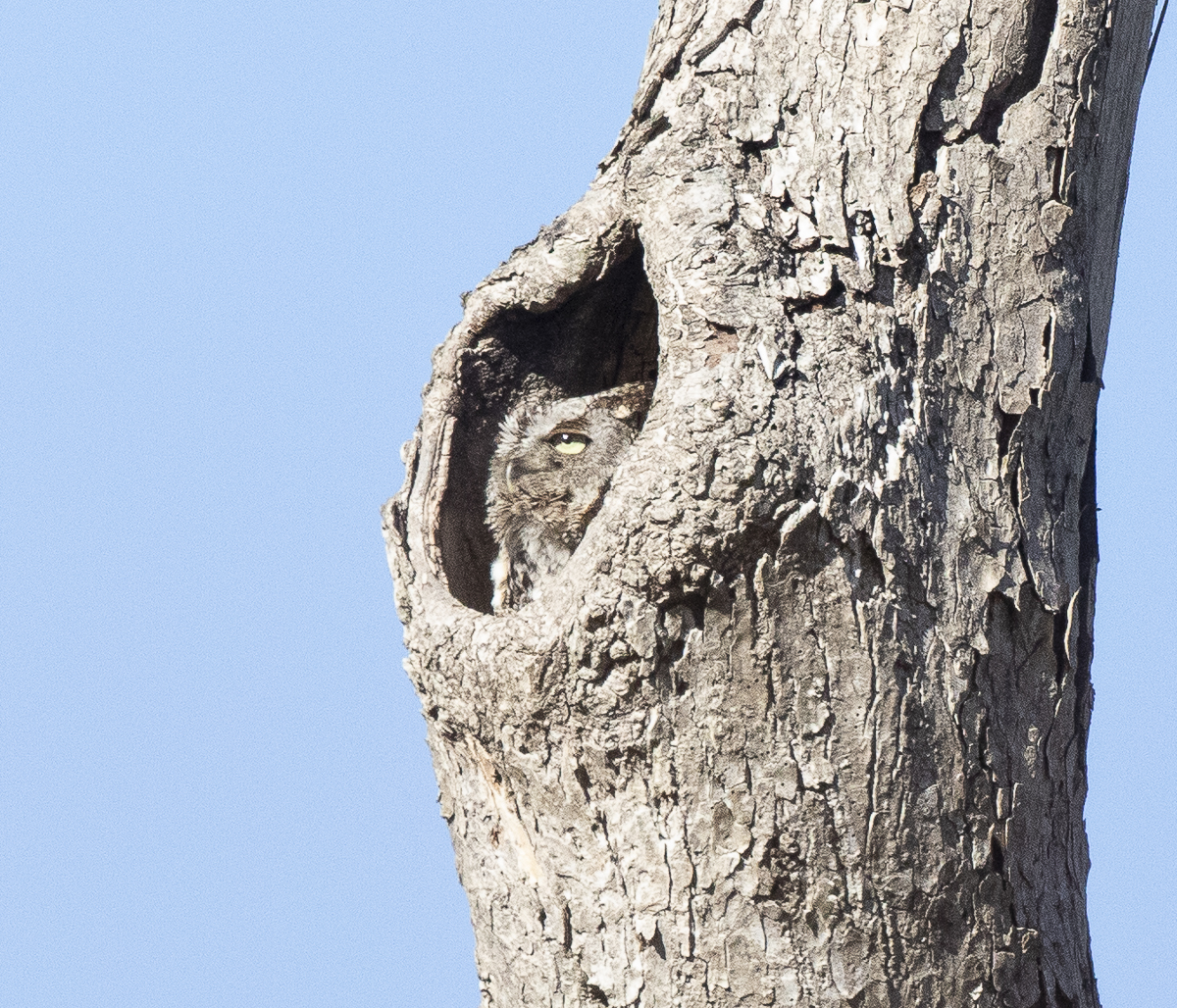
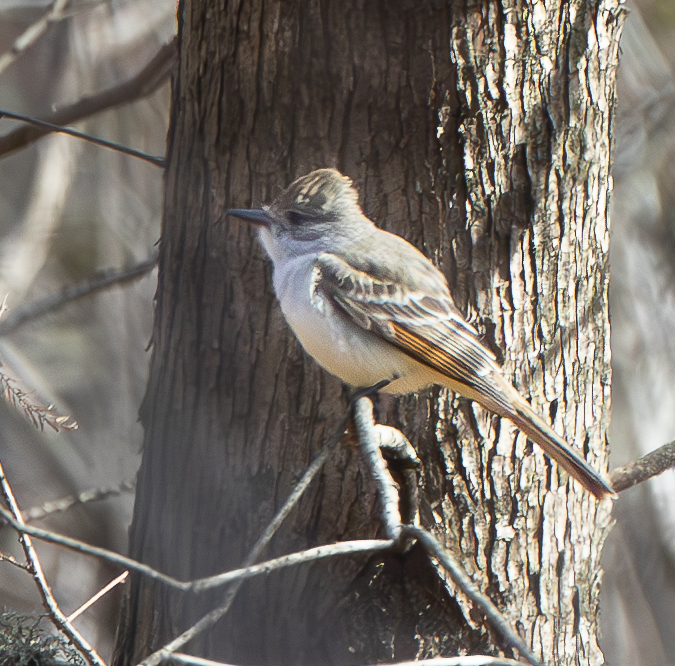
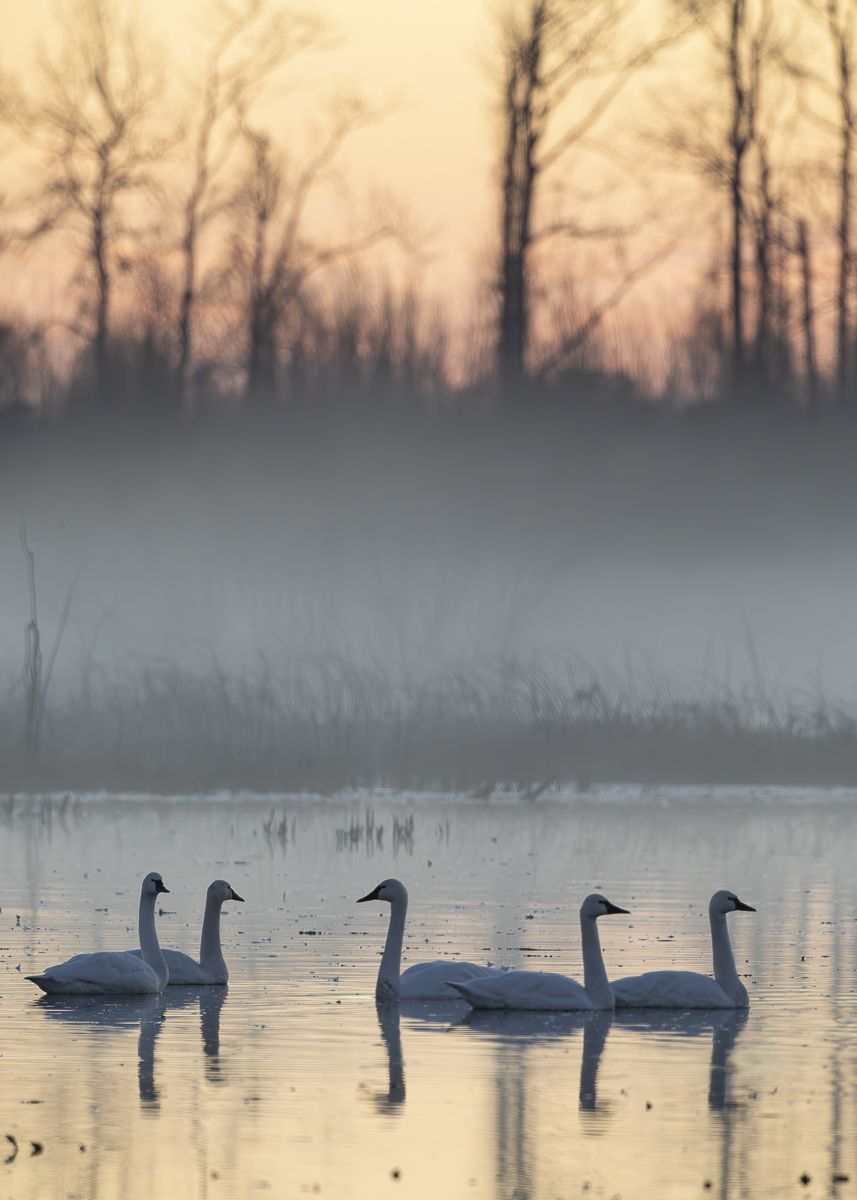
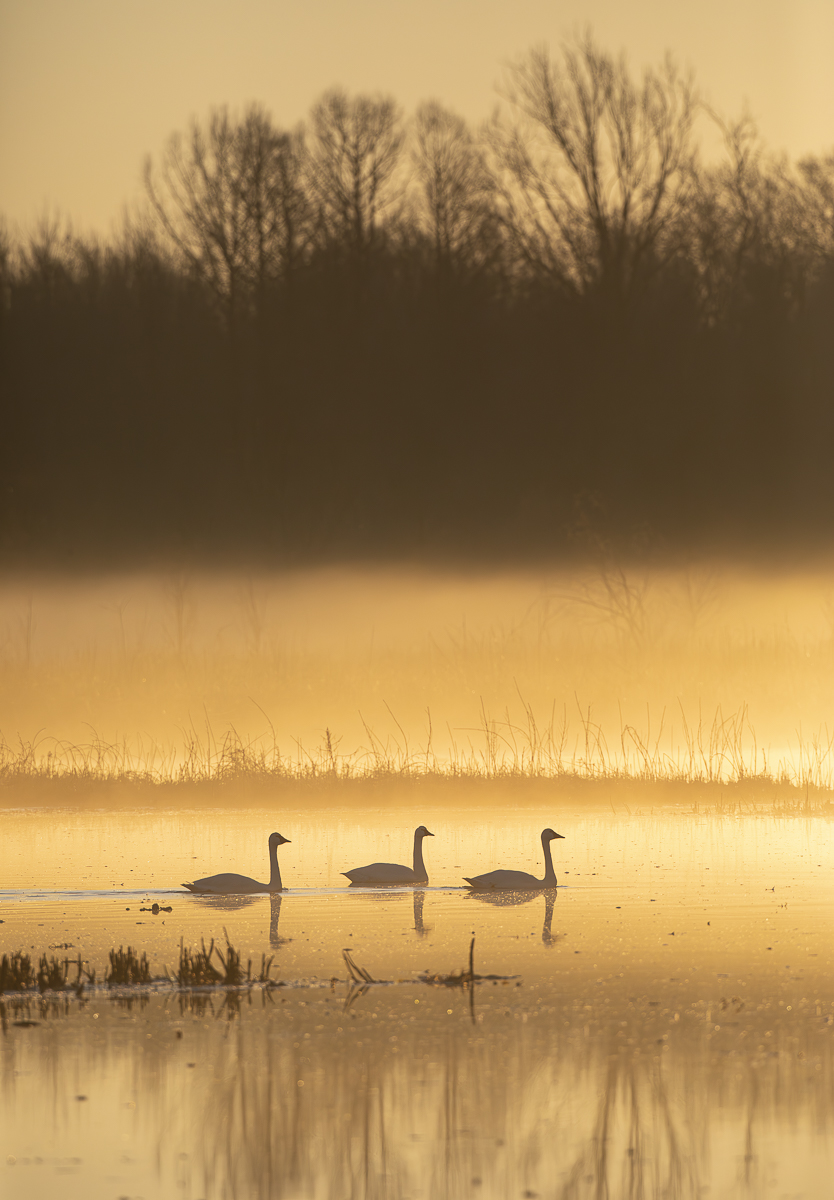
This is the 125th year of the Audubon Christmas Bird Counts, the oldest citizen science program in the world. Data from these counts has proven valuable to scientists studying all sorts of issues related to bird abundance and distribution. It has been a privilege to be a small part of such a wonderful program. With our upcoming move to Gardiner, Montana, I don’t know if this will be our last CBC here or not . Melissa’s family is in VA so there is always a chance we could come down for a count day, but who knows. I will look into joining the Yellowstone CBC based in Gardiner, but holiday travel to the east coast may prohibit that (last year that count recorded 23 species – quite a difference!). If this is my last one at Pungo, it will be remembered as a great day spent with a group of excellent birders and friends in a place we all love.
Species observed in our section of the Pettigrew CBC
Snow Goose (8000); Ross’s Goose (9); Tundra Swan (9000); Gadwall (1000); American Wigeon (800); American Black Duck (120); Northern Pintail (630); Green-winged Teal (2000); Ring-necked Duck (300); Canada Goose (300); Wood Duck (1); Blue-winged Teal (4); Northern Shoveler (30); Mallard (90); Hooded Merganser (7); Ruddy Duck (1); Sandhill Crane (22); Great Blue Heron (8); Wilson’s Snipe (150); Killdeer (126); American Woodcock (4); Greater Yellowlegs (6); Ring-billed Gull (250); Mourning Dove (148); Black Vulture (5); Turkey Vulture (27); Sharp-shinned Hawk (2); Northern Harrier (5); Bald Eagle (14); Red-shouldered Hawk (1); Red-tailed Hawk (4); American Kestrel (4); Eastern Screech Owl (3); Great Horned Owl (2); Belted Kingfisher (4); Yellow-bellied Sapsucker (9); Red-bellied Woodpecker (13); Downy Woodpecker (14); Hairy Woodpecker (1); Pileated Woodpecker (4); Northern Flicker (18); Ash-throated Flycatcher (1); Chipping Sparrow (1); White-throated Sparrow (70); Savannah Sparrow (35); Song Sparrow (40); Swamp Sparrow (30); Eastern Towhee (6); Eastern Meadowlark (17); Red-winged Blackbird (4000); Brown-headed Cowbird (1); Rusty Blackbird (102); Common Grackle (35); Northern Cardinal (12); European Starling (3); Eastern Phoebe (25); Blue-headed Vireo (1); Blue Jay (10); American Crow (9); Carolina Chickadee (50); Tufted Titmouse (1); Horned Lark (12); Tree Swallow (100); Ruby-crowned Kinglet (13); Golden-crowned Kinglet (5); Brown-headed Nuthatch (4); Blue-gray Gnatcatcher (1); Northern House Wren (1); Carolina Wren (15); Gray Catbird (9); Brown Thrasher (1); Northern Mockingbird (4); Eastern Bluebird (5); Hermit Thrush (7); American Robin (200); Cedar Waxwing (20); House Finch (2); Purple Finch (2); American Goldfinch (12); Orange-crowned Warbler (1); Palm Warbler (25); Yellow-rumped Warbler (60)


 Roads End Naturalist
Leave a comment