
The sound of birds stops the noise in my mind.
~Carly Simon
I was back in my favorite spot in North Carolina this past week – Pocosin Lakes NWR. A lot has changed on the refuge since my first visit back in the early 1980’s. Back then, you could walk almost anywhere this time of year and get great views of the thousands of waterfowl that spend the winter in the area. And if I saw a couple of cars, it was a very busy day. Now, lots of people have discovered the magic of this place and, unfortunately, some people have created issues that caused the refuge to restrict access in order to protect the wildlife from undue disturbance. But, it is still a place where you can be awed at the spectacle of thousands of birds on the waterways and in the sky and where the only sounds you typically hear are those of wild things and the wind, the perfect soundscape.
This past week I was happy to join my friend, Parks, as he explored the refuges of Eastern NC with a group from Mitchell Community College. He went with us years ago on a Yellowstone trip and has been taking students and community members there every year since. He is looking to add another experiential learning opportunity closer to home and what better place than what I have often called the “Yellowstone of the East”. There is no greater place in this part of the world to experience so much wildlife as our Eastern NC national wildlife refuges. We spent three and half days at the Pungo Unit of Pocosin Lakes, Alligator River, and Mattamuskeet National Wildlife Refuges with a side trip to Pettigrew State Park. The weather started out rainy and then progressed to sunny with bitter cold and ended with strong winds, but we saw much of what the region has to offer. Here are some of our highlights. Several of these photos were taken after the group left but represent things we saw.
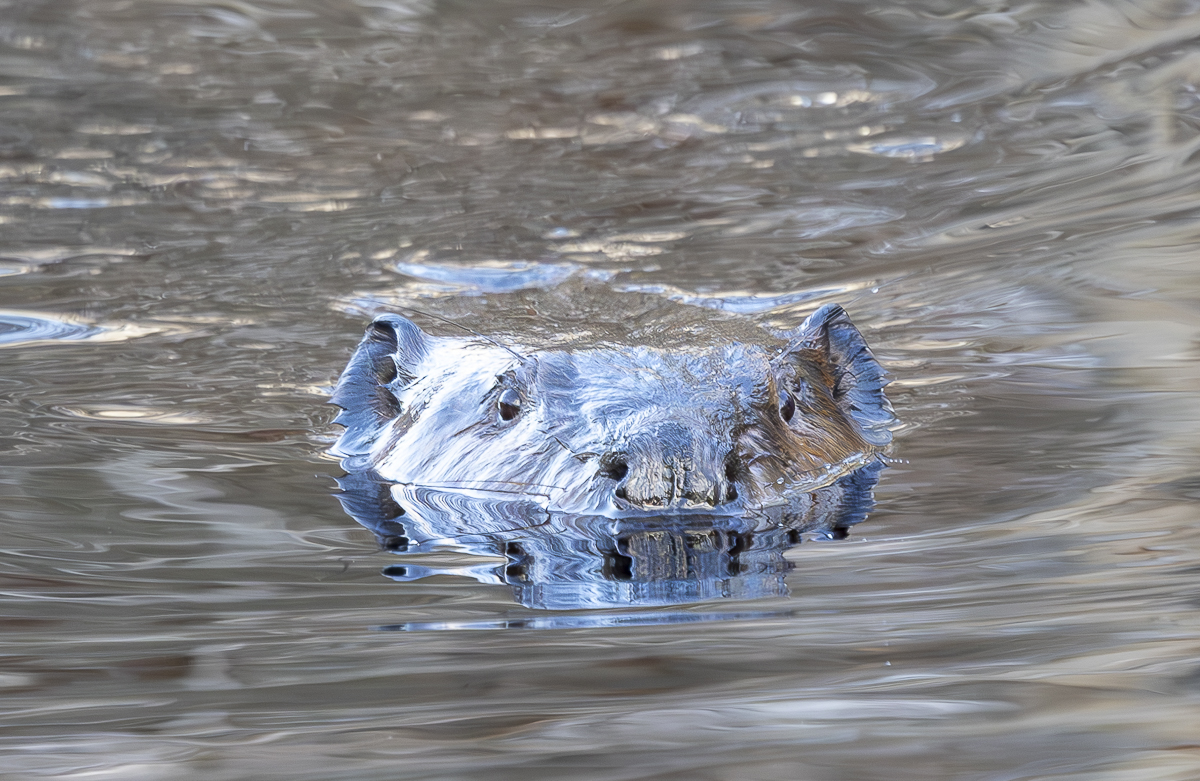
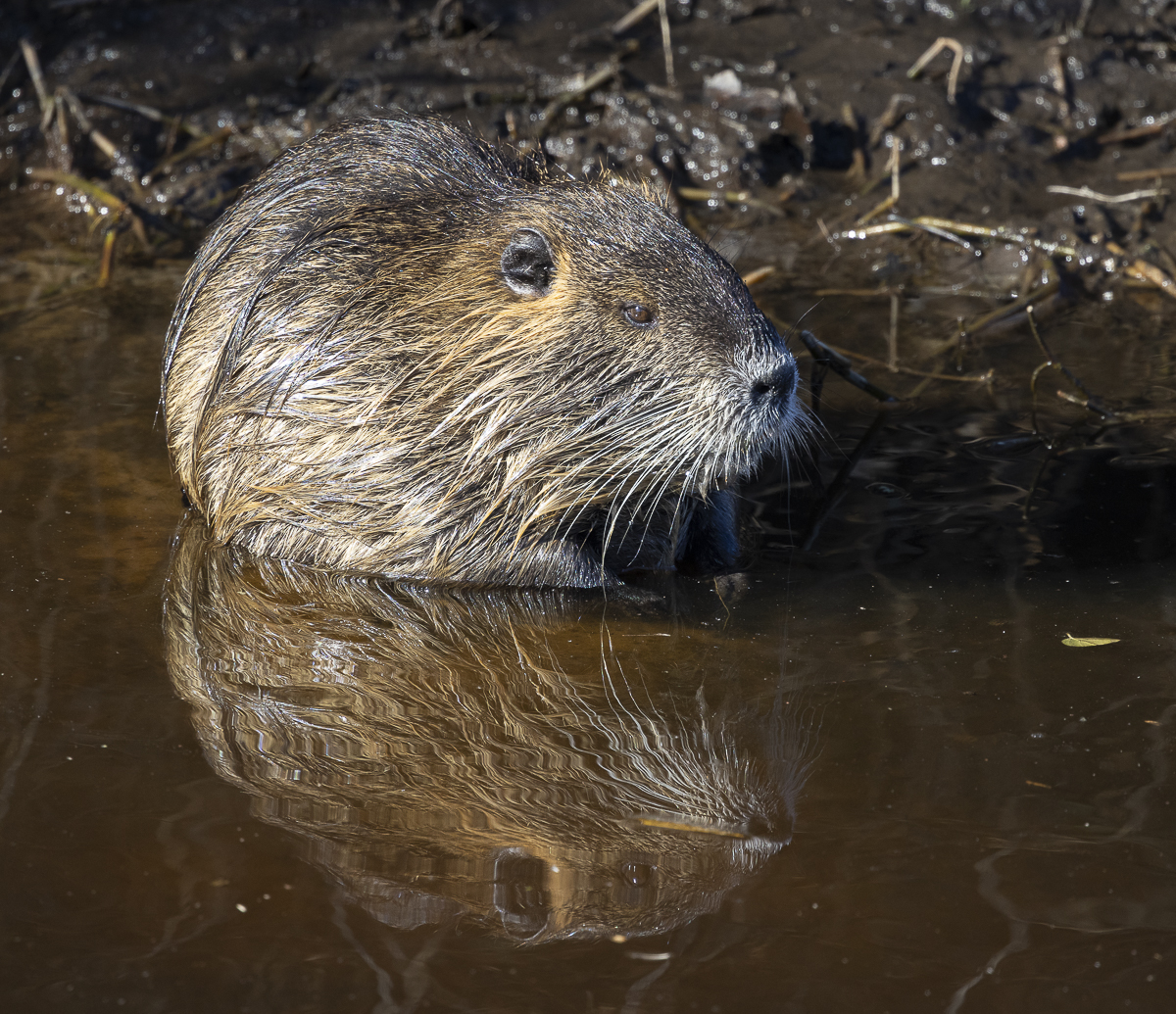
After a hard rain on Monday, we decided to alter plans to be at Pungo the next morning. Instead, we headed to Alligator River NWR. We were skunked on bears and Red Wolves, but did see a lot of great wildlife like an early morning Beaver and several great birds.
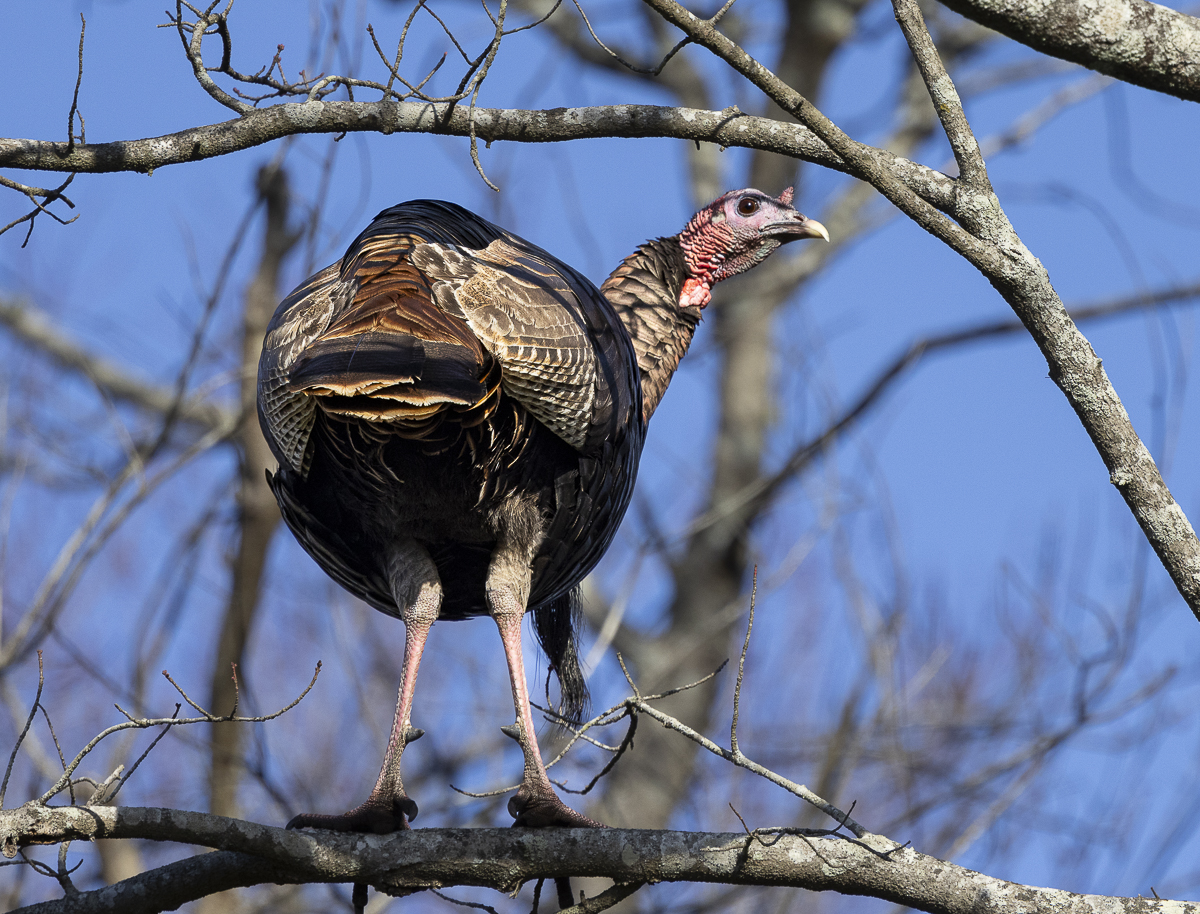
At one point we had to stop for three gobblers walking in the road. They thought about flying across the canal but opted to fly up into some trees alongside the road instead
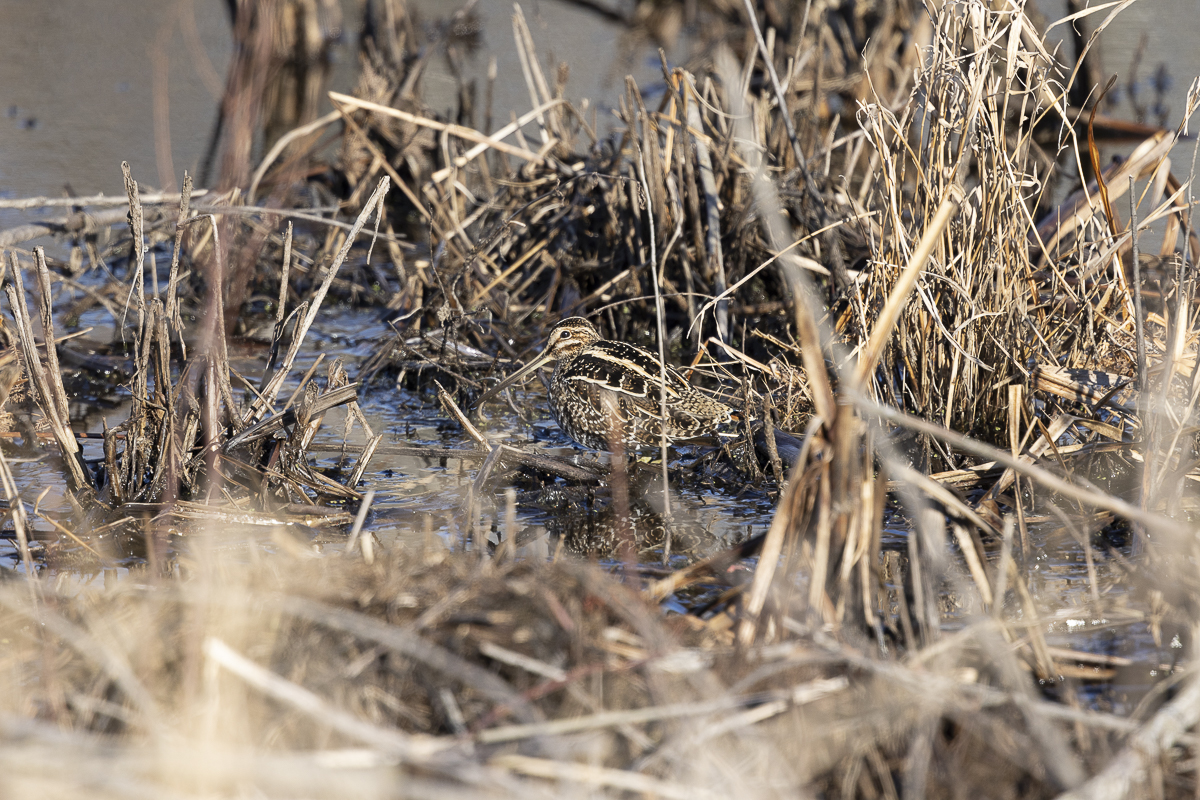
Another highlight (with no pics rom me unfortunately) was an American Woodcock strutting across the road in front of us. It rocked its body forward and back as it slowly walked seemingly slow dancing its way as it moved in front of our vehicle. One theory on this strange behavior is they may be exerting pressure on the soil as they walk which may cause their favorite prey, earthworms, to move, making it easier to sense them. But I think they just know they are cool and want everyone else to know that as well. Later, I saw a Wilson’s Snipe doing a slow walk with some body bobbing but not nearly as much cool foot action (see the video clip later in this blog).
We headed to Mattamuskeet and spotted several good birds right at the entrance including a Black-crowned Night Heron and a Least Bittern (sorry, no pics). An American Bittern and several species of waterfowl rounded out our species list at that refuge.
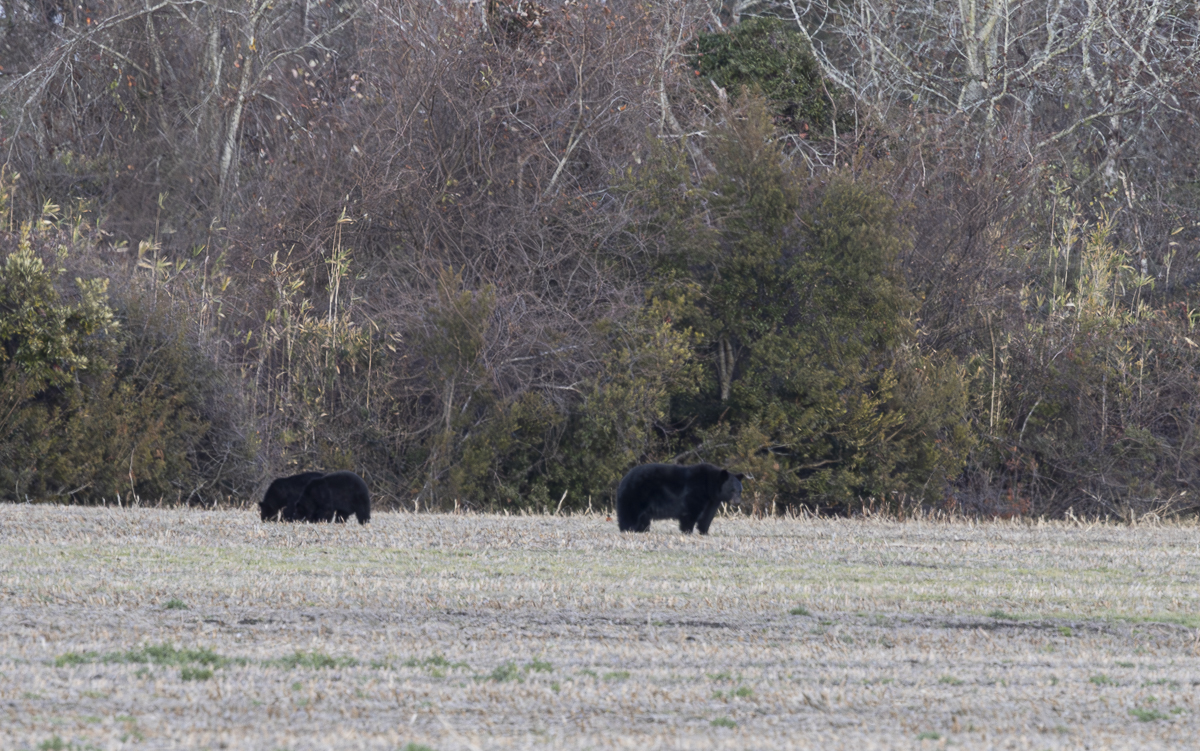
Sunset at the Pungo Unit did not disappoint. In addition to the Snow Geese and swans in the fields, we spotted three Black Bears coming out to feed.
The next day was a Pungo day from sunrise to sunset. The soft sounds of swans as the pink and orange light of morning tints the sky is something I will always cherish about this place.
–Sunrise at Marsh A at Pungo with the Tundra Swans
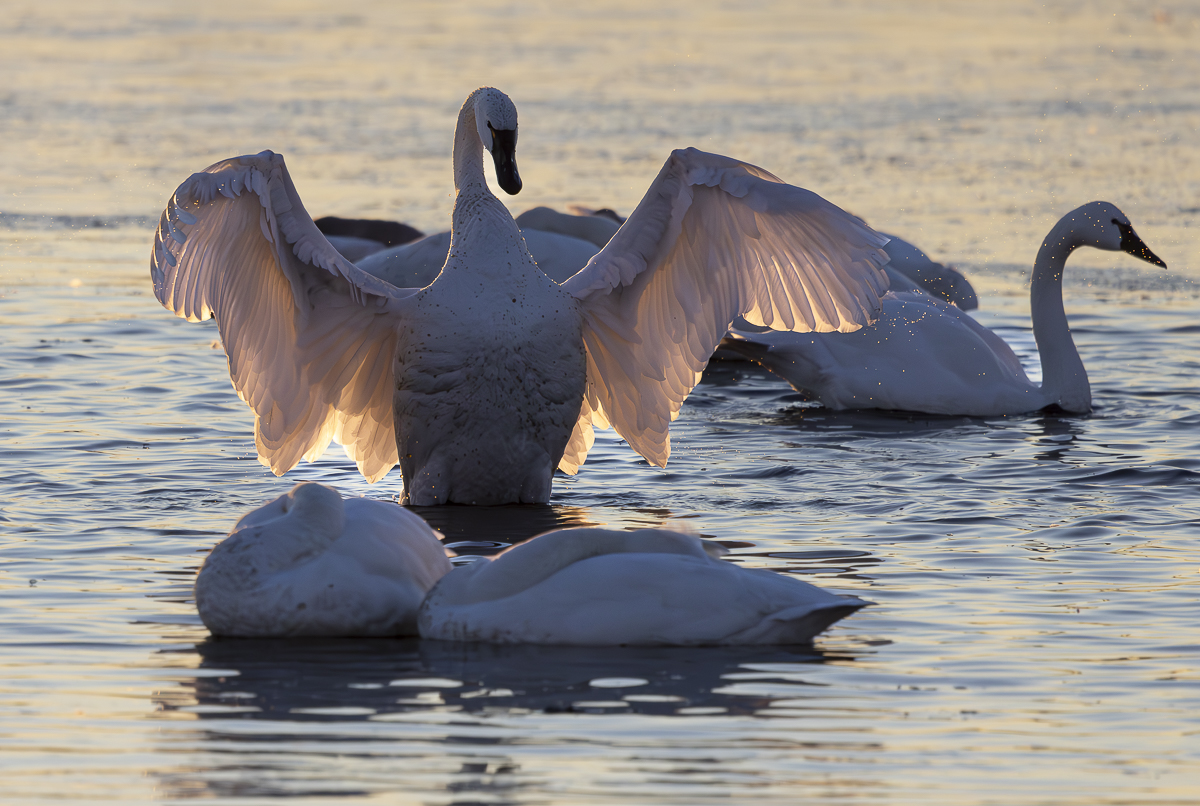
There were a lot of other critters to observe besides the waterfowl and we spent the day looking at everything we could find while trying to stay warm in the van.
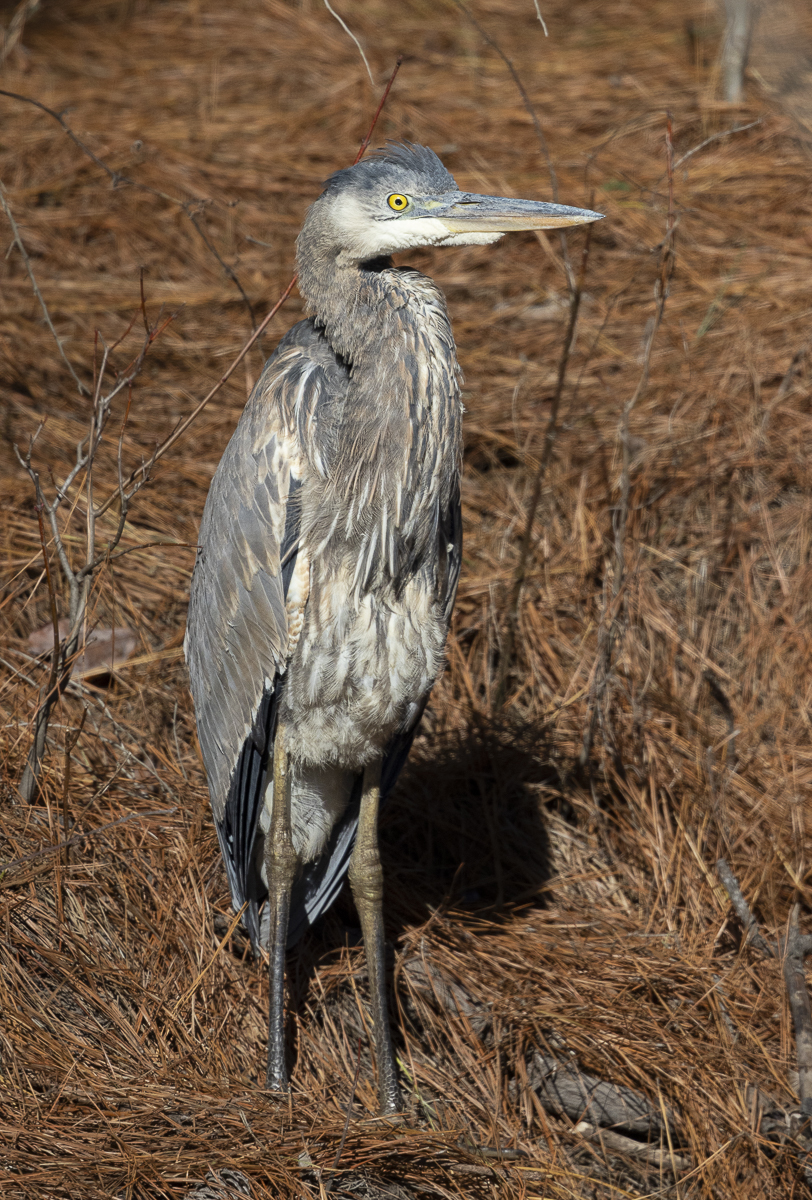
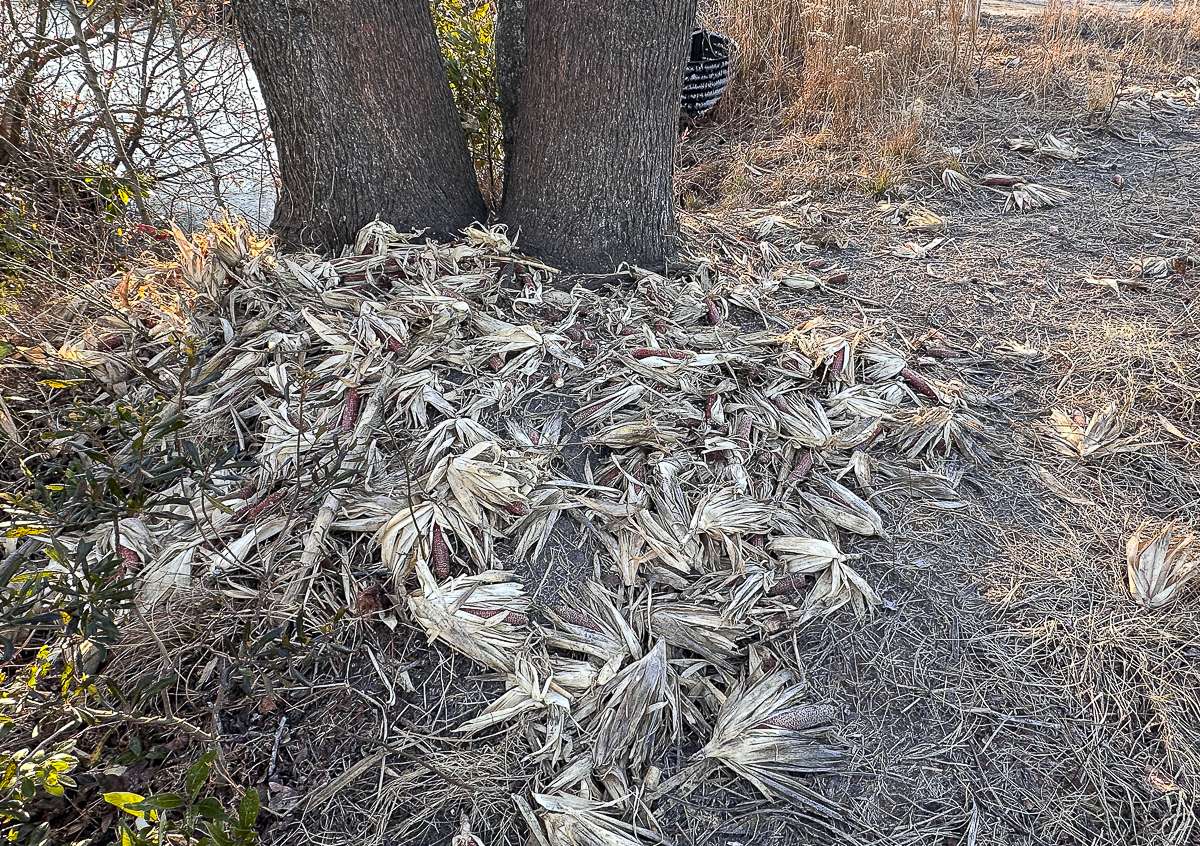
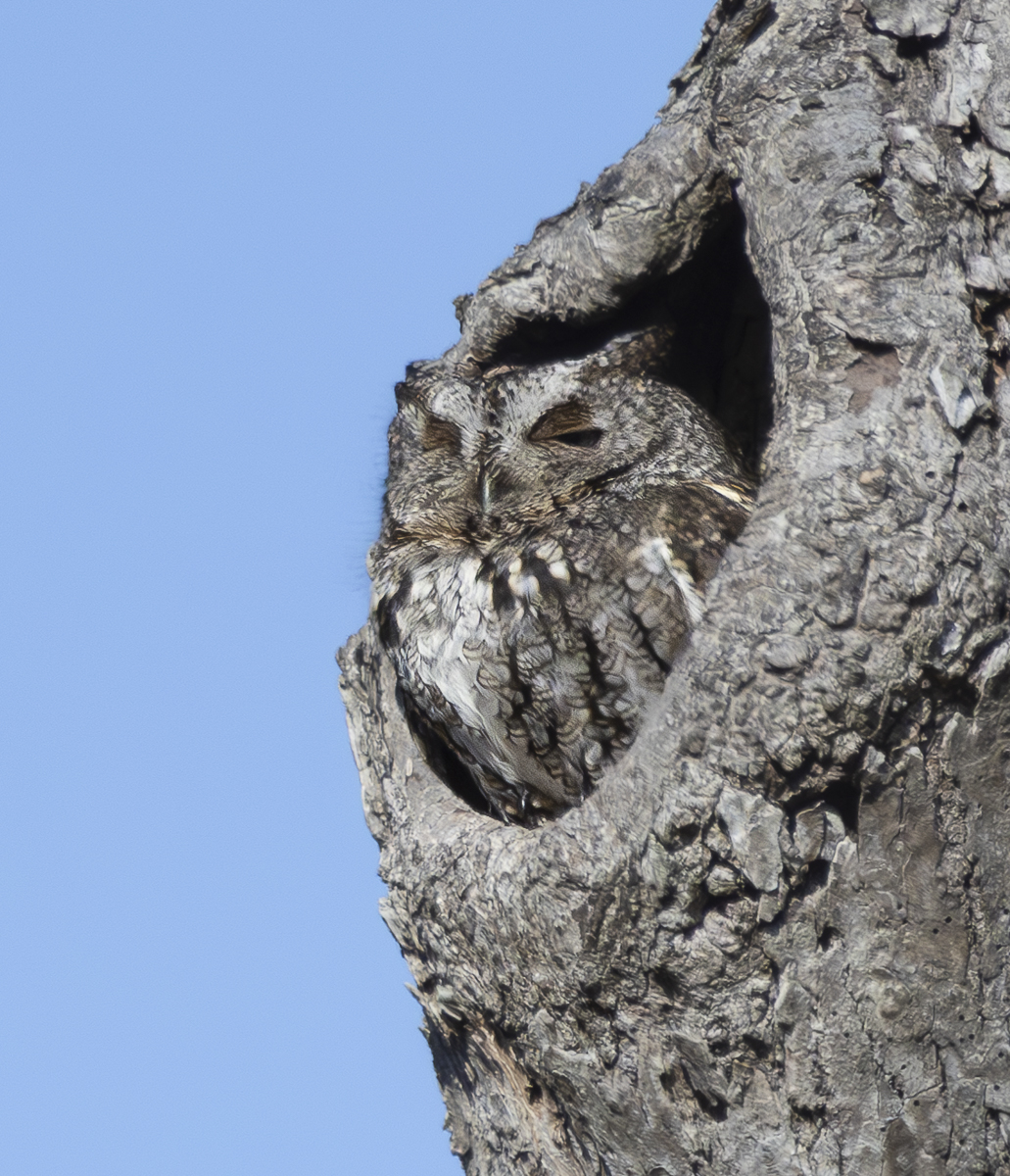
A highlight for everyone but me was a brief sighting of a canid while we were out walking. I was turned talking to someone and he pointed at something across the canal behind me. When I turned, I could hear it running away and all I saw was the River Cane swaying as the animal passed through. Everyone said it was a Red Wolf, though no one clearly saw the bright orange collar that almost all of the wolves now wear. Needless to say, I was bummed that I missed it.

On their finl day, with a very cold wind blowing, the group headed home a little early, leaving me to explore the refuge on my own. I slowly drove along the roads looking for any movement in the canals or adjacent trees.
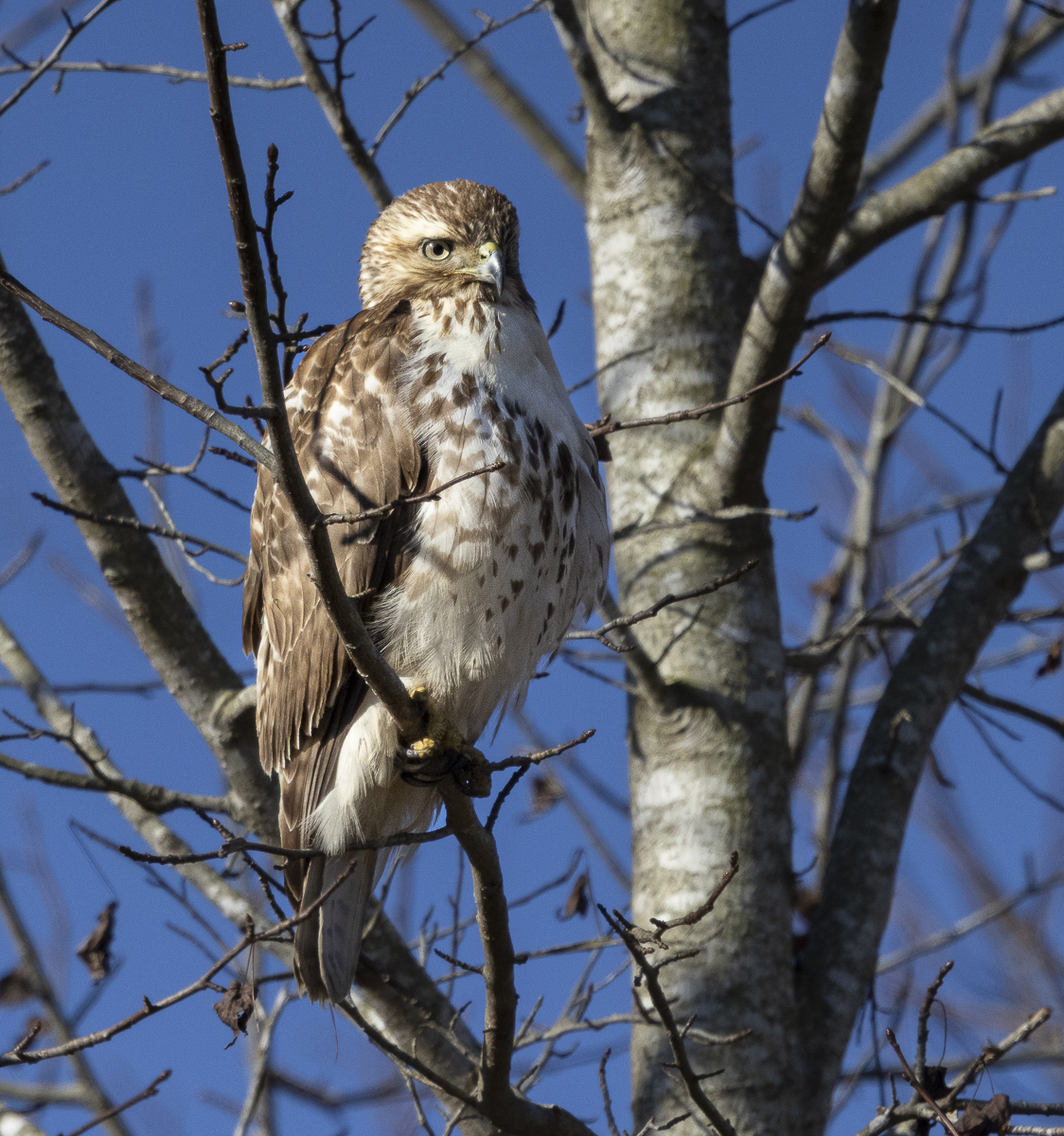
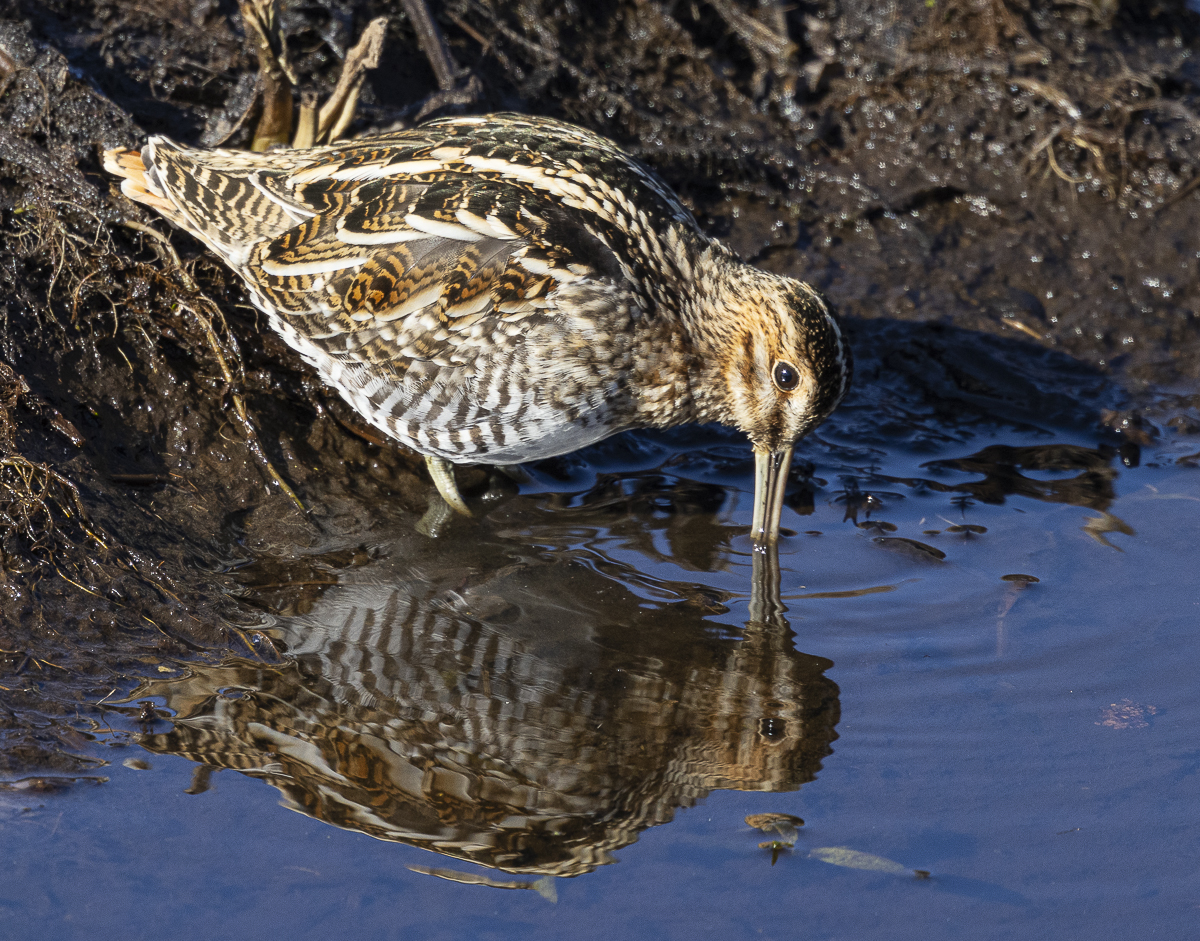
I spent several minutes with this snipe, watching as it poked its long bill into the mud along the canal edge. As it moved from spot to spot, it often bobbed its body as it walked. Again, the most often stated reason why several species of birds do this bob and walk is to disturb their prey organisms underground, causing them to move and become easier targets to find and grab. But, whatever the evolutionary answer, it is fun to watch.
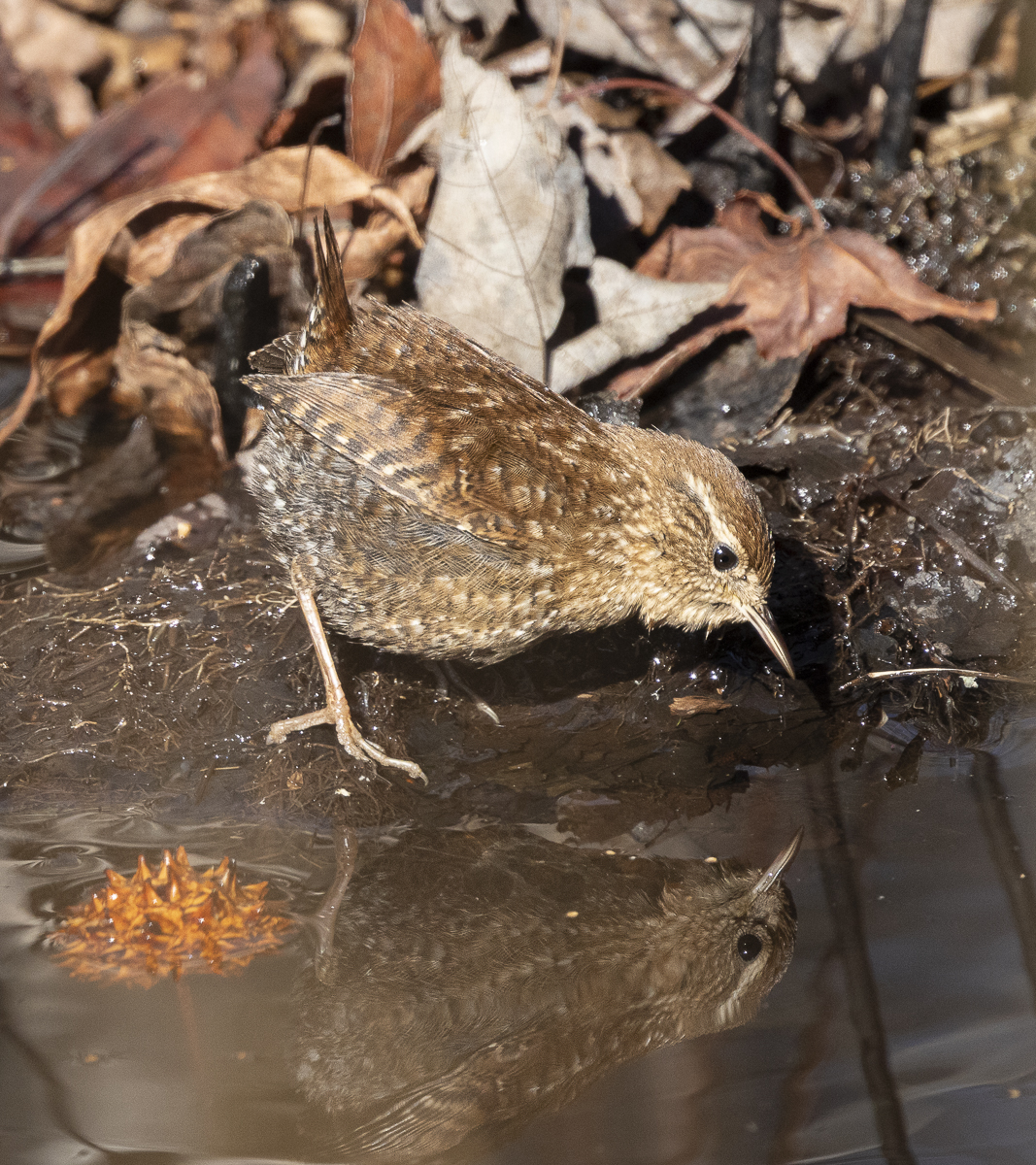
I stopped at a pullout for a lunch break and noticed some movement along a fallen tree next to the canal. It was a tiny bird playing hide and seek with me. Finally, I spotted it out in the open and grabbed a few images of the diminutive Winter Wren, our smallest wren.
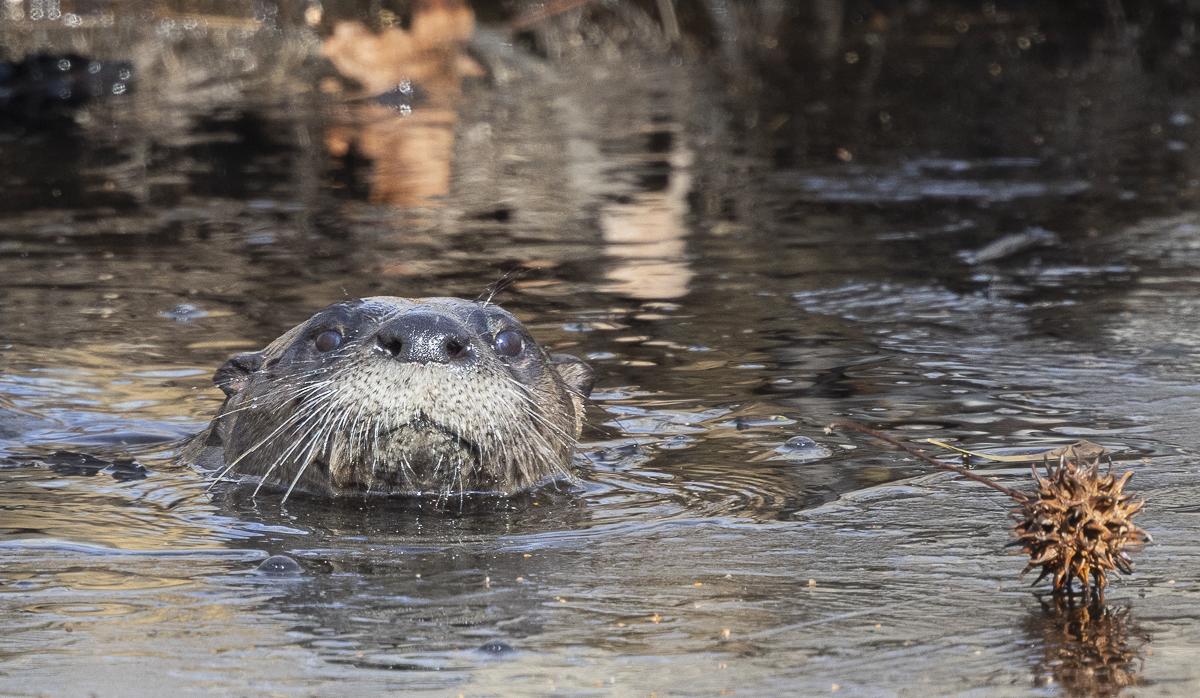
I got back in the car and started to eat my apple and peanut butter, making a mess on my hands as I crunched away. Naturally, since I had sticky peanut butter on my fingertips, I glance out the window and see two River Otters barely 15 feet from my car. I quickly wiped off my hands so I wouldn’t get goo on my new camera and carefully opened the car door. The otters responded by rising up, snorting and disappearing up the canal. The really cool thing was there was a thin skim of ice on the canal surface away from the sunny opening at the road so I could hear a sound like the crinkling of newspaper every time an otter surfaced. I walked along the trail, listening for the crinkle sound, and finally saw one of the otters hiding in a small patch of open water. I took a few photos and left them to continue their way up the canal.
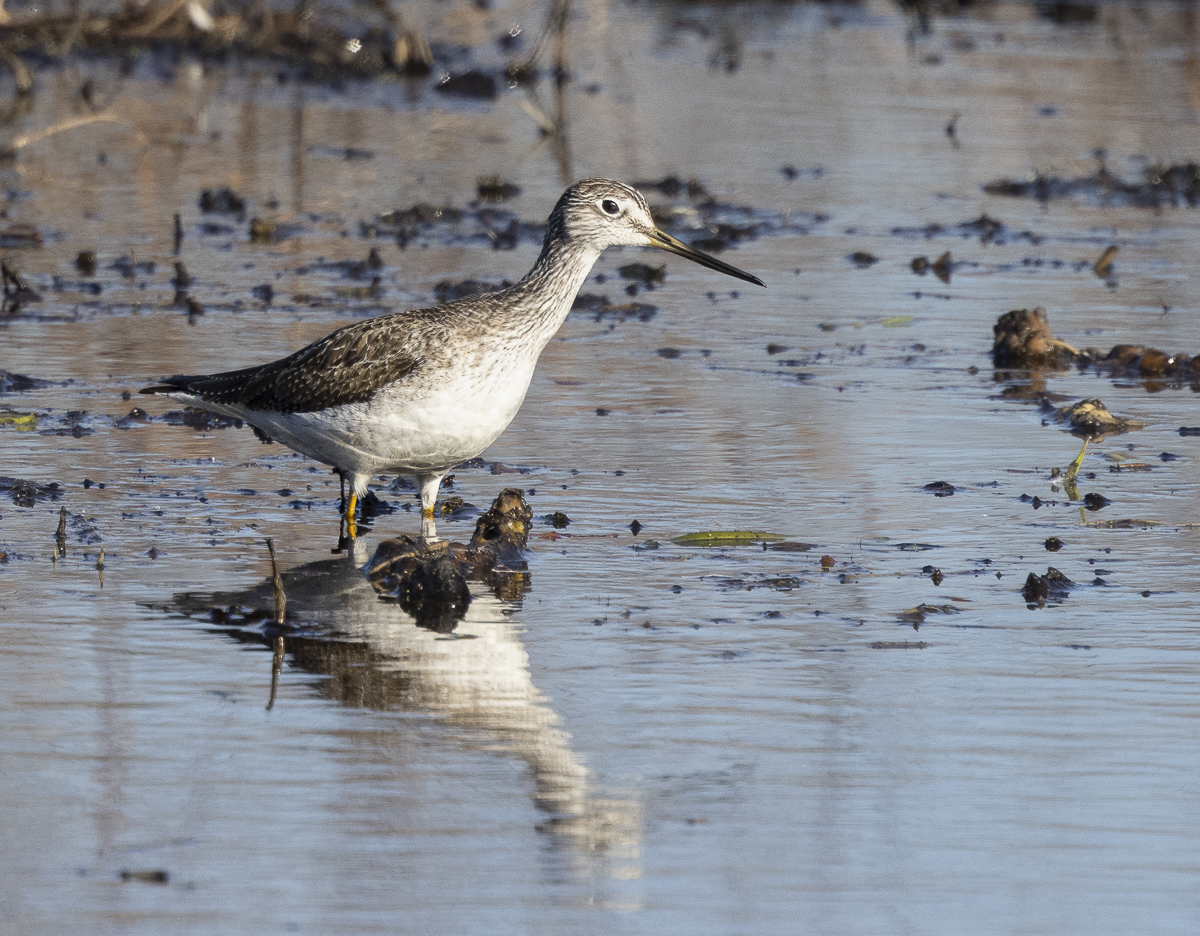
Late in the day I took a walk along West Lake Road (the section that has been closed to vehicles). I had seen some snipe and yellowlegs fly down into the grasses at the far end of Marsh A and wanted to check it out.
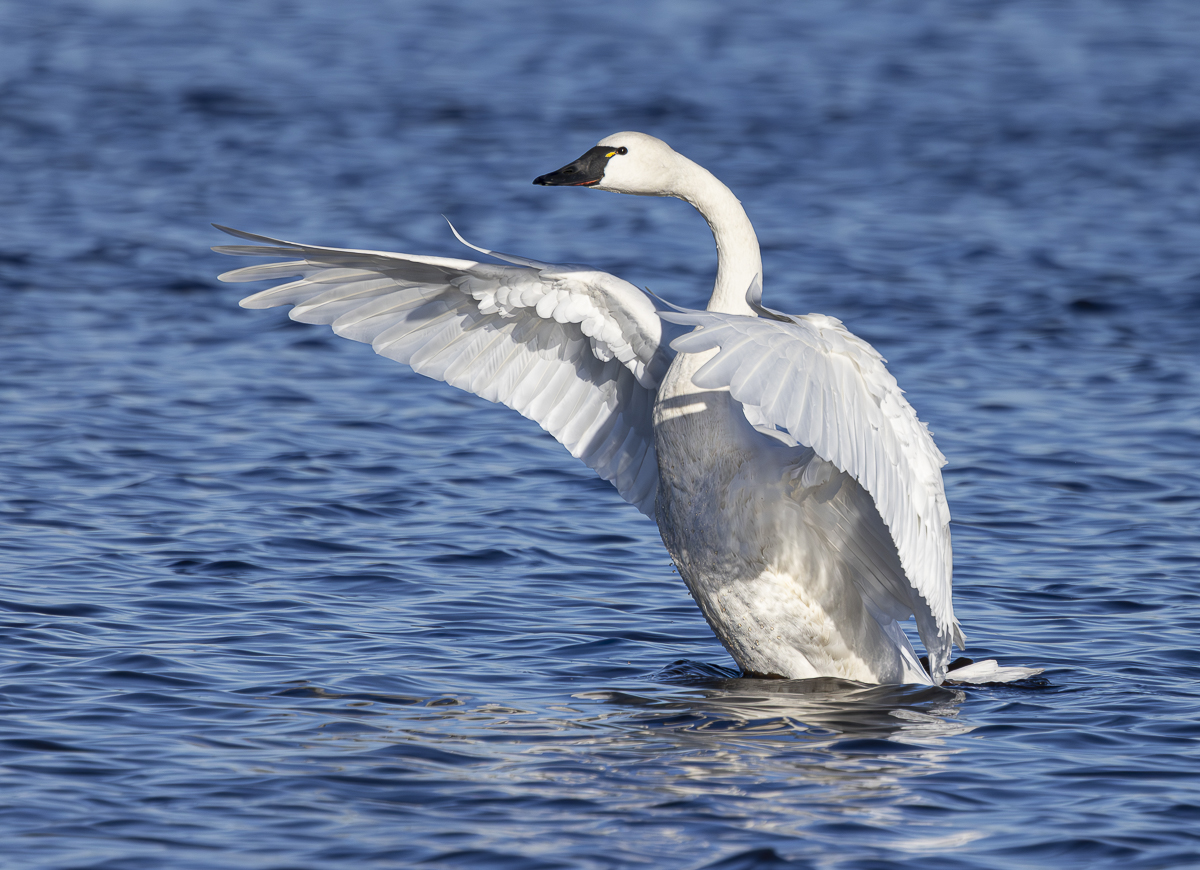
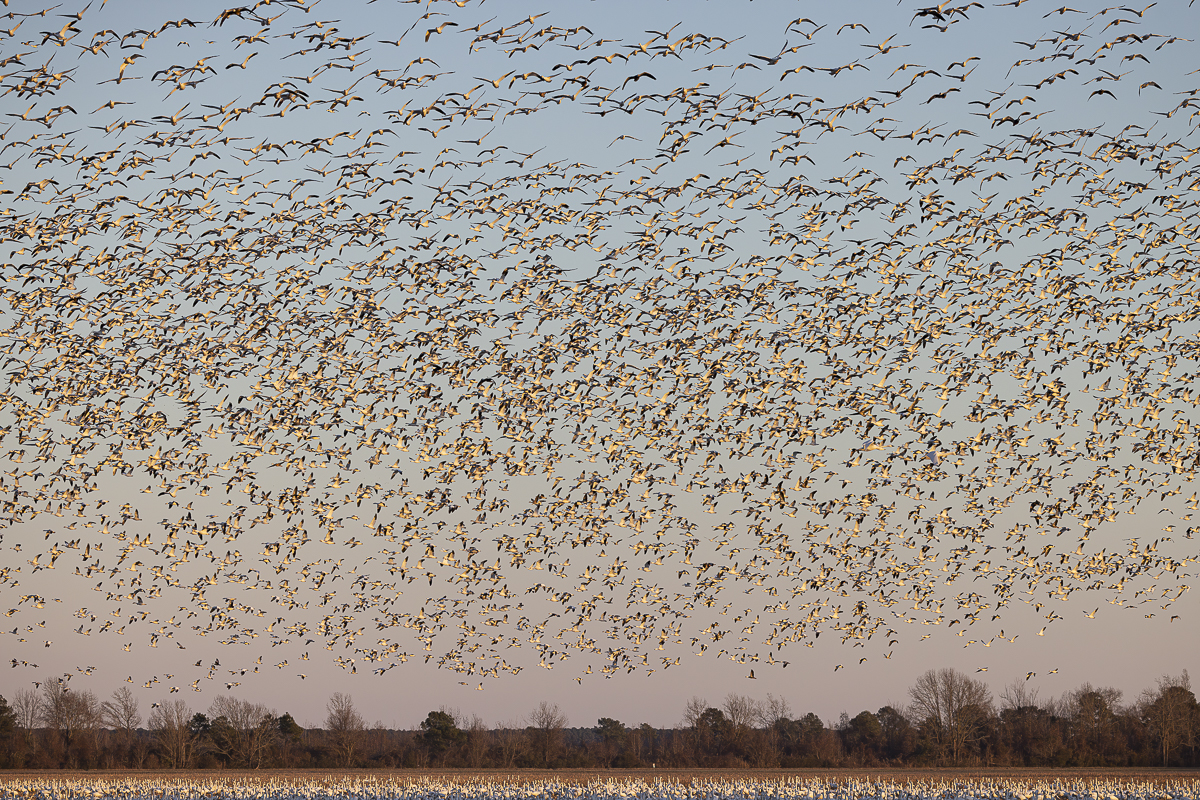
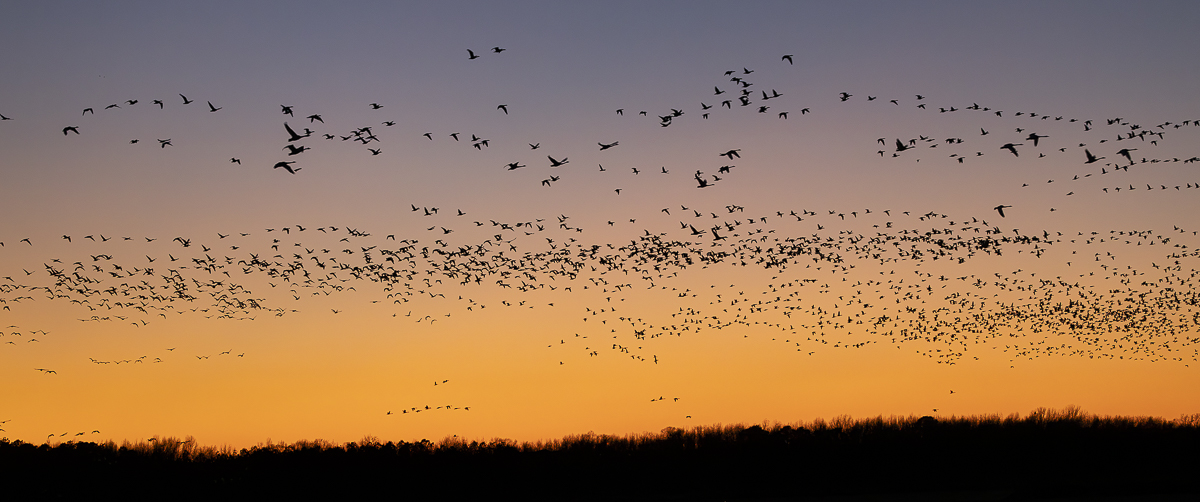
As sunset approached, I headed up to the front fields hoping the Snow Geese would fly in and put on one last show for me. When I arrived, I was amazed at how many Tundra Swans were out in the fields, the most I have seen this winter. That was a good sign as it seems the Snow Geese like to land in the same fields where the swans are feeding. It wasn’t long until I saw the waves of birds on the horizon, headed my way.
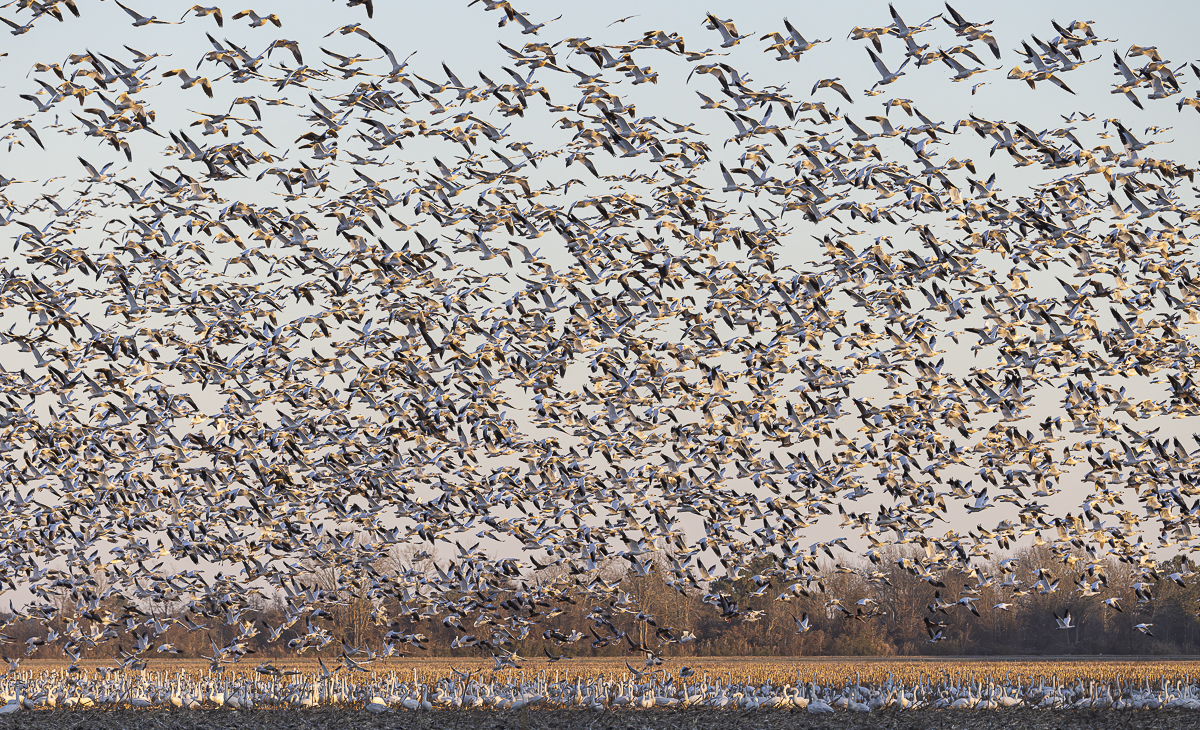
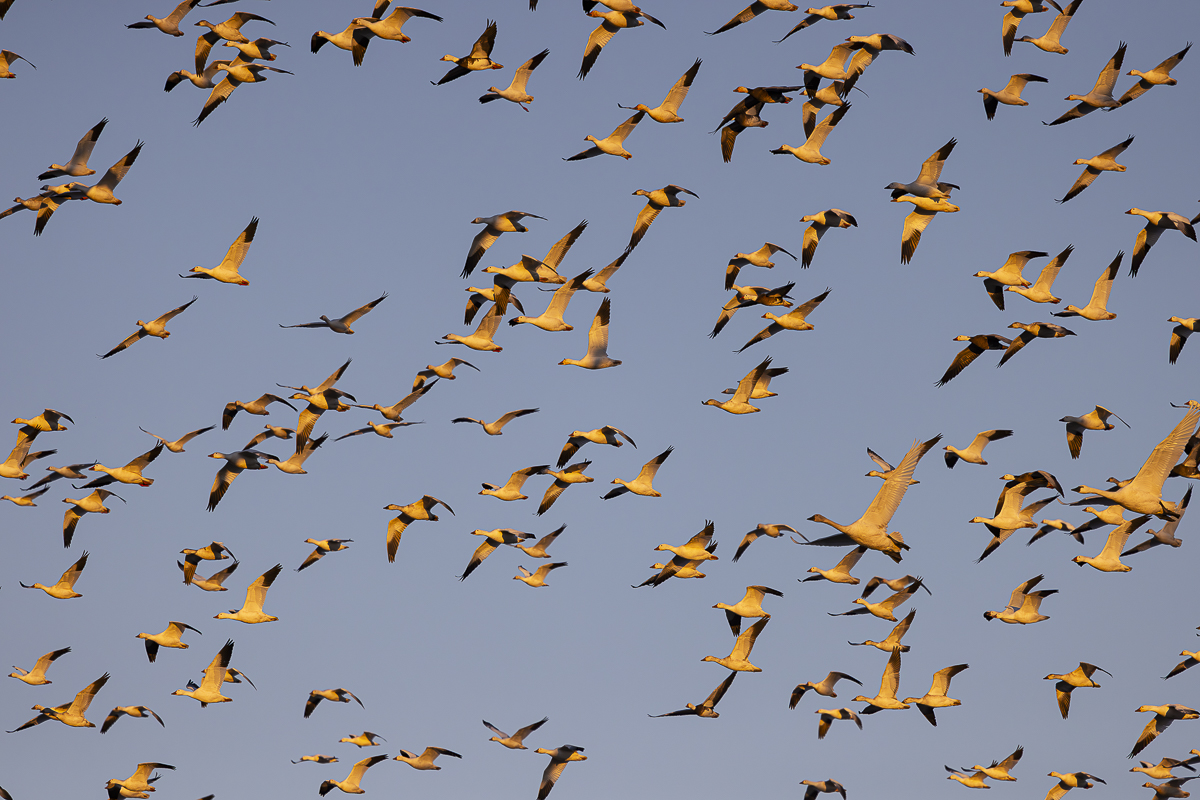
–Tundra Swans heading back to the safety of the lake after sunset
I’m afraid this is a longer than usual post but it is also one of the last times I may spend time in what has been an amazing place for me over the past 45 years. I have had countless encounters with the wildlife of this region from Bobcats and Bears to huge flocks of Tundra Swans and Snow Geese. I have had the privilege of sharing the magic of our wildlife refuges with literally thousands of people over that time. And I have had special solo moments of just myself and the landscape and the animals that call it home. The natural soundscapes will always be one of my most powerful memories of this region, especially of Pungo. What helps me through this loss of place is that we will be living in another land of wildlife and natural sounds. It is the only place that rivals my love of these North Carolina sacred lands – it is Yellowstone. I hope you all find your special places and visit them often to renew your spirit and your soul. It is a gift we all need to give to ourselves and to those we love. A huge thank you to those that created and those that manage and protect our public lands.


 Roads End Naturalist
Leave a comment