
Happiness is like a butterfly; the more you chase it, the more it will elude you, but if you turn your attention to other things, it will come and sit softly on your shoulder.
~Henry David Thoreau
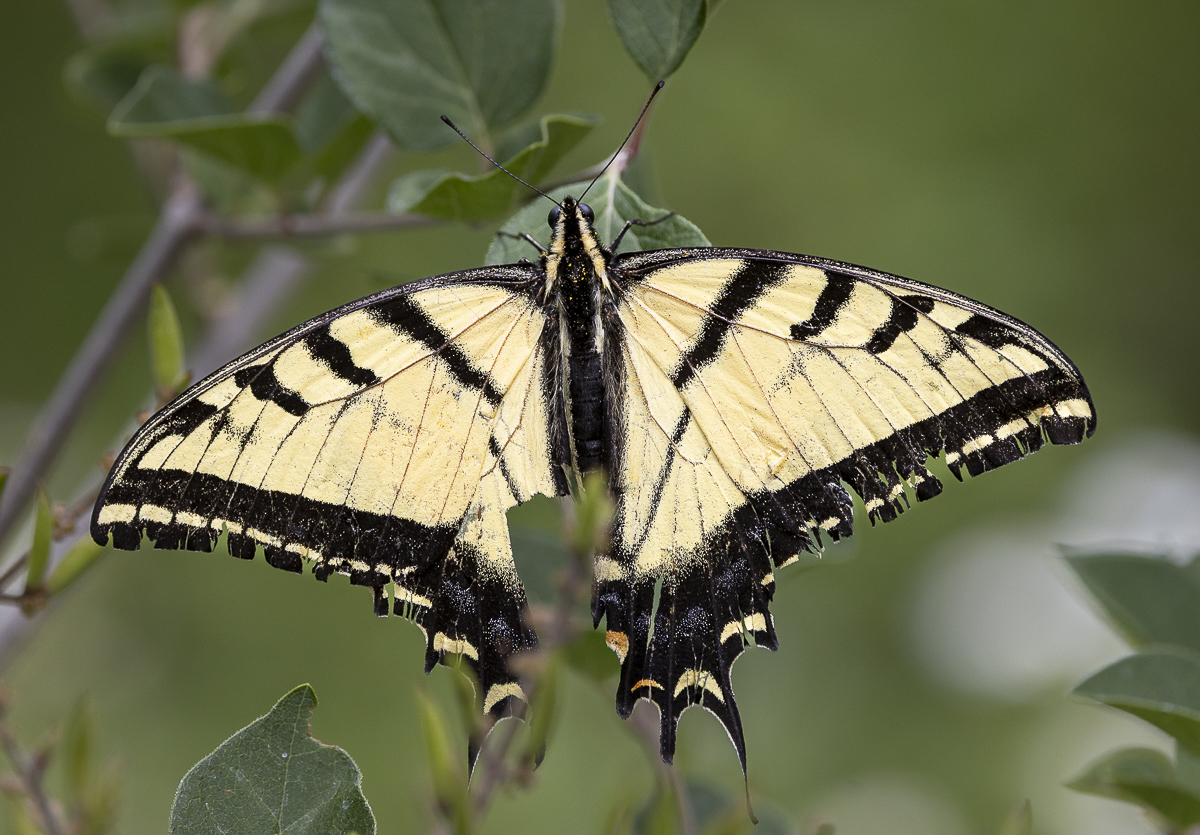
I was pretty good at identifying the common species of butterflies (in the Order Lepidoptera (which means scaly wings) back in NC although the skippers continued to baffle me at times. But now I must learn almost an entirely new set of the flying flowers. We don’t yet have a lot of Montana native wildflowers on our little lot but early on we were seeing a few species of butterflies flapping by the house. And that is exactly what they did – flapped by the house, most without even a brief stop for a photo or closer look. One of the first ones I noticed was a familiar-looking butterfly – a large yellow and black swallowtail, but which one? A tattered individual finally landed on a leaf in our yard one cool morning and a I snapped a couple of pics of a worn two-tailed swallowtail.
One day a very boldly-marked medium sized butterfly made an appearance in the yard. I grabbed my camera and snapped two photos before it flitted away.
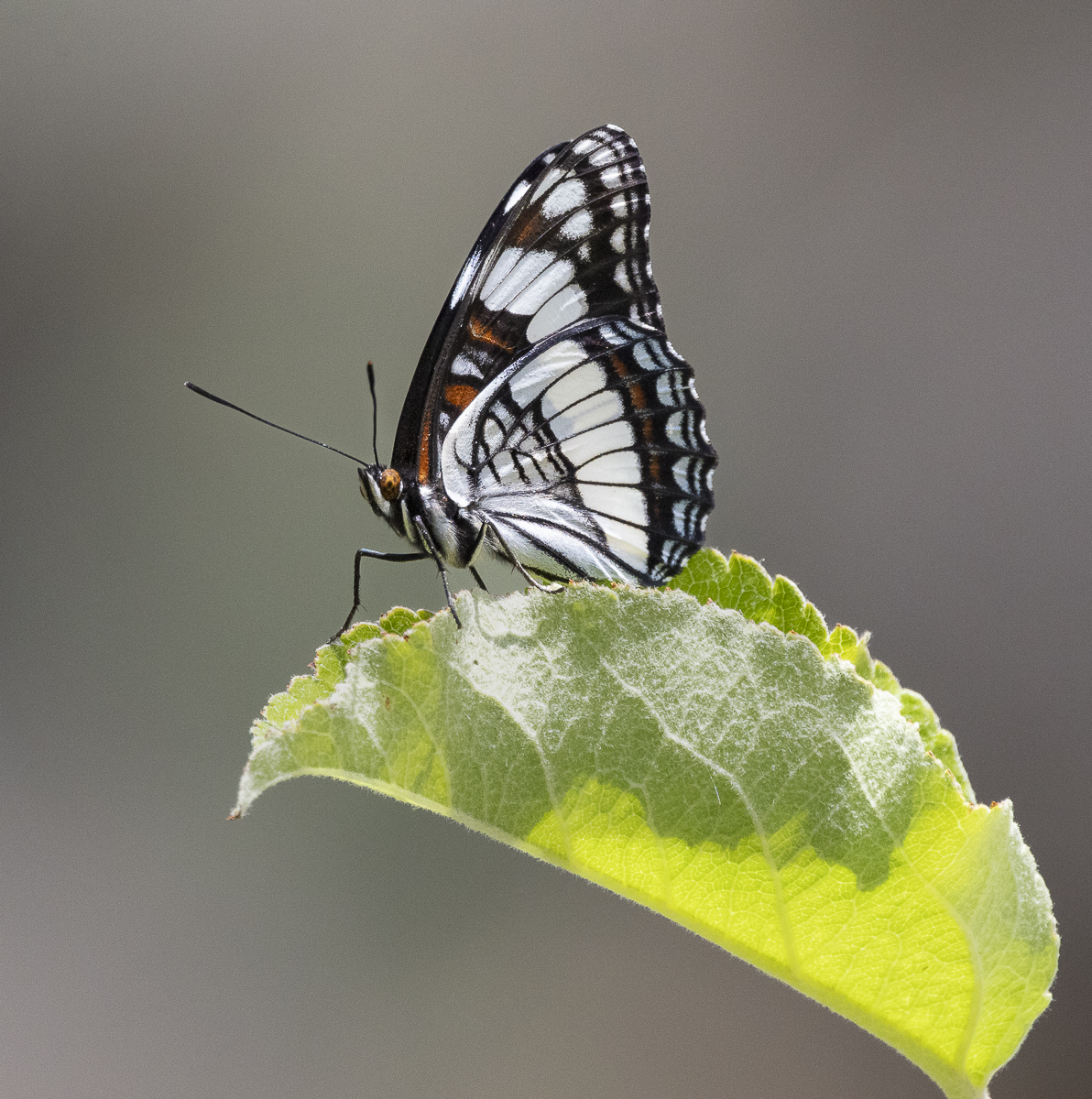
Weidemeyer’s admirals are related to the red-spotted purple butterflies we had back in NC. The caterpillars of both species resemble bird droppings.
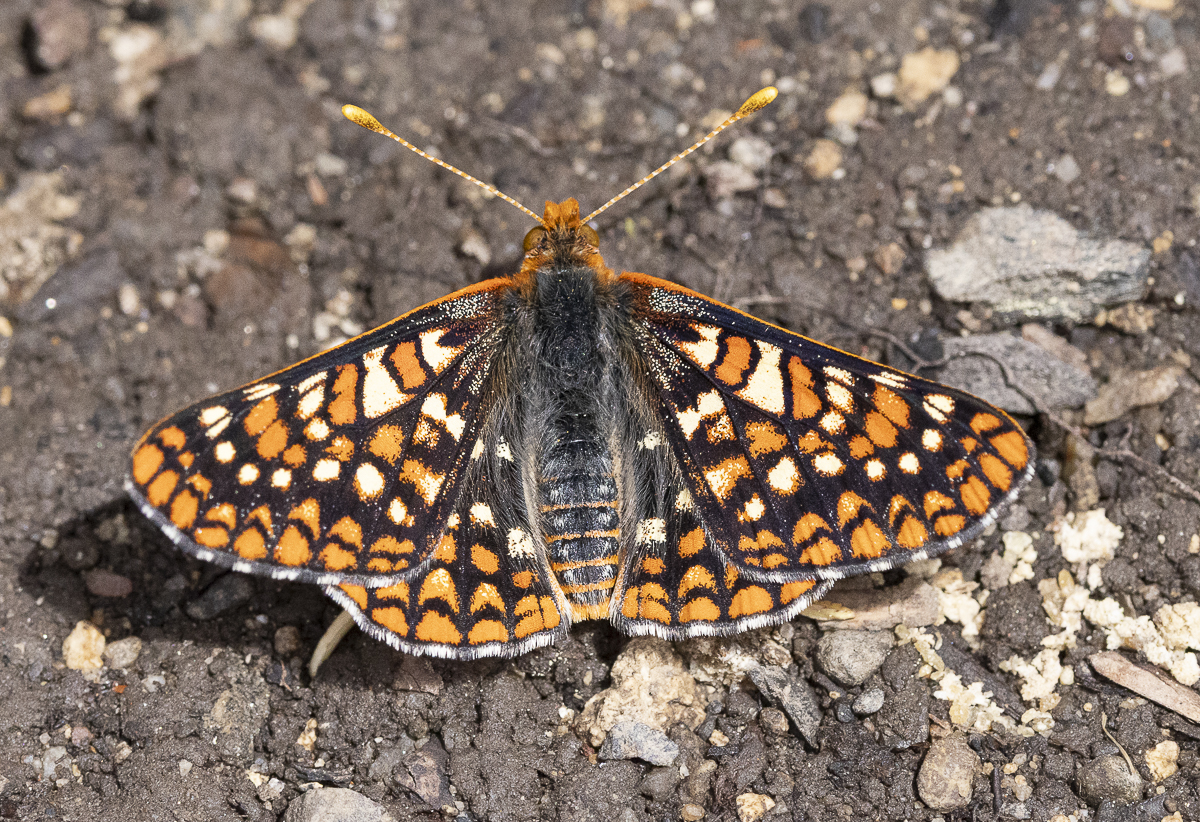
We have an irrigation system for our few flower beds and when the soil is damp, it seems to attract some butterflies that may be looking for mineral salts. This beauty showed up one morning and I was lucky enough to get a good photo before it flew off.
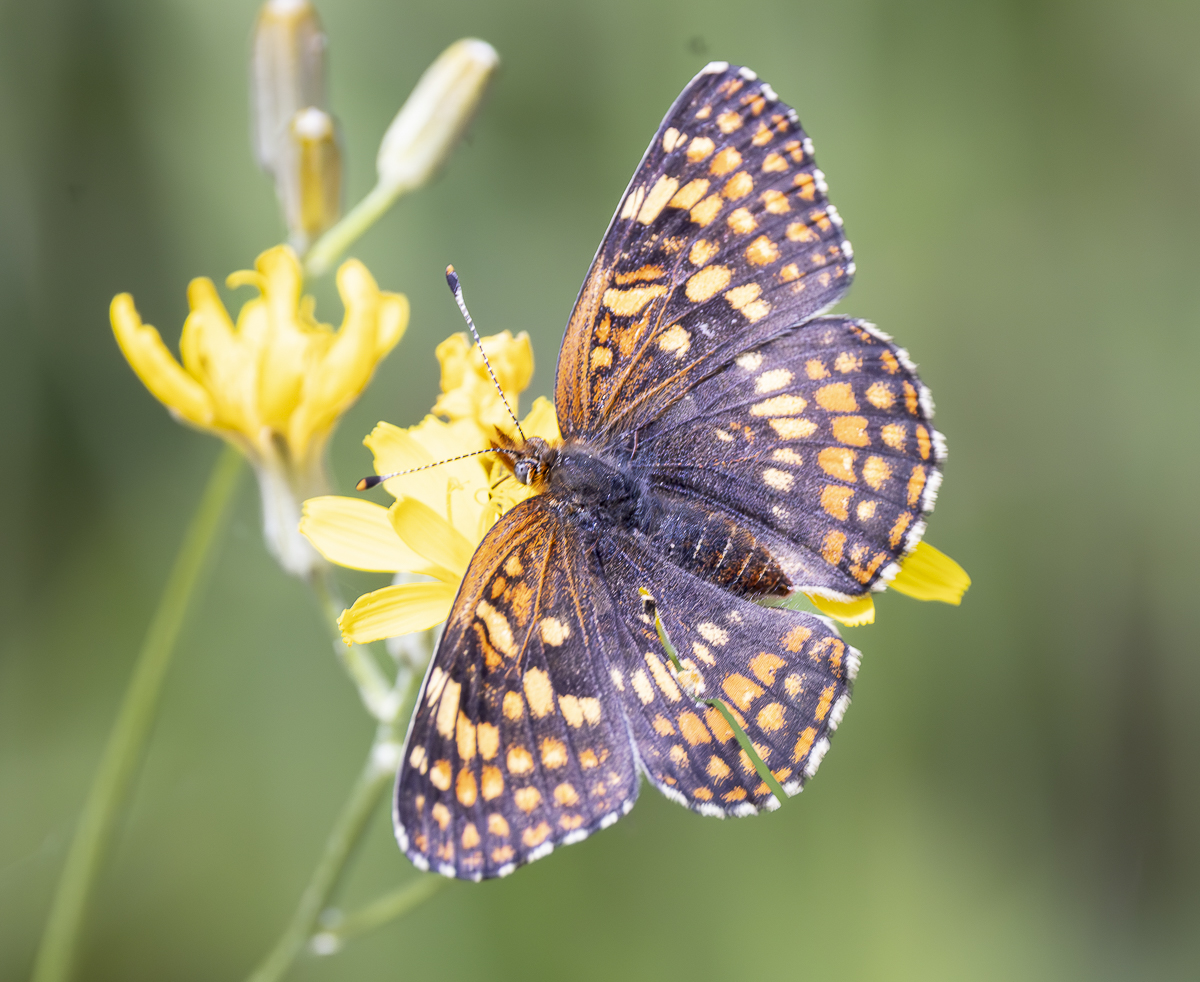
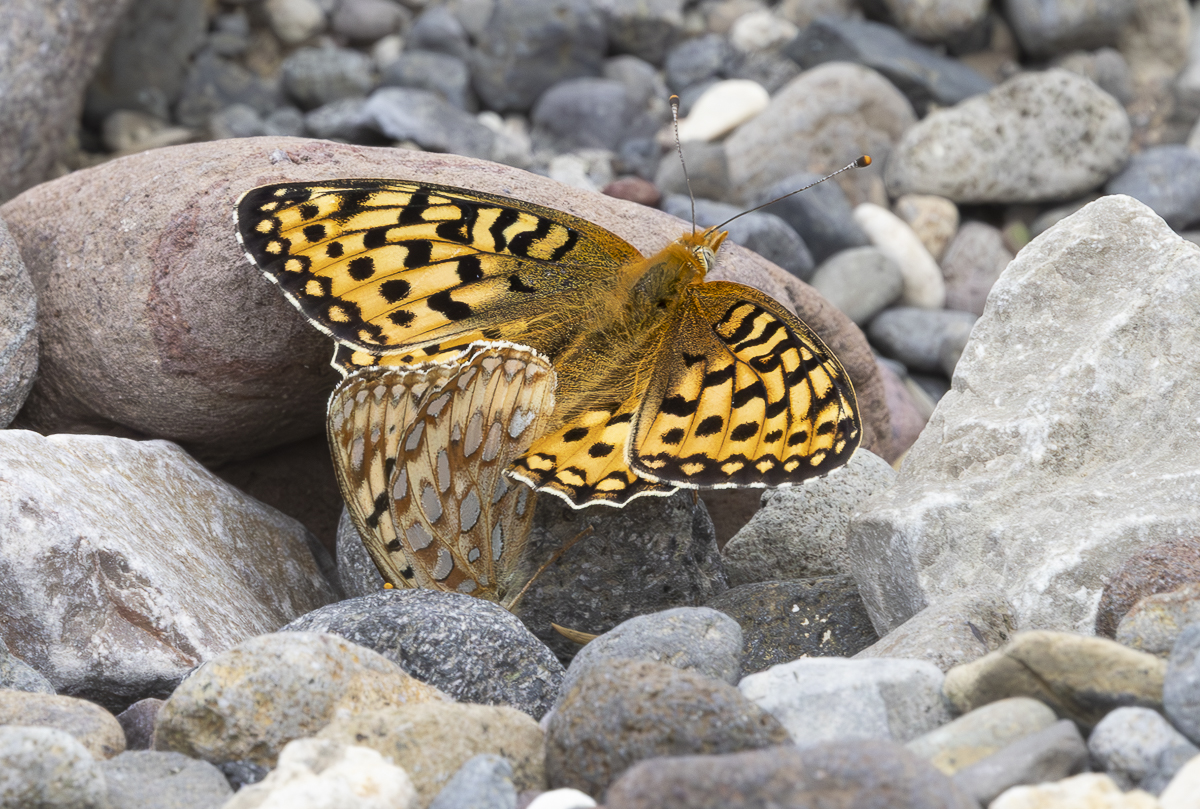
My identification routine is to use two apps – SEEK and Leps, to try to identify. I then check my only field guide for this region – Butterflies of Grand Teton and Yellowstone National Parks. After that, I submit the observation to iNaturalist and see if I can get any confirmation of my initial ID. Well, it seems as though these Western species may be a bit tougher than I’m used to and the apps often disagree or just aren’t sure. One reason is the large number of very similar-looking butterflies, especially the checkerspots and frittilaries. Here are some examples.
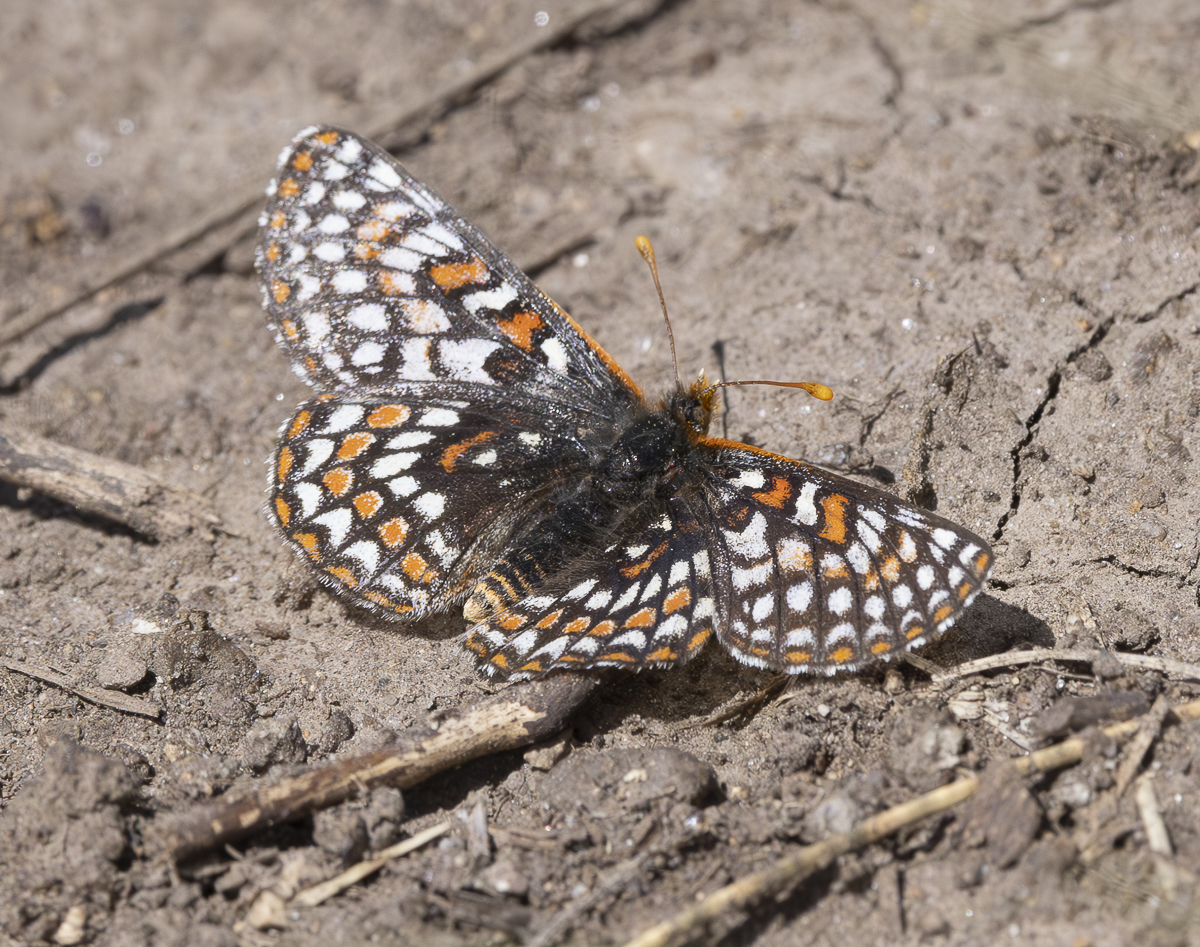
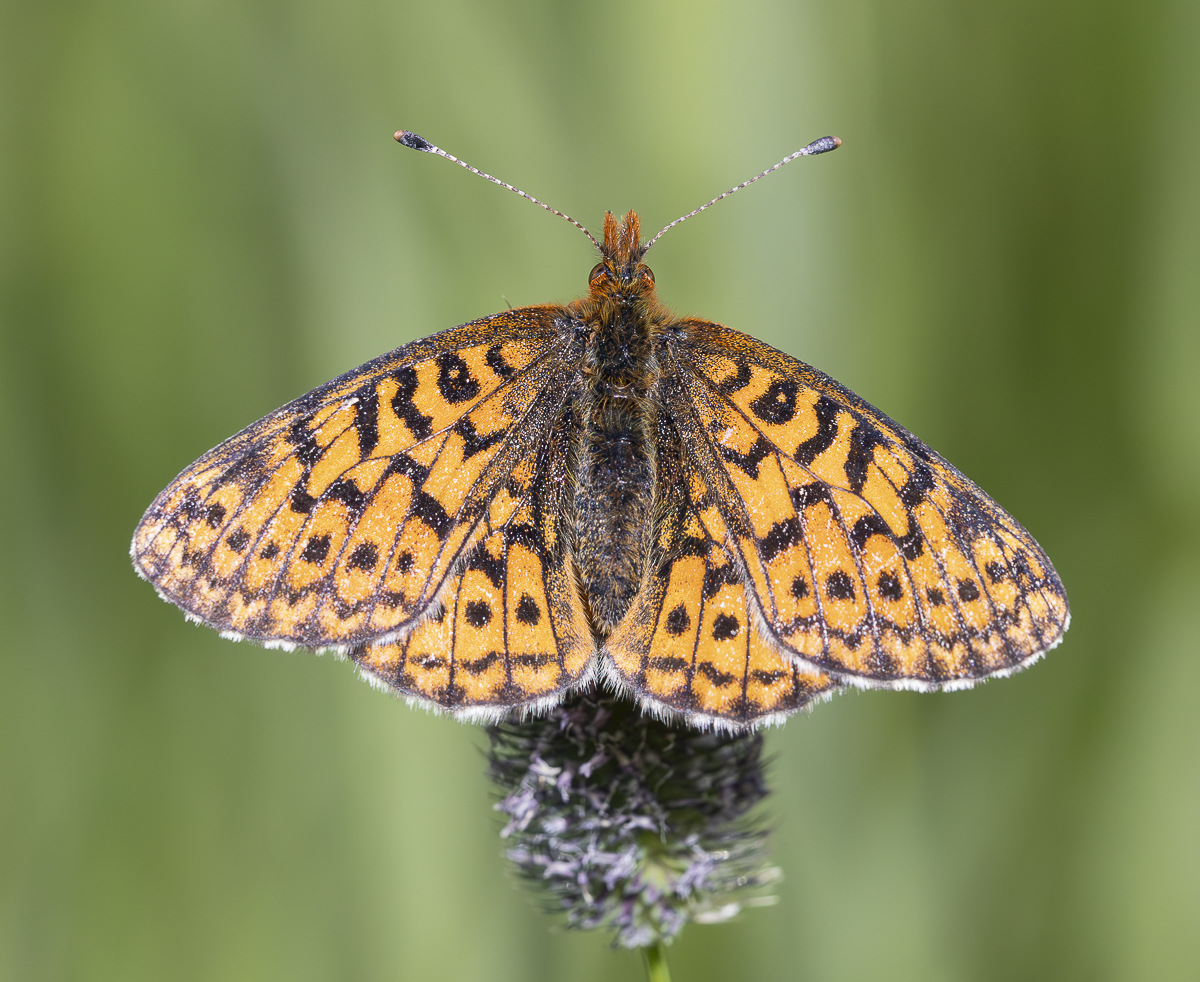
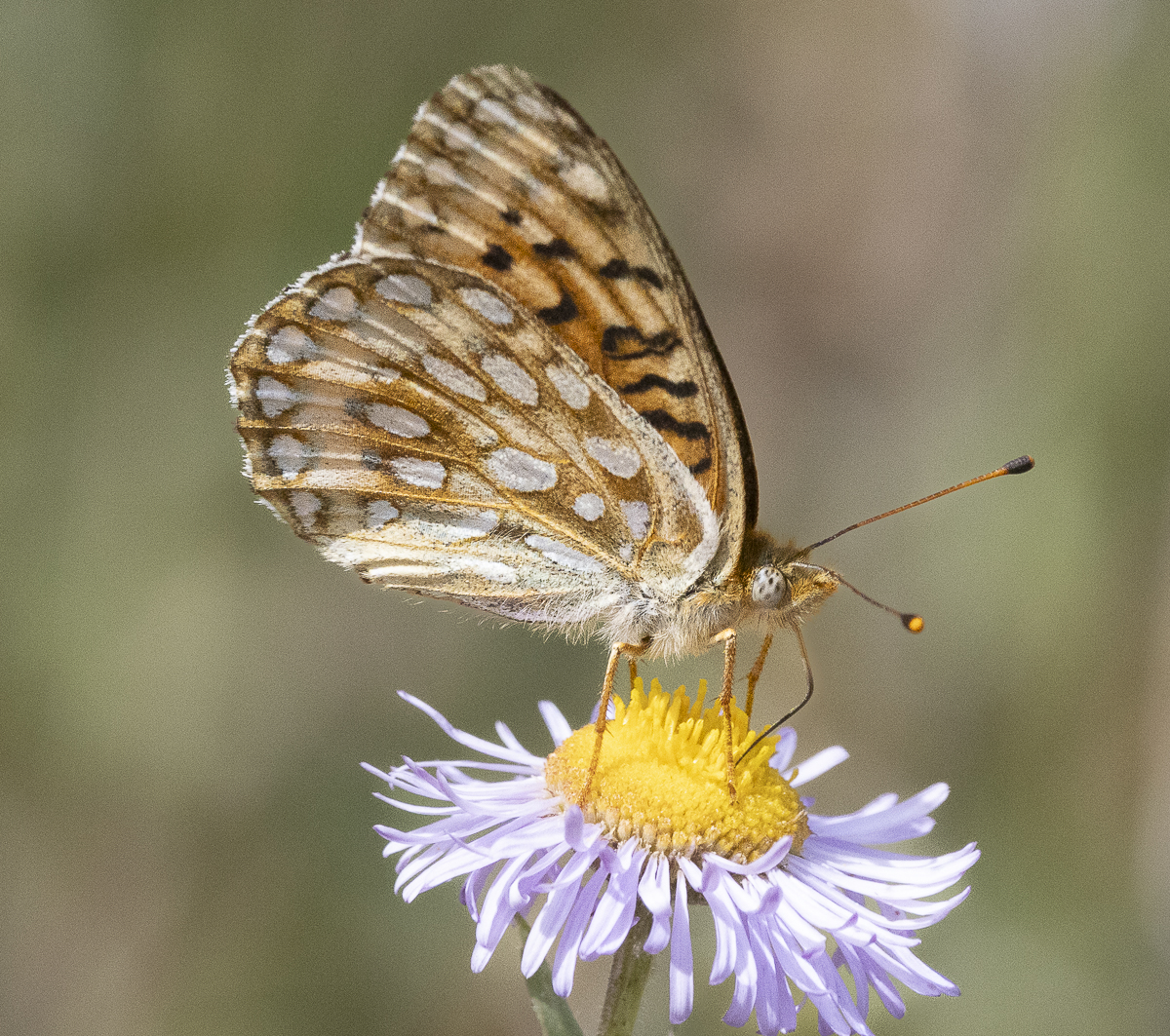
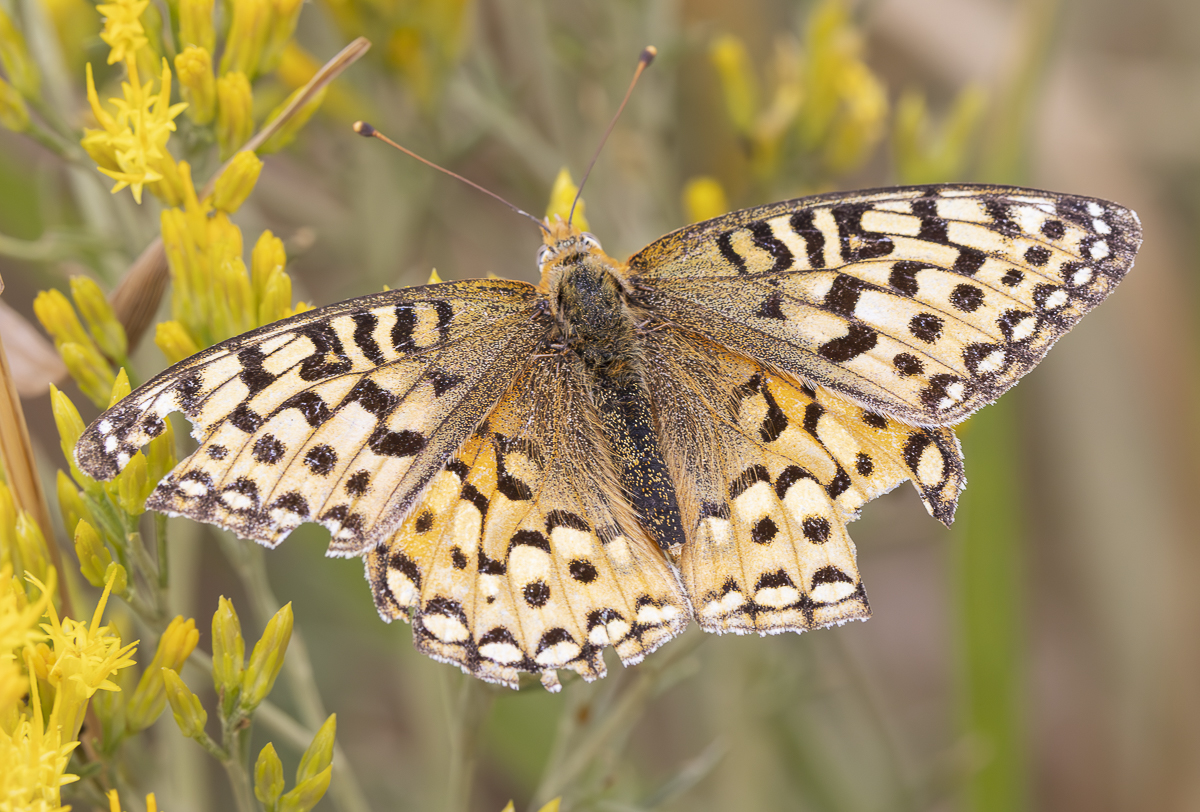
I hope you see what I mean by all these look-alikes (at least to my untrained eye). I may be totally wrong but I am relying on iNaturalist primarily until a reviewer disagrees. If any of you know about these species and have a correction, please let me know in the comments.
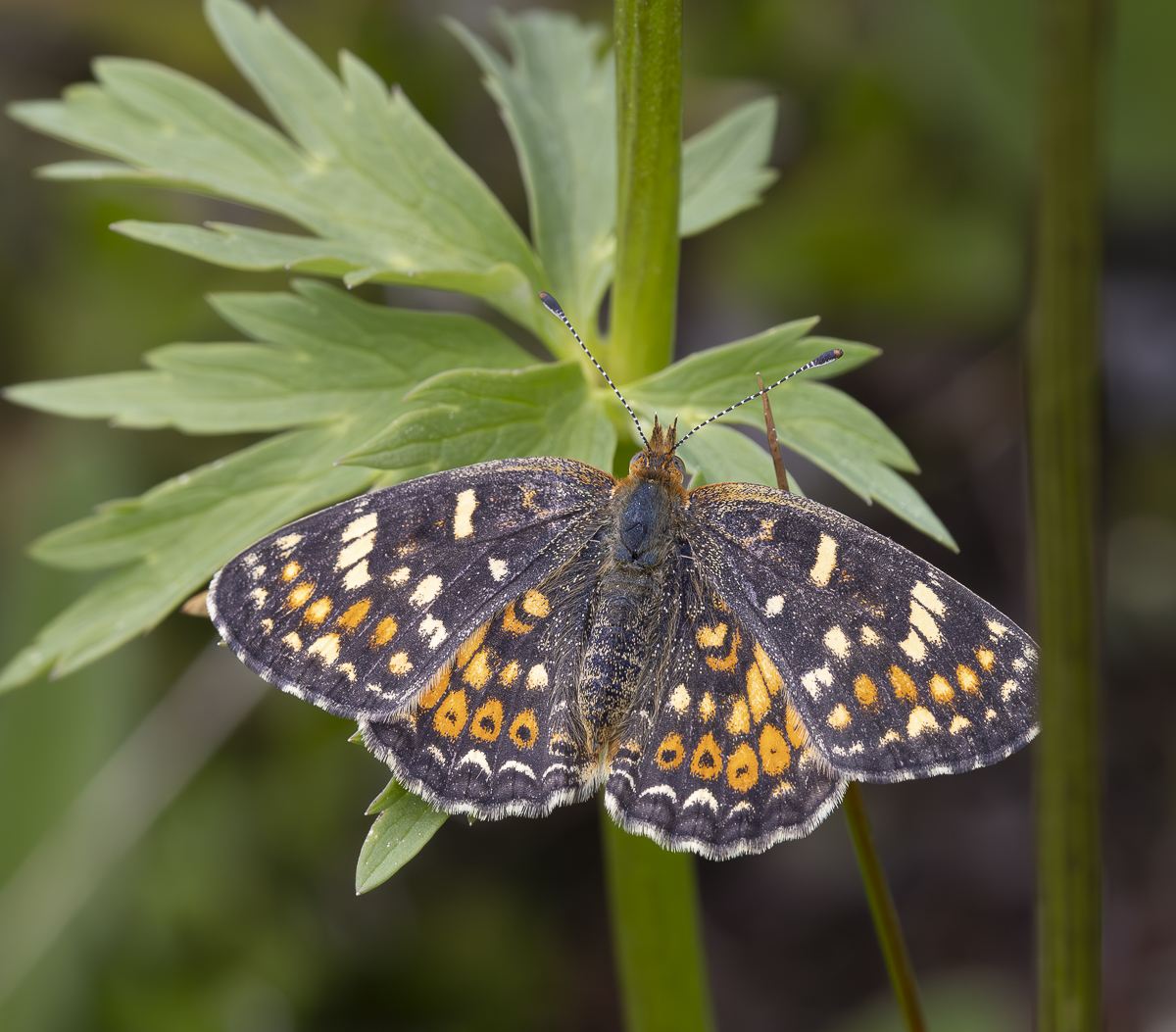
Another brownish and patterned small butterfly – a field crescent I believe
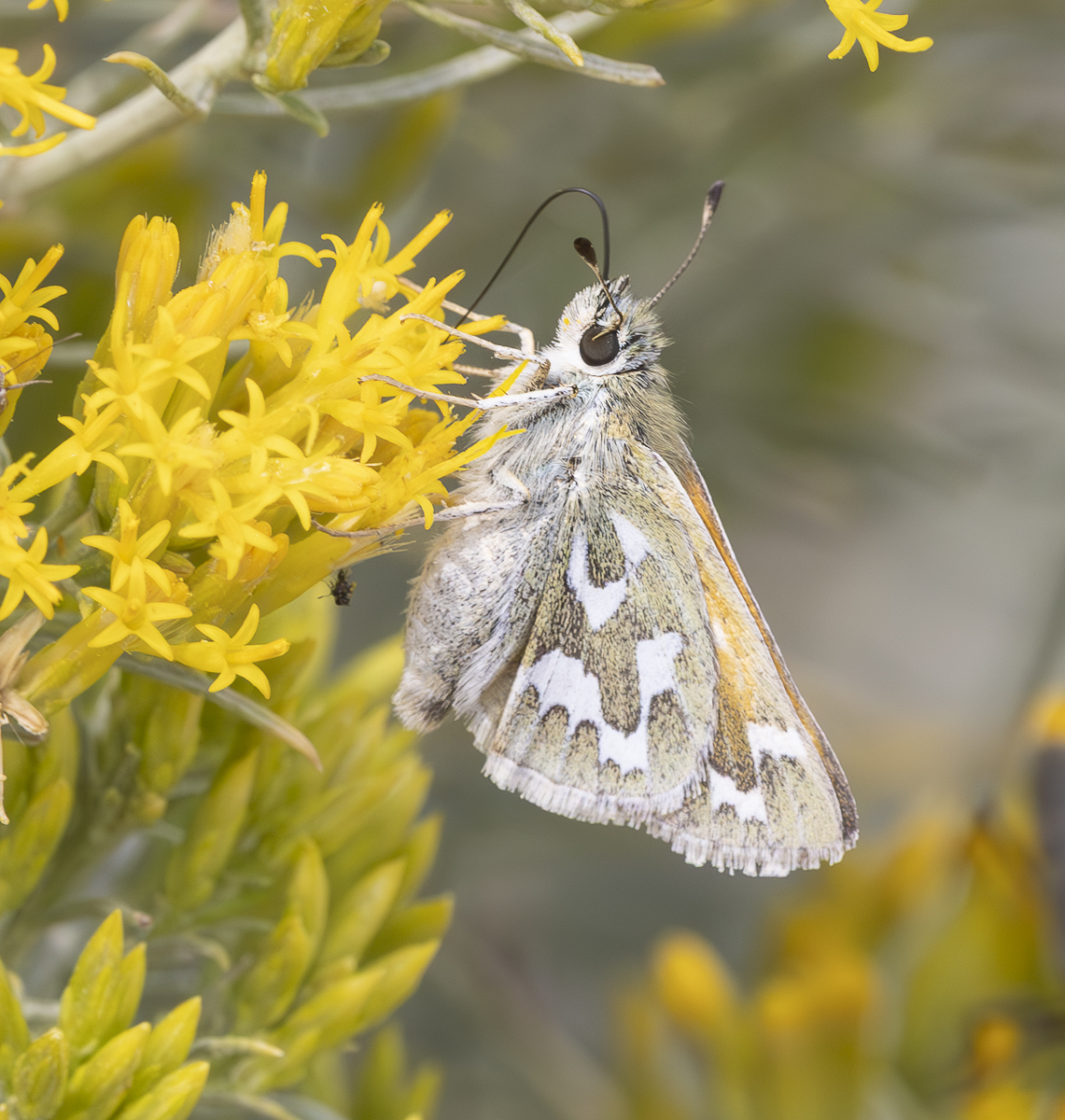
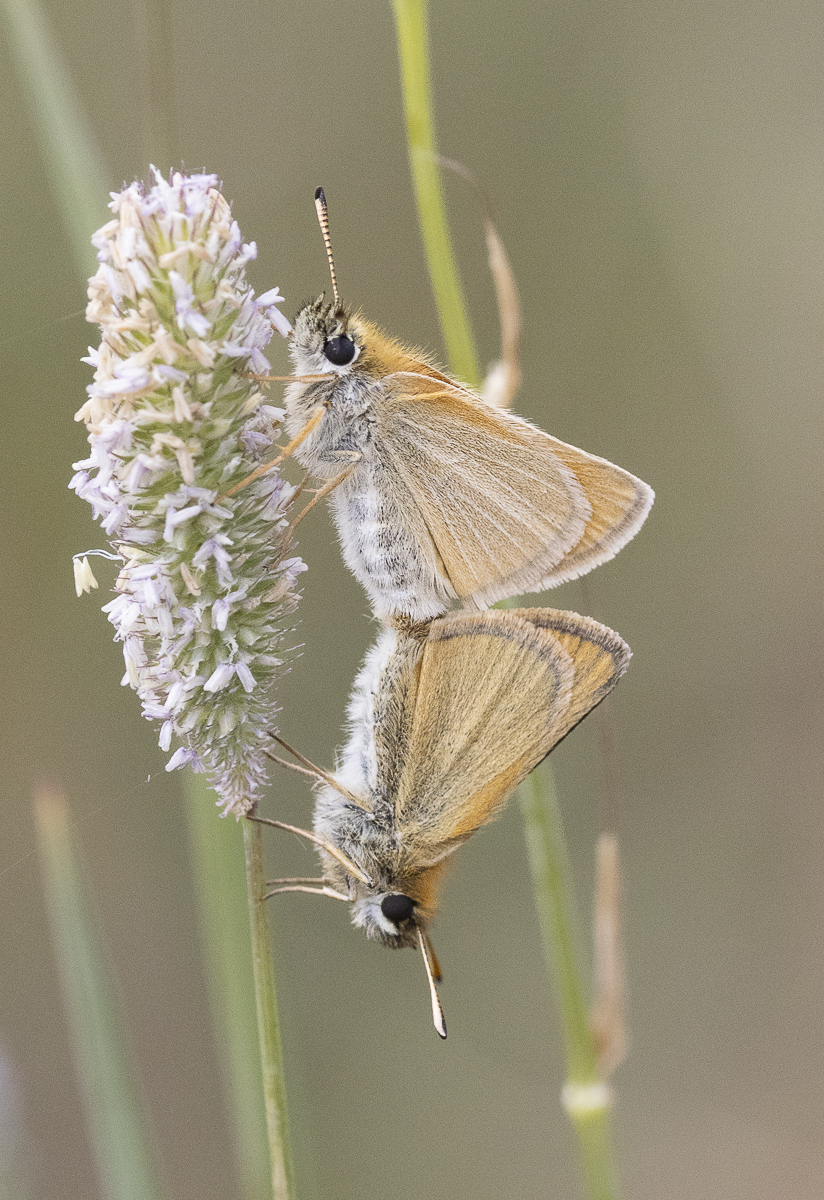
I have seen fewer skippers than I am use to back in NC. Those are the small, often cryptically colored little butterflies that zip around making it even tougher to ID them. They are distinguished from oter groups of butterflies by most having small hooked tips at the end of their antennae. I think I have seen three species of skipper here thus far and many of them have been the introduced Essex skipper which was very abundant earlier in the summer.
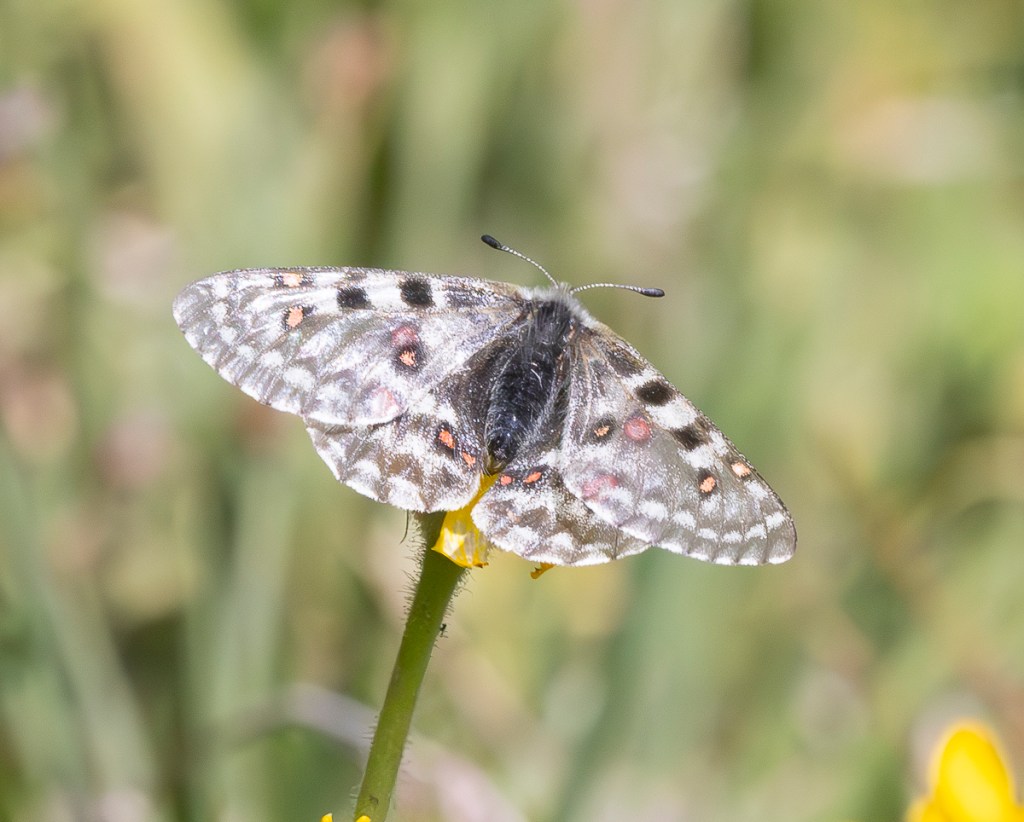
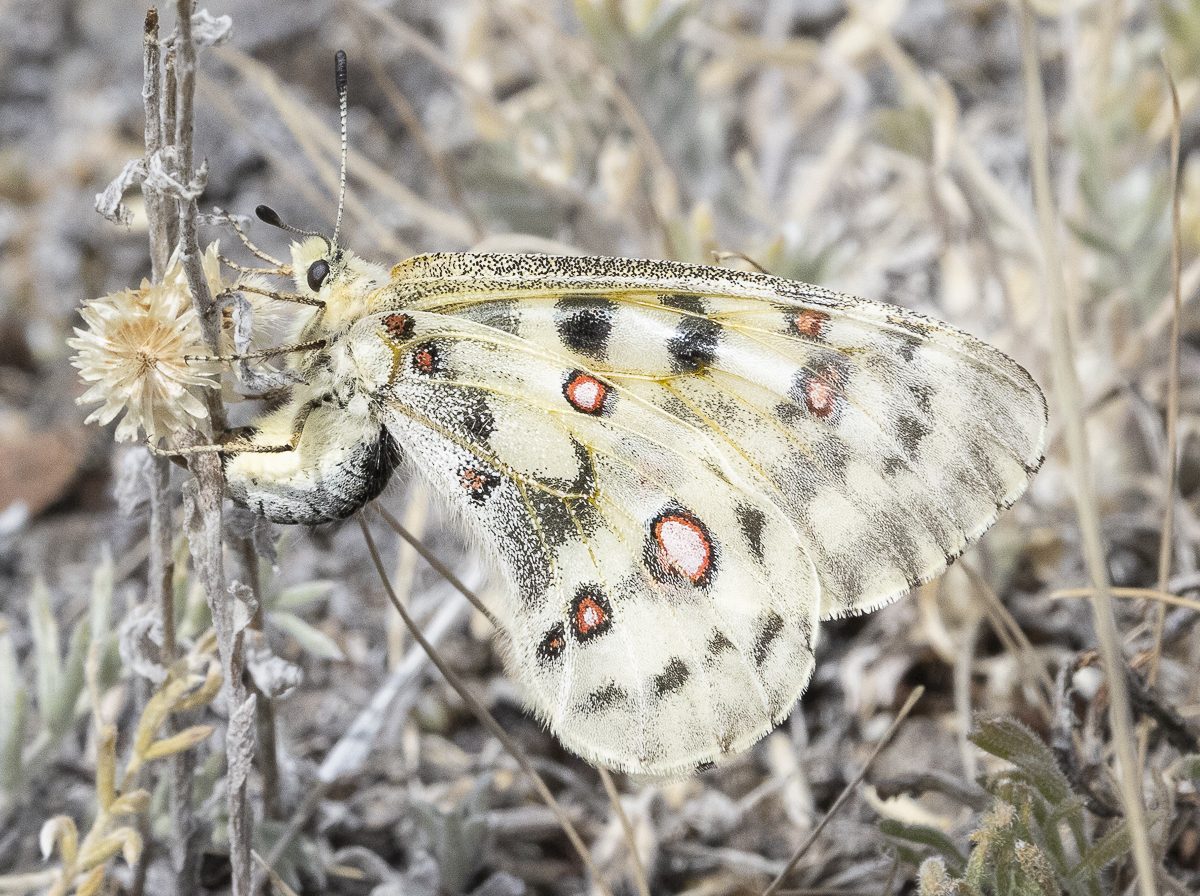
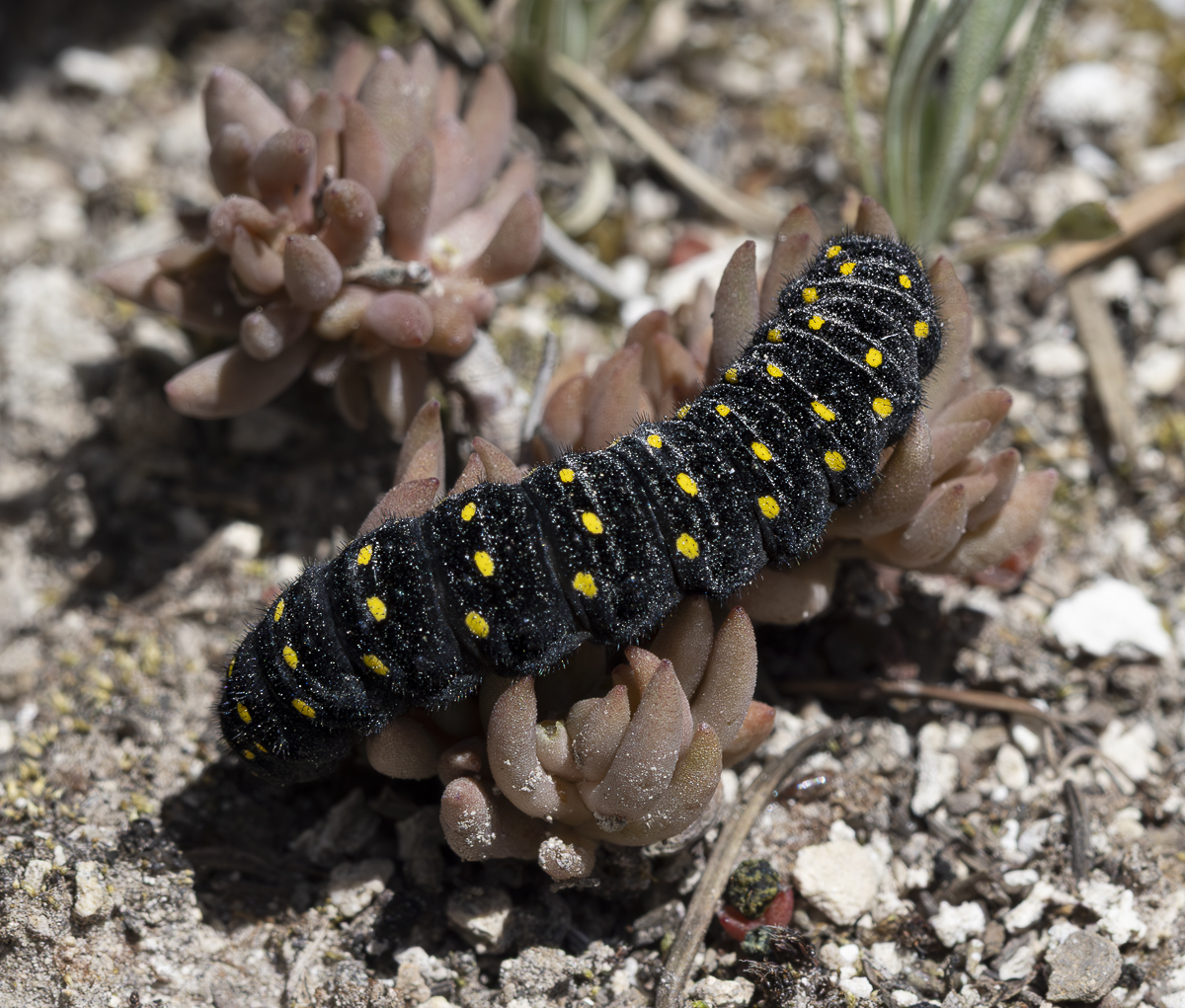
Of course, with all that mating going on, there was also some egg laying. I saw this next species a few times doing the typical fluttery flight that females do when they are looking for a host plant. I followed this one around for several minutes as it landed and crawled on the ground. It occasionally assumed the egg laying position of a tucked abdomen. But I was confused as I didn’t see a living plant nearby (this was on a dry ridge at high elevation with sparse ground cover and scattered clumps of grasses). After much searching, I finally found an egg on a dried plant stem. It started me wondering if the egg is the overwintering stage. Back home, I looked up this species, the Rocky Mountain Parnassian, and found that my field guide stated that females lay a single egg “randomly” (another reference said she lays the eggs haphazardly). Further reading showed they lay on just about anything – rocks, leaf litter, twigs, and other plant species near their host plants. Their host plant is stonecrop, a low growing plant growing in dry open habitats. The eggs typically overwinter and the larvae hatch shortly after being exposed to warm temperatures in the spring. The caterpillars then crawl and locate a host plant.
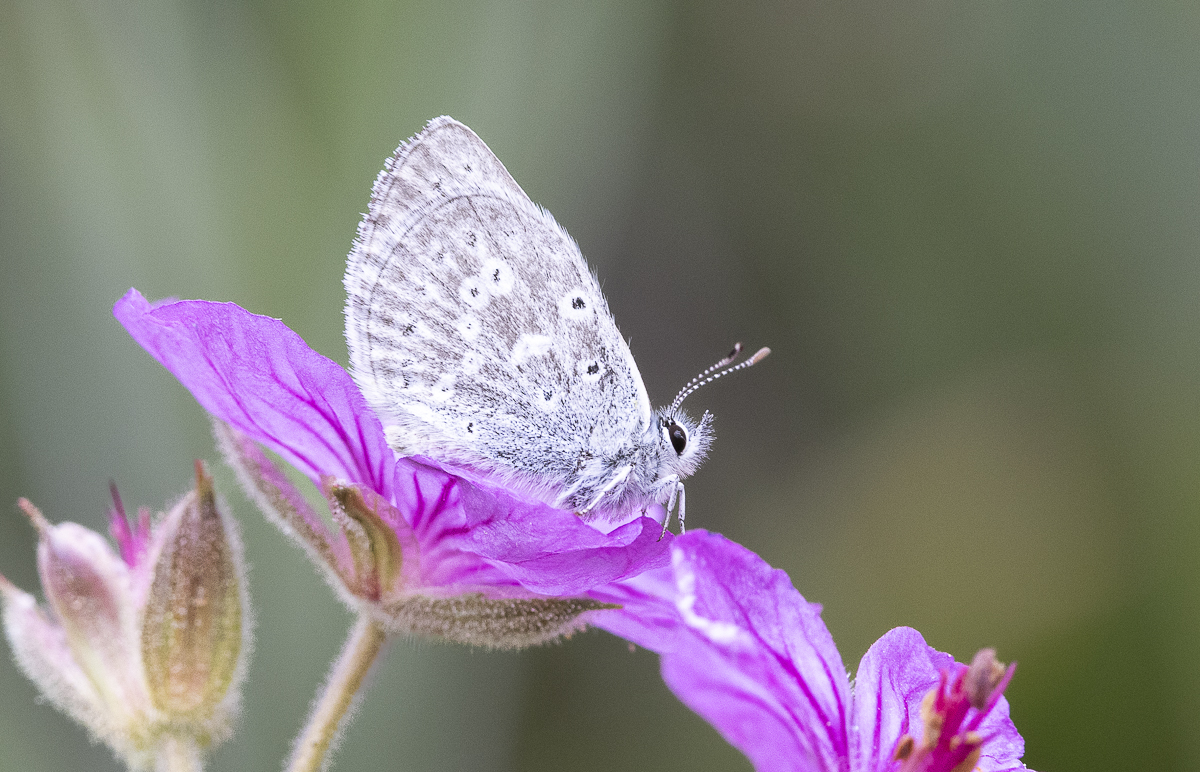
There are a number of small-ish challenging butterflies that I have tried to photograph . The ones that have eluded me the most are a few (not sure if I am seeing multiple species or not) small white ones. I guess I will need to catch a few next summer to truly ID them. There is a local citizen science butterfly count each July organized by a nearby neighbor who is an excellent naturalist, author, and sculptor. I missed it this year since we were in the Tetons with family but I will definitely get it on my schedule next year to learn from some local experts.
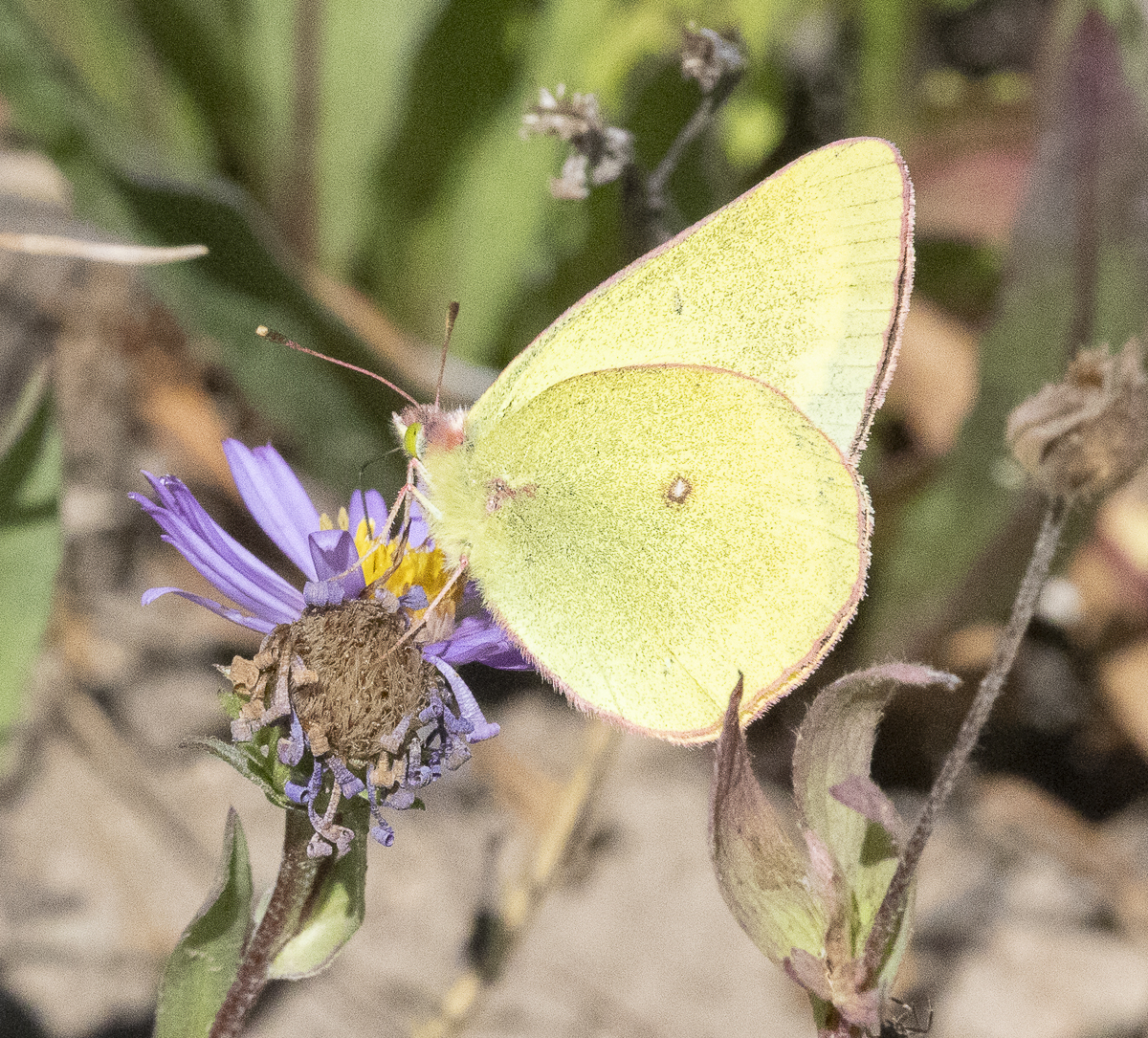
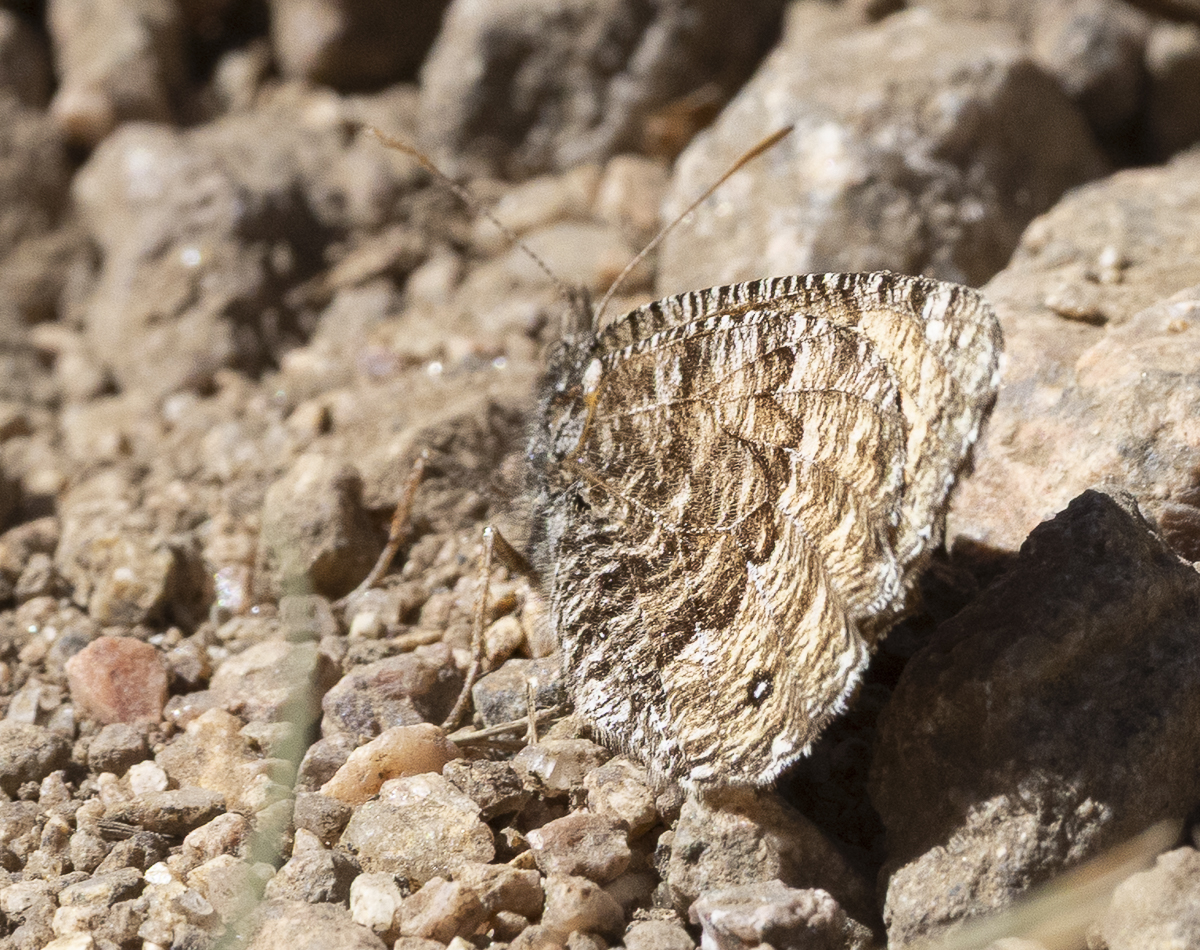
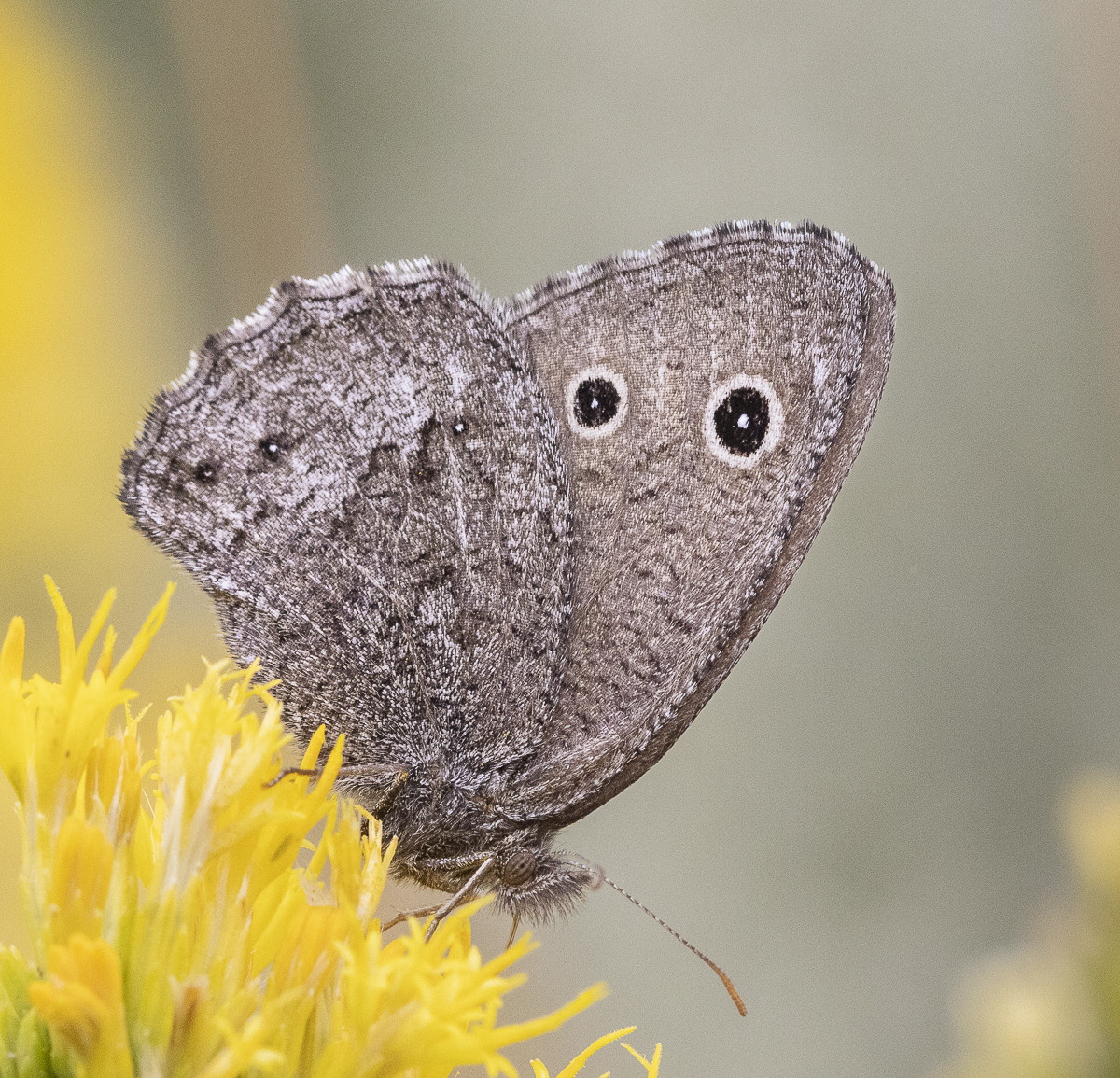
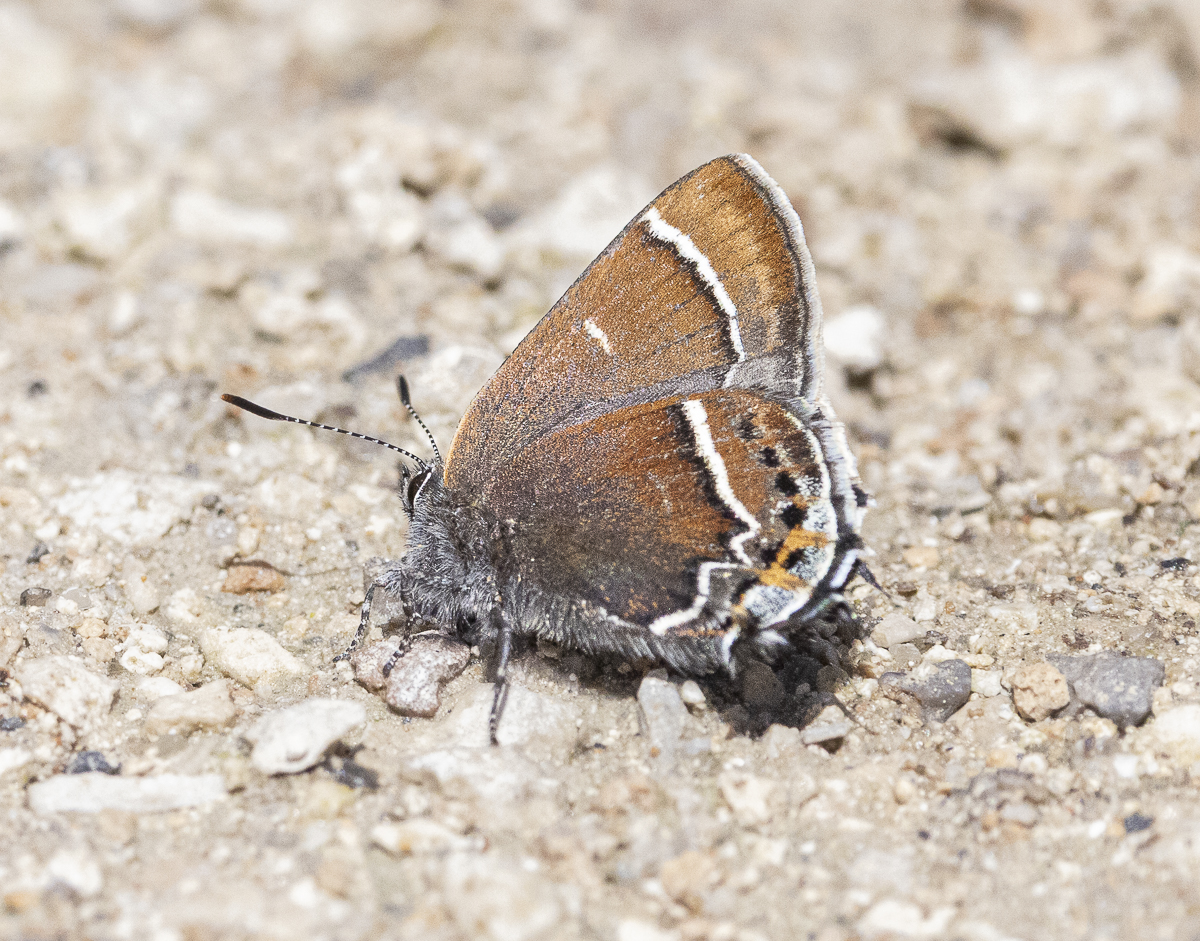
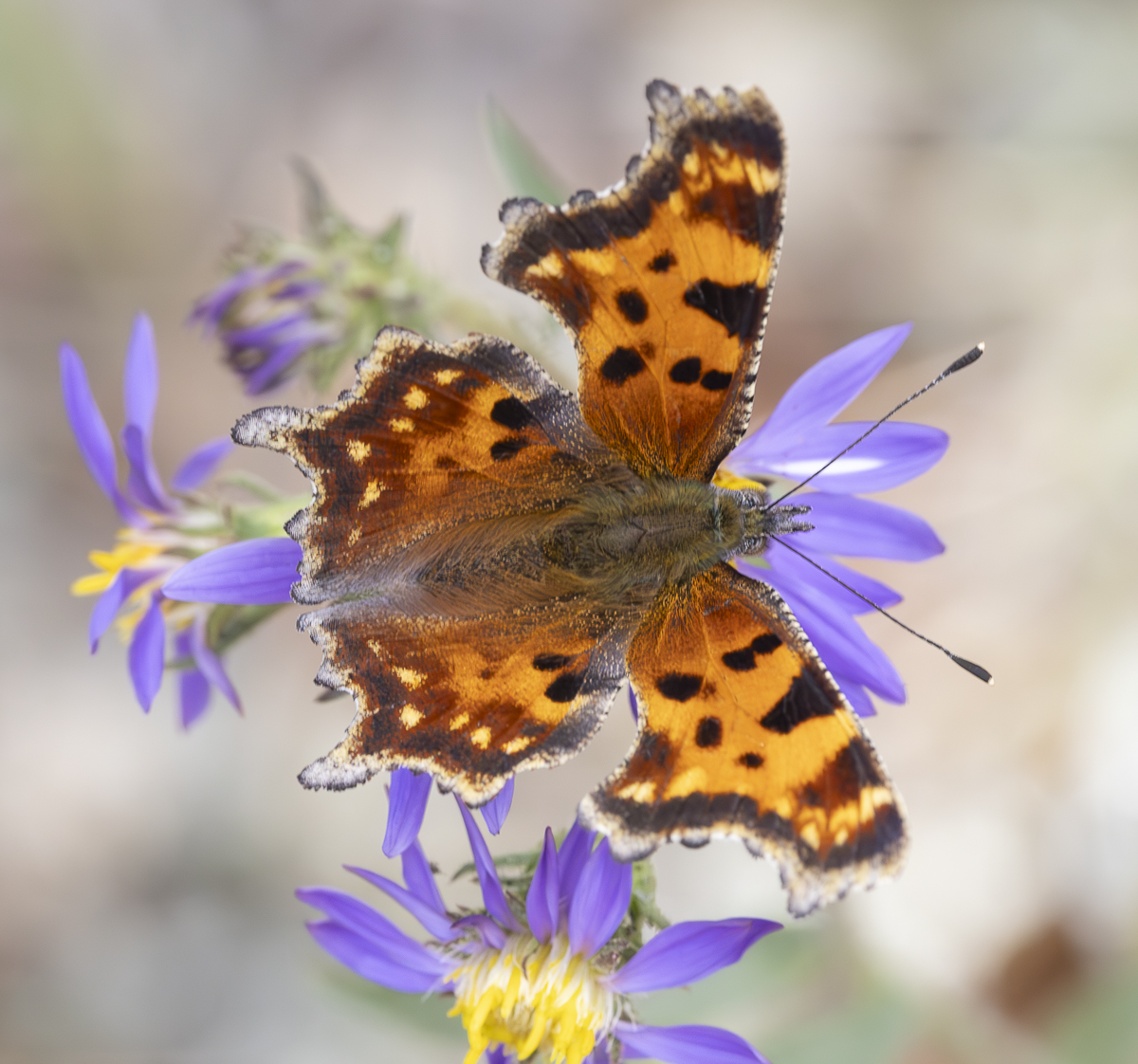
While hiking in the Beartooths back in July, I spied this next beautiful butterfly flitting about at the base of a talus slope. It kept flying away from me so I gave the camera to Melissa who was closer to where it was nectaring. She got this great shot of one of the most beautiful species we have seen in Montana, a Milbert’s tortoiseshell.

I continue to stalk insects and spiders on every walk we do, grabbing a few pics and posting to iNaturalist. Hopefully, by next summer I’ll have a greater knowledge and appreciation for the many invertebrates we have as neighbors in our new surroundings. I encourage you to get out and learn about your wild neighbors, especially the small ones. They are the backbone of the natural world we live in and the more you learn, the more you will want to preserve them and their habitats.


 Roads End Naturalist
Leave a comment