
It is not only fine feathers that make fine birds.
~Aesop

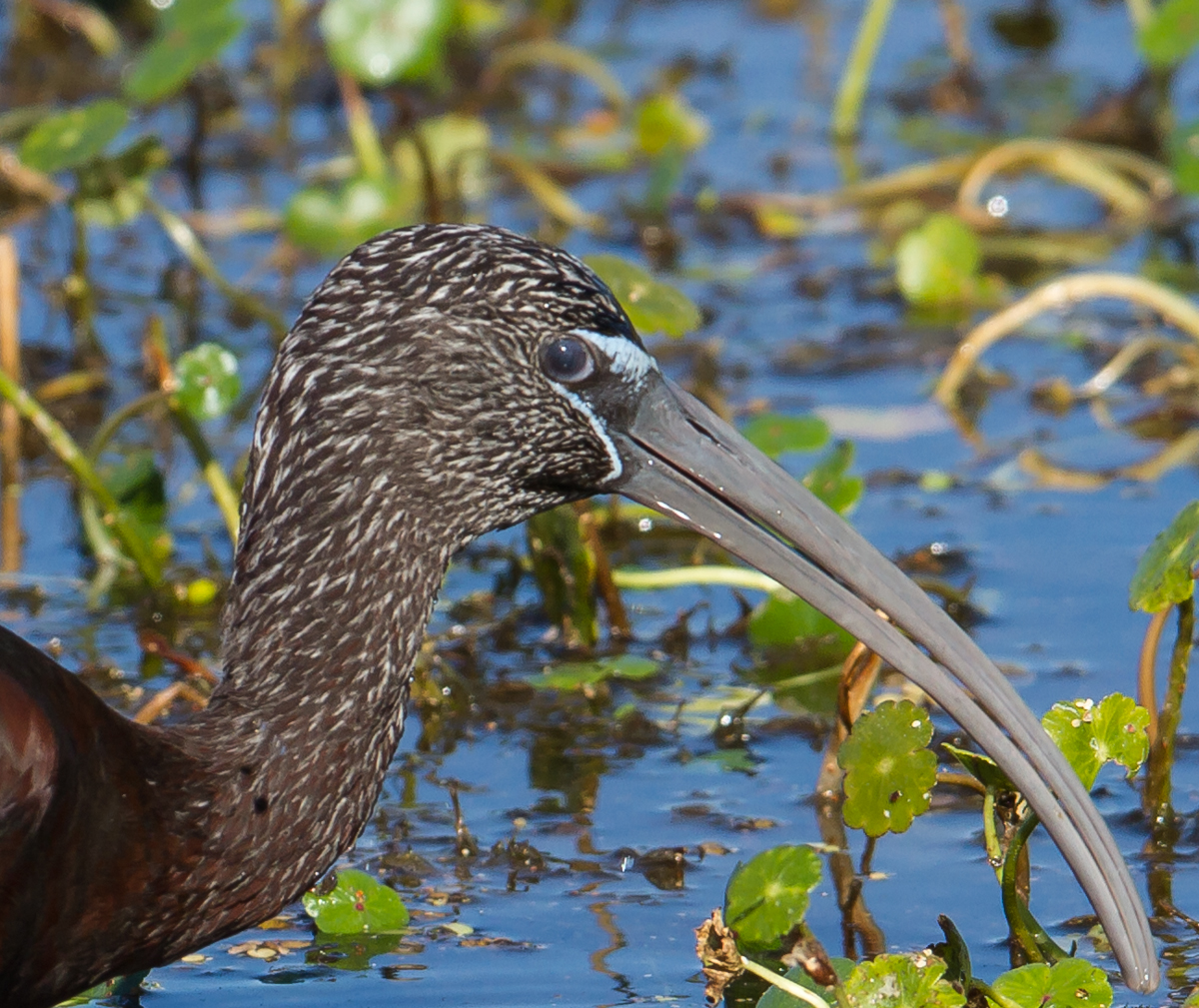
The eyes of birds are magical, so intense, so bright, so focused. One of the great things about my trip to Florida was being able to be close to a variety of birds, close enough to appreciate and capture their beauty, and close enough to look into their eyes (at least through a telephoto lens).

When I was looking at images for the last post on the birds of Huntington Beach State Park, I noticed the eye of the Snowy Egret. You can see the clear membrane covering about half of the bird’s eyeball. That is the nictitating membrane (from Latin nictare, to blink), a thin membrane that helps protect the eye of birds and a few other groups of animals. This so-called “third eyelid” is also found in various reptiles, mammals, and fishes. In all cases, the membrane serves as a protective adaptation when it is drawn across the eye.
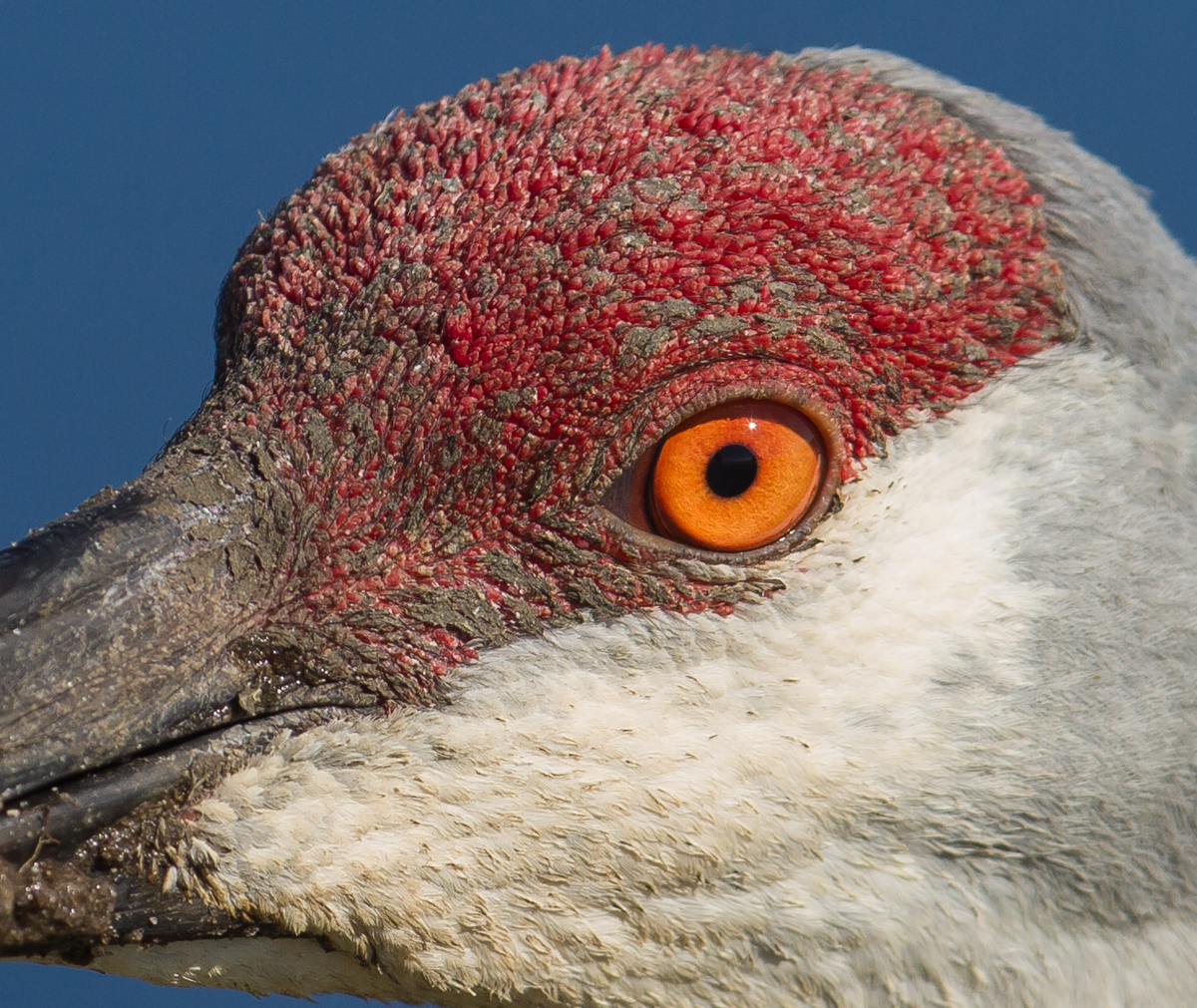

The membrane rests at the front edge of the eye and sweeps backward to clean and moisten the cornea. When pulled across the eyeball, the membrane still allows a bird to see due to its transparent (or at least translucent) nature, although it is apparently more opaque in certain species such as owls. And I learned that we, too, have a nictitating membrane in our eyes – it is that little crescent-shaped piece of pinkish skin in the corner of our eye nearest the nose. It is called the plica semilunarisours, but is vestigial and no longer functions as it does in birds.


While the nictitating membrane is especially important in birds as they fly, dive underwater, or feed anxious chicks with sharp beaks, it is also used as their primary blinking mechanism. The lower eyelid closes when a bird sleeps, but they typically blink using this third eyelid. Being able to closely watch so many different types of birds while I was in Florida gave me ample opportunity to appreciate how frequently birds blink their incredible eyes.


 Roads End Naturalist
Leave a reply to Victor Rakmil Cancel reply