
Enjoy the little things, for one day you may look back and realize they were the big things.
~Robert Brault
I just returned from two hot days down at Pocosin Lakes National Wildlife Refuge. I am looking at some interpretive possibilities for the region as part of the NCLOW project to enhance ecotourism potential in northeastern North Carolina. Readers of this blog already know I think this area is one of the best places in our state (our entire region, really) to see and enjoy wildlife such as large flocks of wintering waterfowl and black bears. But, there is so much more to this refuge than just the charismatic mega-fauna that have made it increasingly well-known to birders and wildlife photographers.
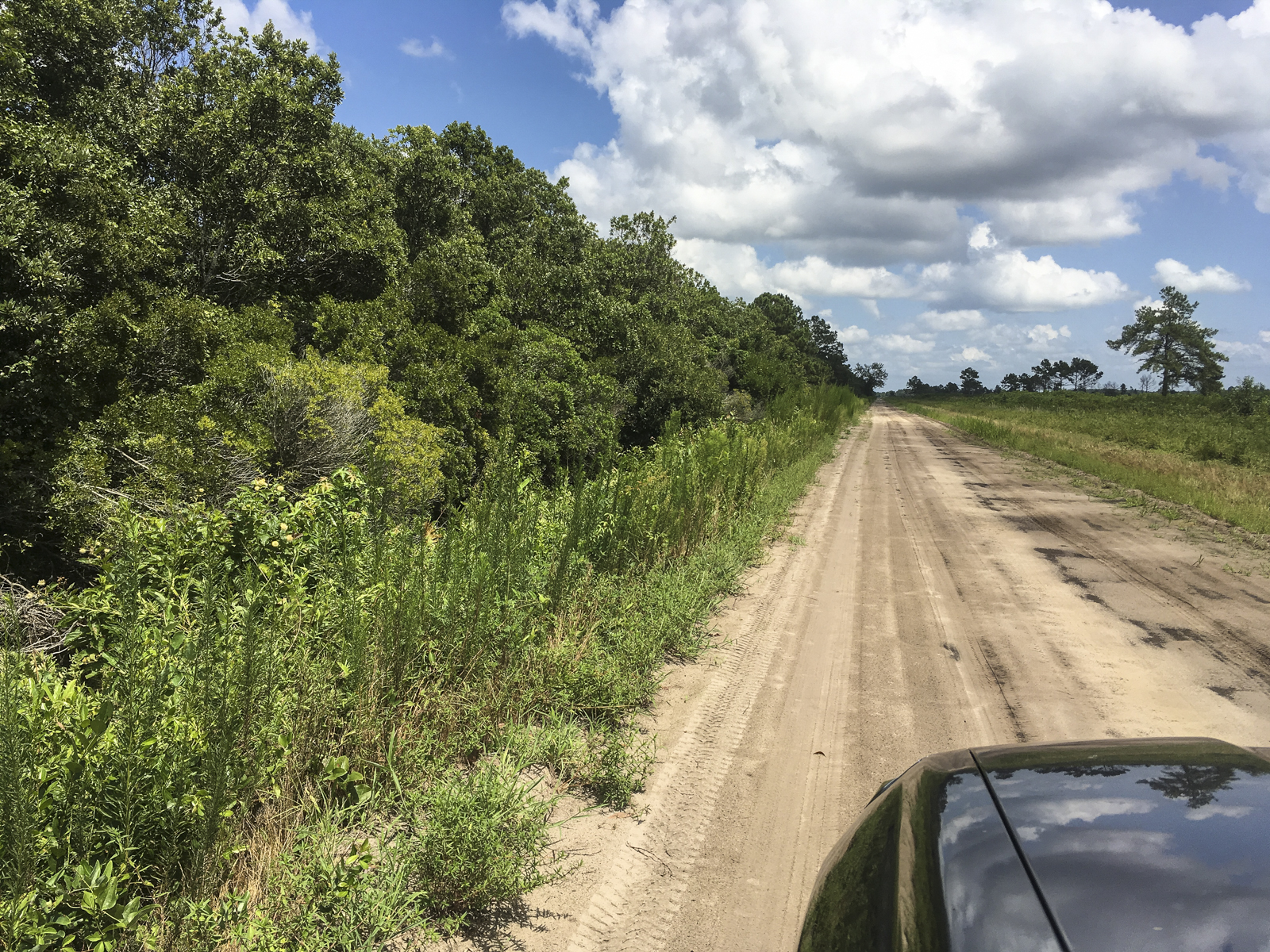
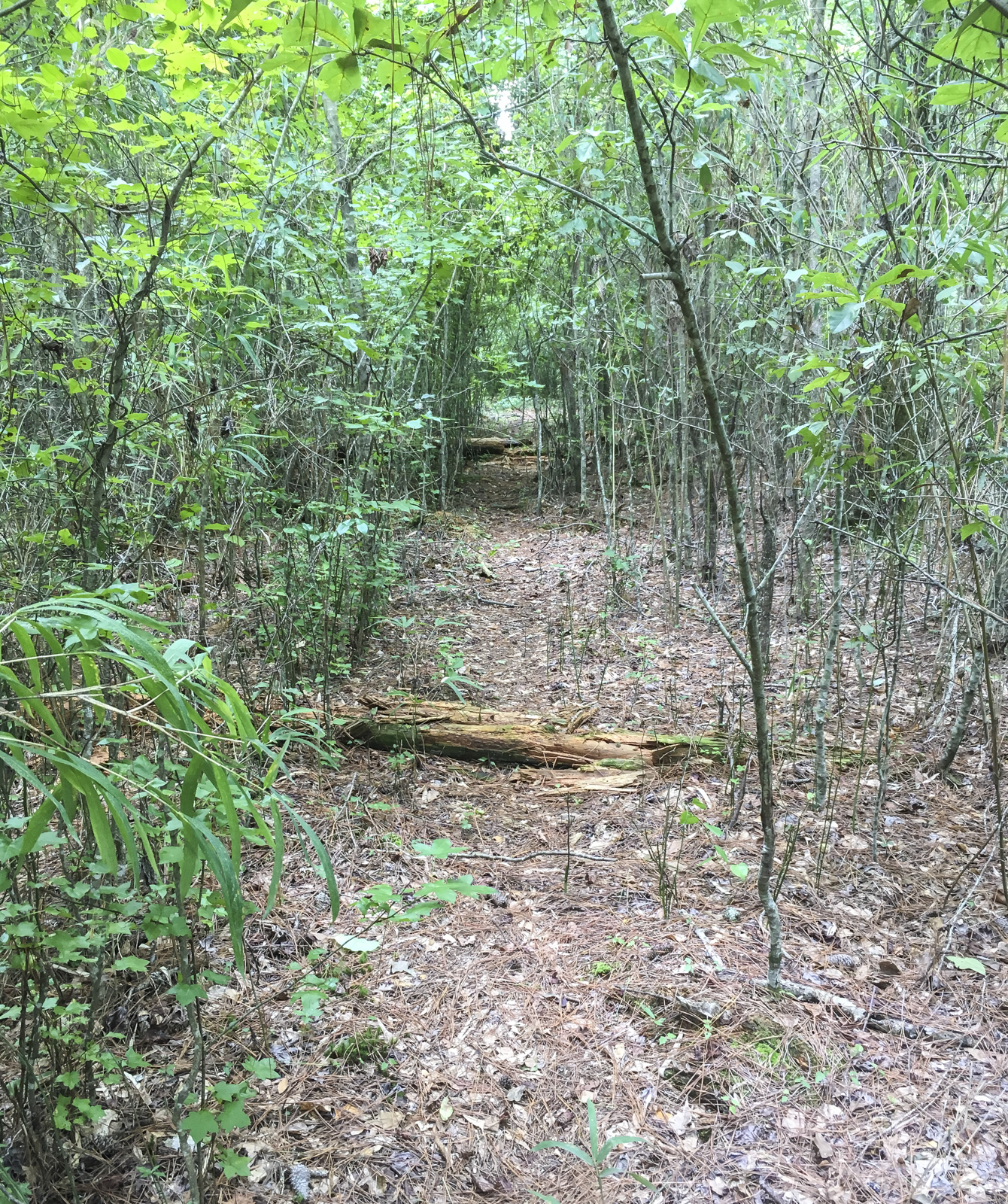
While my purpose on this trip was something other than nature photography, I couldn’t resist taking a few images of some of the smaller things this spectacular natural area has to offer. In fact, that is something that many people may not appreciate about our public lands. Not only do they provide critical habitat for target species such as waterfowl, they are home to so many other species that can be observed and enjoyed in their natural haunts. All you need to do is just take the time to get out and explore.
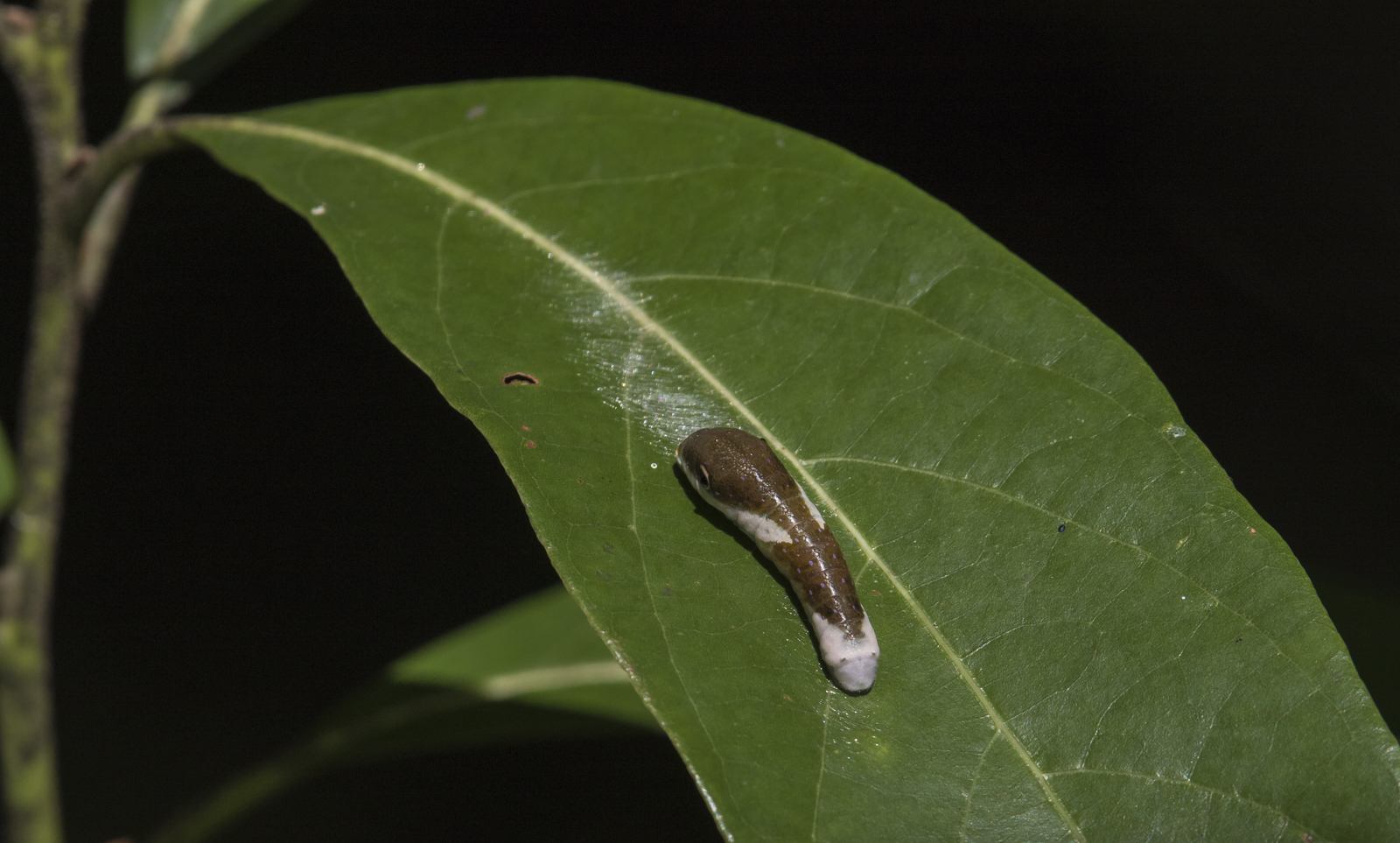
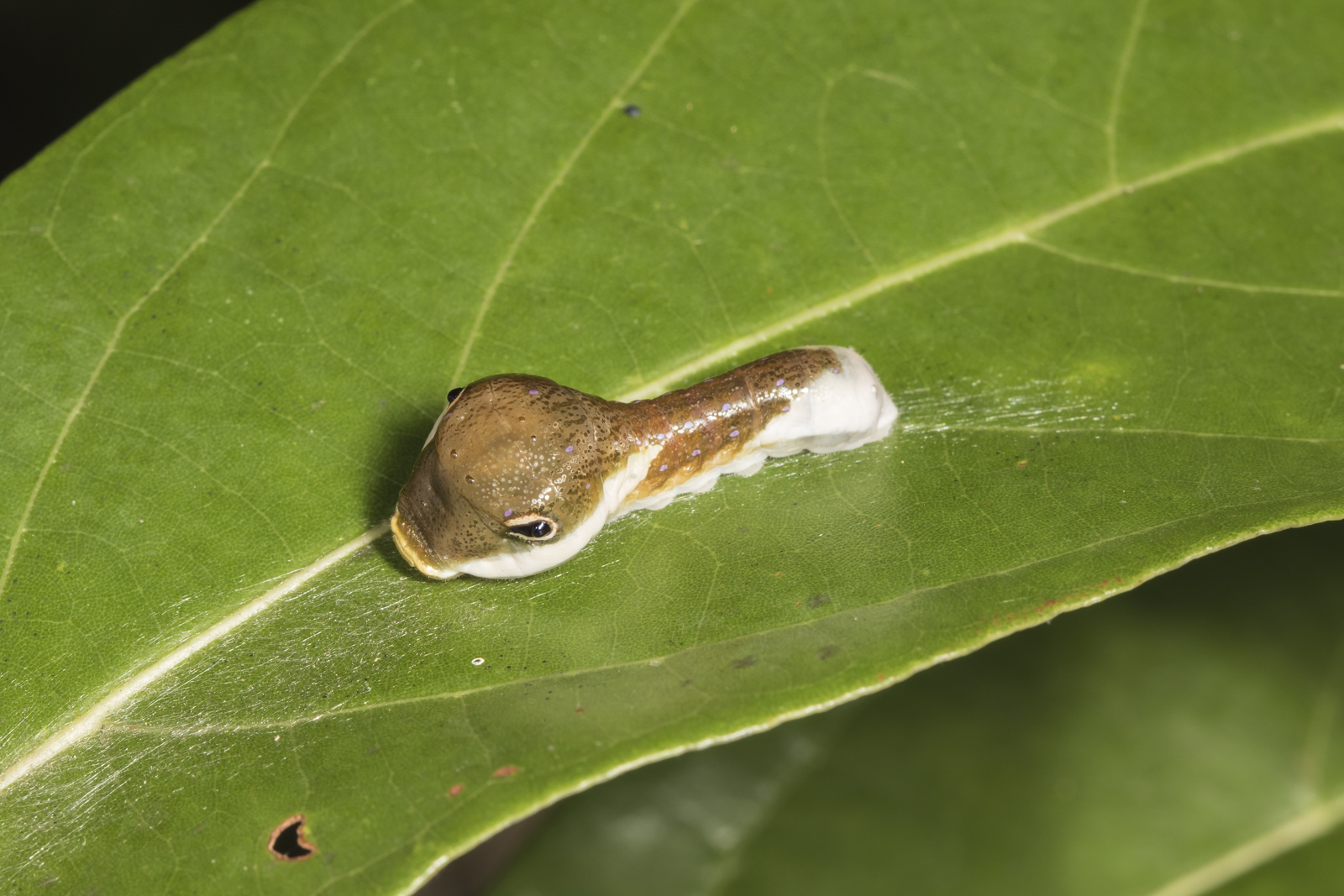
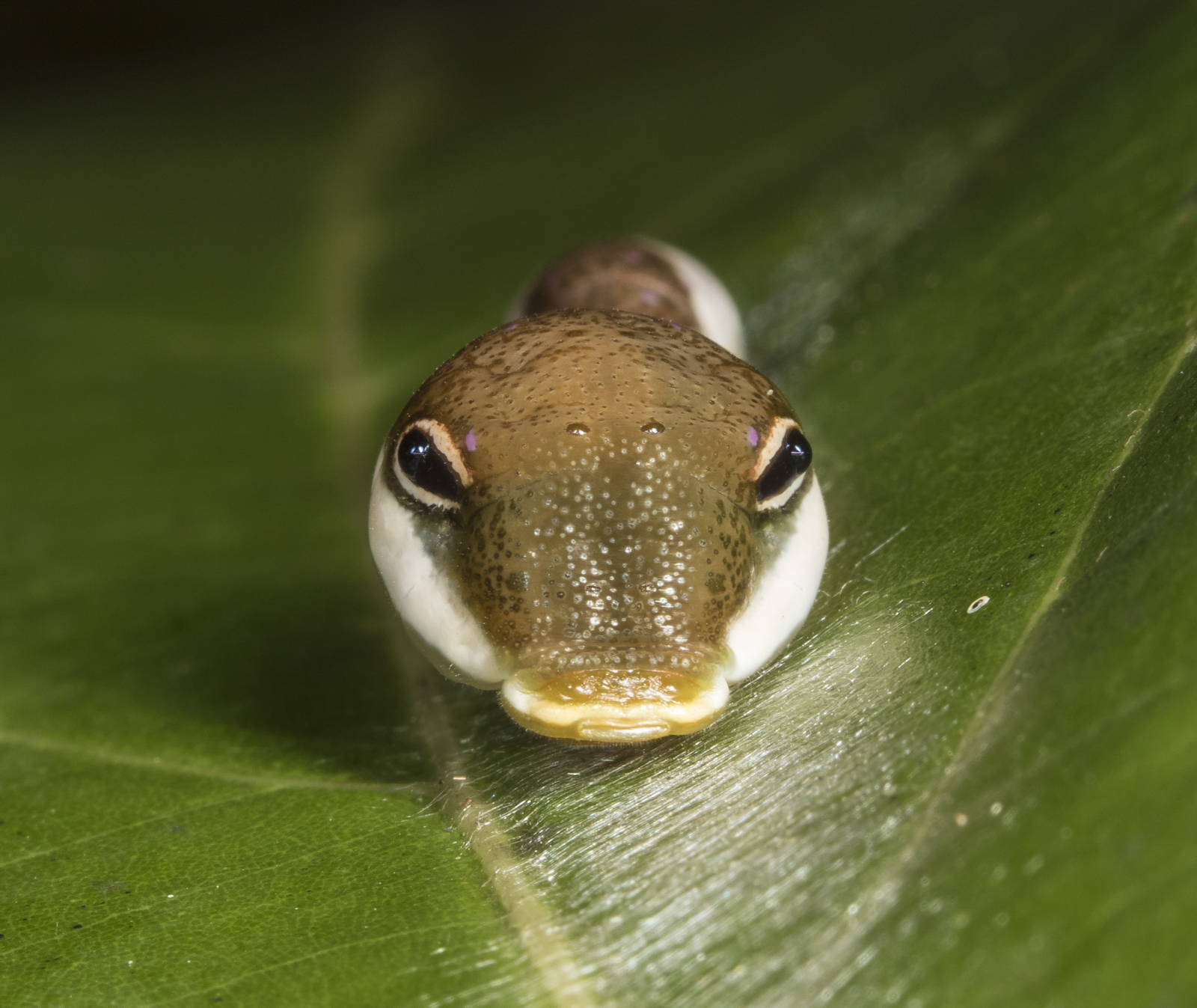
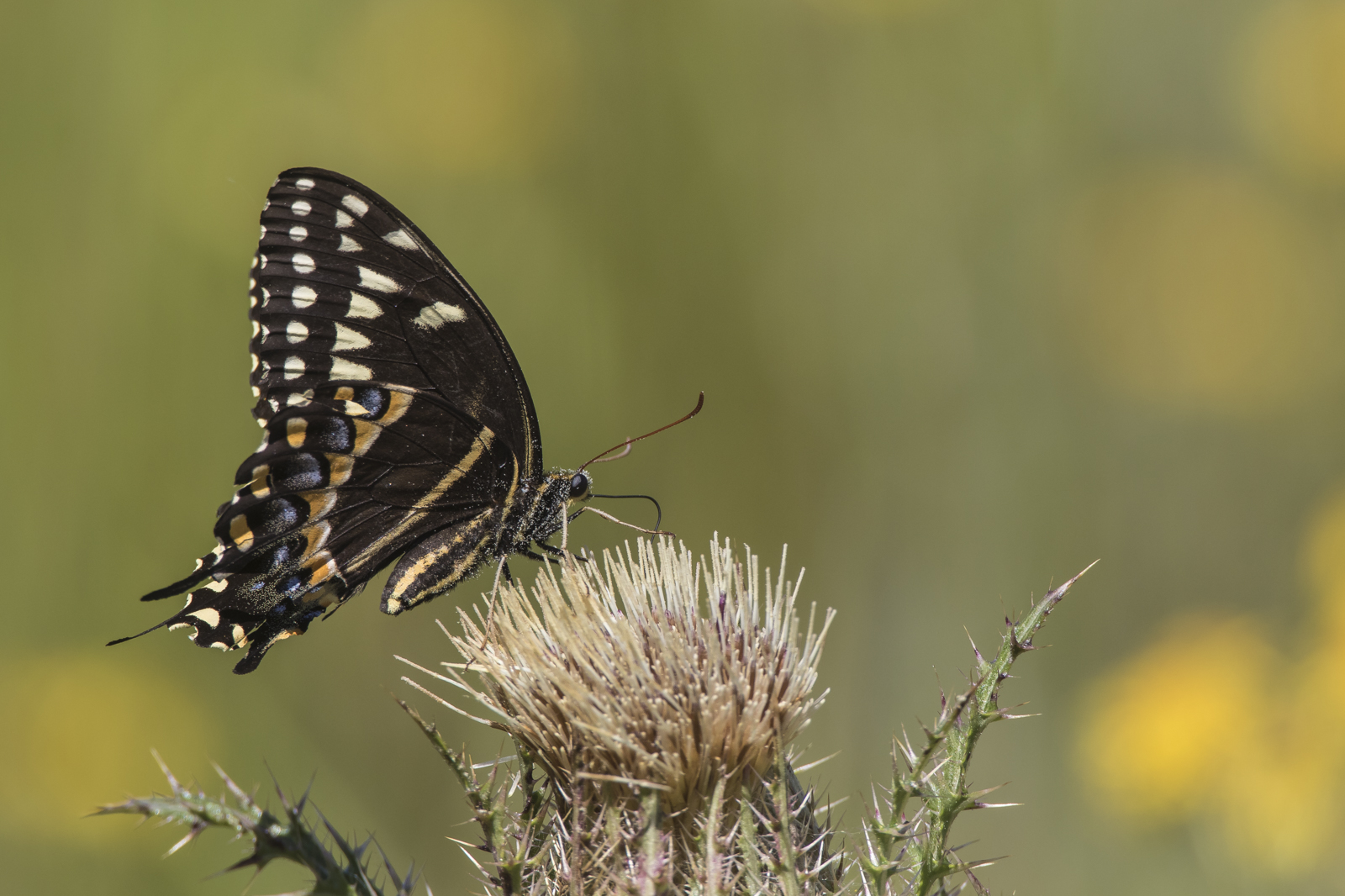
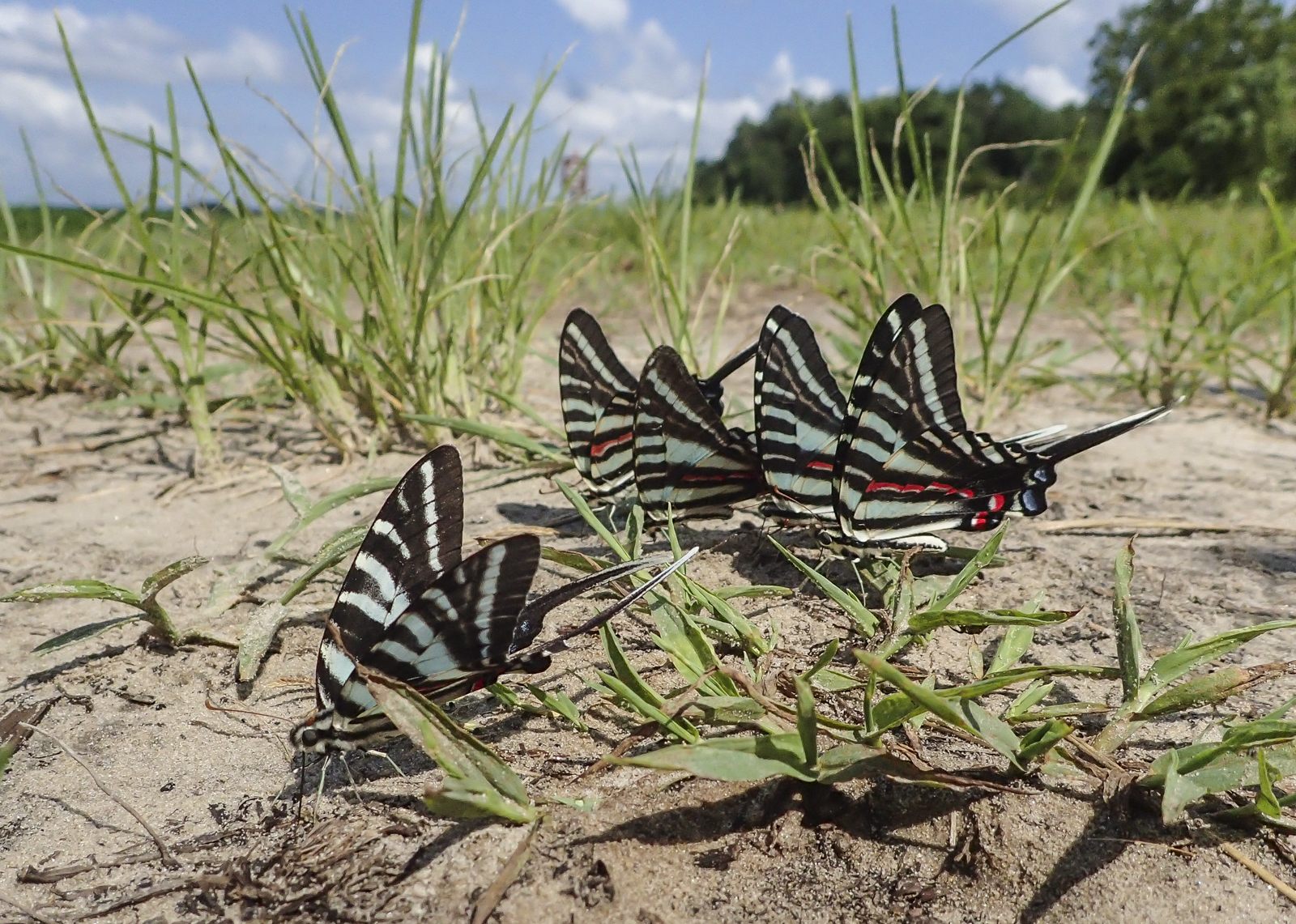
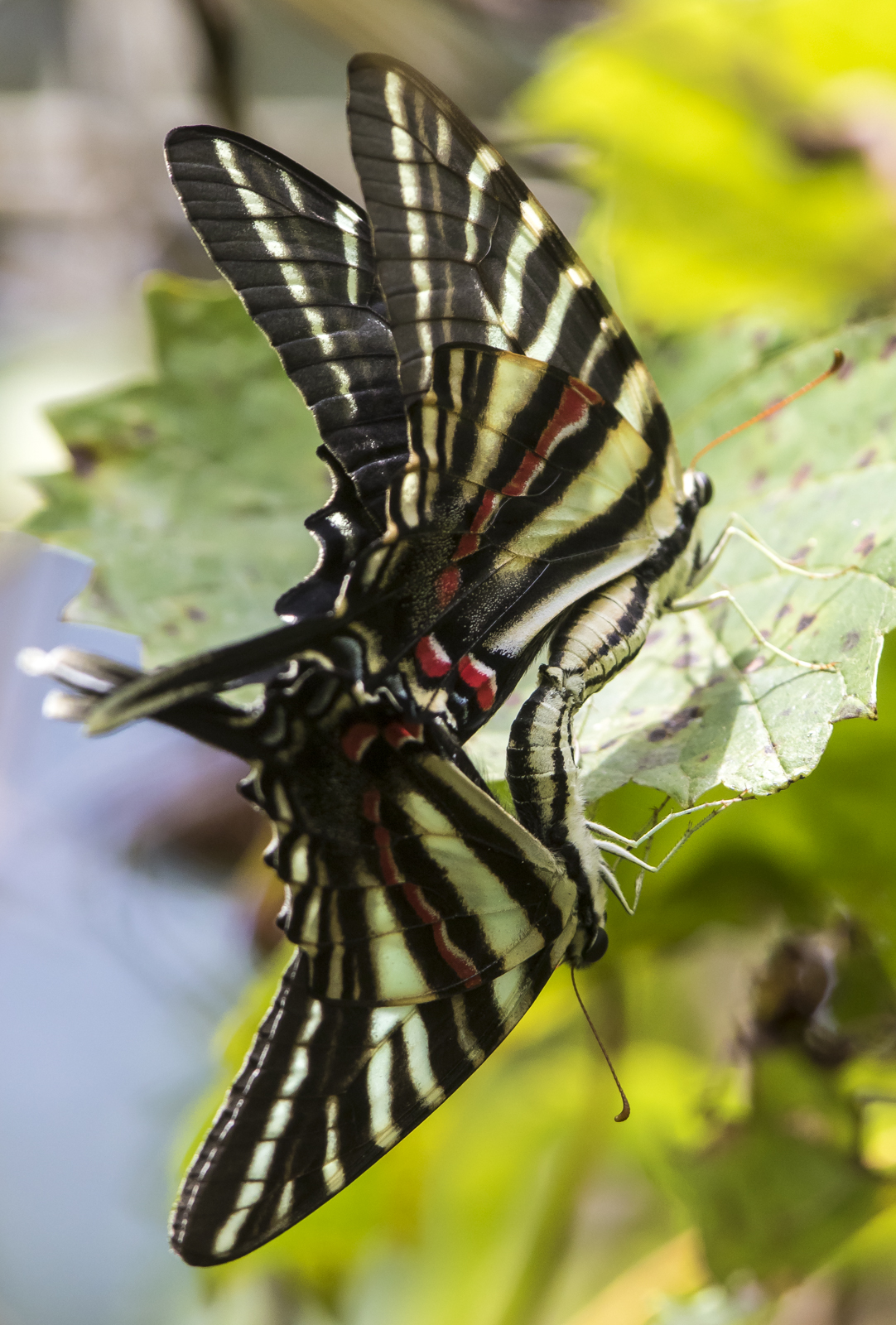
The plant diversity on the refuge is impressive with abundant wildflowers and unusual pocosin species such as loblolly bay, titi, gallberry, and even some carnivorous plants.
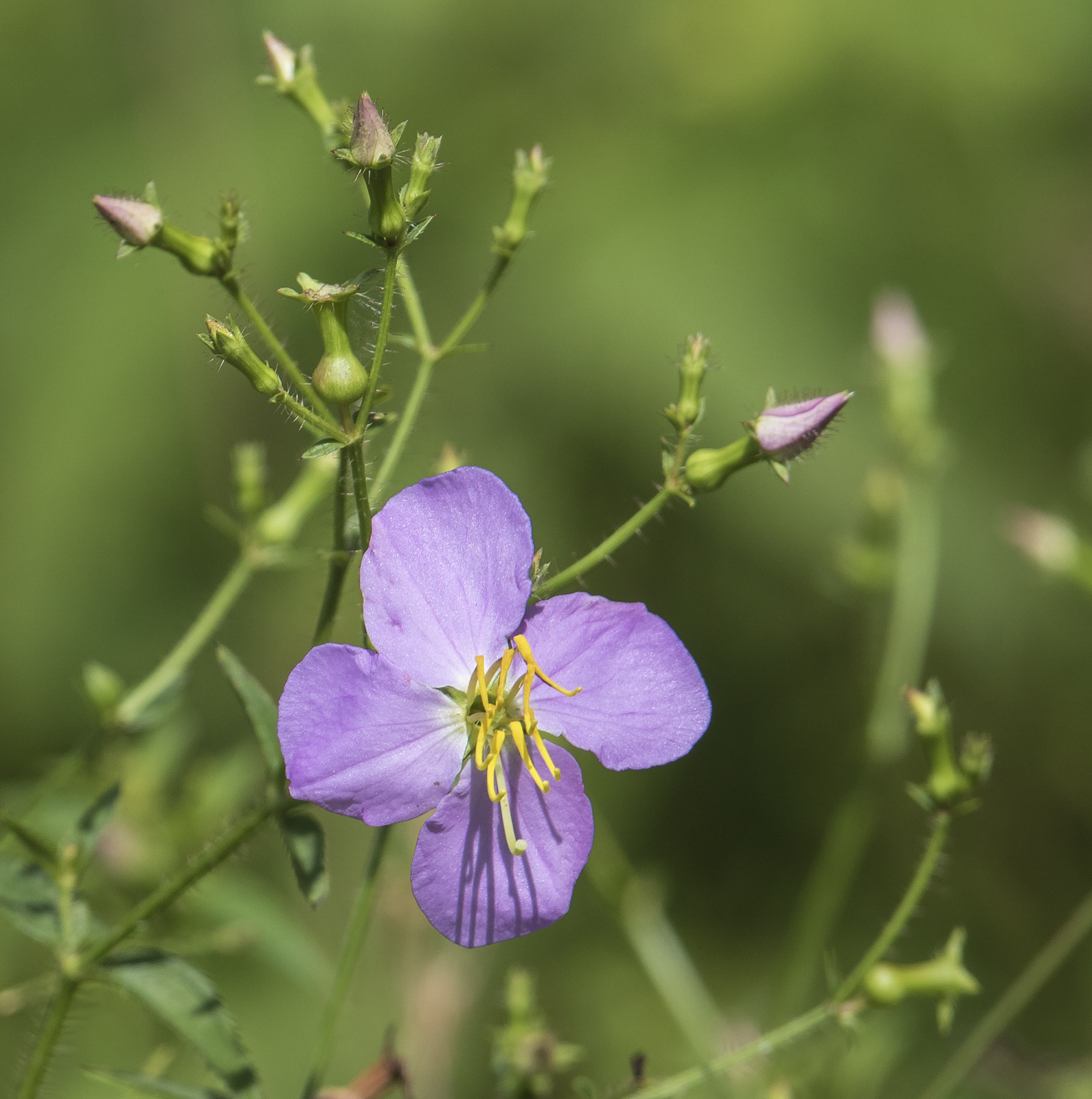
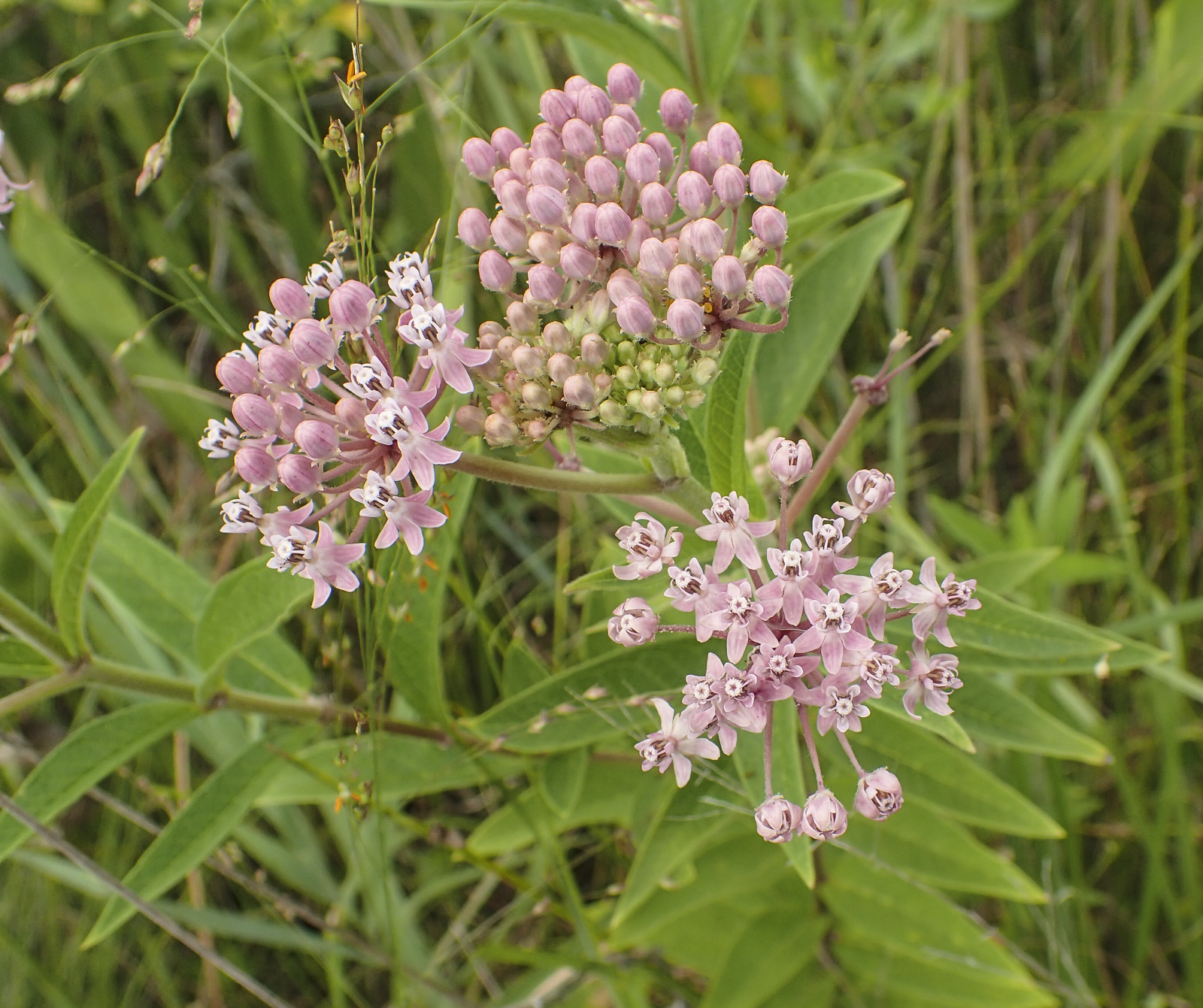
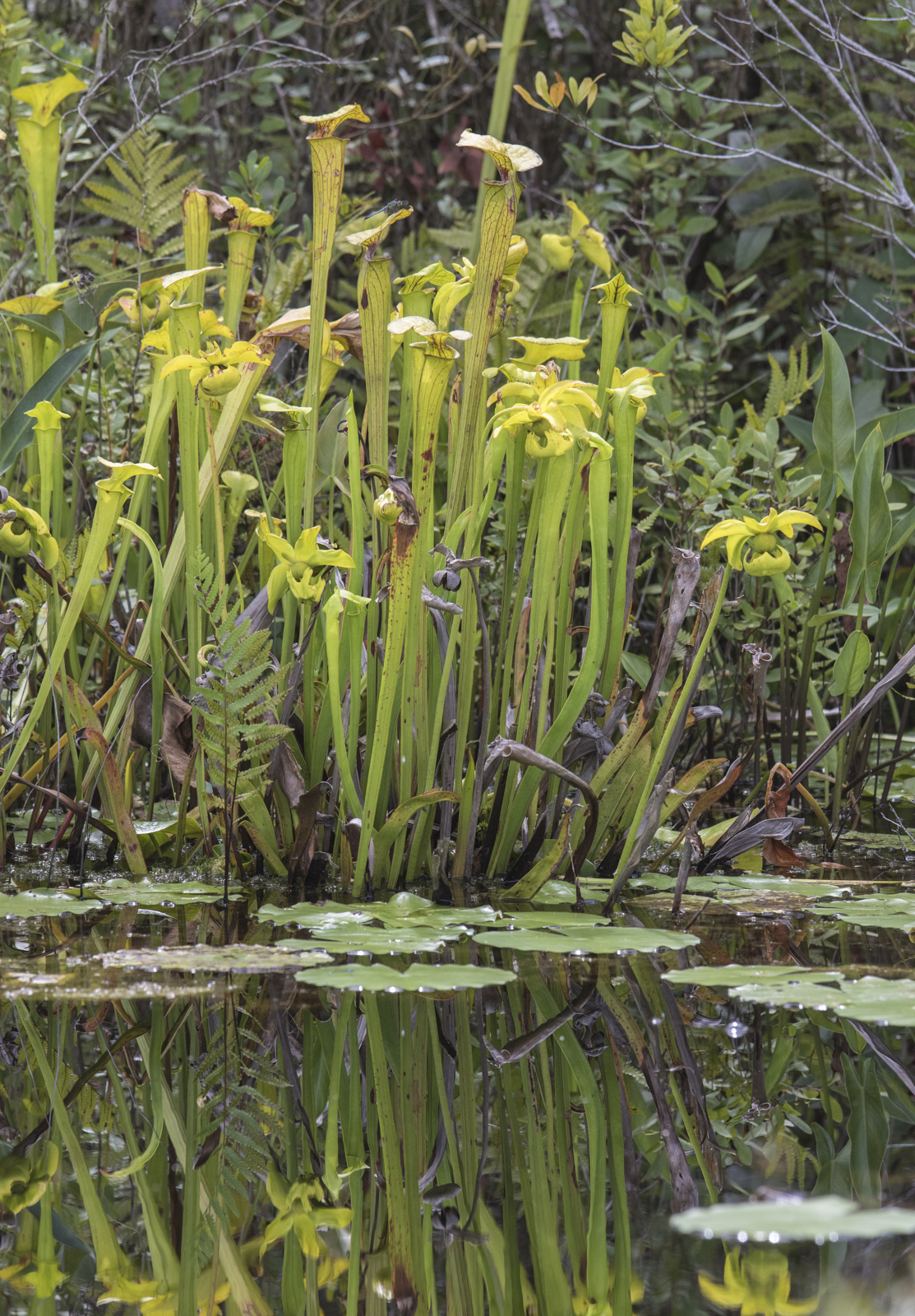
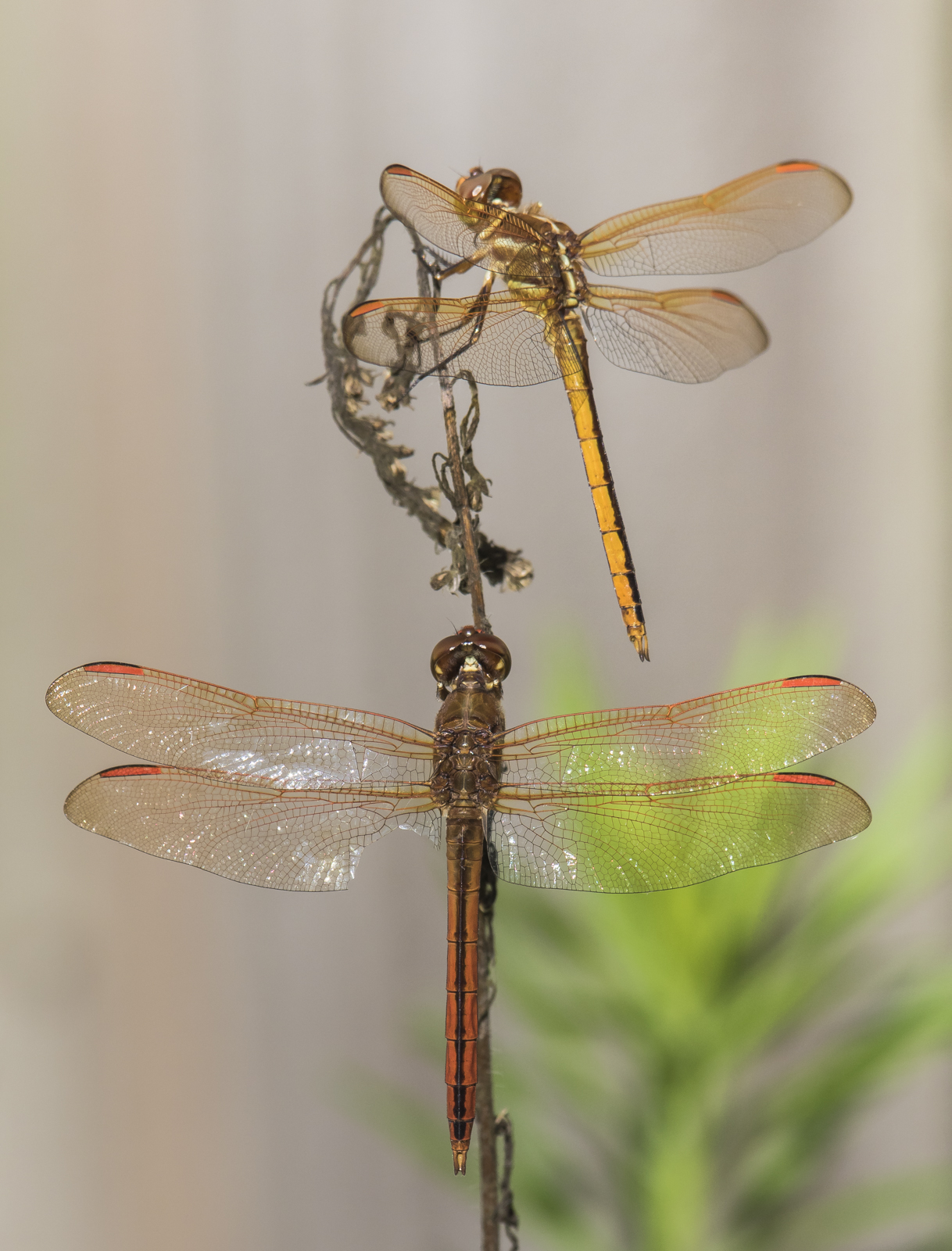
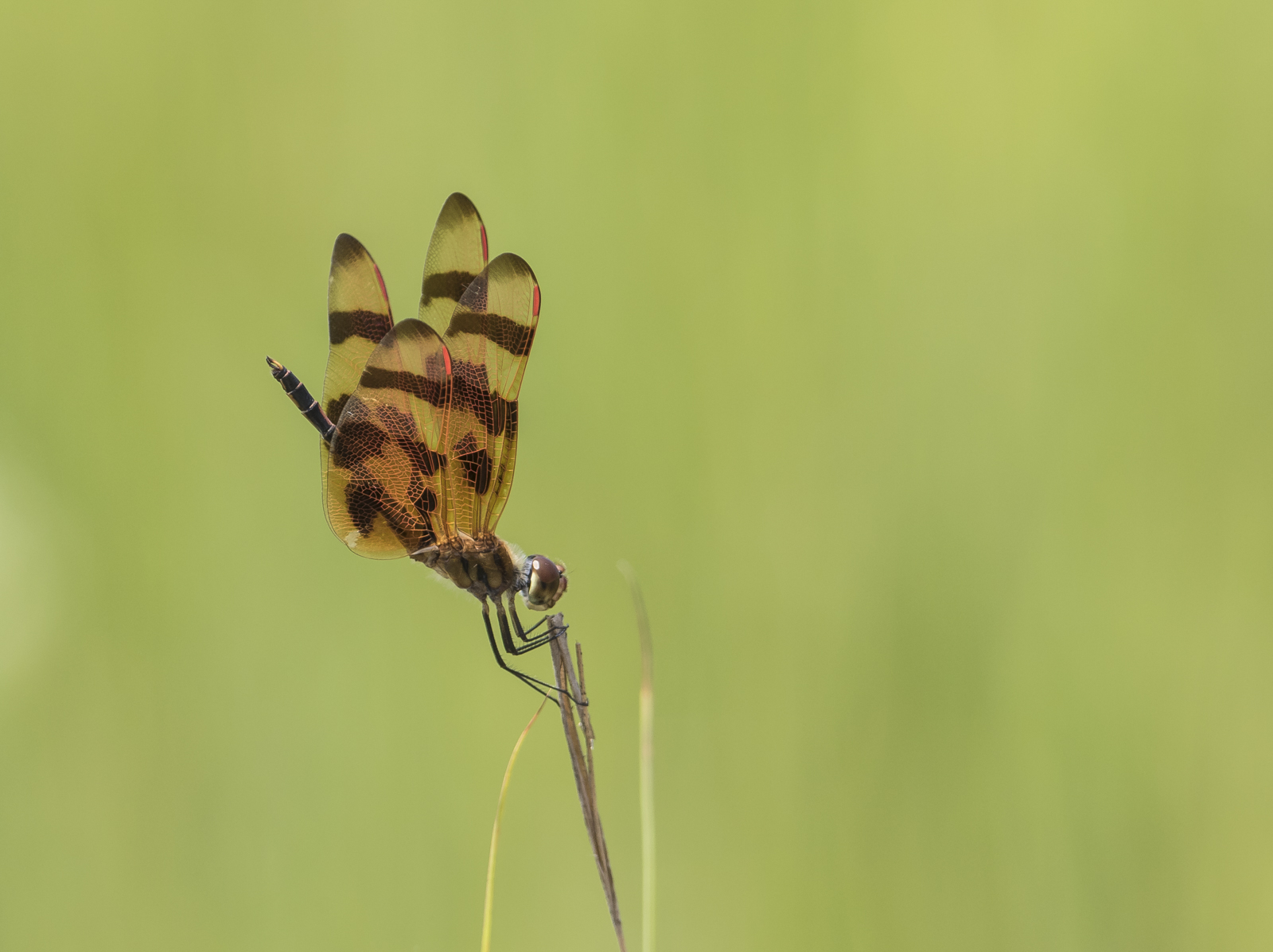
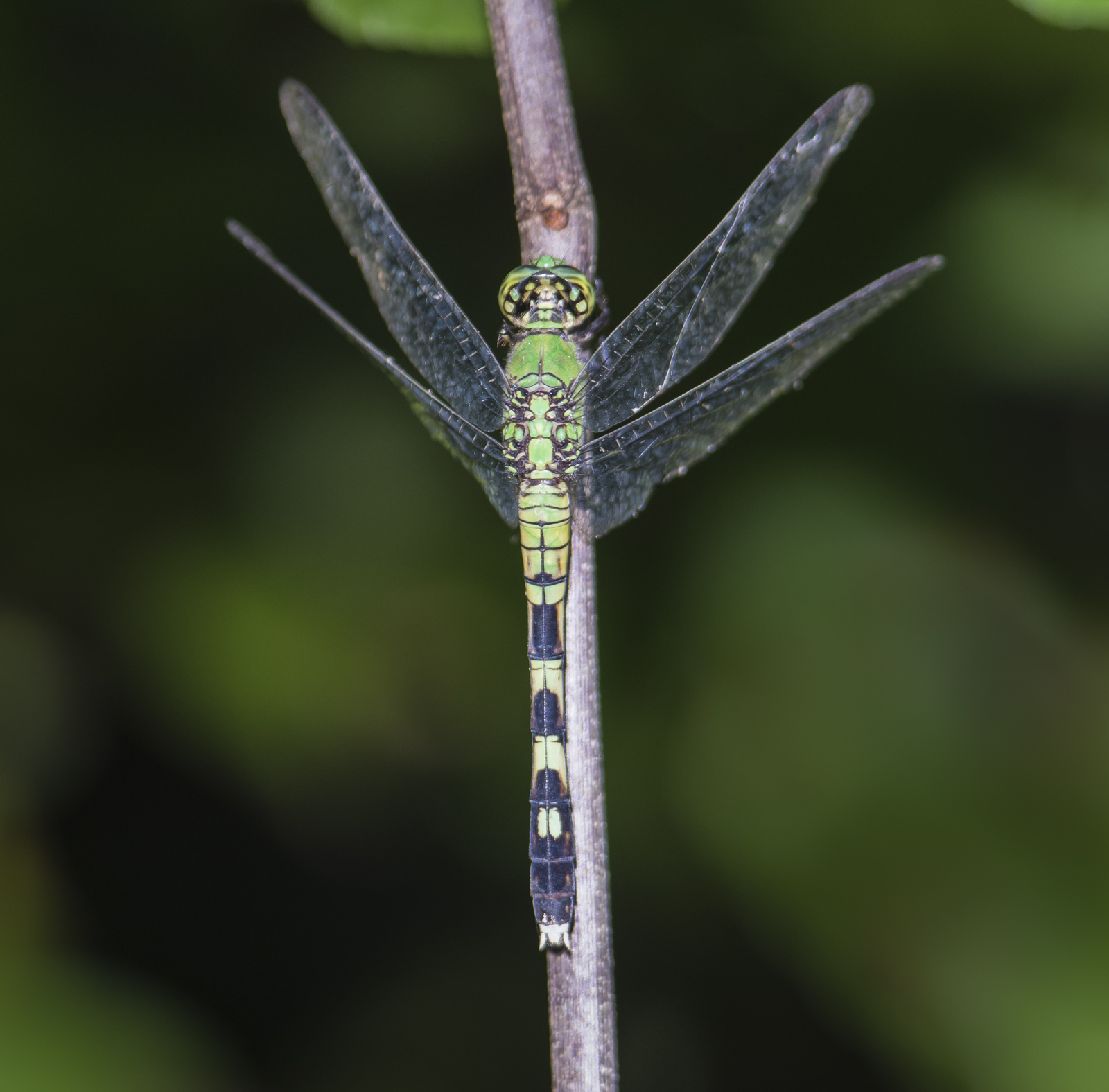
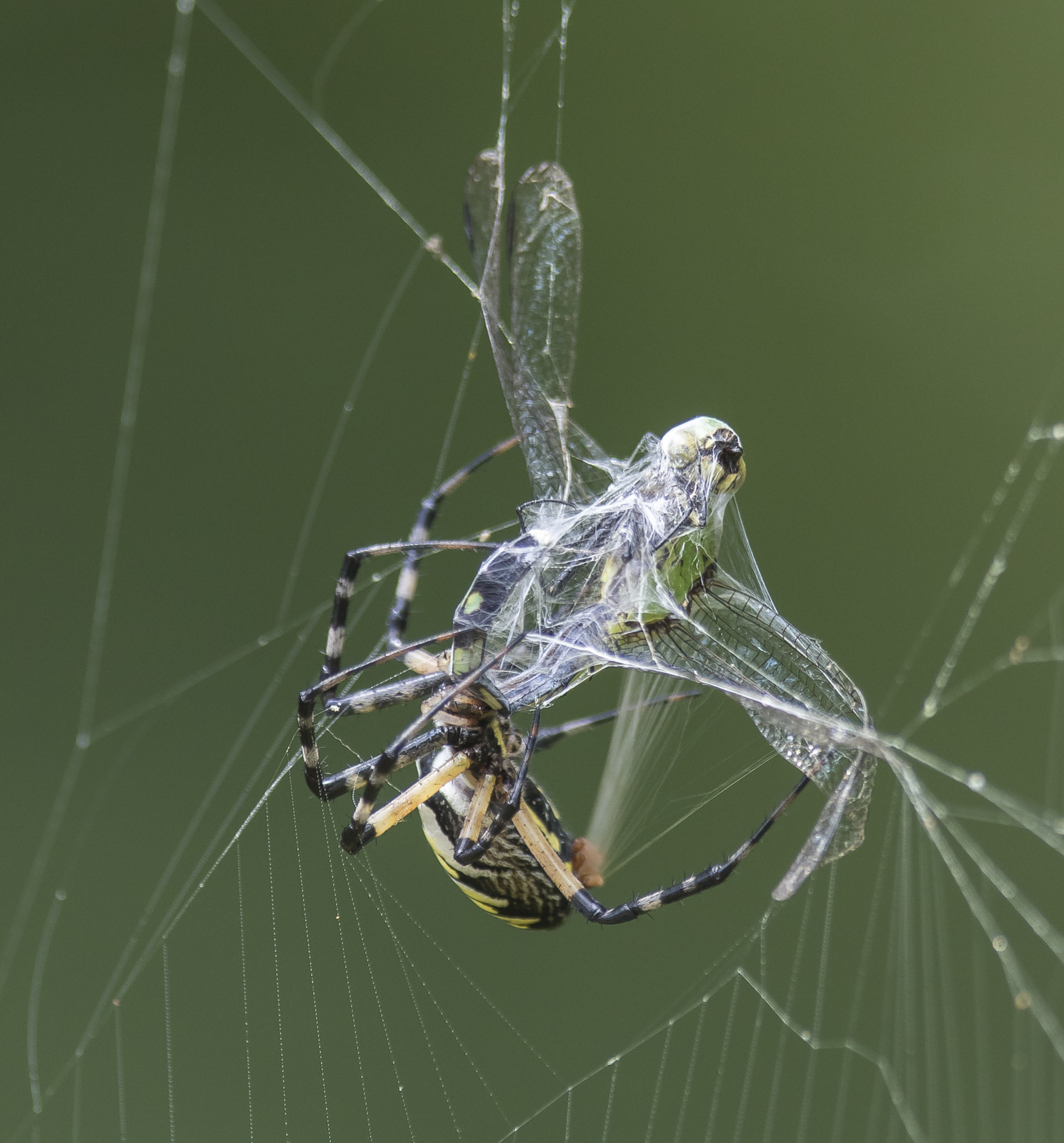
In summer, the skies on the refuge are abuzz with all sorts of insects, including many species of dragonflies and damselflies.
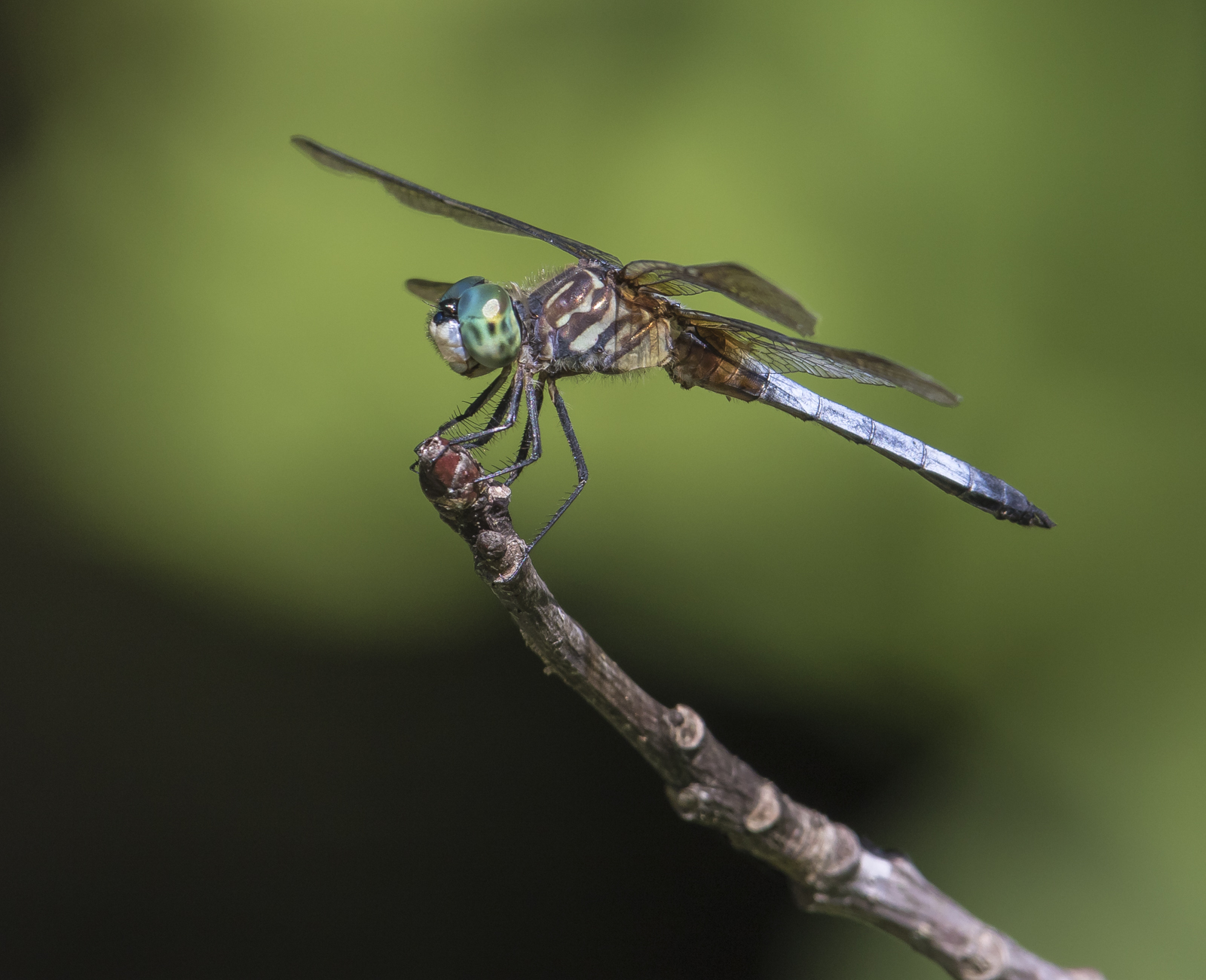
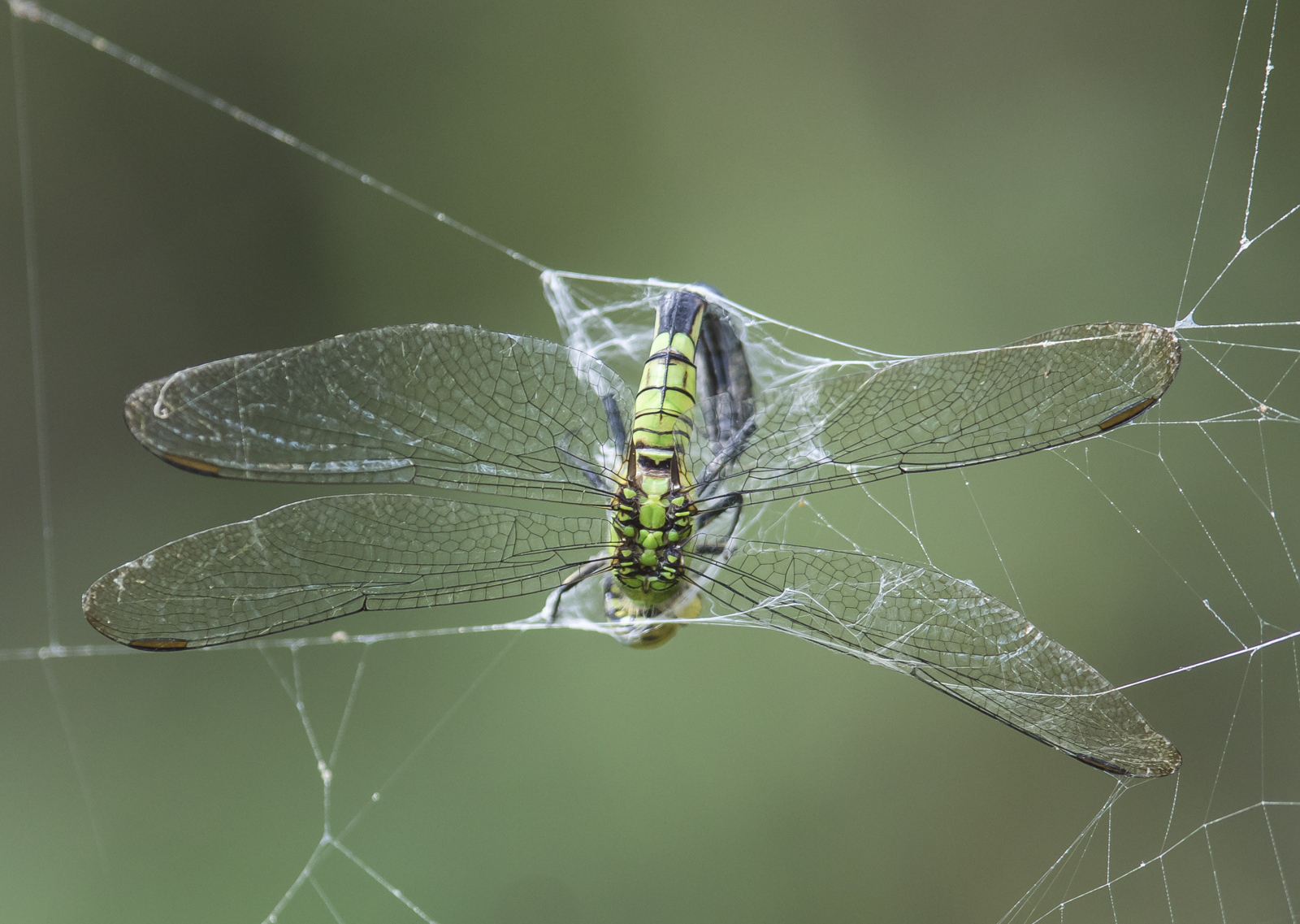
But sometimes, the rulers of the sky fall prey to other predators…
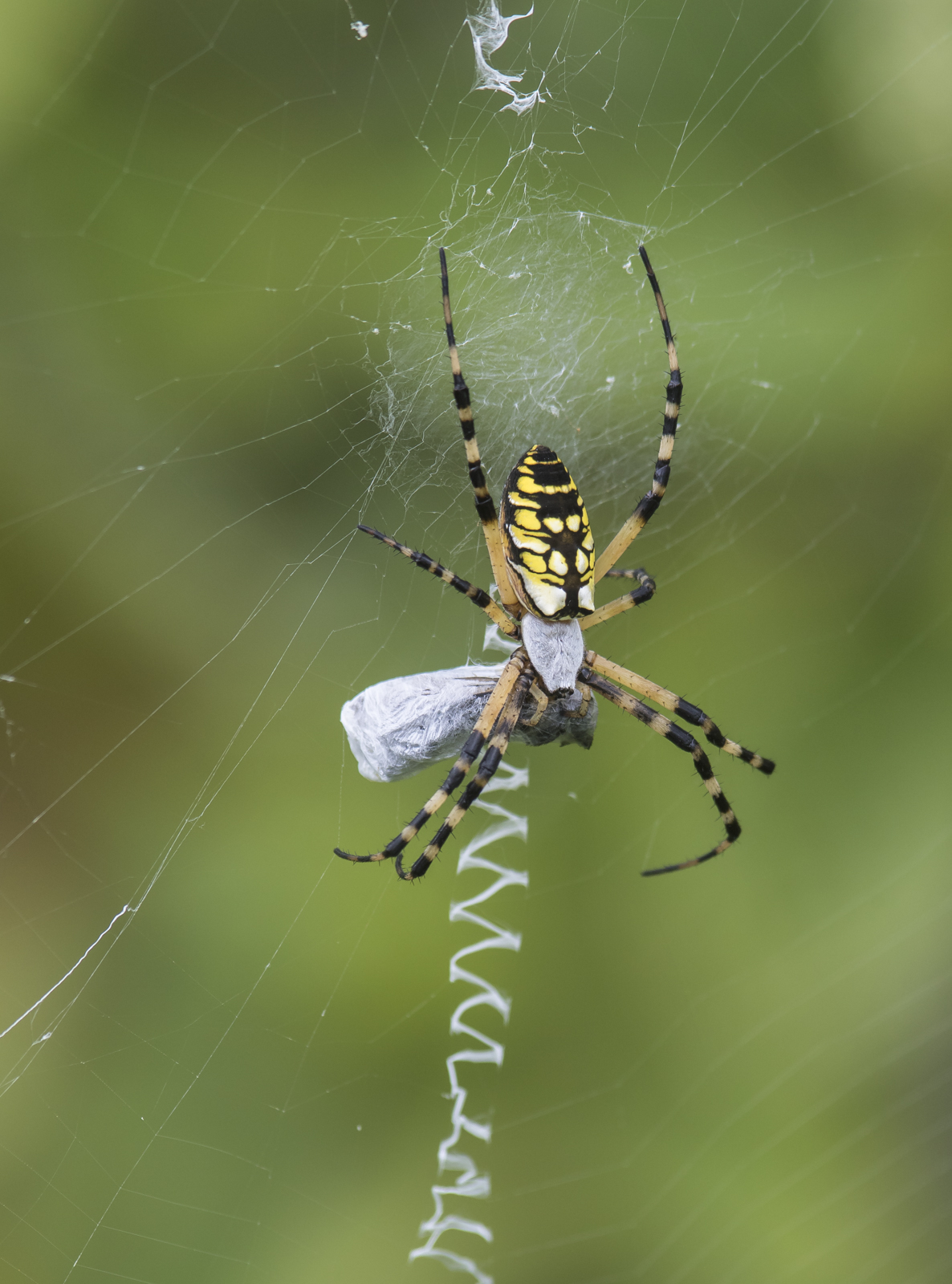
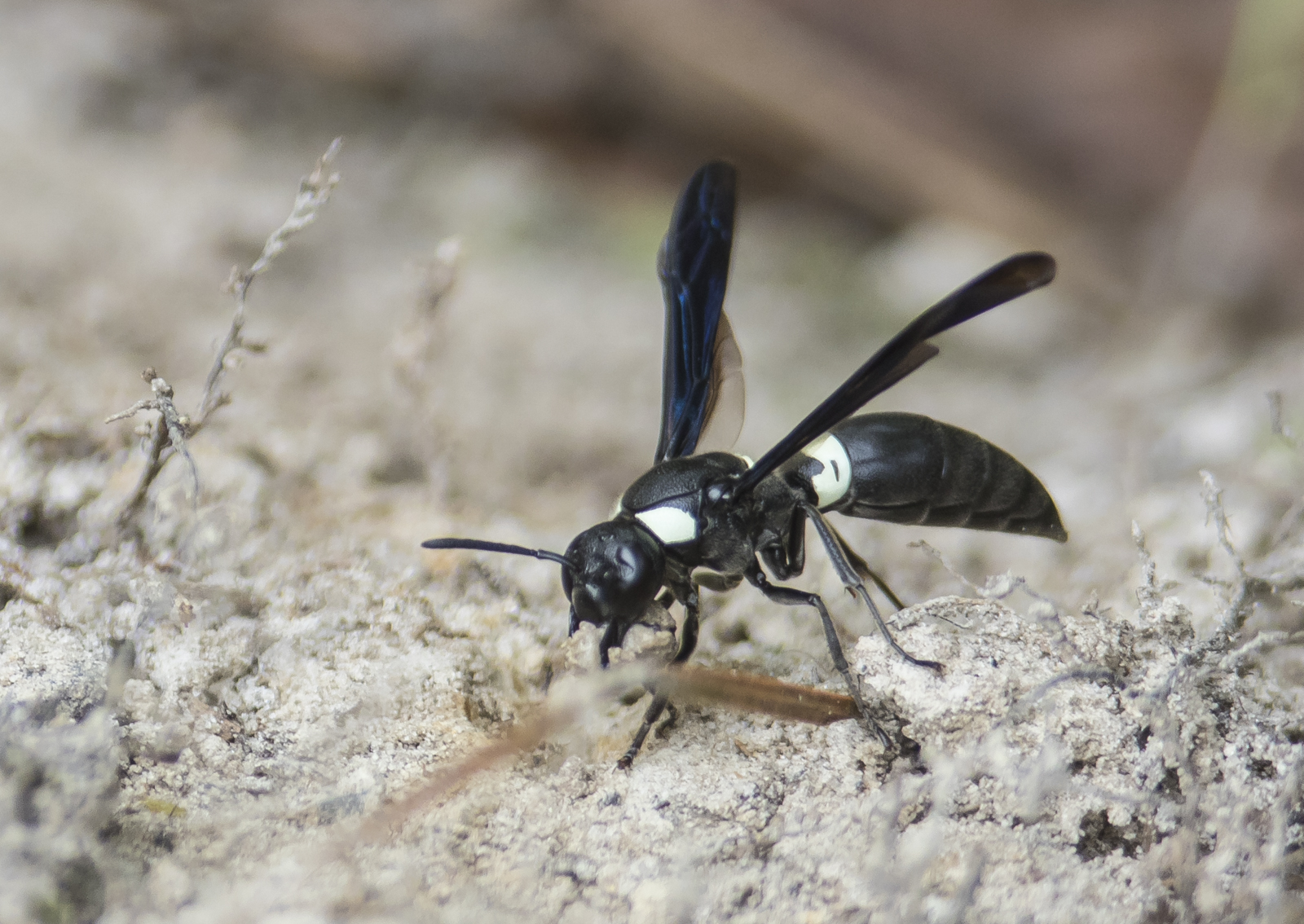
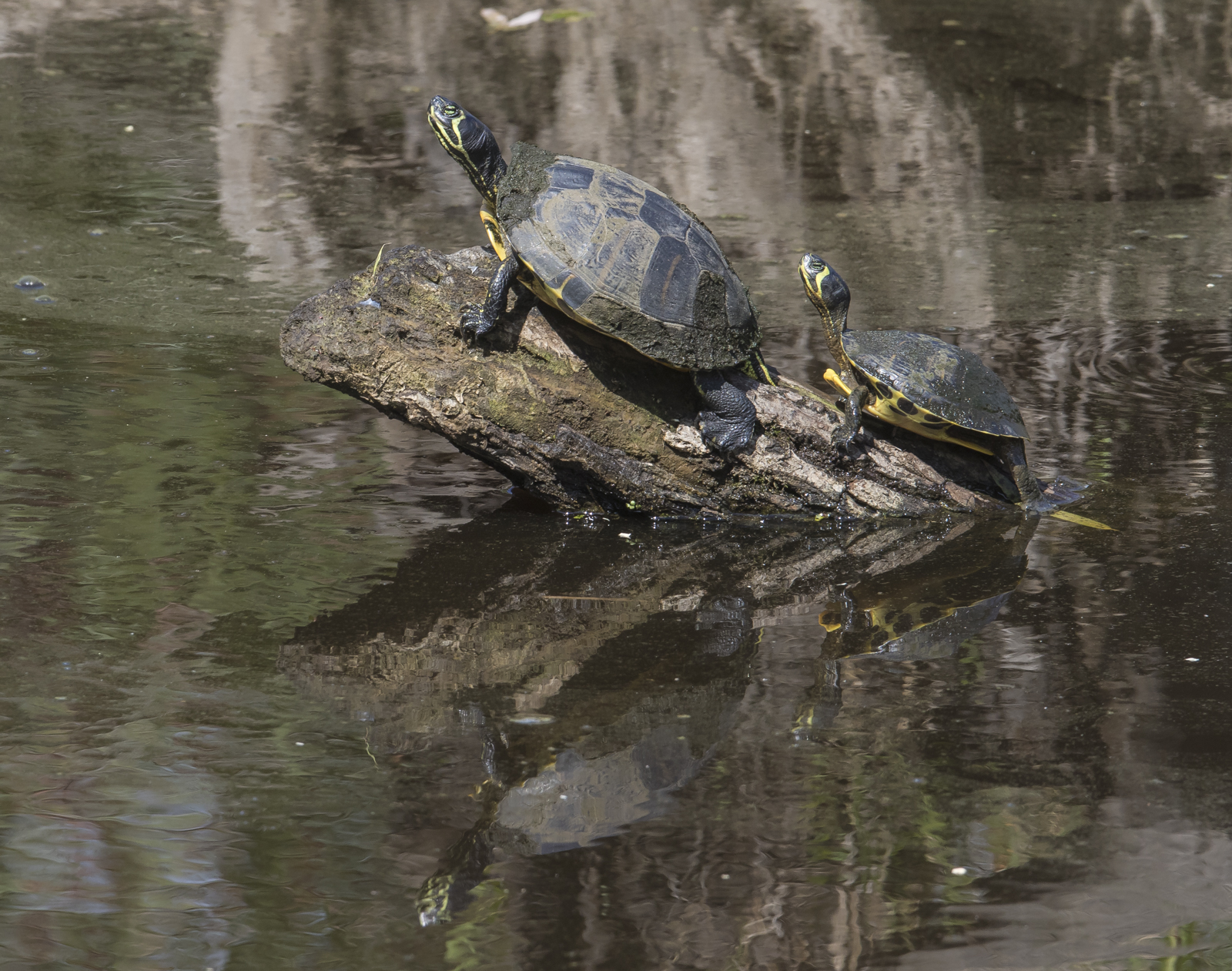
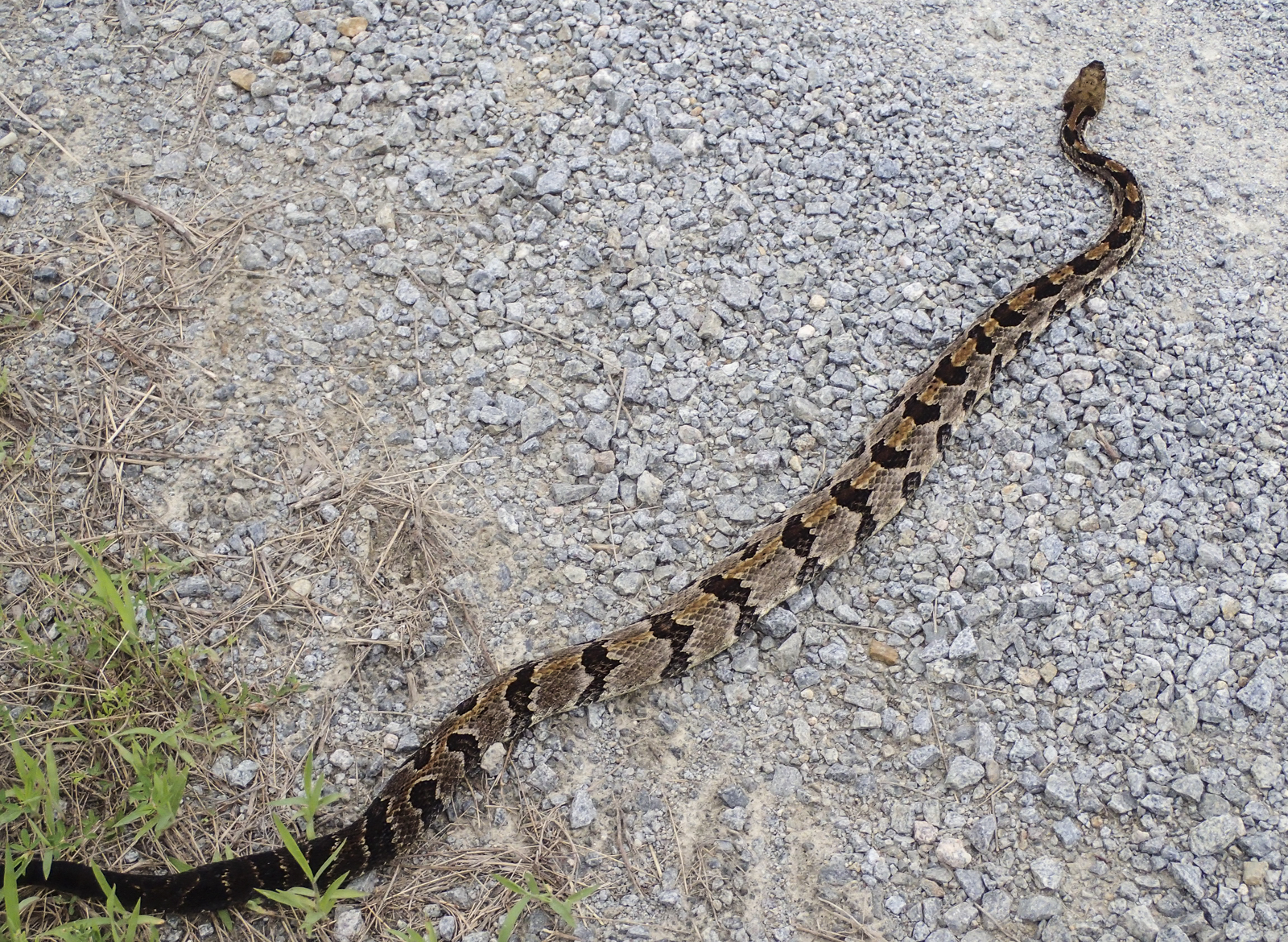
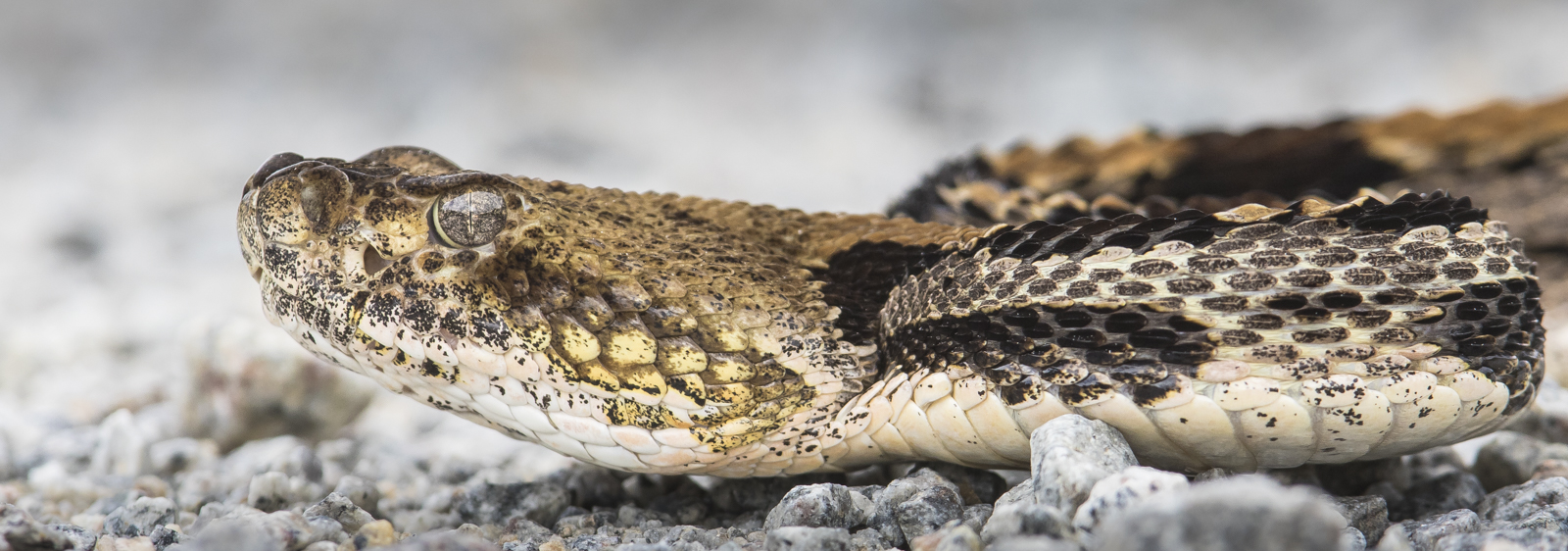
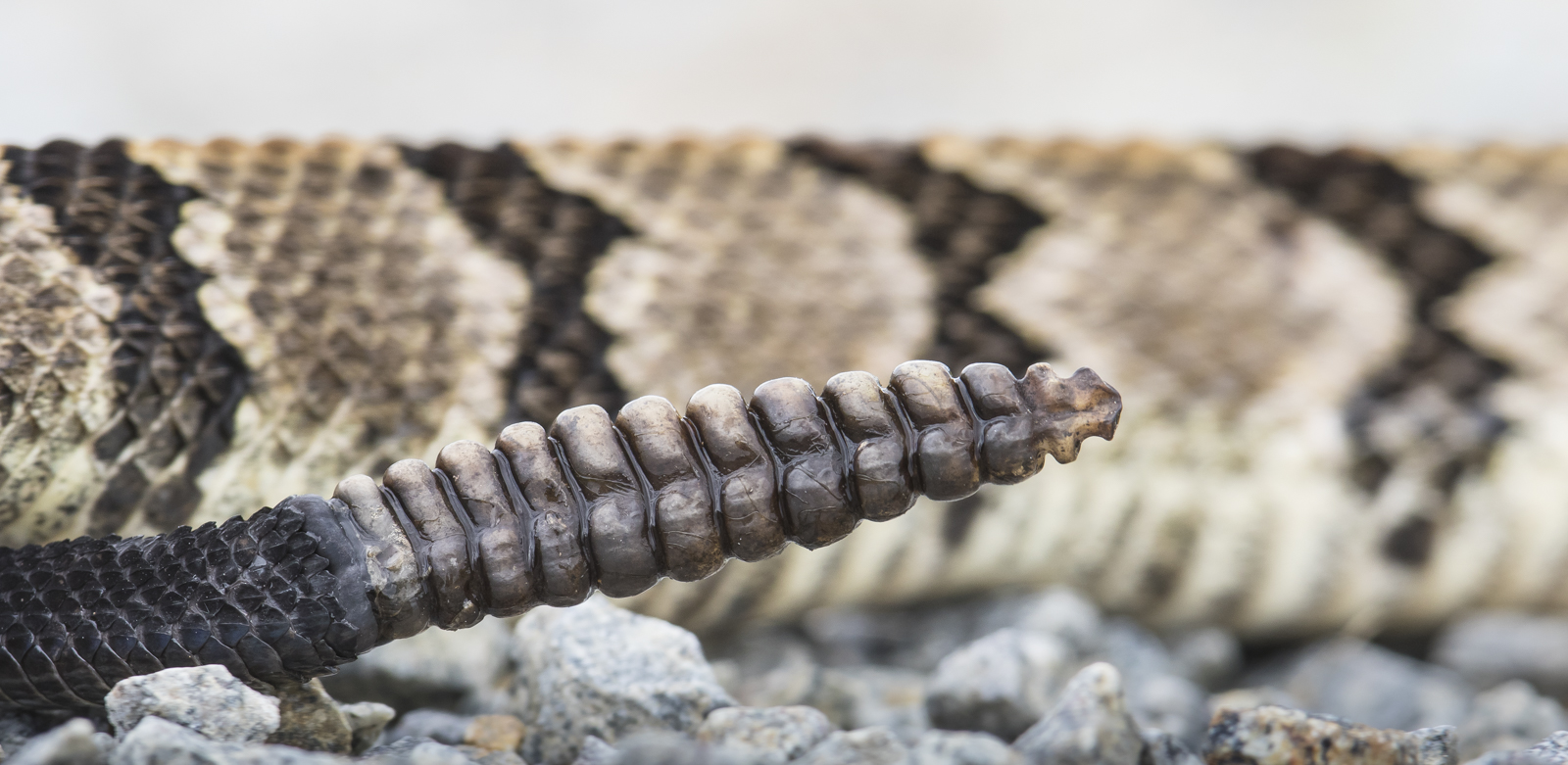
Moving up the scale in size of wildlife observed were numerous birds (especially great blue herons, great egrets, and green herons) along with countless reptiles and amphibians. The most common frogs I saw and heard were southern leopard frogs, green frogs, bullfrogs, and southern cricket frogs. There are literally hundreds of turtles in the canals, mostly yellow-bellied sliders and painted turtles. I also saw several snakes while driving along the refuges’ many dirt and gravel roads. The most common was the black racer, but I was delighted to finally come across one of my favorites, a canebrake rattlesnake, late on my last afternoon.
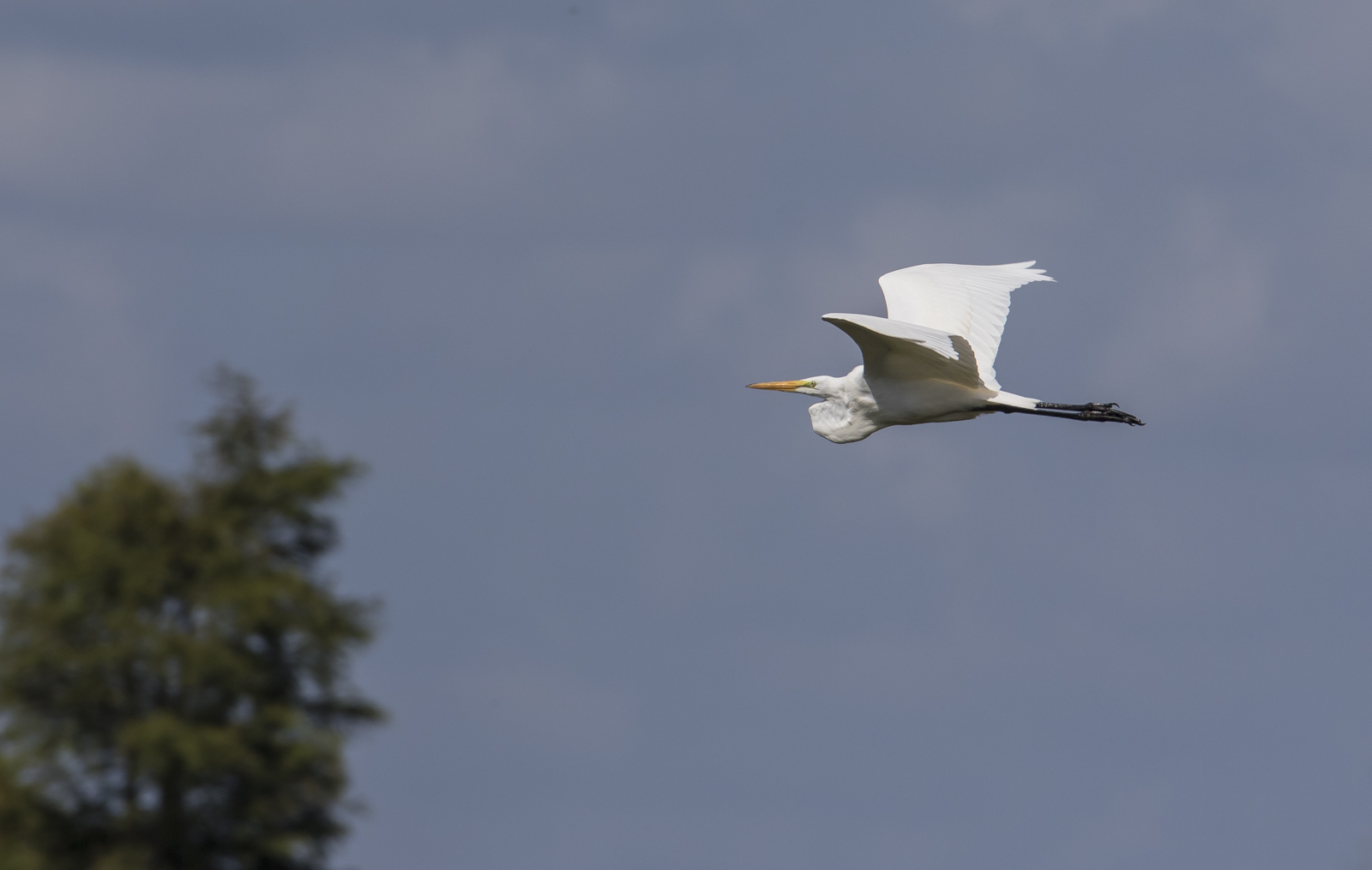
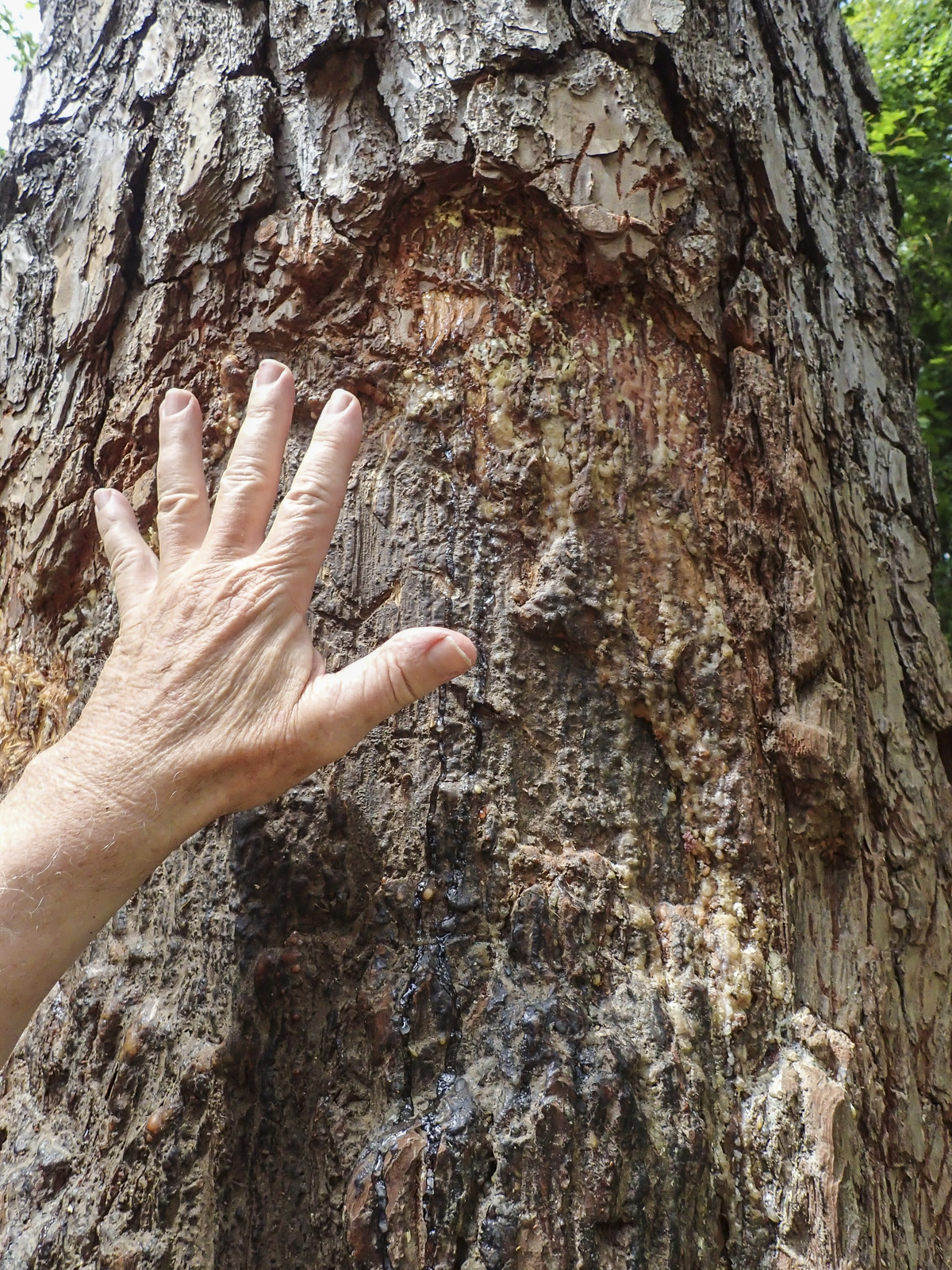
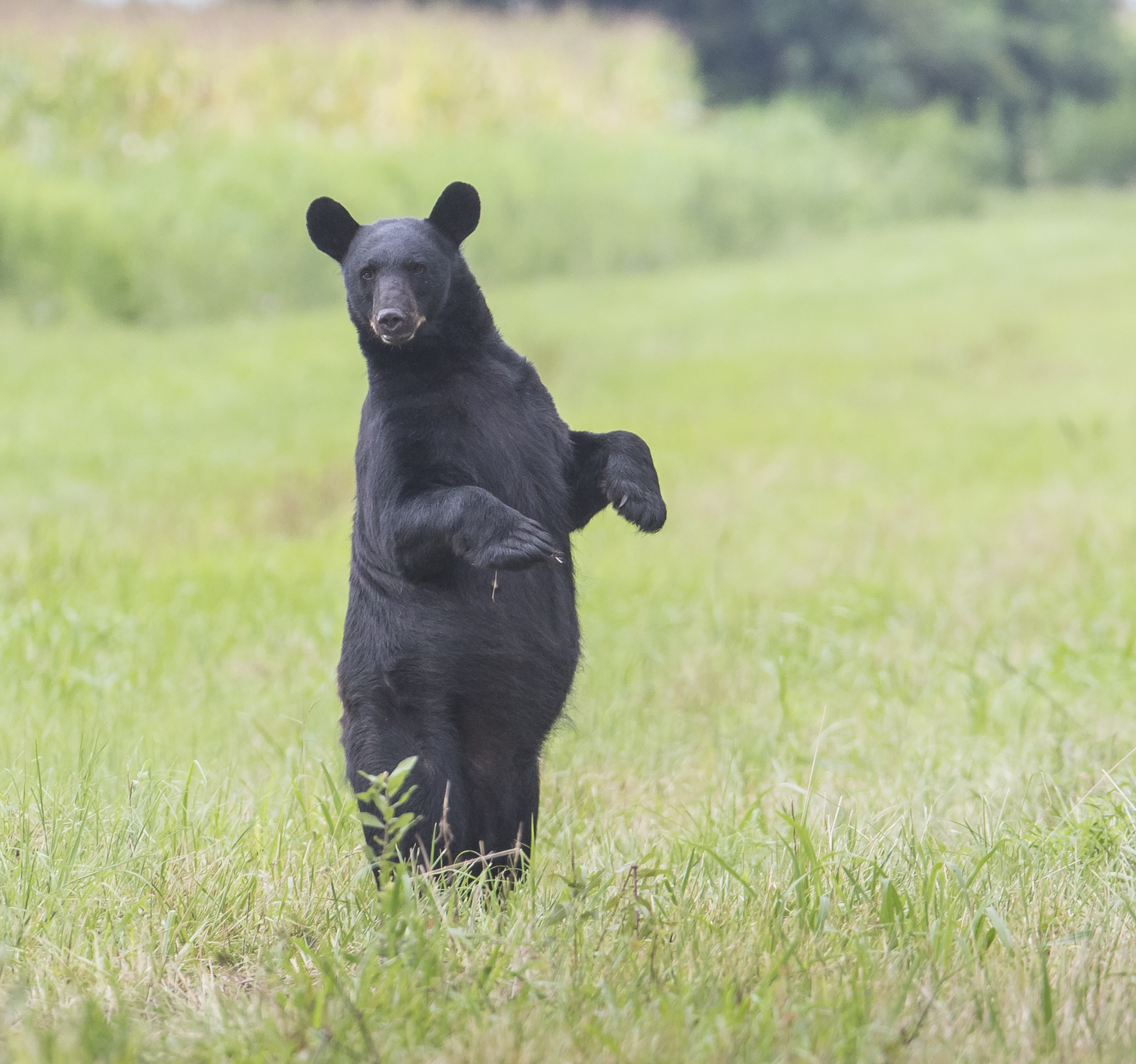
The wildlife may be different this time of year, but it is no less fascinating. Photography opportunities are everywhere if you just slow down and look. Of course, it doesn’t hurt that there are still many signs of the larger creatures around every turn, and there is always the chance you may encounter one of the sign-makers.


 Roads End Naturalist
Leave a reply to mary sonis Cancel reply