The beauty of the natural world lies in the details.
~ Natalie Angier
It has been a hectic few weeks at work with summer camp. One good thing is I am out in the Garden daily, and, anytime you are out in a place with that much diversity, there are plenty of things to see. I managed to take the camera out a few days before and after camp, and found some interesting subjects. Here are a few of the recent highlights…
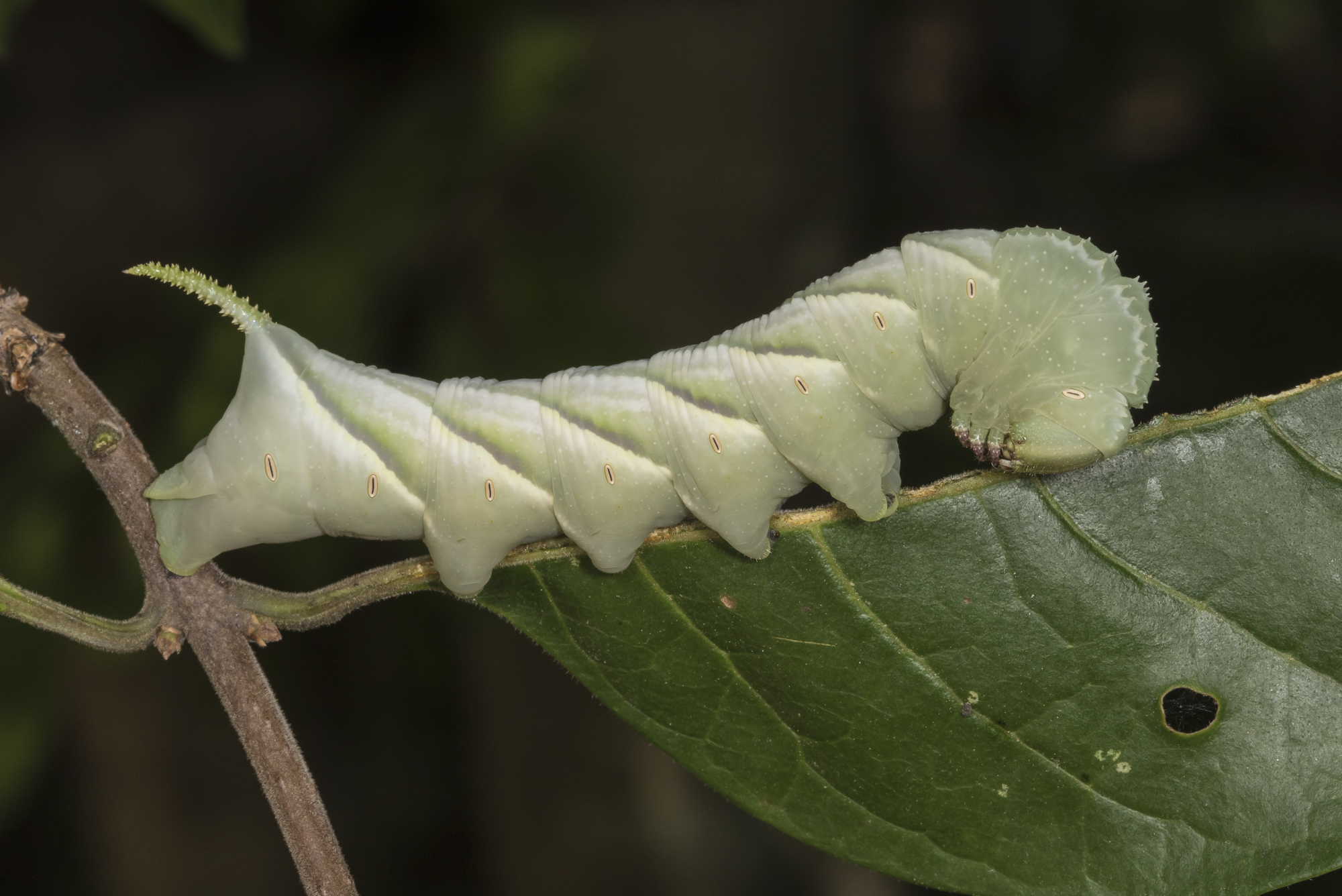
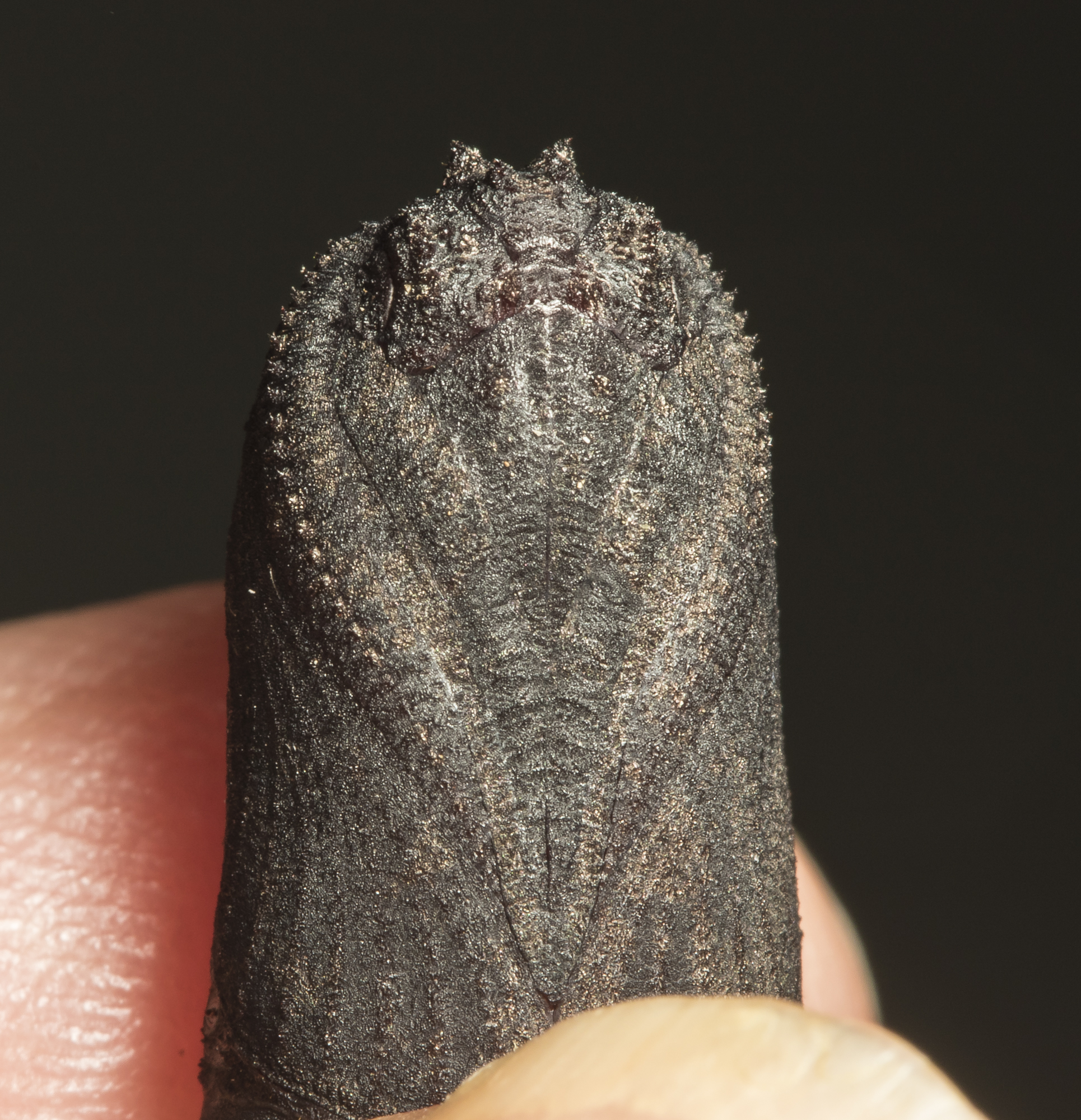
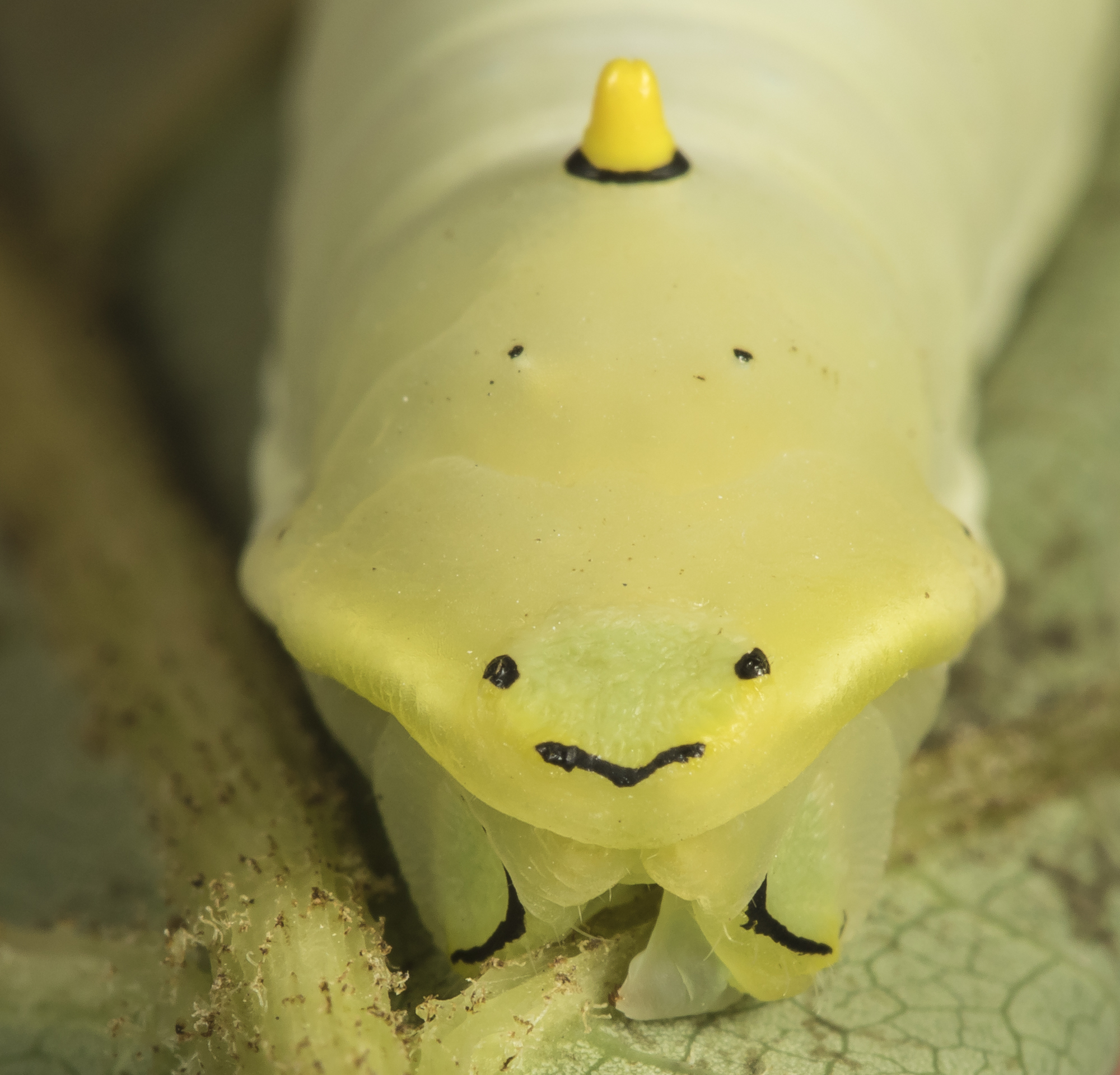
Waved sphinx moth larva feeding on fringetree (click photos to enlarge)The mummy-like pupa of a walnut sphinx moth (the antennae of the future moth can be seen outlined in the pupa as they curl down from the top into a point just above my finger)
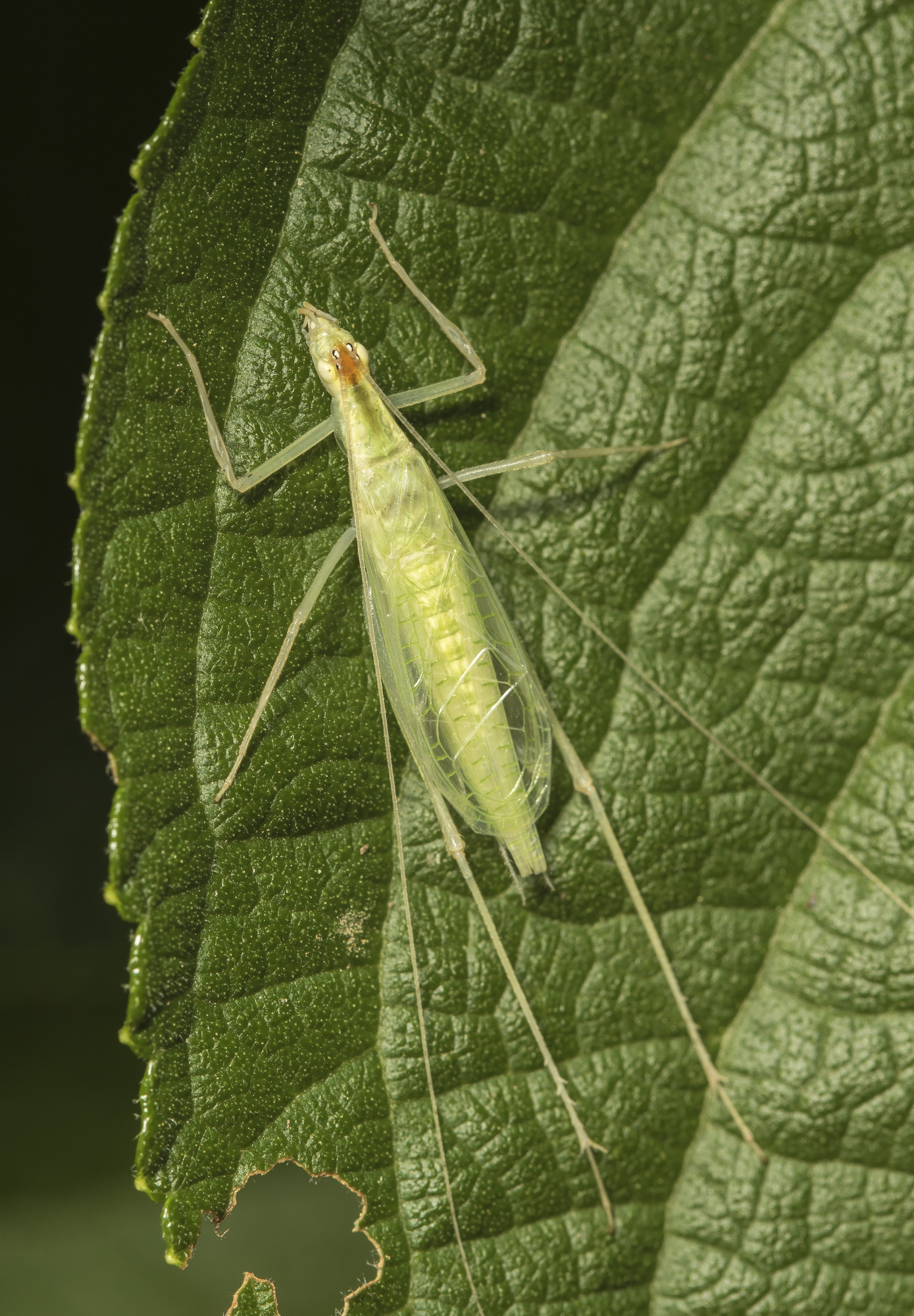
Snowy tree cricket (Oecanthus fultoni), male – this is the so-called thermometer cricket. The frequency of the chirps made by this species (made by the males as they rub their wings together) is considered a fairly reliable estimate of the air temperature. In the Eastern U.S., Fahrenheit temperature can be estimated by counting the chirps in 13 sec. and adding 40.
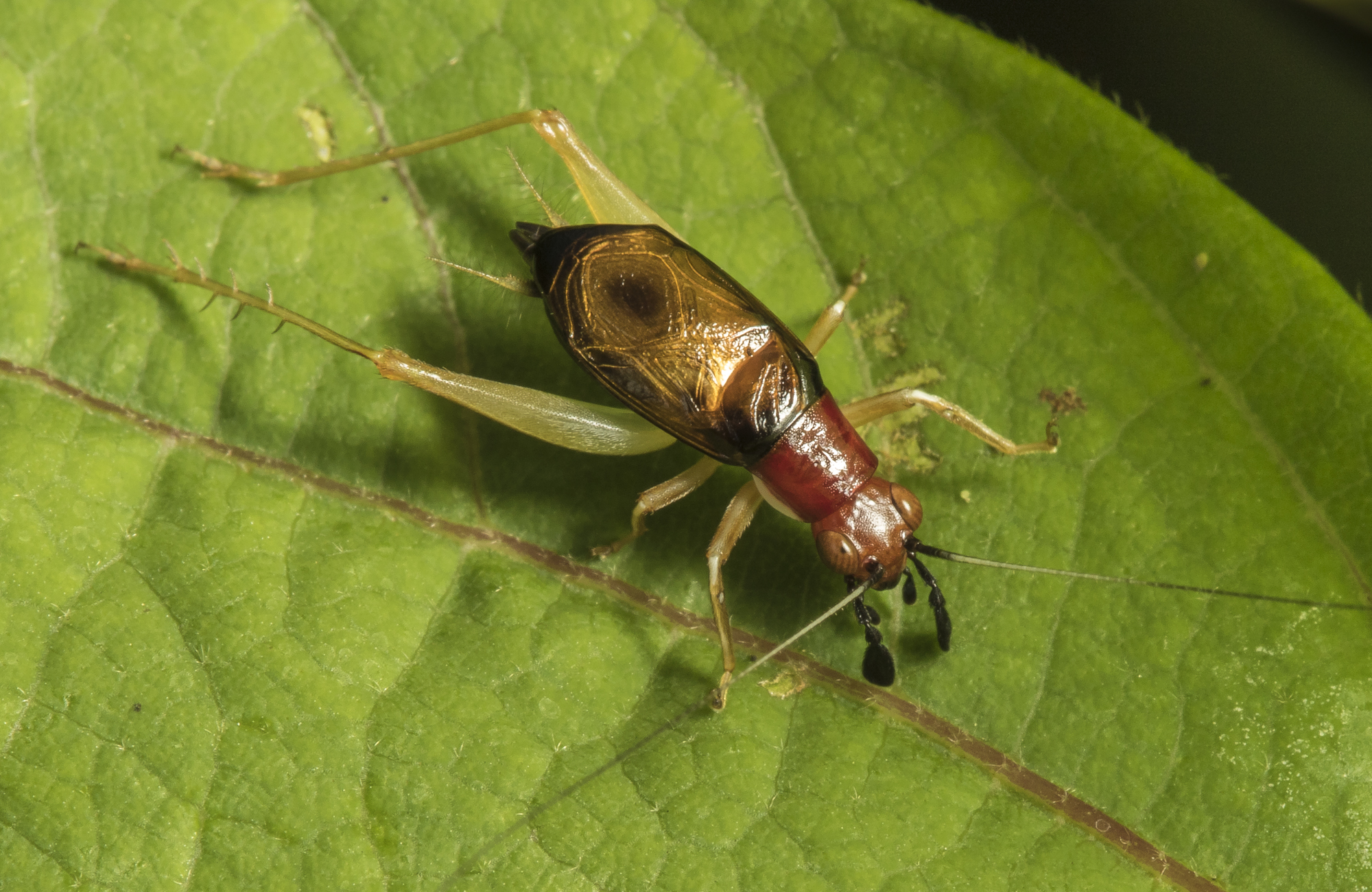
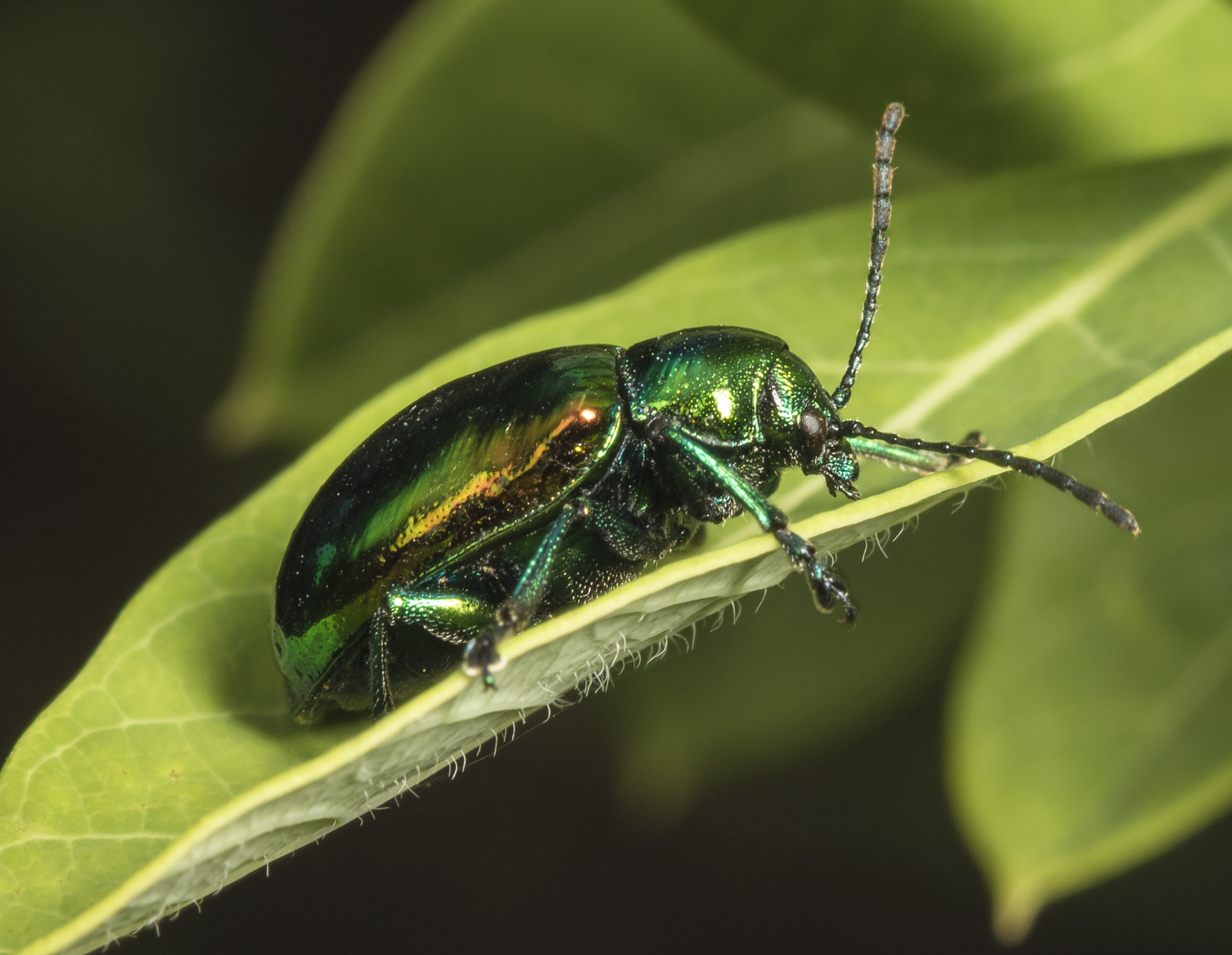
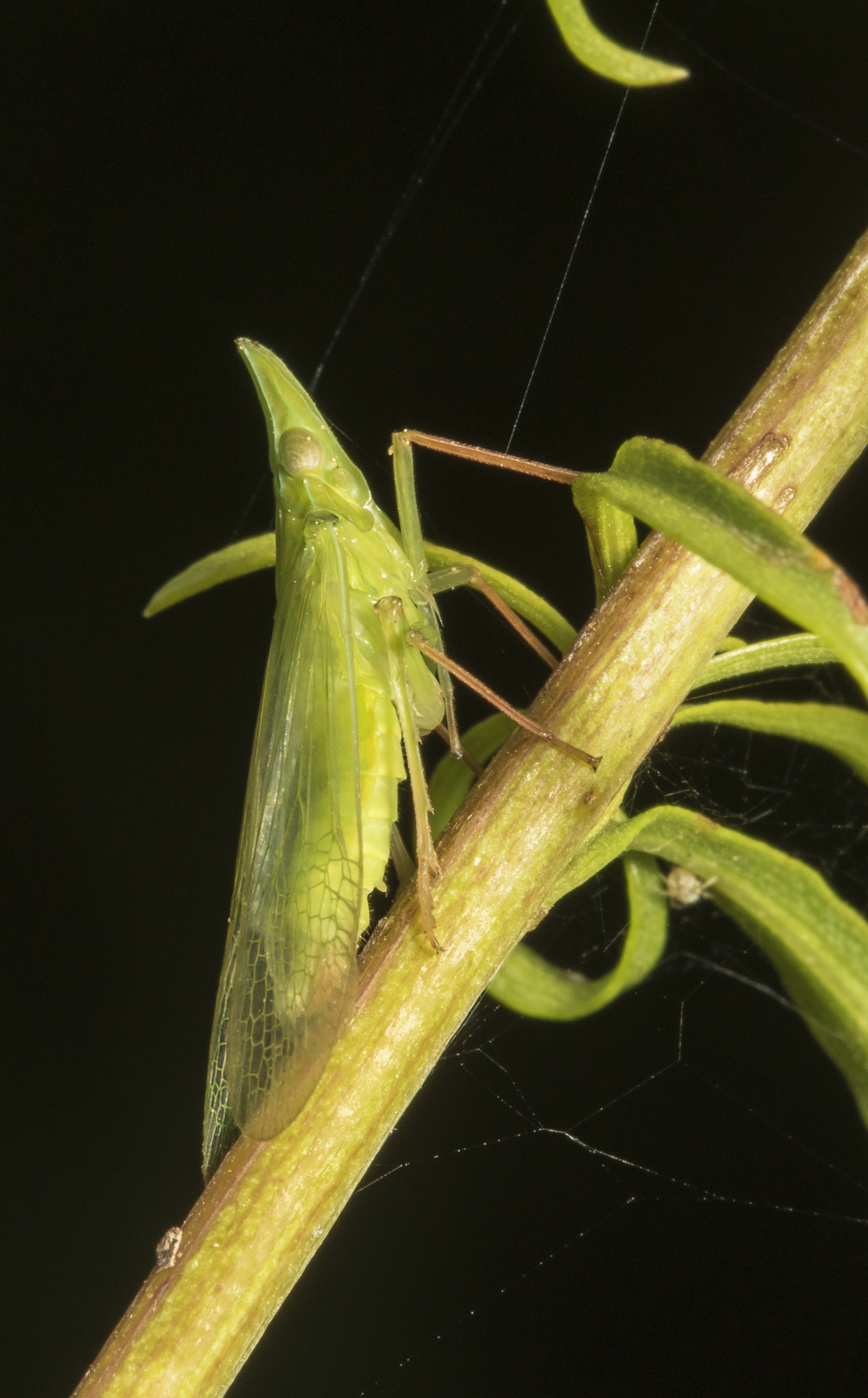
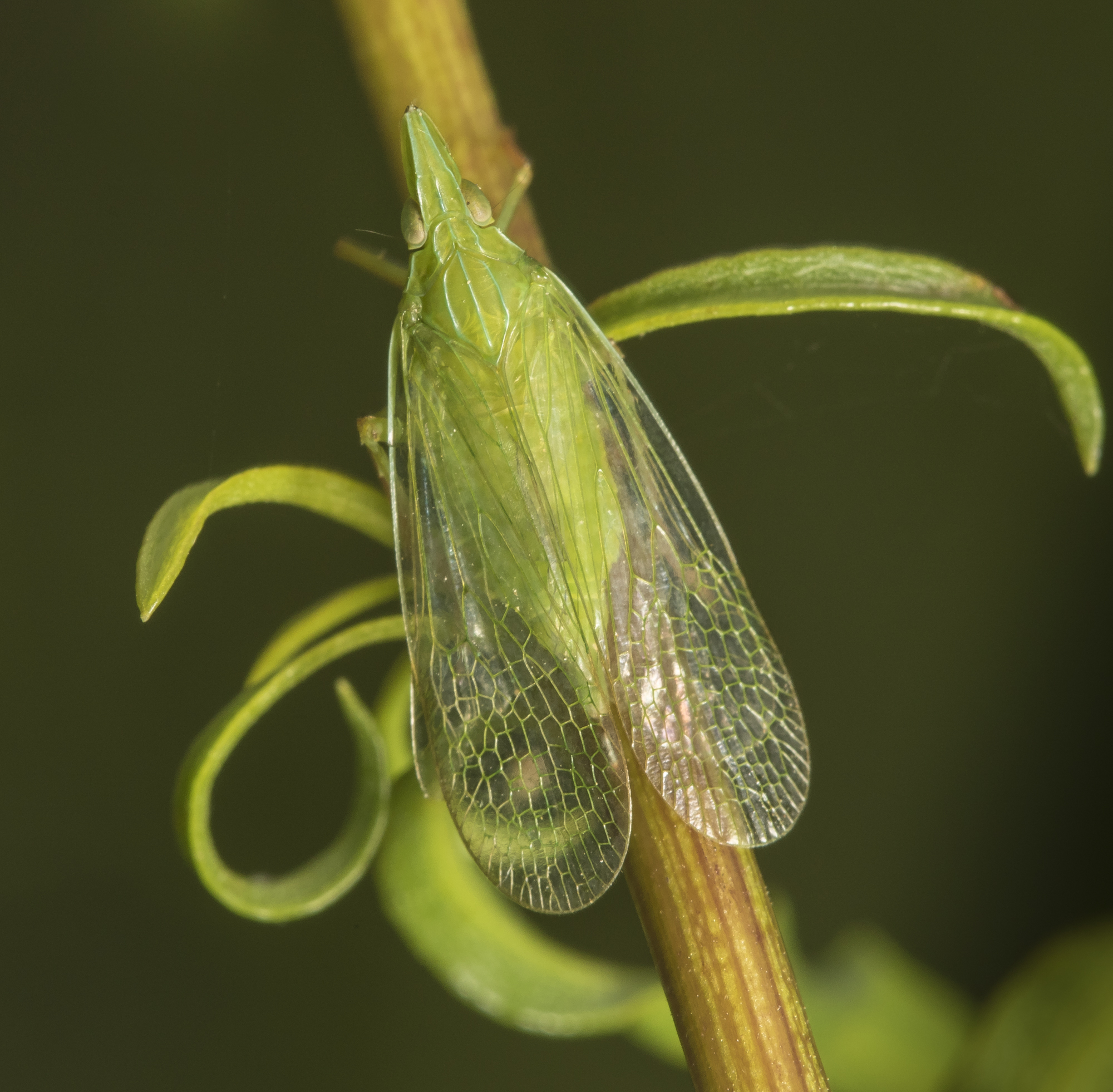
Yellow jackets dispatch a pink-striped oakworm to feed to their larvaeOne of the many bunnies that reside at the Garden (quite happily, I presume)Gardener’s friend – a black-spotted prominent larva feeding on lespedezaThis caterpillar practices deceit with its back end looking like a front endThe beautiful and wildlife-friendly berries of a sassafras treeA handsome trig (also called a red-headed bush cricket). This one is a male. The handsome part is self-evident; the trig part refers to the family Trigonidiinae, or Winged Bush Crickets.Handsome trig nymph (wings are still developing)Dogbane leaf beetle, an iridescent beautyA very pointy-headed planthopper (Rhyncomitra microrhina) that we caught while sweep-nettingDorsal view of same planthopperAll is well that ends well…the rear end of a tuliptree silk moth caterpillar. Eggs were laid by a female on 5/18/17, hatched on 5/30; caterpillars had all pupated by 6/29; first adult moth of this summer’s second generation emerged on 7/20. This new generation will overwinter as pupae.
Thanks, Mary. We found the caterpillar one day in summer camp and it looked like it might not be doing well, but I thought it might just be getting ready to pupate. And, indeed, that was the case. It emerged yesterday! I’ll post pics soon.








Leave a reply to roadsendnaturalist Cancel reply