The last post had some recognizable moths, some big ones, some brightly colored ones. But countless moths are frustratingly small (when you are trying to identify them), and many are, at least at first glance, LBT’s (little brown things). But the magic of a macro lens is that it brings out their beauty once you enlarge them on your screen, making it somewhat easier to flip through the pages of a field guide until you find one that is similar. Yet they are all beautiful in their own way and worthy of our attention and appreciation. Once again, if I have made an ID error, I welcome comments and corrections.
Here are some of the littler ones that came to the moth light. I love the variation in shape, colors, and patterns of these tiny night-time visitors.
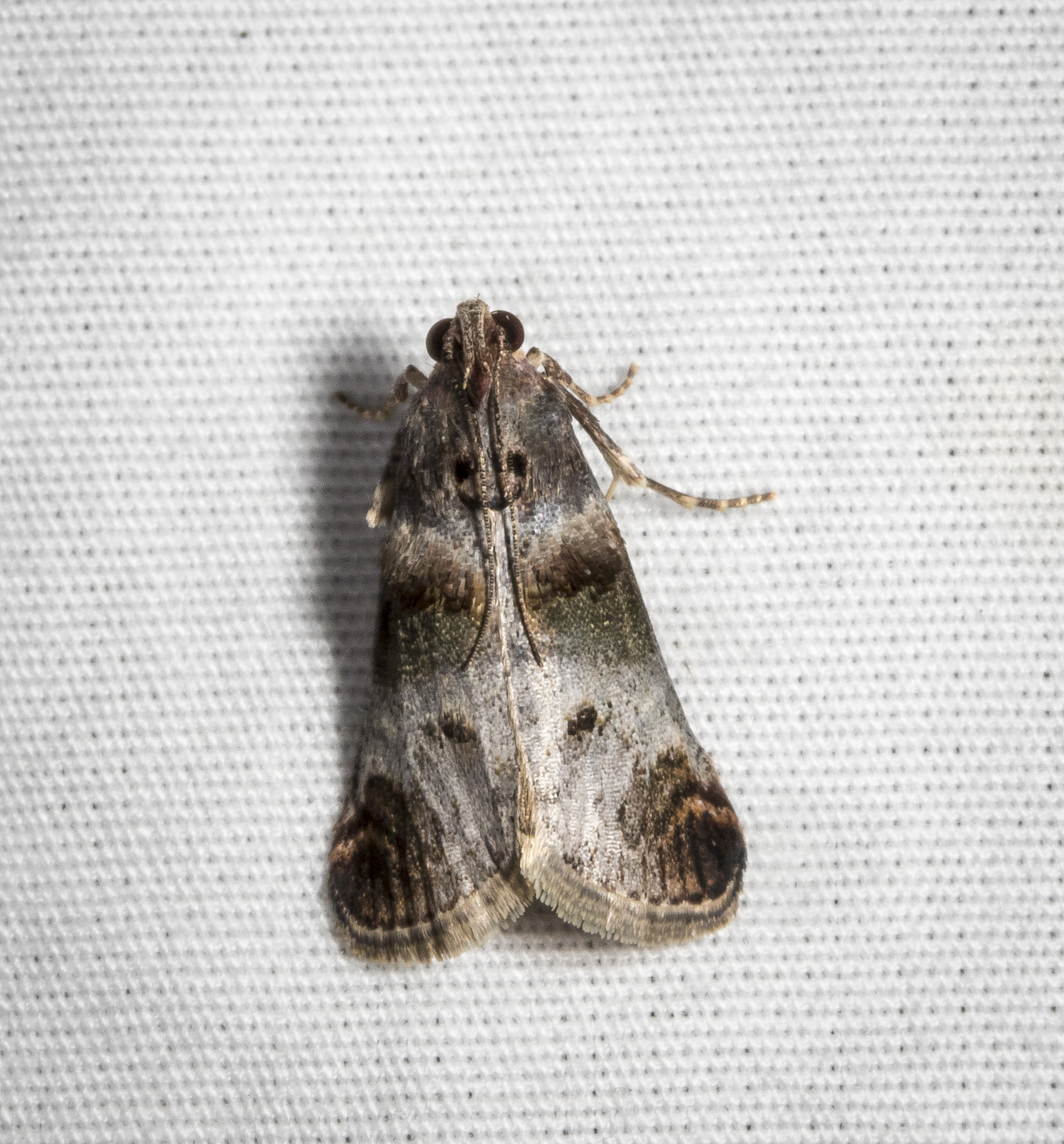
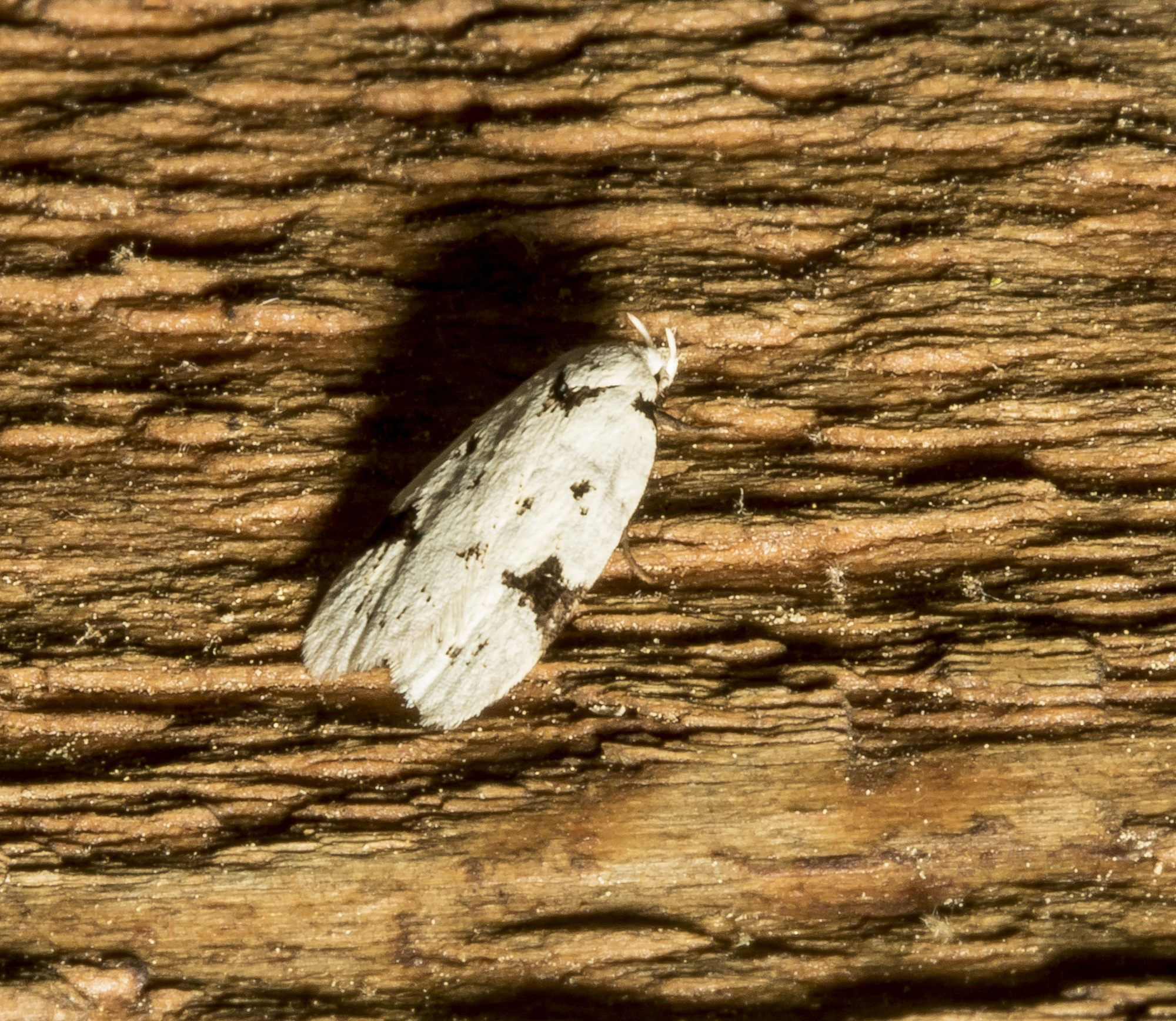
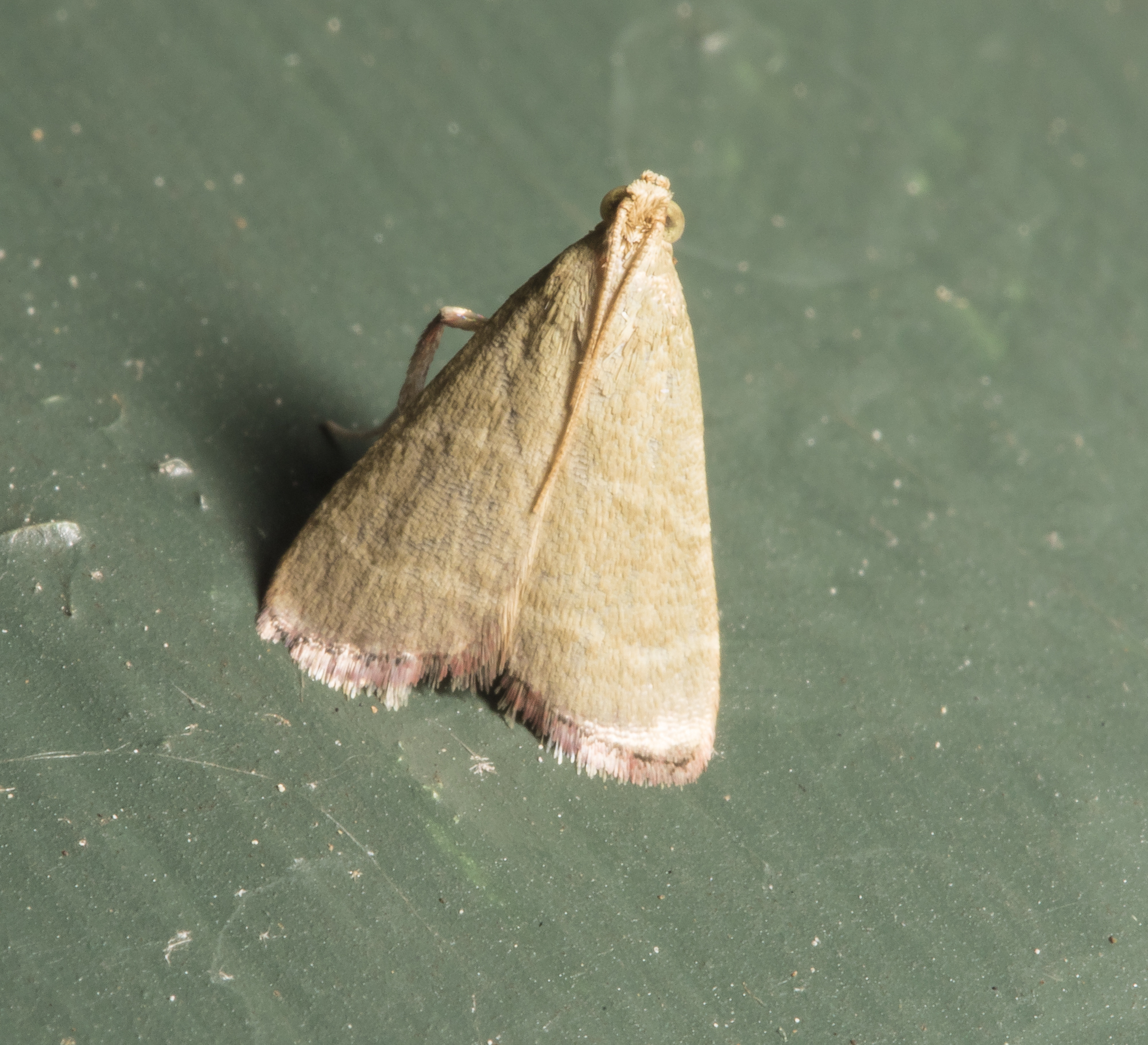
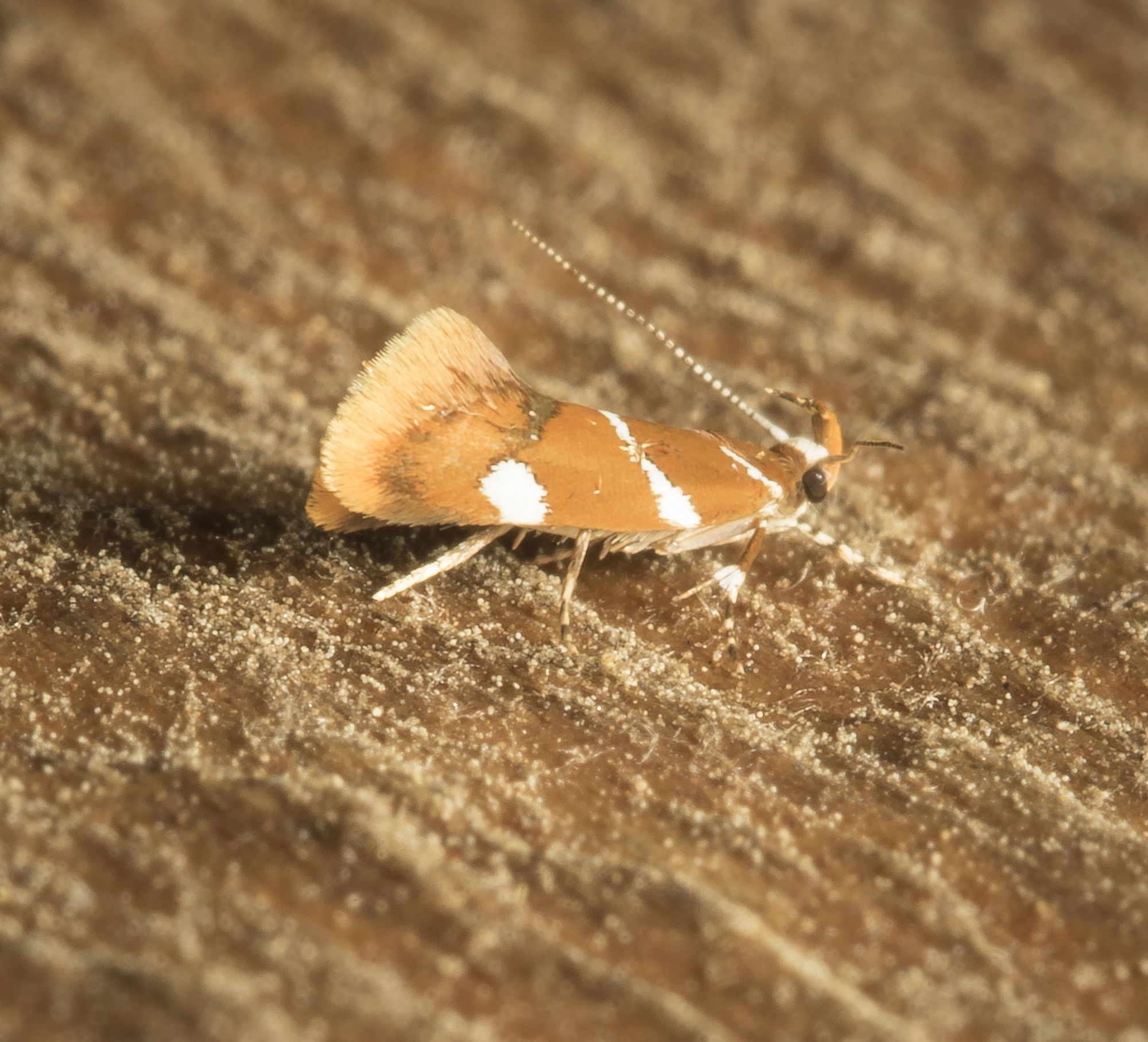
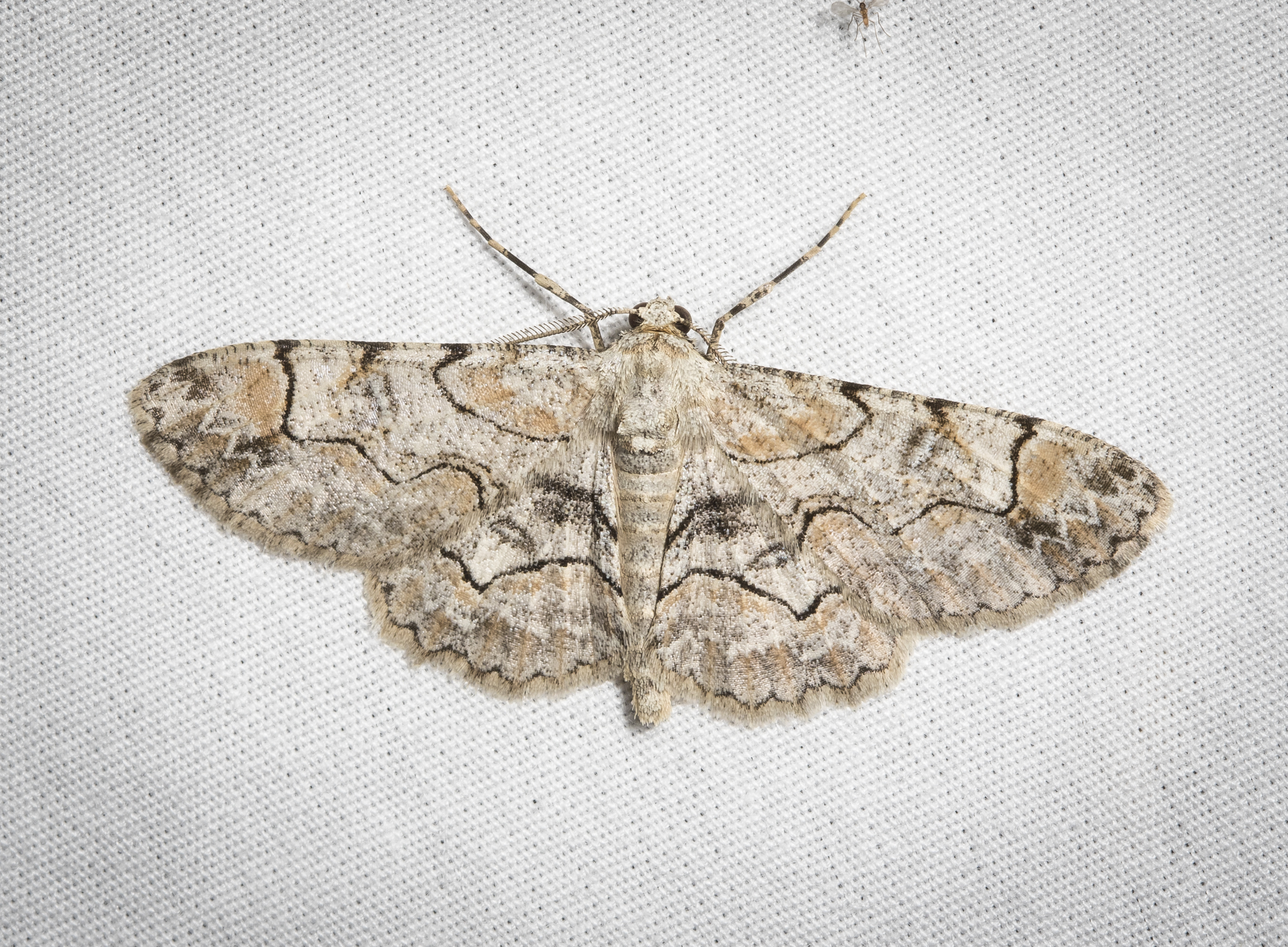
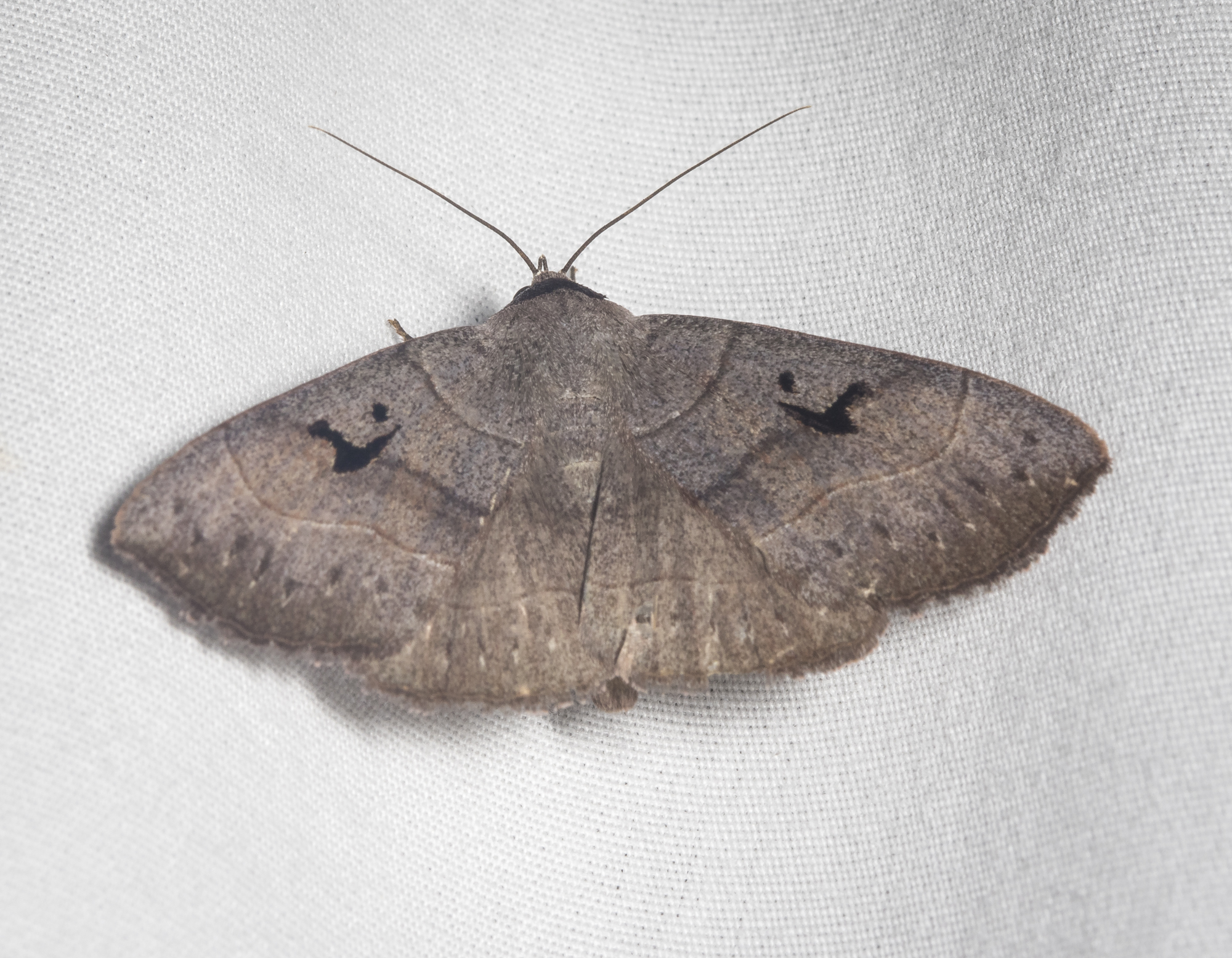
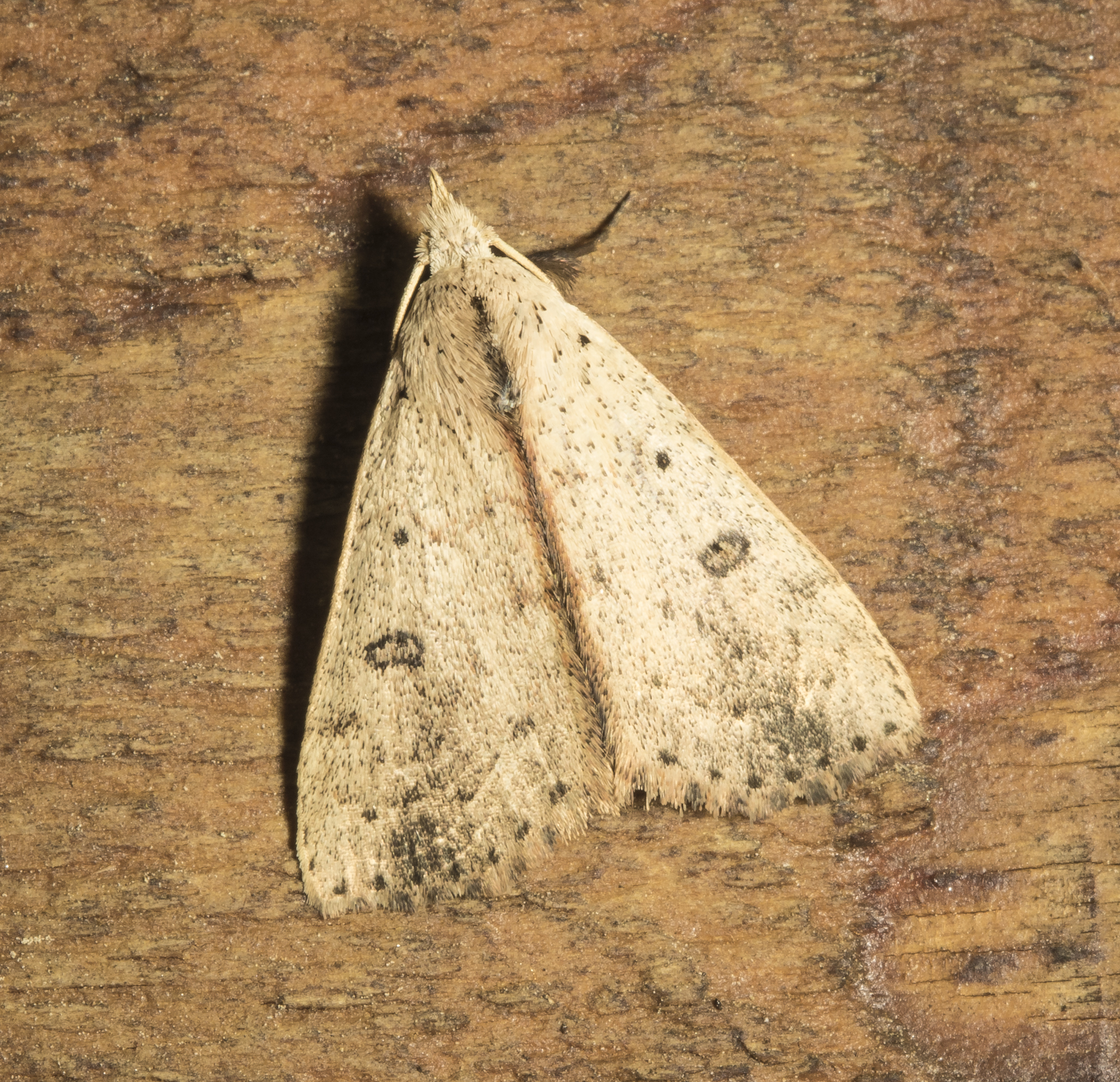
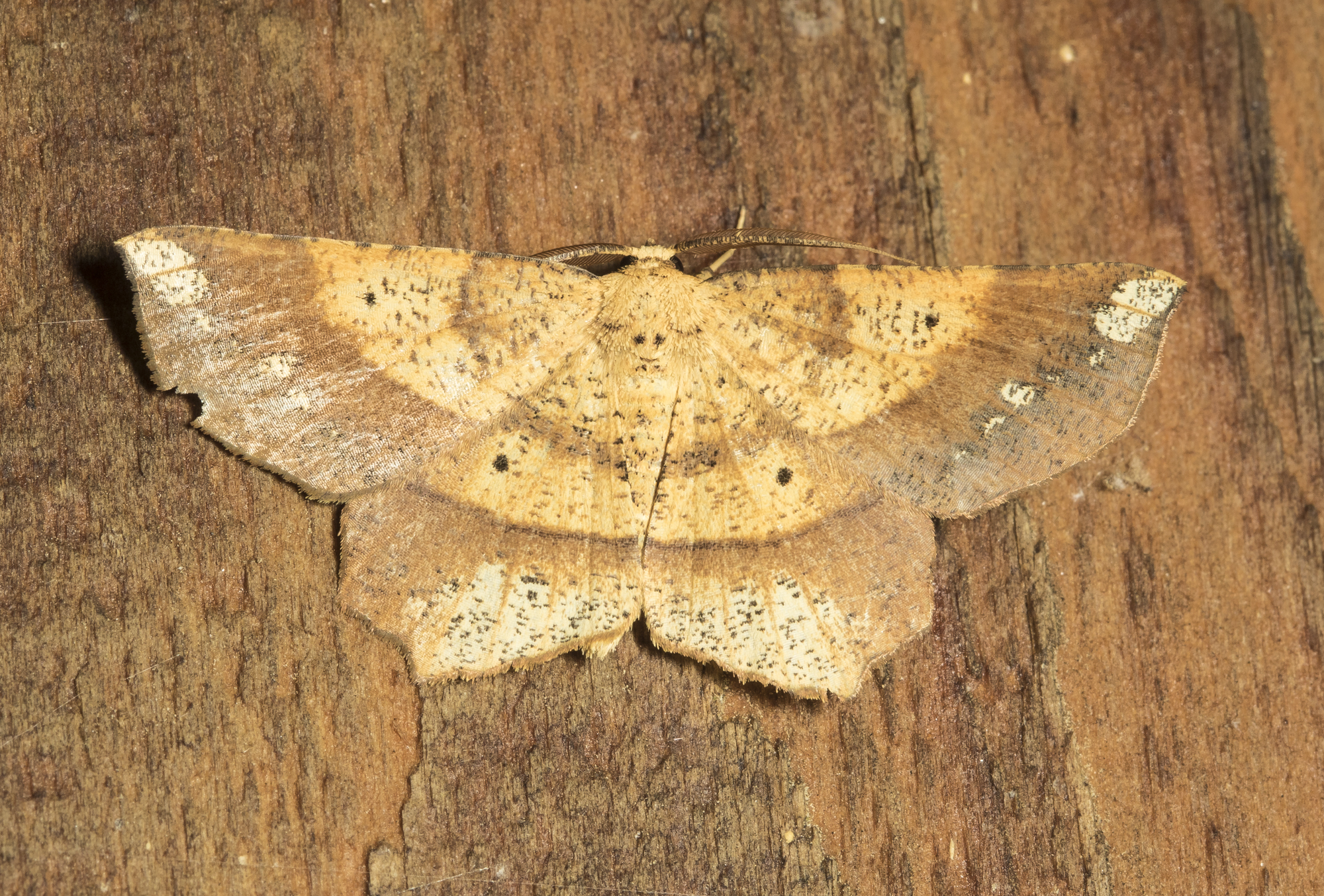
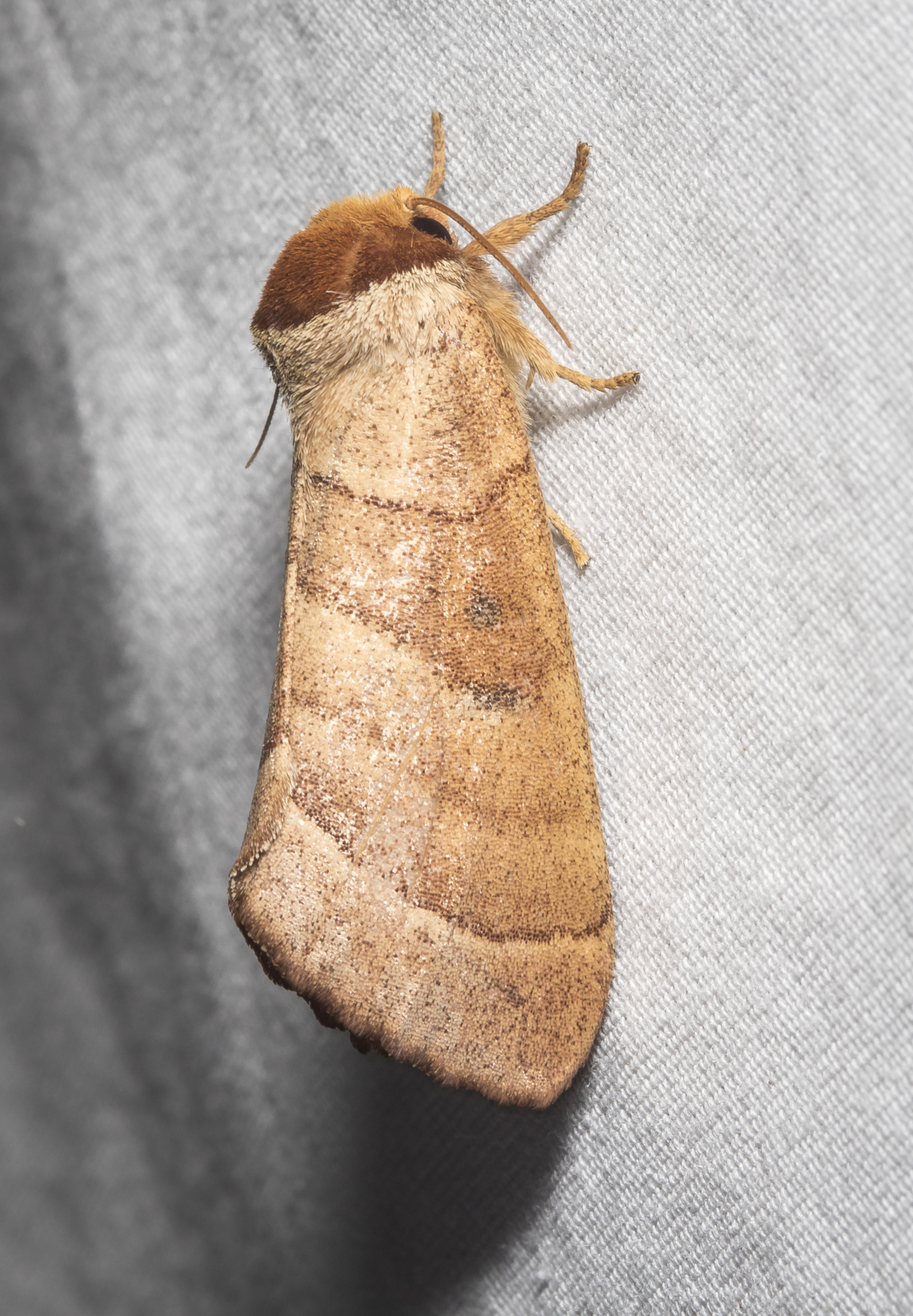
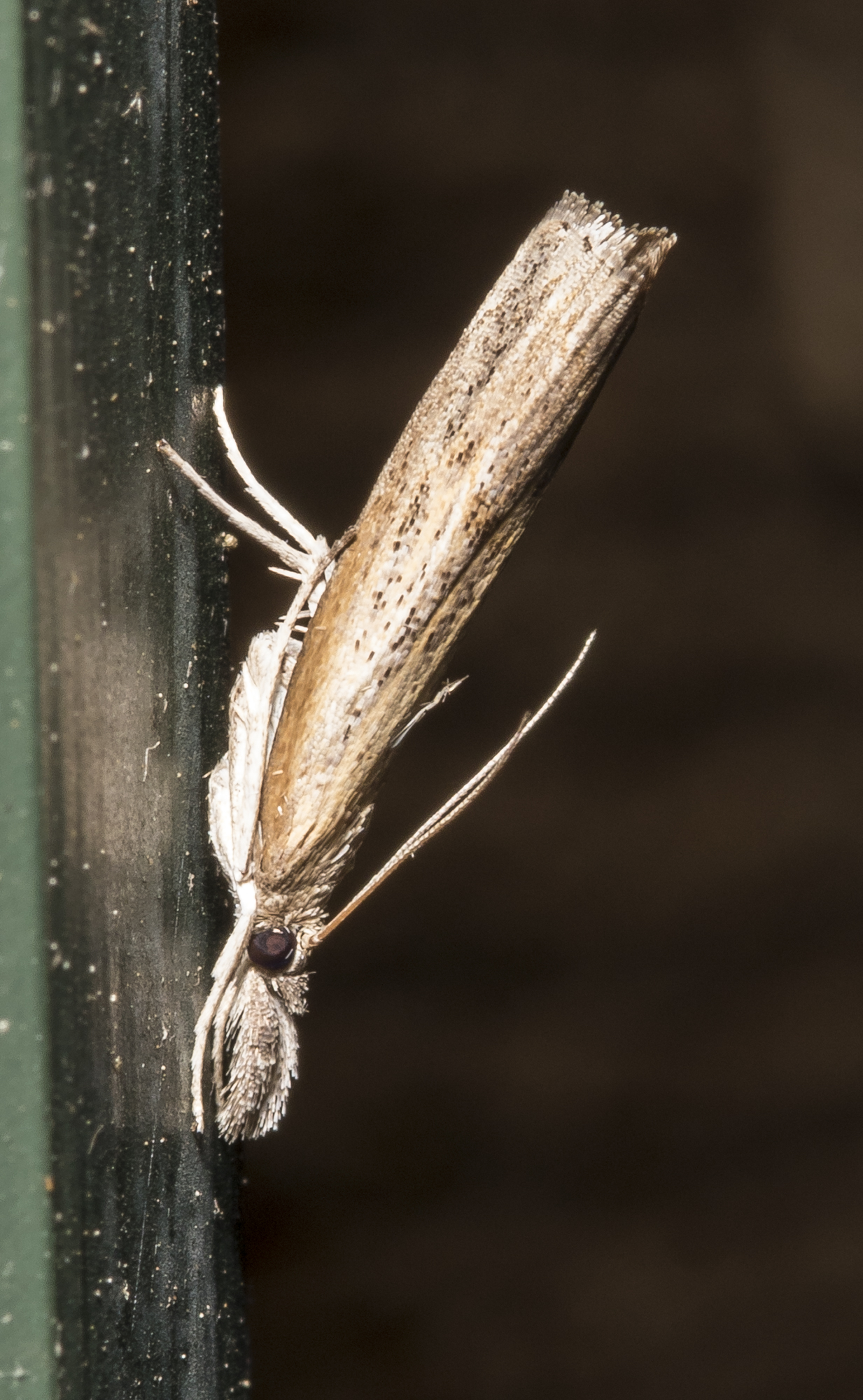
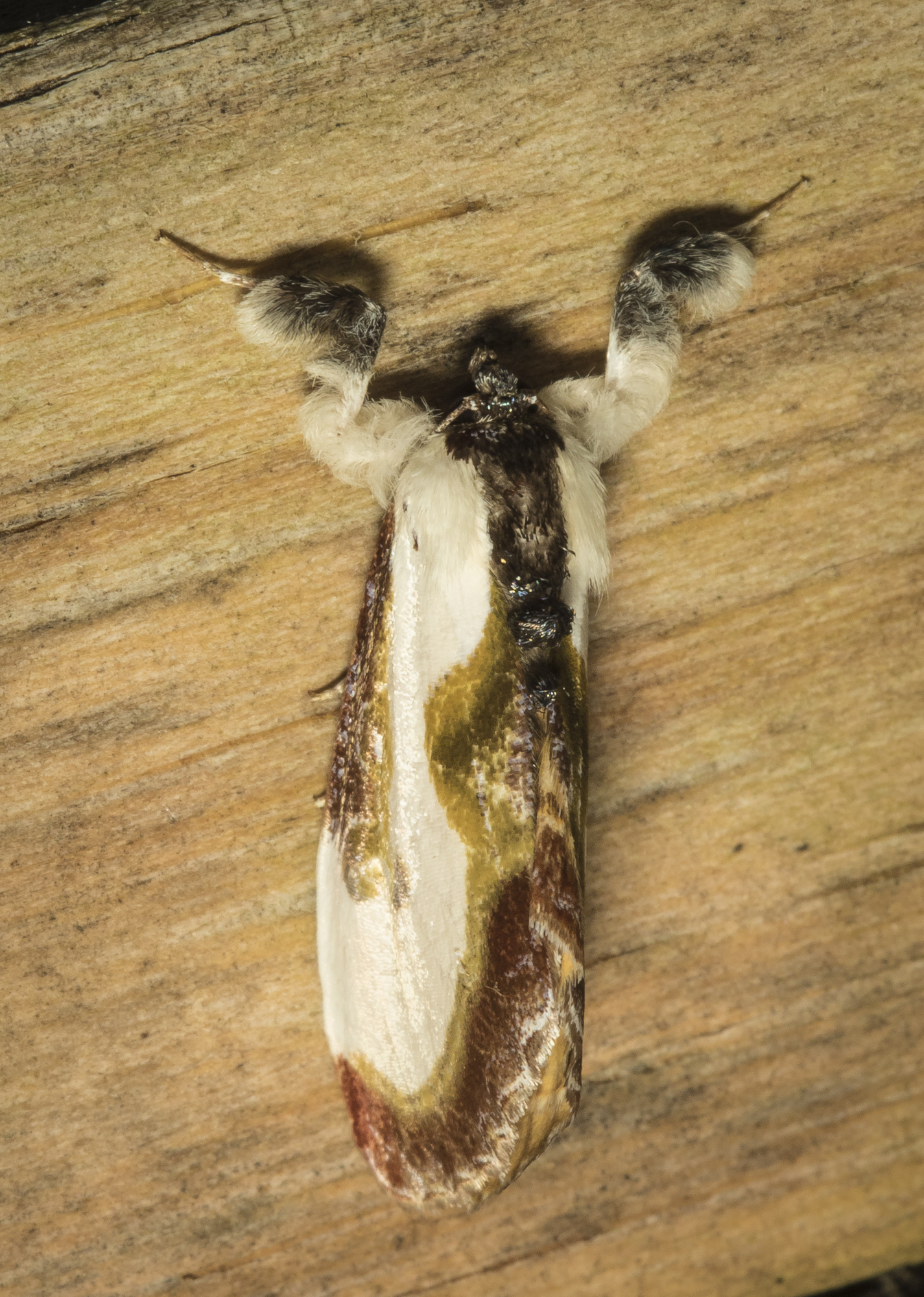
Orange-tufted Oneida, Oneida lunulalis (click photos to enlarge)Black-marked Inga, Inga sparsiciliellaRedbud leaffolder, Fascista cercerisella (the diminutive black and white larvae fold the leaves of redbud)Olive Arta, Arta olivalis (this little moth seems to be standing at attention)Suzuki’s Promalactis Moth, Promalactis suzukiella (this tiny moth was not in my Peterson Field Guide to Moths of the SE U.S.; introduced from East Asia)Bent-line Carpet, Costaconvexa centrostrigariaBent-line Gray, Iridopsis larvariaCommon Angle, Macaria aemulataria (the description says this moth has dark markings on its forewings that resemble paw prints)Brown Panopoda, Panopoda carneicostaCurved-tooth Geometer Moth, Eutrapela clematariaDead-wood Borer Moth, Scolecocampa liburna (larvae bore into dead logs/stumps of hardwoods)Deep Yellow Euchlaena, Euchlaena amoenariaFaint-spotted Palthis, Palthis asopialisMajor Datana, Datana major (this group is difficult for me to separate, so this may be one of the other Datana species – they all look very pettable)Oblique-banded Leafroller, Choristoneura rosaceana (this one looks like a stocky person wearing a cape)Garden Tortrix Moth, Clepsis peritana (another “caped” moth)Planthopper, Flataloides scabrosus (this one fooled me, I thought it was related to the two moths above, but a closer look showed it did not have moth antennae and is instead a very weird planthopper – thanks to Steve Hall for the ID)Changeable Grass-Veneer, Fissicrambus mutabilis (one of the group that always rests head down)Beautiful Wood Nymph, Eudryas grata (Adults perch with their fuzzy forelegs splayed outward)Beautiful Wood Nymph, Eudryas grata (A truly beautiful and unusual moth – when disturbed they drop to the ground as if dead)
An excellent series on moths. Thank you from one who no longer gets outside to do these things but never tires of seeing the wonders. Ray Wade Columbia, SC
On Mon, Sep 3, 2018 at 6:22 PM Roads End Naturalist wrote:
> roadsendnaturalist posted: “Look closely. The beautiful may be small. > ~Immanuel Kant The last post had some recognizable moths, some big ones, > some brightly colored ones. But countless moths are frustratingly small > (when you are trying to identify them), and many are, at least at ” >
I’ve seen Inga, I think even this year, but didn’t know her name. Beautiful Wood Nymph? Sarcastic, surely? I’ve seen them most years, not this year; not a species I miss much…but they’re all interesting in close-up magnified pictures.










 Roads End Naturalist
Leave a reply to Kathleen Piercefield Cancel reply