If a child is to keep his inborn sense of wonder, he needs the companionship of at least one adult who can share it, rediscovering with him the joy, excitement, and mystery of the world we live in.
~Rachel Carson
It is summer camp time at work and it has been busy these past few weeks. We have a tremendous crew of staff and volunteers, so I have mainly been around to help out with the nature hikes each day. Though I have worked mainly with adults for most of my career, there is something very satisfying about helping a child discover more about the world around them. The theme these past two weeks has been Things with Wings – the world of flying things from seeds to birds to insects. I always take my camera and macro lens on our walks, taking pictures of things that I, or the campers, find, and then print a few off during lunch for them to enjoy. The diversity of native plants and habitats at the Garden leads to an amazing diversity of critters. Here are a few from the past two weeks…
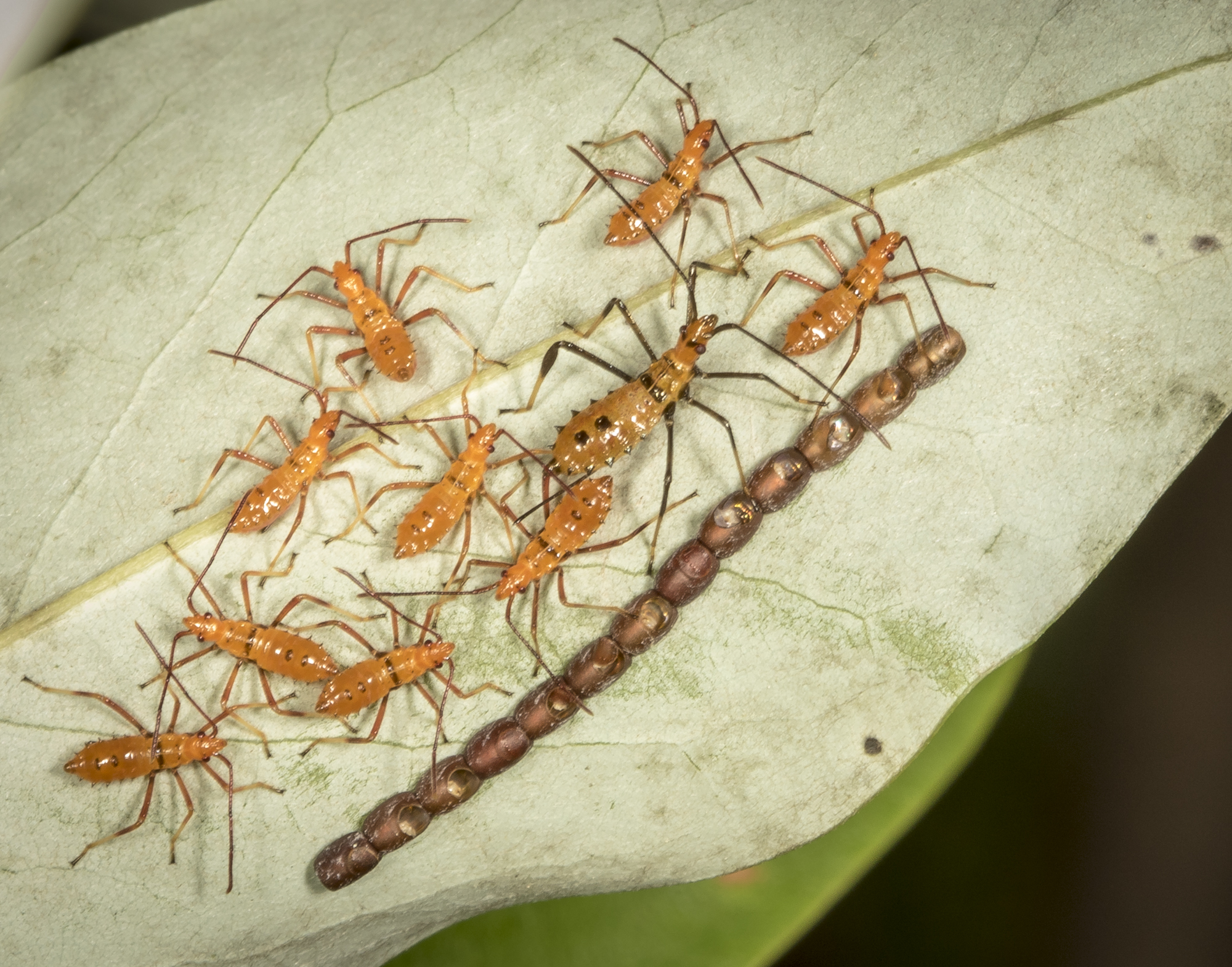
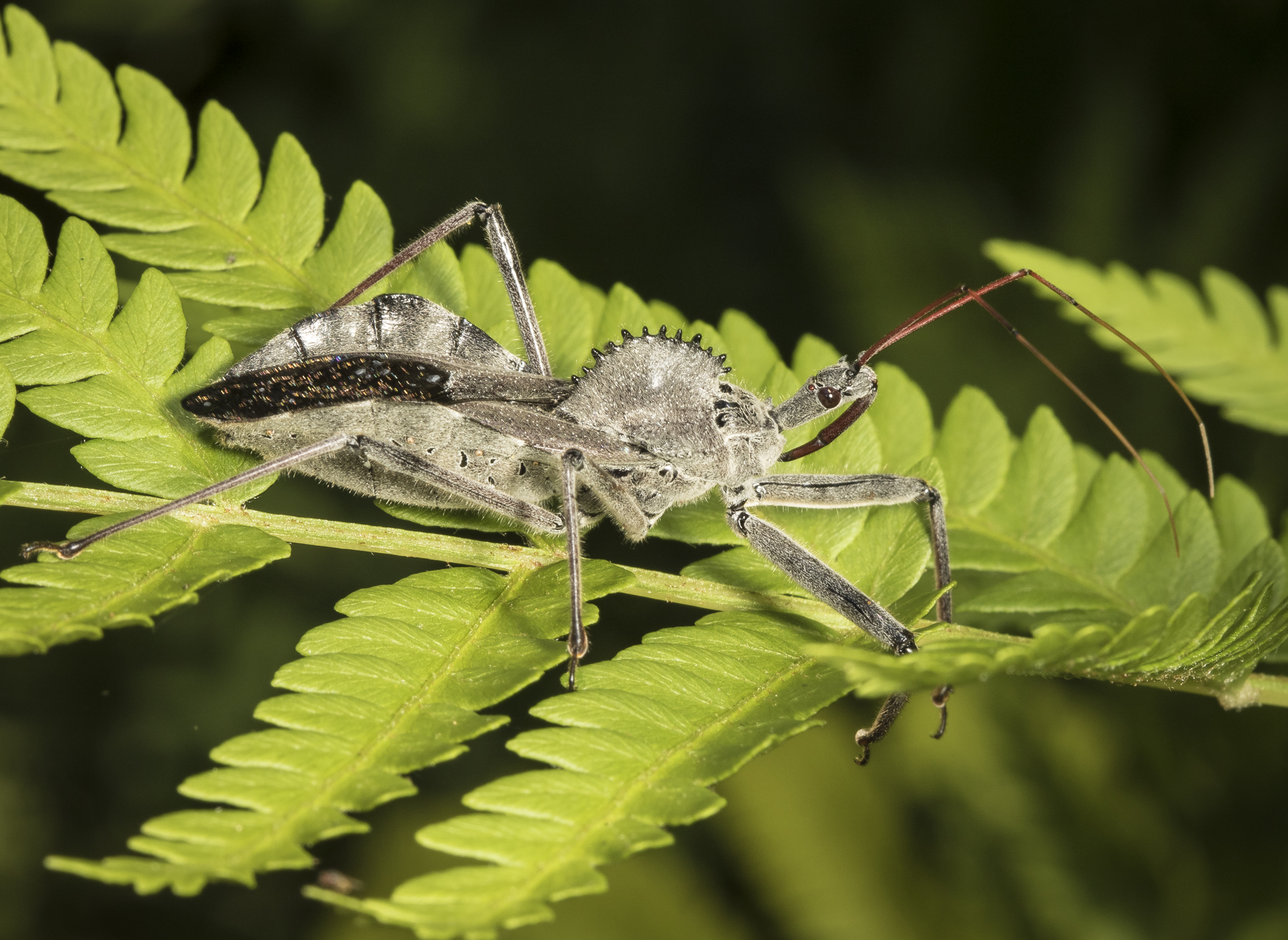
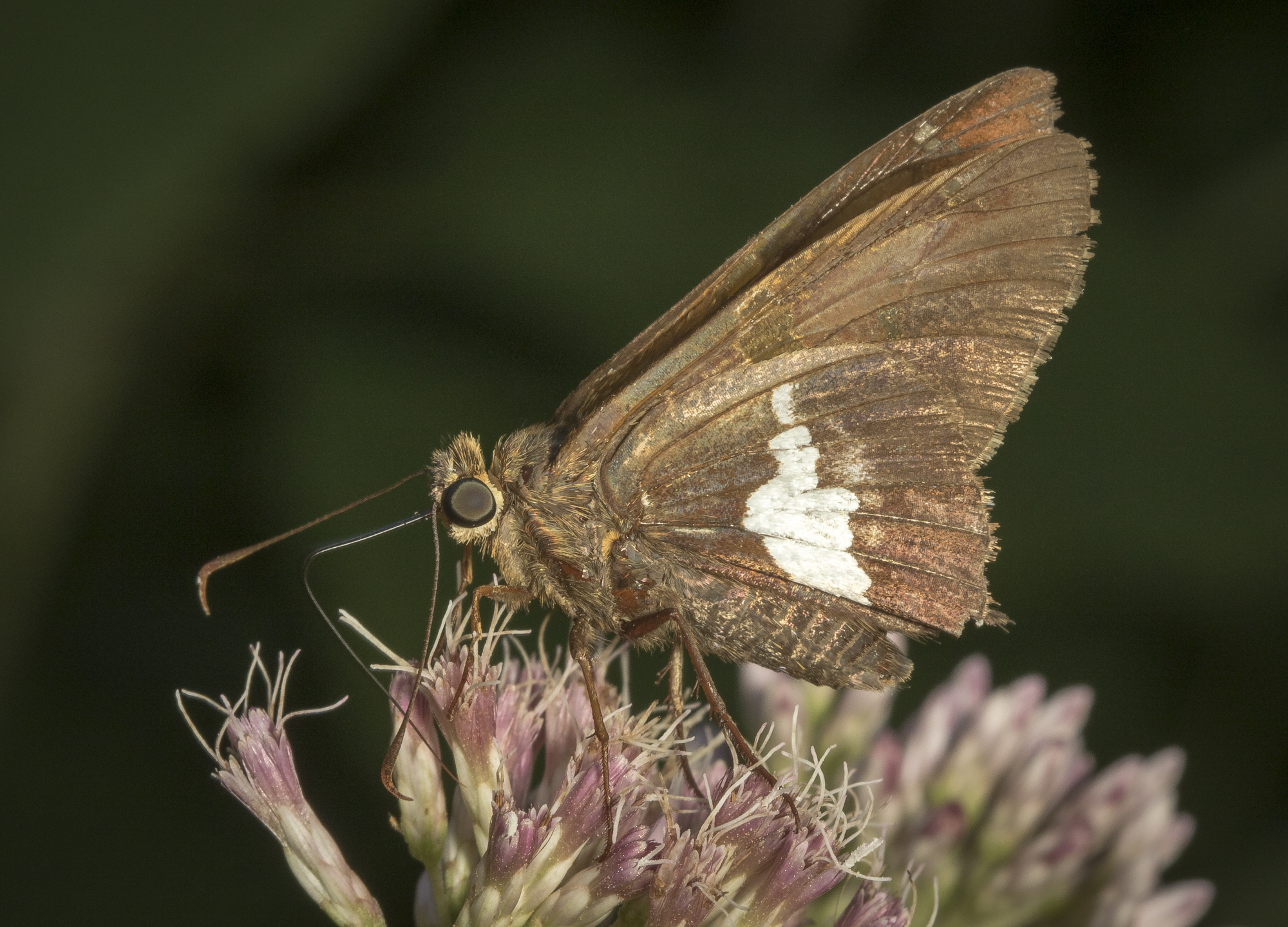
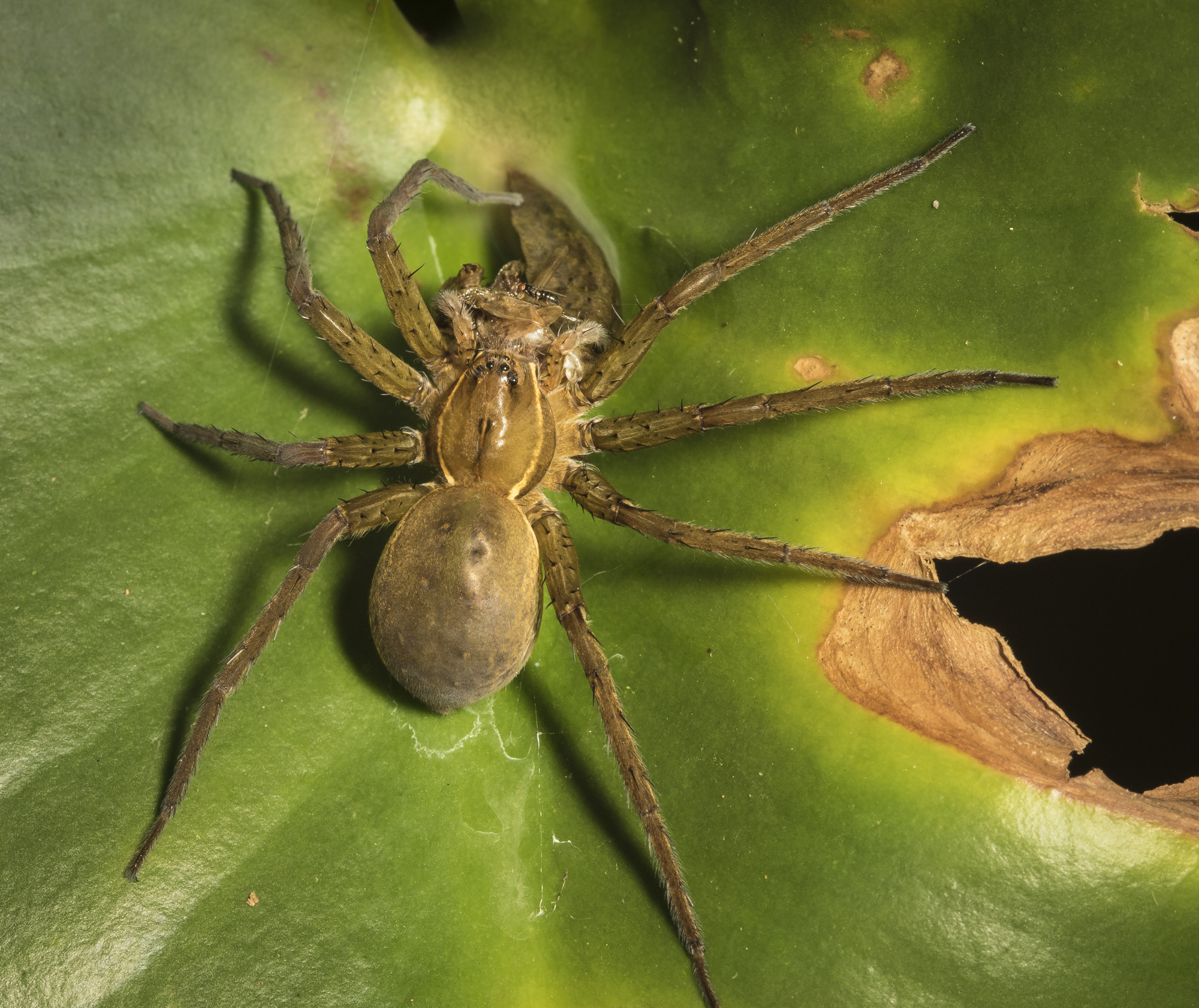
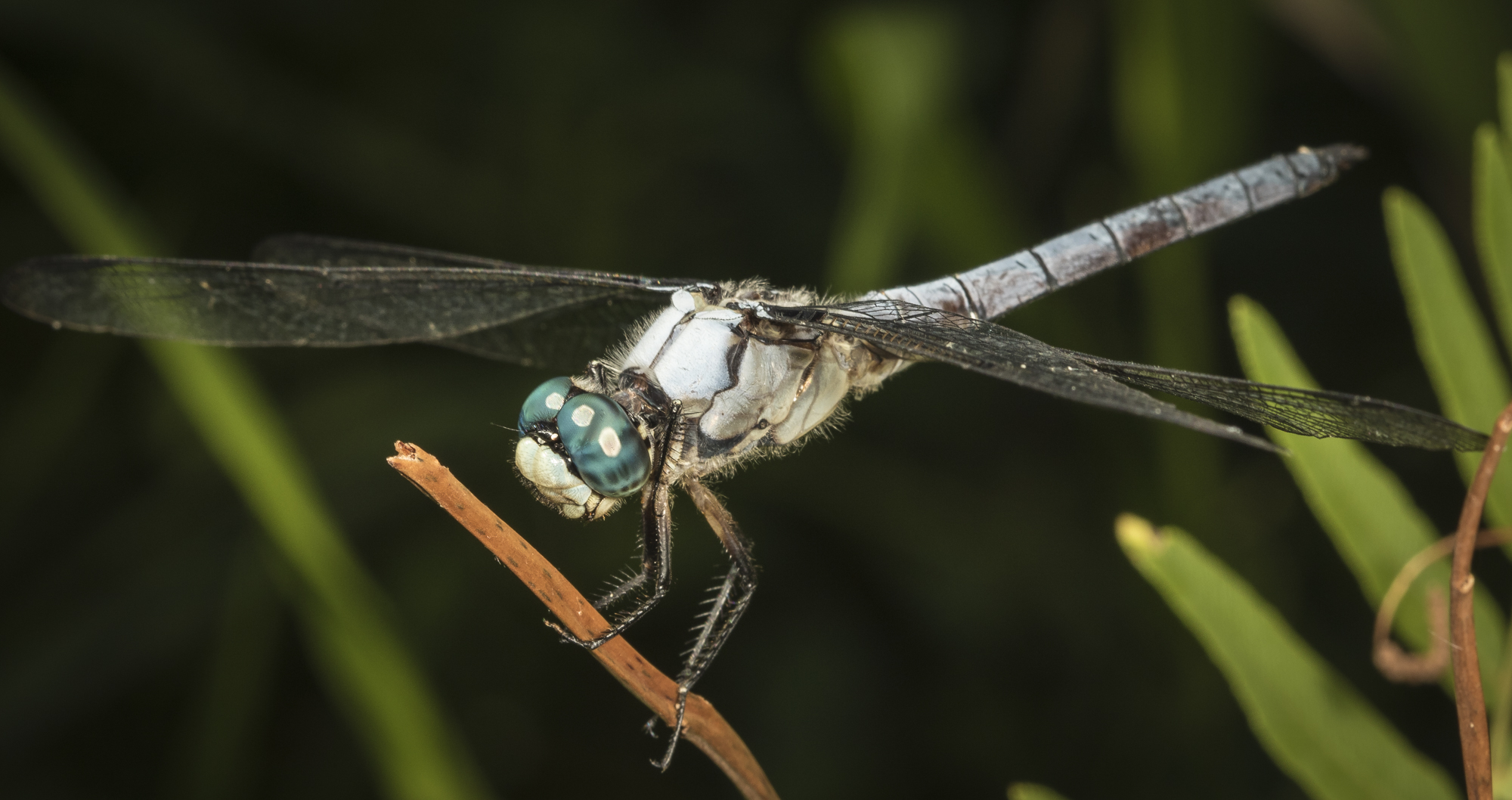
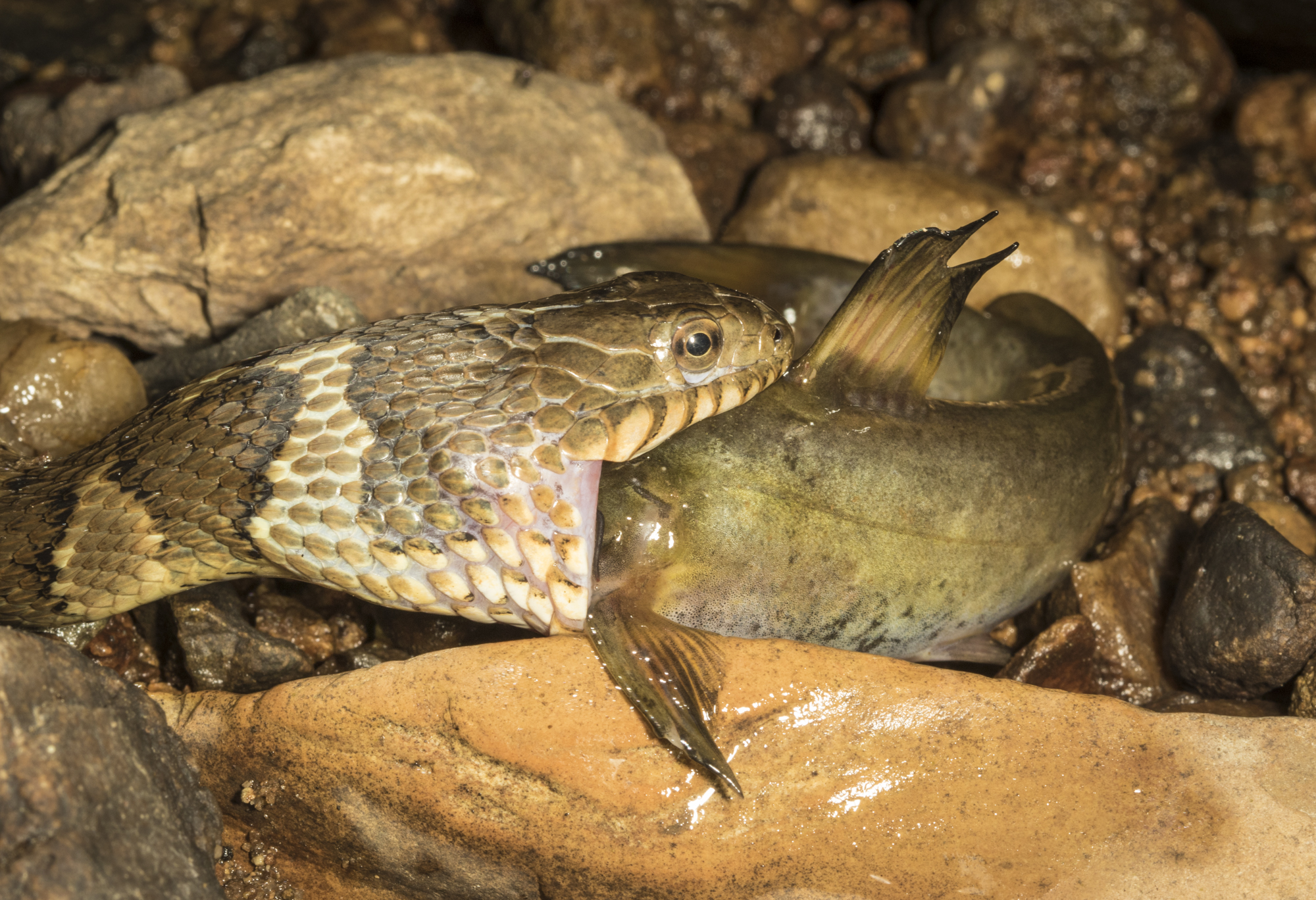
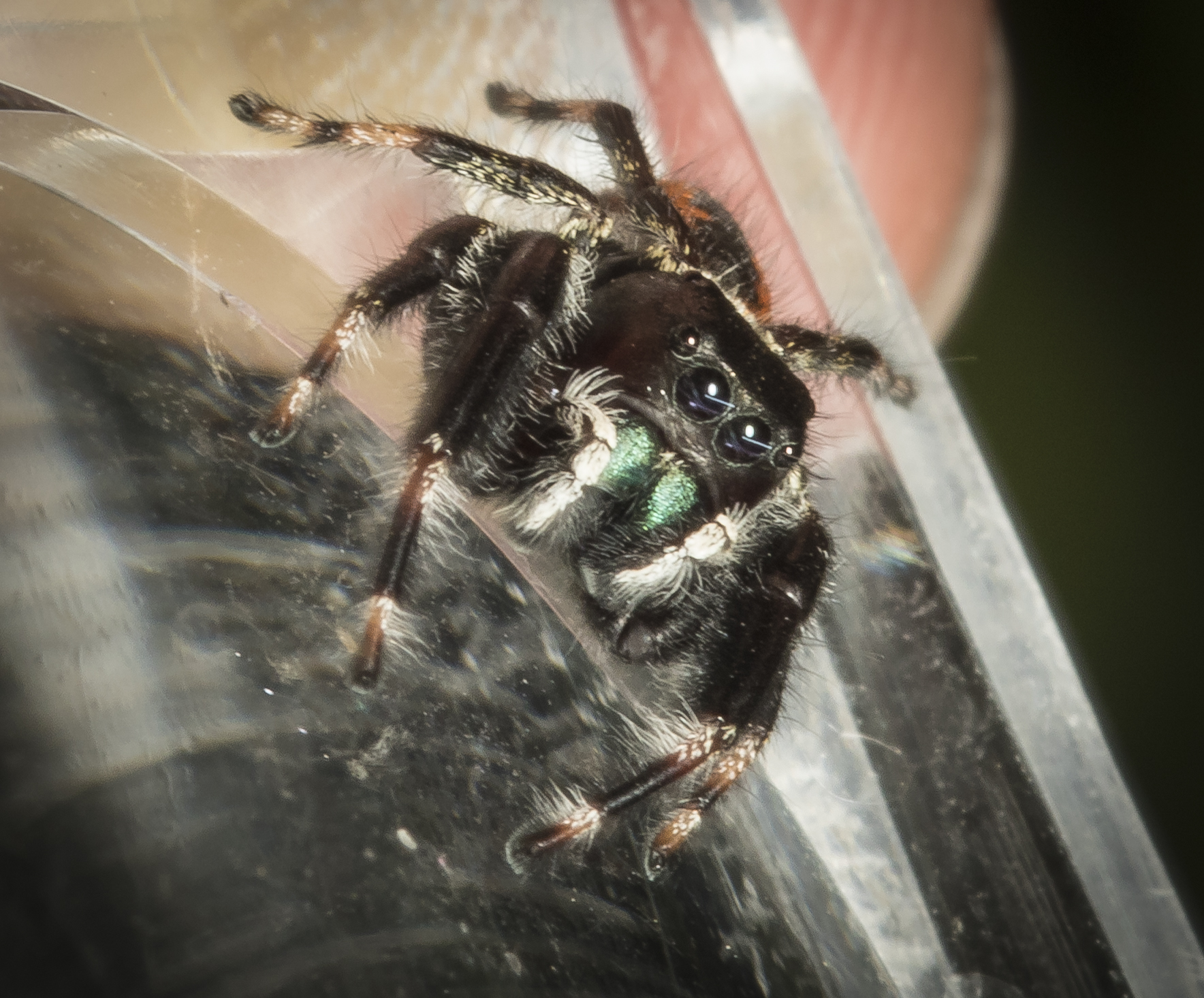
Newly hatched leaf-footed bug nymphs and eggs (click photos to enlarge)Wheel bug (aka Assassin bug)Silver-spotted skipper – these are incredibly abundant at the Garden right nowChinese mantid nymph eating a butterflyA really large Six-spotted fishing spider that has pulled its prey up onto a lily pad to dineA closer look shows it captured a dragonfly nymph. Also note what appears to be a freeloader fly dining on the spillage (look just above the spiders eyes for the fly)Great blue skimmer at the Turtle PondOur hike to Morgan Creek is always a highlight. We caught several dobsonfly larvae (hellgrammites) in the swifter waterThe campers spotted this water snake dining on a catfish. We watched it for about 15 minutes as it slowly worked the fish into its mouthA jumping spider (Phidippus sp.) was one of many things caught while sweep nettingOne of my favorite critters to catch while sweep netting is this tiny plant hopper, Rhynchomitra microrhina. It really needs a common name, so we usually call it the pointy nose thingieLacewing larva – the huge jaws are used to capture prey such as aphids. The larvae have bristles on the dorsal surface to which they attach debris and the bodies of their victims. Secretions from the corpses may help the larvae move through a group of prey without being detectedOne of the campers described a butterfly he saw as looking like a buckeye underneath and a monarch when it opened its wings. We finally saw this American lady and solved the riddleA child’s eyes can often find the most beautiful object lying on the trail. This is one half of the elytra (hardened forewings) of a beetle, probably a Fiery Searcher Caterpillar Hunter (now that’s a name!)
I just loved this post! Your campers are experiencing an incredible world. Maybe some of them will grow up and be inspired to save the environment so these diverse species can survive.






 Roads End Naturalist
Leave a reply to Deb Hanson Cancel reply