
Feet, what do I need you for when I have wings to fly?
~Frida Kahlo
I think I can answer that after spending an afternoon watching my favorite winter resident, the tundra swans, at the Pungo Unit this past weekend. It turns out, if you are one of North America’s largest waterfowl (weighing in at 18-20 pounds), you need your feet in order to get airborne. I arrived late morning when things tend to be a bit slow in terms of wildlife, spent some time chatting with three groups of friends down for the holiday weekend, and then settled in for some wildlife watching at my favorite impoundment (Marsh A). Cloudy skies soon gave way to bright blue and sunny conditions, and the several hundred swans at Marsh A were doing what they do best – preening, some feeding, squabbling with nearby groups, and filing the air with their peaceful calls. As the afternoon wore on, more and more swans started taking flight, headed out to nearby fields for their last meal of the day before retiring back to the safety of the water. As they did so, another sound echoed across the water – the slapping of their huge webbed feet and splashes as they run across the water flapping their nearly 6-foot wingspan to gain lift. Their approach to the runway is usually preceded by head-bobbing and calls, slow at first, and then more intense. I wonder if this is a signal to their family (they tend to stay together as family units on the wintering grounds) that we are about to leave? Maybe it also serves as a warning to birds along the potential runway to look out, ’cause we are headed your way. They almost always take off into the wind which helps give their huge wings a needed boost. I spent a couple of hours sitting with these magnificent birds, watching, listening, and admiring these long-distance travelers. I also practiced swinging the big lens along my window bean bag as the swans slapped the water to take off. It was a good way to spend an afternoon.
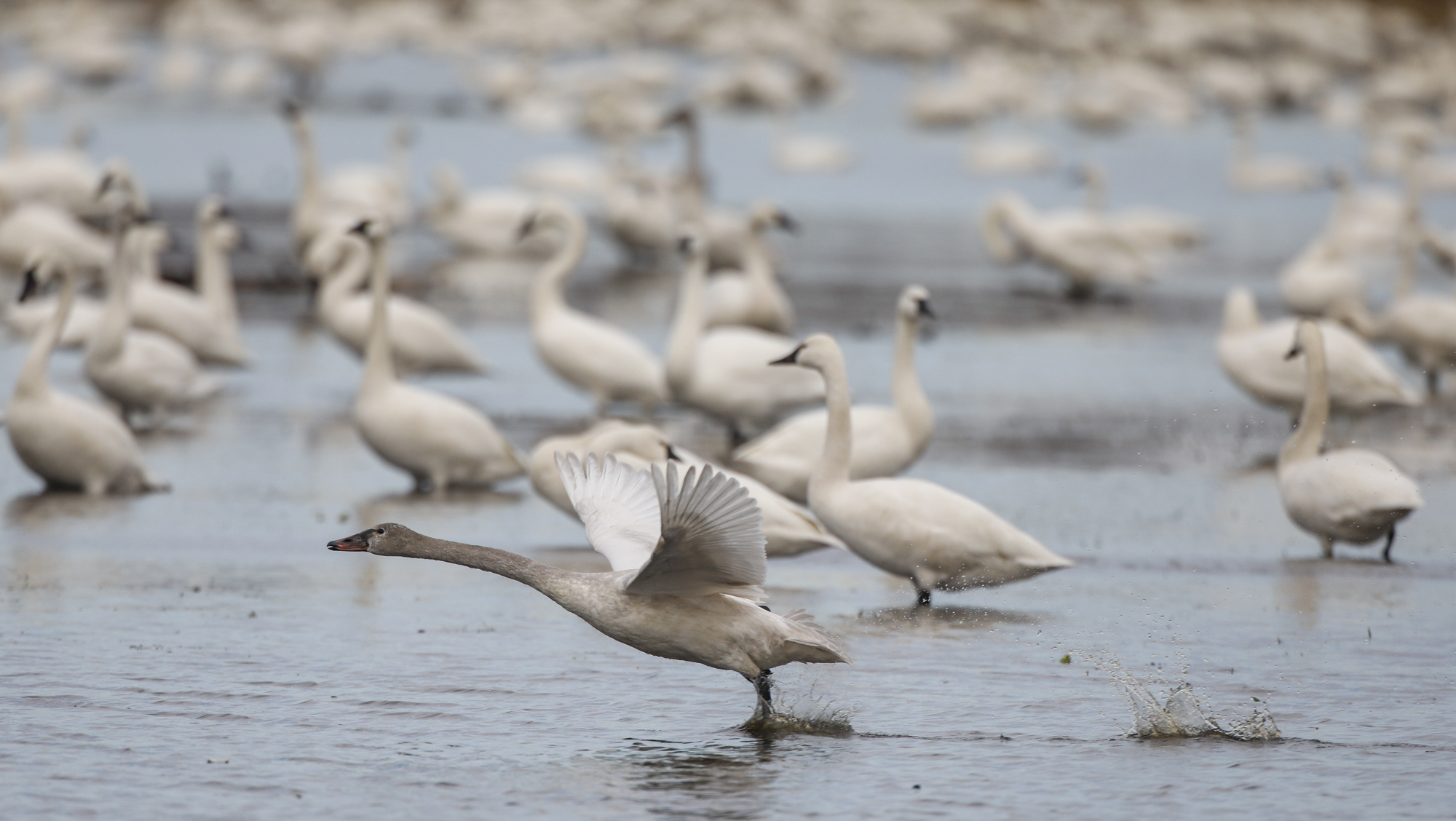

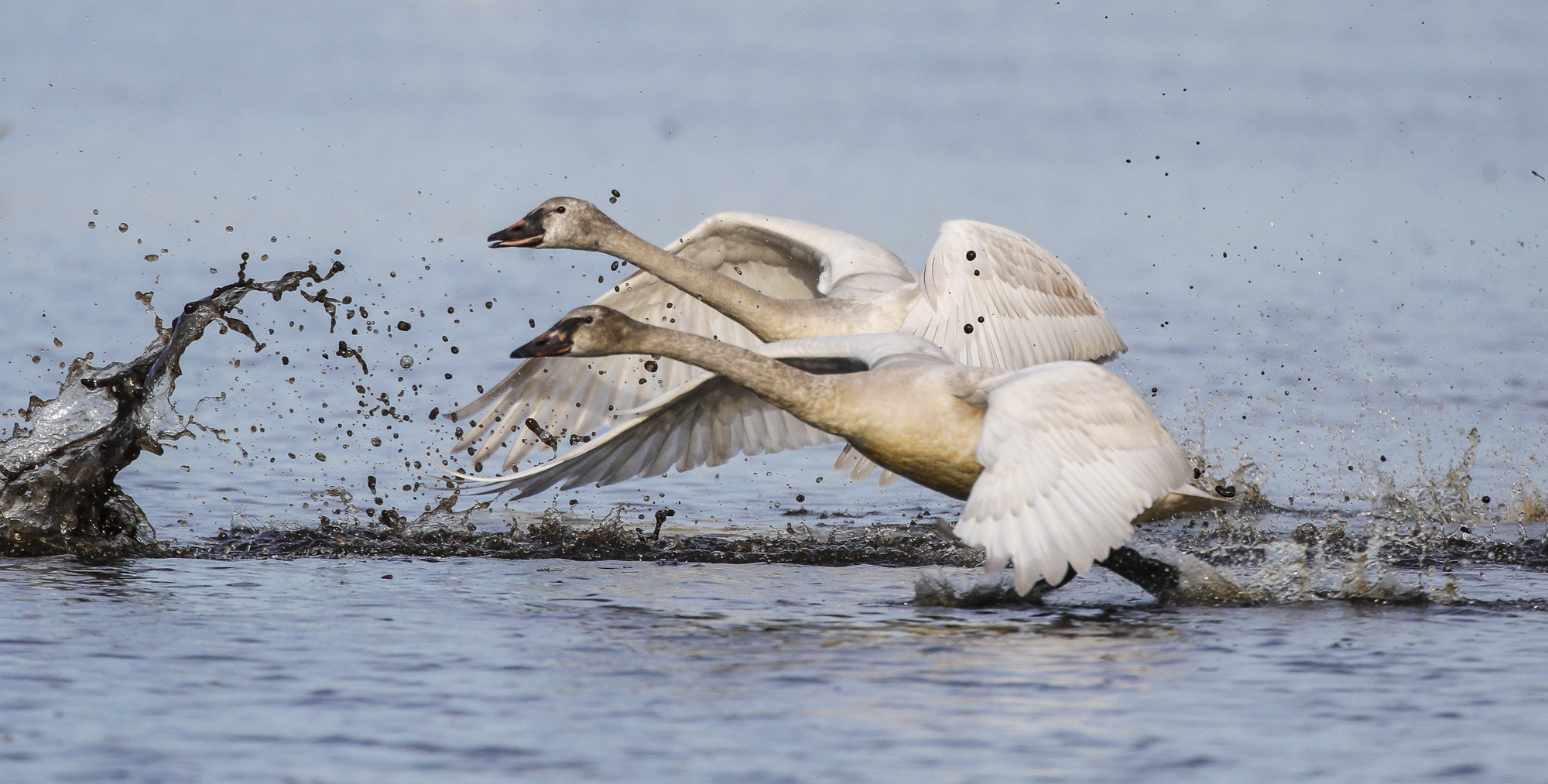
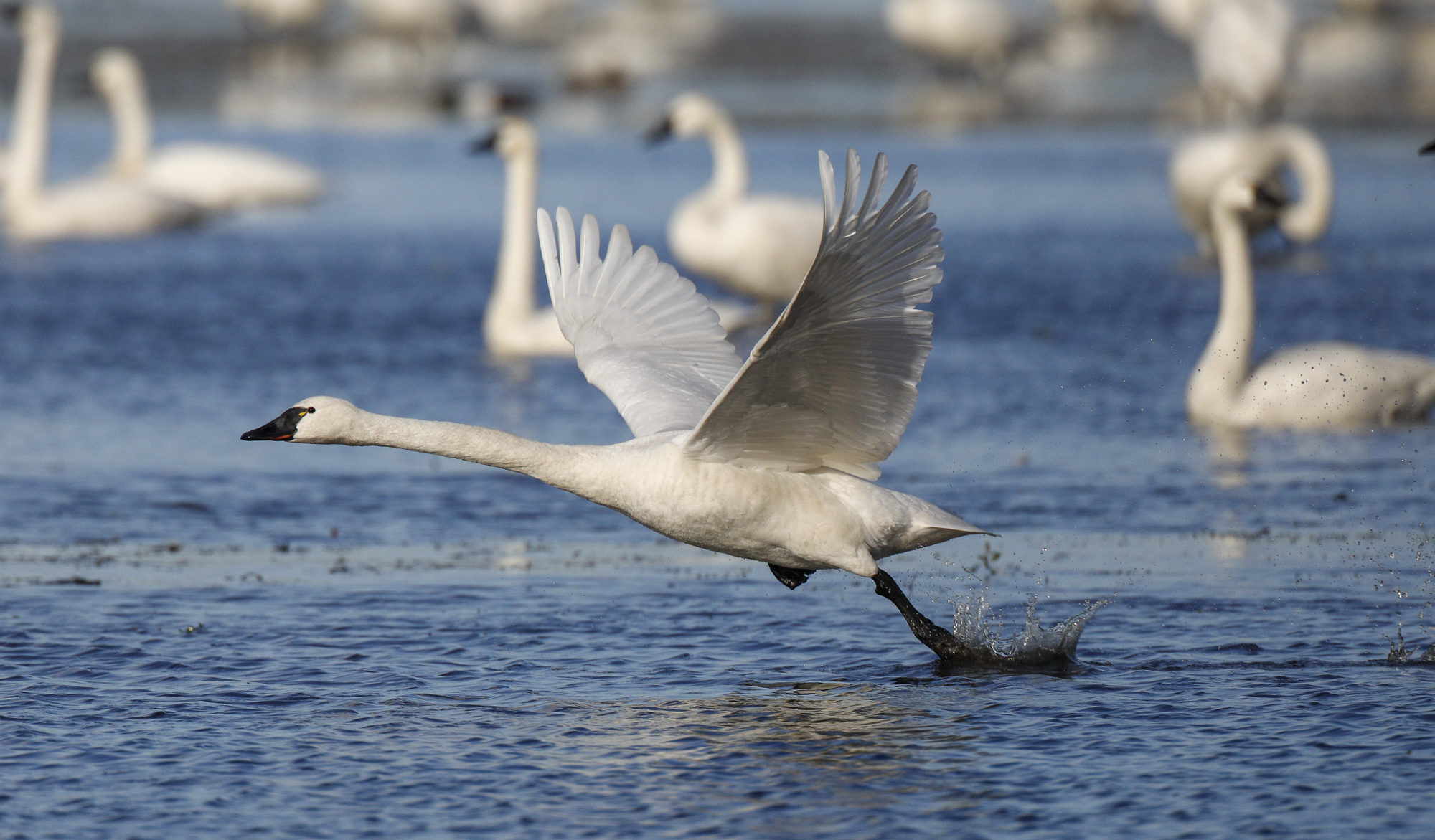
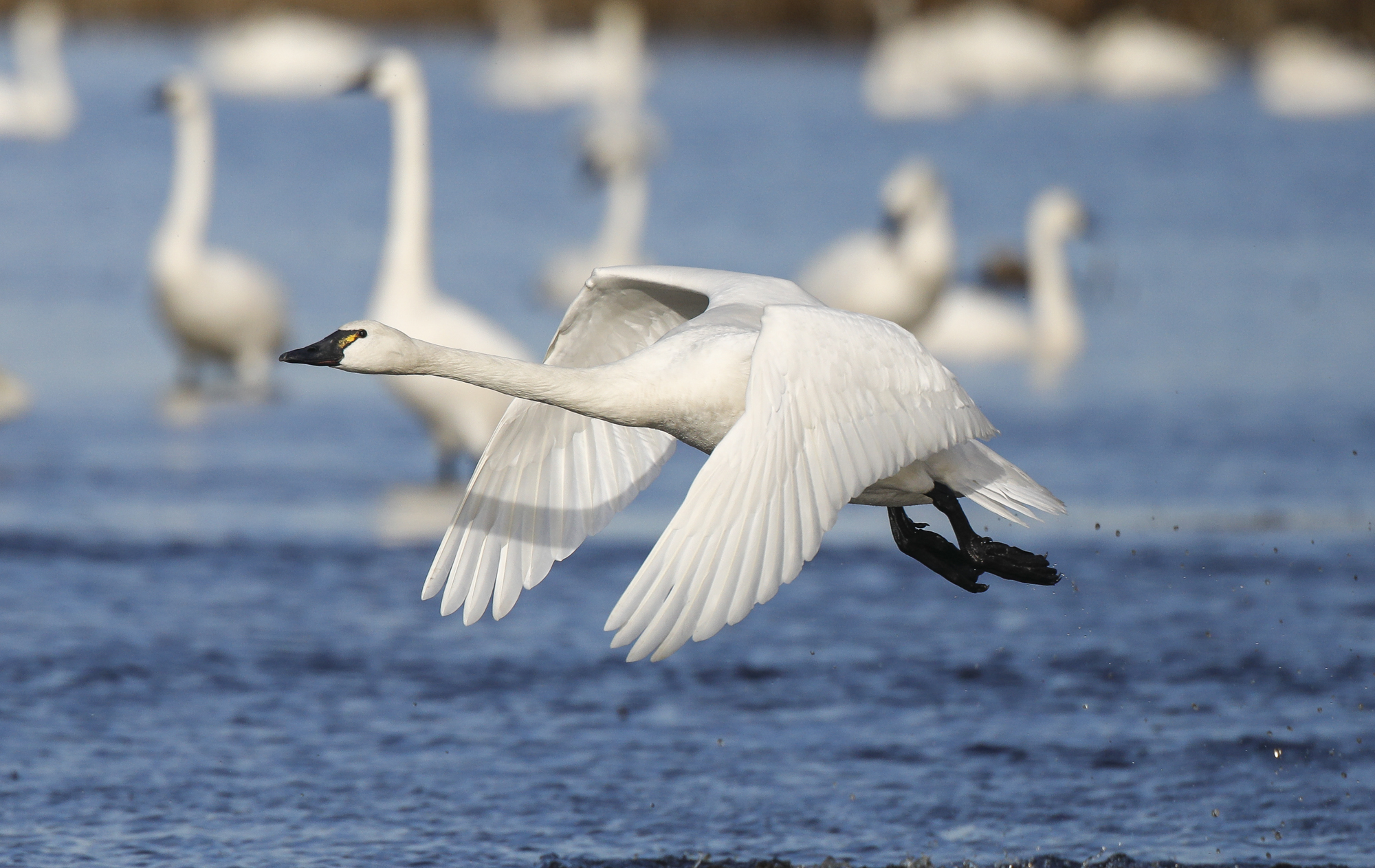

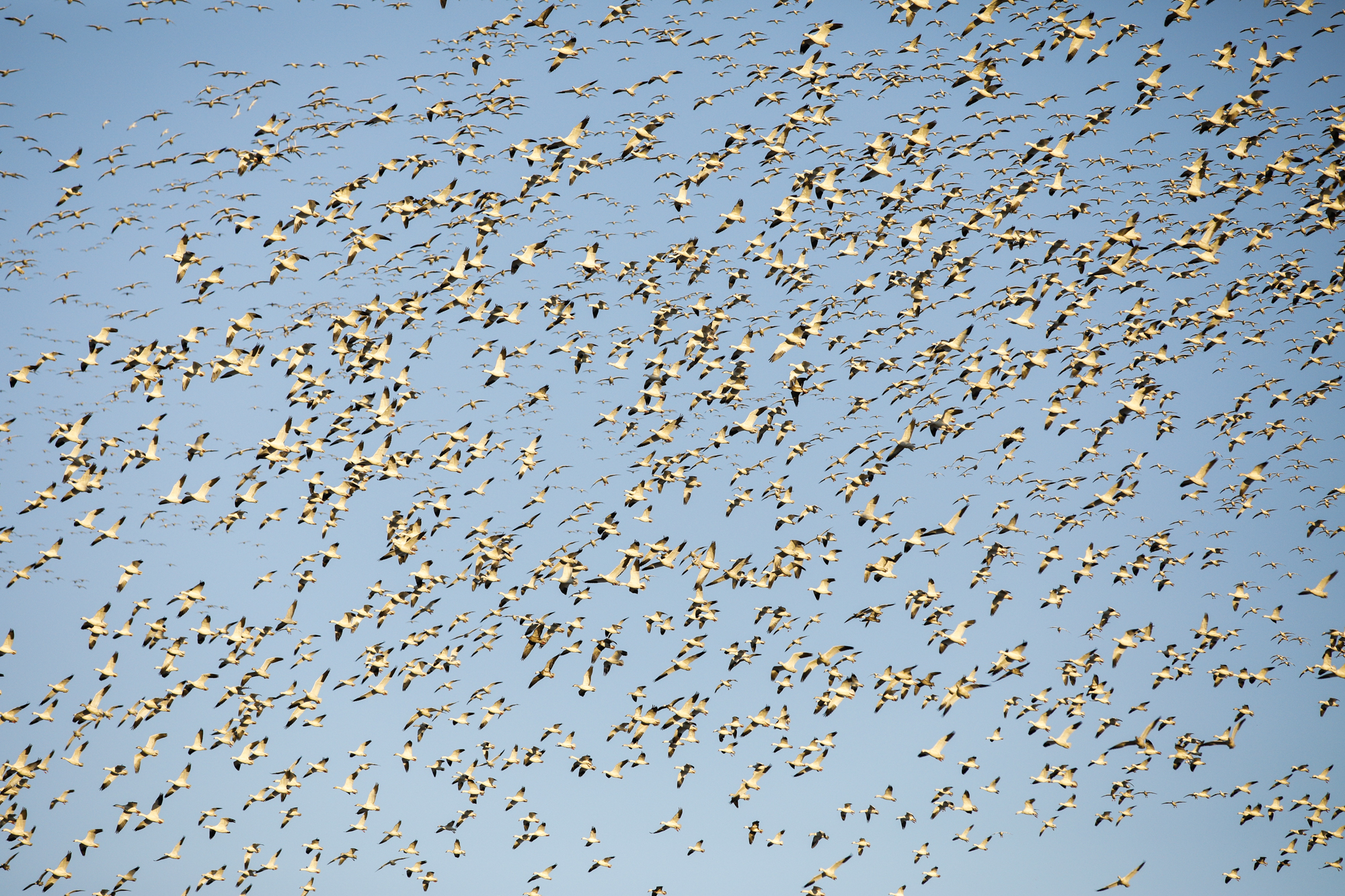
As was the case last week, I heard the snow geese lift off the lake (you can’t see the lake from this location) at about 4:30 p.m. I soon saw a huge flock headed south, presumably to the fields near the front entrance to the refuge. So, a few more minutes with the swans, and then I headed out.



This was day one of a three day wandering among wildlife refuges along our coast. More on some other sights and sounds in the next post.


 Roads End Naturalist
Leave a comment