
The tree is more than first a seed, then a stem, then a living trunk, and then dead timber. The tree is a slow, enduring force straining to win the sky.
~Antoine de Saint-Exupery
Last week I cut and split some firewood from a hickory that fell across the road in the storms of October, 2018. The wood has been stored under a tarp (with sides exposed) since that time. When I pulled the tarp off to start cutting, I immediately noticed the many piles of sawdust from the activities of wood-boring beetles.
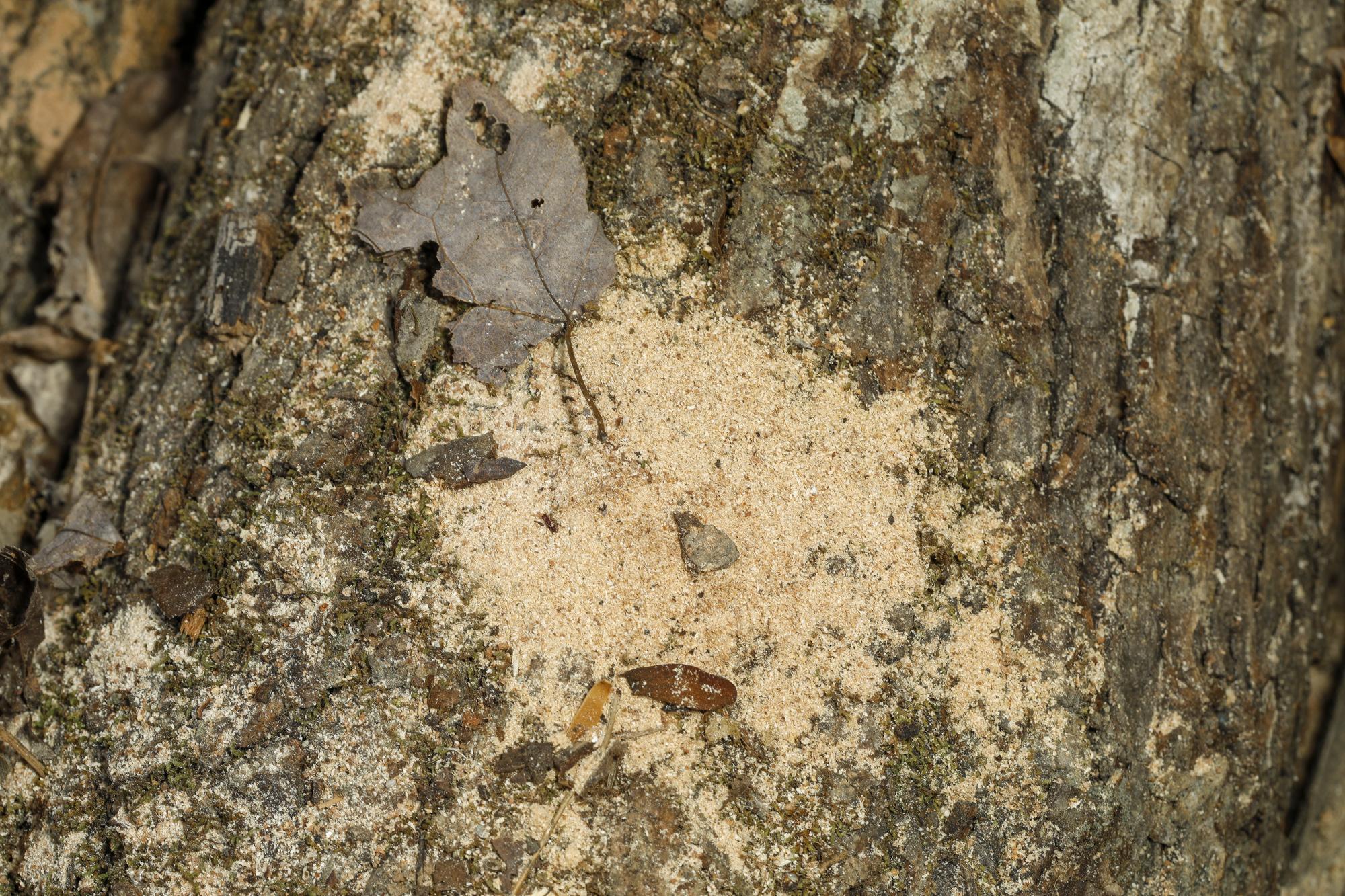
I have often encountered the grubs of beetles while splitting wood, but I soon realized this was an exceptional concentration of these guys in this pile.
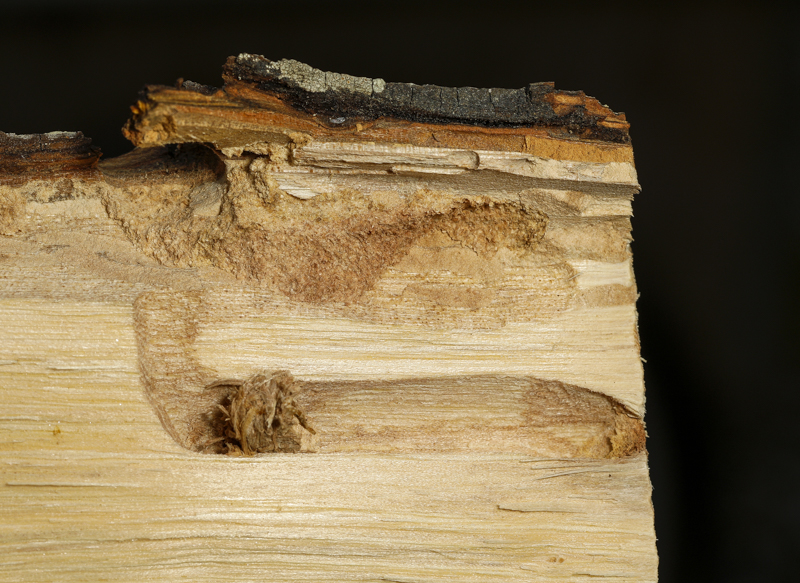
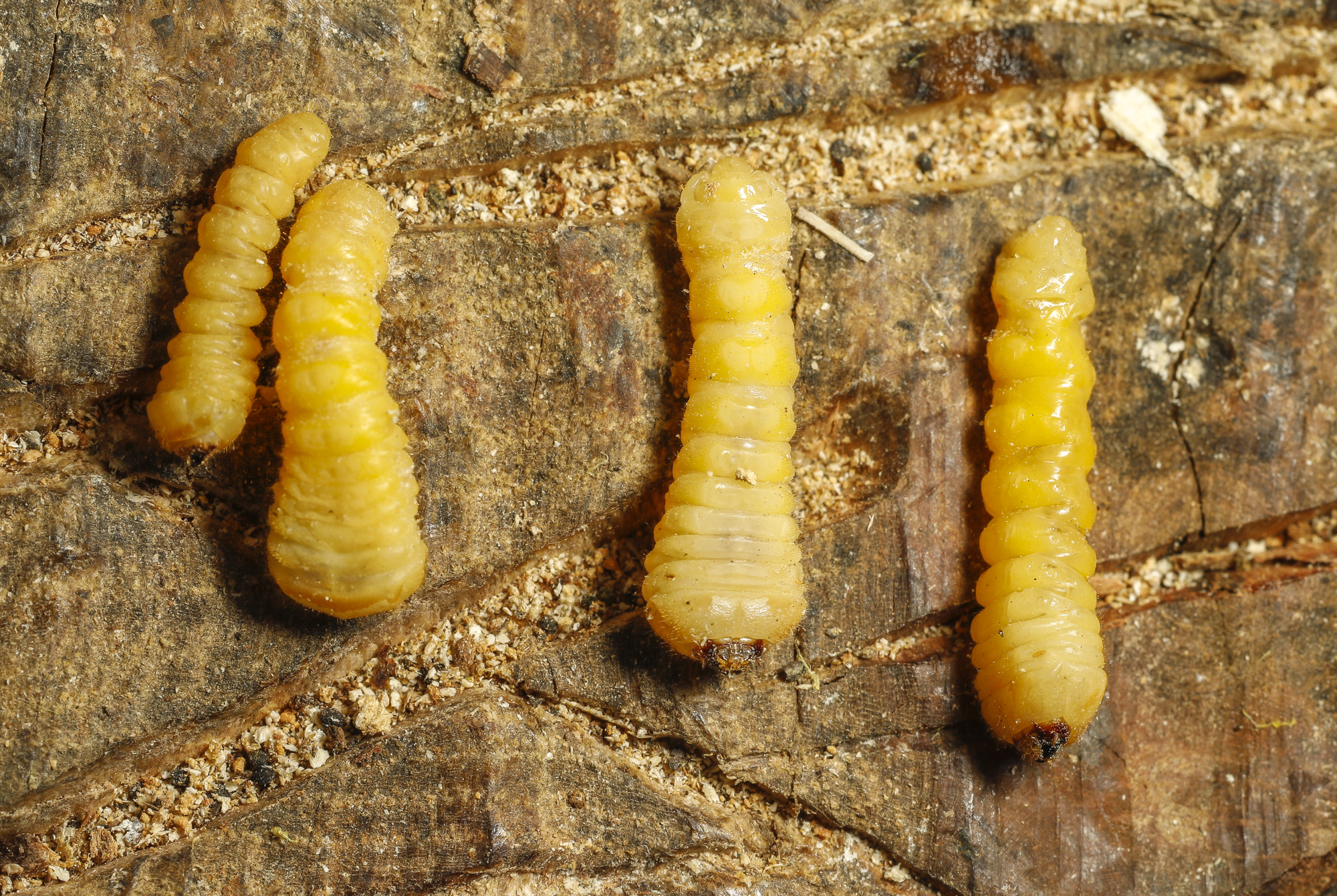
As I was chopping this wood, I had a whole new respect for the chewing abilities of these larvae. I mean, hickory has a well-deserved reputation as a very hard hardwood (hence its common use for tool handles, etc.), and on several swings of the maul it seemed like I was trying to split petrified wood. And yet these 1/2 to 3/4 inch grubs had tunneled through it like it was cream cheese.
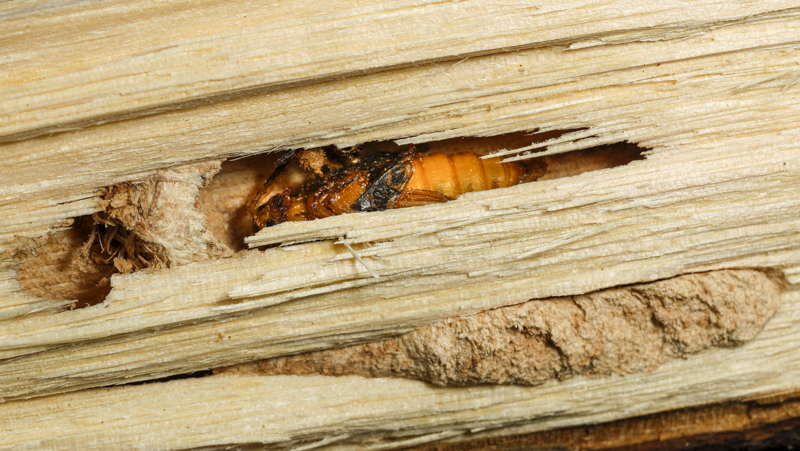
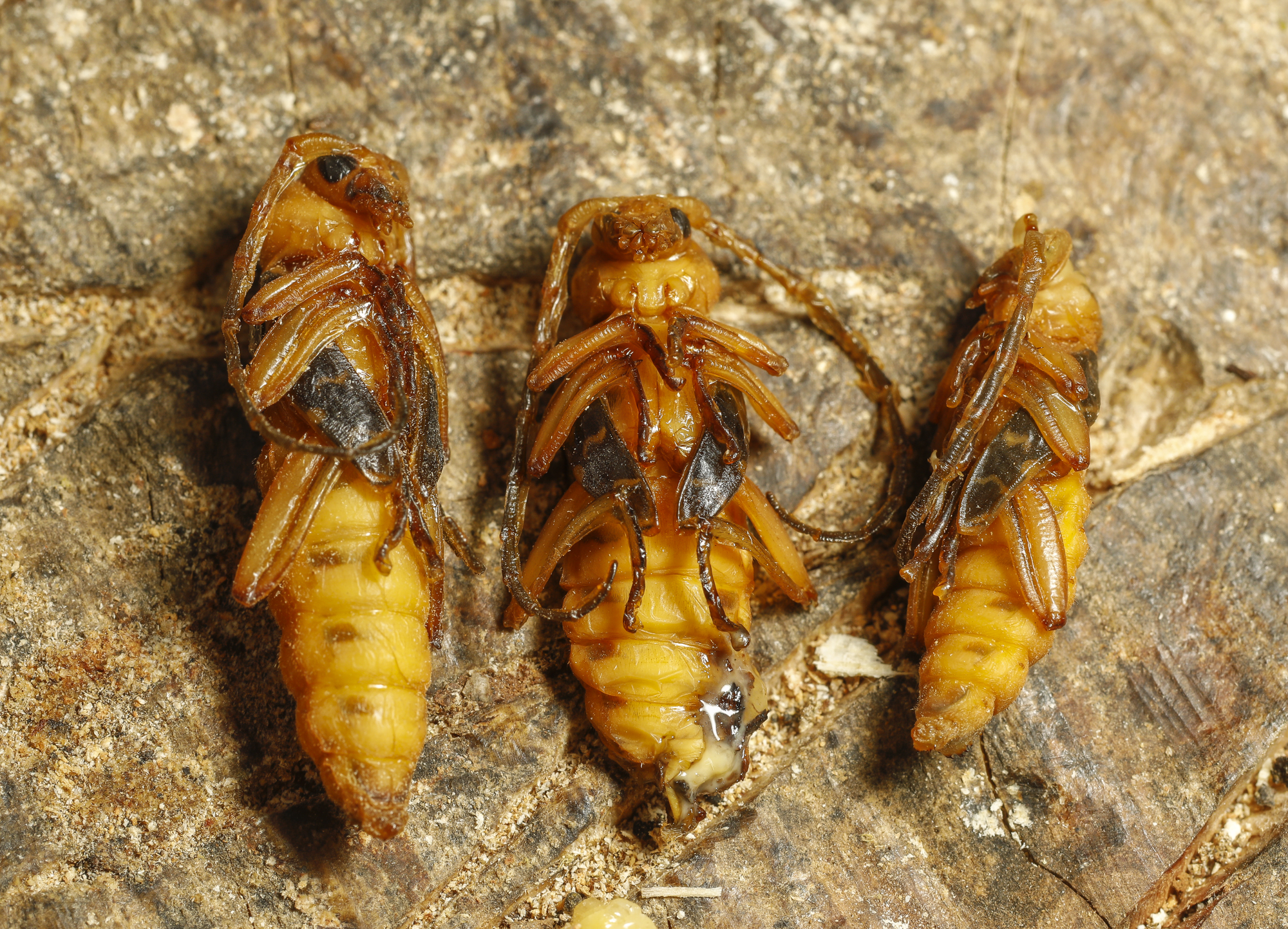
This species of long-horned beetle emerges in early spring, so these pupae are almost ready. After mating, a female will lay up to 50 eggs (that explains the abundance in my logs) in the bark of weakened wood or wood that has been dead for no more than a year. Hatched larvae chew into the wood and feed for 10-12 weeks before making a larger chamber for pupating, where they will remain until the following spring.
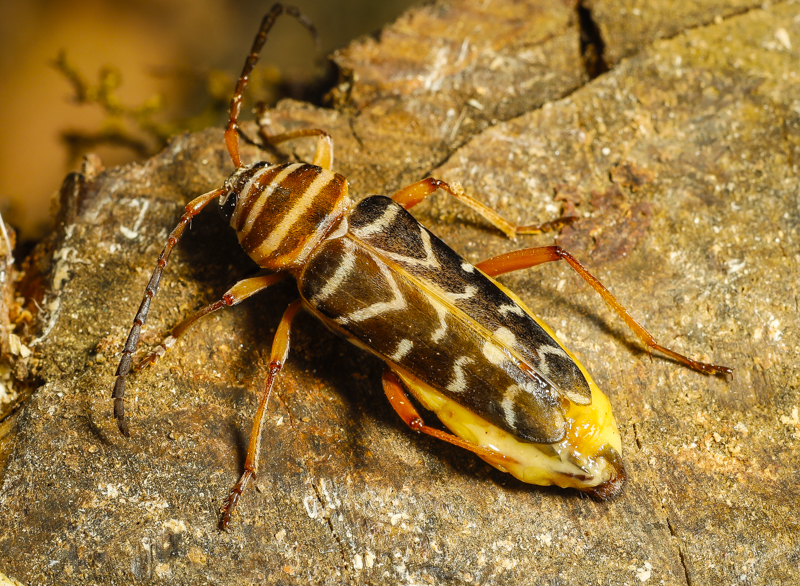
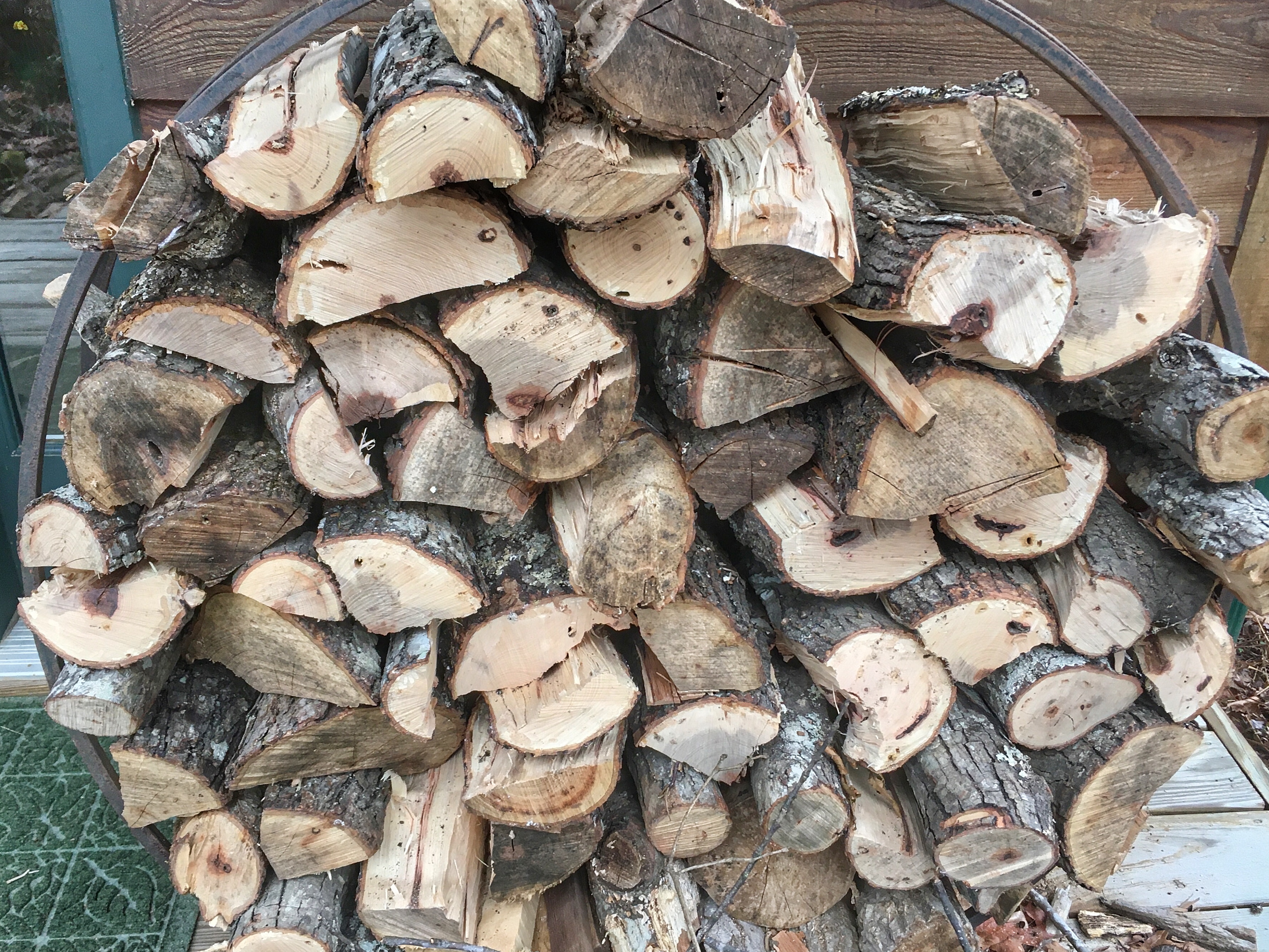
I admit to feeling a little guilty about dislodging all these beetle larvae and pupae but I think the Carolina wrens are quite happy about my wood chopping endeavors. But, I think there will be plenty of survivors in the remaining stack of logs to continue their boring behavior this spring. Seeing this community of critters in the wood and then feeling the warmth of the fire from these logs serves as a vivid reminder of the lasting legacy of a single tree. I look out the window and see so many stories in the forest…


 Roads End Naturalist
Leave a reply to mary sonis Cancel reply