The poets say some moths will do anything out of love for a flame…
~Mohsin Hamid
Last night we participated in the NC Museum of Natural Sciences’ National Moth Week live event (well, Melissa worked it and I just rambled around taking pictures through my fogged glasses). It was a great start to National Moth Week and we shared lots of moth (and other nocturnal creatures) observations with participants from all over the state. After the fact, we discovered that, unfortunately, our really crummy internet diminished the viewing quality of Melissa’s live streaming of the many cool critters we have out here in our woods. But, I hope it was still fun for people to see some of the great diversity of moths and other insects attracted to our moth lights (we set up two white sheets and two UV lights to draw them in). Our friends, Deb and Keith, were here helping us monitor the sheets and identifying what we could using field guides and apps such as SEEK and LEPS. This is a great outdoor activity for sharing while physical distancing.
The live program was from 9 p.m. until 11 p.m.. We had to wait until just before the start time to set up the sheets due to a thunderstorm, but then the weather cooperated (if you call sweltering humidity and heat cooperating). But our Chatham County moths didn’t seem to mind. Below is a roster of the some of the amazing nocturnal visitors we entertained last night…
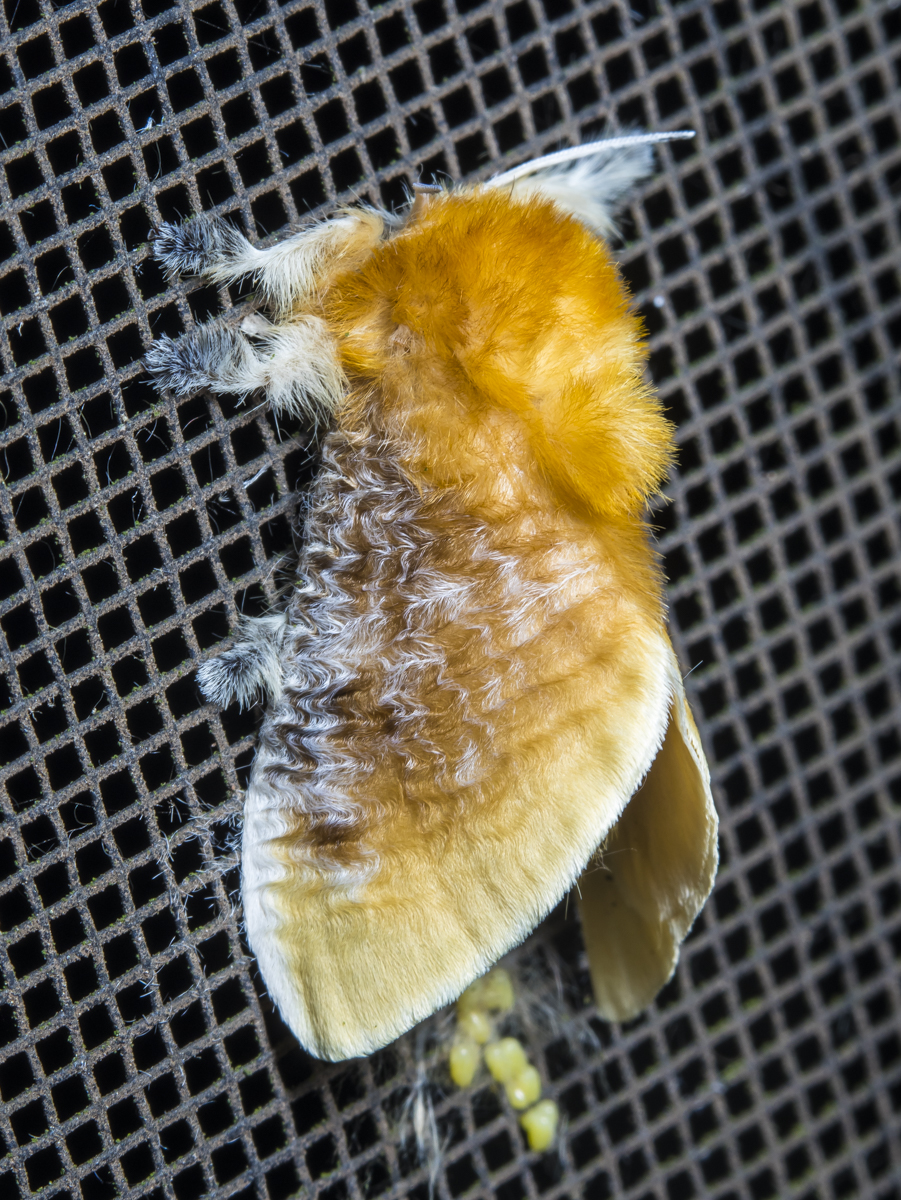
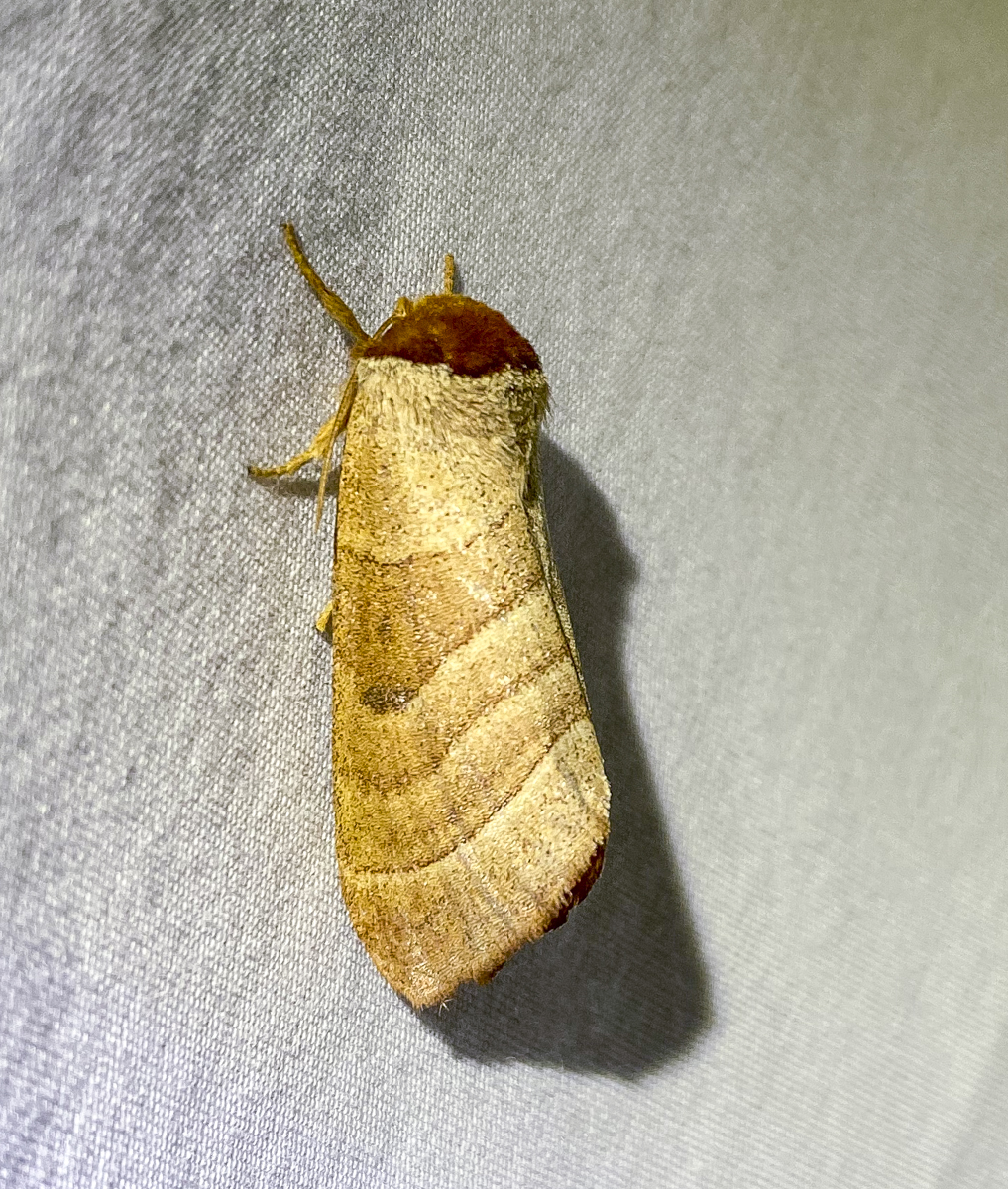
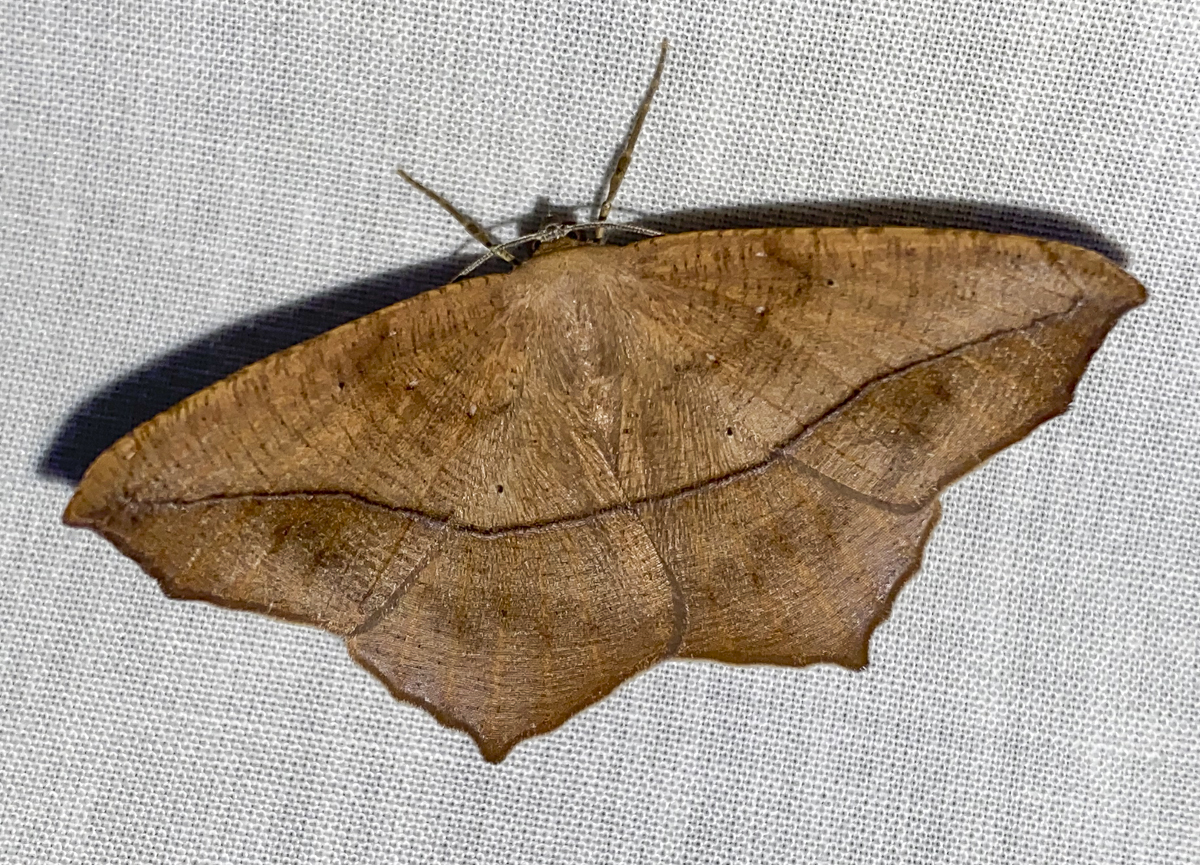
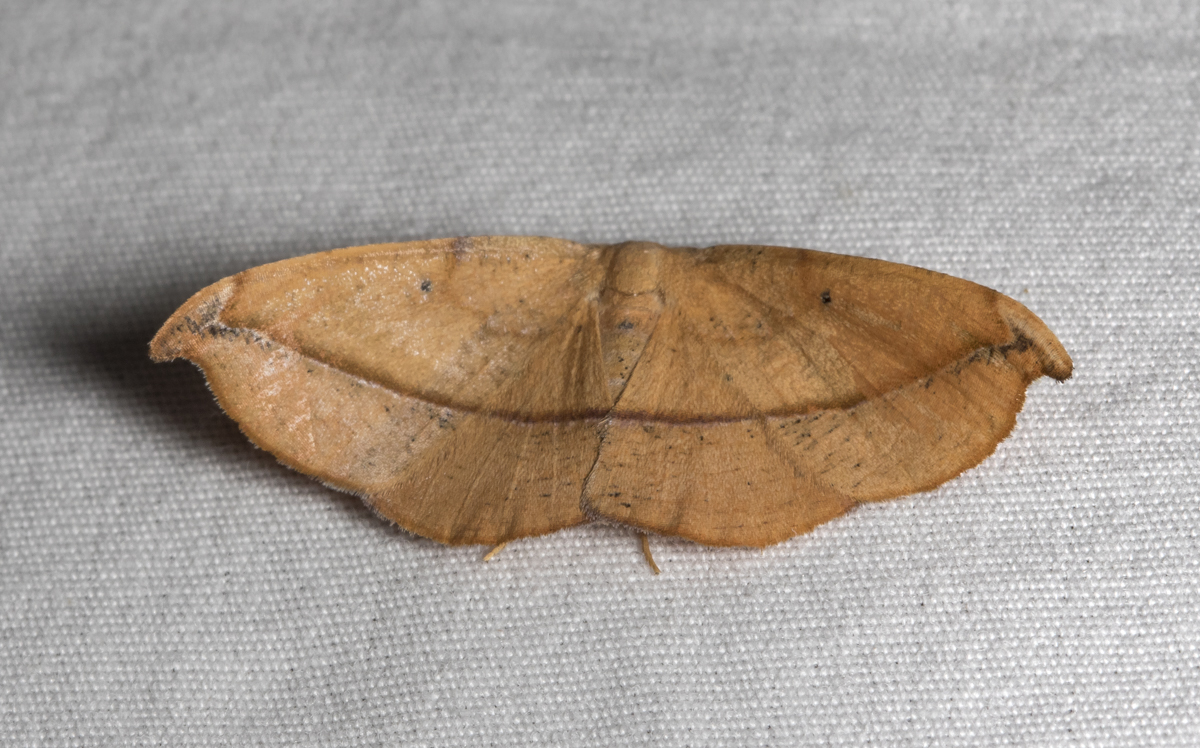
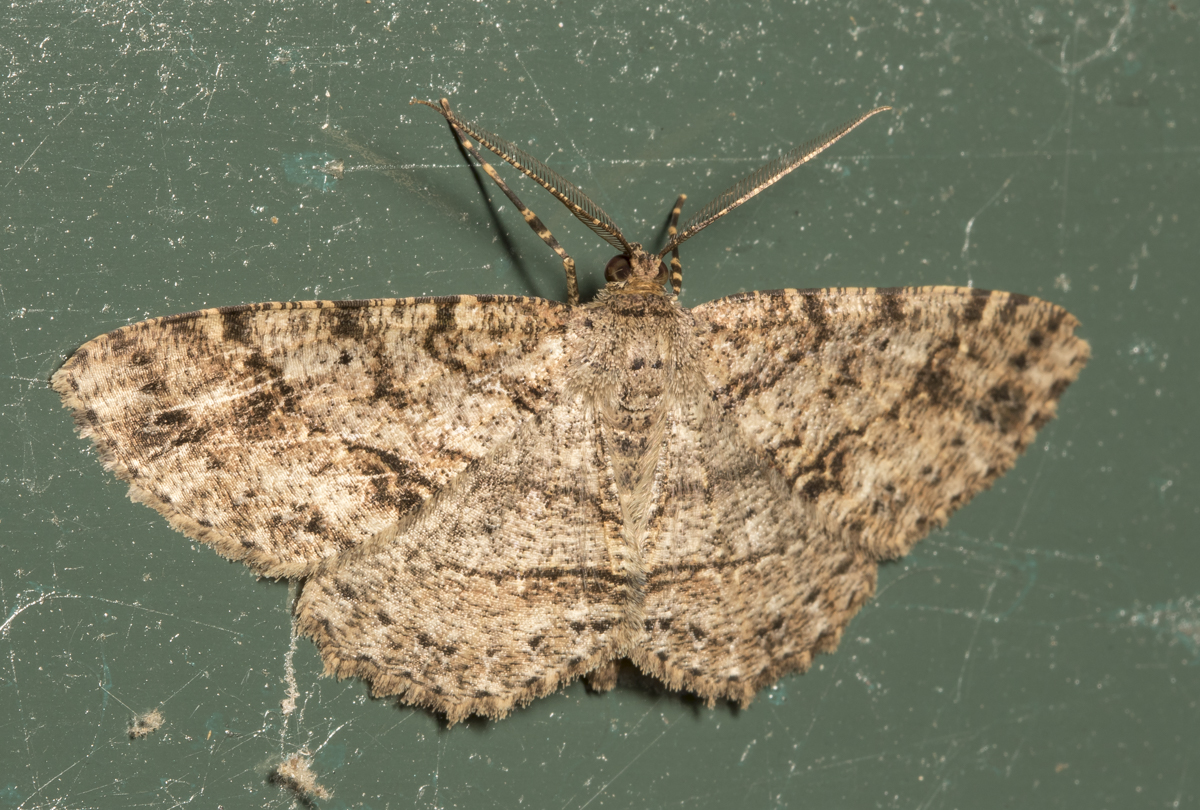
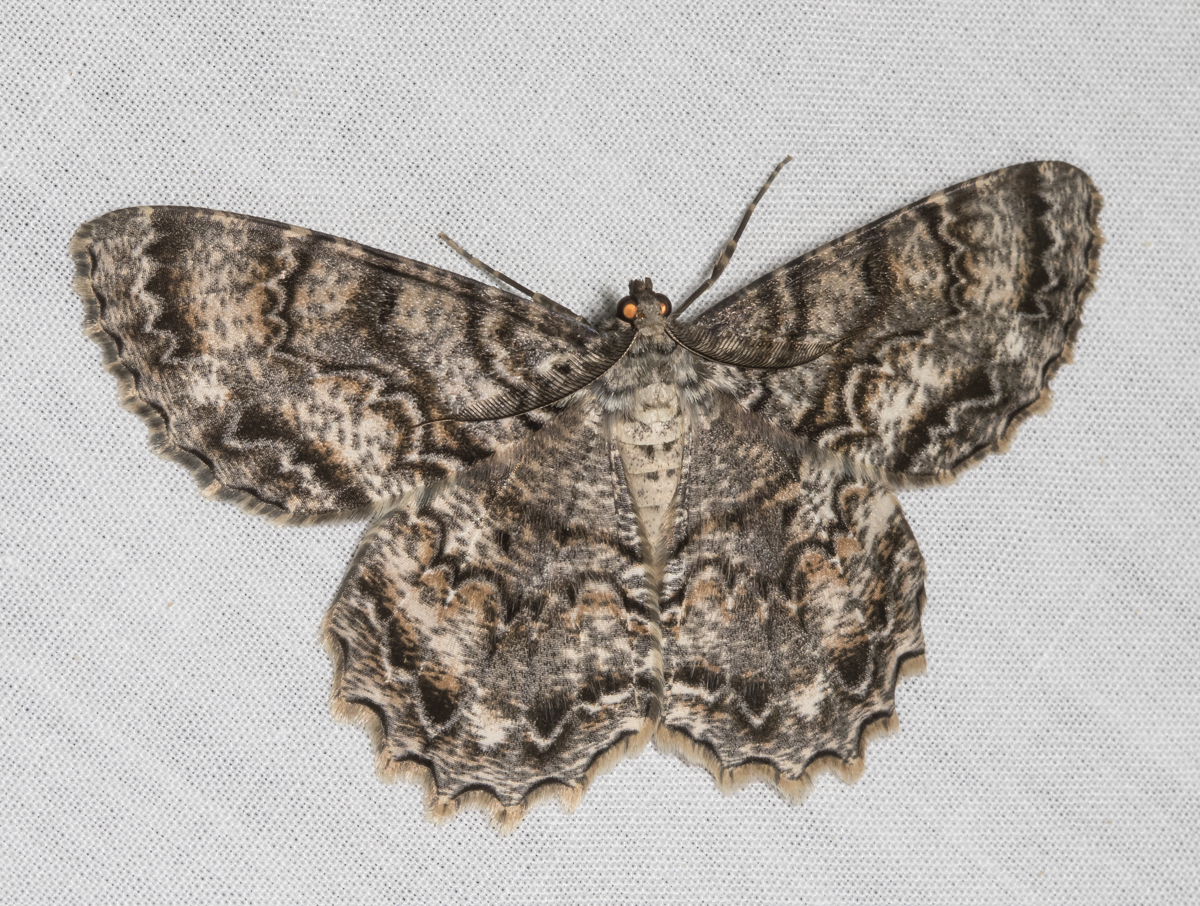
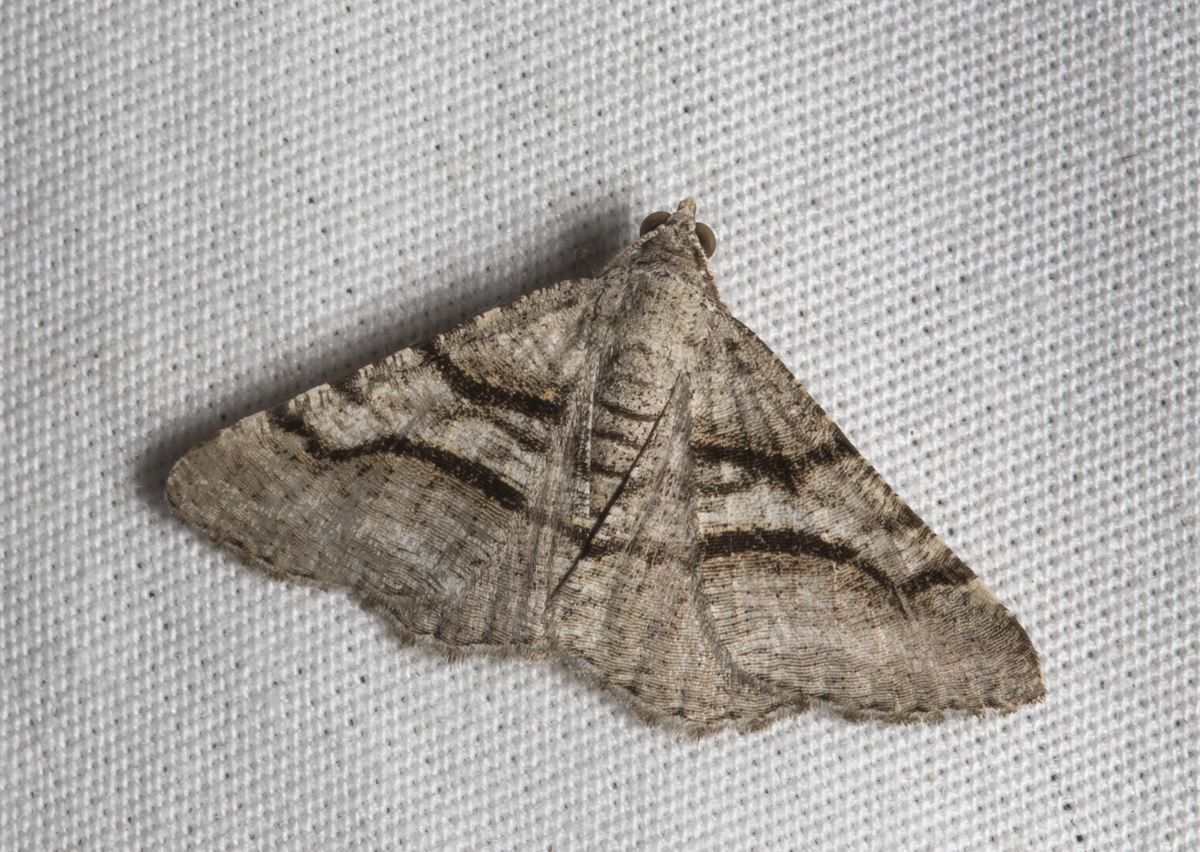
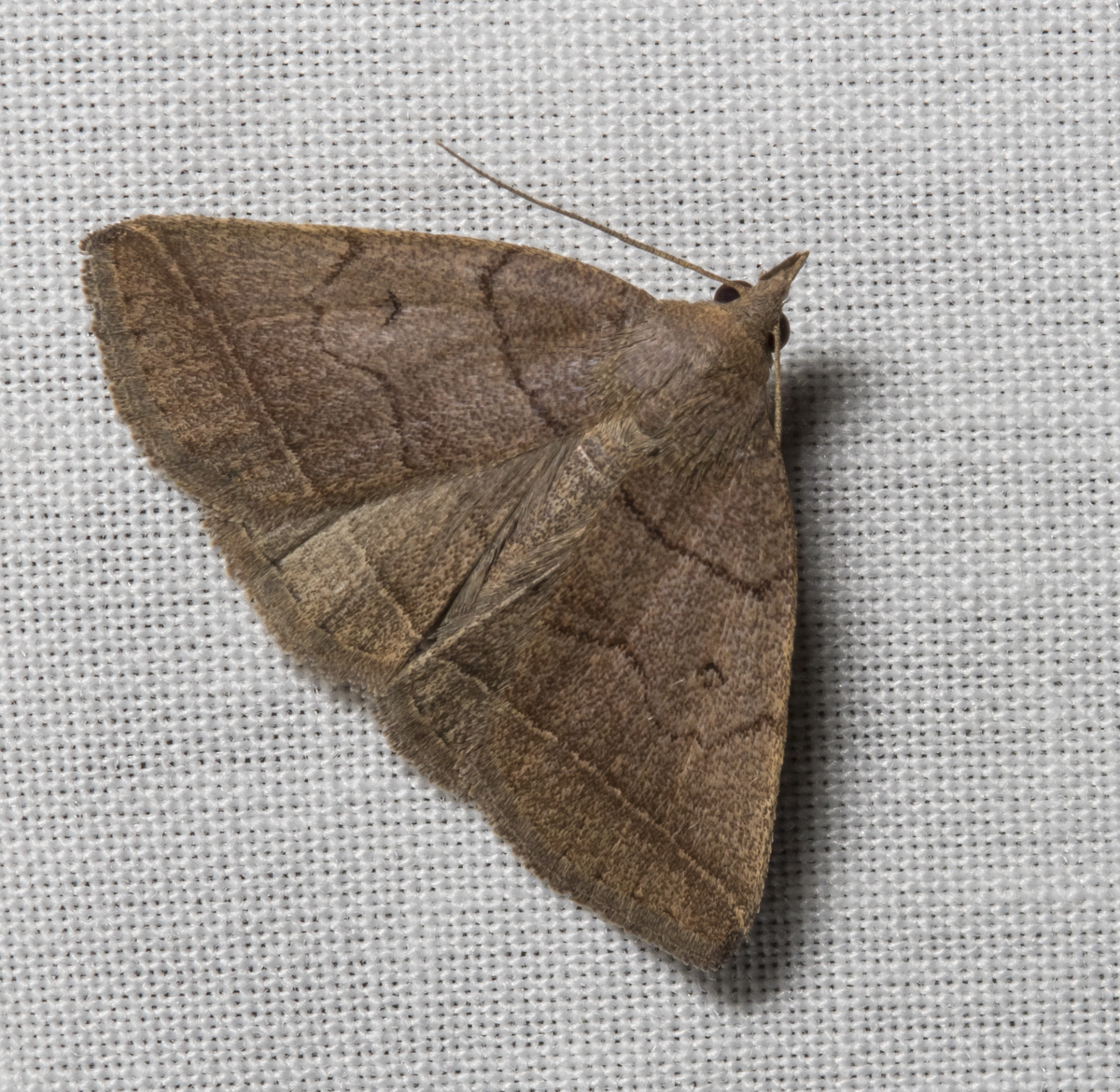
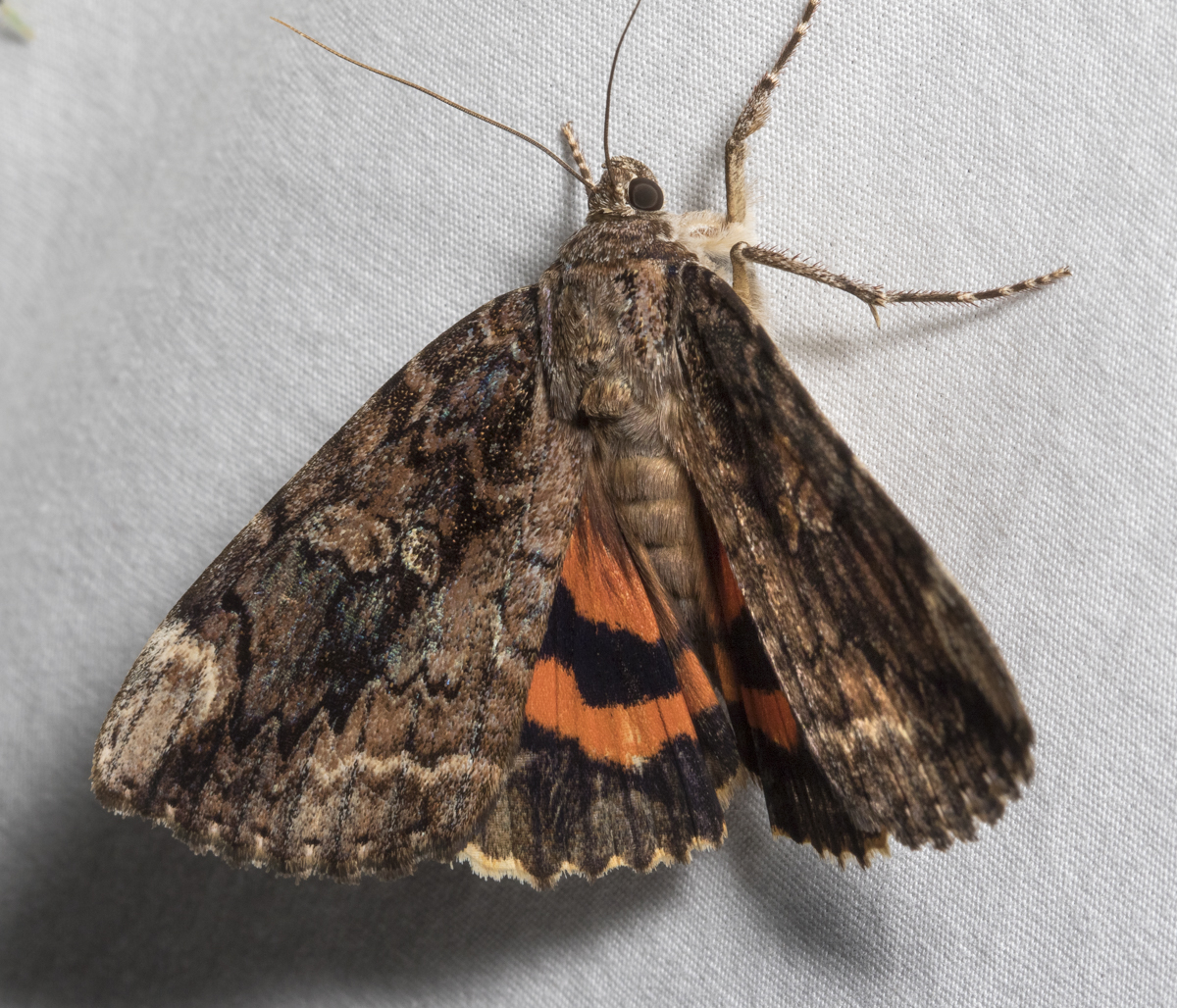
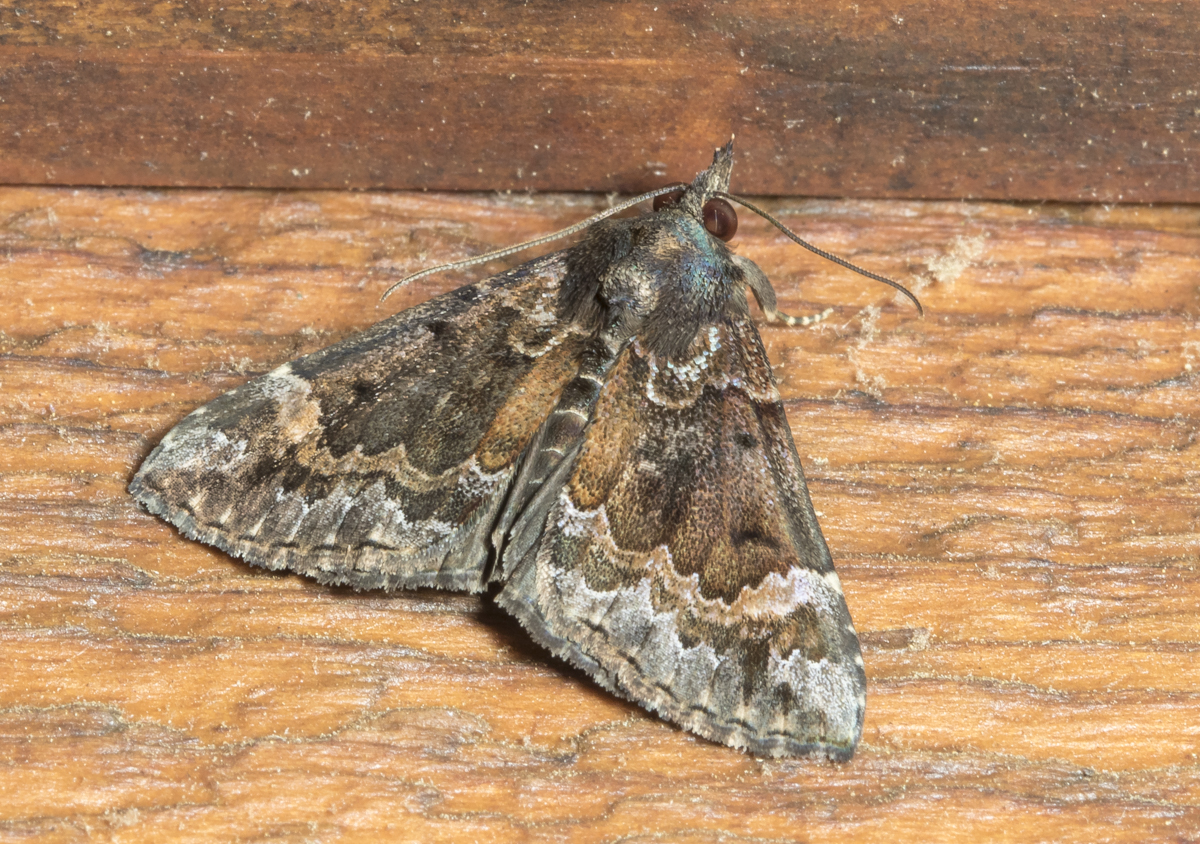
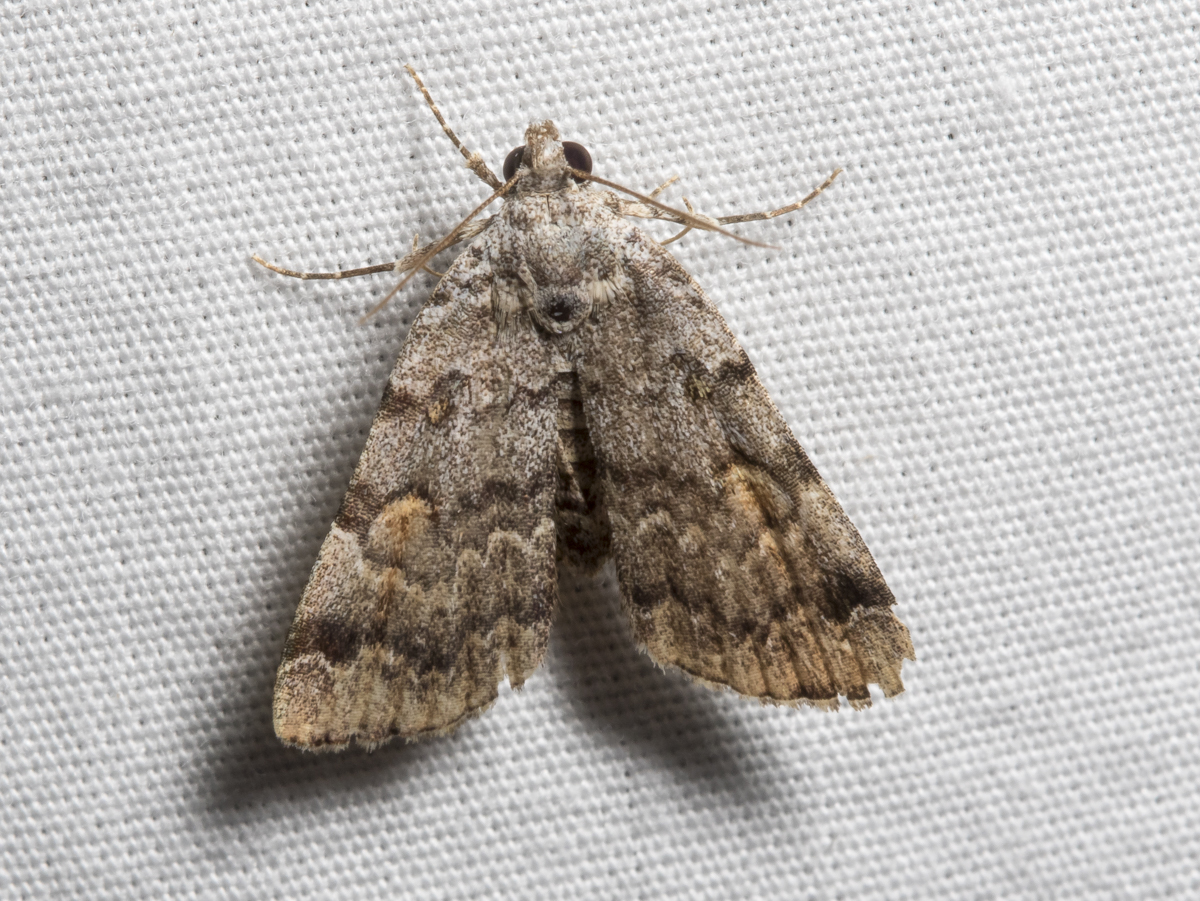
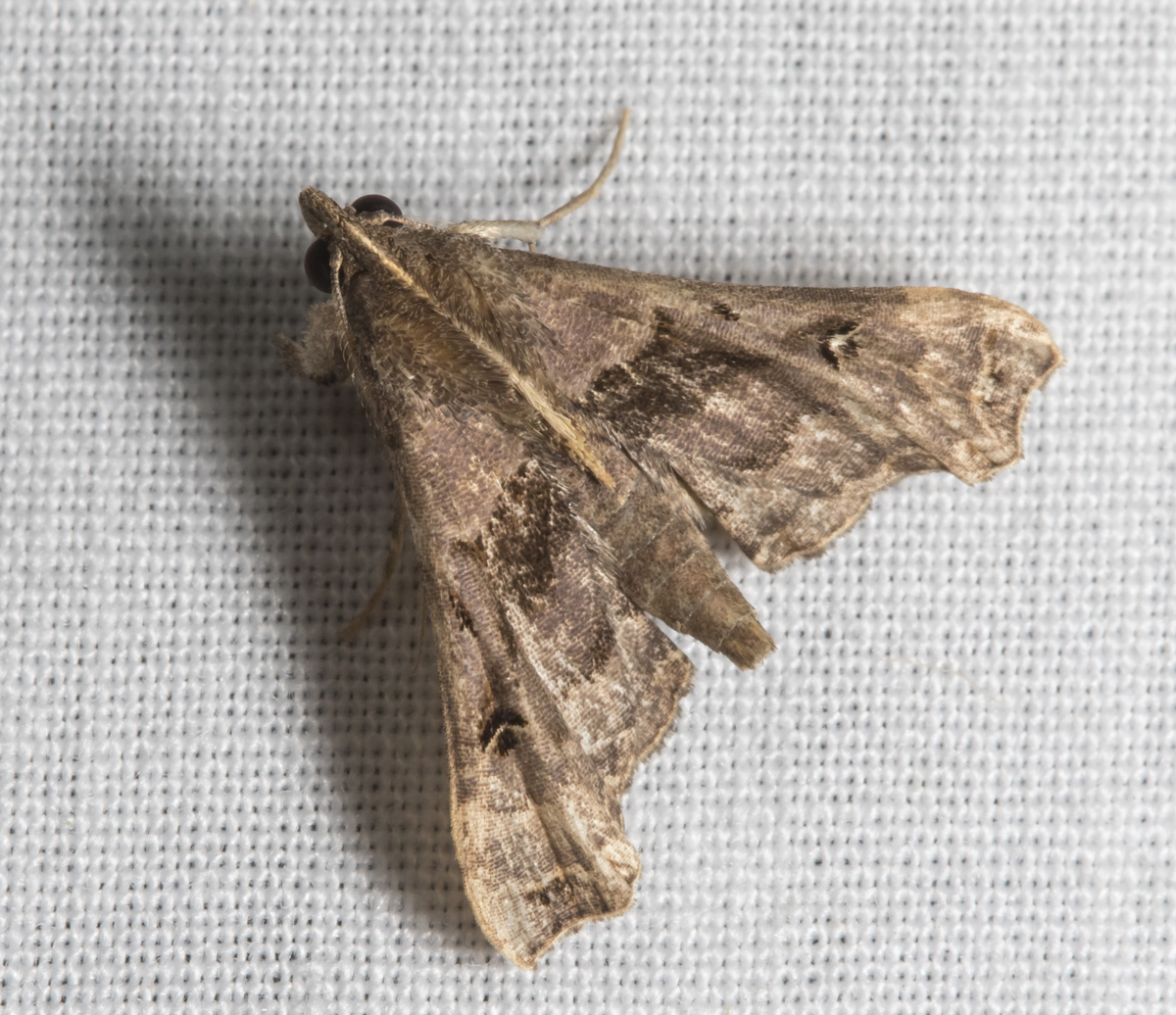
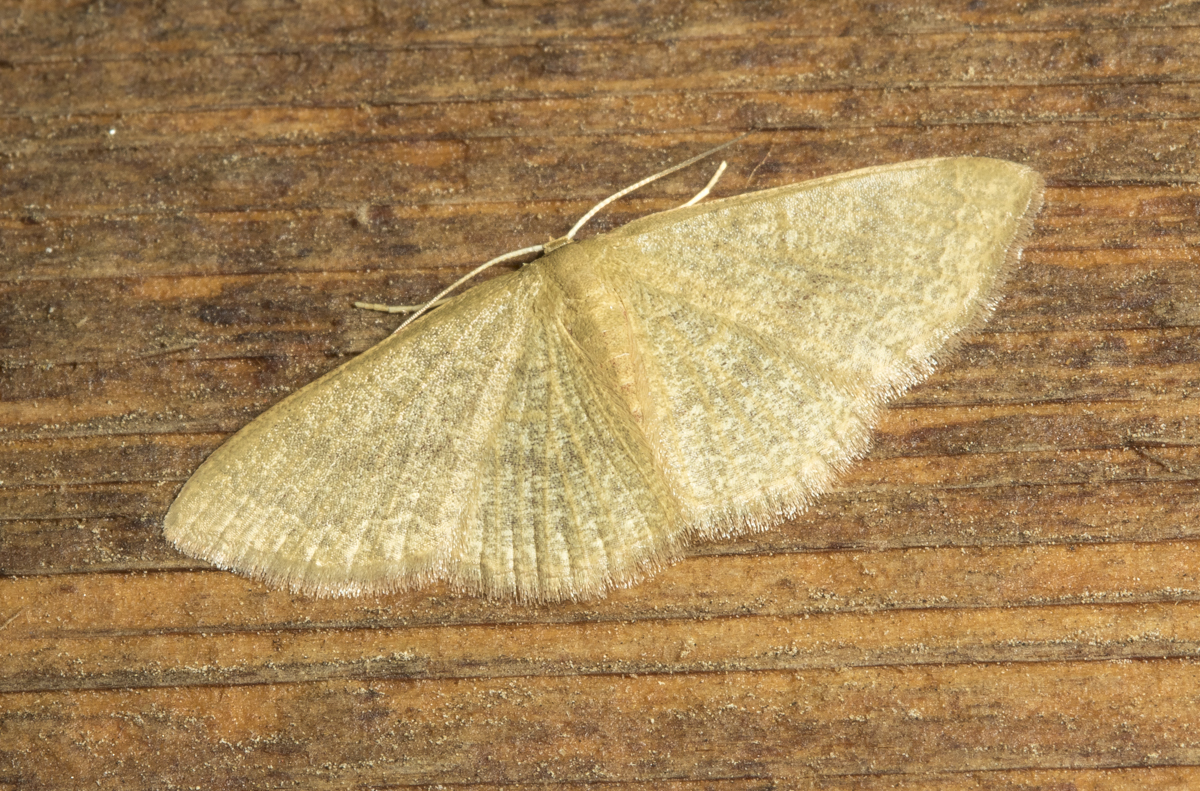
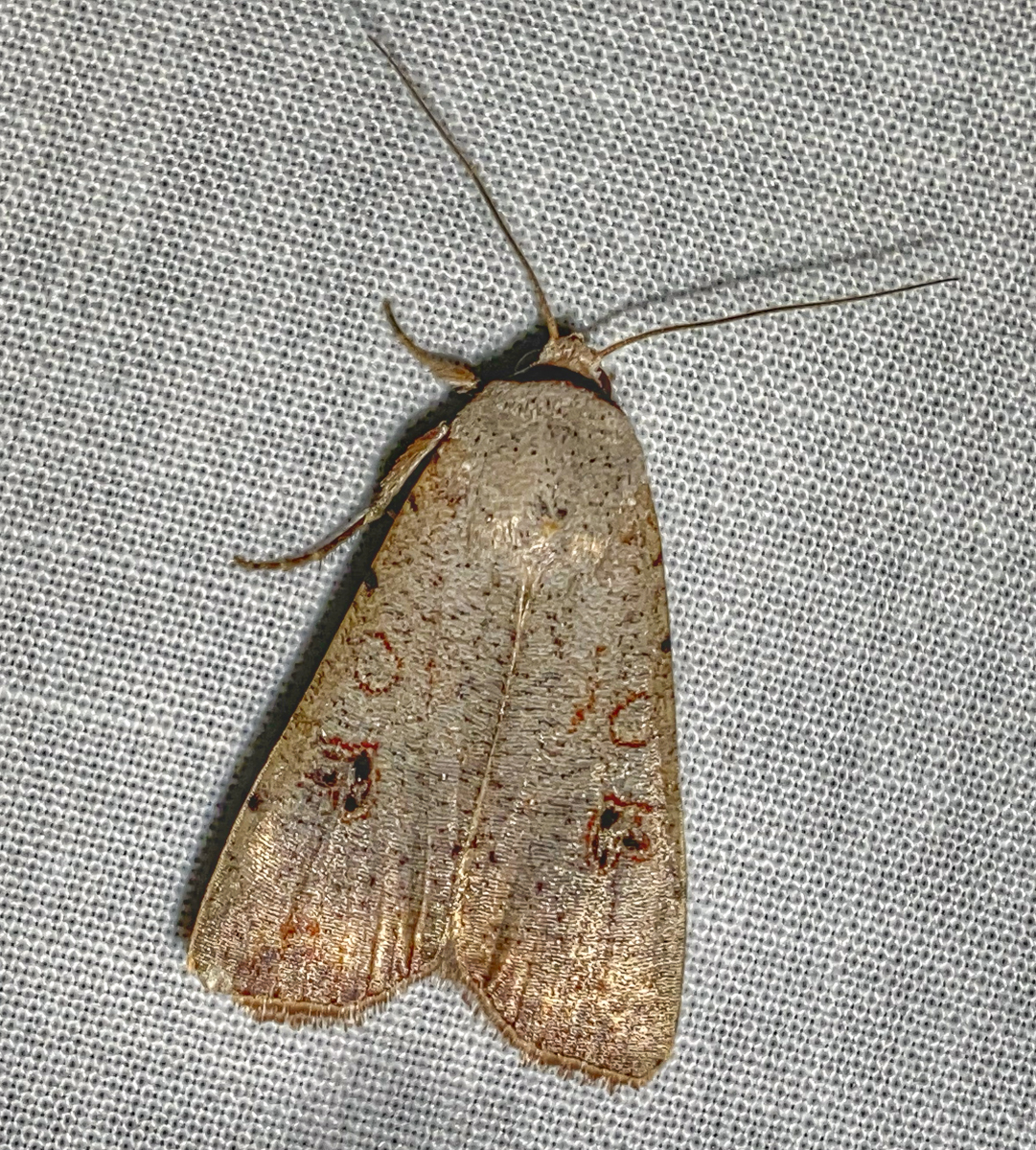
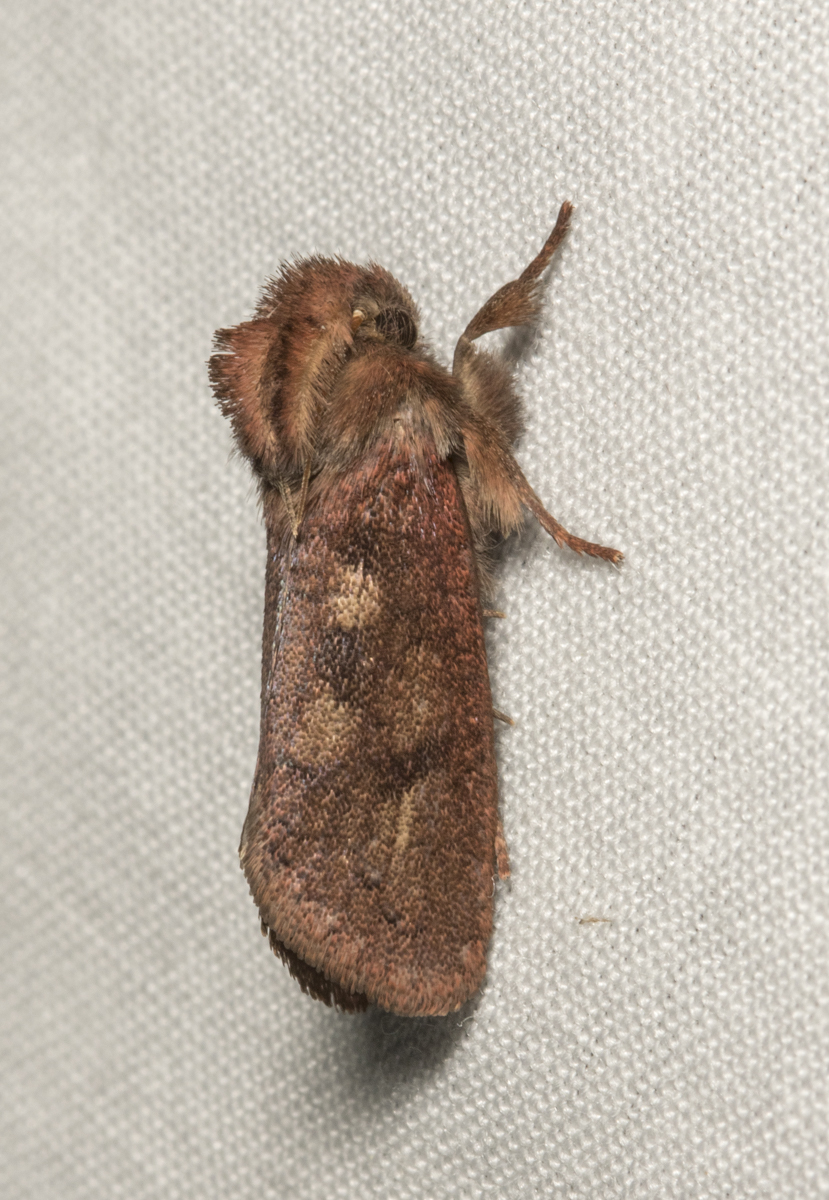
This female Southern Flannel Moth (Megalopyge opercularis) actually emerged yesterday from a cocoon we have kept since last year’s BugFest event at the Museum (in September)…perfect timing. This is the adult moth of one our favorite caterpillars, commonly called the Puss Moth caterpillar (click photos to enlarge)Our first moth of the evening was a Datana sp. (aka cigarette butt moth – several species look very similar) (photo by Melissa Dowland)One of the more unusual shapes from last night, a Deep Yellow Euchlaena, Euchlaena amoenariaContinuing with the odd-shaped, presumably leaf-mimic, moths is the Large Maple Spanworm, Prochoerodes lineolaThe bizarre Juniper-twig Geometer, Patalene olyzonariaOne of several bark mimics, a Canadian Melanolophia Moth, Melanolophia canadariaOne of the most common moths in our woods is the Tulip-tree Beauty, Epimecis hortariaCurved-line Angle, Digrammia continuataDarker Diacme Moth, Diacme adipaloidesEarly Fan-foot, Zanclognatha cruralisBetrothed Underwing, Catocala innubrensMottled Snout, Hypena palparia
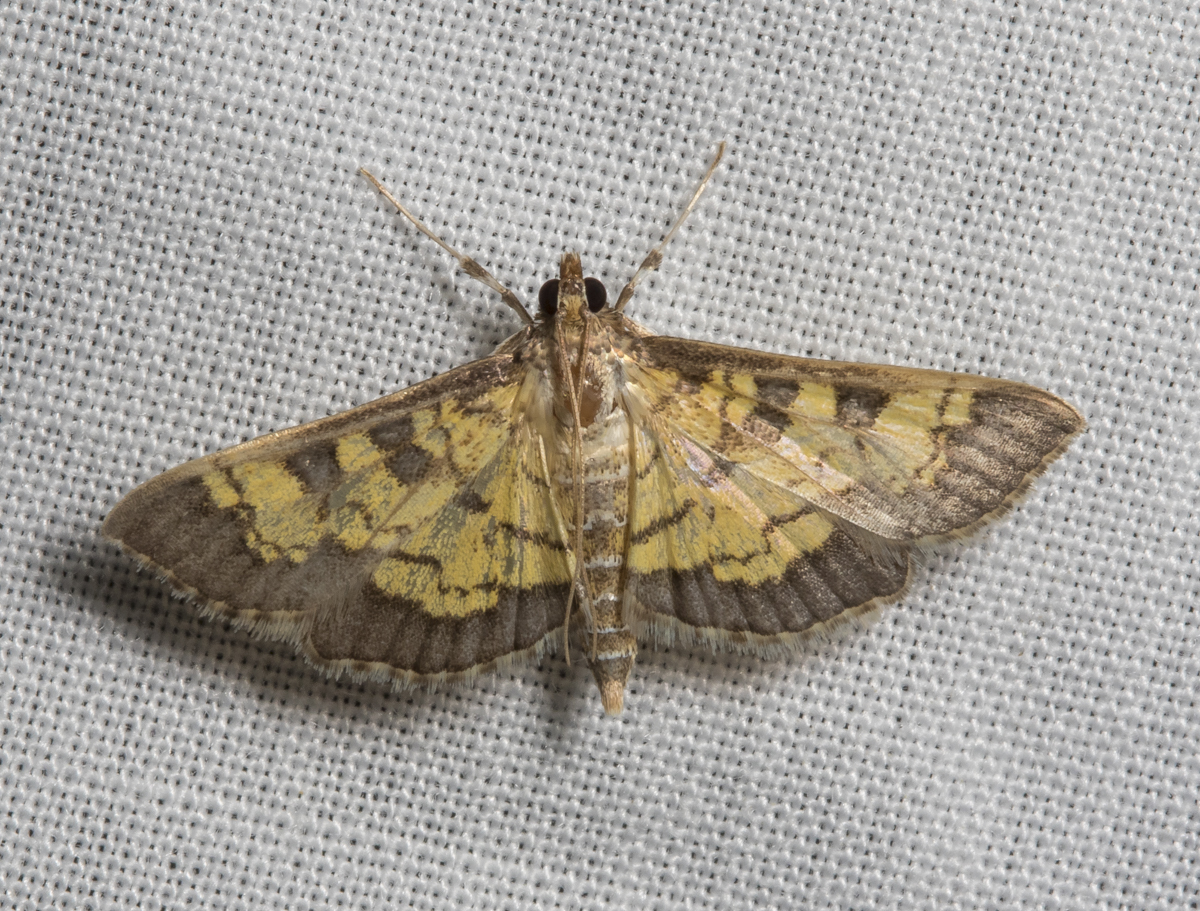
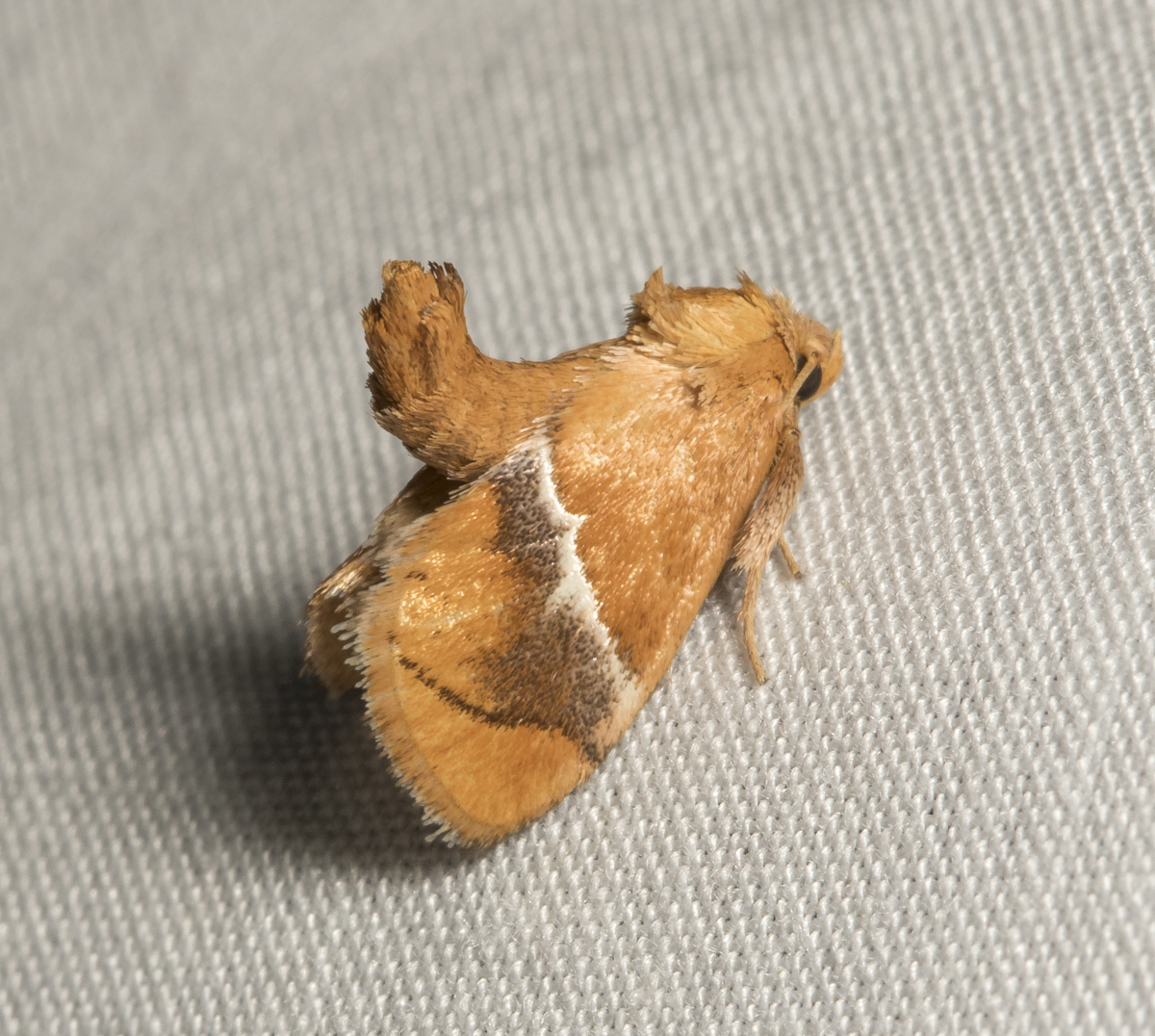
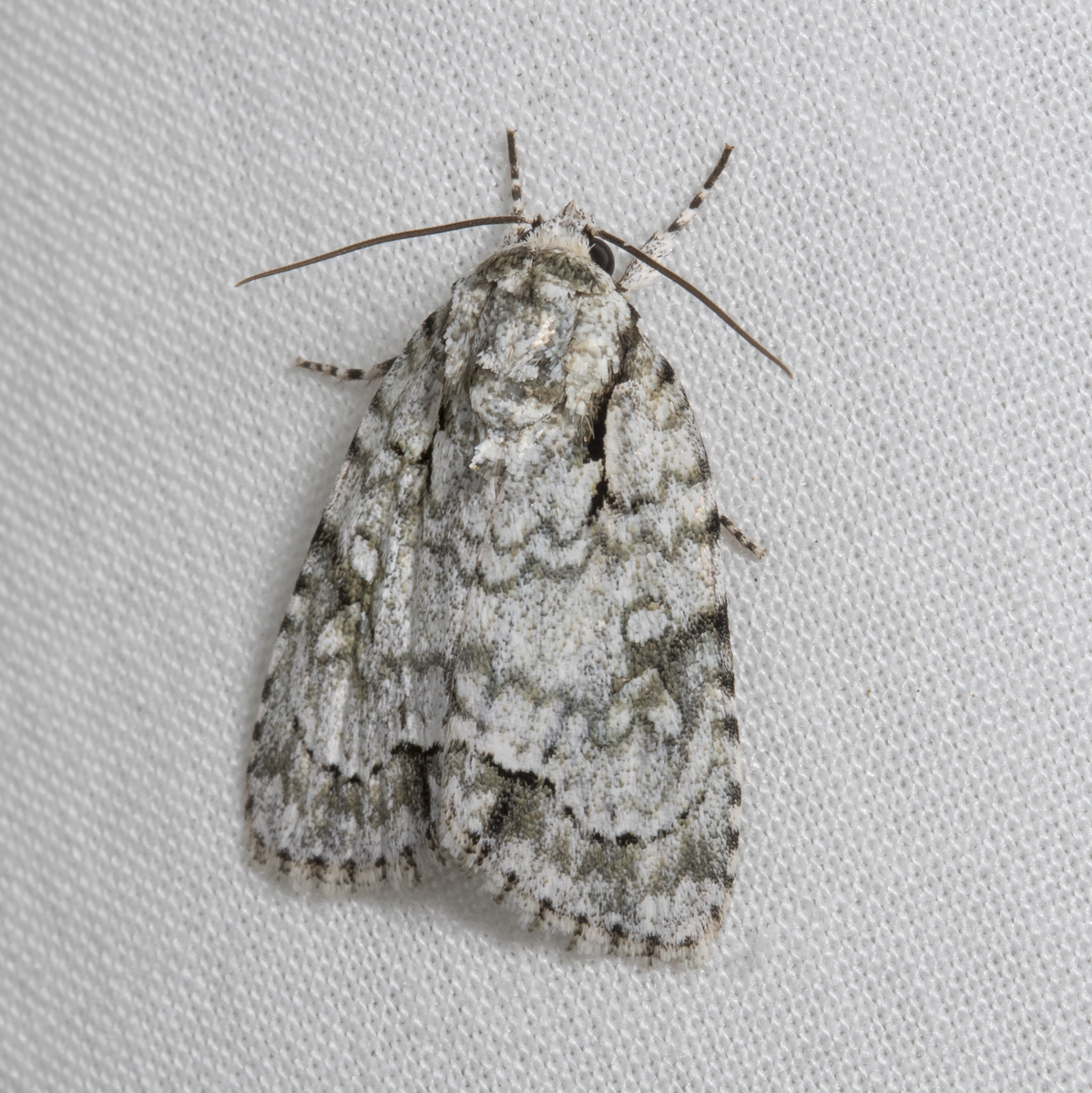
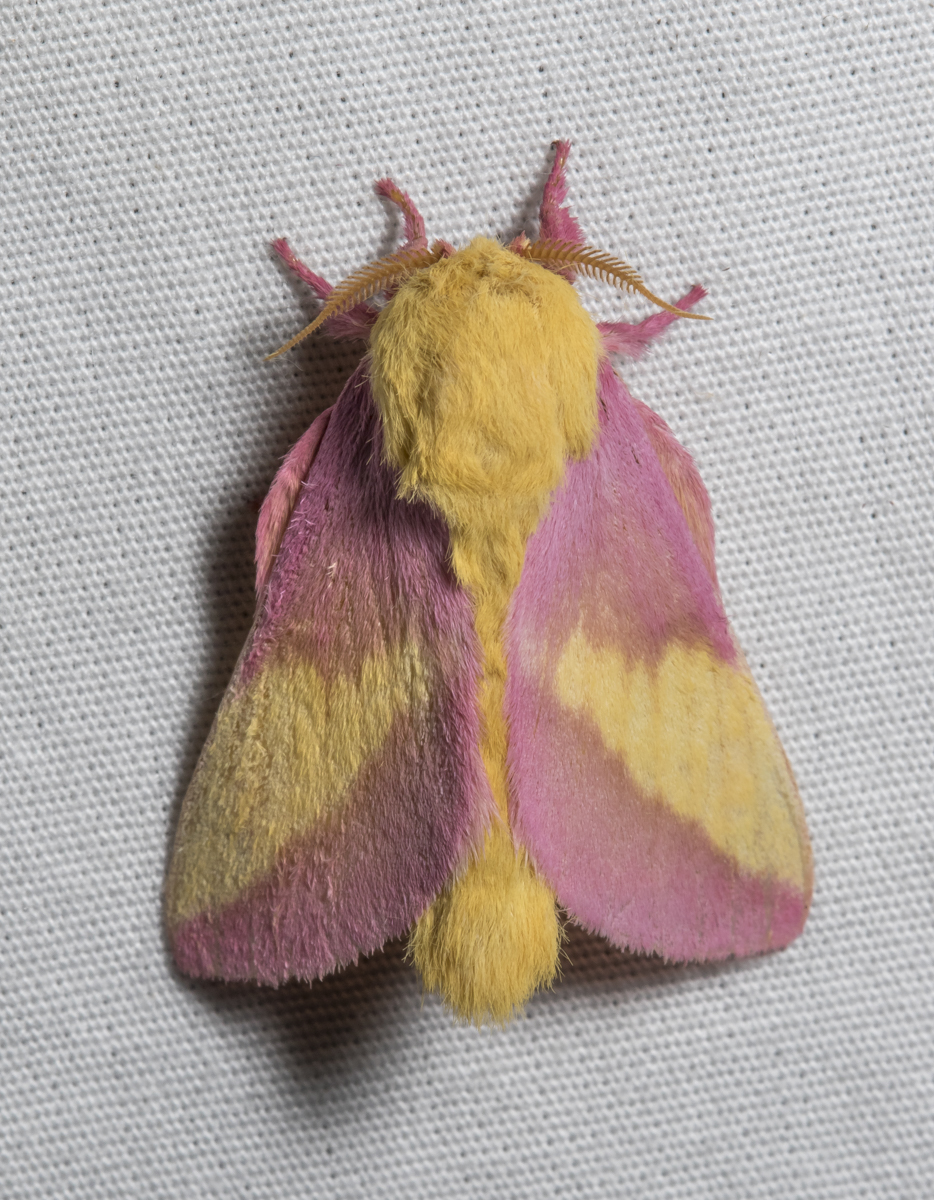
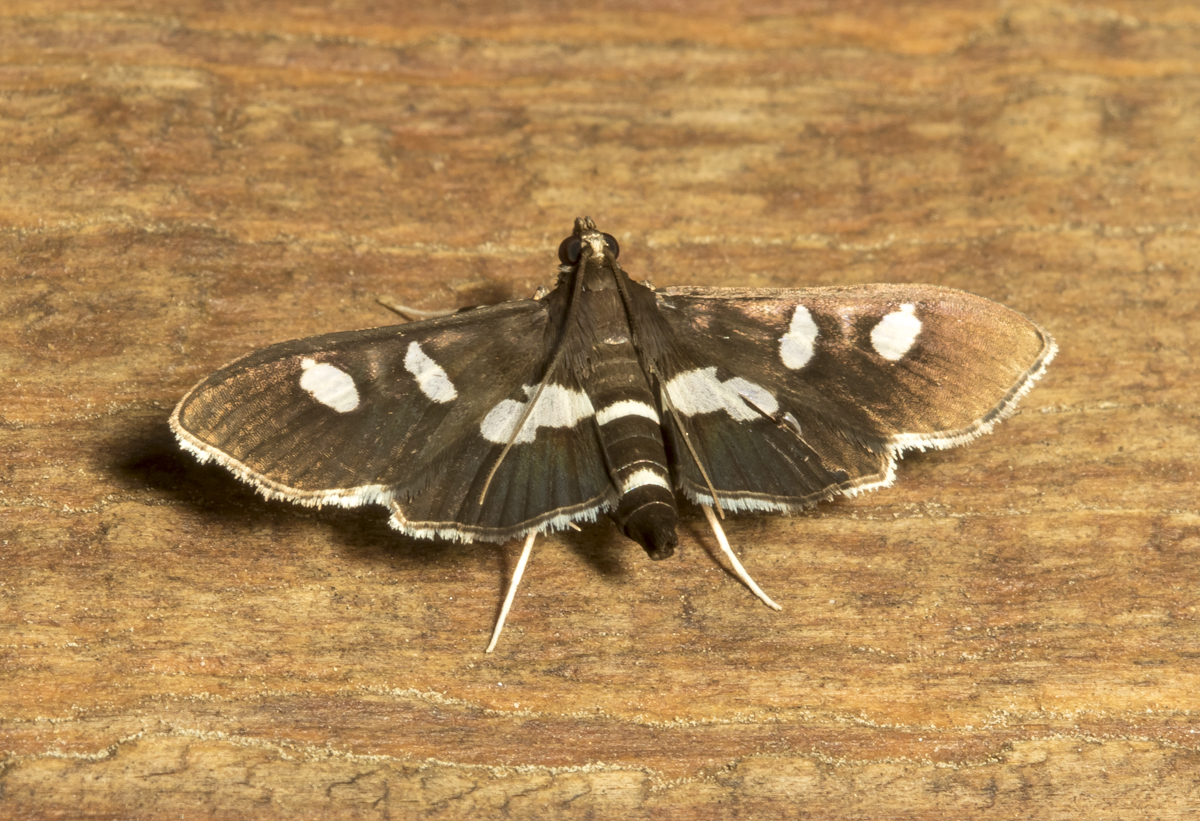
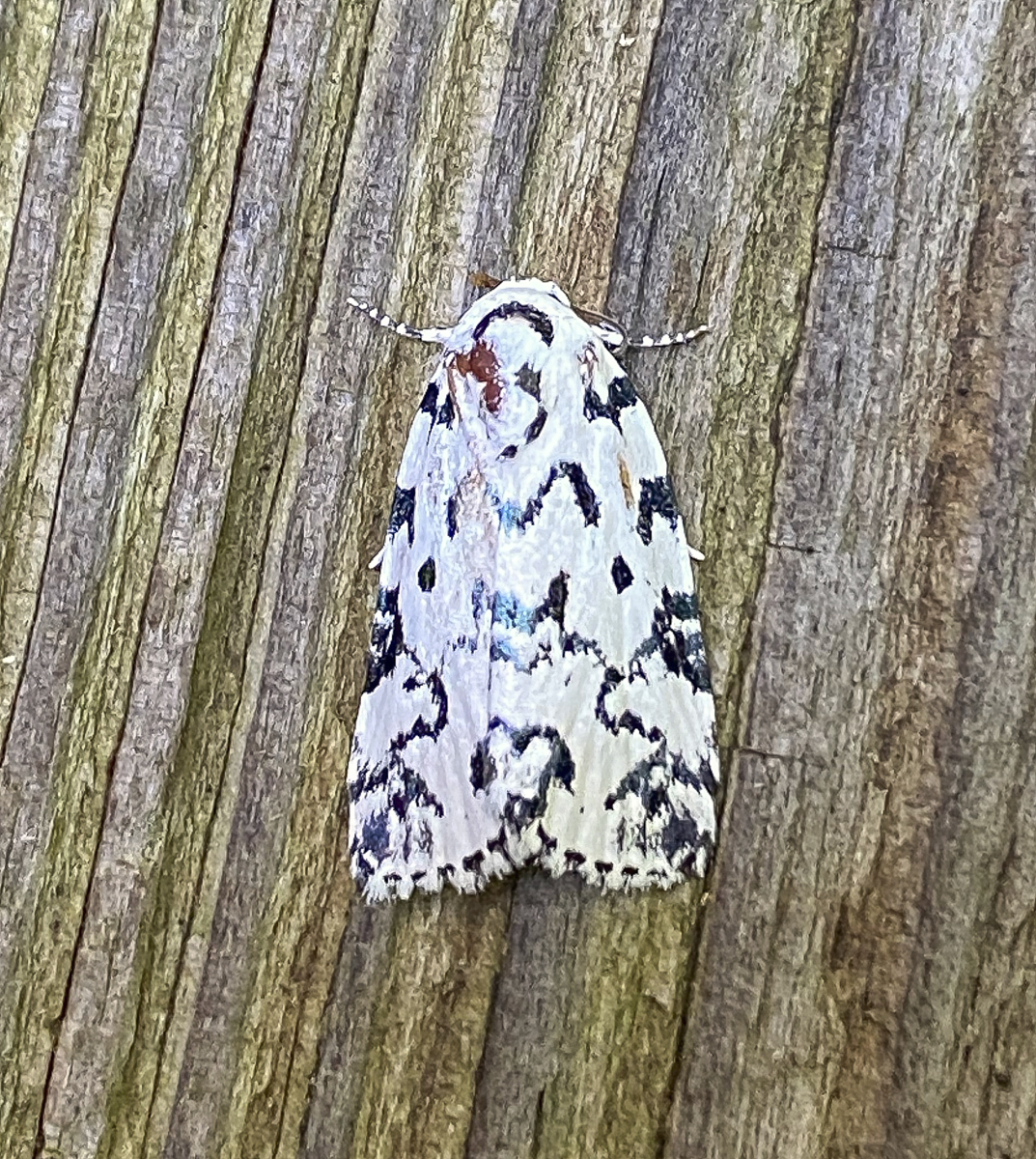
American Idia Moth, Idia americalisFaint-spotted Palthis Moth, Palthis asopialisCommon Tan Wave, Pleuroprucha insulsariaGreen Cutworm Moth, Anicla infectaOne of our favorite slug caterpillars turns into the Skiff Moth, Prolimacodes badiaOne of the mohawk moths, the Eastern Grass Tubeworm, Acrolophus plumifrontellaA common small moth here in the woods, the Yellow-shouldered Slug Moth, Lithacodes, fasciolaOne of several small, lime green moths we see here, a Red-bordered Emerald, Nemoria lixariaA Delightful Dagger, Acronicta vinnulaOne of our smaller Royal Silkworm Moths, a Rosy Maple Moth, Dryocampa rubicundaDesmia sp., one of the Grape Leaffolder Moths, best identified to species by looking at its underside apparentlyA moth that was waiting for me the morning after, The Hebrew, Polygrammate hebraeicum
There were a few non-moth finds as well…
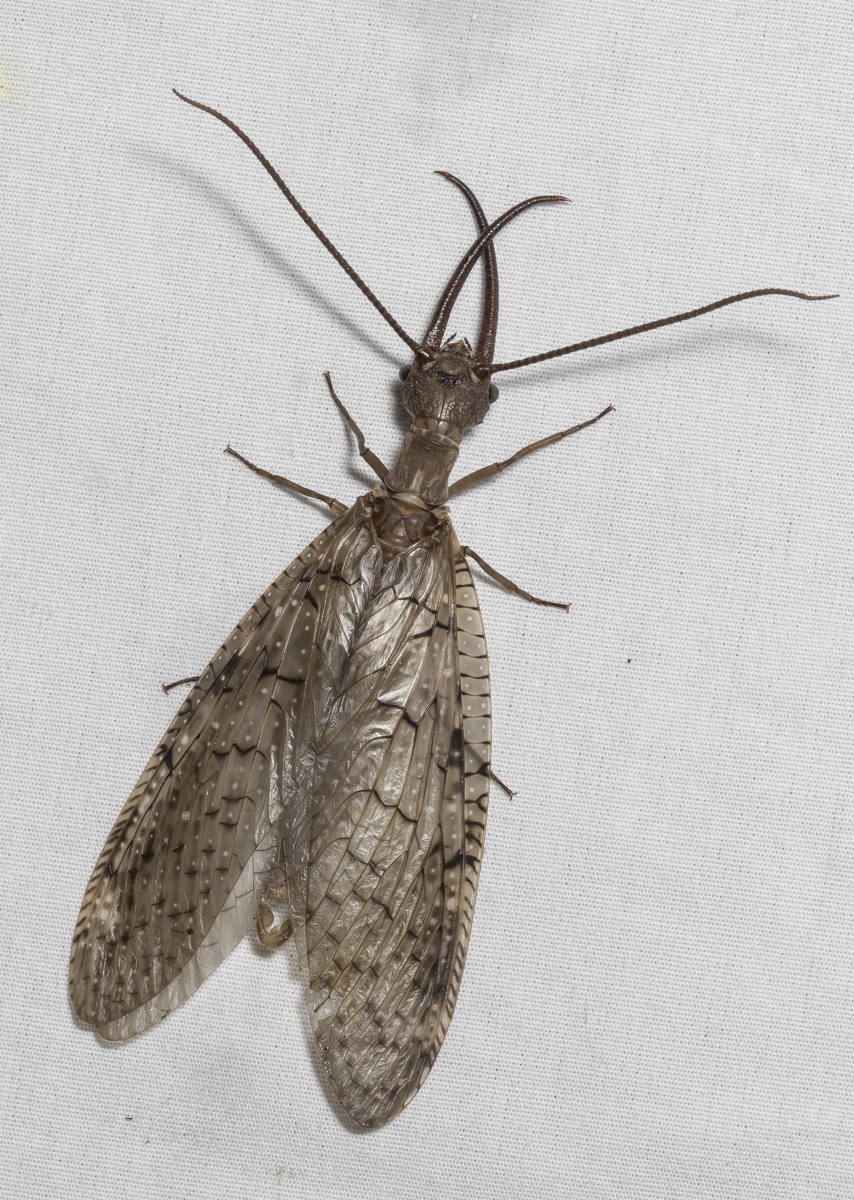
A large female Dobsonfly, Corydalus cornutus (note its tiny moth neighbor, among others, a White Stripe-backed Moth, Arogalea cristifasciella)An impressive male Dobsonfly showed up right after the live program ended
All in all, a great evening of mothing and sharing. National Moth Week lasts all this week, so get outside and observe some of your night-time neighbors (the winged kind) at your window, porch light, or even in your wildflower garden (especially on white, fragrant flowers).
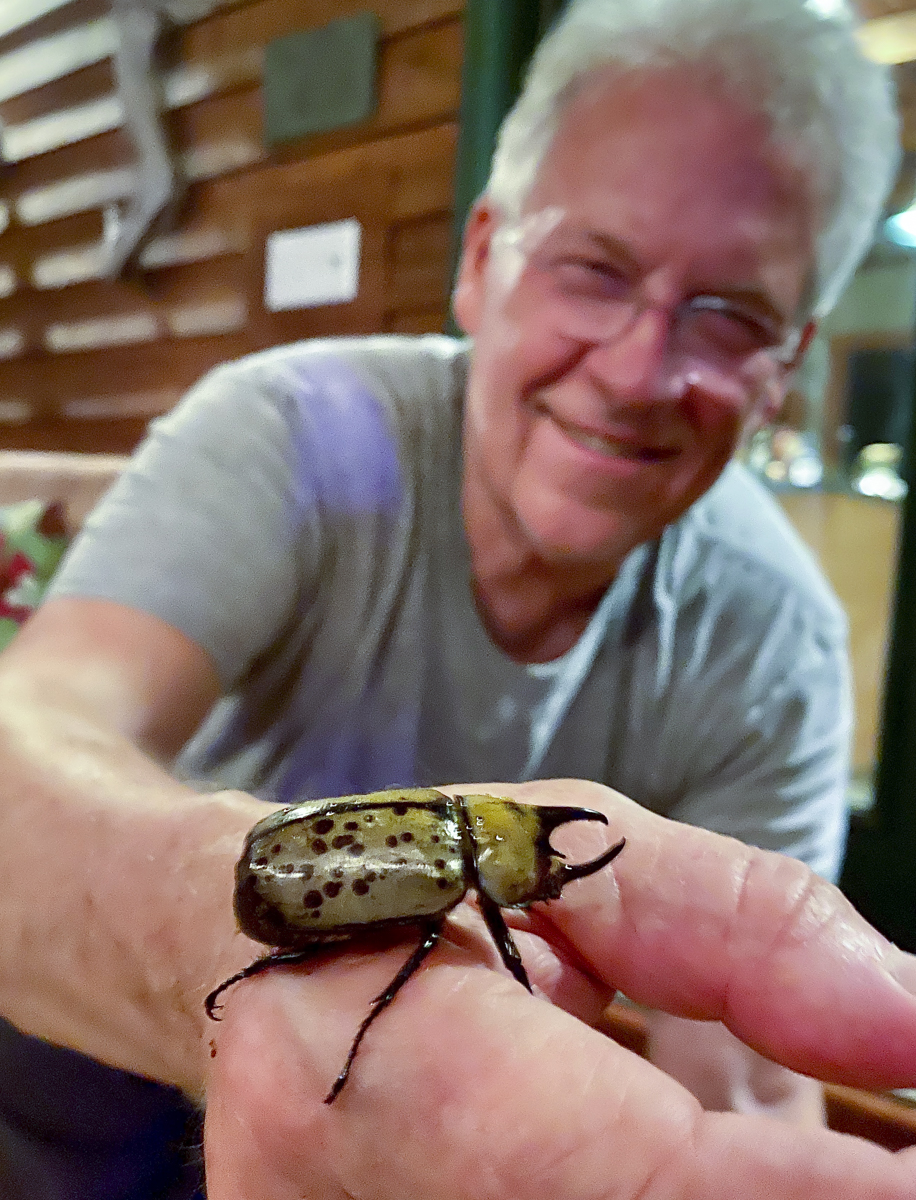
One of the cooler finds of the evening, a male Eastern Hercules Beetle, Dynastes tityus (photo by Melissa Dowland)
Great pics, Mike. Living just a little further down your road, it’s great to see a name associated with most of the moths I have seen here (though I am no moth nerd, let that be understood). And that last pic was special, but you didn’t identify the creature in the background. :<))
The mohawk moth has a real Game of Thrones look. I have often thought that high fashion designers could use moths for inspiration. There are so many designs and colors in their wings. Great as always.
Wow, that’s a lot of moths! I could hear them flying up against my window last night as well. I must start checking things out at night – the world never all goes to sleep at once.
Oooh–that Rosy Maple Moth is like a lovely sherbert ice cream. And the Flannel Moth–amazing. What a world we inhabit–and so much at night we do not see–rejoicing and always grieving at the losses–thank you for sharing nature’s biodiversity, and inspiring us to save it–moths rock.
Beautiful creatures like this are disappearing. Thanks for helping us see the beauty in unusual things that sometimes look scary. Children are afraid of so may insects and the fact that you can hold him on your hand send many good messages to us all.
Thanks, Lea. Yes, it is sad that many will never experience these wonders, but we can all try to make it more livable for all of us and our fellow creatures.
Fascinating! I love how beautiful so many of them are! Certainly not the pests we’ve always felt the need to defend our wardrobes against, using mothballs the smell of which lingers long after the moths are long gone!
[…] flitted from porch to porch trying to identify various critters, which Mike documented beautifully here. We were so excited by our moth night there, that we decided to see what night flying critters live […]







 Roads End Naturalist
Leave a comment