
Life begins at night.
~Charlaine Harris
National Moth Week (NMW) is now officially over for 2023. This celebration of the insects of the evening was last week, July 22-30. It is meant to bring awareness to the incredible diversity of the nocturnal insects that many of us only see as something flitting around our windows or porch lights at night. Scientists estimate there are between 150,000 and 500,000 species of moths in the world. Here in North Carolina, there are close to 3000 species and the list is growing every year. That is one of the reasons for the worldwide effort of NMW – to learn about and document moths. We we are still learning so much about this amazing group of insects. Many moths are quite cryptic, and go unnoticed during the day. And there is so much to learn about the life cycles and ecological connections of many species. I am amazed when I finally identify a moth I have never seen to species and then find out online that we don’t know what the larvae feed on. NMW is a chance for “moth-ers” to become citizen scientists and record and share their observations with various online biological data repositories like iNaturalist.
We have a couple of black lights and some sheets that we set up on the front and back of the house to attract night-flying insects (moths are not the only things that come to the lights). Then we go outside and check to see who we have and attempt to photograph and identify them. I compile and submit those observations to iNaturalist. This is also a great way to add many new species to a project I started a few weeks ago to document all the invertebrates that we have here on our property (more on that in a future post).
Last Friday we had a moth party (if it were a dance it would be called a moth ball) and had a few friends over to share in our nerdiness. That same evening we also were one of the presenters of a virtual moth night hosted by Science Across North Carolina. Several people were livestreaming to the SANC YouTube channel from a number of different places. Our friend and museum scientist, Chris Goforth, was helping coordinate the effort and we had a blast.
So, here are just a few of the highlights of our efforts this past week at recording who is on the night shift in our woods. I have attempted to identify these using various apps and field guides and then posting on iNaturalist. But, if you see an error, drop me a note in the comments section. I don’t give sizes here, but photos were primarily taken on a white sheet (notice the weave for size comparisons) or the exterior wooden siding of our house, so you can see many of the subjects are quite small.
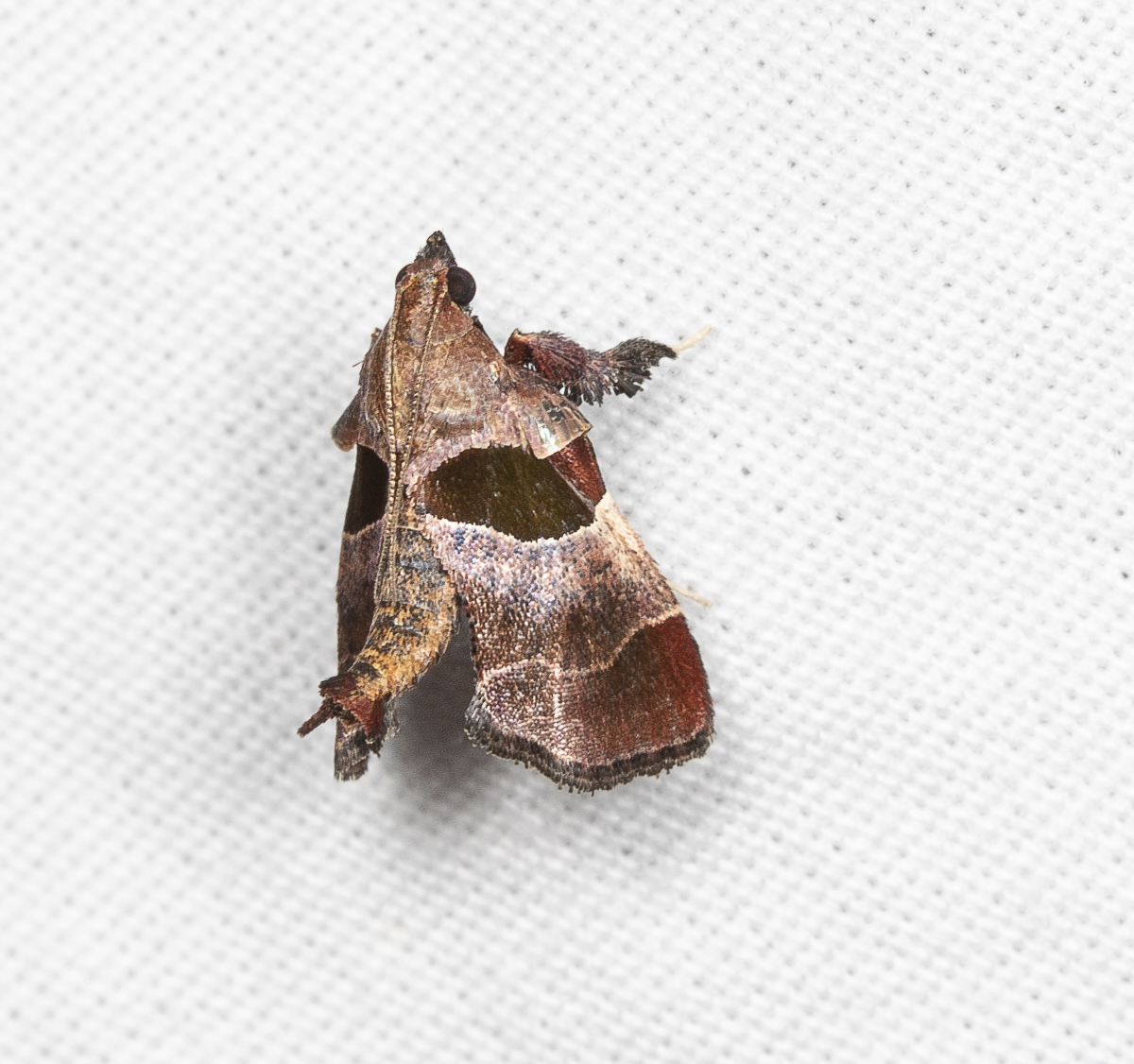
-Dimorphic Tosale Moth. Larval host plants are apparently unknown (click photos to enlarge).

-Beaded Lacewing. Okay, a lot of non-moths are attracted to the lights. If I got this ID correct, this critter is related to antlions and other Neuropterans. The larvae supposedly eat termites. And one reference I saw says the larvae (not sure if this is the case with this species) of this group approaches a termite and releases a toxic vapor from its rear end that immobilizes the termite so it can then be eaten. The article said the larvae basically “farts their prey to death”!
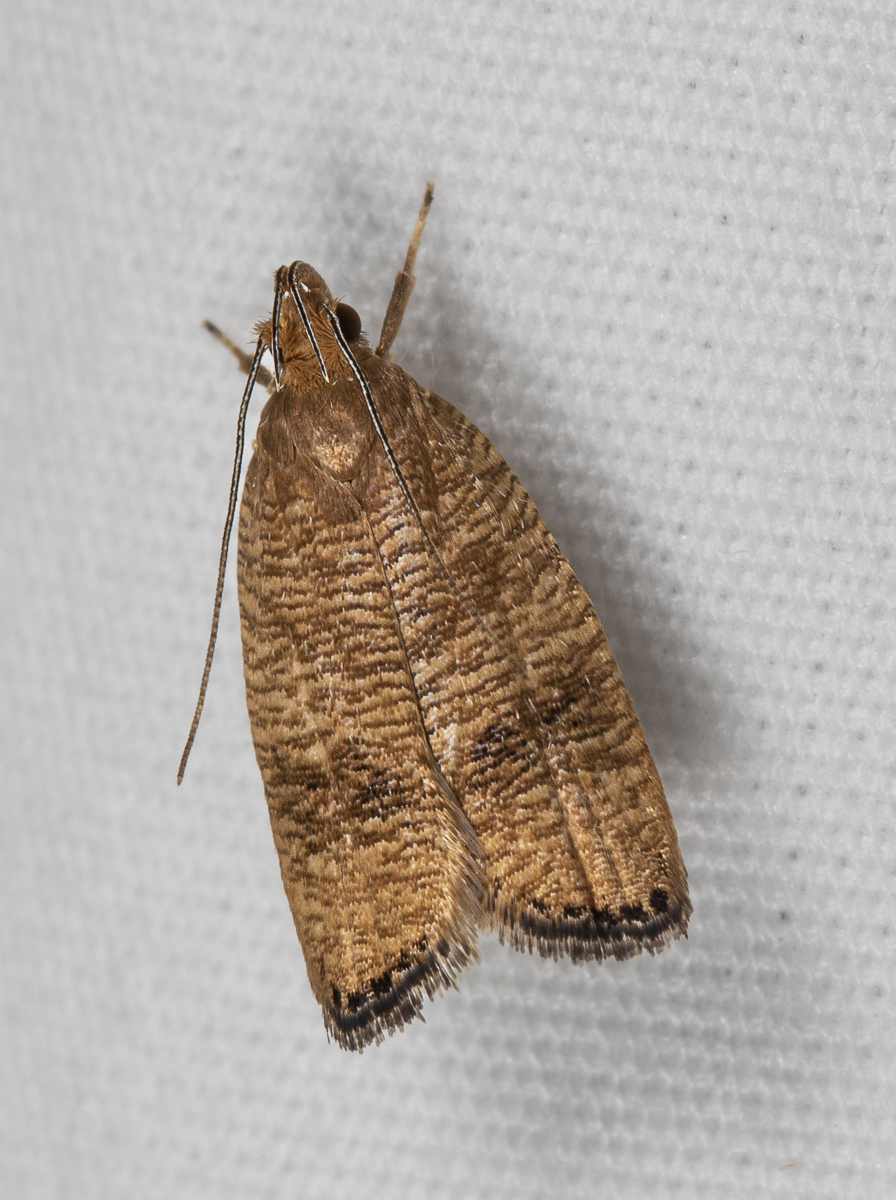
-Dotted Leaftier Moth. I love the patterns on various moths.
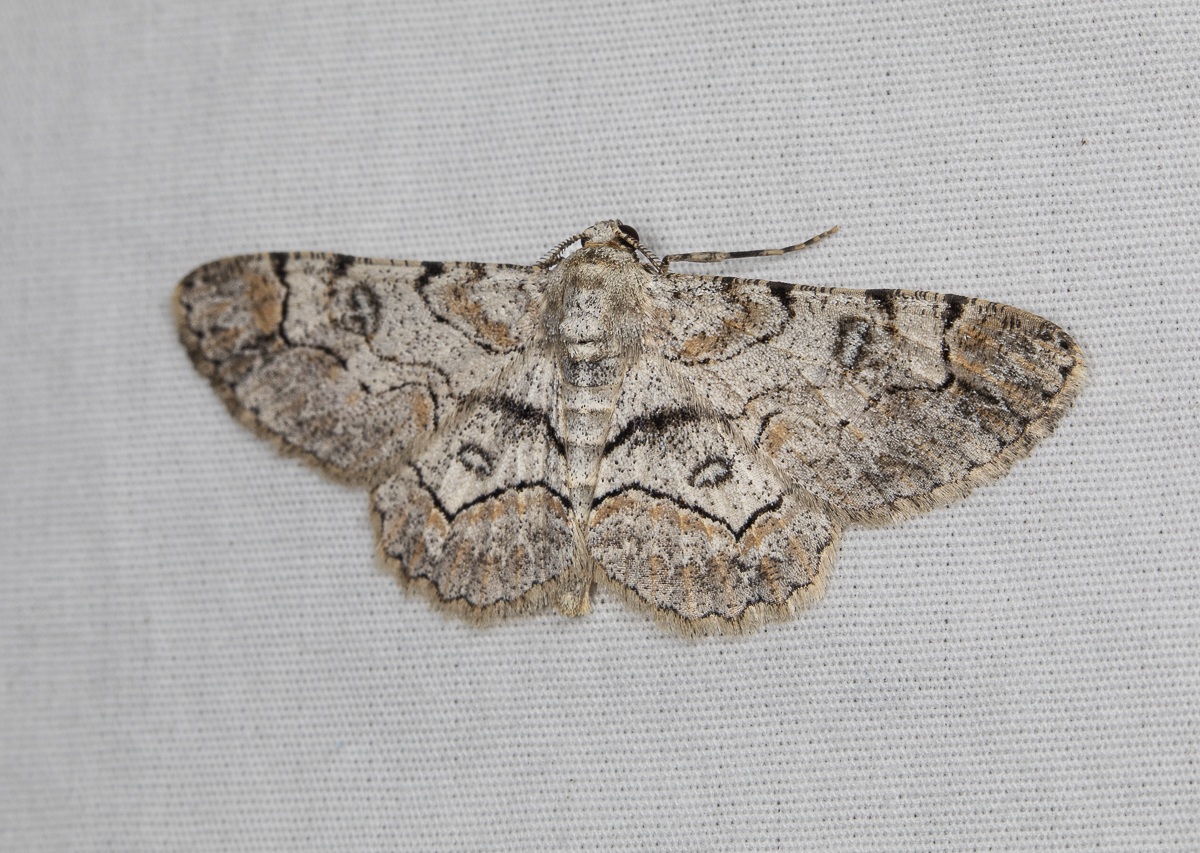
-Bent-line Gray, another subtle looker.

-Ilia Underwing. Though beautiful as is, the real surprise comes when this large moth opens its wings to reveal a bright flash of salmon color on its hind wings (you can see a hint of it where the wings meet).
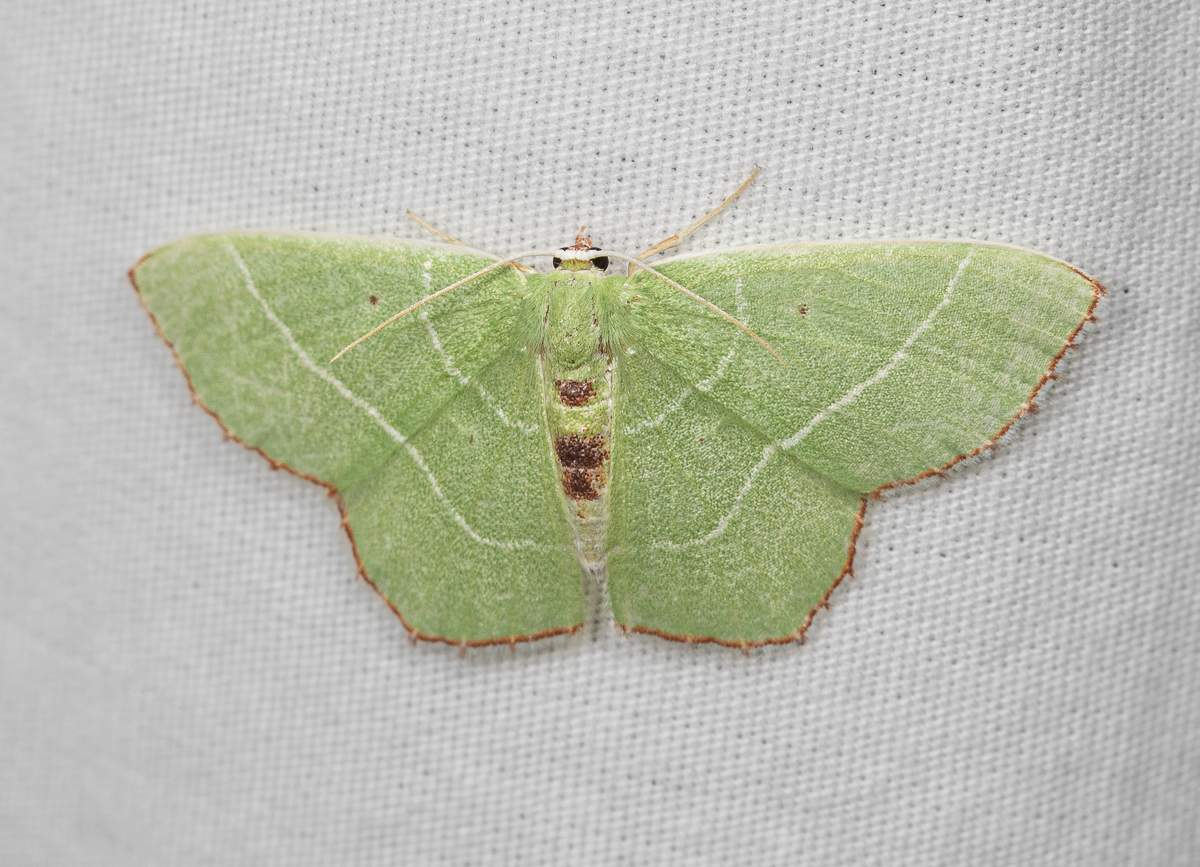
-Red-fringed Emerald. This beautiful little moth has a reddish-brown early spring form and this emerald green summer form.
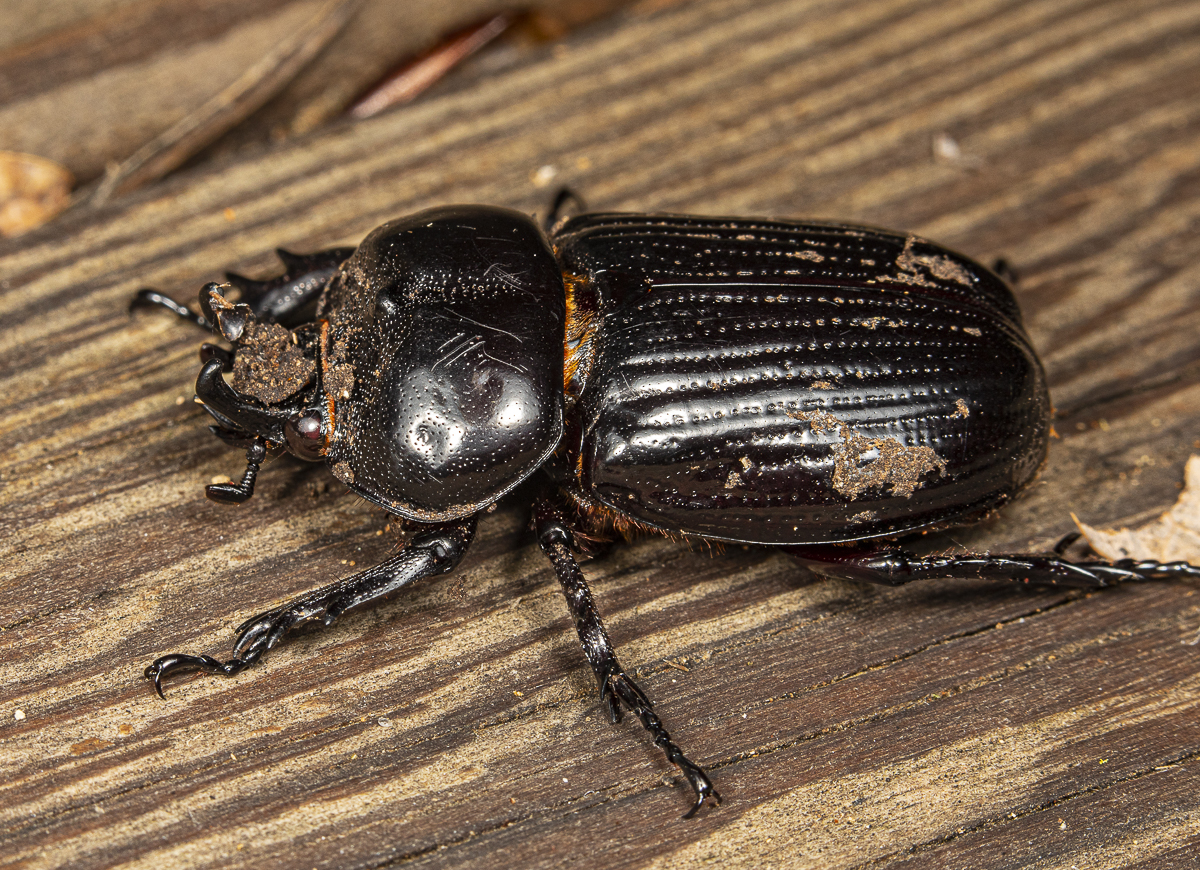
-Another non-moth, a massive Triceratops Beetle. The larvae live in rotting wood.

-Zebra Conchylodes Moth. I had never seen this one before and it is a stunner! Larvae feed on asters.
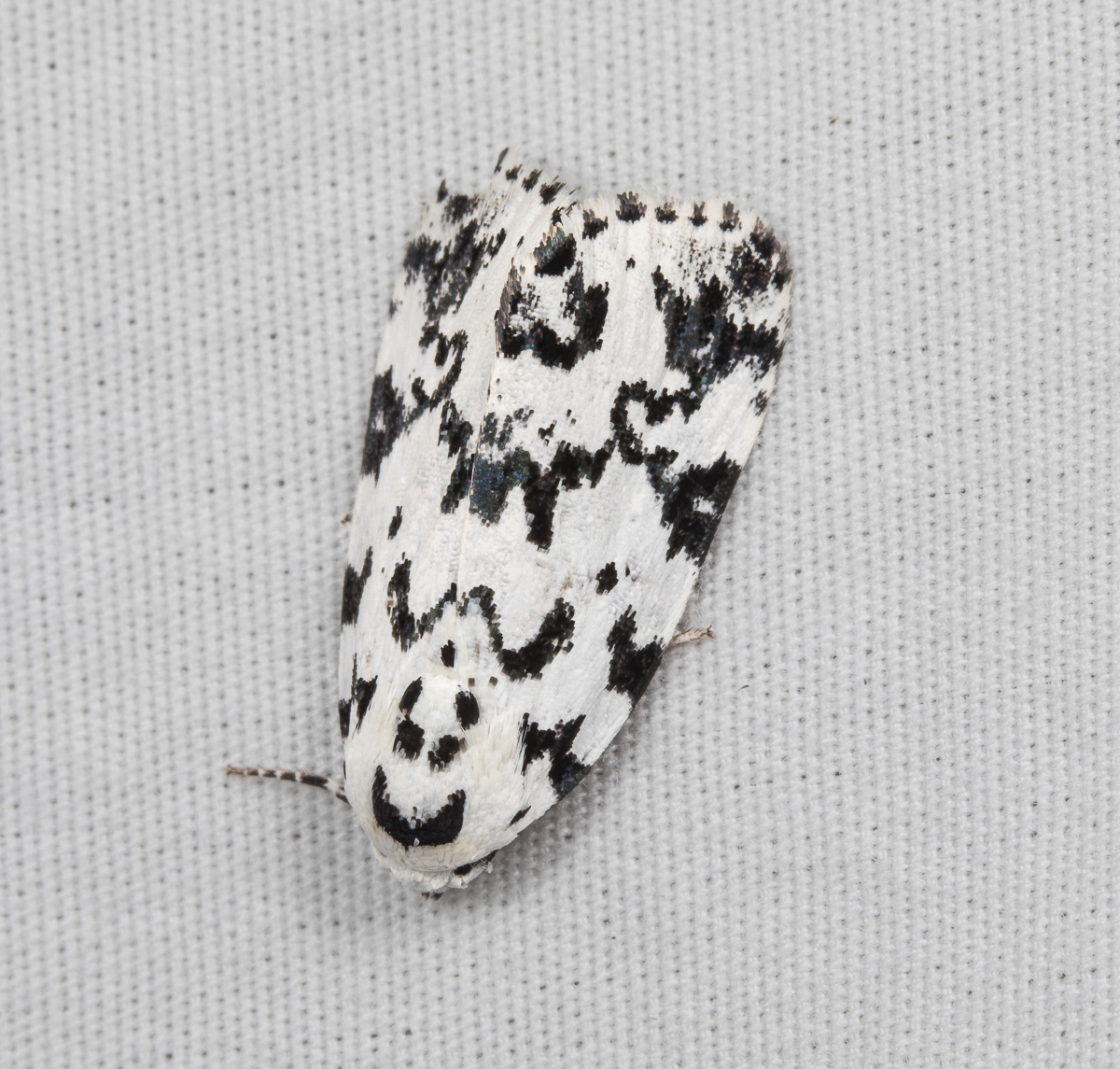
-The Hebrew Moth. Named for the resemblance of the wing markings to a Hebrew letter (nun). The caterpillar feeds exclusively on species of gum (Nyssa sp.)

-Juniper Geometer Moth. Also called the Juniper-twig Geometer. As the name implies, the larvae feed on Eastern Red Cedar (and possibly pines) in our region.

-Esther Moth. Another one whose larvae feed on pines.
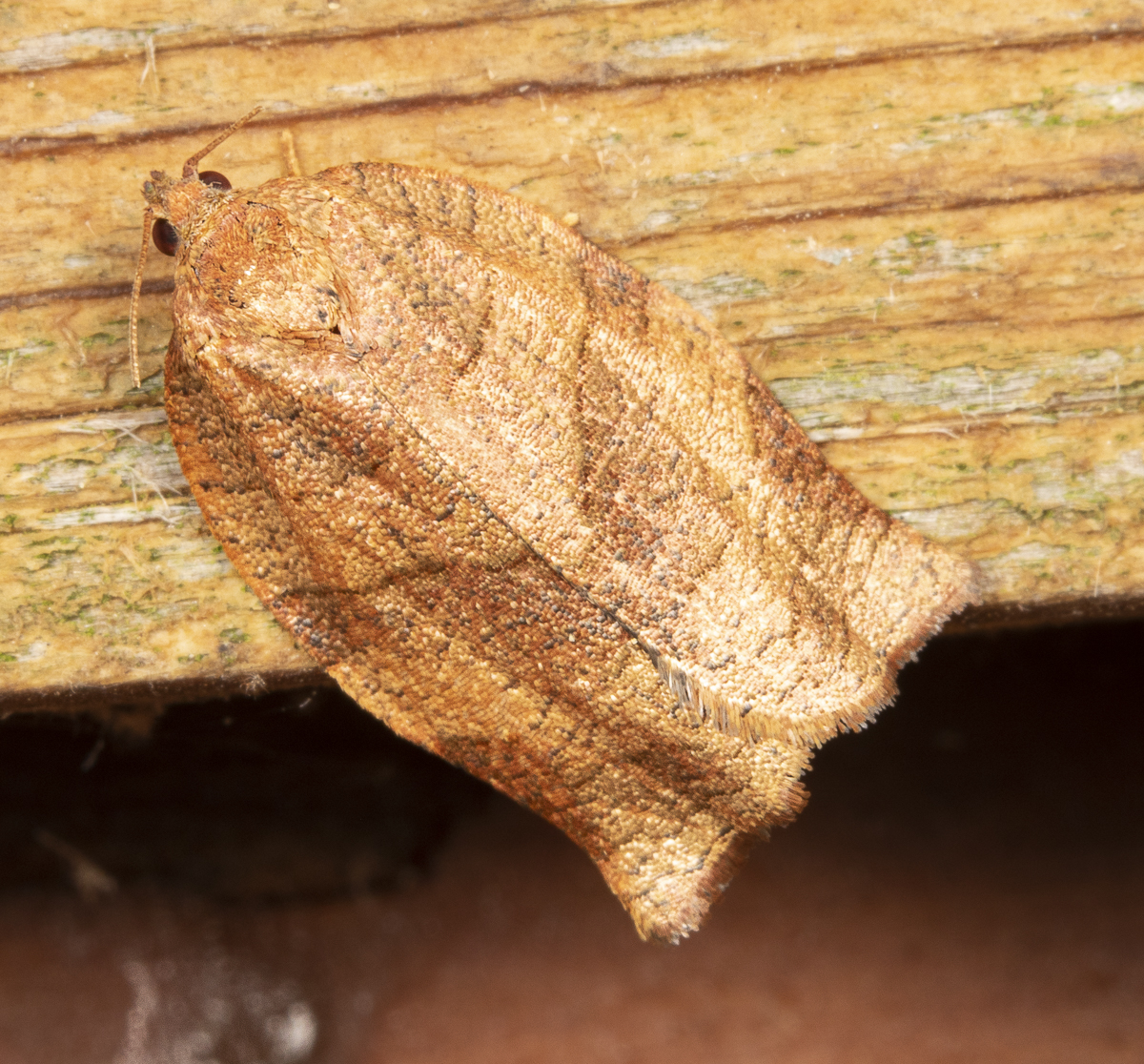
-Oblique-banded Leafroller Moth. Larvae roll leaves of various trees to feed and hide.
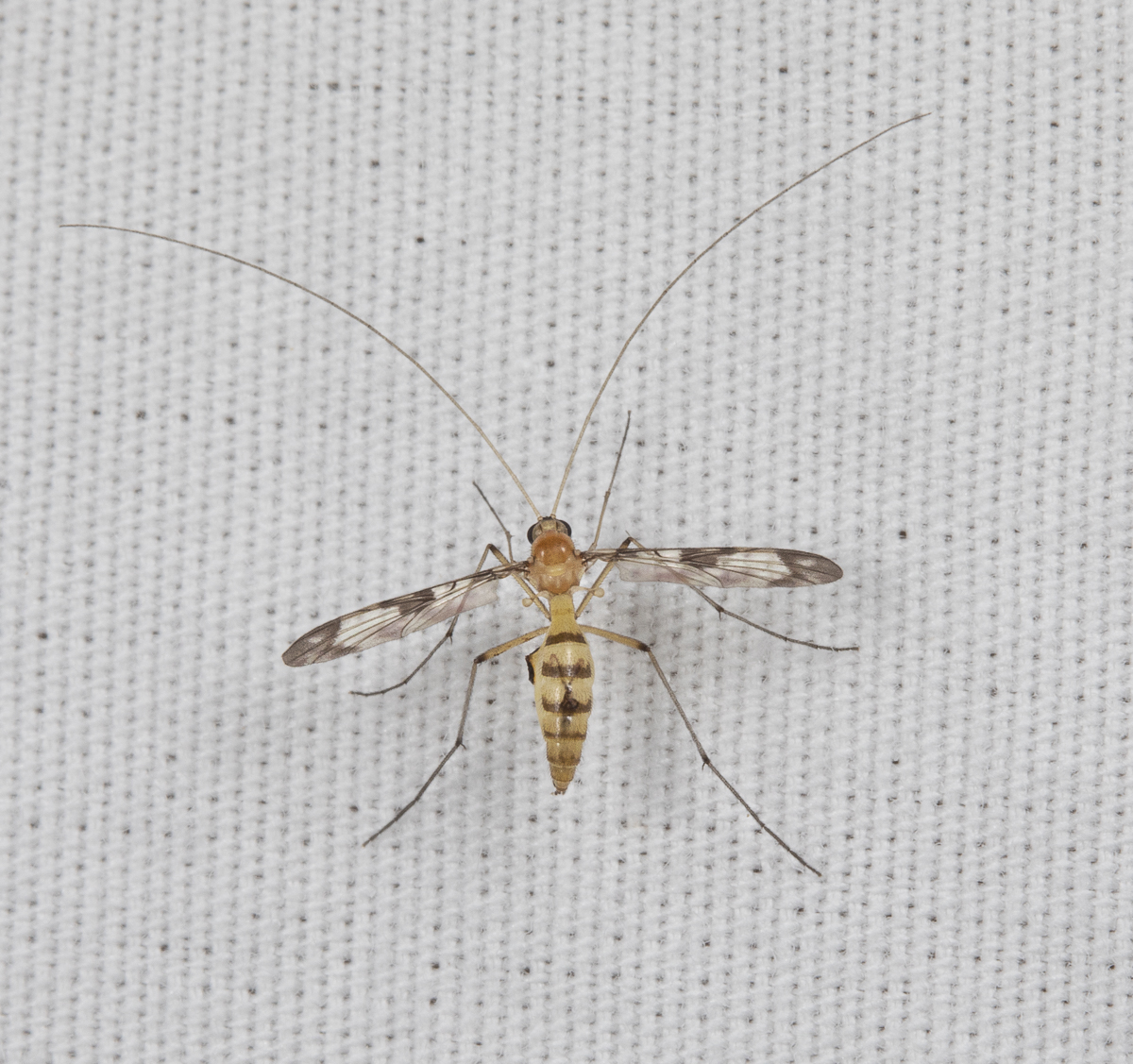
–Macrocera sp. Belonging to a group known as Predatory Fungus Gnats, the larvae of which spin a web with droplets of acid fluids which kill their tiny invertebrate prey.
The following pics are from our moth night event last Friday. Again, this is but a sampler of the many species we recorded.
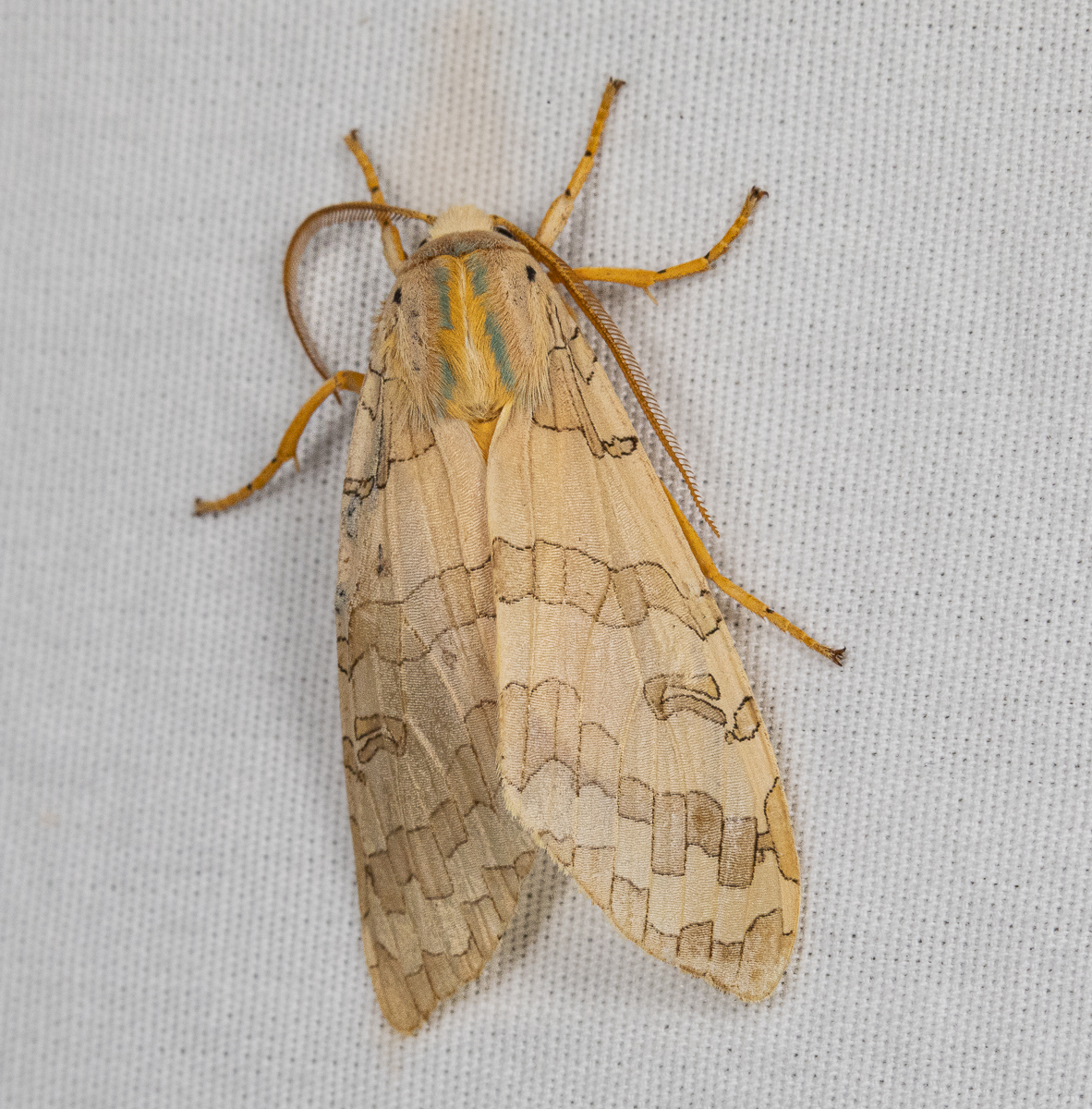
Banded or Sycamore Tussock Moth. I love the subtle pattern and colors of this group (you cannot distinguish between the two species without dissecting the genitalia of the adult moths!)
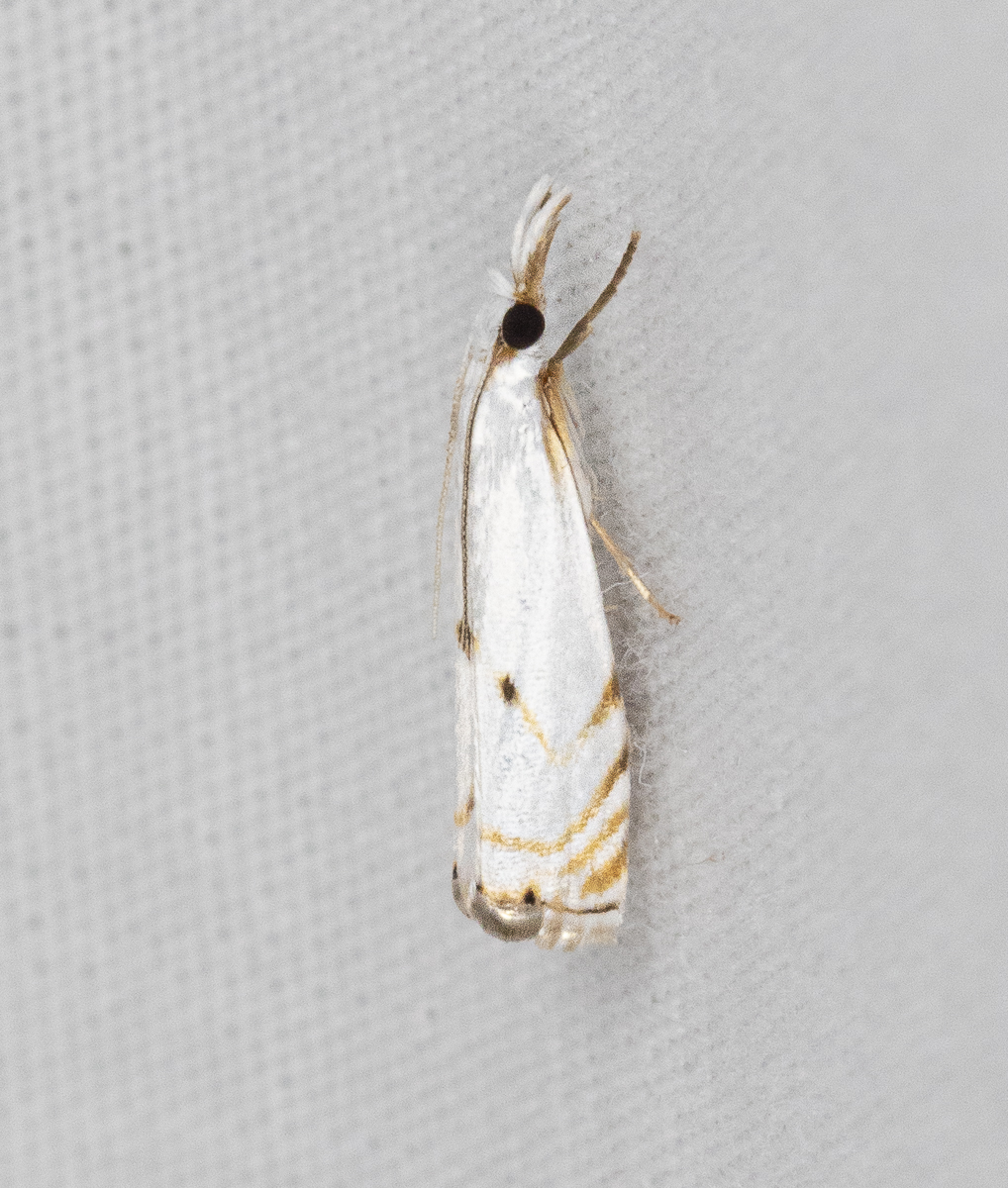
-Gold-striped Grass Veneer. A delicate little moth whose larvae are believed to feed on grasses.
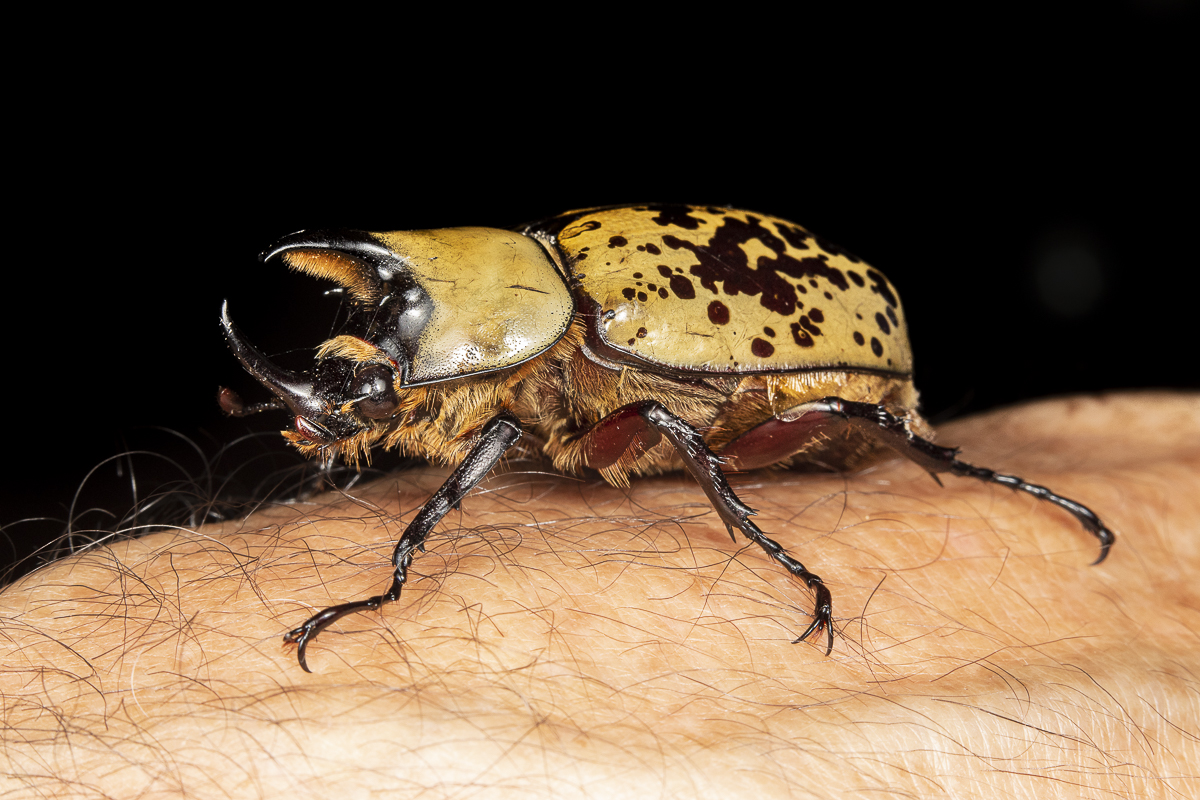
-Eastern Hercules Beetle. One of my favorite non-moths to visit the lights. One of North America’s largest insects, this is a huge male (note the horns, females lack those). One reference said they are harmless to people, which is true…but they tend to be rather erratic flyers, and a female hit me right in the forehead last week. It didn’t hurt, but, needless to say, it startled me.
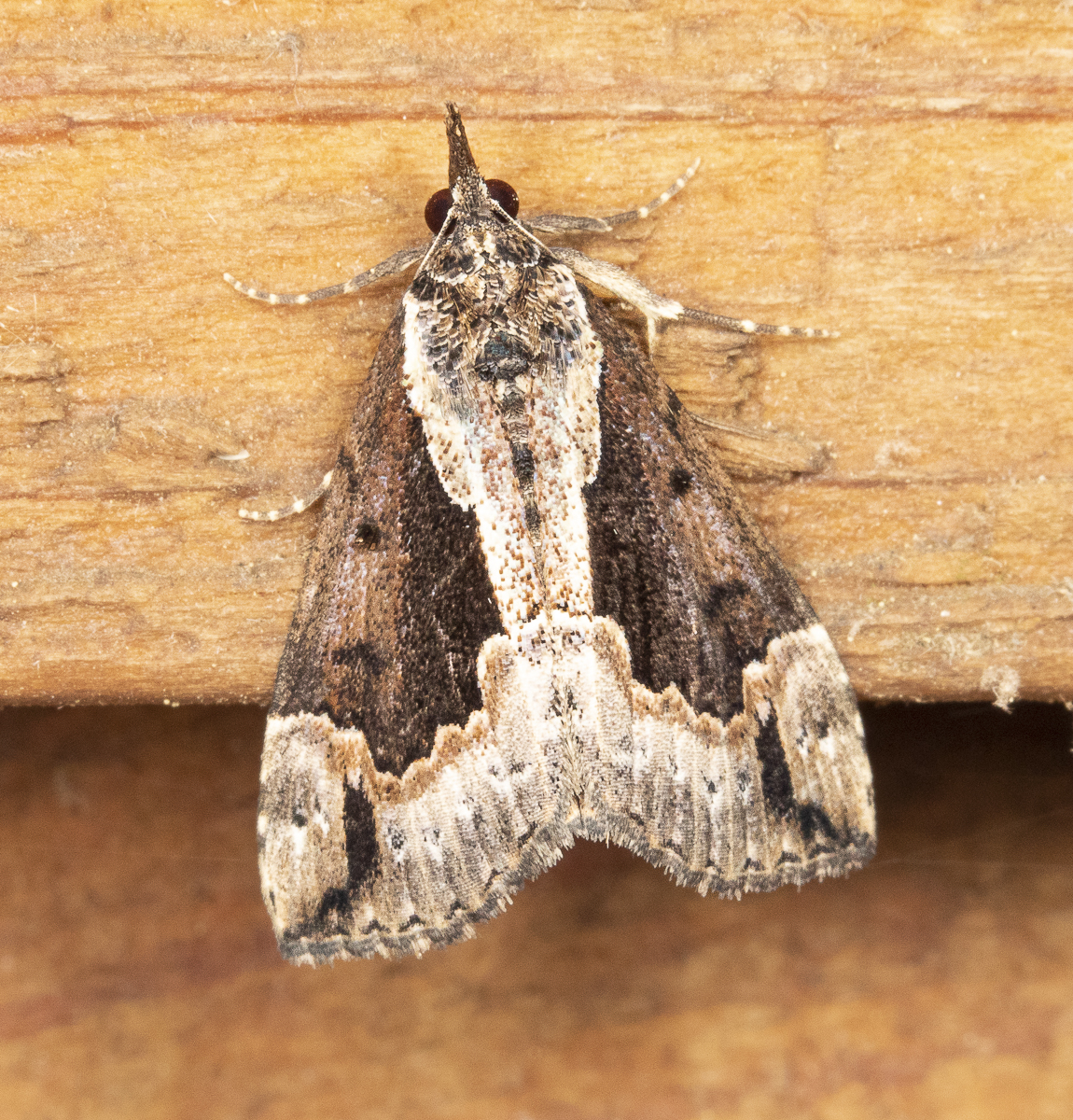
-Baltimore Snout. A distinctive moth with its triangular shape, bold markings, and “snout”, which is actually a pair of labial palps.
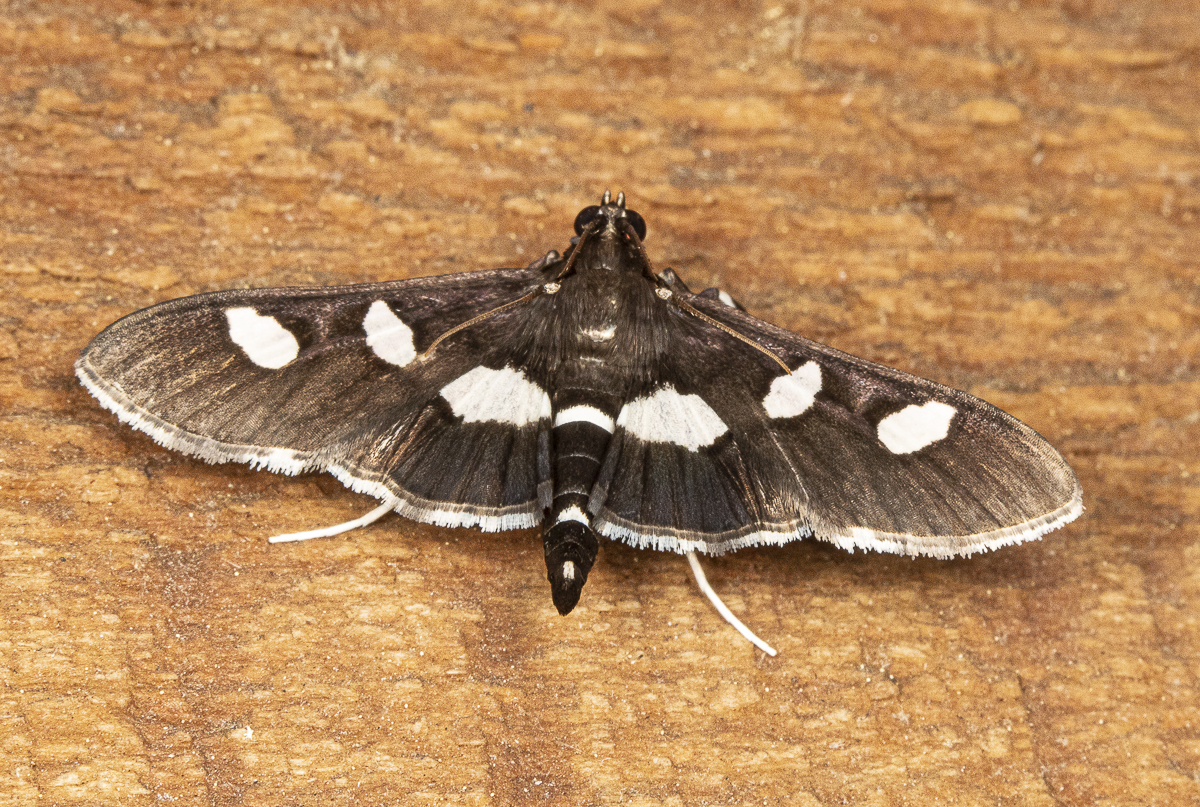
-Grape Leaffolder Moth. Larvae fold leaves and feed primarily on various species of grape and Virginia Creeper. Adults are day-flying moths but are also attracted to lights at night.

-Yellow-collared Slug Moth (also called the Inverted Y-Moth as its scientific name, based on the wing markings, is Apoda y-inversum. If anyone knows why many species of moths perch with their abdomen sticking up in the air, please drop me a note.
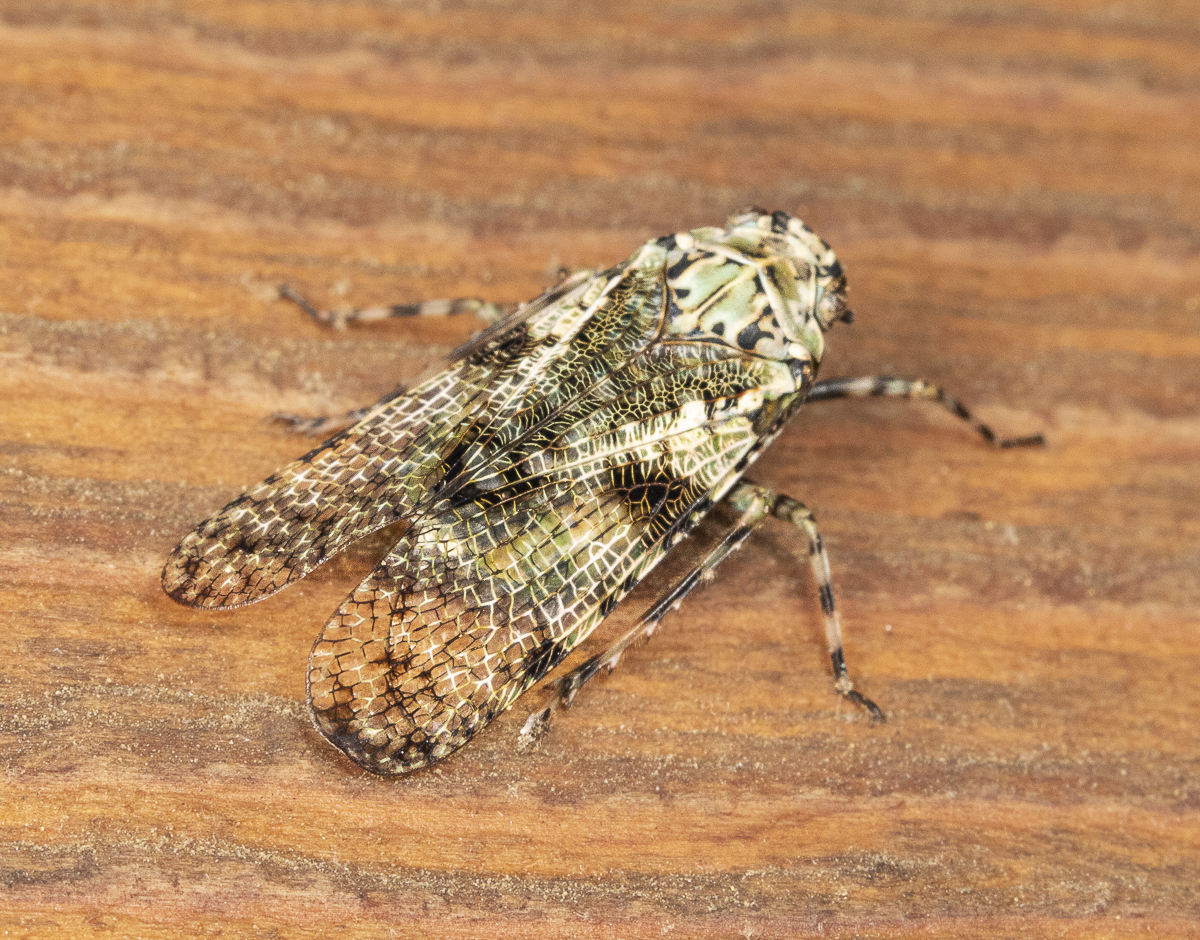
–Calyptoproctus marmoratus, another non-moth – a huge (1 inch long) plant hopper. It looks like a cross between a cicada and a plant hopper. This native species is related to the invasive Spotted Lanternfly.

-Southern Flying Squirrel. This little guy (and two of his friends) were the real stars of the show on Friday. Non-moths for sure (athough I believe they will consume moths that they can catch). One to three flying squirrels have been coming to the bird feeders every night for the past few weeks to dine on sunflower seeds. Even with three of them on the feeder, they don’t cause it to drop down to block the feeding ports as does just one Eastern Gray Squirrel. We livestreamed these to the SANC viewers and managed to get quite close images as this one stayed on the feeder as I slowly pulled it (it is on a pulley system) closer to the deck as Melissa filmed it with her phone. I took one shot with my camera as it happily fed while giving us the side eye.

-Rosy Maple Moth. One of our favorites, this beauty is a member of the Giant Silk Moth family, though it is not nearly as large as many of its cousins. We find the larvae mainly on maples. Adults, like other members of this family, have no functional mouth parts and do not feed.

-Imperial Moth. This was the largest moth (they can reach up to 6 inches in wing span) to visit us on our moth night (unfortunately about 5 minutes after our friends left at 11 p.m.). Their caterpillars are also huge and come in 4 color morphs.
I encourage everyone to seek out your local moth fauna. It can be as simple as leaving on a porch light for a few hours and checking out who flies in. But, please don’t leave your outside lights on all night as many insects get “trapped” by the lights and will remain at that spot until daybreak when they become easy victims for birds, outdoor cats, or other predators.
There are a lot of great resources out there if you decide you want to identify your moths. For our region, I recommend: The Peterson Field Guide to Moths of Southeastern North America; apps like SEEK and LEPS; and to confirm what you have found and learn more, websites such as BugGuide and the Moths of North Carolina.
Happy moth-ing!


 Roads End Naturalist
Leave a comment