There is something to be said for the night. The darkness holds a sense of promise, as if anything could happen.
~Meg Collett
The frequent evening storms have kept me from setting up my moth lights, so with a break in the rain earlier this week, I jumped at the opportunity. I was feeling a bit lazy as I just set out one on the back deck with a sheet tacked to the exterior of the house. I usually also turn on our two deck lights, much to the delight, no doubt, of the resident orb weavers that tend to spin their webs nearby. I checked the sheet every half hour or so until a little past midnight. Here are some of the highlights.
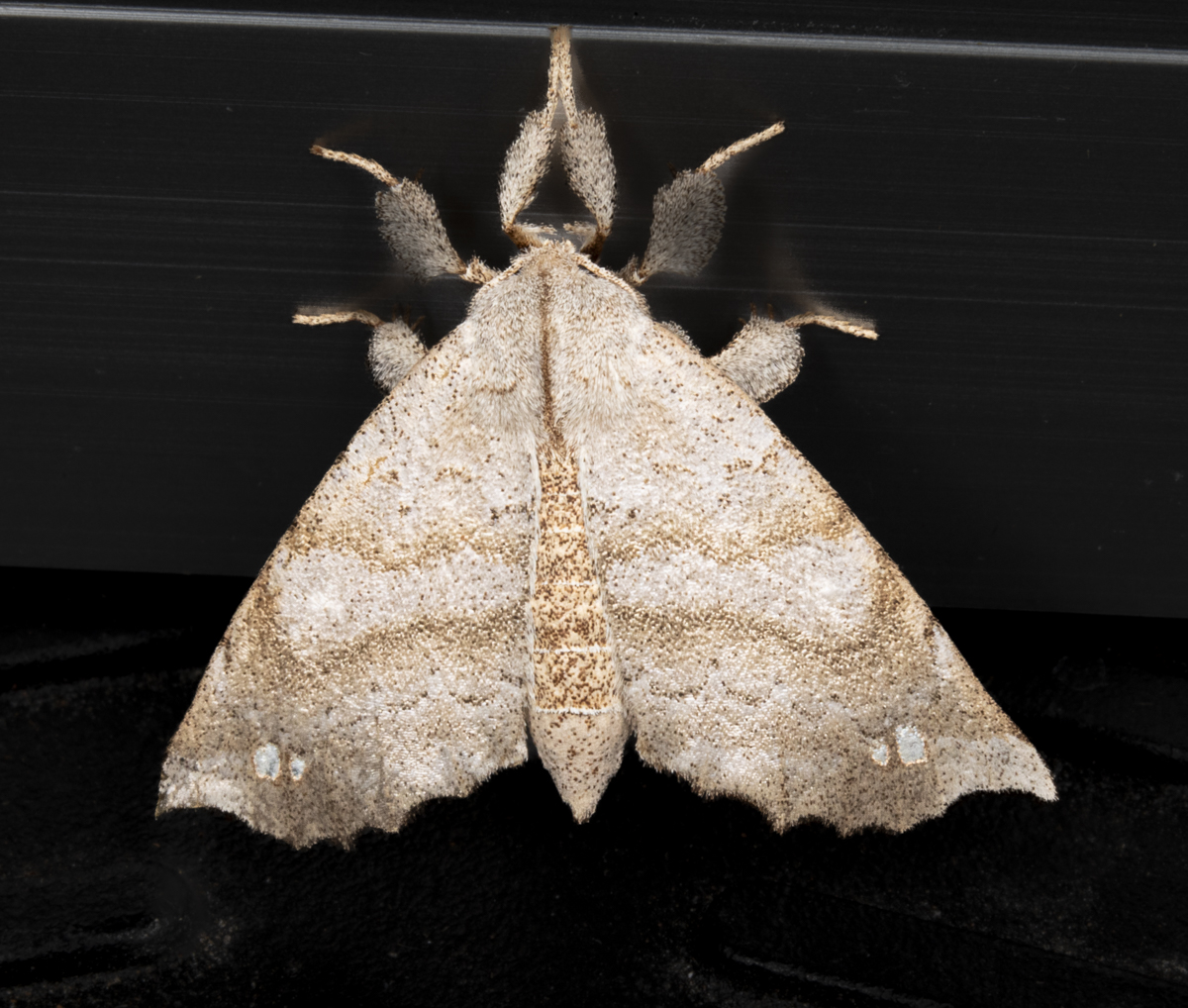
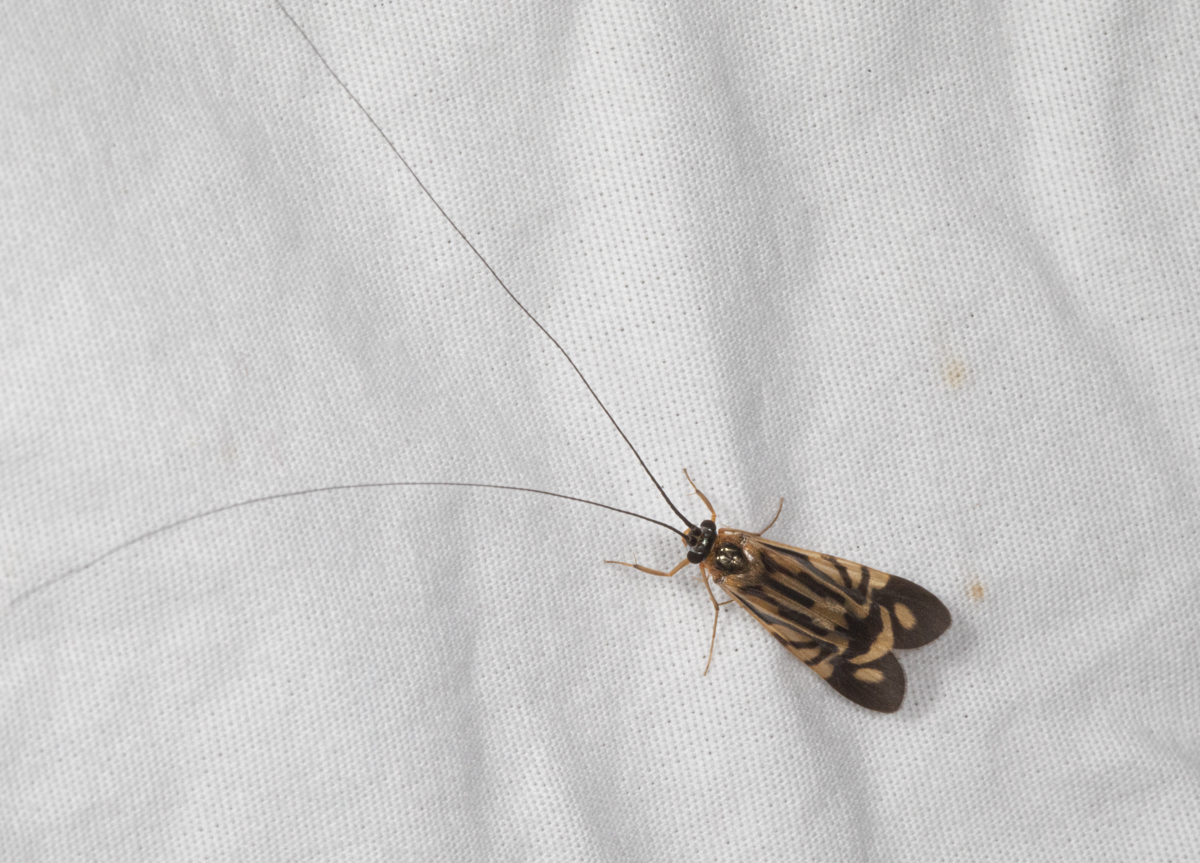
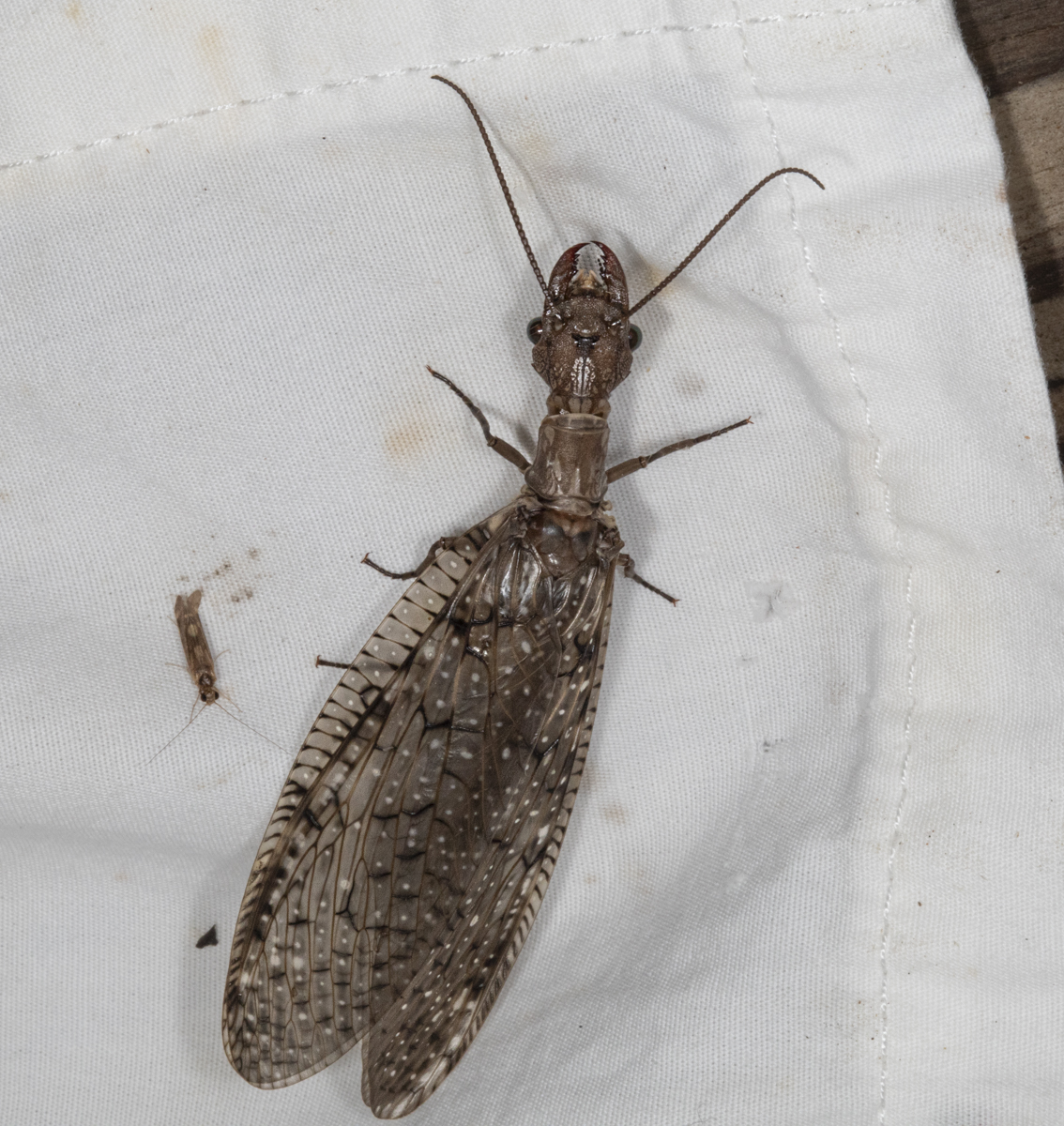
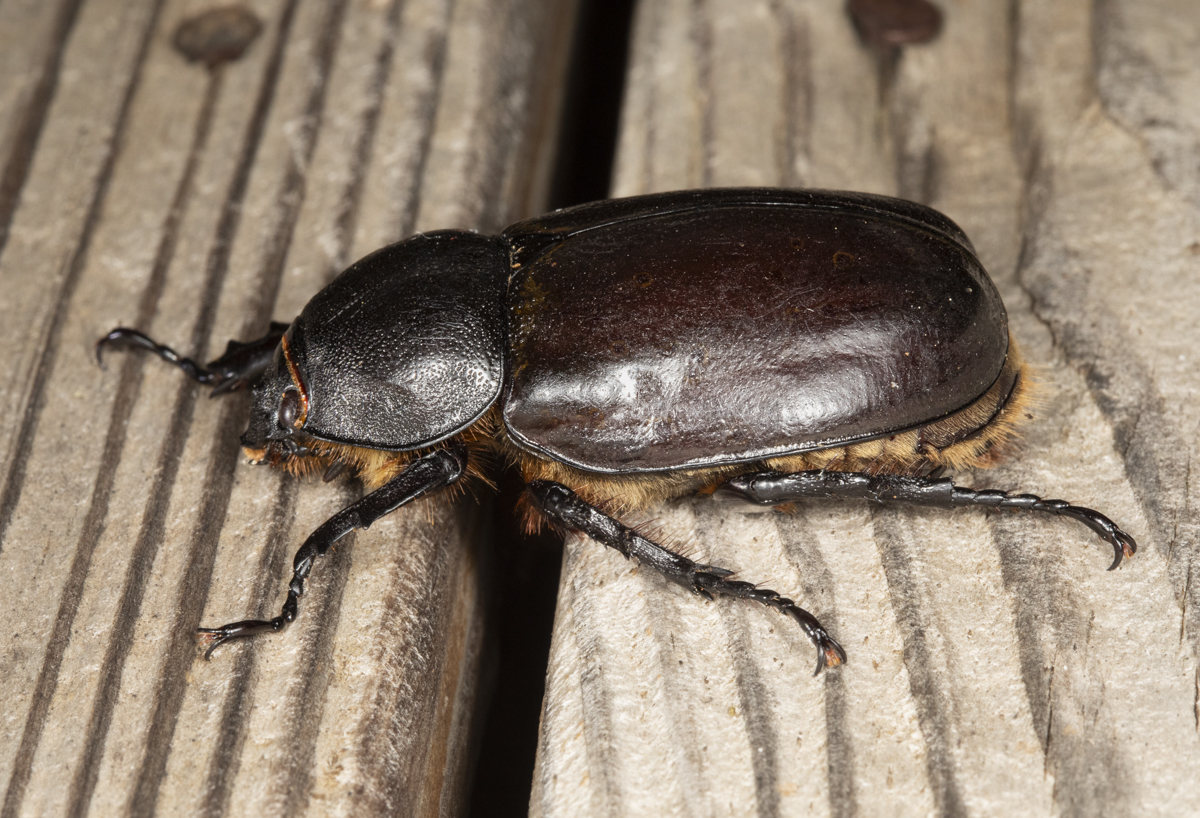
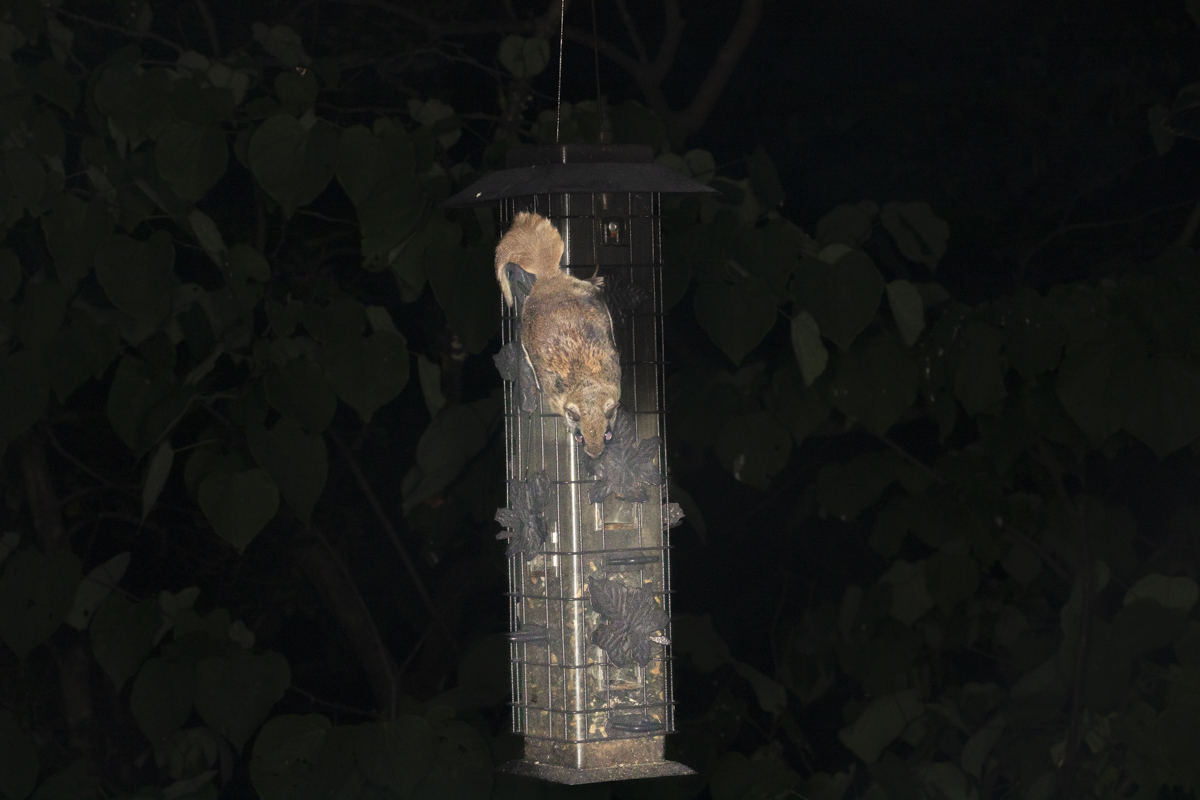
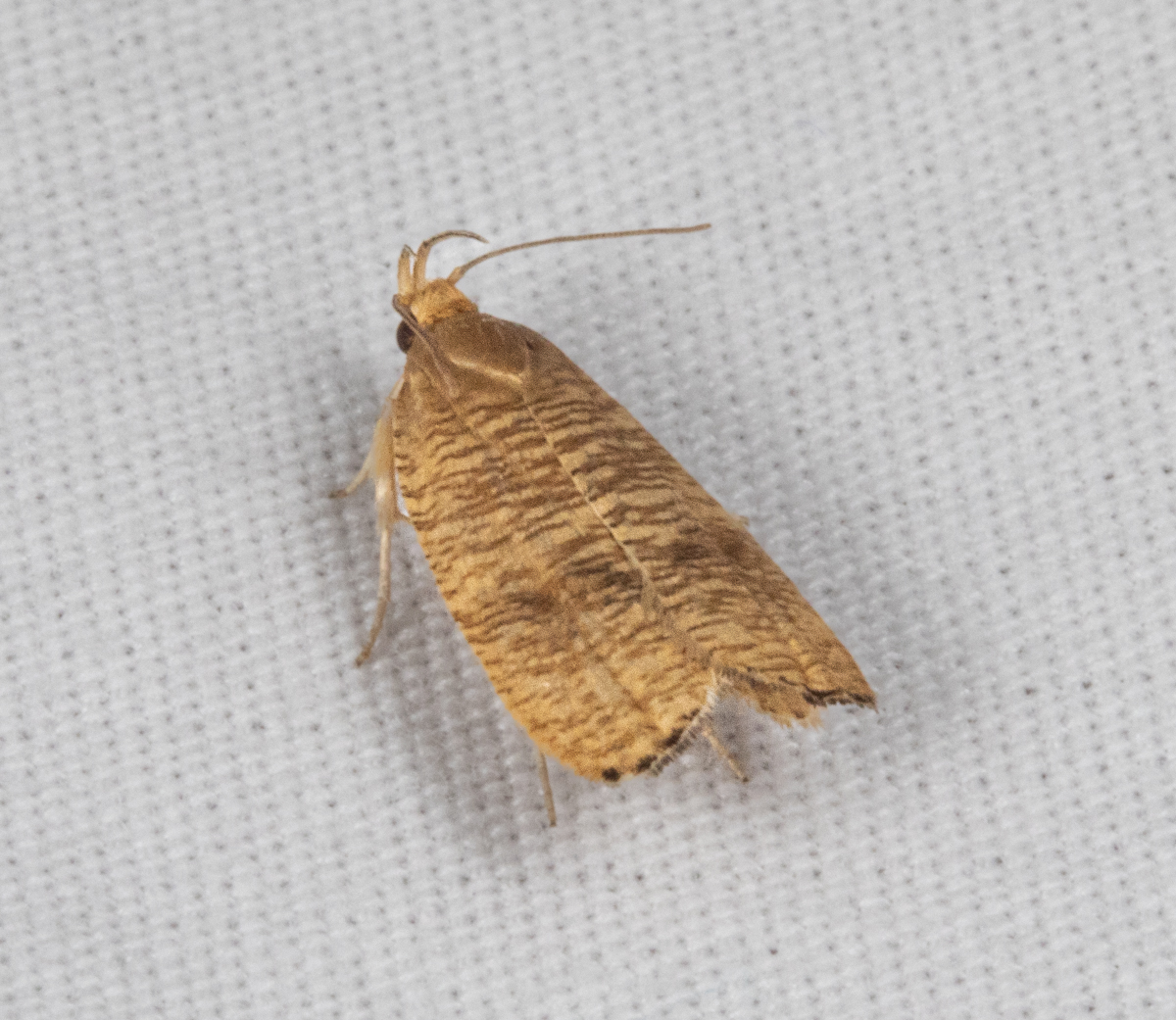
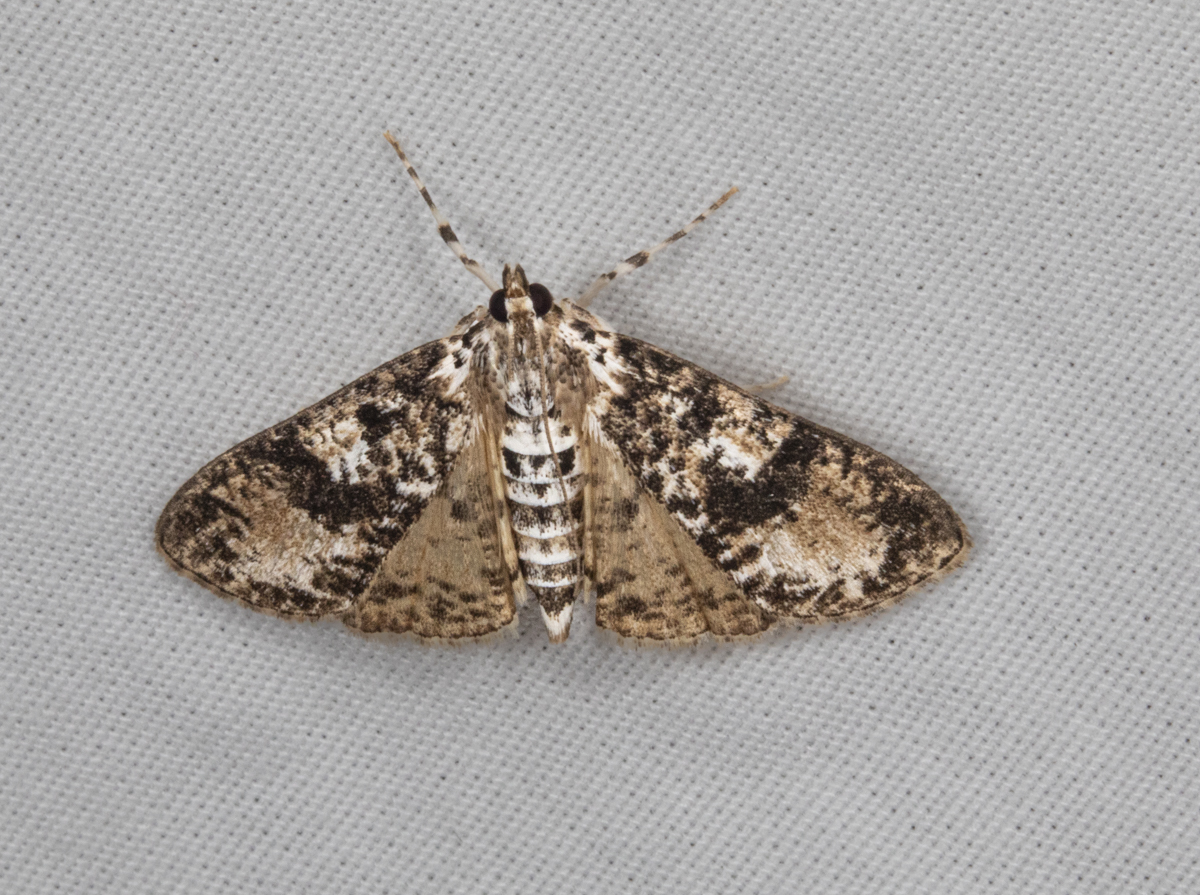
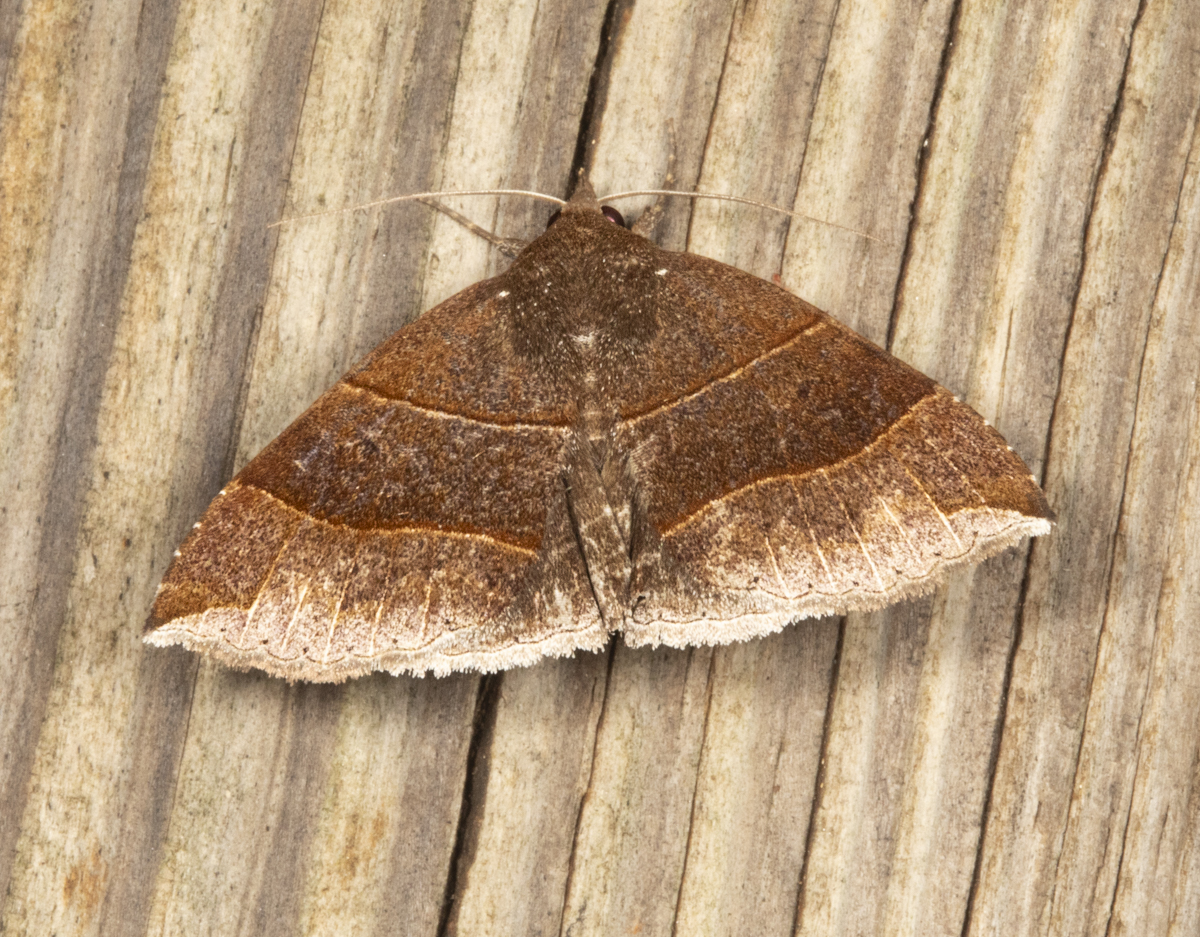
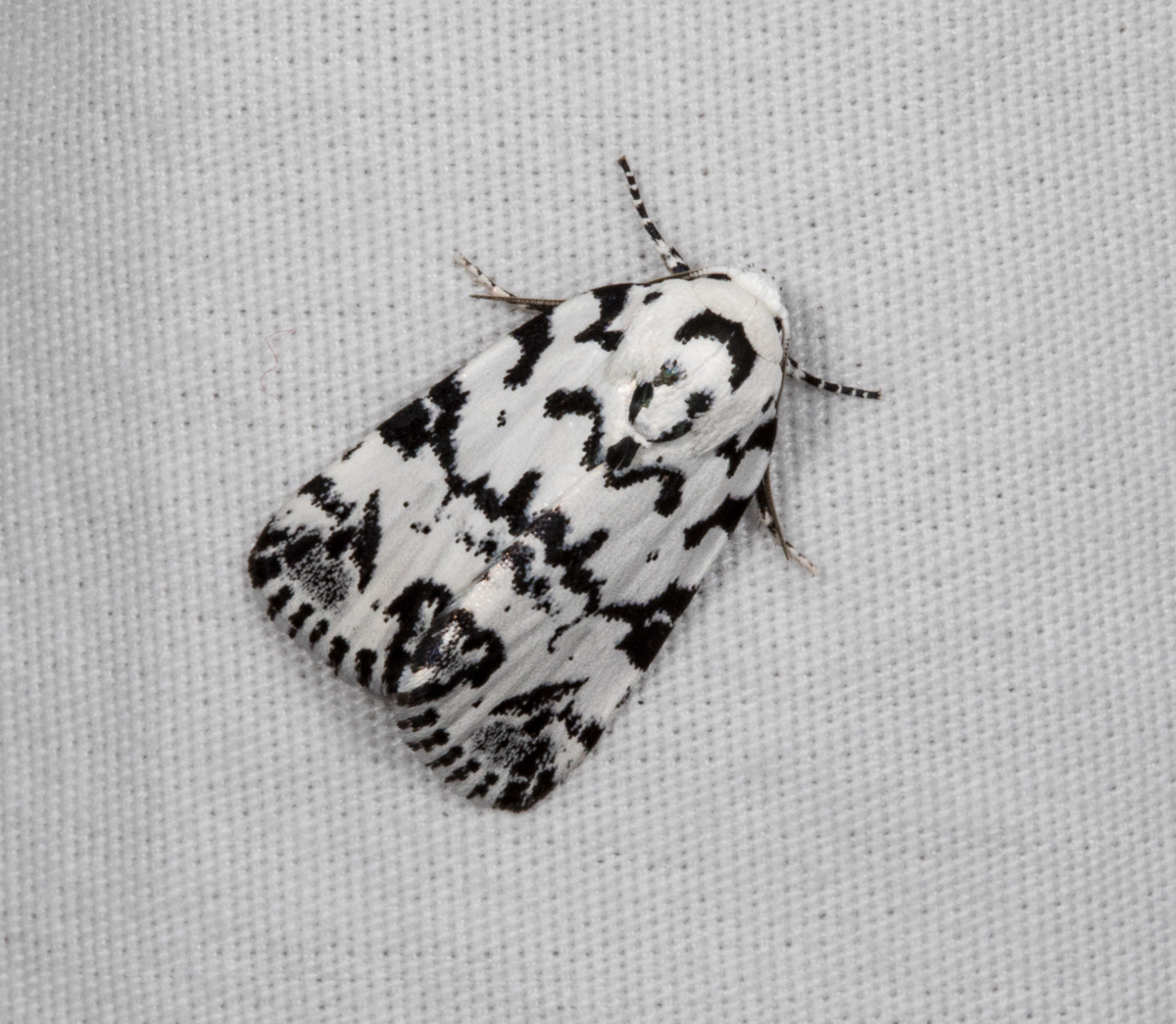
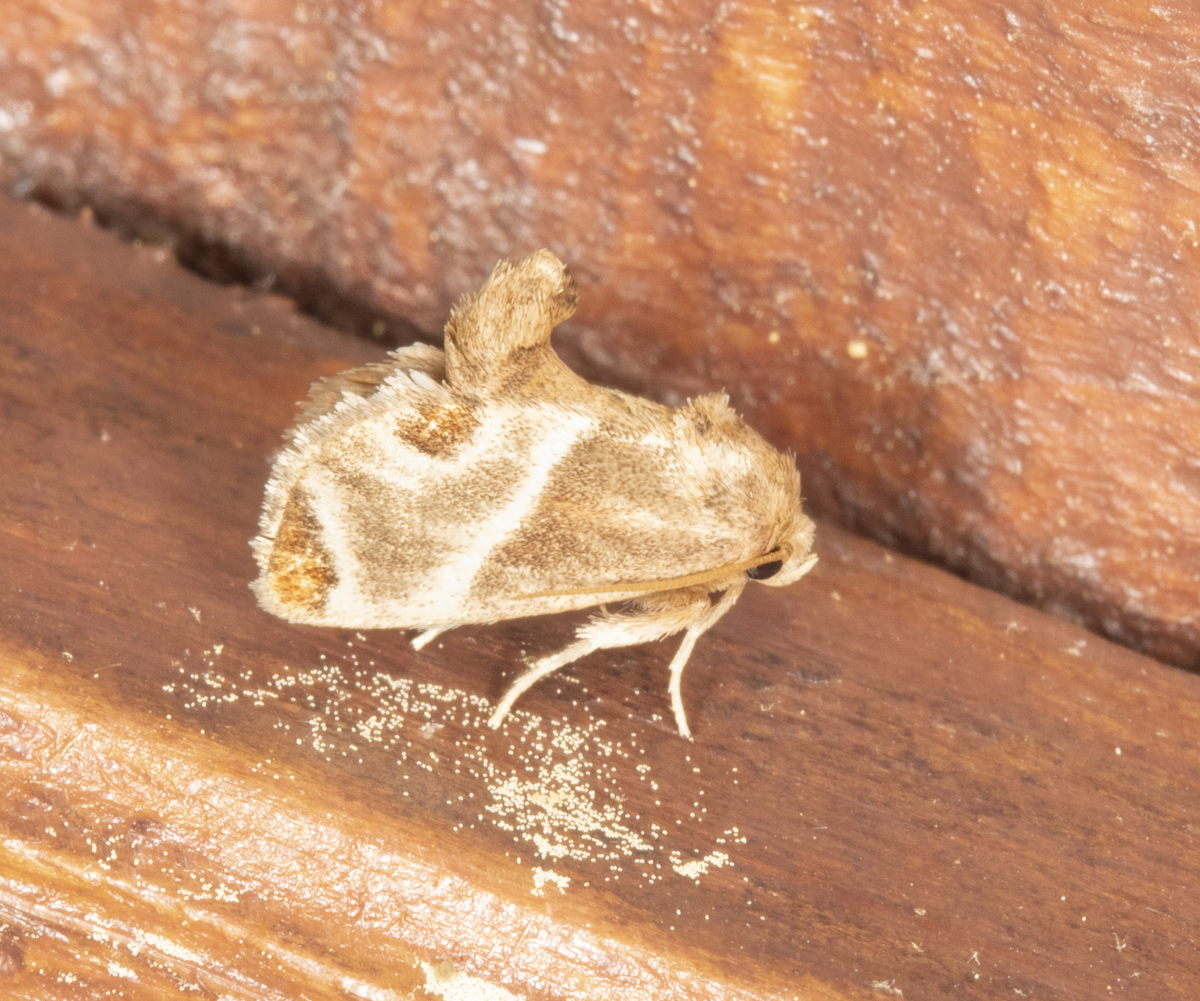
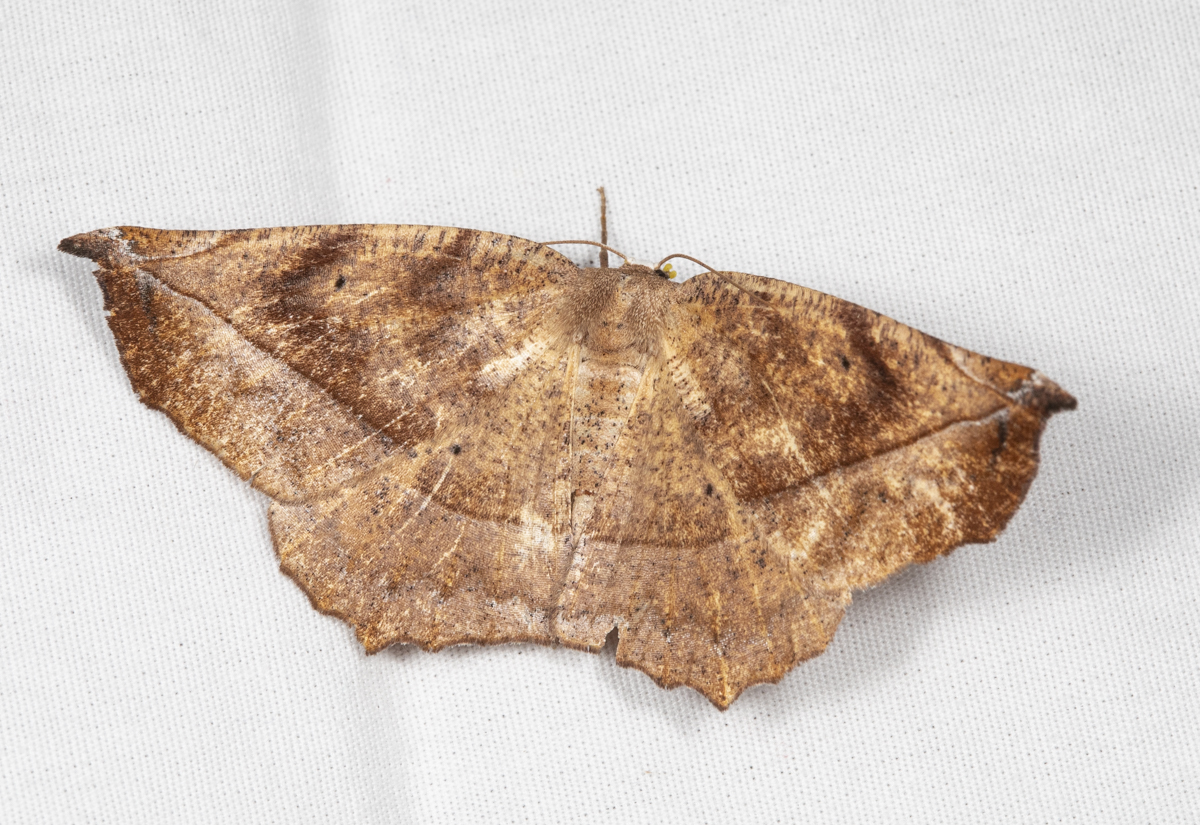
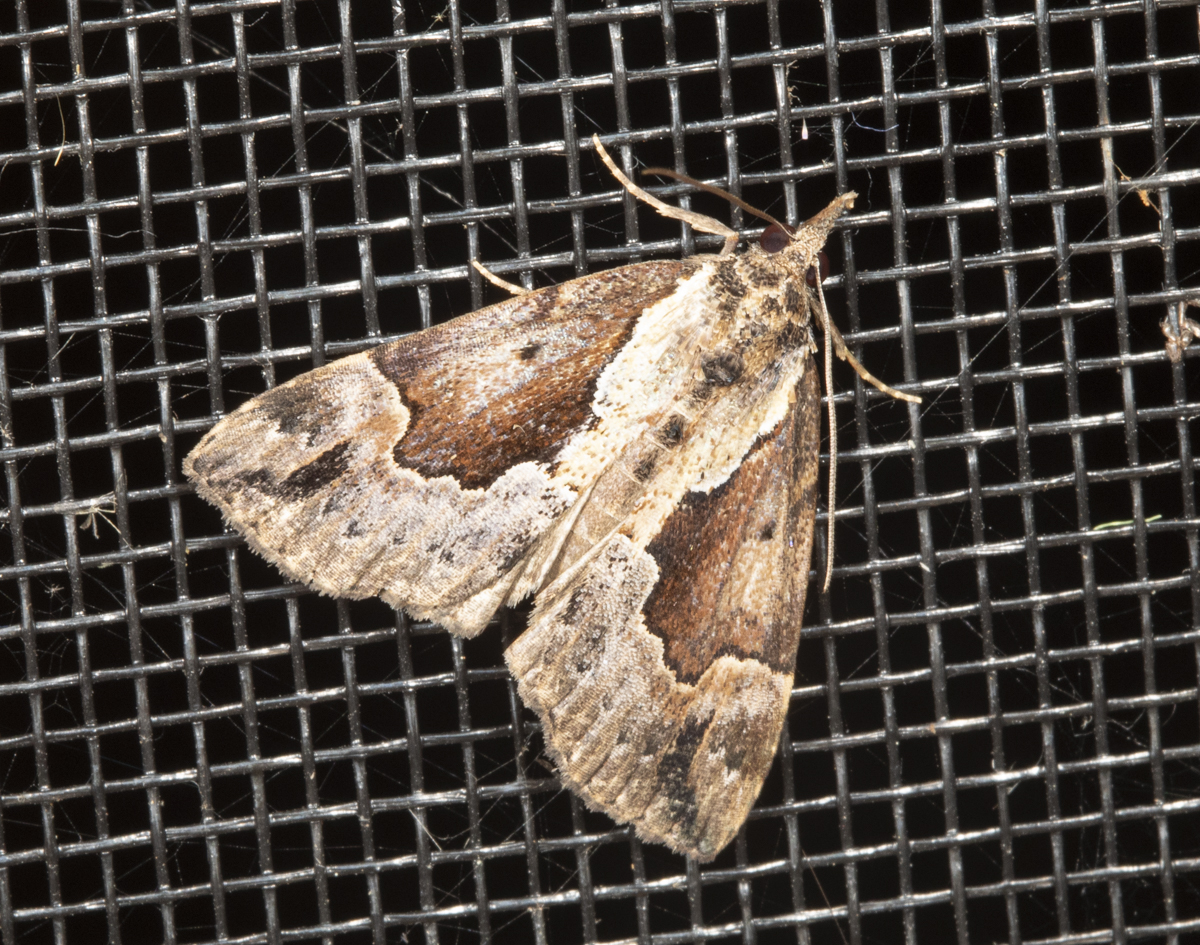
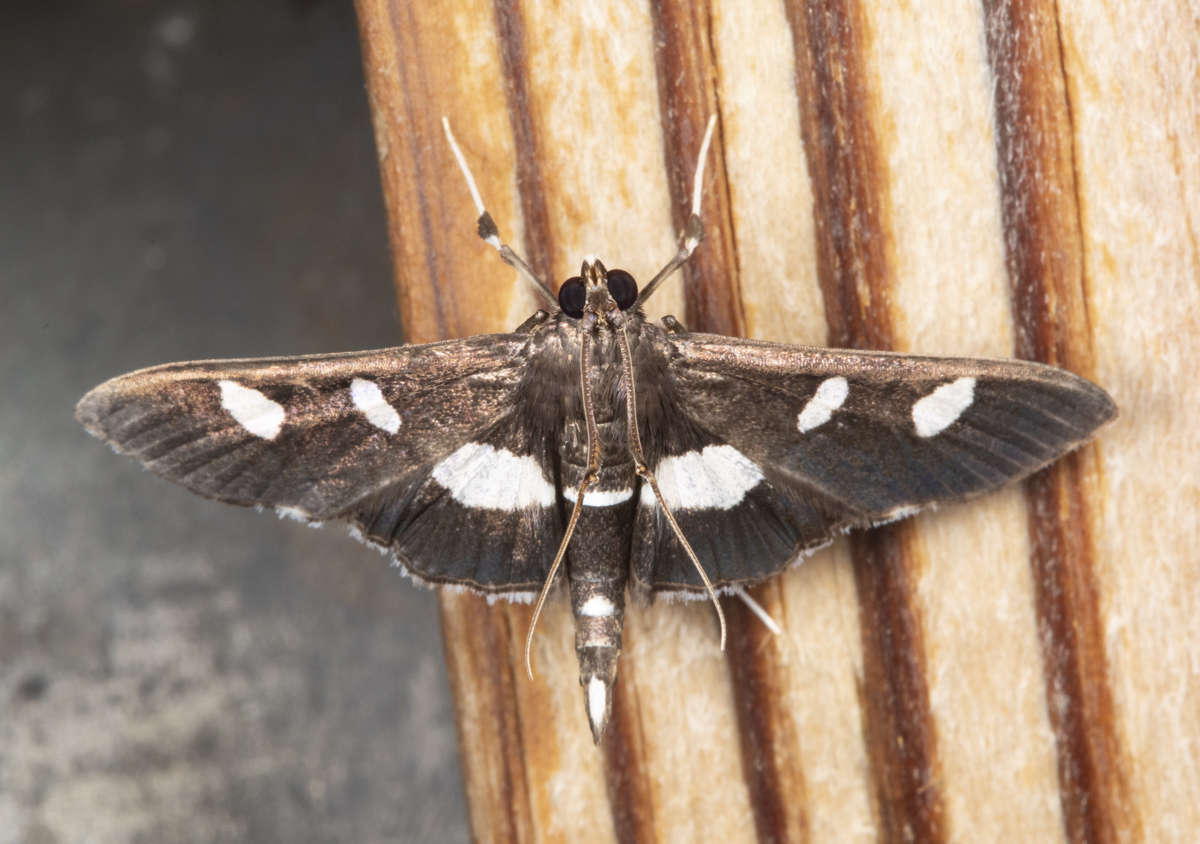
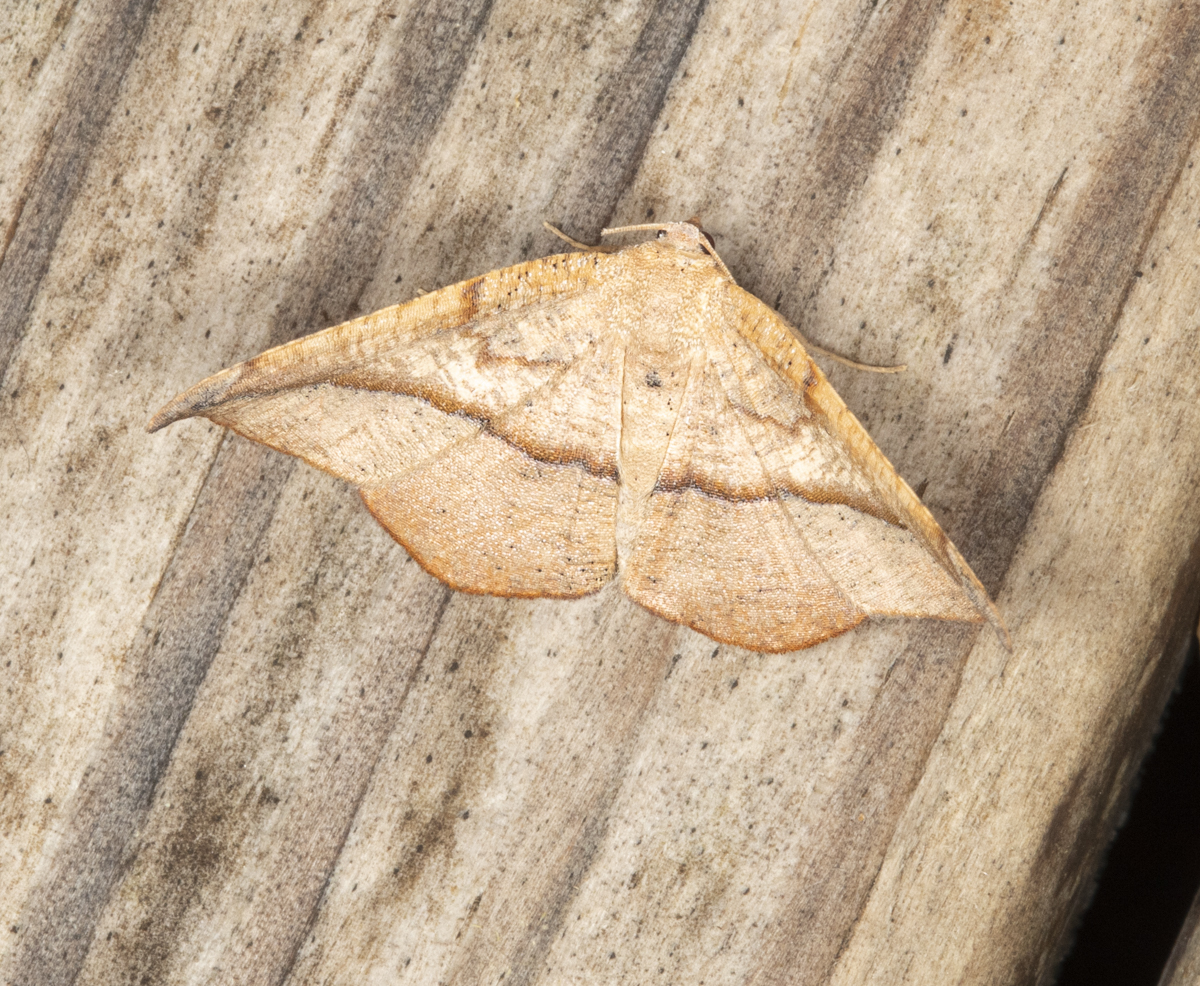
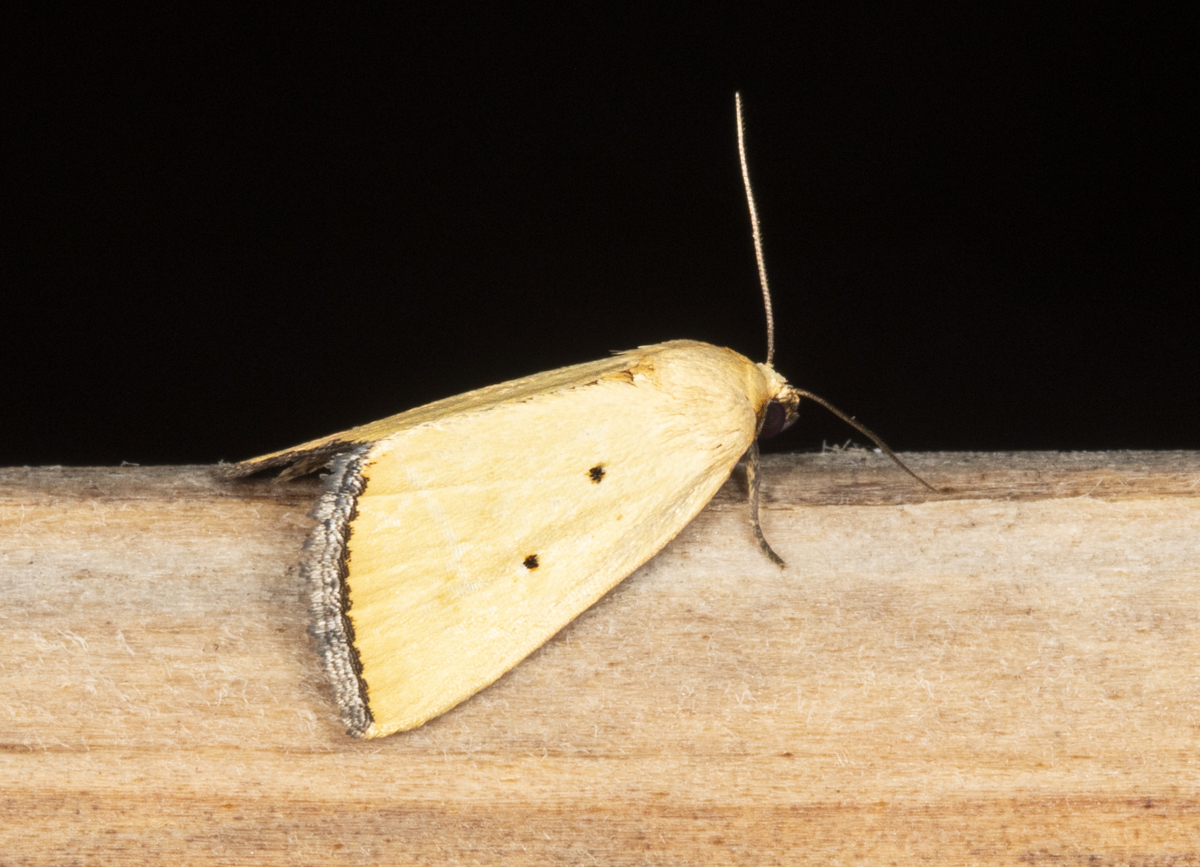
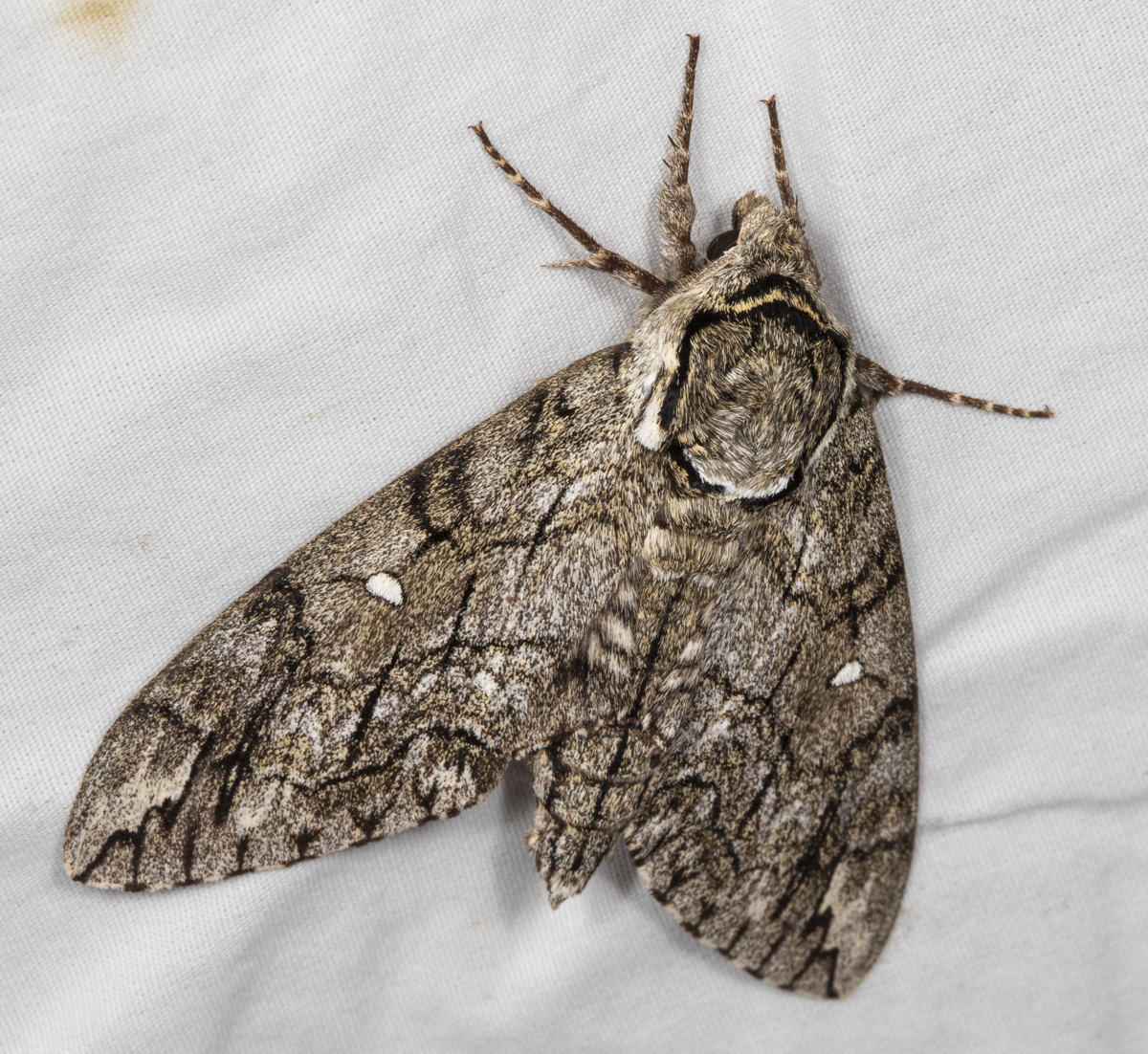
The night started with a new species for me, a beautiful Angel Moth, Olceclostera angelica. Larvae of this species feed on ash. (click photos to enlarge)The most abundant insects on the sheet were several species of caddisflies. This one, the Zebra Caddisfly (Macrostemum zebratum), stood out due to its extremely long antennae. The larvae are net spinners in flowing water.I’m always excited to see Dobsonflies at the moth light. This one is a female (one of two that showed up). It is amazing they are consistent visitors on moth nights since it is probably a half mile or more to the Haw River from our house. The larvae, called hellgrammites, live in fast flowing water. Note the small insect next to it – another type of caddisfly.This huge Scarab beetle was calmly sitting on the deck all night. Though I have never seen one with this coloration, my references say this may be a completely dark female Hercules Beetle, a species we often have come to the lights.Allways happy to see the Southern Flying Squirrels at the sunflower seed feeders on mothing nights. There were two enjoying their free meal while I came in and out to photograph the insects. One never budged, the other would quickly jump into the tree branches to hide every time I opened the screen door.The Black-fringed Leaftier moth, Psilocorsis cryptolechiella. Larvae feed on several hardwood tree leaves and build a leaf shelter.Splendid Palpita Moth, Palpita magniferalis. Larvae feed on ash.Maple Looper Moth, Parallelia bistriaris. Larvae feed on maple and a few other hardwoods. The adult moths often rest on the ground where they blend in very well with the leaf litter.Hebrew Moth, Polygrammate hebraeicum, so named because the pattern on the wings is similar to characters in the Hebrew alphabetShagreened Slug Moth, Apoda biguttata. This distinctly marked little moth was apparently named for its textured scales which reminded the namer of a rough-surfaced type of leather called shagreen.Curve-toothed Geometer, Eutrapela clemataria. Larvae are an amazing twig mimic.Baltimore Snout, Hypena baltimoralis. This distinctive triangular moth is a common visitor on our moth nights. Larvae feed on maple leaves.Grape Leaffolder Moth, Desmia funeralis. These small day-flying moths lay eggs on grape species. The larvae create shelters by rolling grape leaves with silk which contracts as it dries, pulling the leaf edges together.Juniper Geometer Moth, Patalene olyzonaria. Another dead leaf immic as an adult and a twig mimic as a caterpillar.Black-bordered Lemon, Marimatha nigrofimbria. A beautiful little moth whose larvae feed on grasses (espcially crabgrass) and certain morning glorys.Waved Sphinx, Ceratomia undulosa. A large sphinx moth that blends well with tree bark when perched. Larvae are large caterpillars and I often find them on Beautyberry and Frringtree.
I aways enjoy seeing members of the Silkmoth family. Living in the woods means we often have several species of these colorful moths visit our moth lights. Monday night was an especially productive one.
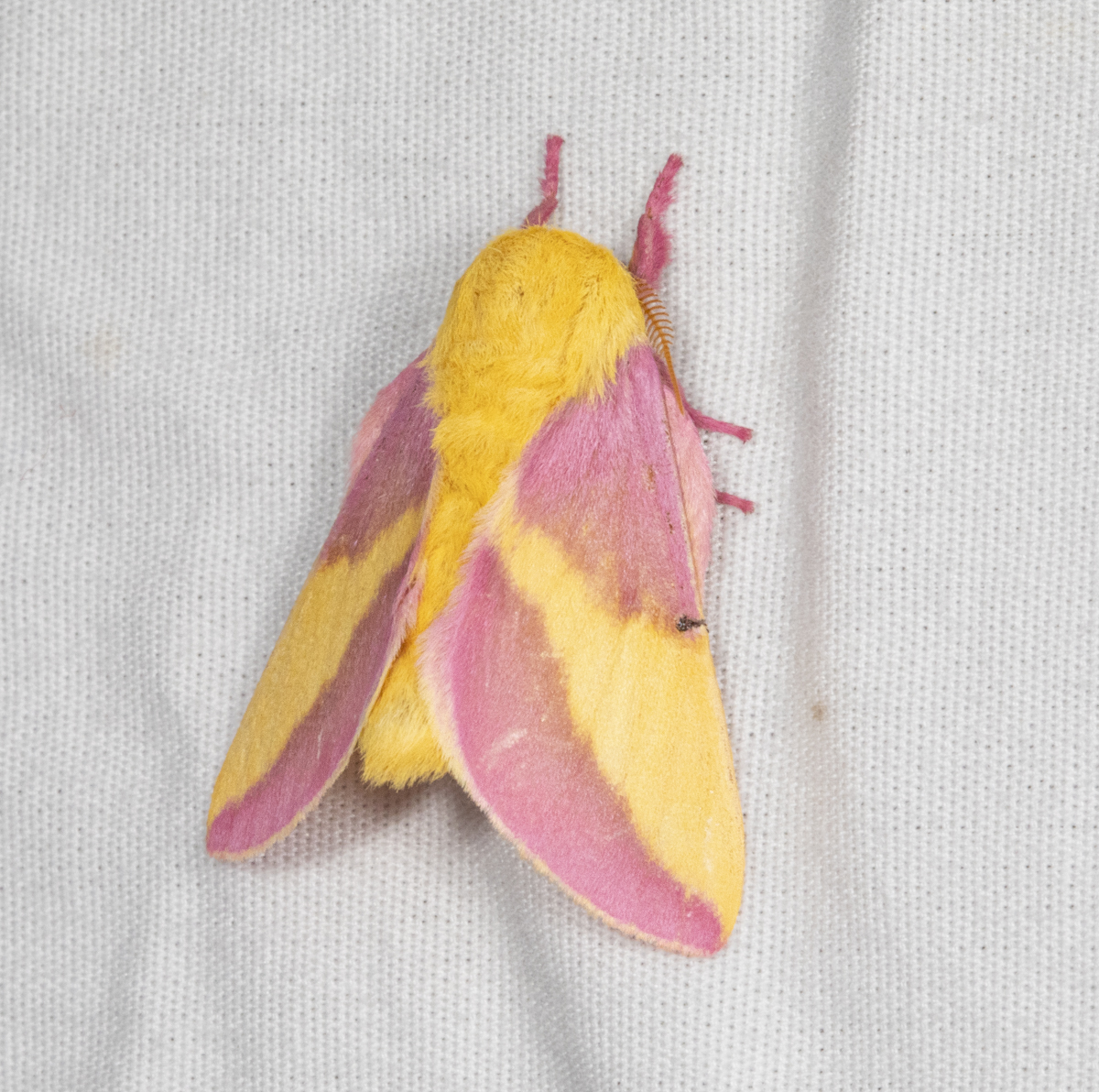
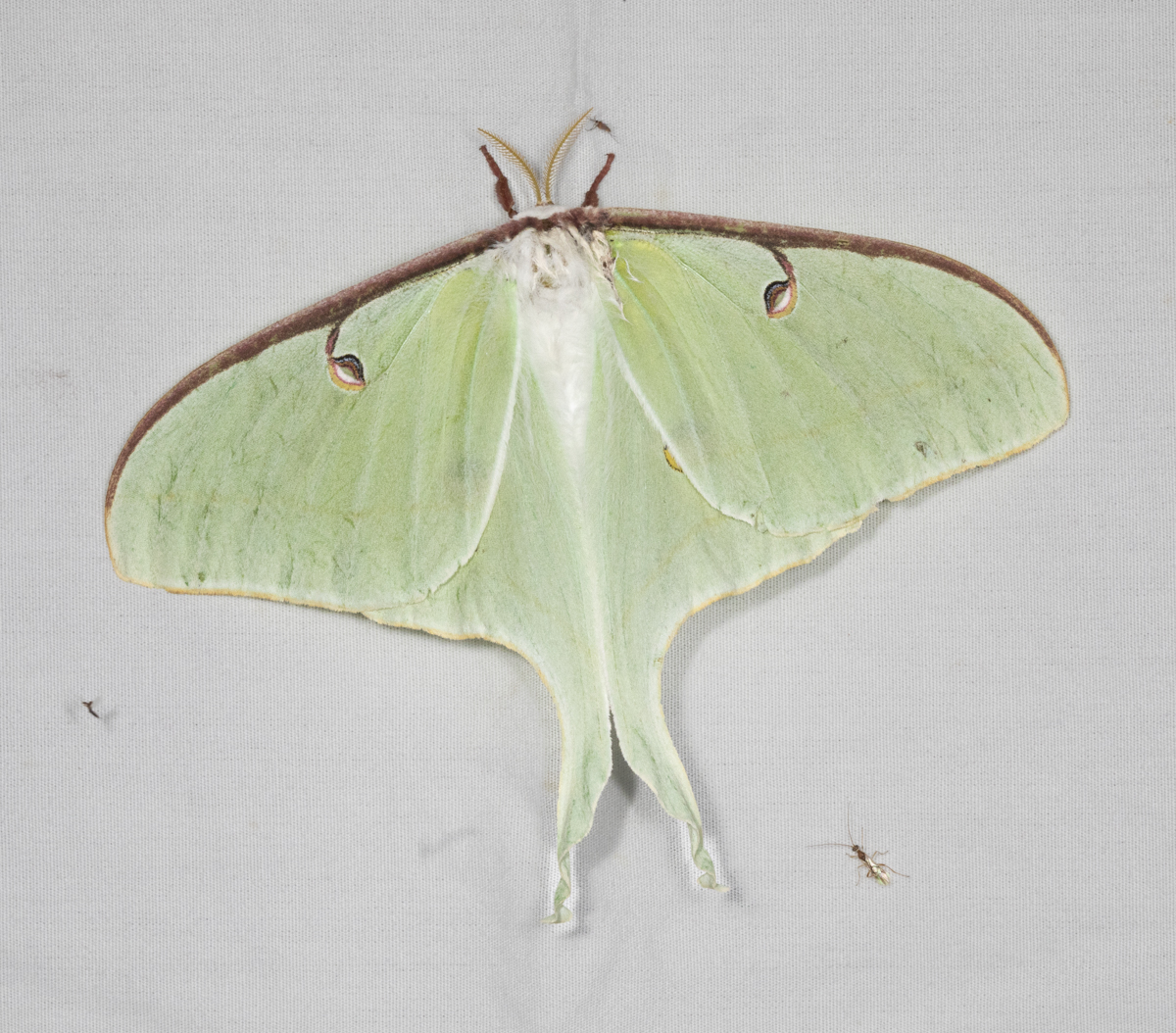
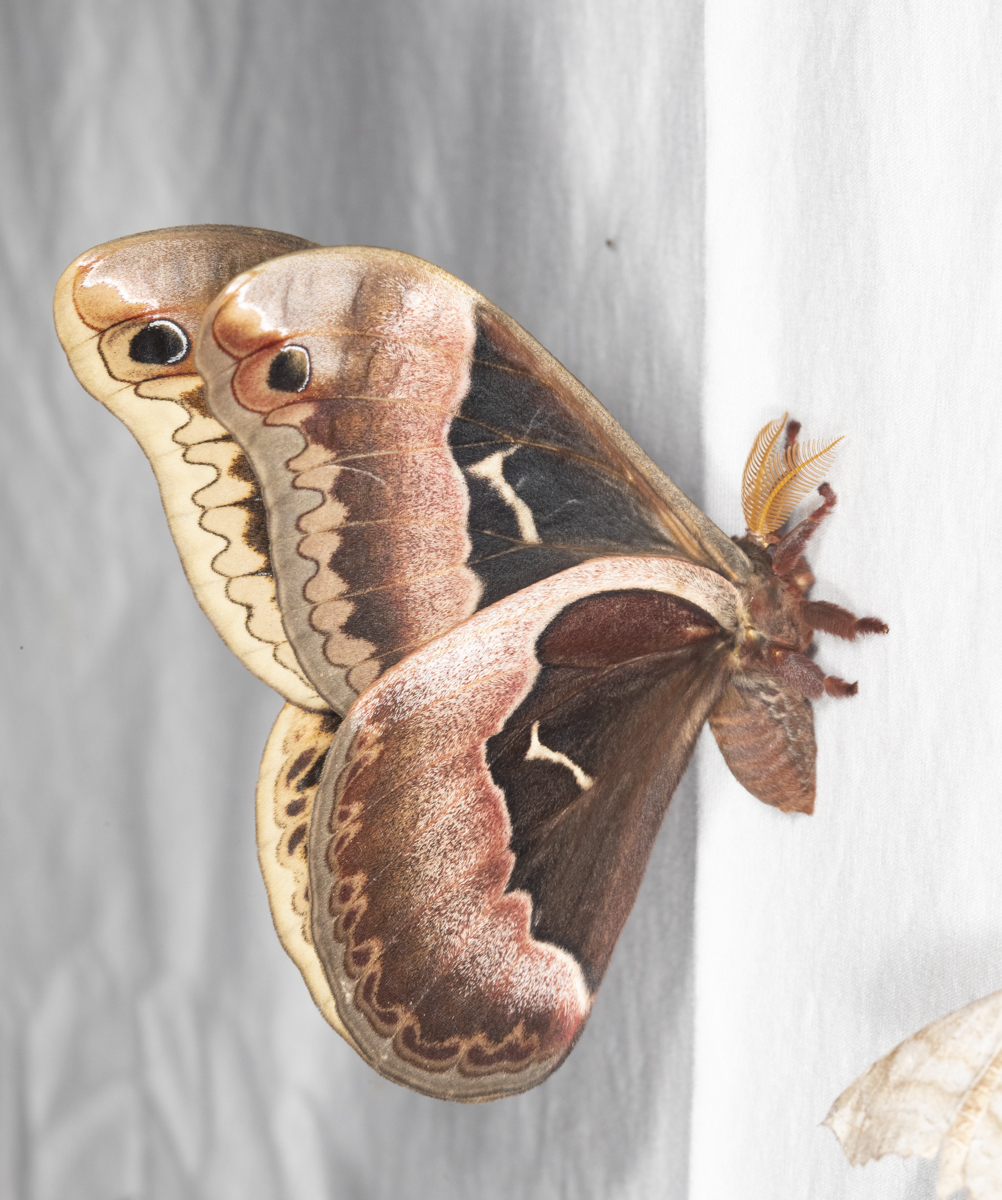
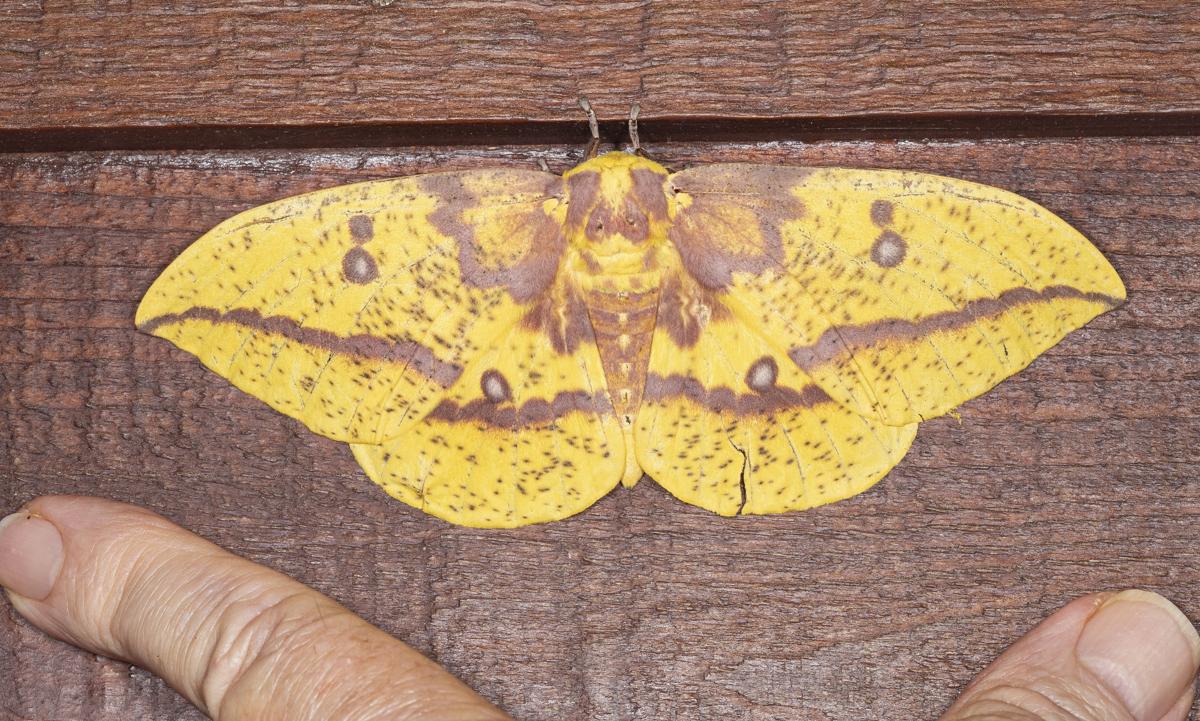
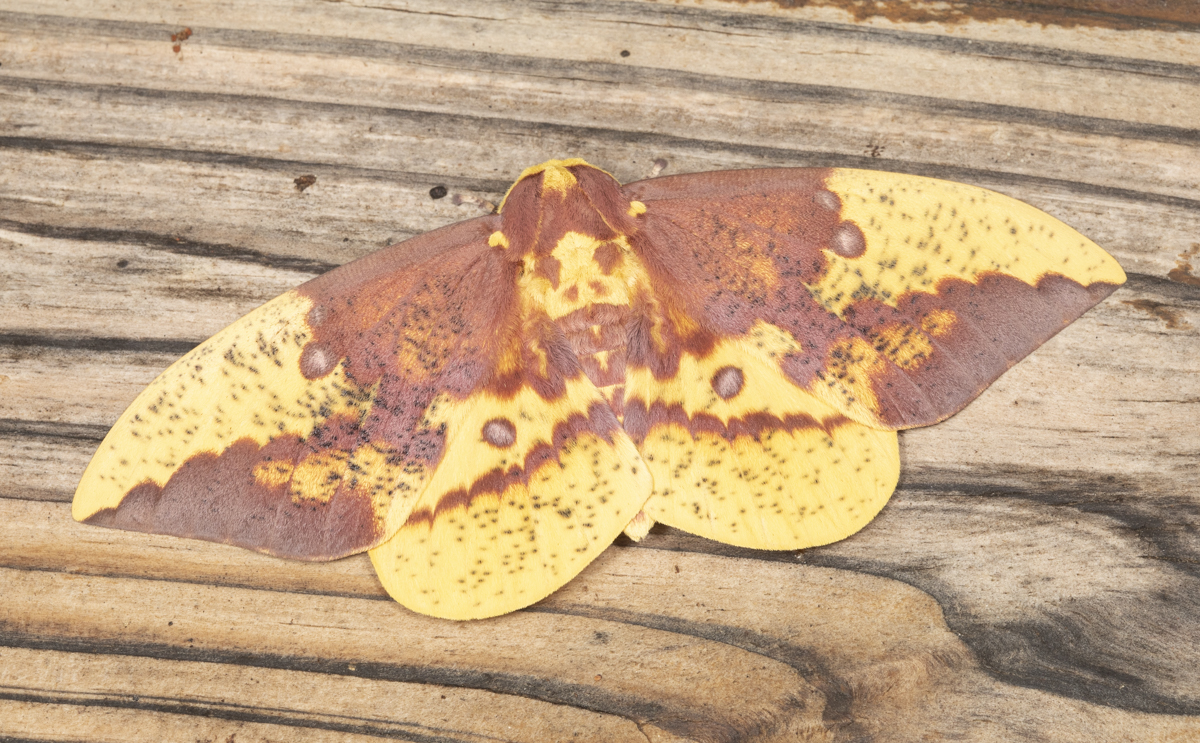
The Rosy Maple Moth, Dryocampa rubicunda, is one of our favorites. I’m not sure what advantage this striking color pattern could give this beauty, but it is a pleasure to see one. They are common in our woods and at one point Monday night, there were seven on the sheet.Luna Moth, Actisa luna. The moth species that sparked my interest in the night-flyers many years ago. Larvae feed mainly on Sweetgum in our area. This large moth with its trailing tails is one of the few night-flying insects that I can positively identify when they fly in front of one of my trail cameras at night.A gorgeous Tulip-tree Silkmoth, Callosamia angulifera. These beauties are one of our more common silk moths as their larvae feed on Tulip Poplar, probably the dominant tree on our property. Cocoons are made of silk inside a folded leaf that falls to the ground when the leaf drops. One more reason to “leave the leaves”.The stars of the night were the Imperial Moths, Eacles imperialis. They are huge moths, (perhaps our second largest behind Cecropia Moths) with females (like this one) often reaching 6 or 7 inches in wingspan. Male Imperial Moths tend to have more darker colors in their wings than females, but these moths can be highly variable in their patterns and colors. Around midnight we had seven Imperials at the lights (4 females and 3 males). When they first come in they are very erratic, flying all over the deck, hitting the sheet, the light, and me. Then they suddenly land and freeze their movements.
As always, it is a treat to see some of the amazing creatures we share these woods with and to learn more about their life histories. We will certainly do it again soon (if it ever stops raining!).
thank you so much for showing us these beauties- amazing to see what is right outside our doors! I always enjoy your posts and often send them on to others. Thanks again!
Yes, it’s a treat to see moths at night, but also a treat to read your posts & appreciate your photos. Dave and I recently returned from the Cullowhee Native Plant Conference—with overnights at the Celo Inn on both ends of the trip. Lenny Lampel, who lives & works in the Charlotte area, was one of the speakers, and was fantastic, as always—such enthusiasm for moths of all kinds! I assume that you’re familiar with Lenny. If not, check him out. You’re kindred moth aficionatos! Best, Margot
Thanks, Margot. I was at the Celo Inn recently and as I left i thought I saw someone in the dining room that looked like you and then said to myself, no, couldn’t be. Bet it was! And I don’t know Lenny but will check him out online.
Oh, not scary at all. Although i will admit, it can startle you for a second when one of the big silk moths flies into you. But then it is pure excitement at seeing it.
When I go for a walk at night, I do it without a flashlight. Otherwise, bugs are bugging me 🤣
Cathy Montgomery
Such beautiful photos & such beautiful moths. It’s truly amazing to see such variety in types, colors, and sizes of moths. Your article may give me the push to try some mothing myself!!
Thank you for the beautiful images and informative text about these diverse and remarkable creatures. I have just been reading a fascinating book, Alien Worlds – How Insects Conquered the World, by Steve Nicholls. Have you seen it?



 Roads End Naturalist
Leave a reply to Frank Phelps Cancel reply