
Each breaking wave, each rush of the sea on the slope of sand, reminds me why these places of pilgrimage matter. They matter to me because in the long view, I do not.
~Terry Tempest Williams
In mid-January, I had the privilege to take 12 exceptional North Carolina educators to Mexico. We had two primary goals: to see overwintering monarchs in the mountains of Michoachan and to witness the breeding behaviors of humpback whales in Banderas Bay. This experience was the newest Educators of Excellence Institute offered by the NC Museum of Natural Sciences. It was also my last Institute in my full-time role at the Museum. My first Institute was back in 2005, when Mike asked me to co-lead a trip to Yellowstone. If you’re a regular reader of this blog, you know where that led… and that our love of Yellowstone is what will finally pull us away from North Carolina, and me from the Museum. Over past 20 years, I’ve been privileged to lead more than 30 Institutes for the Museum, mostly to Yellowstone and the Blue Ridge Mountains. But this year we had the opportunity to try something new in partnership with EcoQuest Travel, offering the Mexico’s Magical Migrations Institute.
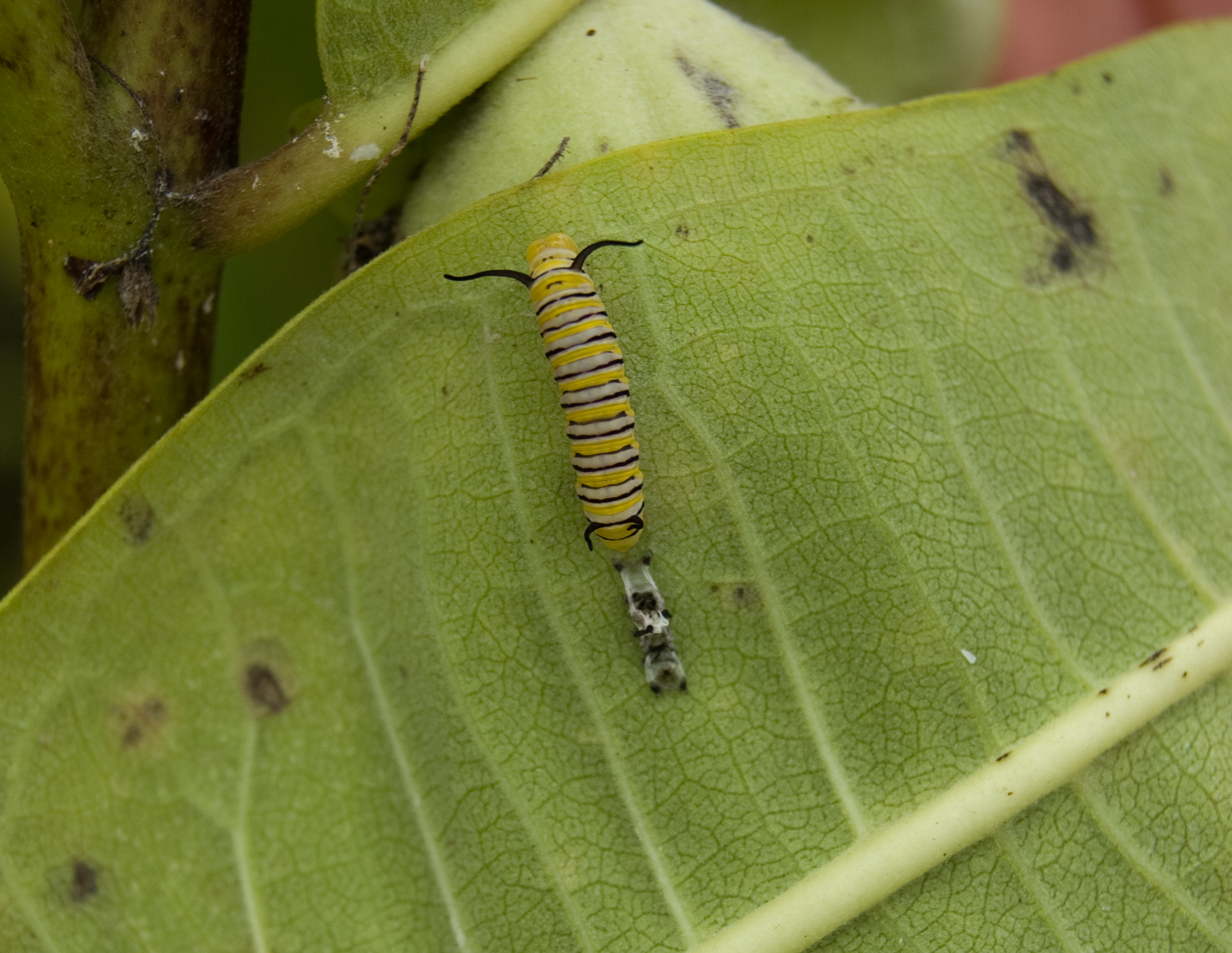
At the very start of my career, when I knew next to nothing about the natural world, I got involved in monitoring monarch caterpillars at the site that would one day become Prairie Ridge (through Mike, of course). During the peak of caterpillar season (aka the late summer and early fall), we’d go out to a milkweed patch once a week and look at every milkweed leaf along a transect for monarch eggs and caterpillars, identifying the caterpillars to their particular stage of development (first through fifth instars, or molts). In the fall, we’d also take every opportunity we could to catch and tag monarch butterflies with uniquely-numbered stickers from Monarch Watch at the University of Kansas, a program tracking the migration of the adult butterflies.
Through these experiences, I learned about the amazing numbers of butterflies that migrated to Mexico in the winter, but I didn’t anticipate having the chance to see them. So when this opportunity arose to not only get to go see this phenomenon, but to take a bunch of teachers along (who, by the way, are the best people in the world to share an experience like this with), I was thrilled.
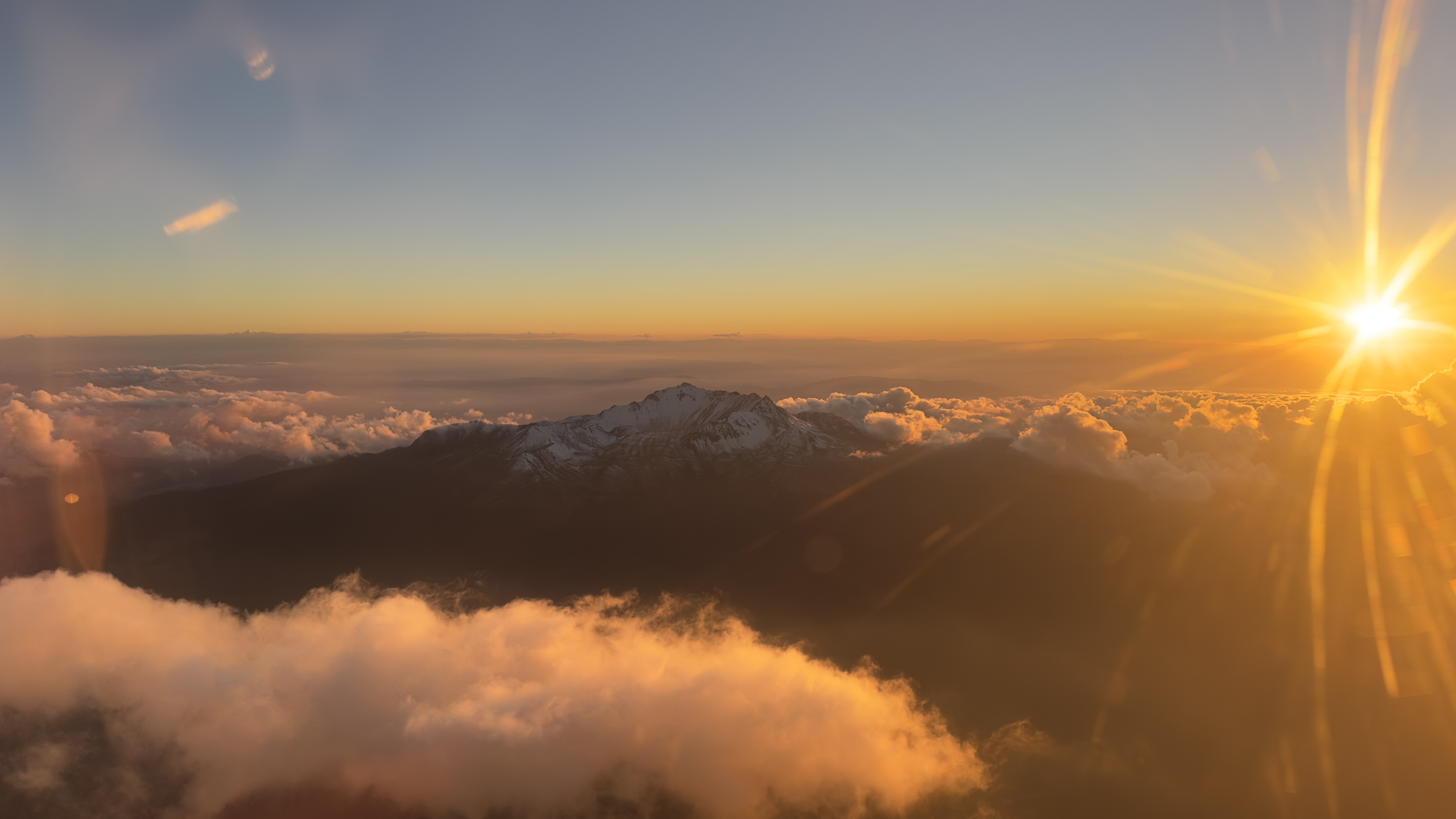
Our group flew into Mexico City, spent a morning at Teotihuacan (which was really cool, but I truly am a naturalist so I’m going to skip that part), then headed into the Central Mountains of the Transvolcanic Belt. The high peaks in central Mexico provide just the right habitat for overwintering monarchs to persist through the tough times: cool (but not freezing) temperatures that slow their metabolisms down just enough but not too much, some sources of water and nectar, and towering oyamel fir trees to huddle against for warmth and shelter during cold nights, cloudy days, and inclement weather.
The overwintering generation of monarchs is special. Most adults live only about one month, but the generation that migrates to Mexico lives up to nine months! Shortening day length in the north triggers physiological changes (typically including a halt in reproduction called diapause) as well as the drive to migrate south. Solar cues, and perhaps a sensitivity to the magnetic field of the Earth, steer them in the right direction. And somehow, magically, they end up on a few mountaintops above 10,000 feet in Mexico. By the millions. That’s right, millions.
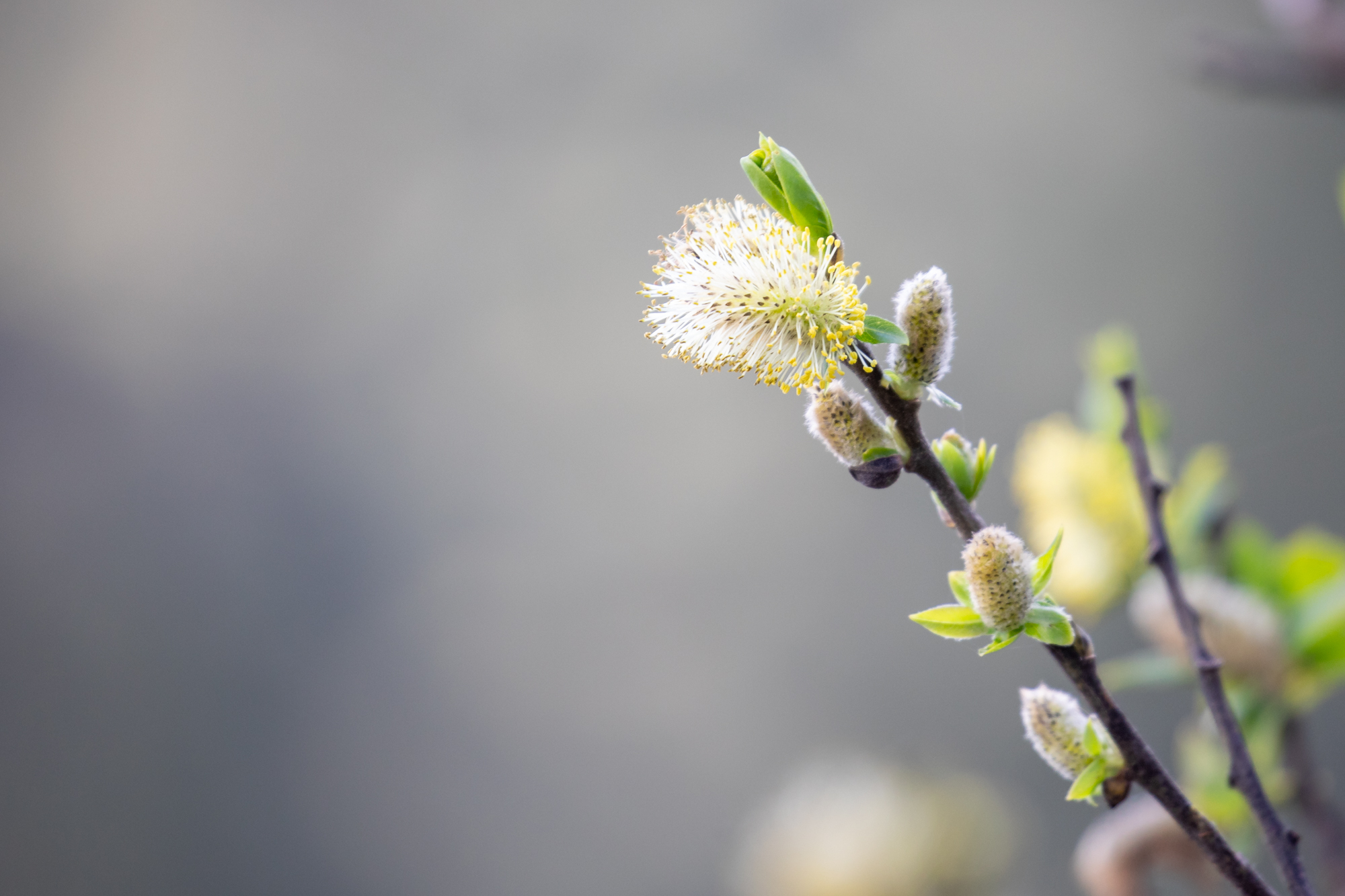
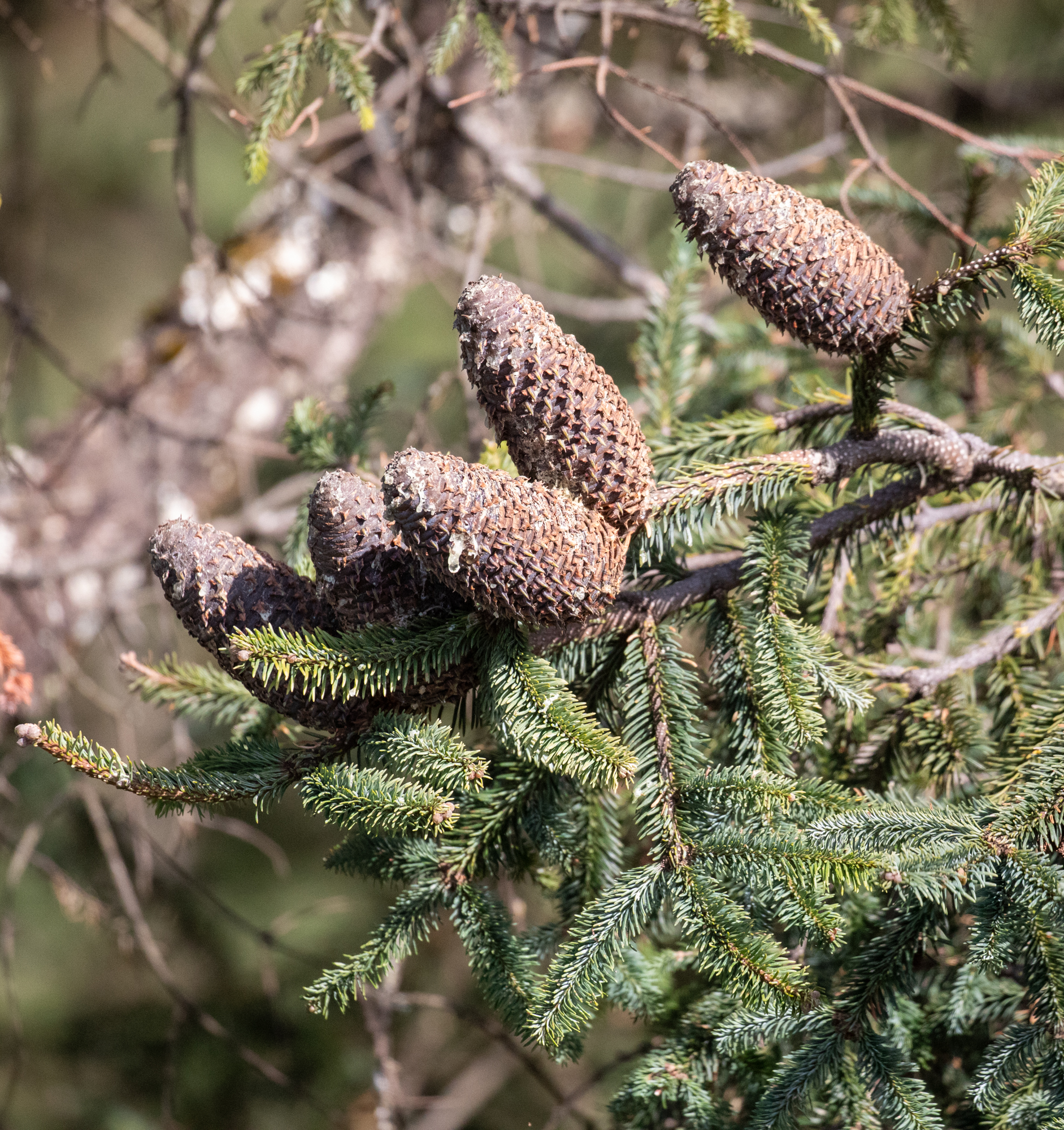
We had two days at two different butterfly reserves. The first was Sierra Chincua Butterfly Sanctuary. As we drove up in our small bus, I was surprised at how familiar the landscape seemed. It had a hint of our North Carolina high peaks with coniferous trees and an herbaceous understory. But with more reflection, I decided it reminded me even more of the forests in the Pacific Northwest dominated by things like redwood, Sitka spruce and the like. Even though it was winter, there were many wildflowers blooming in the understory that, again, reminded me of species we see locally. There were vivid red pinapple sage flowers (the color reminiscent of cardinal flower) and lupines, among a variety of others. And the oyamel firs, taller than our Fraser fir or red spruce, actually reminded me of eastern hemlock with what seemed to be softer needles on the drooping branches of tall trees. But they did have those “friendly fir” upward-pointing cones!
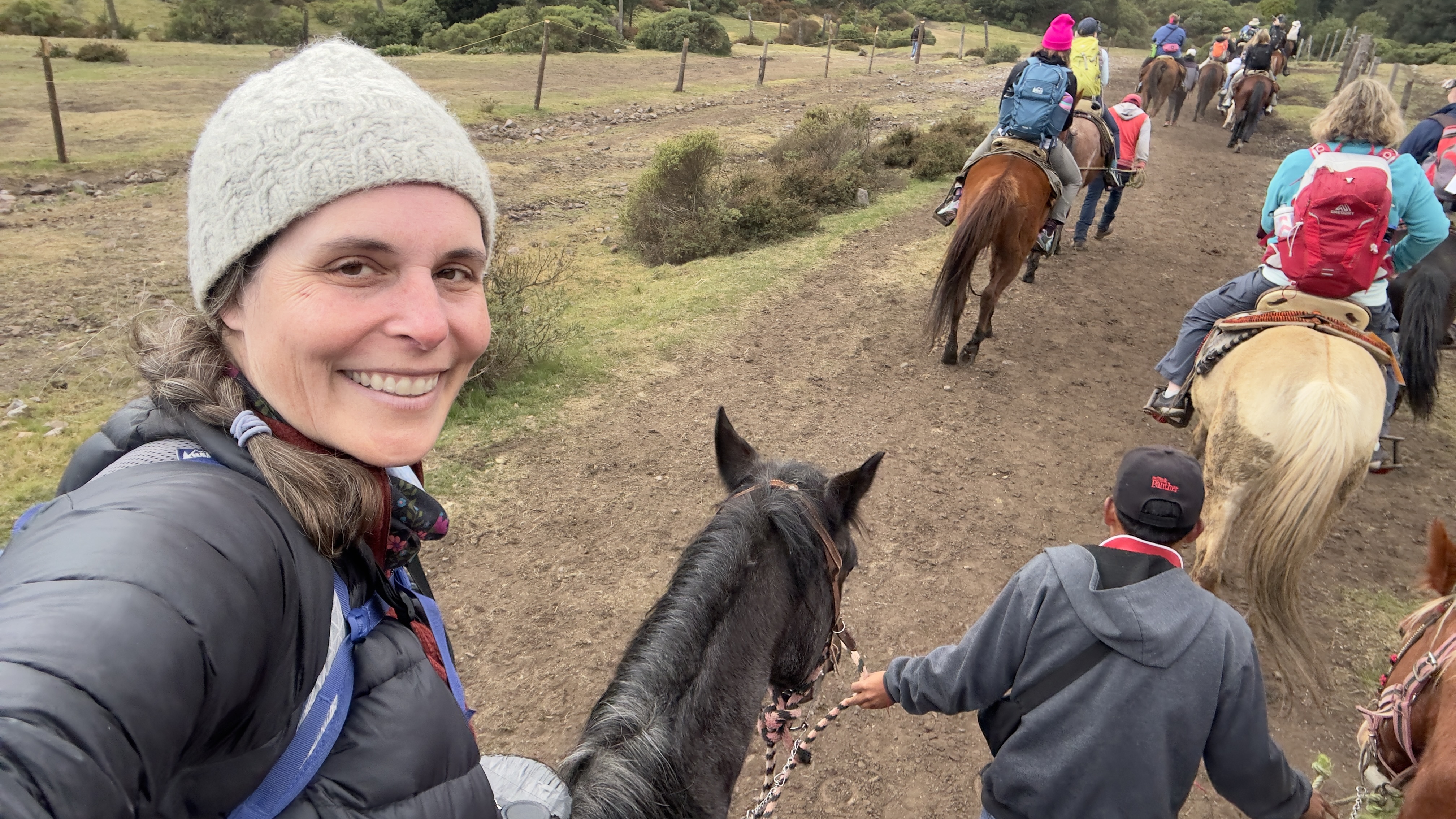
To get to the monarch roosting site, we rode horses led by local guides (who were, of course, walking the trail at a much faster pace than I would have been capable of). This was a bit scary for some of our group, but I loved it! (Note to self: make friends with people who have horses in Montana.)
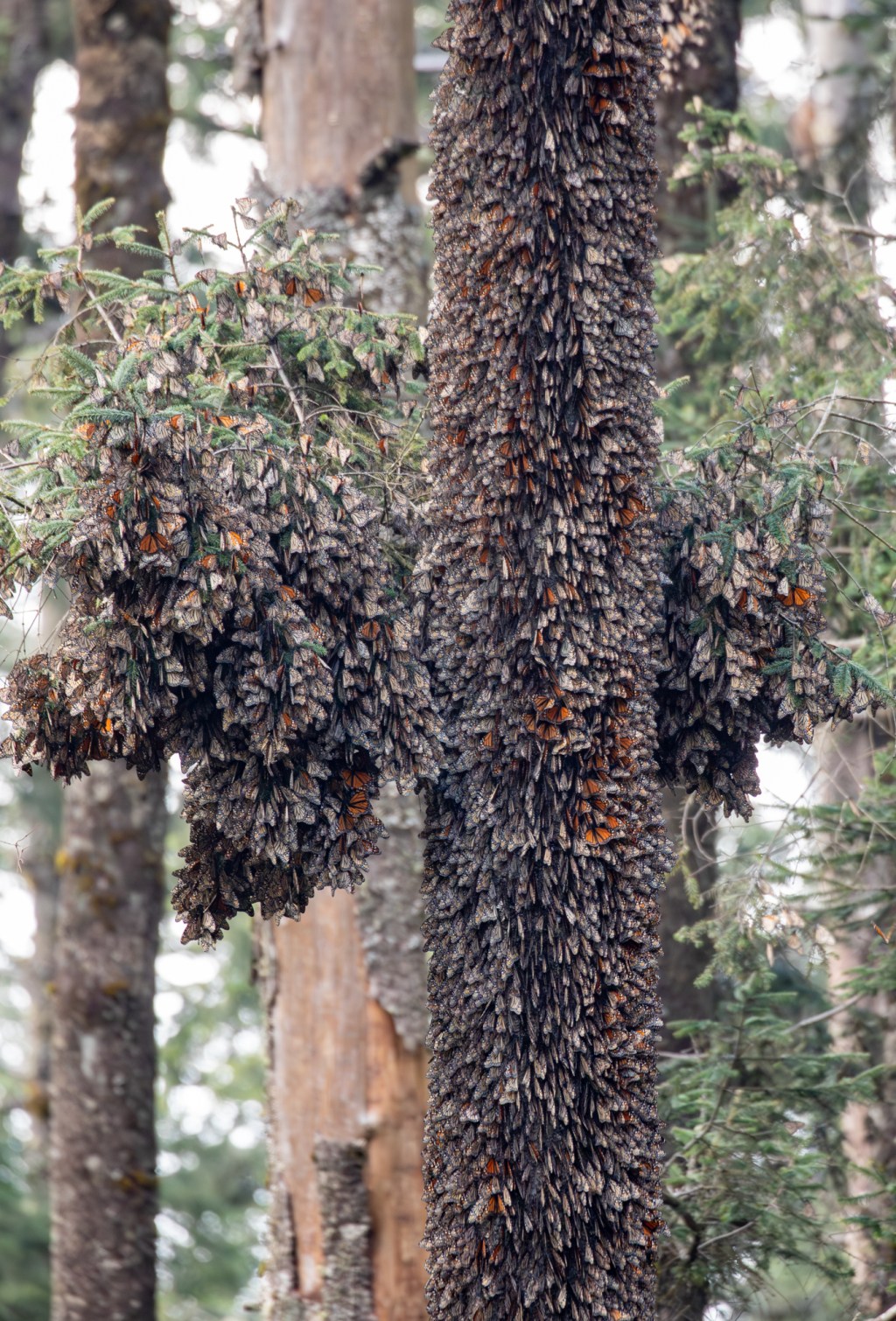
The last half-mile or so was a walk along a trail, with multiple stops to look at wildflowers (definitley not just to catch our breath). And then we walked into a grove filled with monarch butterflies roosting with wings folded, almost on top of one another, covering the branches and trunks of fir trees.
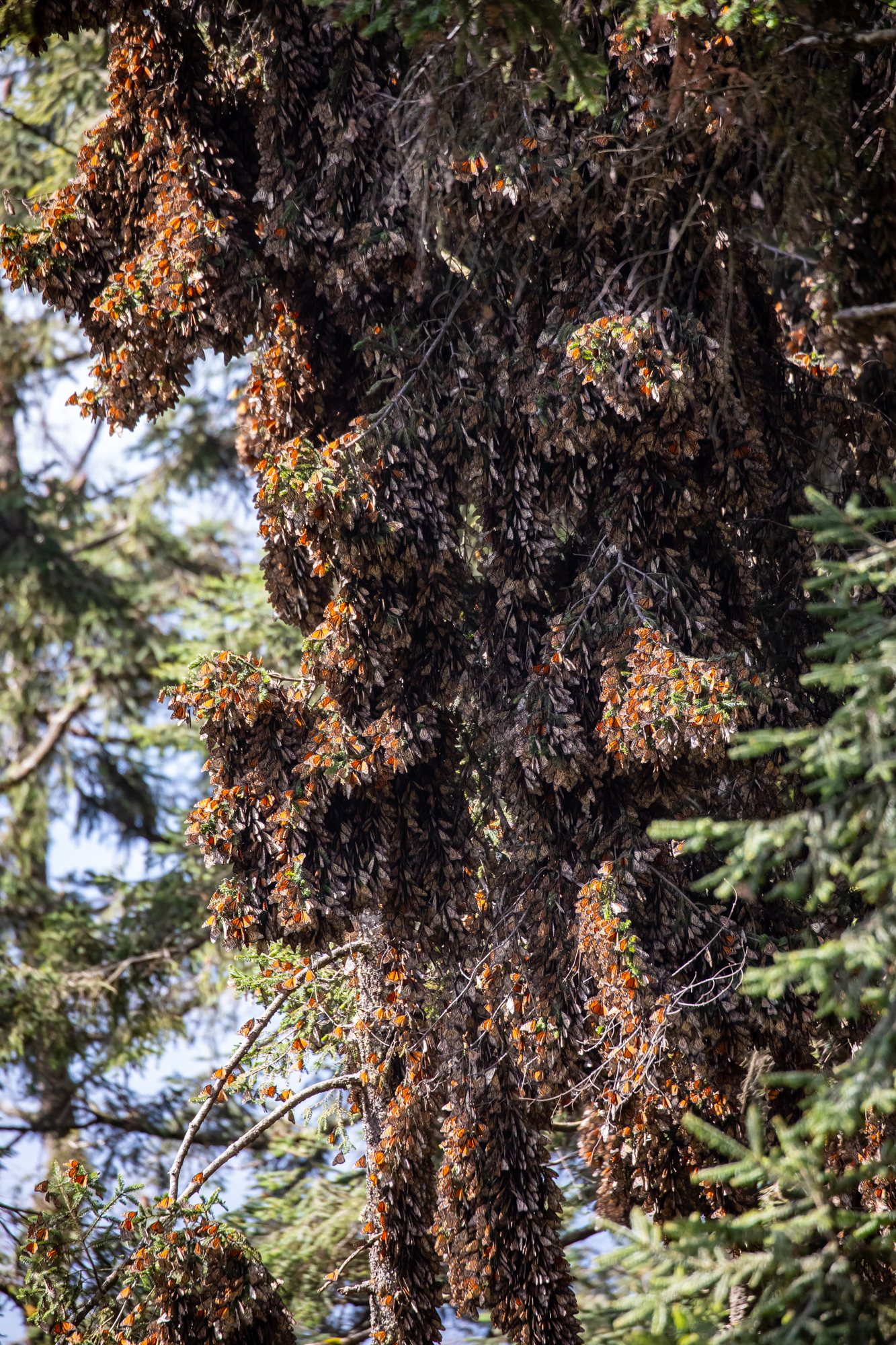

Though we’d been in the sun for most of our drive to the reserve, as often happens in North Carolina’s Black Mountains, the tall peaks at Chincua made their own weather. For the majority of our time at the roosting site, the sun was covered with clouds. But for a few magical minutes, the sun came out and thousands of monarchs seemed to flow off the trees and take flight.
Though there were a number of people at the site to see the butterflies, everyone was silent nearly the entire time. We heard (and made) whispers here and there… guides quietly explaining the amazing migratory phenonmenon, breaths containing exclamations of joy at the sight. There was also a lot of non-verbal communication going on: pointing to ensure others noticed something special, eye contact filled with meaning (and tears) as we shared the awe of the experience. A poignant moment for me was when I looked across at another group and saw a young Mexican woman with a monarch on her head. I pointed at my camera, silently asking if I could take her picture. She nodded and grinned.
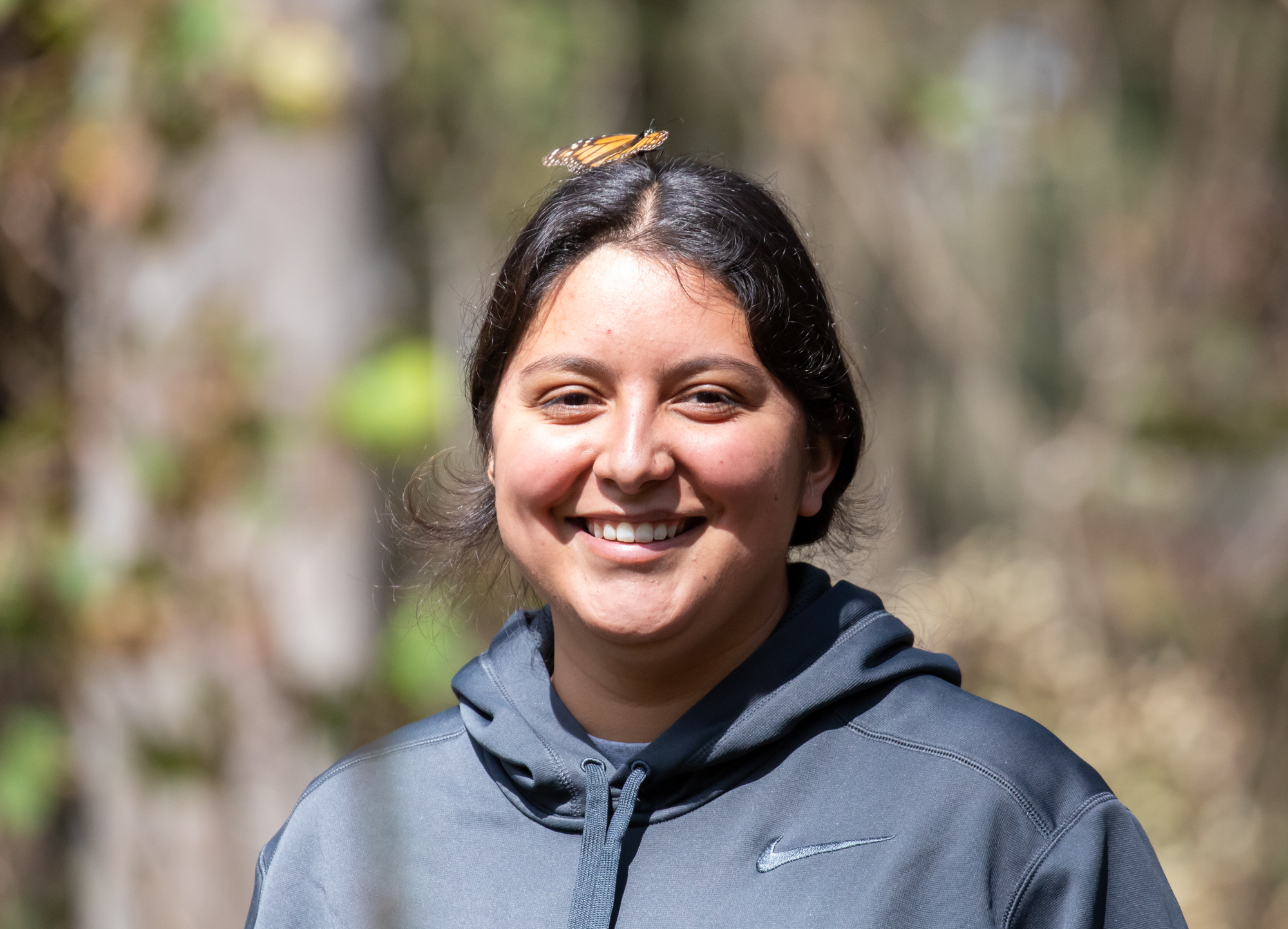
Sitting with the monarchs, I wrote in my journal: “It is a pilgrimage.” Pilgrimage can be defined as “a journey to a sacred place.” Whether by plane, bus, and horse as our group traveled from North Carolina, or by car and foot as many of the Mexicans we shared this experience with came, the word pilgrimage perfectly describes our experience. Because, in the quiet of the oyamel fir grove with the sound of butterfly wings like a breeze on the air, we were truly in a sacred place.


 Roads End Naturalist
Leave a comment