
…I seek the darkest wood, the thickest and most impenetrable and to the citizen, most dismal, swamp. I enter a swamp as a sacred place…I seemed to have reached a new world, so wild a place…far away from human society.
~Henry David Thoreau
My last trips to the magical swamps of the Roanoke River happened these past few weeks. The title of this post is another excerpt from the writings of Thoreau about his fondness for swamps. No doubt, his swamp at Walden Pond was quite different from what we have been experiencing as he was walking and we are paddling for miles through flooded swamp tupelo and bald cypress trees. But the feelings these underappreciated environments evoke are the same – wildness, serenity, and a connection to nature. So, in spite of (or maybe because of) the looming deadline of our move across country, we have spent many recent days soaking in the solitude of this place. This post covers two more recent trips – one with just the swamp queen and myself on the Cashie River and the other with our good friend, Meghan, that went from Williamston to Jamesville.
On our first trip, we camped one night on the Lost Boat platform on the Cashie and explored some side creeks up the river. The wind seemed to be testing us on this trip as we paddled into its gusts much of the two days. But sunset saw a settling and that quiet beauty you can get in such a place.
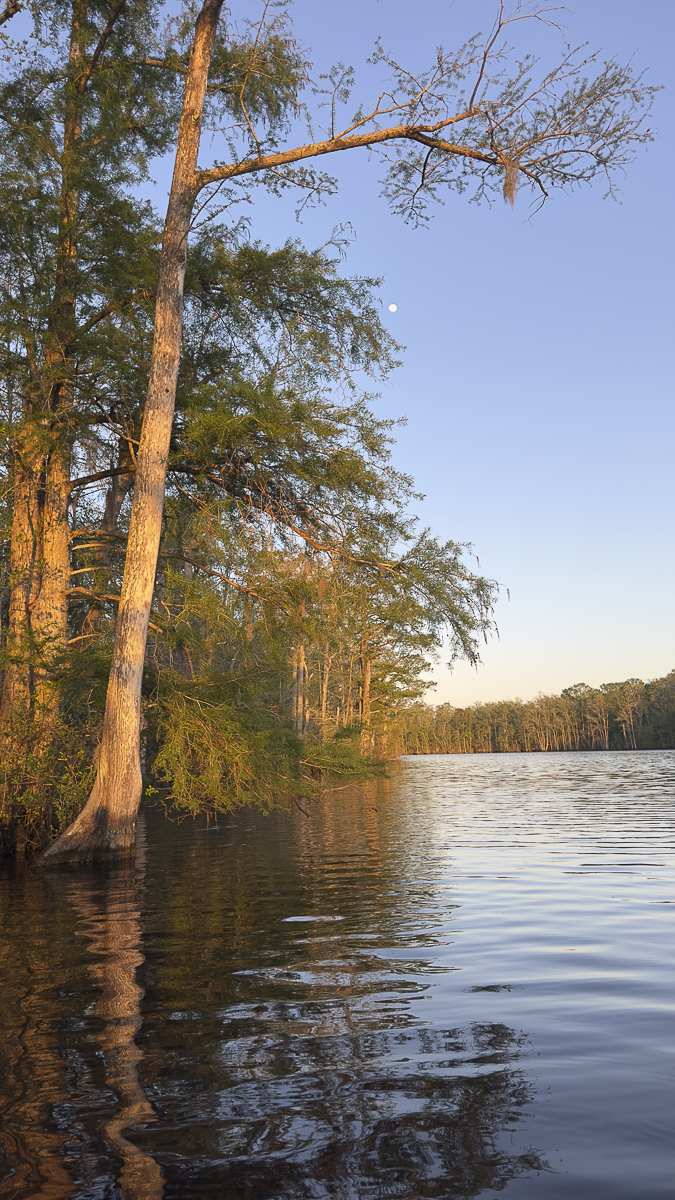
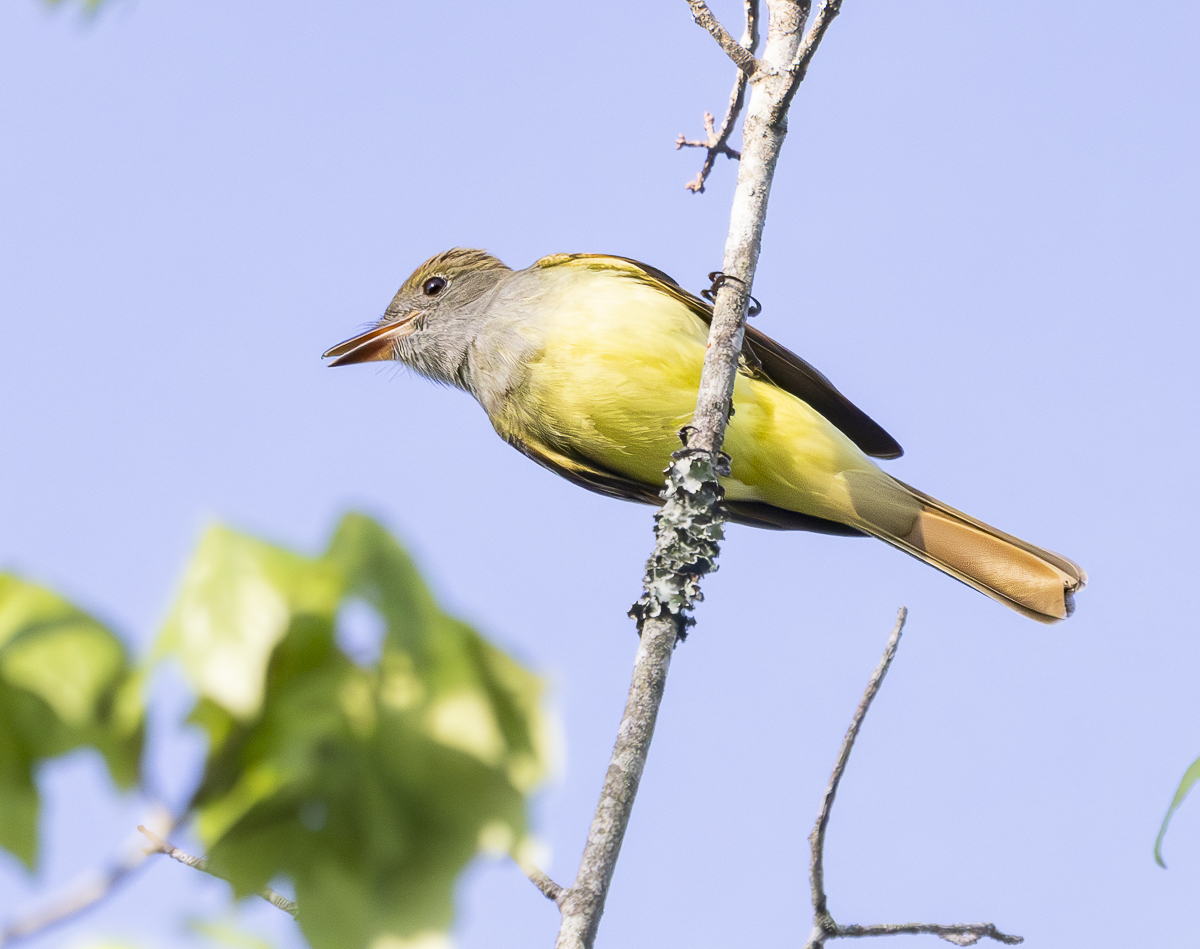
As usual, the barred owls gave us a nice symphony at our platform through the night. The next morning other birds took the stage with a great crested flycatcher being particularly loud over our tent.
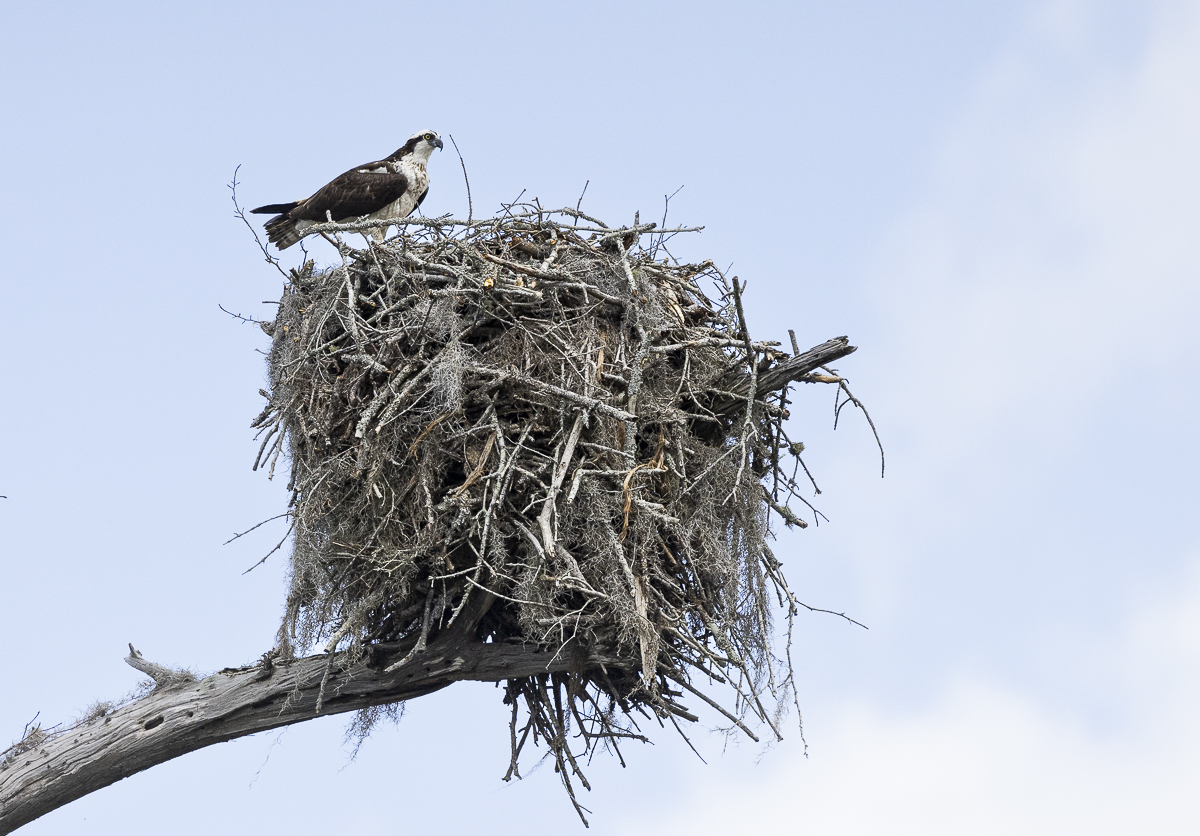
We headed upriver a few miles with an empty canoe to do some exploring (Melissa loves to explore side creeks). Ospreys were quite active and vocal, especially one pair when we paddled past their huge nest that has been there a number of years.
As often happens, we soon spotted a bald eagle in hot pursuit of an osprey carrying a fish. The aerial display of speed and agility was amazing. It went on for quite awhile with the osprey trying every move in the book. The eagle would occasionally fall off a bit but would then kick it into overdrive and get right back on the ospreys tail.
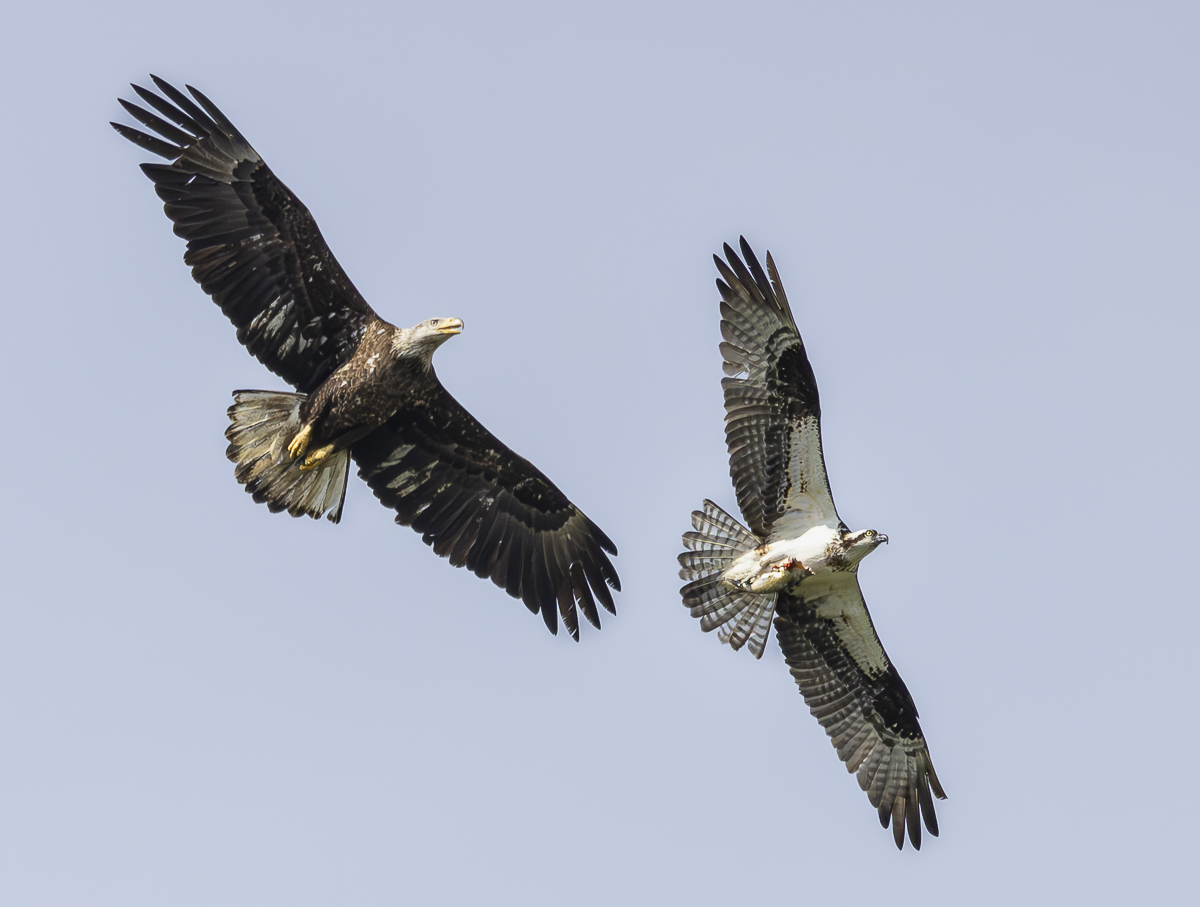
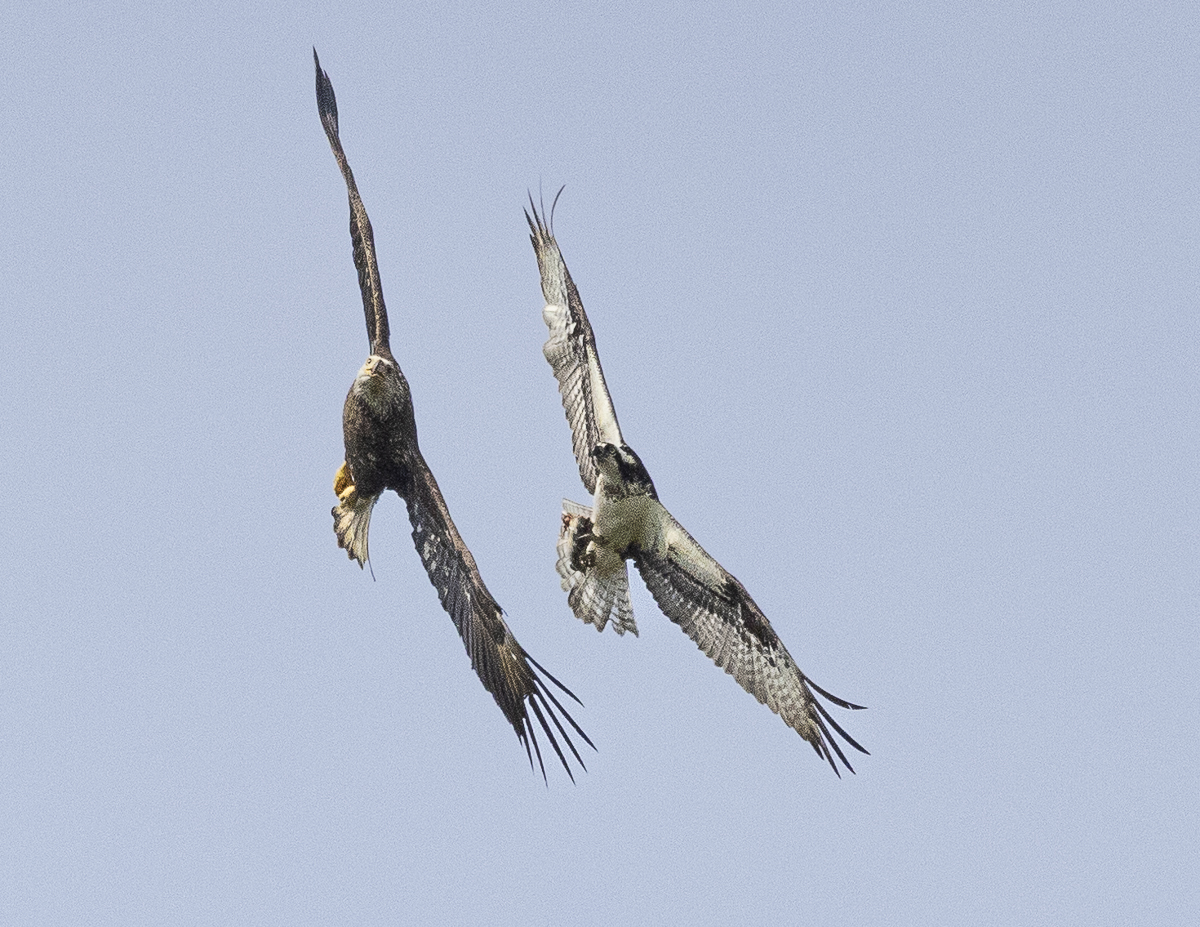
They flew out over the treeline and through the branches we saw the osprey drop its catch with the eagle quickly diving and snagging it mid-air. That’s got to be frustrating for the ospreys!
Of course, there was lots of other bird action as we paddled including double-crested cormorants, a few anhinga, and the sights and sounds of the swamp warblers arriving for the spring breeding season.
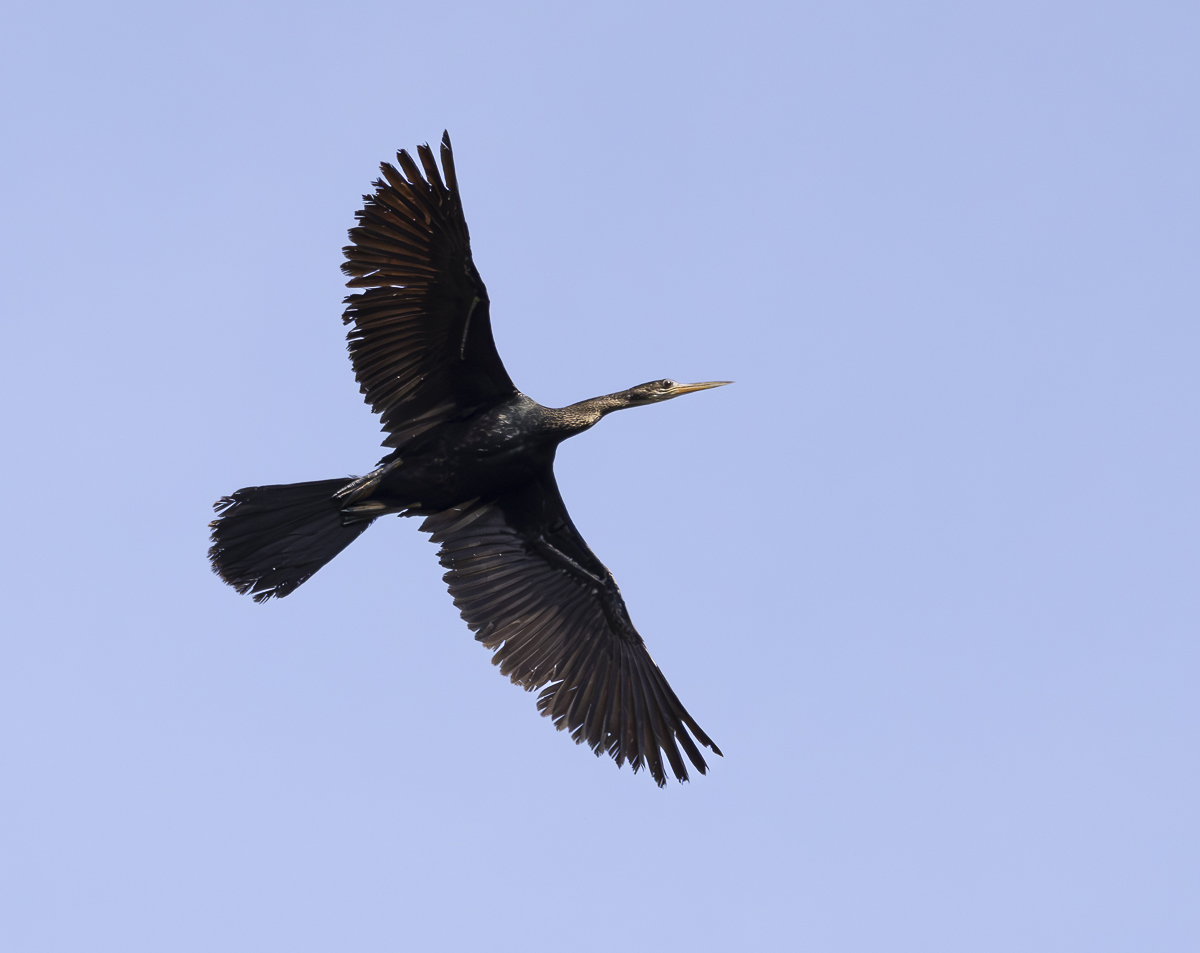
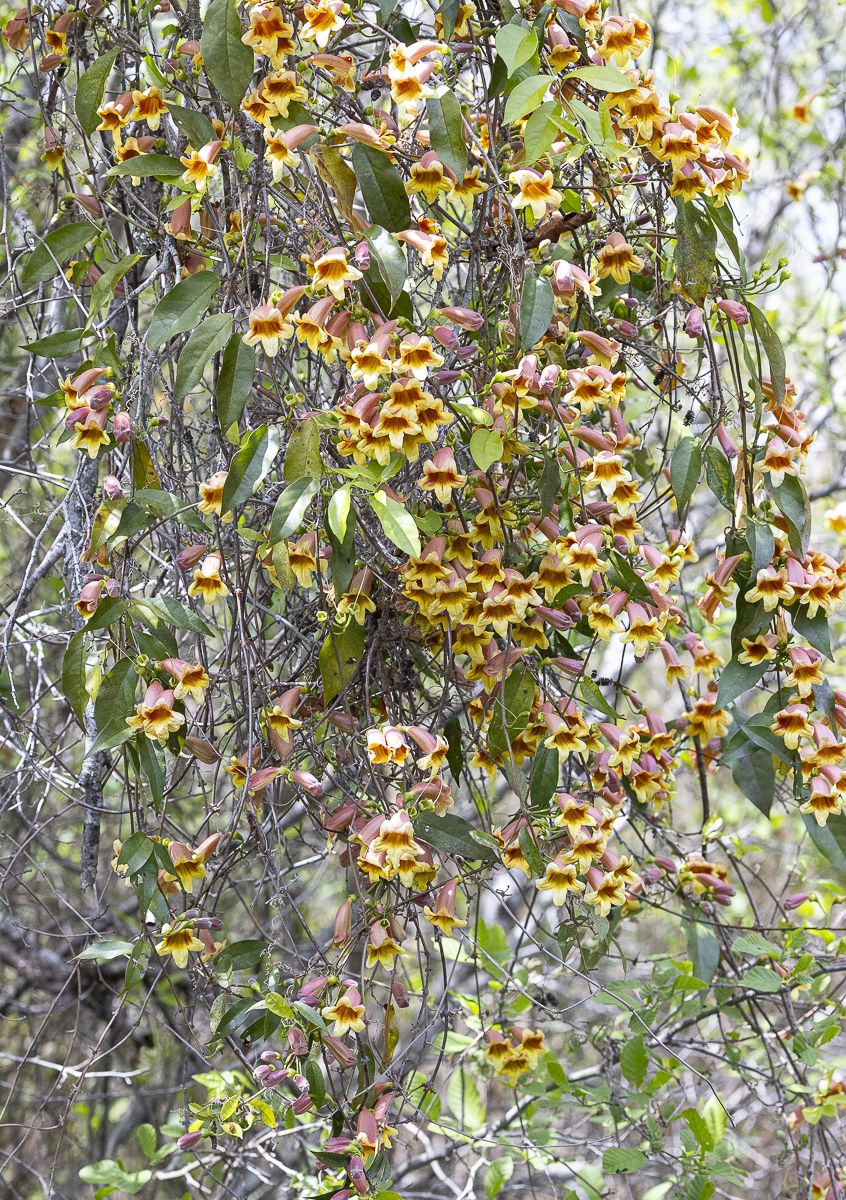
Our slow paddle pace allows us to take in the details of the swamp, to appreciate the greening up of this amazing habitat, and to pick out the textures and colors of this magical world.

The forecast called for heavy rains on that Friday so off we went for a one night respite at home before returning on Saturday, accompanied by our good friend, Meghan, a newbie to the wonders of the swamp.
The plan was to put in at Williamston and paddle with the current through Devil’s Gut, camping at two platforms before taking out at Jamesville on Monday. We drove two vehicles, and shuttled them so we had a car waiting at the NC Wildlife boat ramp in Jamesville. The current was very fast so our first few miles went quickly. We soon pulled into a side creek and beached ourselves on a floating mud mat against the shore to eat our lunch. We hadn’t been there long when a white-eyed vireo appeared and flitted into its nest under construction on a low limb at the tip of our boats! We watched it come and go adding all sorts of material to its nest. Their nests are typically placed low in a small tree or shrub and are suspended between a small fork in the branches. The nest is made up of fine bark, leaves, roots, paper, and is held together with spider silk and decorated on the outside with lichens, leaves, and moss.
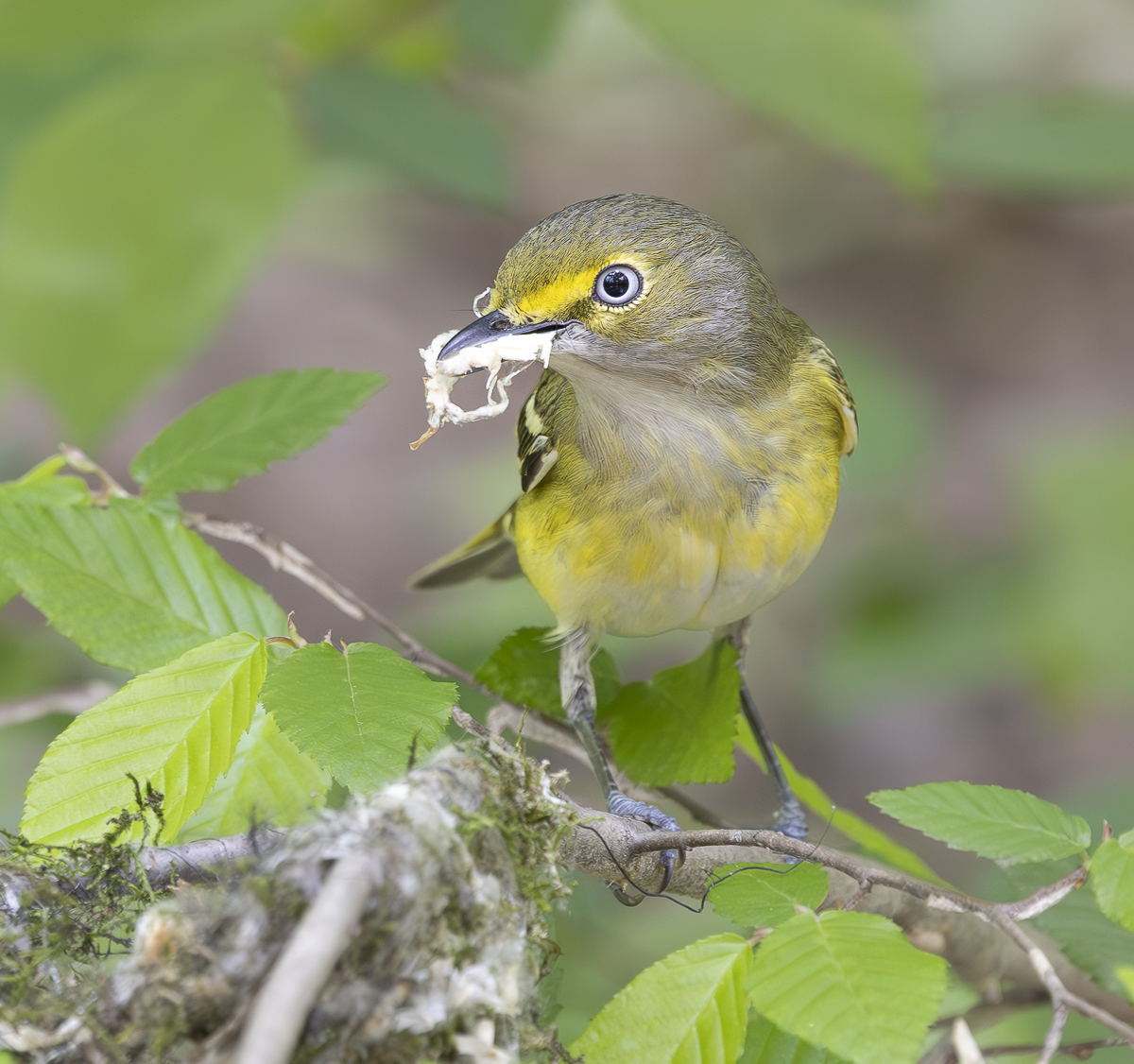
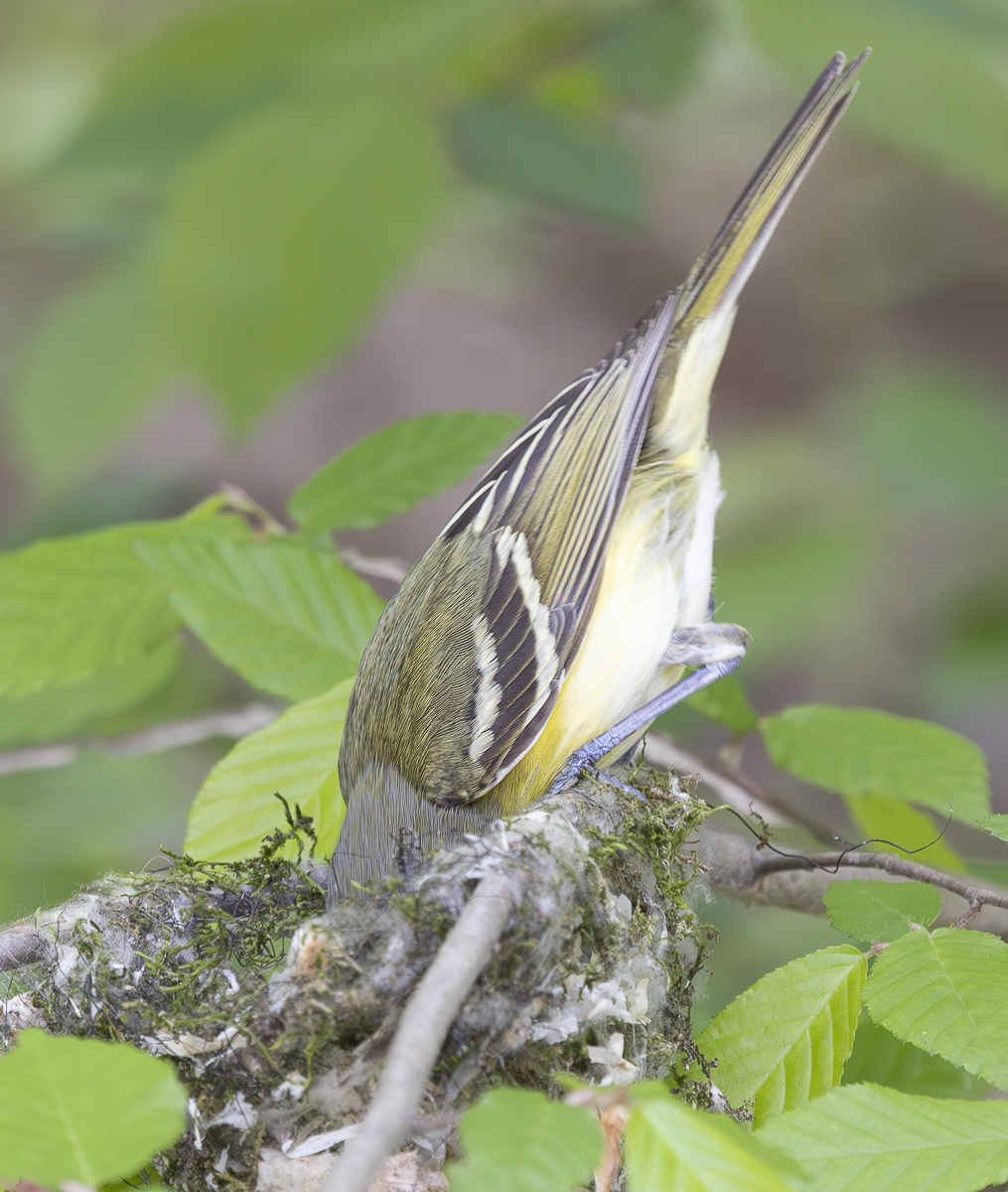
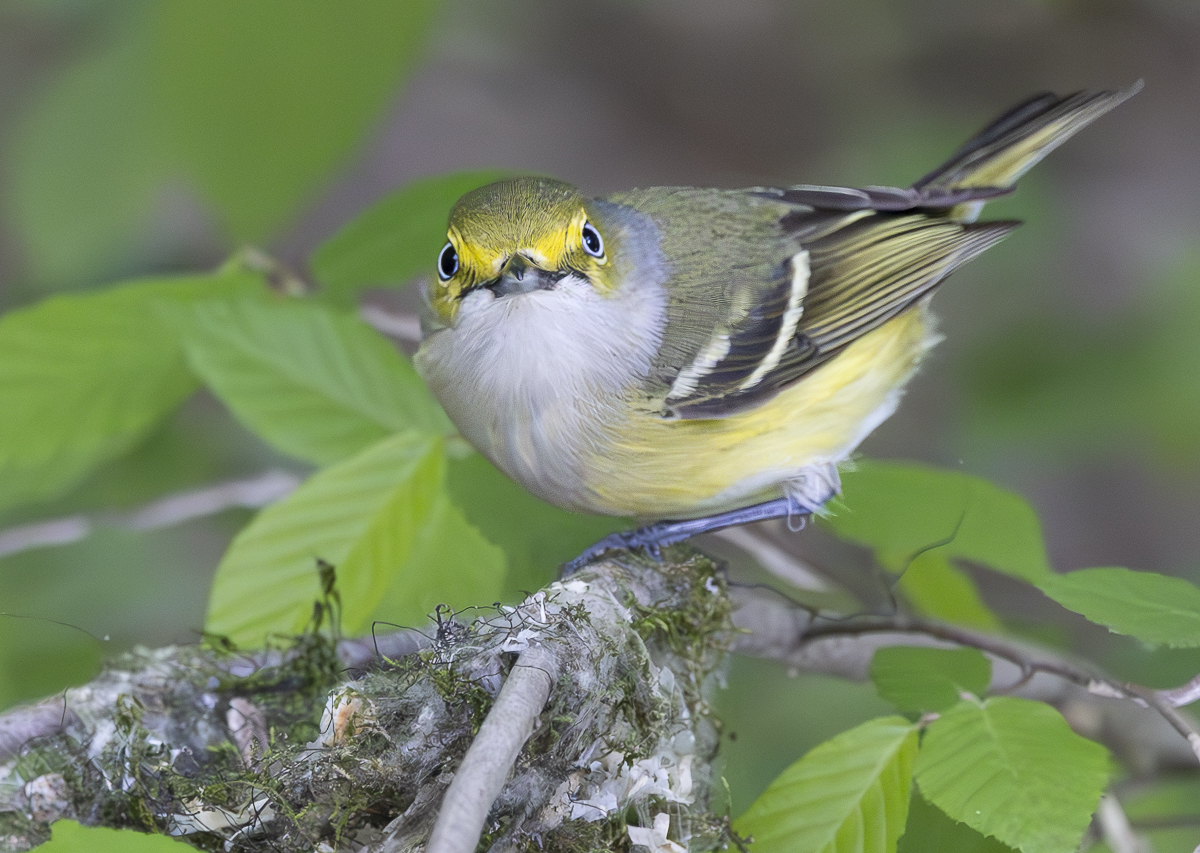
We quietly paddled down Devil’s Gut observing the army of cypress knees along the edges and and listening to the many sounds of the swamp. There were critters too – a couple of wild turkeys took flight up a side channel, a startled beaver did a belly flop into the water as we came around a bend, and a muskrat didn’t see us until we were on it and then hurried into the water only to the swim right next to our canoe in its escape.
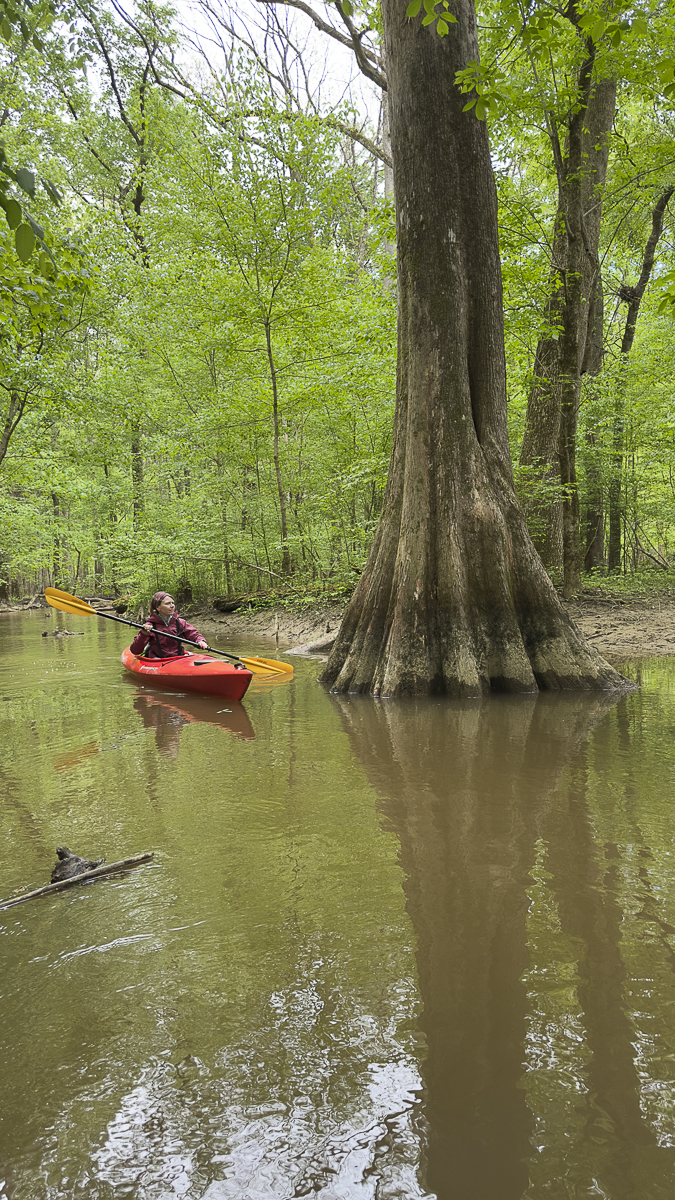
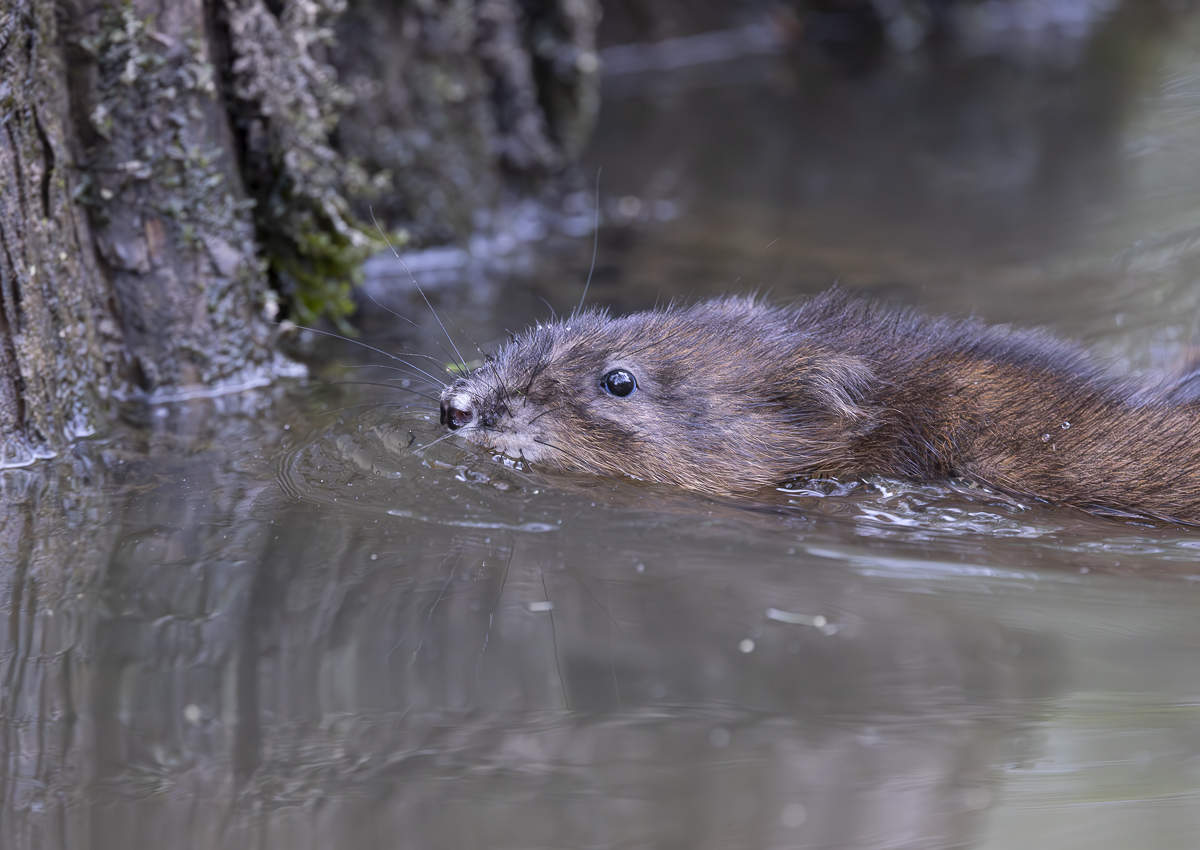
We reached the creek entrance to our first platform in what seemed like record time in spite of our exploring. It had been a chilly day so not much to see in terms of reptiles…tomorrow would tell a different story.
–Paddling Upper Deadwater Creek as we approach the Beaver Platforms (video by Melissa Dowland)
I was the first one awake and was sitting out by the stove with coffee when Melissa walked out of the tent and exclaimed “there’s a raccoon in that tree”. I couldn’t see it from my seat but somehow I had missed it when I first got up (she always seems to spot things now that I miss:). Sure enough, nestled in between three trunks coming up off a tupelo gum stump that had probably been cut decades ago was a curled up ball of fur.
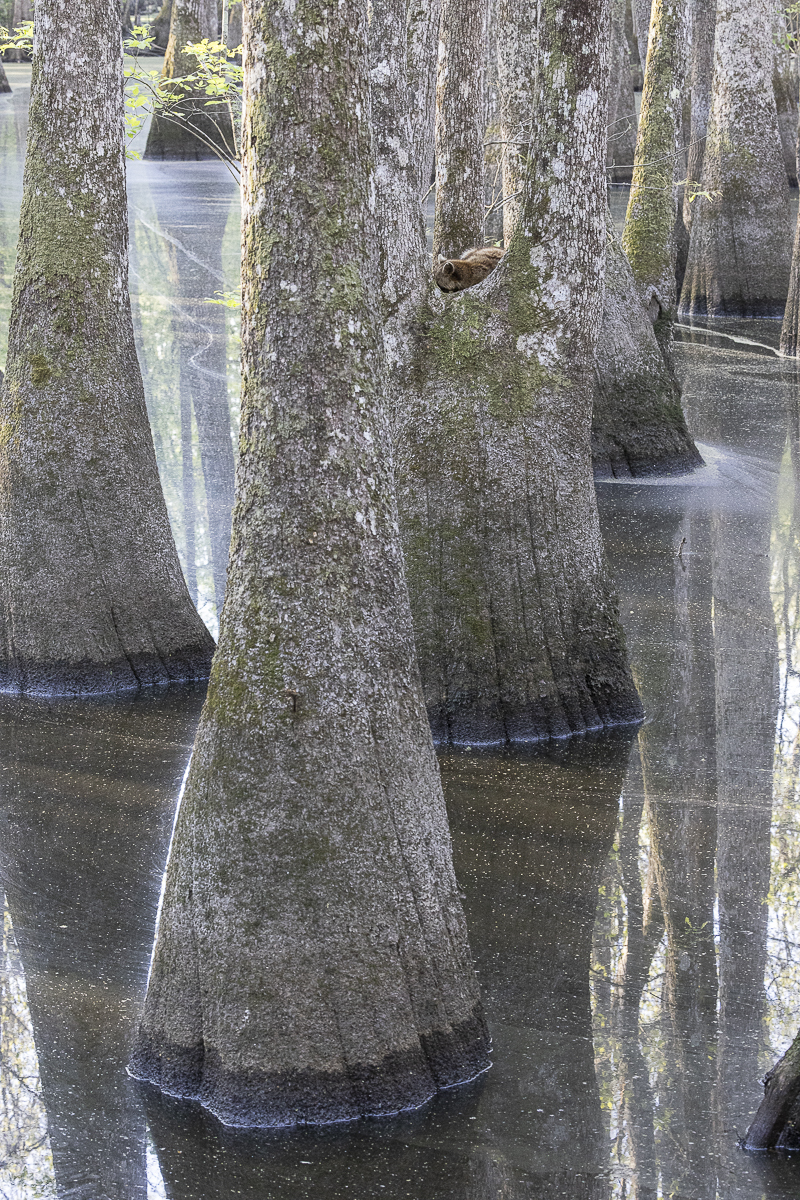
We all took way too many photos of this cutie while we sat and ate breakfast and talked about our trip. Every now and then the raccoon would curl up a bit tighter, presumably trying to shut out the sounds from its noisy neighbors. Once in a while it lazily looked over and we all grabbed cameras to get a portrait.
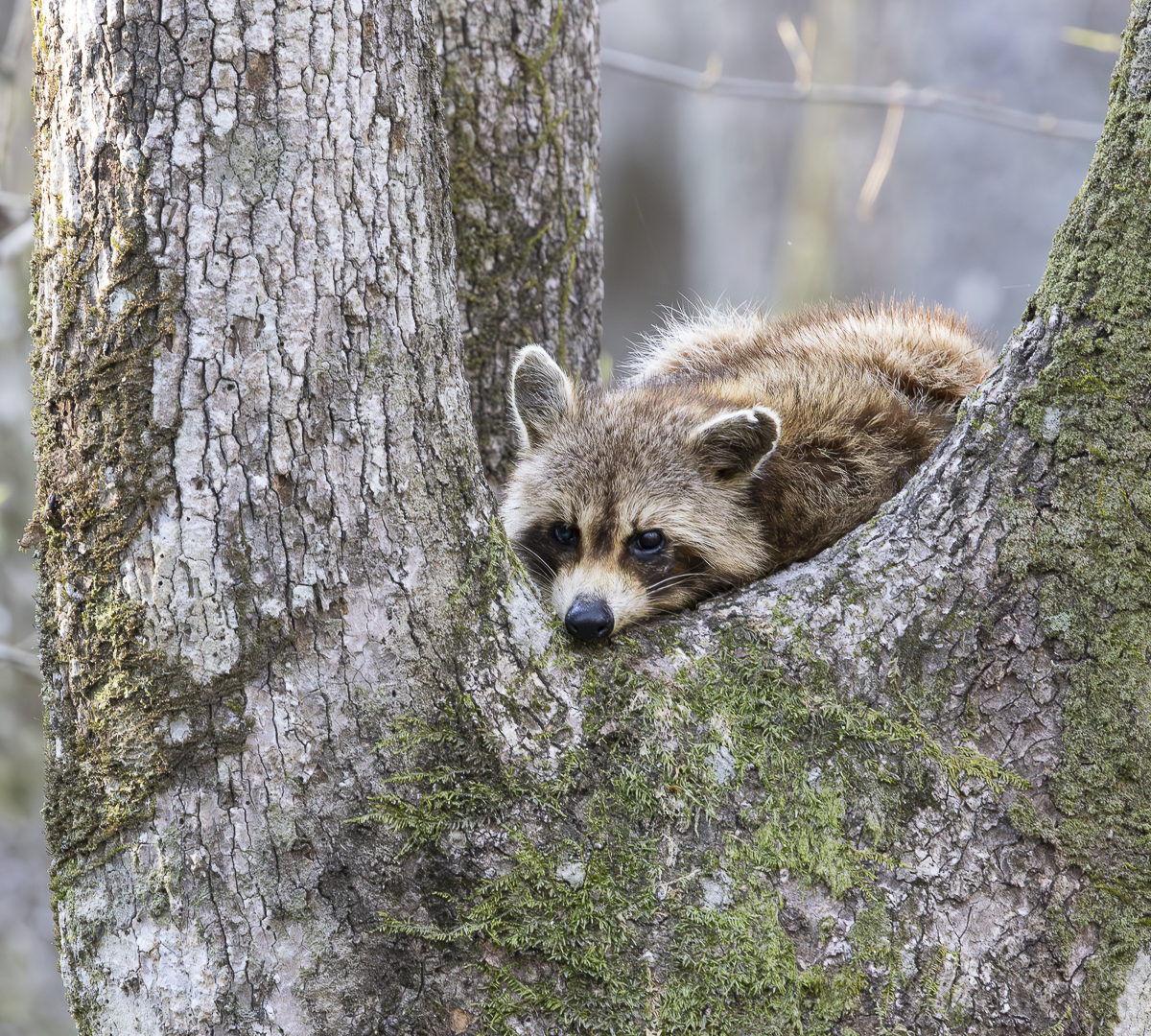
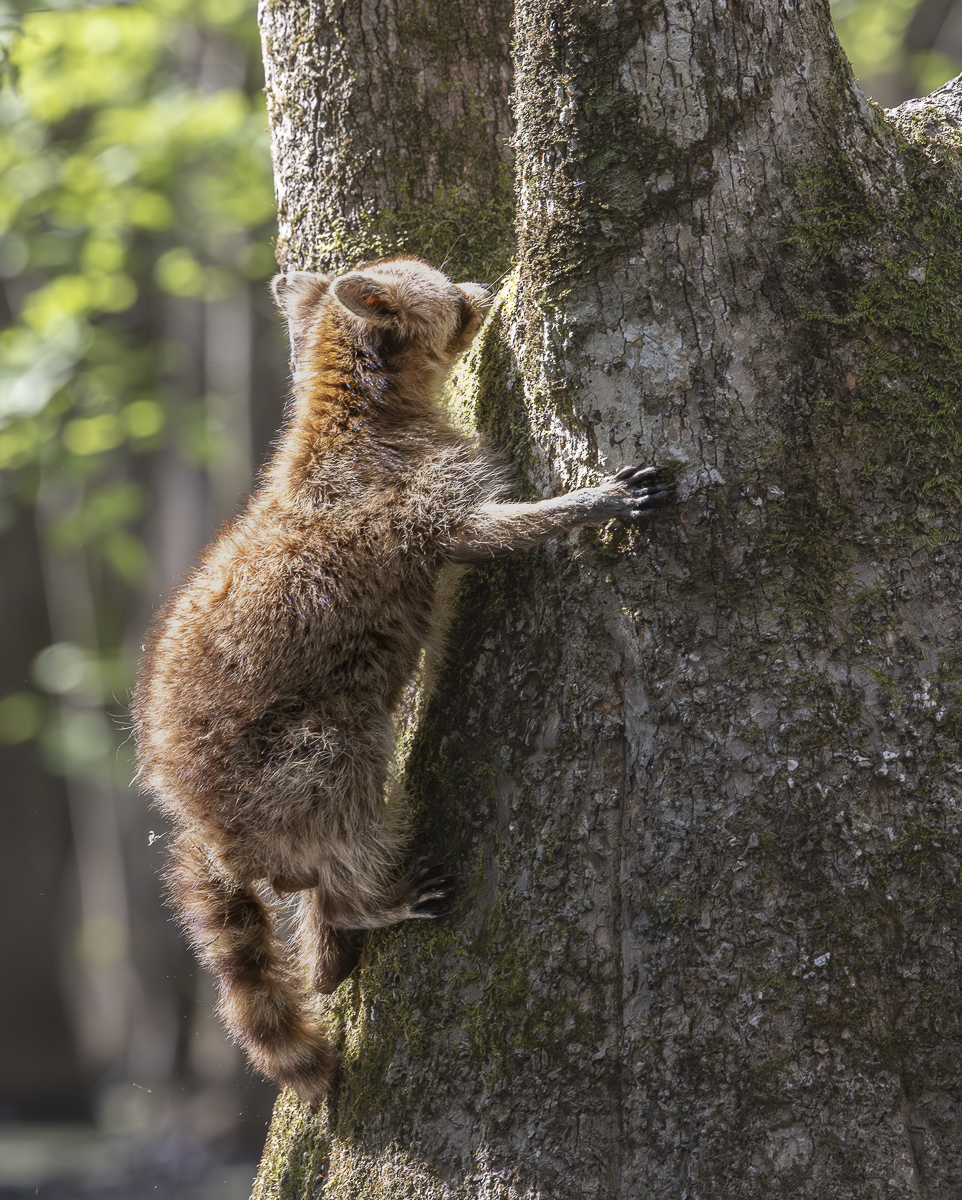
Meghan said she thought she had heard something scurrying around during the night, but our hanging trash had not been disturbed and we have never had any issues with critters on the platforms in all our years of visiting. But when we got home and were unpacking, I noticed paw prints on our plastic tub that contained our camp kitchen supplies. That little rascal had definitely been on the platform and checked things out but had thankfully not gotten into anything.
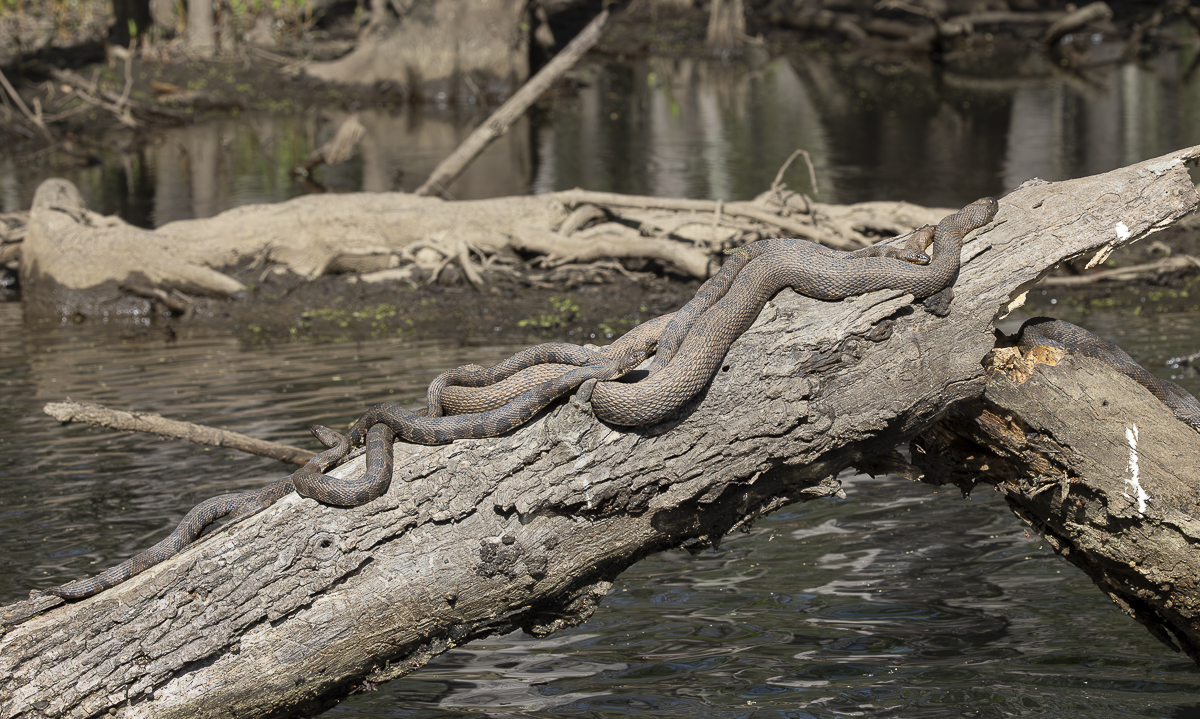
Our last day was much sunnier and warmer and that changed the activity on the water…especially the birds, turtles, and snakes. We headed downstream to the Barred Owl platform and were greeted by a large number of the self-proclaimed guardians of logs and stumps, the brown watersnakes, Nerodia taxispilota.

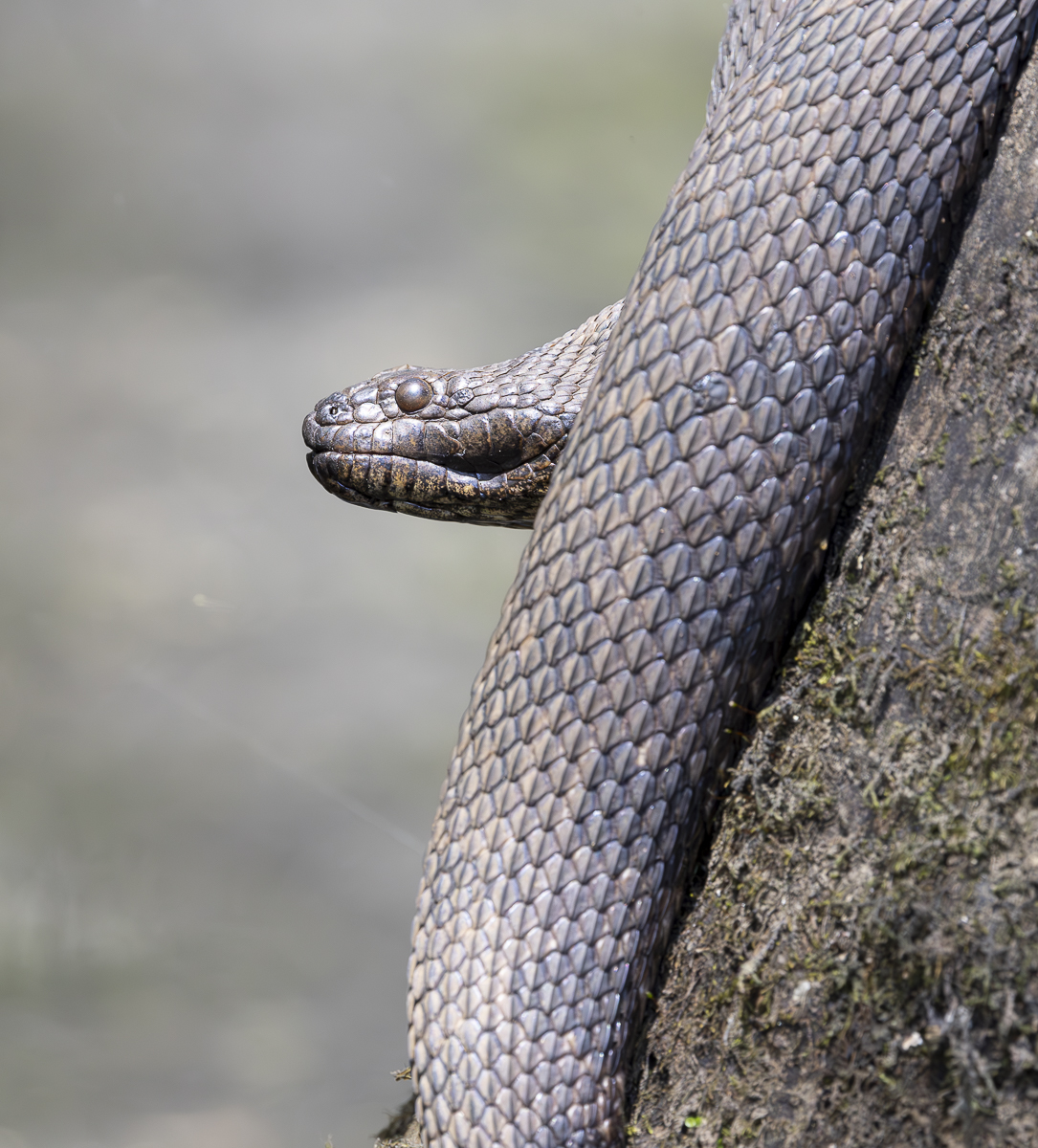
It is mating season for these common snakes and we started seeing what we called “snake wads” on several logs. More correctly called mating aggregations, these were groups of snakes, often 7 or 8 together, intertwined in one spot. There was usually one large female with several small males in attendance. We started counting snakes along Lower Deadwater Creek and came up with 38 brown watersnakes in a little over a half mile of creek. Impressive!
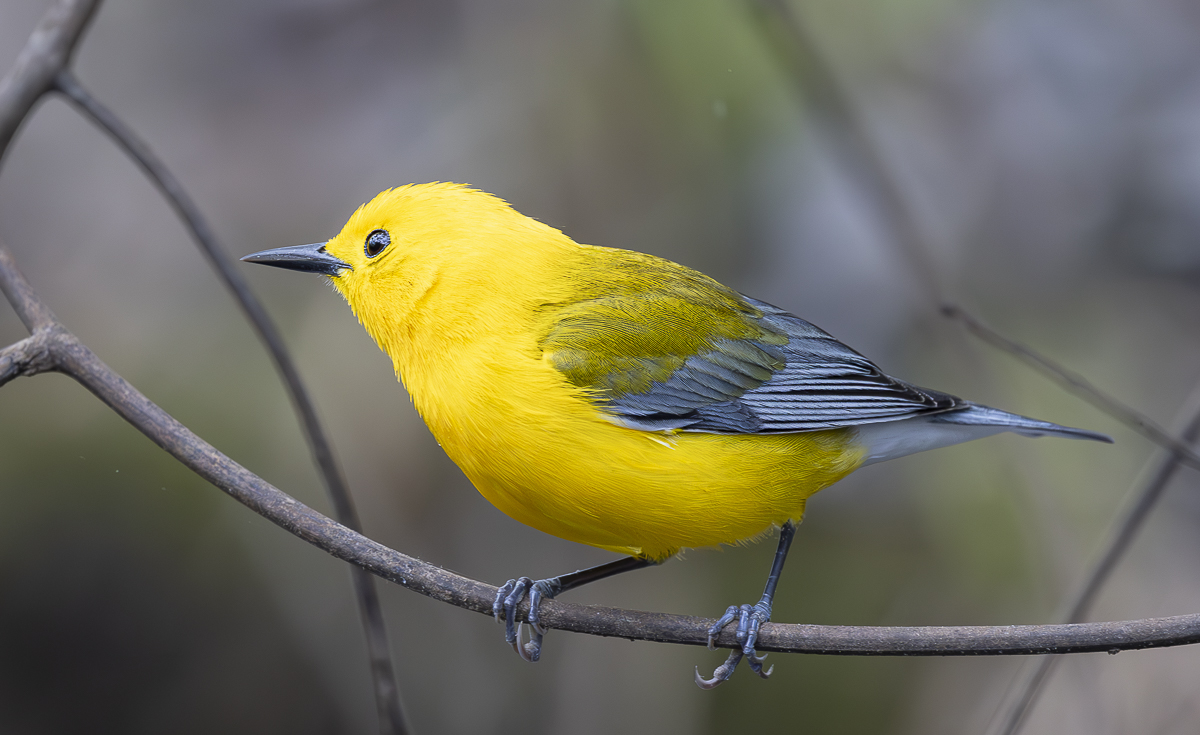
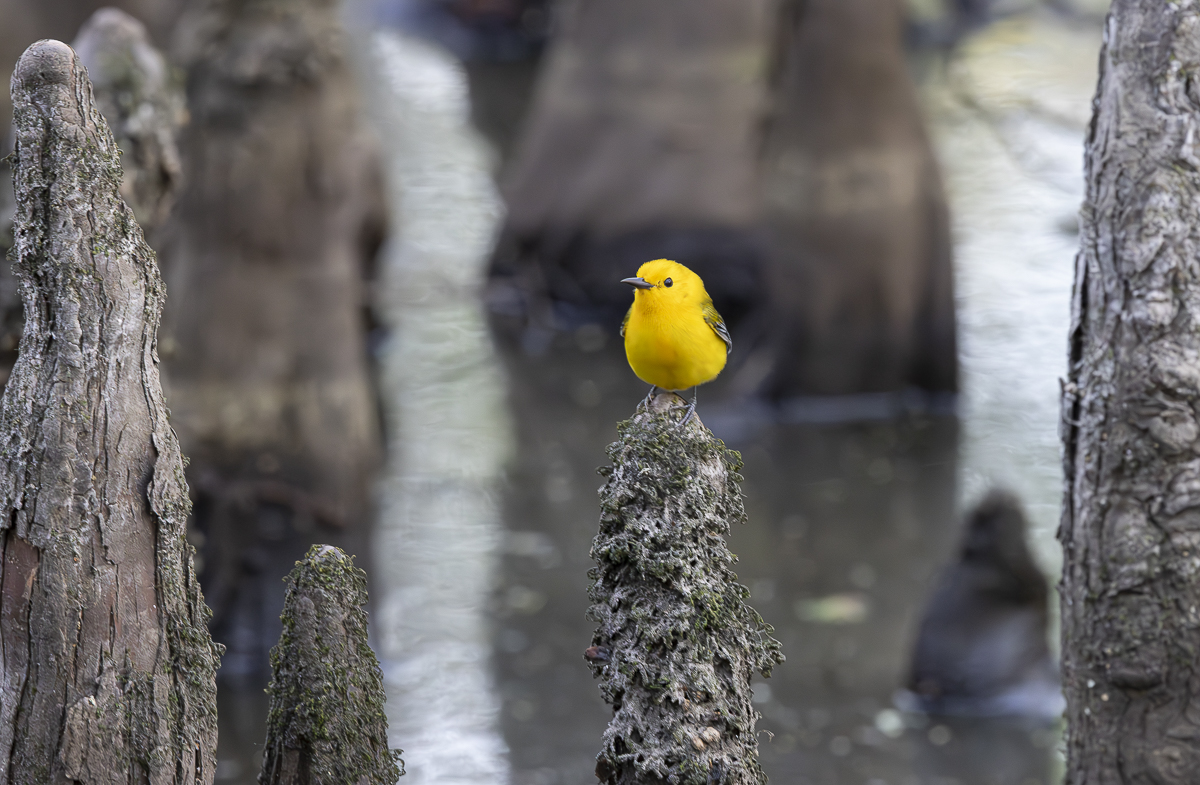
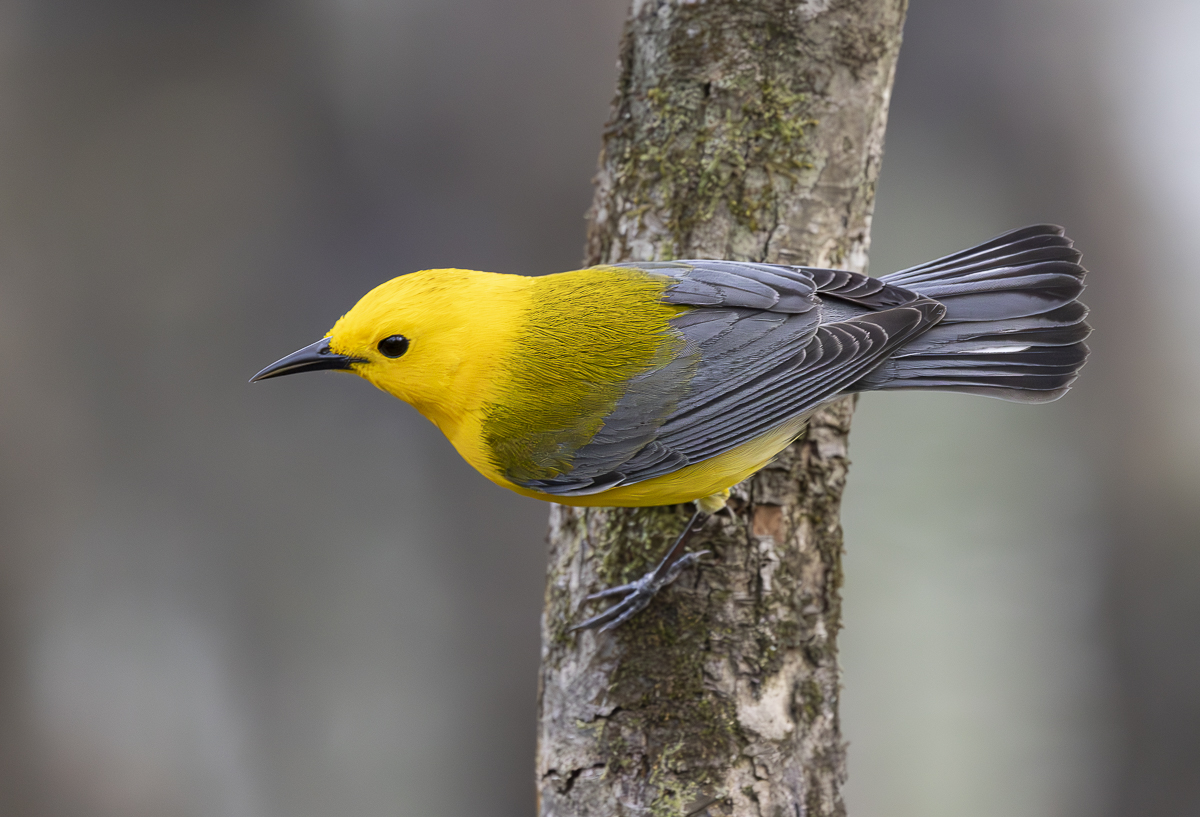
All day long we heard warblers and other birds calling from the trees and all day they managed to stay out of reach of my camera. Finally, as the sun was setting and the swamp was turning into its evening shades of grays and browns, a brilliant flash of yellow arrived next to the platform – a male prothonotary warbler. Turns out there were two vying for territory and this one guy chased and sang and then sat on a cypress knee for several minutes, affording me the opportunity to try to get an in focus shot in the dimming light.
One other critter that was with us on both platforms was the forest tent caterpillar. This is an insect we have seen most springs on the Roanoke and one that can be incredibly abundant. It is a close relative of the Eastern tent caterpillars we see elsewhere in the state in early spring that build the silken webbings in the forks of trees such as wild cherry. This swamp species does not build the tents but is a free-roamer and tends to occur in large clusters, especially on the swamp tupelo trees. Everywhere we went we saw them climbing any vertical surface (including all the corner posts on the platforms) and dropping down from the treetops on silken strands onto everything. I saw hundreds of them just on and around the platform on our last morning. I can’t imagine how many are just in this section of Devi’s Gut but it has to be hundreds of thousands and they can and do defoliate entire sections of the swamp. We wonder what long-term effects this may have on the trees, but I’m sure the caterpillar buffet provides a bounty of food for fish, birds, and other swamp wildlife.

On our last section of Devil’s Gut before hitting the river proper, we were trying to find a barred owl nest cavity that was spotted a few years ago. We stopped and looked for cavity trees in several locations and Melissa finally saw an owl staring down into the shallow waters off a side channel. The bird dropped down and then flew up to a branch and started eating. We weren’t sure what it caught until we looked at blown up images on our cameras – it was a large crayfish.
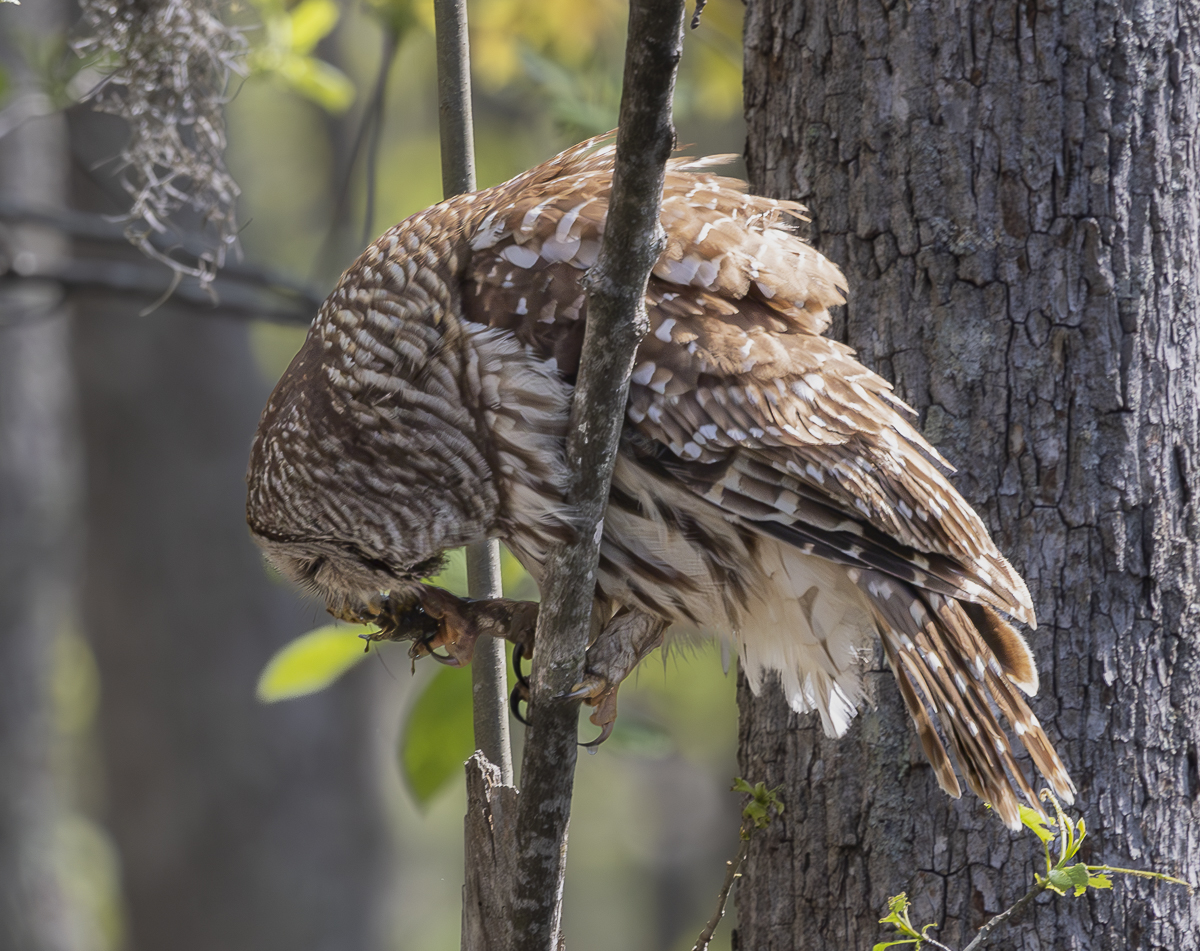
It then flew off. We sat for a few seconds and Meghan saw the bird fly back and appear to disappear. We paddled back in and eventually saw feathers in a hole in a tree. It was tough to tell what was going on but it seems as though the owl was sitting on a nest inside that hollow but had very little room to maneuver. On her next trip with friends a few days later, Melissa confirmed the owl was still there and had two chicks.
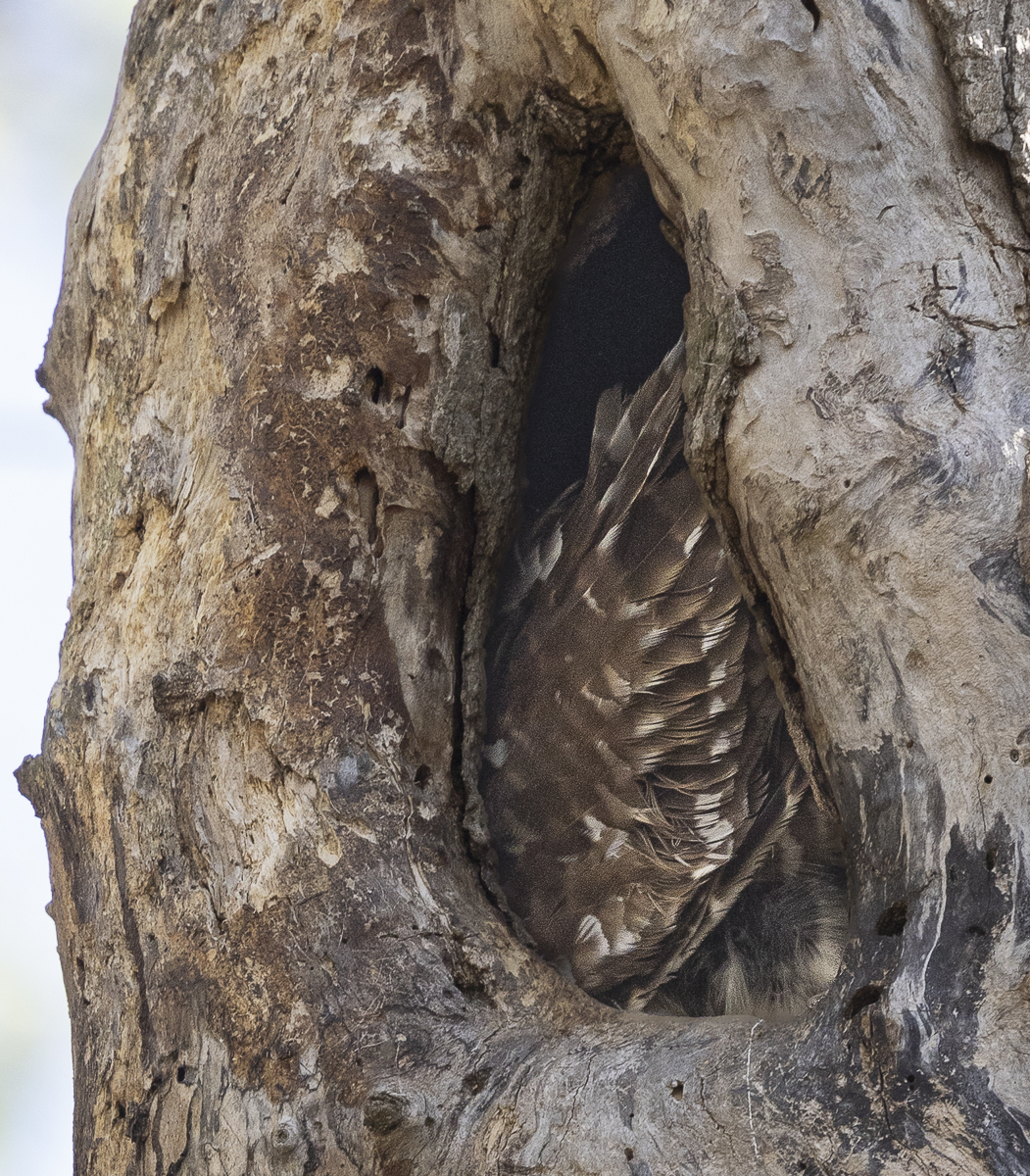
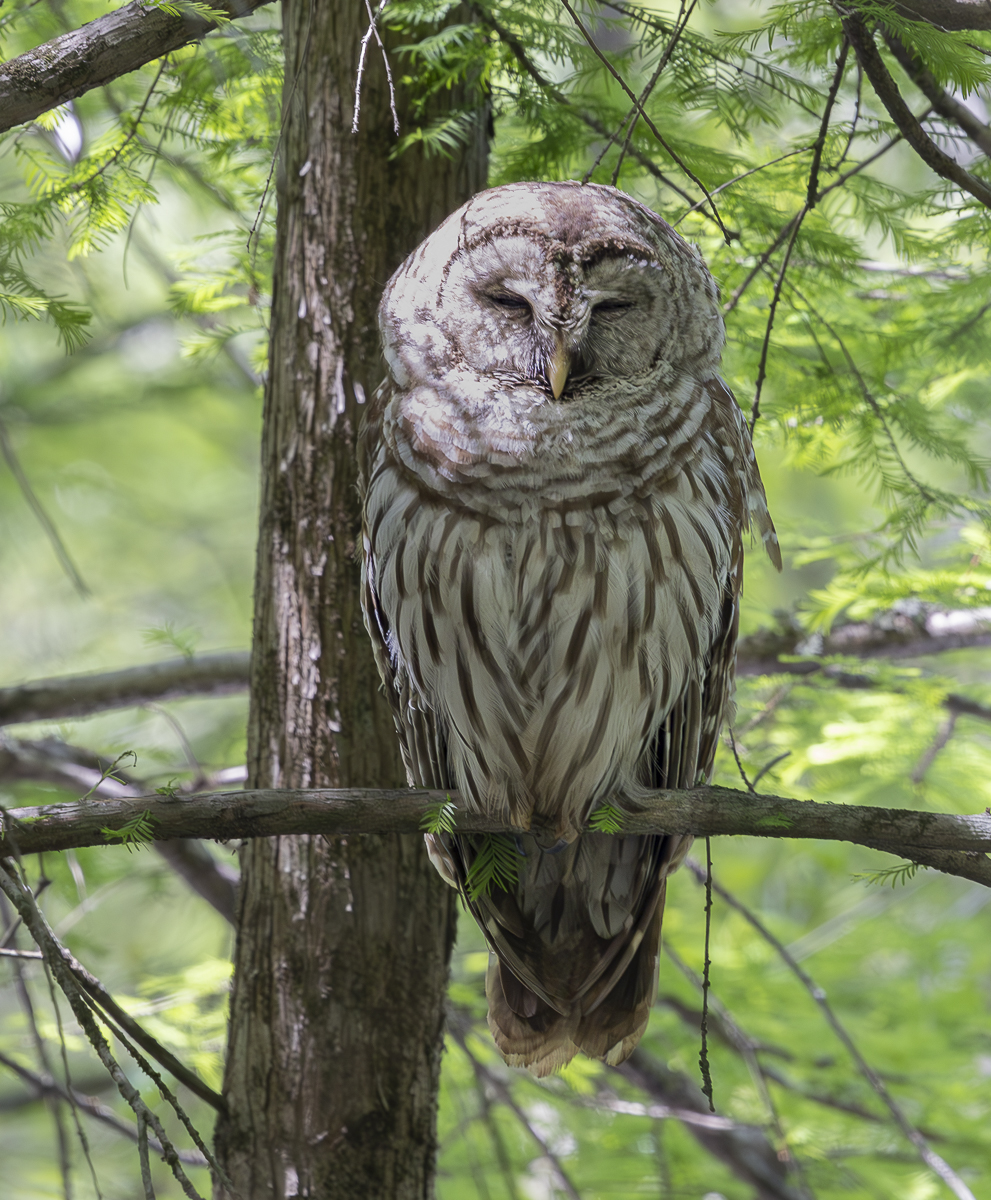
From there, it was a short paddle out into the Roanoke and down to the boat ramp. We loaded up after doing the return shuttle of vehicles and headed home. Meghan had spotted an owl perched in a roadside swamp during the shuttle so we stopped and took a few pics as we passed by…a fitting end to our trip.
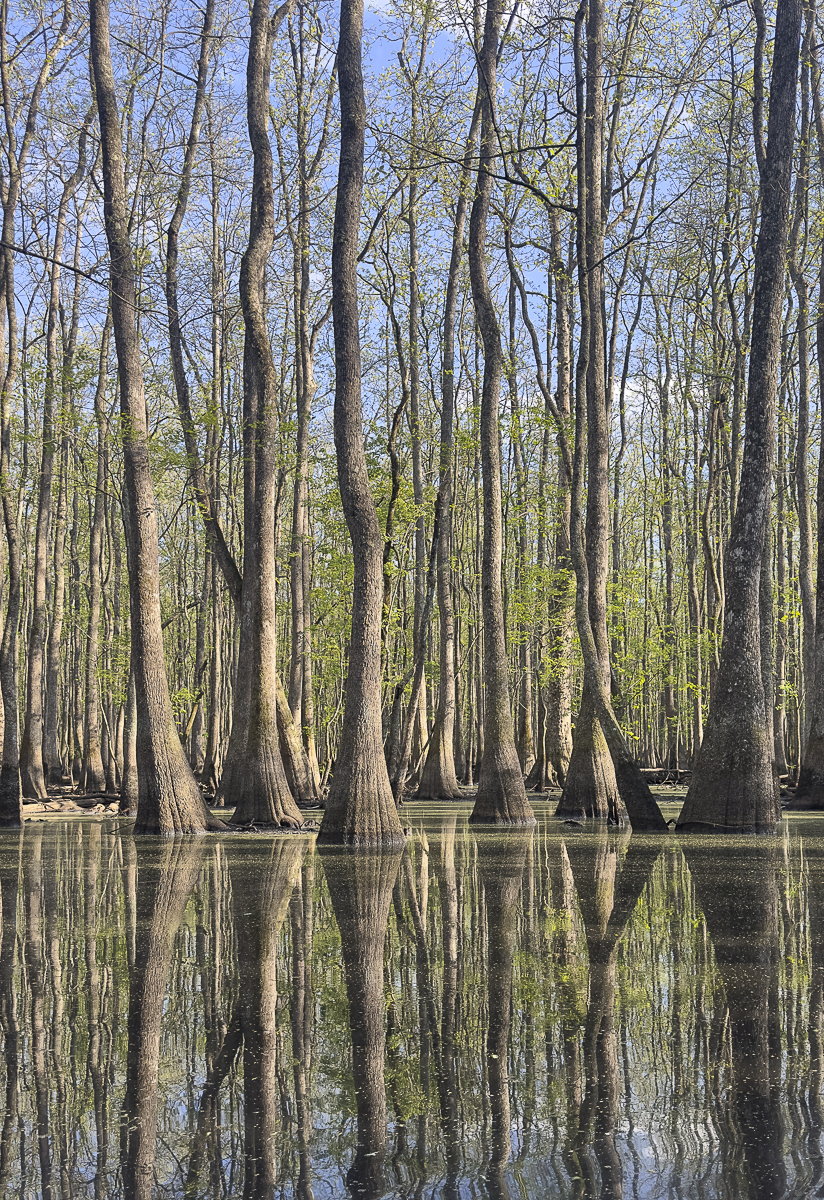
It was both a wonderful and a sad trip for me as it would be my last. We had plans to go with friends one last time but I had pulled a muscle in my back so I opted out and stayed at home. Melissa went back a few days later and I’m glad she did..she is the swamp queen after all:) It is hard to put into words what the swamps along the Roanoke River mean to us. The platforms afford you a unique opportunity to experience the beauty and wildlife of a place that few of us have access to otherwise. Paddling provides the perfect pace to take in the scenery and the feel of the swamp and makes it much easier to hear the sounds and catch glimpses of the many animals that call this place home. I am so glad that years ago I decided to start doing educator workshops with the museum to this incredible part of our state. It has become a beloved part of our many years in North Carolina. We are pleased that it looks to be in good hands with the Roanoke River Partners and the many volunteers that help keep up the platforms as well as the many conservation agencies that are preserving large tracts along these waterways. It has become our favorite camping adventure and we will sorely miss our time in this majestic temple of the swamp.


 Roads End Naturalist
Leave a reply to roadsendnaturalist Cancel reply