
Go confidently in the direction of your dreams. Live the life you have imagined.
~Henry David Thoreau
We’ve been in our new home a little over three weeks now and we are starting to feel settled. It is a different world to be sure. As I started writing this yesterday, it was 4:30 a.m, Mountain Time and the robins had been singing for about 15 minutes. The brilliant stars start to fade about 4 a.m. as light illuminates the line of the cliff top above our house. Unlike the almost complete darkness of the pre-dawn of our woodland home in North Carolina, here the sky is the thing that signals each morning along with the sharp lines of the mountains that reach up to meet it.
Our days have been filled with getting things arranged in the house and the yard with the occasional outing into the park. We made a trip to Livingston this week (about 50 minutes away) to buy groceries and get some plants (herbs, garden veggies, and pollinator plants). Our nights, well, it doesn’t get dark dark until 9:45 p.m.or so, so we are usually headed to bed by 10-ish.
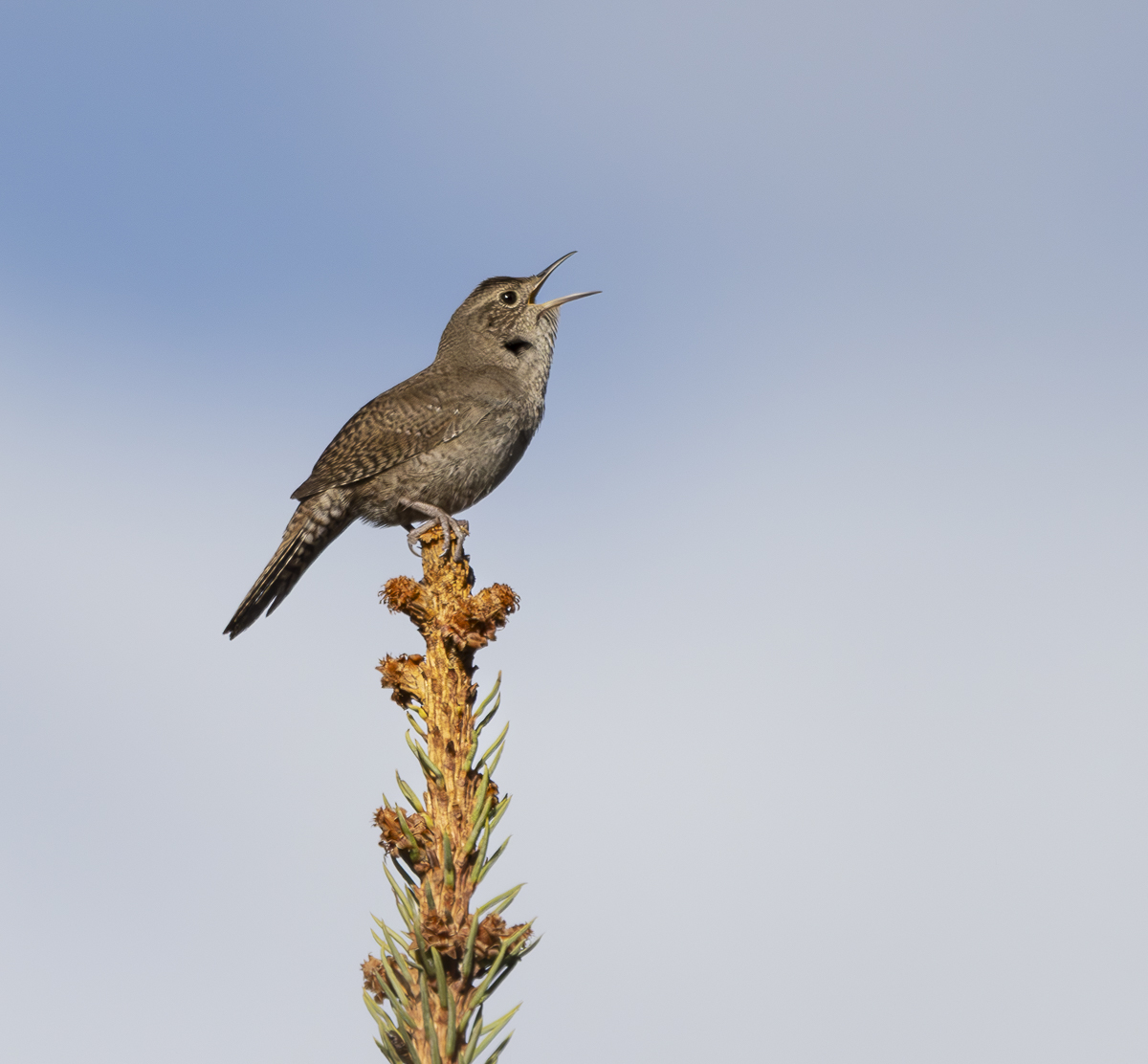
We have started keeping tabs on the wildlife around the house and have now seen 34 species of birds. The most exciting for us has been a pair of lazuli buntings that move through the vegetation around our house and the neighbor’s. The male is such a beautiful bird and I am anxious to get a photo of him soon. A house wren is a common visitor and sings almost daily from perches around and on the house. One somewhat embarrassing moment came when we thought we spotted the rare crested caracara that has been seen in the park recently soaring high above town. It appeared as a large black bird with a whitish beak. Melissa ran next door to alert the neighbors (who were in the midst of eating dinner). By the time they came over we realized it was a raven with something (maybe a hamburger or hot dog bun) in its beak. So much for proving our naturalist skills:). At the end of this post is a list of bird species we actually have seen at the house or in town thus far.
We created a water drip feature that we turn on for short periods each day to attract birds and the black-billed magpies have found it and come frequently for a drink. They have a nest in a conifer across the street so we see and hear them often. Unfortunately, we have had two window kills already – an orange-crowned warbler and an evening grosbeak. I have never seen either of these species here in all my years of visiting the park (but I have seen more evening grosbeaks since in nearby trees and at our feeder). We purchased some UV window stickers online and just installed them so we hope that helps.
I placed the dead warbler out in one of our small garden beds and noticed it was gone on the second morning. So when the grosbeak died, I put it in the same spot and put up a trail camera to see what happened. That night, we caught this red fox coming by for an easy snack.
–A red fox finds the window-killed bird and trots off
A week later, we found a dead bunny next to the house inside a garden fence. A trail camera revealed visits by a magpie and a red fox before the corpse mysteriously disappeared without the camera catching the perpetrator.
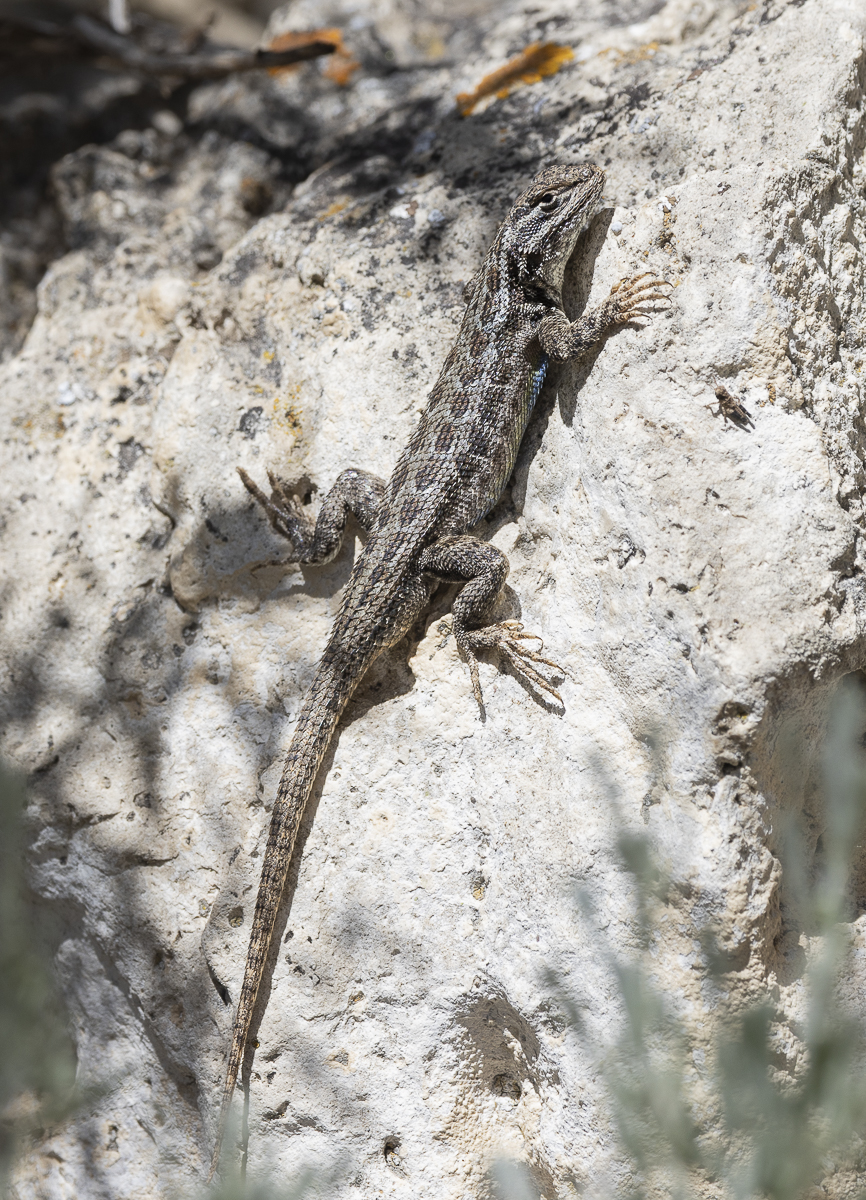
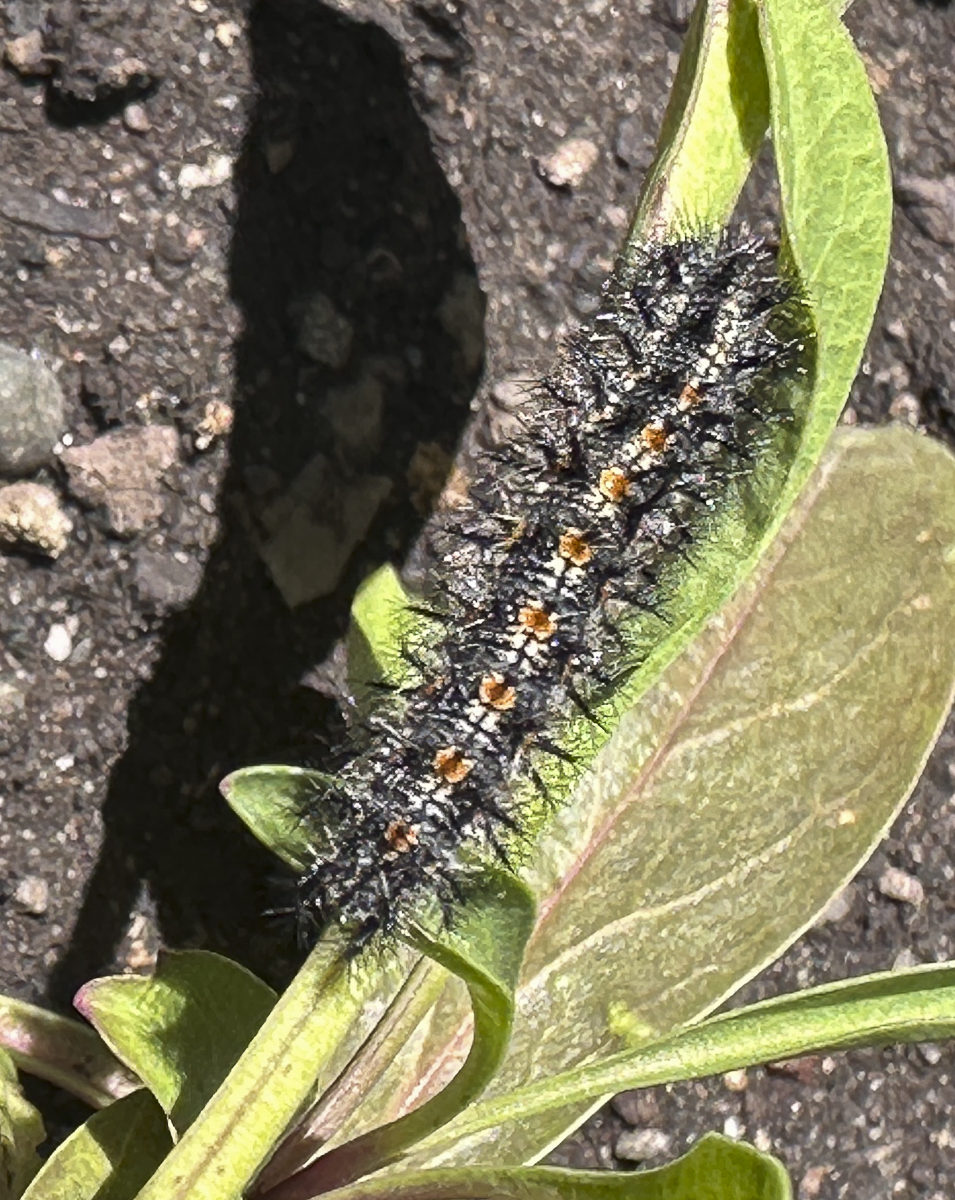
Other critters we have seen around the house include an abundance of sagebrush lizards, several mountain cottontails, an unidentified species of mouse, Uinta ground squirrels, mule deer, and our “yard elk” (one likes to nap between our house and a neighbor’s in the shade during the heat of the day). I’m just starting an iNaturalist list of invertebrates we see but have only been able to identify for certain two of the several species of butterflies flitting about (they never seem to land). We did have our first caterpillar this week so we think this place will probably be okay:)
We have only made two day-long trips into the park but that should increase now that most of the settling in chores are complete (don’t get me wrong, there are still plenty of things we want to accomplish but most can wait until time and $ are more in sync). We also did a brief side trip to the Beartooth Highway a couple of days after it opened for the season. The Beartooths are a majestic mountain range out the northeast entrance to the park and the road reaches elevations of over 10,000 feet. Due to heavy snow the road usually doesn’t open until mid to late May. This quick video clip shows some of the high snow banks still bordering the highway.
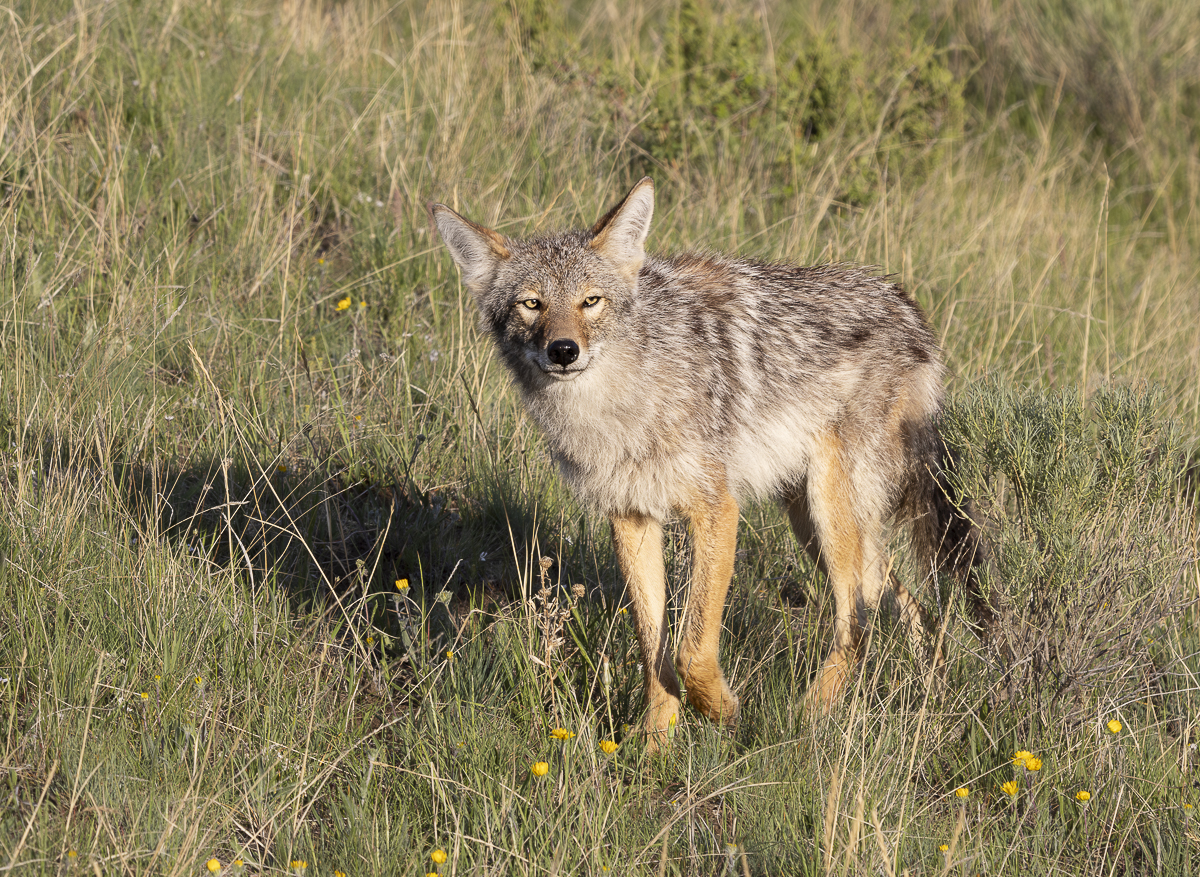
We have also done a couple of post-dinner drives out to Lamar in the beautiful late day light and that is a habit I think we will continue. Here are some of the park highlights…
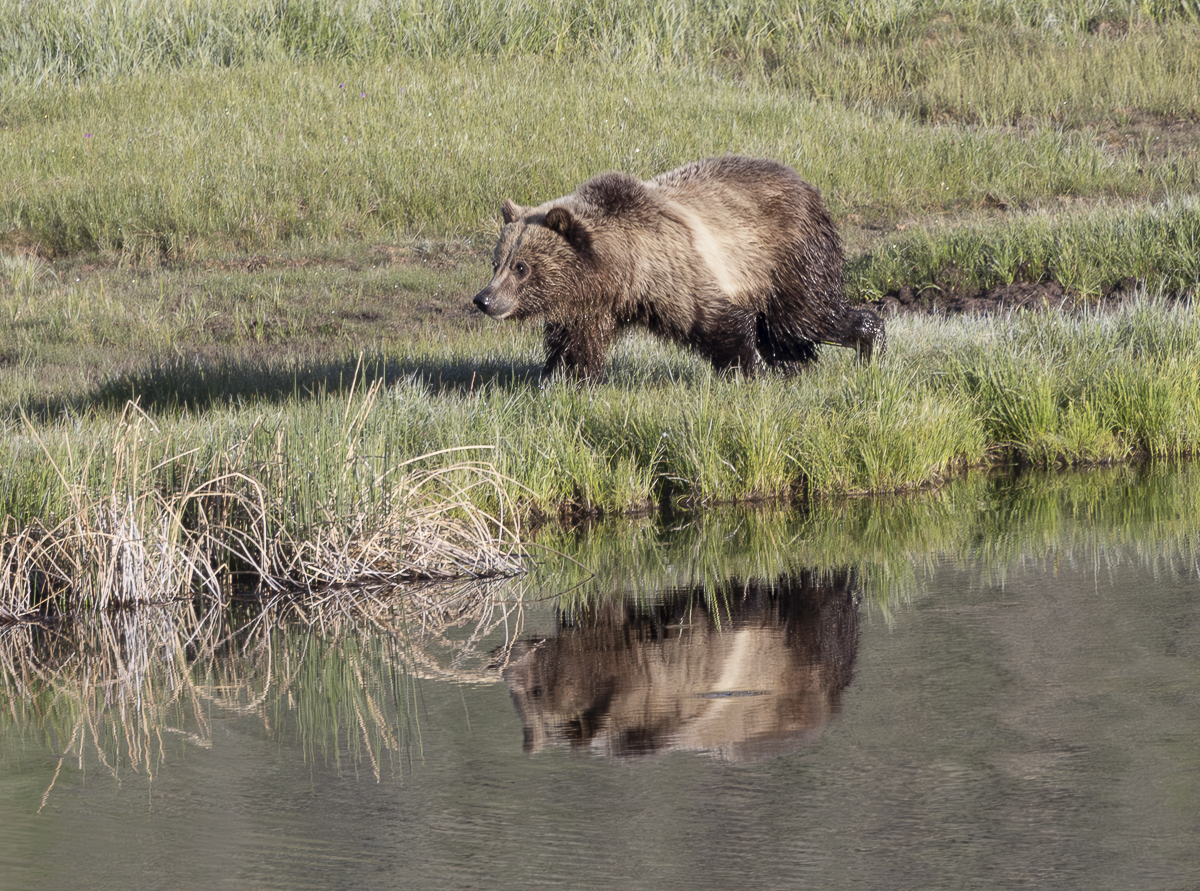
On one morning trip we passed by a few vehicles all looking in one direction so we slowed and Melissa spotted a bear in the distance. One bear soon turned into two grizzly bears near the shores of the Blacktail Ponds.
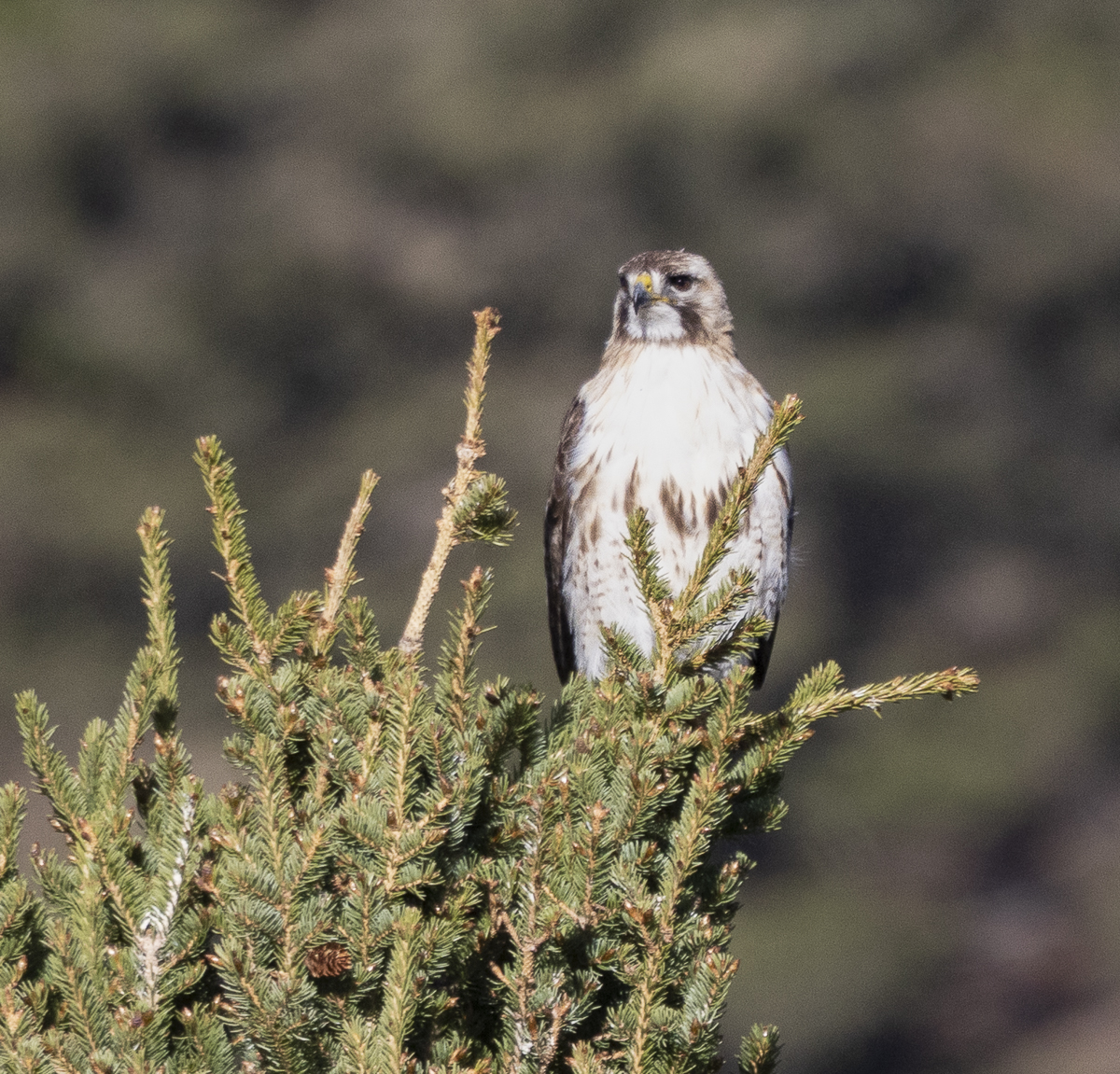
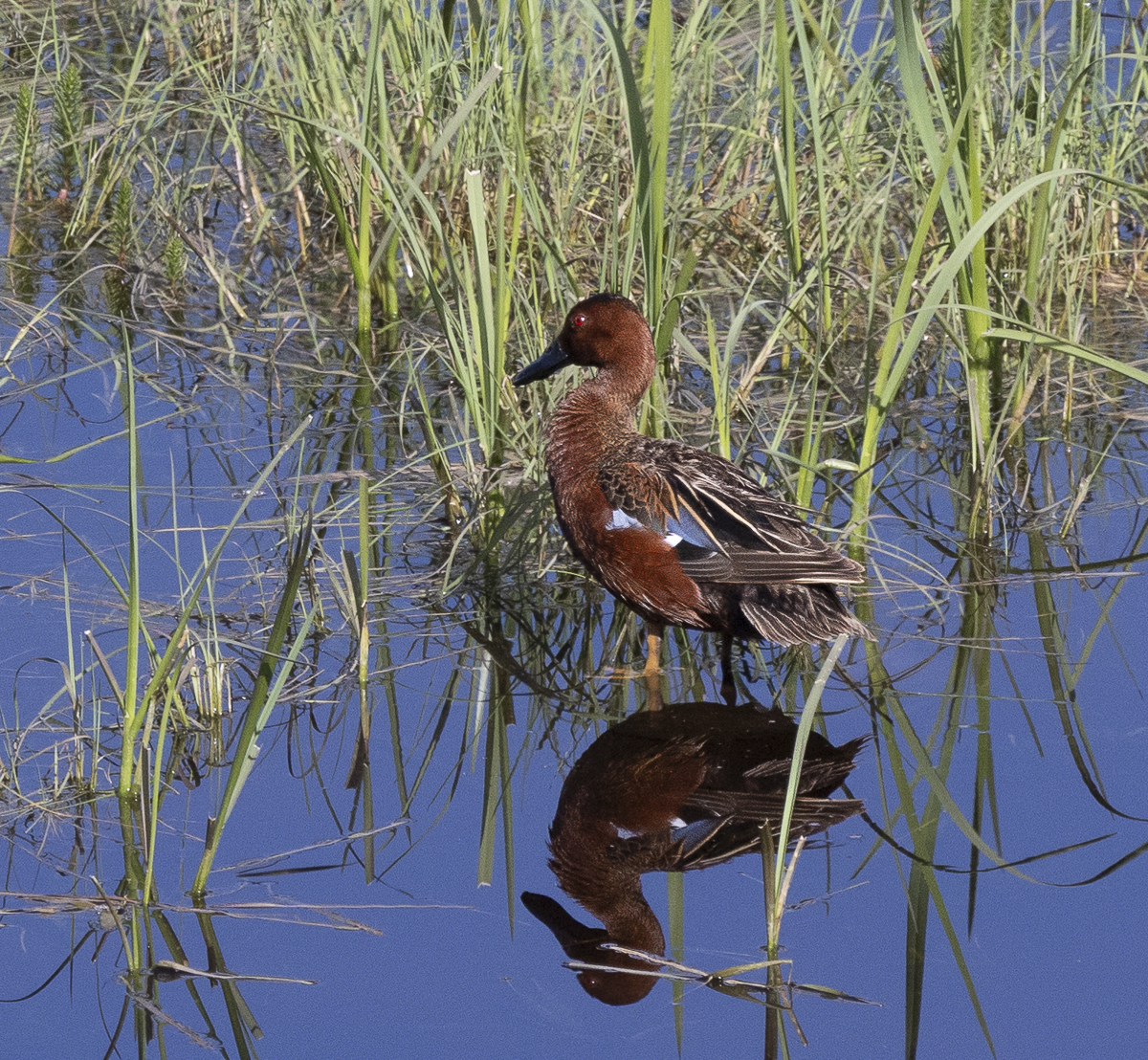
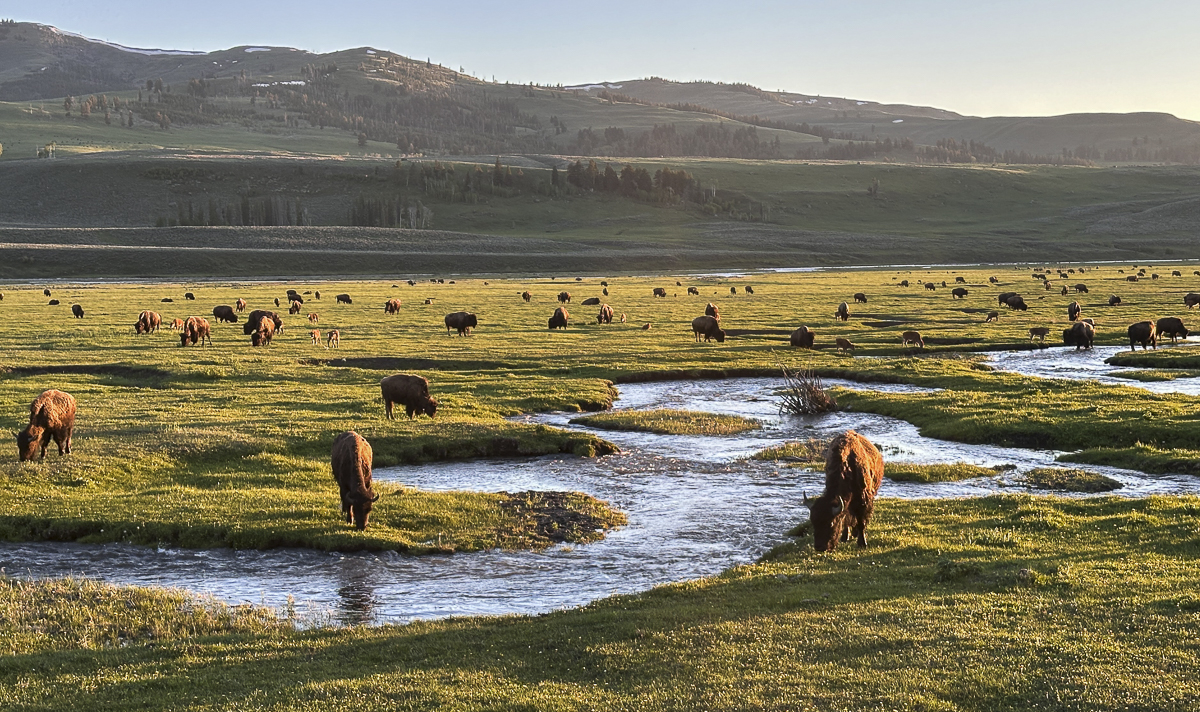
The past couple of nights we have eaten an early dinner and then gone into the park out to Lamar Valley (often called the Serengeti of North America for its abundant wildlife). There is a sandhill crane nest just off the road on the way out that usually has several cars of photographers at it (many of them get too close to the nest unfortunately). One evening when I went by there was no one there so I got out and took a few pics from the far side of the road. Most of the pics I post are taken with my 500mm telephoto and a 1.4x teleconverter and then cropped.
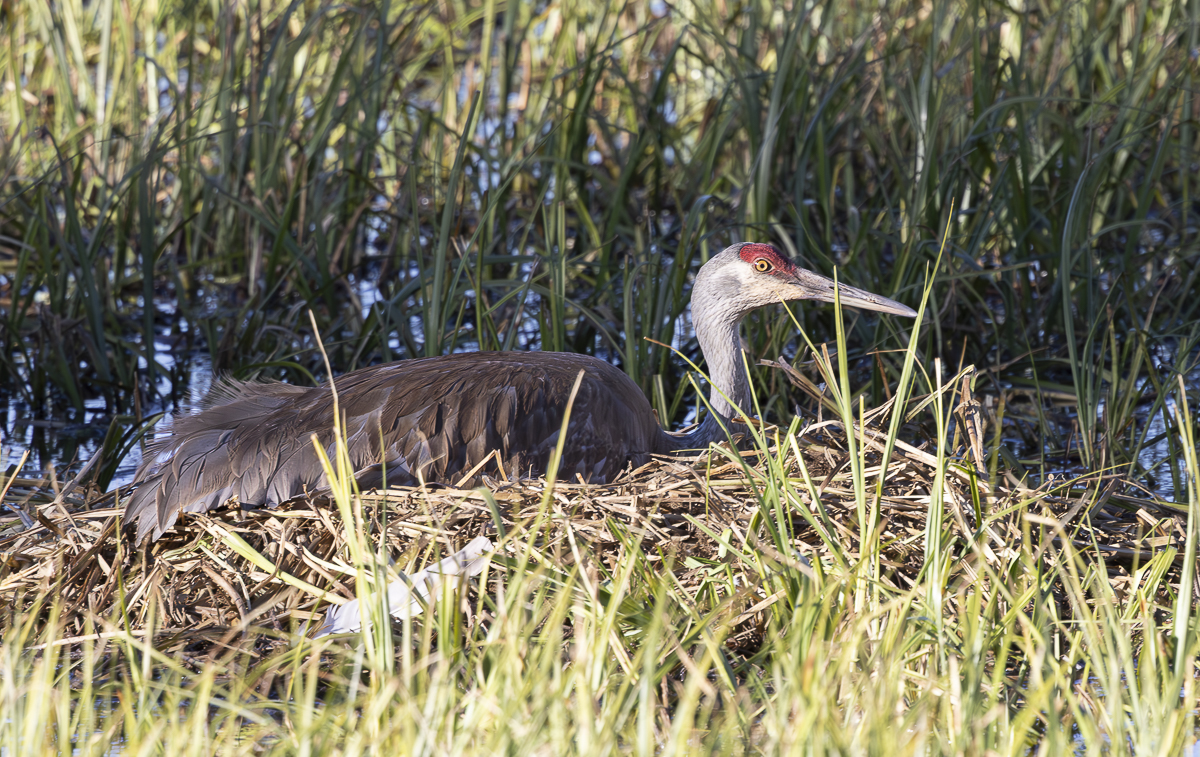
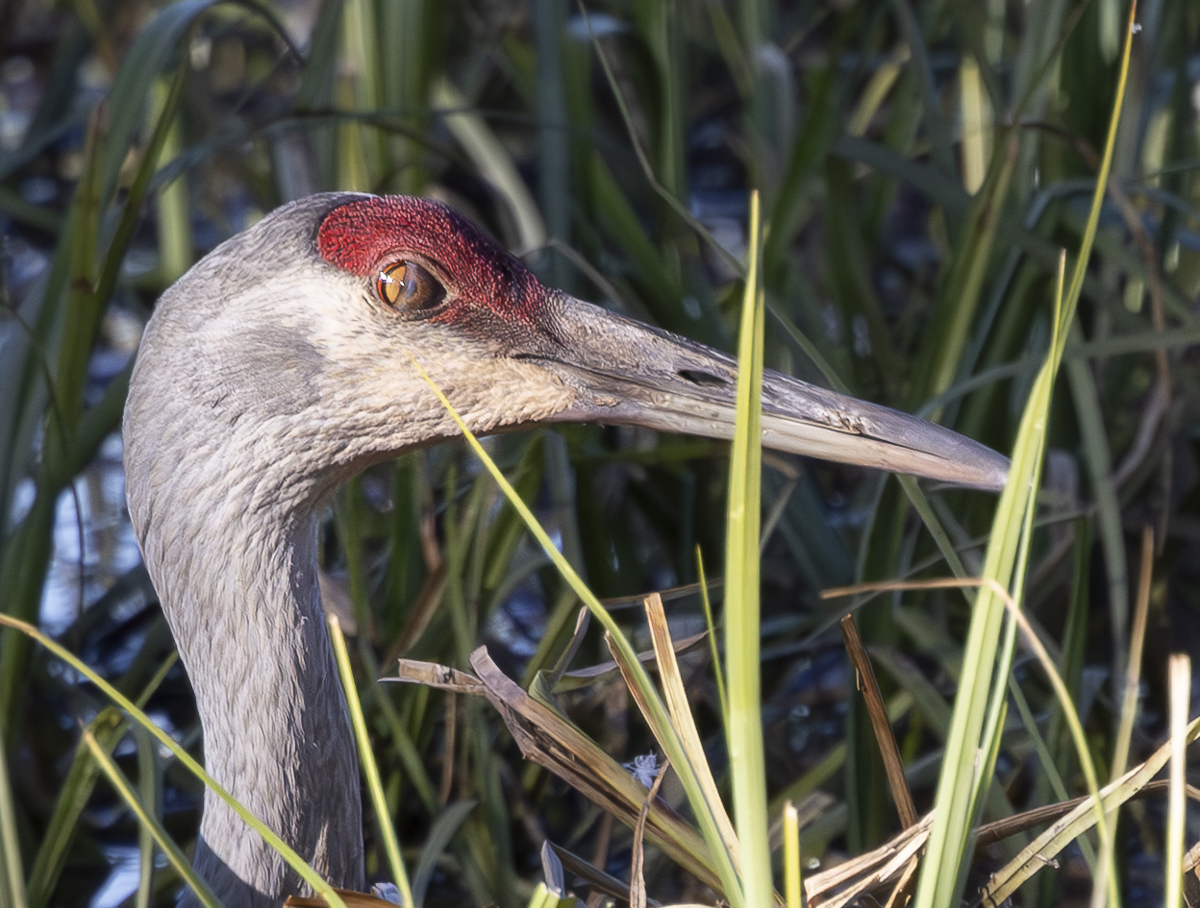
There is a another nesting pair of cranes as you enter Little America. I had stopped to observe them a couple of times but last night they were both out in the short grass around their marsh and they had one colt following them around (colt is the term used for baby sandhill cranes supposedly because they can run within 24 hours after hatching – but this little guy did a couple of face plants in the tall grass as we watched it trying to keep up with its long-legged parents).
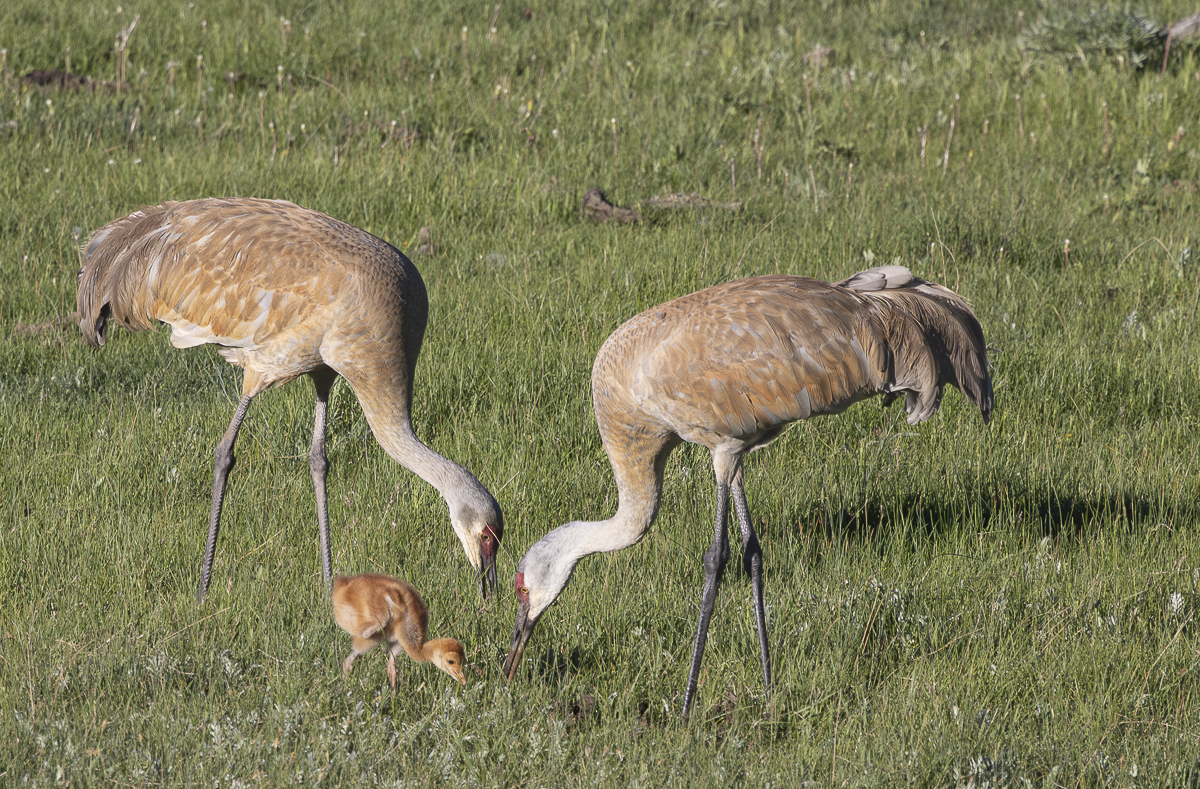
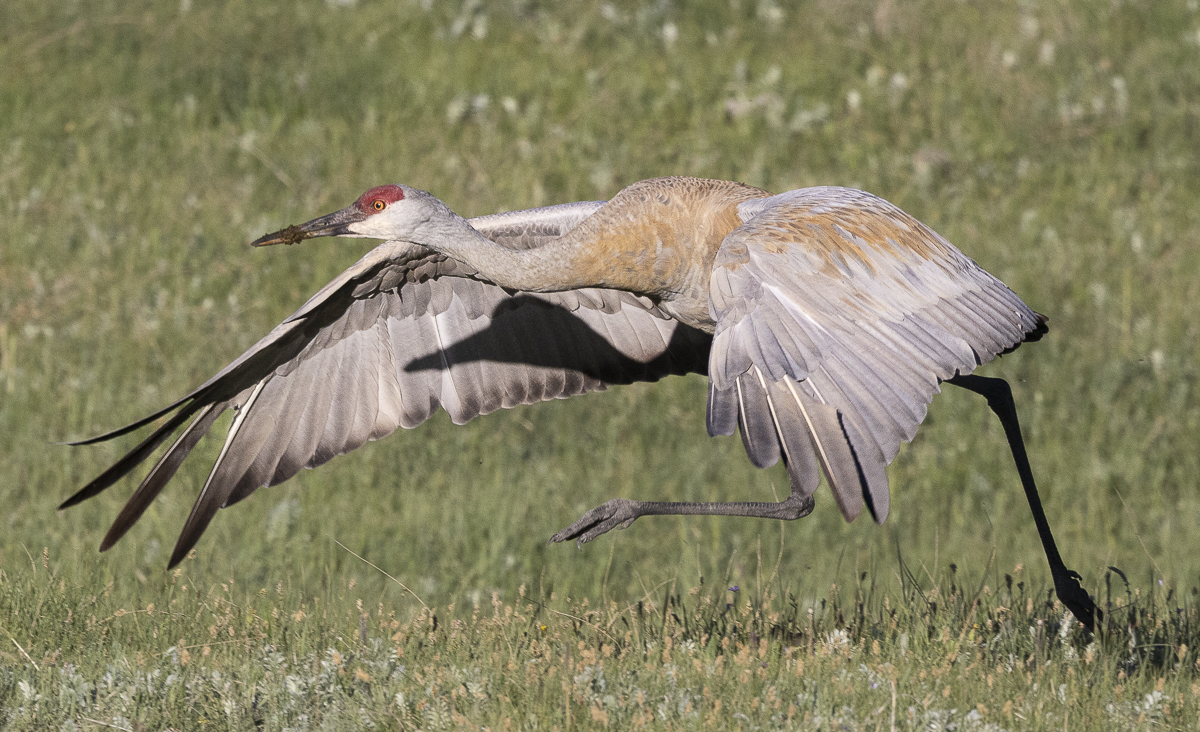
-The sandhill crane family foraging in the bison-mown grass around their marsh
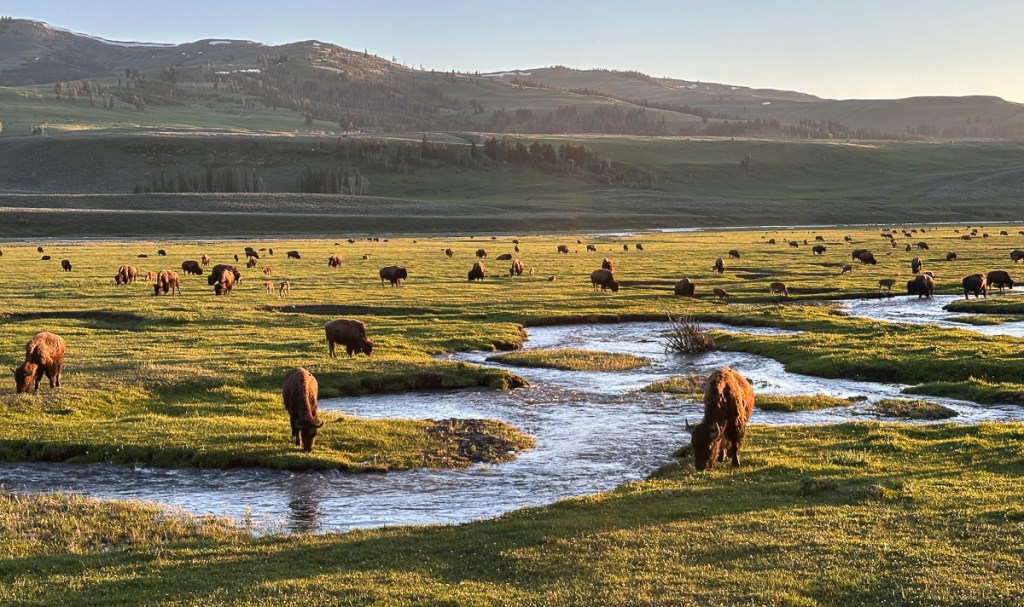
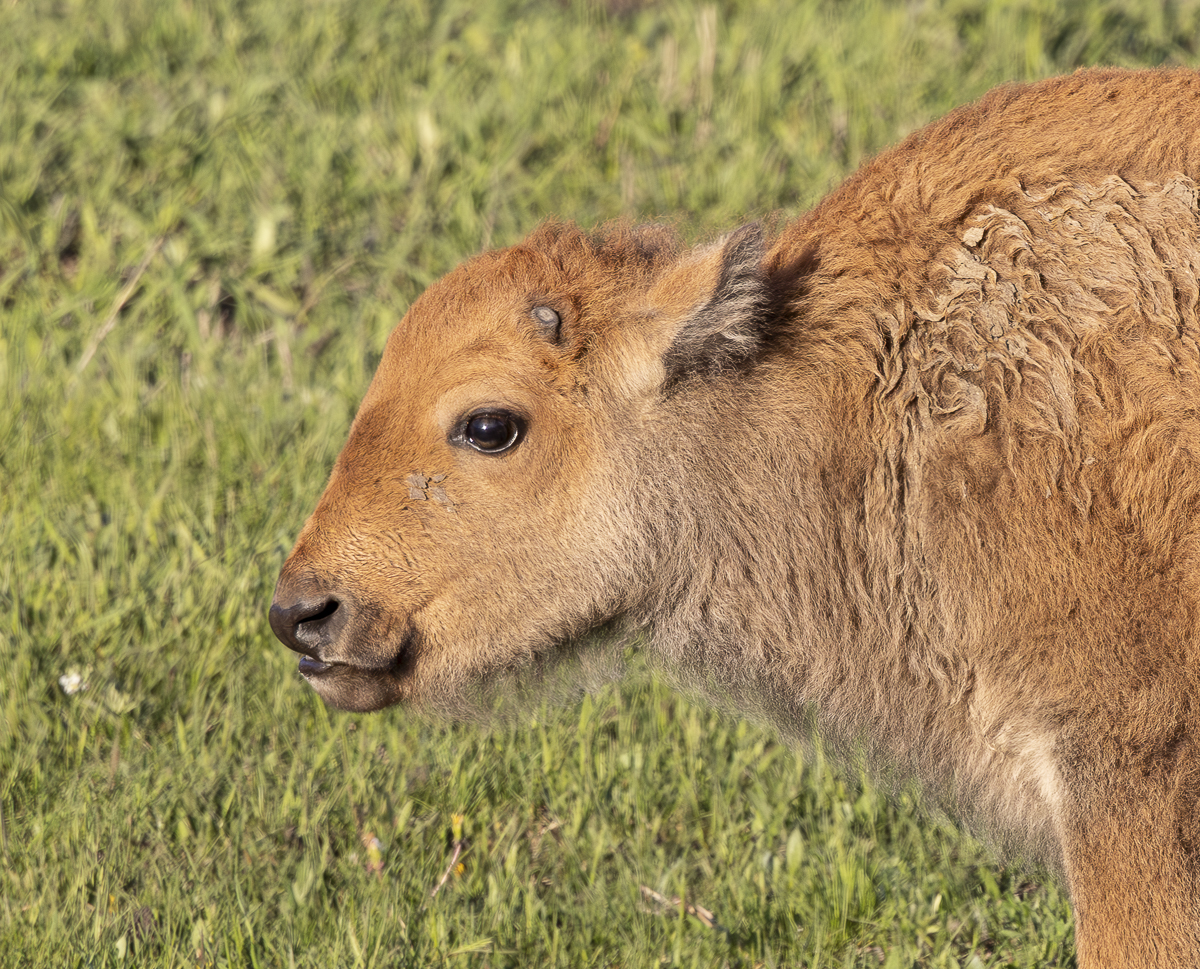
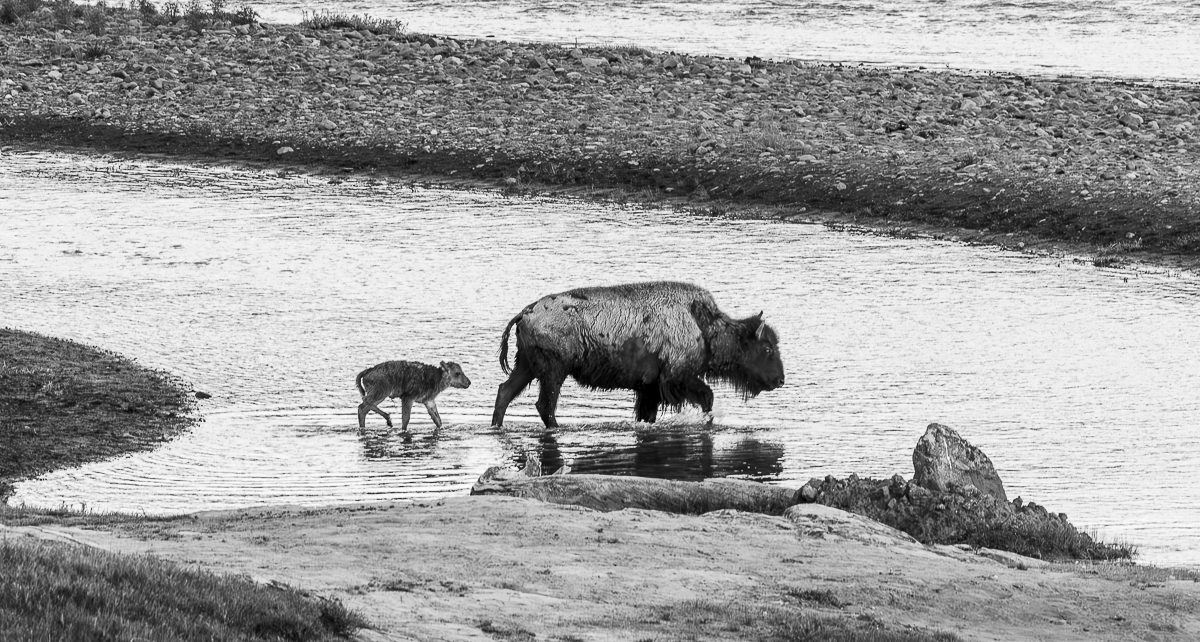
But what Lamar is really about this time of year are the bison and their babies (called “red dogs”). There are hundreds of them out there now grazing on the lush green grass in the valley along the river. They are causing massive bison jams on the road where you just have to be patient and enjoy the sights and sounds until they decide to cross in front of you. I just love watching these beautiful beasts and the late day light makes it all the more rewarding.
Tonight and Monday night forecasters are predicting a high probability of northern lights in this area so I guess we will be out again enjoying the perks of our new home.
Bird species observed on or from (flying by) our property these first few weeks:
bald eagle, osprey, sharp-shinned hawk, Cooper’s hawk (in town), American kestrel, red-tailed hawk, sandhill crane, Canada goose, turkey vulture, common raven, black-billed magpie, European starling, red-winged blackbird (just down the street), Brewer’s blackbird (in town), Northern flicker, pinyon jay (in November), house wren, Cassin’s finch, lazuli bunting, evening grosbeak, tree swallow, violet-green swallow, orange-crowned warbler, Wilson’s warbler, yellow warbler, Western tanager, American robin, rock dove, Eurasian collared dove, chipping sparrow, spotted towhee, Western kingbird, rock wren, pine siskin


 Roads End Naturalist
Leave a reply to Sue Hughes Cancel reply