
Poetry is a sky dark with a wild-duck migration.
~Carl Sandburg
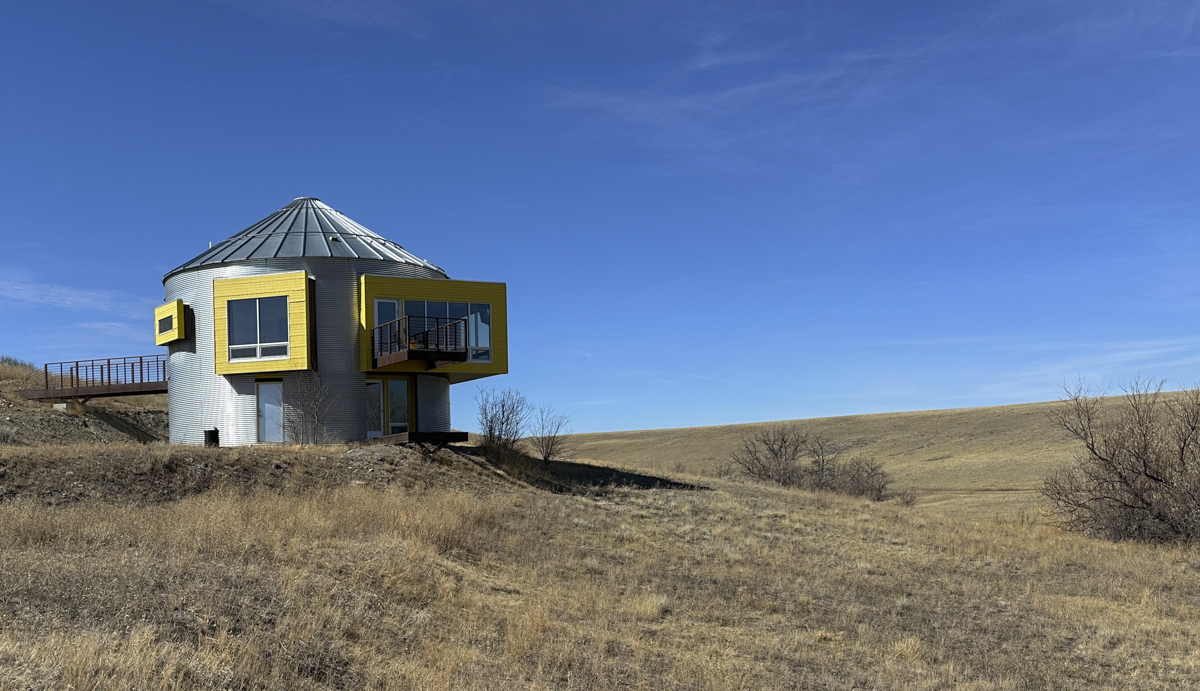
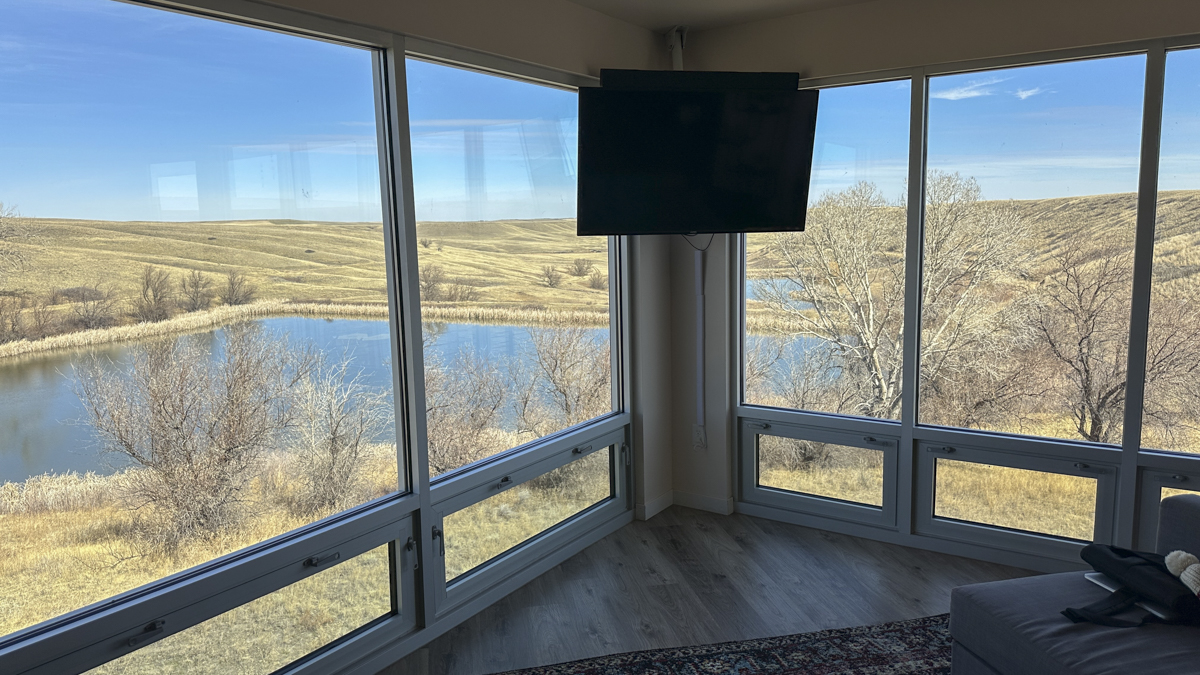
In her last post, Melissa eloquently described the first evening of our trip to Freezout Lake Wildlife Management Area to view migrating waterfowl. This post will give an overview of our 4-day trip to central Montana to hopefully satisfy our need to see migrating waterfowl, one of our favorite winter pastimes back in North Carolina. While we are lucky to live next to Yellowstone and have access to viewing amazing wildlife, we both miss the waterfowl spectacles we were able to experience every winter at places like Pocosin Lakes National Wildlife Refuge in eastern North Carolina. I had read that the snow geese migration at Freezout Lake can be a similar spectacle so we planned a trip. Before you send me a note about the misspelling of Freezout (I initially added that extra “e” as well), we learned that is an historical proper name derived from a nickname for a place called Freezout Flats in the late 1800’s instead of a direct description using the word freeze. Anyway, it is about a 4 1/2 hour drive from our home into the western edge of the Great Plains in Montana. For our stay, we rented a cool house that is a converted grain silo in a pastoral setting.
Melissa described our first afternoon at Freezout in her post. We decided to drive back at dawn the next morning and were glad we did. There was a small gathering of humans (big and little) to witness the morning blast off of thousands of snow geese. Turn your volume up and listen (you can also hear the excited voices of the watching humans).
Lift off of thousands of snow geese at dawn
The show was over in just a few minutes as the birds went off to unknown fields to feed or perhaps to continue their northward journey. Unlike our winter spectacle of waterfowl in North Carolina where the birds arrive in November and stay through February, this is a momentary stop on their way to their breeding grounds. But one thing this area has that is very helpful is a migration dashboard – a daily update on the numbers of certain species of birds so people hoping to see the huge numbers can plan their visit. I wish all refuges had this feature. Check out the crazy variability in numbers on the daily charts. This year’s peak was a few days earlier than normal so we missed it but still had a nice viewing.
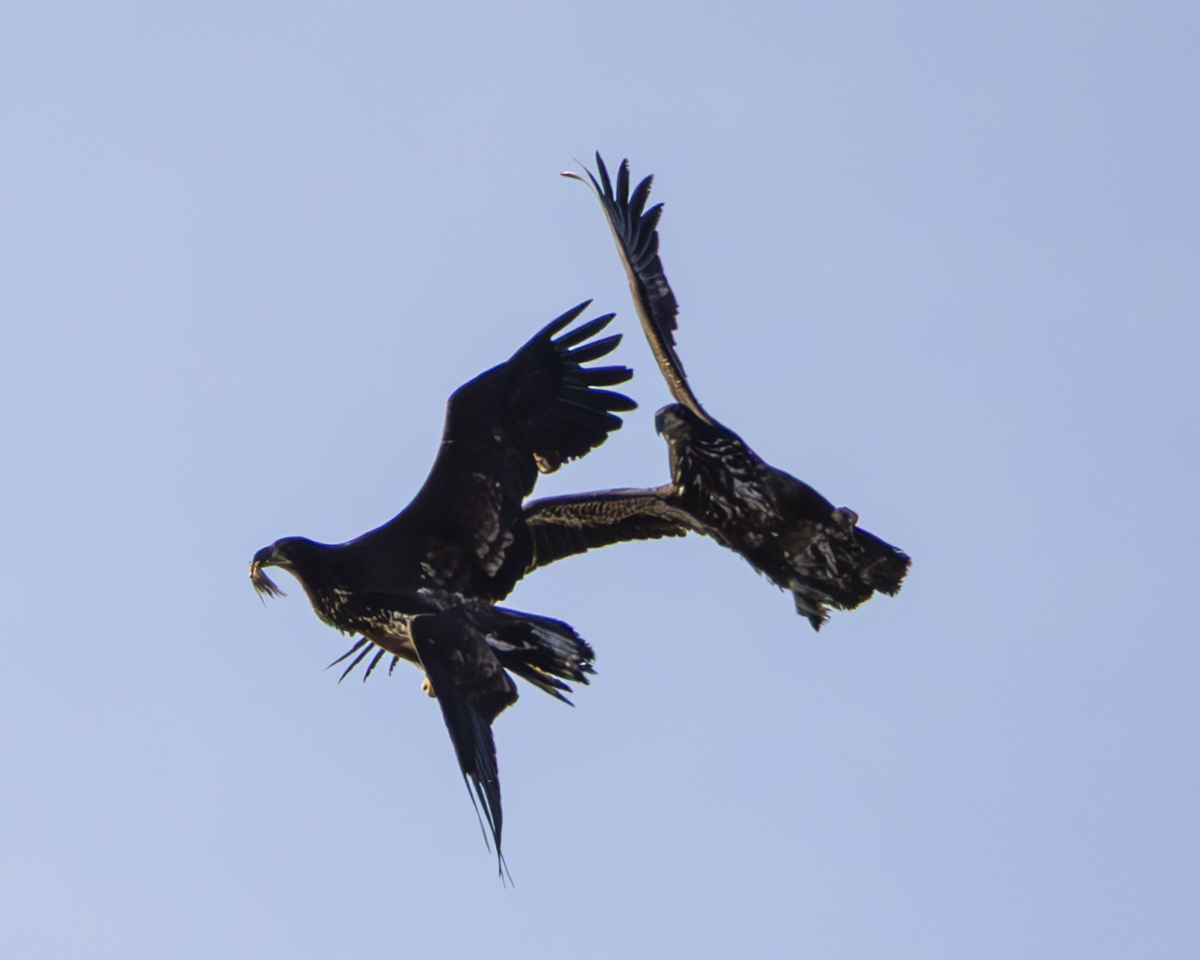
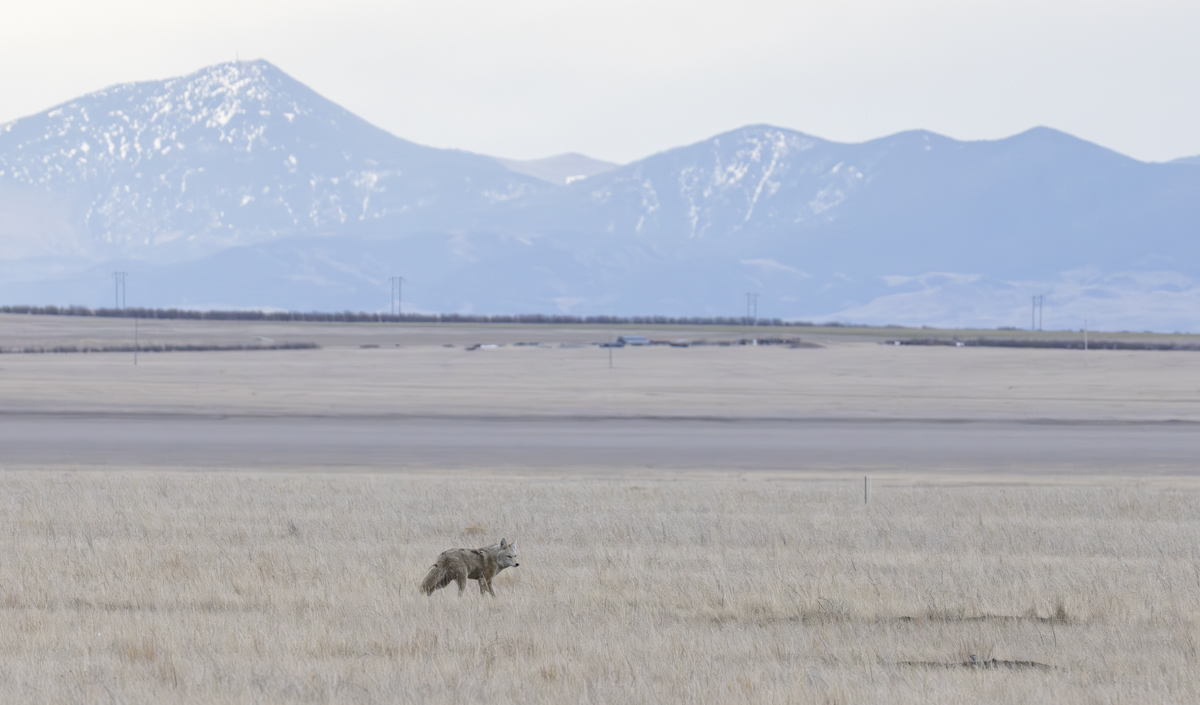
We decided to drive the loop road around the lake to see what else we could find. There was a large exposed mud bank due to the low water levels and at first we thought the lumps along the shore were rocks but Melissa figured out they were large numbers of dead fish. And with that, there were lots of eagles scavenging. There was a large hill paralleling the lake shore on the other side of the road and we soon counted 8 bald eagles (mostly juveniles) playing along the updrafts. They swirled and changed course like the expert aviators they are and played games of chase and chicken as we watched.
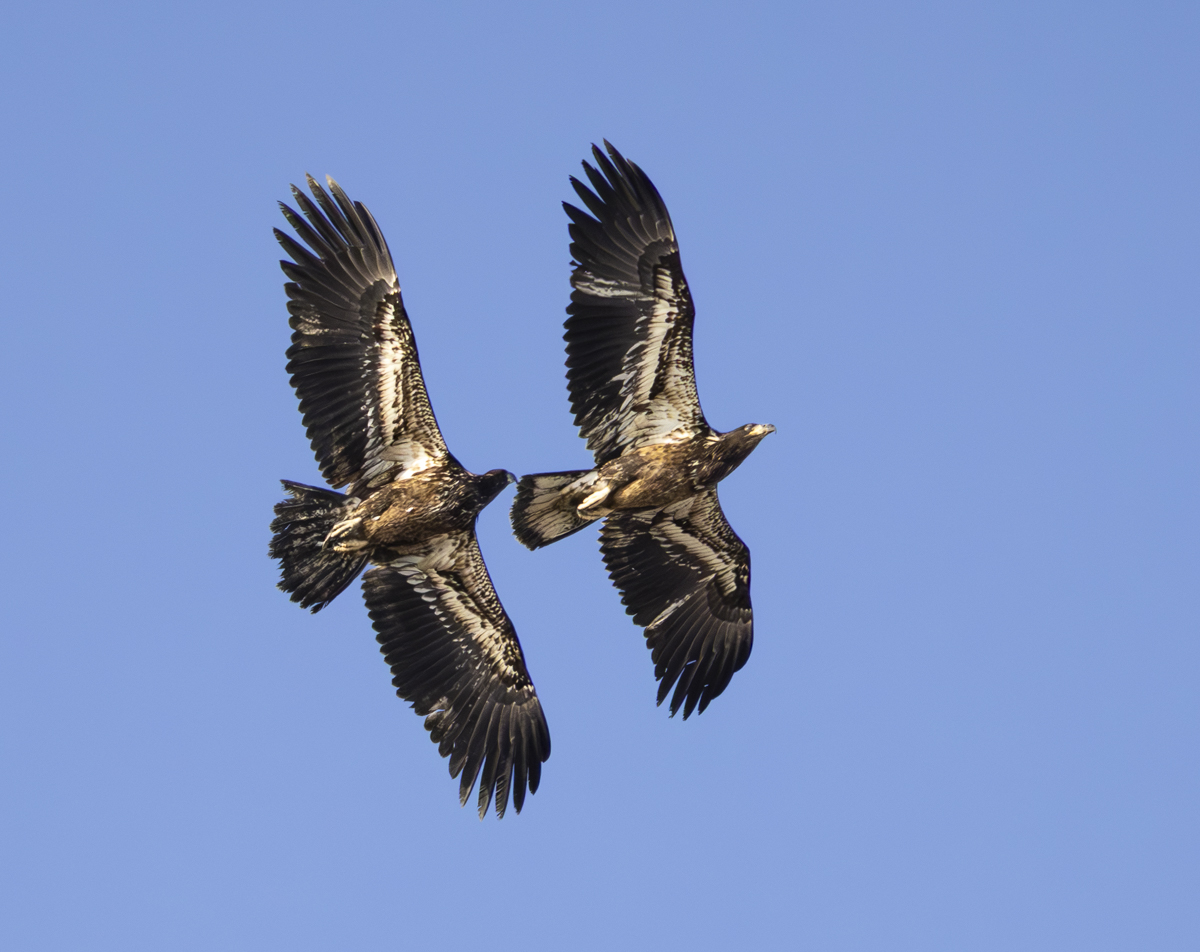
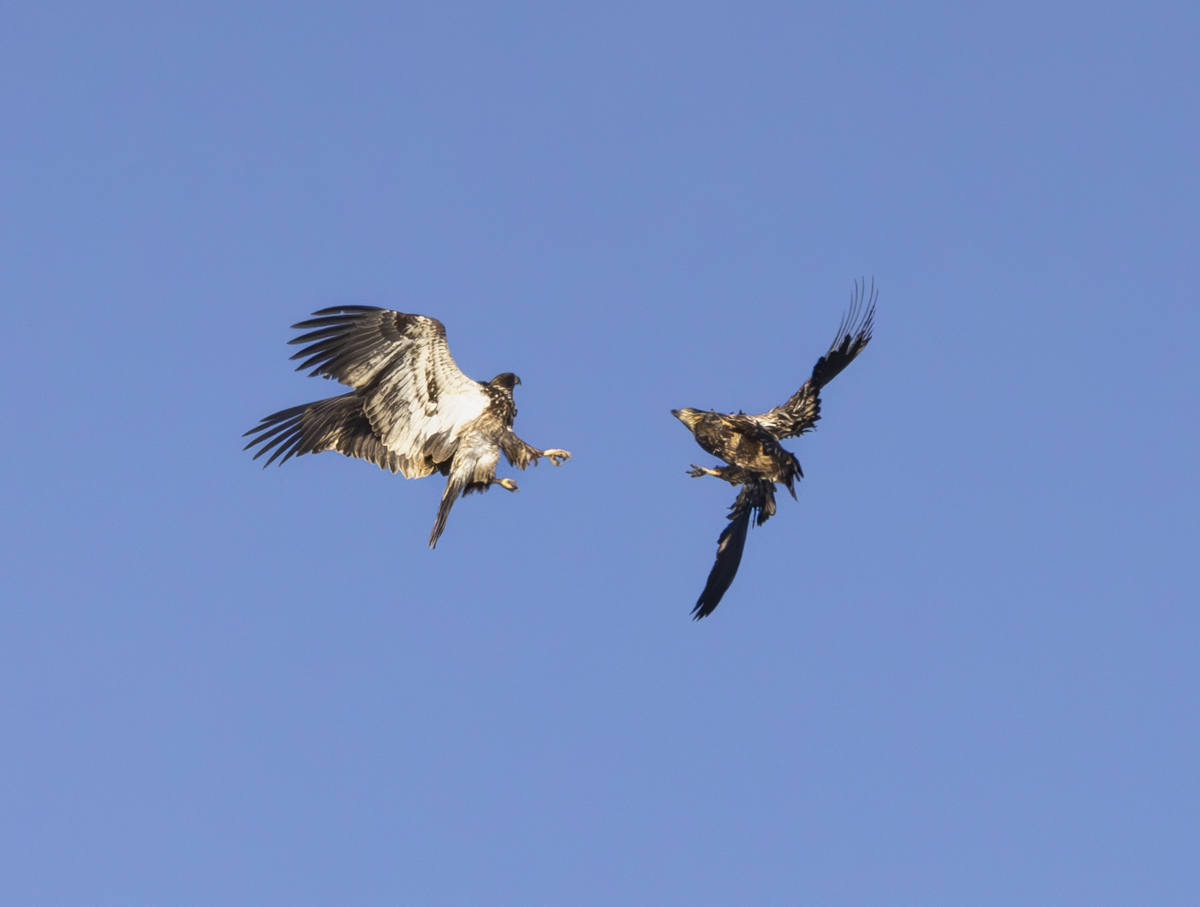
One particularly long game involved chasing an eagle that had a chunk of something (fish?) in its beak. At one point Melissa saw it drop its prize and a pursuing eagle snatched it in its talons and then transferred it to its beak while flying.
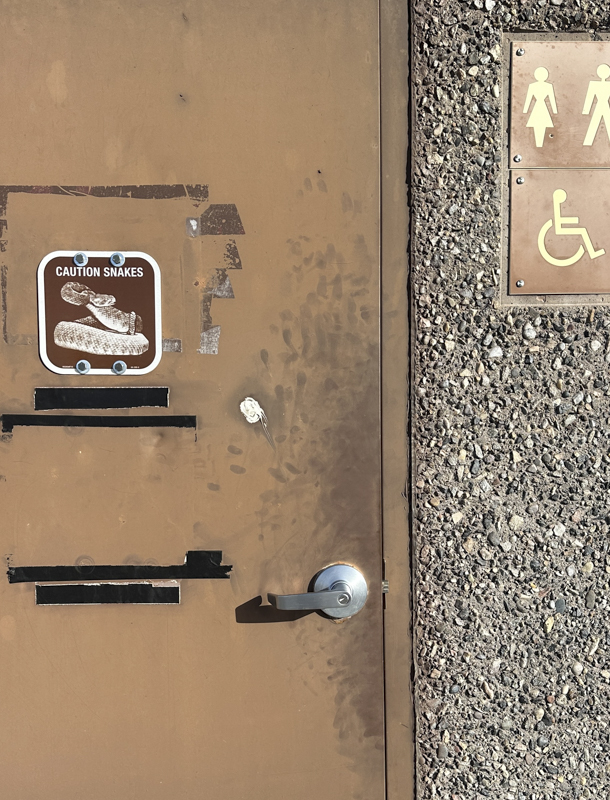
After some satisfying eagle watching we headed to another waterfowl hot spot, Benton Lake National Wildlife Refuge, about an hour’ drive away. Of course, first we made a much needed pit stop out in the wilds of Freezout Lake. You know you are in the true wilds of the West when the pit toilet door has this warning…
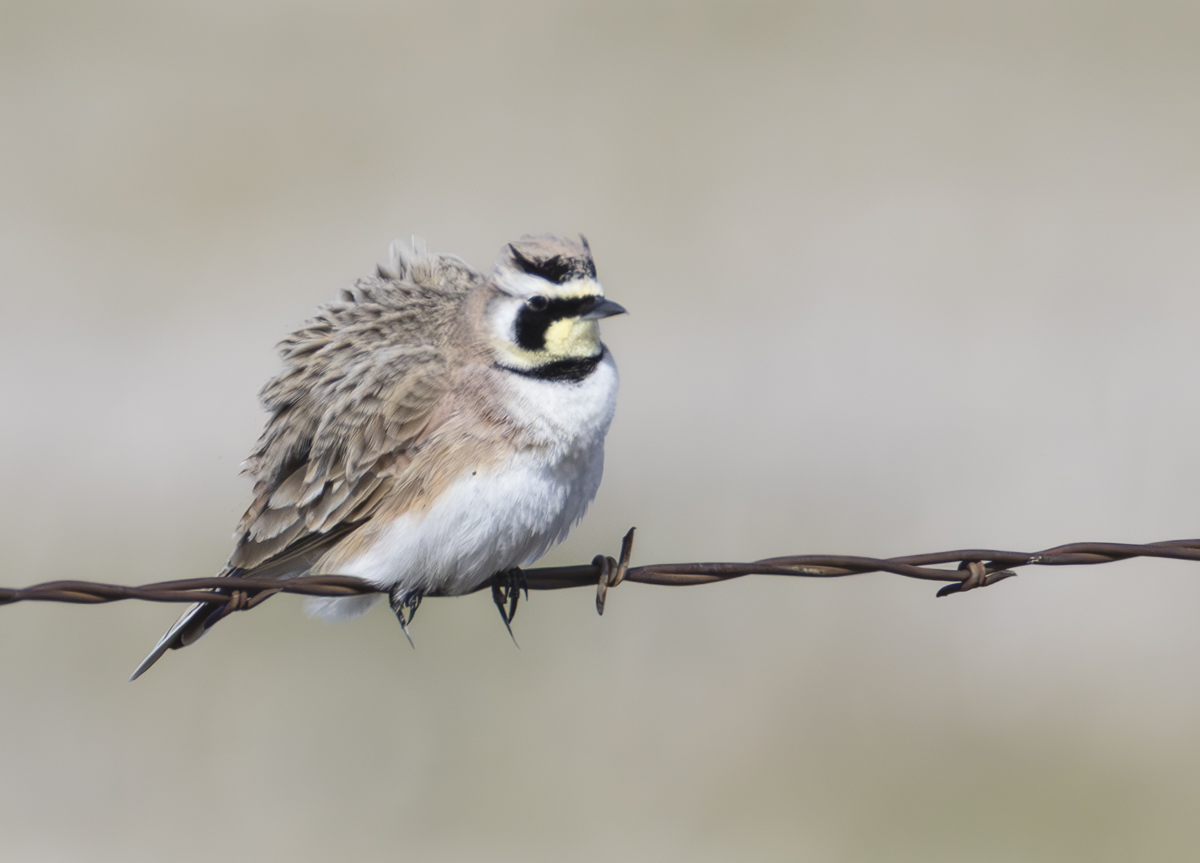
When we arrived at Benton Lake, we discovered the bird of the day along the roads was the horned lark. They were everywhere and flushed off the gravel road as we drove.
We spotted a couple of sandhill cranes near one of the ponds and spent some time enjoying them in the late day sun (it reminded us that we may need to revisit Nebraska in a future year to see that migration spectacle again).
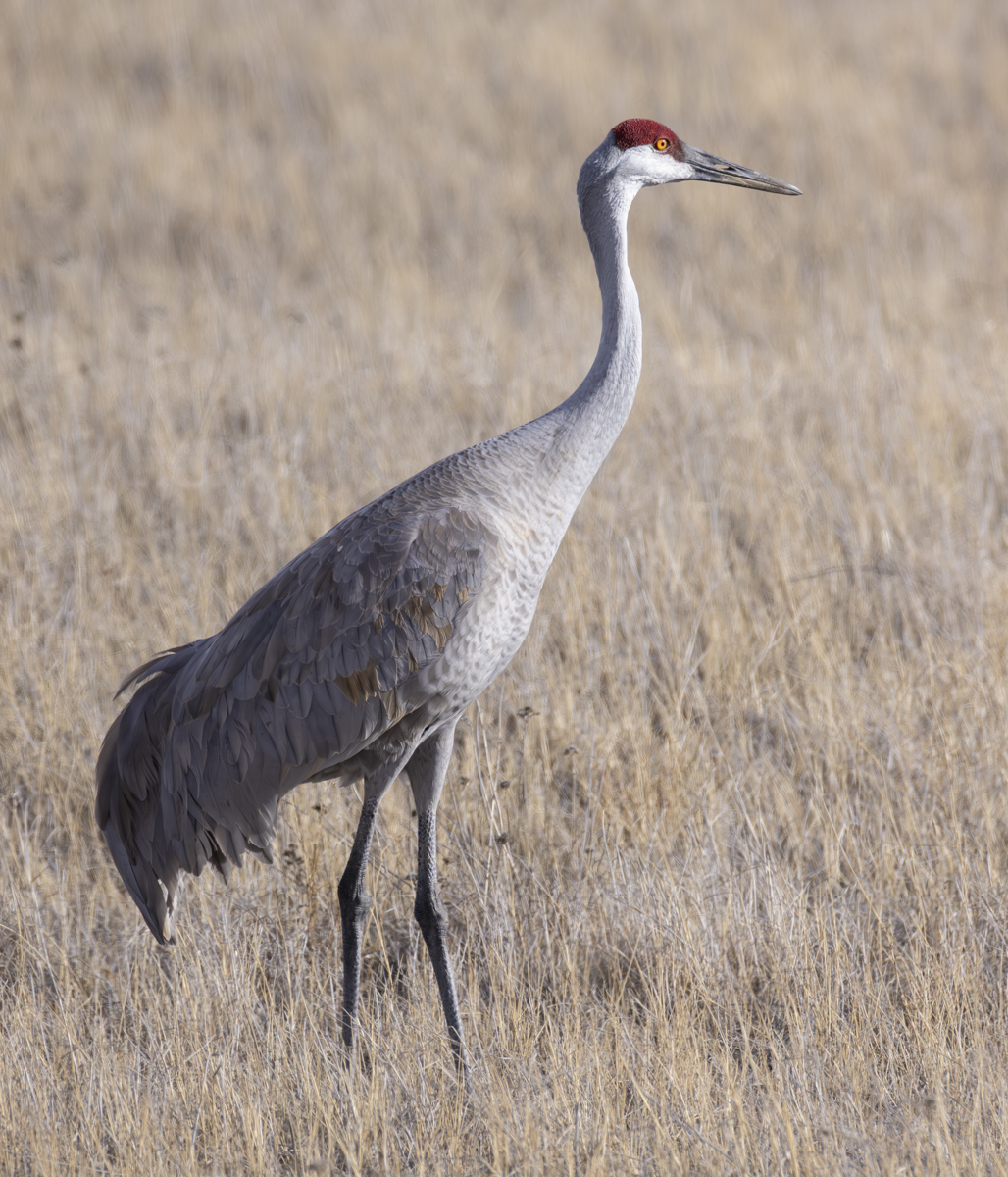
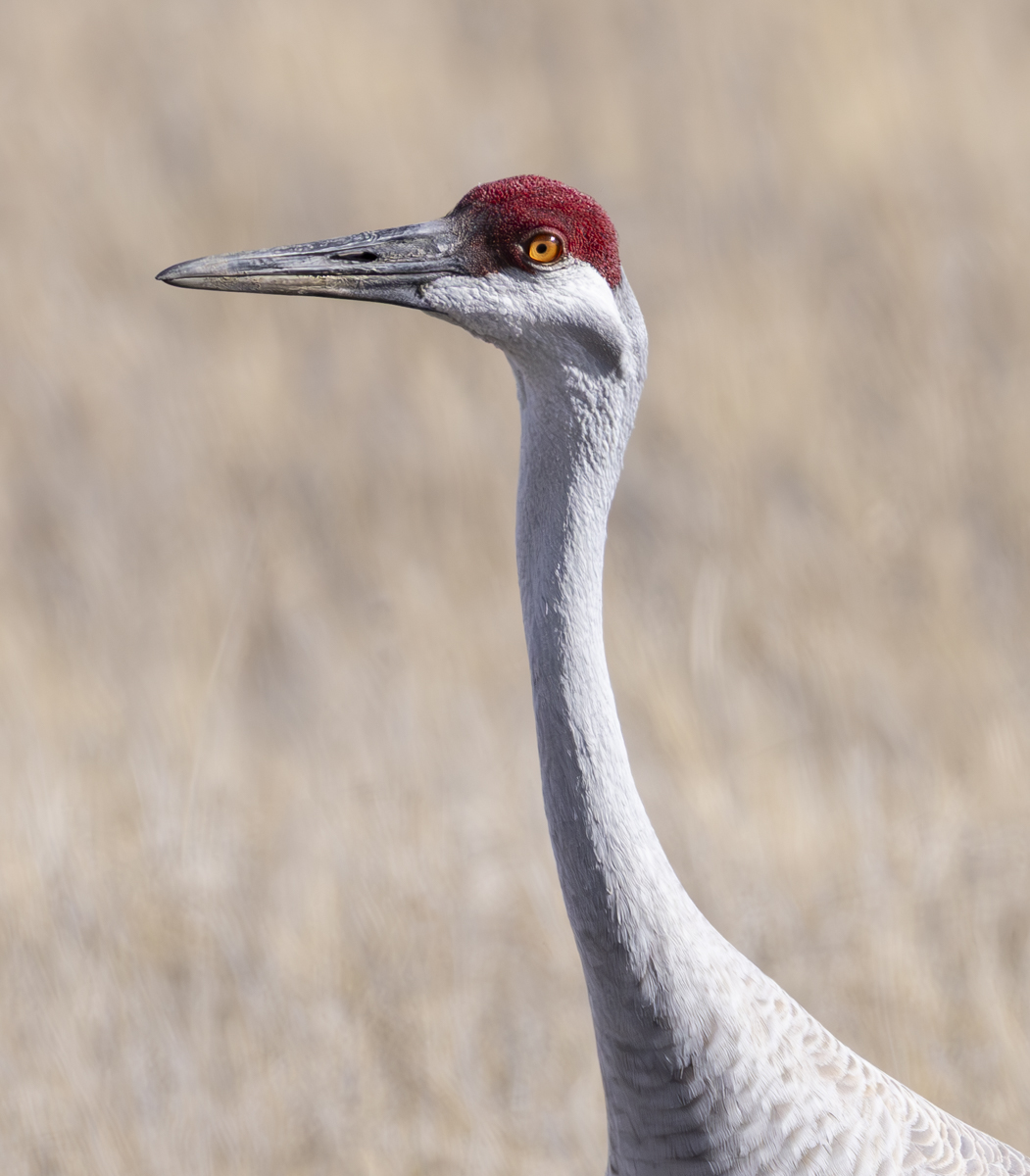
Though windy that afternoon, we saw enough waterfowl to convince us to go back to Benton Lake NWR the next morning at sunrise. It was again windy but that may have helped a bit in my attempts at catching birds in flight as they headed into the wind.
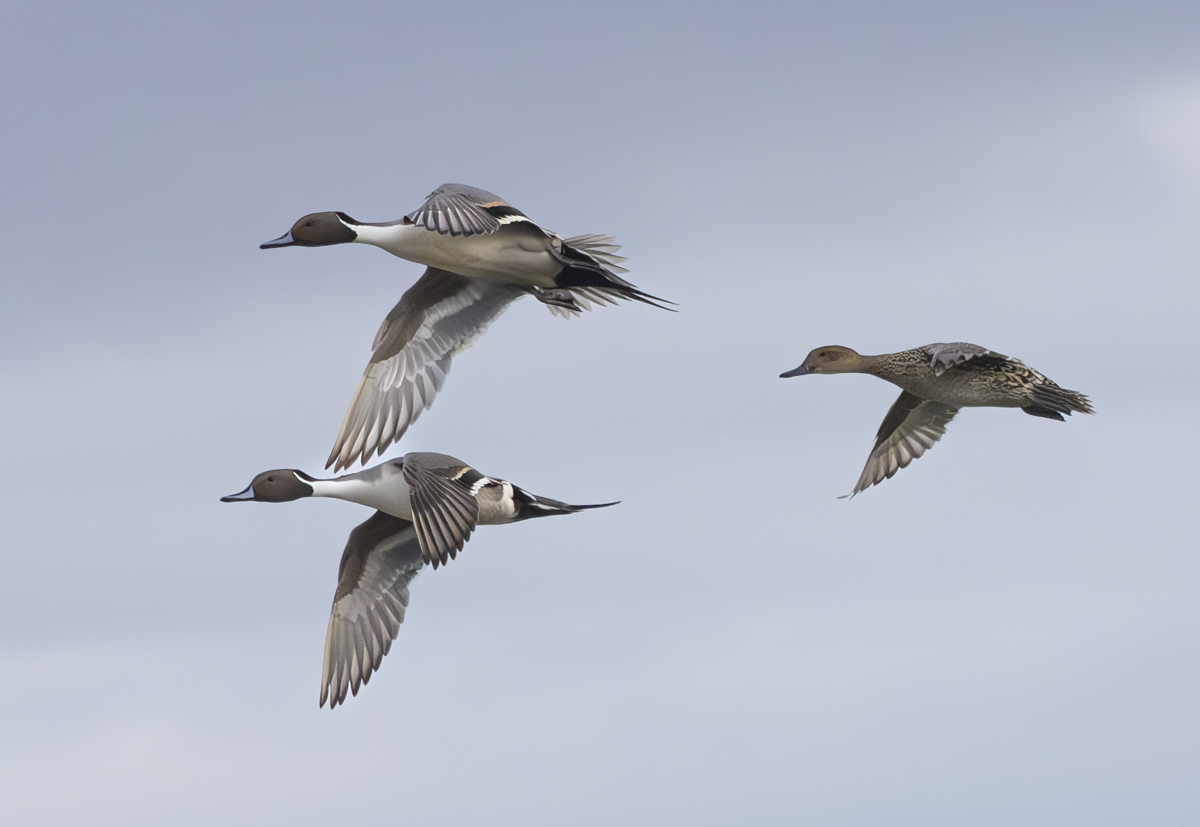
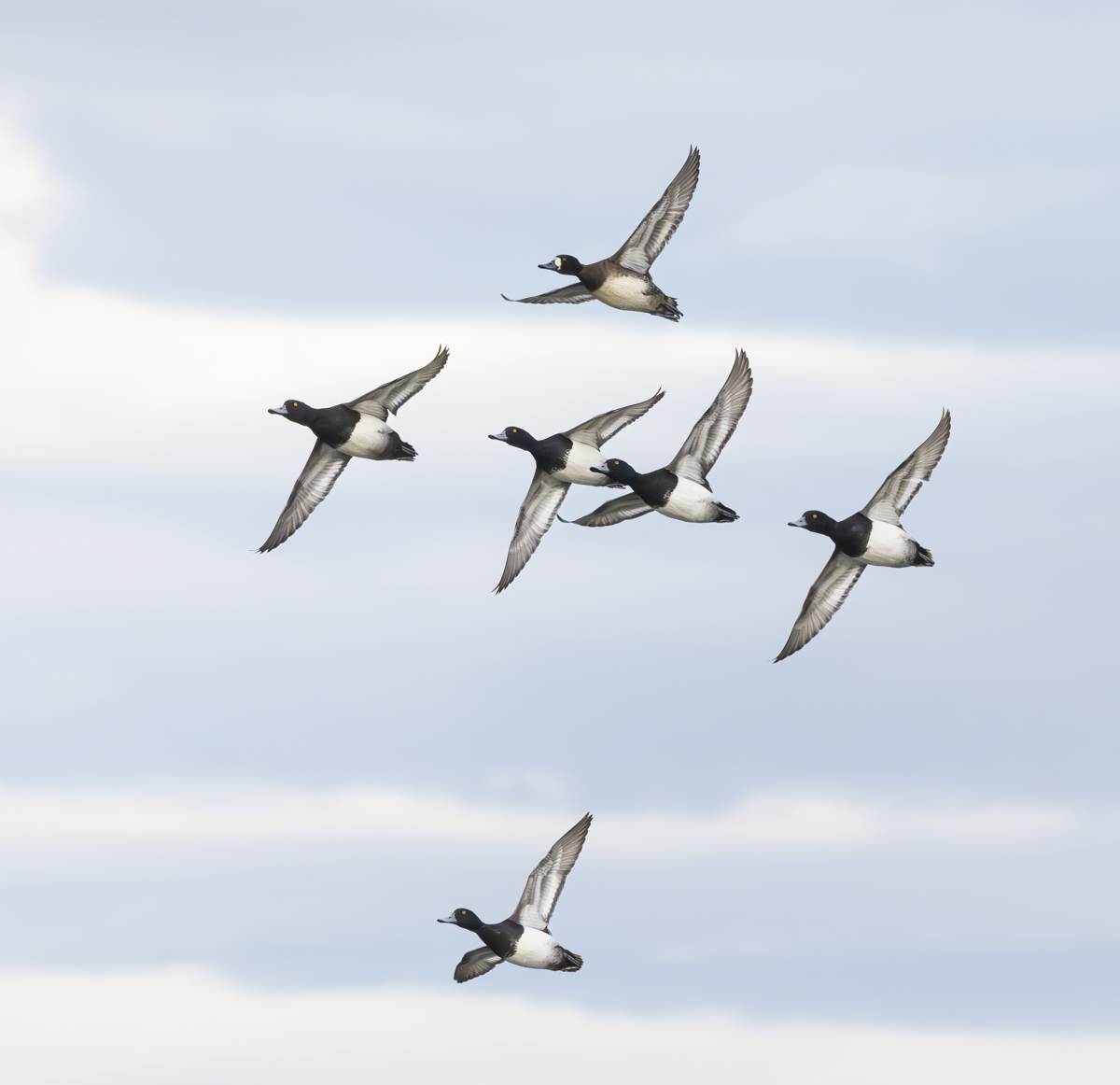
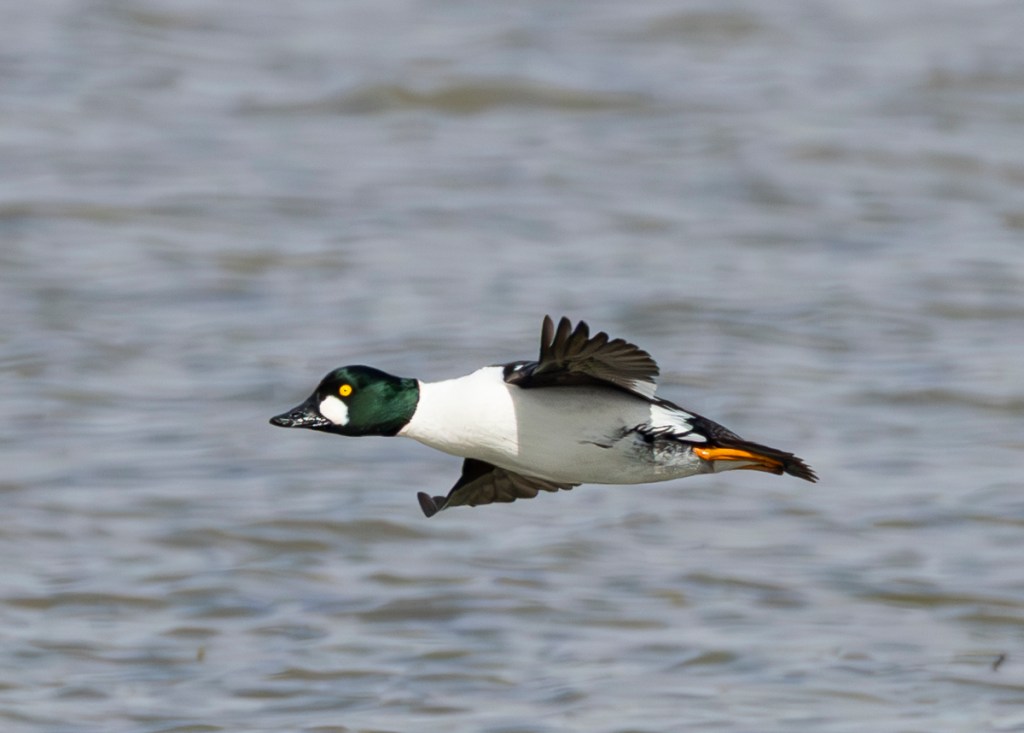
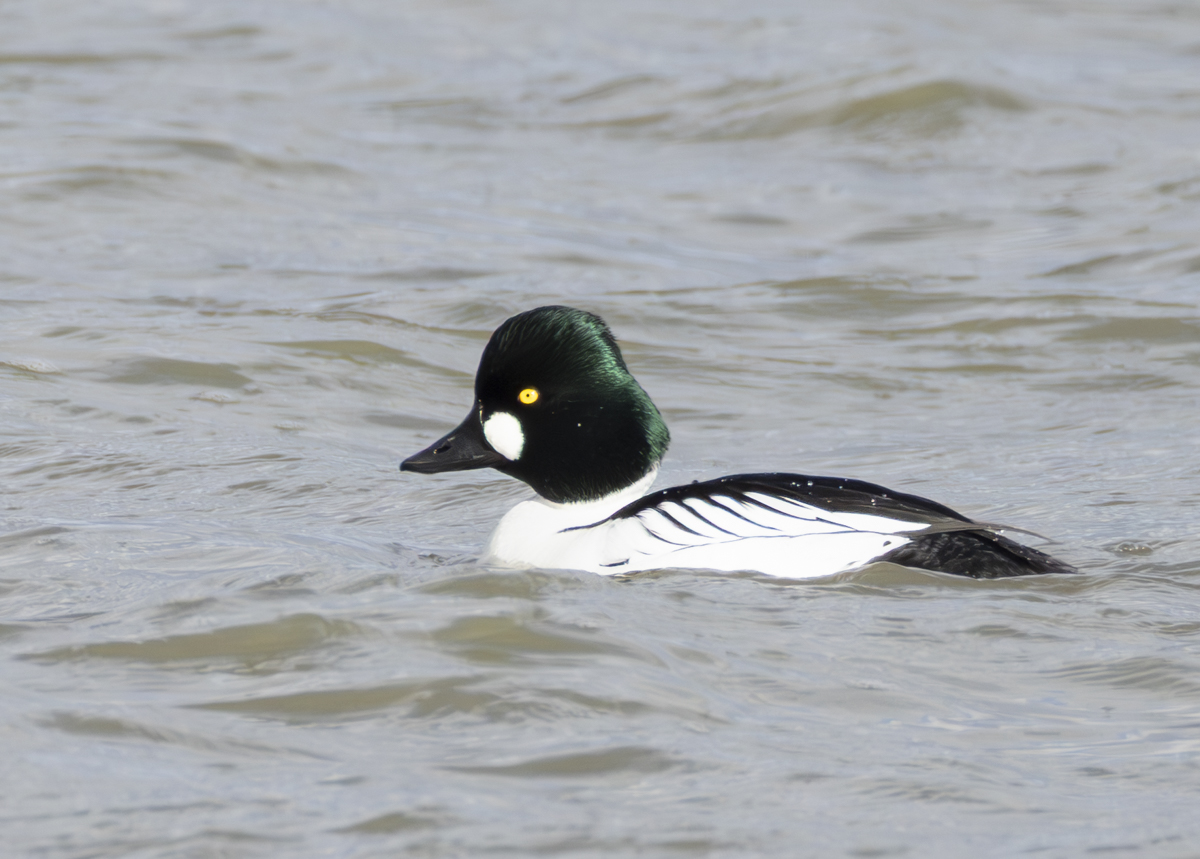
The duck of the day was definitely the common goldeneye. First of all, they are gorgeous, especially with low angle sunlight highlighting the male’s iridescent head feathers.
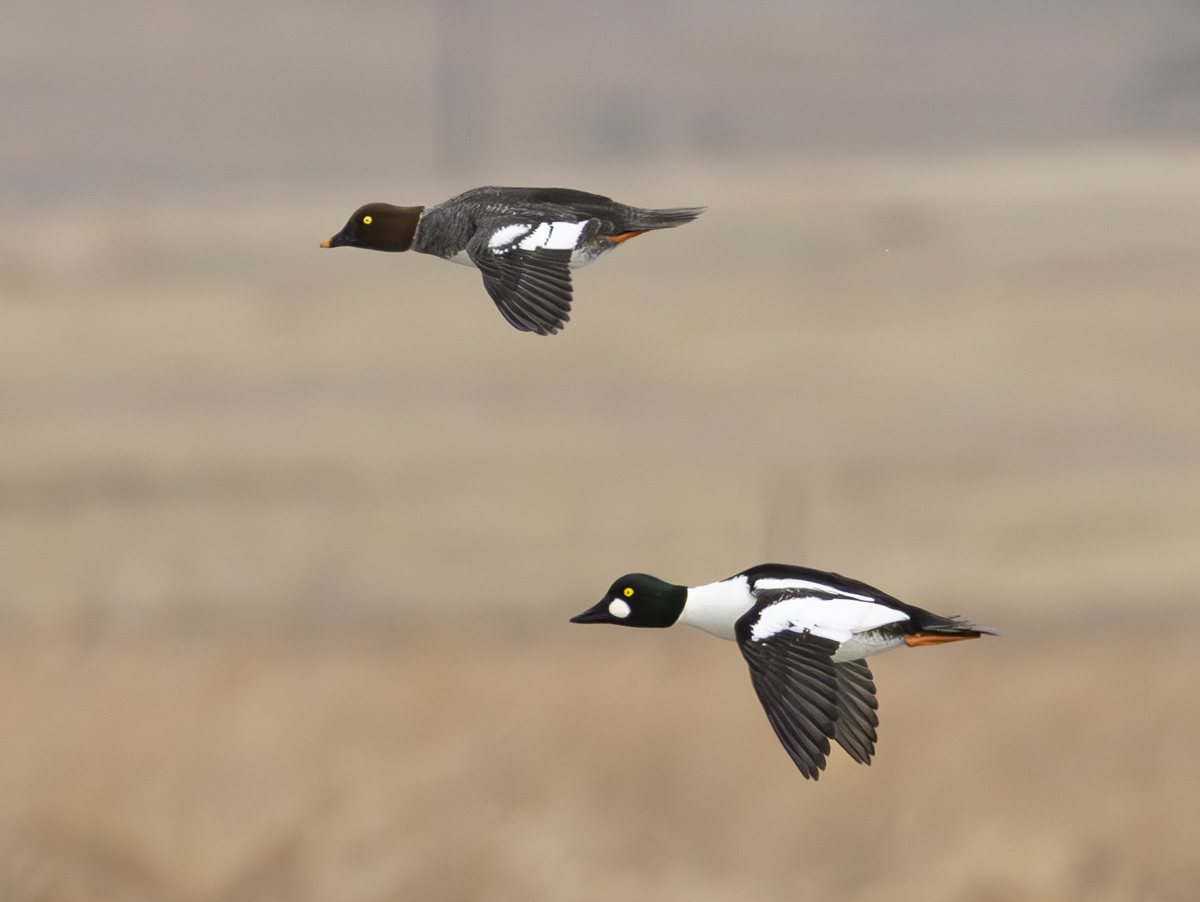
The other wonderful thing about these ducks is their breeding behavior and we had the good fortune of being there when the male’s were showing off their head-bobbing skills. They perform several distinct courtship rituals including the backwards head throw, head pumping, and kicking the water with their feet. Here’s a slow motion video of some of this displaying. It was common to see a group of males closely following a single female all the while doing their best to convince her they had the “right stuff” for her
Common goldeneye males trying to impress that one female in the group
Of course, there were a lot of other waterfowl species at the refuge including American widgeon, Northern shoveler, mallard, gadwall, green-winged teal, canvasback, redhead, bufflehead, the aforementioned Northern pintail, American coot, some snow geese, and a few tundra swan.
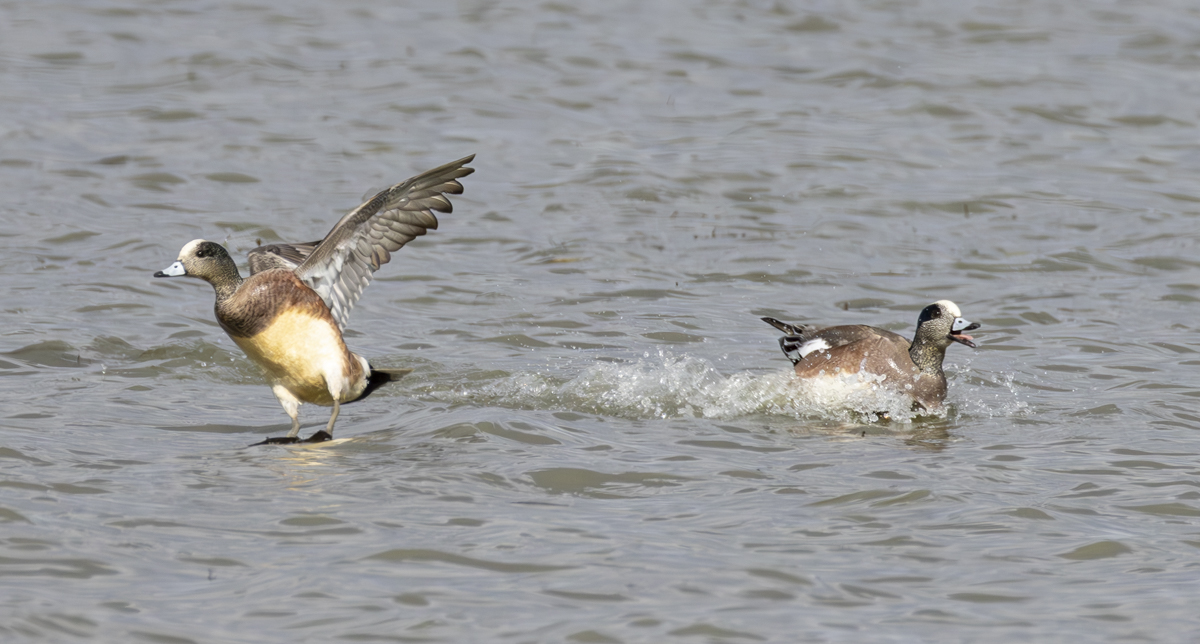
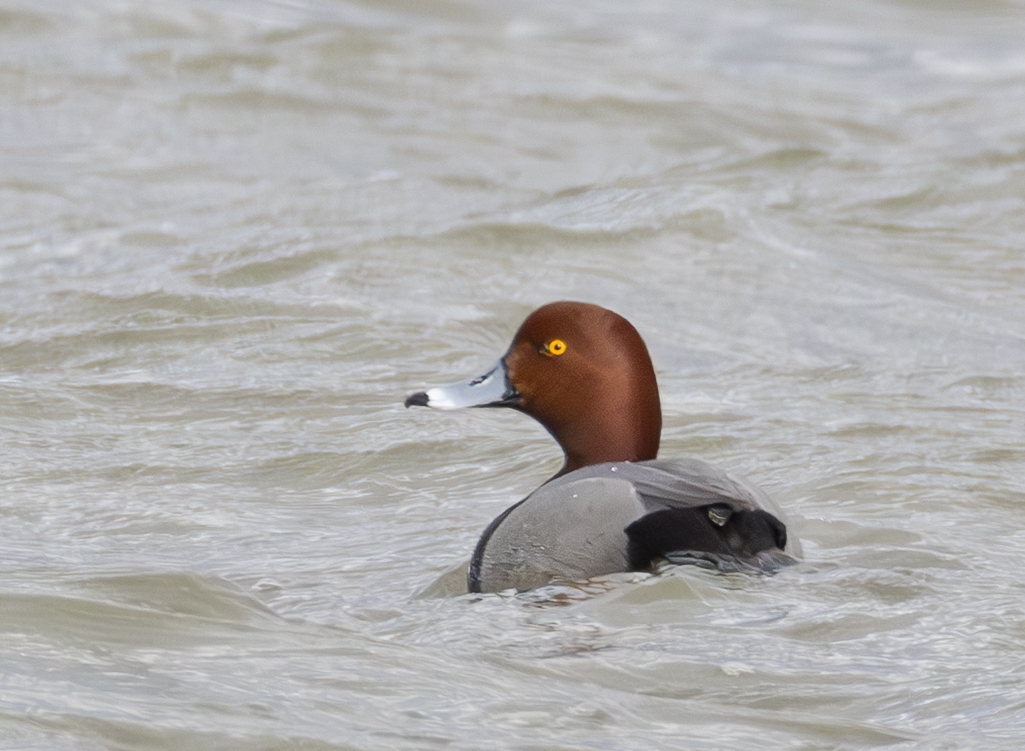
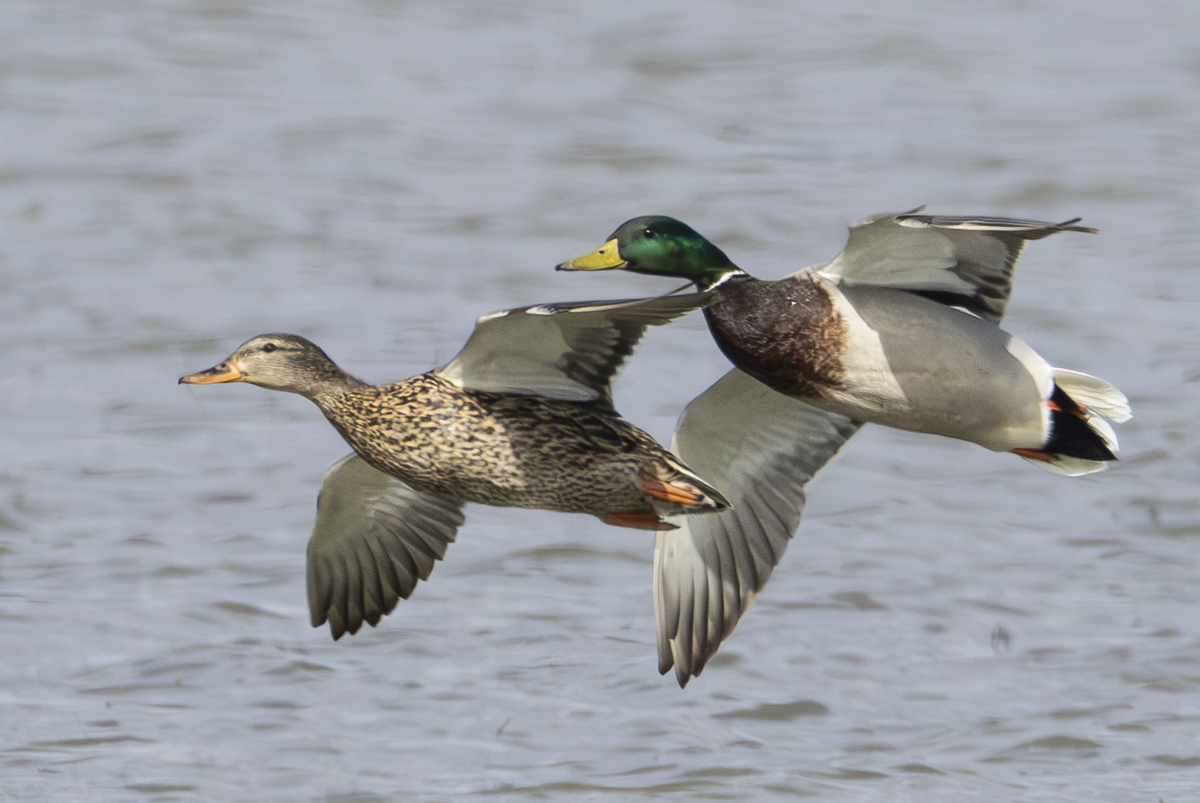
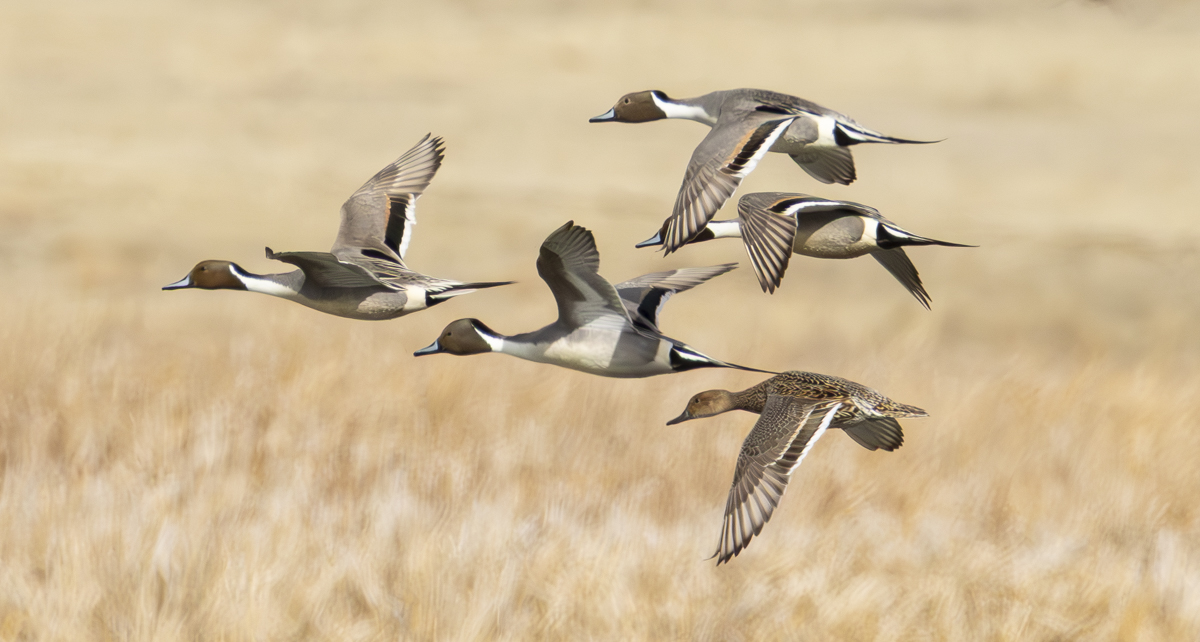
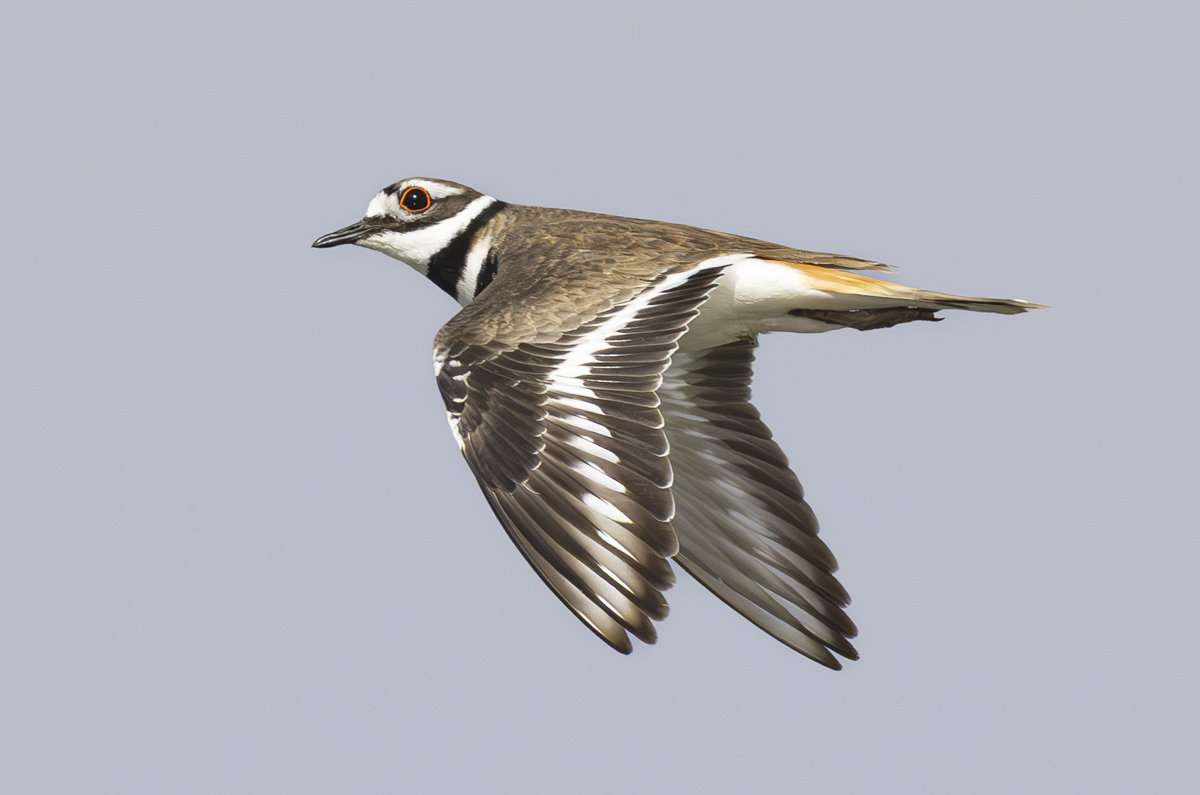
We sat for a long time in the car alongside the waterfowl, hoping they would come closer. Most did not, so these images were shot with my 200-800 zoom lens and are heavily cropped. One bird did fly nearby on several occasions but was tough to photograph as it blasted by each time – a killdeer. I finally managed several shots of it passing by calling and giving us the side eye.
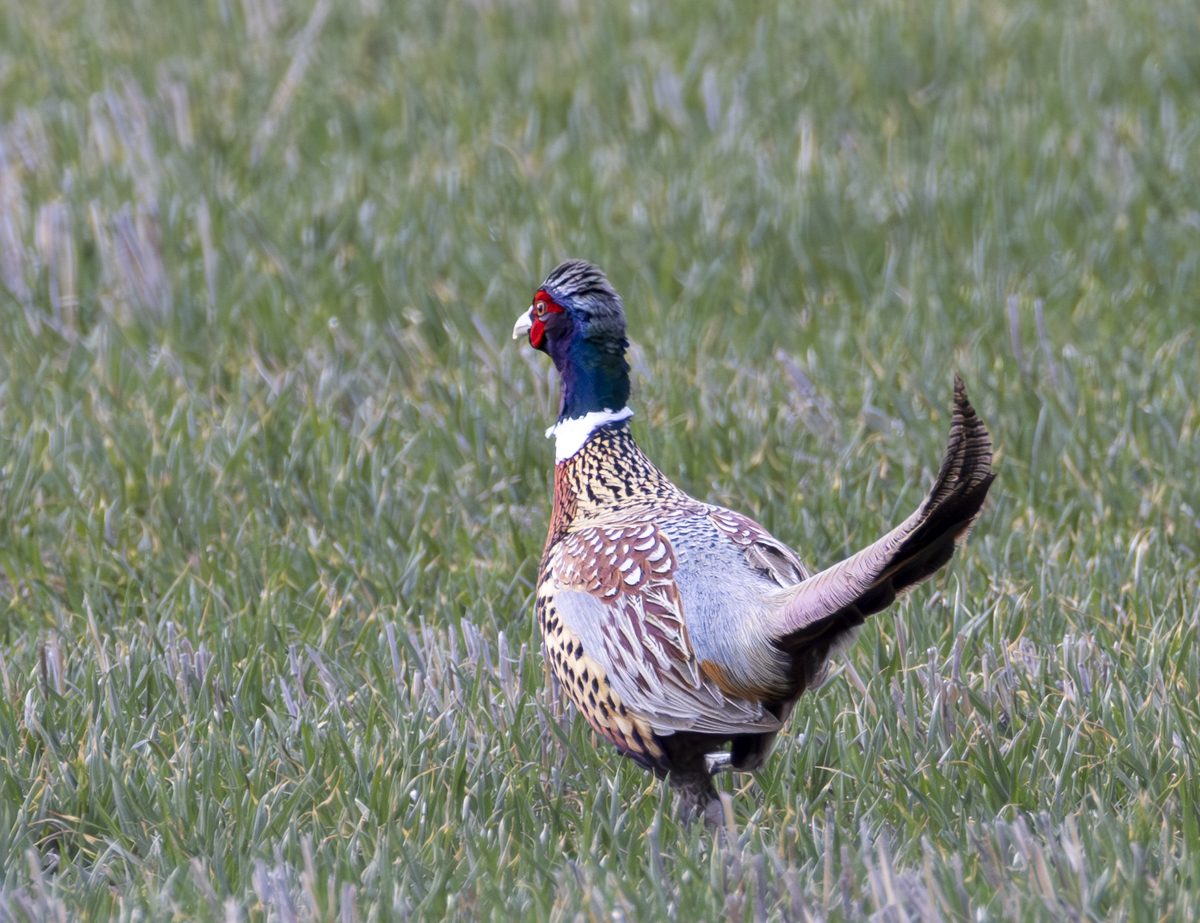
Driving the long, flat dirt roads (at 50 mph by the way) in central Montana also yielded some cool birds that have been introduced for hunting in this area. We saw several ring-necked pheasants (including this gorgeous male) and what we think were some chukar, a species of partridge.
All in all, a great trip to a part of the state we did not know much about. I can see us returning to the region next winter for another “bird fix”.


 Roads End Naturalist
Leave a comment