
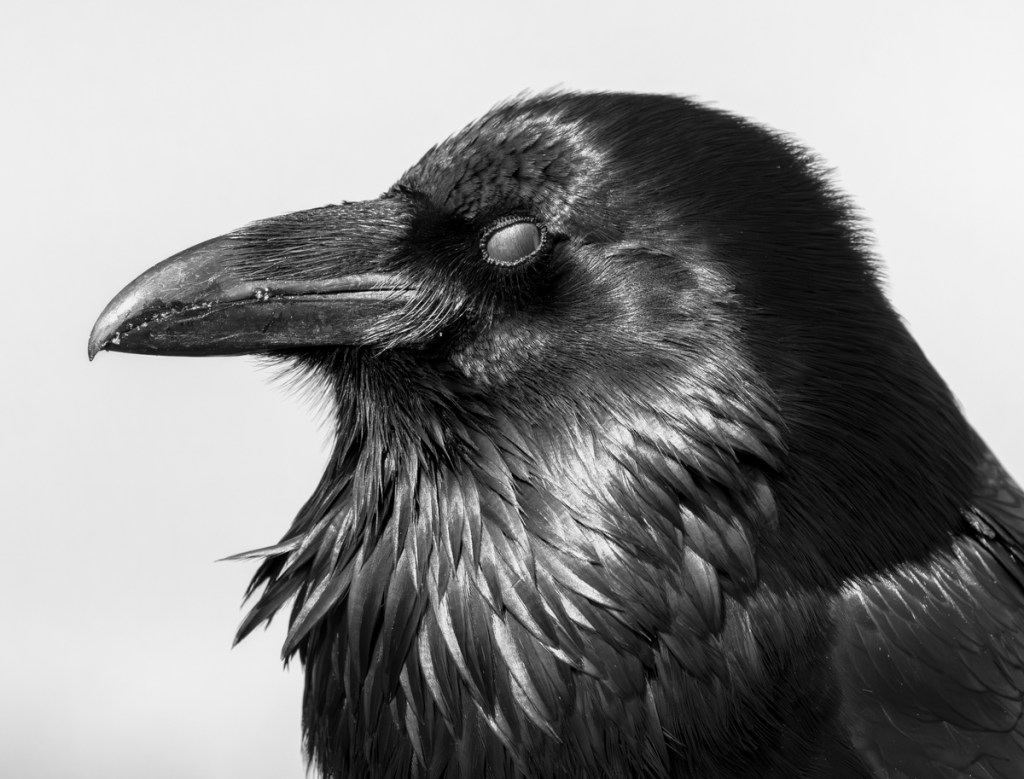
Everyone likes birds. What wild creature is more accessible to our eyes and ears, as close to us and everyone in the world, as universal as a bird?
~Sir David Attenborough
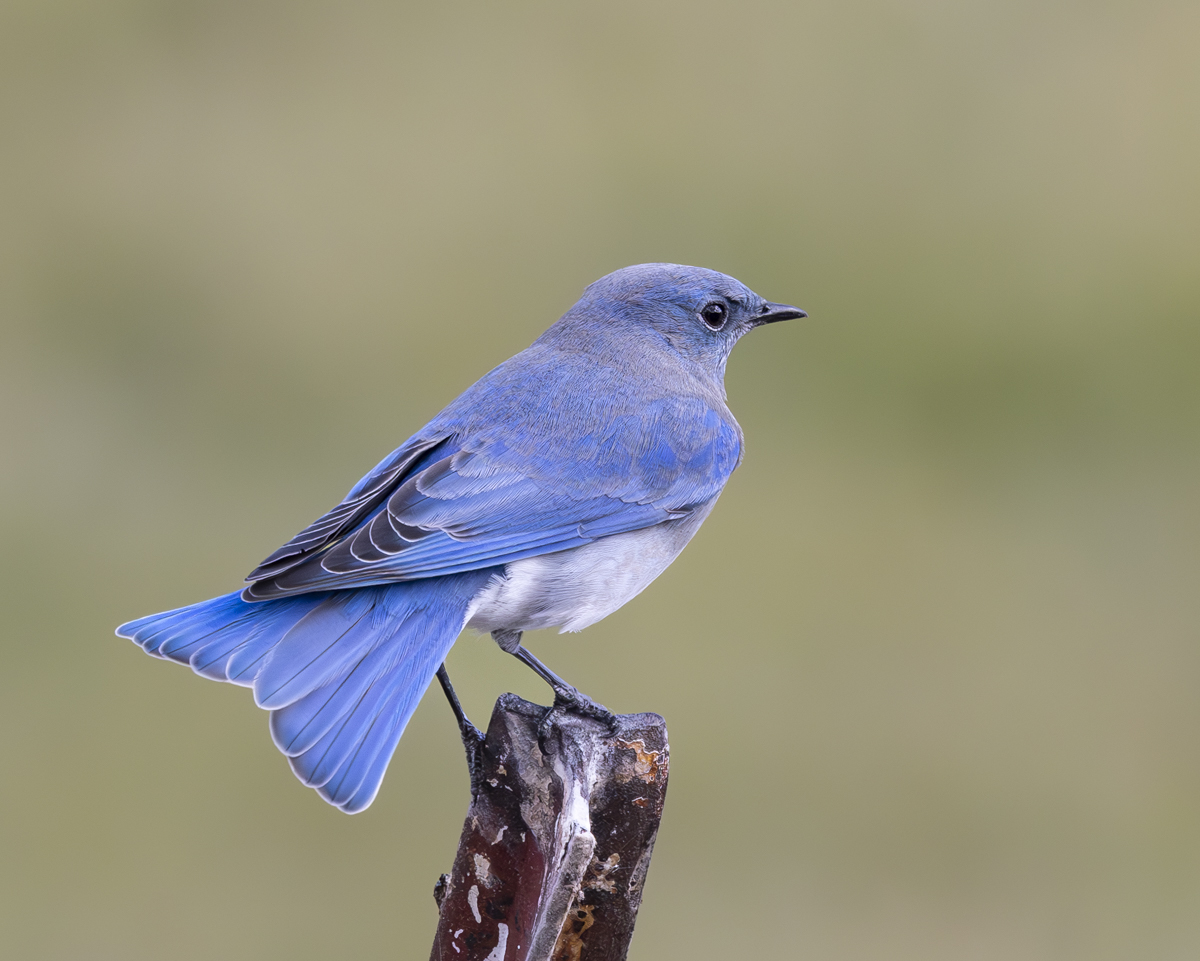
My last post on the migrating birds of central Montana reminded me that we have enjoyed seeing a number of birds in our first year (almost year) in our new home. I have included many in previous blog posts about waxwings, mergansers, hummingbirds, and a great gray owl. We have seen some of the first arrivals in the park of “our summer birds” these past couple of weeks (mountain bluebirds, sandhill cranes, red-tailed hawks, violet-green swallws) so I thought I would go ahead and share some of my favorite bird sightings. Plus, I want to give birds their due since it seems that some park visitors are only enamored with the charismatic megafauna that have fur. It has happened several times while watching birds through a scope that someone will pull up and ask what we are looking at. If it is a bird, some usually smile and drive on. We have even flapped our hands like wings as someone pulls up and that often sends them driving on without even asking (or I suppose they could think we are a bit wacko).
Anyway, we always stop and take a look when we see a bird out in the park. We have been particularly vigilant this winter as we searched for the elusive pygmy owl. Melissa spotted two this winter but I was skunked. We have looked at every small bird and quite a few pine cones or tufts of needles at the tops of trees in hopes of seeing this tiny diurnal predator. What we did see were a lot of Townsend’s solitaires who also like to perch on the tops of trees. They sing all winter as they defend their winter food supply of juniper berries (in summer, they are primarily insect eaters). The Cornell Lab’s All About Birds page cites a study saying a single Townsend’s solitaire may eat between 42,000 and 84,000 juniper berries in order to survive the winter!
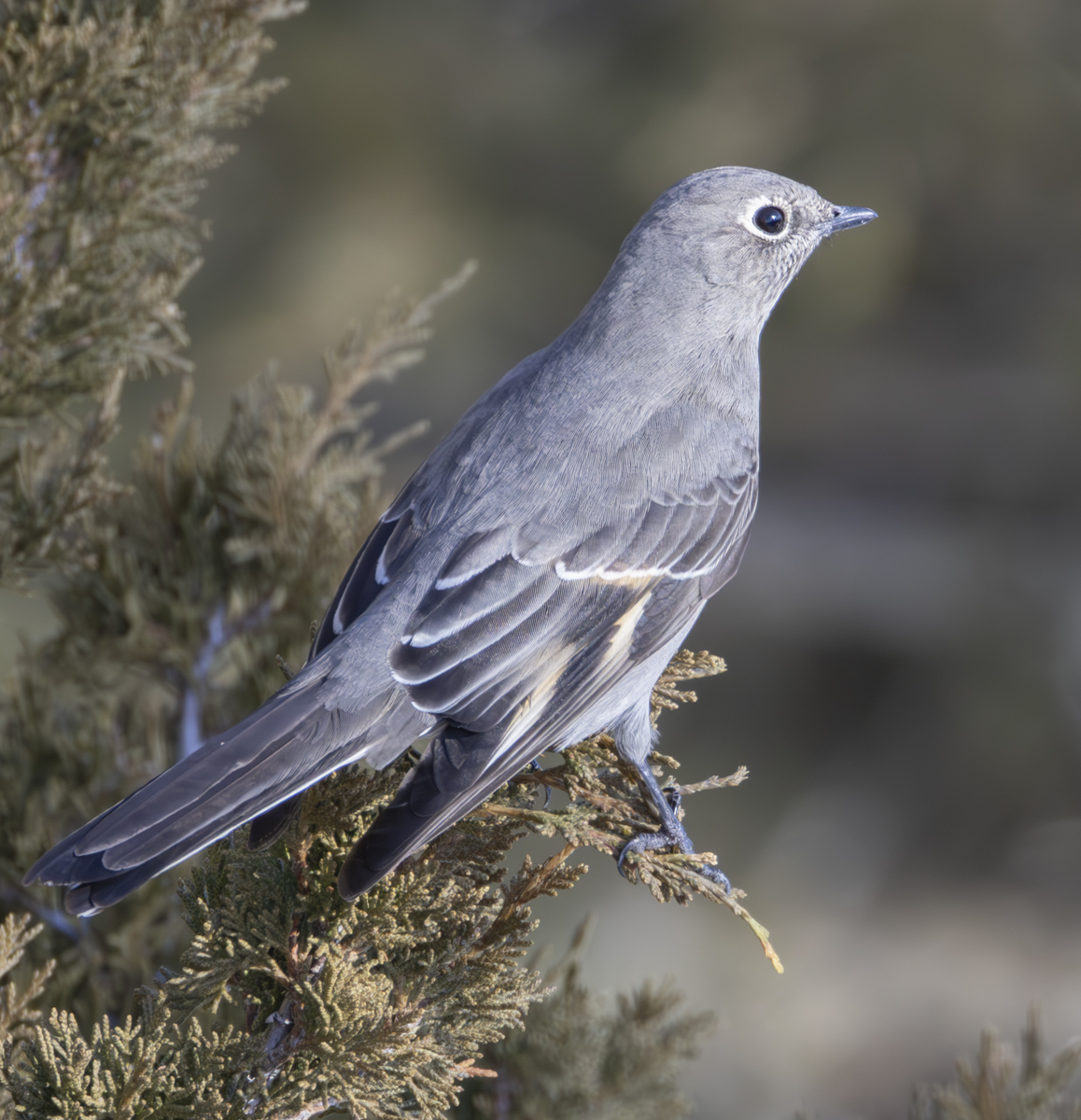
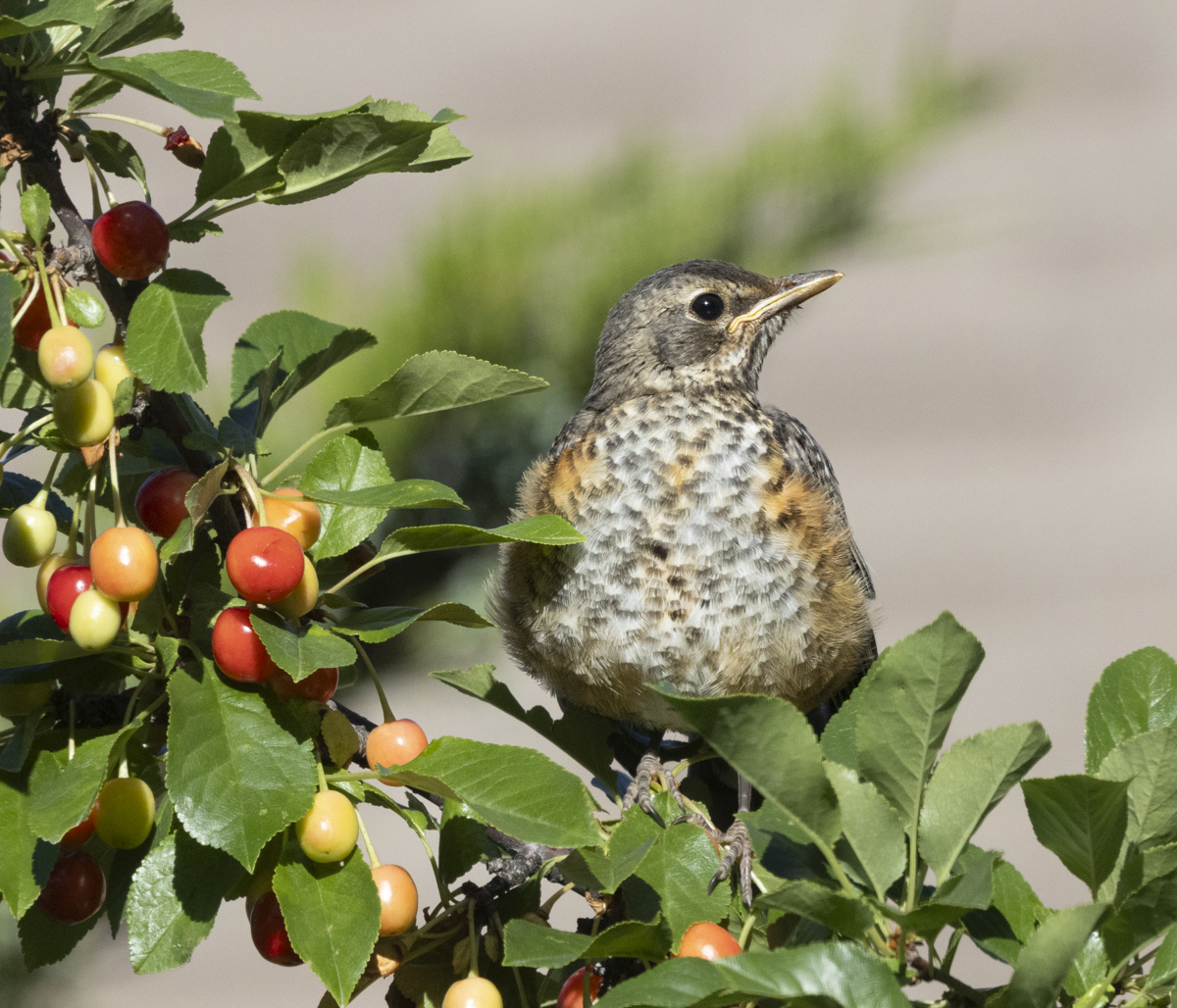
Below are some of the other birds we observed since arriving here. Many were absent through much of the winter but are starting to reappear now that spring is approaching (although snow is in the forecast this week!).
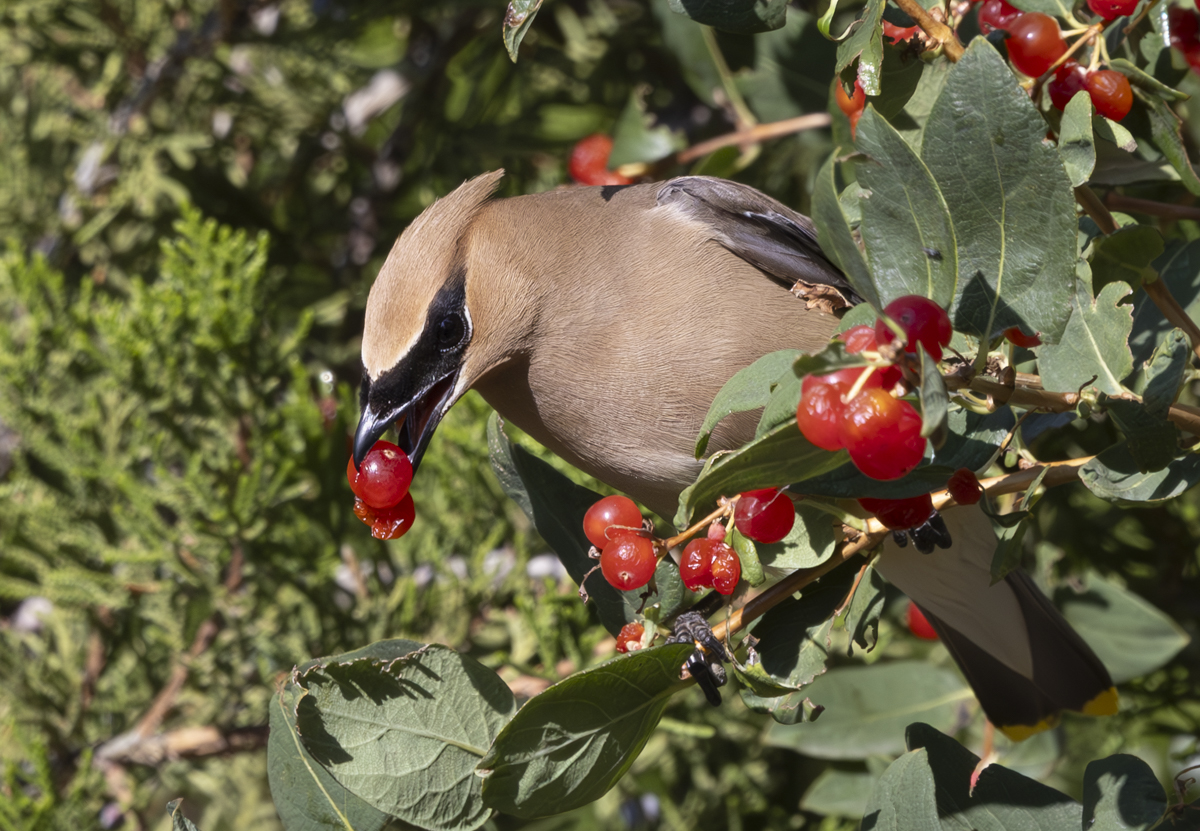
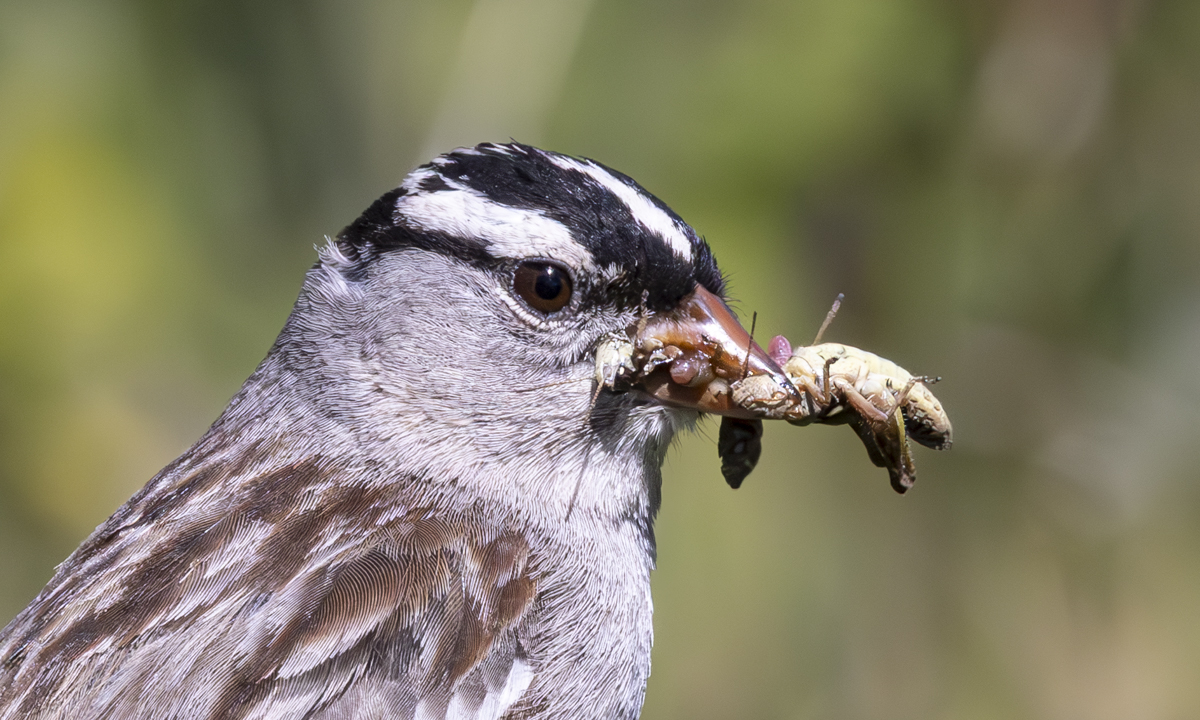
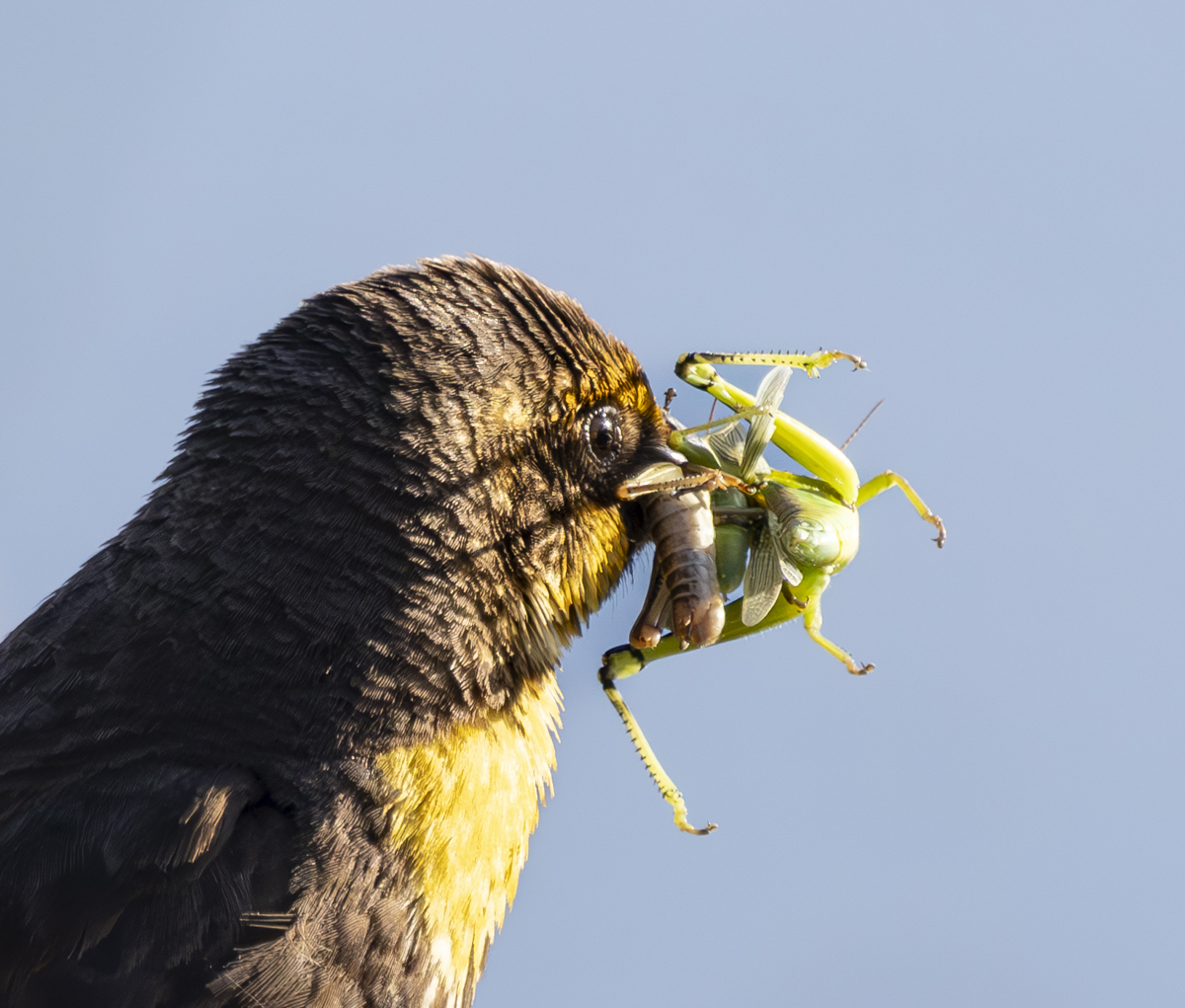
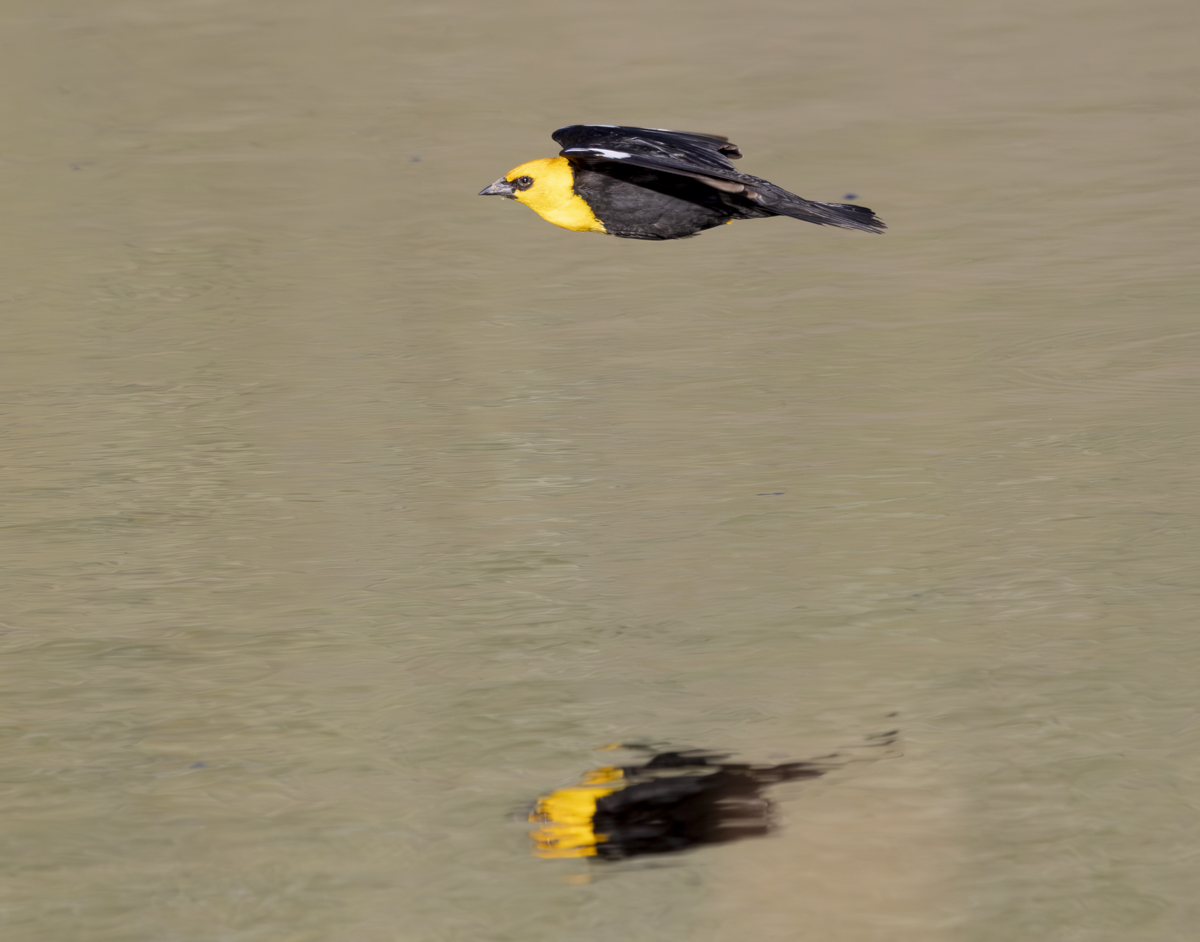
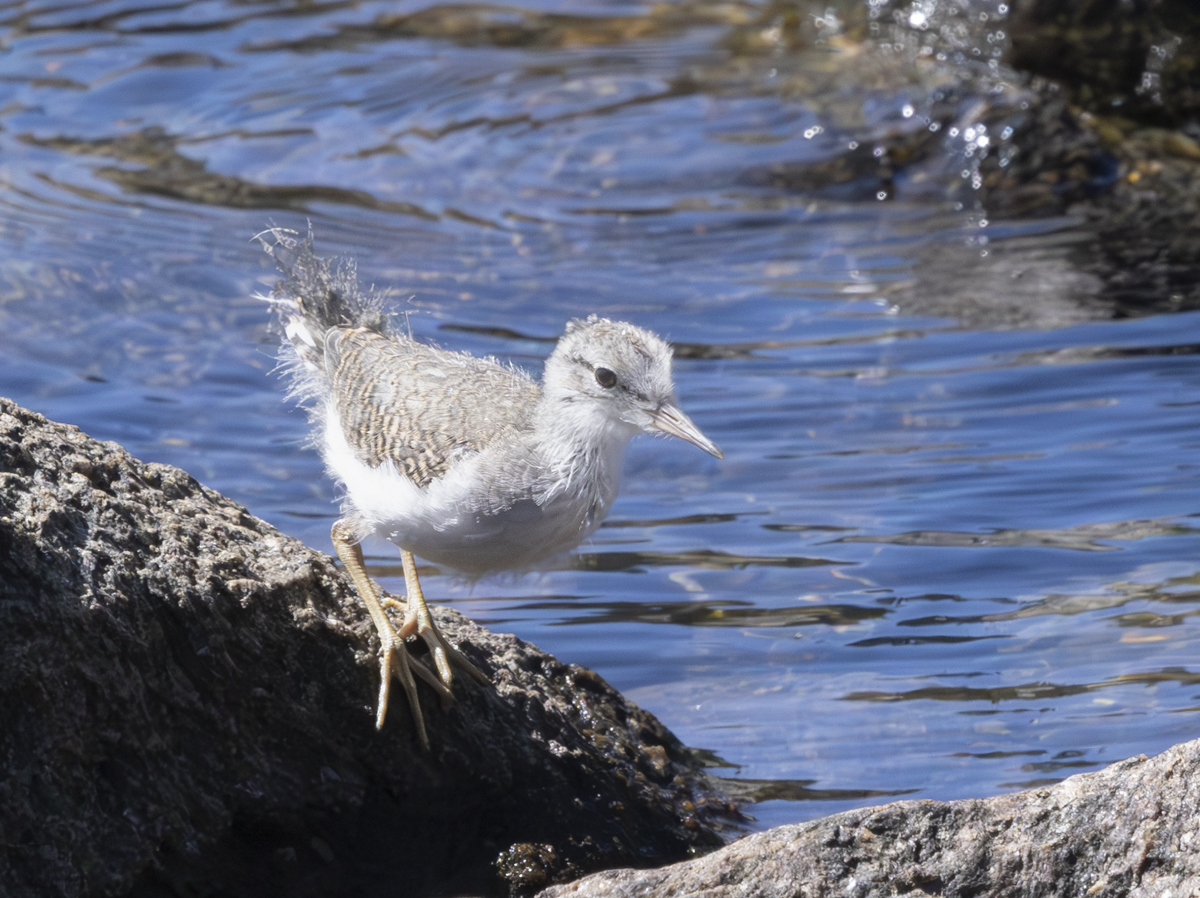
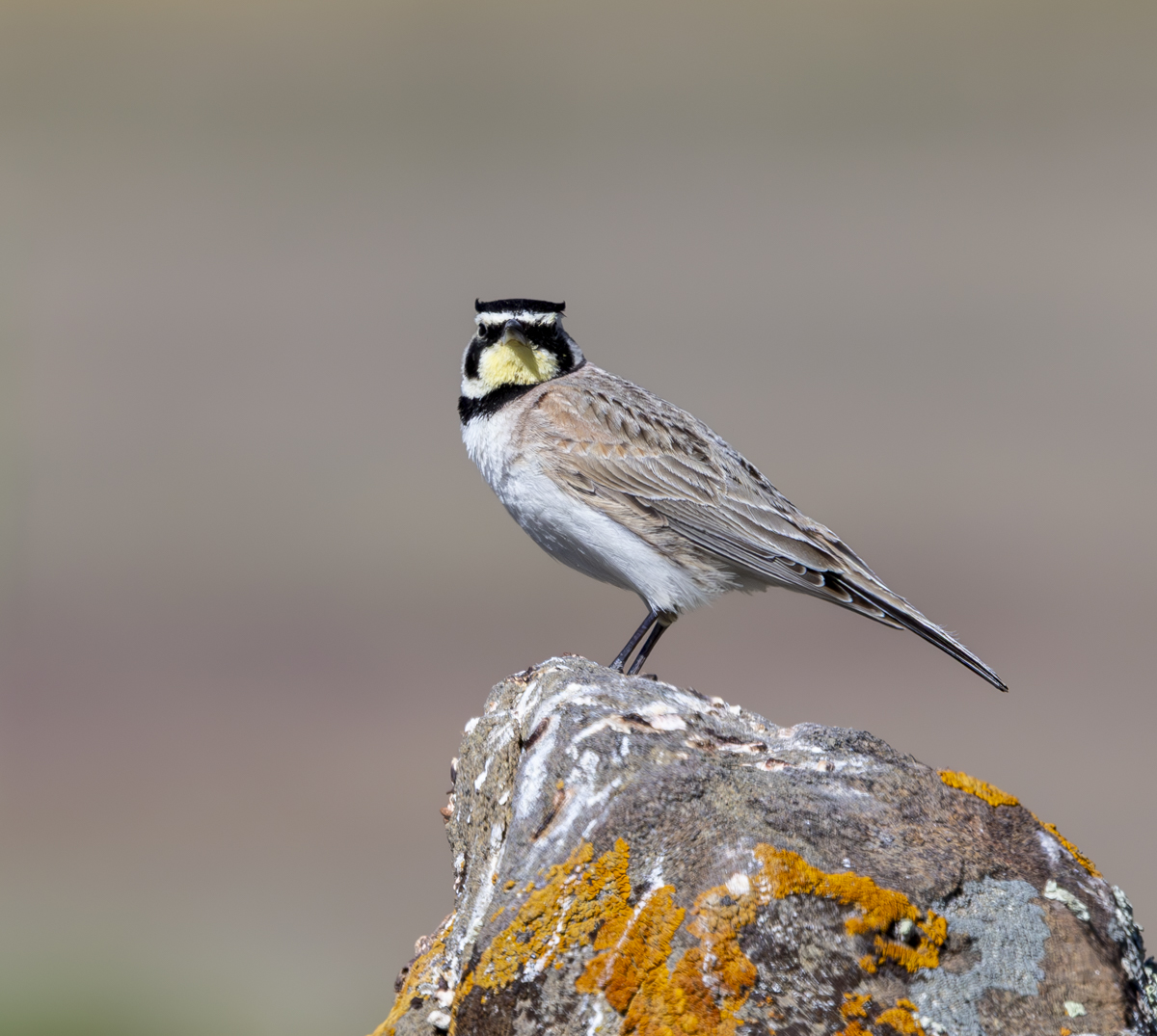
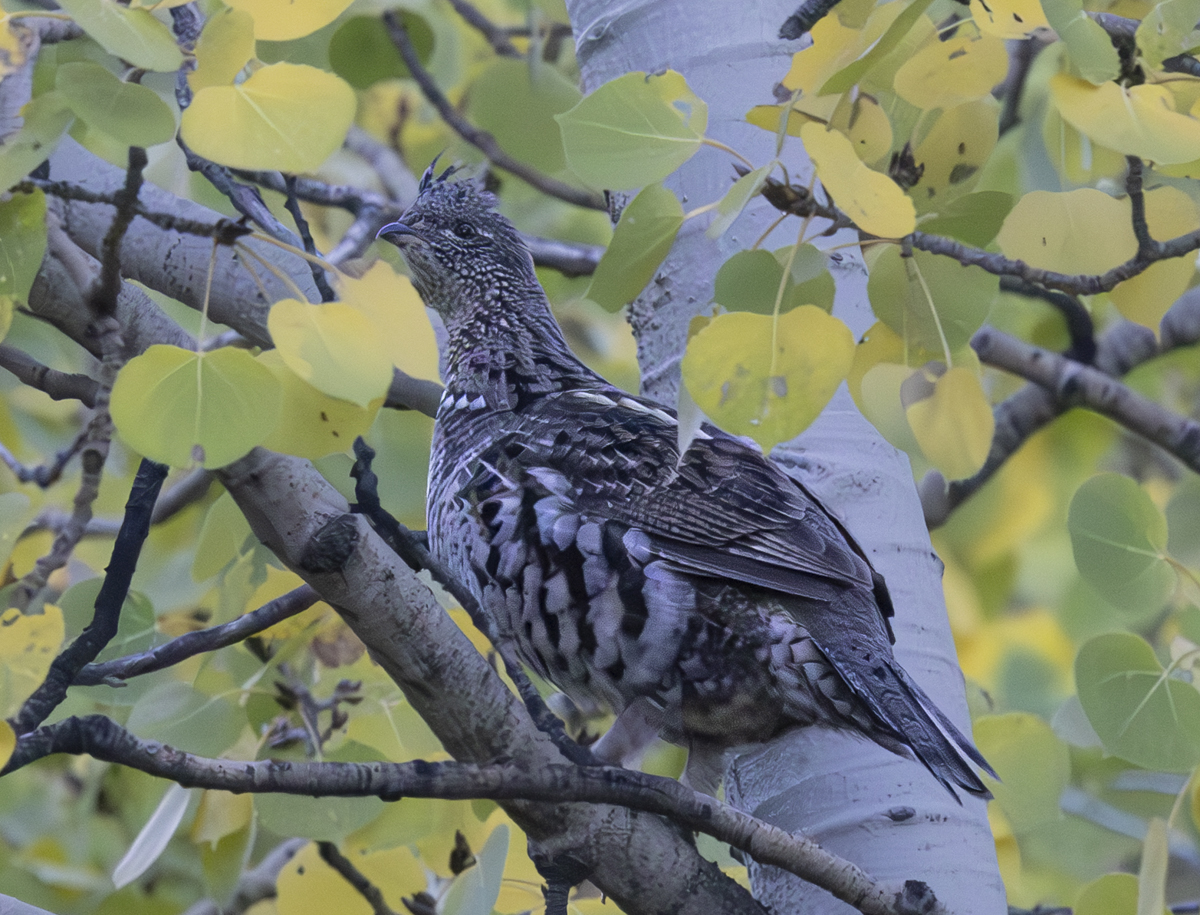
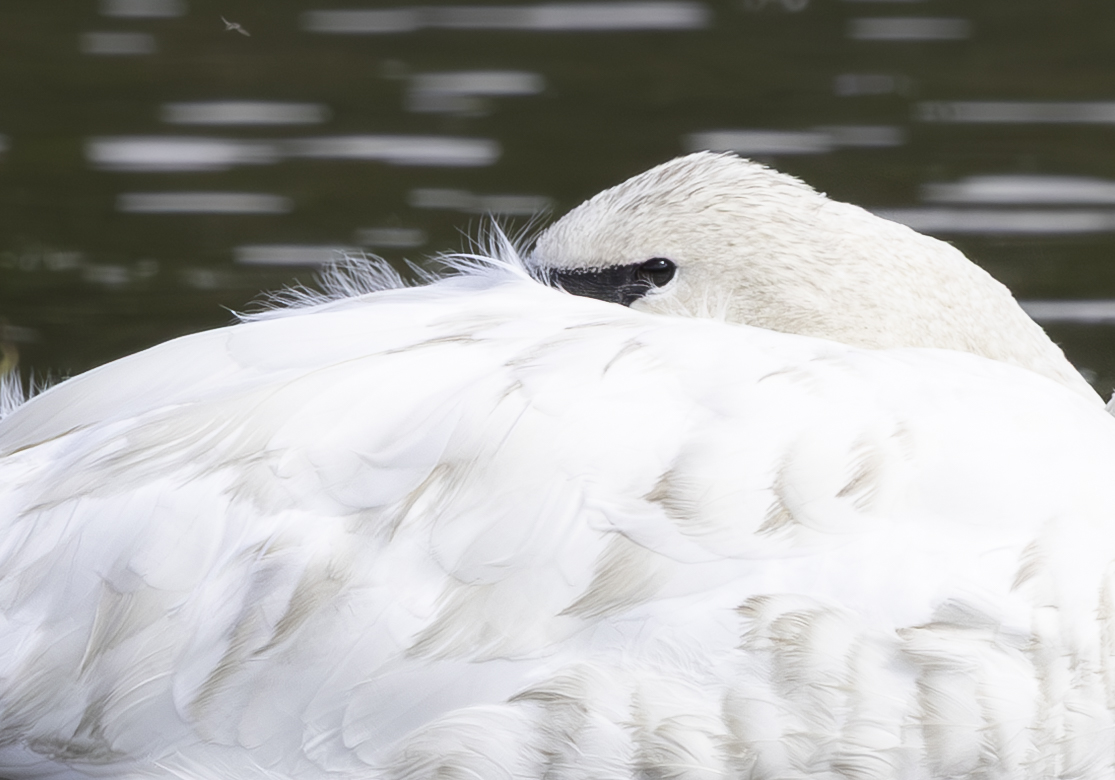
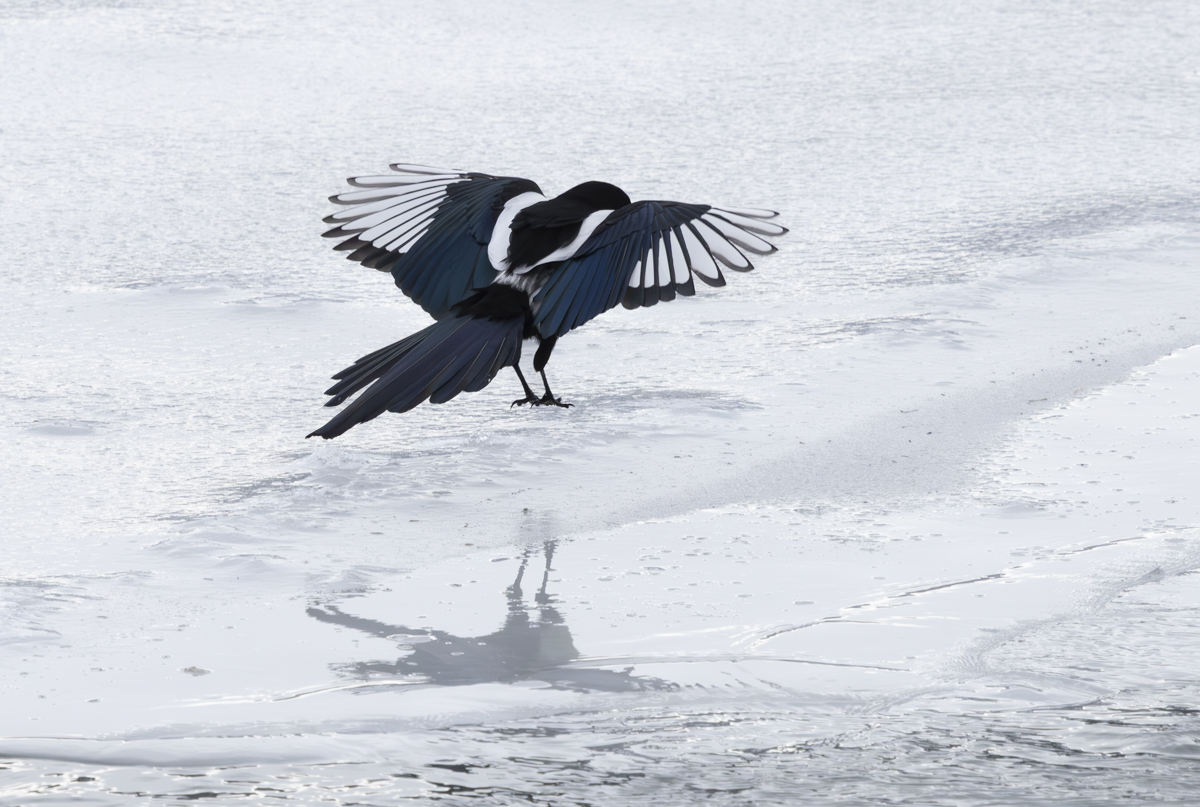
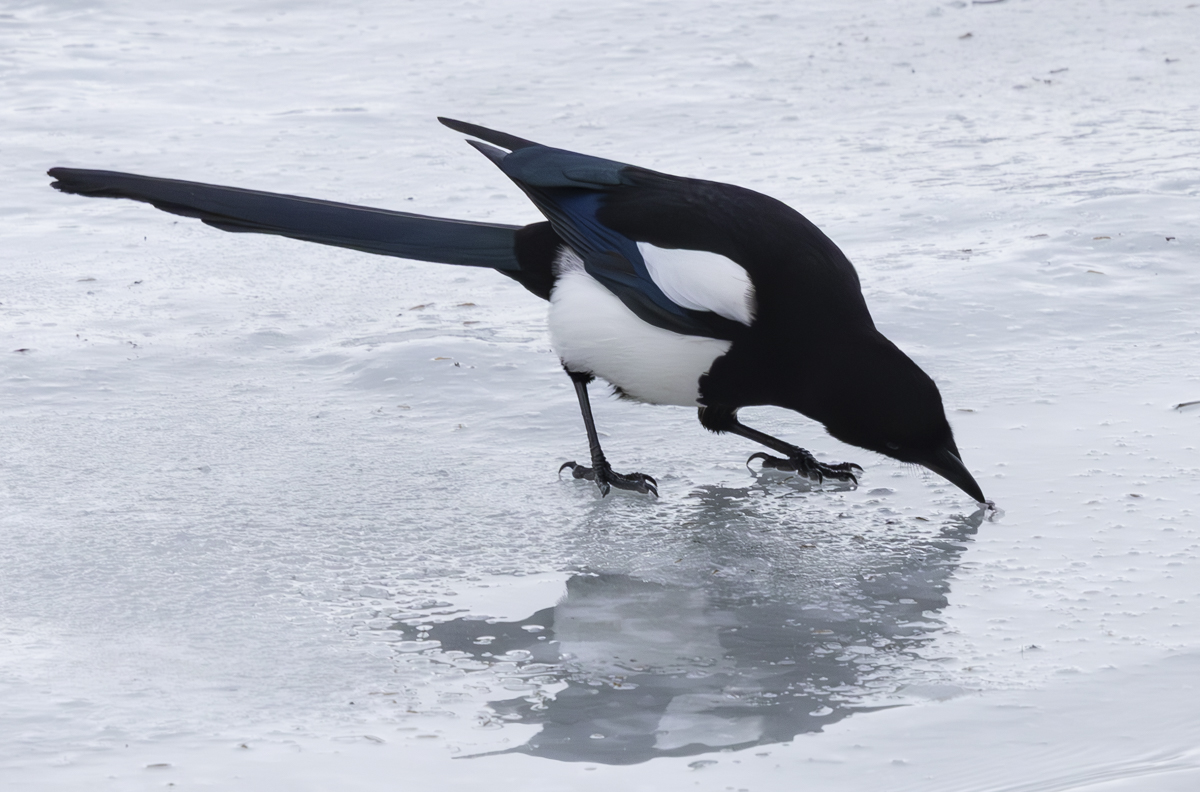
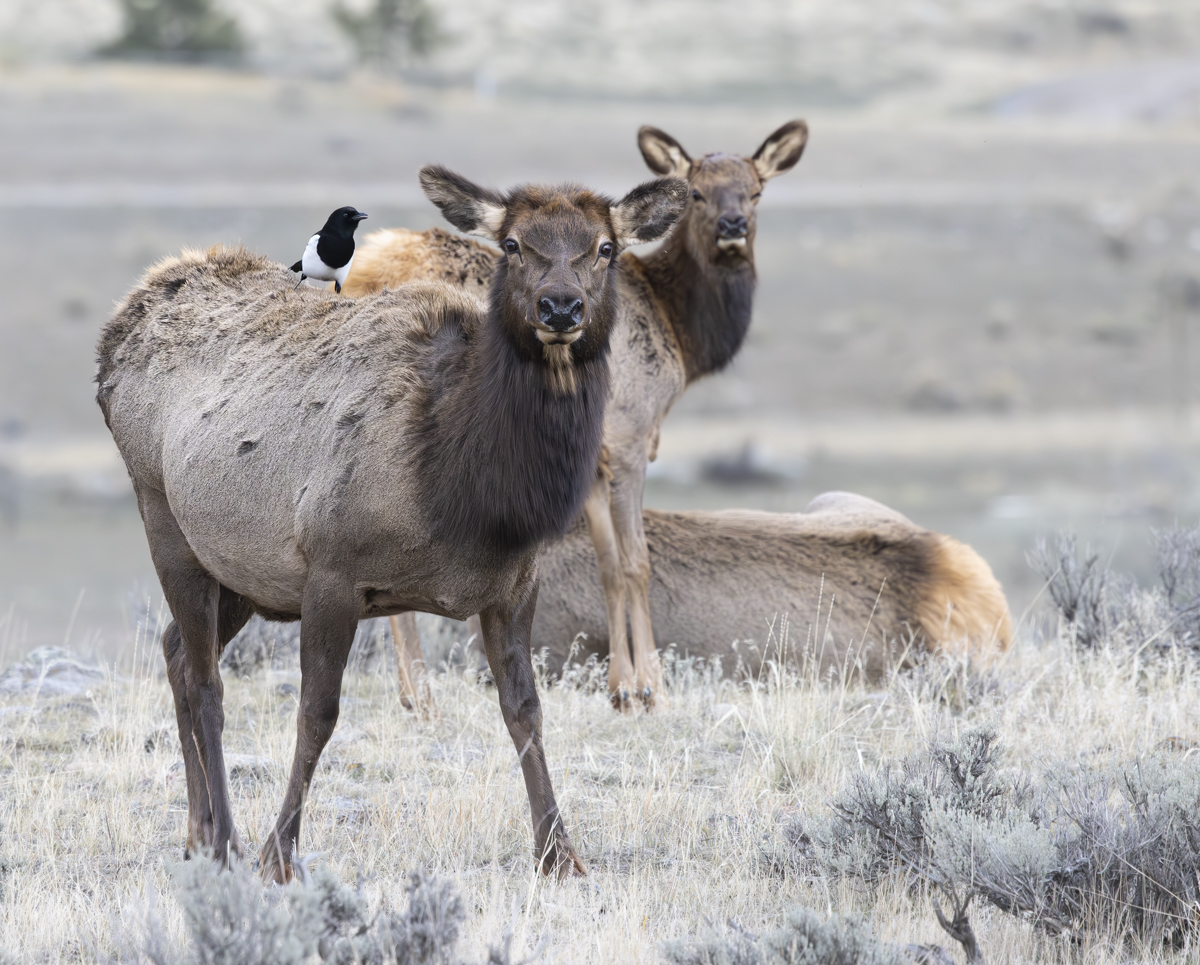
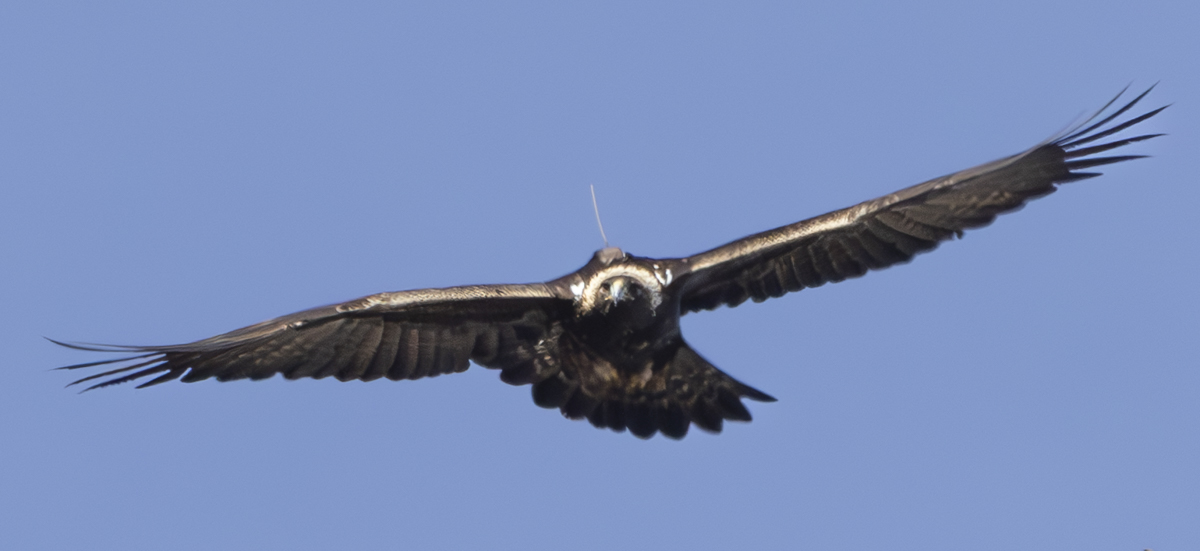
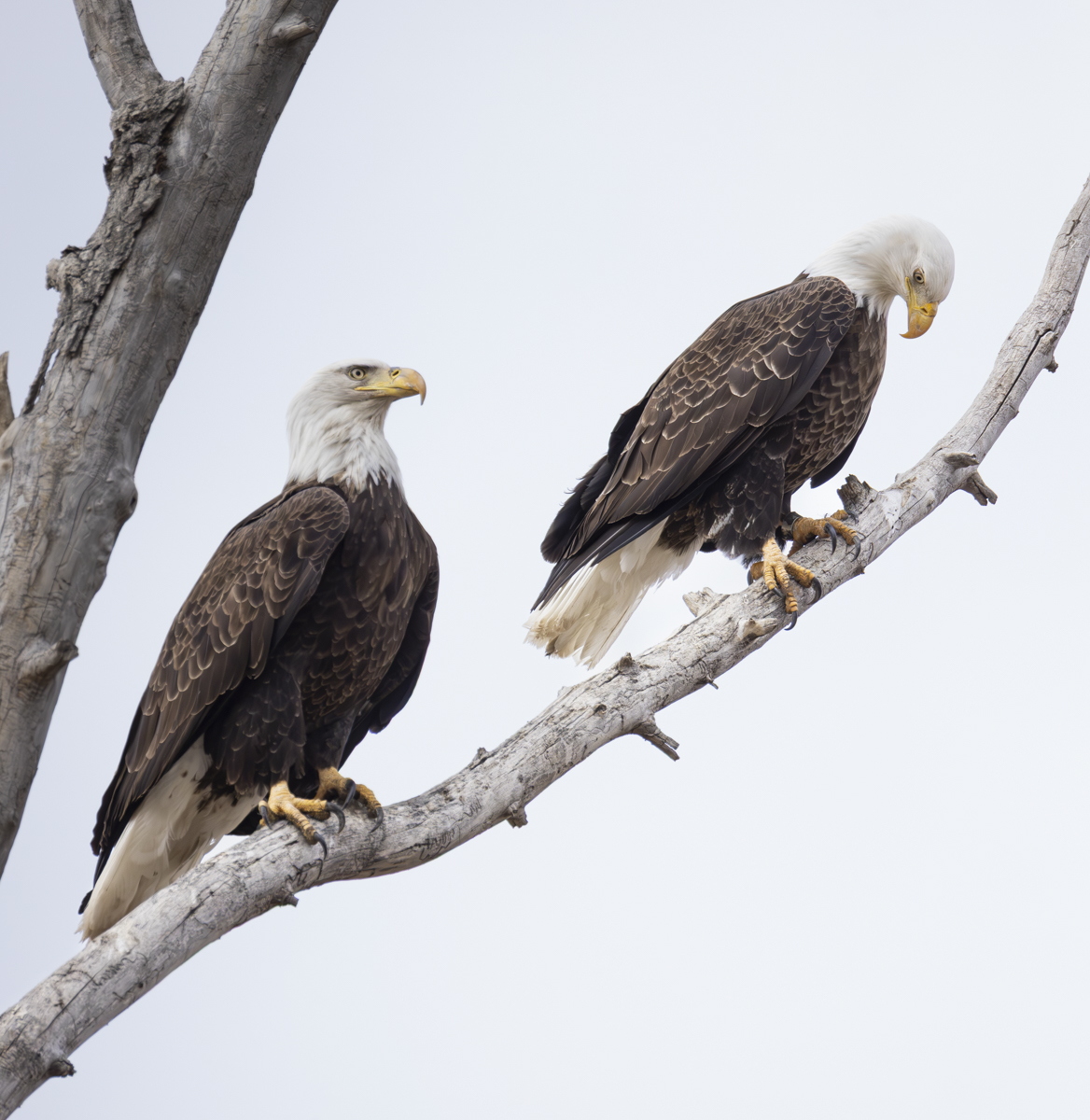
Some of the birds we watched the most were those that stay here all winter – the eagles, ravens, magpies, dippers, and nutcrackers kept us company on days when other wildlife was a little tougher to find.
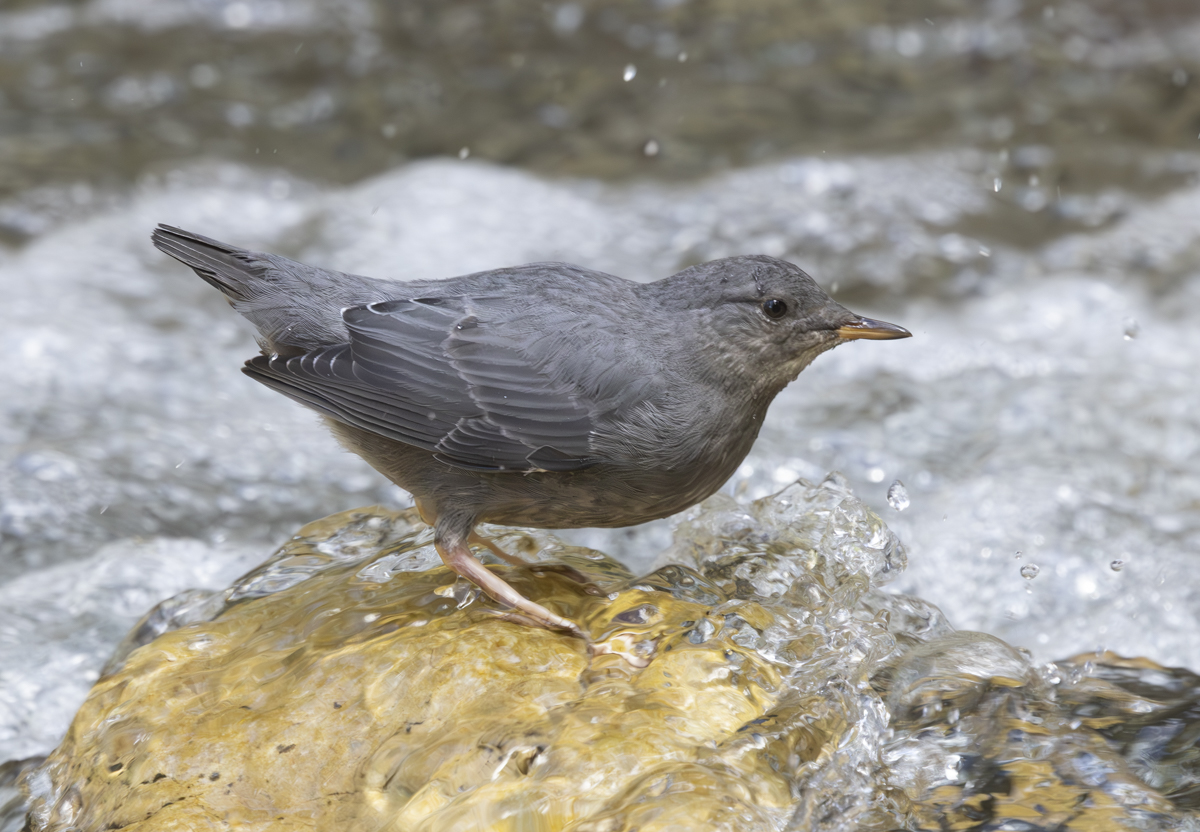
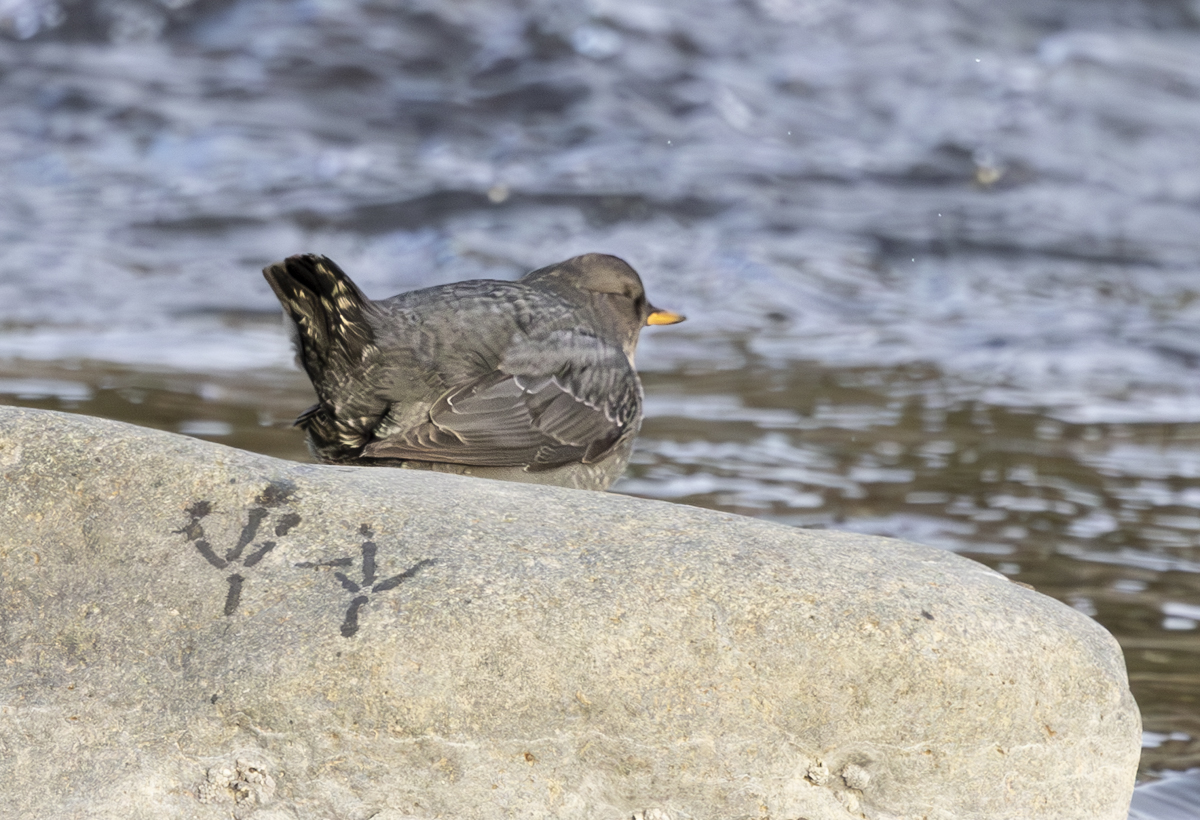
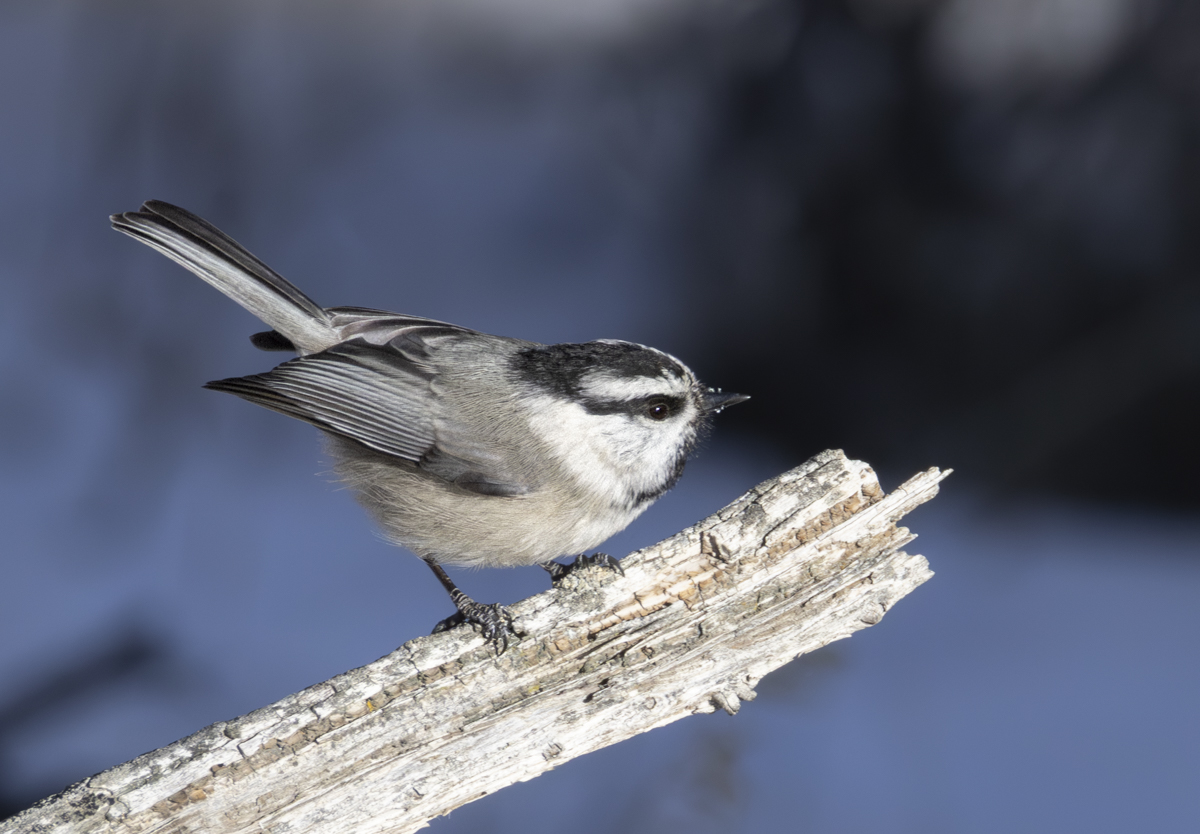
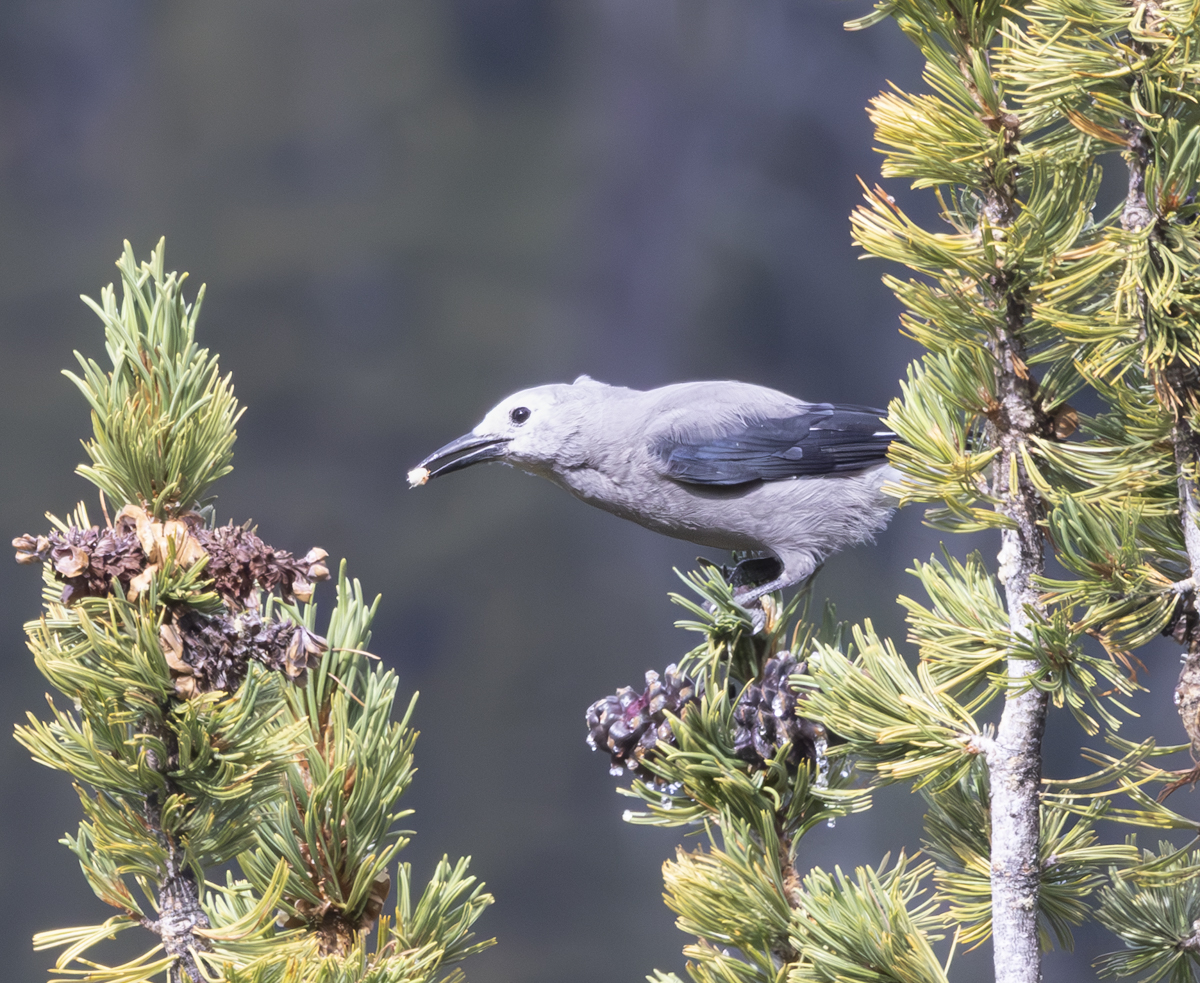
In years like this with poor whitebark pine nut crops, nutcrackers rely heavily on other conifers like Douglas fir. Here is a short clip of one gathering seeds. Sound up so you can hear the harsh squawk of a nutcracker near the beginning of the clip. There were 6 nutcrackers working this group of trees that day.
–Nutcrackers are quite adept at using their sharp bill to gather conifer seeds from cones
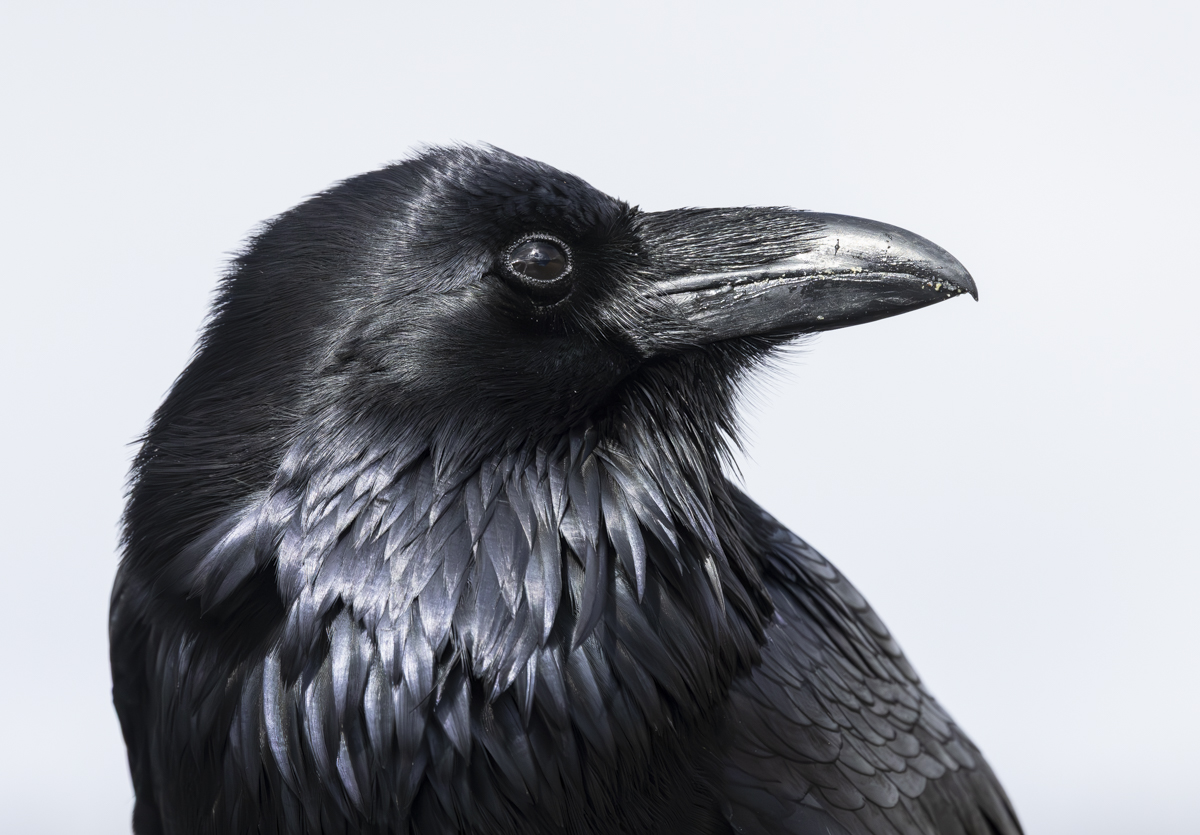
This last clip is of a group of ravens at the bison carcass (this is one of the bison that drowned this winter at Blacktail Ponds). One thing I noticed is a couple of pairs of ravens on the outside of the main group are giving soft calls and interacting with each other in what seems like an affectionate way. You can also see what look like small horns on the head of some of these ravens. These plumicorns (feather horns) can be raised and lowered and probably have a variety of meanings from aggression and dominance to affection between mated pairs. I think that is what is happening here, some affectionate bill touching as a pair bonding signal.
I’m becoming more and more fascinated by the ravens. They are very intelligent birds with lots of vocalizations that we are still trying to decipher. Whenever we see more than two ravens heading in a direction we wonder if there might be a carcass somewhere. There is a lot of speculation as well as some data about the relationship between ravens and carnivores like wolves. Do ravens lead wolves to prey? I certainly have seen a few ravens just hanging around wolves that were not on a kill site, so at the very least ravens may follow predators in order to take advantage of any kills.
As spring tries to make an appearance in Yellowstone, we are looking forward to seeing more of our feathered friends (and perhaps some new ones) in the coming months.


 Roads End Naturalist
Leave a reply to Deb Hanson Cancel reply