
Spring is when you feel like whistling ebven with a shoe full of slush.
~Doug Larson
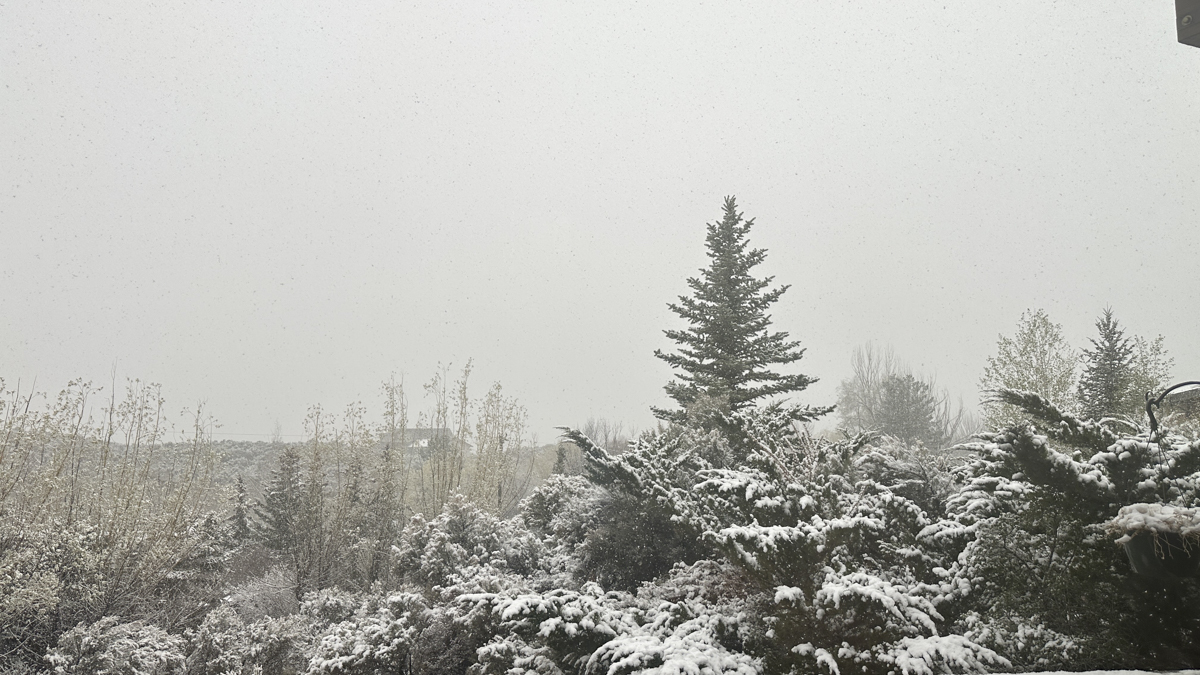
Melissa was gone for a couple of weeks back East so I spent most of my time out in the park where I experienced the onset of spring. Spring in Montana is not quite like we had back in North Carolina with the fresh green leaf-out of trees, the blooming of redbuds and spring ephemerals, and the dawn chorus of so many returning birds. Here, you look for things like the first grizzlies and black bears, the first bison calves in Lamar Valley, the call of a sandhill crane, and night-time temperatures consistently above freezing. It has been an unusually warm winter so our spring may have come a bit early but winter likes to hang on. Just when I thought it was over we have a winter storm warning in effect right now and did get a steady snow this morning.
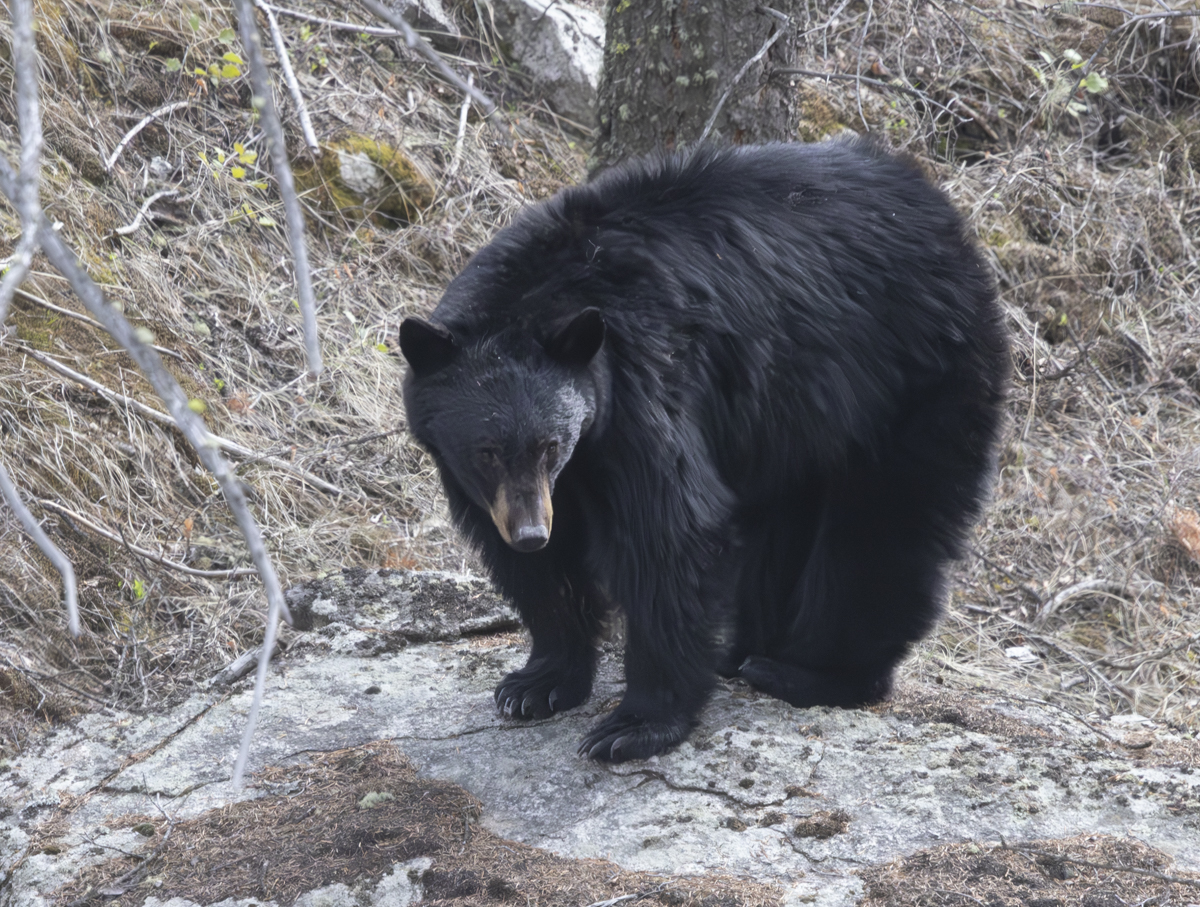
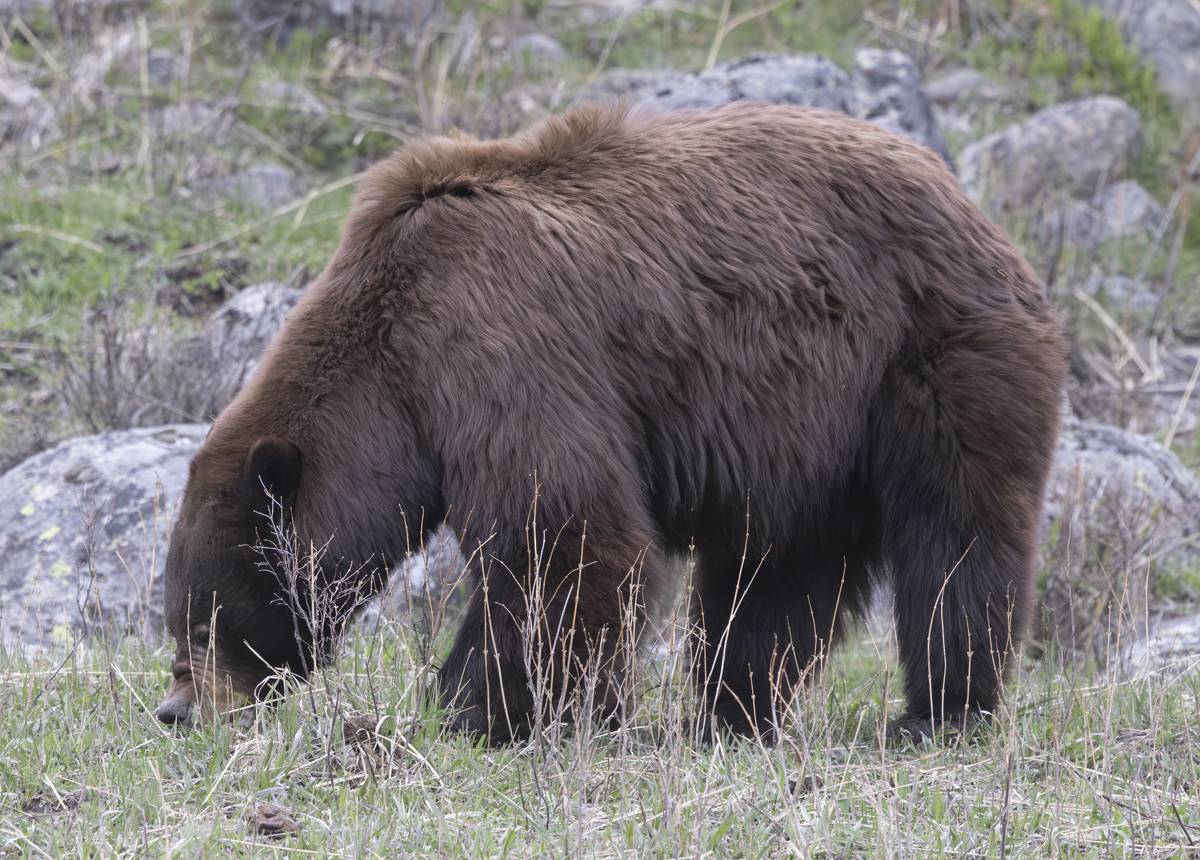
But last week I did see plenty of signs of spring trying to make a break-through. I reported on my first grizzly in a previous post. I now have my first black bear sightings of both a black one and a cinnamon one. Looking at the huge cinnamon-colored black bear, you can understand how many visitors wrongly identify one as a grizzly.
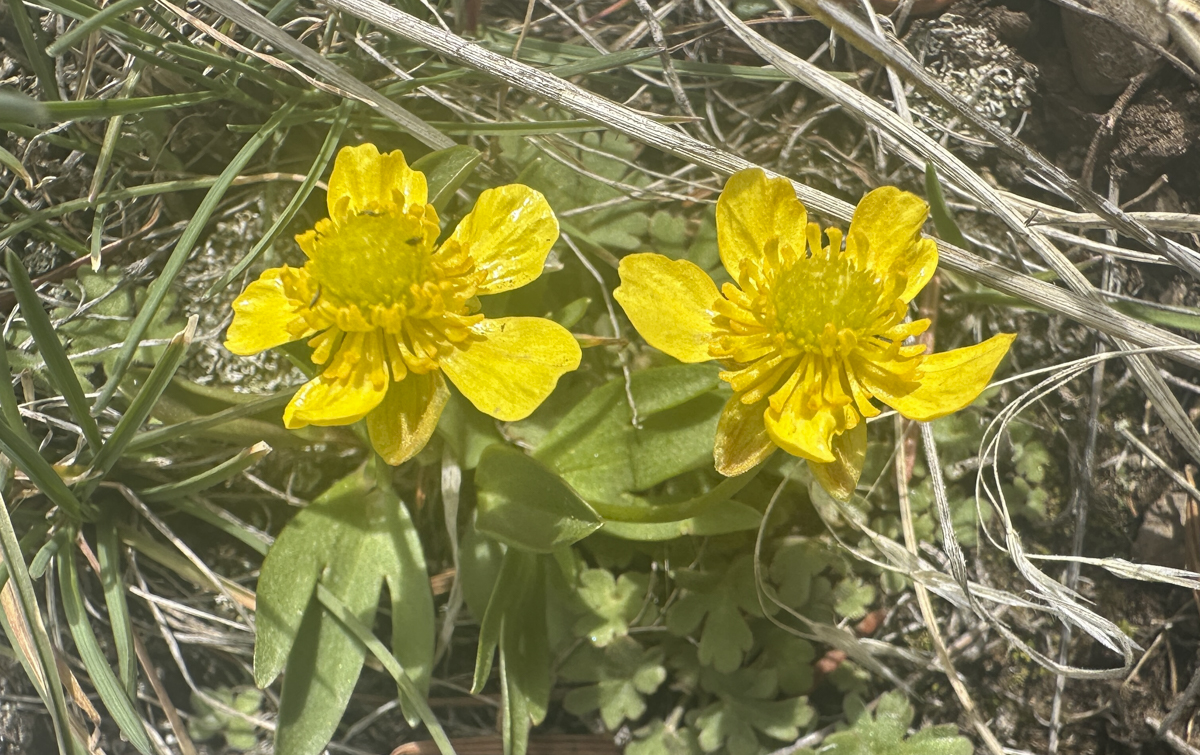
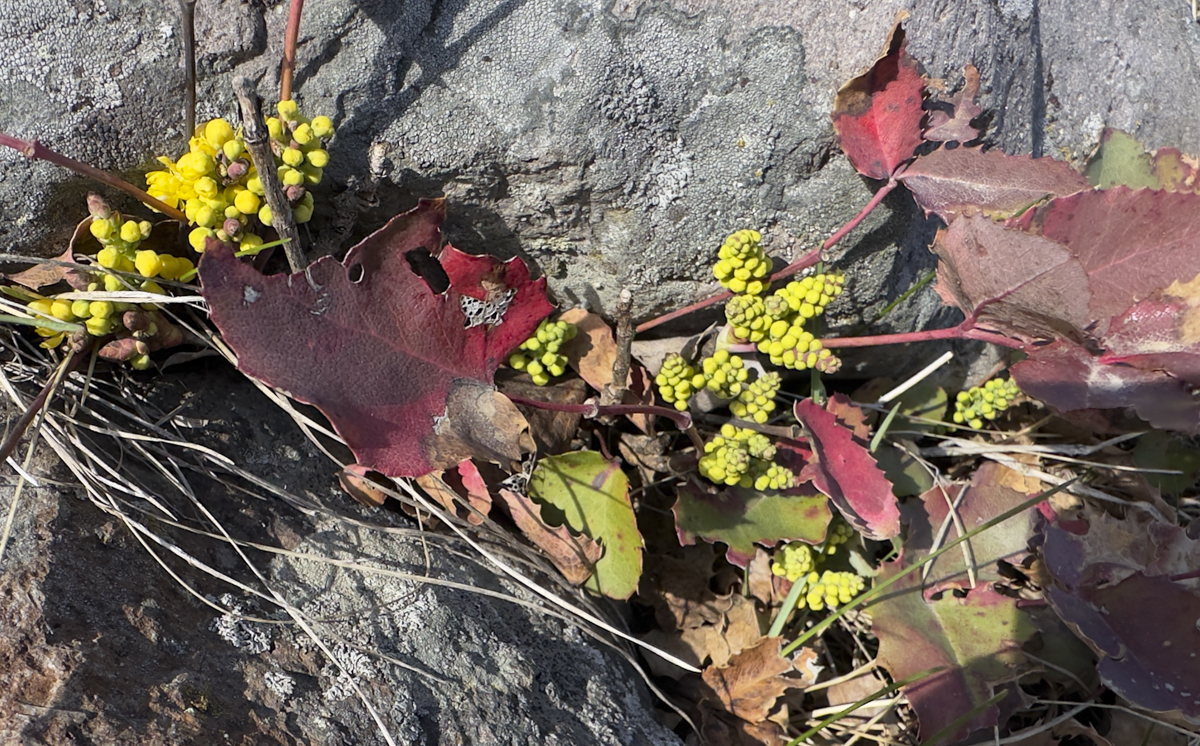
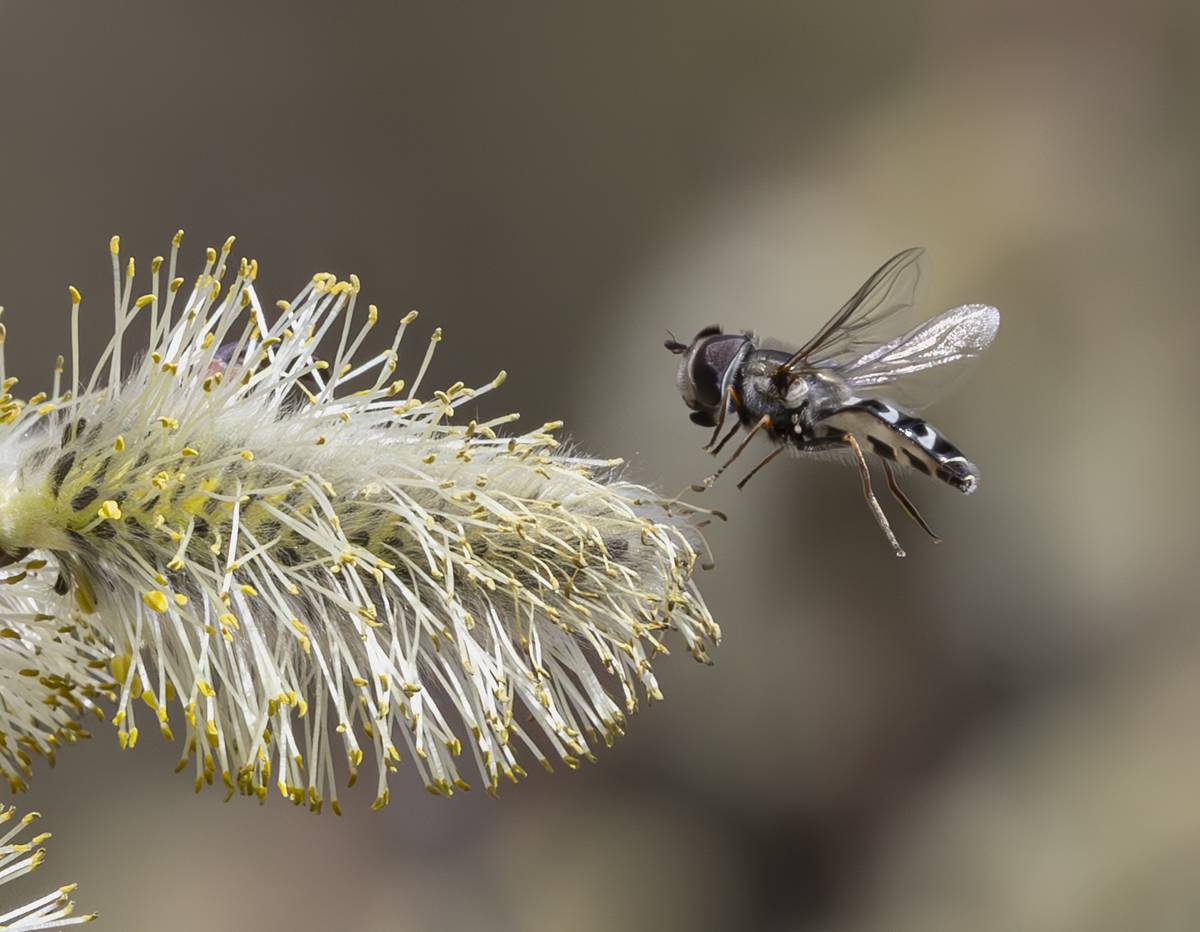
And with the flowers come the first pollinators…
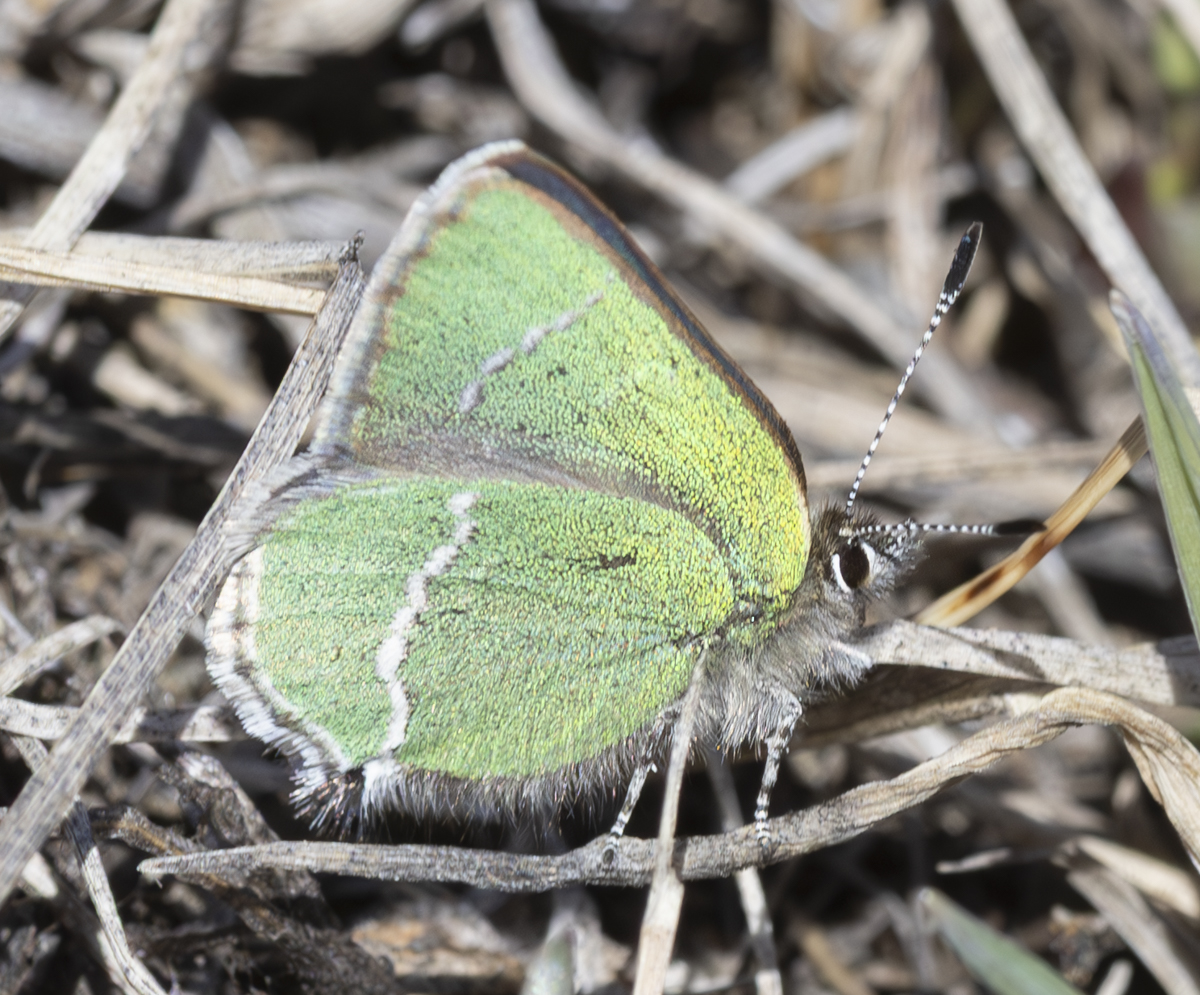
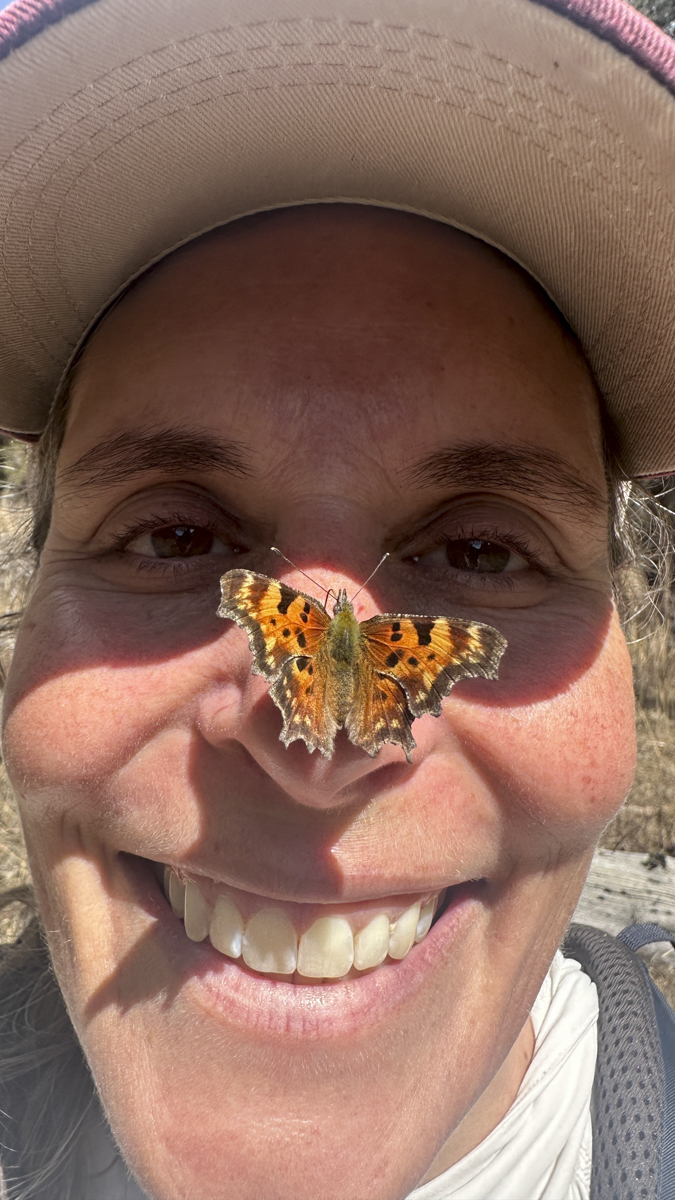
Of course, many of the earliest butterflies (like commas and mourning cloaks) have overwintered as adults and they were the first species we found on our walks.
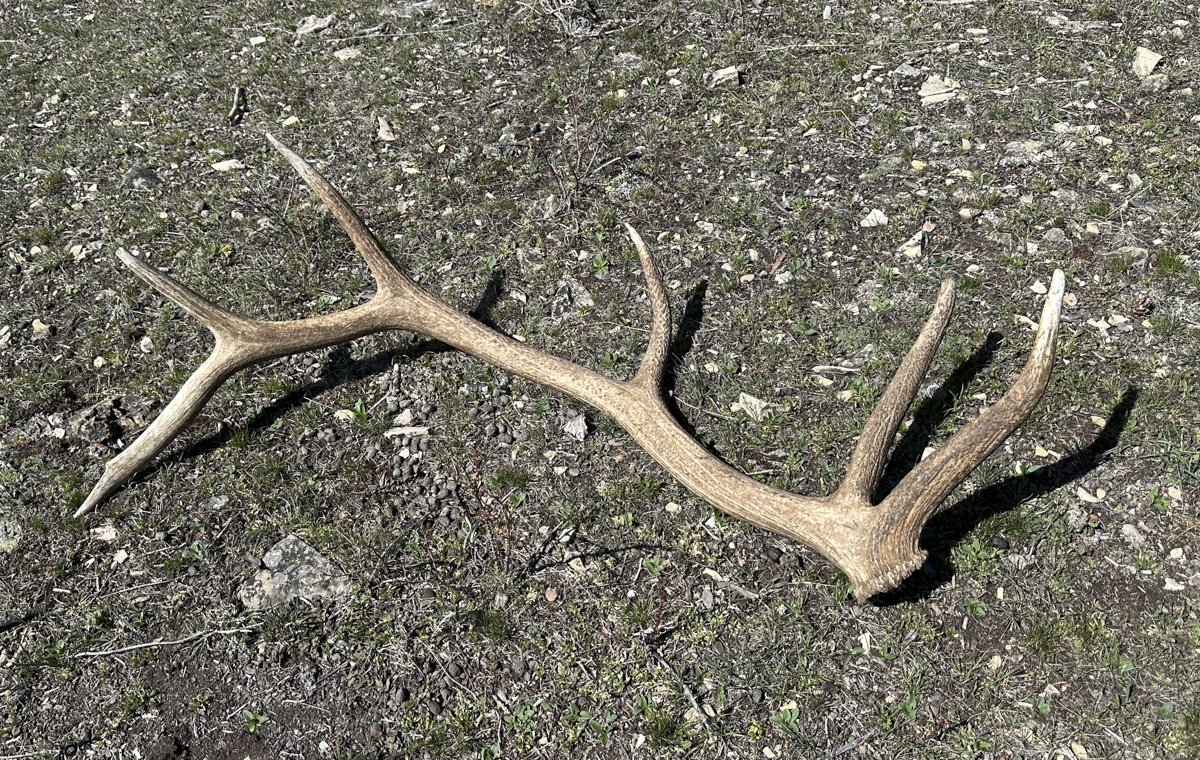
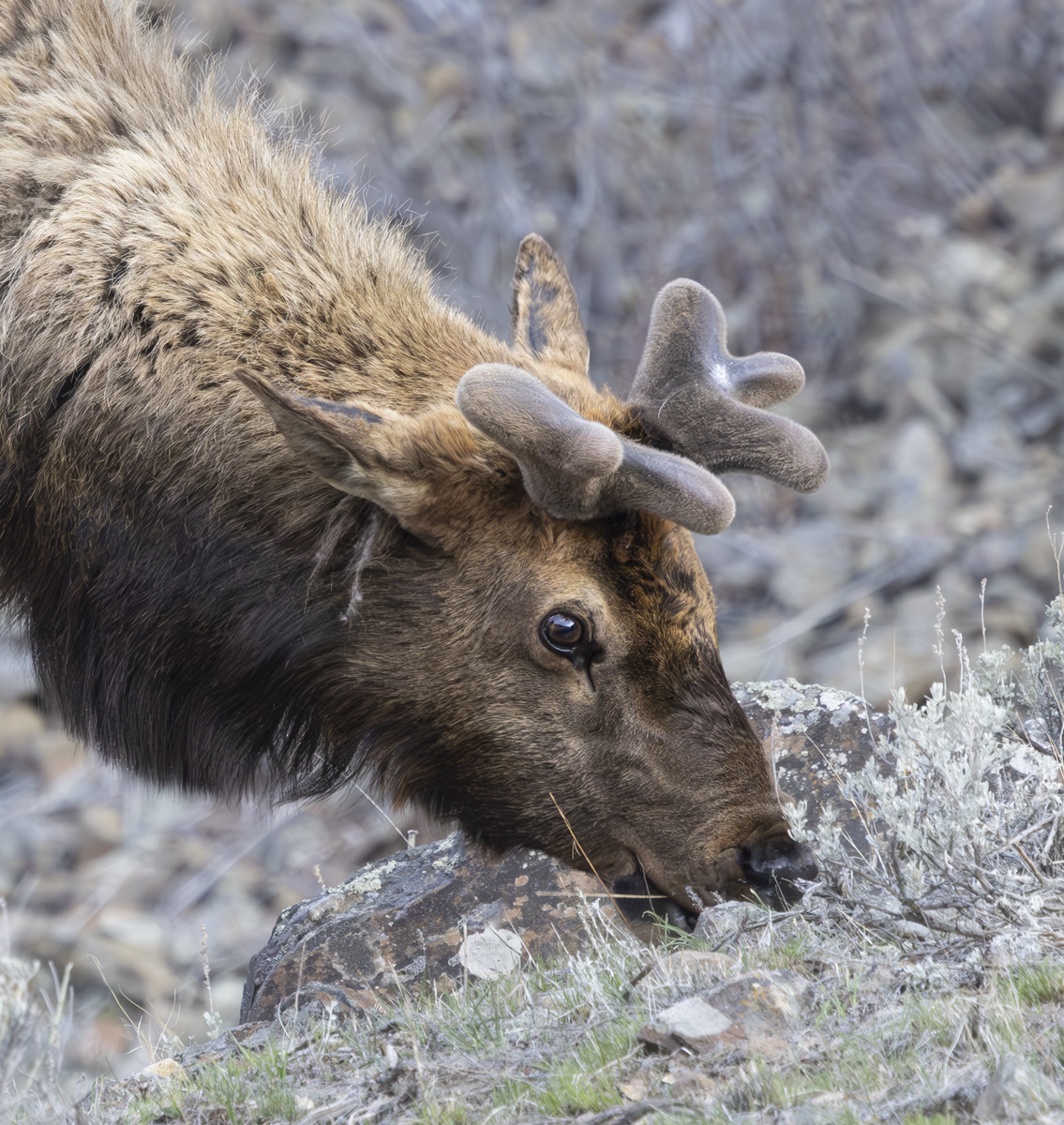
Many of the ungulates are changing attire as spring approaches. Male members of the deer family shed their antlers annually. Moose started shedding in January. Elk and deer were hanging on to theirs a bit later.
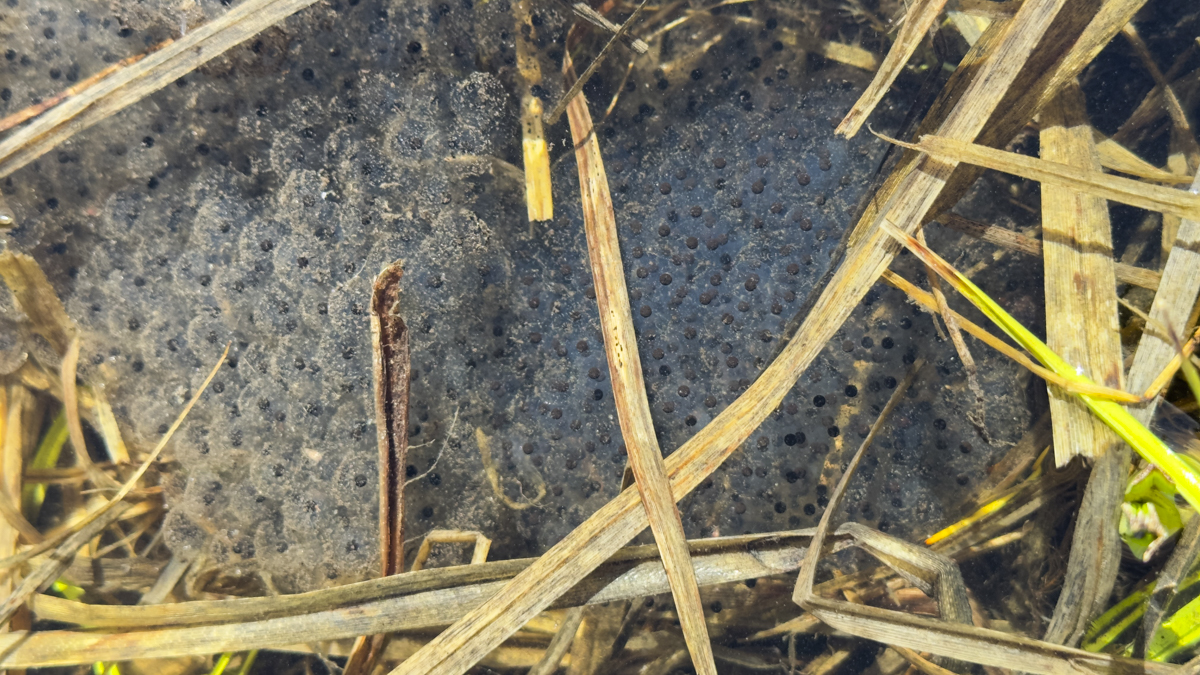
Yellowstone is home to five native species of amphibians including a salamander, two toads, and two species of frogs. That’s a bit different from the 14 species of amphibians we had just on our property in North Carolina. So you can imagine my excitement when I heard my first frog calls of this spring (some boreal chorus frogs) and found my first ever amphibian egg masses in Yellowstone (of Columbia spotted frogs) while on a hike last week.
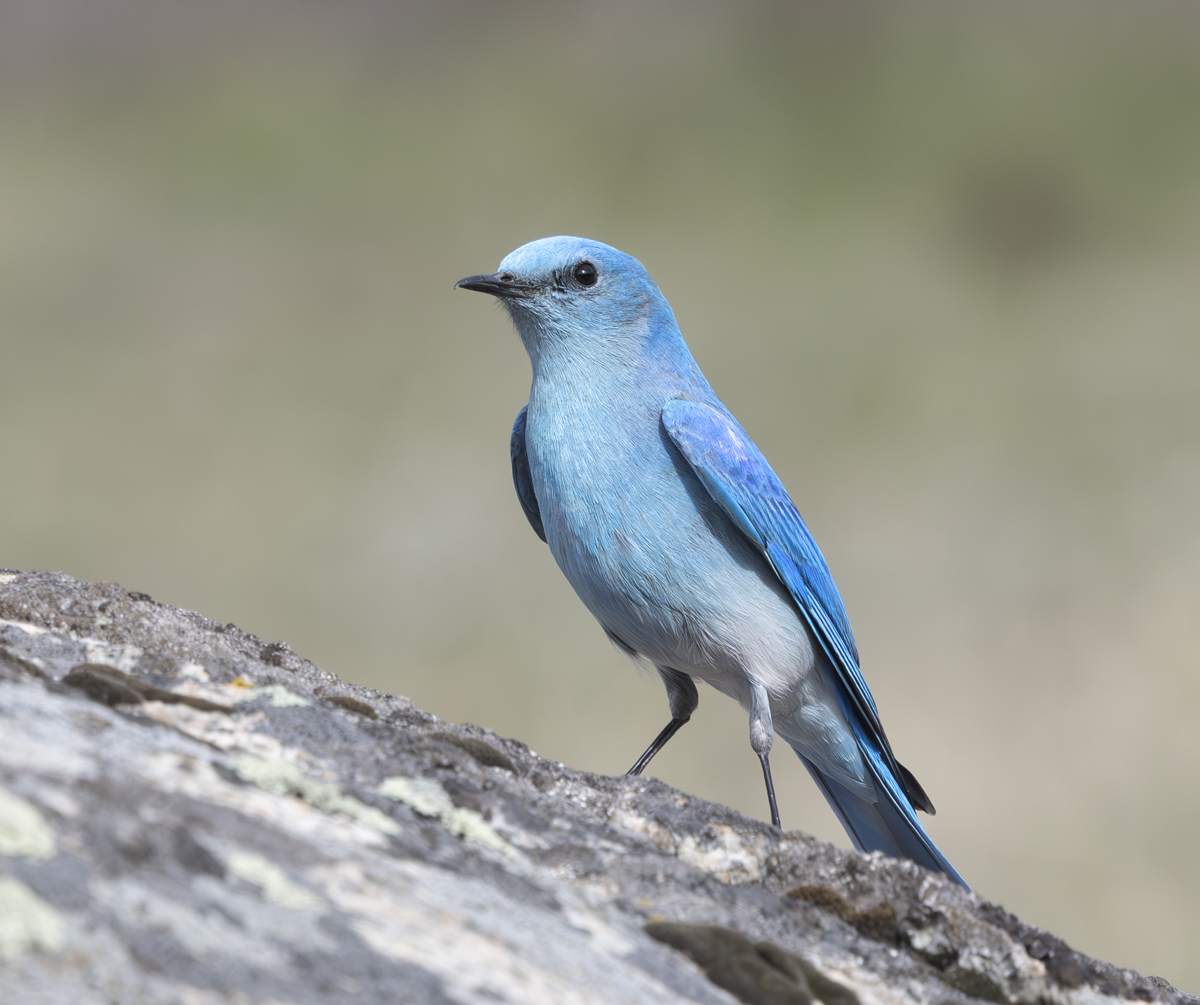
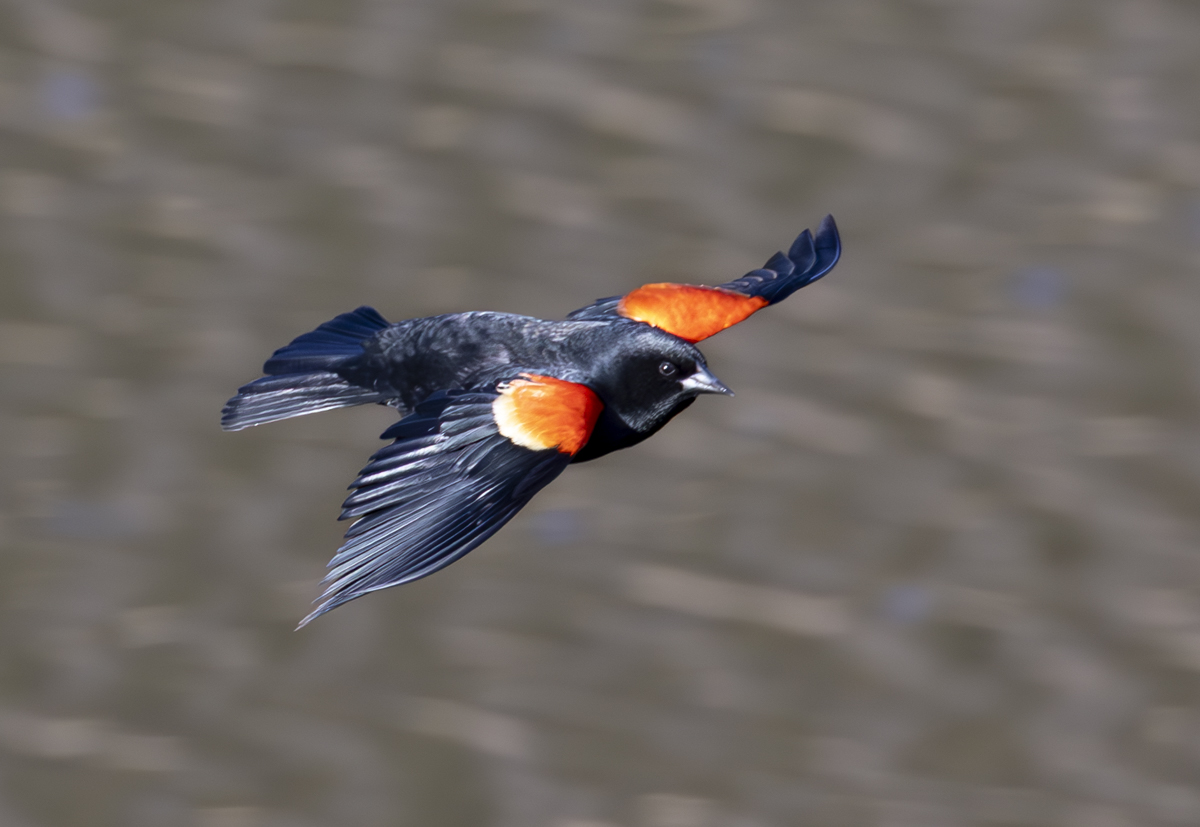
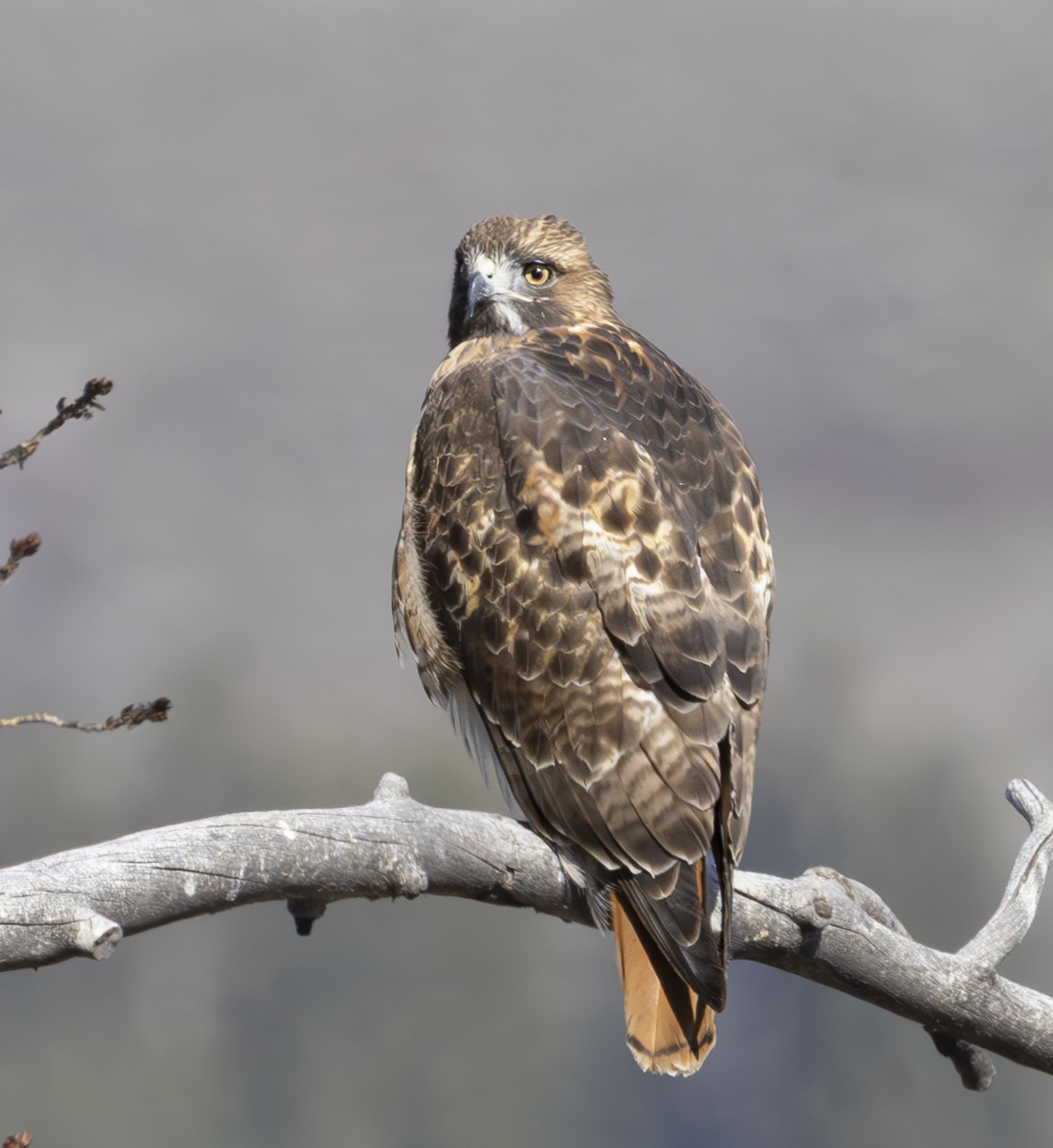
And like many places, the arrival of spring birds is one of the true signs of seasonal change. Over the last couple of weeks I have seen the return of the gorgeous mountain bluebirds, sandhill cranes, tree swallows, red-tailed hawks, and red-winged blackbirds. Back in North Carolina I am seeing reports of returning warblers and ruby-throated hummingbirds and so much more. I think it may be a slower process here and certainly with fewer warbler species. But it is a much-anticipated series of events nonetheless.
Much of the wildlife in the park is busy preparing to nest or give birth or already has new young. It is a fascinating time to watch and listen as the age-old rituals of a spring unfold. I spent some time watching a male northern flicker (they have red feathers here as opposed to the yellow-shafted feathers of those back in North Carolina) trying to set up a territory in an aspen grove. He spent a lot of time each morning calling and drumming. Unfortunately for my neighbor, one also tried drilling a nest cavity on the outside walls of her house but I think has finally been persuaded to look for a more natural home. Best viewed full screen and with sound up.
–A male northern flicker giving it his best shot to attract a mate
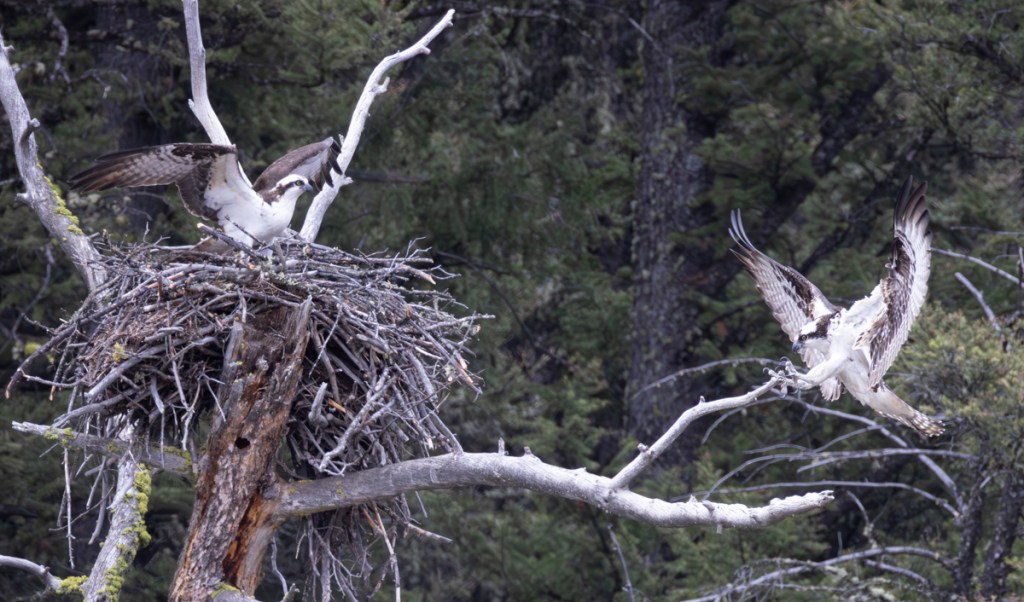
One of my highlights for the past two weeks was the return of the ospreys to their nests all along the Yellowstone and Lamar Rivers. Of course, after a winter of no one to tidy up the place, the old nest usually needs some sprucing up. I spent several hours watching a pair of ospreys adding just the right sticks to their nest along the Lamar River. I shot some slow motion video of their tireless efforts to get the nest ready for the spring. I confess that it is harder to track a flying bird than I had thought as you will see in these clips. Best viewed full screen.
The male osprey must have some grand ideas for this large branch…perhaps a room addition?
In spite of today’s snow, spring will not be denied and new life will continue to burst forth here in Yellowstone. We will try to keep you posted on the exciting developments.


Leave a Reply