• Swarms

    What is not good for the swarm is not good for the bees.

    ~Marcus Aurelius

    Earlier this week I was walking down in our woods mid-day, switching out the memory cards in our trail cameras, when I came across a termite emergence near the opossum hole. What I noticed first was a group of large dragonflies, maybe 30 or more, swarming in a sunny patch down by the soon-to-be-dry creek. There were a couple of species of dragonflies, though the larger ones (probably some species of darner) were by far the most abundant. They were zooming back and forth snagging winged termites as they fluttered up from the ground in their nuptial flight. I sat mesmerized for several minutes watching the proficiency of these aerial hunters. I thought I should try to capture some video of this spectacle, but then walked on, figuring I couldn’t capture anything worthwhile with just a phone (boy, was I wrong about that, as you will see later).

    I walked about 150 feet along the creek and encountered another, smaller, termite swarm, but with few dragonflies present.

    The second termite emergence spot where alates (that’s the caste of winged, reproductive termites in a colony) gathered on a twig tip before taking flight with more on the log below (click photos to enlarge)

    I wrote about termite swarms a few years back and pondered then about the triggering mechanism for such synchronous swarms. I found suggestions that temperature (air and/or soil), humidity, conditions before or after storms, etc. as the causes for nearby termite colonies all emerging around the same time. Well, this happened on Tuesday last week, with no significant change in weather before or after that day, so I am still baffled (and in awe) of this phenomenon. After taking a couple of pictures, I continued on up toward the house for lunch.

    As I reached our little footbridge, there was another emergence (probably 300 feet from the last one). Interestingly, they were emerging on the same log that I had photographed them on when I wrote that last termite post. When I looked at the photos from that blog post, I saw the date they were taken was May 2, 2015.

    Termites emerging on the same log I photographed some on in 2015

    The alates followed the same path along the log as they had back then, working their way up toward the tip (the highest point) where most of them took flight.

    Here’s a short video clip of the tip of that log and the emerging brood of termites (almost identical to the video clip from 2015).

    Termite emergence in our woods last week

    As I had found back in 2015, these emergence flights don’t last very long (15-30 minutes), and many predators, both terrestrial (ants, spiders, lizards, etc.) and aerial (dragonflies, birds, bats in the evening, etc.) gather to take advantage of this slowly flying buffet. As this swarm started to thin, I walked up the trail, only to encounter one more emergence. This one was smaller, in deep shade, and had only two dragonflies in attendance. Still, the number of dragonflies I had seen in our woods on this walk was way above any number we normally see, especially down by the creek.

    I soon got to the top of the ridge and walked through our side gate to find Melissa out in the yard with her phone making video clips of a cluster (one of the proper collective nouns, although I prefer the more fanciful, dazzle) of dragonflies attacking yet another large termite swarm. There were at least 50 dragonflies (mostly large darners, and we both think they were probably Swamp Darners) swooping to and fro in our side yard out near one the water gardens (this area is basically a small, sunny hole in the forest canopy. I was impressed by the quick clip she showed me and we continued to watch and marvel at the aerial capabilities of the dragonflies as they turned on a dime and snatched a hapless alate out of the air. After a successful snag, a dragonfly would munch in the air (you could see termite wings drop from on occasion) before continuing the hunt, with success after success in grabbing an in-flight meal. Once inside, I was blown away by what Melissa captured on video (and her editing abilities).

    So, we present this short video of the amazing airy antics we witnessed (too bad the Oscars are this evening). The first segment is actual speed, but she filmed the rest in slow-motion video. Watch the sharp turns the dragonflies make as they hunt. And keep your eyes on prominent termites as they fly through the screen…do they make it?
    Melissa’s iPhone video of a dragonfly swarm feeding on emerging termites in our yard near one of the water gardens and campfire ring (the large stumps)

    Once again, we have witnessed synchronous termite swarms in our woods – five swarms over a distance of about 1/4 mile and a time span of about 45 minutes from creek bottom to the top of the ridge. This probably helps with genetic diversity by allowing mates from different colonies to find each other during the short nuptial flights (they drop their wings shortly after landing). But what triggers this synchrony over unknown distances and seemingly varied micro-climates?

    And now I have another big question…how the heck do all these dragonflies suddenly appear at these termite emergence sites? We are both amazed that so many dragonflies appeared seemingly out of nowhere (the greatest number of darners I have ever seen patrolling the yard is probably 3 or 4 at any one time). Our friend and researcher at the museum, Chris, has studied dragonfly swarms, and states that this type of swarm is probably a static swarm (feeding swarm), although she speculated these may also be related to migratory swarms (yes, many species of dragonflies migrate). One study showed that the number of dragonflies you see in a swarm is just the tip of the iceberg, with those you count representing fewer than 20% of the number in the vicinity. Where are all these dragonflies on a normal day? Are they cruising the treetops, out of our sight? Can they communicate with one another in some way to take advantage of a short-term food bonanza? I’m hoping Chris sees this and comments with any updates from dragonfly researchers that may shed additional light on how dragonflies can gather so quickly for such ephemeral feeding frenzies. However it happens, it is something special to behold, so be on the lookout for a swarm near you (and have your phone ready).
  • Almost Normal?

    …It is always my place to come back and feel normal again.

    ~Alana Blanchard

    That quote referred to a special place for its writer, one of the Hawaiian islands. For me, one of the special places I seek is Pocosin Lakes National Wildlife Refuge in Eastern North Carolina. I had not been in many months, so, when our good friend Scott paid a visit (the first overnight guest we have had in over a year), he and I decided to make a road trip back to normal (we are vaccinated now).

    Arriving at the refuge, we found a large section of the road system remains closed. which concentrated the many carloads of visitors even more. We soon managed to spot some birds along one of the canals and pulled over for a closer look. Sitting alongside a trio of large turtles was a oddly paired duo – a Blue-winged Teal and an American Coot. We sat with these birds for almost an hour, watching their feeding behaviors and reactions to what was happening around them.

    Blue-winged Teal along a canal at the Pungo Unit (click photos to enlarge)

    Blue-winged Teal are so named because of the blue visible in their wings when in flight. In the photo above, you can see a tiny hint of that baby blue color.

    The teal was dabbling along the edge as it fed. Check out the sheen on its head feathers.
    American Coot hanging out with the teal – those lobed toes are incredible!

    Field guides almost always describe the American Coot as a plump, chicken-like bird (if the shoe fits…). It is North America’s largest rail and is found near wetlands throughout much of the country. They tend to be gregarious (I have seen hundreds together at Lake Mattamuskeet in winters past) but this one had decided to just hang with his buddy, the teal. Coot feed primarily on aquatic vegetation which they grab from the surface or dive to get. They don’t nest here in NC, but undergo nocturnal migrations to freshwater marshes in western and northern states.

    These two hung out together and alternately fed, preened, and rested while we observed them

    While we were watching the bird buddies from the car, I looked down the road and saw a Raccoon heading toward us. It swam across the canal and began foraging in the shallows fifty feet or so behind the birds, who seemed unconcerned. It was the first of four Raccoons we saw that morning, all searching for a meal at the edge of a canal.

    A Raccoon pauses to check us out before continuing to search for food
    This Raccoon, the second of four we saw at Pungo, was intent on finding a meal
    Two of the Raccoons we watched used the same hunting technique – rapidly walking in shallow water and doing short lunges with both front paws out, flailing around for anything that moved or felt right

    Though there were several cars at “Bear Road” each time we drove by, we finally decided to check out the fields, and, right away saw three bears out from the edge of the far woods. They soon went back in and we hiked a bit to see what we could see. As we rounded the edge of a tree-line we spotted a mother bear with three of her yearlings coming out into the field. Though she was a considerable distance away and the wind was in our favor, she apparently spotted us kneeling along the edge of a well-worn bear path, one she has no doubt walked many times in the past. I am guessing she recognized that there were two new bumps sticking out near her favorite trail and wasn’t quite sure what they were. She didn’t rush away, but did stop and stare at us and her cubs soon became a little nervous, so they all sauntered back into the woods.

    A mother bear with three of last year’s young

    That would be the first of a total of nine bears we saw, the others being on the stretch of pocosin on the south shore of Lake Phelps.

    A Palamedes Swallowtail nectaring on a thistle

    One of the highlights of any springtime trip to Pungo is the abundance of butterflies. Palamedes Swallowtails were everywhere last weekend, with most preferring to nectar on the scattered thistles instead of the large swaths of ragwort blooming along the roadsides (the yellow in the background in the photo above). I spent several minutes watching one thistle that was quite popular with the passing swallowtails (when I first saw it there were four of them fluttering on it).

    Palamedes Swallowtails loading up with nectar on a thistle flower

    We also saw some Black Swallowtails, a few Zebra Swallowtails, and my second Monarch Butterfly of this spring season.

    My second monarch sighting of this spring, this male was feeding on the abundant ragwort flowers

    Late in the day, we decided to head over to Mattamuskeet NWR via the long route through the other section of Pocosin Lakes NWR. It requires heading over to the south shore of Lake Phelps and driving for an hour or so on gravel roads through a landscape of thick pocosin and swamps. You never know what you might see but our main sightings on this day were a ton of turkeys, doves, and other birds (and the five bears we saw before we got back onto the refuge roads).

    A great way to end a day, a spectacular sunset at Lake Mattamuskeet

    Our quick drive around Mattamuskeet as the sun was getting low on the horizon yielded no wildlife, but it did provide a very nice sunset to cap off what was almost a normal day for two old friends that finally got to spend some time together doing what we love to do. Get your vaccine and you can get back to almost normal too.

  • Opossum Hole Happenings

    The opossum hasn’t changed since the days when European explorers captured it and proudly sent it to their kings. We’ve just lost a bit of our wonder.

    ~T. Edward Nickens

    NOTE: I think this has now been corrected to show thumbnails (I hope)

    I admit to always having had a soft spot for these unusual mammals, North America’s only marsupial. I, as probably many of you, have encountered them in trash cans, had one in the crawl space of a house, and, unfortunately, one beneath the car I was driving when a wayward opossum ran (who knew they could move fast) out in front of me one night.

    But I owe my newfound fascination to the work of our friend, Jerry, who has had trail cameras out on a opossum den for quite some time and has documented the goings on in his Possum Hole Chronicles Facebook posts and in a wonderful YouTube program that was originally presented as a Lunchtime Discovery Series talk with the NC Office of Environmental Education.

    Because of Jerry, I now have three trail cameras and have been putting them out on our property since the start of this year. I move them around quite a bit and have been pleased with the variety of creatures they have recorded. A little over a month ago, I put one on a large fallen double-trunk tree that crosses our little creek. The usual Raccoons showed up and one Virginia Opossum, although they all took the trunk without the camera for their path. On my next memory card exchange, I moved the camera to the other trunk and faintly recorded something exciting off in the distance one night – the opossum gathering leaves. I figured this meant a den nearby, so I placed all three cameras around the root ball of the tree which had a couple of holes at its base.

    That was the start of my version of a ‘possum’s life – Opossum Hole Happenings (I like Jerry’s title better). So, below is a series of short video clips of what has been happening in the vicinity of this one opossum hole in Chatham County for the past two months.

    The fallen tree is a superhighway in this part of our woods. Most nights, the ‘possum does this – comes out of the hole on the left of the tree in the root ball, crawls up and walks across the log for a night of foraging.
    This was an unusually late return to the hole since it was after daybreak. Most returns are while it is still dark.
    I have lots of footage of at least two different Raccoons traversing the tree.
    One night, a Coyote sneaked by the tree, obviously on the prowl.
    I had not recorded the Red Fox in quite some time, but it spent a few minutes one night checking out the ‘possum log.
    Three deer lounge around the ‘possum tree – I wonder if they are aware of the sleeping opossum nearby…
    An opossum rubbing a stick near the den entrance. I assume it is scent marking by rubbing secretions from glands in the head and neck region. If so, this is probably a male. I think I have recorded at least two different opossums at the hole based on slight differences in tail shape.
    One thing I was hoping to capture – the opossum carrying leaves into its burrow in its tail. Jerry had filmed them collecting leaves with the front paws, transferring the leaves under the body to the hind feet, which then gather them into a ball in the curved tail for carrying.

    There have been many other critters around the ‘possum hole over these past few weeks. I have only one camera on the hole now (the view is that of the first few video clips in this blog). The most common day-time visitor are Gray Squirrels, followed by White-tailed Deer, Eastern Chipmunks, and various birds (especially the feathered equivalent of chipmunks, Carolina Wrens). At night, Raccoons, lots of deer, mice, moths, and a stray cat. I’ll leave this camera up for the next few months and will share anything new and interesting that happens at the ‘possum hole. Thanks, Jerry, for the inspiration.

  • Blending In

    I’ve always preferred moths to butterflies. They aren’t flashy or cocky; they mind their own business and just try to blend in with their surroundings and live their lives.

    ~Kayla Krantz

    Went for a walk in the woods yesterday and as I approached one of our woodland benches, my eye caught something on the large Tulip Poplar trunk next to it….do you see it?

    The large Tulip Poplar on one of our trails below the house is hosting something special (click photos to enlarge)
    A closer look….now you see it

    It is one of my favorite moths, a Tulip-tree Beauty, Epimecis hortaria. It is very common here and a frequent visitor to our windows at night.

    Tulip-tree Beauty Moth

    Their gray-brown colors, wavy lines, and scalloped wing edges help them blend in perfectly with tree bark, which is where they usually can be found resting during the day. They also have a very flat profile which helps camouflage them. Caterpillars feed on the leaves of several tree species in our woods like Tulip Poplar, Pawpaw, and Sassafras.

  • Completing the Circle

    I’ve always loved butterflies, because they remind us that it’s never too late to transform ourselves.

    ~Drew Barrymore

    Last year I finally had success in photographing a chrysalis of a beautiful spring-time butterfly, the Falcate Orange-tip. I collected four eggs and their host plants and brought them inside to rear because I had no success in locating their thorn-mimic pupa in the wild. I have kept them on the screen porch all year so they would be exposed to cold temperatures and humidity. I saw my first Falcate Orange-tip flying in the yard on Tuesday of this week, so I figured it was time to start observing my pupae. Sure enough, two emerged yesterday and one early this morning. I photographed the freshly emerged adult (a female) right before releasing her.

    Below is the entire sequence from an egg from last March, to larva, to chrysalis, to the adult from this morning. The circle is complete…a sure sign of Spring.

    Falcate Orange-tip butterflies with male in courtship flight (click photos to enlarge)
    Egg (orange-colored structure) on host plant
    Late instar larva of Falcate Orange-tip
    Prepupa
    The thorn-mimic chrysalis on a twig
    Just emerged Falcate Orange-tip female on twig above spent chrysalis
    She is hardening her wings by pumping fluid from her abdomen through the wing veins
    A closer view of the head of a Falcate Orange-tip
  • Return to Merchants Millpond

    Paradise is just a paddle away.

    ~Author unknown

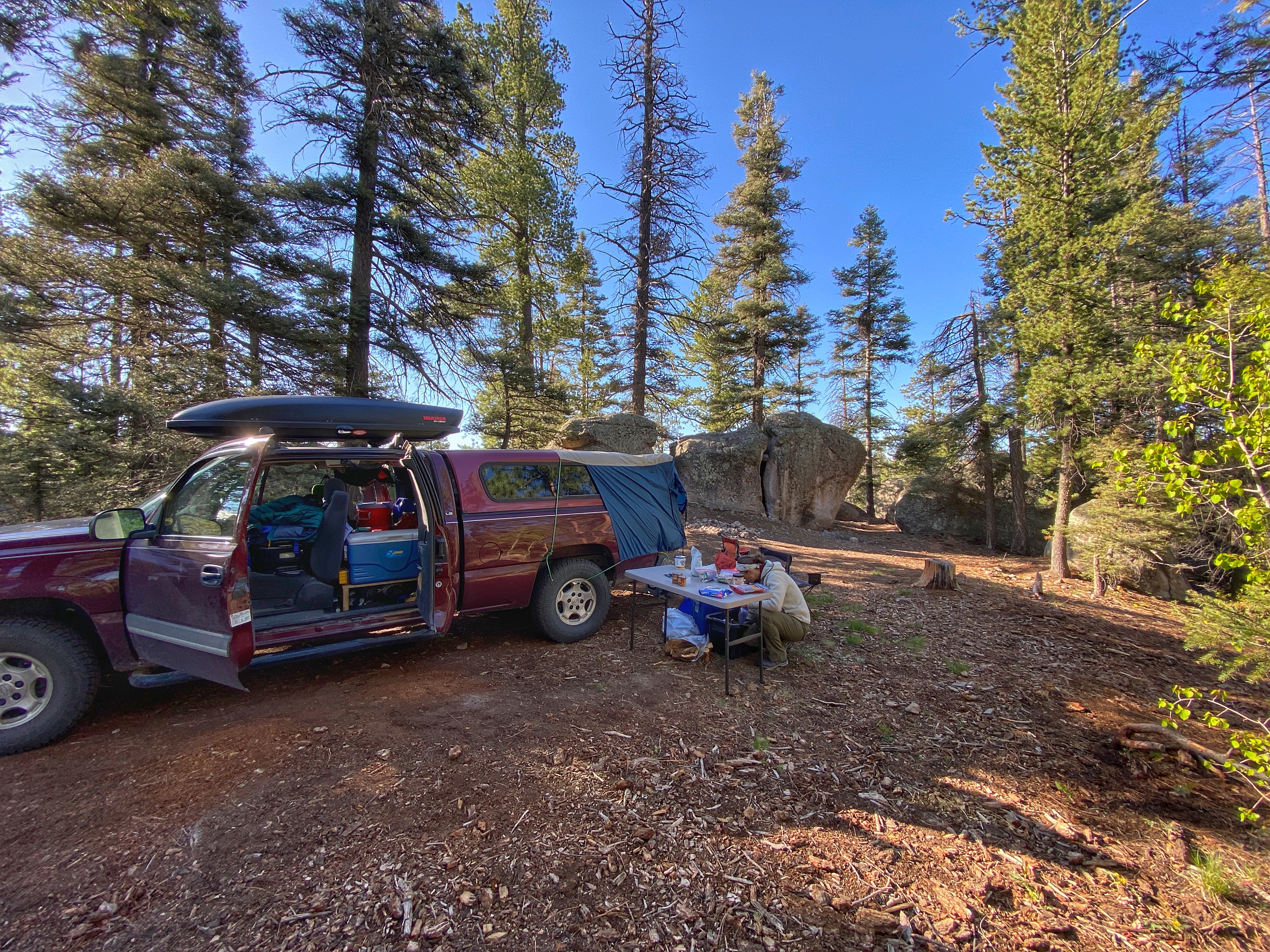
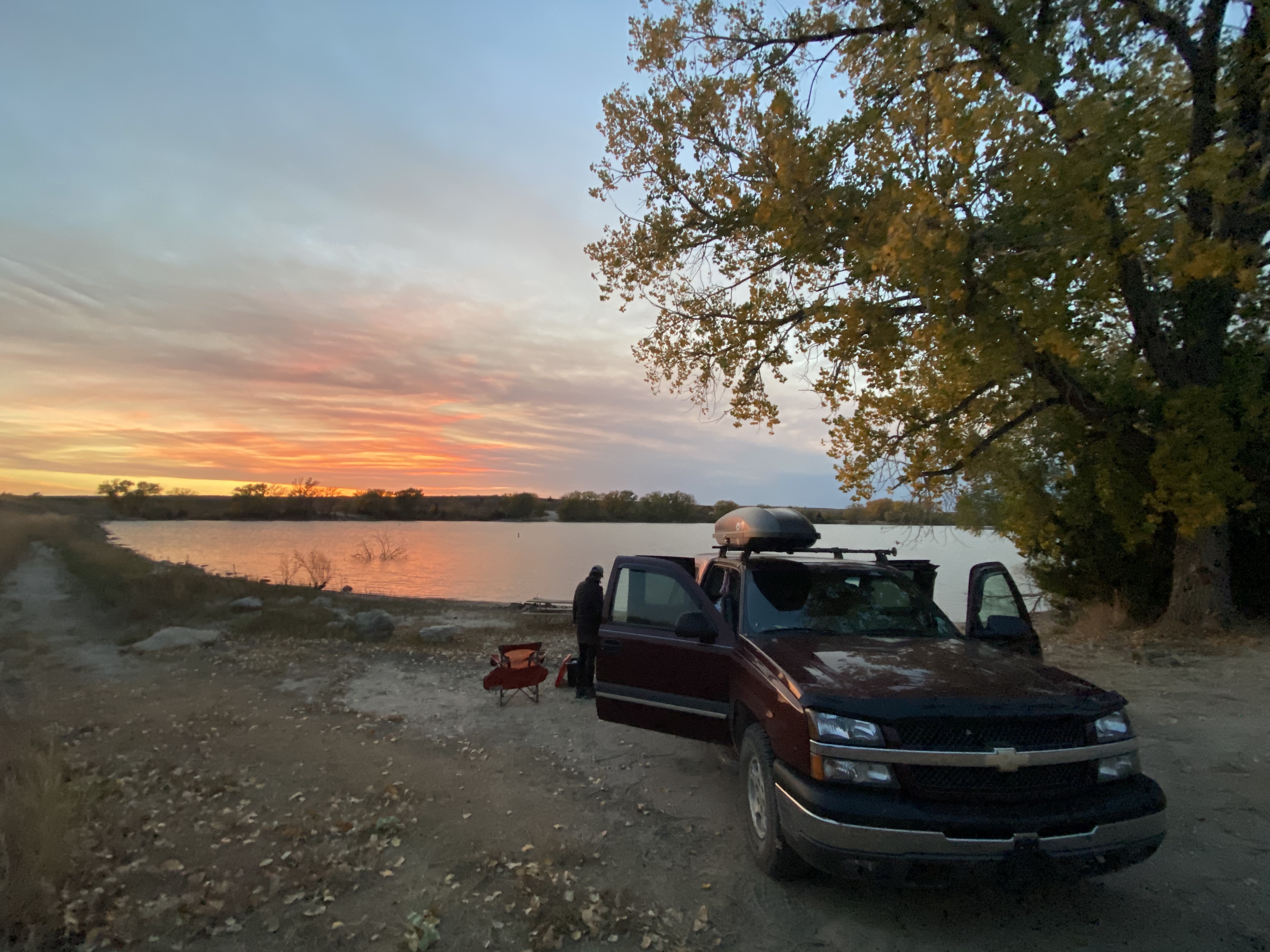
    When I worked as a District Naturalist for the state park system oh-so-many years ago, one of my favorite parks was Merchants Millpond State Park in northeastern North Carolina. It is a true natural gem of our state and remains one of my favorite spots to spend some time in the solitude of a beautiful swamp. The millpond was created in 1811 by damming Bennetts Creek to construct a grist mill, sawmill, and other commercial enterprises that gave rise to the name Merchants Millpond. Today, the park encompasses over 3200 acres of cypress-tupelo swamp and beech-mixed hardwood uplands. Melissa has a workshop on the millpond in a few weeks, so she wanted to do a scouting trip and introduce some of her co-leaders to the place. She decided to take a day off for exploring before her staff arrived, so we packed up the truck and threw our kayaks on top for a mid-week adventure in this perfect springtime weather.

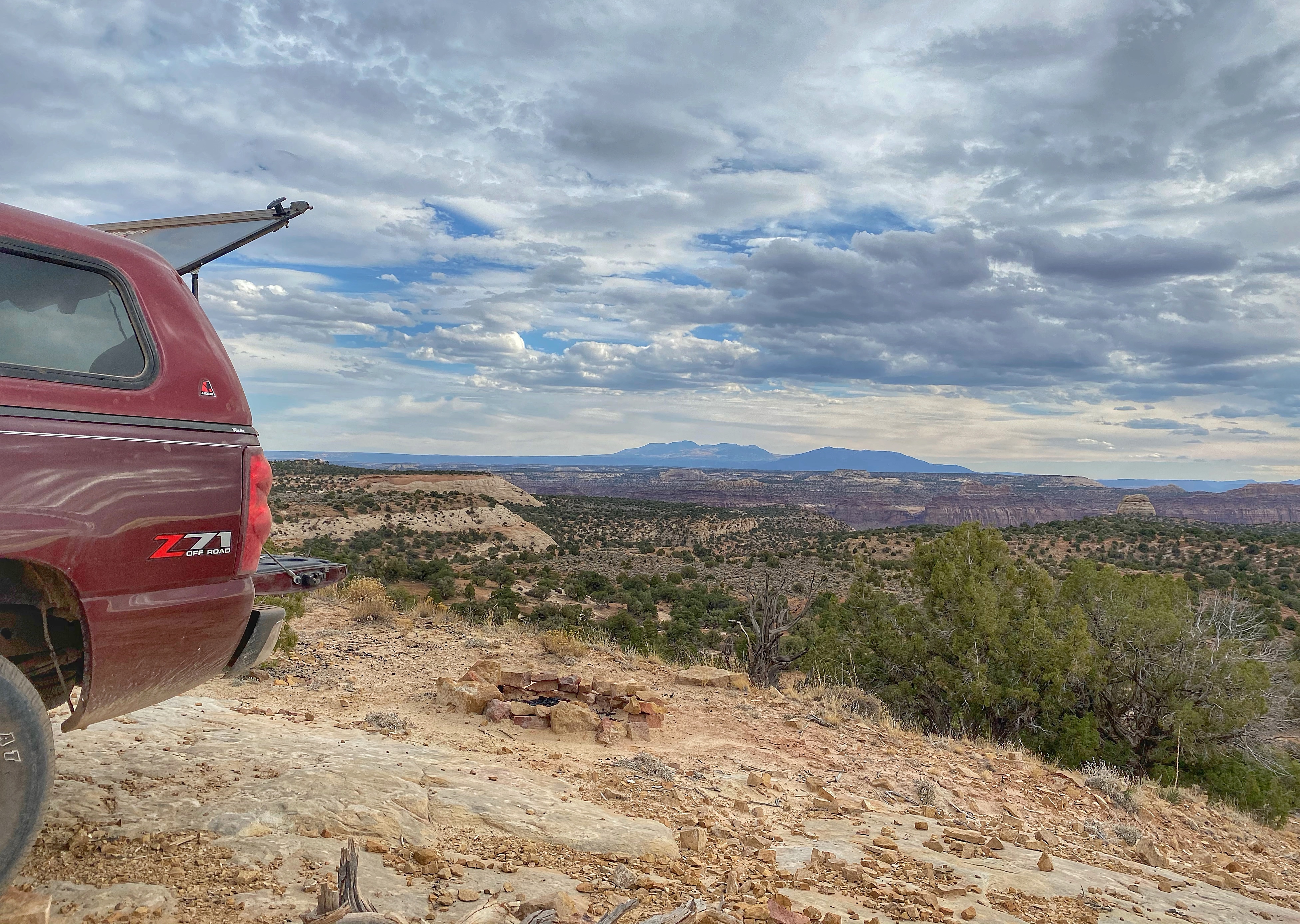
    Truck camping with some new accessories on top (click photos to enlarge)

    I contacted our friends, Floyd and Signa, that live just outside the park, to see if they wanted to paddle with us on Wednesday. They are some of the best naturalists I know and certainly know the millpond better than anyone (Floyd was a ranger there for many years). They offered to take us up Lassiter Swamp to “the big trees”, a scattered group of Bald Cypress trees that are hundreds of years old and tower above the rest of the swamp forest – heck yeah!

    The dominant trees on the millpond – Bald Cypress (left) and Tupelo Gum (right)

    The 760-acre millpond is dominated by two tree species – Bald Cypress and Tupelo Gum. Stumps of ancient cypress cut in the 1800’s form islands of vegetation with Swamp Rose, Wax Myrtle and a host of other plant species. Spanish Moss is draped off most of the tree branches and Yellow Cow Lily (Spatterdock) is just starting to poke its leaves out of the water surface.

    Spanish Moss adorns many of the trees on the millpond

    Paddle to the far end and you enter an entirely different world – Lassiter Swamp. The channel narrows and winds through a maze of gnarled Tupelo Gum that have been transformed into gargoyle-like shapes by Mistletoe (a semi-parasitic plant that causes the gum trees to create odd growths as they forms “scar tissue” in reaction to the Mistletoe’s intrusion). So many trees have been disfigured by the Mistletoe that the entrance to the swamp is known as “the enchanted forest” by locals.

    Paddling up Lassiter Swamp with our friends
    The Tupelo Gum take on new forms under the influence of Mistletoe

    I have always loved Lassiter Swamp for its solitude and abundance of wildlife. And this trip provided both. As we paddled around one bend, Melissa said, There’s a Raccoon in that tree. I looked, but didn’t see it at first. It was curled up inside a giant gnarl on a gum tree. We were all impressed she spotted it.

    The Raccoon tree
    A closer look reveals the sleepy Raccoon
    Swamp cuteness

    After a few hours of paddling, we started seeing some of the really big Bald Cypress scattered about the upper end of Lassiter Swamp. One of the big ones I remembered climbing inside years ago (9 people could stand inside the hollow base of the giant) had fallen victim to Hurricane Isabelle and lay covered in moss along the creek bank. But the matriarch of the swamp is still standing. This cypress was aged by the team that designated those well-known cypress along the Black River as the oldest known trees in the Eastern United States (one has been dated to be at least 2,624 years old). This tree is much larger than those on the Black River due to the nutrient-rich waters of this swamp and is estimated to be at least 1000 years old. It is humbling to stand next to one of these giants.

    Standing next to an ancient sentinel of the swamp
    This Bald Cypress is estimated to be over 1000 years old
    Golden light in the swamp

    As we paddled back to the launch area, Melissa spotted a large Alligator basking in the late day sun. Floyd told us about the first confirmed Alligator sighting on the millpond back in 1996. Rumors of gators in the park had been around a couple of years, but, in 1996, a fisherman told Floyd he had seen one. In fact, he had caught it while fishing and had it in his boat (he didn’t know what to do with it and had brought it to shore hoping a ranger could help). After unhooking the ~3-foot gator, keeping it in an unused dog pen with a kiddie pool, and contacting wildlife officials, the decision was made to release it back into the millpond. There are now a few Alligators that call the millpond home, including one larger than the ~7-footer we observed.

    Alligator sunning on the bank

    A highlight of the trip was one that did not occur on the millpond but on the uplands. Our friends shared the location of an Eastern Screech Owl roosting in a hollow tree, something I have been hoping to find for several years now (I have seen them, but only when I didn’t have a camera in hand). The owl did not disappoint. It is a gray phase (they can also be reddish in color) and has a perfect perch in the hollow of a tree. We checked the tree each time we drove in and out of the campground and it has a habit of disappearing down into the hollow and then reappearing so you never know when it will be visible. What a treat!

    The screech owl tree
    A closer view of a sleepy Eastern Screech Owl

    Another wonderful wildlife encounter was the Bald Eagle nest in a tall pine out on the millpond. The eagle is easily seen with binoculars and must be sitting on eggs still as she didn’t move much on either day we paddled.

    The nest tree
    Bald Eagle on nest (heavy crop of telephoto image)

    On my last trip by the nest tree, the male eagle flew in and perched nearby, giving me the side eye from behind a tree trunk. I paddled on not wanting to disturb them.

    The male flew in and perched nearby as I was paddling back out of the millpond
    Turtles were basking on almost every log on Thursday (note the very long front claws on the male turtle on the left – used during courtship to stroke the necks of females)

    Thursday was even warmer and turtles were everywhere on the millpond. Pickerel Frogs and the occasional Southern Leopard Frog were calling as I paddled solo up the pond to spend the day in the swamp (Melissa was with her co-workers planning the workshop). There is something magical about being in a swamp by yourself. The quiet, the sense of isolation, and yet a feeling of being wrapped in the arms of a living forest. You tend to become a part of the swamp and more in tune to your surroundings.

    A large Beaver lodge in Lassiter Swamp

    I passed the Raccoon tree and found it empty, but there were plenty of birds and signs of animals (otter scat, beaver lodges and cut trees, raccoon tracks in the mud) as I paddled. Finally, I saw a swirl in the water along one side of the creek and then some movement – otter! I stopped paddling and slowly drifted with camera in hand as the four River Otter realized there was something in their creek and swam out to get a better view. They bobbed up and down, snuffing and snorting as they tried to figure me out. I never got all four in the same field of view at once, but it was great spending a few minutes with these aquatic acrobats. They finally had enough of me and headed upstream.

    Two River Otter swimming across the creek
    Three of the four otter pause to check me out

    Two gorgeous male Wood Ducks graced me with their presence as I sat on a beech slope adjacent to the creek eating my lunch. Of course, the camera was in the kayak and as soon as I slowly tried to reach for it, one of the ducks spotted me and the game was over, off they went. On the way out, I paddled along the edge of Lassiter Swamp seeing plenty of Beaver sign and scaring up flocks of Wood Ducks and Ring-necked Ducks, along with a bunch of noisy pairs of Canada Geese.

    A Spatterdock root jam swept by the wind into a cove in the upper end of the millpond

    My last wildlife highlight of the day was an Anhinga, a symbol of swamps and black waters in the south. I now see them much more frequently than when I first started paddling the swamps of the Coastal Plain some 40 years ago, but it is always a treat.

    An Anhinga flies overhead displaying its distinctive silhouette

    Merchants Millpond remains one of my favorites places to spend time on the water. It has a rich history, amazing wildlife, beautiful scenery, great facilities and staff, and can provide you with a sense of being one with a wild place like few other places so close to home. And seeing our friends and knowing all they know and do for the park, it reminds me how much I truly appreciate people like Floyd and Signa that have given (and continue to give) so much to help conserve and make one special wild place available to plants, wildlife, and people. That is one of the things that makes North Carolina State Parks so special, the dedicated people that love and protect them.

    The sunset on our first day’s paddle
  • Refuges as refuge

    For every day of loneliness we endure, we’ll spend a day in communion with the life around us until the loneliness passes away.

    ~Richard Louv

    If you have read previous posts on this blog, you know that we are lucky to live in a beautiful wooded setting with abundant wildlife from insects to birds. But one of the things I have missed the most during this pandemic has been spending time with other wildlife, things we typically don’t see here at home. Yesterday, Melissa had to work (in one of her first in-person workshops in quite some time) so I decided to hit the road and visit some of my favorite spots – the wildlife refuges of Eastern North Carolina.

    First stop, Pocosin Lakes (aka Pungo). I was surprised to see a few Snow Geese still around along with the usual late Tundra Swans. Several ducks (mainly Northern Shovelers) and four Bald Eagles were a good way to start. All were a bit too far off for photos, so I just watched though binoculars. Some roads are still closed due to the very wet weather and there were already 3 carloads of people at “Bear Road”, so I headed over to Lake Mattamuskeet to try my luck there.

    I saw a post last week on Facebook about a Great Horned Owl nest out on the lake, and from the photo, I knew exactly which tree it was in – a small Bald Cypress out on the lake that had an old Osprey nest in it. Great Horned Owls don’t build their own nest, but often use broken snags or nests of other large birds. I had to look from the top of the car in order to get a clear view over the tall Phragmites that lines the lake, but you can clearly see the owls in the nest with binoculars or a spotting scope. My 500mm telephoto (plus 1.4x teleconverter) brings it all in a bit closer, but due to the great distance over water, there is a bit of atmospheric interference, which makes a sharp photo difficult. I saw two young plus an adult at one point but have heard there may be three young in the nest.

    Great Horned Owls have taken over an old Osprey nest on Lake Mattamuseet (click photos to enlarge)
    An adult owl plus two (I think) young can be seen in this photo

    Since many of the waterfowl have headed north, I was hoping to see some other critters as I started down Wildlife Drive. A small, dark rabbit greeted me near the entrance and seemed unconcerned as I slowly pulled over across the road. My first thought was this was a Marsh Rabbit, Sylvilagus palustris. One of three species of rabbits found in NC (Eastern Cottontail and Appalachian Cottontail being the others), Marsh Rabbits are usually found in coastal regions near marshes and swamps. They tend to be slightly darker brown in color, have shorter ears, smaller eyes, and, most distinctly, lack the fluffy white underside to the tail that gives the more common and widespread cottontail its name (their tails are brownish underneath). Unfortunately, this little guy never showed me that part of its anatomy, but I’m still pretty sure its a Marsh Rabbit.

    A rabbit out in the open along Wildlife Drive
    The rabbit with a mouthful

    I enjoyed watching it for several minutes and managed a quick video clip of its constant munching.

    This is me with a plate of cookies or chips

    I always enjoy the short hike along the New Holland Trail with its beautiful cypress swamp setting. The water levels are very high everywhere in our state right now and, for the first time I can remember, the walk to get to the boardwalk was slightly underwater. But that made for beautiful reflections in the swamp.

    The boardwalk on the New Holland Trail at Mattamuskeet NWR
    Red Maple flowers signaling the arrival of spring
    Playing with post=processing settings on a phone photo of the cypress reflections along the boardwalk

    The far end of Wildlife Drive was closed due to high water and the back side of the loop around the impoundment had the most water I have ever seen. That meant fewer wading birds although I did spy a couple of egrets squabbling over feeding territory.

    A Great Egret flies to chase off another in its territory

    It was still fairly early when I finished my lunch, so I decided to head over to the last refuge for the day, Alligator River NWR. As soon as I drove in off Hwy 264, I spotted an otter in a roadside canal. I stopped to watch and it disappeared into the high water in the trees off the canal. It was the first of five River Otter I spotted in my couple of hours on the refuge. I ended up spending some time with one otter as it swam down a long canal. I would drive ahead and park on the opposite side of the road, then get out and use the vehicle as a blind and a support for my camera and snap a few photos as the otter swam by. Once it was down the canal a bit, I got back in and drove another hundred yards or so beyond the otter to watch it pass again. At one spot, there was an opportunity to get closer due to some trees and brush on my side of the canal. I sat and waited for quite some time and suddenly the otter was alongside me. I managed a couple of quick shots as it passed and then it slowed and turned to look back at me. I imagine the otter might not have been thinking the peaceful thoughts I was having, but it quickly continued on its way.

    I spent some time with this River Otter traveling a canal at Alligator River NWR
    My favorite photo of a day filled with much needed wildlife encounters

    The opening quote above is from a wonderful book (Our Wild Calling) by Richard Louv on the value of human – wildlife interactions. It is the last line in part of a closing paragraph on something he says we should try to adopt in our relations with animal life – what he calls the reciprocity principle. The other parts of that principle are equally worthy of our attention:

    For every moment of healing that humans receive from another creature, humans will provide an equal moment of healing for that animal and its kin. For every acre of wild habitat we take, we will preserve or create at least another acre for wildness. For every dollar we spend on classroom technology, we will spend at least another dollar creating chances for children to connect deeply with another animal plant, or person.

    Our wildlife refuges go a long way toward meeting the goals of that principle. And I have been lucky to have a small chunk of woodlands to care-take and to have spent a career trying to provide outdoor experiences for a wide range of people. Now I guess I need to figure out how to repay that otter…

  • Changes

    Science has never drummed up quite as effective a tranquilizing agent as a sunny spring day. 

    ~W. Earl Hall

    It’s coming. We can see it and hear it in our woods. The big change is near – the approach of spring in the Piedmont! The first warm days last weekend ushered in a host of other firsts – our first butterfly of the season (a Question Mark), the first Spring Peepers calling, the first sightings of the numerous Green Frogs in our disheveled water gardens, and so much more. This morning I see the long-range forecast calls for a string of sunny days ahead, something that seems like another first for this year, so I anticipate a lot of other noticeable changes in the coming days. Here are a few of the highlights of our woods wanderings last weekend. As in many of our recent walks, all photos were taken with my phone. At the bottom is a list of bird species we saw or heard on Sunday, a very good day for bird activity, especially raptors and woodpeckers.

    Melissa spotted this (we think it is a Mud Salamander, Pseudotriton montanus) in our little creek over the weekend, a first sighting for this species on our property. Unfortunately, this is our only pic, as one misstep (mine) caused a flood of muddy water to cascade over it and by the time it cleared, this beauty had vanished. (click photos to enlarge)
    The first spider webs of the season magically appeared on Sunday morning as the fog made their presence known throughout our woods – this one a tiny orb web
    A Bowl and Doily Spider web in the fog
    A sheet web on the forest floor
    American Beech leaves continue to hang on and provide a canvas for the fog droplets
    A view of our south slope woodlands across the creek and up the hill from the house (this area is much more open than the woods near our house, which is on the hill you see in the background)
    Our latest bench on the south slope (one of 4 currently in our patch of woods)
    One of the first plants to begin leaf out – Painted Buckeye (Aesculus sylvatica)
    Our first snake of the year, a Brown Snake (Storeria dekayi). These small, harmless snakes are common in the leaf litter in our woods and feed primarily on earthworms, slugs, and other small invertebrates.

    Birds from our Sunday explorations in our woods:

    Turkey Vulture, Cooper’s Hawk, Red-shouldered Hawk, Red-tailed Hawk, Barred Owl, Red-headed Woodpecker, Red-bellied Woodpecker, Hairy Woodpecker, Downy Woodpecker, Pileated Woodpecker, Northern Flicker, Yellow-bellied Sapsucker, Eastern Phoebe, American Crow, Carolina Chickadee, Tufted Titmouse, Winter Wren, Carolina Wren, Eastern Bluebird, Northern Cardinal, and the still usual suspects at our feeders – Evening Grosbeak, Purple Finch, Pine Siskin, American Goldfinch, Ruby-crowned Kinglet, Pine Warbler, White-breasted Nuthatch, Red-breasted Nuthatch, Dark-eyed Junco

  • Plants, People, Privilege?

    footprint on wood boardssoft-soled sneakers step through
    messy mud, slip on
    stained stepping stones,
    dealing death-blows to decades of
    root work, rhizomes, winter rosettes of
    limp leaves no longer lifelike, lingering
    bereft, half-buried, burdened by
    compaction
    and lack of traction and
    human tracks from

    soft-soled sneakers, sealed over
    brown feet, belonging to
    bodies of brown men marching
    mindless of my mental melancholy;
    scaling steep slopes, not slipping
    while gripping
    rough ropes and roof ridges using
    driver-drills, dawn to dusk
    ratcheting roofing rivets while
    saws shriek, cutting stick-straight seams in
    patterned panels placed precisely under
    expert eyes, as I
    watch wanton waste from windows.

    This is my privilege:
    to prioritize plants over people,
    woo wildlife without the weight of worry,
    wander winding wooded paths protected
    by my purchasing power bought
    by my birthright as a
    white-collar white woman.
    Woke? but wallowing
    while watching

    soft-soled sneakers step through
    messy mud

    roof lines and trees

  • Living in the Wet Woods

    Nana always said the rain was nature’s way of adding sparkle to the outdoors.

    ~Mehmet Murat Ildan

    Surely the woods are sparkling now after what seems like weeks of rain. We actually have had some occasional nice weather, but the past few days have been soakers. Our clay soils have added some slickness to our woods walking and the usually intermittent stream below the house has been running at full capacity for several weeks now. Yesterday, there were two small waterfalls providing a wonderful soundscape for a walk in the woods. I have left the “real” camera at home this week and used my iPhone for recording what I see (plus a couple of trail camera images at the end of the post).

    The unnamed creek below our house (maybe we will call it Buckeye Bottoms for all the Painted Buckeye that thrive in the creek bottom?) (click photos to enlarge)

    Perhaps the raindrops do provide a certain sparkle to the woods when you stop and look closely.

    Raindrops on a skeletonized leaf

    Rainy days definitely hep me walk more slowly and take notice of (and appreciate) details of our woods.

    American Beech leaf still hanging on. This is a characteristic of this wonderful tree (especially the younger ones) – it hangs onto its leaves longer than any other species in our woods and provides a golden brown patchwork to the forest in winter
    Beech trees also provide a beautiful canvas for crustose lichens
    A single Heartleaf Ginger leaf in a mossy embrace at the base of a tree trunk
    A fallen branch reveals the patterned underside of a fungus

    I have a dilemma with the trail cameras out now. I love checking them to see what surprises they unveil, but I hesitate to walk our woods too much for fear of disturbing the wildlife I am trying to record. But, the woods provide such a peaceful and fulfilling setting that I’m sure we will find a balance. I set one camera on still photos mode for the first time this week just to see how those images compare to the video. I put it on a small tree facing uphill on our south-facing slope where the deer have obviously been digging through the leaves for acorns (and maybe hickory nuts). Below is one of a series of images the camera provided. There were six deer in this herd and four of them were bucks with 6 or more points!

    The trail camera on our south-facing slope captured a herd of deer foraging for acorns

    This week I started placing one trail camera on a specific spot of interest in the woods rather than along a main game trail or the creek. I’m hoping to learn how some various small woodland features are utilized. On one walk, we discovered a stump hole that had a smaller well worn hole in it. The camera shows a mouse running in and out after dark. This mouse seems to have a longer tail than most of the other mice I have seen, so I am not sure what species this is. If anyone has ideas, please drop me a note.

    A mystery mouse caught by a trail camera as it runs in and out of a stump hole near the house

    While we enjoy walking in our rainy woods, I am looking forward to that thing called sunshine returning this weekend. I believe the woods will start to explode with signs of spring over the next week. Stay tuned…

Search the Archives

Due to our site update, photos on older posts may not display correctly. Sorry for any inconvenience.


Recent Posts