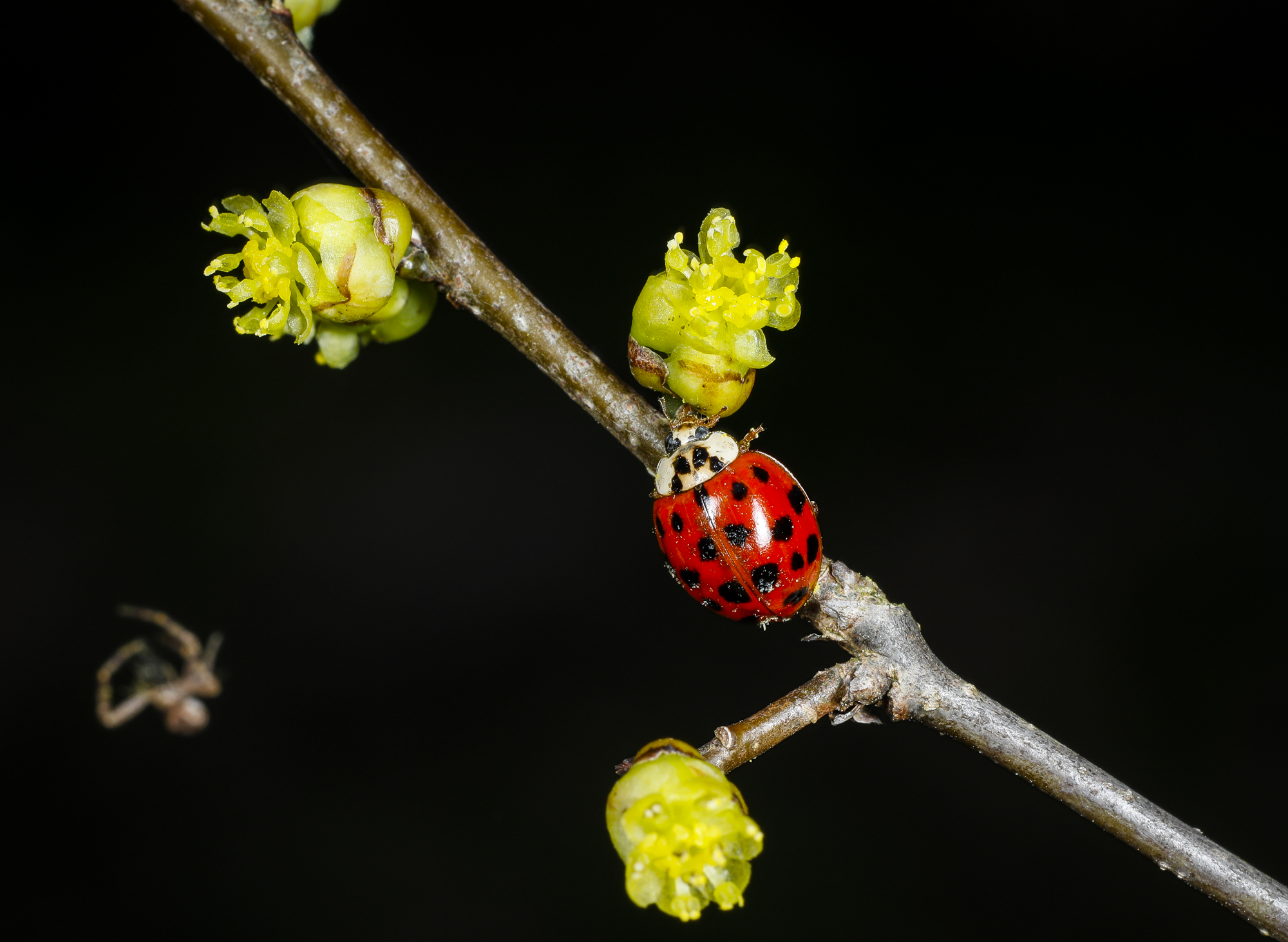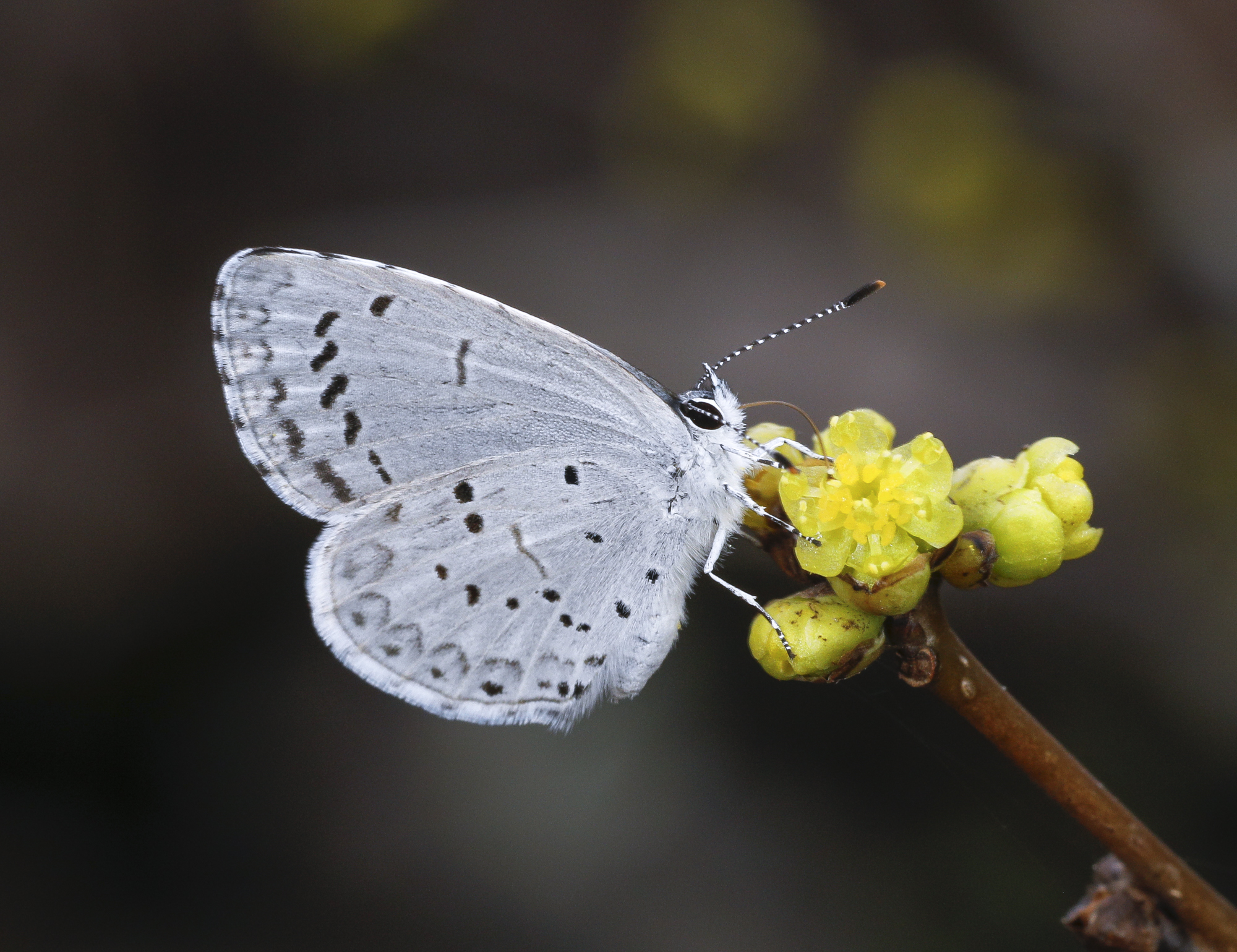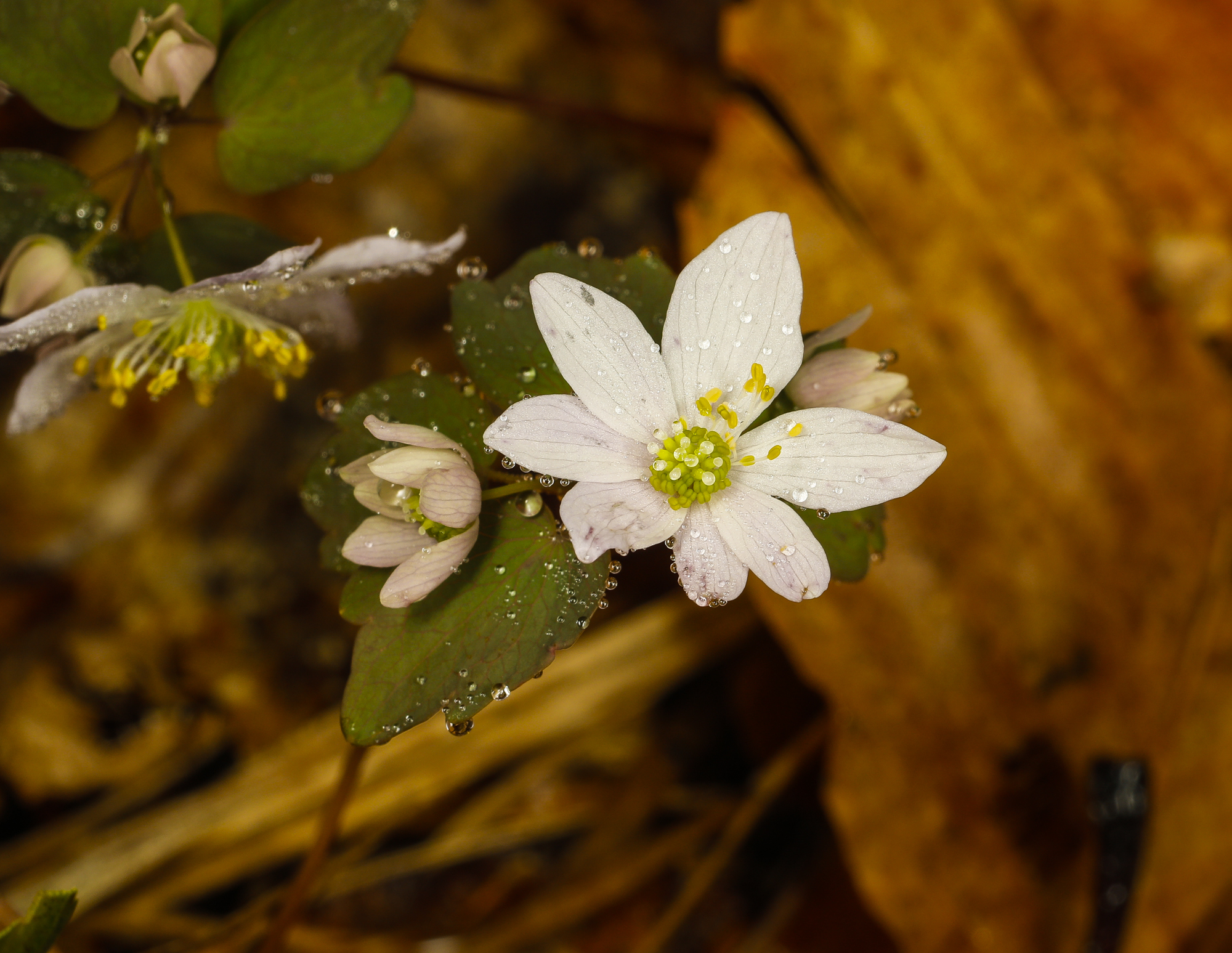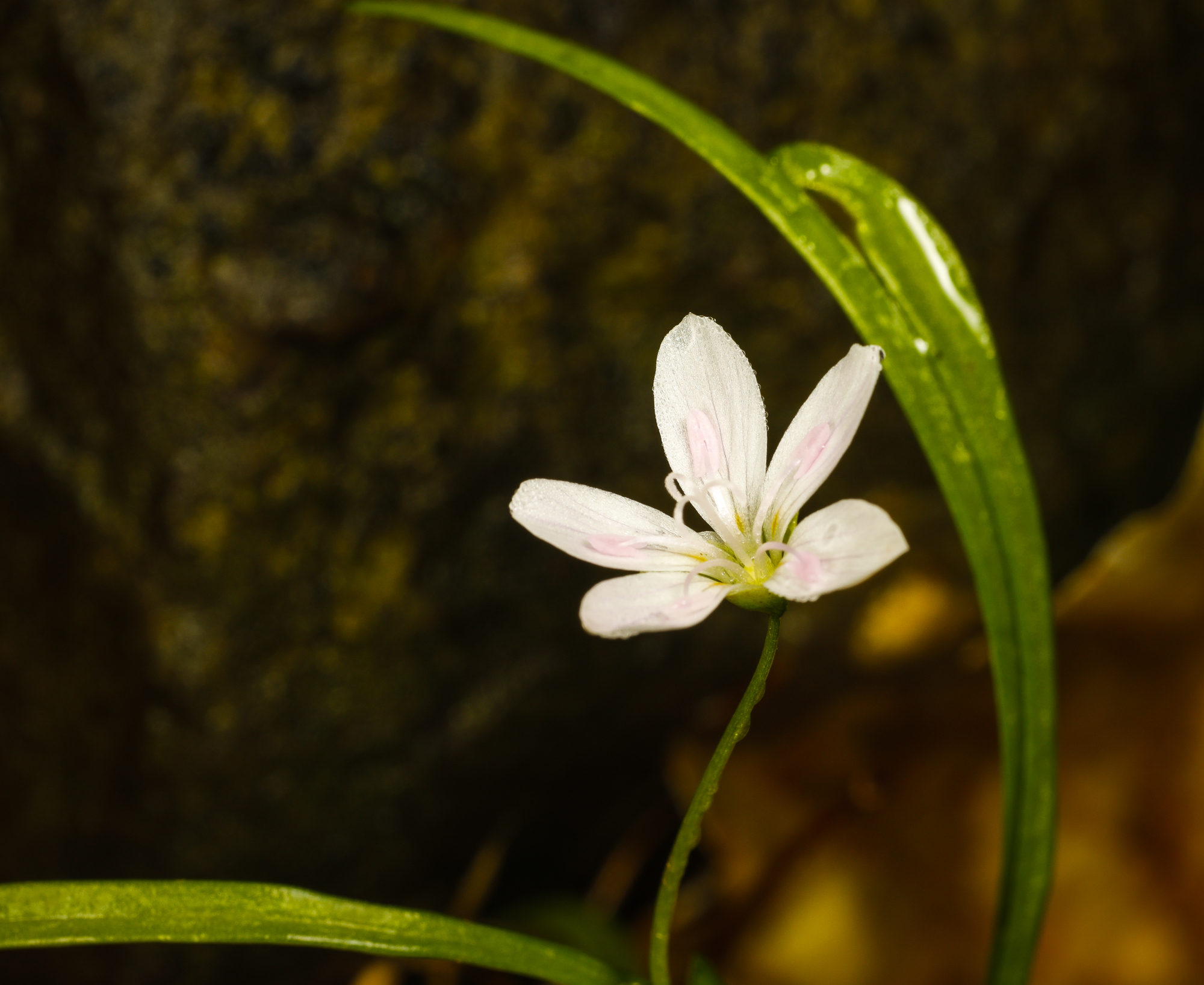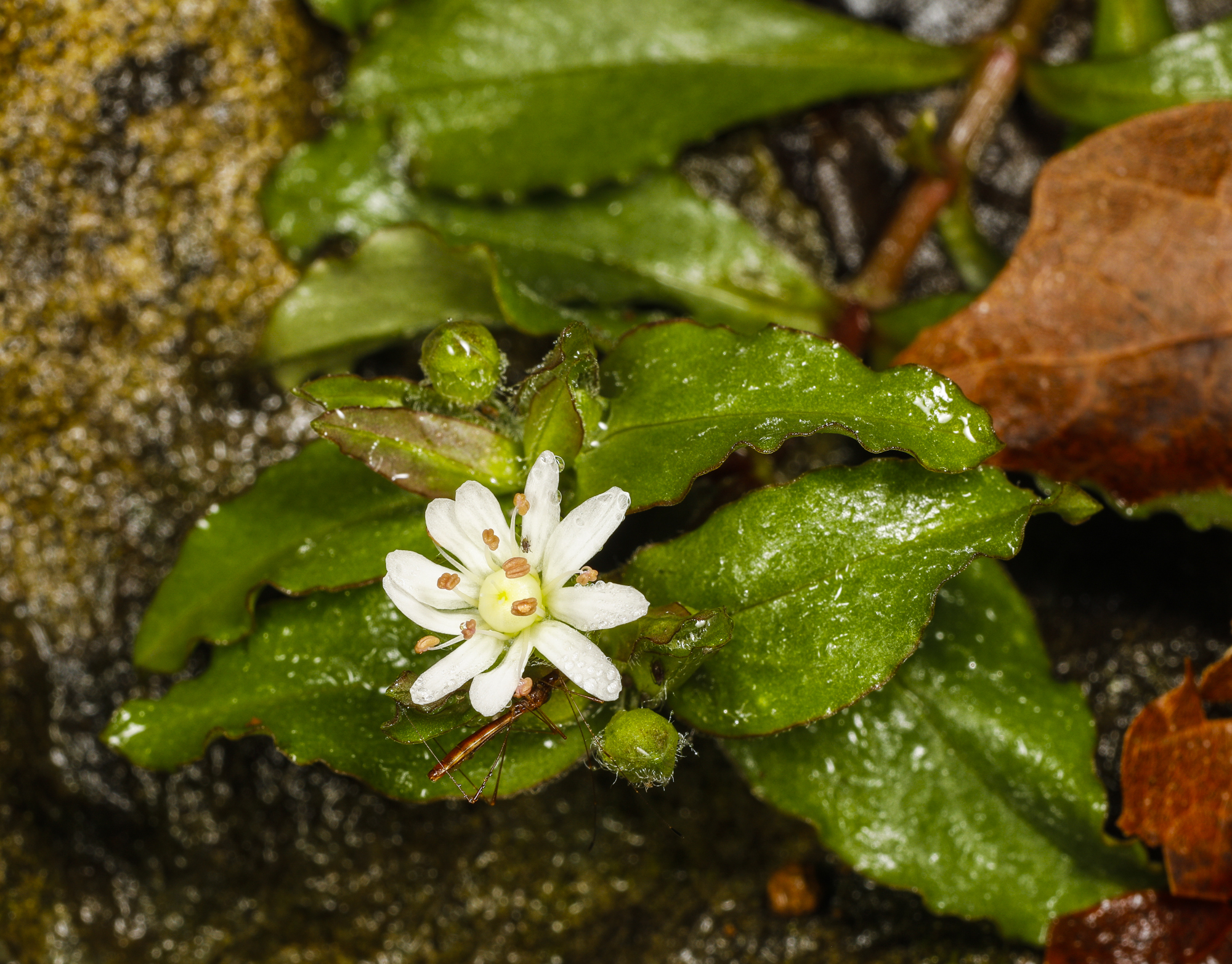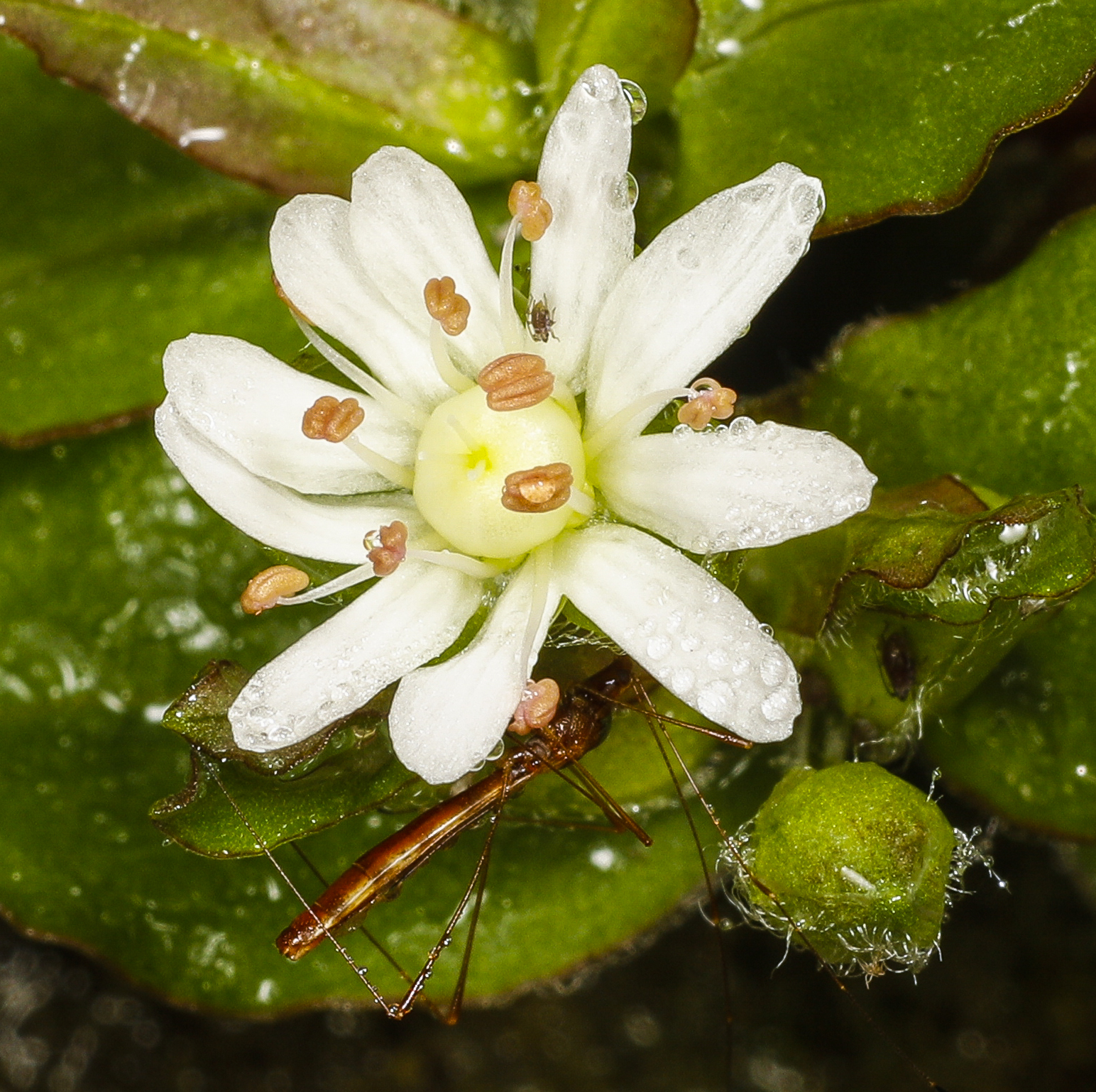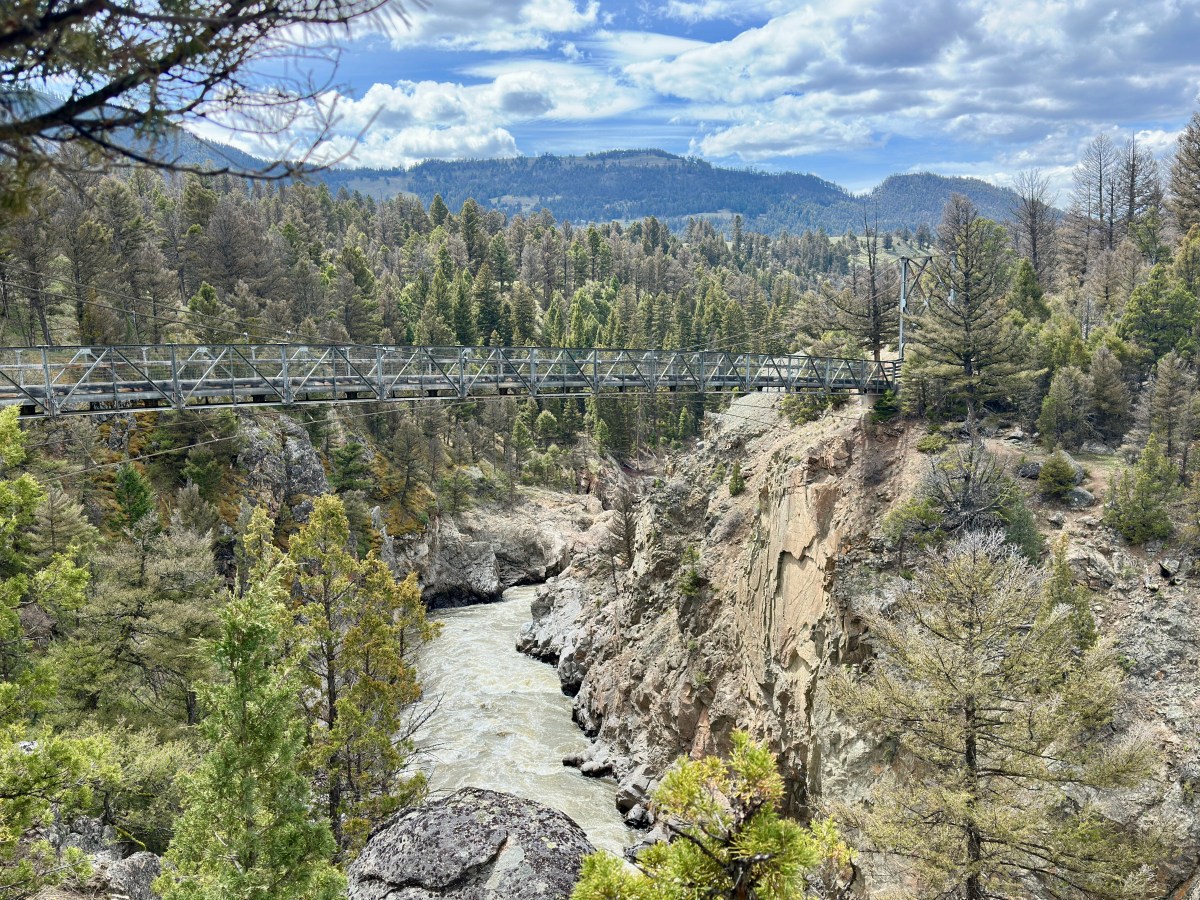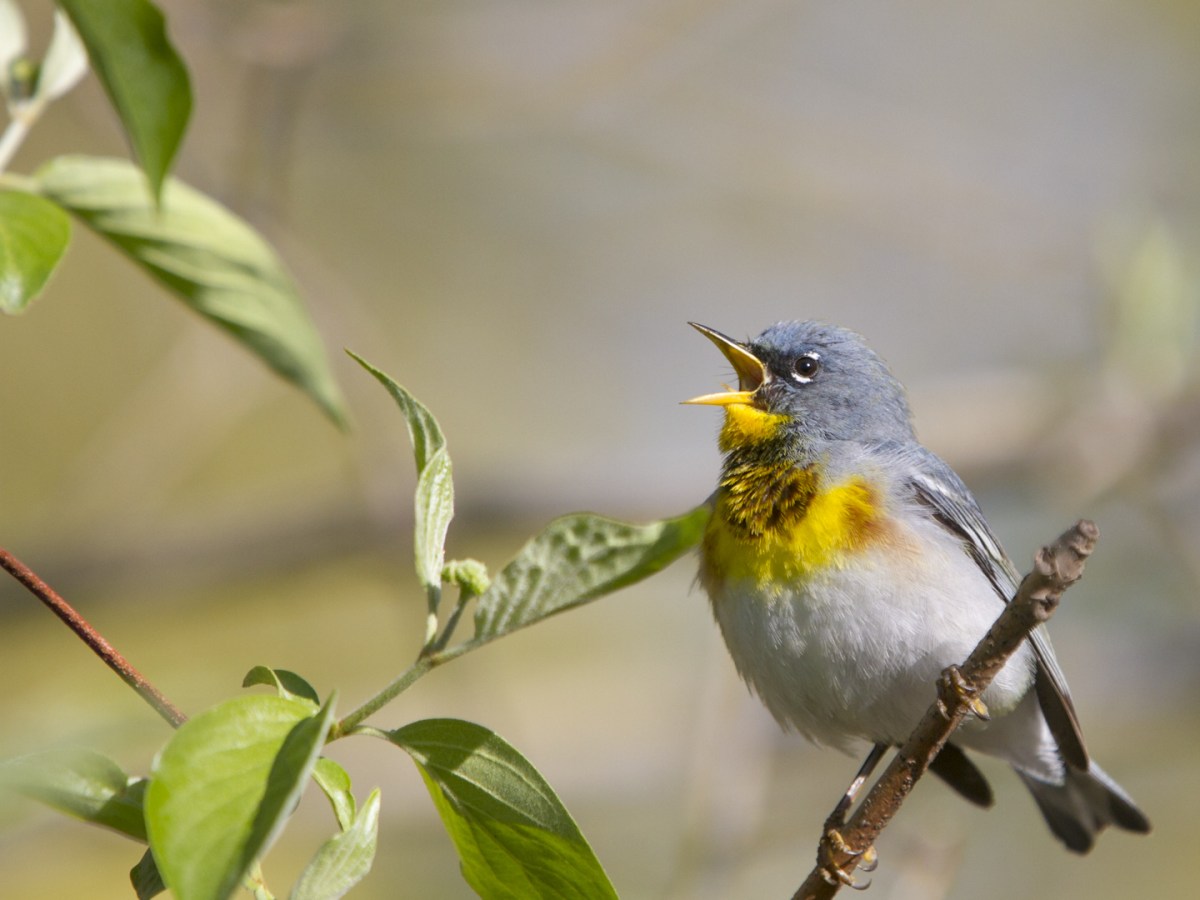
Summer is a promisory note signed in June, its long days spent and gone before you know it, and due to be repaid next January.
~Hal Borland
There is a change in the air…it doesn’t seem as humid; hurricanes are in the news; and at our house, we are starting to look for caterpillars. Yes, Fall must be coming and with it, the museum’s BugFest event (and some other caterpillar-related programming at both Melissa’s work and mine). Our annual love-hate relationship with “caterpillar wrangling” is starting and will continue for the next three weeks. So, our labor for this Labor Day, was to start looking for some interesting larvae. If things run true to form, we will find a lot of really cool caterpillars in the next week or so, and then many of them will pupate before their big day (this year, BugFest is September 21…really pushing it to be able to find many of our caterpillar species still in their larval state). But, the fun is in the finding. Here are a few highlights from recent searches.
Peek-a-boo look at a last instar Spicebush Swallowtail caterpillar in it folded leaf lair (click photos to enlarge)While looking for Spicebush Swallowtail larvae, I spotted this colorful array of insect eggs on a twigIt appears as though some parasitoid wasps were first to hatch in this batch of what look like eggs of some Hemipteran bug (perhaps a stink bug)This is one is tough to identify – either a Double-lined Prominent or a Variable Oakleaf caterpillar (they can look very similar and are both quite variable)A luna moth larva just after a molt. This one is feeding on a hickory. instead of the usual SweetgumA Puss Moth caterpillar (do not touch these as they have painful “stinging” spines hidden under that “fur”). This is probably a next to last instarOne of our most common “stinging” caterpillars, the SaddlebackOne of the more bizarre-looking slug caterpillars – the Monkey SlugAn early instar Imperial Moth larva feeding on American Beech. Will it last until BugFest?A brown form of Pawpaw Sphinx on Deciduous HollyA Hog Sphinx with parasitoid wasp cocoonsThe defensive posture of a Drab Prominent on the underside of an American Sycamore leaf
You always end up getting involved in things because of, you know, the strange things your life brings you into contact with.
~Edward Norton
I have had a couple of unusual “pets” these past few months. You may recall in an earlier post, I reported on receiving some orphaned Eastern Hercules Beetle grubs one day at work.
Eastern Hercules Beetle grubs (click photos to enlarge)
A woman brought them in after they were discovered in the hollow of a large tree she had taken down in her yard. She wasn’t sure what they were, but hoped someone at the Garden could tell her and might take them. The front desk volunteer apparently thought, Hmmm, who here would want something like this?…Oh, Mike, he probably would. And that is how I came to have two large grubs in a flower pot of rotten log and topsoil on our screen porch since late March. They are pretty easy pets to take care of – I checked them once or twice a week, spritzing the soil surface each time with a little water to prevent them from drying out. A few times over the summer, I refreshed their rotten log food supply with decayed wood and a couple of apple slices. On several occasions, I showed them to a few house guests (we have tolerant friends) and to visitors during some programs at work. The last time I did this was about two weeks ago for a group of summer camp kids. To do this, I gently poured the soil out into another bucket to reveal the grubs. On the last pour, I noticed one of the grubs had made what looked like a chamber in the soil (it was an impression in the soil about the size of a large chicken egg). I should have known what was about to happen, but it didn’t register at the time.
This past Sunday afternoon, I went out to once again spritz them with water, and when I lifted the lid off the bucket, I was amazed (and a little startled at first) at what I saw…
The alien on our porch, the pupa of an Eastern Hercules Beetle
…and it moved! It’s alive! One of the grubs transformed into a bizarre-looking pupa. This will become a male beetle, as evidenced by the horns, which apparently are quite fragile in the pupal stage. The impression I had seen in the soil a couple of weeks ago was the start of a pupation chamber. The larvae make these one to two weeks prior to pupating. I was probably lucky that my disturbance of the soil had not disrupted this transformation.
The reference I bought talked about this delicate life stage, but did not give information on how long the pupa stage lasts. Another web search found a site that summarized the life stages of the Eastern Hercules Beetle (from the University of Kentucky Critter Files on Eastern Hercules Beetles):
Adult longevity: Typically 3-6 months. The rare adult will live up to a year plus.
Egg-laying to egg hatch: 1 month
Egg hatch to pupation: 12-18 months
Pupation to emergence: 2-3 months, depending on temperature
Emergence of teneral adults to fully-formed adults: About 1 month
I am amazed at the life span of these amazing insects. It looks like I will have these pupae until December or so, when they will emerge as adult beetles. But, they apparently remain in the soil for a month or more while they harden their exoskeleton and change to the adult coloration. Stay tuned. I really want to have one of these giant beetles (with about a 6-inch wing span) flying around the house one day next spring:)
Children should be encouraged to watch patiently and quietly, until they learn something of the habits and history of bee, ant, wasp, spider, hairy caterpillar, dragon-fly, and whatever of larger growth comes in their way.
~Charlotte Mason
Summer camp at work has been over for a week now. The decks of our building are quiet, the classroom cleaned up, the debris in my office waiting for me to find it a home. My role was largely to assist with the field outings, helping to share the excitement of whatever cool stuff we encountered. I suppose it’s a good role given that I get almost as excited as they do over any living thing, large or small. I took my camera on all the outings, and it soon became a frequently heard shout, “Mr. Mike, look what I found, take a picture”. So, every day, I would take a few photos on our hikes, and print some of the best out to share with them after lunch. These “run-n-gun” photos aren’t meant to be works of art, but rather a glimpse into the incredible diversity that we can all find on a short walk in nature, especially if we have the curiosity (and energy) of a child. Here are a few of the highlights from our nature walks (I think we covered most of those mentioned in the quote above)…
One young camper had a talent for catching almost anything from lizards to skippers. He ran towards me one day with this juvenile Carolina Anole, saying, “Mr. Mike, it’s eating a moth”. Just as I snapped a photo, it gulped down its meal, oblivious to all the commotion (click photos to enlarge)We witnessed a lot of the “cycle of life” these past two weeks. Here a Bumblebee Mimic Robberfly has captured a bumblebee.Another view of robberfly and bee – you can see some differences in the mimic and the model here – the robberfly has short antennae and very different eye structureGreen Lynx spiders are now large enough to easily see in the wildflowers, where they prey heavily on pollinators, including wasps and beesAnother Green Lynx with a fly. These active hunters do not build webs for capturing their prey, but instead pounce on them like a large catPerhaps a nymph of one of the Spiny Assassin Bugs?We had a lot of critters land on us during camp. This jumping spider (Hentzia sp.?) picked one of our more squeamish instructors to hitch a ride on.An ant dragging a dead wasp. One camper told me “ants are the strongest animals in the world and they can carry over 10 times their own weight”. I googled it and found that ants are, indeed, incredibly strong and are believed to be able to carry 10-50 times their own weight (equivalent to a human lifting ~9000 pounds). Their body structure and movement are being studied by engineers in the hopes of designing powerful microbots to perform all sorts of tasks. Who is teaching who in this camp?Hackberry Emperor butterflies frequently perch on humans to imbibe our salts (sweat)Our visit to the vernal pool in the woods yielded a variety of newly transformed amphibians. Eastern Narrow-mouthed toads, actually tiny toad-like frogs, were everywhere along the edge of the pool.Fowler’s Toad toadlets were also commonA very tiny Cope’s Gray Treefrog (note the diagnostic white patch under they eye)This American Dagger Moth caterpillar provided a lesson in being a naturalist and observing the world around you. I found some frass (insect poop) on the trail. After helping them figure out what it was, I asked the campers where to look for the caterpillar that made it. After a couple of guesses in all directions, one camper figured it out and pointed up. We brought it into the classroom to observe for a few days before releasing it back into the wild. The campers named this hairy caterpillar, “prickly pear”.We all witnessed an amazing act – a female Dobsonfly laying her egg case on the wall outside the classroom (it took over an hour). Unfortunately, the hatchlings will not fall into a suitable aquatic habitat when they emerge.A short-horned grasshopper nymphA newly emerged damselfly with exuvia on an emergent stem of Pickerelweed
Tremendous beauty can be found in the tiniest of things… for who has ever thought to rival that of a butterfly’s wing.
~Kristen D’Angelo
Close up of hind wings of an Eastern Tiger Swallowtail (click on photos to enlarge)
Every few years, we have a population high of swallowtails here in our woods. This year has been exceptional with the greatest numbers of these large butterflies that I have witnessed. This is especially true of our largest (and one of the most recognizable butterfly species) the Eastern Tiger Swallowtail (Papilio glaucus). One reason they are so common for us is that our woods are dominated by one of their primary host plants, Tulip Poplar.
We have a relatively small area that receives enough sunlight to grow wildflowers, and this time of year the primary nectar sources are Joe-Pye-Weed, Ironweed, and Garden Phlox. When I walked up to the house one afternoon a week ago, it reminded me of being inside a butterfly house, with large butterflies drifting all around me and seemingly covering every available flower head. I decided to estimate their abundance, so I went inside and started counting swallowtails visible from the front window and the kitchen window. I was stunned when I finished with a total of 90 swallowtail butterflies! Most were Eastern Tiger Swallowtails, but there were about 6 Spicebush Swallowtails as well.
Joe-Pye-Weed has been the favorite nectar source in our yard – this one flower stem has 6 swallowtails on it (one is hidden on the back side)
I did a quick Google search looking for explanations of these population highs and lows in tiger swallowtails. I discovered that what I am witnessing both here and at work is also being seen this summer up and down the East Coast – an explosive population year for Eastern Tiger Swallowtails. But, my searching yielded no real clues as to why. It seems there are just too many variables to explain these population swings, although most scientists agree that it probably relates to weather conditions that negatively influence populations of the abundant predators, parasitoids, and fungi that prey upon the pre-adult life stages of these butterflies.
The Garden Phlox has been the big draw for butterflies at work (NC Botanical Garden), especially this one patch (there are 7 swallowtails scattered in this photo, but I have seen many more at times)
Whatever the reason, it has been an incredible summer for swallowtails. They are believed to live an average of 3 to 4 weeks as adults, so they are starting to decline a little after a peak a couple of weeks ago.
Below is an introduction to the swallowtails (and one look-alike) that frequent our woodland garden. The next time you venture out, look closely at your butterflies and see which ones are most common in your landscape.
Female Eastern Tiger Swallowtails have more blue on their hind wings than males.Males may have a little blue in the hind wings, but not nearly as much as females.And, just to make it more confusing, female eastern Tiger Swallowtails can also be blackish in their wing background coloration. You can often see faint traces of yellow in the wings, especially from the underside. Like our other black-colored swallowtails, this is believed to mimic the unpalatable Pipevine Swallowtails. The black color morphs are generally more abundant in the mountains, where Pipevine Swallowtails are also more common.Spicebush Swallowtails (Papilio troilus) are recognized by the wash of color on the hind wings. Females have bluish color and male a bluish-green color. Their host plants are Sassafras and Spicebush. They are generally more active as feeders, flapping their wings much more than Eastern Tiger Swallowtails.I don’t see many Black Swallowtails in our yard as they are more of an edge species. There are plenty at work, especially late in the summer, due to the abundance of one of the host plants, Golden Alexander. They are smaller than Eastern Tiger Swallowtails and tend to have a bold yellow stripe (males). Females look similar to black morph Eastern Tiger females, but they are smaller and the orange spot at the base of the hind wings has a dark spot in the center.One day I looked out and saw a very active swallowtail with yellow under its wings feeding on the Joe-Pye-Weed. I recognized it as a Giant Swallowtail (Papilio cresphontes).Ironically, it was almost exactly a year ago that I saw my first Giant Swallowtail in Chatham County. They are large (North America’s largest butterfly) and very active butterflies, making a spread wing shot somewhat difficult.Pipevine Swallowtail (Battus philenor). Males (photo above) have a brilliant iridescent blue-green color on the hind wings. Females are duller. This species is an irregular visitor to our yard but is easily recognized by its fluttering feeding styles compared to most other swallowtails. Spicebush swallowtails are also active feeders, but appear much larger than Pipevines. As caterpillars, this species sequesters toxins from their host plants (pipevine and Virginia Snakeroot) which are transferred to the adult, giving them some protection from hungry birds and other predators.My favorite butterfly, the Zebra Swallowtail (Eurytides marcellus). These beauties are found in areas near their host plant, pawpaw. Freshly emerged specimens often have hints of blue on their wings.Often mistaken for one of our four dark-colored swallowtails, the beautiful Red-spotted Purple (Limenitis arthemis astyanax) is believed to be another mimic of the unpalatable Pipevine Swallowtail. It has iridescent blue hind wings, lacks the wing tails, and has blue dashes or spots along the wing margins. This species is very common in our woods where its host plant, Black Cherry, is abundant.Many butterflies are now showing signs of aging and the hazards of life in the wild. This male Eastern Tiger Swallowtail is missing part of one hind wing, perhaps a victim of a missed attack by a bird or mantis.Birds are major predators of the larval stages of butterflies, but I have not seen much depredation on adult butterflies, especially of our larger swallowtail species. On two occasions, we have seen flycatchers like Eastern Wood-peewees and this Great Crested Flycatcher snag a butterfly in flight.Large Robberflies are reaching their peak population about now and I have seen them hit some of the swallowtails that were nectaring at flowers, but have only seen one actually carry a large butterfly off to feed on it. This one has a large Carpenter Bee as its meal.Large spiders (large orb weavers) are major predators of swallowtails in our yard. I do see the butterflies occasionally escape once they hit a web, but we also see many wrapped in silk in the many webs that dot or yard.Another important predator of large butterflies are the praying mantids, especially the introduced Chinese Mantis. They wait near flower heads and lunge and grab the butterflies. They must be difficult to see as I have watched butterflies forage on the same flower that has a mantis feeding on one of their cousins.
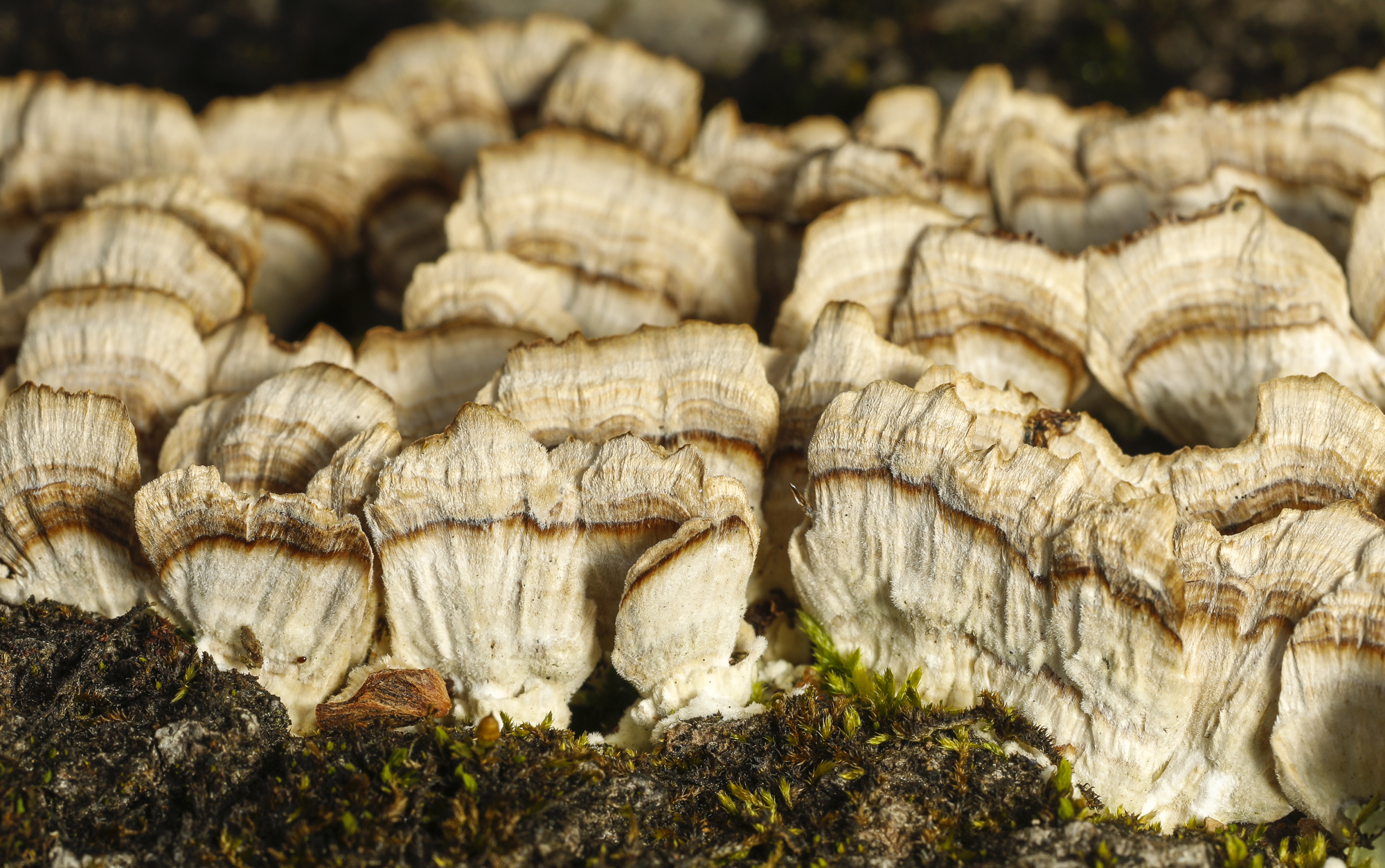
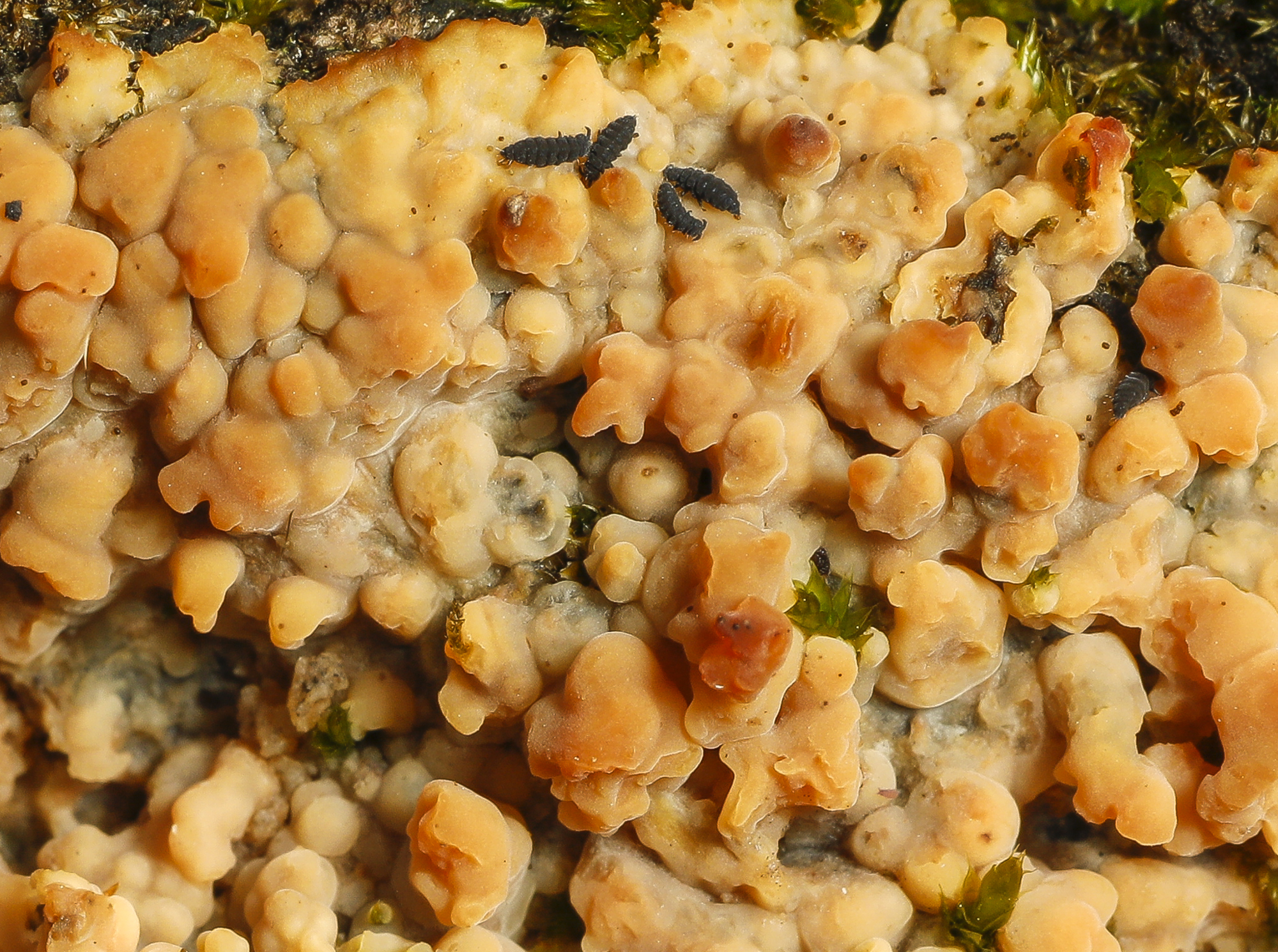
I’ve always preferred moths to butterflies. They aren’t flashy or cocky; they mind their own business and just try to blend in with their surroundings and live their lives.
~Kayla Krantz
National Moth Week ended yesterday and I managed to miss most of it for a variety of lame reasons. But, even though I failed to put out my moth light (which is at work for summer camp use), I did manage to find some cool moths hanging out at lights or ones I flushed from their hiding place as I went about my work. With your permission, I’m going to cheat a little and present a few that I photographed outside the official moth week window. The group includes several that are new to me and several that meant more because I have photographed their larval forms in the past. So, get outside and look around, the beauty and variety of moths is astounding!
I found several large sphinx moths (most sphinx larvae are known as hornworms due to a prominent tail spike). They are the fighter jets in the moth world, typically with a sleek shape and rapid flight.
Plebian sphinx, Paratrea plebeja(also known as the trumpet vine sphinx) (click photos to enlarge)Pawpaw sphinx, Dolba hyloeusRustic sphinx, Manduca rustica
It was also a good week for the underwings, so named because they tend to have bright colors on their hind wings that are only revealed when they open their forewings (this may serve as a predator avoidance aid when flashed).
Clouded underwing, Catocala nebulosaIlia underwing, Catocala ilia (also known as Beloved underwing or Wife underwing – photographed on tree trunk to show their wonderful camouflage)Penitent underwing, Catocala piatrixSaddled prominent moth, Heterocampa guttivitta
It was a good week for little green moths…
Red-fringed emerald, Nemoria bistriariaRed-bordered emerald, Nemoria lixariaBad-wing moth, Dyspteris abortivaria (love this name) Spun glass slug moth, Isochaetes beutenmuelleri (I really want to find this one’s caterpillar – look it up and you’ll see why) Ailanthus webworm moth, Atteva aurea, a colorful day-flying moth, often seen pollinating various wildflowersRosy maple moth, Dryocampa rubicunda, one of our most beautiful, and common, mothsGray-banded OR Oblique zale, Zale sp.Brown-shaded gray, Iridopsis defectariaMaple zale moth, Zale galbanataPlain Plume Moth, Hellinsia homodactylus (the plume moths are among the strangest looking moths!)
The biggest surprise was a rather innocuous-looking little moth found outside one of the entryways to the office. As is often the case, a close-up image showed some beautiful patterns and subtle colors that I might have otherwise missed. But the shocker came when I identified it and saw its name – Wasp Parasitizer. That’s right, this little moth lays its eggs on paper wasp nests and its larvae consume the larvae and pupae of the wasps! The natural world, literally just outside our doors, is truly amazing.
Ants are everywhere, but only occasionally noticed. They run much of the terrestrial world as the premier soil turners, channelers of energy, dominatrices of the insect fauna…
~Bert Holldobler
The more I learn about them, the more I appreciate plants. Working at the NC Botanical Garden allows me to see the passage of time through the eyes of a variety of native plant species. I have witnessed slow, long-term seasonal changes, as well as brief glimpses of wonder. And so it was that last Friday when a coworker came in right before closing and showed me her phone video of ants dispersing the seeds of a trillium in the Herb Garden. It was amazing to see them carrying such a huge load across the rocks. I grabbed my camera and headed over, hoping I wasn’t too late.
An ant carrying a Trillium seed back to its nest (click photos to enlarge)
I have seen this phenomenon, called myrmecochory (seed dispersal by ants), a few times before and reported on it in an earlier post. Estimates are that 30%-40% of our spring-blooming woodland flowers rely on ants for seed dispersal. Another source stated that elaiosomes occur in over 11,000 plant species! There are various theories as to why ants do this and how it benefits the seeds:
the lipid-rich appendage is a food reward that is fed to the ant larvae when it is taken back to the nest
the seed is dispersed away from the parent plant, which may provide a better growth environment by reducing parent-offspring or sibling competition
by quickly transporting the seed to its nest, the ants’ behavior reduces the time the seed may be exposed to various seed predators (the seed might get eaten by a bird or mouse, for example)
when the seed is discarded into the ant “trash pile”, it is in a nutrient-rich environment ideal for germination
In addition, one author speculates there may be some benefit from the anti-microbial properties within ant nests that will reduce the susceptibility of the seed to various pathogens.
Studies where a researcher has removed some of the elaiosomes and compared removal rates have shown that ants remove seeds with elaiosomes more quickly, often using the appendage as a handle.
But the most intriguing research I have seen focuses on the reason the ants pick up the seed in the first place. It seems that elaiosomes rich in oleic acid trigger a stereotyped carrying behavior in a variety of ants. E.O. Wilson, the dean of ant researchers, showed that a dead ant starts emitting oleic acid about 48 hours after its death. This is a signal to other ants to pick it up and carry it back to the nest and discard it. He even added a drop of the “dead ant” acid to a live ant, which was quickly picked up and carried to the trash pile, in spite of its thrashing and obviously living qualities. To quote an NPR story on this experiment, Dead is what you smell — not what you see — if you are an ant. So, do plants mimic an insect chemical in order to get ants to carry out their seed dispersal tasks? It appears there may also be some benefit to the ants in this relationship, but the origins of this behavior are fascinating to ponder.
Below is a series of images depicting about 45 minutes in the long life story of one wildflower – a plant that may take 2 years for its seed to germinate, and then another 5 or 6 years to flower and produce its first seed. And, it seems to have figured out a way to con a bunch of insects (yellow jackets are also known to disperse seed with elaiosomes) to carry its seeds back to their trash pile. There appears to be a lot going on out there in the woods that we are just beginning to understand. All the more reason to plant some native plants and get outside and observe your wild neighbors.
The source of the seeds – Little Sweet Betsy, Trillium cuneatum (this photo was taken in another location in the garden back on March)This is how the Trillium that provided the seeds looks now (this photo was taken a couple of days after the ant dispersal images and the seed pod has now disappeared)The seed pod was lying on a leaf and was laden with antsA peek inside at the seeds with elaiosomes and antsAn ant lugs a seed up and out of the podThen it is easy-going downhill on a leafThen on to a lichen- and moss-covered rockThe first hazard on the journey – the steep drop-off of the front edge of the rock (as I watched, a fewants fell off this ledge with their heavy loads)A feast when a few seeds fell out onto the rockThe elaiosome provides a good grip for an ant’s jawsThe path taken by the ants – about 6 feet across an open walkway to the rock in the backgroundAn ant with its prize just before disappearing into the nest beneath the leaf litter
If a child is to keep his inborn sense of wonder, he needs the companionship of at least one adult who can share it, rediscovering with him the joy, excitement, and mystery of the world we live in.
~Rachel Carson
It is summer camp time at work and it has been busy these past few weeks. We have a tremendous crew of staff and volunteers, so I have mainly been around to help out with the nature hikes each day. Though I have worked mainly with adults for most of my career, there is something very satisfying about helping a child discover more about the world around them. The theme these past two weeks has been Things with Wings – the world of flying things from seeds to birds to insects. I always take my camera and macro lens on our walks, taking pictures of things that I, or the campers, find, and then print a few off during lunch for them to enjoy. The diversity of native plants and habitats at the Garden leads to an amazing diversity of critters. Here are a few from the past two weeks…
Newly hatched leaf-footed bug nymphs and eggs (click photos to enlarge)Wheel bug (aka Assassin bug)Silver-spotted skipper – these are incredibly abundant at the Garden right nowChinese mantid nymph eating a butterflyA really large Six-spotted fishing spider that has pulled its prey up onto a lily pad to dineA closer look shows it captured a dragonfly nymph. Also note what appears to be a freeloader fly dining on the spillage (look just above the spiders eyes for the fly)Great blue skimmer at the Turtle PondOur hike to Morgan Creek is always a highlight. We caught several dobsonfly larvae (hellgrammites) in the swifter waterThe campers spotted this water snake dining on a catfish. We watched it for about 15 minutes as it slowly worked the fish into its mouthA jumping spider (Phidippus sp.) was one of many things caught while sweep nettingOne of my favorite critters to catch while sweep netting is this tiny plant hopper, Rhynchomitra microrhina. It really needs a common name, so we usually call it the pointy nose thingieLacewing larva – the huge jaws are used to capture prey such as aphids. The larvae have bristles on the dorsal surface to which they attach debris and the bodies of their victims. Secretions from the corpses may help the larvae move through a group of prey without being detectedOne of the campers described a butterfly he saw as looking like a buckeye underneath and a monarch when it opened its wings. We finally saw this American lady and solved the riddleA child’s eyes can often find the most beautiful object lying on the trail. This is one half of the elytra (hardened forewings) of a beetle, probably a Fiery Searcher Caterpillar Hunter (now that’s a name!)
Melissa and I have been with Mom this week helping take care of the many things that require attention when a family member passes. It has been a busy few days, though I managed to take Mom to Damascus last night for a little relaxation at their annual fireworks display (Melissa left last night to join a friend in the mountains of NC for some much-deserved down time). But, I’m sorry she missed this morning’s surprise.
A little before 6 a.m., I heard a loud thud. I was lying there, listening, worried that Mom had gotten out of bed and had dropped something, or worse. I soon heard another, louder noise, but it reassuringly sounded like it was coming from the deck. I assumed it was the raccoon that occasionally raids the bird feeders, so I got up and looked out the window…it was not a raccoon! There was about a 200-pound black bear walking around on the deck. I grabbed my phone and went into the living room, hoping to document this event, when he decided to stroll down the steps. I ran back into where we sleep and took this fuzzy, out of focus iPhone picture out the window.
Bear strolling away from the deck steps into the back yard (click photos to enlarge)
What impressed me was how natural the bear looked going down the steps and eventually crawling over the fence. He has certainly done this sort of thing before. It seemed to disappear down toward the river, a nice travel corridor if you are trying to avoid humans this time of day.
A “gentle” touch left only minor damage to the feeders
We have been filling feeders only in the morning, which means they are always empty by the time evening rolls around, figuring that is less enticement for the roving raccoons. But, the bear had not gotten the memo. Still, he checked out all the possibilities, but leaving relatively minor carnage at the feeding stations. A suet feeder had been ripped off one side, but the hot pepper suet remained untouched. After lifting the hinged lid to one feeder, the bear snapped out the plex panel. I think I got to the living room window about the time he realized this restaurant must be closed, and so he wandered off the deck, climbed the fence, and headed down to the river.
Hot suet, not to the bear’s liking
Had he only wandered around front, he might have been able to join the other critters feasting on the spoils of several fruit trees that line the driveway.
Meanwhile, out front…the usual 4-point buck and a bunnyA future meal perhaps?
Every morning, while sipping my coffee, I see several deer, rabbits, birds, the occasional fox squirrel, and some ground hogs out along the field edges, especially under the many fruit trees that are starting to drop some of their heavy load of apples, pears, or peaches…a bear banquet in the making.
I think I chose the right logo
When I went back inside, I noticed I had thrown on an appropriate t-shirt for the occasion. Happy Fourth of July everyone!
The beginning of wisdom is to call things by their proper name.
~Confuscius
This past month, I have tried to find 5 or 10 minutes each day at work to walk around the building breezeways to photograph any moths that were attracted to the lights the previous night. I hope to create a library of images of some of the common species. As I have reported before, I am relatively new to “mothing” and am still struggling to learn some of the more than 2600 reported species in NC. The release of the Peterson Field Guide to the Moths of Southeastern North America last year has made a huge difference in my ability to identify what I find. My copy is already showing signs of wear from the frequent page-flipping. I also refer to the Moths of North Carolina or Bug Guide web sites to confirm an identification.
Now I have another ally in my quest to learn more. It may be a game-changer, in fact. It is the Seek app by iNaturalist. Using the millions of observations on iNaturalist, Seek shows you lists of commonly recorded insects, birds, plants, amphibians, and more in your area. You don’t even need to take a photo, just open the camera and scan whatever you want to know more about. It instantly gives you information, and if it can’t ID it, it may suggest looking at the subject from a different angle. It is usually at least gets you to the family level or beyond even if it doesn’t ID to species. This free app is available for both iOS and Android. I have found it to be particularly useful for moth identification, most likely due to the countless recorded observations of several local moth enthusiasts. In order to get the best possible image, I usually take the photo with my normal camera set-up (100mm macro and twin flash), download the image onto my laptop, and then scan it with my phone and the Seek app for ID help.
I have double-checked many of the early identifications using the other references mentioned and found them to be accurate. A few times, Seek has not been able to provide anything but a family recommendation. But, overall, I have been very impressed with the results thus far.
Here are a few of the highlights from this past month. Note the variety of shapes, colors, and patterns. One thing you can’t tell from these images is the huge range in size – the Common Tan Wave has a wing span of about 20mm while that of the Io moth is about 80mm.
Canadian Melanolophia moth, Melanolophia canadaria (click photos to enlarge)Confused Eusarca, Eusarca confusariaBlack-dotted ruddy moth, Ilexia intractataCommon tan wave, Pleuropucha insulsariaBaltimore snout, Hypena baltimoralis – one of the more striking species this monthDelicate Cycnia moth, Cycnia teneraDark-spotted Palthis moth, Palthis angulalisAmbiguous moth, Lascoria ambigualisCurved-line angle, Digrammia continuataIronweed root moth, Polygammodes flavidalis – a delicate beauty with hints of iridescenceOne-spotted variant moth, Hypagyrtis unipunctata – quite variable indeedTulip-tree beauty, Epimecis hortaria – a common bark mimicWhite-marked tussock moth, Orgyia leucostigmaEastern grass tubeworm moth, Acrolophus plumifrontella – a very common species right nowVariable oakleaf caterpillar moth, Lochmaeus manteoOblique-banded leafroller moth, Choristoneura rosaceanaSouthern flannel moth, Megalopyge opercularis – this is the adult form of the puss moth caterpillarJuniper geometer moth, Patalene olyzonariaLarge maple spanworm moth, Prochoroedes lineataIo moth, Automeris io – a large femaleIo moth, Automeris io, with wings spread to reveal the false eye spots
Pursue some path, however narrow and crooked, in which you can walk with love and reverence.
~Henry David Thoreau
Last month we escaped for a few days for our anniversary. Escaped may seem like a strange word for people that are lucky enough live in the woods, but, as Melissa has pointed out, when we stay at home, I often manage to find a few chores that just have to be done. So, for our anniversary, we escaped to a cabin in the woods in the mountains of Virginia along the New River. No plans, just a few days to do as we chose. It is always a good reminder that when you slow down, you can experience more of the wonders that surround you. Here are a few of the highlights.
Pink lady’s slipper orchid, Cypripedium acaule (click photos to enlarge)Wood anemone, Anemone quinquefoliaBluets, Houstonia caeruleaSalt marsh caterpillar (not the best common name – so far from a salt marsh)Painted trillium, Trillium undulatumRosy maple moth just after emerging from pupaClose up view of a fuzzy mothPupal case found on ground next to emerging rosy maple mothMayfly adult (imago)
Mayflies are unique among modern insect groups in that they have two flying stages after the larval (or nymph) stage. The first is called the subimago, sort of a pre-adult flying stage. This is a unique feature of mayflies. The subimago often looks different from the final adult stage (imago), but in other species, can be difficult to separate. I found a couple of pale mayflies on the cabin windows and am assuming they are subimagos. This stage lasts for only a day or so, and then the mayfly molts again into the fully mature adult.
Mayfly subimago (?)Unidentified parasitoid wasp
The cabin was quite welcoming for a couple of naturalists. In addition to all the cool insects and plants, there was a phoebe nest above the back door and a red-eyed vireo building her nest not far off the deck.