Each day has its own beauty, and a mindful attitude enables us to discover the awe and wonder of each moment.
~Stephen Hatch
Wildflowers blooming in the garden (click photos to enlarge)
I’ve been back from Yellowstone about a month now. It took me a couple of weeks to go through my images and post blogs on the trip. I just finished that process last week and then took a short break from blogging. To be honest, the heat and humidity, plus the realization that I won’t be seeing bears, wolves, or large ungulates, has dampened my enthusiasm for getting out and about. I have been busy doing chores and errands here and catching up on the gardening which has required watering at least twice each day due to the aforementioned heat and lack of rain. To be fair to my North Carolina woods, I have seen a lot of birds (the usual suspects), a couple of new fawns, and a variety insects, but have just taken a break from carrying the camera. Yesterday I decided it was about time, so I carried the 100 mm macro, two extension tubes, and the twin flash out in the garden to see what I could see.
Coneflower in bloom
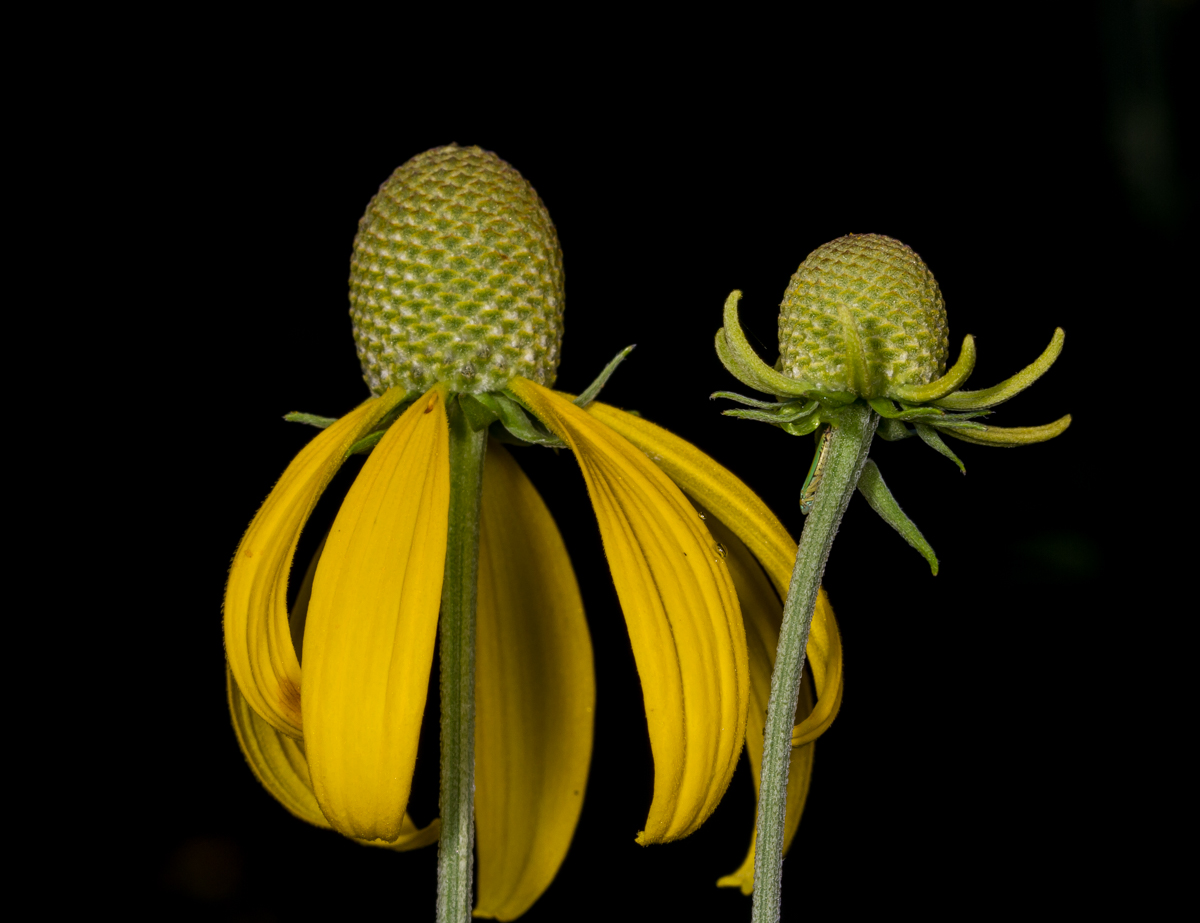
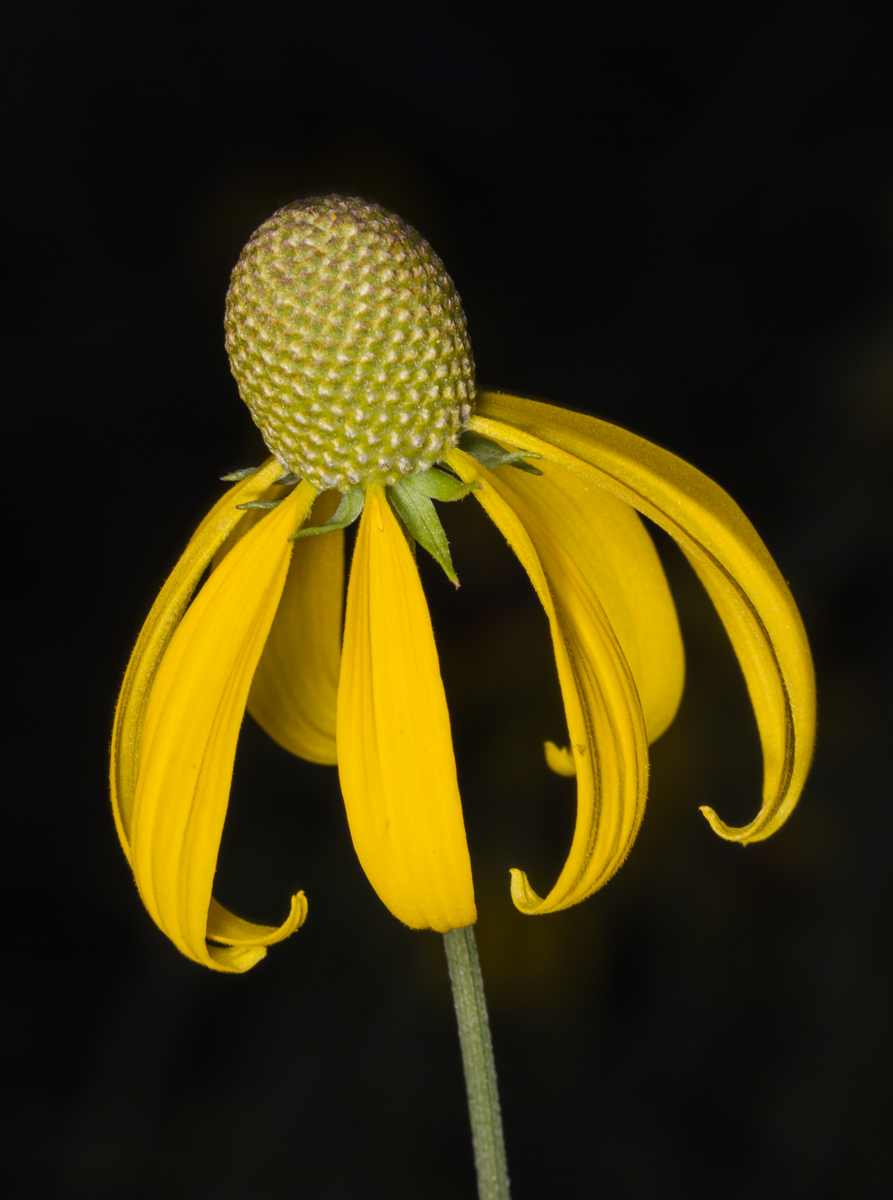
A large clump of some sort of coneflower (Rudbeckia sp.) has managed to survive the heat and poor soil of the area outside the raised garden beds and has been blooming for the past week.
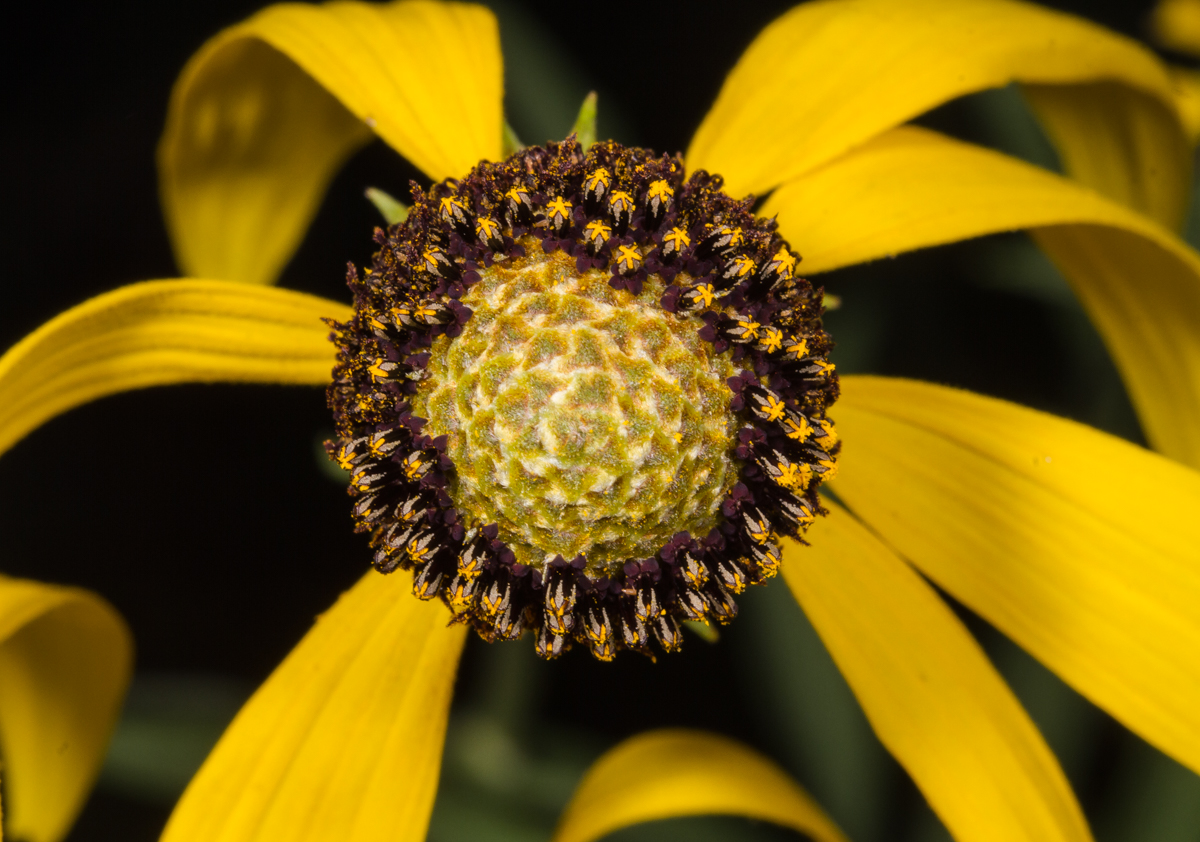
Stamens appear first with the ripe anthers and bright yellow pollen
A close look shows how the male parts of the flower open first, moving from the bottom of the flower head toward the tip. The female parts then follow that pattern as they mature a little later.
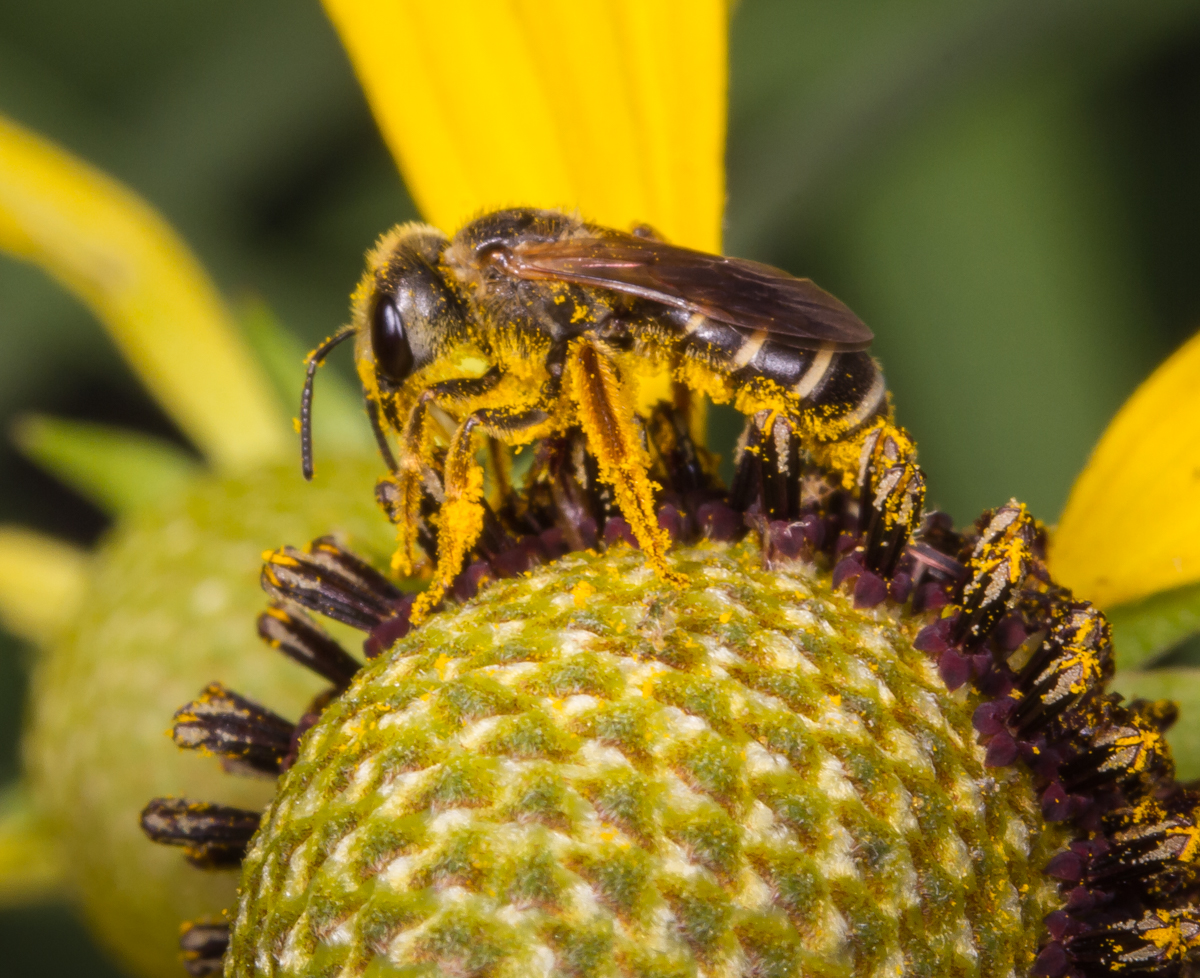
Bee collecting pollen
The abundant bright yellow pollen attracts a host of pollinators, especially small bees. They become covered with pollen as they work the flower heads, moving in tight circles around each flower before buzzing off to another.
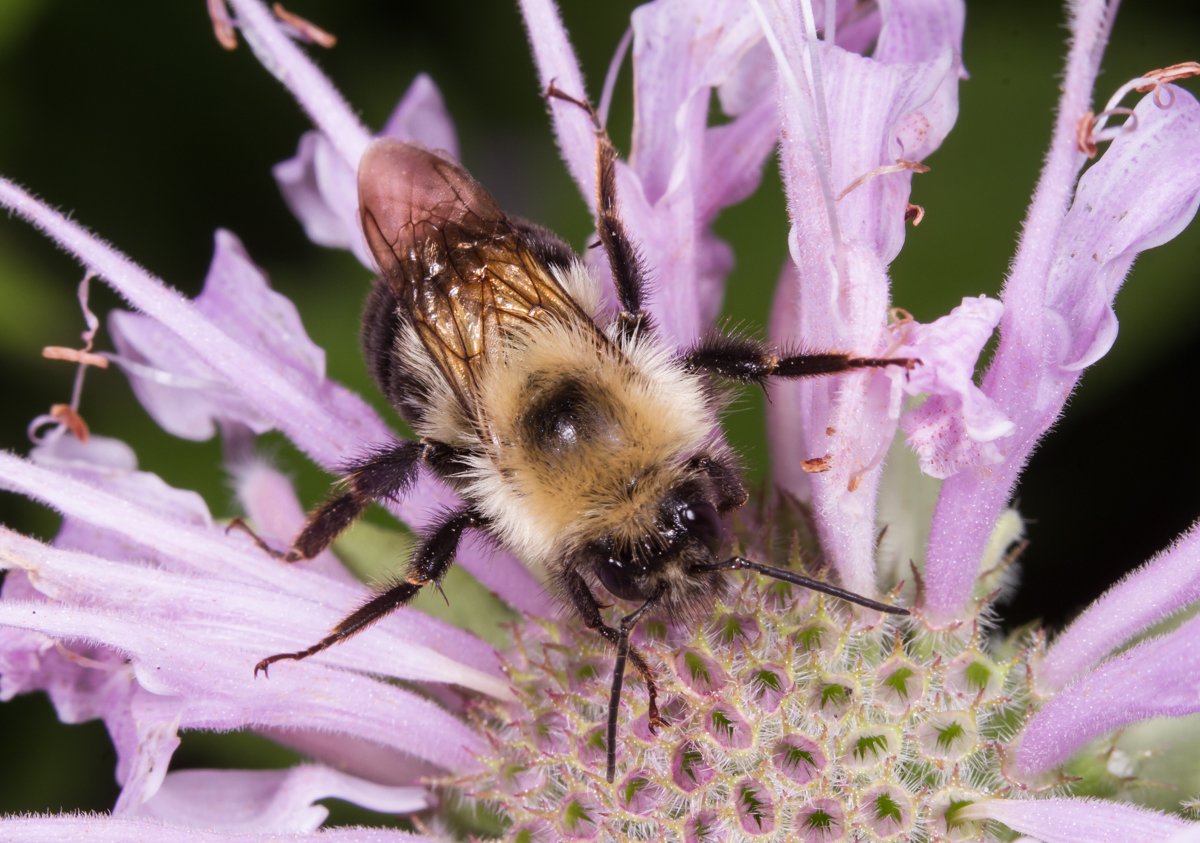
Bumblebee on Monarda
A nearby patch of Monarda is bringing in larger insects, especially bumblebees. I need to work on my ability to identify species of this important group of pollinators. There are now a lot of great references available so it should be much easier than in years past and there is growing concern about population declines in some species.
I spent an hour or so wandering the 300 square feet of the garden, and was rewarded with some beautiful flowers, interesting behaviors, and a few species I need to try to identify. While not quite the same as trying to grasp the wonders of the 2.2 million acres of my favorite national park, it still can be rewarding to spend some time in the wilderness outside your doorway.
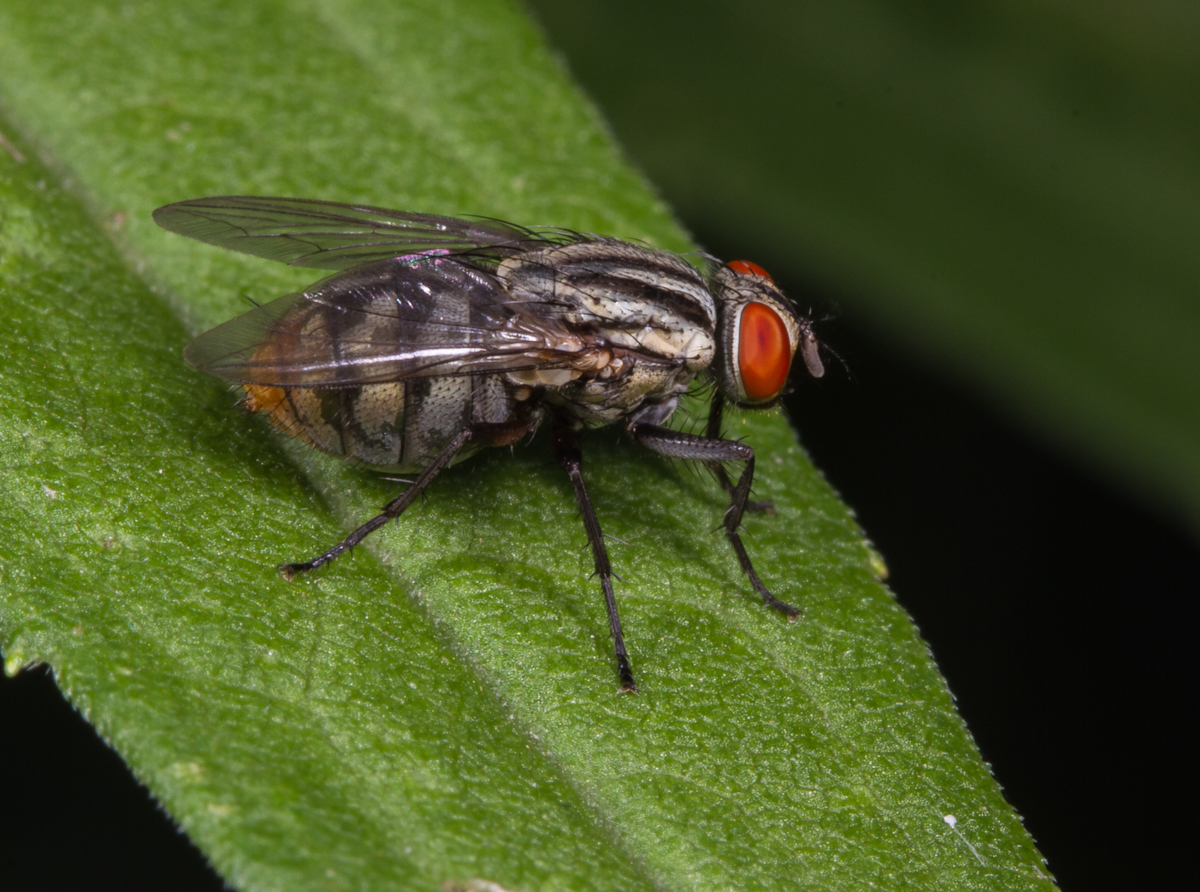
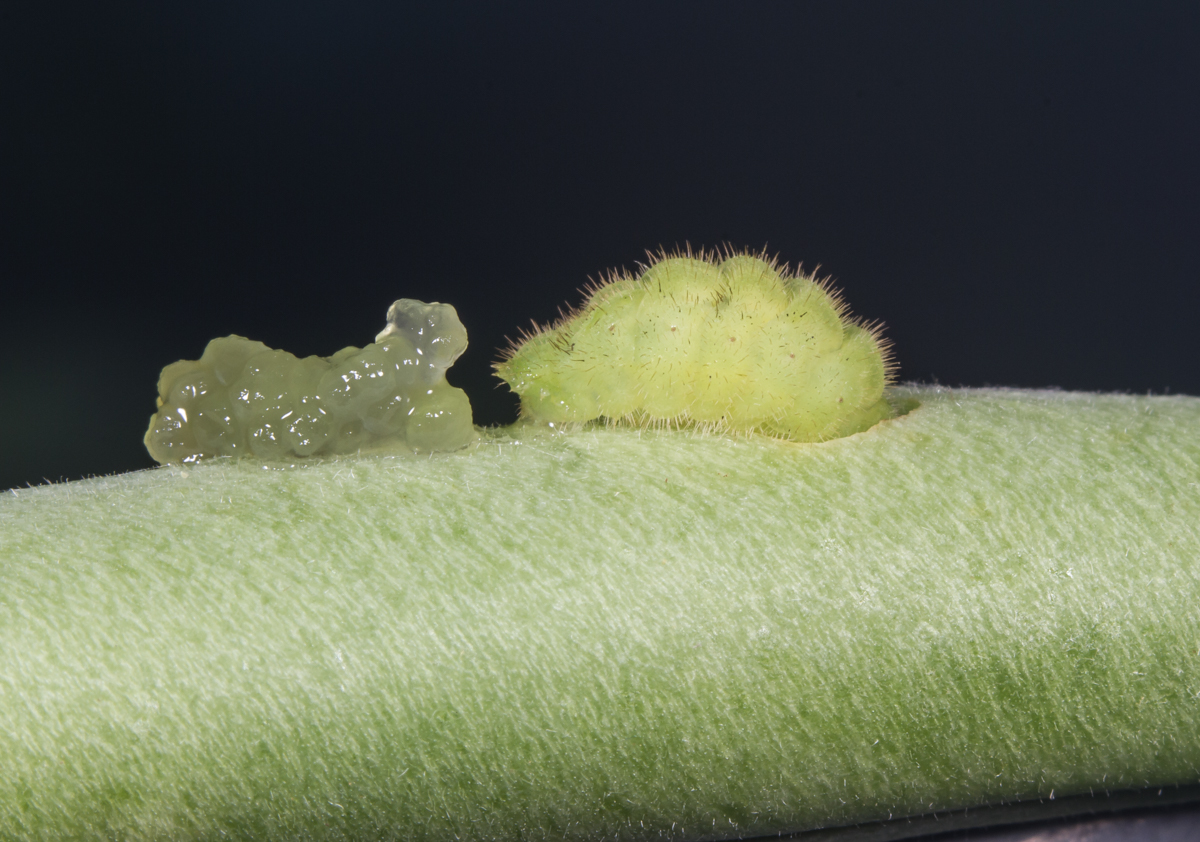
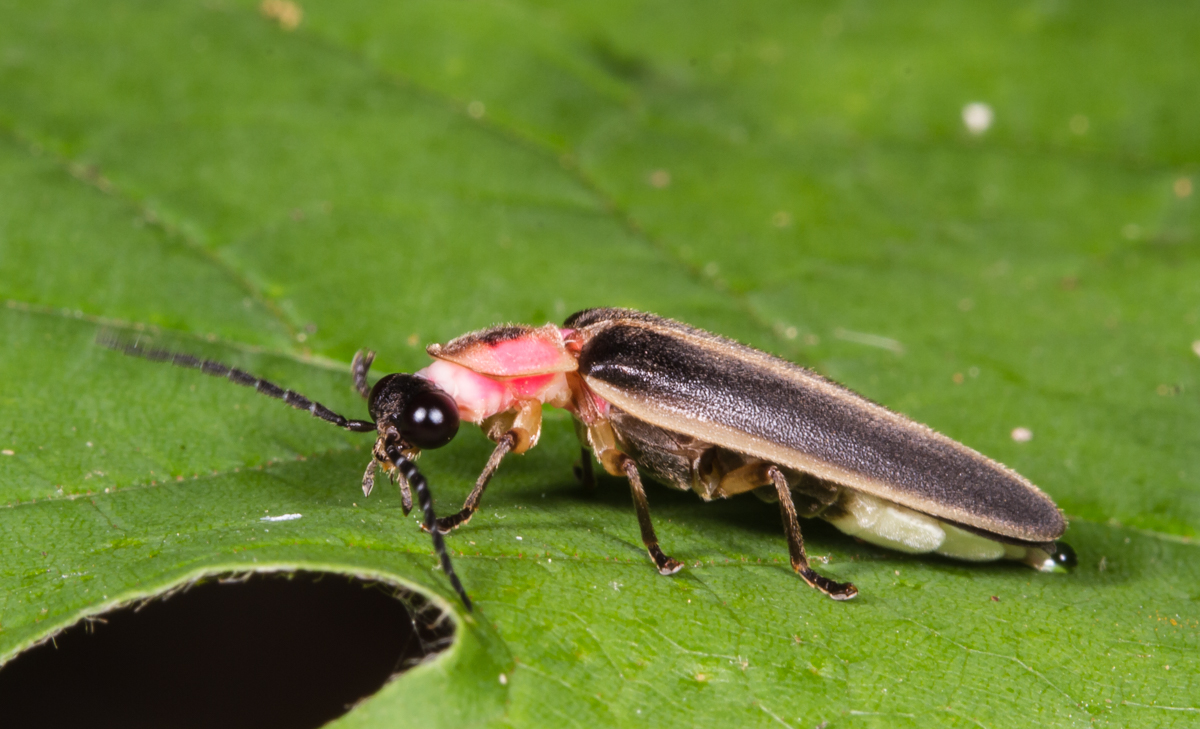
An unknown species of fly, most likely one of the so-called Flesh FliesUnidentified larva drilling into one of my green beansLightning Bug
This place, this Yellowstone, comes in through the nostrils, swims into the blood, to alter your very constitution, leaving the familiar skin a sage-scented facade for the wildness running beneath.
~Liz Hinman, a teacher that participated in a Yellowstone Educators of Excellence Institute
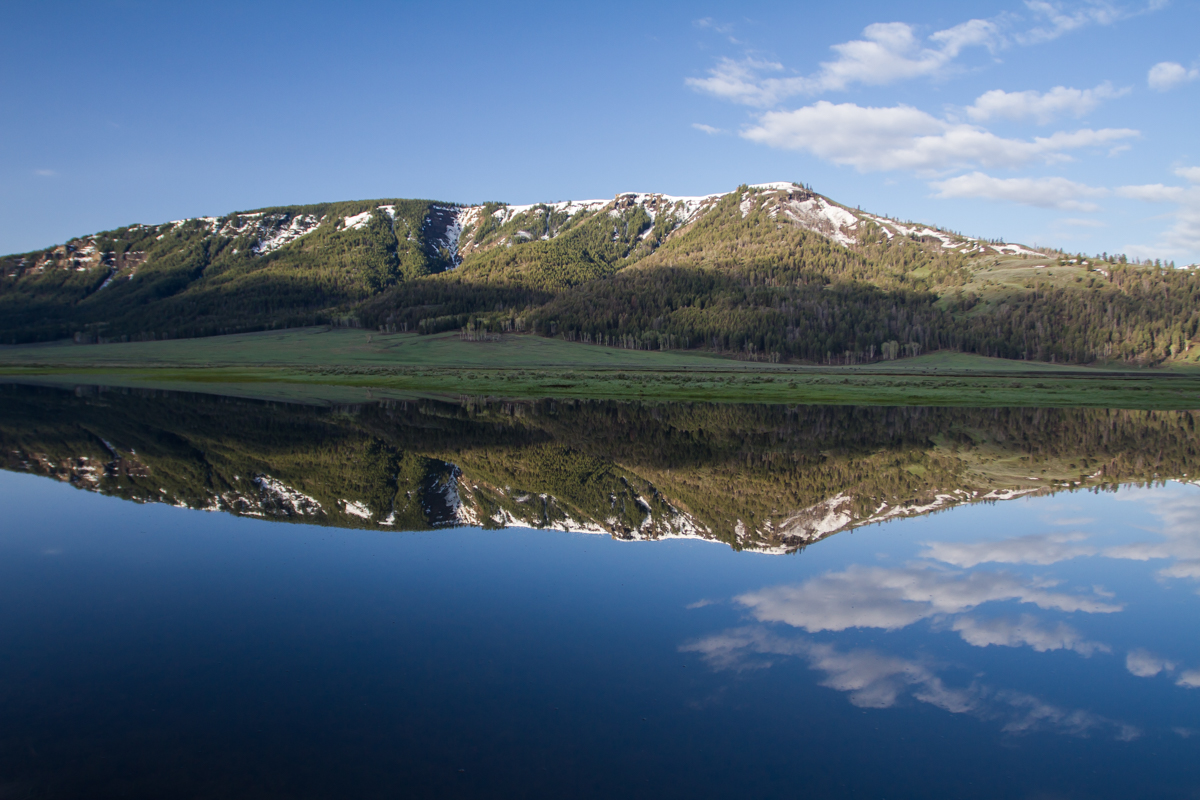
Reflections in Lamar Valley (click on photos to enlarge)
It usually takes me awhile to readjust after returning from Yellowstone. As I sat out by the garden this morning, sipping coffee and watching birds, I thought about that magic that is always with me in Yellowstone. A feeling of freedom and peace. But what makes it so special? And why do I keep returning?
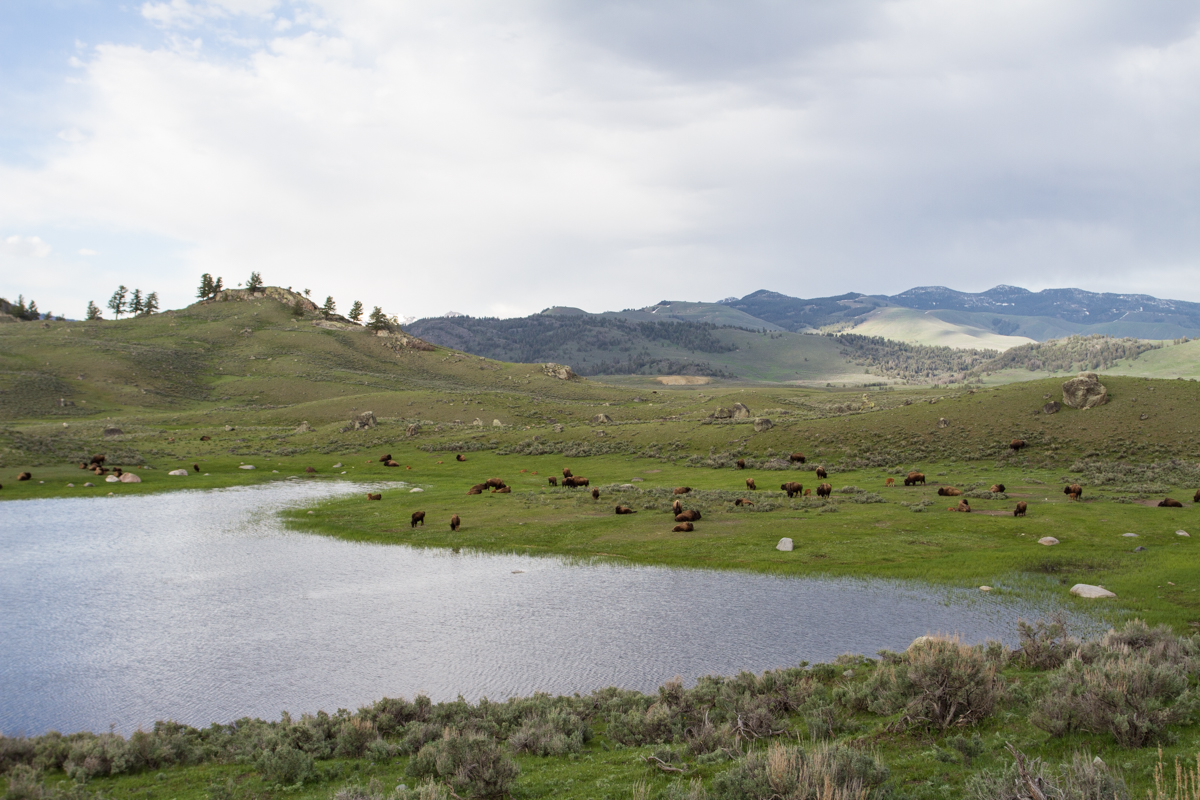
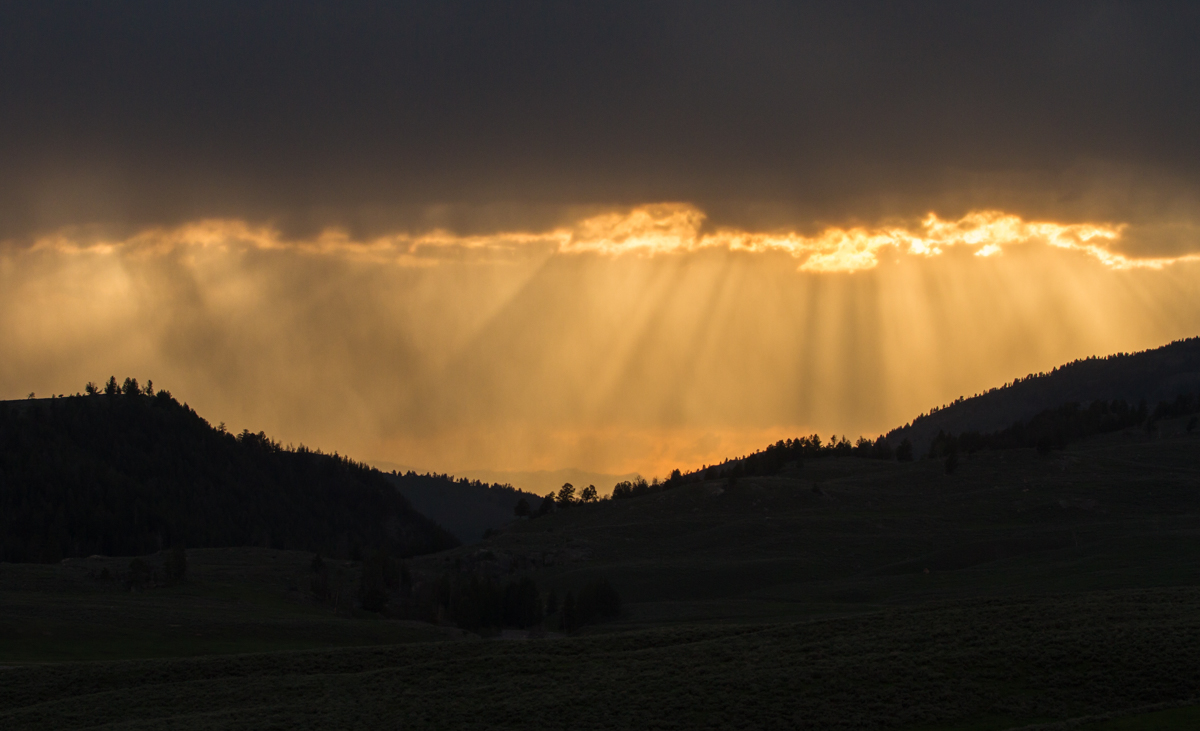
Bison herd in Little AmericaSunset in the Northern Range after a storm
Lamar Valley, Little America, the Northern Range – these are the places I think of when I think of Yellowstone. That is where my experiences in the wilds of this incredible national park first began some 30+ years ago. It is also the area I associate most with the large numbers of wildlife – the herds of Bison and Elk, the bears, the packs of wolves – and the wide open spaces and vibrant skies, that epitomize the West to me.
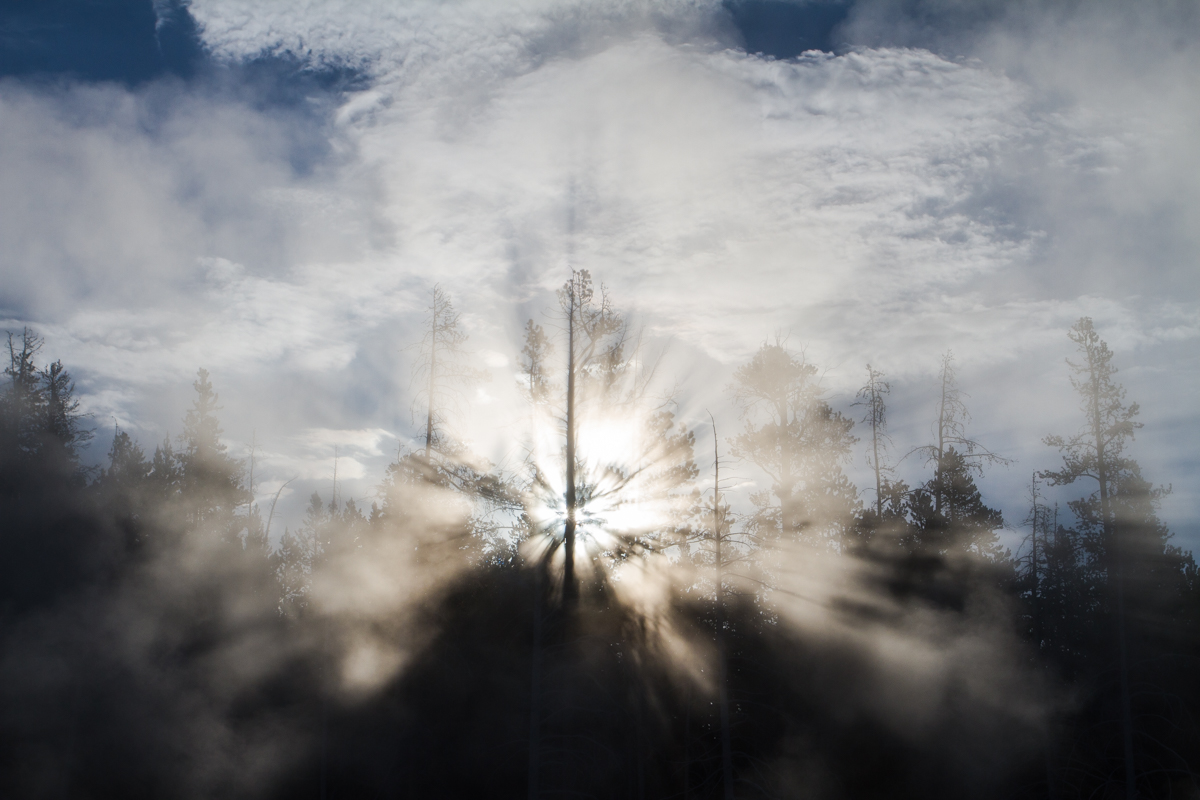
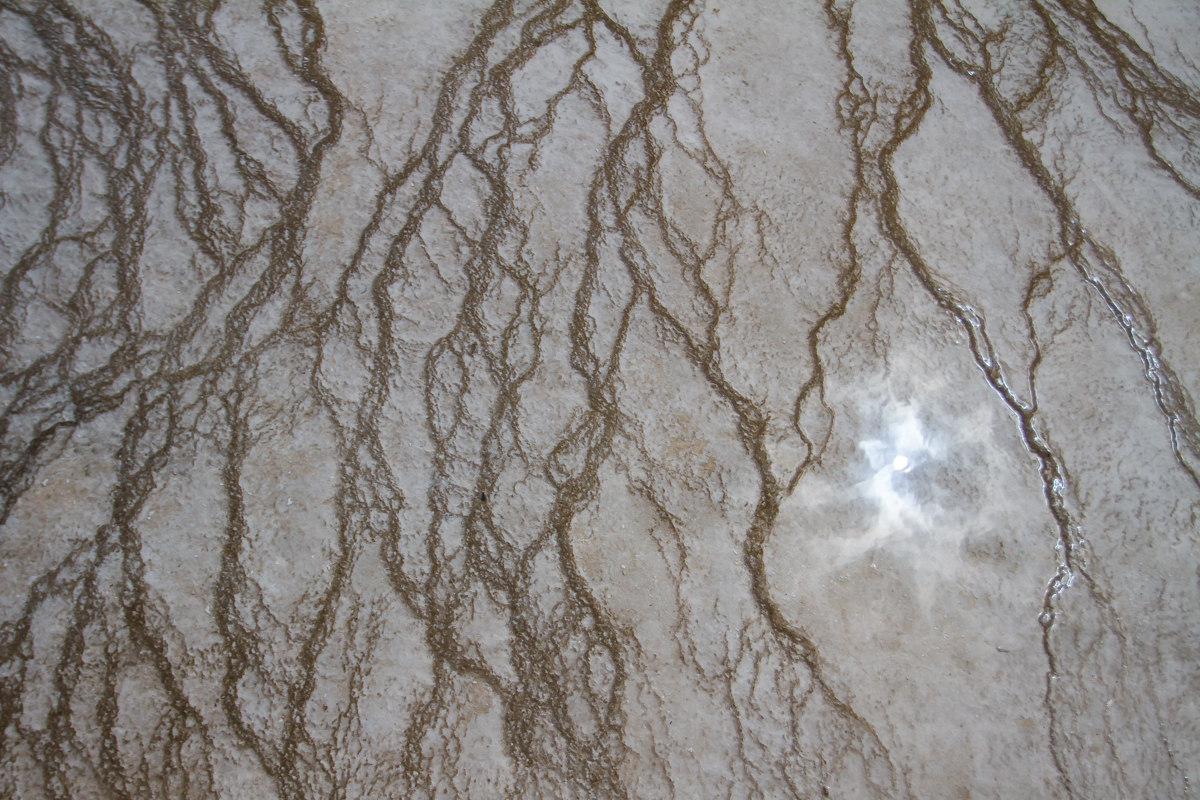
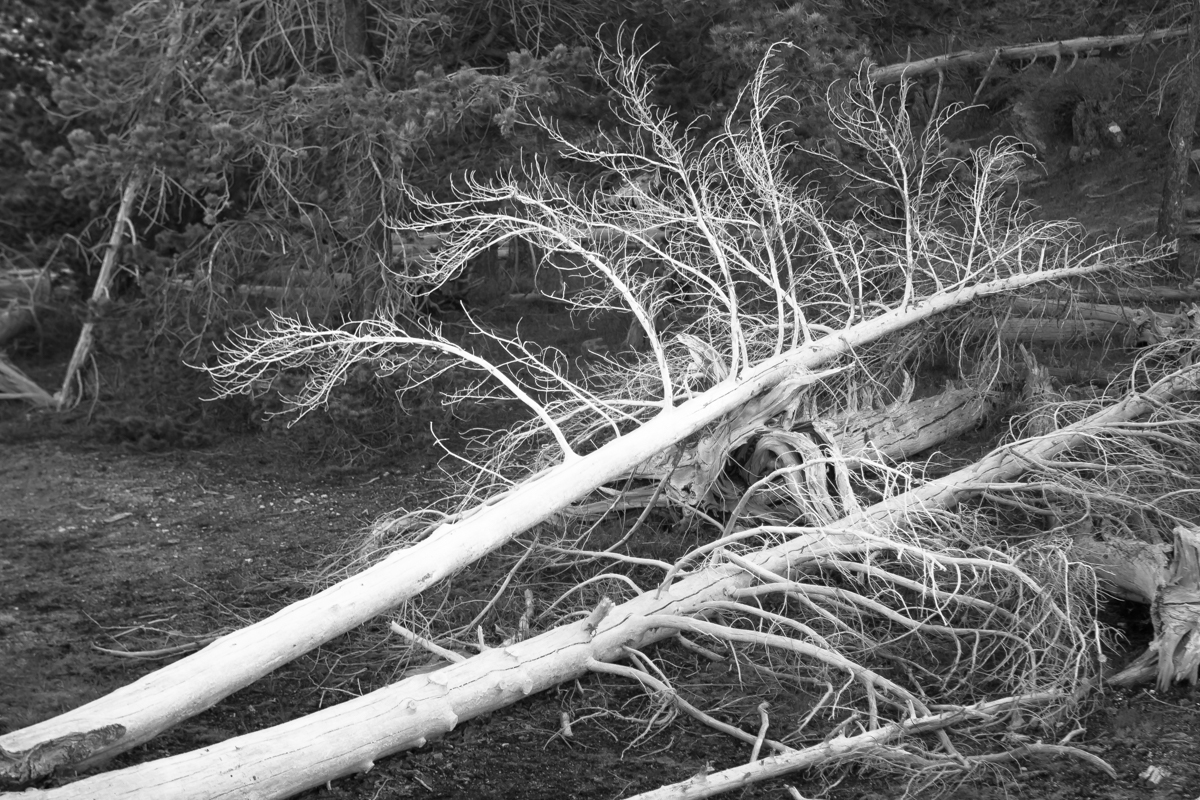
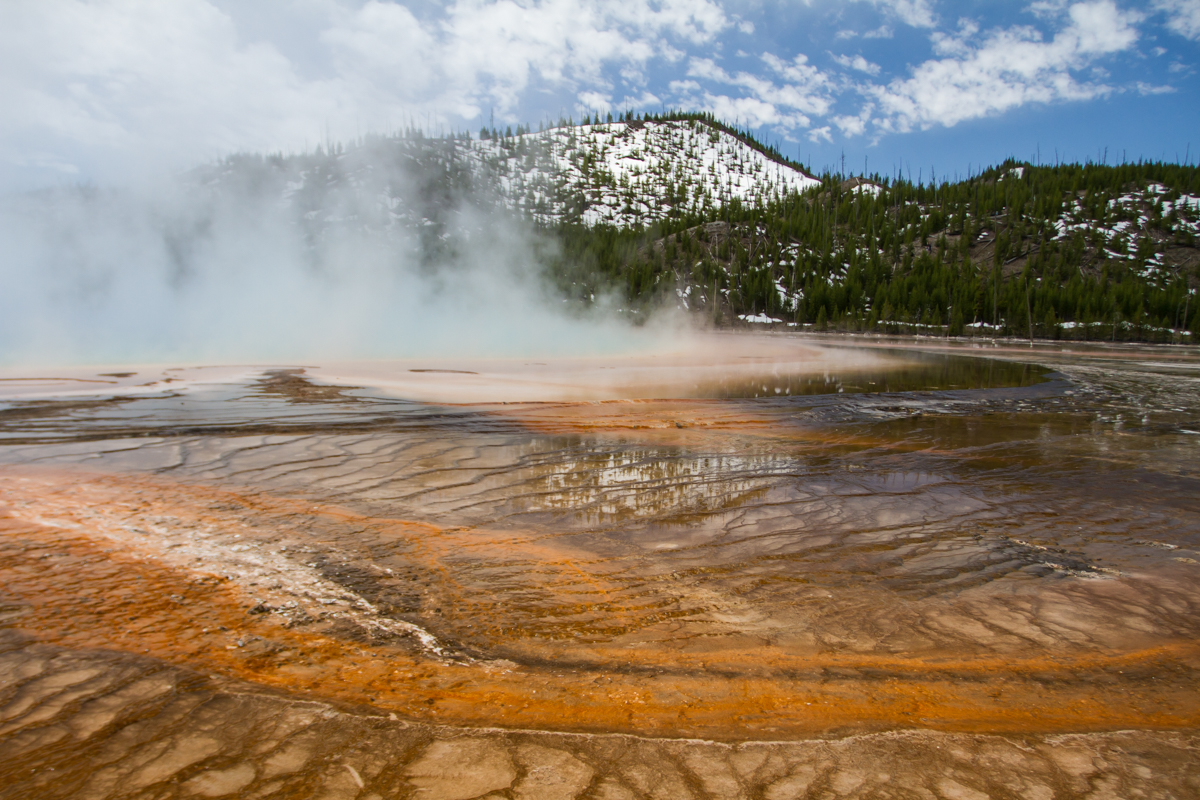
Sunrise through steam cloud in Upper Geyser BasinMud Pots produce fantastic shapes and sounds if you sit, and watch, and listenThermal features produce a variety of colors and patternsGhostly skeletons of trees caused by their absorption of silica in the thermal areas
But Yellowstone is so much more. It was set side as the world’s first national park, not for its expansive views and wildlife, but for its unique geology – the world’s greatest concentration of geysers and other thermal features that seem born of another planet. And they still enthrall people from all over this planet today, with over 3 million visitors coming to the park each year.
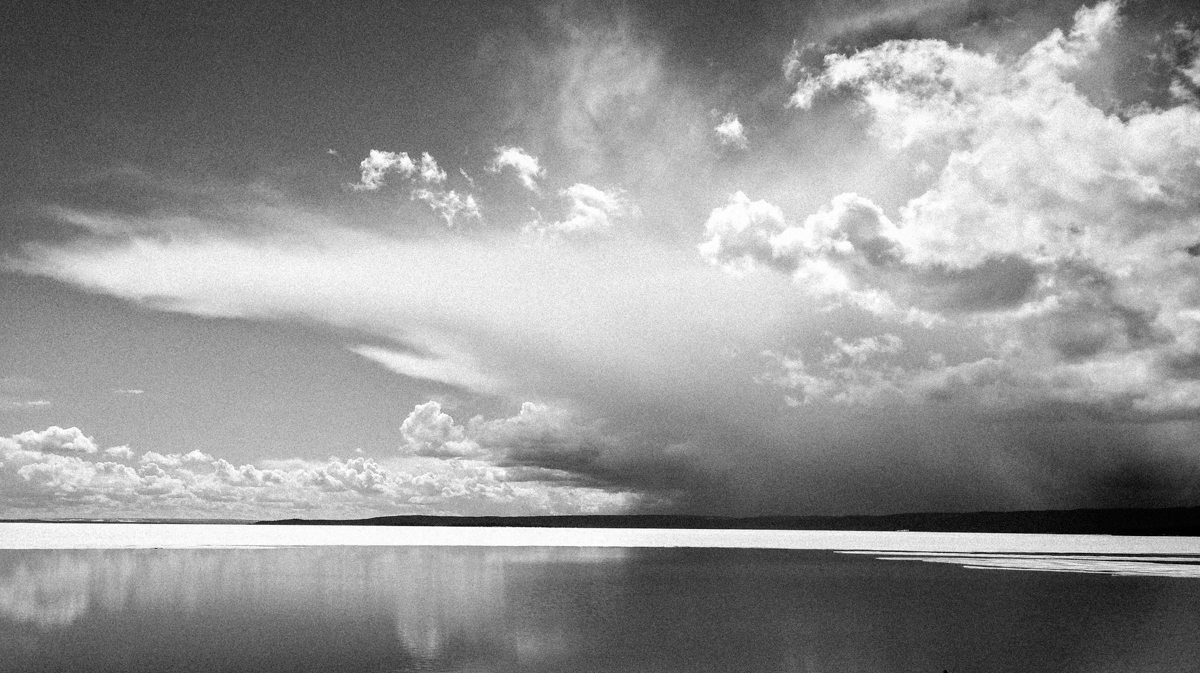
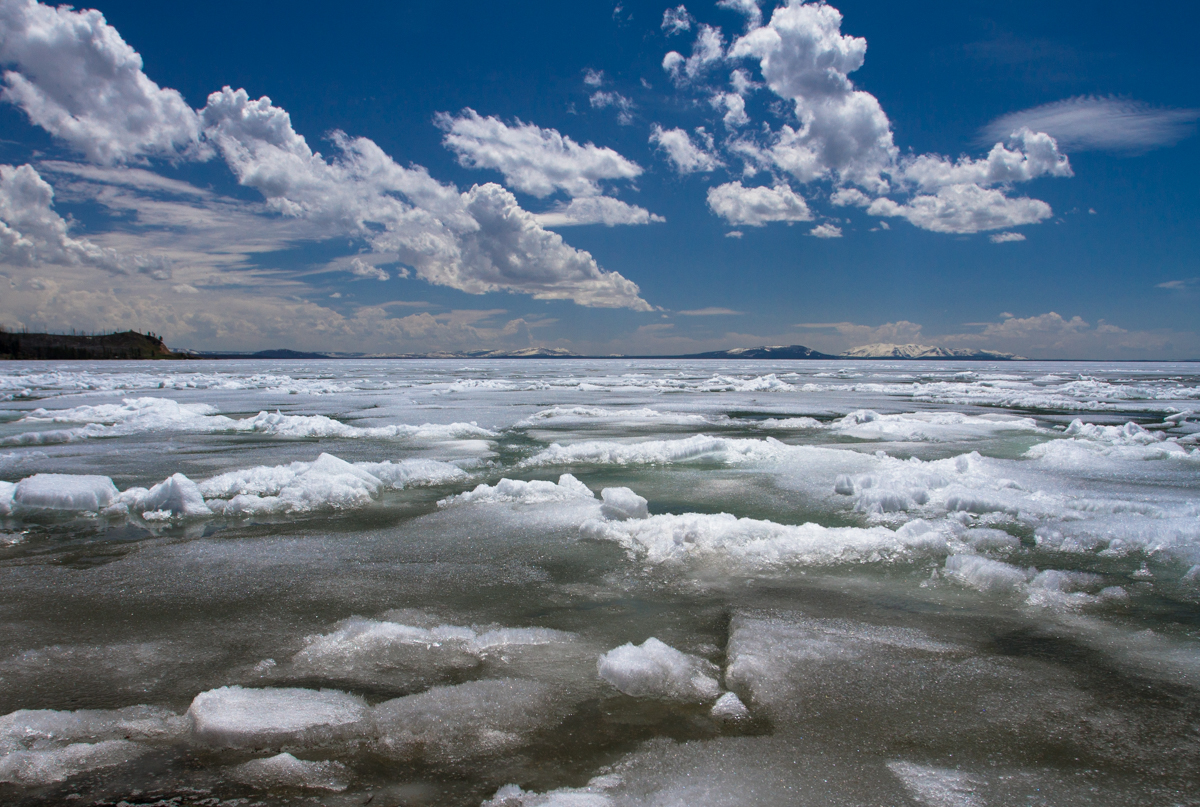
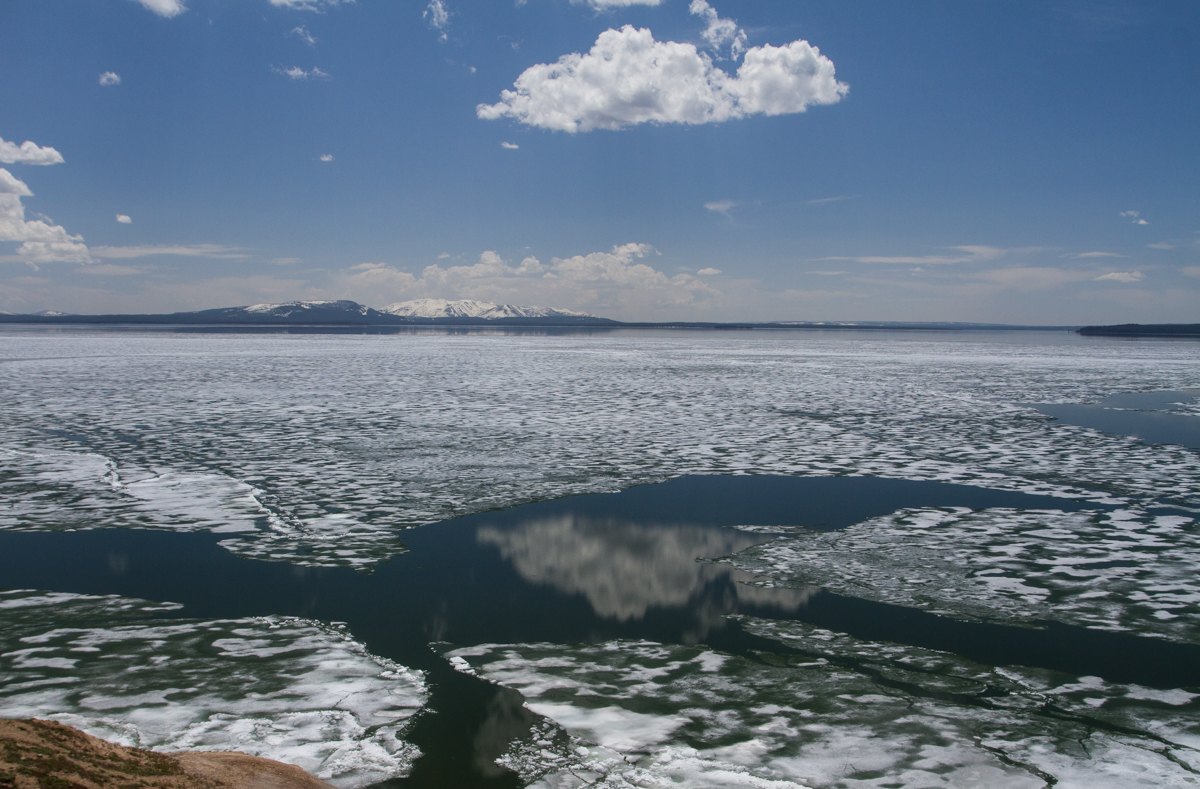
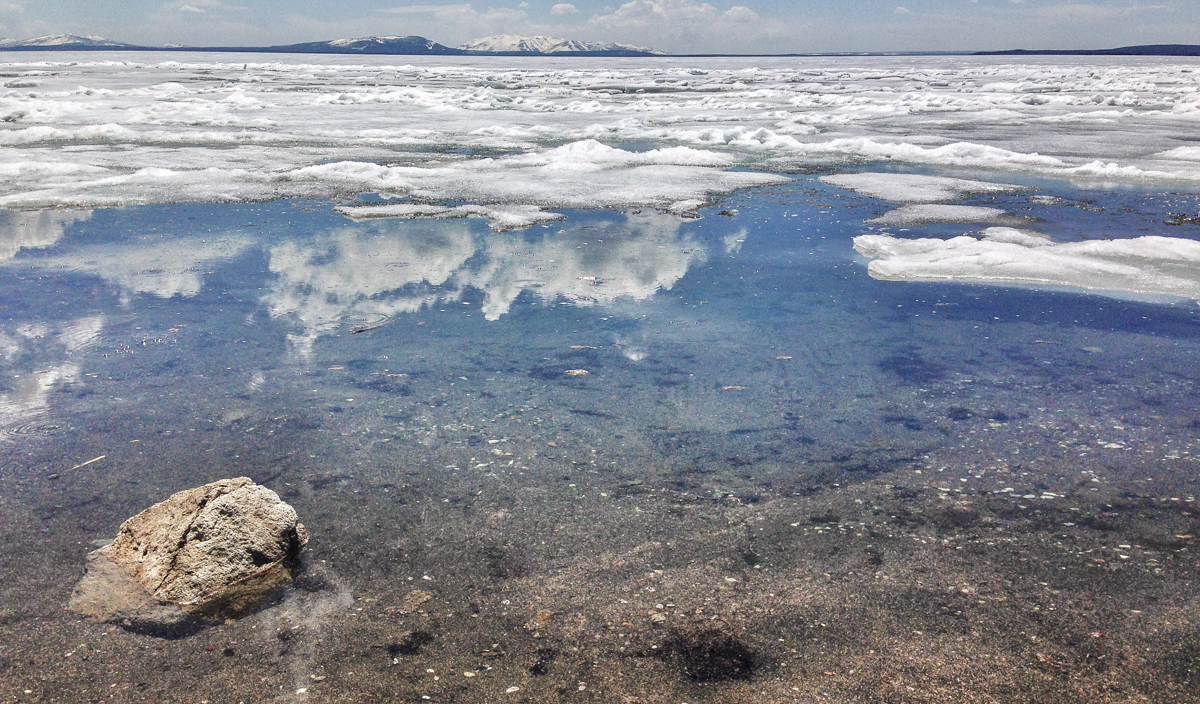
Snow squall developing over Yellowstone LakeIce breaking up on Yellowstone LakePatterns in the ice on Yellowstone Lake
It is also home to the largest high elevation (greater than 7000 feet) lake in North America – Yellowstone Lake. And on this last trip, the lake went from winter to spring in just a few days time, creating a vast sculpture of patterns and colors along the way.
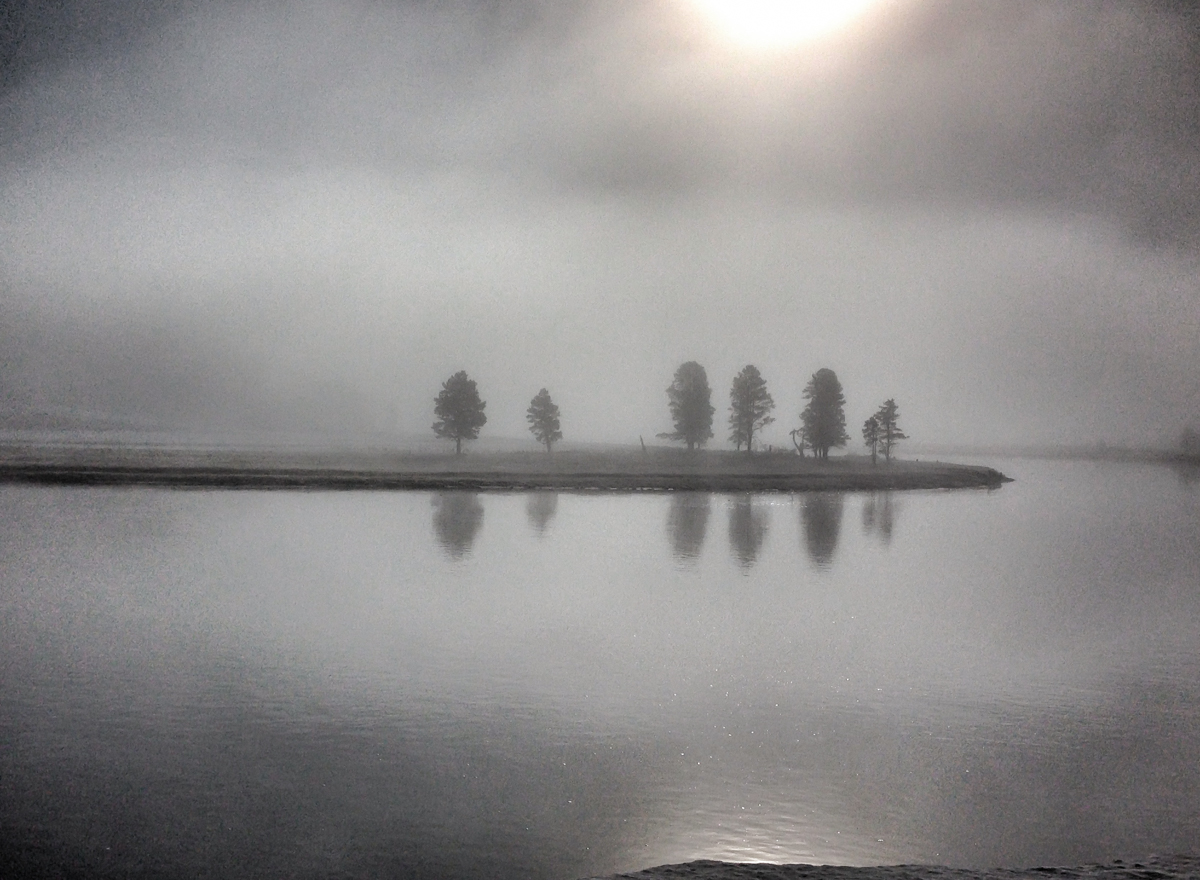
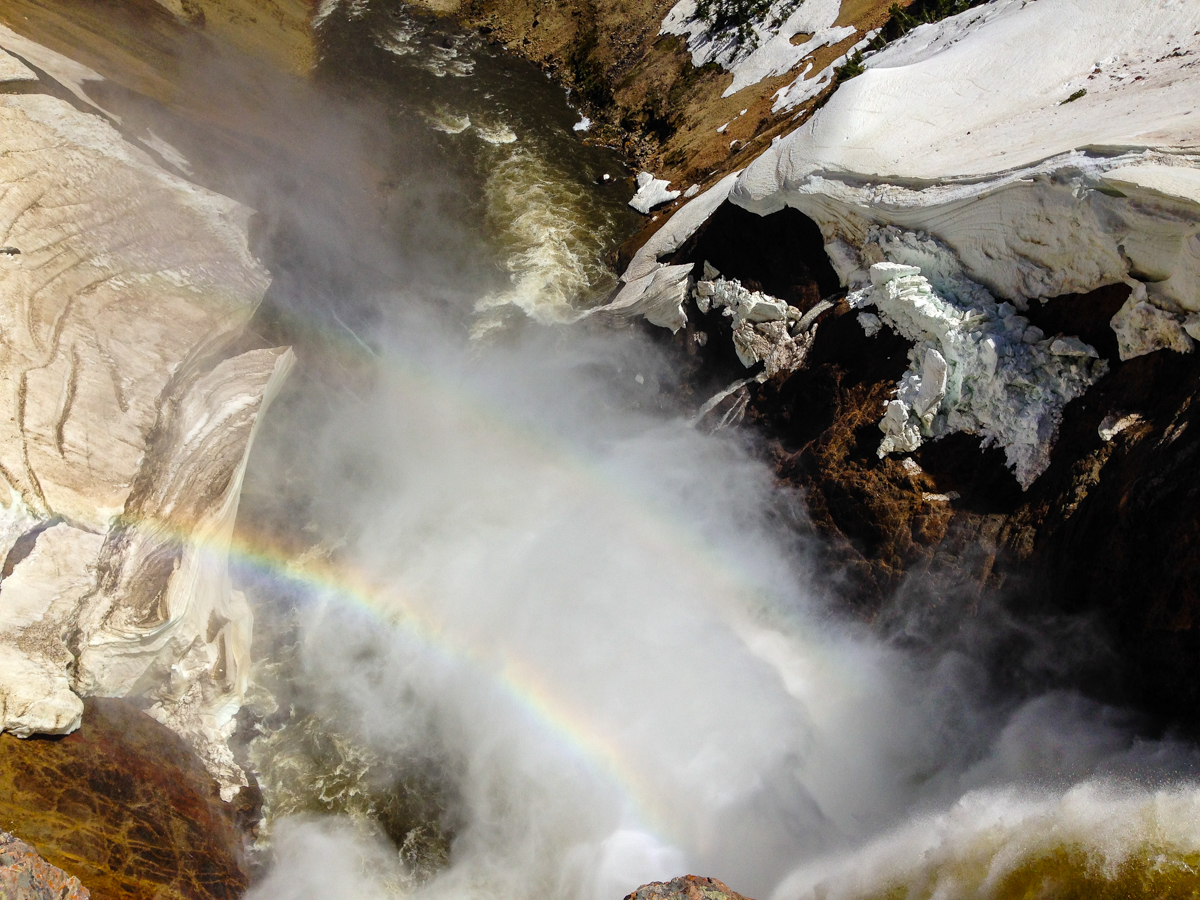
Foggy morning on the banks of the Yellowstone River in Hayden ValleyLooking down over 300 feet and seeing a double rainbow in the mist at the brink of the Lower Falls in the Grand Canyon of the Yellowstone
From the lake flows the longest free-flowing (no dams) river in the continental U.S., the mighty Yellowstone River. It flows through the park and beyond for almost 700 miles before joining the Missouri River in North Dakota. Along the way, it plunges over two spectacular waterfalls in the Grand Canyon of the Yellowstone, one of the parks’ most visited tourist attractions.
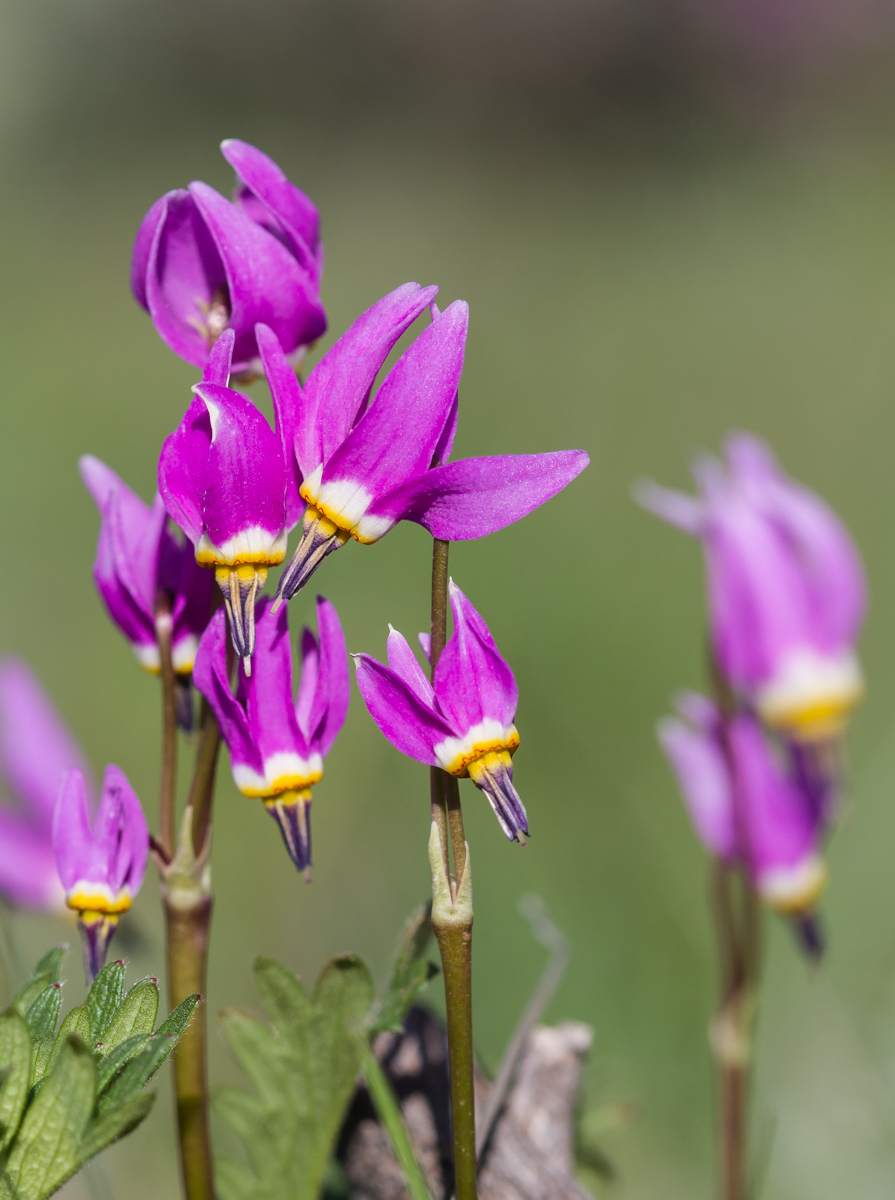
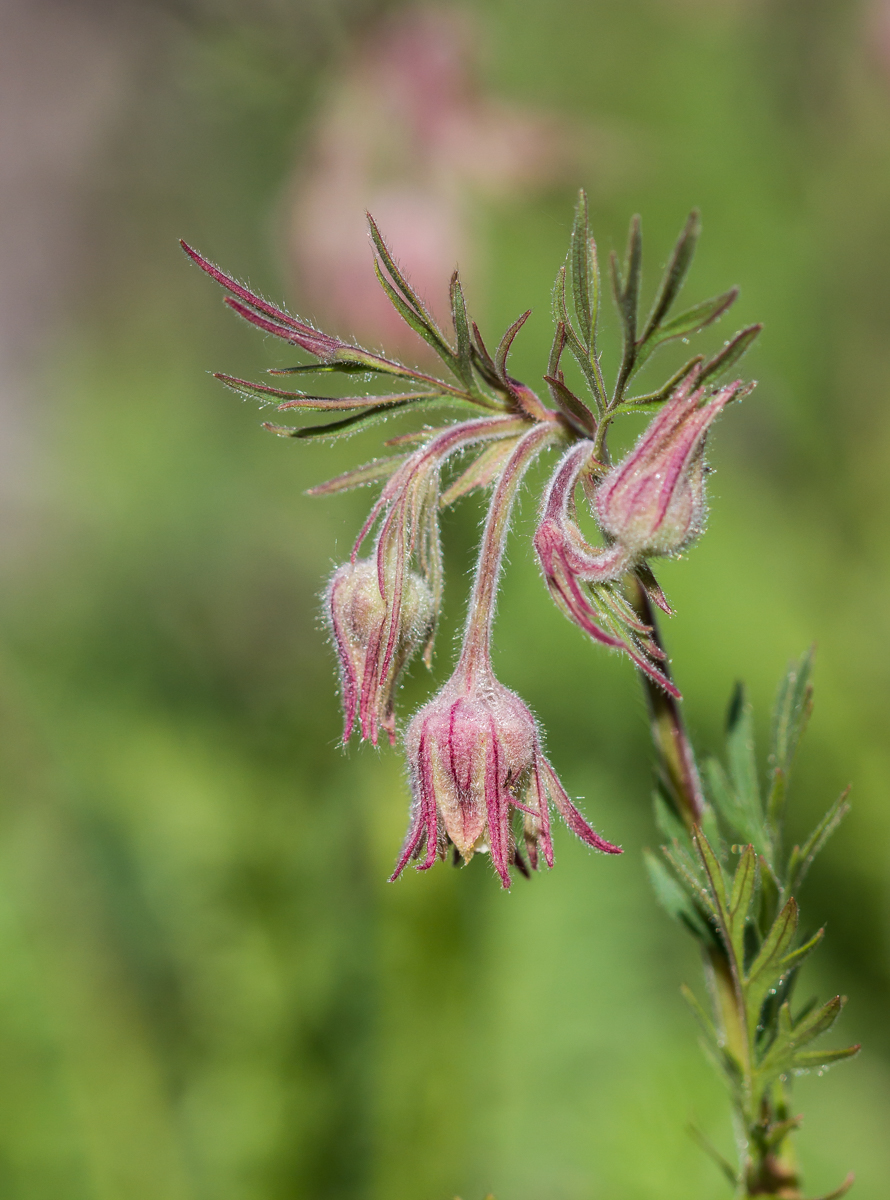
The unusual flowers of Shooting Star dot the sagebrush flats in the Northern RangeThe flower is delicate and beautiful, but Prairie Smoke gets its name from the seed tufts which look like puffs of smoke
Yellowstone is home to more than 1350 species of flowering plants. A walk through the forest or sage flats in spring and summer offers a kaleidoscope of colors.
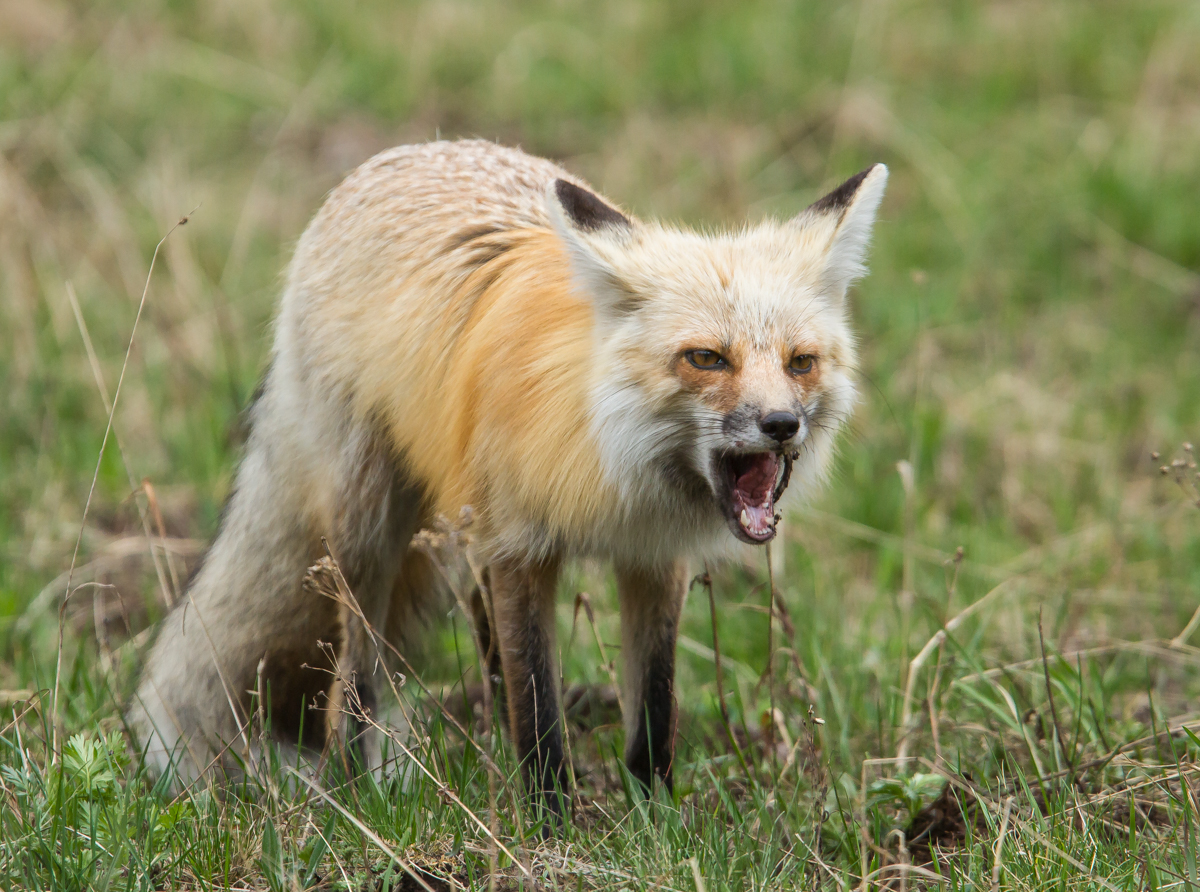
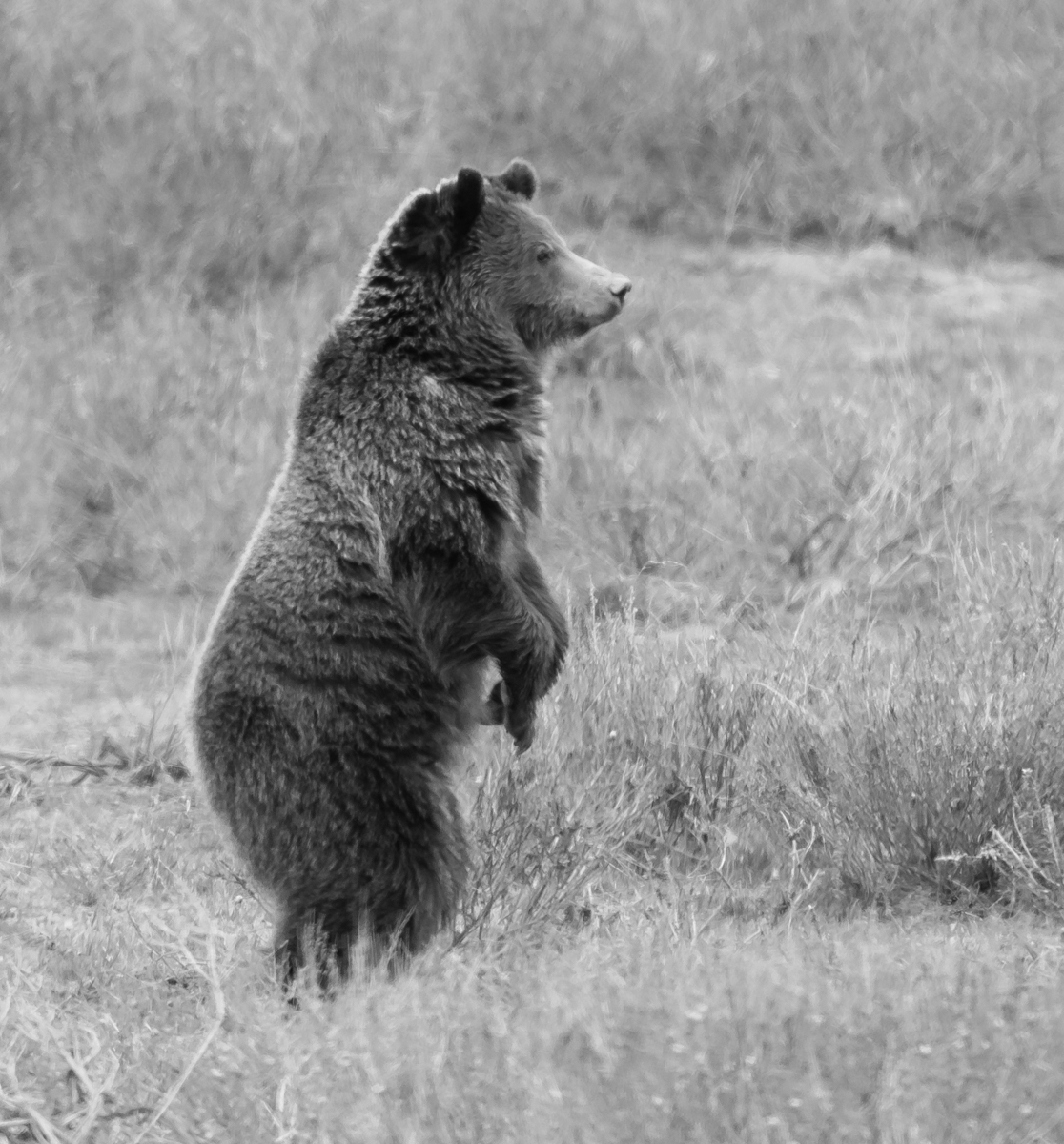
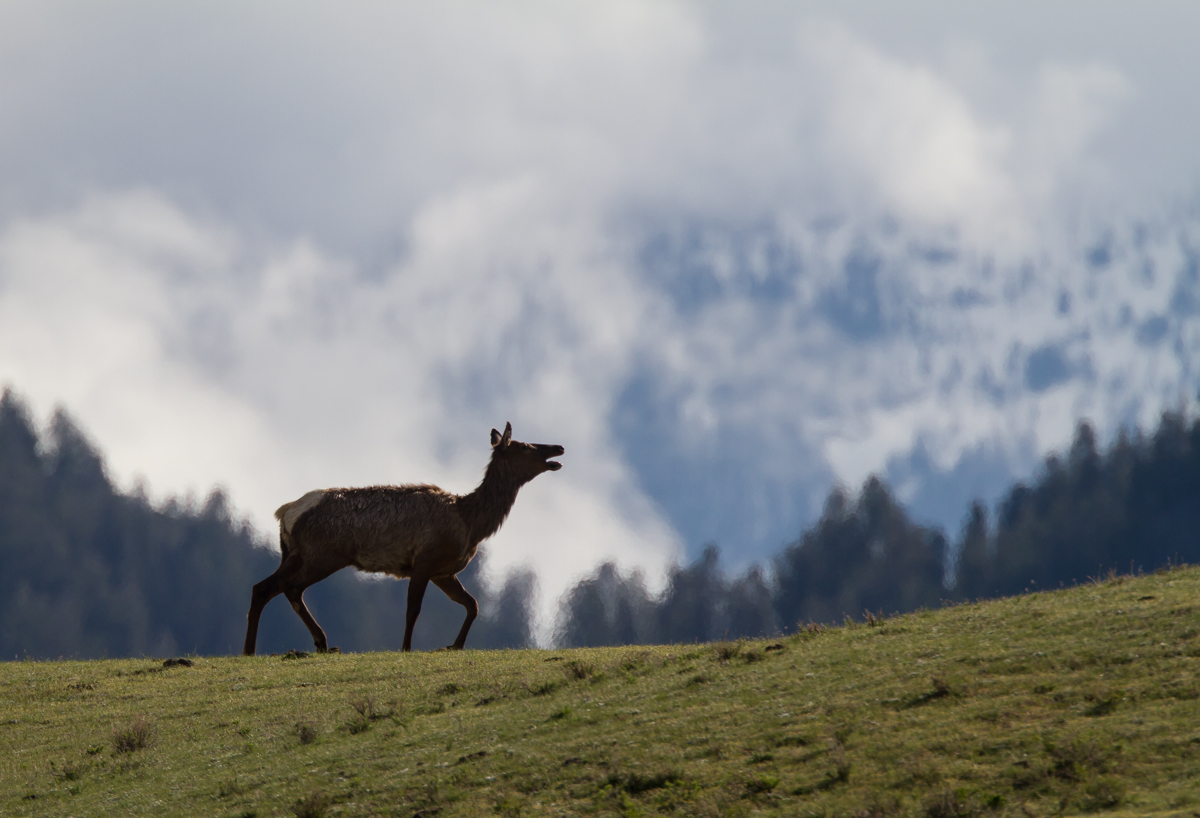
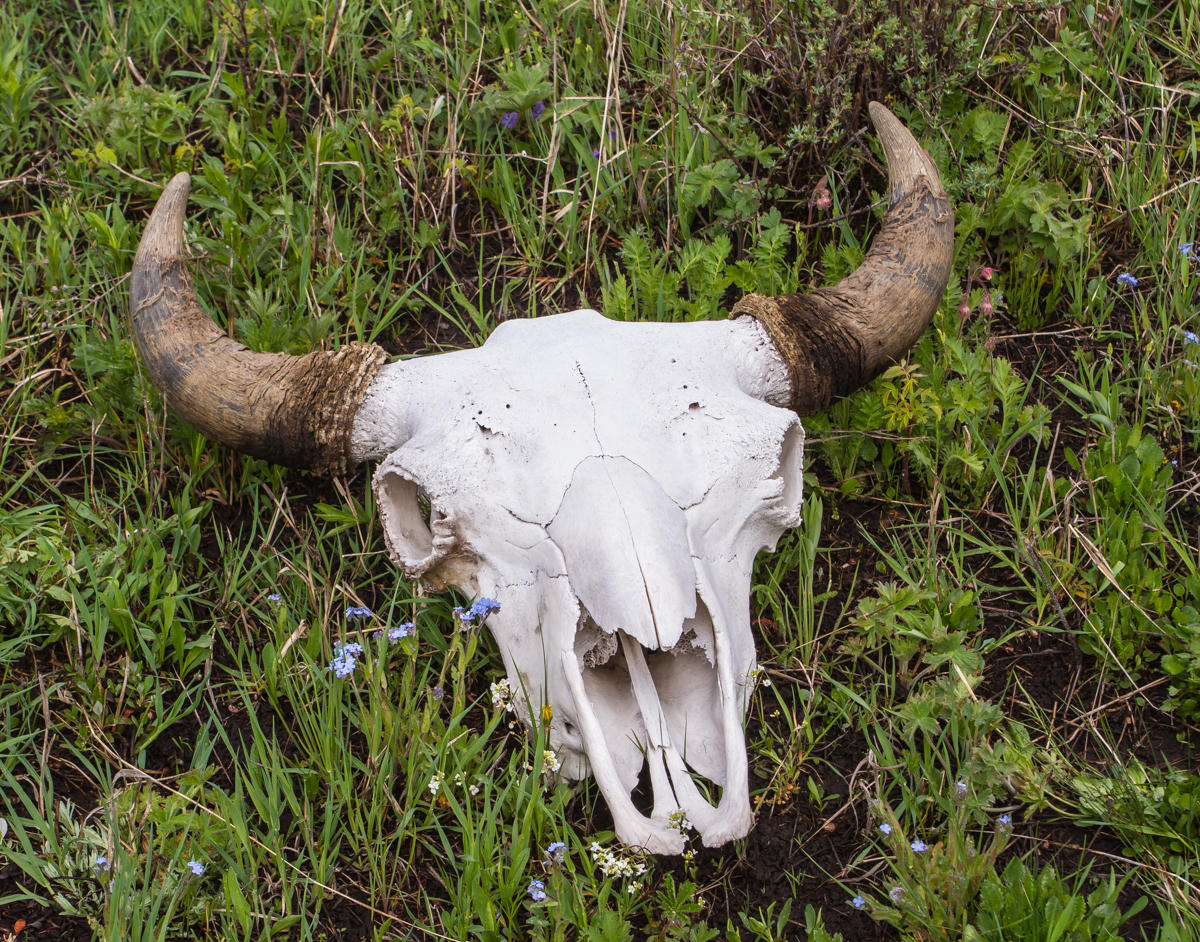
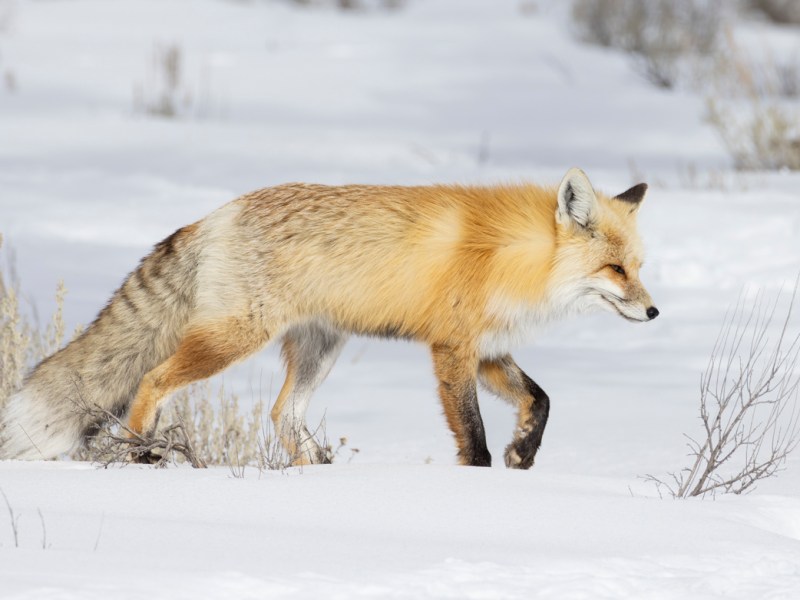
Red Fox eating a Pocket GopherA young Grizzly Bear stands for a better look at a person who has walked out on a nearby hillCow Elk panting as she crosses a hillsideThe skull of an old Bison bull in Lamar Valley
The abundant wildlife is now one of the main attractions for visitors. Yellowstone probably has the greatest concentration of large mammals of any place in the continental United States. Because of the diversity and abundance of animals, it is a place where you can witness behaviors that most people generally only read about or see on television. And seeing it first hand helps us to begin to comprehend the notion that all things are connected, a critical component to fostering a land conservation ethic.
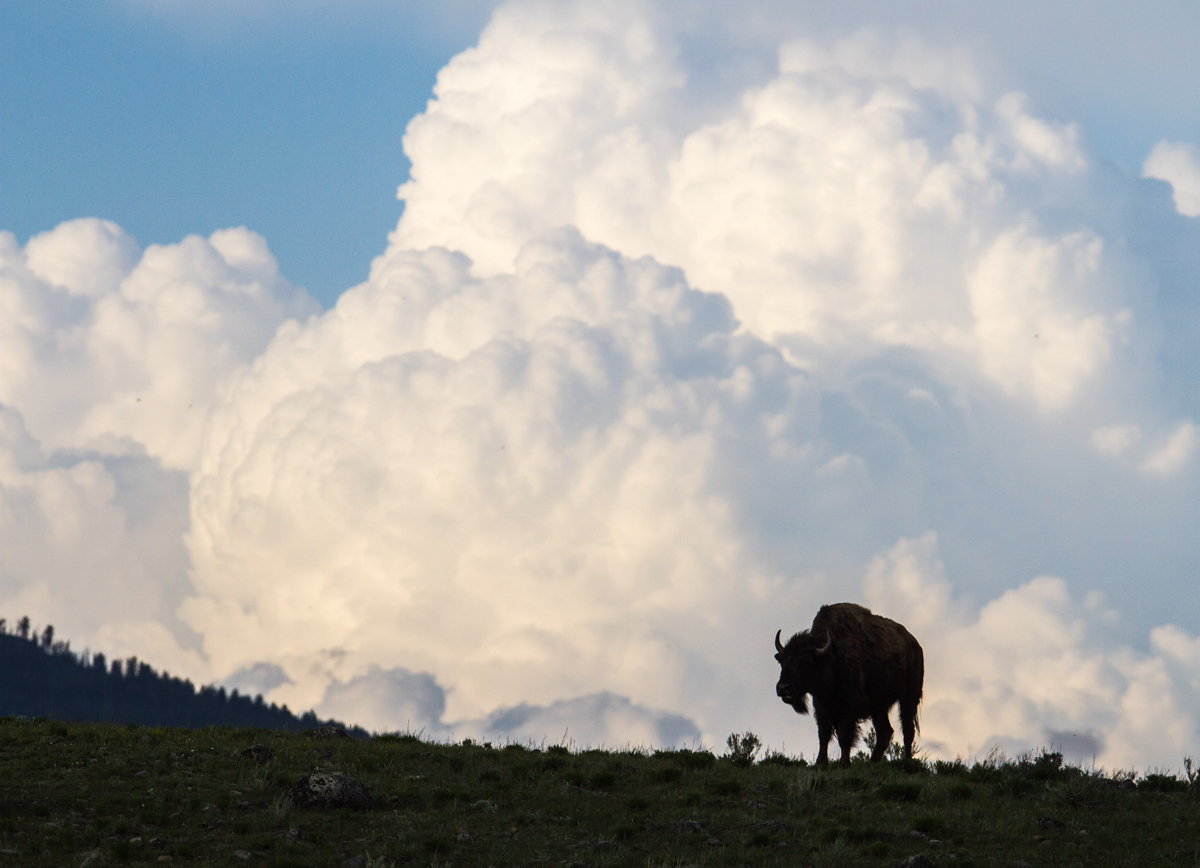
A cow Bison silhouetted against brewing storm clouds
Yellowstone is, indeed, many things to many people. It gives me a feeling of awe and wonder better than any place else I have traveled. And it stirs something in my soul, something I do feel in many other wild places, but something that is so close to the surface in Yellowstone that it is palpable…I breathe it in, I taste it. It is that feeling of oneness with the world around me, a feeling of belonging. A feeling of peace and freedom. This is why I keep going back, and why I keep sharing it with others. And I think there is one other reason it is so special. It is protected, and should remain as it is, as long as we as a nation continue to value our parks. And that is critically important.
Grand Prismatic Spring
Looking back at the hundreds of images from this last trip brings back a flood of special memories. I believe it is the gradual accumulation of moments like these that helps create who we are, defines what we believe in, and gives us purpose. It has helped me value time spent outside learning about nature and sharing that passion with others. And while I am over 2000 miles away as I sip my morning brew, I know Yellowstone has helped shape my view of the world, and for that I am grateful.
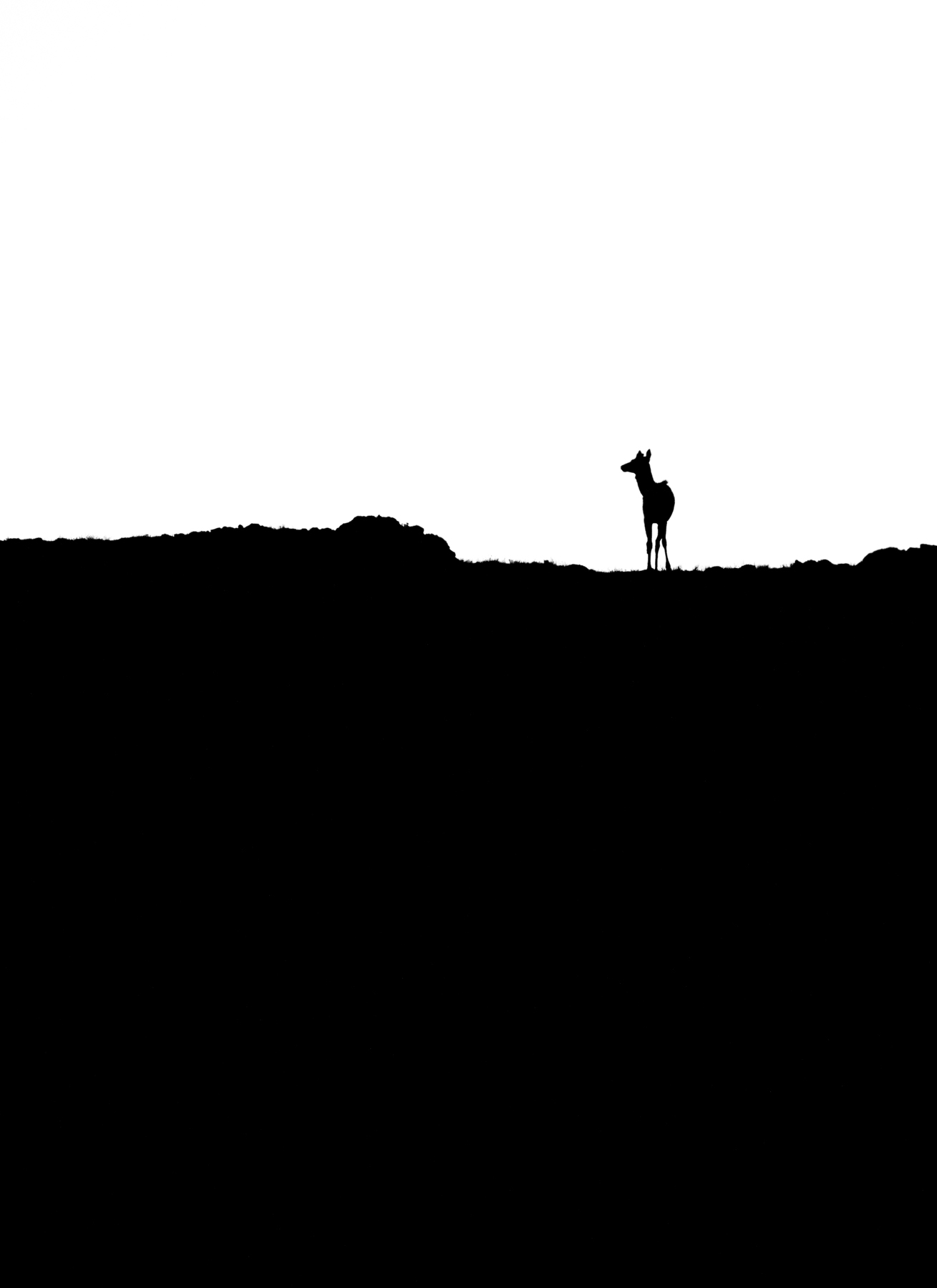
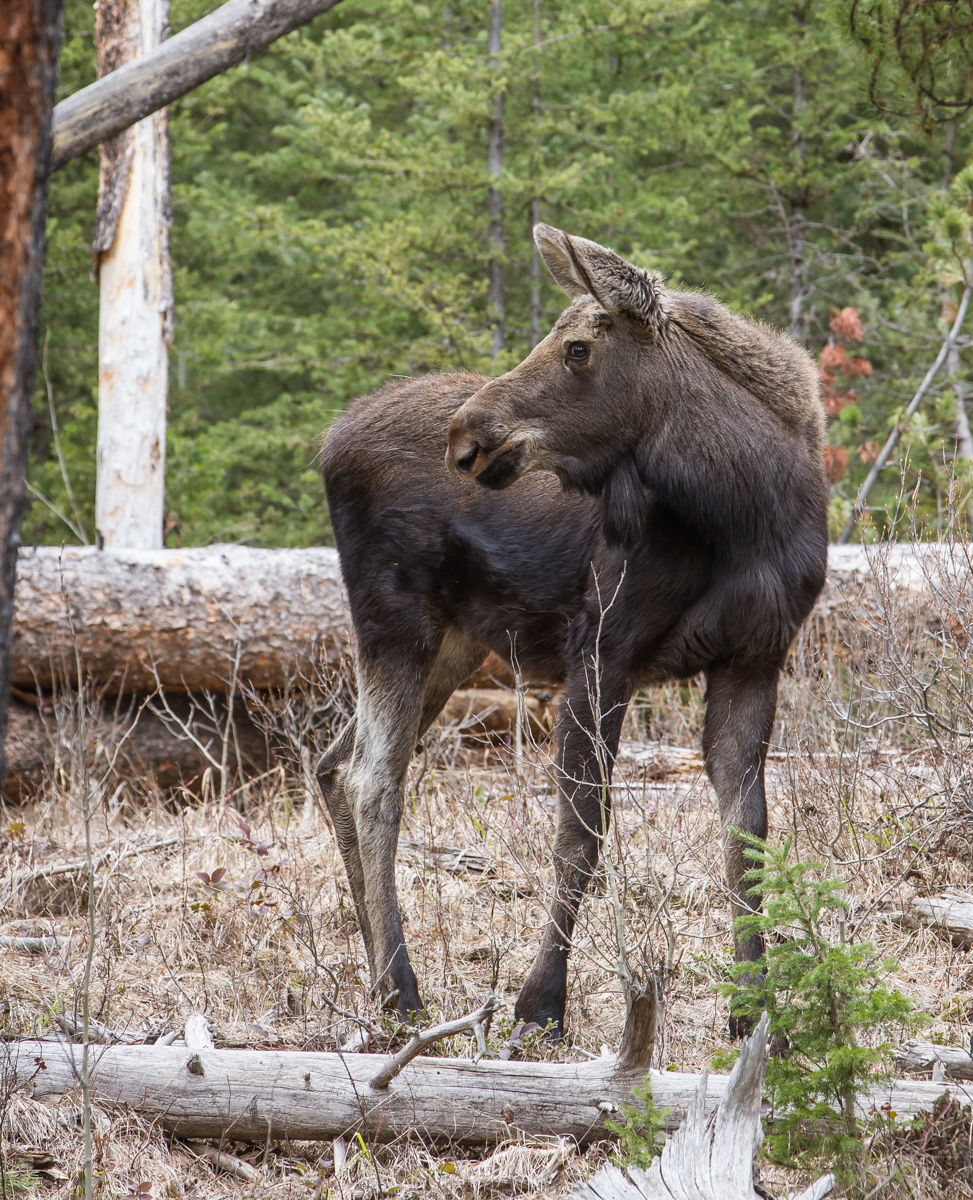
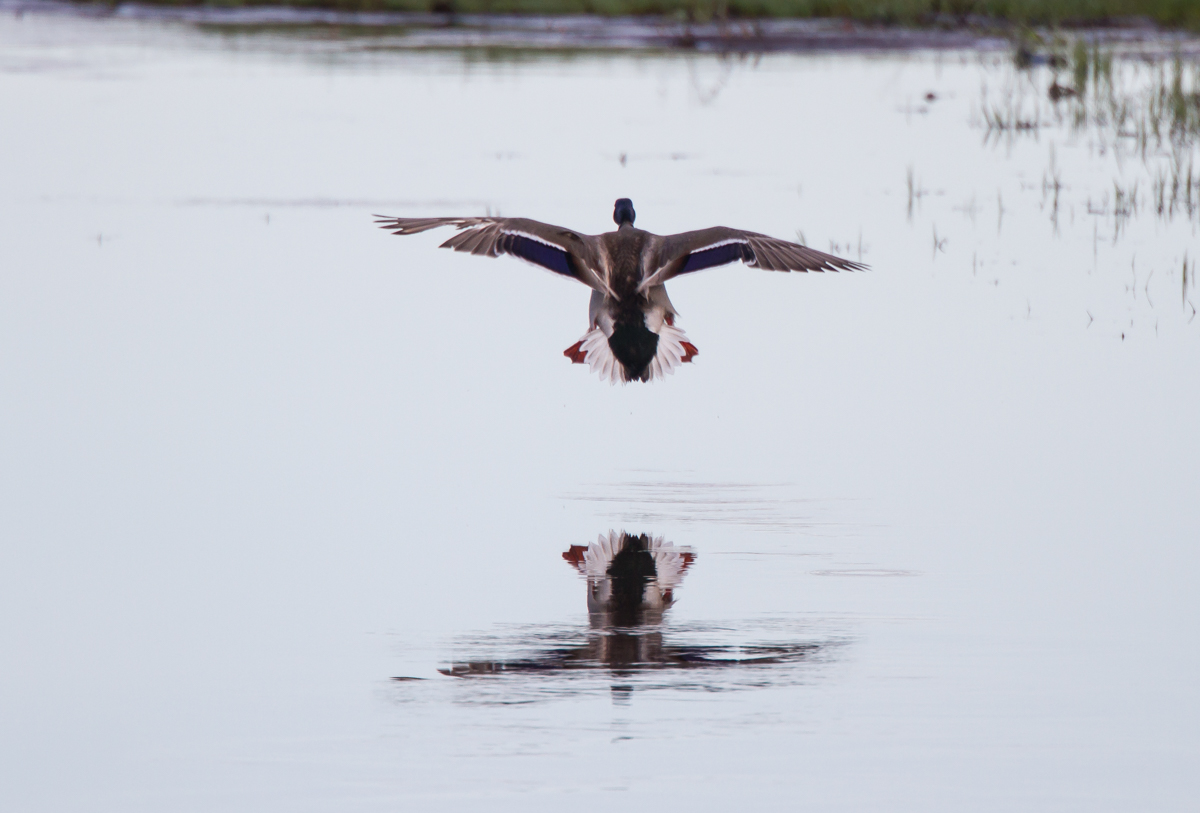
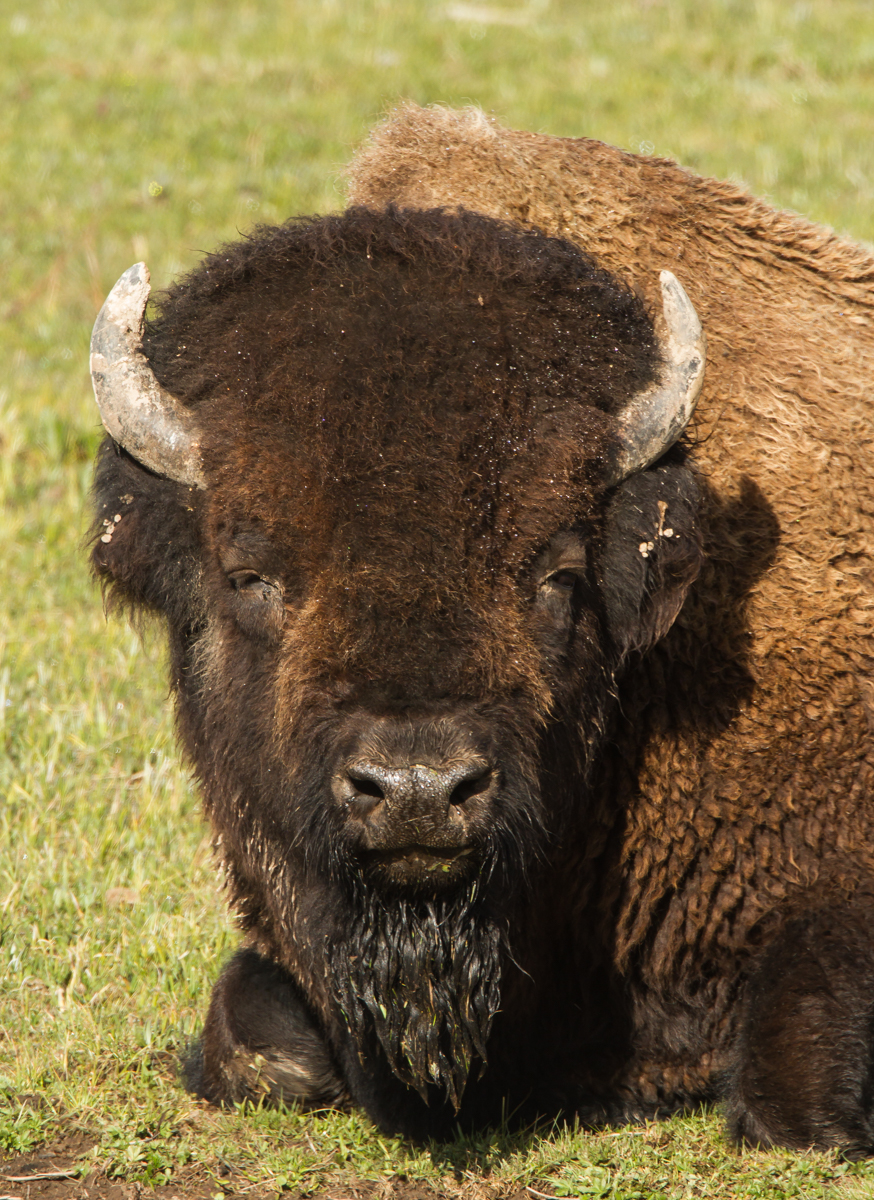
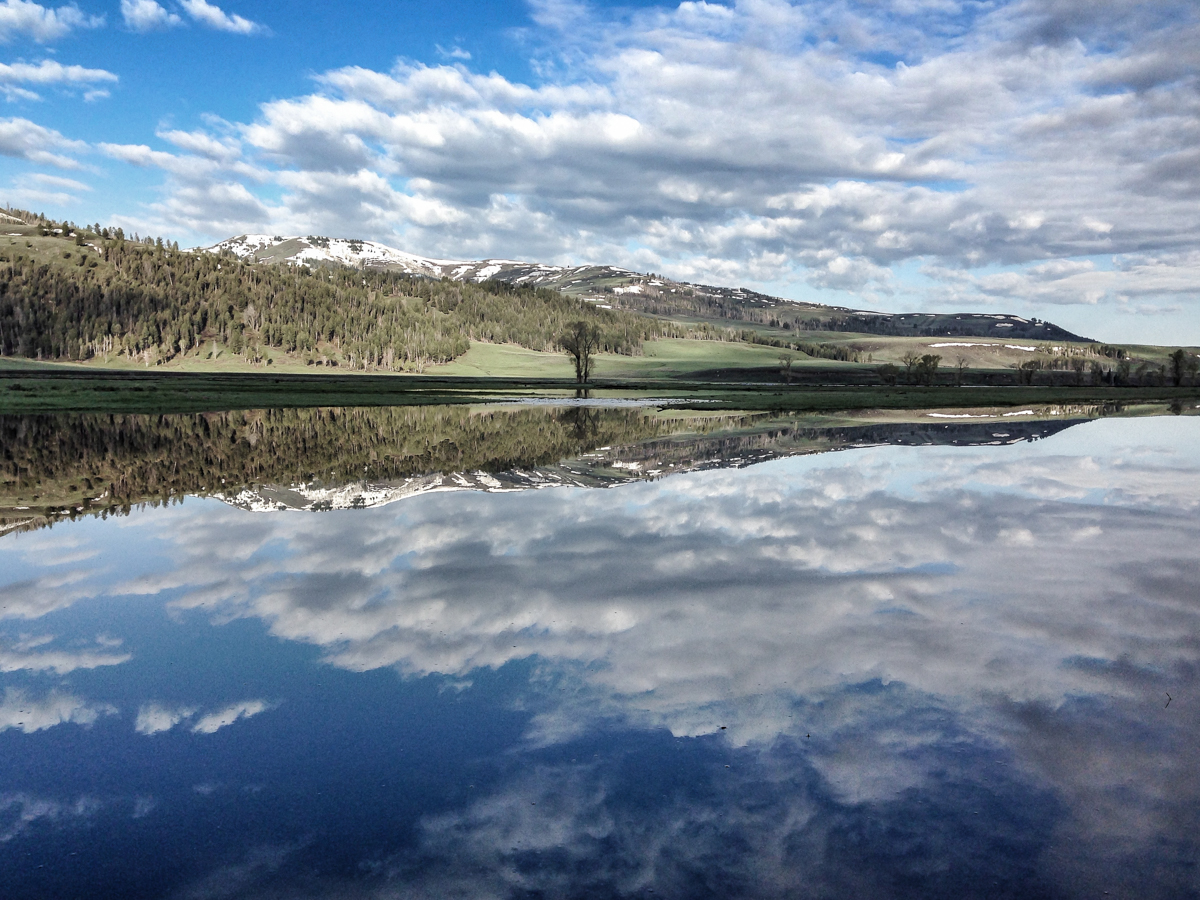
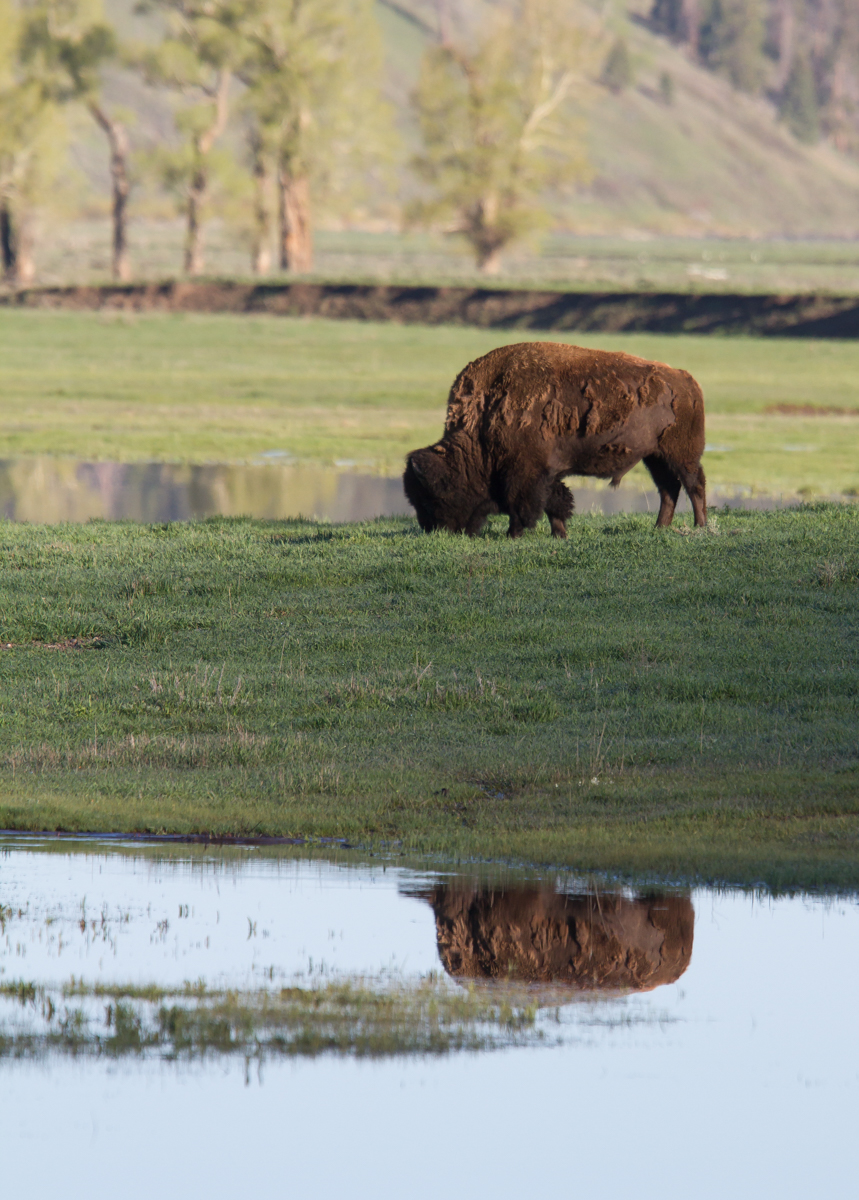
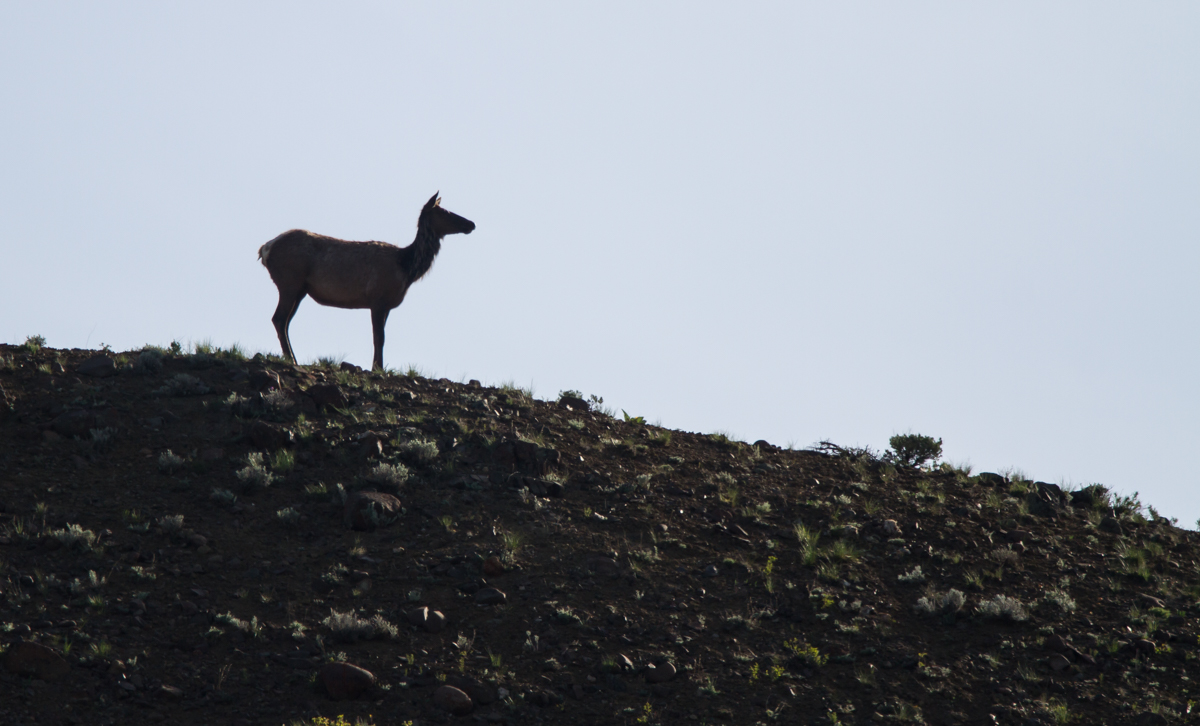
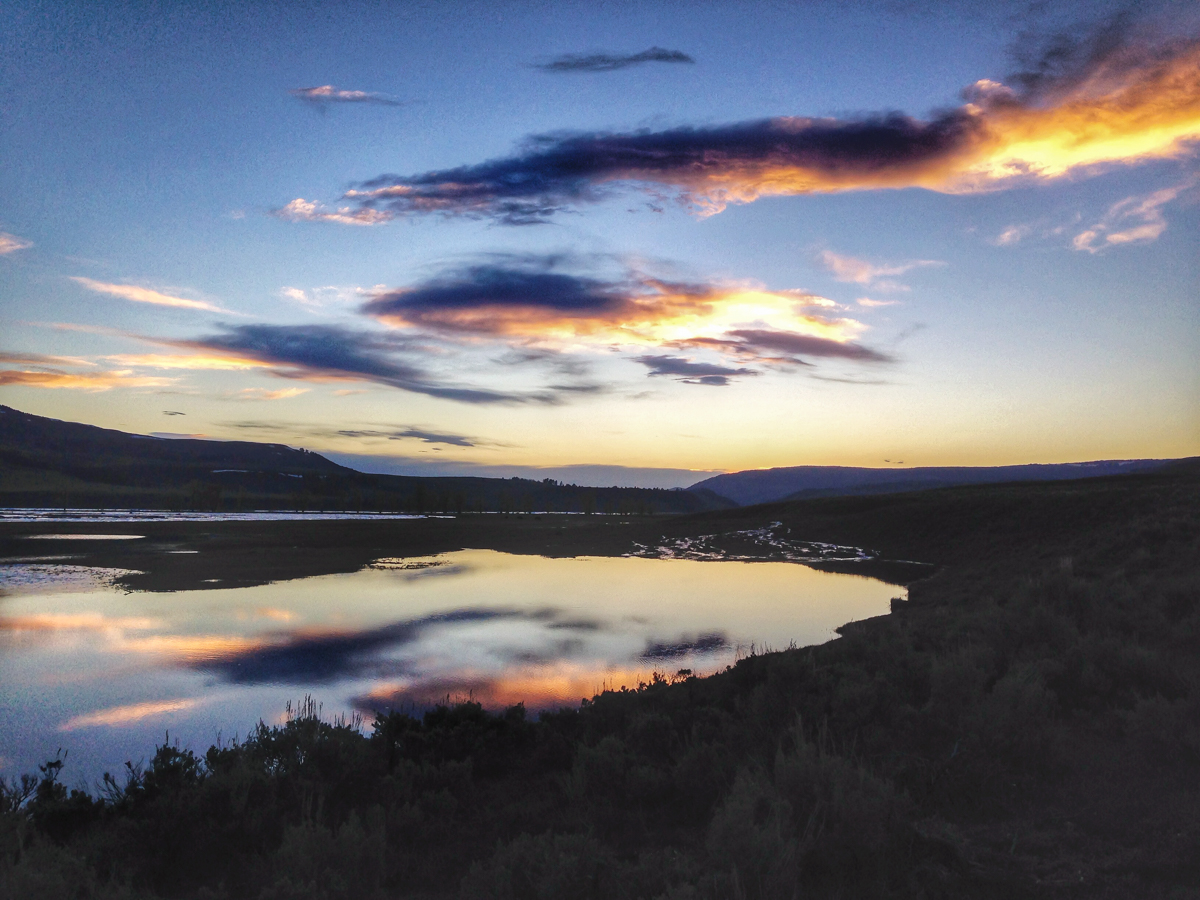
Young Moose checking on the whereabouts of its motherA Mallard lands in a quiet pool in Lamar ValleyBull bison chewing its cudMorning reflections in Lamar ValleyBison calf checks us out as it crosses the road with the herdAn elegant American Avocet in Little AmericaBison bull and its reflection in Lamar ValleyIce has broken up first along a thermally influenced shoreline in Mary Bay on Yellowstone LakeElk cow silhouetteSunset in Lamar Valley
Time and space – time to be alone, space to move about – these may well become the great scarcities of tomorrow.
I hear the soft inquiring grunts of the cows as they talk to their calves, and the gentle grunt in return as the calf answers, “Here I am”.
~Wes Olson, in Portraits of the Bison
Bison calf grunting (click photos to enlarge)
If there is an iconic animal of Yellowstone, it has to be the Bison. And spring is a great time to be with the Bison herds as they are full of rambunctious calves. The past couple of years have been good ones for birthing Bison calves, and, at times, there seem to be a hundred or more of these reddish brown bundles of energy stretched out across the sage flats and grasslands in Lamar Valley and Little America.
Cow and her calf walking together along a well-worn Bison trail
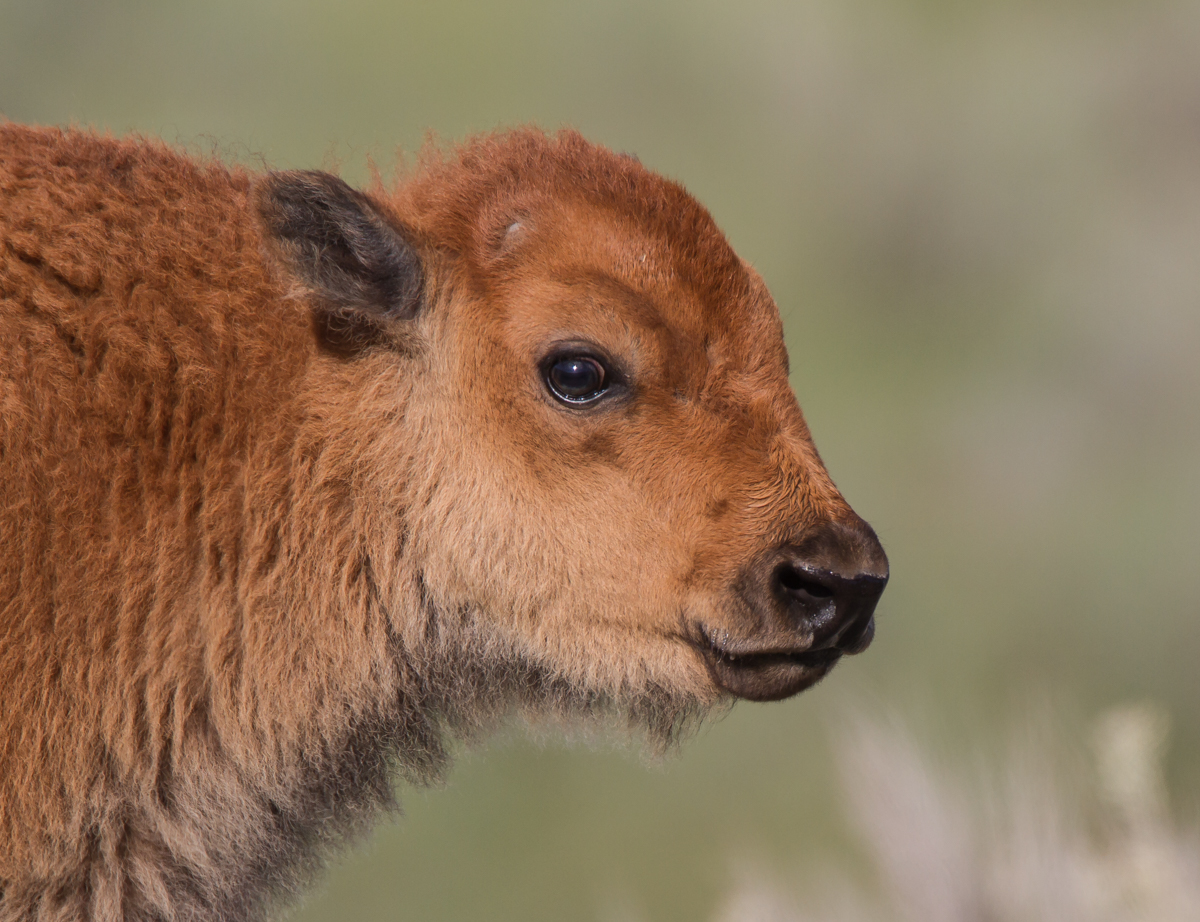
In every herd, there are young calves following their mothers, or playing with one another, or sacked out in the grass, seemingly exhausted. After a gestation of about nine months, a cow gives birth in May or June. Newborn Bison weigh 30-50 pounds and are a distinctive reddish-brown color for the first few months of their life.
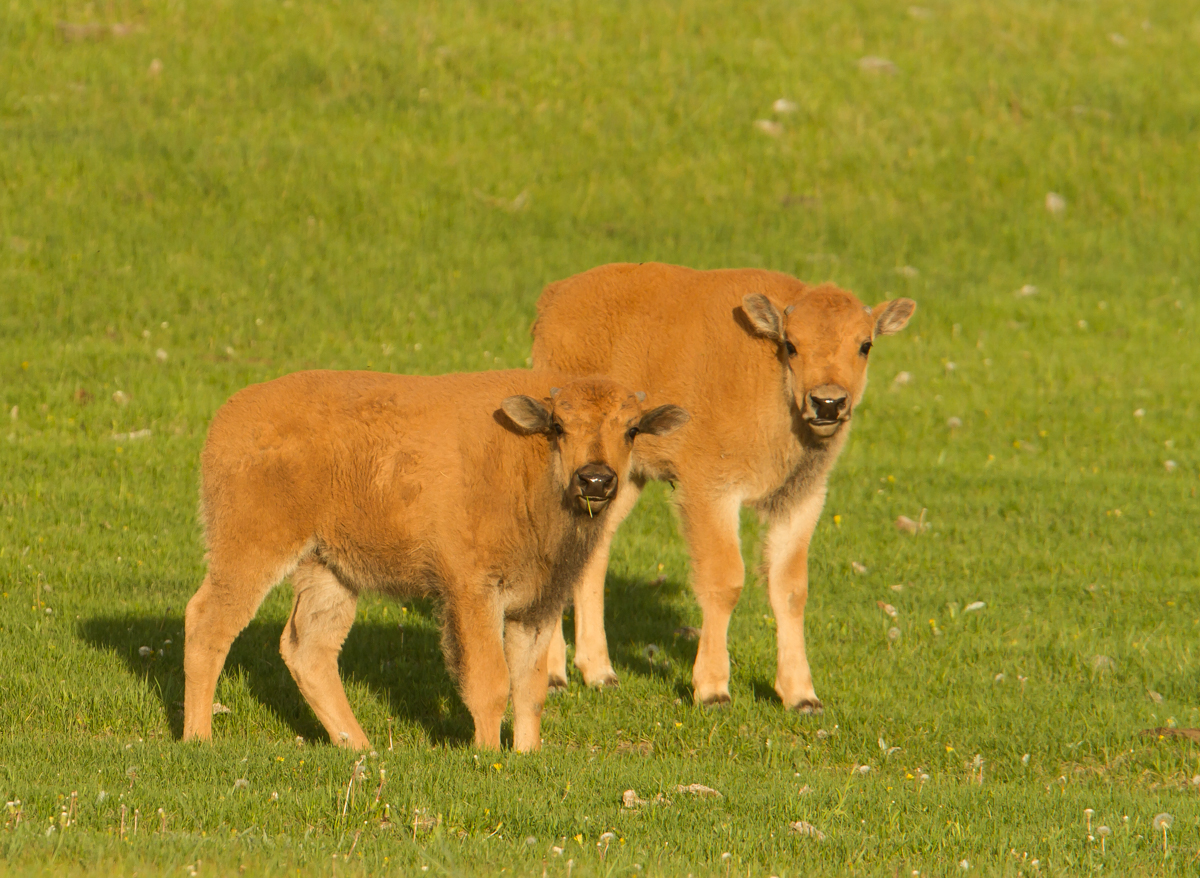
Bison calf in subdued lightPair of Bison calves in late afternoon light
Their color can vary from reddish-brown to an almost orange-red, depending on the light. Though you often see pairs of calves cavorting, twins are very rare, and these are usually just singles wandering away from their moms for some fun.
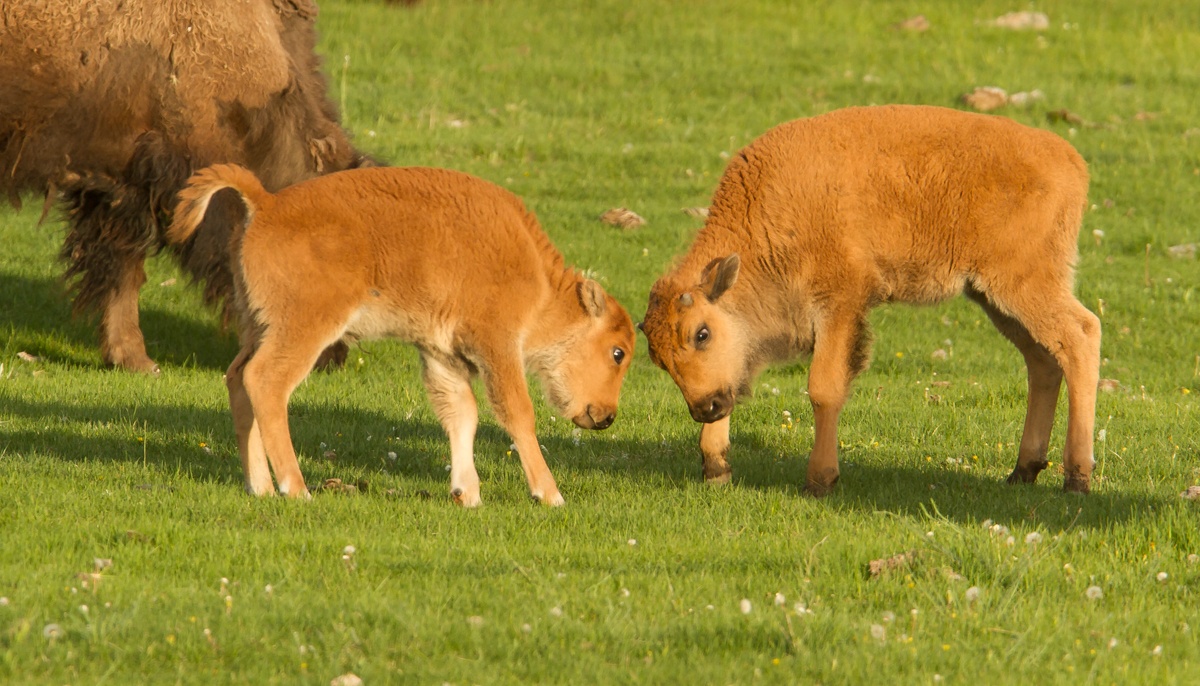
Bison calves playing and head butting
When not nursing or sleeping, Bison calves are very energetic and curious, and engage in all sorts of running around and play. I watched a couple of them head-butting and shoving each other for several minutes one afternoon, apparently practicing for their more serious bouts when they reach adulthood.
A couple of young Bison sparring near the cavorting calves
Ironically, there were a couple of young adult Bison engaged in a more aggressive-looking match not far away.
Bison with newborn calf
We kept seeing calves that looked like they had been born just a few hours earlier, so we were really hoping to witness a birth. While that eluded us, we did get to see one that had just been born, and was probably taking its first steps.
Newborn Bison calf taking its first wobbly stepsNursing newborn calfThe cow was very attentive to her newborn
Driving through Lamar Valley, I saw a cow that was separated from the herd on a hillside. Next to her was a reddish blob on the ground, a tiny calf. The cow finally got up and coaxed the calf to its feet. Bison calves are able to stand about a half hour after being born, so we just missed it. The calf was wobbly, and remnants of the umbilical cord were visible, as was some placental material still hanging from the cow.
Bison and newborn heading toward the rest of the herd
As we watched, the cow licked and encouraged the calf. After ten or fifteen minutes, she gradually walked slowly away, the tiny calf teetering along beside her as she went down the slope to rejoin the safety of the herd. Most Bison babies are able to run and keep up with the herd within an hour or two after birth.
One calf is exhausted, the other looking to play
I admit to having to stop every time I pass a herd where the calves are up and about. Their antics are so much fun to watch and when the light is right, they are so beautiful against the lush green grasses of Lamar and Little America. What’s not to like about these babies? And in a few years, they will be part of the iconic herds of the largest land mammals in North America. And thanks to the foresight of some conservation-minded people almost 150 years ago, they still roam in Yellowstone for all to enjoy, and to feel awe in their presence.
Walk in wild places, and you are sure to see, and hear, birds, if nothing else.
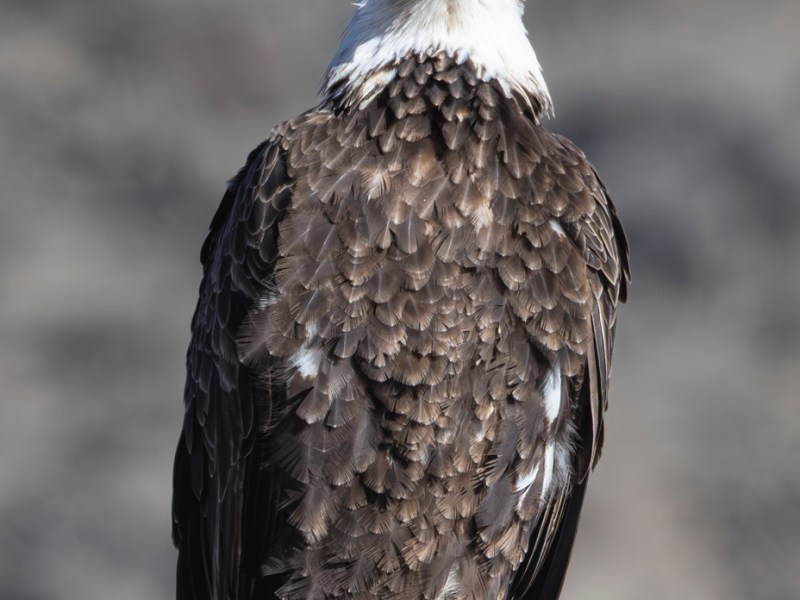
I am betting that many visitors to Yellowstone pay the birds little notice. It is, after all, the big mammals that draw most of the attention – the bears, the wolves, Elk, Bison, Moose, and Pronghorn. Some of the smaller mammals are also favorites, especially the ubiquitous Uinta Ground Squirrels. To be clear, I’m sure most will pause and watch an American Magpie fly by with its ridiculously long tail and bold pattern. And a Bald Eagle or pair of Sandhill Cranes will certainly cause folks to look up. But, I am guessing relatively few give much thought to what sparrow they flushed out of the sagebrush, or what that melodious call is coming from the bushes near the road. And that is too bad because, like most wild places, Yellowstone has a great diversity of beautiful and interesting birds.
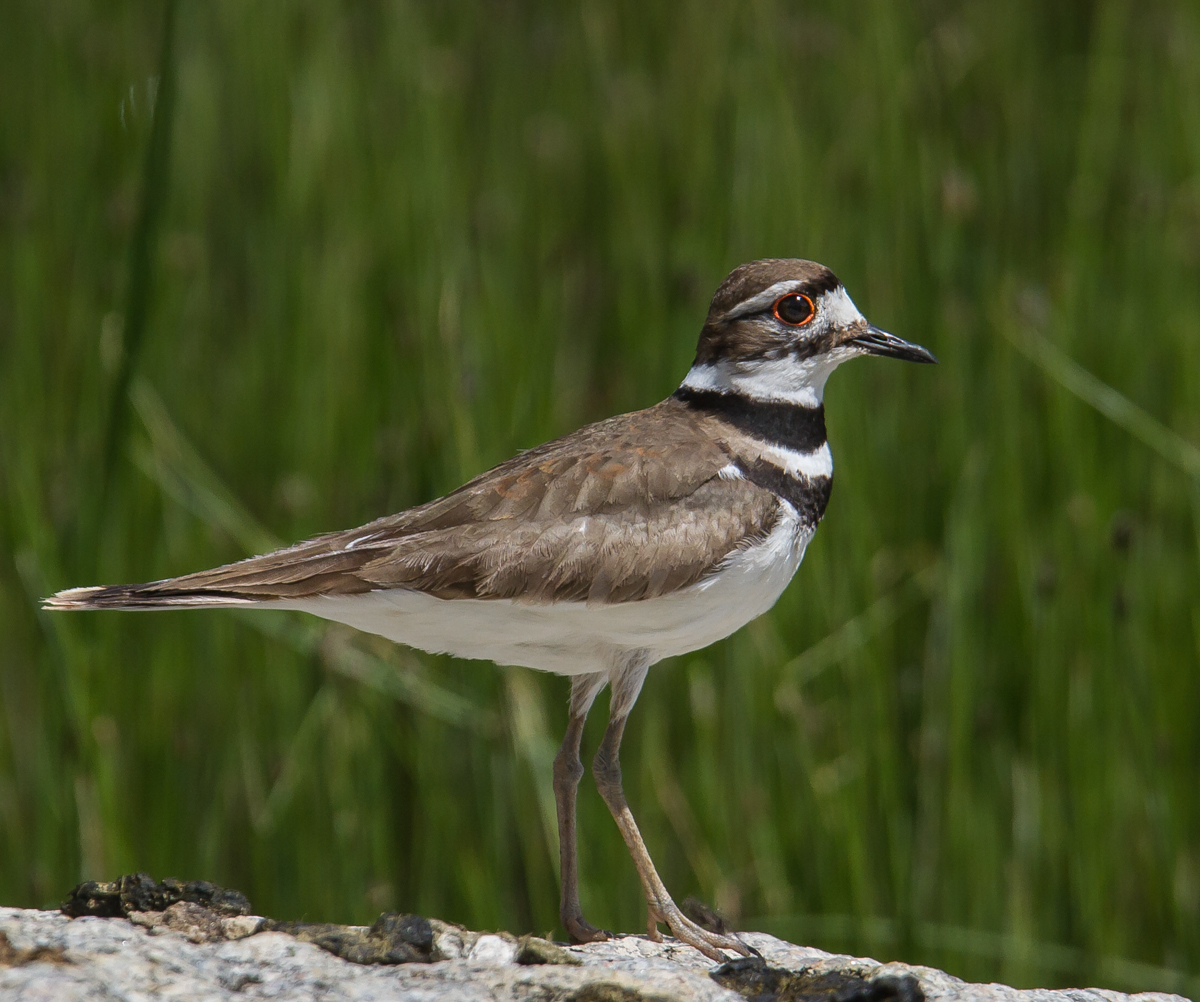
You will recognize many of Yellowstone’s birds as familiar ones from back east (Killdeer) (click photos to enlarge)
A lot of familiar birds can be observed in the park. American Robins are among the earliest risers each morning, often singing before 5 a.m. Others include Killdeer, Red-winged Blackbirds, American Crows, and Red-tailed Hawks (although western Red-tails are highly variable in color compared to those back in North Carolina).
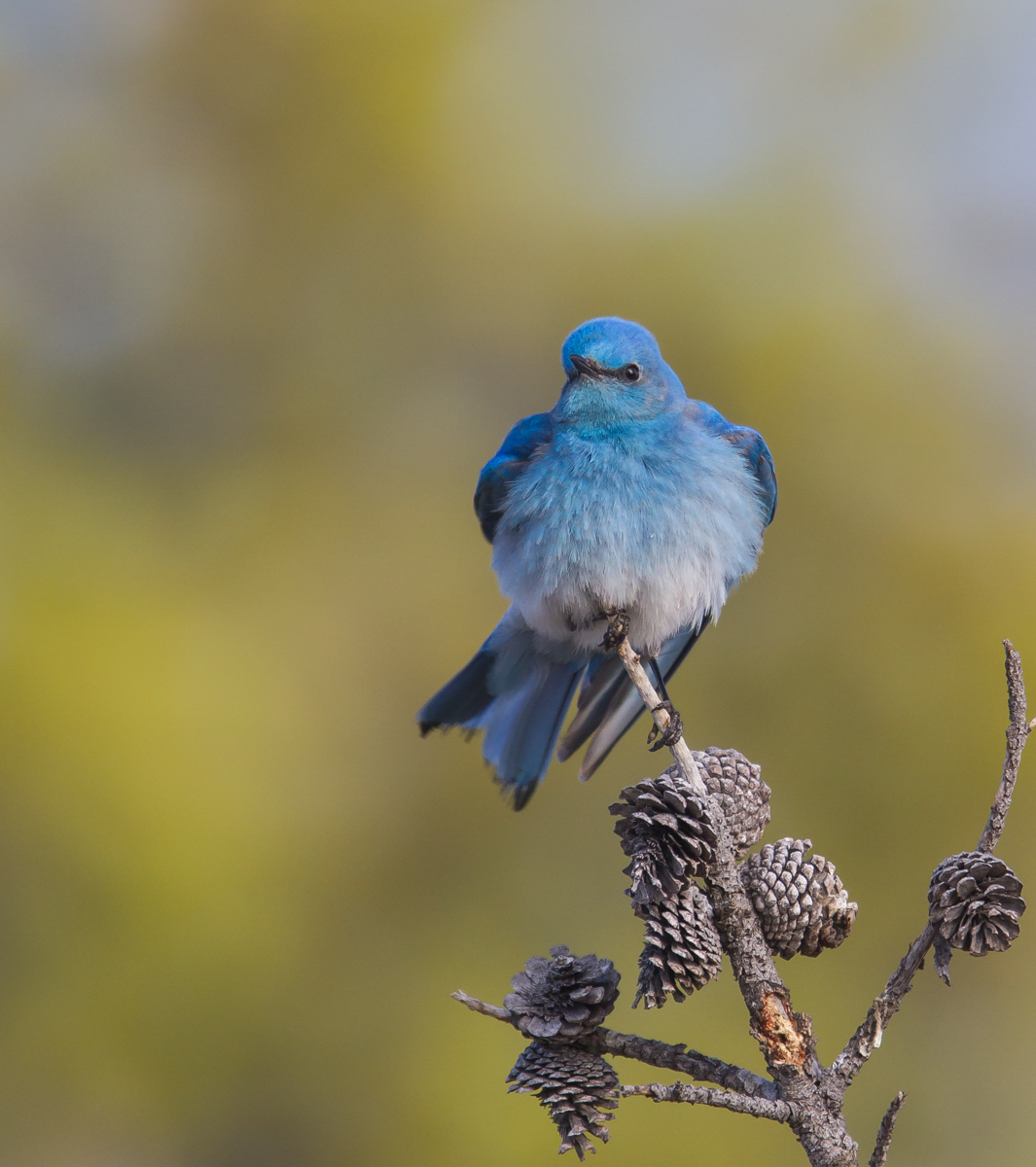
Mountain Bluebird
And there are many species that are not the same, but are similar to the ones in my woods. Mountain Bluebird males may fit Thoreau’s famous quote better than our Eastern Bluebirds (the bluebird carries the sky on its back).
Female Mountain Bluebird
The bluebirds were starting to nest in May so they were active in aspen groves and other places with suitable nest cavities.
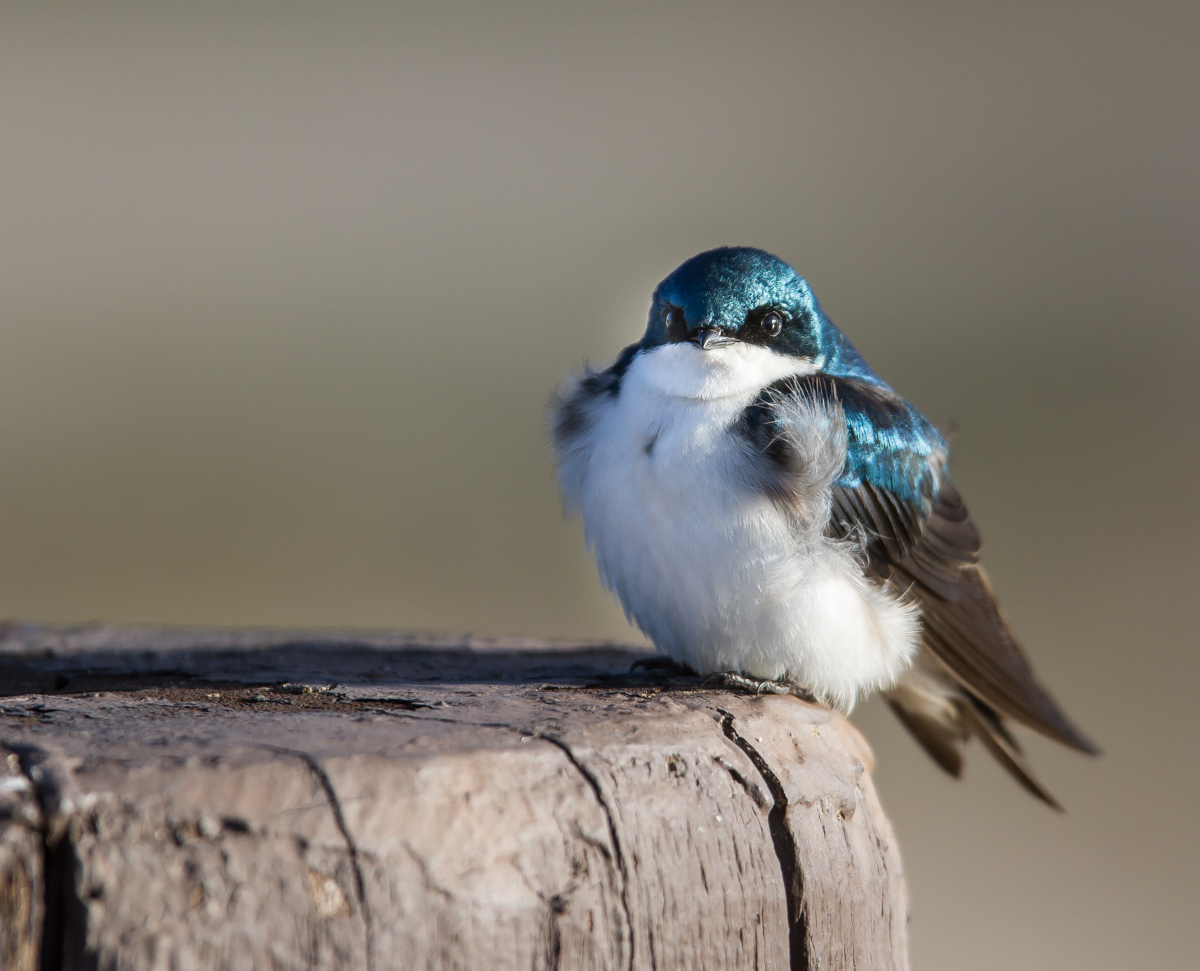
Tree Swallow in nest cavity
As in most places, there always seems to be some competition for tree cavities, even though Yellowstone has a seemingly large supply. Tree swallows often compete with Mountain Bluebirds and I have seen the same cavity occupied by different species in subsequent years.
Northern Flicker in tree cavity occupied by Bluebirds last summer
One of the primary cavity makers is the Northern Flicker. Yellowstone’s flickers are what used to be called Red-shafted Flickers. Eastern birds were once called Yellow-shafted Flickers and believed to be a different species, but they are now recognized as the same species. The western flickers have red undersides to the feathers on their tails and wings, and males have a red “mustache” instead of a black one like North Carolina males.
Ruddy Duck in breeding plumage
Certain species of waterfowl are familiar, but are in breeding plumage instead of their subdued colors I usually see them in each winter.
Barrow’s Goldeneye female
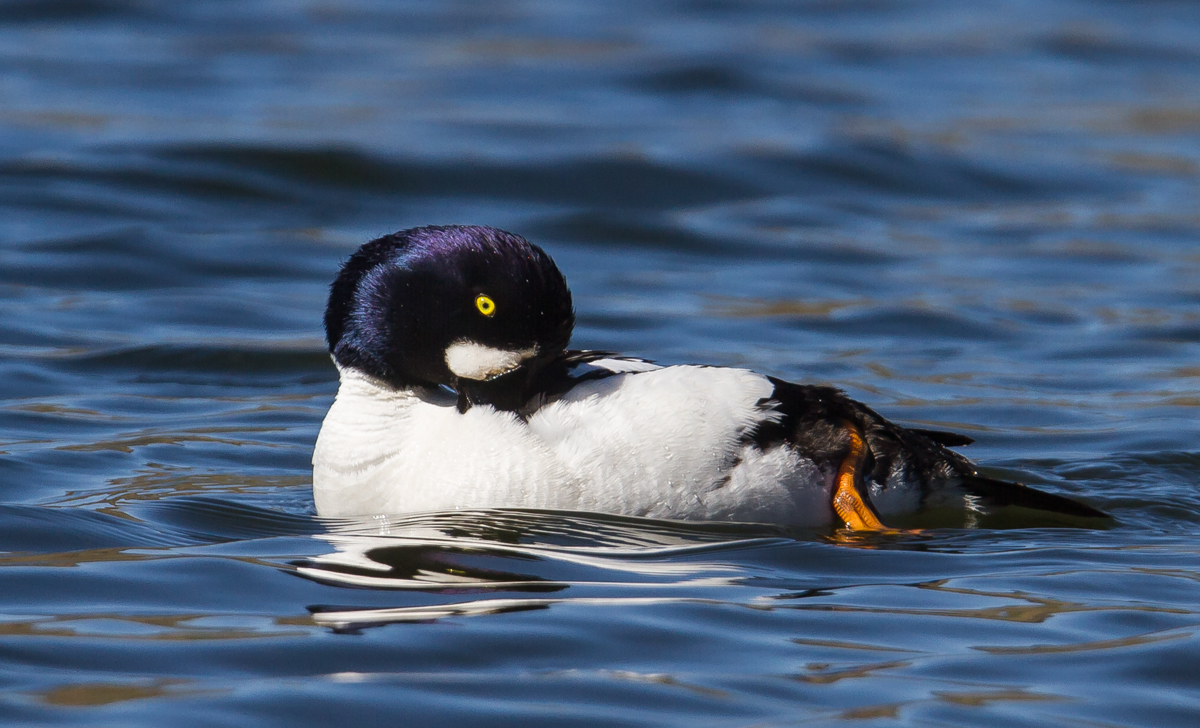
Others are species that I have never seen at home. Barrow’s Goldeneyes are diving ducks found on lakes and many rivers in Yellowstone.
Male Barrow’s Goldeneye showing its purplish head and apostrophe-shaped white face patch
Males are easily distinguished from Common Goldeneye males by the shape of the white cheek patch – an apostrophe in Barrow;’s (like in the name) and an “O” in Common Goldeneyes (again, like their name).
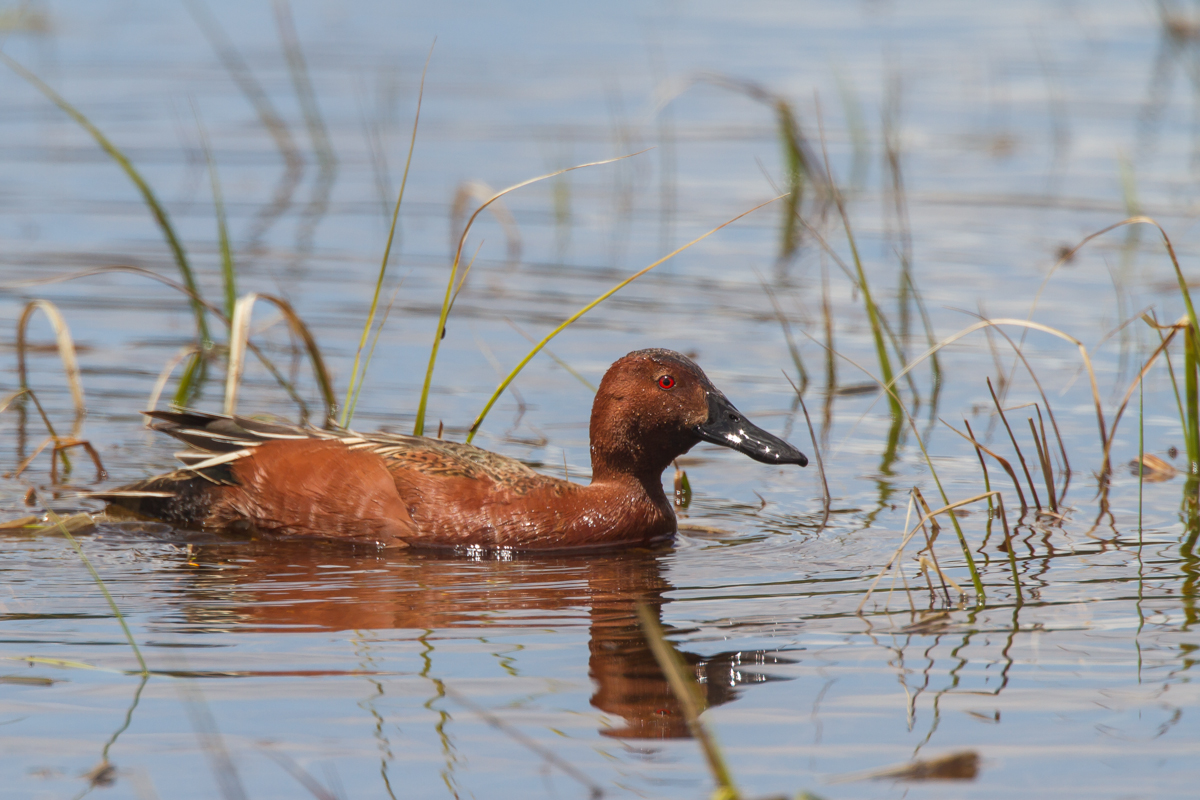
Cinnamon Teal male
In addition to the Green-winged Teal seen on many waterways in the park, there are frequent sightings of the aptly named Cinnamon Teal. The males are simply stunning.
Eared Grebe
I see a few Eared Grebes every summer, but rarely can get close enough for an image. This year, we found a very cooperative one feeding on Trout Lake. It stayed close to shore as it dove to feast on aquatic invertebrates, occasionally turning its adorned head to let the sun strike its brilliant red eye.
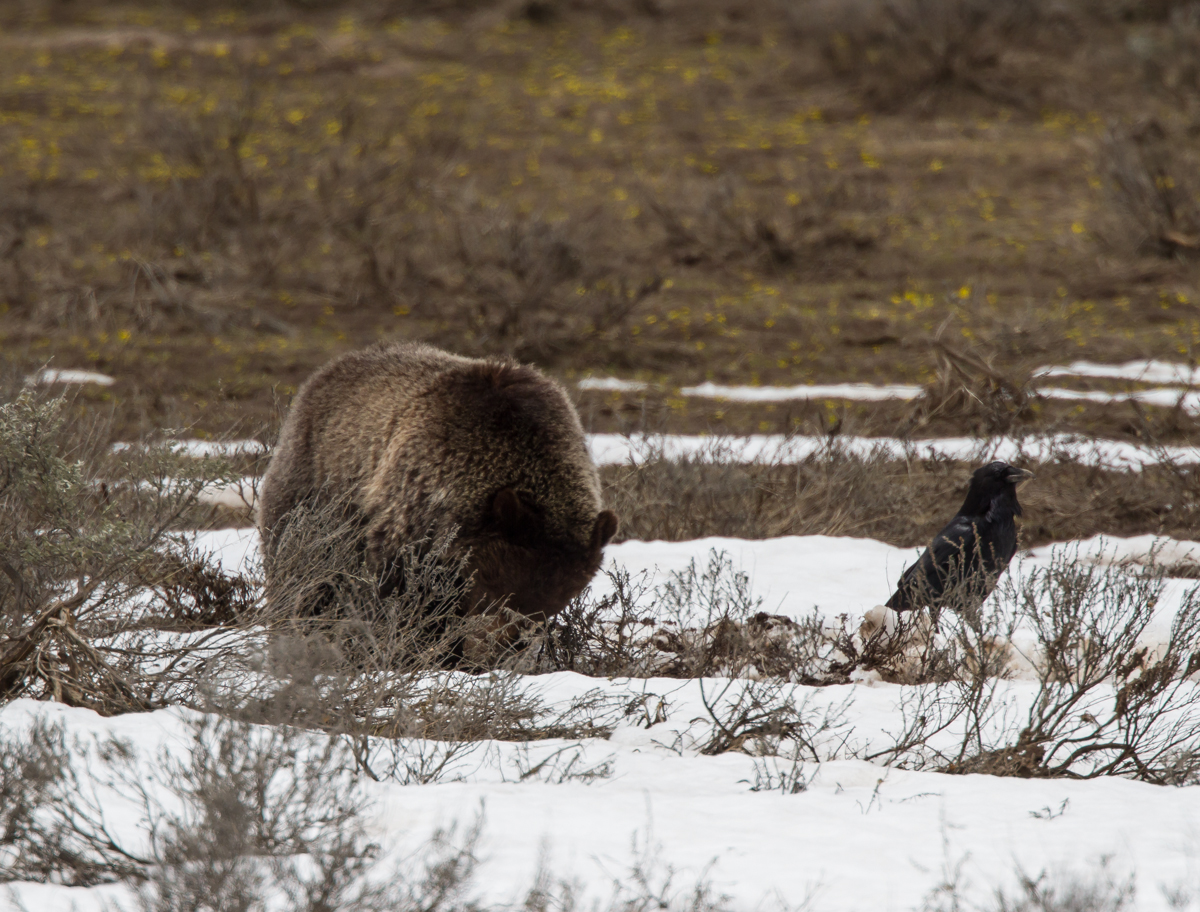
Raven moving in close to a Grizzly digging for food
Some species have interesting relationships with other species in the park. Ravens and Magpies are well known for their association with carcasses and therefore with predators such as Gray Wolves and Grizzly Bears.
Brown-headed Cowbirds on Bison back
And Brown-headed Cowbirds are often seen foraging on the ground in front of moving Bison, snatching insects disturbed by the big beasts. They also hitch a ride on Bison and Elk and glean ticks and other parasites off these large mammals.
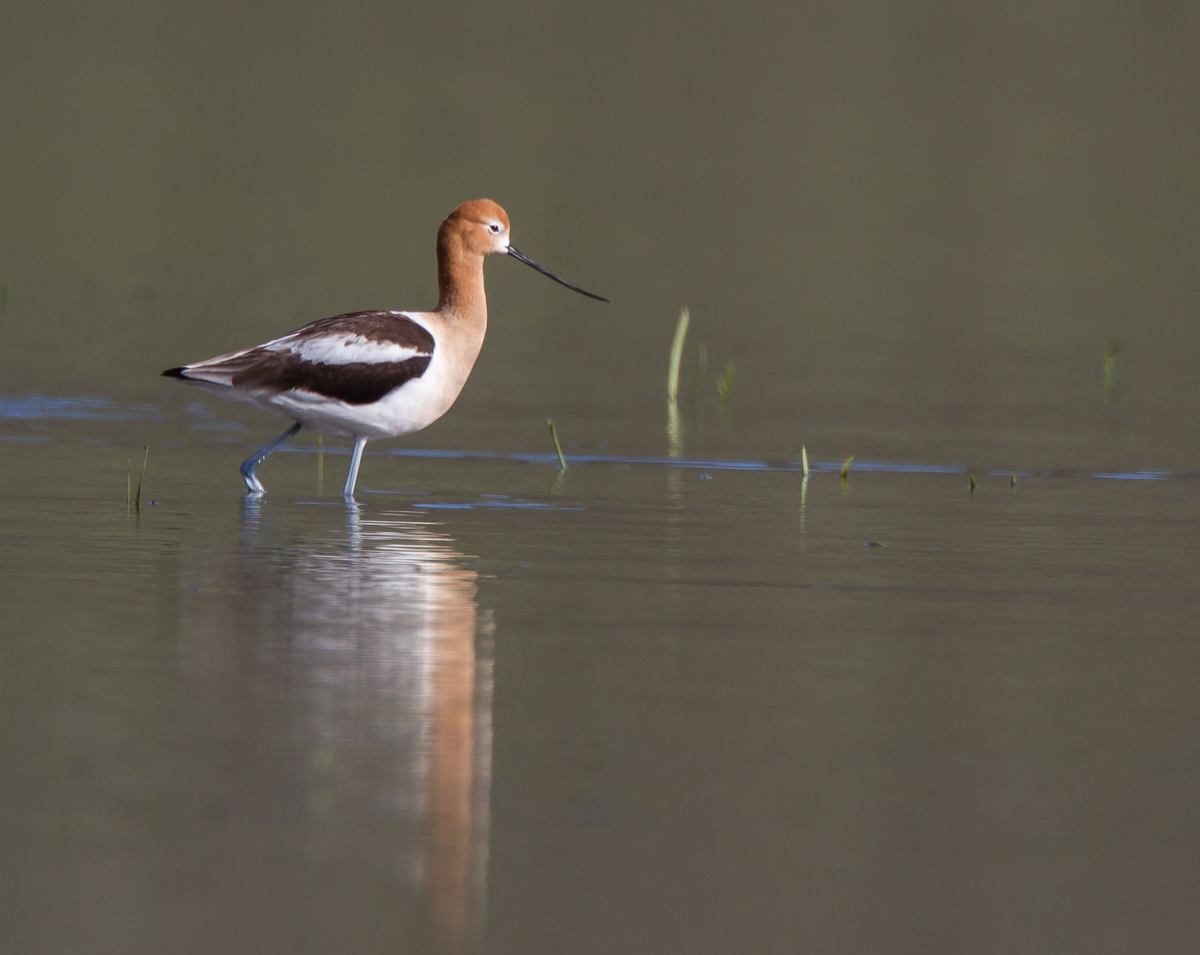
American Avocet
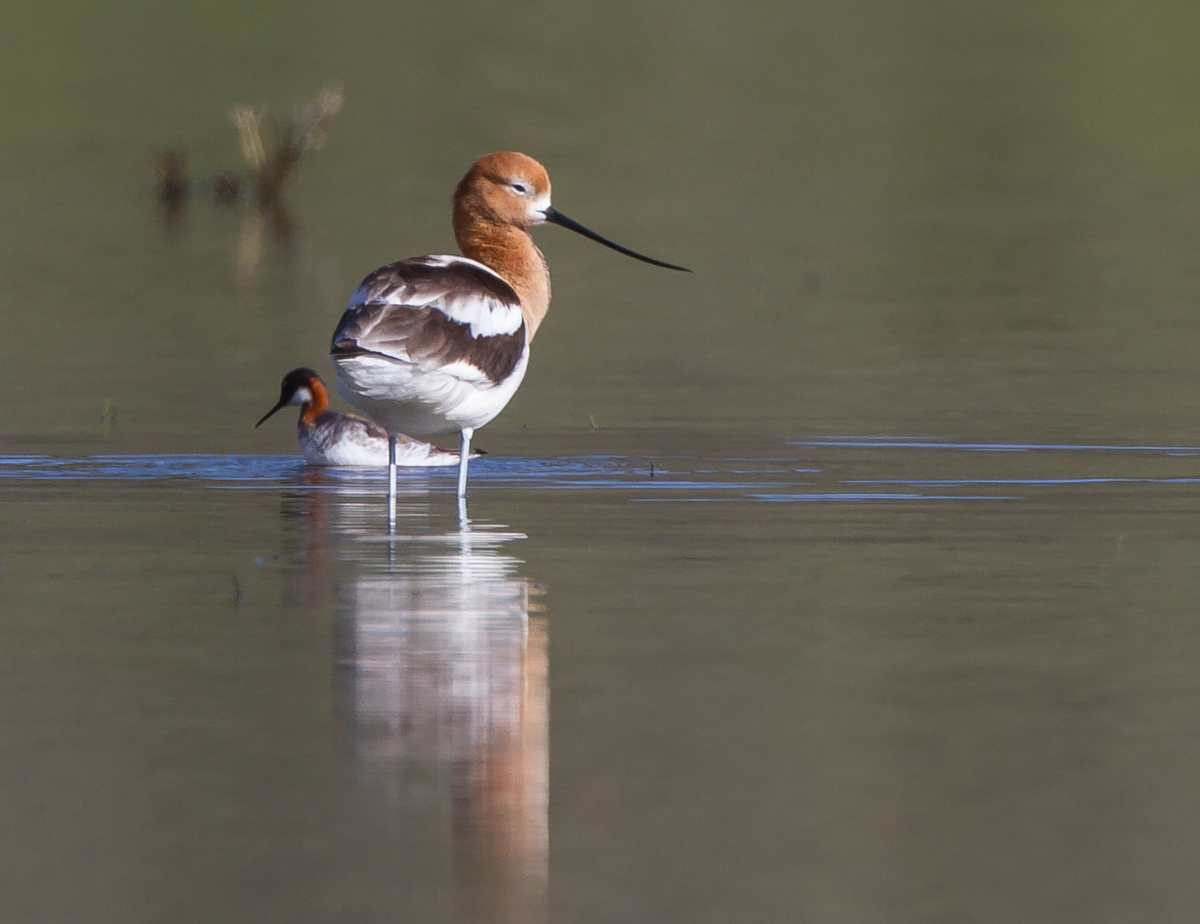
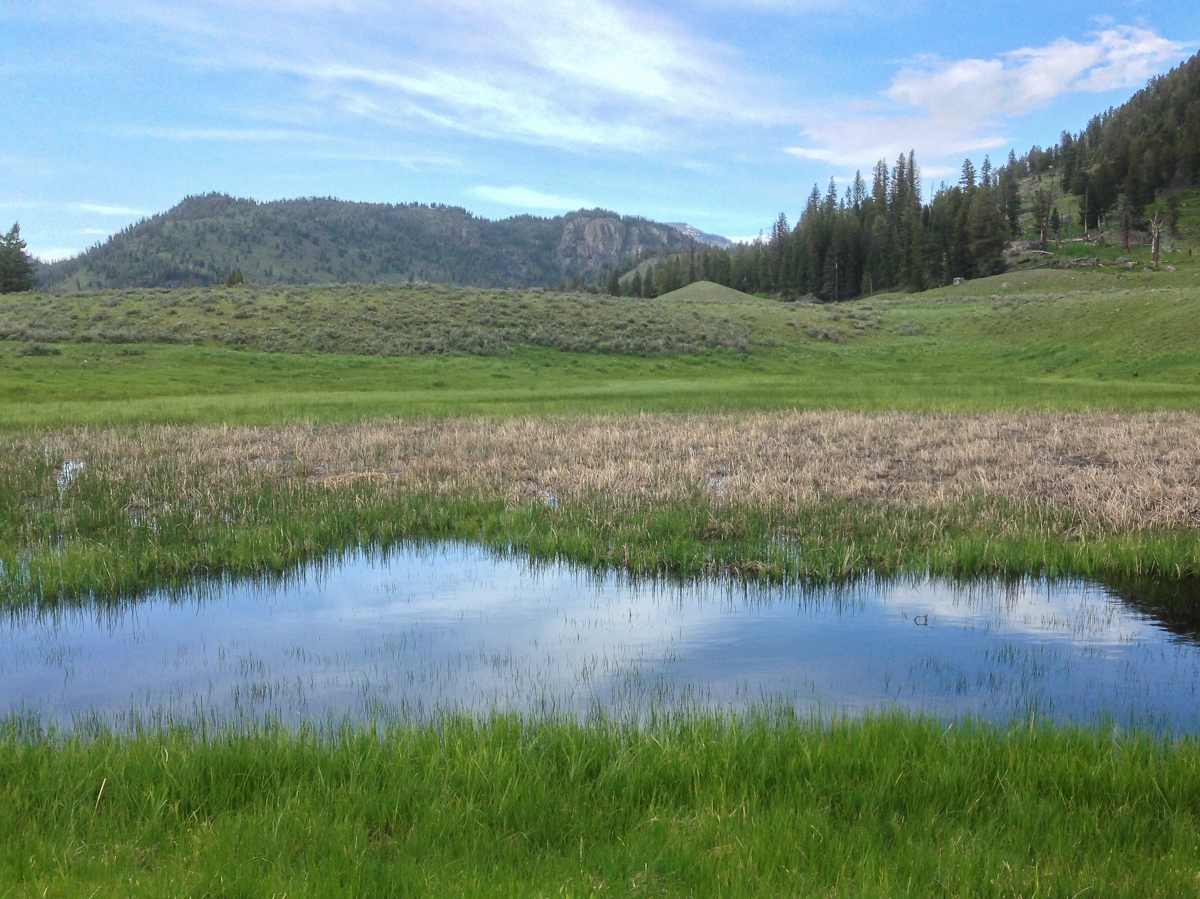
While there were many good birds among the 75 species seen in my two weeks in May, there were two that were very special. It started with a long distance sighting of one of my favorite shorebirds, an American Avocet, in a seasonal pond in Little America. As I was watching it, I could see another, smaller, bird nearby.
Red-necked Phalarope and American Avocet
The smaller bird was spinning around in tight circles. At the initial distance, I couldn’t see much detail, but guessed it was probably one of the Phalarope species. They swim in tight circles in water, creating a vortex which pulls up potential food items to the surface, which they rapidly pick off. It turned out to be a Red-necked Phalarope, a rare bird for the park. The park bird checklist said there were fewer than 20 records of this species in Yellowstone. So, I went closer to get some images for documentation.
White-faced Ibis
In that same pond, there turned out to be another rare bird for the park, a White-faced Ibis. Both of these were lifer birds for me, and I have since submitted images and documentation for both to the park’s bird biologist for their records. The images are a bit soft due to the great distances (I did not want to flush the birds) and the warm temperatures which created blurring heat waves, but they are adequate for identification.
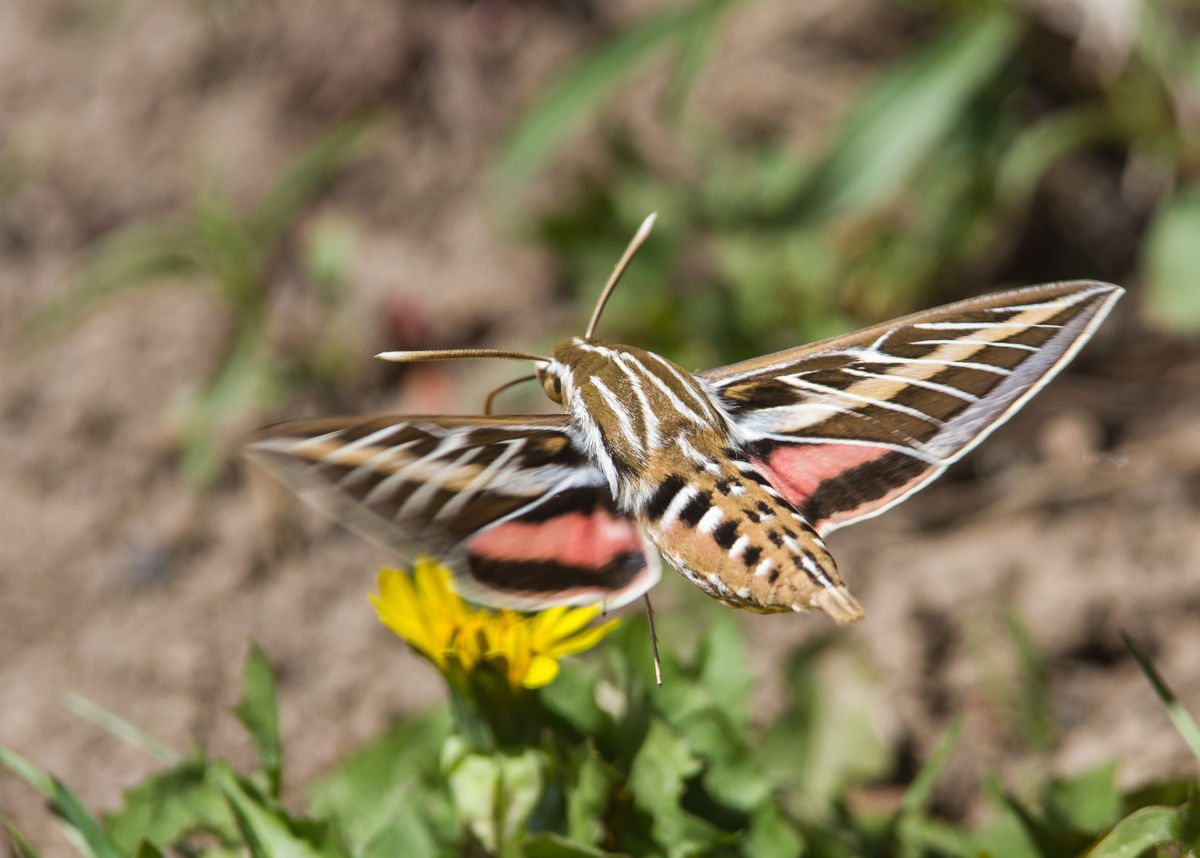
This large Sphinx Moth was misidentified by several visitors as a hummingbird
On one busy trail in a thermal area, one non-bird drew a lot of interest from visitors that thought it was a hummingbird. A huge day-flying moth, probably a White-lined Sphinx Moth, was feeding on Dandelions next to a boardwalk. I saw people pointing their cameras down and talking about a hummingbird, but when I looked, it was this beautiful moth. They are said to frequently forage for nectar during the day. So, next time you are in Yellowstone (or any other park), keep your eyes open for some of the smaller, but still charismatic, fauna, and it will make your experience even richer.
Here are a few more images of some of the birds of Yellowstone…
Pair of Barrow’s GoldeneyesCinnamon Teal aggressive display toward another maleGreat Horned Owl near nest in MammothMountain Bluebird male in Upper Geyser BasinTree Swallow with nest cavity in hole in wooden bridge post
Badger hates society, and invitations, and dinner, and all that sort of thing.
~Kenneth Grahame, in Wind in the Willows
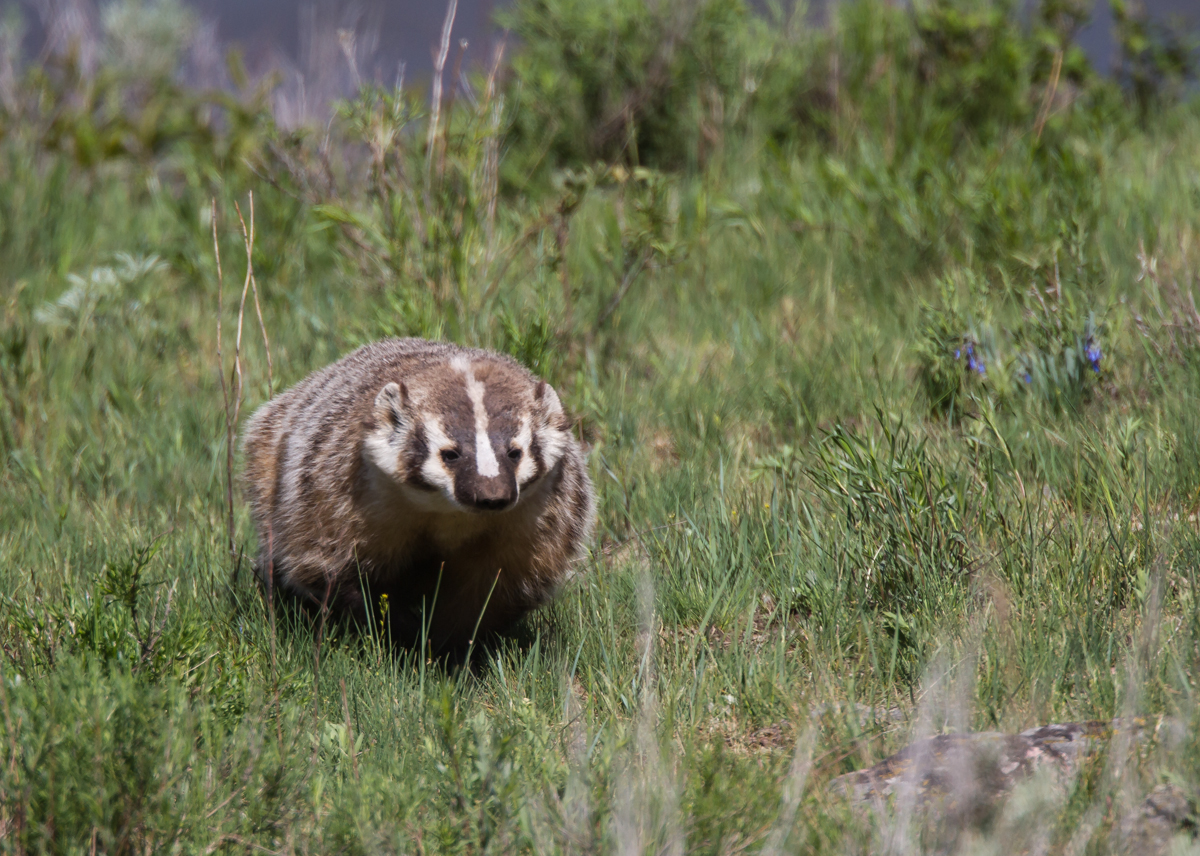
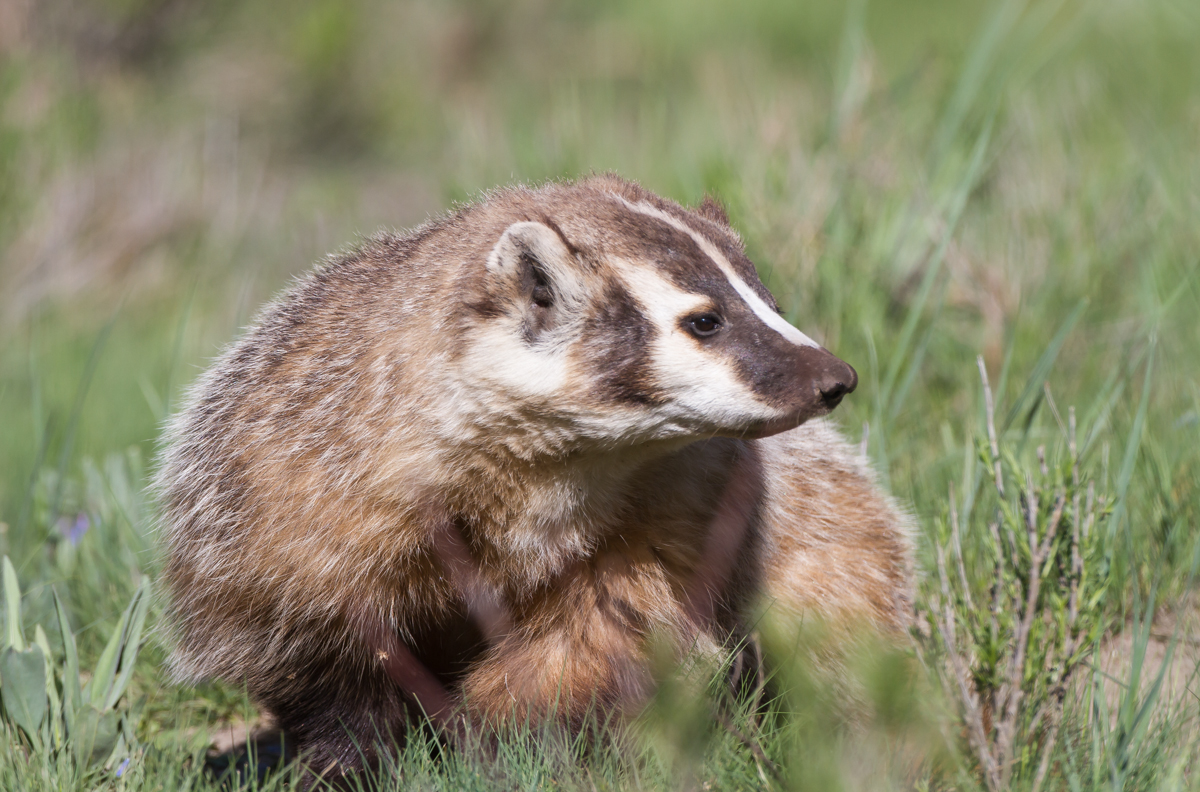
Badgers are a solitary lot, except during the mating season, or when females are raising their young. So, last year in Yellowstone, I was thrilled when I saw more badgers than I have ever seen in my 30+ years of visiting the park. Naturally, I expected to see quite a few this year with my group. But, I was surprised when Badgers were just not to be found. Given the earlier than usual time frame of this trip, I assumed that these members of the weasel family were simply not yet very active above ground. They are not true hibernators, but do become less active in cold weather.
Badger at Slough Creek (click photos to enlarge)
After my group departed, I finally started seeing these busy carnivores as they shuffled across the sage flats and grasslands of the northern range doing what they do best – hunting for ground squirrels and other prey.
Badgers move in a purposeful manner
Every time I have seen Badgers out and about, they always seem to be moving at a hurried, focused pace, often nose to the ground, head swinging back and forth as they check the area for food. I imagine that these seemingly grumpy loners are muttering to themselves as they ramble, and every now and then exclaim, “SQUIRREL”, and make an abrupt turn, and start digging.
Uinta Ground Squirrel on alert because there is a Badger in the hood
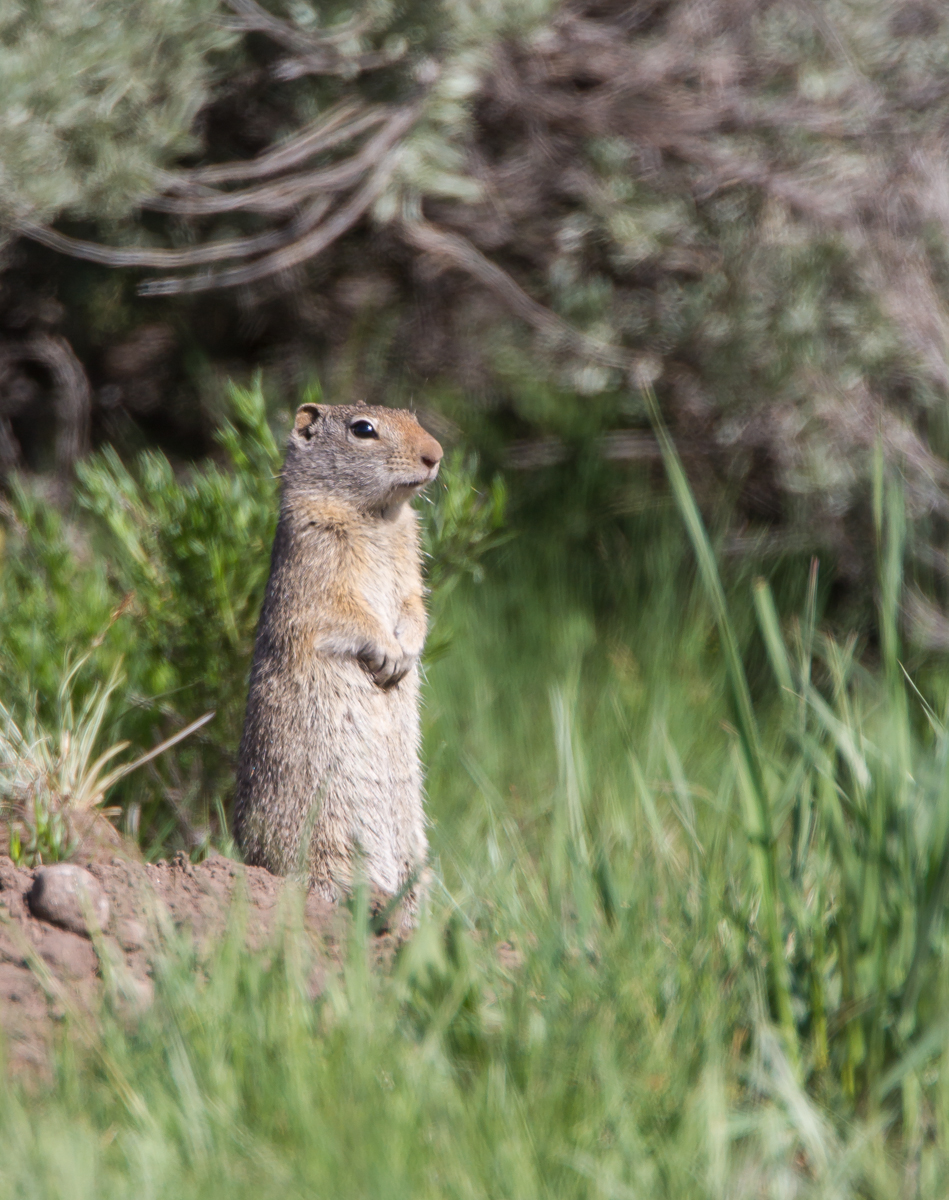
One morning I spotted a Badger scurrying alongside the road down by Slough Creek. It was a large one, perhaps a male, busily looking for a meal. Uinta Ground Squirrels were on alert, chipping alarms, and disappearing into their underground sanctuaries. But this predator is one that can quickly dig them out.
Badger at Slough Creek running with tail up
As it trotted along, this Badger did something I had never seen…it raised its tail when moving at a particularly brisk pace. I’m not sure if that is a sign of excitement when closing in on fresh ground squirrel scent, or just some Badger brake system in action if it gets going too fast on a downhill sprint.
Badger starts digging
The Badger moved about a hundred yards while I watched. Mine was the second car on the scene, but soon there were a handful of big lenses following the Badger’s every move. It gave us a glance from time to time but seemed intent on its mission and eventually started digging in earnest in one spot. A Uinta Ground Squirrel soon erupted from the ground a couple of feet away and ran straight towards us before disappearing into another burrow over 100 feet from the busy Badger. But the Badger kept digging and the dirt was still flying. I decided a video clip was the best way to capture the energy of this earth moving machine.
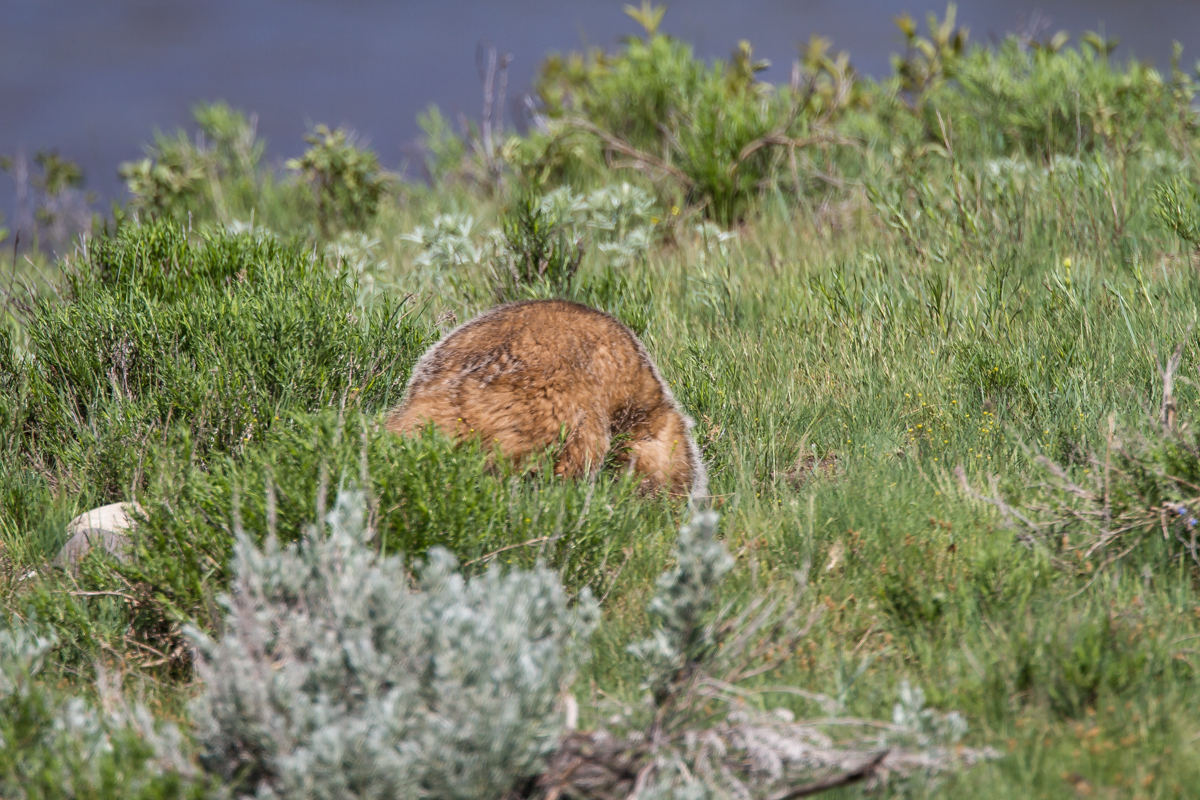
Badgers often dig a new burrow (or more) each day, and it appeared that this one was doing just that. We watched it dig for about 10 minutes before it came out one last time, shook off, and retreated below ground, presumably for a siesta.
Badgers move a tremendous amount of earth in the course of a year. Their burrowing activities help aerate the soil, redistribute nutrients, and influence patterns of plant growth.
Estimates are that fewer than 10% of Badger-dug burrows are occupied by a Badger at any one time. There may be ten to twenty burrows per acre in good habitat.
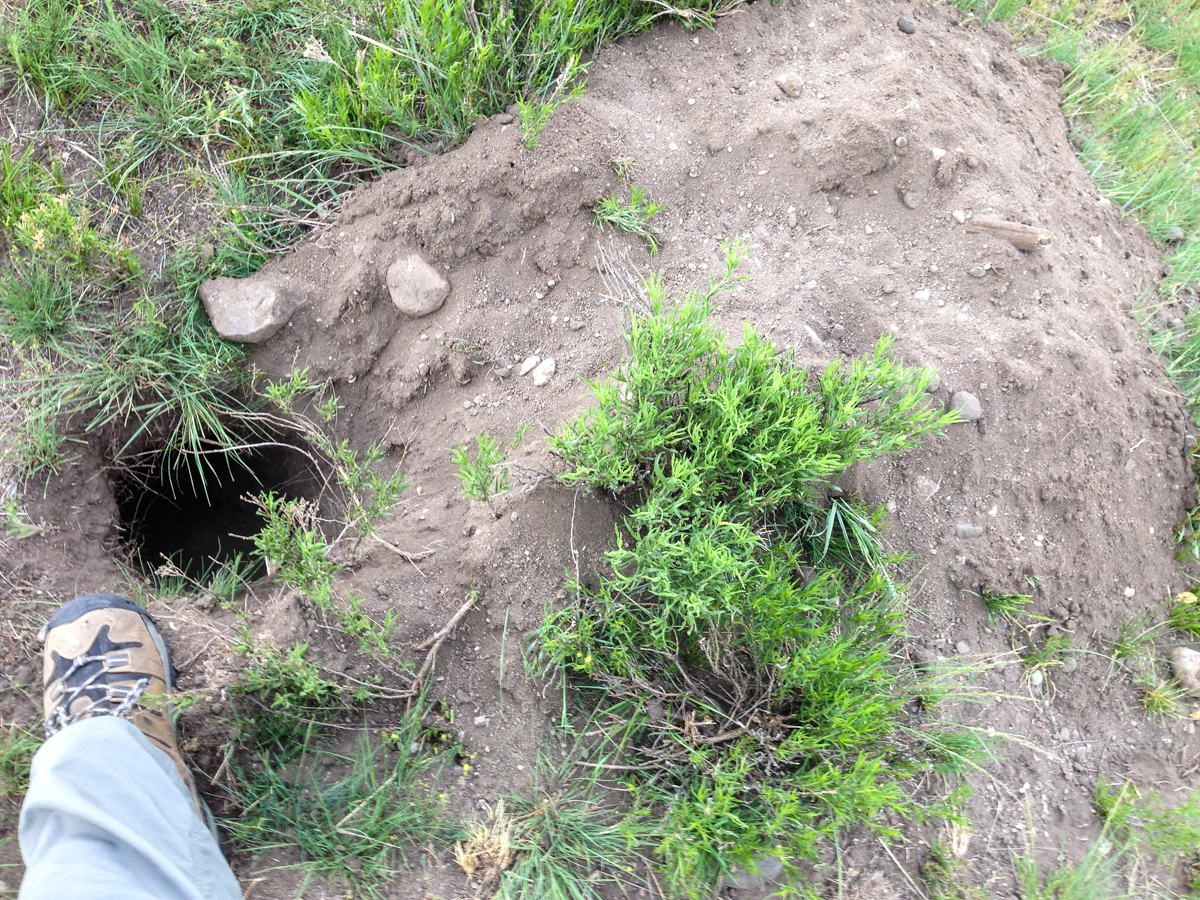
Badger burrow
The next day, I walked out and took a photo of the burrow entrance. Badger burrows typically have a sizable entrance hole and a large mound of dirt piled outside. These burrows may remain intact for several years after they are dug, providing shelter for many other creatures.
Report Badger sightings online to assist in a Yellowstone Badger study
When I got home, I learned of an online Citizen Naturalist Project being conducted on American Badgers in Yellowstone’s northern range (Yellowstone Badger). The coordinators are hoping to gather information and photographs from park visitors that will help answer some basic questions about Badger distribution, density, and habits. The distinctive facial markings may allow for identification of individuals. It is hoped this information will contribute some basic knowledge about an important, but little studied, member of the park’s diverse mammal fauna.
Bears are made of the same dust as we, and breathe the same winds and drink of the same waters. A bear’s days are warmed by the same sun, his dwellings are overdomed by the same blue sky, and his life turns and ebbs with heart-pulsings like ours and was poured from the same fountain…
~John Muir
My recent trip to Yellowstone was a great one for bears. Although Grizzly Bears were offering quite a show, there was one Black Bear that was drawing even bigger crowds. I had read about her before the trip and was hoping to find the Black Bear mom with three cubs. While three cubs is not all that unusual in the rich habitat of Pocosin Lakes National Wildlife Refuge in eastern North Carolina, it is a much less common event in Yellowstone. Raising three bear cubs requires good forage, and an experienced and protective mother.
I made a few passes through the area where she had been reported before and during my group’s visit. We managed a quick glimpse of the sow and an occasional cub as we slowly passed through the ever-present “bear jam” along the road, but there were so many cars and people that it just didn’t seem worth trying to join the crowds for such limited views.
Black Bear mom (click photos to enlarge)
Driving back toward Tower Junction (Black Bear central) one afternoon after the group had left, I passed through a tremendous rain storm. I decided to try for the bear family again, and this time, it paid off. The large female bear was in view, and the rains had chased away much of the crowd, allowing for some empty parking spaces in a nearby pullout.
Three tiny Black Bear cubs busy being playful while their mother feeds nearby
Under a large Douglas Fir tree were three tiny black blobs, rolling around in the carpet of needles. These cubs were unbelievably cute, and incredibly playful, especially one cub that always seemed to be the instigator in any rough-housing. The crowd oohed and aahed as the cubs wrestled and jumped around. After watching them for over thirty minutes, I decided to try to capture some of their play on a short video. Enjoy (best viewed full screen)…
It was clear to me in an instant why nearly 100,000 people say they come to Yellowstone each year just to see wolves.
~Frank Clifford, in Howling Success
I have been going to Yellowstone since the early 1980’s, a decade before wolves were reintroduced. In my early trips, it often seemed like I had the northern range (areas like Little America and Lamar Valley) to myself. There were no major tourist attractions on the road out to the northeast entrance – no geysers, no canyons, no lodges or restaurants. Some days it seemed it was just the wildlife and me. After Gray Wolves were reintroduced to Yellowstone in 1995, visitors suddenly “discovered” that part of the park as it was, and probably still is, the best place in the park (maybe even the world), to observe wolves in the wild.
I always feel a bit of pressure to make sure my clients see a Gray Wolf, and this trip was no different. The first couple of days with them were wolf-less. Luckily, the abundance of Grizzly Bear sightings took some of that pressure off. Then, on our first trip through Lamar Valley, in dwindling light, a black wolf crossed the road in front of us and gave our group a great view as it moved off across the sagebrush flats near the river. Over the next couple of days in the northern range, we saw a distant wolf on an elk carcass and watched as a large Black Bear claimed the prize without incident, and saw two wolves feeding at a Bison carcass far across the river in Lamar.
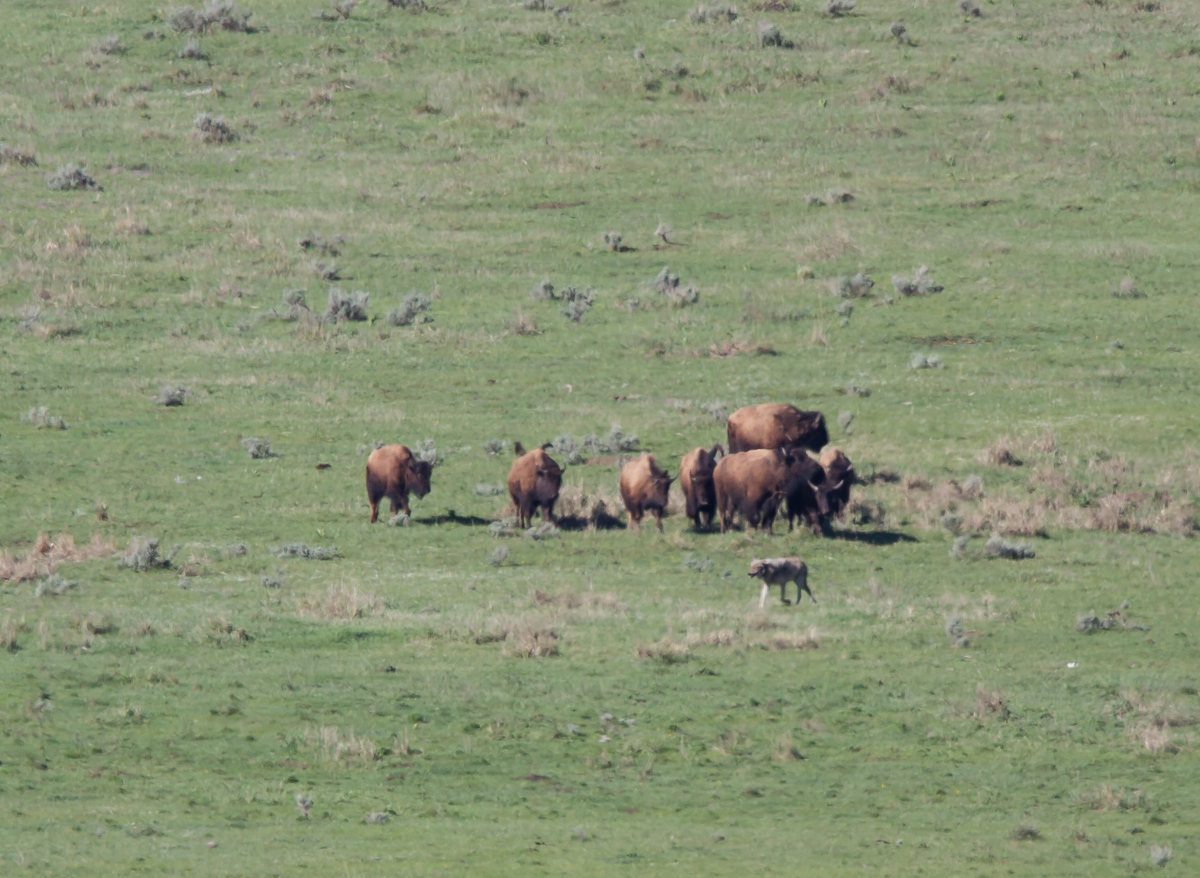
A Gray Wolf being escorted away from a Bison carcass
On the group’s last morning, we witnessed some amazing interactions at that same carcass. When we first arrived there were two wolves just leaving the carcass, and they were being herded by a group of several Bison that seemed none too pleased that these predators were dining on one of their own. The Bison eventually pushed the wolves away and convinced them today was not a good day to continue feeding. Meanwhile, a Grizzly came down out of the woods and eventually claimed the carcass, in spite of being initially held off by the same agitated Bison. Quite a Lamar farewell for my group – a Grizzly Bear, two Gray Wolves, and a protective herd of Bison interacting in the same field of view of our binoculars.
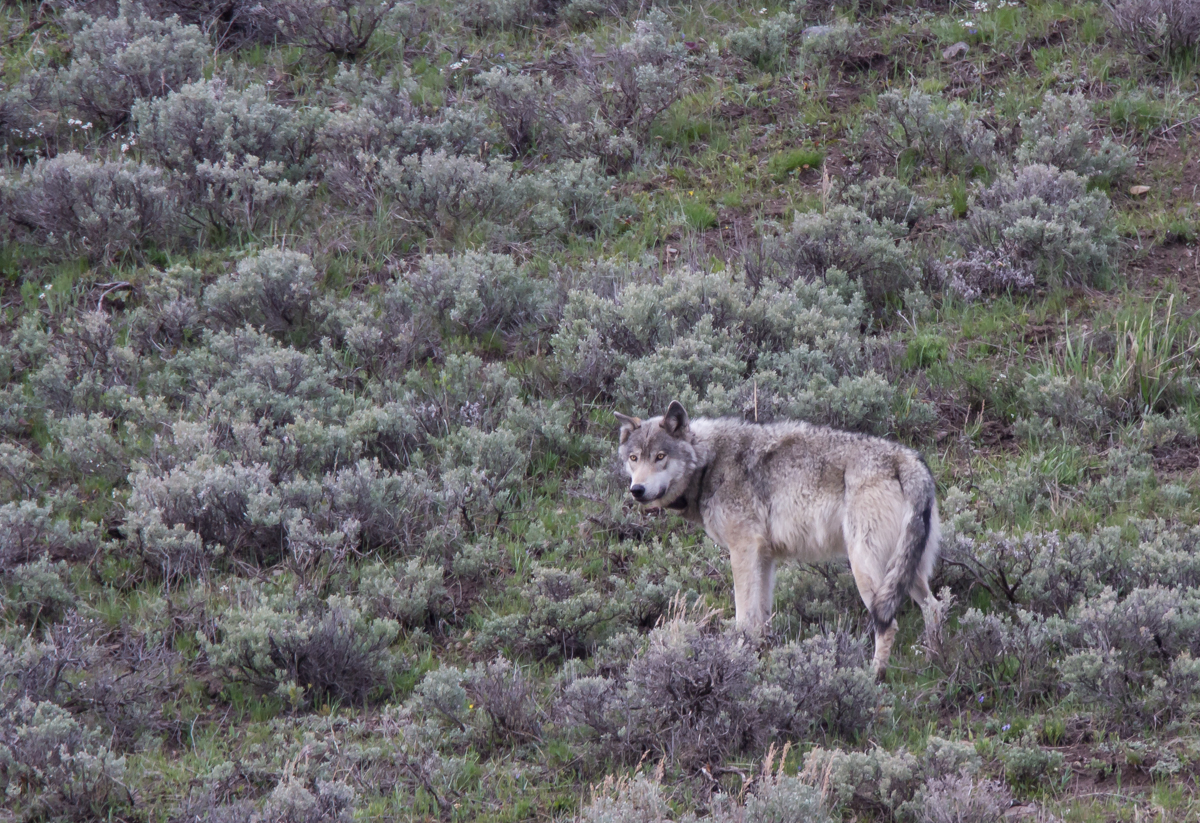
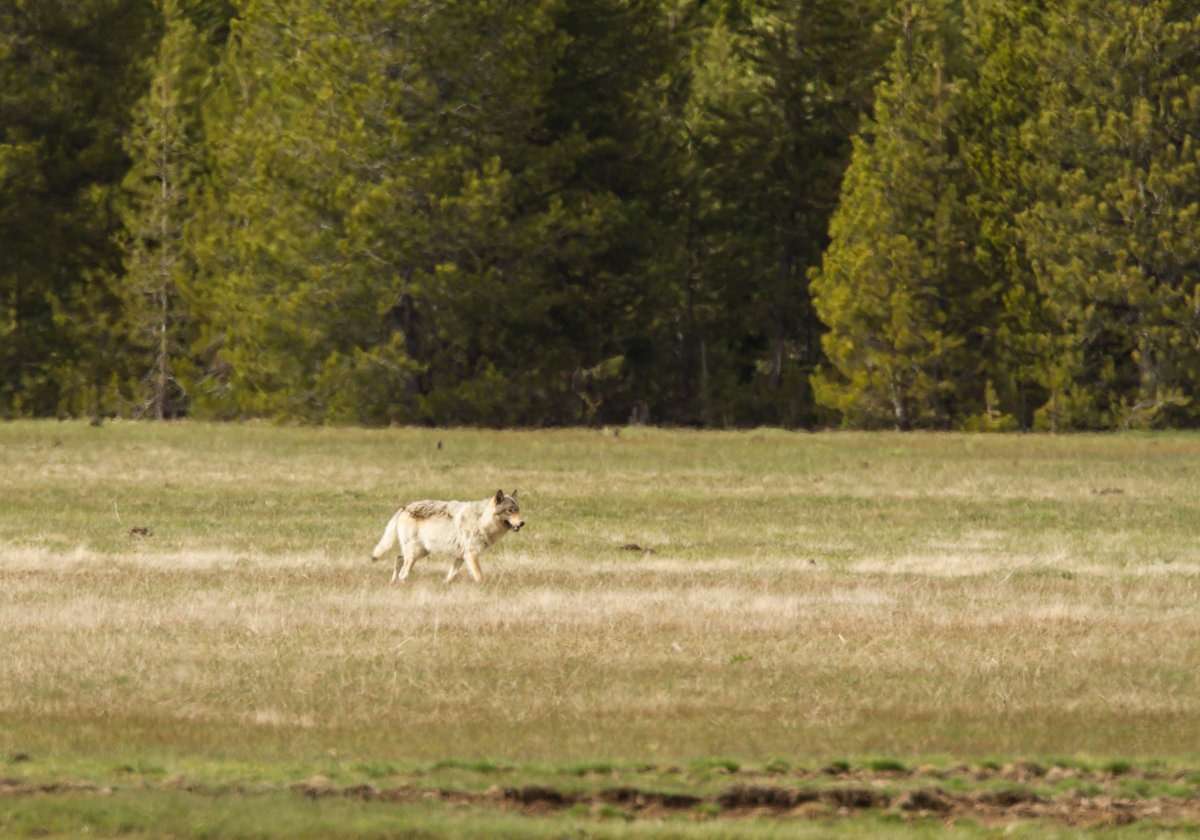
A large gray-colored wolf crossed the road near me in Lamar Valley
So, even though the group did witness some excellent wolf behavior, I still felt a tad guilty about what they had missed in my first two days in the park before they arrived. On the second evening, while parked in Lamar Valley, looking at a carcass of a roadkill Mule Deer that had been feeding various scavengers all day, I glanced out in front of the car and saw a wolf headed toward me. It was one of those rare moments when there is almost no one else around and a wolf suddenly shows itself.
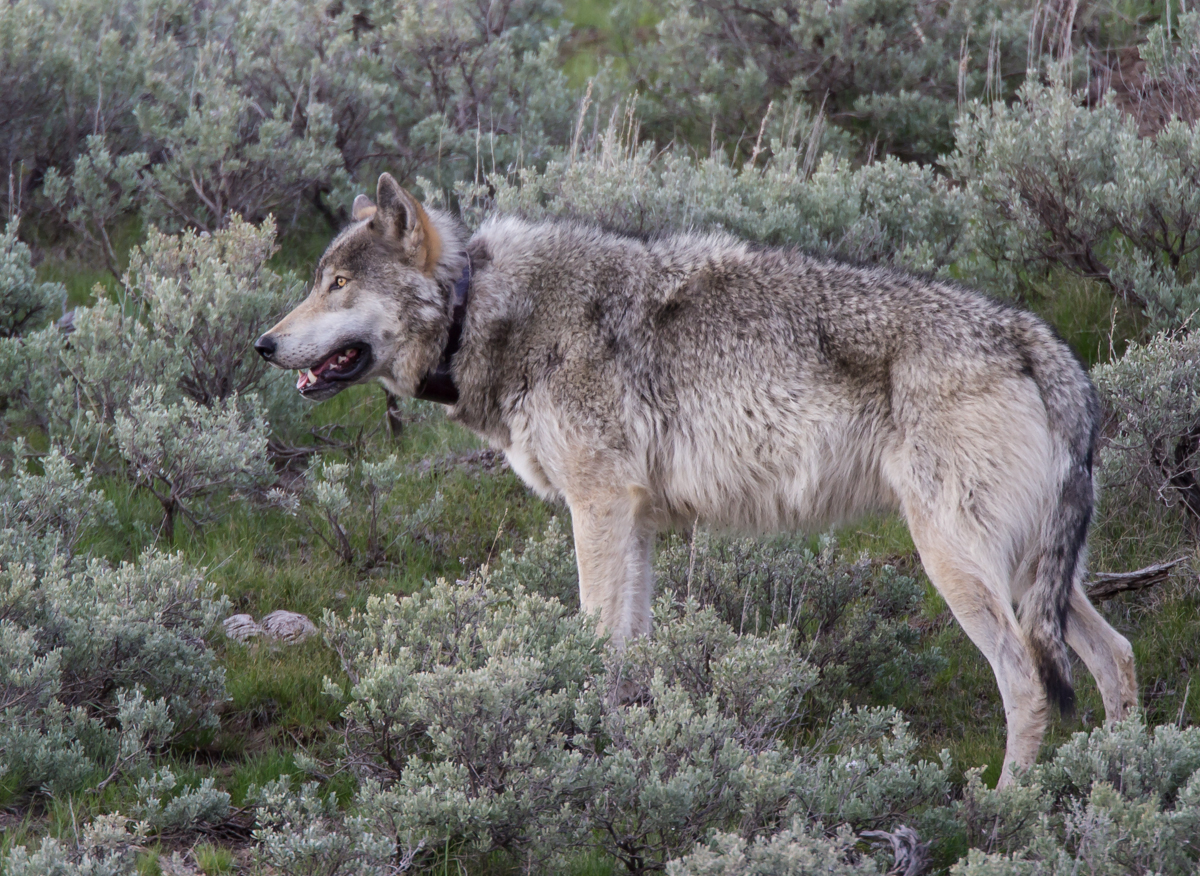
The male wolf marking his territory
It quickly became apparent this was the alpha male of the much diminished Lamar Canyon pack, a wolf known to researchers as 925M. This pack now has only two adult wolves and an unknown (as yet) number of pups.
Wolf 06 crossed the road near us in June, 2012
It was in June two years ago, when I was with another group, that we were thrilled by the presence of what is probably one of the most famous wolves in the history of Yellowstone, a wolf known simply as 06. She was then the formidable alpha female of the Lamar Canyon pack, whose territory encompassed much of the prime wildlife habitat of Lamar Valley in the northeastern portion of the park. In December of 2012, she was legally killed by a hunter about 15 miles outside of the park boundary. After the de-listing of Gray Wolves from protection under the Endangered Species Act, states adjacent to the park opened hunting seasons. As with other wildlife, wolves do not recognize park boundaries, and on one of her packs’ forays just outside the boundary, 06 was killed. Another collared male of the pack was also killed that same hunting season. The end result was the disruption of the pack (the alpha male was the father of the remaining pack females and thus he left to start another pack). The current alpha female of the Lamar Canyon pack is the daughter of 06.
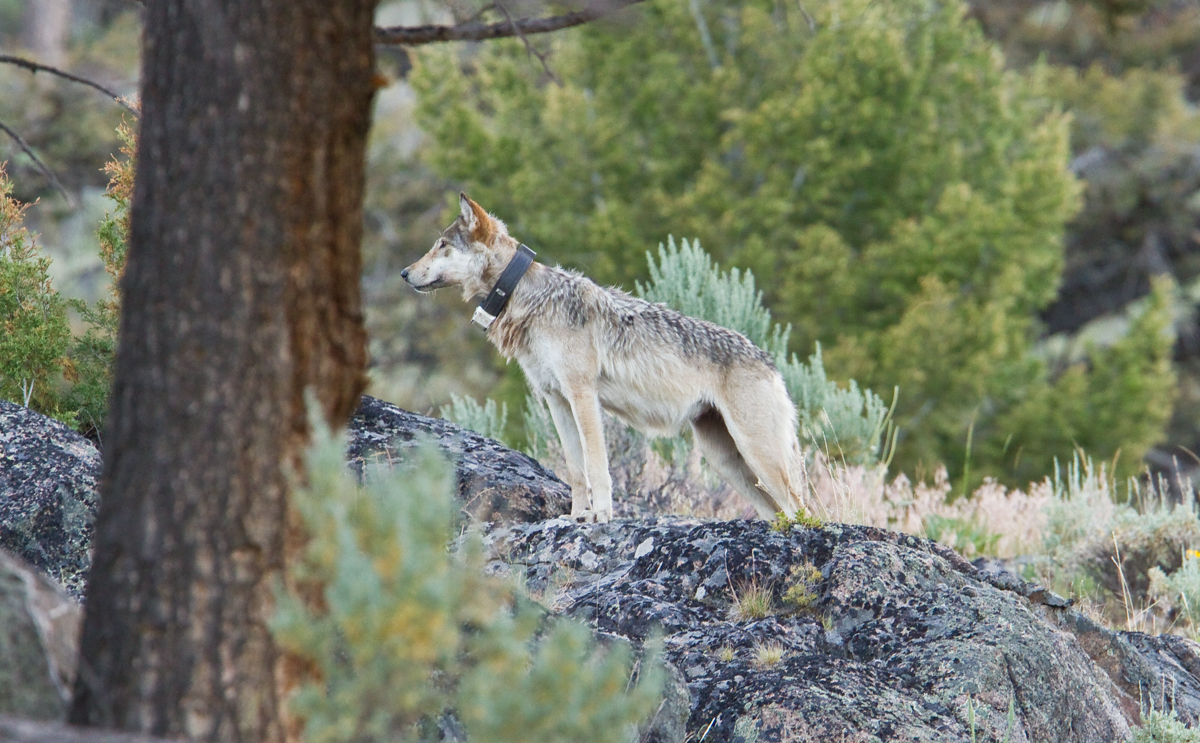
925M is the alpha male of the two-member Lamar Canyon pack
The alpha male is easily recognizable as he is a large, collared male wolf and he has a floppy right ear. After crossing the road near me, he marked his territory, and then paused and glanced around at the few cars that were starting to gather.
925M pauses for a quick look before heading up the hill
Although brief, it was an incredible encounter with a beautiful wolf. It will be challenging for a pack with only two wolves to raise their pups and defend their territory. But, reading Yellowstone Reports since my return shows that they have been successful thus far, with recent kills of a Mule Deer and an Elk. It will be interesting to follow this pair over the next year.
A light-colored Gray Wolf heads to a carcass in Gibbon Meadows
As if the encounter with 925M wasn’t enough, there was yet another wolf sighting the day before my group arrived. Coming through Gibbon Meadows, I saw a group of cars stopped and pulled over to catch a glimpse of a very light-colored wolf (probably a member of the Canyon pack) before it disappeared into the trees. The pack had killed an Elk and was coming and going to the carcass, which was hidden in the trees near the pullout. Later that same day, I returned to the site and waited. There were three Bald Eagles and some Ravens on the carcass, but no wolves. Just about when many in the crowd (including me) seemed to be getting ready to head out, the light wolf trotted out of the woods and headed our way.
The wolf pulling meat off the carcass
The wolf went directly to the carcass and was seen pulling and tugging at the meat.
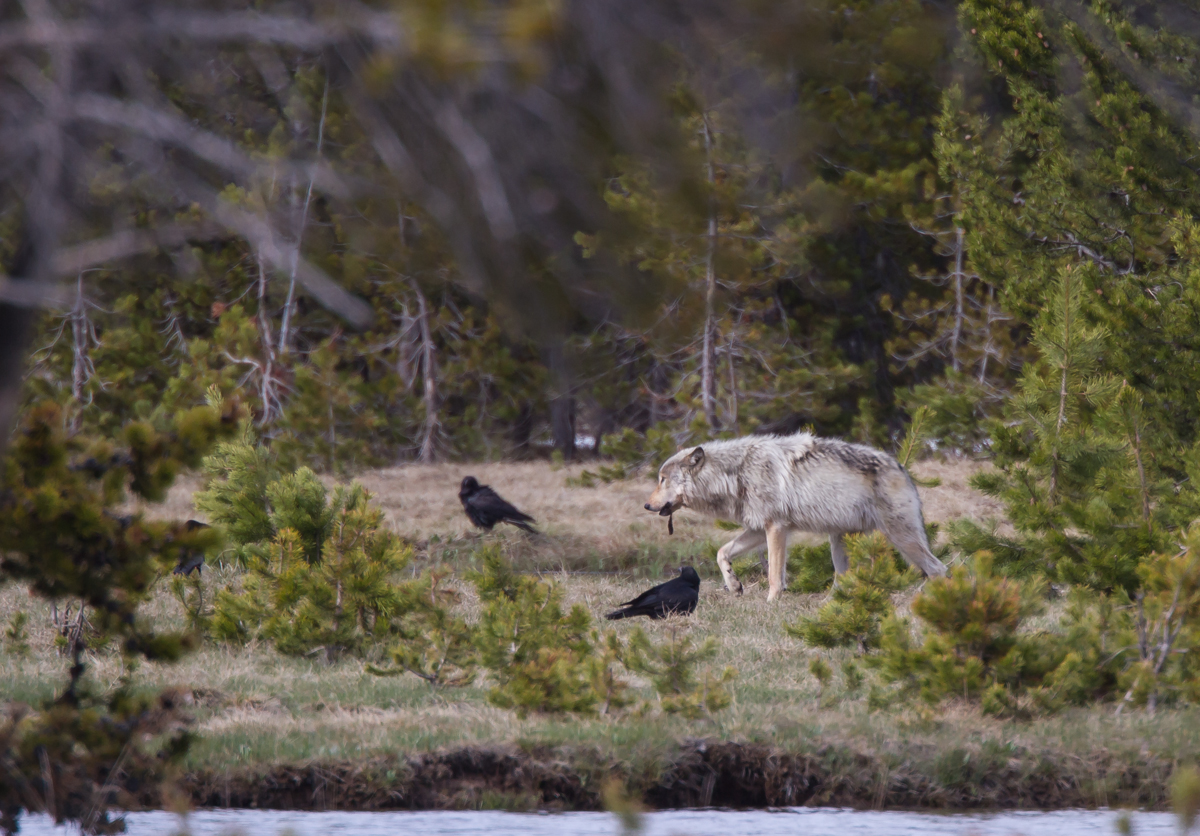
Wolf carrying morsel from carcass
After several minutes, the wolf walked out of the trees, carrying a piece of the carcass under the watchful eyes of some Ravens.
The wolf appeared quite full after feeding on the carcass
The wolf walked out in the meadow and used its nose to scrape a shallow hole. It dropped the piece of meat into the hole. I heard several comments echoing my thoughts….as soon as that wolf walks away, those Ravens will be all over that meat.
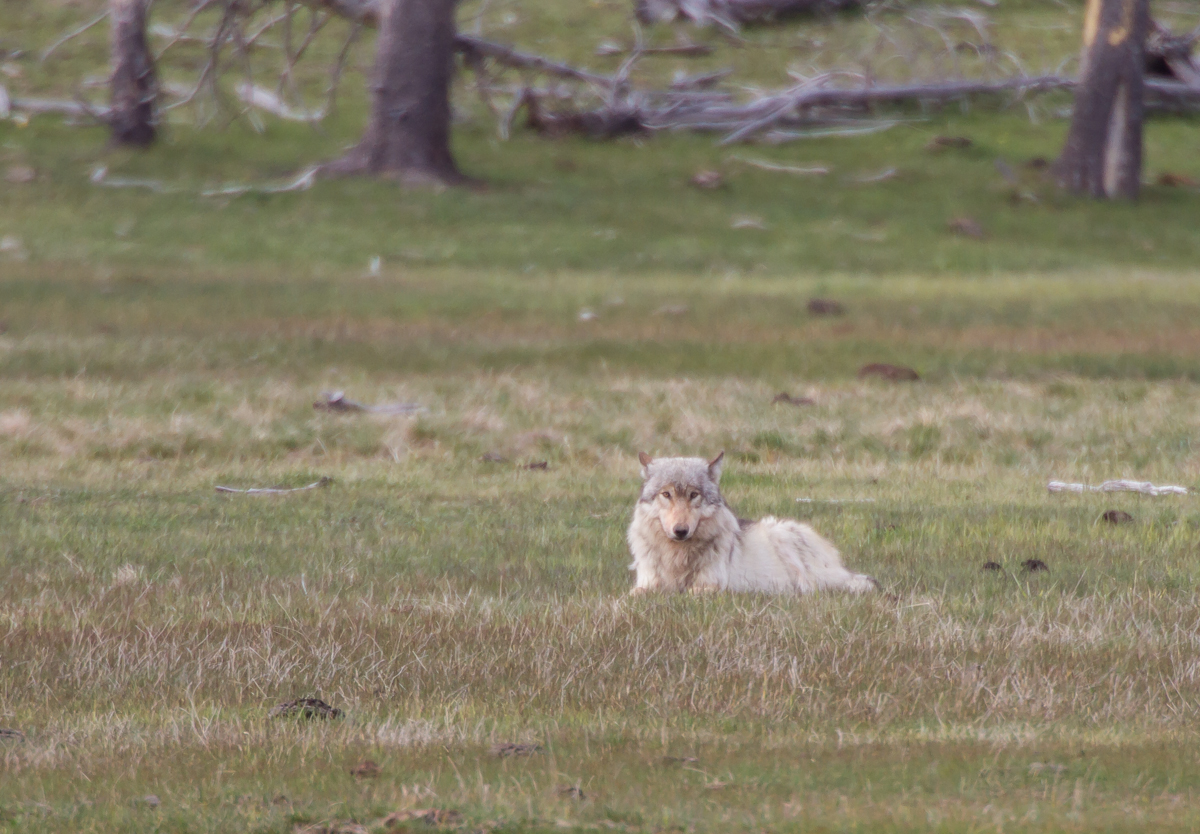
The wolf laid down next to its cache
We should have given the wolf more credit….it walked a few feet away and then laid down next to its cache of food. After staring at us for a few moments, it laid flat for a good, long nap, but probably still had one eye open in case the Ravens got too close. After watching it for another 15 minutes or so, I decided to head north for the afternoon, feeling lucky to have seen another chapter in the life of a Yellowstone wolf.
…when I first heard them, I thought something was dying or being hurt. Then I realized it was just one of these birds “singing”.
~anonymous
Yellow-headed Blackbird habitat (click photos to enlarge)
Every time I visit Yellowstone in summer, I see and hear the beautiful male Yellow-headed Blackbirds as they establish and defend territories in marshy ponds. They can be regularly observed at wetland areas on the drive through Paradise Valley, and in the northern part of the park at Floating Island Lake, and in ponds along the gravel drive along Slough Creek.
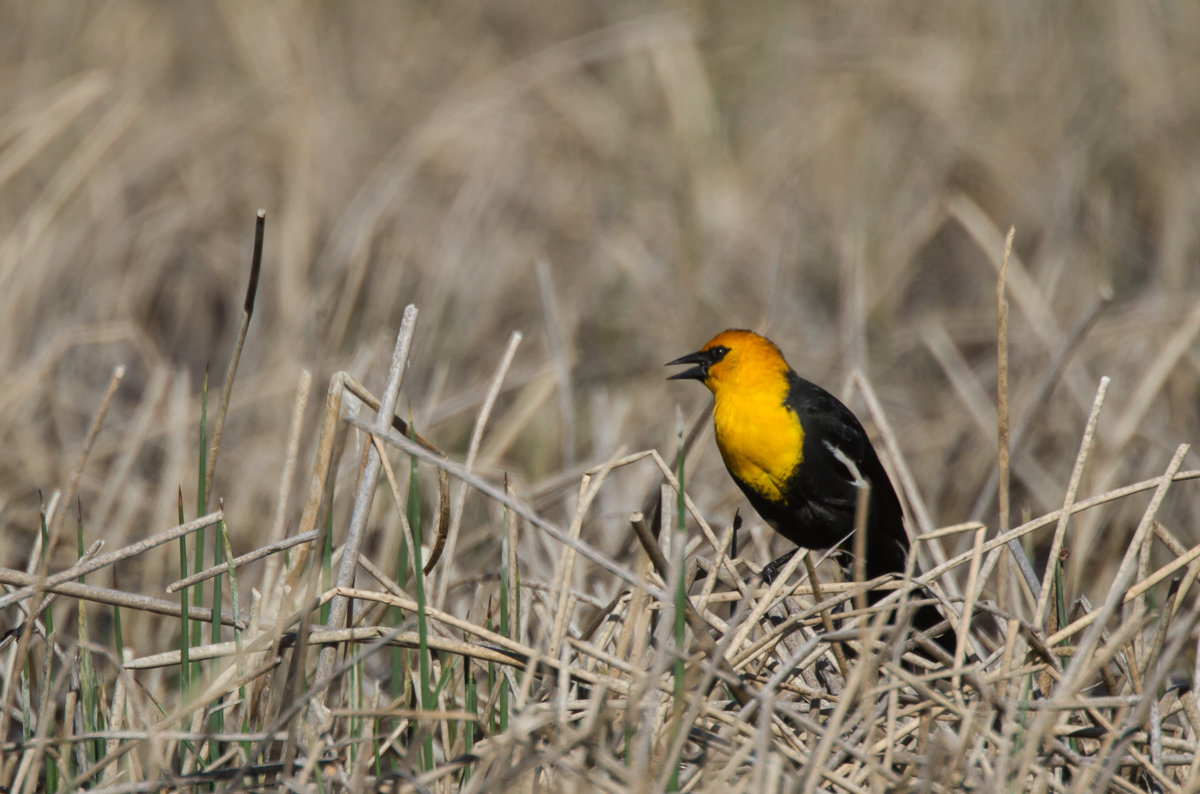
My typical photo of these marsh-loving birds
The males have proven difficult to photograph over the years, since they are usually down in a marsh, partially obscured by grasses and twigs, But I keep trying, partly because the males are just so striking, and partly because they are just fascinating to watch.
Yellow-headed Blackbird male in marsh
After my group departed, I spent a couple of hours sitting near a productive Yellow-headed Blackbird habitat along Slough Creek, watching the males display. I also just like sitting in one spot and observing whatever comes along, and in places like this, you usually don’t have to wait very long. There were two adult males jockeying for position out in the marsh grasses, “singing” for all they were worth.
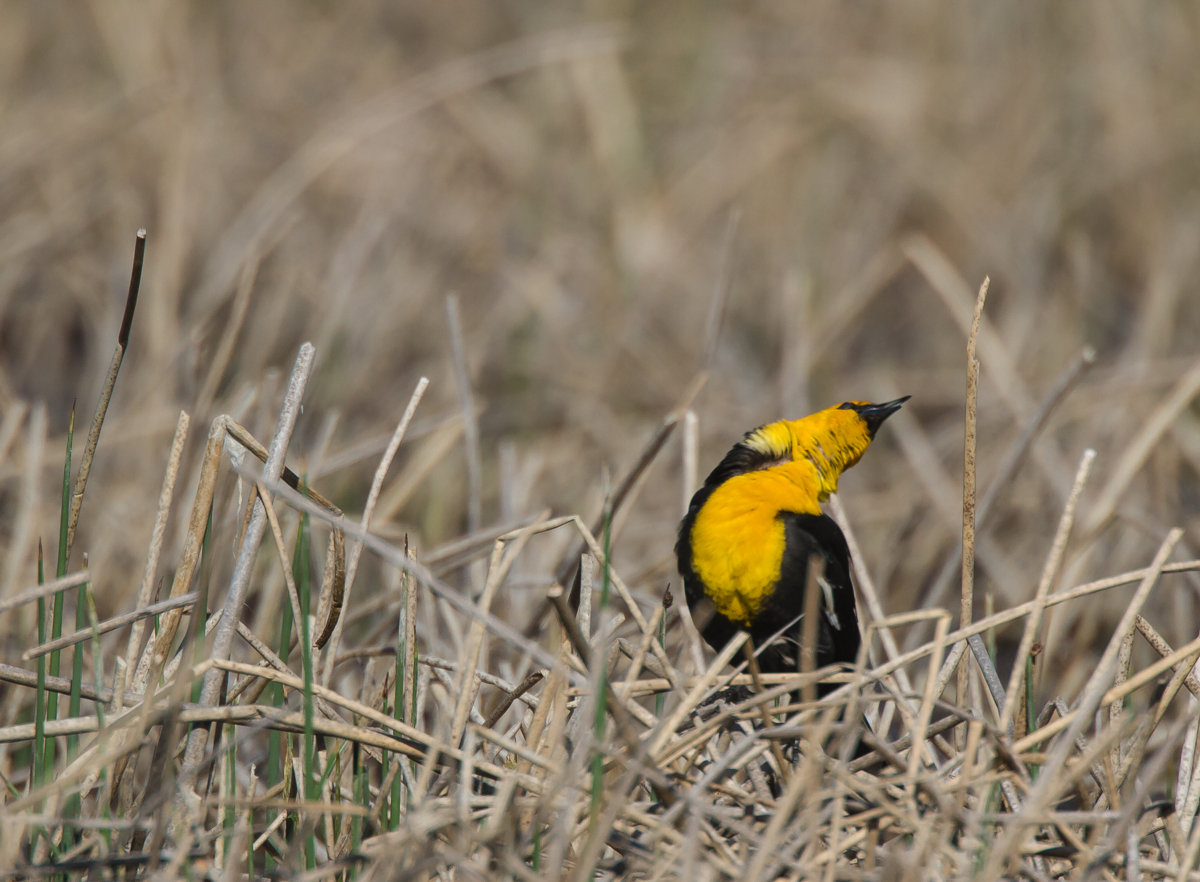
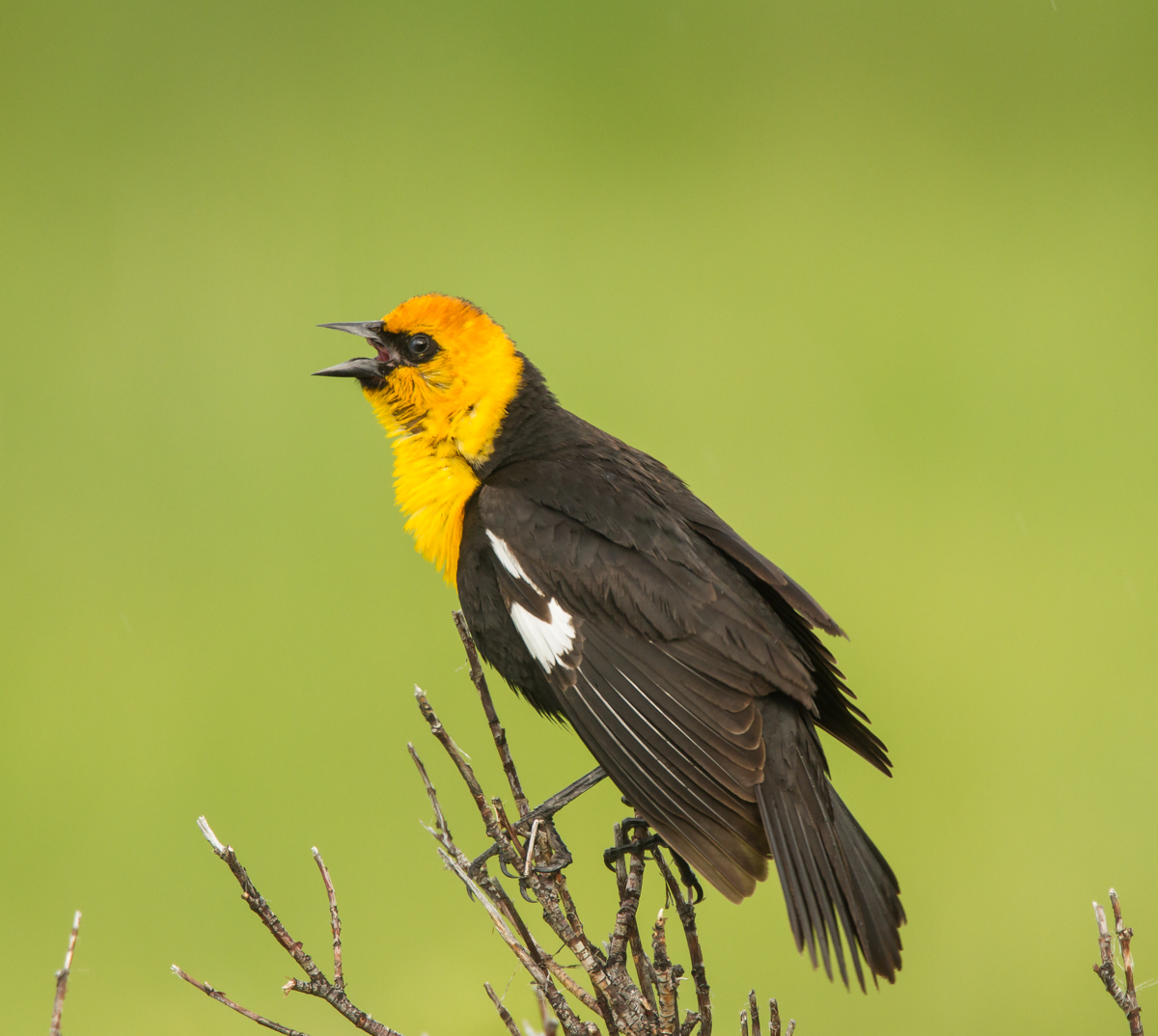
Yellow-headed Blackbird “singing”
The song and singing behavior of the brilliant male is quite distinctive. They usually perch in a prominent spot, although, much to the dismay of the photographer in me, they are frequently at least partially obscured by vegetation. After a few notes, they throw their head back and to the side, puff out their neck feathers, and let out their patented screechy/buzzy call. It has been described in a variety of non-complimentary terms…here is a sampler…a grating series of rattles followed by a harsh squeal; a few musical notes followed by a screeching buzz, rather like a heavy door swinging on a very rusty metal hinge; and finally, one of the most unusual of all bird calls and is decidedly unmusical, with its various hoarse chuckles, cacophonous strangling noises, and honking gurgles. I don’t find it all that unpleasant, just unusual. Visit the Cornell Lab of Ornithology web site to hear a sample of their song.
Bold white patches can be seen on the male’s wings when in flight
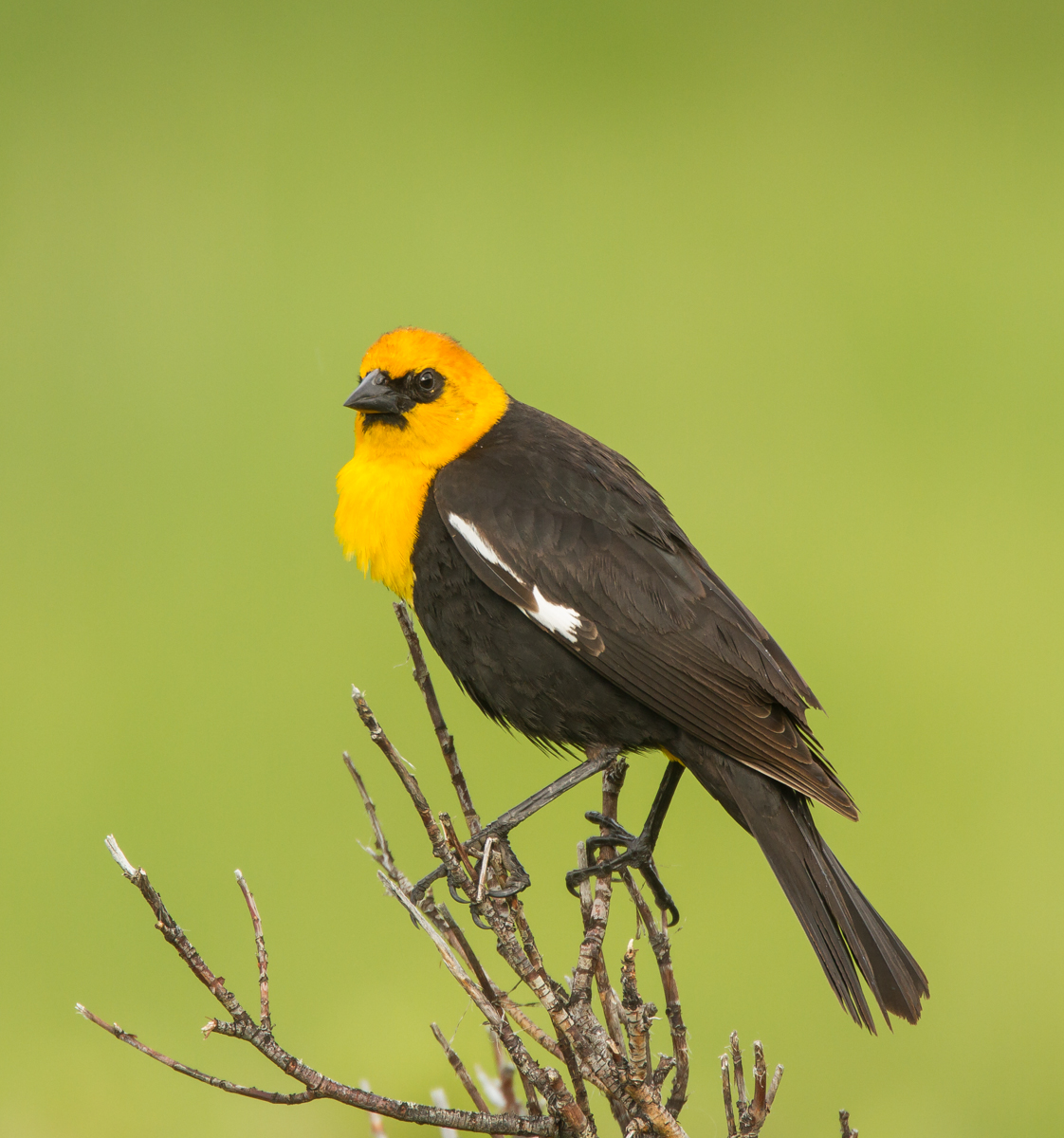
Males are the only North American bird with a bright yellow head and chest, black body, and bright white patches on their wings when open. Females lack the wing patches, and are brownish, with a faint yellow patch on their neck and upper breast.
At last, a good pose!
While I was attempting to get a decent image of a male out in the marsh (without much success), one surprised me by flying up to a dead shrub near me in a great position for some images.
He let out a few notes before flying back to the marsh
He gave a few notes, perhaps challenging some of the immature males out in the marsh, and then flew back to claim his territory.
One male displayed an unusual foraging strategy
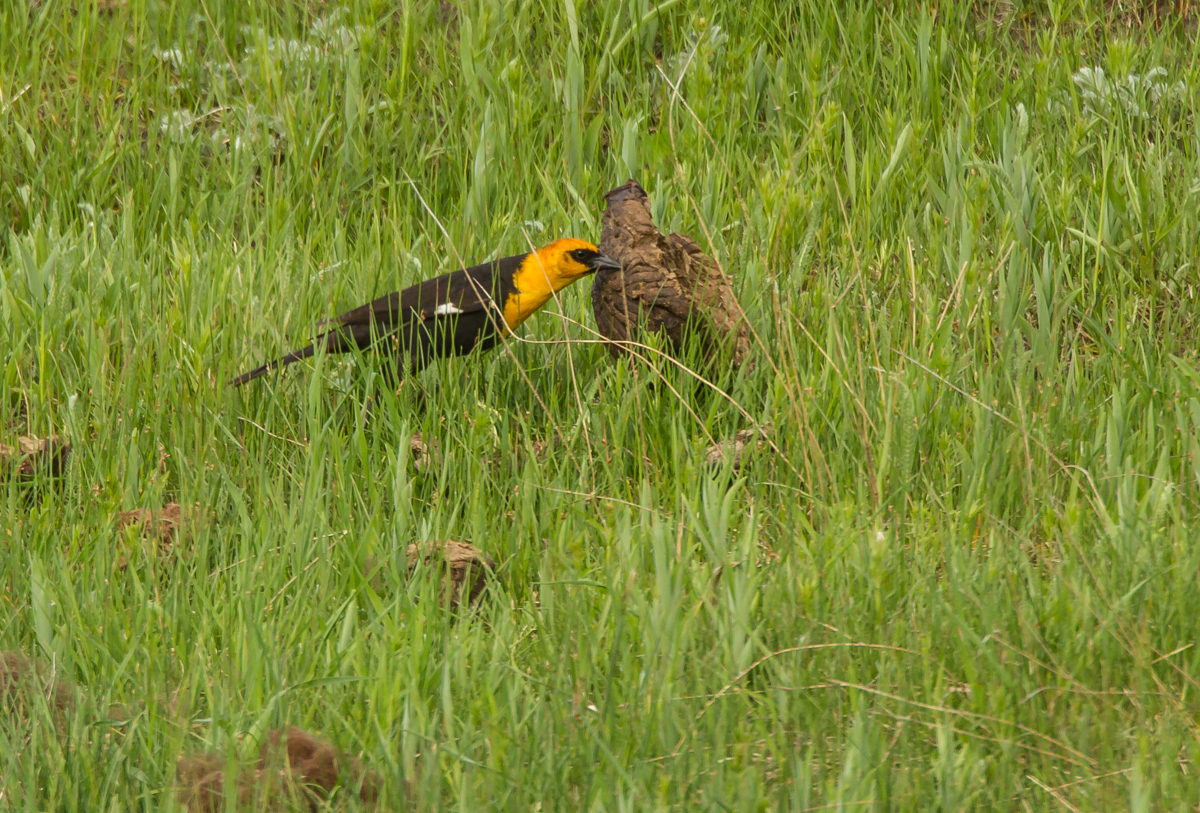
I almost headed back to the car at that point, but am glad I didn’t, as I soon witnessed some interesting feeding behavior. Every so often, a blackbird flew out of the marsh and walked among the shorter vegetation on the slopes, presumably picking at insects in the grass. But one adult male had his own method of finding bugs which I dubbed, the chip flip.
Yellow-headed Blackbird flipping bison chipOnce the chip was flipped, the blackbird did a quick scan and peck for any bugs underneath
I had read they sometimes have been observed flipping stones to get bugs, but this guy was walking around flipping every bison poo pile he came across, presumably hoping to grab one of the many insects associated with bison “chips”. A few of the dried scat piles were pretty large, requiring the bird to “put his shoulder into it” to get it all the way over. He may not be much of a songster, but he is a champion chip flipper, to be sure.
Muir was probably not far off in that observation. Grizzlies (and Black Bears as well) have a tremendously varied diet according to the season and food availability. Grizzlies are omnivores, feeding on a wide range of both plants and animals.
Grizzlies are well adapted for digging (click photos to enlarge)
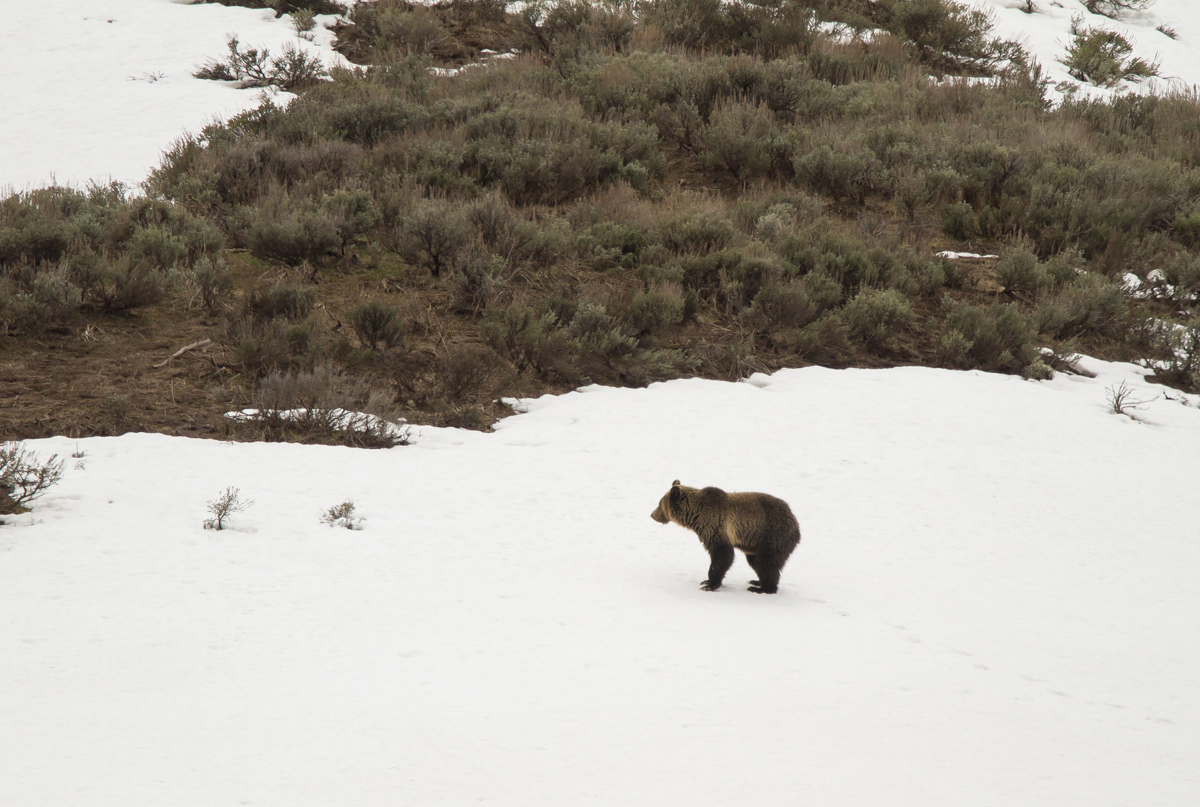
Grizzlies tend to use open areas more than Black Bears so are often seen out in meadows as they forage. Their long claws and musculature associated with the large hump over their shoulders, makes them well suited to dig plants, insects, and rodents from the soil. In the last post, I mentioned a Grizzly with cub seen foraging atop Junction Butte. She seemed to be digging repeatedly on a rocky slope. A week later, I hiked up to the top of Junction Butte (I had heard that a Grizzly and cub had been seen crossing the road away from Junction Butte so I hoped she was no longer in the area).
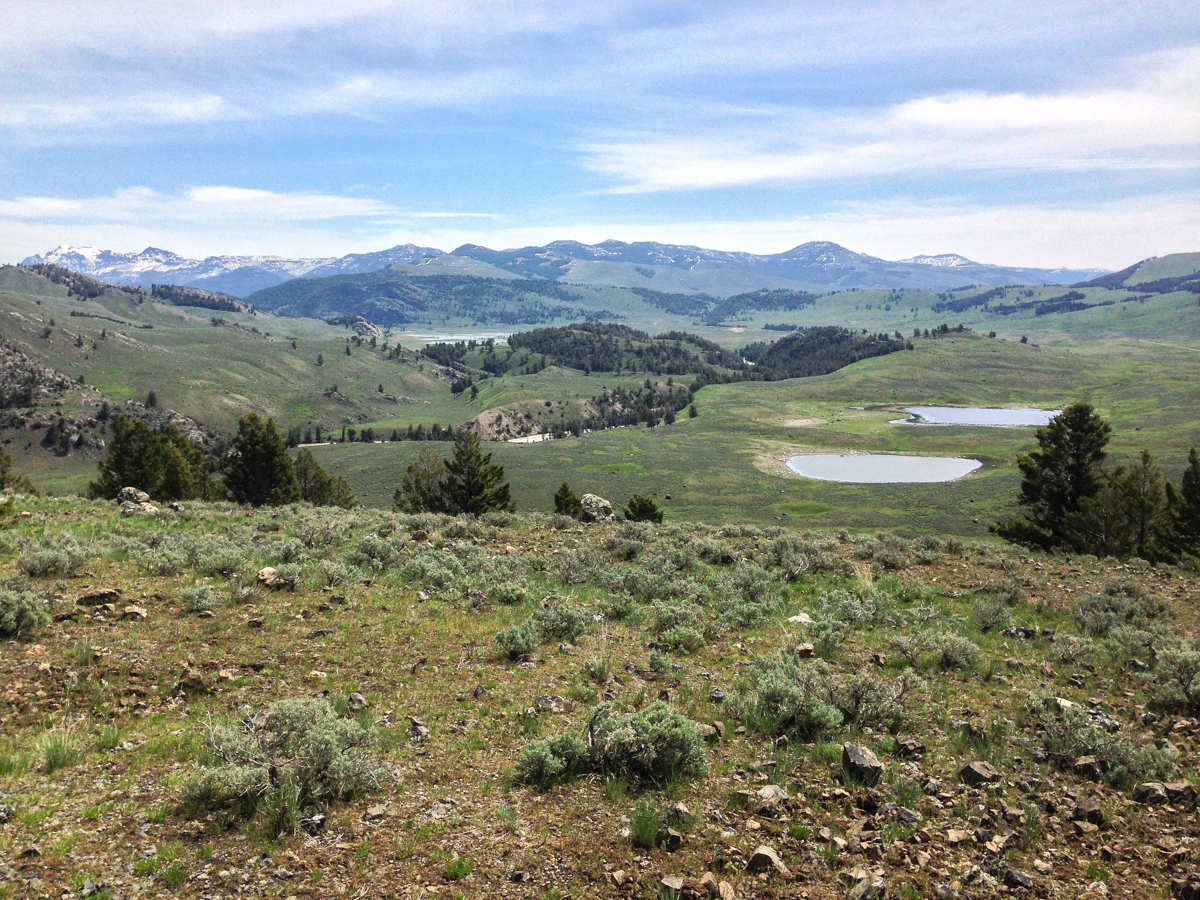
Atop Junction Butte
Vegetation atop the butte is sparse and much of the area is covered by loose rock the size of a basketball or smaller. It doesn’t look like a rich feeding ground so I was puzzled as to what the Grizzly had been eating. But signs of foraging by bears were everywhere.
Grizzly digging atop Junction ButteMany rocks were flipped
The bear(s) had been flipping rocks, large and small. There was also some shallow digging between rocky patches. I flipped over a few rocks to see if I could find anything and saw only a few ants. I know Grizzlies are, somewhat surprisingly, fond of Army Cutworm Moths that seek shelter every summer under rocks on high elevation talus slopes. The moths migrate from the Plains up to several hundred miles away, where they feed as caterpillars, to feed on alpine flowers as adults on high slopes in Yellowstone and elsewhere in the mountains. Grizzlies have been observed eating an estimated 40,000 of these moths in a single day, so they can constitute an important dietary component. Literature suggests these massive moth aggregations occur on higher slopes than Junction Butte and are concentrated from late June to early September, so it was no surprise I found no moths. The mystery remains as to what she was digging.
Grizzly approaching Bison carcass
Another important dietary item for Grizzlies and Black Bears is carrion – the carcasses of Elk, Bison, and other ungulates found in the park. This is especially true in spring when bears are coming out of hibernation. Many of these carcasses are from winter-killed animals or those killed by wolves. After my group arrived, we watched a Bison carcass out in Lamar Valley (there was also a Bison calf carcass nearby so maybe the cow died giving birth) as it fed various animals from Ravens to Wolves.
Bison seemingly guarding the carcass of one of their ownGrizzly on carcass
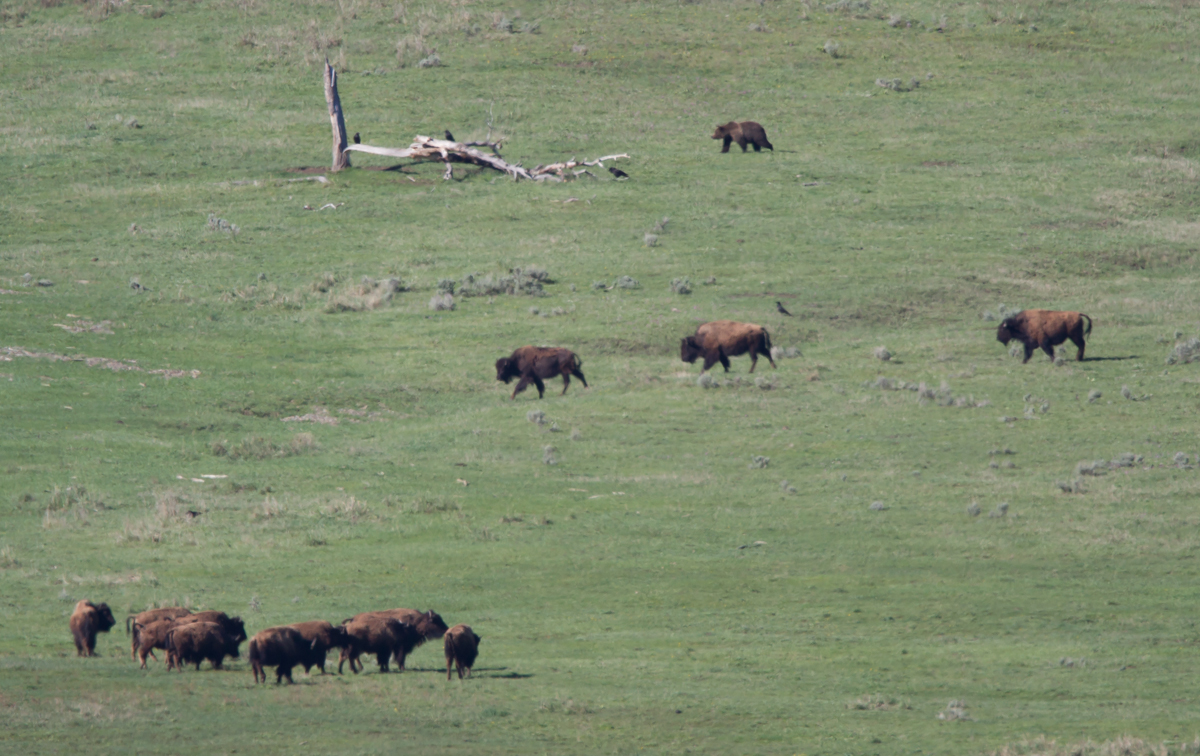
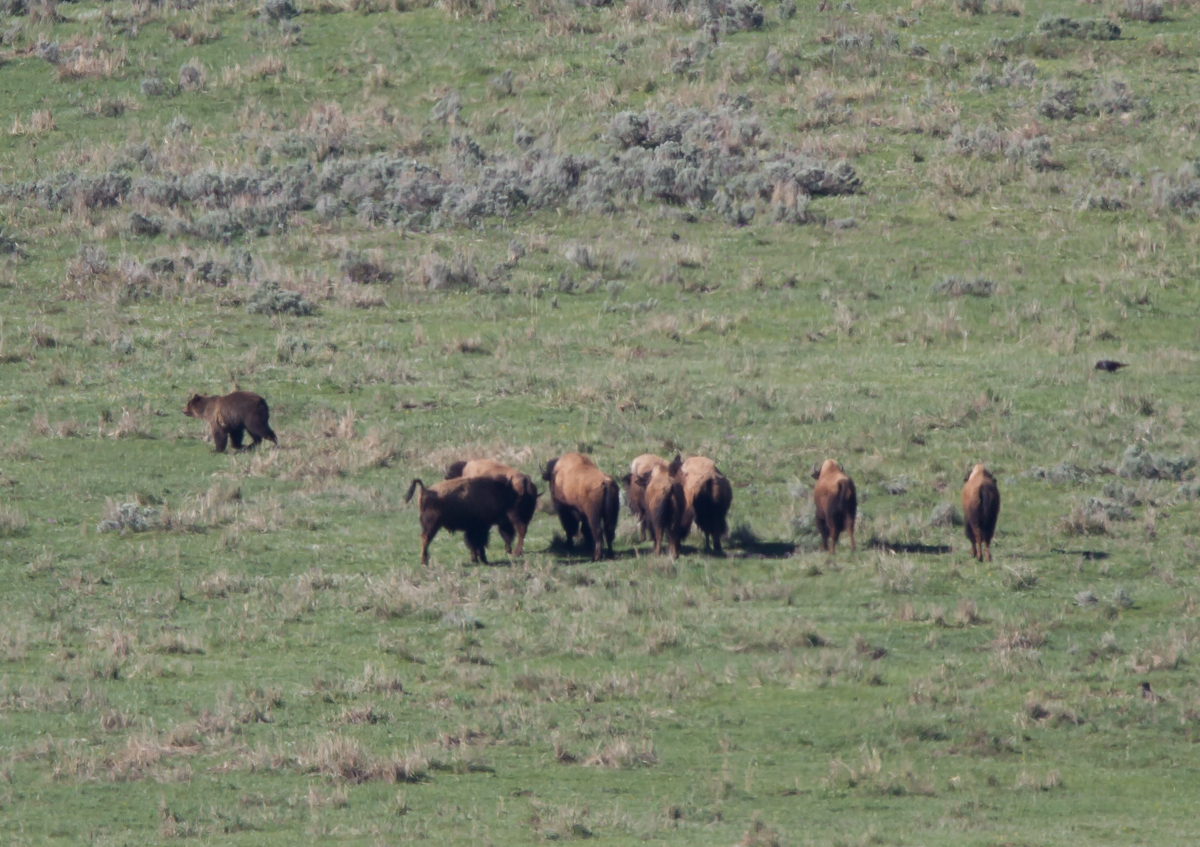
As is often the case, a herd of Bison stayed near the carcass for many hours and managed to run off a couple of Wolves that had been feeding. When a large Grizzly approached a little later, the Bison held their ground for awhile, but finally moved off, letting the Grizzly in to feed.
Grizzly near Mary Bay
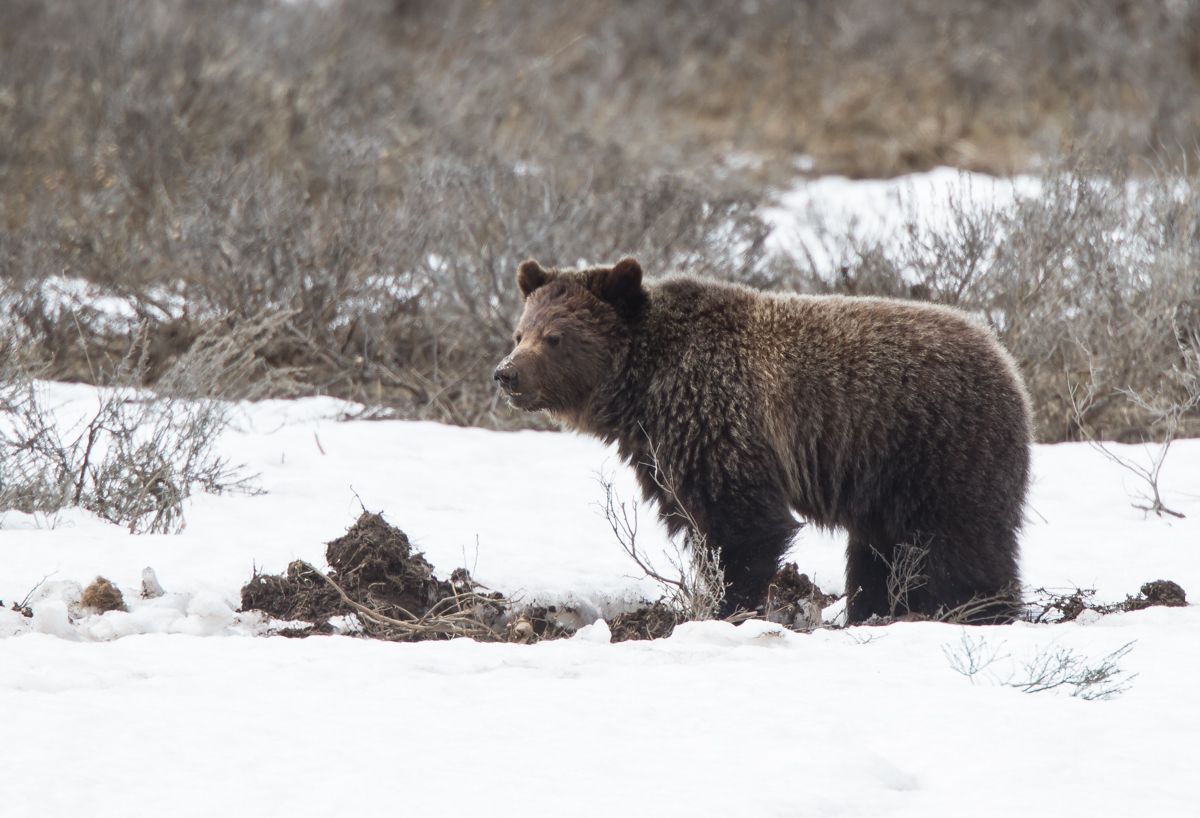
One of our last Grizzly sightings was a beautiful bear out the east entrance road near Mary Bay. Several cars had stopped to watch this bear digging in the flats near the lake. We joined the group just as the bear moved closer to the road and began to dig vigorously in one location.
Grizzly digging
It moved quickly in one spot for a couple of minutes before trotting off at a brisk pace to another clearing down the road.
Grizzly munching on possible prey
At one point it looked as though the bear grabbed something and chomped on it but it is hard to tell from the photos.
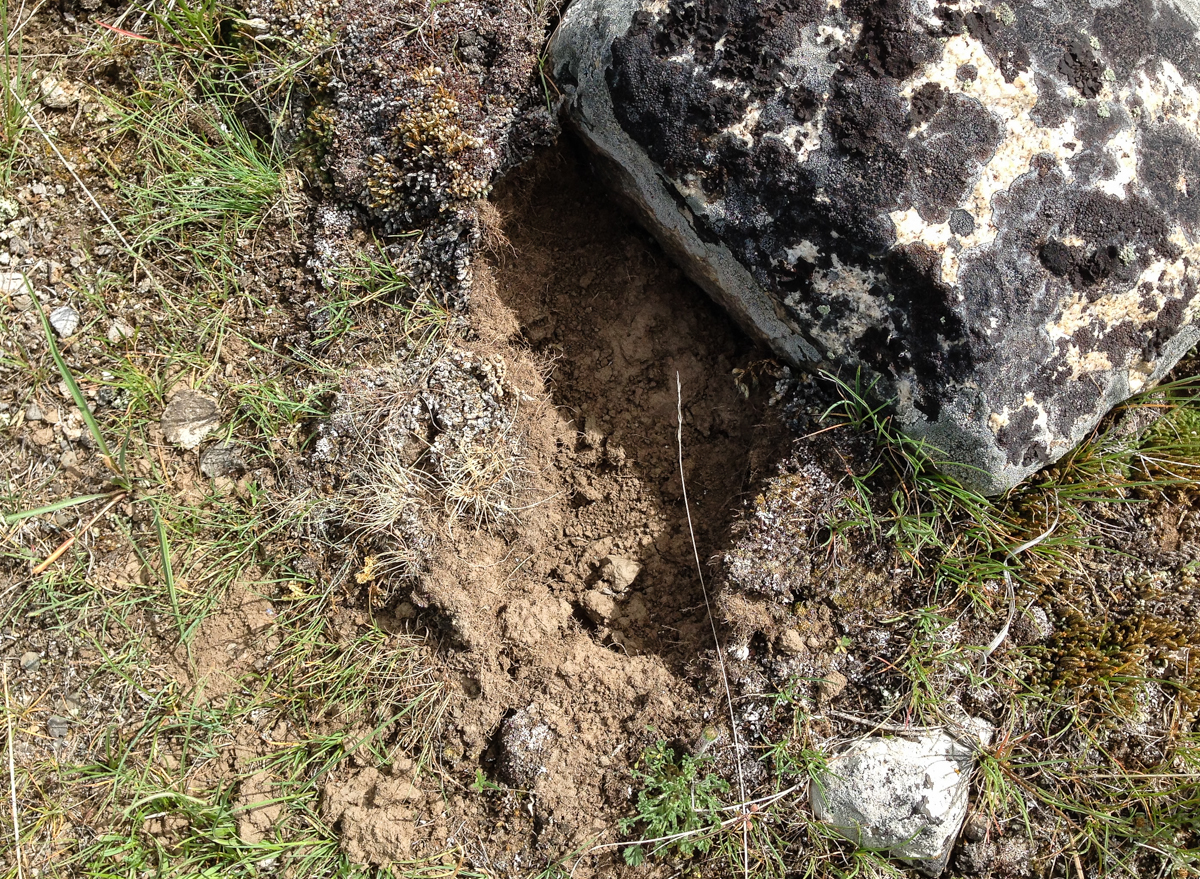
Pocket Gopher sign
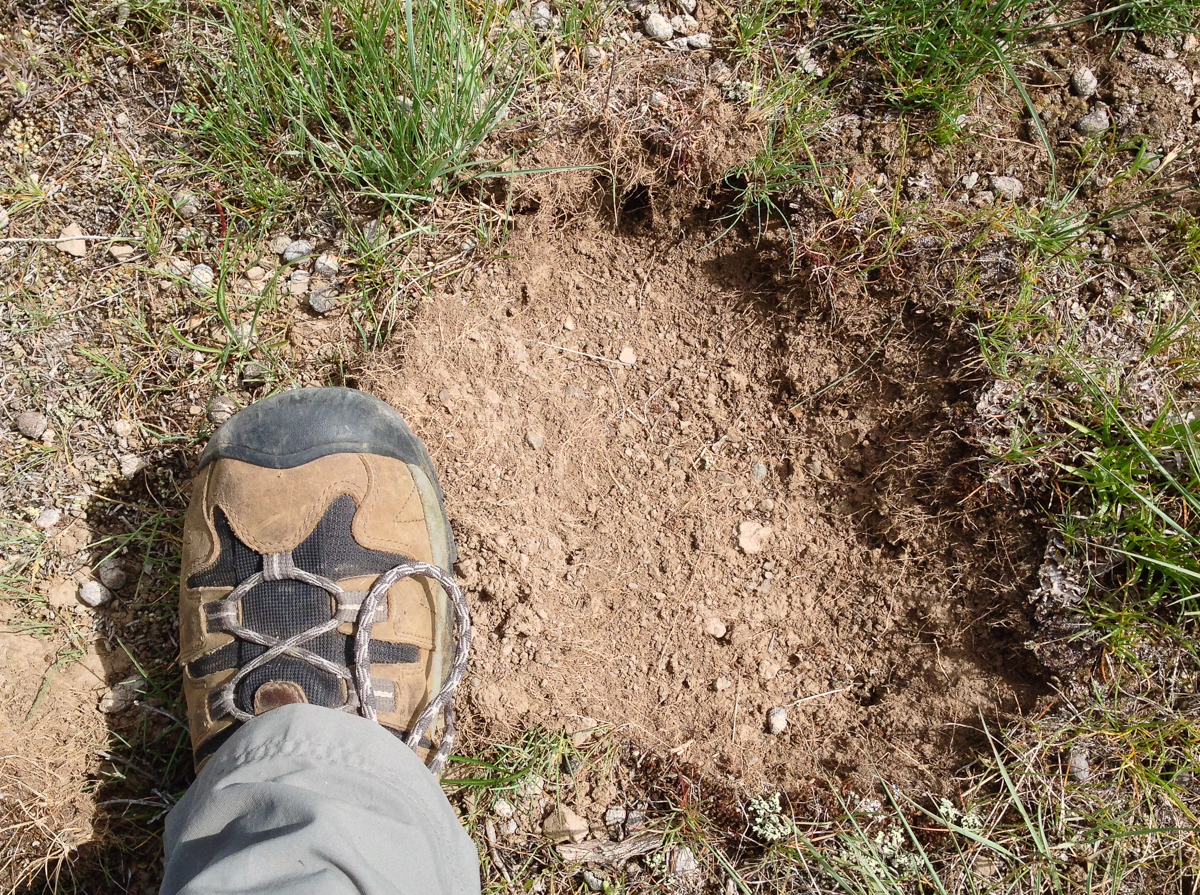
One of the participants asked if we could go out and look at what the bear had been digging. After ensuring that it had left the area, I said yes, and we all walked out to examine the area. The Grizzly had dug up an area near obvious Pocket Gopher tunnels. We found these soil cores that appear after the snow melts. These are from where Pocket Gophers pack soil from their digging activities into tunnels in the snow. Pocket Gophers excavate huge amounts of topsoil (some estimates I have read said up to a ton of soil each year per gopher) as they search for plant roots and other foods.
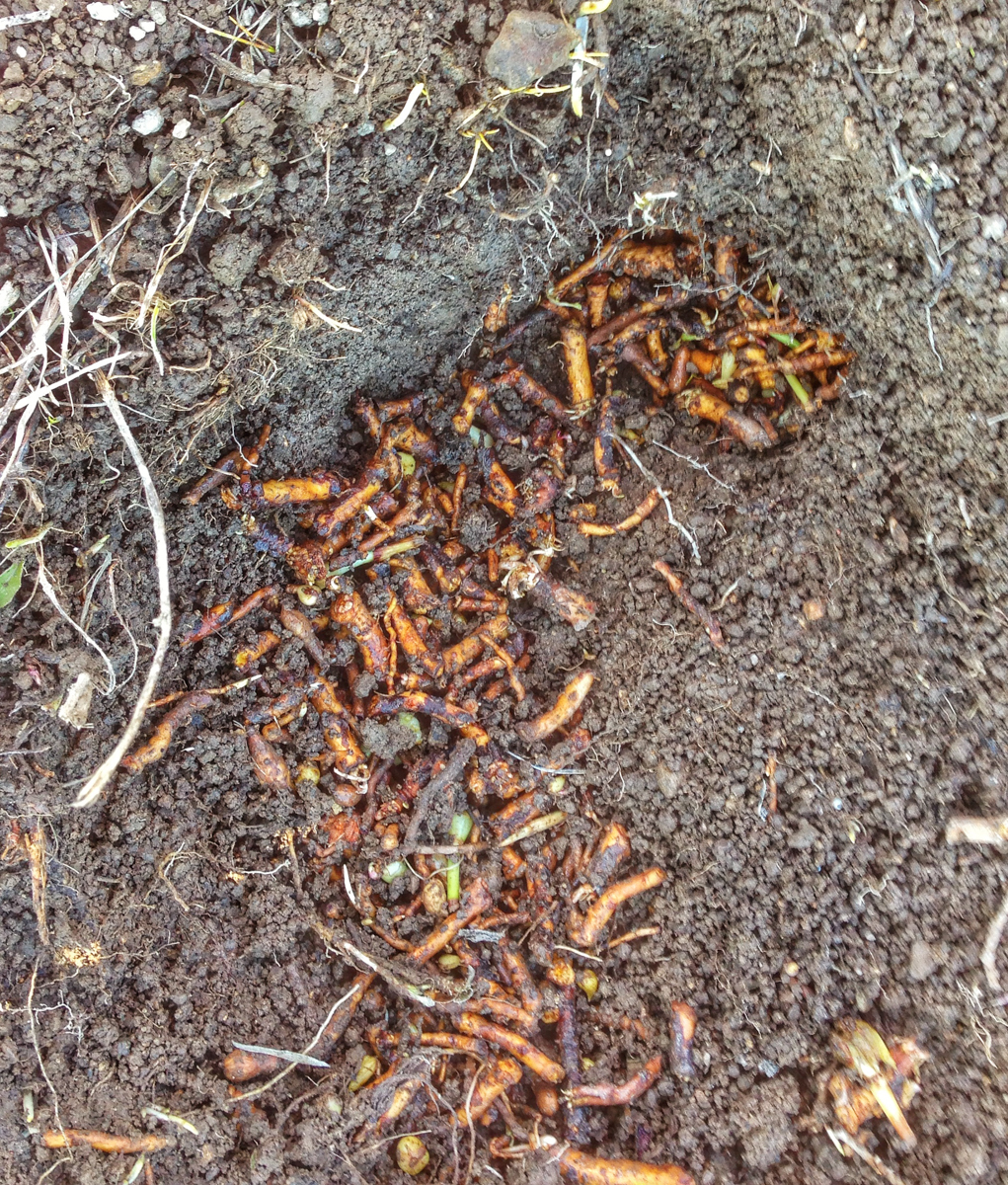
Excavated Pocket Gopher cache of plant roots
They often create a cache of plant roots in underground chambers. Bears will raid these and steal the roots if they can find them. We found such a cache and what appeared to be a nest chamber (lined with fine plant material). I think the bear may have captured the gopher (and its young?) and left before consuming the stashed plant materials.
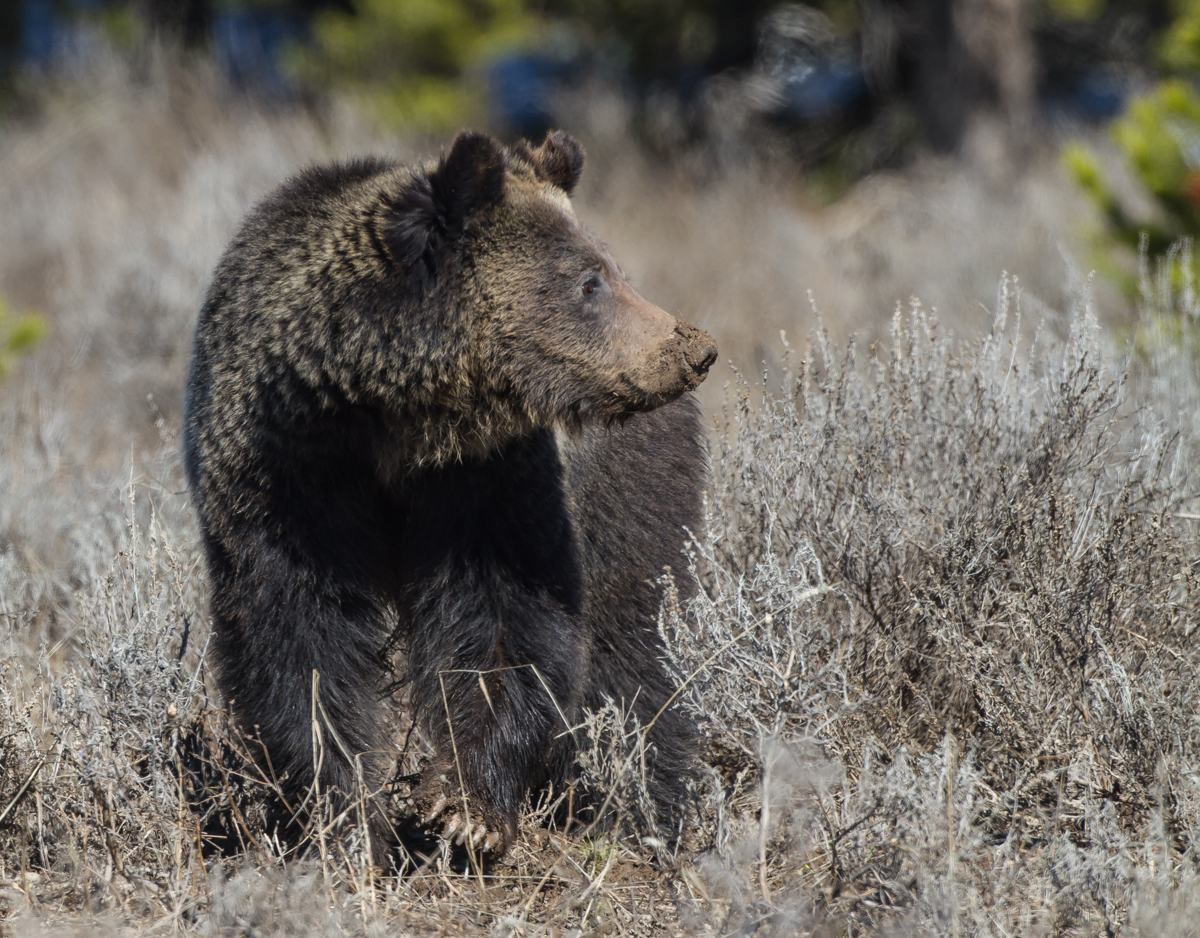
Grizzly after digging up Pocket Gopher burrow
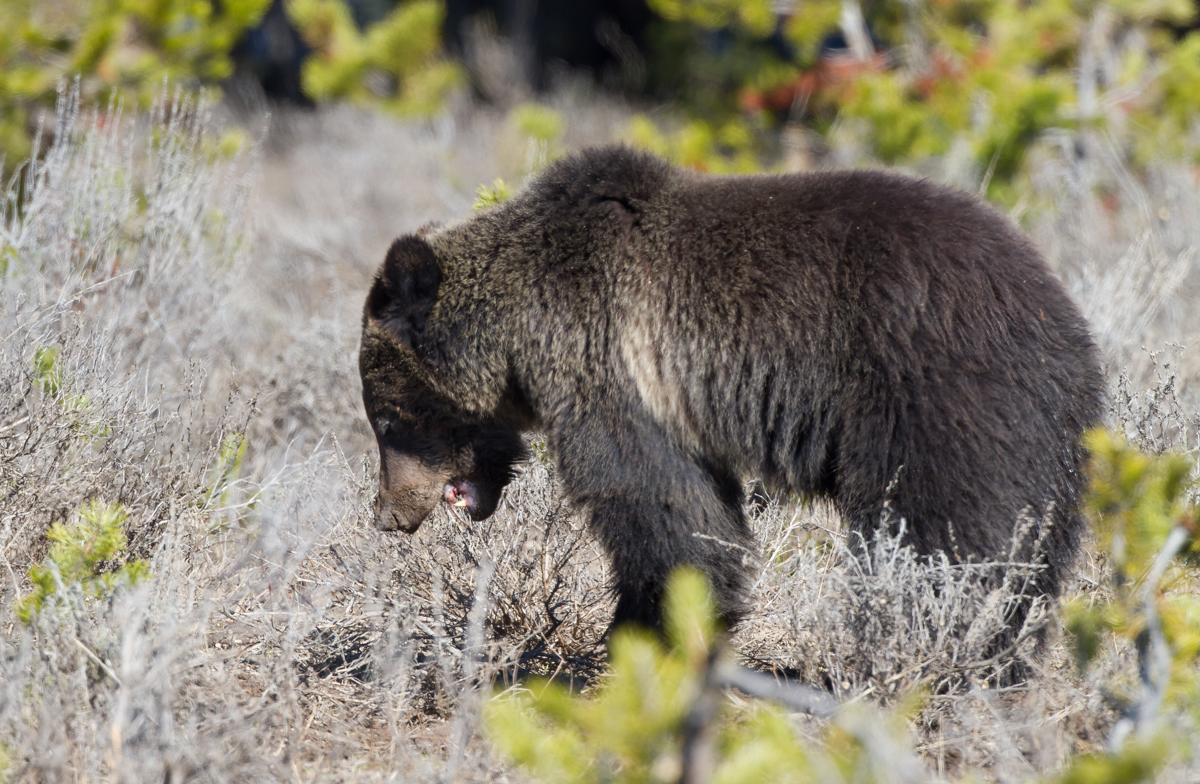
Just before leaving the area, the Grizzly paused, showing us all its mud-covered snout and efficient digging claws used to capture a meal. I can only wonder how many of these small mammals and their caches a Grizzly must have to eat to curb its appetite. But, as the season progresses, Grizzlies will seek out additional food sources including the young of elk and other ungulates, spawning Cutthroat Trout, Whitebark Pine nuts, and many other types of vegetation. As always, it is a privilege to witness these magnificent animals as they go about their lives.
NOTE: I have great respect for bears, especially Grizzly Bears. I try to hike in groups whenever possible and always carry bear spray. Park regulations require you to be 100 yards or more from bears. Photos of bears included in this blog are all taken with long telephoto lenses and are cropped.
Bears keep me humble. They help me to keep the world in perspective and to understand where I fit on the spectrum of life. We need to preserve the wilderness and its monarchs for ourselves, and for the dreams of children. We should fight for these things as if our lives depended on it, because it does.
~Wayne Lynch – from Bears: Monarchs of the Northern Wilderness, 1993
Having just returned from a trip to Yellowstone, I can honestly say this was the year of the Grizzly for me. For the first time in over thirty years of travel to this incredible park, I saw more Grizzly Bears than Black Bears. It probably has something to do with the timing of this trip – the earliest spring trip I have ever taken, and that, coupled with a late and heavy spring snow season, means many bears were still down at the lower elevations in the park.
Grizzly sow and cub atop Junction Butte (click photos to enlarge)
It started on the first full day in the park when a Grizzly sow and cub of the year (COY) were spotted atop Junction Butte near Tower Junction. Even through just binoculars, they were a little larger than the usual Grizzly dots seen through scopes in Lamar Valley, so it was a great way to start the trip. The sow was busy digging on the rocky slope but I could only guess what she might be after. The tiny cub stayed right up under her, so much so that it took a little while before I realized there even was a cub following her.
Grizzly busy digging for food in Hayden Valley
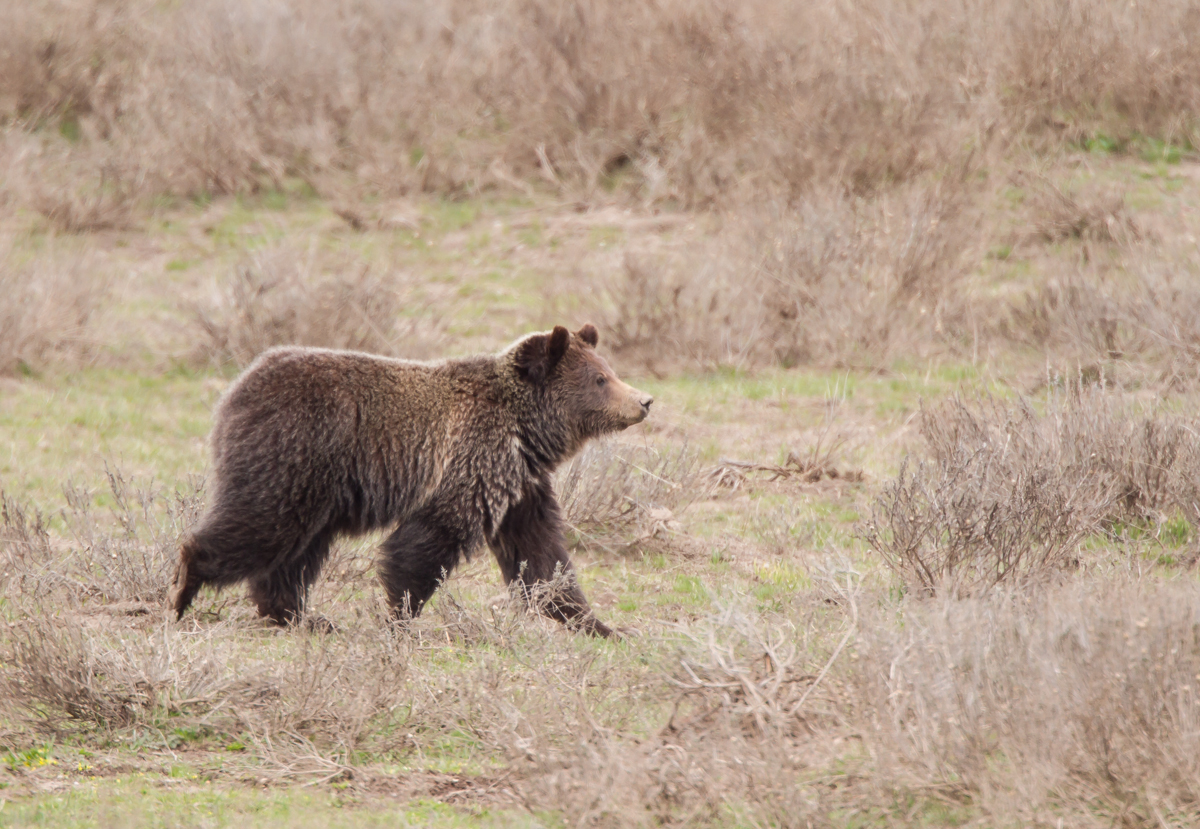
The next day, a sub-adult Grizzly was spotted near the road in Hayden Valley, digging for some unseen food. I think there might have been some carcass remains under the snow as I saw the bear pulling at something larger than any rodent out there from time to time and it remained in two small patches of snow for a considerable time before moving on. A lone Raven escorted the bear, hoping for some morsel left behind. One of the viewers along the road told me this was one of two young Grizzlies that are siblings and that are now on their own (making them 3 or 4 year-olds). They have been seen feeding in this area for a couple of weeks.
Grizzly sibling appears up on the ridge
In fact, it wasn’t long until the sibling appeared high on the ridge, before disappearing over the crest.
Grizzly pauses from digging to view the gathering crowd along the roadGrizzly with snow on nose from digging
The bear closer to the road kept digging and pulling and would occasionally pause to look at the gathering crowd of spectators.
Grizzly looking at photographer
It finally moved off, continuing to sniff and dig every now and then. Then the bear suddenly stared intently off to the right. A lone photographer had broken ranks with the crowd along the road and climbed a nearby hill. He was still beyond the required minimum distance (100 yards for bears and wolves), but by separating from the group, he had become an anomaly, and had caught the bear’s attention.
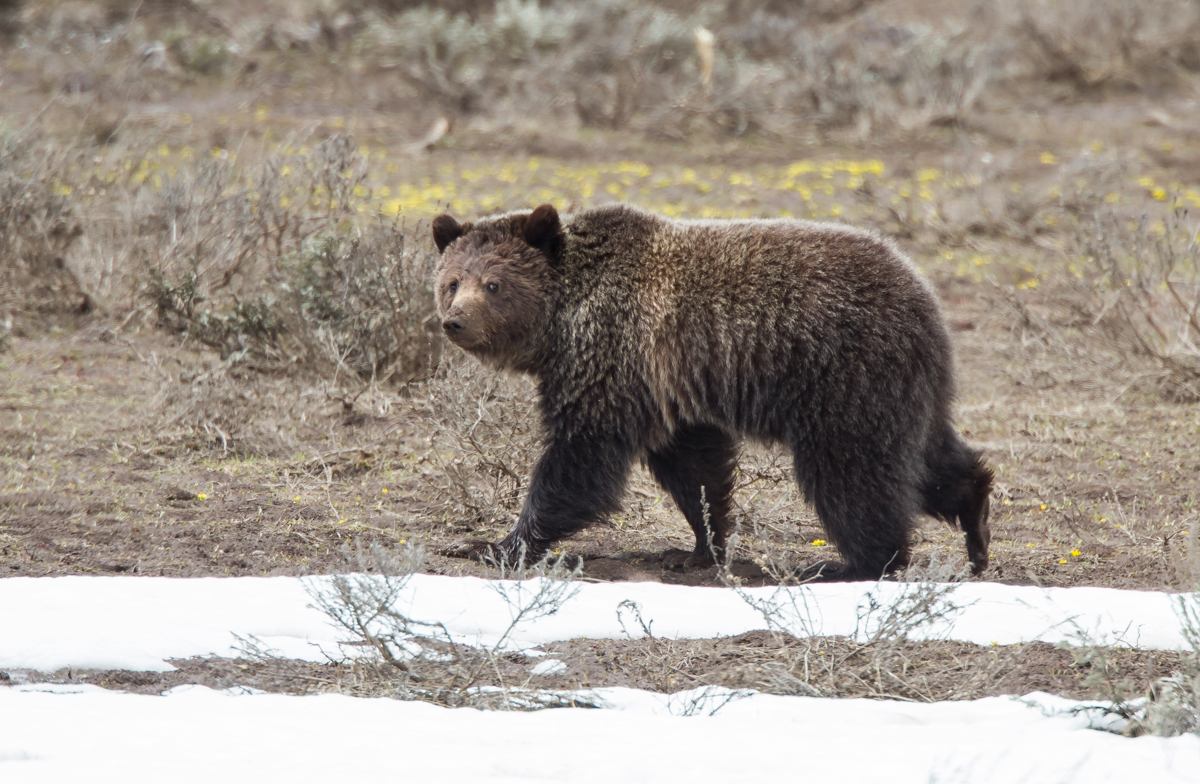
Grizzly standing for a better look at a photographer
The bear stopped and stood up briefly for a better view of the man on the hill, then dropped and slowly walked away, still pausing to smell and dig every now and then as it slowly passed up and over the rise.
Grizzly family in Hayden Valley
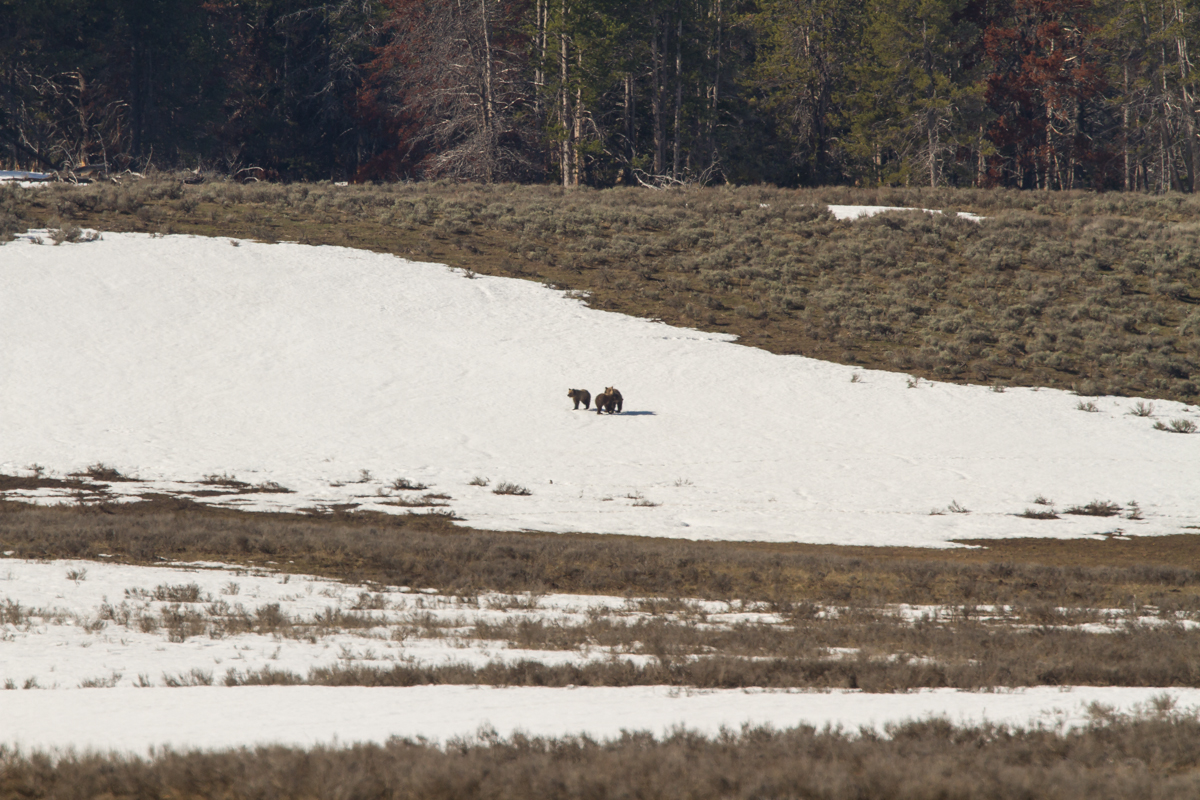
The next morning I made another run up into Hayden Valley, just in case the bears were back. There were no bears at the first spot near the road, but a half mile beyond is a wide area along Alum Creek that stretches far into the distance on the west side of the road. After looking a few minutes, I could see six Grizzlies from one spot, the most I have ever seen at one time in the park. The group included a family of three – a sow and two 2 year old cubs. The other three bears were solo, which is typical. All were far off in the valley, requiring a scope for a decent view.
Studies have shown that Grizzly populations in the Greater Yellowstone Ecosystem (an area much larger than the the 2.2 million acres of the park) have increased from an estimated 136 in 1975 to 741 in 2013. Scientists believe there are about 150 Grizzly Bears that now have at least part of their home range within the boundaries of Yellowstone National Park.
A lone Grizzly casts a long shadow on the snow in Hayden Valley
After seeing a solitary Grizzly high on a snow-covered slope, the day ended in a dramatic fashion with a closer than usual encounter. A group of cars was seen at a pullout in Hayden – a bear jam in the making. A large bear had just swam across the Yellowstone River and was approaching the area where a tributary entered the river. I thought there was a chance the bear might turn and follow the stream to the road so I moved the car back up the road to the next pullout. There was one other car there. I started to walk back to the crowd but looked over and saw the bear walking at a steady pace toward my pullout. It was still a couple of hundred yards away, but I hurried back to the safety of the car, hoping the bear would cross on the ridge on the opposite side of the road at a distance of a hundred yards or so.
Grizzly coming over the ridge near the car
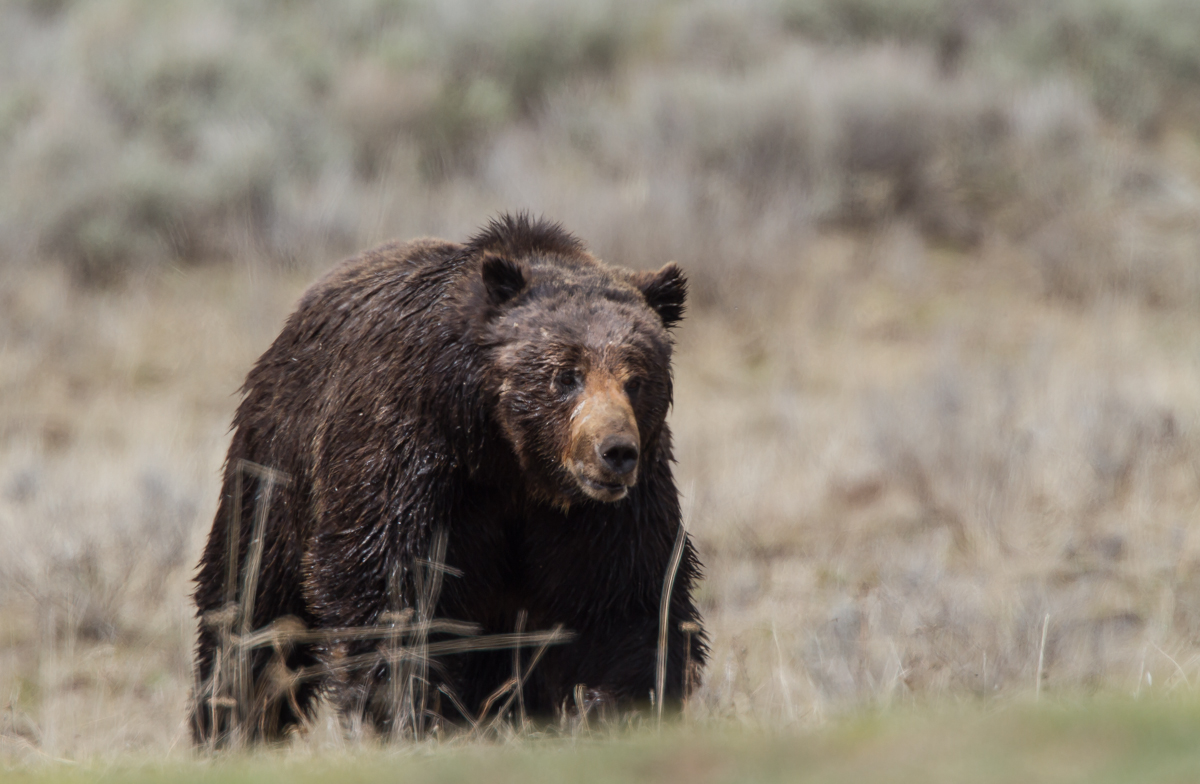
I was wrong! The bear suddenly popped up over the low ridge just across the road from where I had parked. One other visitor was out and I hollered at her that the bear was approaching. We both were on the other sides of our vehicles from the bear and I had thrown gear into the car and was about to get in when the bear came down to the road, turned, and ambled up the road away from us before crossing and heading down the hill.
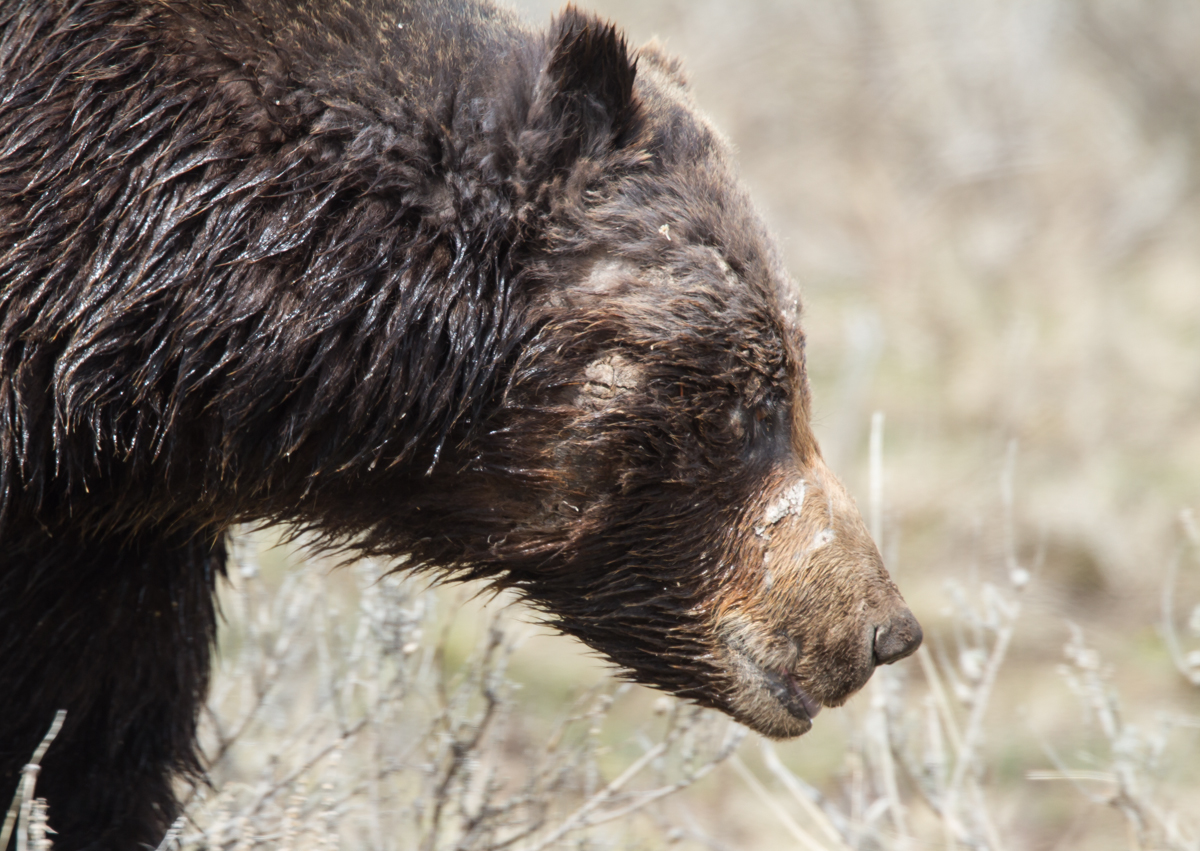
A close up view of a Grizzly as it crossed the road
I had my 500 mm lens plus a 1.4x teleconverter, which was way too much lens for the distance, allowing only a head shot as it walked away. I could see the large bear (most likely a male) had been in a few fights and was heavily scarred on its snout and neck. I also learned that in that situation, my steadiness on the camera is very limited, so most of the images were a bit blurry.
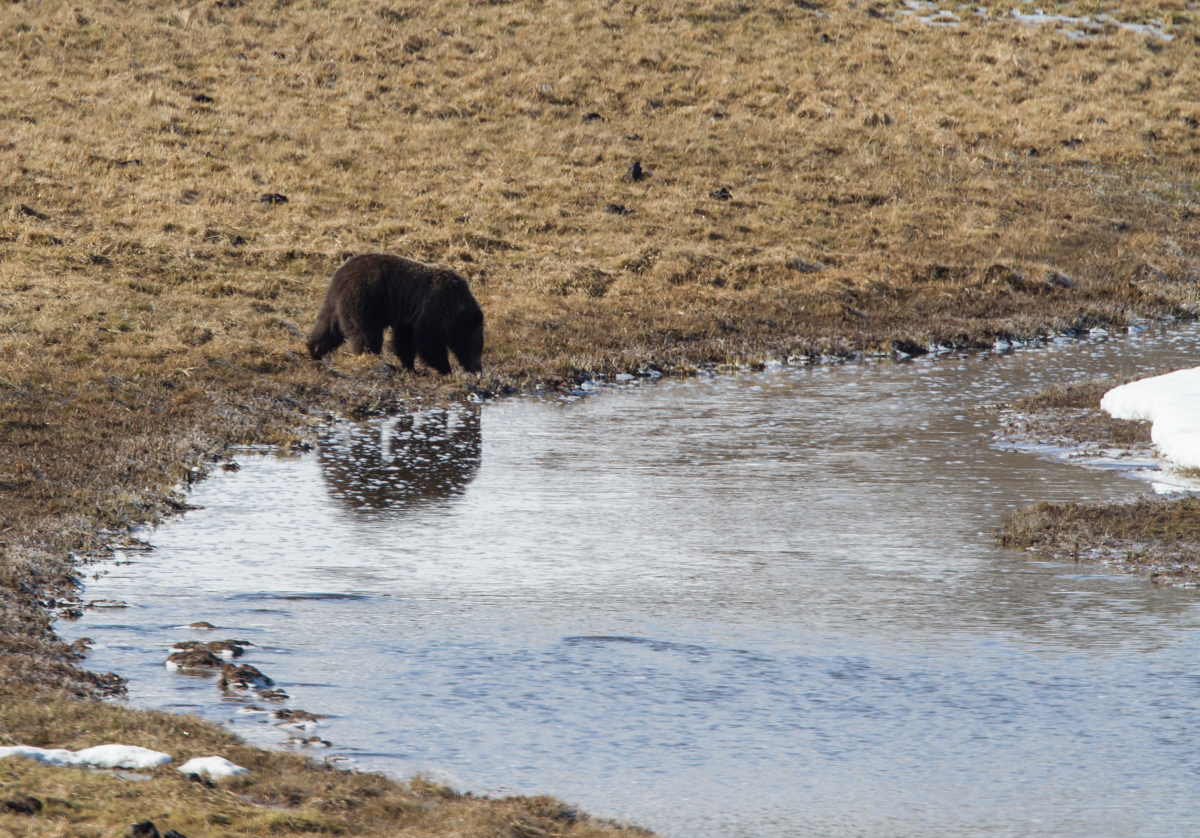
Grizzly and reflection
It was a dramatic moment and one that reinforced the importance of staying near (or better yet, in) my vehicle in situations like that. The old Grizzly barely even looked our way as more cars pulled into the parking area, so maybe he is used to people staring at him in his wanderings. But as he shuffled along the creek and moved off into the valley, I felt lucky to have been one those to experience his presence. Tomorrow, more on Grizzlies and what they find to eat this time of year.
































 Roads End Naturalist