
It is a wholesome and necessary thing for us to turn again to the earth and in the contemplation of her beauties to know of wonder and humility.
~Rachel Carson
I had two groups scheduled for trips over the last week, one a group of photographers, and one some friends from my museum world. The weather for the first group did not look great, but they all decided to roll the dice and give it a try. And I am glad they did, as there were some beautiful photographs taken and some wild scenes observed. The second group had much better weather, but it turned windy and much colder, which is often a good thing in terms of wildlife activity. Birds were abundant, with an estimated 40,000+ Snow Geese now on the Pungo Unit of Pocosin Lakes NWR.

The flocks are still being a little antsy, with the main flock circling the fields for quite some time before settling, and various groups breaking up and peeling off from the main aggregation. When they do swarm as a flock, they are truly magnificent to see, and hear. On the first morning with a group, we were treated to a bear wandering through the flock of Snow Geese in the field, causing a commotion as the birds parted to allow the bruin to pass (unfortunately, I had not carried my camera due to impending rain). I answered a question from one of the group about where these birds had migrated from by showing them an image on my phone of a certificate I just received from my report of a Snow Goose collar (as related in an earlier post). The two collared birds both had been caught and tagged in Nunavut, Canada, above the Arctic Circle. That is almost due north of their wintering grounds at Pungo Lake, and a distance of about 2600 miles.

One thing that really surprised me was the age of one of the birds (MXO7) who was at least 11 years old. Assuming this Snow Goose has made this same trip, back and forth each year, it has flown at least 52,000 miles in its 11 years…that’s a lot of wing beats.
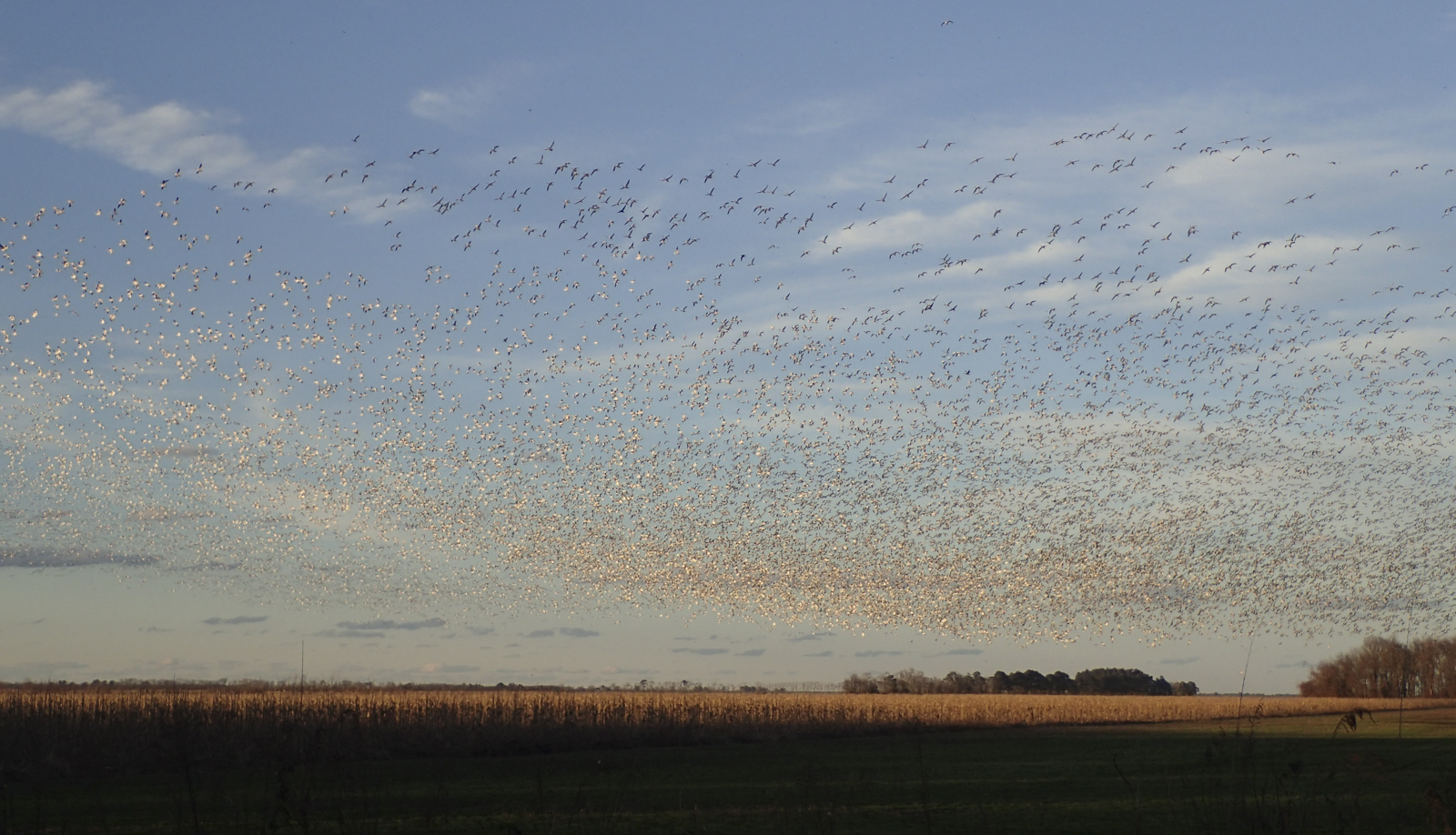
Over the next few days, we saw the flocks in the same fields, coming out in the morning early, feeding for a couple of hours, returning to the lake to rest, and repeating the pattern late in the afternoon.

As we walked along the path, the entire flock would occasionally blast off with a loud cacophony of calls and circle noisily before returning to feed.

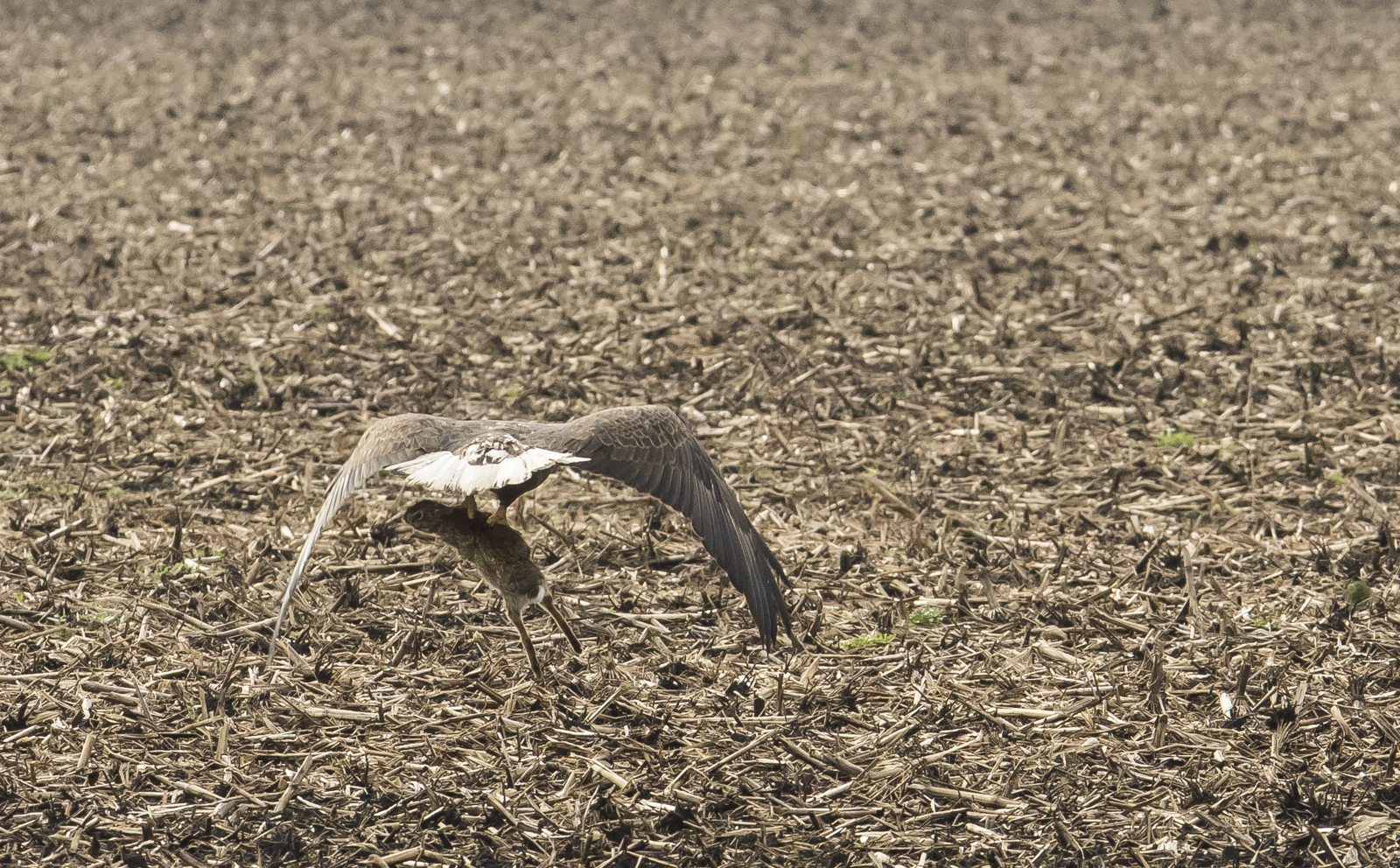
If you look closely, the usual cause for these nervous lift-offs is a passing Bald Eagle, like the immature eagle in the photo above.. I imagine the eagles are testing the flock as they cruise over, looking for weak birds, or something that might cue them in on an easy meal.

My new game when the birds fly over is to try to pick out a smaller Ross’s Goose out of the flock of Snow Geese as they pass overhead. It is obviously much easier once the flock has stretched out in lines, rather than when they are tightly packed together.
The spectacle of the Snow Geese flying overhead is one of the reasons I love this place. While my groups were able to experience it in various ways, I had an absolutely amazing experience Sunday evening between leading trips. It was a beautiful evening and I was walking back toward the gate. My friend, Rick, was at the gate, along with a first-time visitor to Pungo, Sydney. The birds came into the field as I walked, so I stopped, then turned and walked back some distance to where I thought they might fly over on their way back to the lake. And I waited…
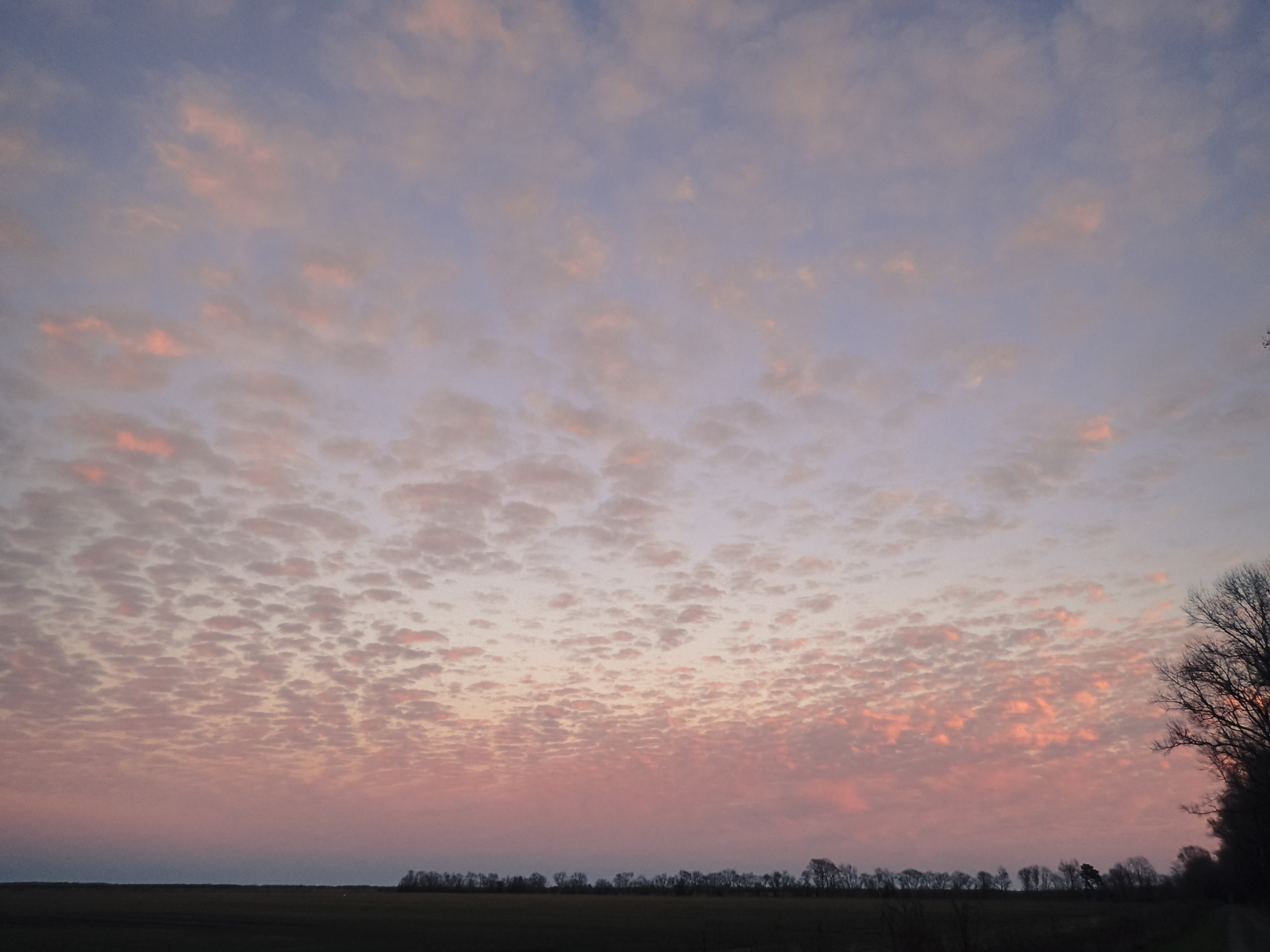
They did as I had hoped, taking off in one giant swoop, and spreading out over the pink-tinged sky, making an incredible sound as they winged their way to the safety of the dark waters just beyond the trees. Sydney had walked out toward me just before the bird’s departure. It was an a truly spectacular introduction to the wonders of Pungo on her first visit.
There were many other bird highlights in my 6 days at the two refuges, many not recorded by my camera, but indelibly etched in my memory. Of the latter, there was a Peregrine Falcon streaking by the corn field; a Merlin accelerating across s the tops of the corn resulting in an explosion of Red-winged Blackbirds, but no kill this time; and the high-pitched shriek of a Wood Duck as it dipped and ripped through the treetops with a raptor of some sort (probably a Peregrine or a Cooper’s Hawk) in hot pursuit.

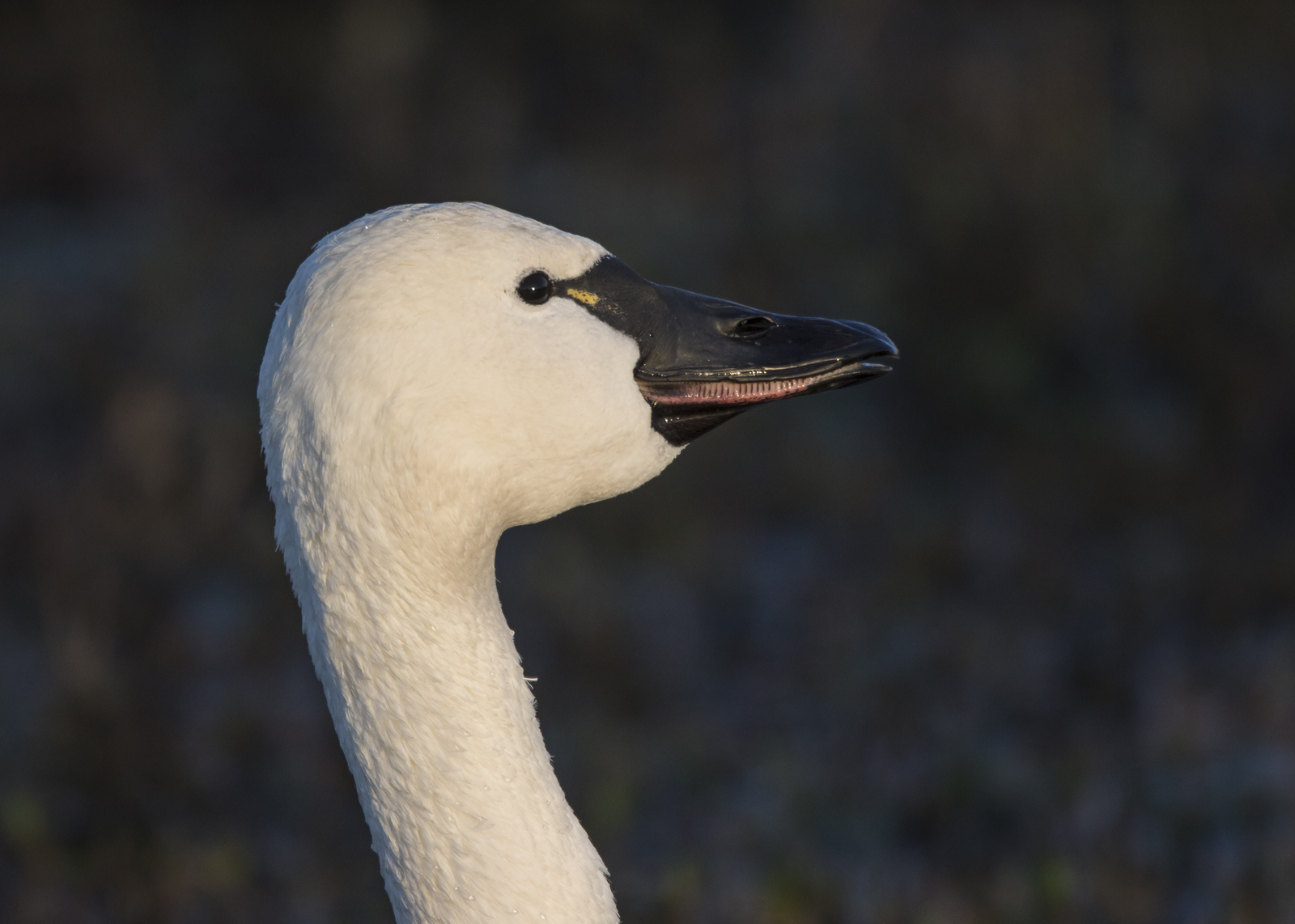
At Mattamuskeet, there have been reports of a few Trumpeter Swans hanging out along Wildlife Drive. On my scouting trip the first day, I came across a group that I think were the Trumpeters – slightly larger, no yellow on the bill (although that can vary on Tundra Swans), and a longer, and more sloping bill. They also apparently curl their necks into more of an S-shape and rest it on their body when in a sitting or resting position.
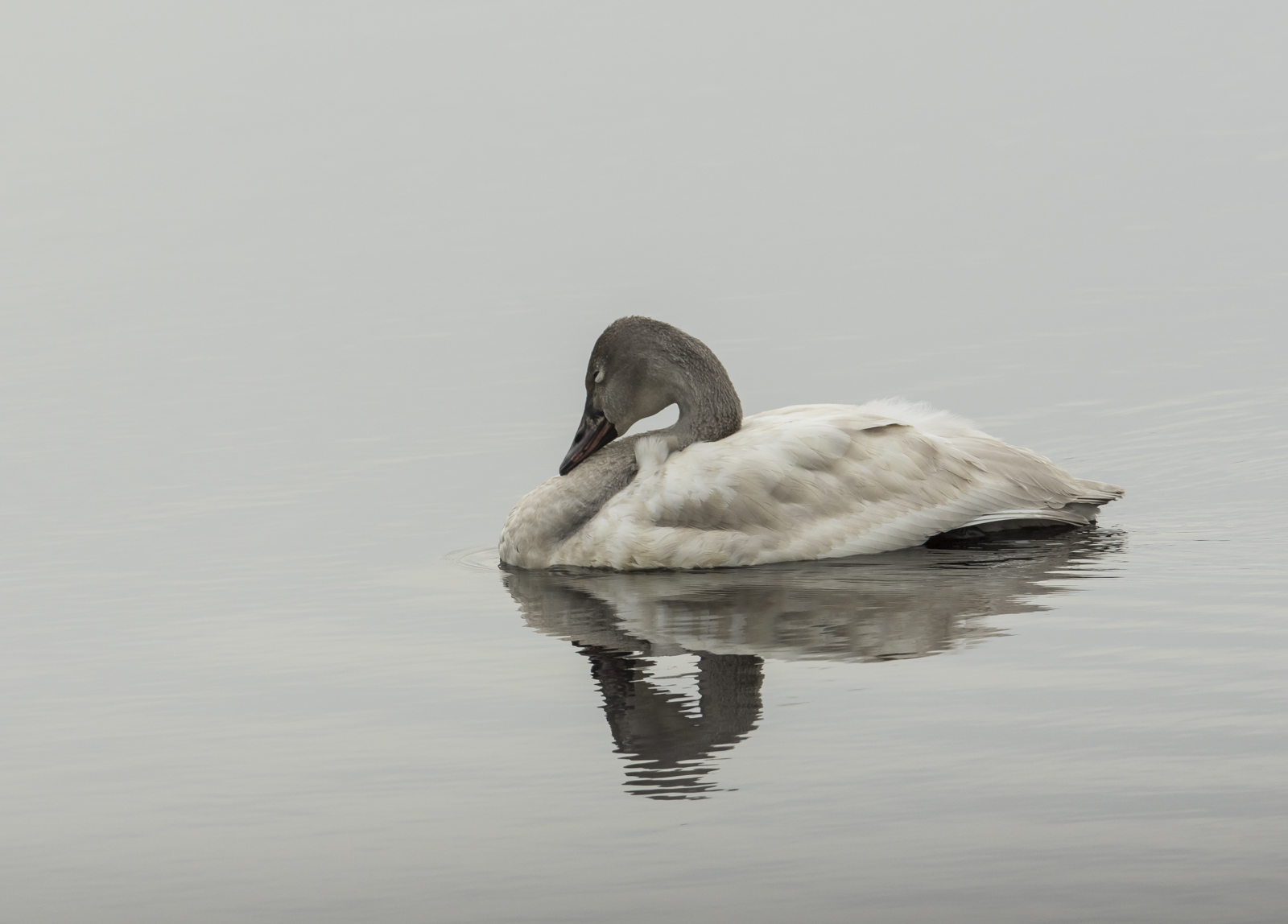
There were a couple of juvenile swans nearby that I think were also Trumpeters as they had darker heads than most of the immature Tundra Swans I see.
A few other highlights of a great trip to two of my favorite places…I can’t wait to go back.





 Roads End Naturalist
Leave a reply to Allen Hurlbert Cancel reply