
It commonly chances that I make my most interesting botanical discoveries when I am in a thrilled and expectant mood…some rare plant which for some reason has occupied a strangely prominent place in my thoughts for some time will present itself. My expectation ripens to discovery. I am prepared for strange things.
~Henry David Thoreau, 1856
The strange and miraculous Venus flytrap was the subject of the last post. But, North Carolina is home to a variety of other carnivorous plants, and we saw many of them on our recent trips to the Green Swamp and Holly Shelter. Here is a quick summary of some of these amazing insect-eating flora…

Butterworts – Pinguicula sp.- Latin, pinguis, means fat. Common name refers to glistening leaves. Three species of this plant equivalent of flypaper are found in NC.
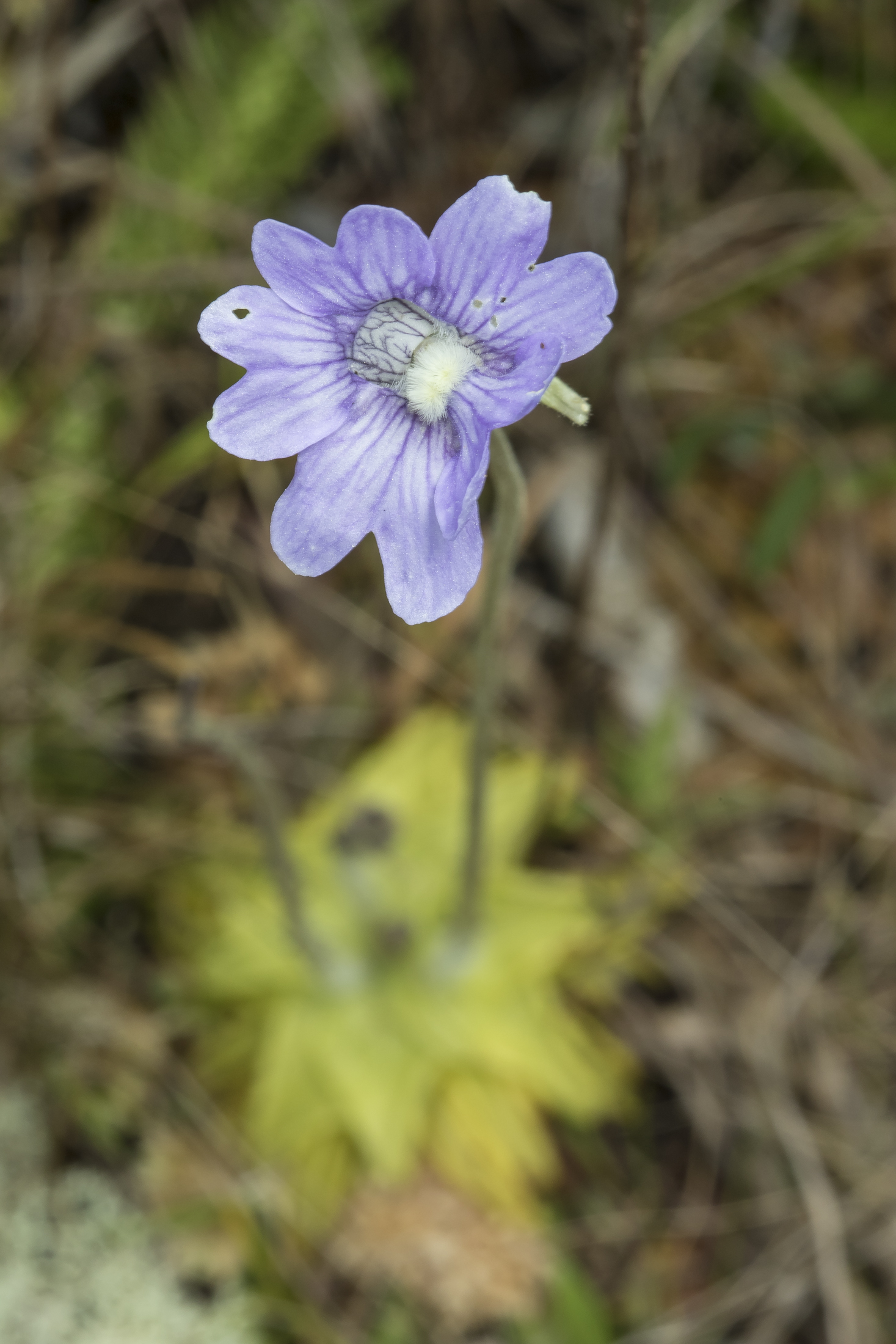
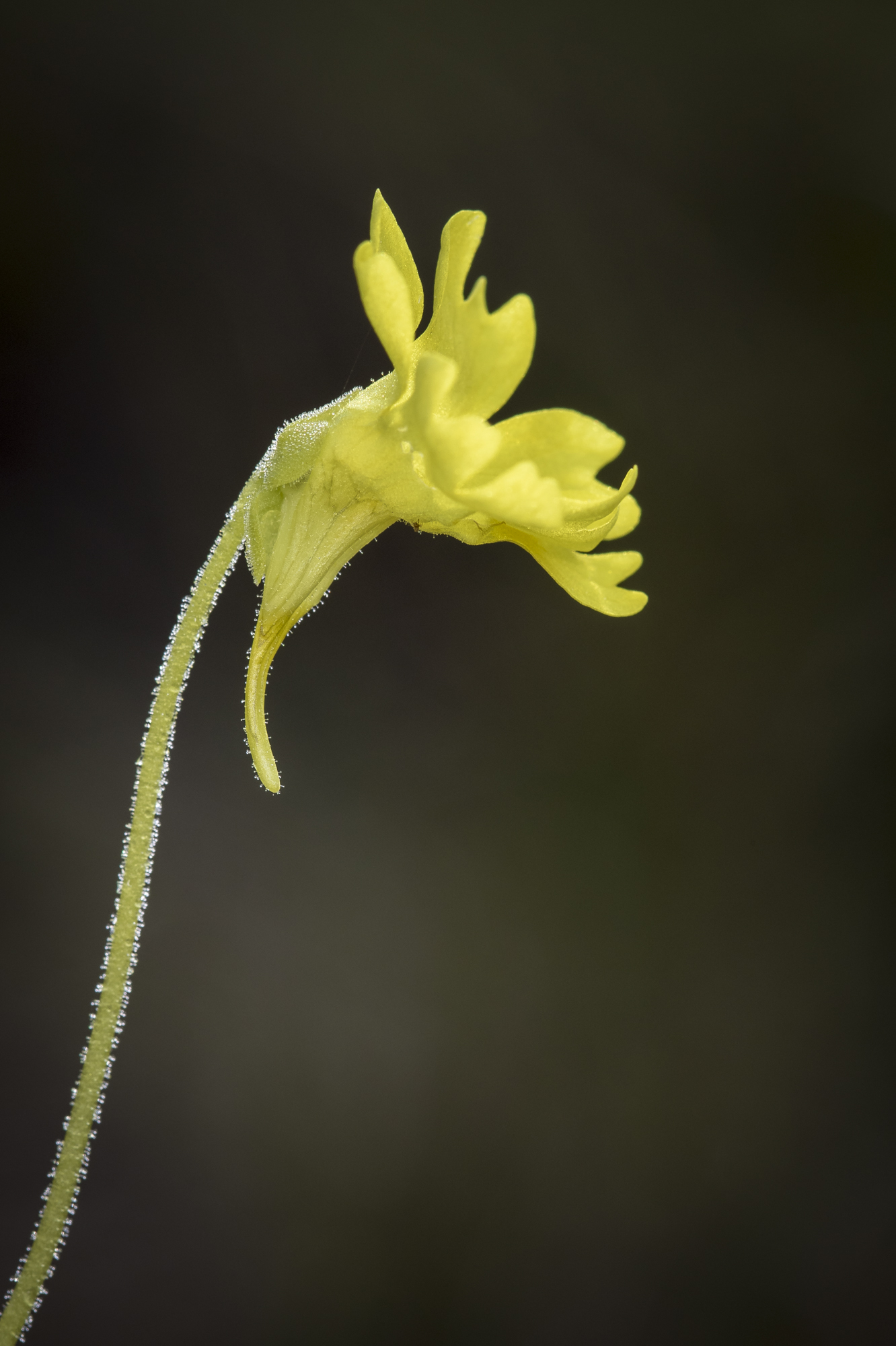
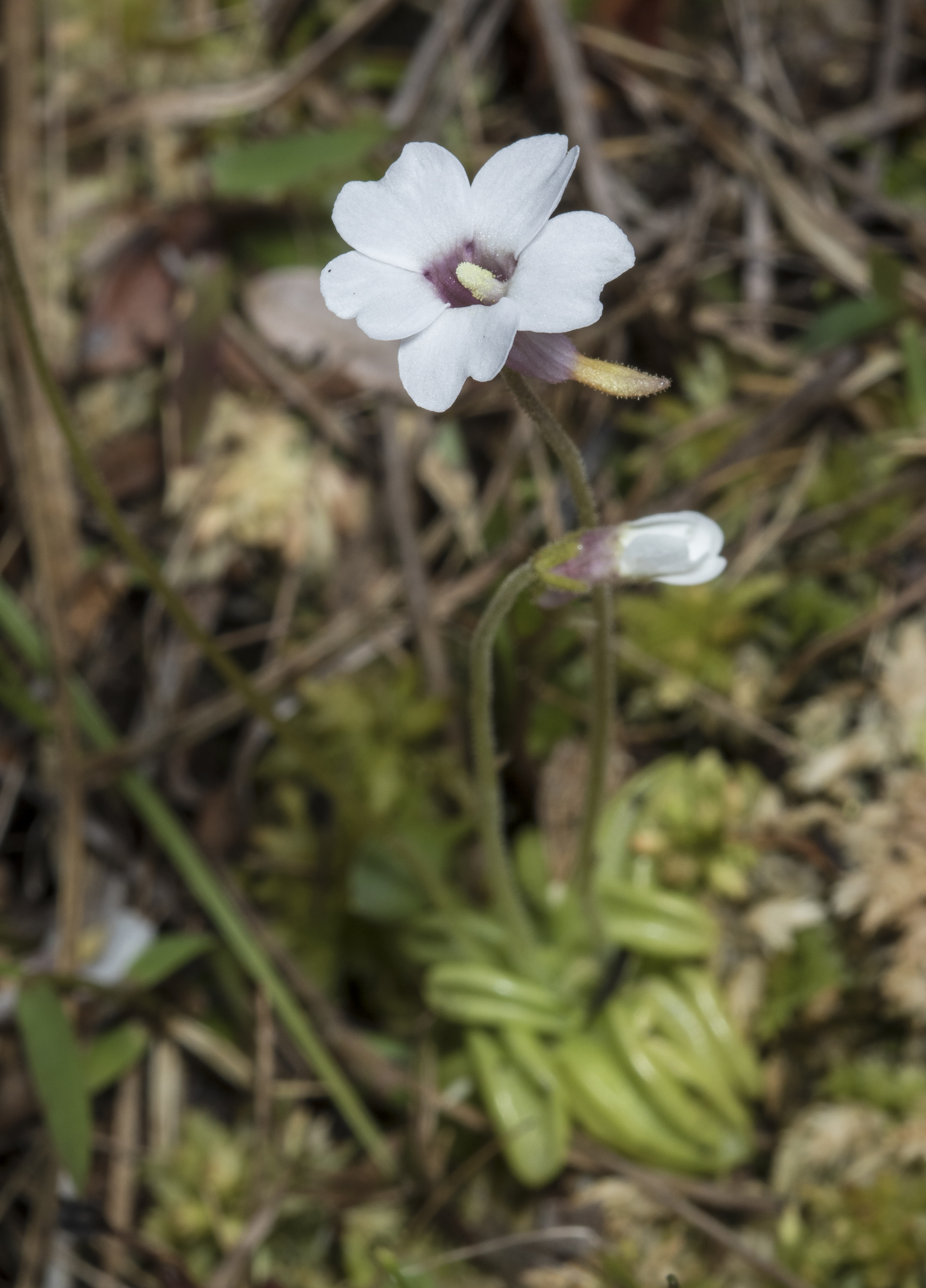
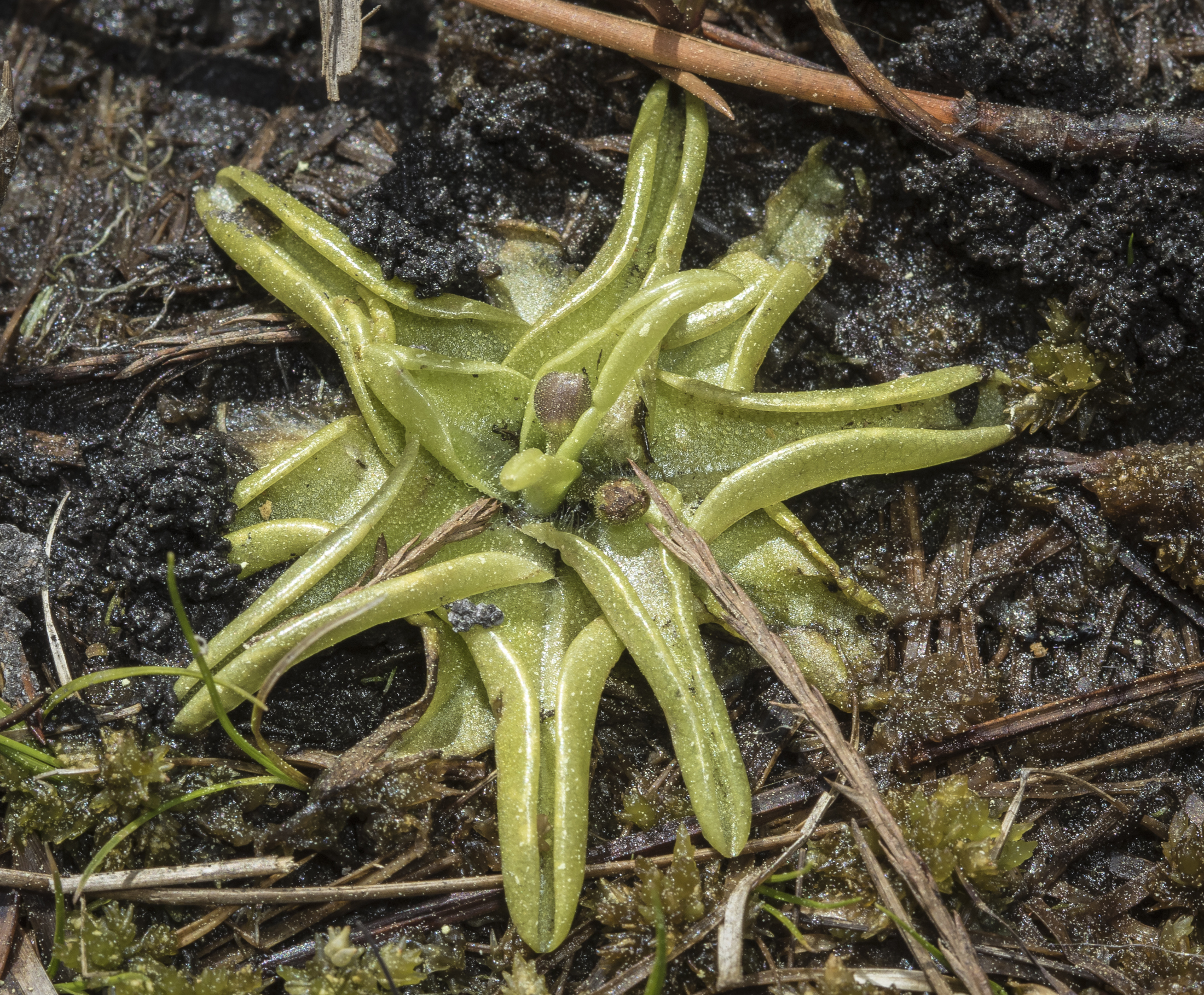
The leaves of butterwort use two specialized glands, scattered across the leaf surface, for prey capture and digestion:
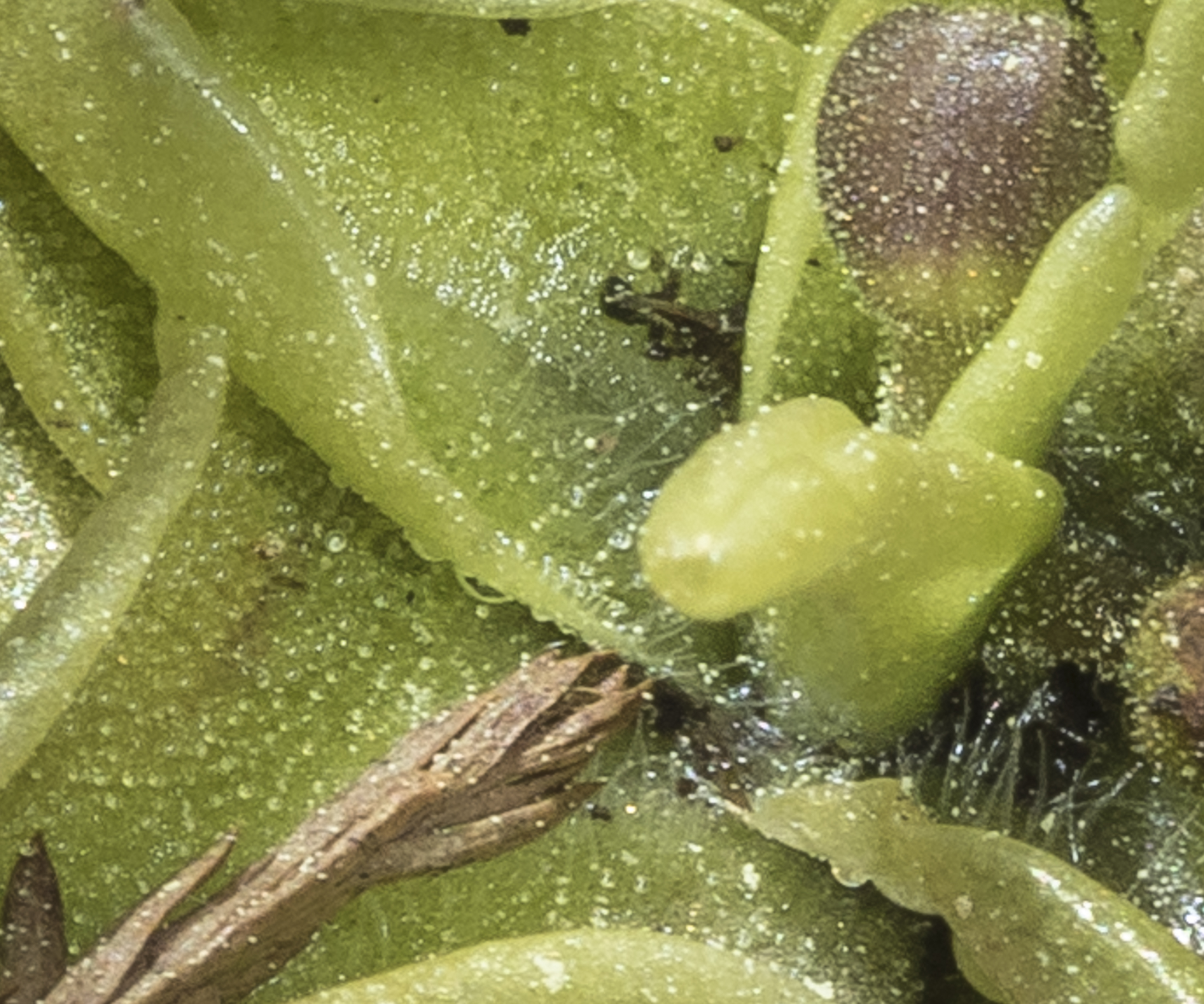
1) a peduncular gland, consisting of a few secretory cells on top of a single stalk that produce a mucilaginous secretion that traps insects; 2) sessile glands, which lie flat on the leaf surface and release enzymes that digest soft parts of the insect body. These fluids are then absorbed back into the leaf surface through holes. Butterworts produce a strong bactericide which prevents insects from rotting while they lay exposed on the leaves and are being digested. This property has long been known by northern Europeans, who applied butterwort leaves to the sores of cattle to promote healing.
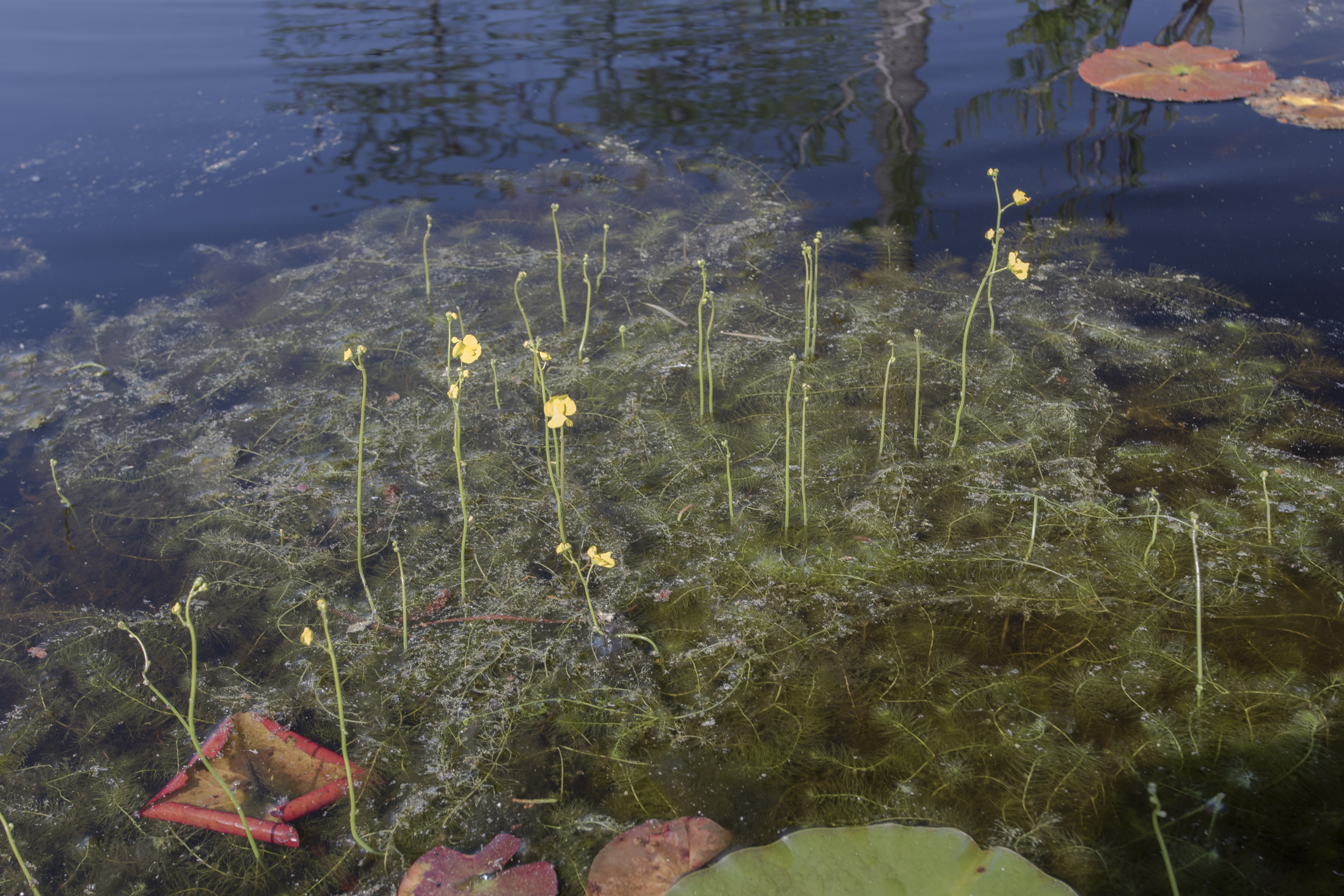
Bladderworts – Utricularia sp. – Latin, utriculus, meaning wine flask, leather bottle, bladder, small womb, or bagpipe; refers to the shape of the trapping mechanism.
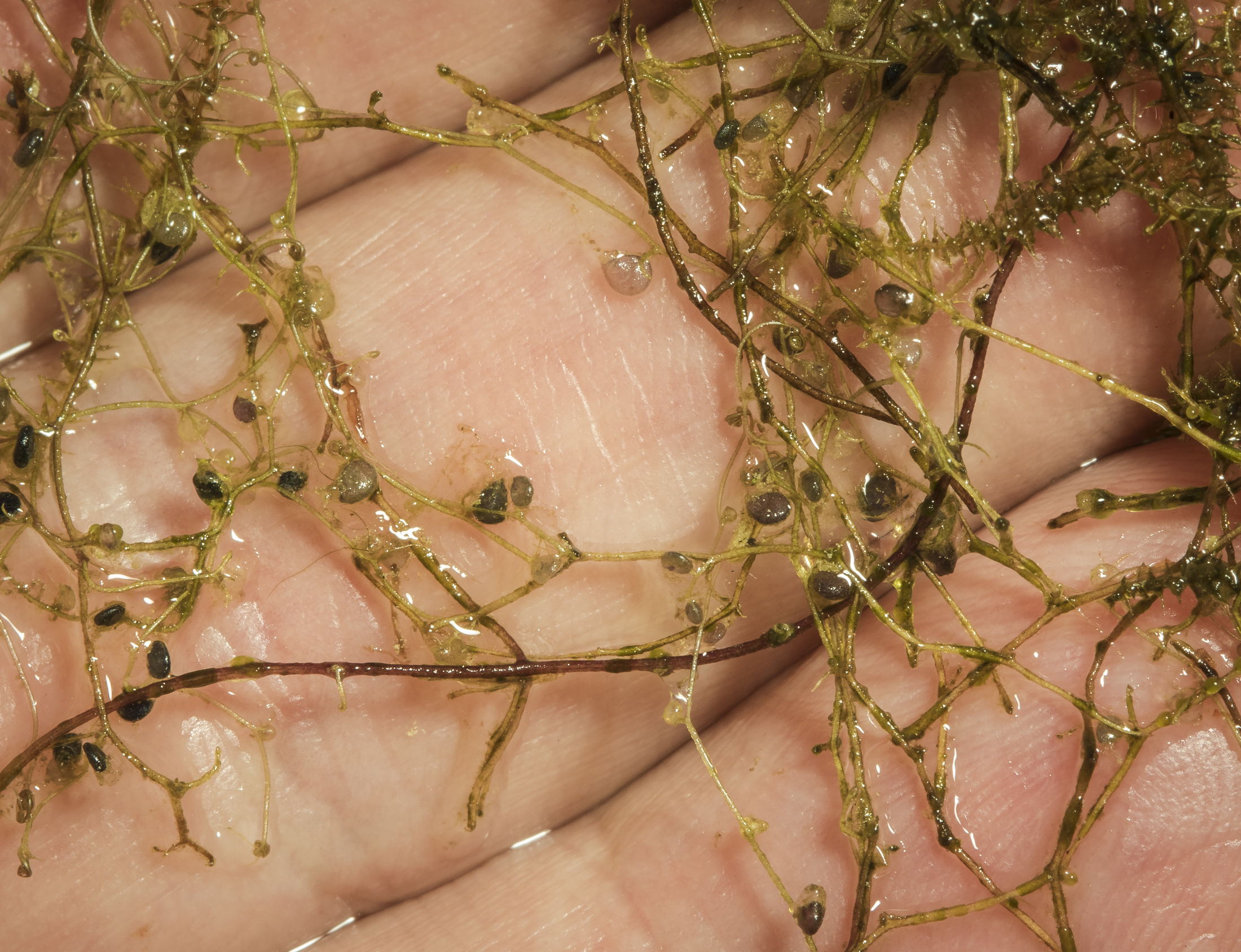
Bladderworts are the largest genus of carnivorous plants with over 200 species worldwide. About 16 species are found in NC with most found in the Coastal Plain. Most are aquatic or occur in wet soils. They lack roots, but they do have underground or underwater stolons (creeping plant stems) that behave as roots.

Bladders are scattered along the length of the plant under water (or wet soil) suspended from small stalks. Each is concave, under pressure, and sealed by a trapdoor kept watertight by a mucilaginous sealant. One touch of the tiny trapdoor trigger hairs, and the door swings open sucking prey and surrounding water into the low-pressure trap. Their traps suck in prey in less than one one-hundredth of a second, making this one of the speediest movements in the plant world. Once the prey is inside, a swirl of water pushes the door back again and the prey is trapped. Glands on the the inside of the bladder secrete enzymes that dissolve soft-bodied prey within hours. Other cells transport water back out of the trap, and it is reset.

Sundews – Drosera sp. – Greek for dewy. One of the most abundant groups of carnivorous plants with over 160 species worldwide. There are five species in NC.

Leaves lure, capture, and digest insects using stalked mucilaginous glands covering their leaf surfaces. These hairs trap insects in the sticky “goo”, and then proceed to digest them.

Sundews move their tentacles toward their prey, causing them to get even more stuck.

Enzymes dissolve the prey and released nutrients are then absorbed through the leaf surface.

Pitcher plants – Sarracenia sp. – After Michel Sarrazin (1659–1735), the first naturalist to send pitcher plants to Europe for study. Pitcher plants are passive pitfall traps (they don’t move). Pitchers are modified leaves and many species have lids or hoods which keep out rainwater.
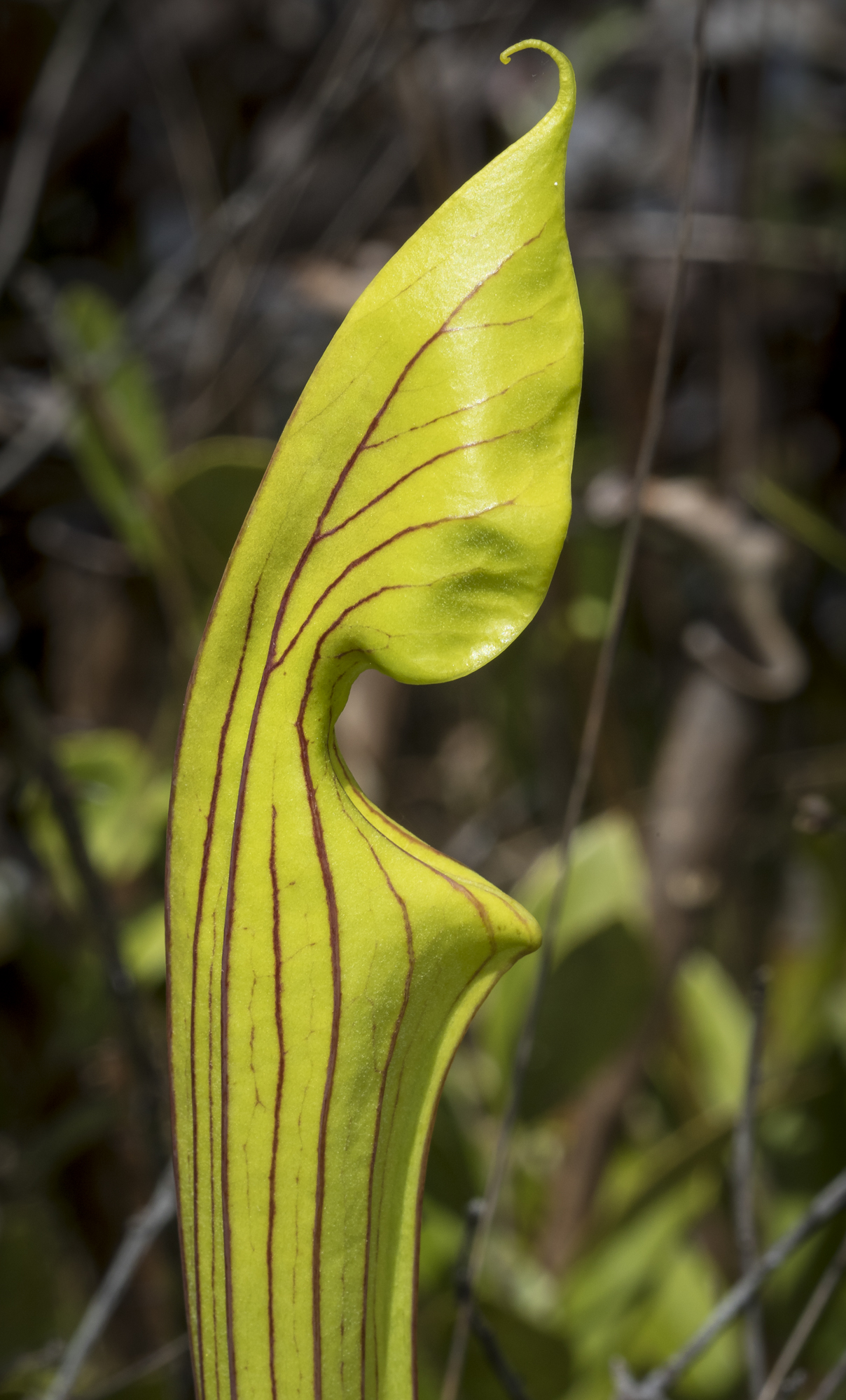
Prey are lured by nectar and colors/patterns on the pitcher that mimic a flower. At least one species, S. flava, has a toxic alkaloid in the nectar that may intoxicate prey.
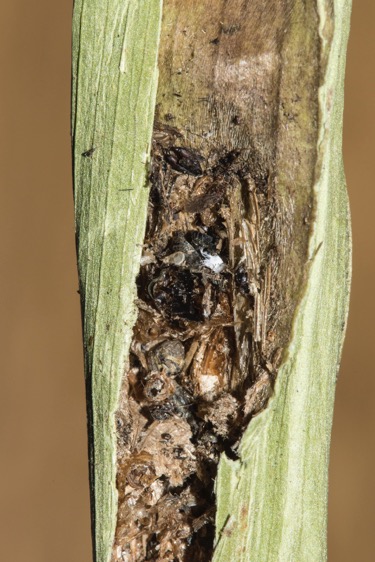
Prey fall into the trap due to the slippery inner wall of the upper section. Narrowing diameter of the tube and downward pointing hairs in lower portions further inhibit escape. Digestive enzymes are secreted and nutrients are absorbed by the plant tissues.

Prey are believed to drown in the open pitcher of purple pitcher plants, S. purpurea. Microorganisms living inside the pitchers contribute to decomposition and nutrient uptake by the plant. If you look inside one of these pitchers, you may see things swimming in what you would think would be a deadly soup. We pulled a turkey baster full of liquid out of one pitcher and found both prey remains and living organisms that use it as a home.
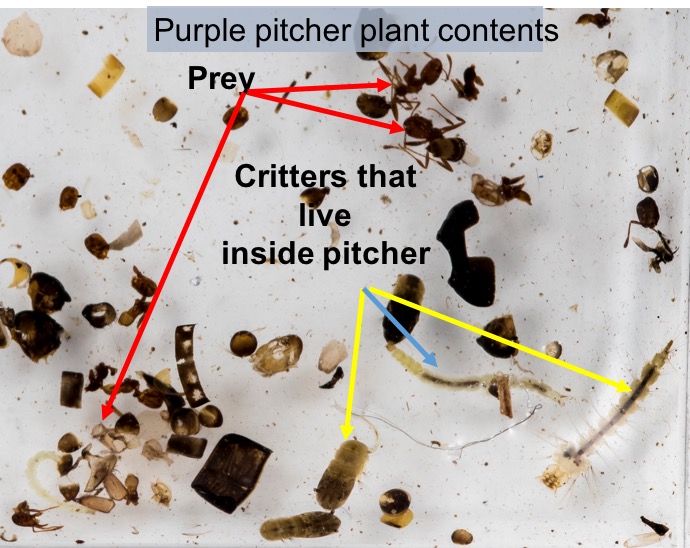
The larvae of a small, non-biting mosquito (Wyeomyia smithii) and a midge (Metriocnemus knabi) live in the liquid in the pitcher, somehow withstanding the digestive enzymes that kill other insects.
This has been a quick glimpse into the lives of these strange and wonderful plants. I have so much more to learn about these amazing plants and their specialized adaptations for surviving in nutrient poor soils in these intriguing habitats.


 Roads End Naturalist
Leave a reply to roadsendnaturalist Cancel reply