
…to understand something of the wonders of a world which becomes the more wonderful the more we know of it.
~W.J. Holland, in The Moth Book, 1903
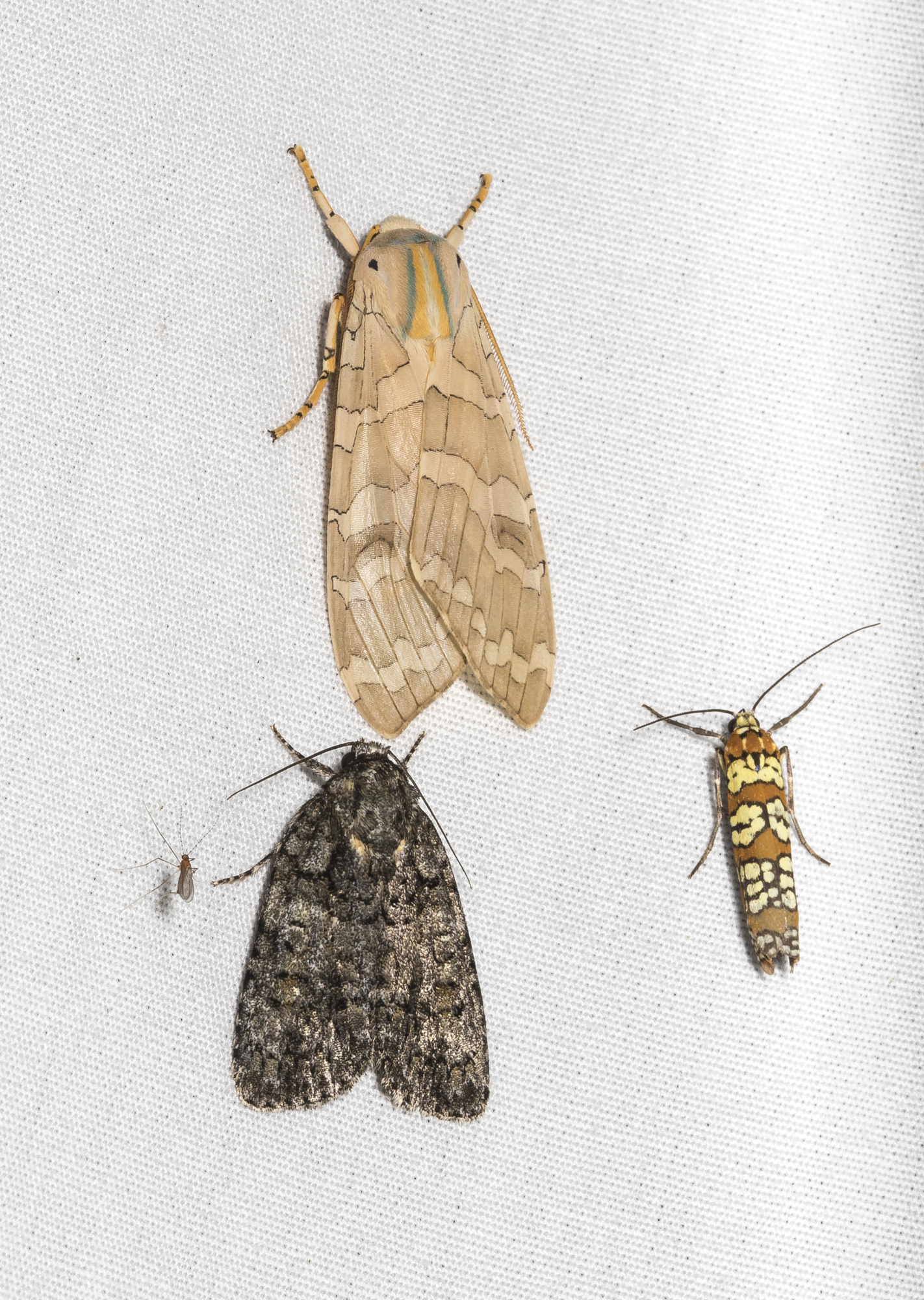
I set out my moth light for two nights a little over a week ago to see what species might drop by here at the house. Melissa and I gave a moth program at work the week before that and, though we didn’t get a tremendous number of moths that night (in part, due to the early hours for families), it did reignite my moth fever. One night I put the sheet on the clothesline out the basement door. The second night I strung it up on the back deck outside the living room. Both nights I turned outside lights on in addition to having a black light set up next to a cotton sheet. I checked the lights from sunset until about 12:30 p.m. both nights. Things started slow and peaked between 11 p.m. and midnight.
The thing I find so fascinating about moths is their diversity and beauty when you actually take the time to look at them. Many are, at first glance, just brown nondescript bugs, seemingly impossible to tell apart. But a closer look, and their colors and patterns are incredible. I do find them very challenging to identify, but there are a host of online resources that can really help. Among my favorites are: Moths of North Carolina, Bug Guide, Butterflies and Moths of North America, and the North American Moth Photographers Group.
But the real game-changer for me was the publication last spring of the Peterson Field Guide to Moths of the Southeastern North America. I had purchased their guide to moths of the northeast when it came out a couple of years ago and it had been helpful, but, obviously, not comprehensive for our region. But my copy of the new guide is already showing signs of wear as I have flipped through its pages countless times searching for a species new to me at the lights at home or at work. The challenge in moth identification is looking for key characteristics. A look at the online resources for any one species reveals the amazing variation between individuals of some species. And, of course, the printed field guide has space for only the most common variety (generally only one picture is chosen to represent an entire species’ variability). So, having said that, I have done my best (along with Melissa’s help) to identify these to species, but there is a chance some may be misidentified. If anyone catches a mistake, please share in the comments section.
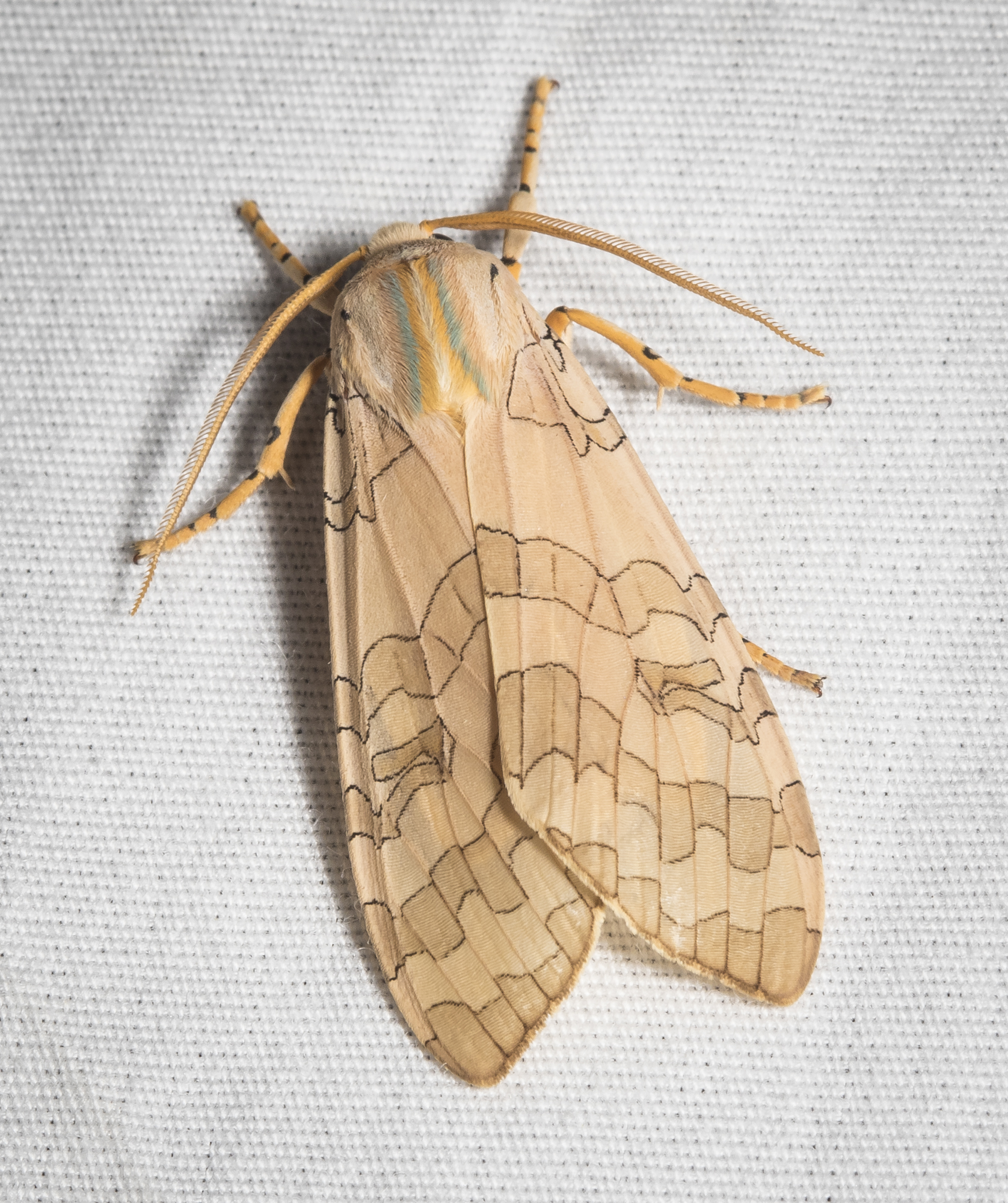
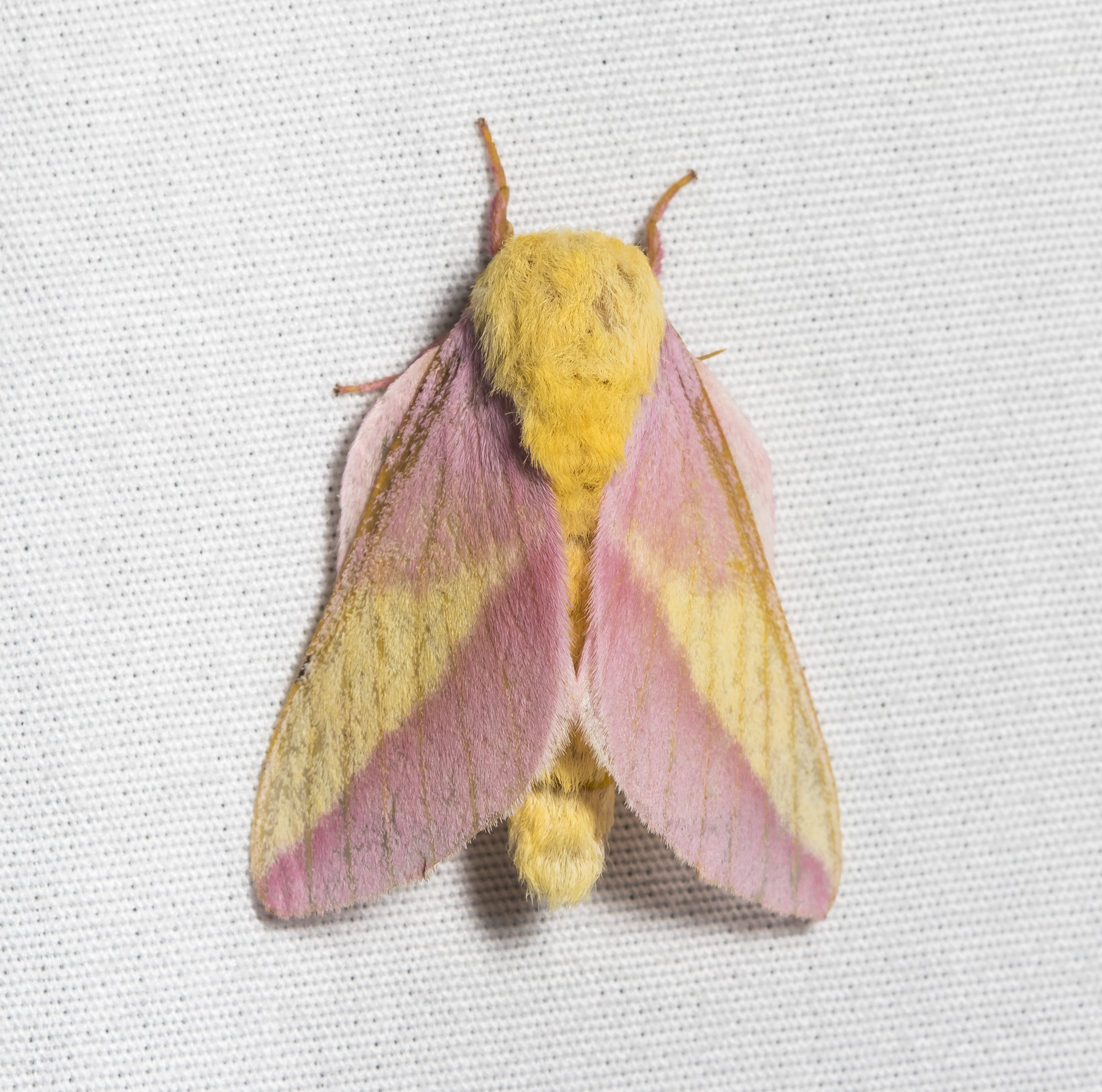
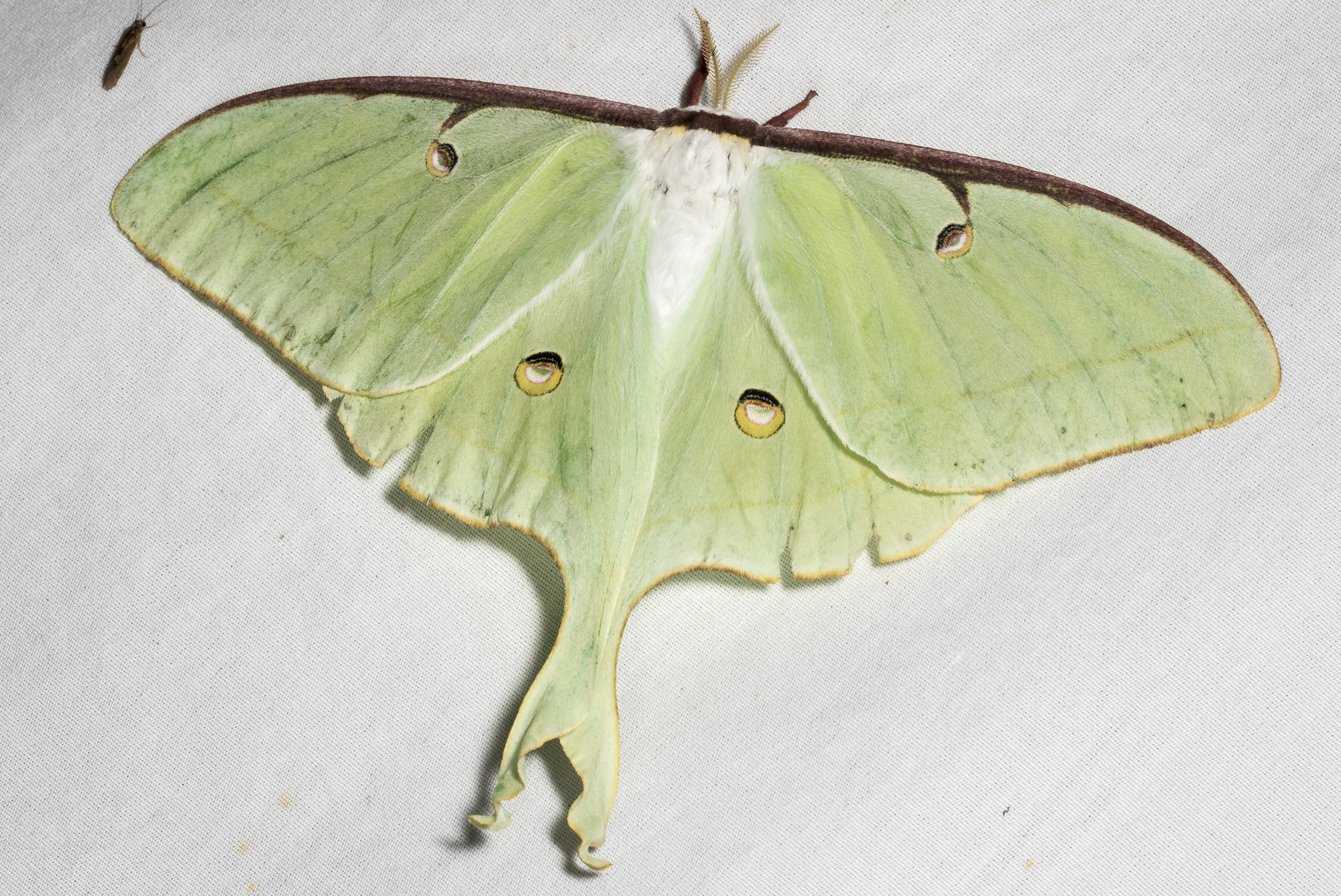
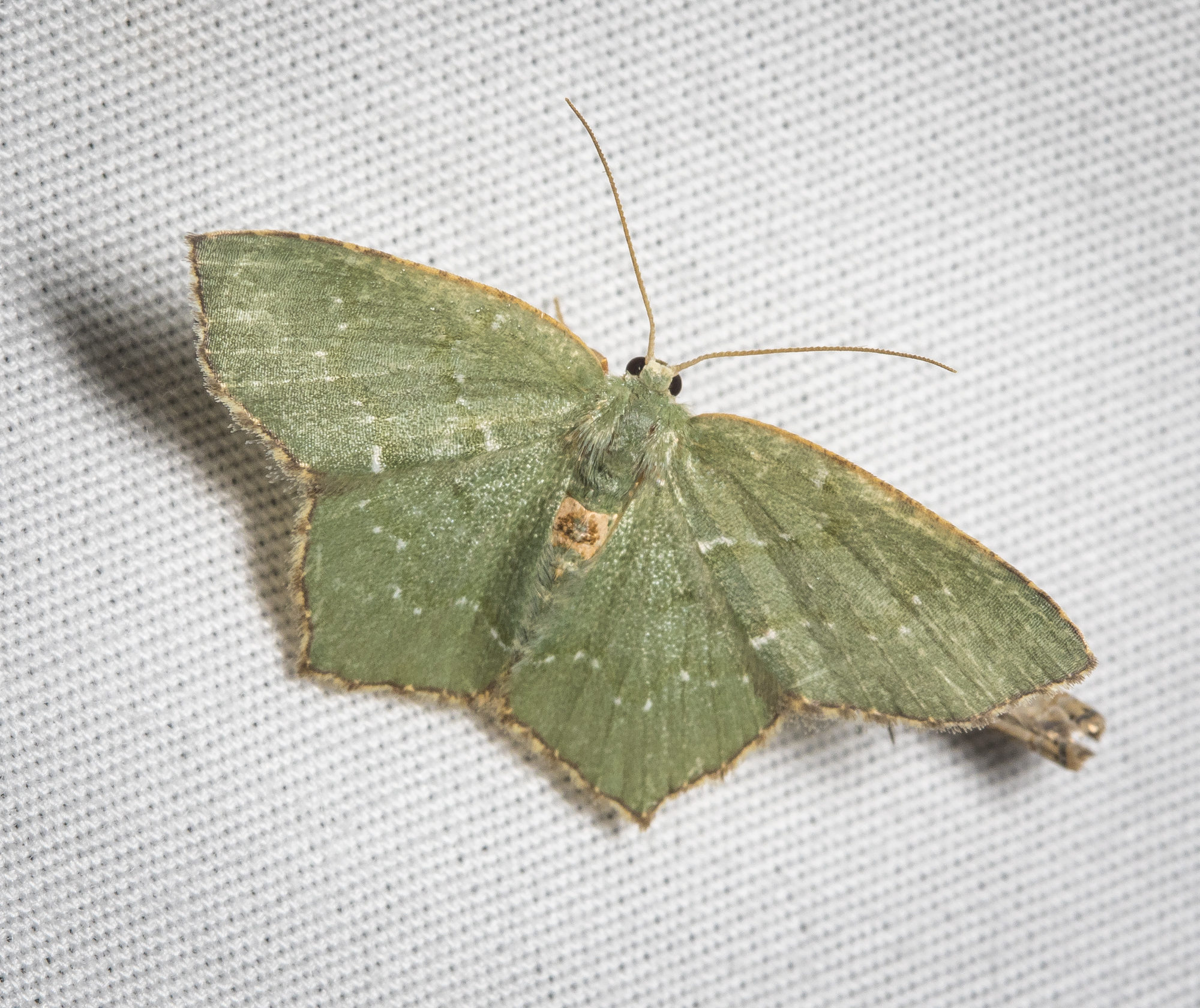
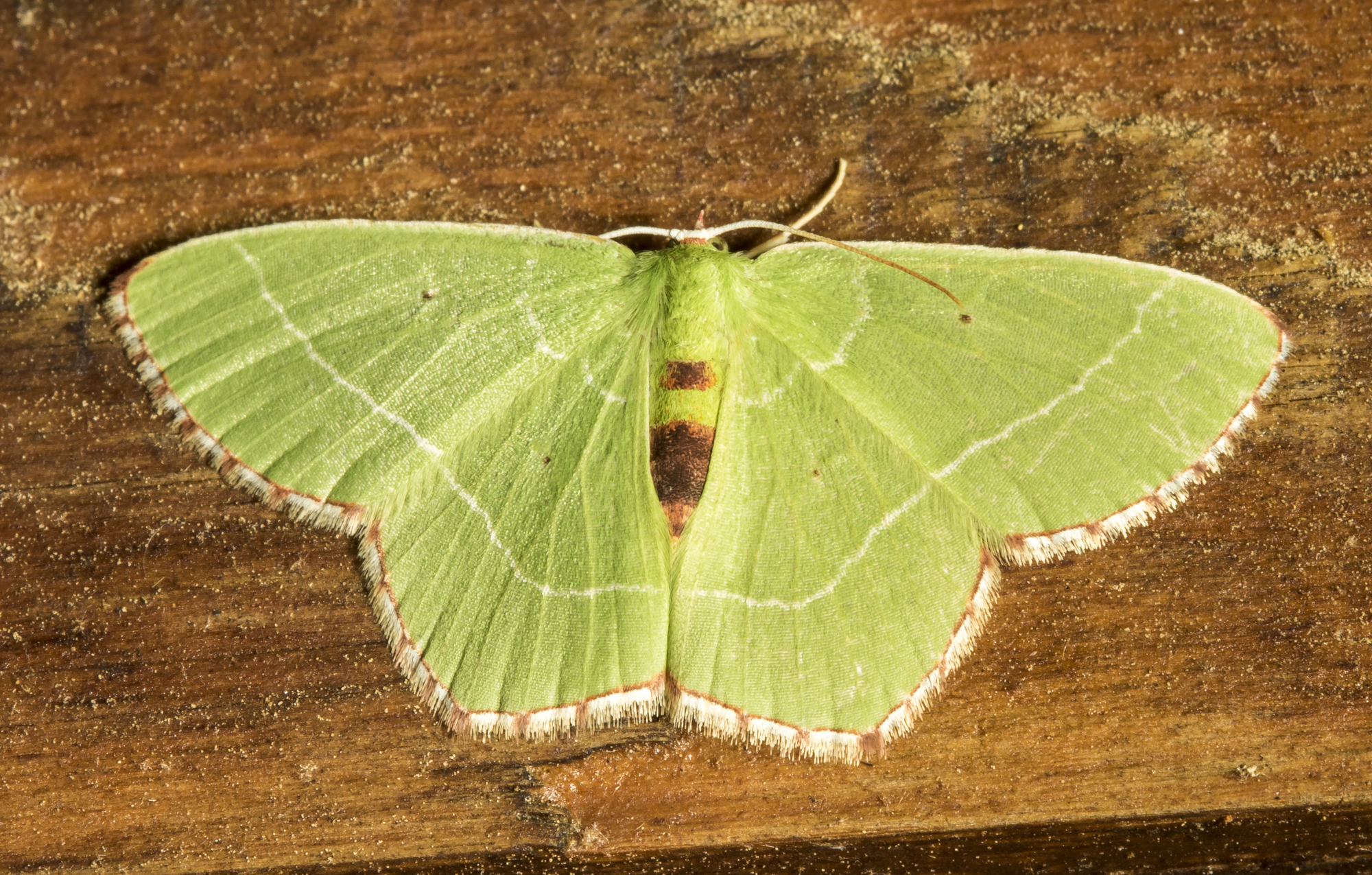
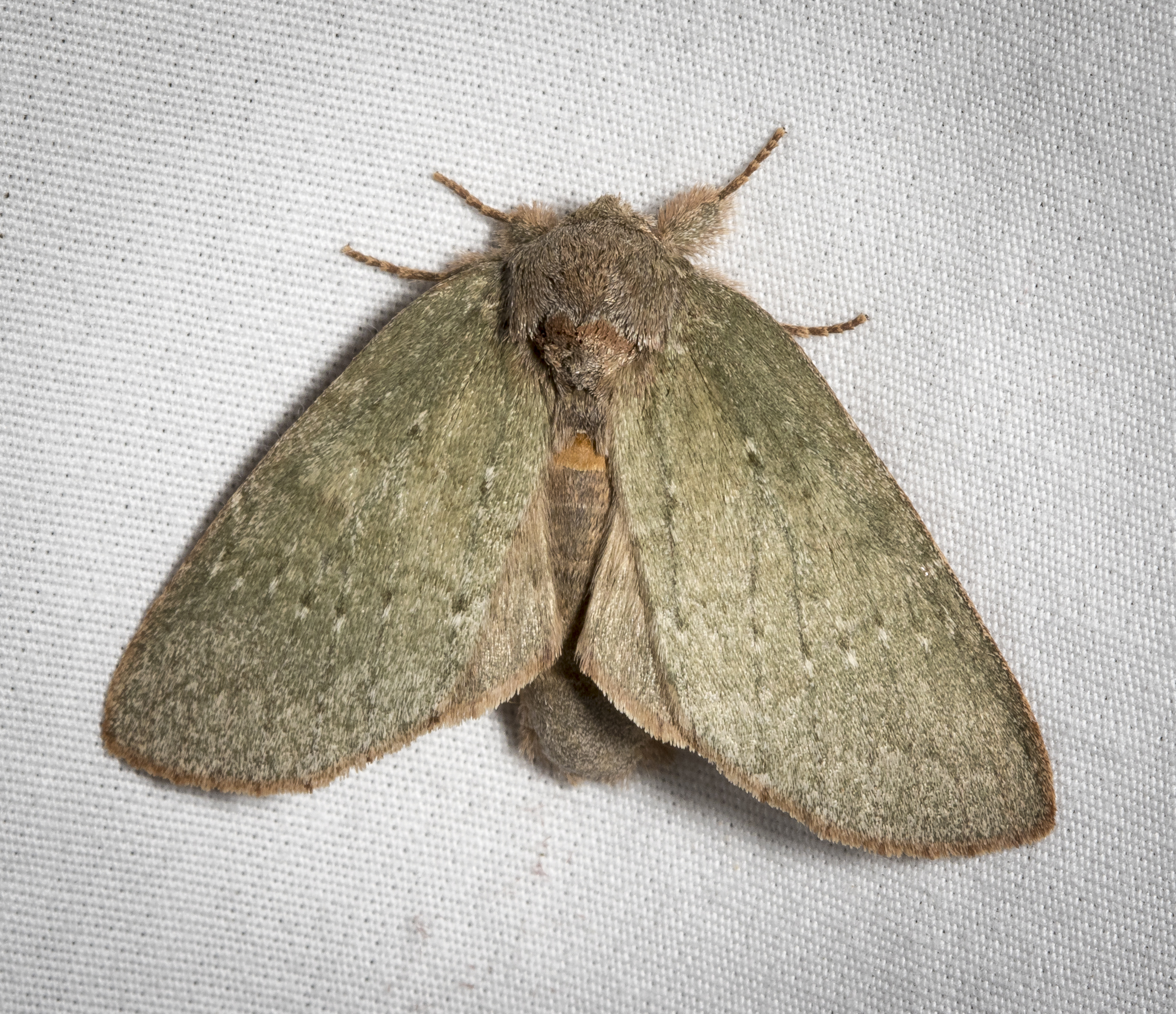
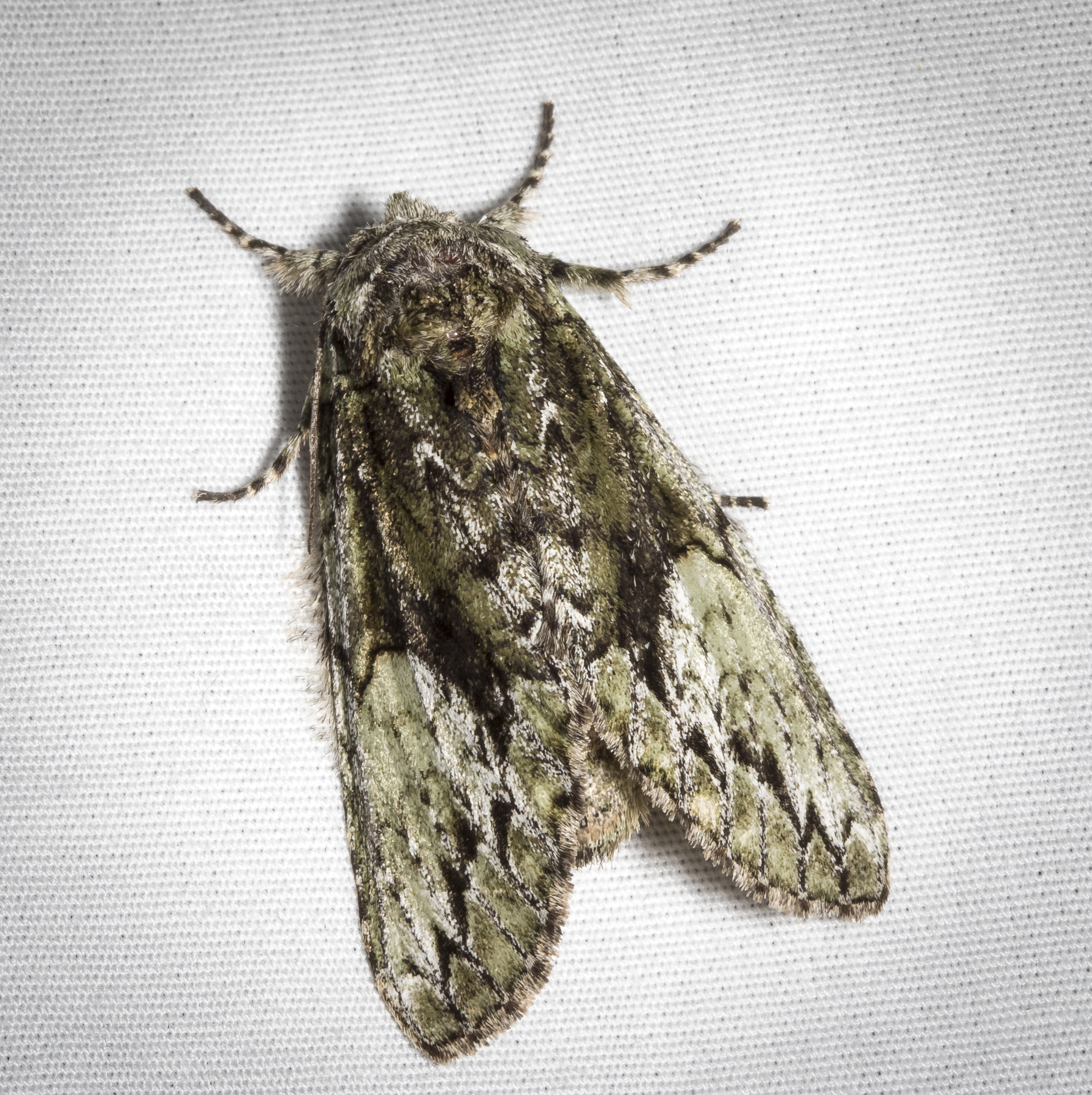
Below are some of the larger moths (those approximately an inch or more in length) that came to the lights. More of the smaller ones will be shared in my next post.
How many of these have you seen?

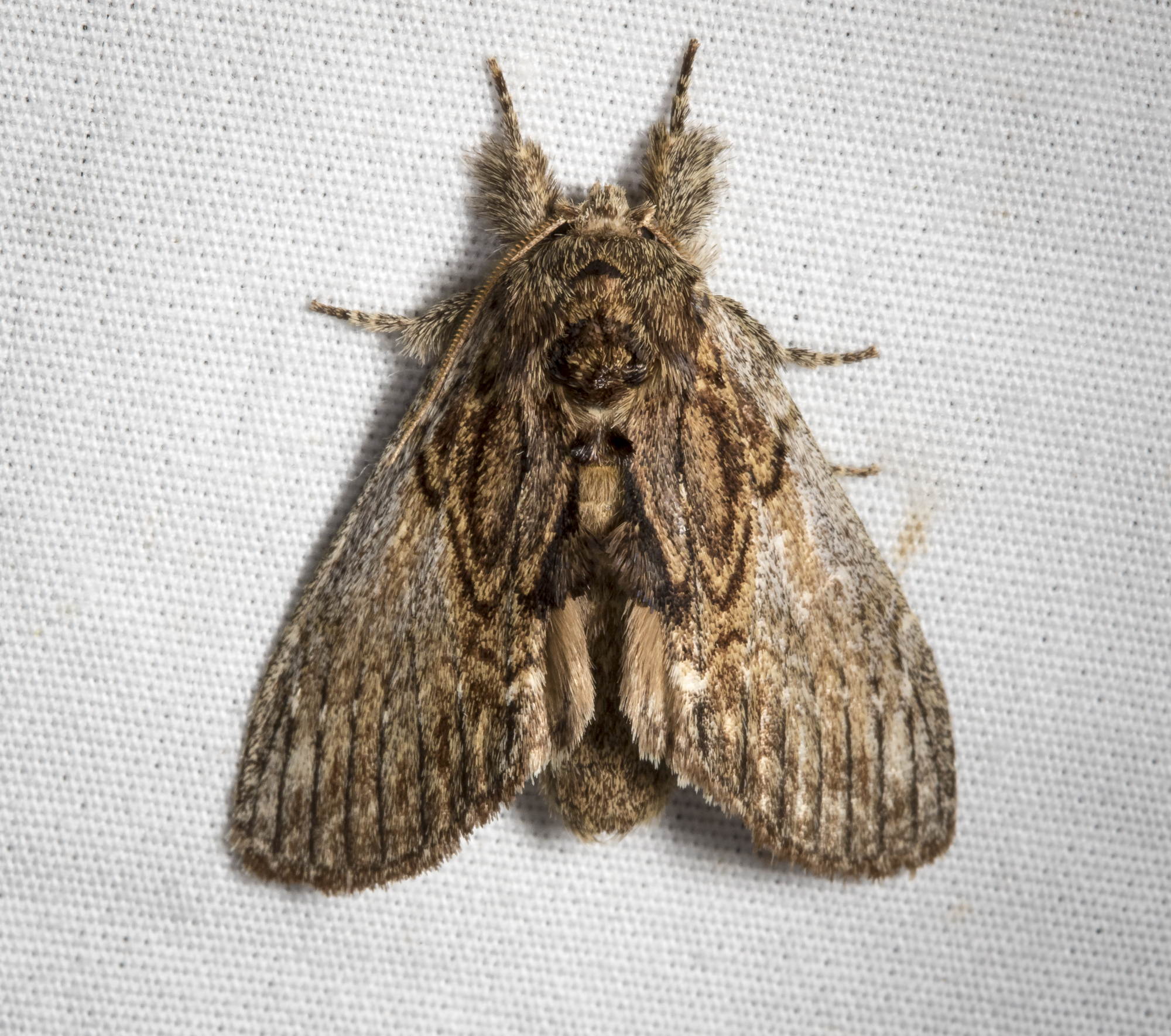
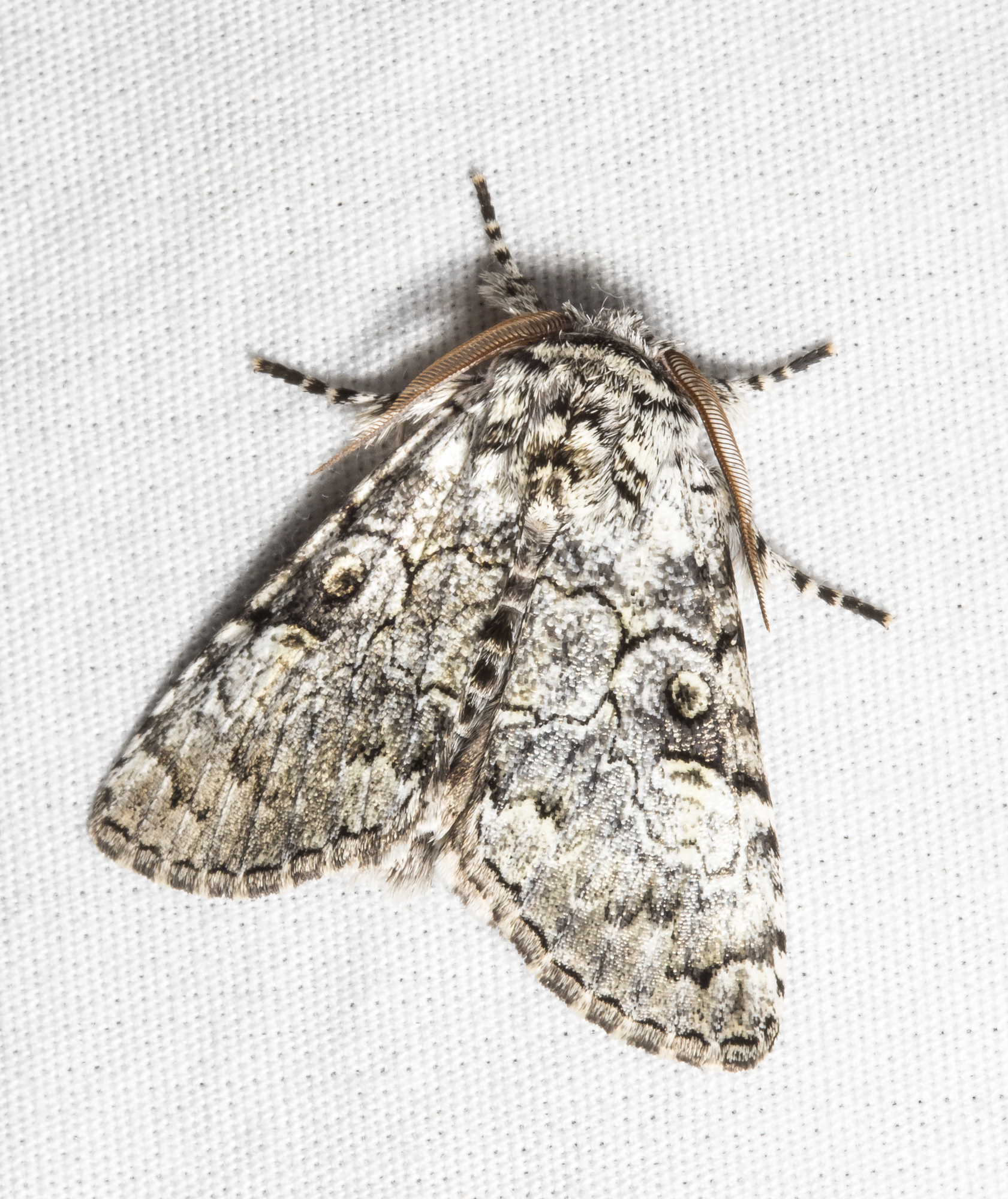
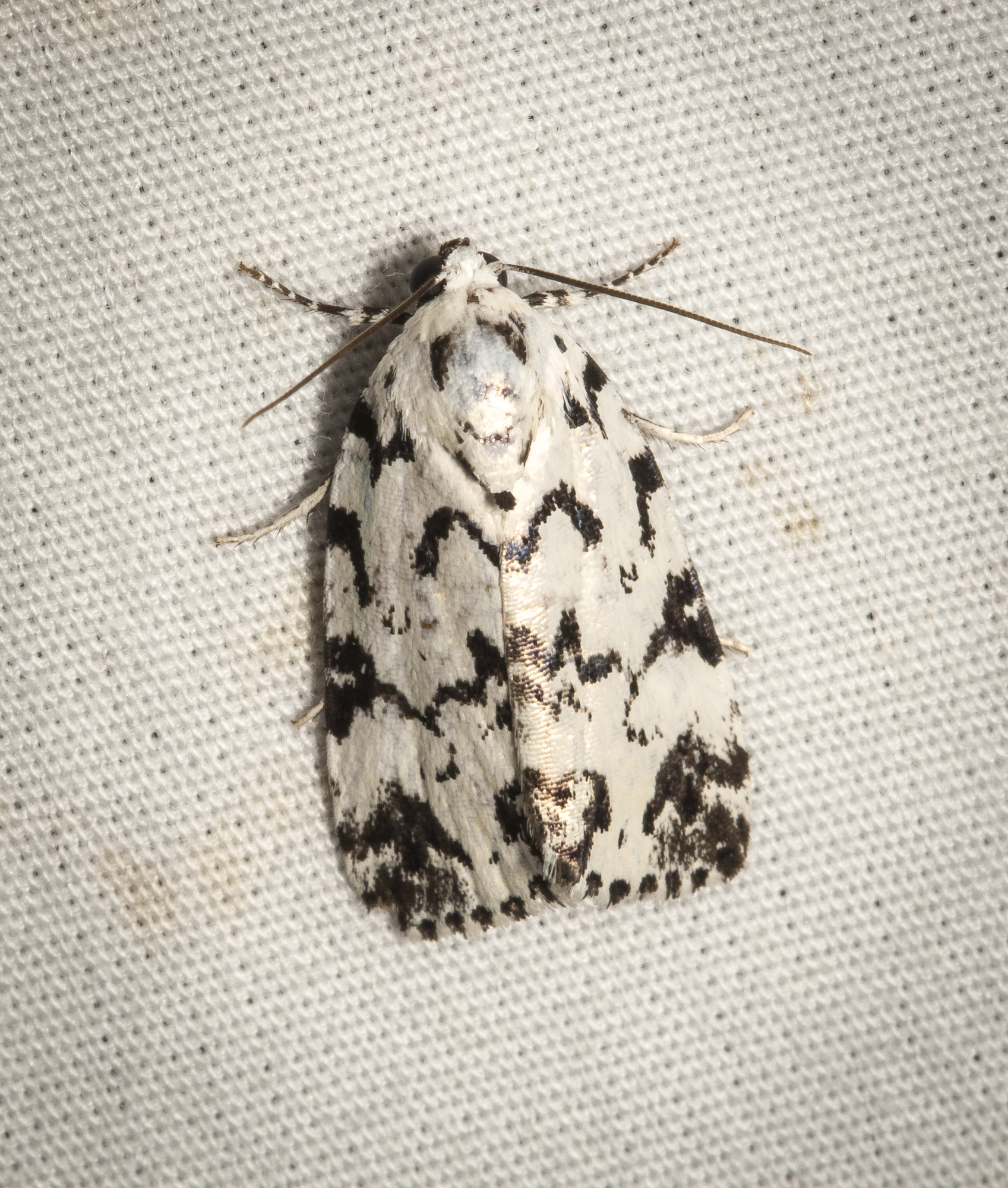
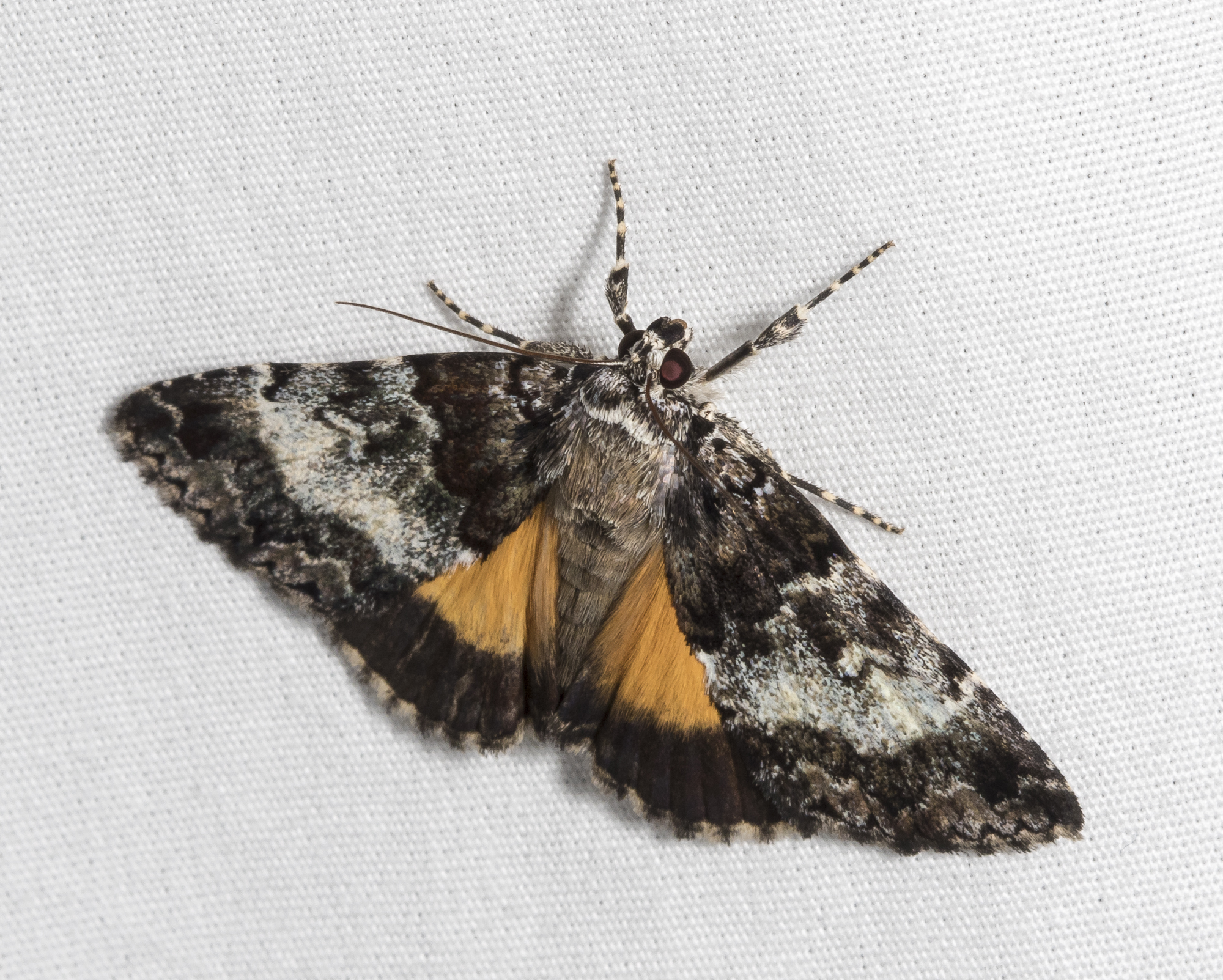


Leave a reply to roadsendnaturalist Cancel reply