I think that engaging with natural history – learning the identity and phenology of your neighbors by reading about their stories, and studying their lives alongside your own can give anyone a sense of rootedness.
~Henry Hershey
One reason I like National Moth Week so much is that it reminds me to make the effort to learn more about our little-known (and certainly under-appreciated) nocturnal neighbors. We were absent for much of this years’ event (plus evening thunderstorms hindered efforts) but we managed to set out a moth sheet and black light again last night. Visitors included several moth species new to me and a host of other night-flying insects, especially members of the beetle clan. Below are some highlights (as always, any species ID corrections are welcome)…
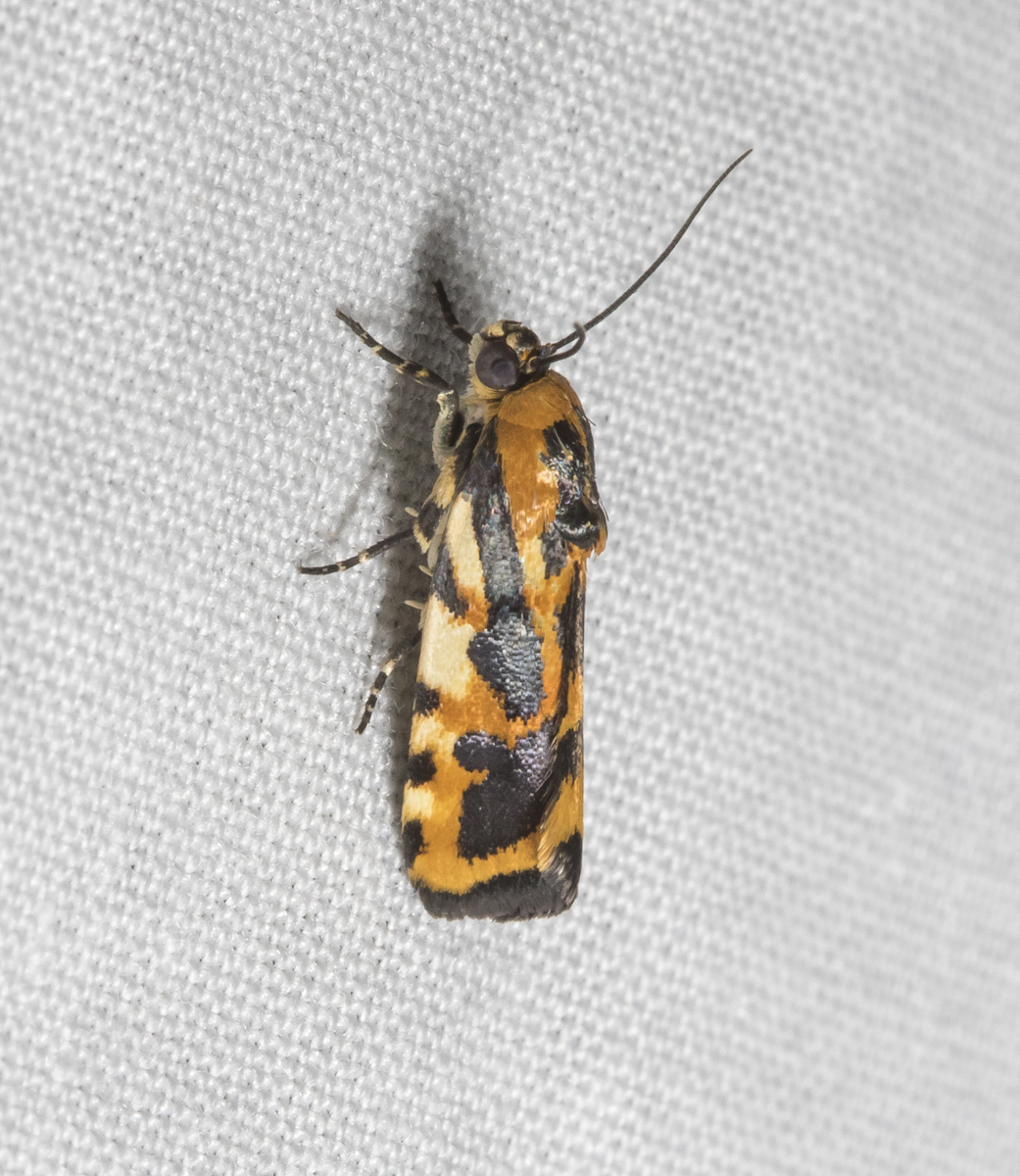
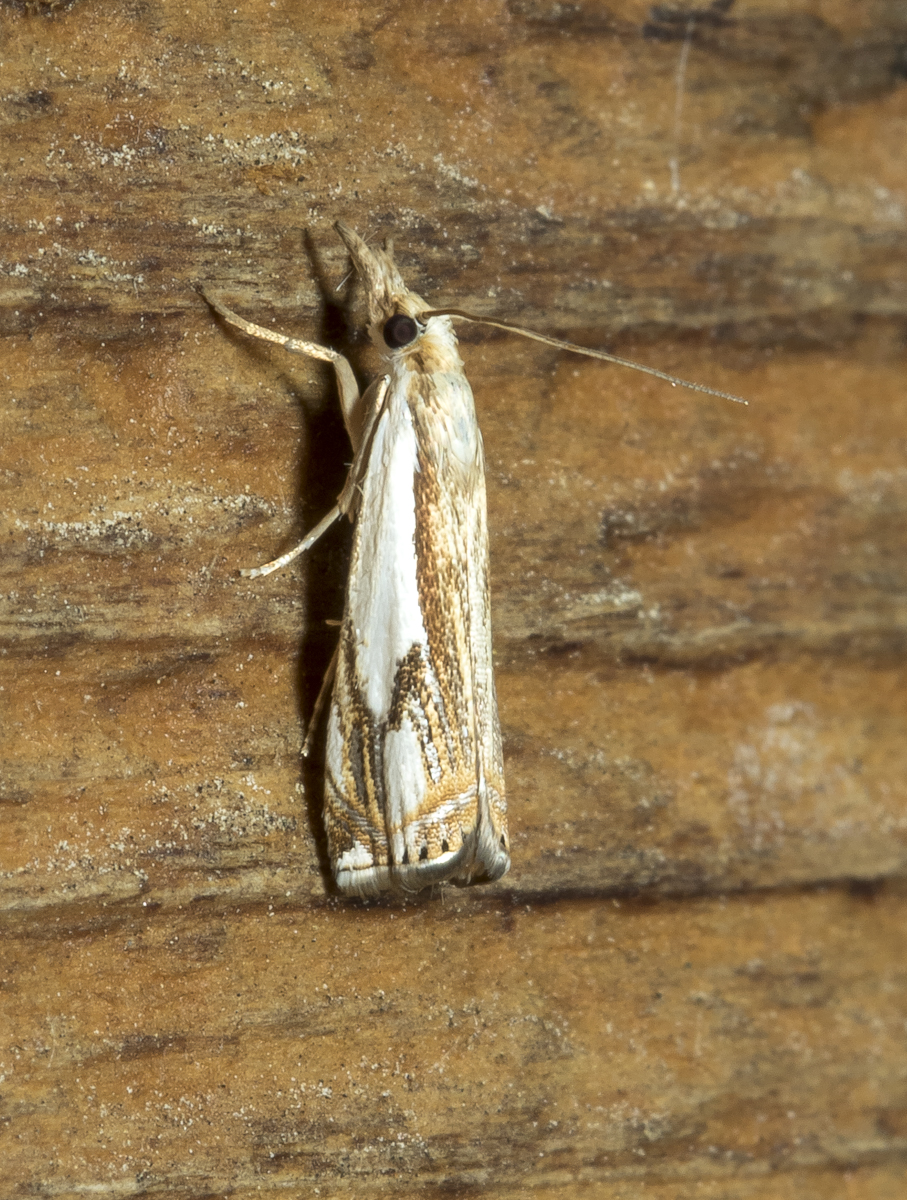
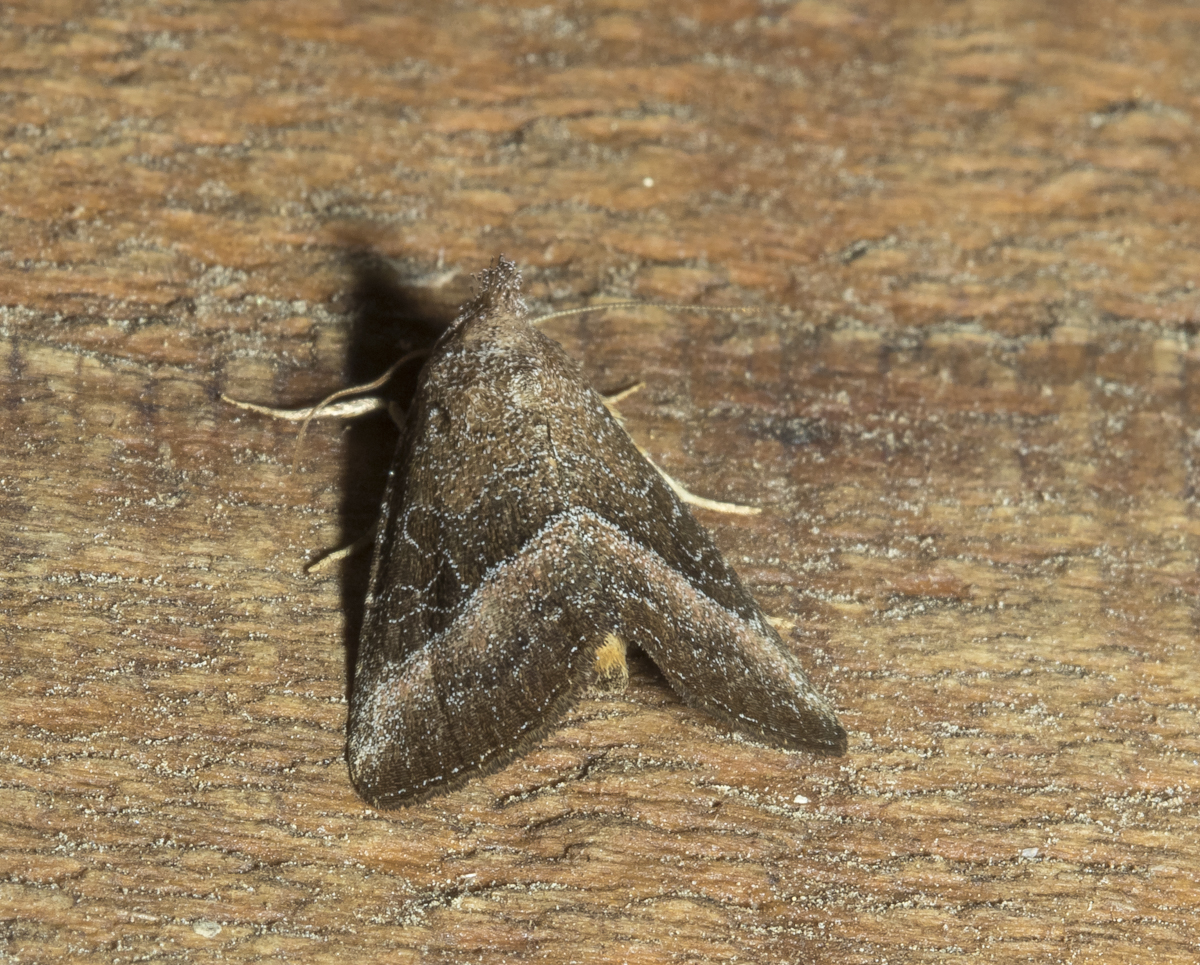
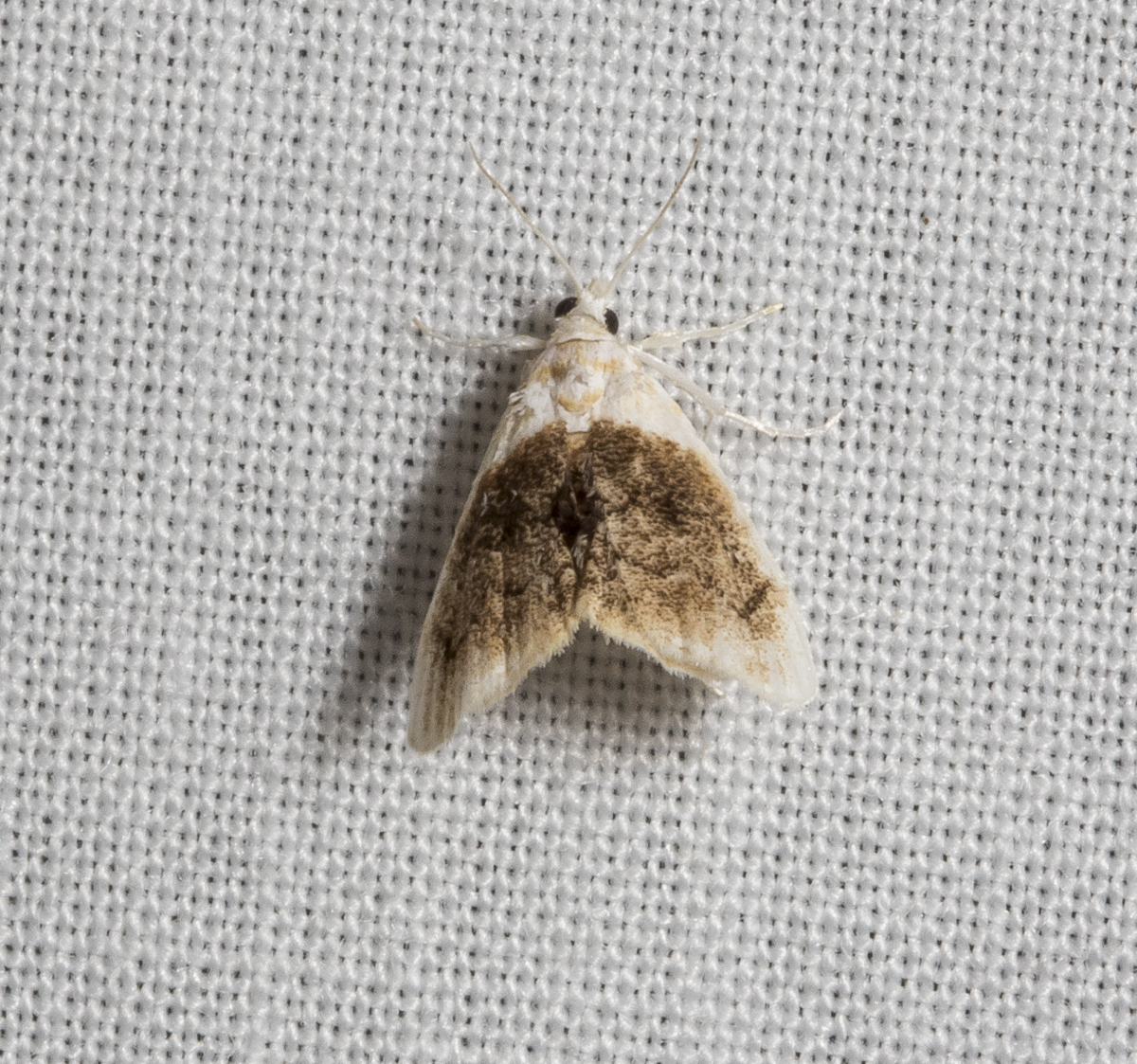
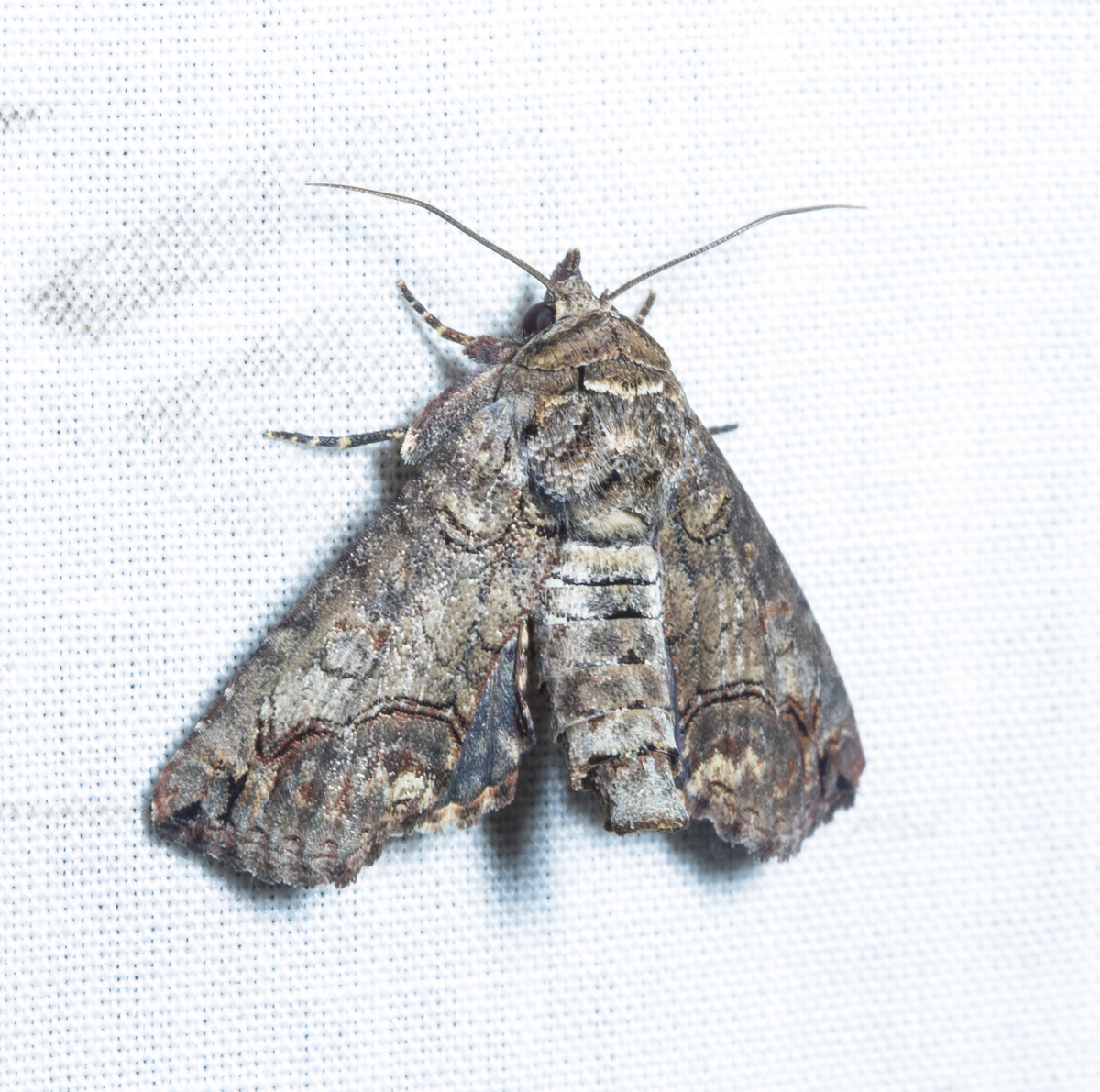
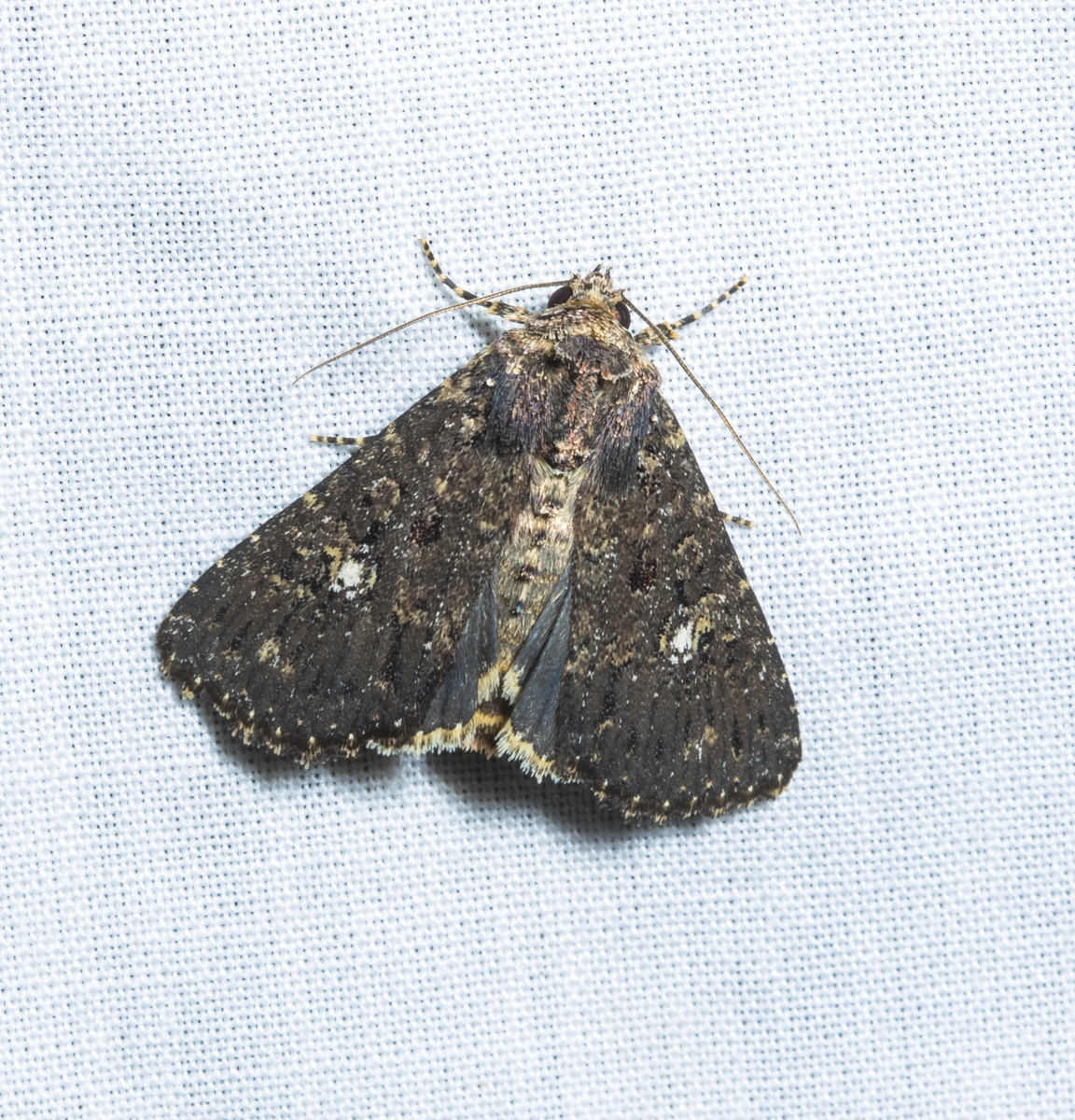
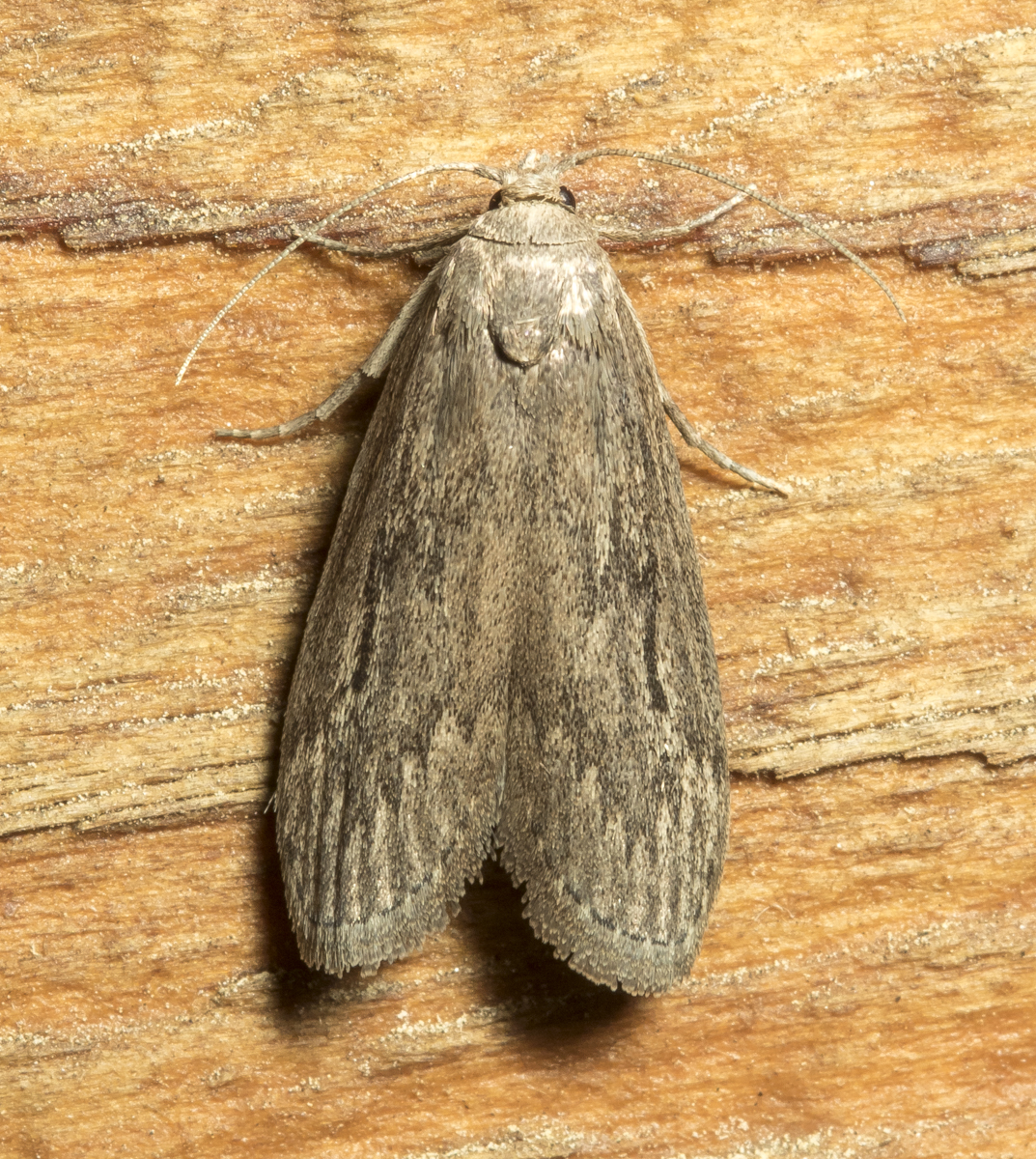
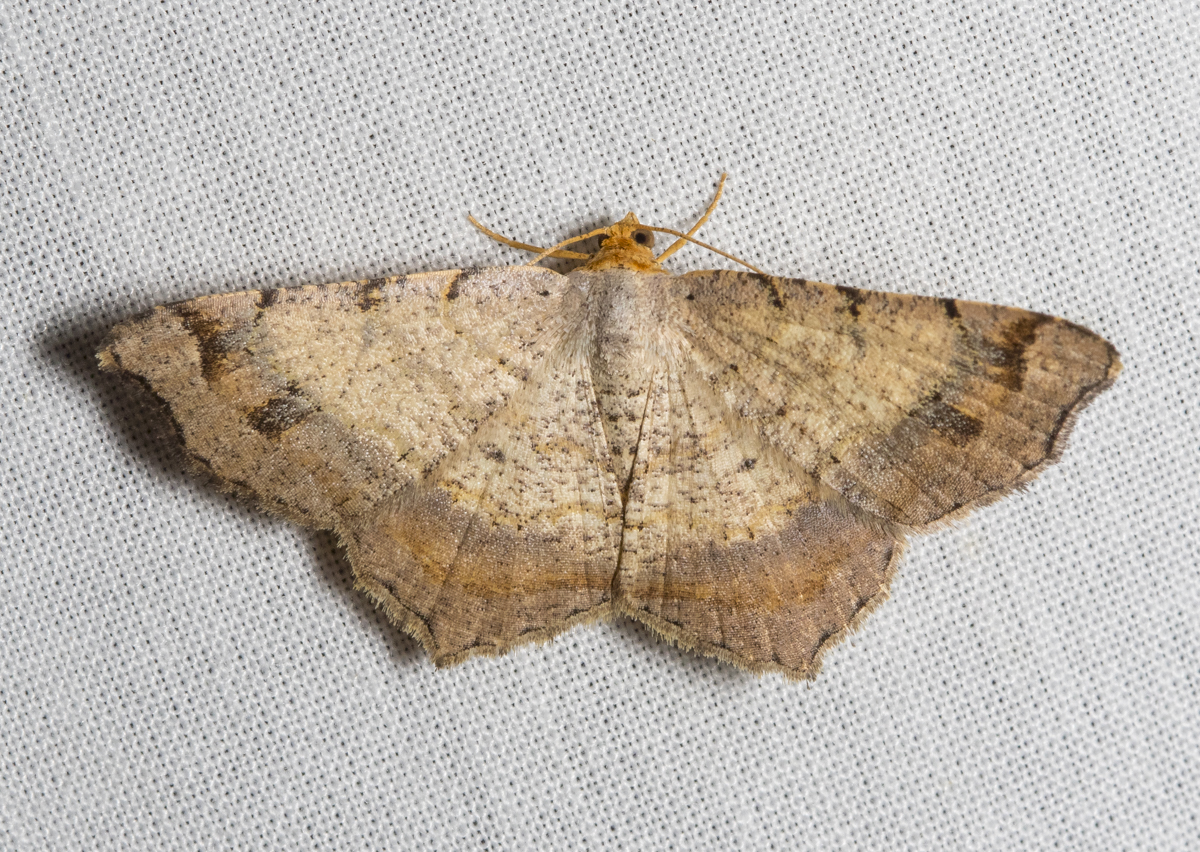
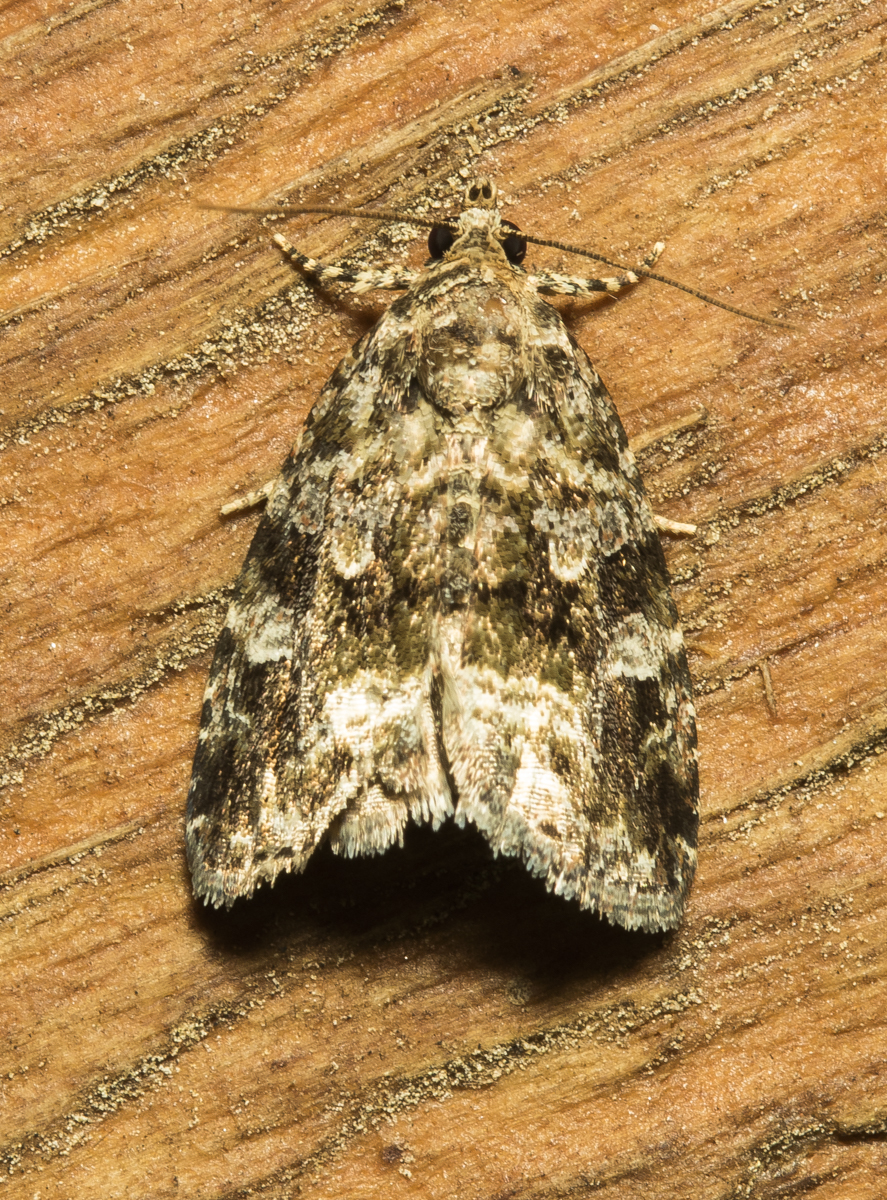
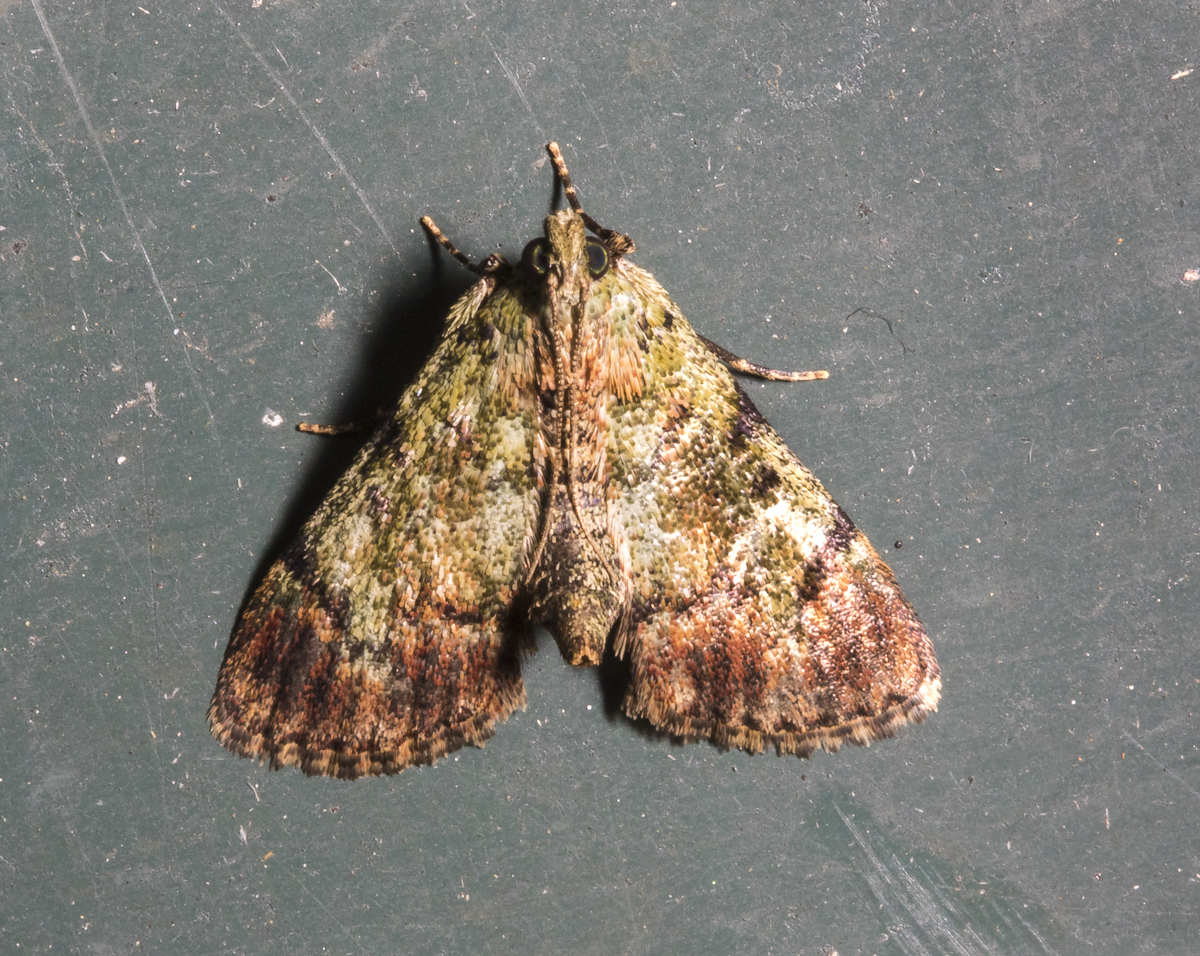
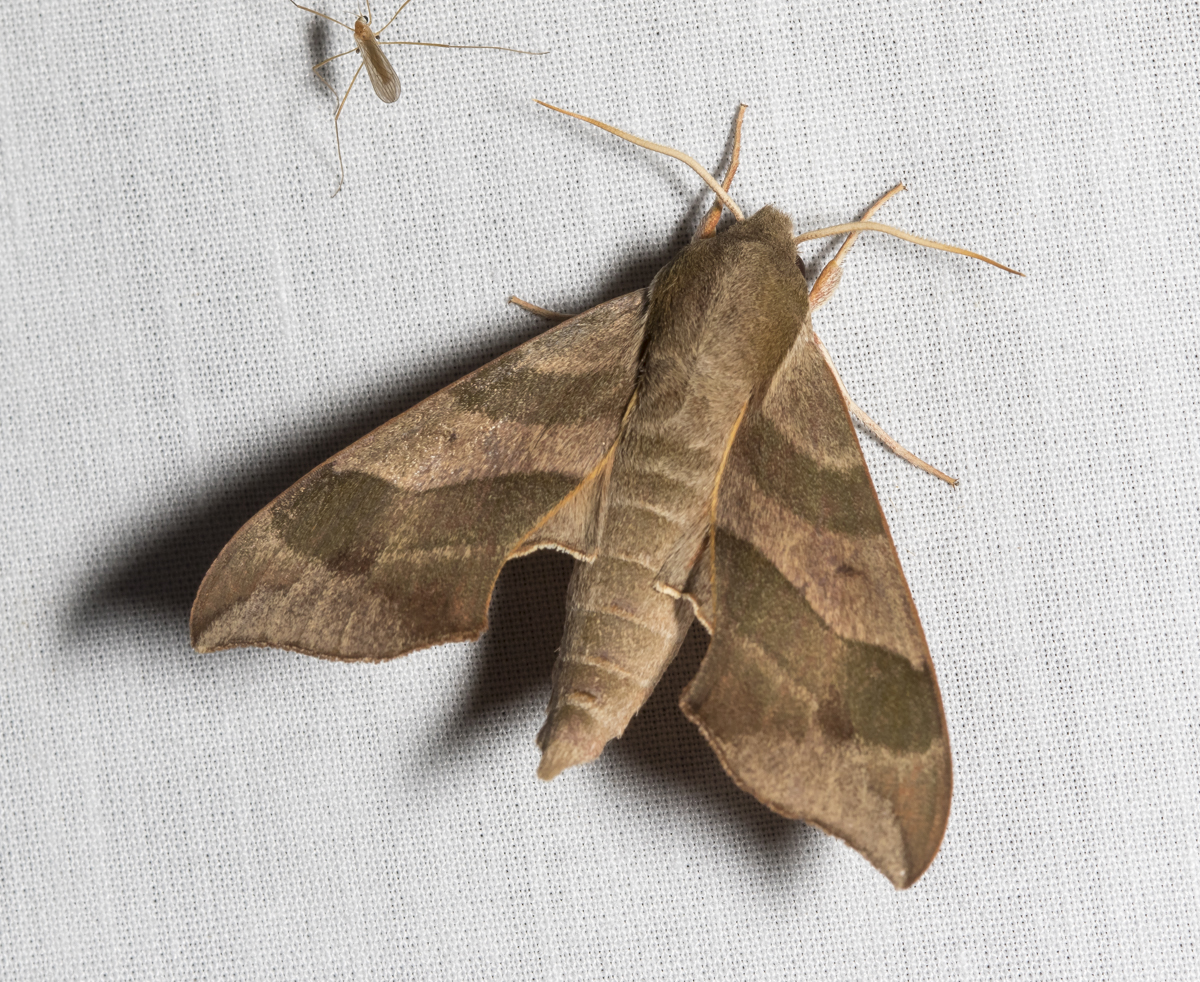
Common Spragueia Moth, Spragueia leo, a small bird-dropping moth (click photos to enlarge)Another tiny moth, a Double-banded Grass-veneer, Crambus agitatellusThe adult form of one of our favorite caterpillars, the Crowned Slug Moth, Isa textulaCommon Pinkband, Ogdoconta cinereolaA very small, but beautiful, Sooty Lipocosmodes, Lipocosmodes fuliginosalisA snappy dresser, a Striped Oak Webworm, Pococera expandensNeutral colors are in this year – Large Paectes Moth, Paectes abrostoloidesDusky Groundling, Condica vecorsTerrenella Bee Moth, Aphomia terrenella – not much is known about this species but larvae may feed on the honeycomb and/or larvae of beesThough simialr in appearance to others in its group, I think this is a Bicolored Angle, Macaria bicolorataLarge Mossy Glyph, Protodeltote muscosulaDimorphic Macalla Moth, Epipaschia superatalisThe prize-winning moth of the night, a Virginia Creeper Sphinx, Darapsa myron (we both really love the sphinx moths for their beauty, patterns, and sleek design)
In addition to some cool moths, the light attracted many other critters. The most abundant (and smallest of the lot) were various species of caddisflies and the ubiquitous May Beetles (the ones that constantly pound on our windows at night). Here are some of the larger non-moth neighbors….
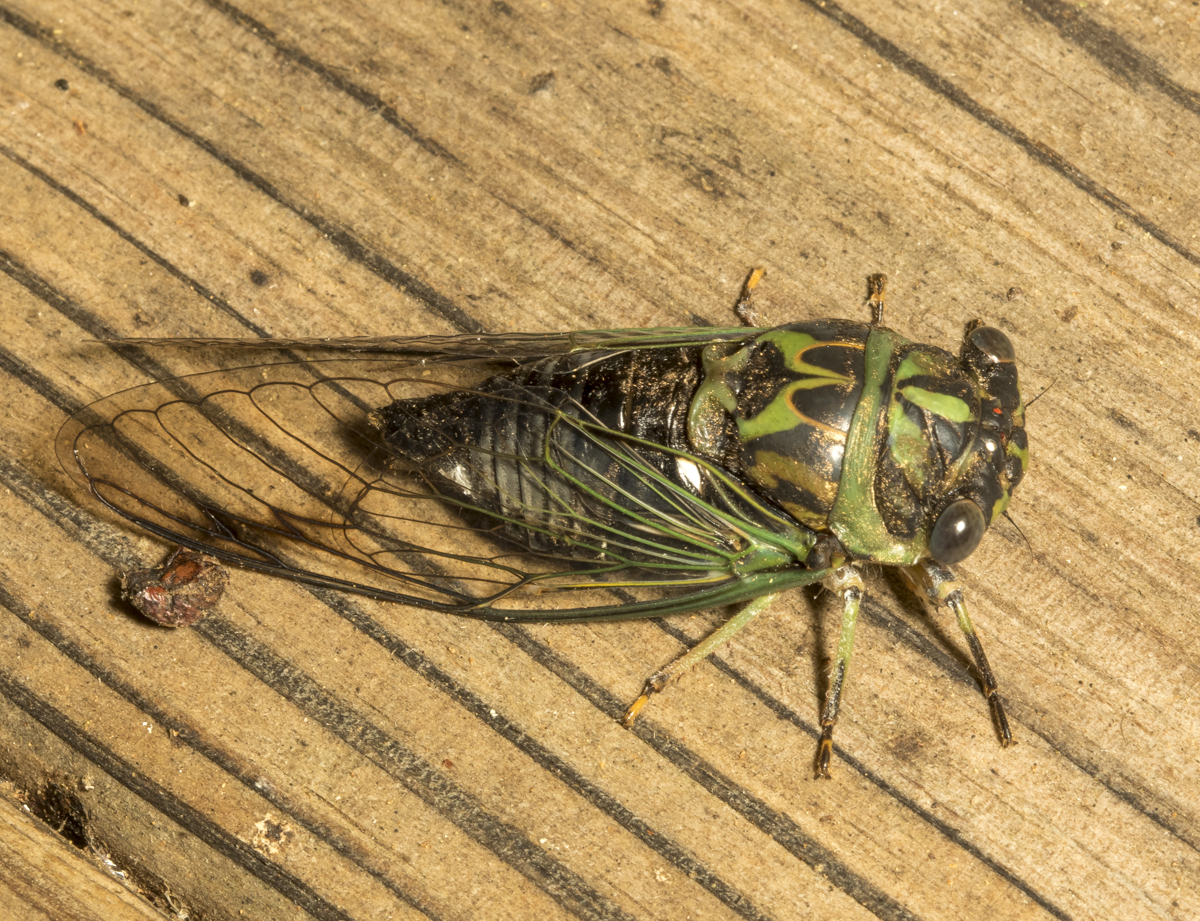
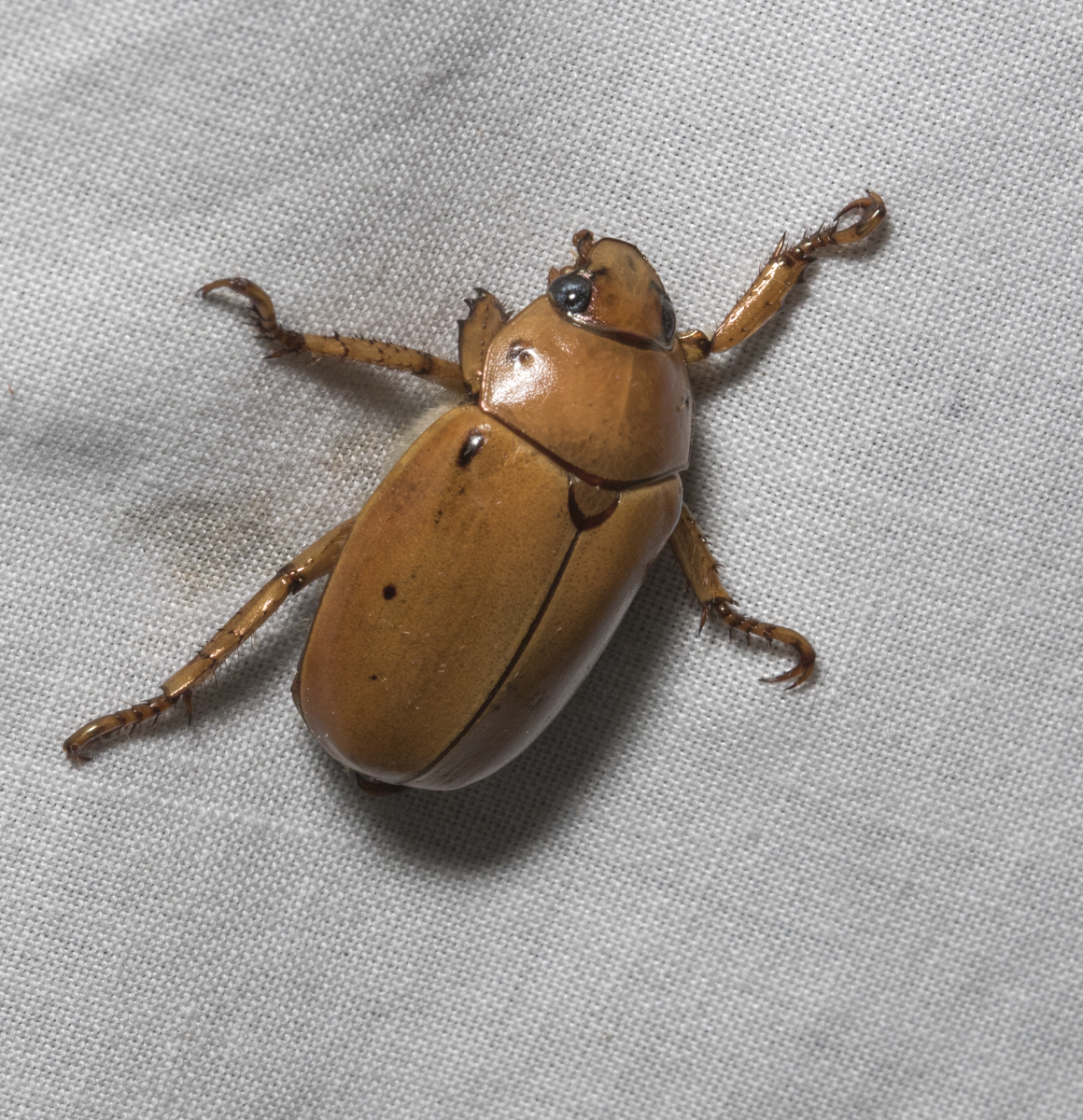
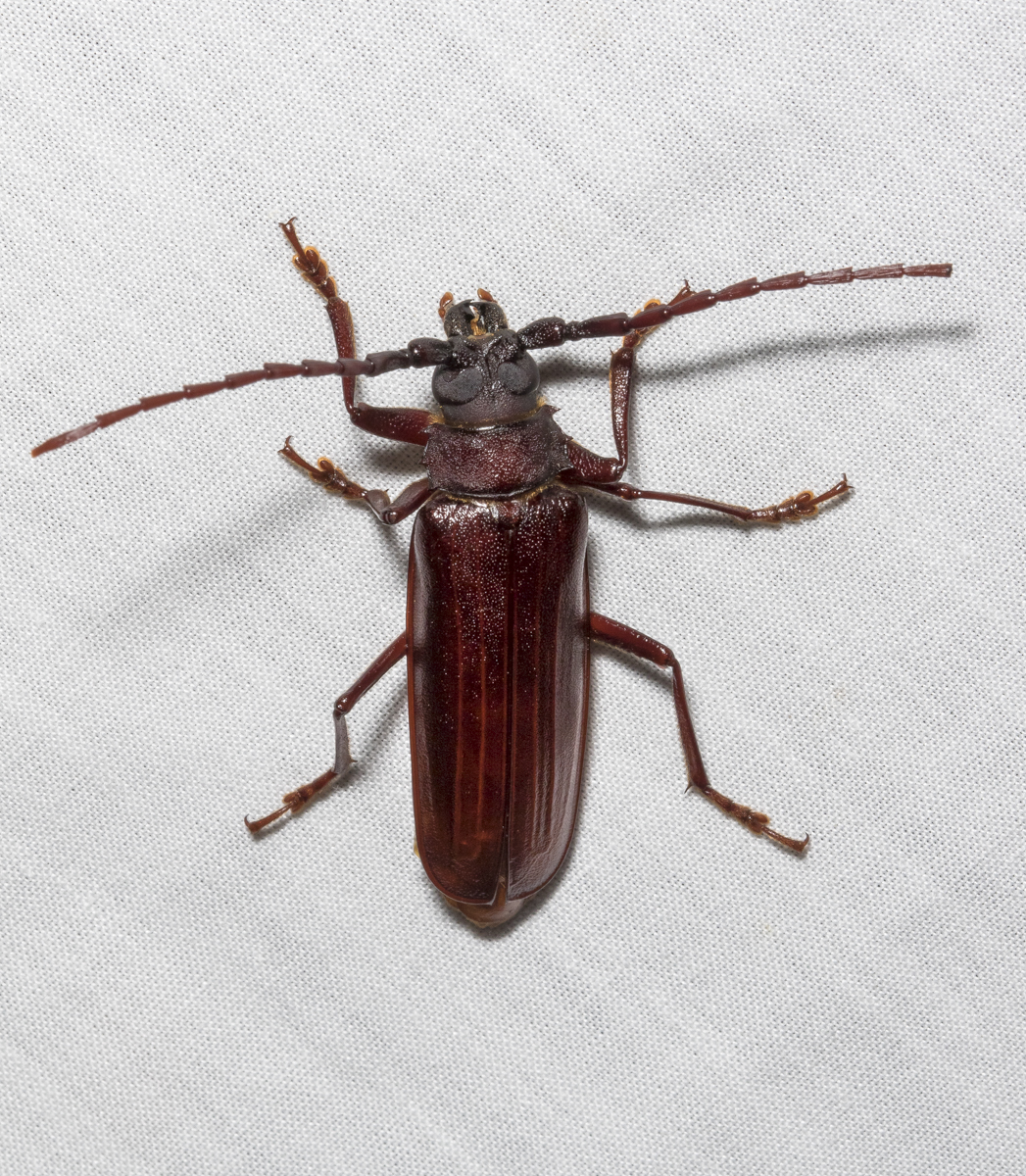
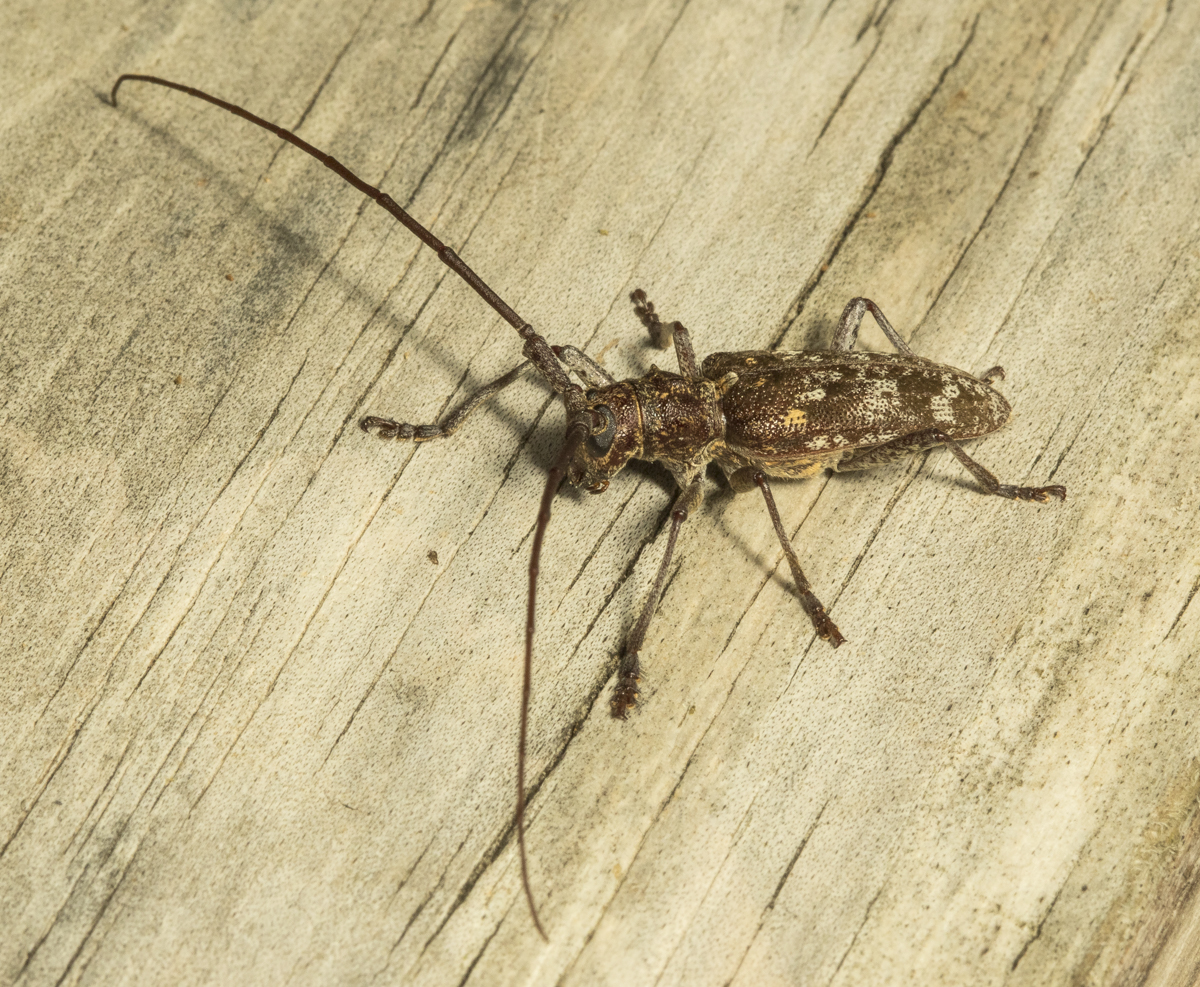
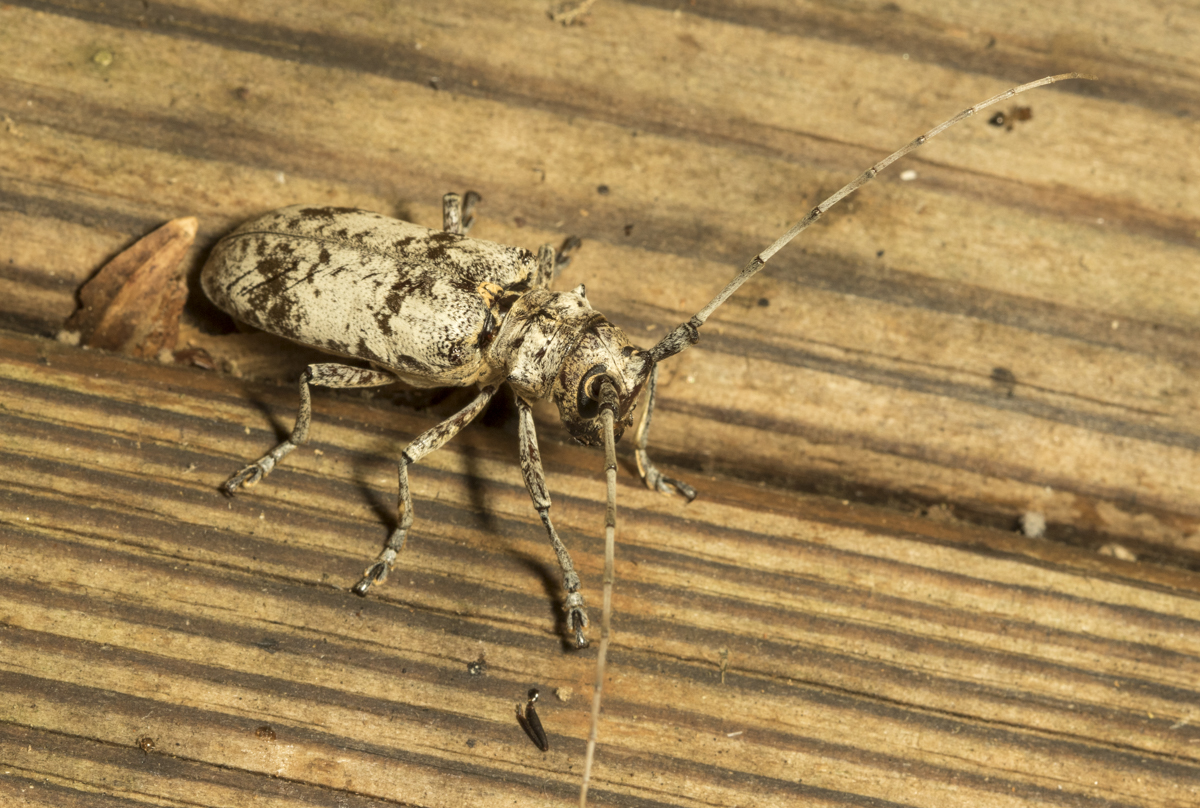
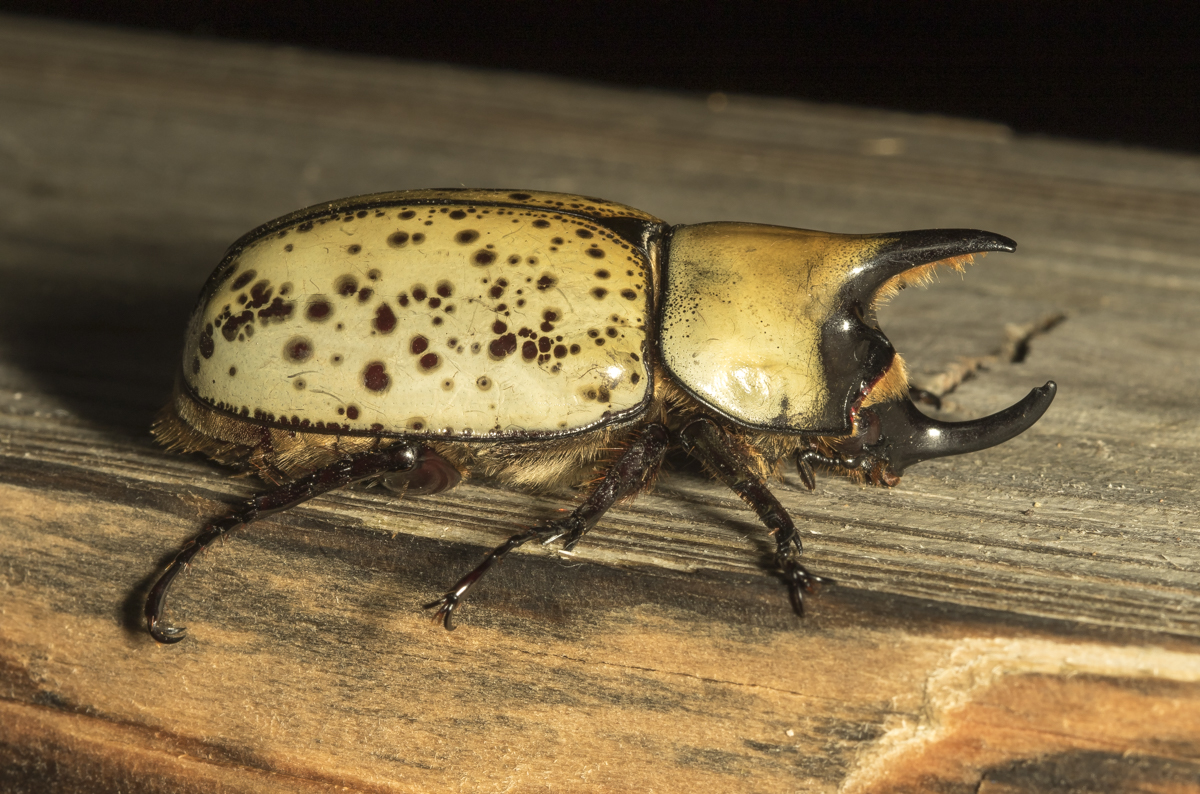
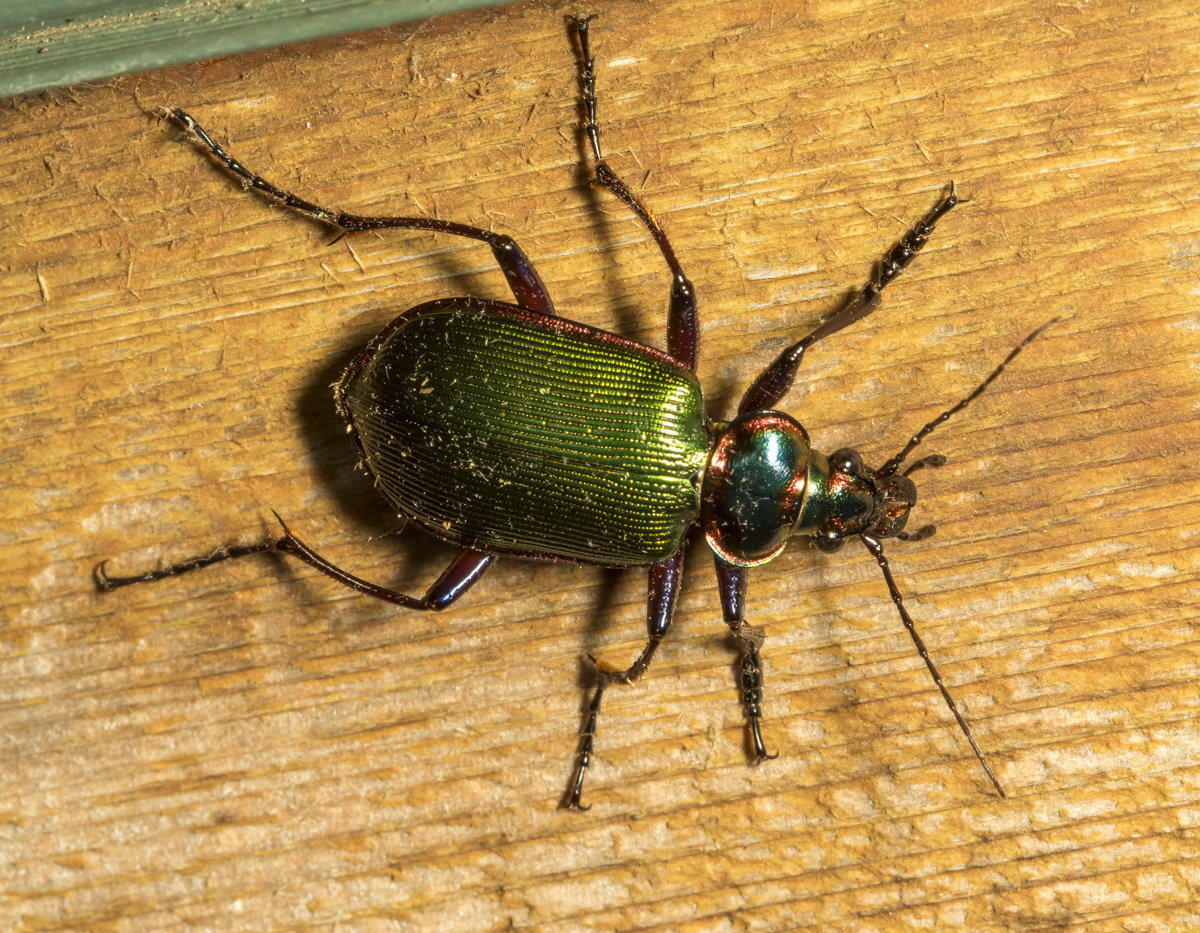
Several noisy cicadas (Neotibicen sp.) showed up last nightGrapevine Beetle, Pelidnota punctataThe formidable-looking Brown Prionid Beetle, Orthosoma brunneumSeveral species of longhorned beetles showed up, including this Carolina Pine Sawyer, Monochamus carolinensisA large White Oak Borer, Goes tigrinusAnother huge Eastern Hercules Beetle, Dynastes tityus, male made an appearance. These guys are like small tanks!The fastest (and second largest) beetle of the night was this Fiery Searcher Beetle, Calosoma scrutator. These are in the caterpillar hunter group of beetles and can produce a strong musky odor and a painful bite if mishandled. Adults can live up to three years and can consume hundreds of caterpillars (including tent caterpillars and gypsy moth larvae) in their lifetime
Just because National Moth Week is over, don’t let that stop you from turning on a porch light or setting out a moth sheet to learn more about some of our amazing nocturnal neighbors.
On Mon, Jul 27, 2020 at 10:57 AM Roads End Naturalist wrote:
> roadsendnaturalist posted: “I think that engaging with natural history – > learning the identity and phenology of your neighbors by reading about > their stories, and studying their lives alongside your own can give anyone > a sense of rootedness. ~Henry Hershey One reason I like Nation” >
These are fascinating creatures! Can you recommend a general field guide for moths of our area, something like Moths of NC or Moths of the Southeast, that would help me get to know the ones visiting my back porch at night? Thanks!
Hey Lucretia…good to hear from you. I find moths to be a tough group because of their numbers and variability. But here are the resources I find most useful: Peterson Field Guide to Moths of Southeastern North America (by far, the best book for our area); Moths of NC web site (http://dpr.ncparks.gov/moths/index.php); and two apps that are very good – SEEK and LEPS
They are impressive creatures (and very strong). The ones that came to the light hit the sheet like a tennis ball…wasn’t sure what had happened at first!





 Roads End Naturalist
Leave a reply to roadsendnaturalist Cancel reply