
Birds are a miracle because they prove to us there is a finer, simpler state of being which we may strive to attain.
~Douglas Coupland
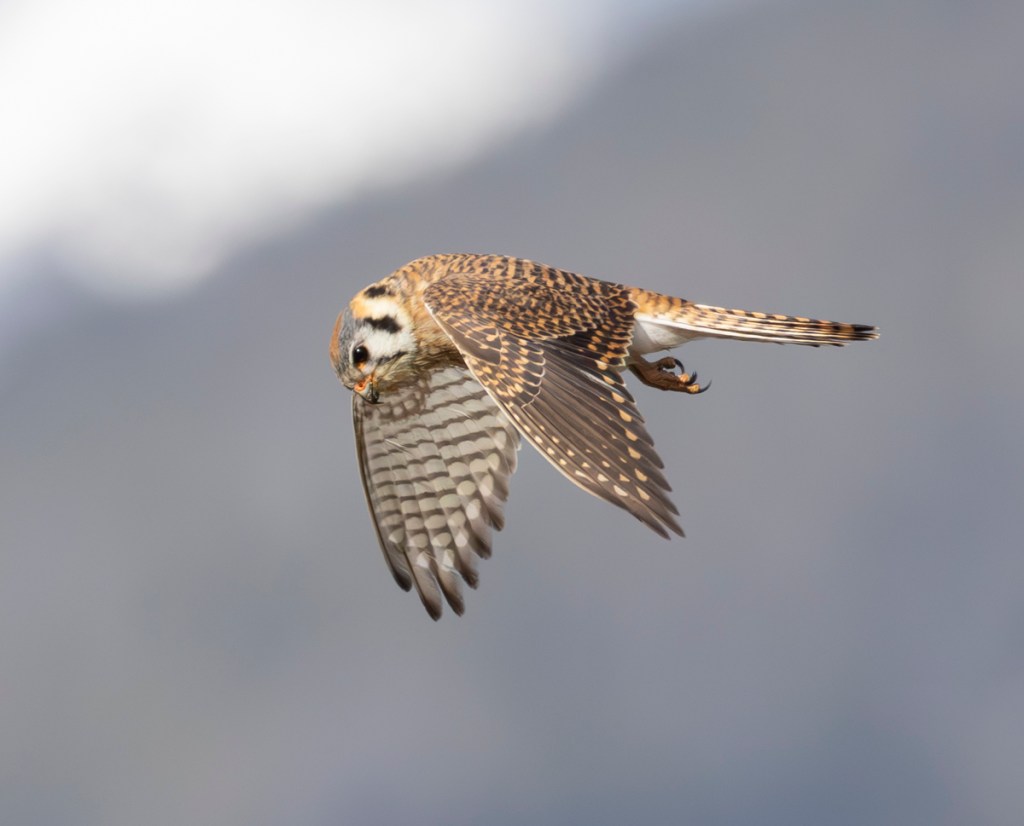
Melissa and I recently did a 4-day canoe trip along the Green River in Utah and on the return trip she spotted several American kestrels (formerly called sparrow hawks) along the park entrance road near our home. Some were on the ground but the ones she saw first were hovering above a large expanse of grassland. We went to the next pullout and turned around to go back to watch. It was amazing to see so many of these diminutive falcons in such a small area. After one hovered very close to our parked car we both decided we needed to go home and get our cameras and hope the birds stayed put. When we returned several minutes later, the kestrels were still at it though more were just sitting on the ground than before. Melissa counted 8 kestrels in an area about the size of a football field. It is migration season for raptors and we have learned that the area along the entrance road is one of the hot-spots and the kestrels seemed to agree. Some of these birds may continue north but kestrels do nest in the park so some of these may stay here for the summer.
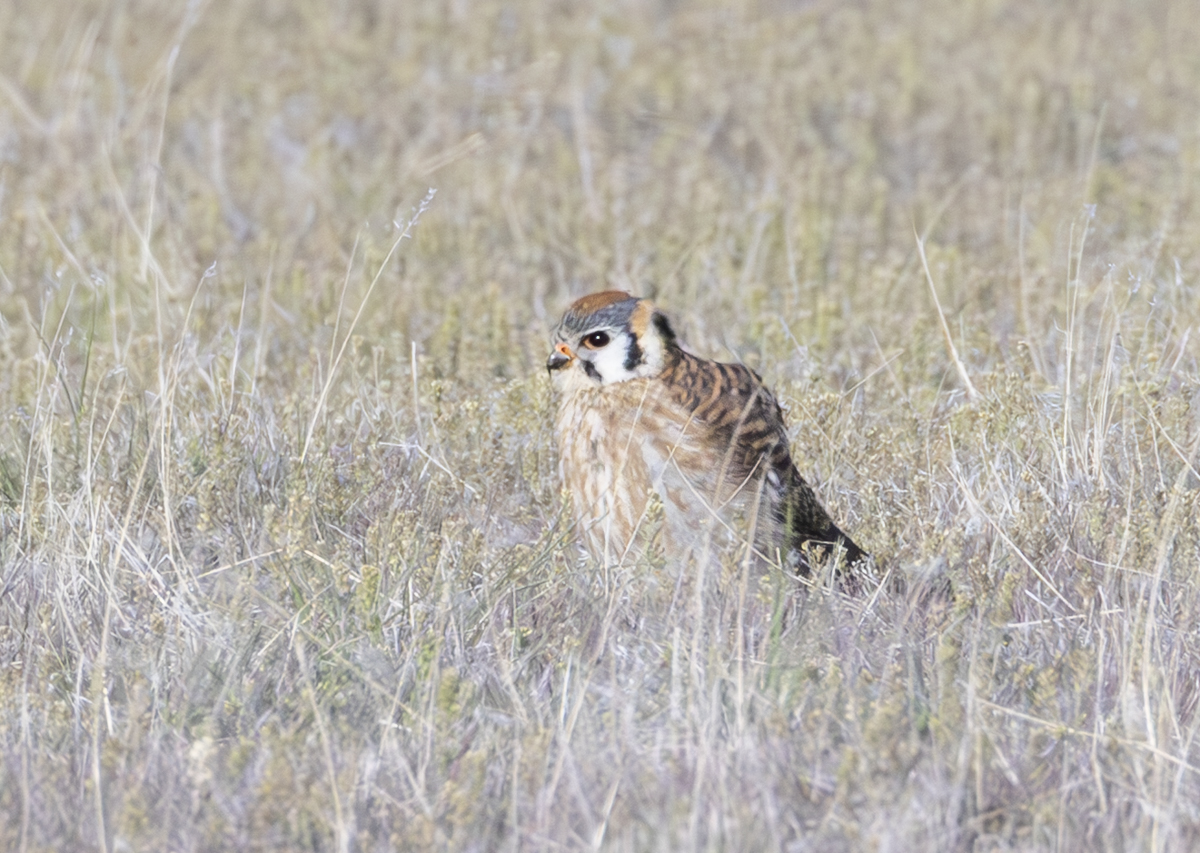
A couple of the birds did fly closer to where we had parked but even then we never got a clear view of what they were catching though on one occasion it looked like one may have caught a caterpillar. We wondered if there was some sort of insect concentration that had attracted the birds or whether they had just stopped here during their migration.
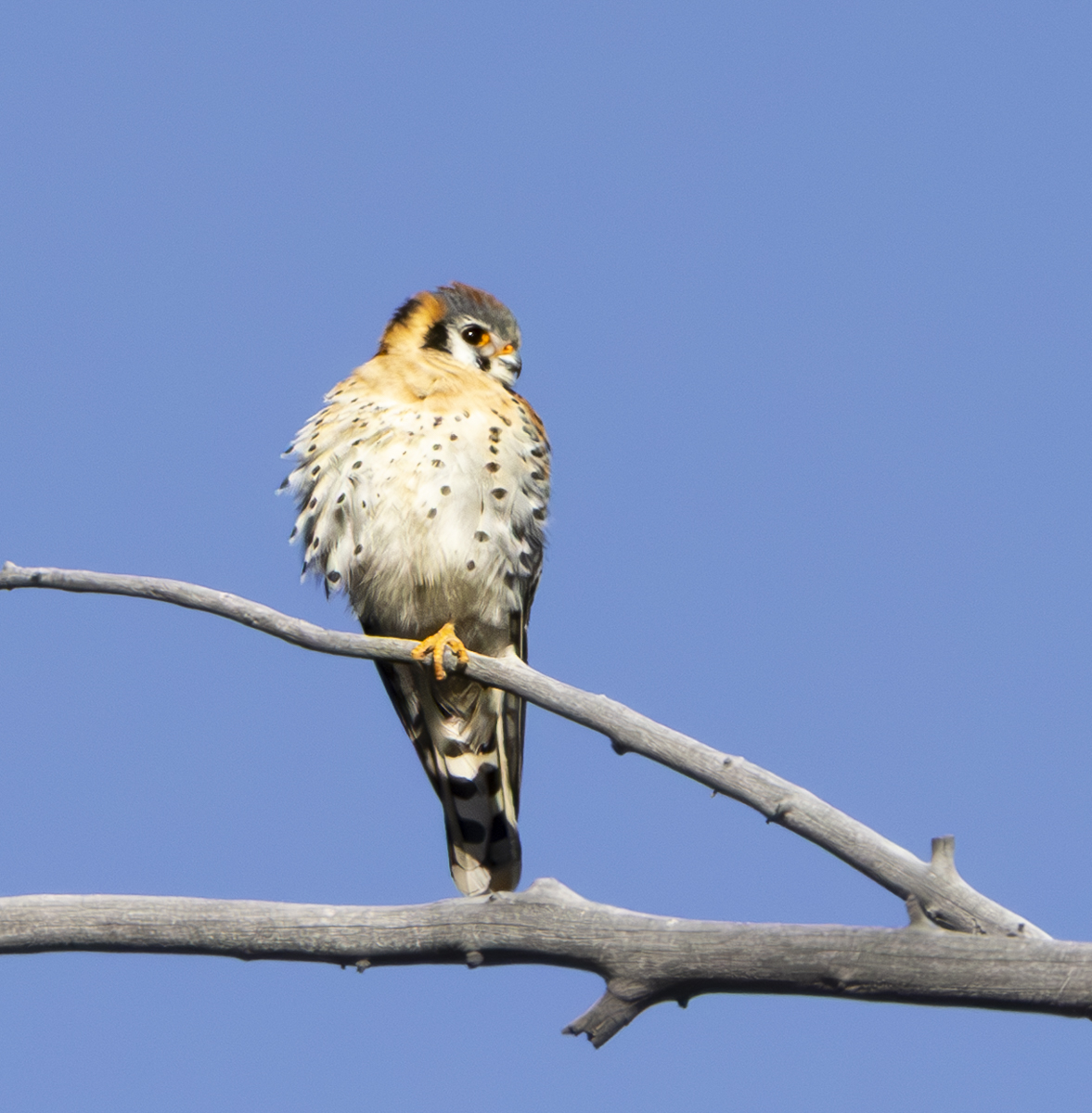
The area where they had gathered only had a few wooden stakes to act as perches so you could almost always count on a bird being in that vicinity. They also tended to perch on rocks scattered in the area as they do like to sit in a high spot and watch for prey.
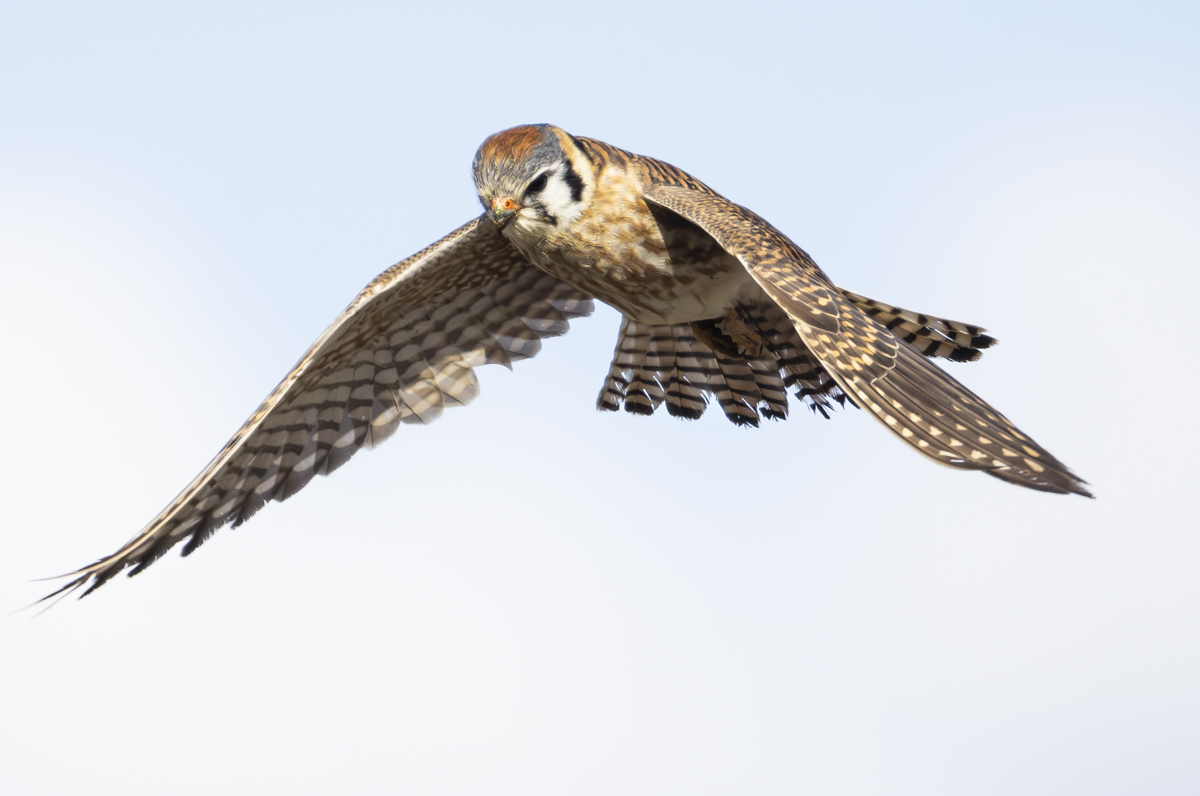
But the dominant hunting strategy we observed started with their impressive hovering skills.
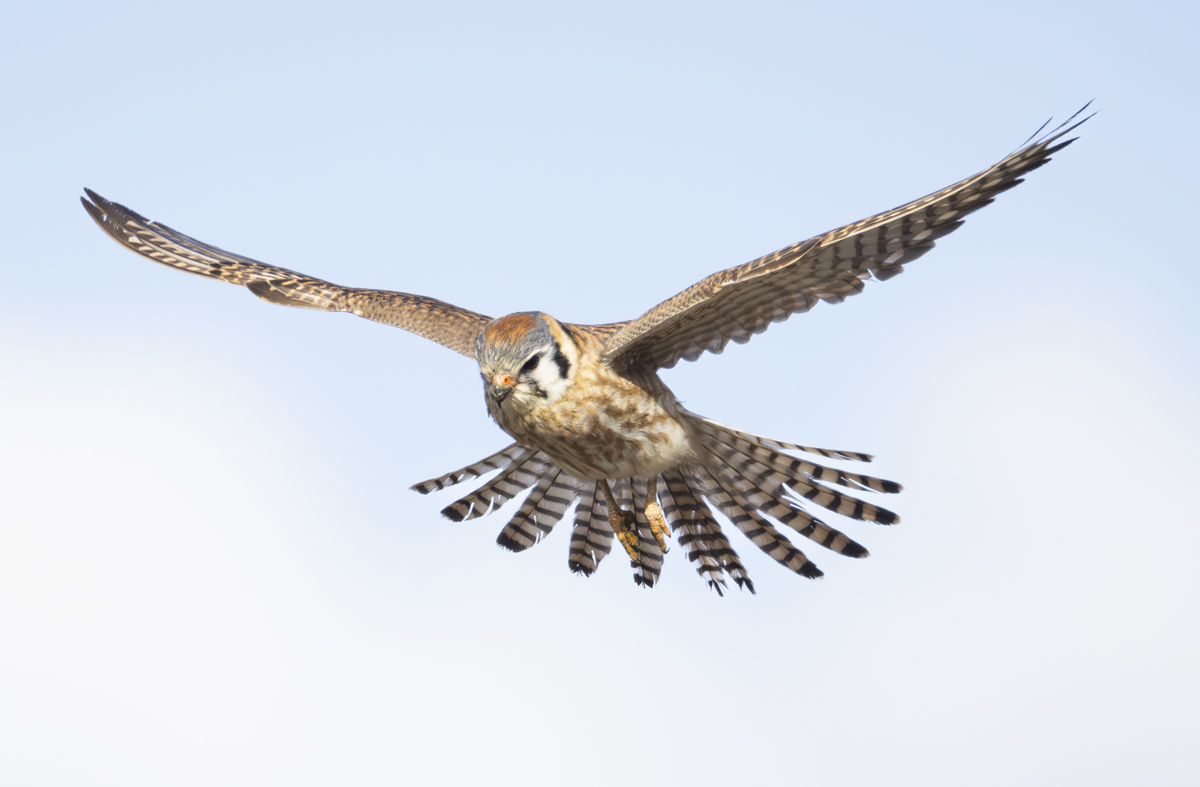
Scientists in Australia trained another species of kestrel to fly in a wind tunnel to study their movements in different wind conditions. The birds were wearing numerous reflective markers and were filmed to create computer-generated imagery to see how the birds adjusted for different wind scenarios. The results showed that kestrels can morph their wings almost instantly to adjust their surface area to adapt to fluctuations in the wind. They also make adjustments in their tail feather fan and angle to help with stability while hovering as this series of images shows.
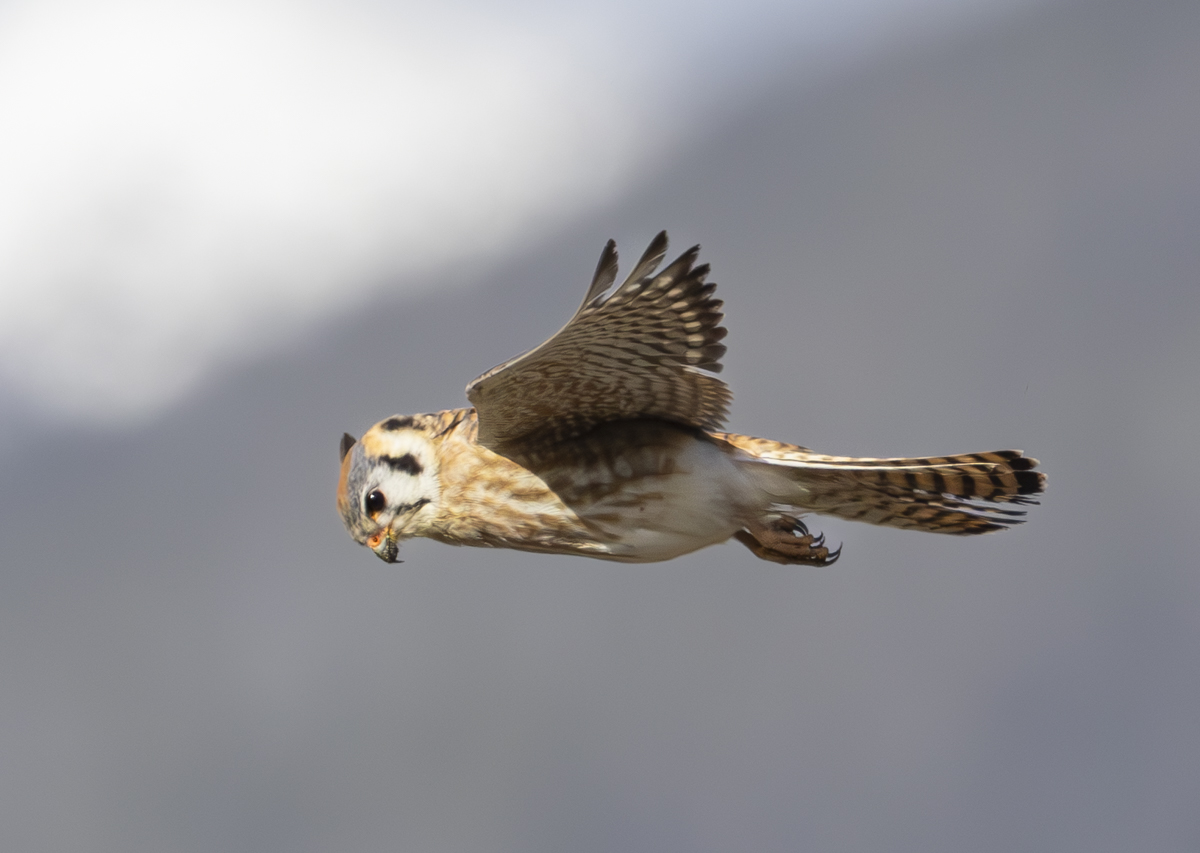
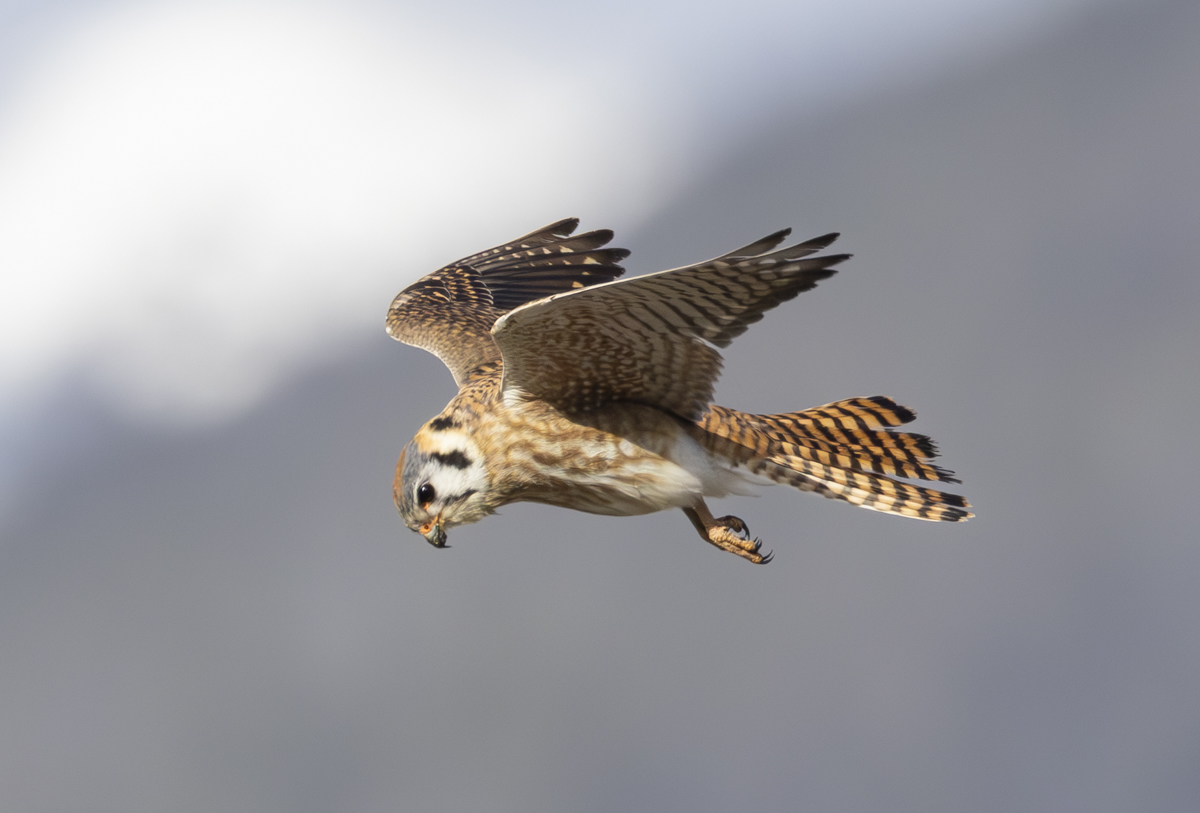
Most of the time, the kestrels would hover and then drop down onto the ground and we could see them eating something small. Occasionally they would change direction and hover over a new spot or simply land and look around. I did see one run after something on the ground and eat it.
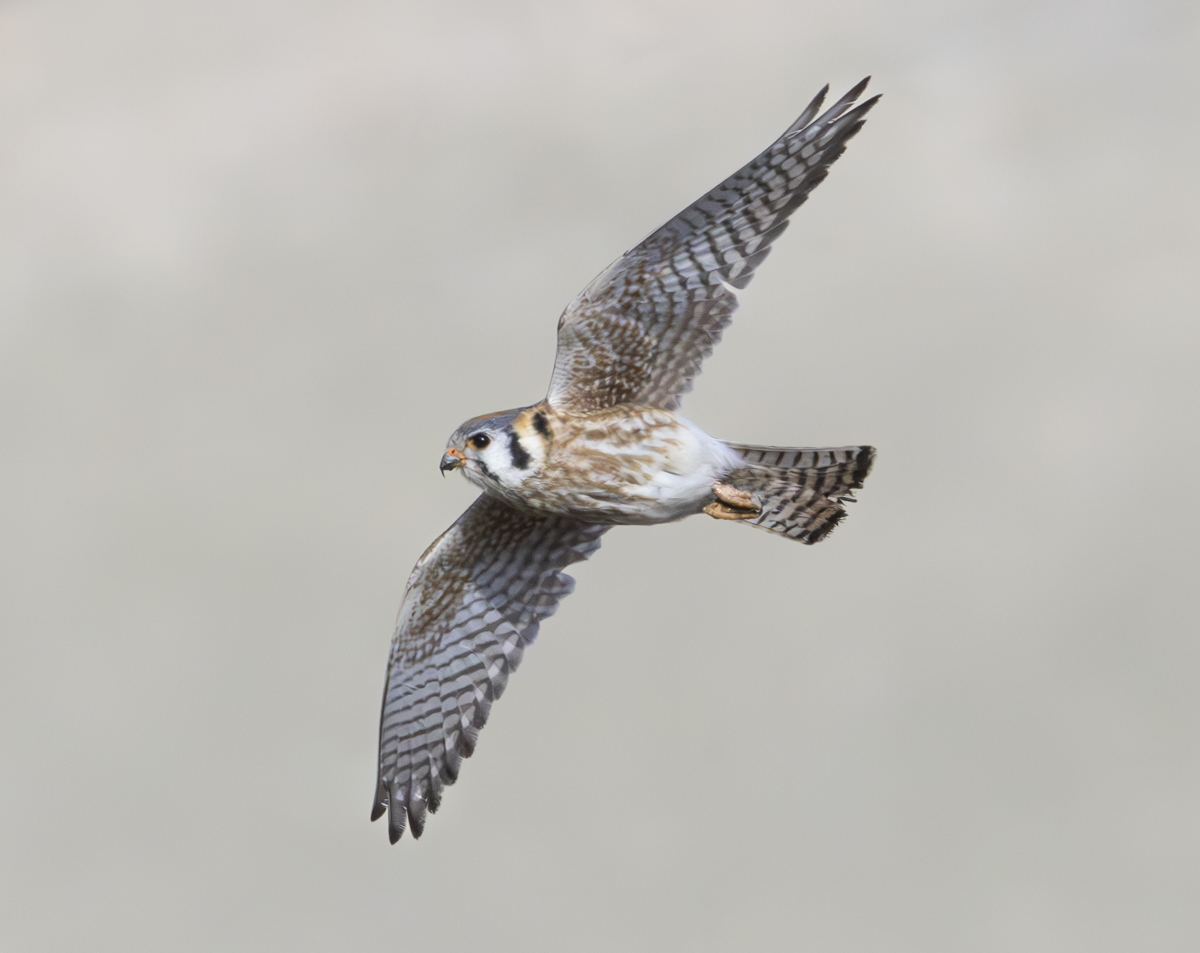
The truly amazing thing to see was how they maintain such a steady position of their head while hovering. This undoubtedly is important for spotting prey and focusing on the ensuing capture. This slow motion video clip shows a kestrel hovering for several seconds before dropping. Note the head position throughout the hovering. The wind tunnel studies I mentioned earlier documented that the birds’ hovering was so stable that their heads didn’t move beyond 2 millimeters in any direction. The scientists are now working on a prototype drone based on their observations of the kestrels. Best viewed full screen.
The amazing ability of an American kestrel to hover with almost zero movement of its head


 Roads End Naturalist
Leave a reply to Mike Dunn Cancel reply