Feet, what do I need you for when I have wings to fly?
~Frida Kahlo
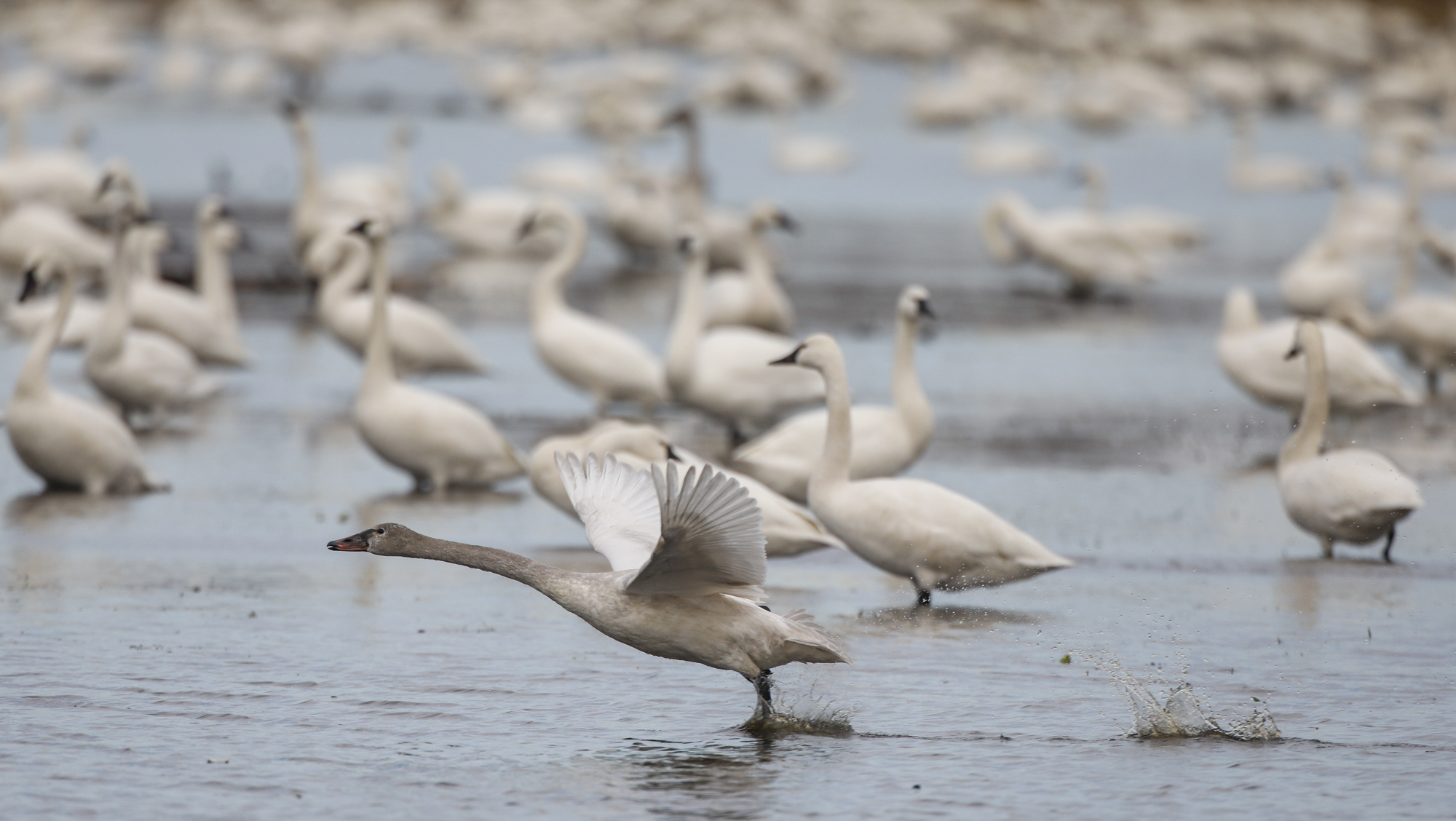
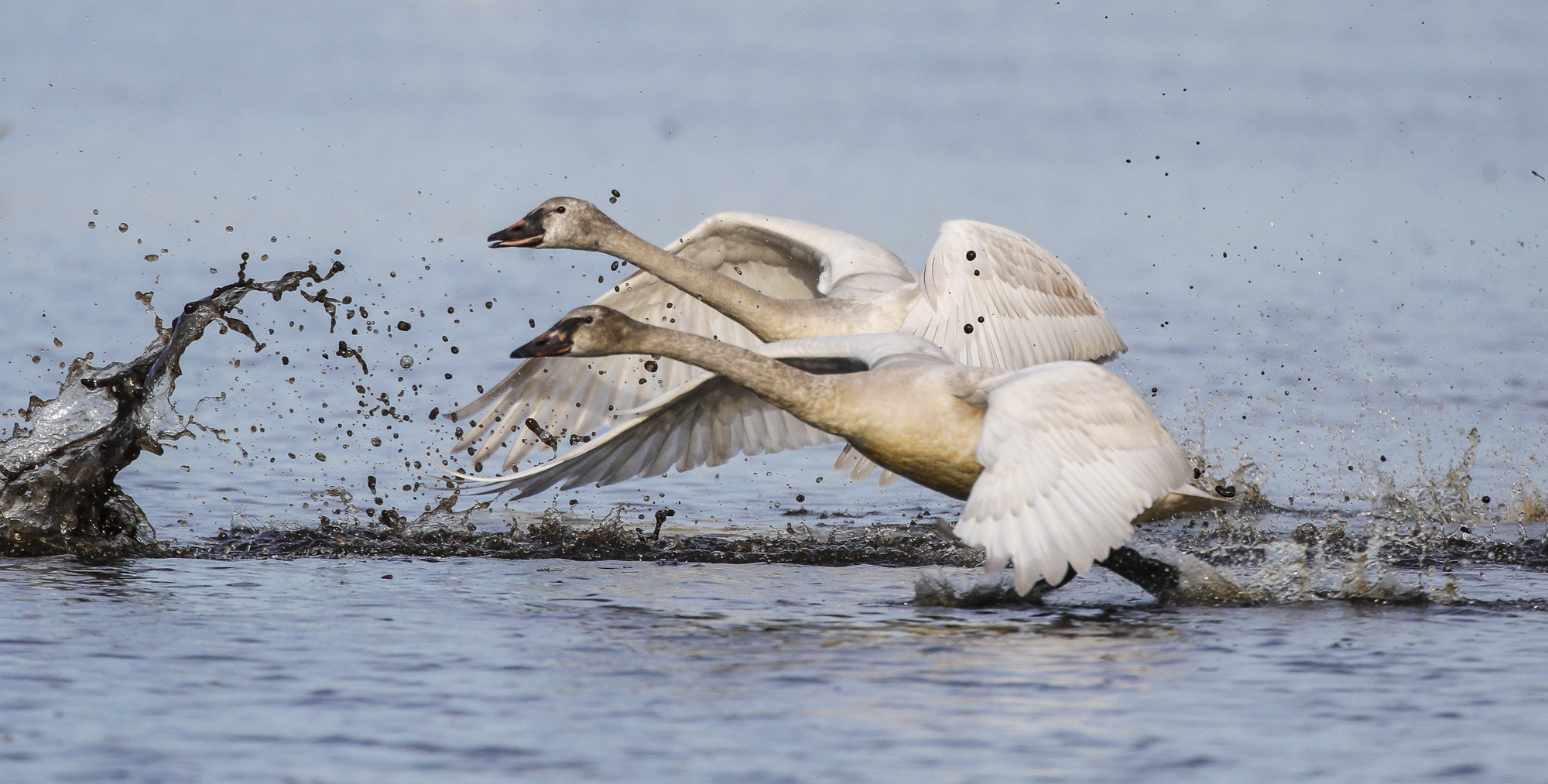
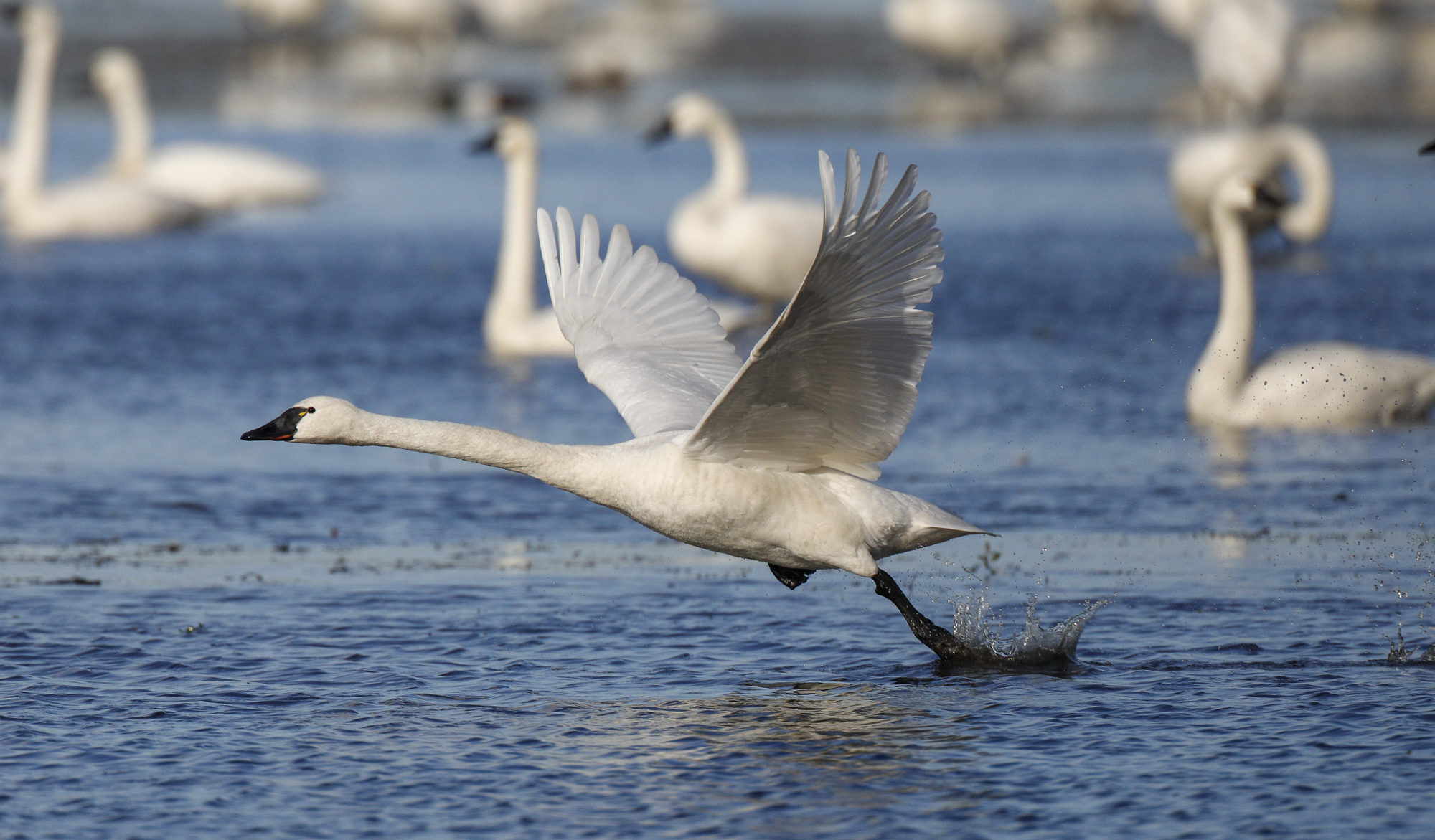
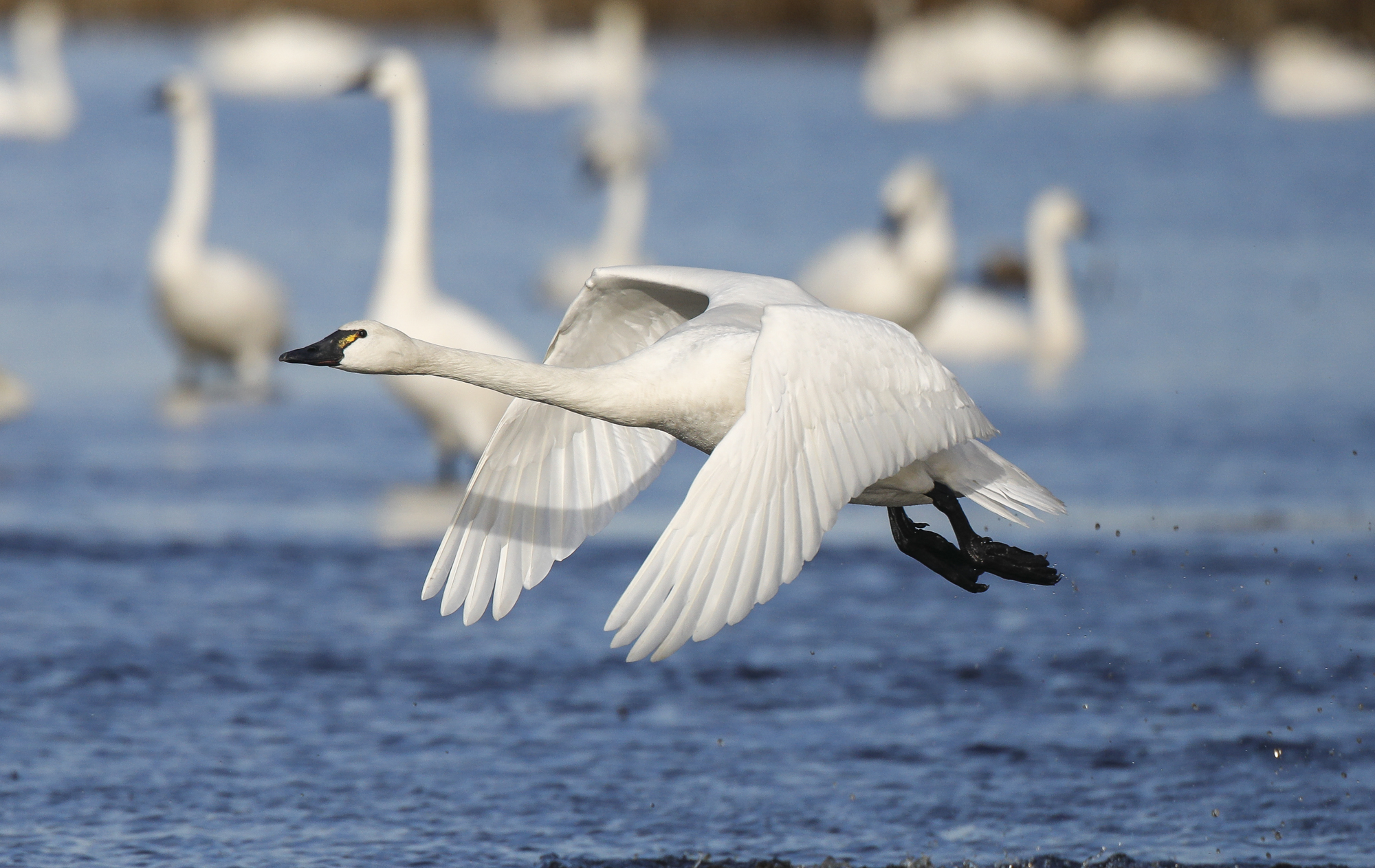
I think I can answer that after spending an afternoon watching my favorite winter resident, the tundra swans, at the Pungo Unit this past weekend. It turns out, if you are one of North America’s largest waterfowl (weighing in at 18-20 pounds), you need your feet in order to get airborne. I arrived late morning when things tend to be a bit slow in terms of wildlife, spent some time chatting with three groups of friends down for the holiday weekend, and then settled in for some wildlife watching at my favorite impoundment (Marsh A). Cloudy skies soon gave way to bright blue and sunny conditions, and the several hundred swans at Marsh A were doing what they do best – preening, some feeding, squabbling with nearby groups, and filing the air with their peaceful calls. As the afternoon wore on, more and more swans started taking flight, headed out to nearby fields for their last meal of the day before retiring back to the safety of the water. As they did so, another sound echoed across the water – the slapping of their huge webbed feet and splashes as they run across the water flapping their nearly 6-foot wingspan to gain lift. Their approach to the runway is usually preceded by head-bobbing and calls, slow at first, and then more intense. I wonder if this is a signal to their family (they tend to stay together as family units on the wintering grounds) that we are about to leave? Maybe it also serves as a warning to birds along the potential runway to look out, ’cause we are headed your way. They almost always take off into the wind which helps give their huge wings a needed boost. I spent a couple of hours sitting with these magnificent birds, watching, listening, and admiring these long-distance travelers. I also practiced swinging the big lens along my window bean bag as the swans slapped the water to take off. It was a good way to spend an afternoon.
Juvenile tundra swan running across the water to take flight (click photos to enlarge)A pair of adult swans (all white, no grayish head and neck) about to be airborneIt must be tough being third and fourth in the take-off line with all that muddy water being kicked up in your face by your parentsIt can be tough to isolate one bird as it takes off with so many on the waterSwans typically run across the water surface 50 to 100 feet before lifting offThe late afternoon light filled the marsh and caused the swans to almost glow with elegance
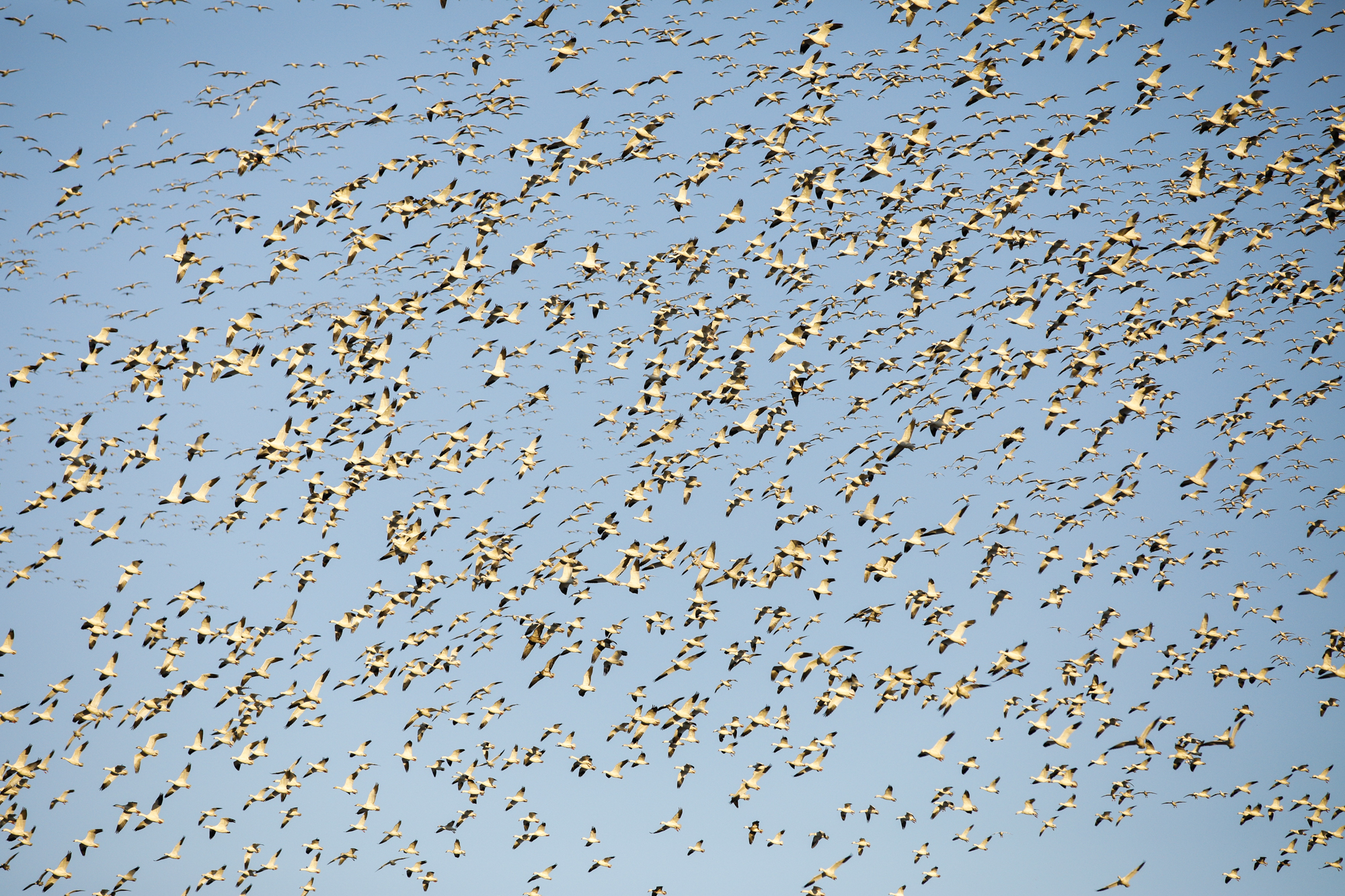
As was the case last week, I heard the snow geese lift off the lake (you can’t see the lake from this location) at about 4:30 p.m. I soon saw a huge flock headed south, presumably to the fields near the front entrance to the refuge. So, a few more minutes with the swans, and then I headed out.
By the time i got to the front fields, most of the snow geese were already on the ground, mixing in with a large flock of swansA jet flew over, startling the snow geese, and causing them to blast off in a whir of black and whiteThe energy balance of these birds baffles me, as they tend to circle several times after each blast off before returning to the ground to feedAs the sun set, I moved to the far side of the field to look for bears and to enjoy the sight of thousands of birds silhouetted against the orange sky, headed back to the lake
This was day one of a three day wandering among wildlife refuges along our coast. More on some other sights and sounds in the next post.
Retirement is not the end of the road. It is the beginning of the open highway.
~Author unknown
I mentioned in my last post that this retirement thing is starting to feel real. To confirm it once and for all, I decided to make a trip to the coast this past week. The weather looked good, the crowds should be less, I had no real itinerary, and had the camera gear loaded in the truck, so off I went. I ended up hitting four wildlife refuges over a two day period – Pocosin Lakes, Mattamuskeet, Alligator River, and Pea Island.
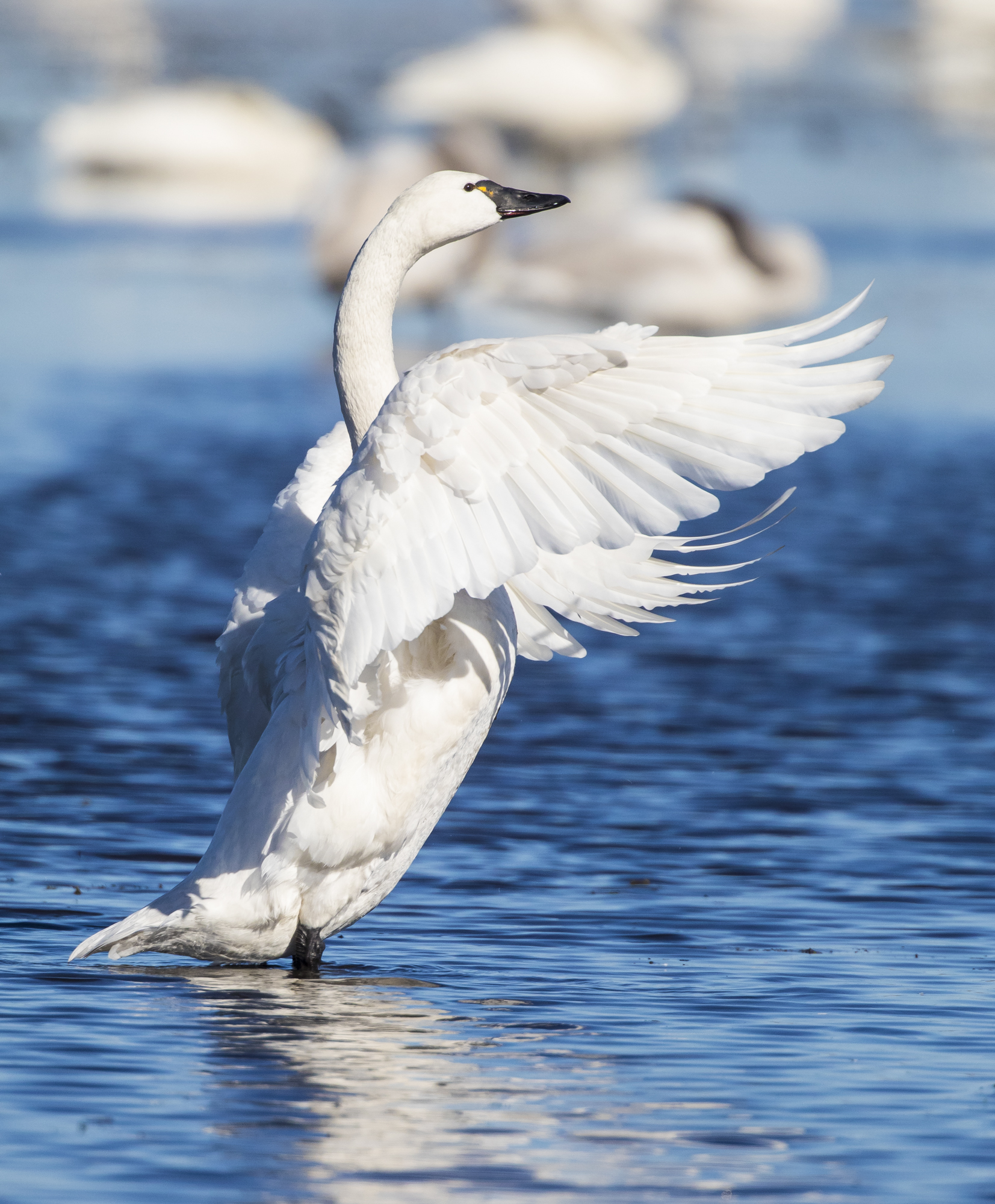
This lone Ring-necked Duck drake was swimming in a canal at Pocosin Lakes and was my first wildlife encounter for the trip. Often called Ringbills by hunters, these ducks can be recognized even at some distance due to the white triangle coming up from the waters’s surface in front of the wing (click photos to enlarge).My first stop was the impoundment known as Marsh A on the southwest corner of Pungo Lake. There seems to be a little less water in it this year, but it was still full of tundra swans and…Seven Sandhill Cranes were on the far side of Marsh A. This is the largest number to overwinter here in recent years.I love spending time with the swans, watching them preen and have “group discussions” over who owns what patch of water.The start of an elegant wing flap where a swan stands erect, and flaps its magnificent wings a couple of times before settling back down in the water.I can’t help but think that if angels really have wings, they must look like these.
After lunch, I drove over to Mattamuskeet to see what I could find. There were the usual hundreds of ducks on the impoundment, but not much else. I did find a group of tail-bobbing Palm Warblers and more Eastern Phoebes than I think I ever seen.
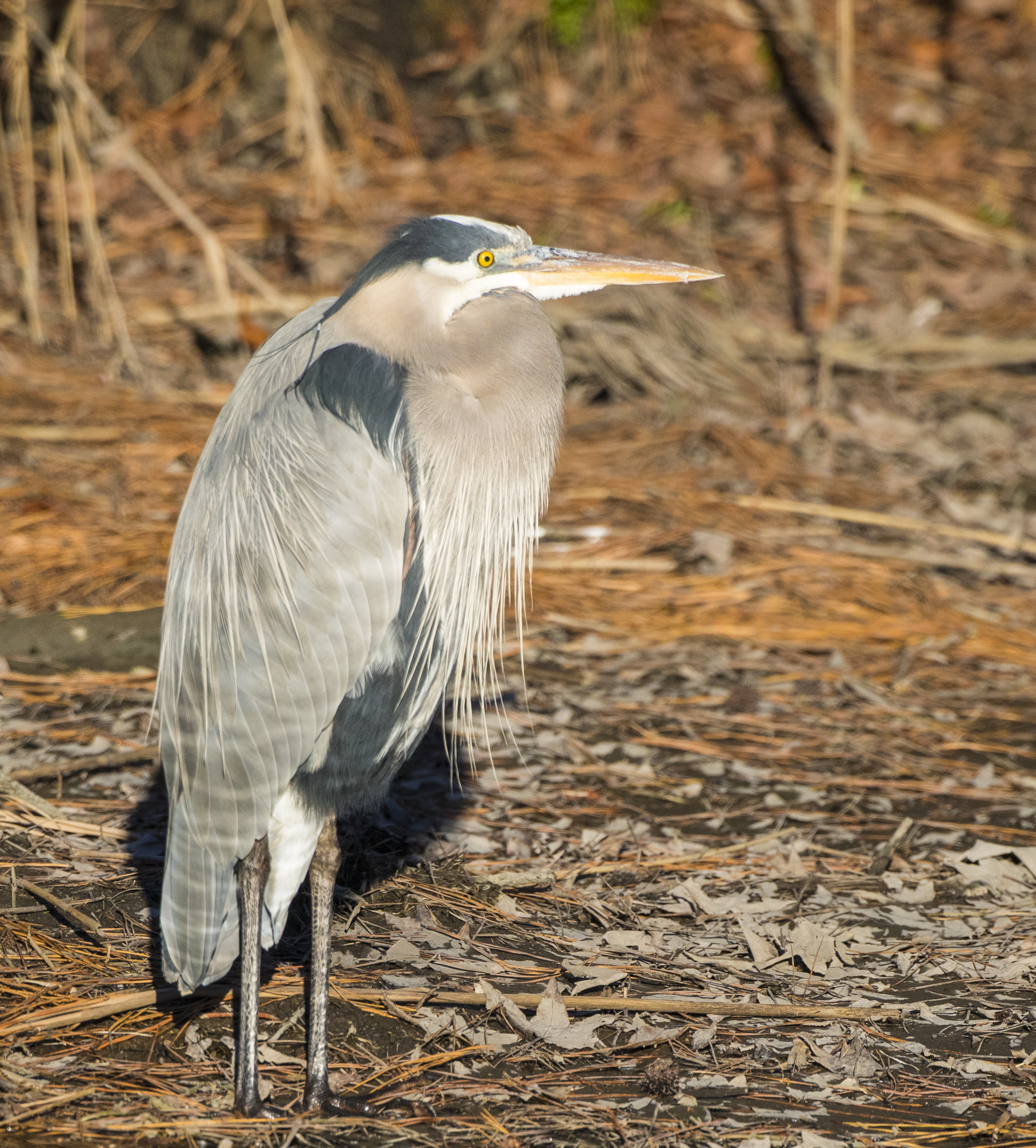
Palm warblers were flitting in and out of the shrub thicket along Wildlife Drive.A Great Blue Heron serving as a backdrop for the dancing light of ripple reflections from the canal.
With only a couple of hours of daylight remaining, I decided to head towards Alligator River NWR and made the snap decision to spend the night on the Outer Banks. I didn’t take any images at Alligator River that afternoon, but did see good numbers of waterfowl and a couple of cruising Bald Eagles.
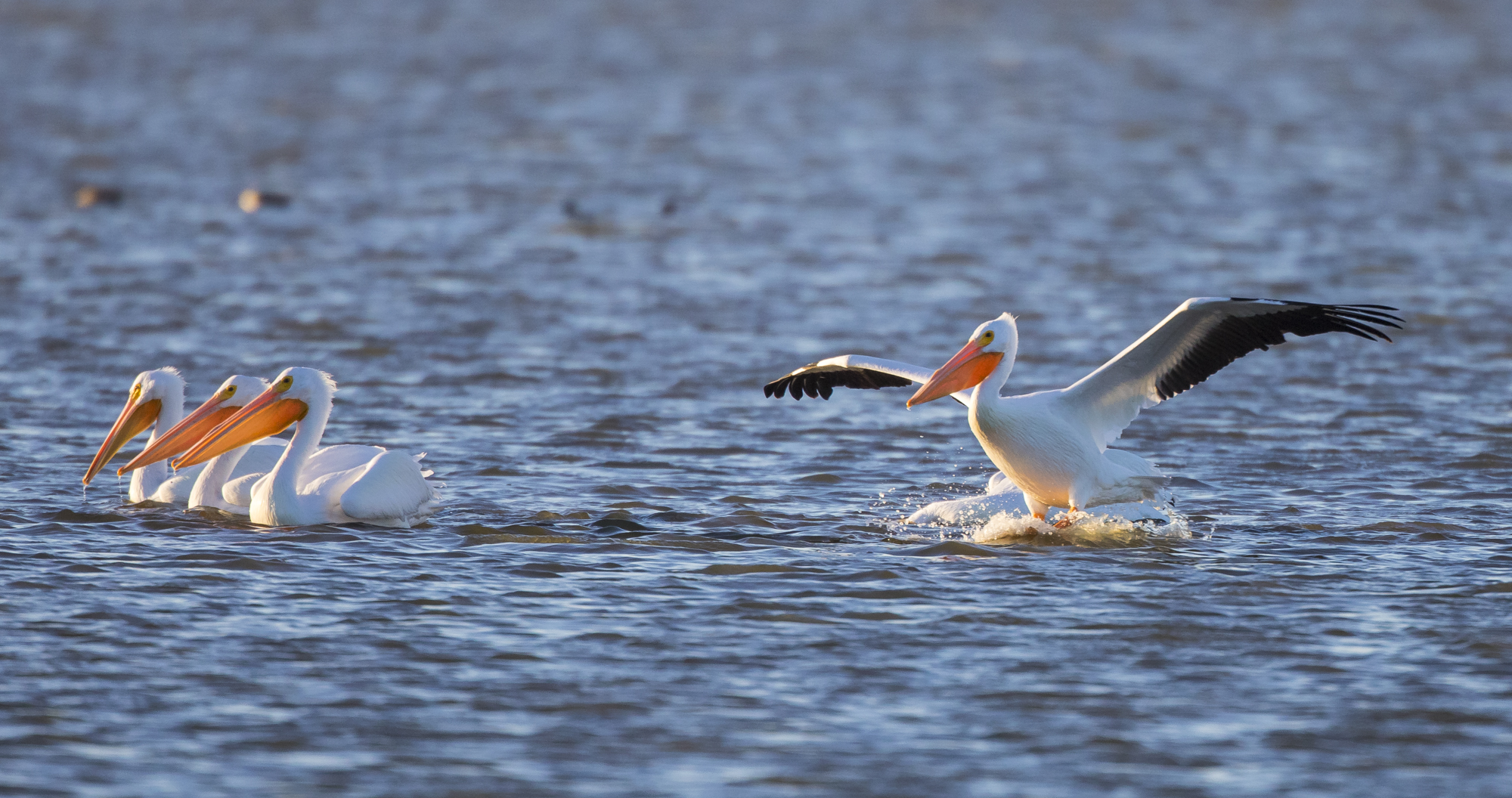
The next morning was windy and cold, typical coastal winter weather. Workers were out with their never-ending task of keeping the dunes and ocean off of Hwy 12. Pea Island had lots of birds and more variety than I had seen elsewhere, but the wind was brutal. I did stop and admire a cluster of American Avocets and some American White pelicans looking for breakfast. They were pretty far out, but I enjoyed watching their breakfast ballet as they swim and feed in unison.
An American White pelican joins the breakfast club as they swim together, dipping their bills into the water to capture corralled fish.
The wind helped me decide to head inland so I decided to head back through Alligator River and finish the day at Pungo. Within a few minutes, I had my first bear of the trip.
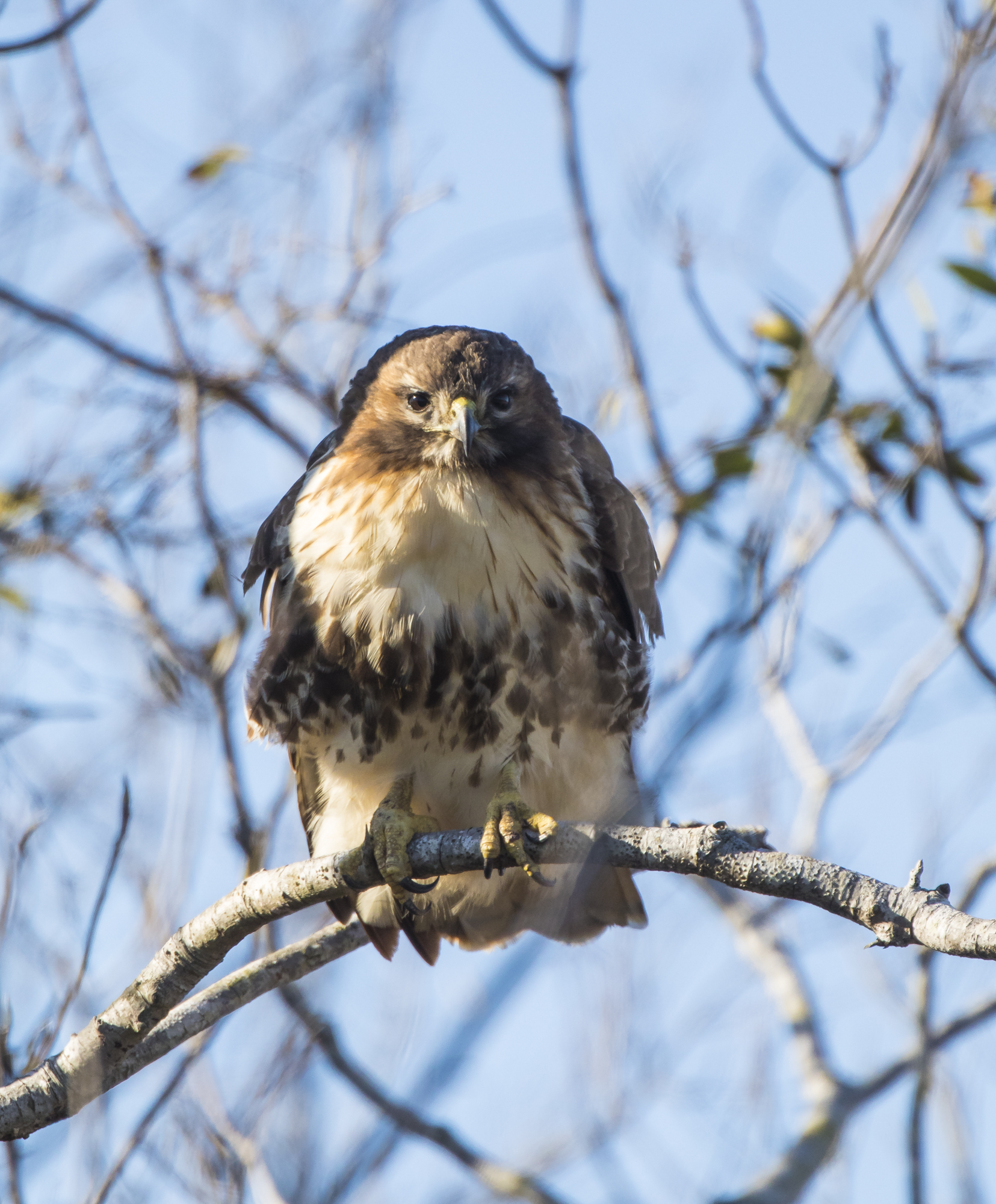
A large bear lying in a field at Alligator River NWR, surveying its domain.A Red-tailed Hawk gives me the eye for interrupting its morning food search, so I moved on, letting it tend to its business.
I arrived at the Pungo Unit in time to eat lunch while watching the swans at Marsh A (I really never tire of spending time with the swans). The cranes were nowhere to be seen, but I did hear the Snow Geese lift off the lake once and then settle back down. One thing that surprised me was the number of people on the refuge considering it was a weekday. At one point I had two groups of what I assume were photography club folks (lots of telephoto lenses and no spotting scopes) totaling 13 car loads at Marsh A. So, I headed over to North Lake (aka Bear Road) and walked down to the far end where this year’s corn crop is planted. While there was obvious signs of bears feeding on the corn, there certainly is not as much scat as I am used to seeing here. I have to think the increase in bear hunting is having an impact on this population. Even though there is no hunting on the refuge, this hot spot for bears is only a half-mile or so from private lands where bears can be taken. I walked back through the woods and noticed a large number of trees that came down in the storms this past year. The good news is that it has given the bears a lot of new areas to play and climb as evidenced by all the claw marks on the leaning trunks. I looked for “our winter rattlesnake” in the usual hollow tree, but saw no sign of it this year. As I walked back to the car, I did see one bear at the edge of the woods across the field. But the best part of the trip was yet to come…
I saw a few White-tailed Deer out in the afternoon, browsing along the road edges.
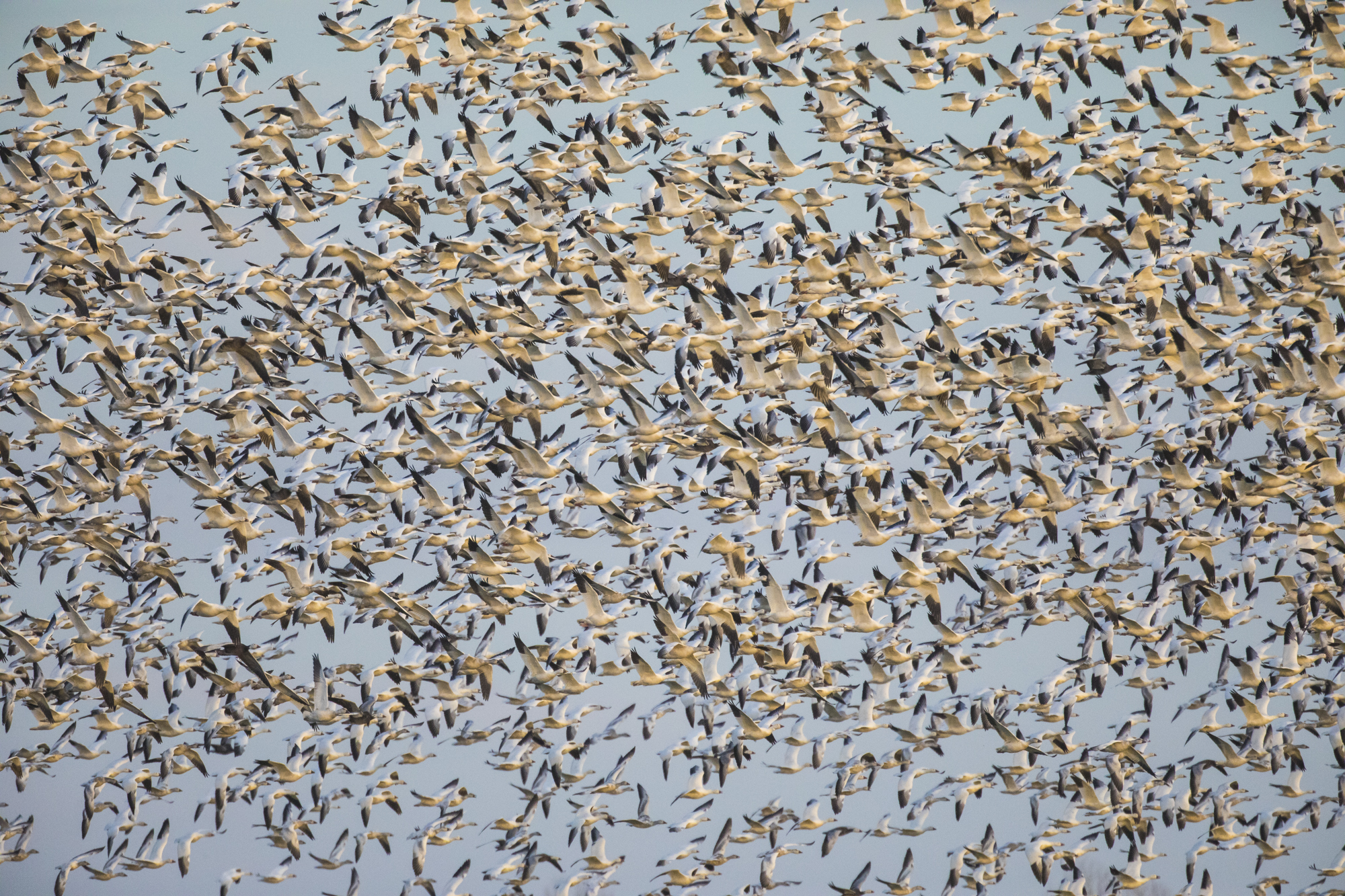
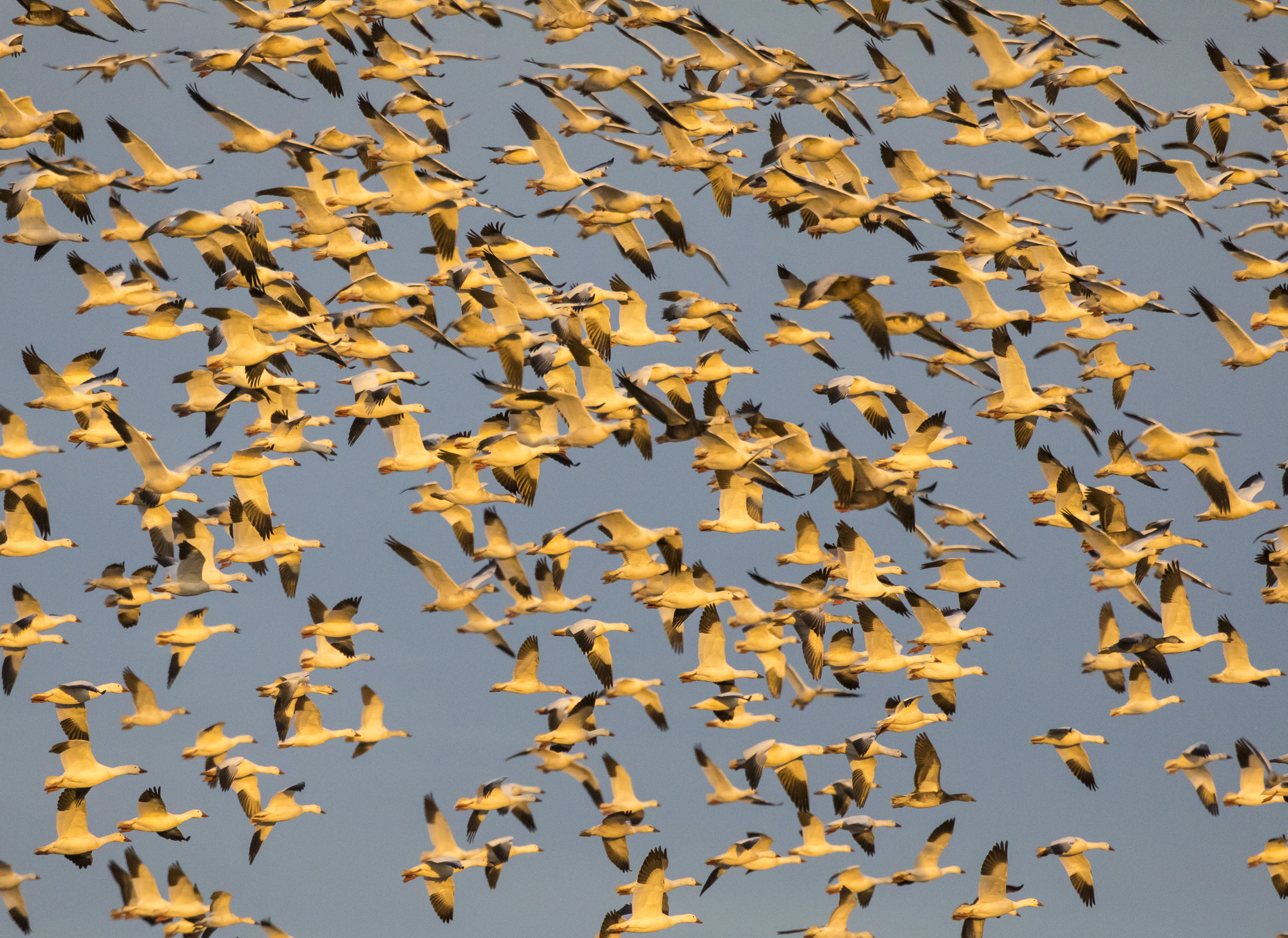
Late in the day, I was out of the car watching some sparrows in the brush when I heard the Snow Geese lift off. I was near the road to the old banding site and was in a good position to see the huge flock fly south, headed out for their last meal of the day. Hoping that they would stay on the refuge, I headed toward the fields near the maintenance area. When I pulled up, I could see a few hundred swans in a wheat field, but a huge flock of geese in the adjacent corn stubble. As I was getting the camera out, a military jet flew over kicking up the flock. They circled for a few minutes and finally settled back down.
Snow geese landing in a field late in the day.There is nothing quite like the sight and sound of a flock of Snow Geese lifting off and flying around you.As the sun caressed the horizon, the golden light was reflected on the thousands of wings beating the air.
The geese jumped up one more time as the late golden light flowed over the field. Only one other car shared this experience with me. We sat along the edge of the road, watching and listening to the magic of thousands of birds as the sun settled and the almost full moon became visible through the developing haze.
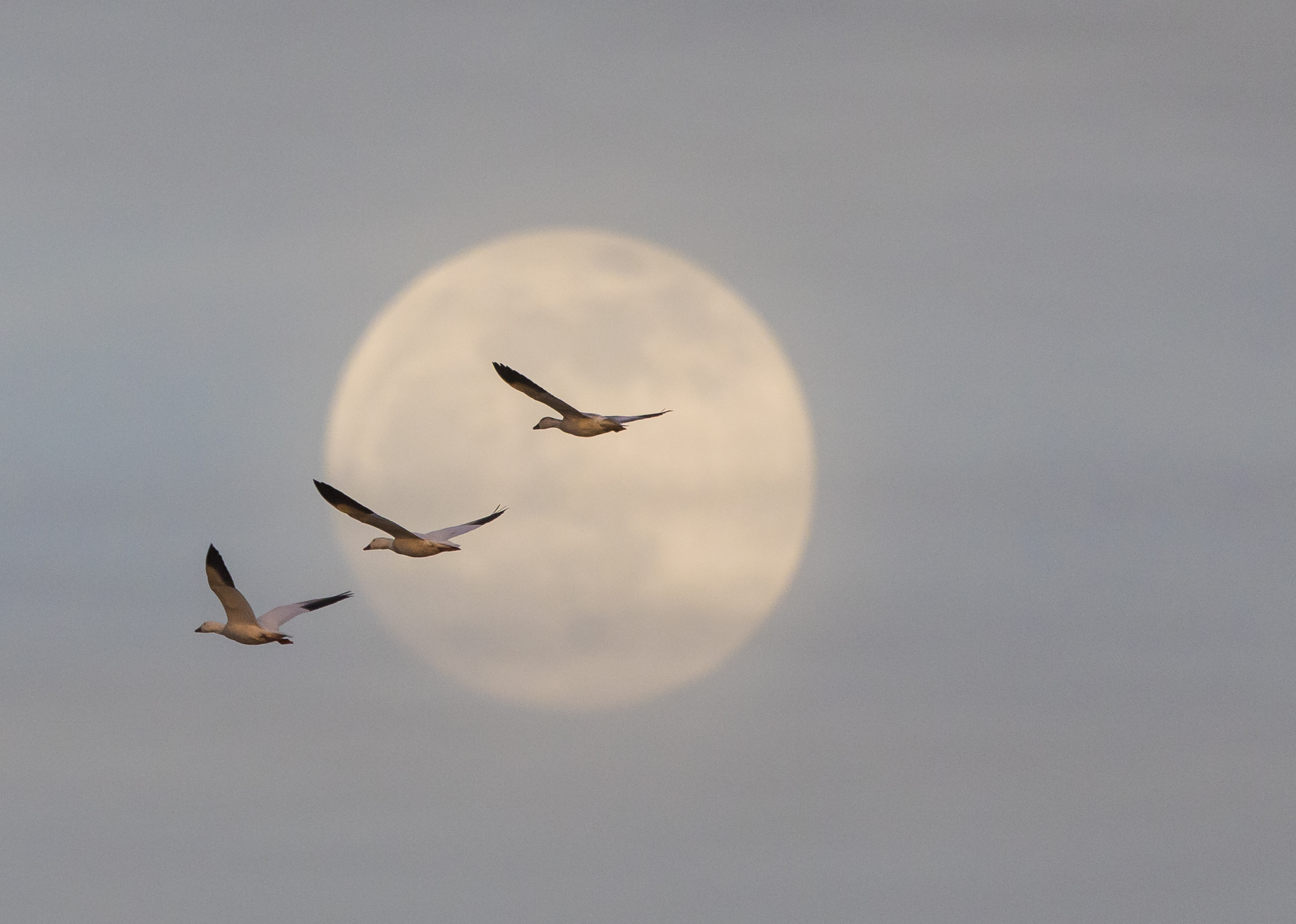
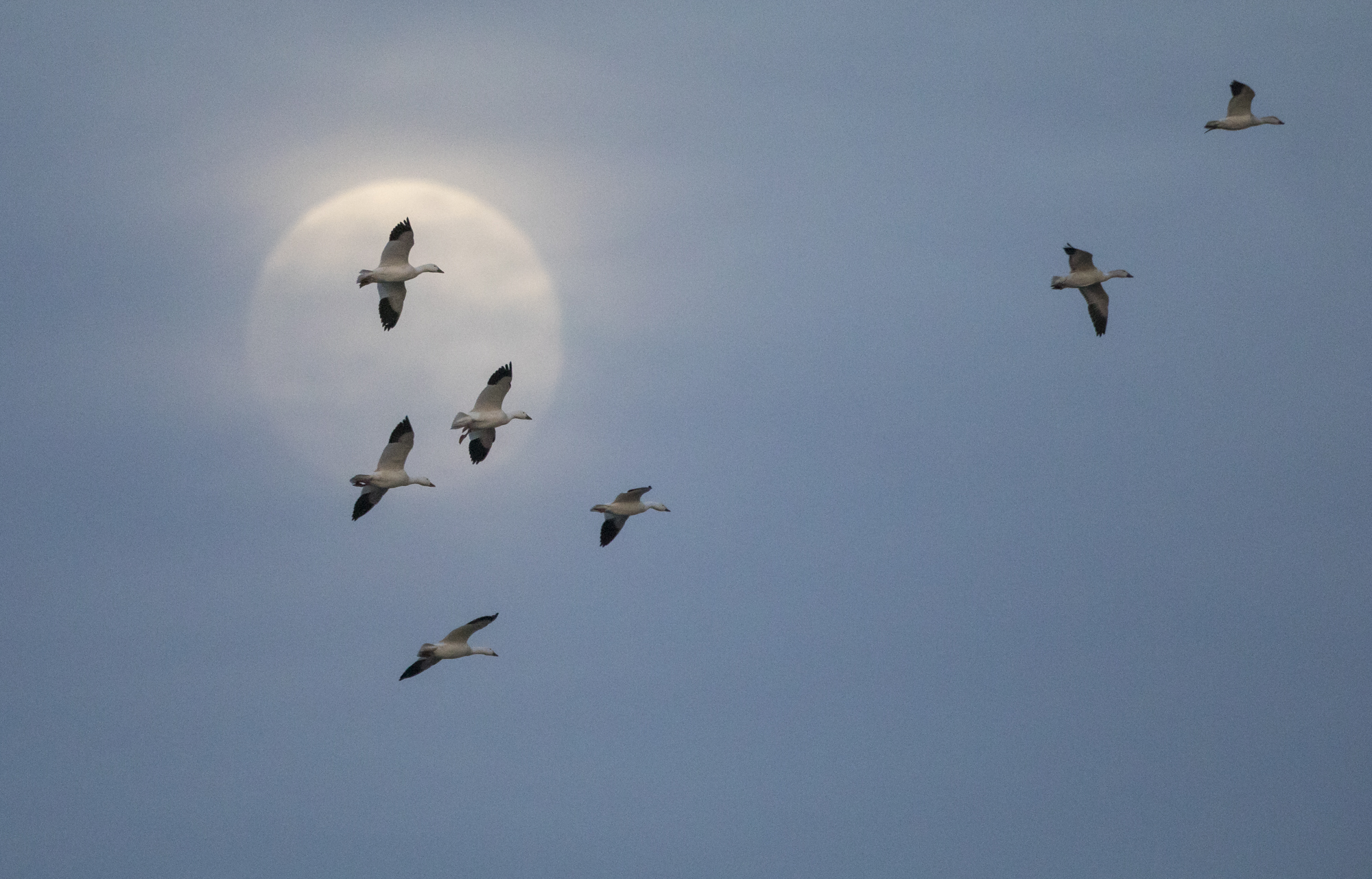
Small groups of swans and geese dotted the sky so I tried to capture them flying across the moon.
With daylight fading, I was surprised to hear and then see another huge group of Snow Geese drifting down from the sky. As is their usual pattern, they circled the field several times before settling in with the rest of the flock. I am guessing there were 25,000 or more in the field at this point. I stood by the road, listening to their incessant sounds, thankful to be in one of my favorite places doing what I love to do. Wandering is apparently good for the soul. I look forward to more of it.
Another huge flock of Snow Geese circled the field before landing.A great ending to my trip…birds flying across the Wolf Moon.
Often when you think you’re at the end of something, you’re at the beginning of something else.
~Fred Rogers
I guess it is really true…I am retired (again). I haven’t had much time to think about it until the last few days what with all the holiday goings-on with family and travel. I have made a long list of chores that need attention, but I also have that precious thing called time, my time. So, naturally, I managed to spend some of it (in spite of the so-so weather last week) testing out my new camera, my first full-frame DSLR. I managed to spend a few hours over a couple of days just sitting and watching birds come to our feeder on the deck. And then a short trip over to B. Everett Jordan Dam in the hopes of seeing some eagles. Here are the results – nothing all that dramatic, but it sure does feel good to spend time watching wildlife and not worrying about that list of chores (I will get to those “tomorrow”).
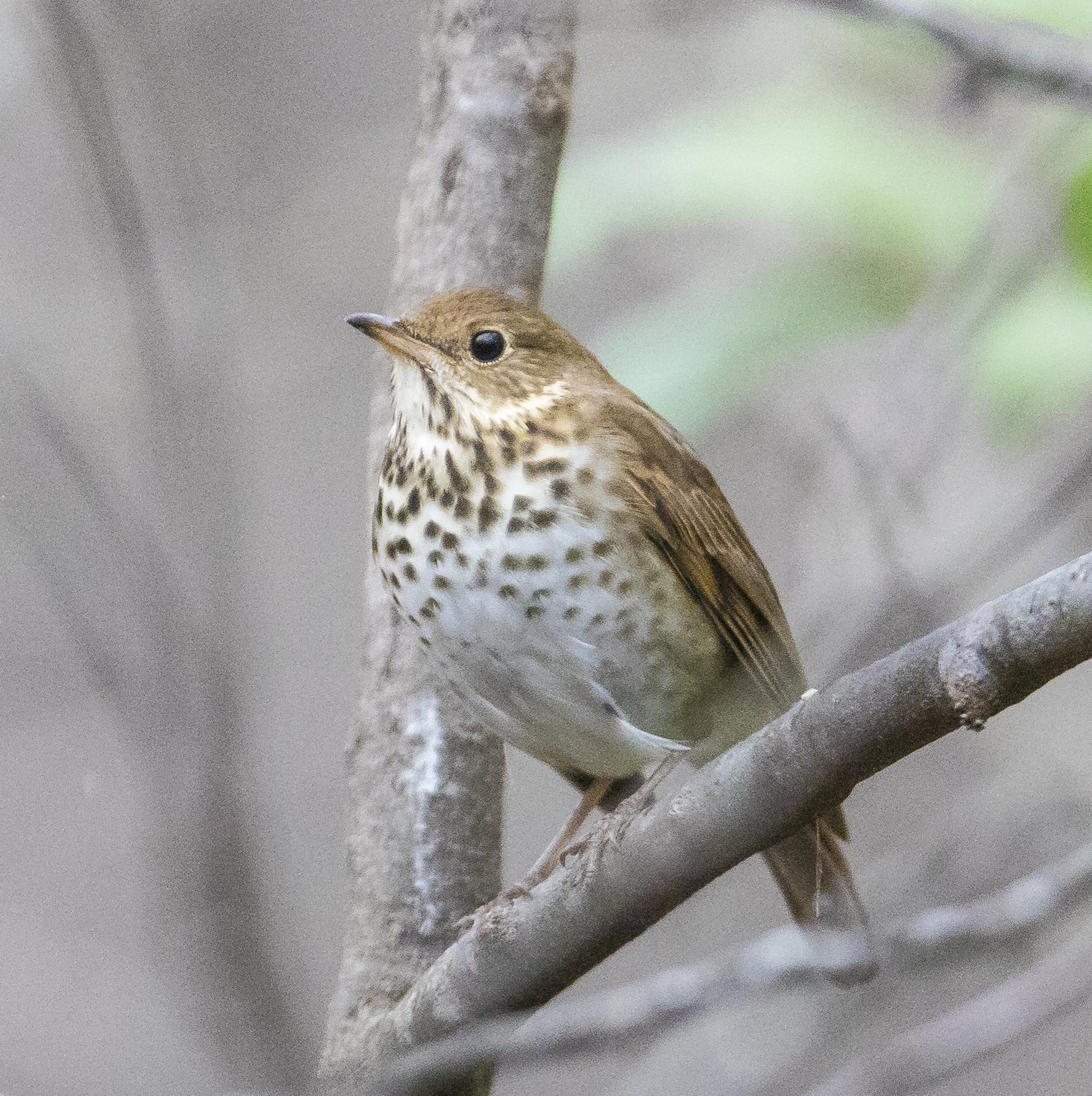
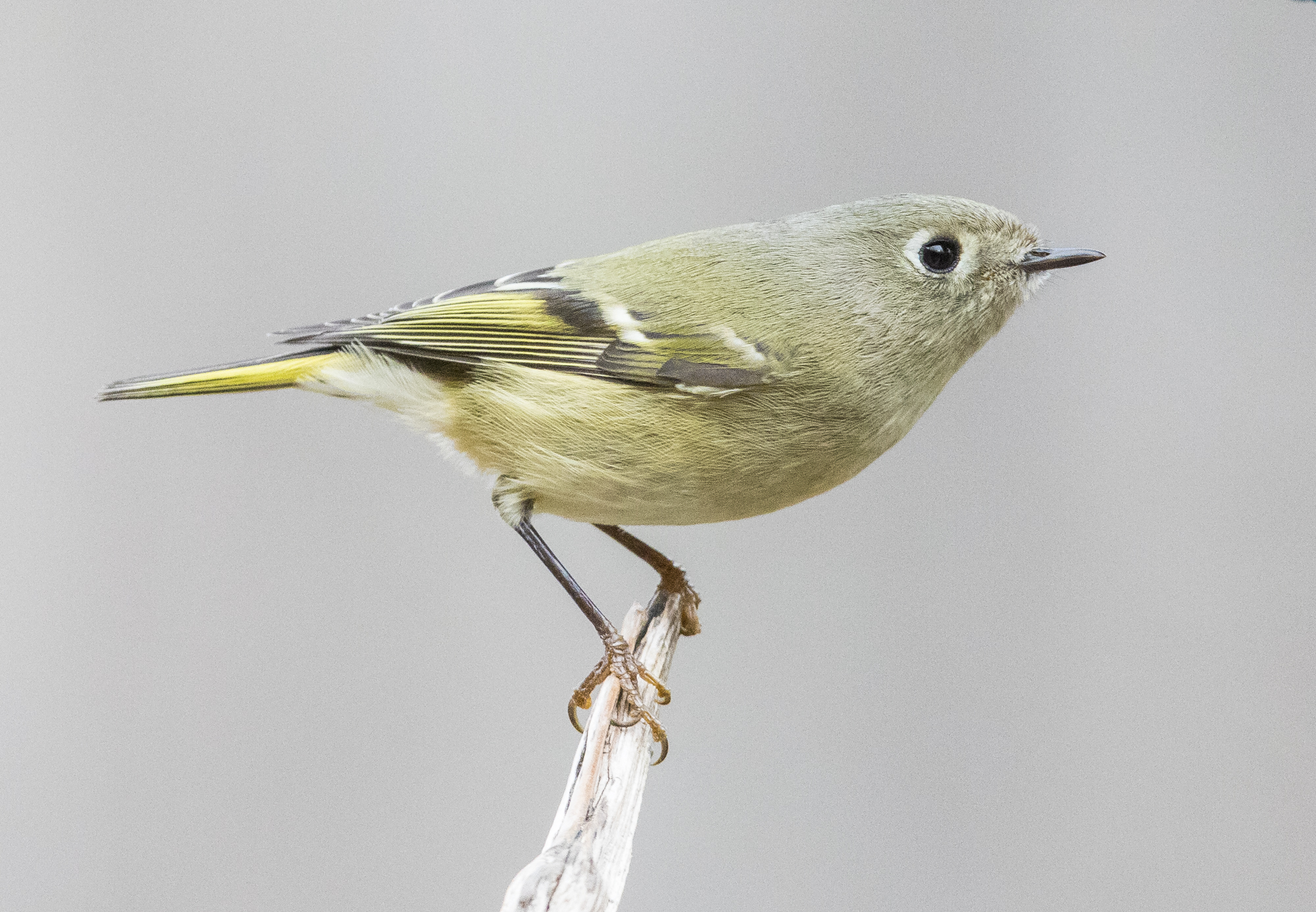
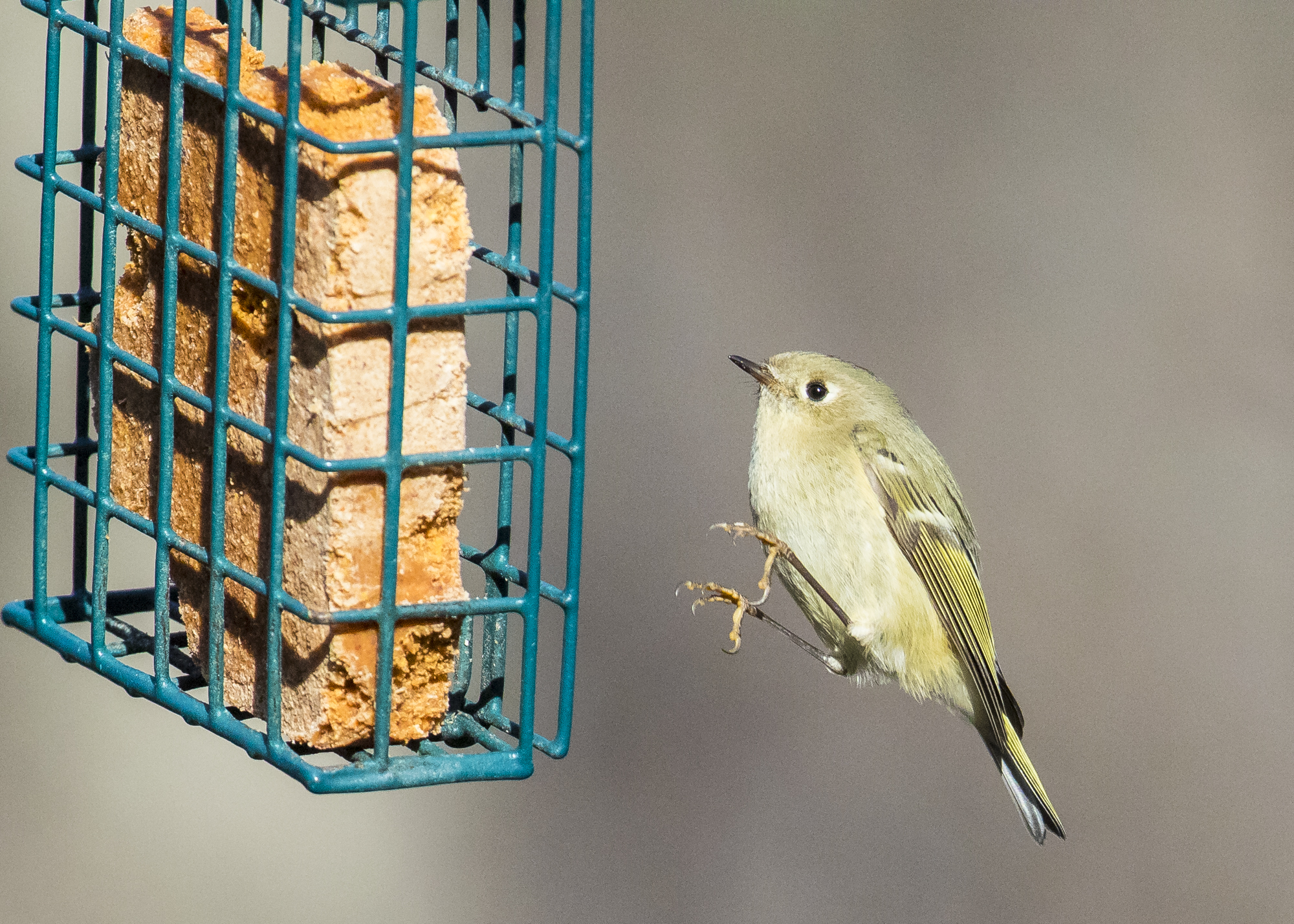
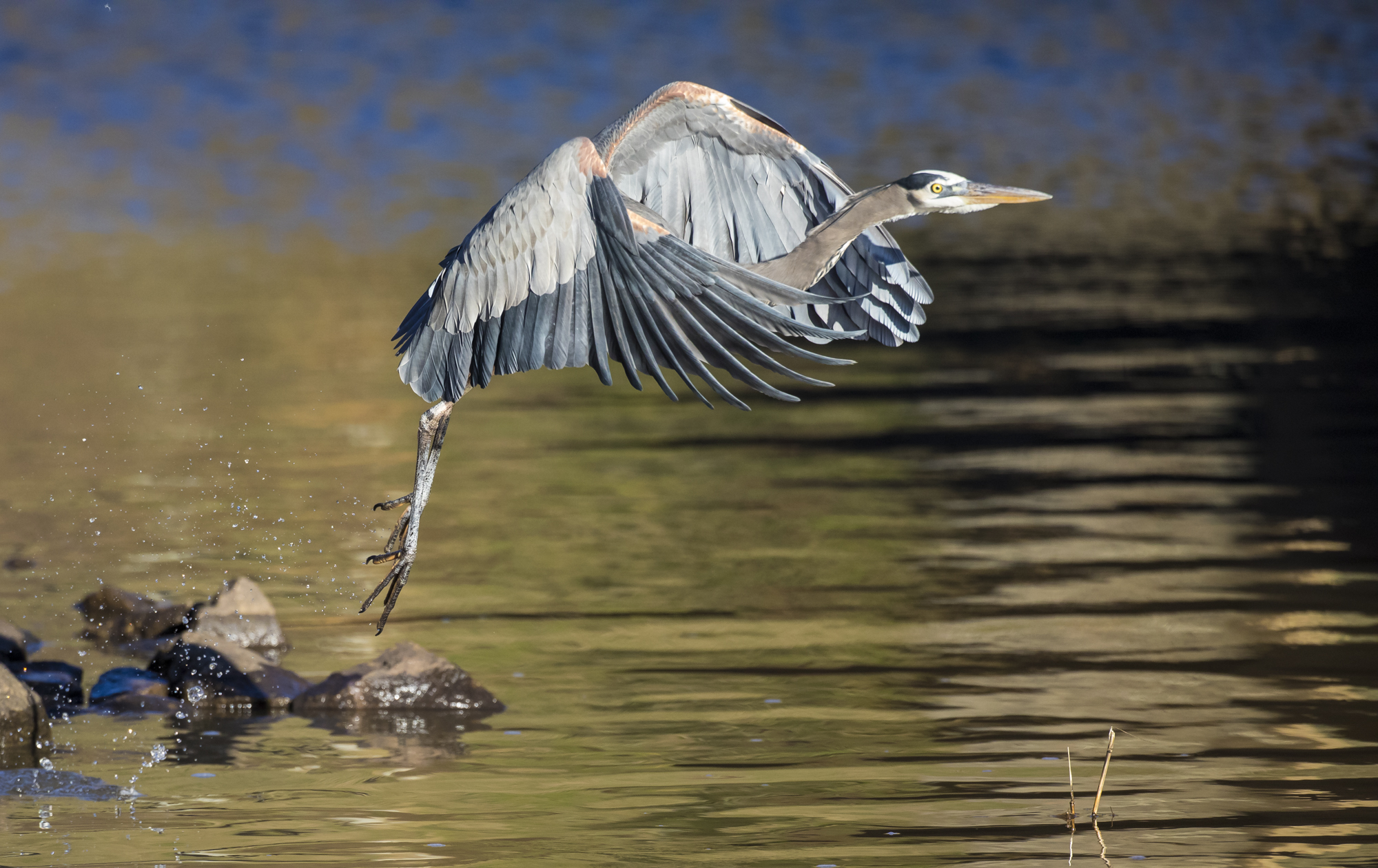
White-breasted Nuthatch males have a black crown, females are more grayish. Note the extra long rear toe claw which is useful for clinging to tree trunks as they forage (click photos to enlarge).Hermit Thrush breed in northern states and in the high mountains of Virginia and North Carolina. They occur in the Piedmont from about mid-October through April.One of my favorite winter feeder birds, the energetic Ruby-crowned Kinglet,Kinglets have a lot of personality and are fun to watch as they flit about.They can be a challenge to photograph as they are always on the move, but the new camera does a great job in capturing motion.The most common woodpecker at our feeders is the diminutive Downy Woodpecker.It isn’t always easy to tell why Red-bellied Woodpeckers are so named, but you can actually see the color in this pose as it jumps off the branch toward the feeder.A Great Blue Heron takes off as a fisherman walks by at B. Everett Jordan Dam.The Double-crested Cormorants were catching a lot more fish below the dam than the human fishers.Captured fish were quickly added to the menu.
Bird and stream are inseparable, songful and wild, gentle and strong – the bird [water ouzel], ever in danger in the midst of the stream’s mad whirlpools, yet seemingly immortal.
~John Muir
I want to share one more highlight from our Colorado trip this past October. The trip was filled with beautiful places, great hikes, amazing campsites, and surprises at almost every turn. But this hike, this place, and this encounter with a magical bird, stands out for me – and so, I give you an ode to the ouzel (water ouzel, that is).
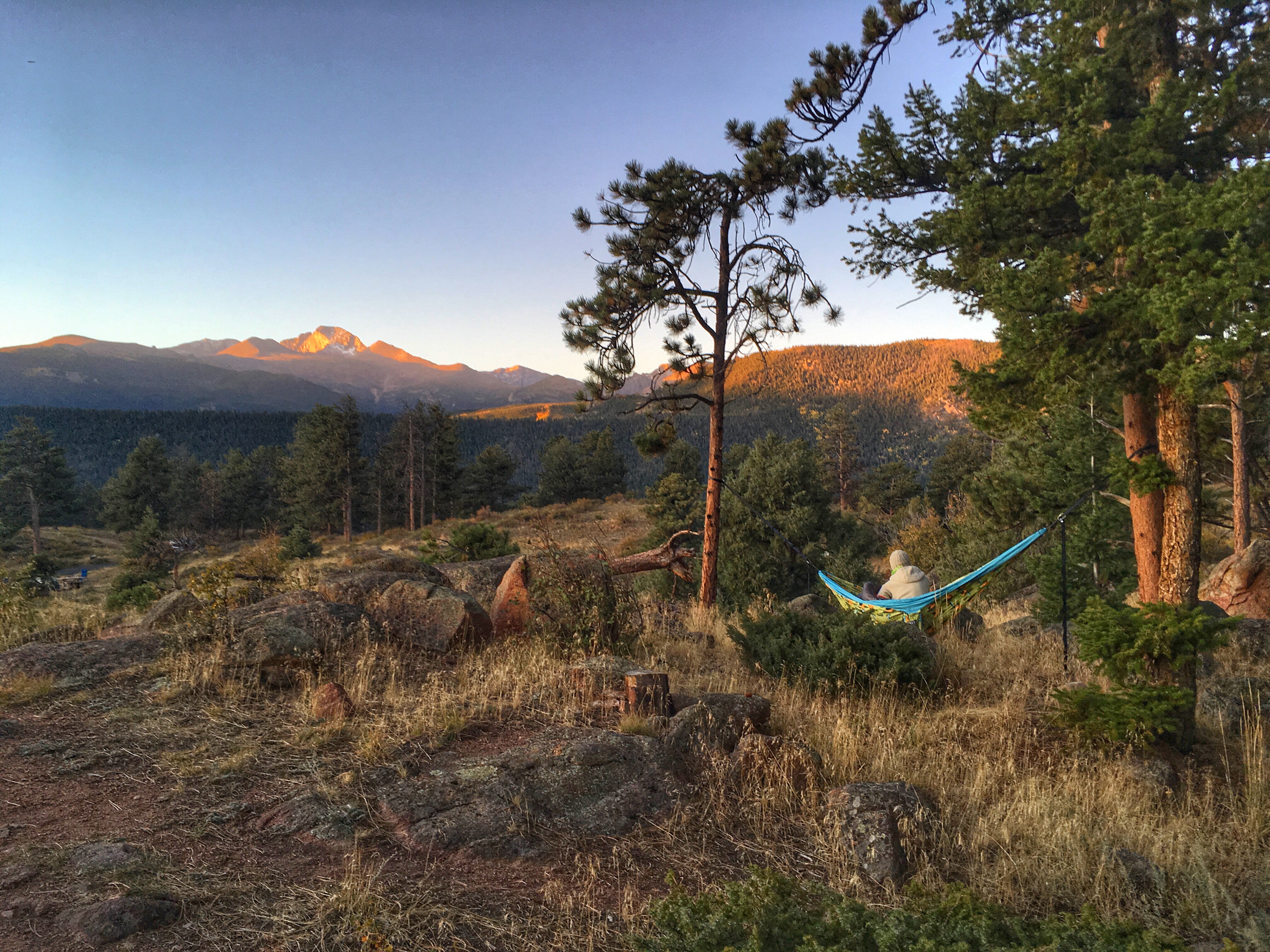
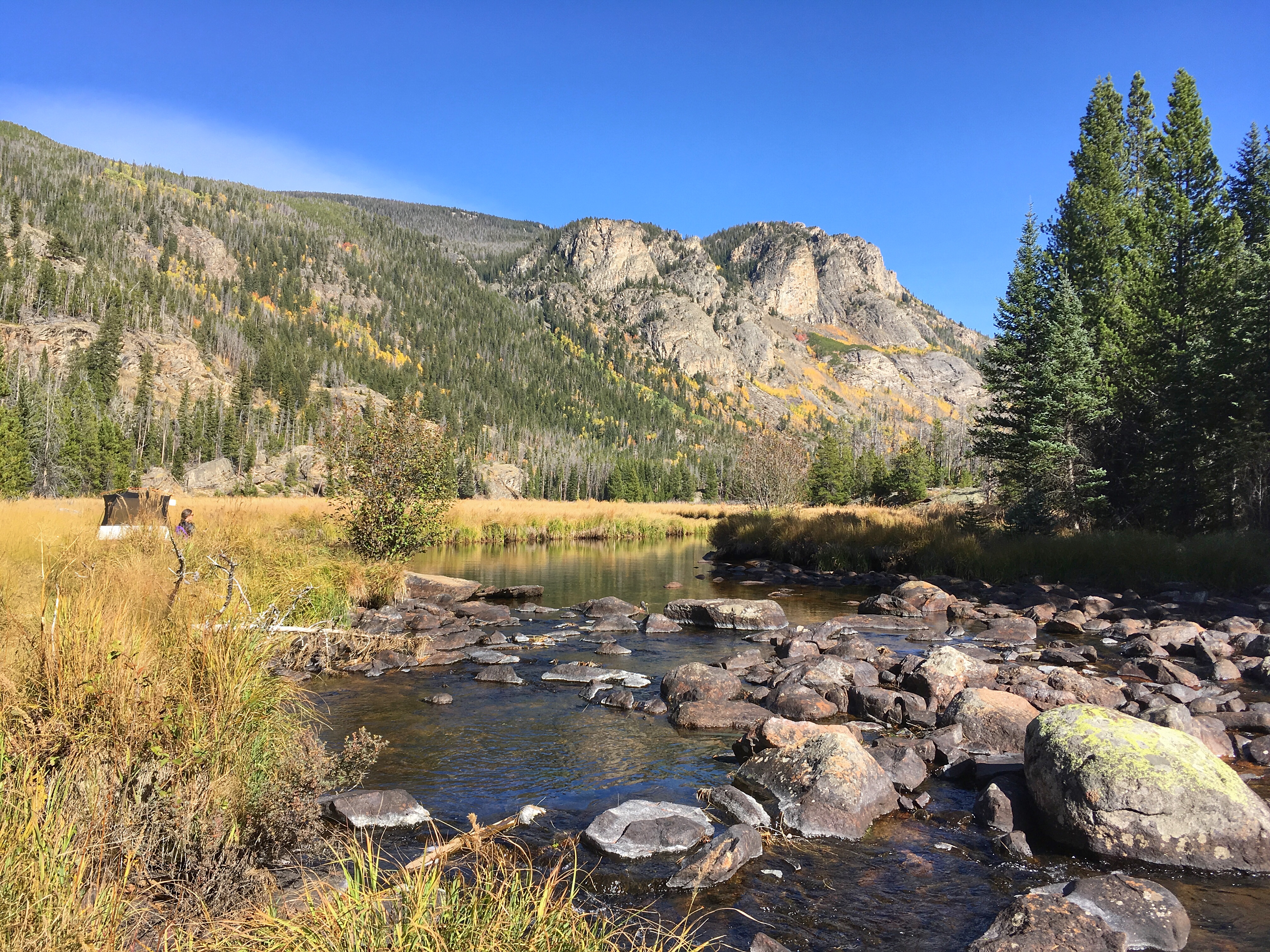
The view from our campsite on a calm evening after a very windy previous night along East Inlet (click photos to enlarge)
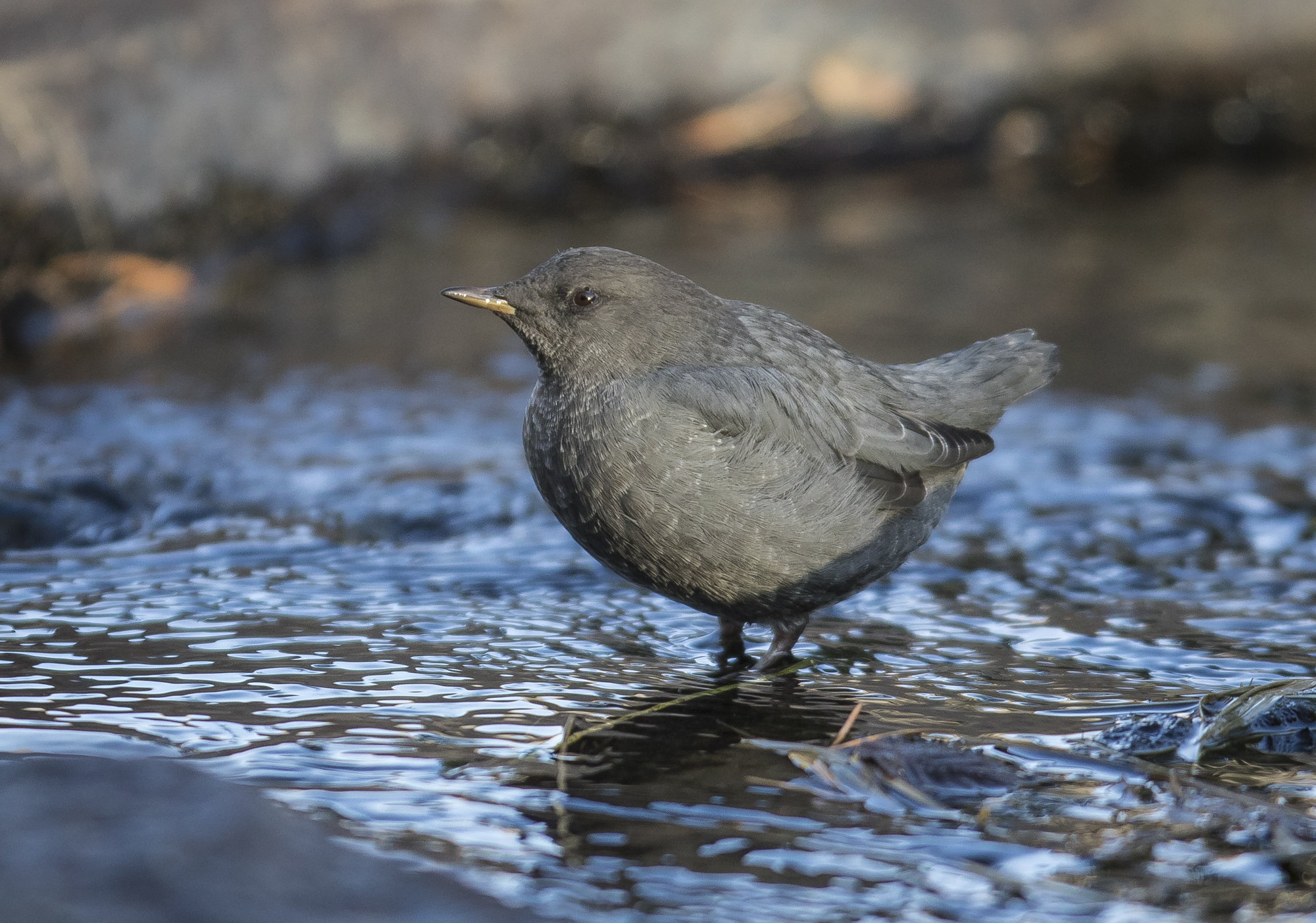
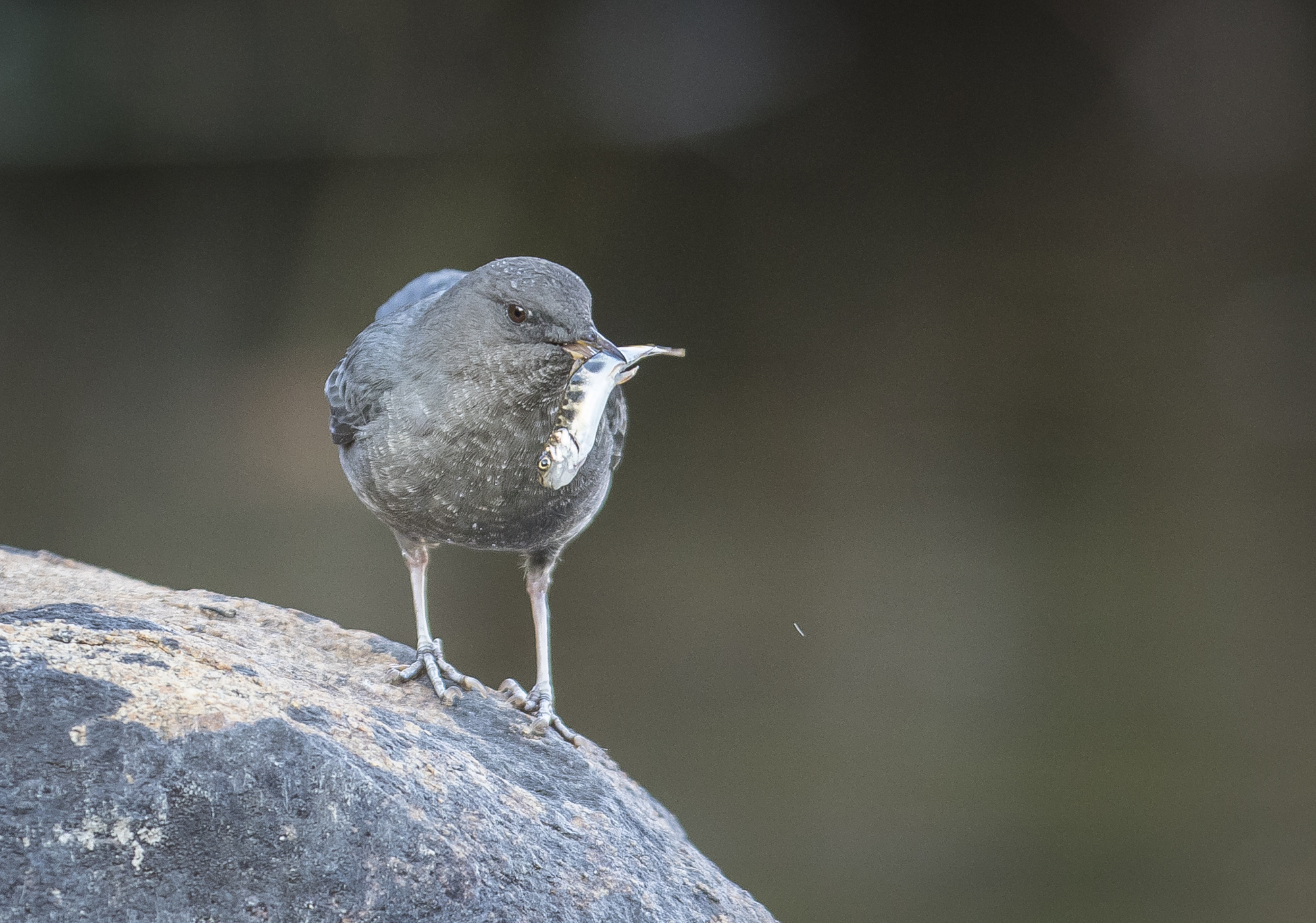
After a few days on the east side of the park, we headed toward Grand Lake and a short backpack recommended by a ranger. We hiked in on the East Inlet Trail a little over 1.5 miles to a wonderful tree-covered site perched on a slight rise above the river and surrounding marshland. There was only one problem…the wind was howling a steady 25+ mph and was predicted to remain that way through the next morning. The young conifers were swaying noisily above the tent site, giving us pause about pitching our tent. We looked around and saw a flattened site down in the marsh where someone had obviously pitched a tent. We discussed the pros and cons of camping a little distance from the site marker, when a tree came crashing down nearby. That settled it, we were not going to sleep under the trees that night, and we would just have to explain ourselves if questioned. After setting up our camp, we were sitting looking at the incredible view when Melissa heard the bubbling call of an American Dipper, one of our favorite Western birds. Soon, the little dynamo flew closer and started hunting. Their normal food is aquatic insects, but this guy soon came up with a small fish, then another, and another! We had never seen one catch fish in all our years of watching dippers in Yellowstone, so this was something I really wanted to photograph. Only problem was I had left my telephoto in the car since we were backpacking. So, the next morning I decided to hike back out and retrieve my camera gear while Melissa explored farther up the trail. It was definitely worth it (after waiting a few hours for the dipper’s hoped-for return).
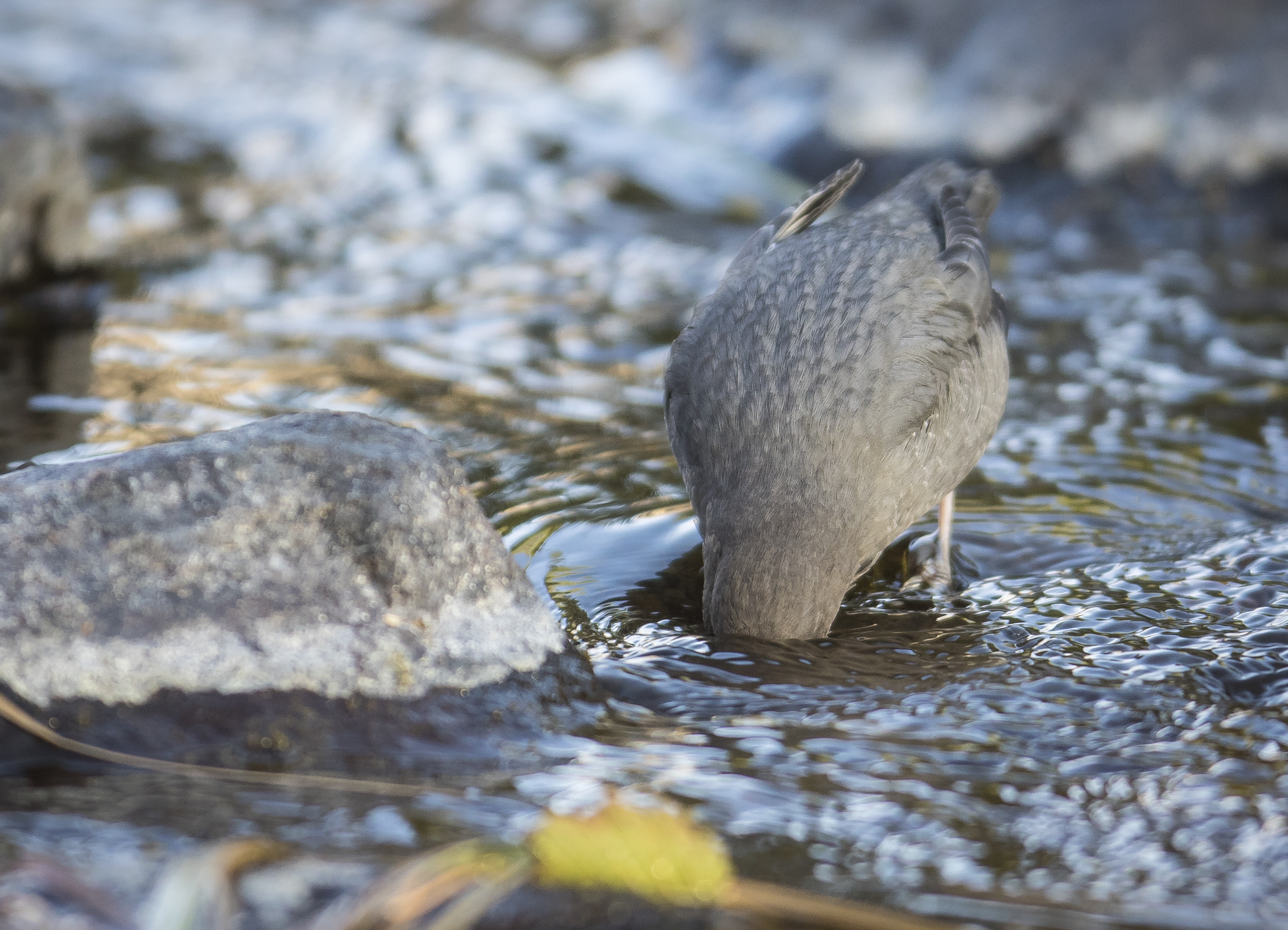
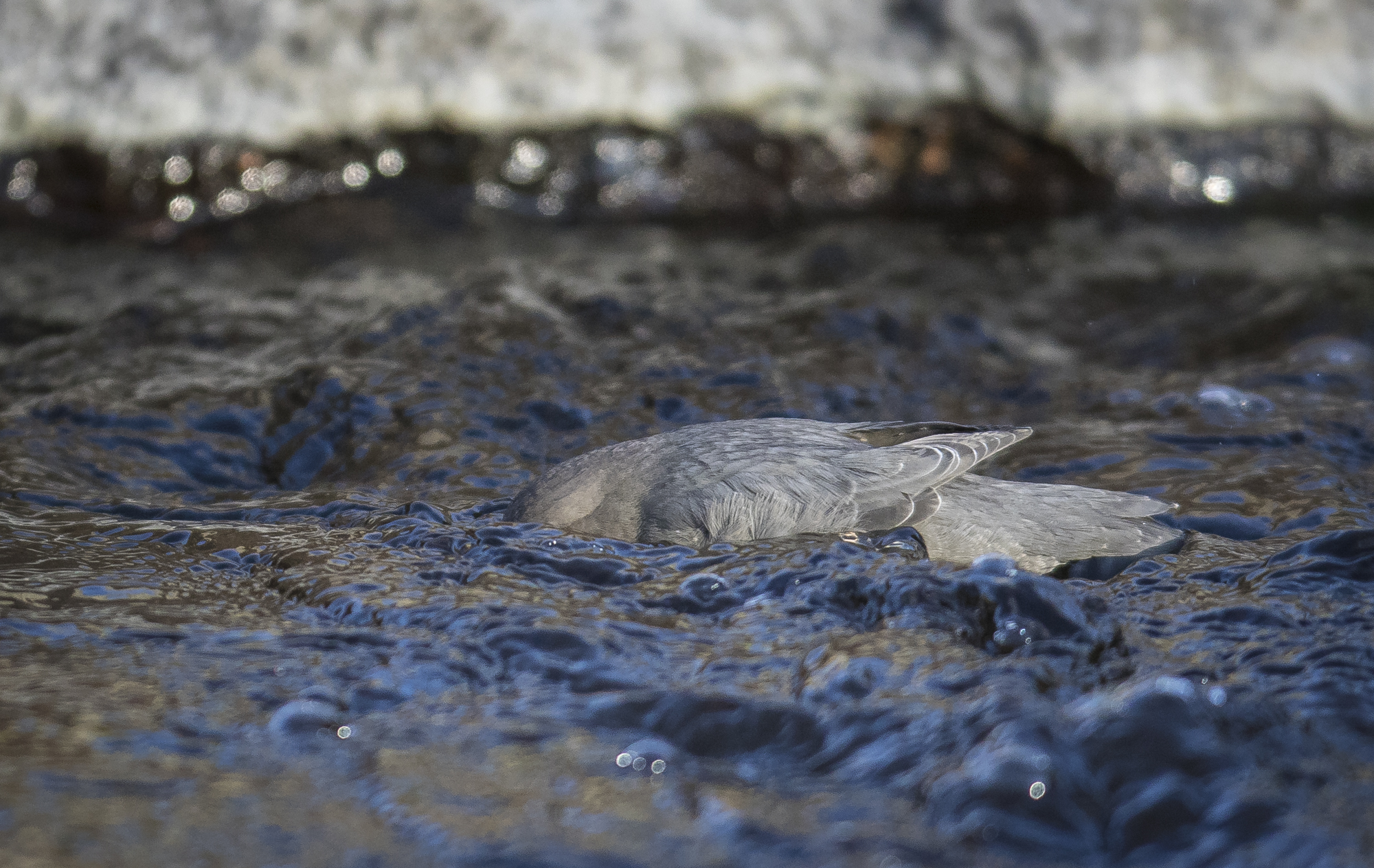
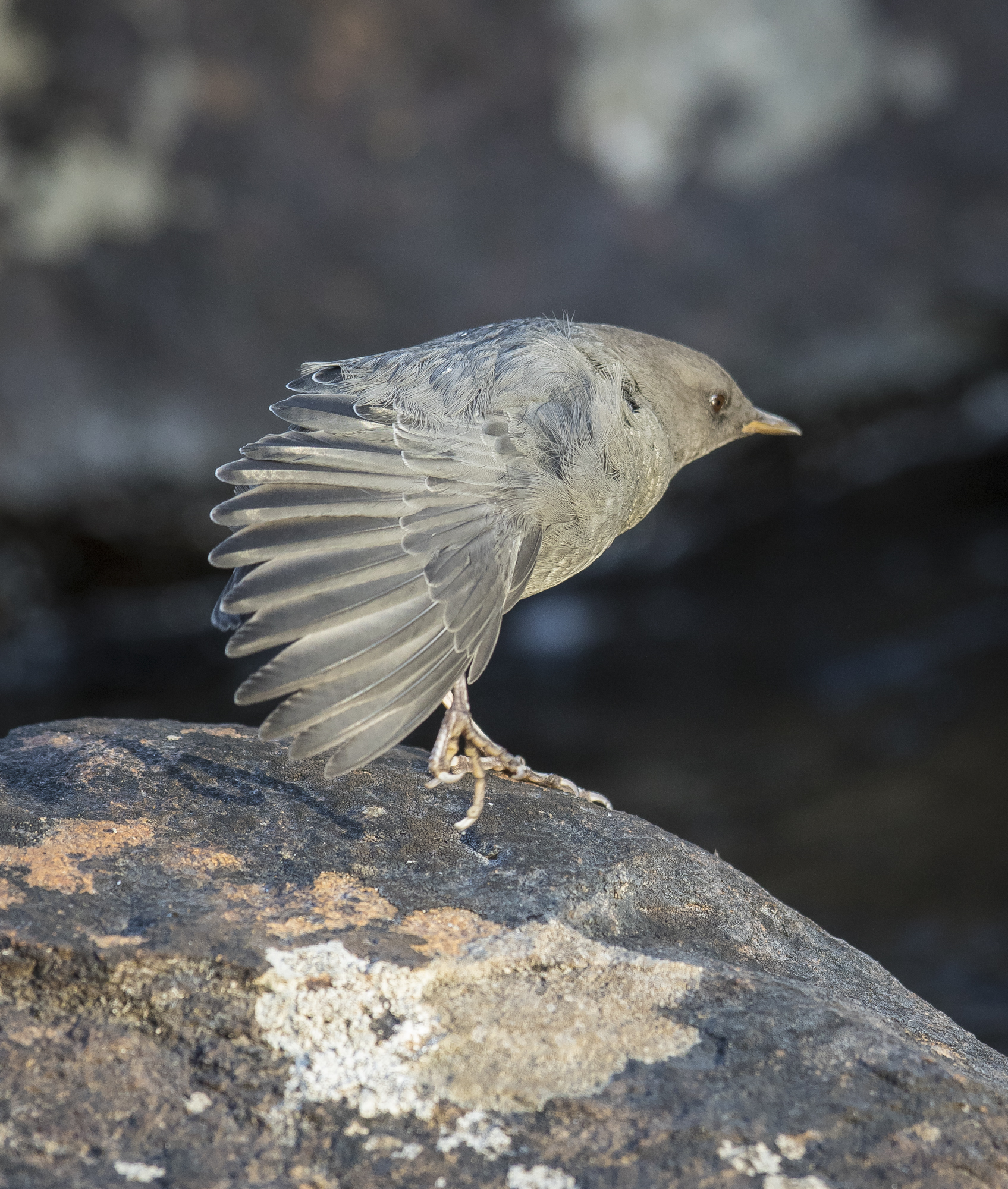
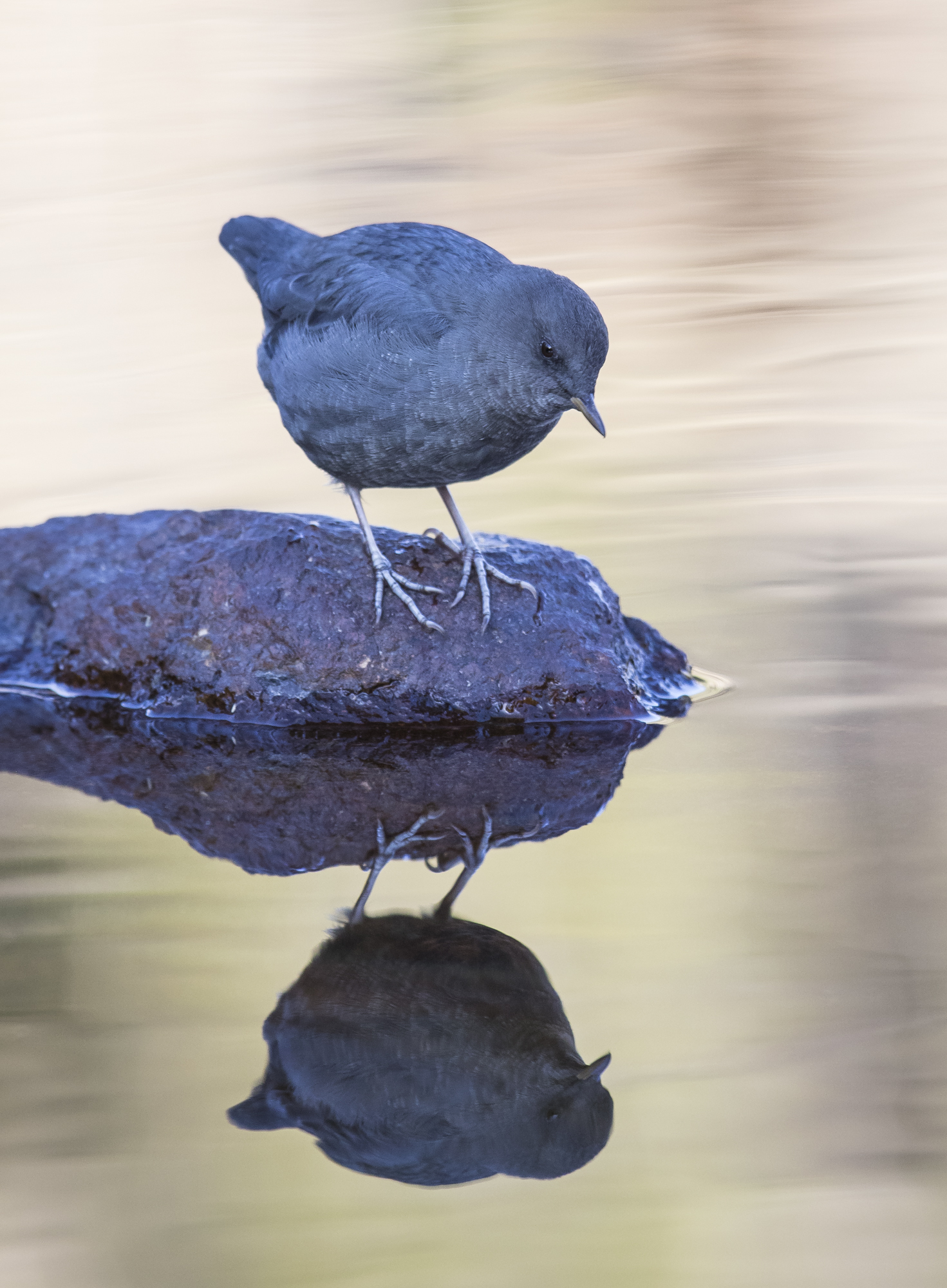
The next morning, I hiked out for my camera and telephoto lens, hoping to capture some images of the dipper. After waiting and watching a couple of hours, the dipper returned.Dippers frequently stick their heads underwater, looking for prey.Dippers have tiny white feathers on their eyelids, which flash a brilliant white when they blink. This may serve as a visual signal and territorial display to other nearby dippers. The persistent dipping behavior may be another way of communicating to other dippers in an environment so noisy that the usual songs may not be sufficient.
Dippers are the only truly aquatic songbird. At first glance to an easterner, they look like a squat, truncated gray catbird. But their habits and habitat quickly distinguish them from any familiar Eastern birds. They are almost always found in the company of fast-flowing waters where they forage by plunging into the rapids and literally swim underwater in search of prey. Their eyes are able to adapt quickly to vision both above and under the water due to highly developed iris muscles. They also have a low metabolic rate, extra oxygen-carrying capabilities in their blood, and a dense covering of feathers, all of which give them an advantage in their harsh environment.
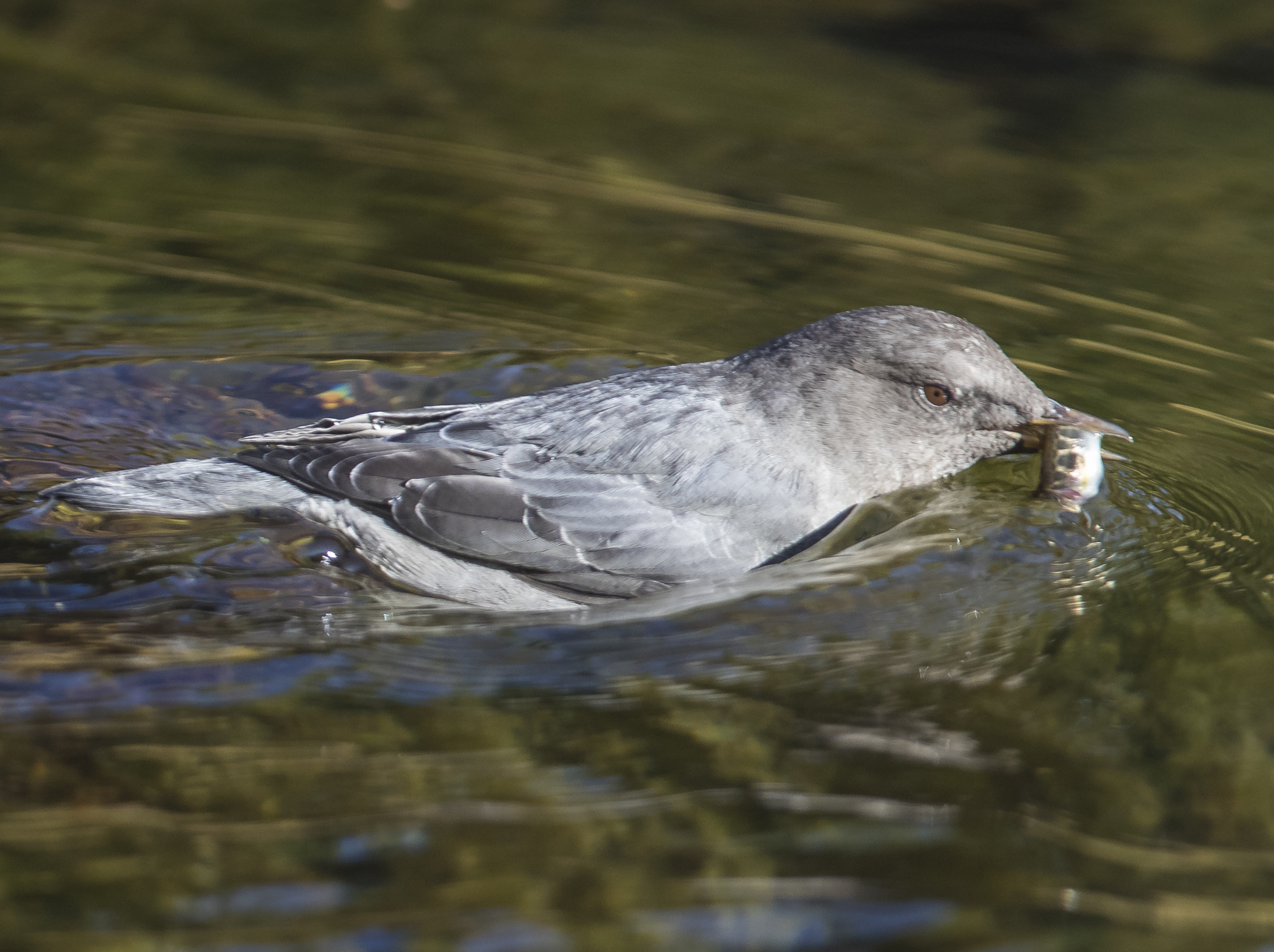
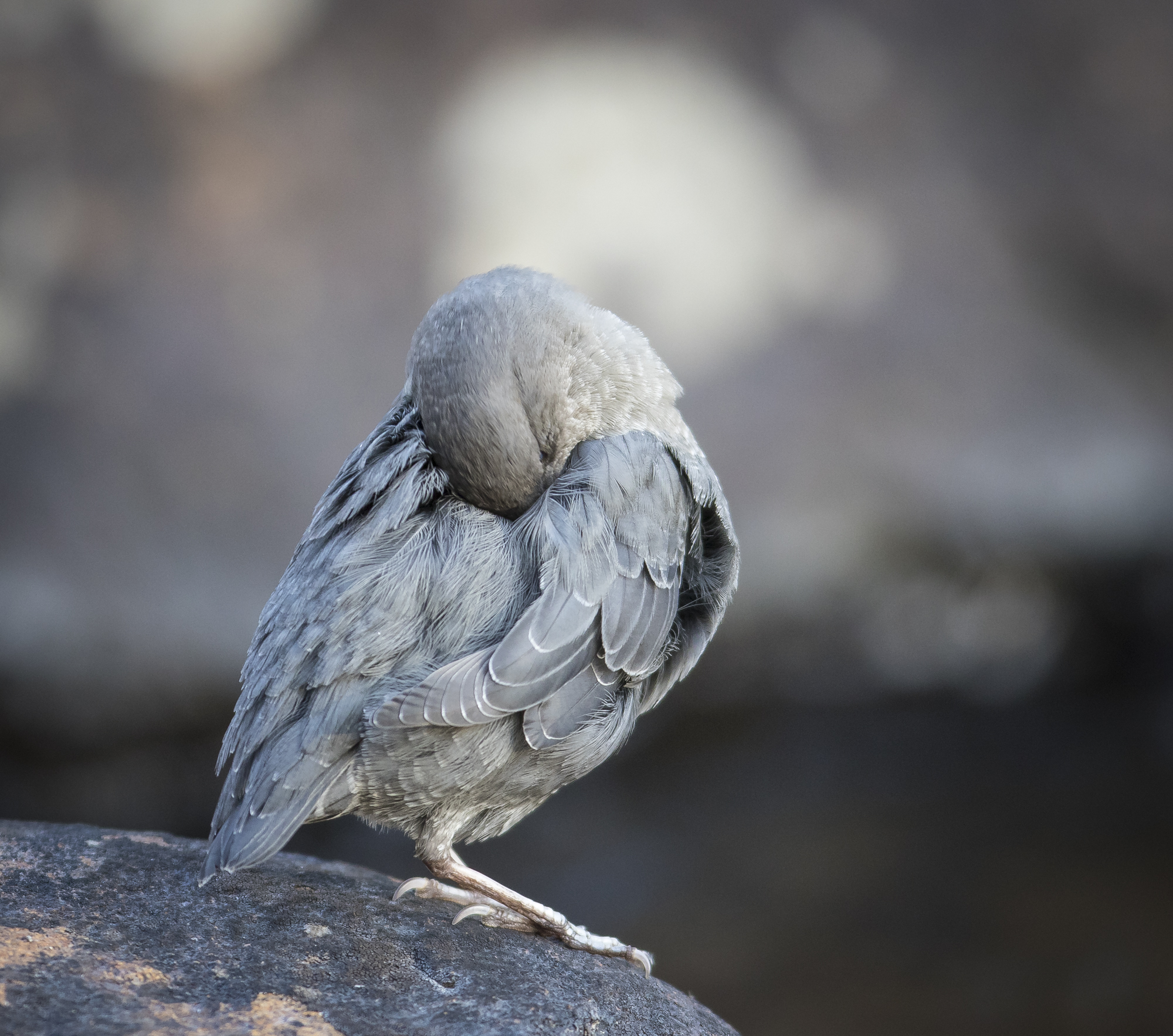
Another hunting technique is to swim in swift water, head down, searching for food.The dipper managed to catch several fish while I tried to photograph this feat, but it always swam away from me and swallowed its finny meal far across the river.Finally, the dipper came up on a rock not far away and beat the fish a few times before gulping it down.Between bouts of fishing, the dipper took long breaks to preen……and stretch……and preen some more. This is an essential behavior for all birds, but especially one that spends its days diving in ice cold mountain streams.
After spending several hours watching and photographing one bird, another dipper flew in and this made for a frenetic feeding time with both Melissa and I trying to anticipate which was bird was going to catch something and where they would be when it happened. There was some squabbling but they both seemed intent on catching the seemingly endless supply of fish, so they shared the riffle area adjacent to our tent until late in the day.
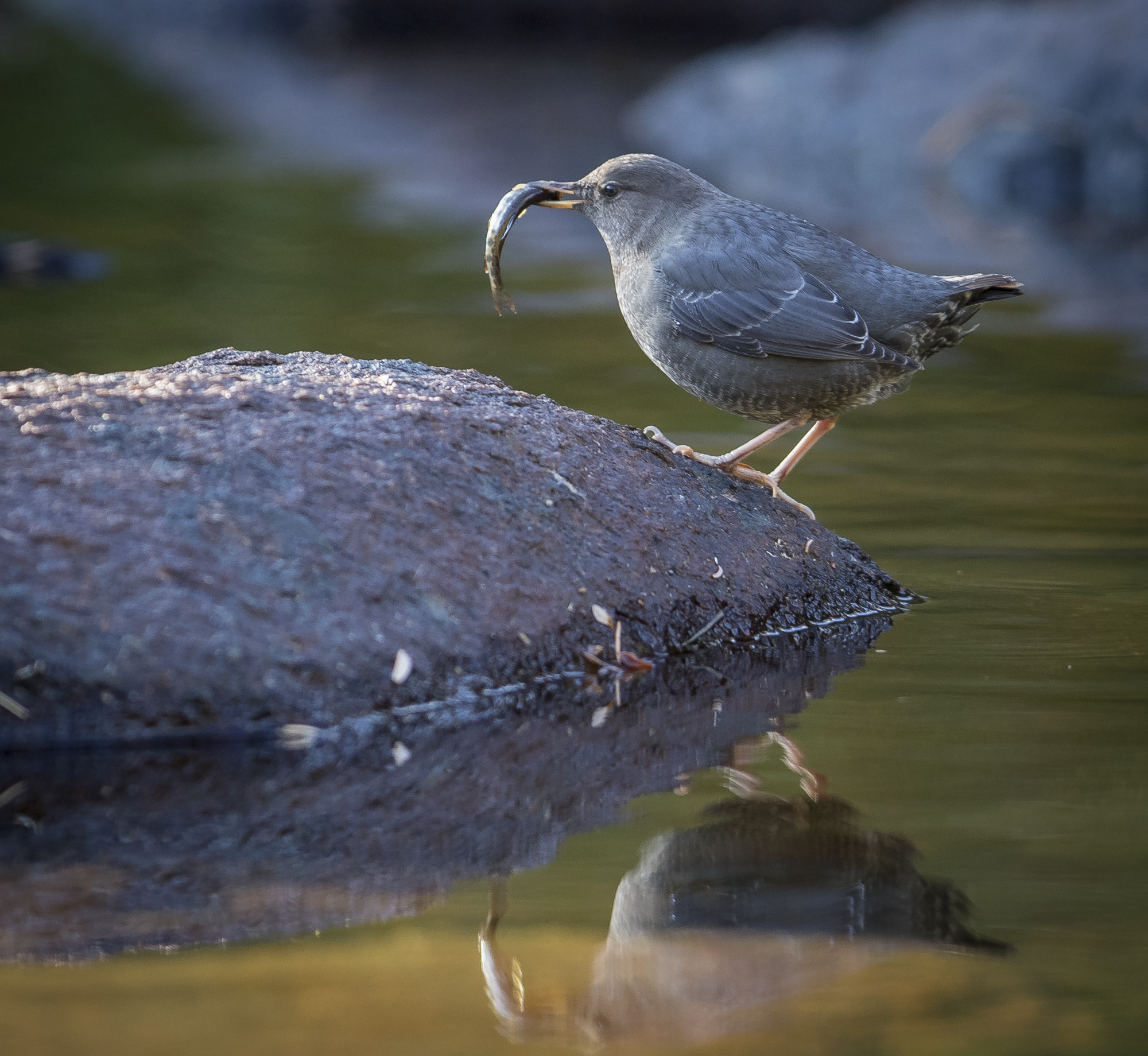
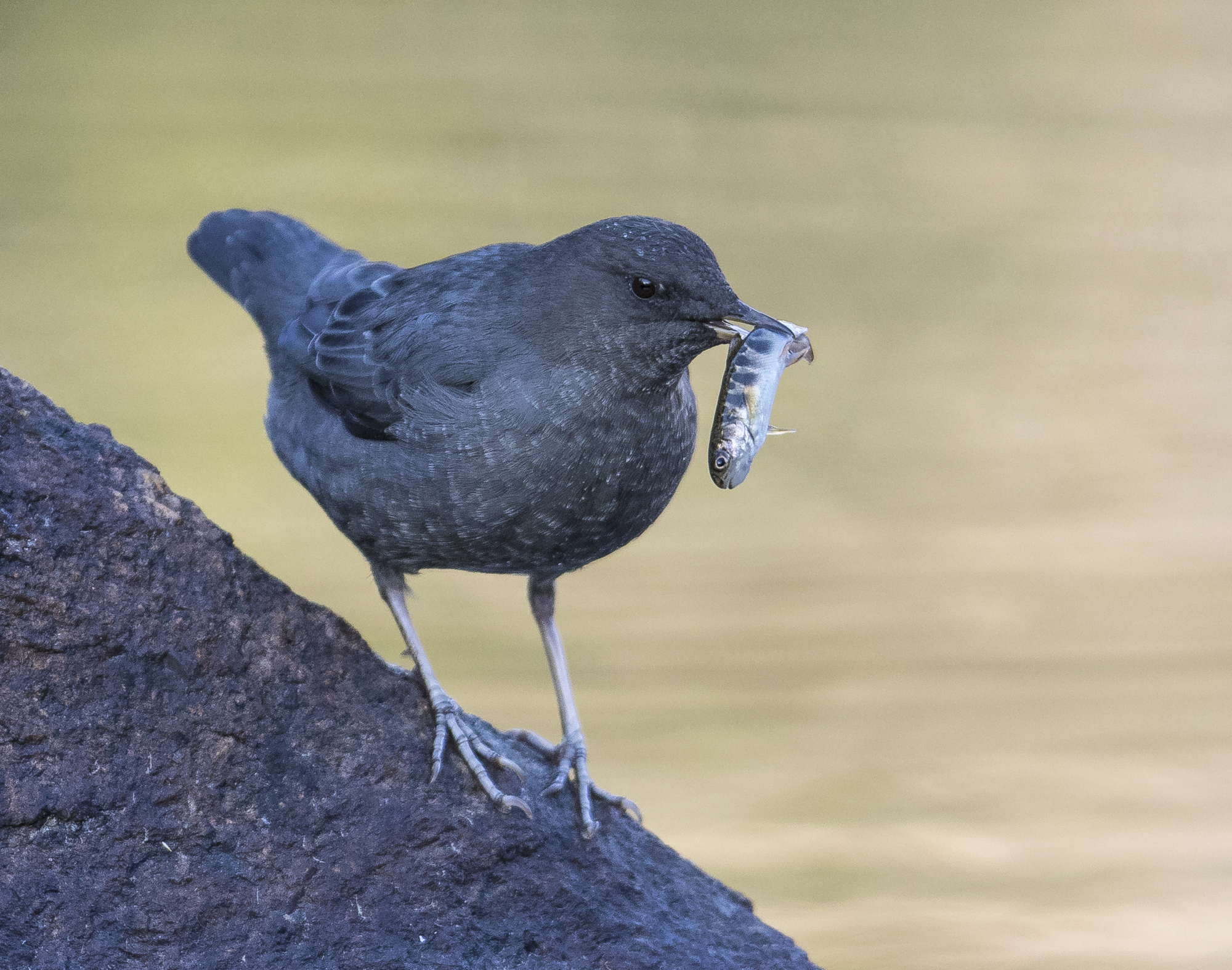
At long last, a dipper caught a fish and flew toward me, pausing on a rock in perfect view.
We lost count of how many fish these two captured, but they were quite efficient (and very fast swimmers when pursuing their prey). If anyone can identify the species of fish (I assume these are fingerling trout of some sort), I would greatly appreciate hearing your thoughts.
Then, it flew even closer before swallowing the final meal of the evening.
The light was fading fast but the birds had provided what I had hoped for, some great views of a species that is incredibly adapted to its unique habitat of rushing waters and boulders (and a few decent pics). As darkness fell, both birds flew off downstream beyond our view. But the next morning they had a special treat for us. As the light started pouring over the marsh, we heard scratching on our tent. Melissa looked up and there was a pair of feet – bird’s feet, struggling to get a grip on the sloping top of our tent. We looked out and there was a dipper on a boulder along the shore….and there was still one on our tent! Before jumping off, the first bird deposited its calling card! Then the next dipper flew up, scratching on the surface and leaving a “gift” for us as well. The other dipper returned and they both danced around before leaving us for good. Our tent is a gray dome, which I suppose looks like a big boulder alongside the river. Were they communicating with each other on the biggest “rock” on the shoreline? Or telling us they wanted to hunt for food some more and we should leave (or maybe get ready to take more photos)? Whatever the meaning, it was magical (and a fitting and funny way to end our stay).
A great way to wake up in the wilderness – with dippers dancing on your tent.
The connection with these two dippers was transformative. It is exactly this type of experience I seek and want to share with others – to witness wild creatures in their element, living their wild lives, but granting us moments of oneness, of peace with wild things. I will end this tribute to my favorite Western bird with the next lines from the John Muir quote that started this post…And so I might go on, writing words, words, words; but to what purpose? Go see him and love him, and through him as through a window look into Nature’s warm heart.
A dipper admiring its reflection and rightly so…these are amazing birds living in an incredible place.
The mountains are fountains, not only of rivers, but of men. Therefore, we are all, in some sense, mountaineers, and going to the mountains is going home.
~John Muir
Back in October, Melissa and I spent a glorious ten days traveling throughout the grand state of Colorado. We didn’t have much of a plan, other than to start in Rocky Mountain National Park, and then see what else we could discover as we wandered the state. I can’t believe it has taken me this long to post something on it, but these have been busy times. One excuse was I was trying to wrap up some things before I re-retired from the NC Botanical Garden (yes, it is now official, I have worked my last day, although, to be fair, I have had the best jobs in the state over my 36+ years). I will miss the people and the place, but, it is time to see more of the wild world and I look forward to more travels, more adventures, and many more posts. Thank you for your patience.
Below is a quick pictorial summary of some of the highlights of our Colorado trip.
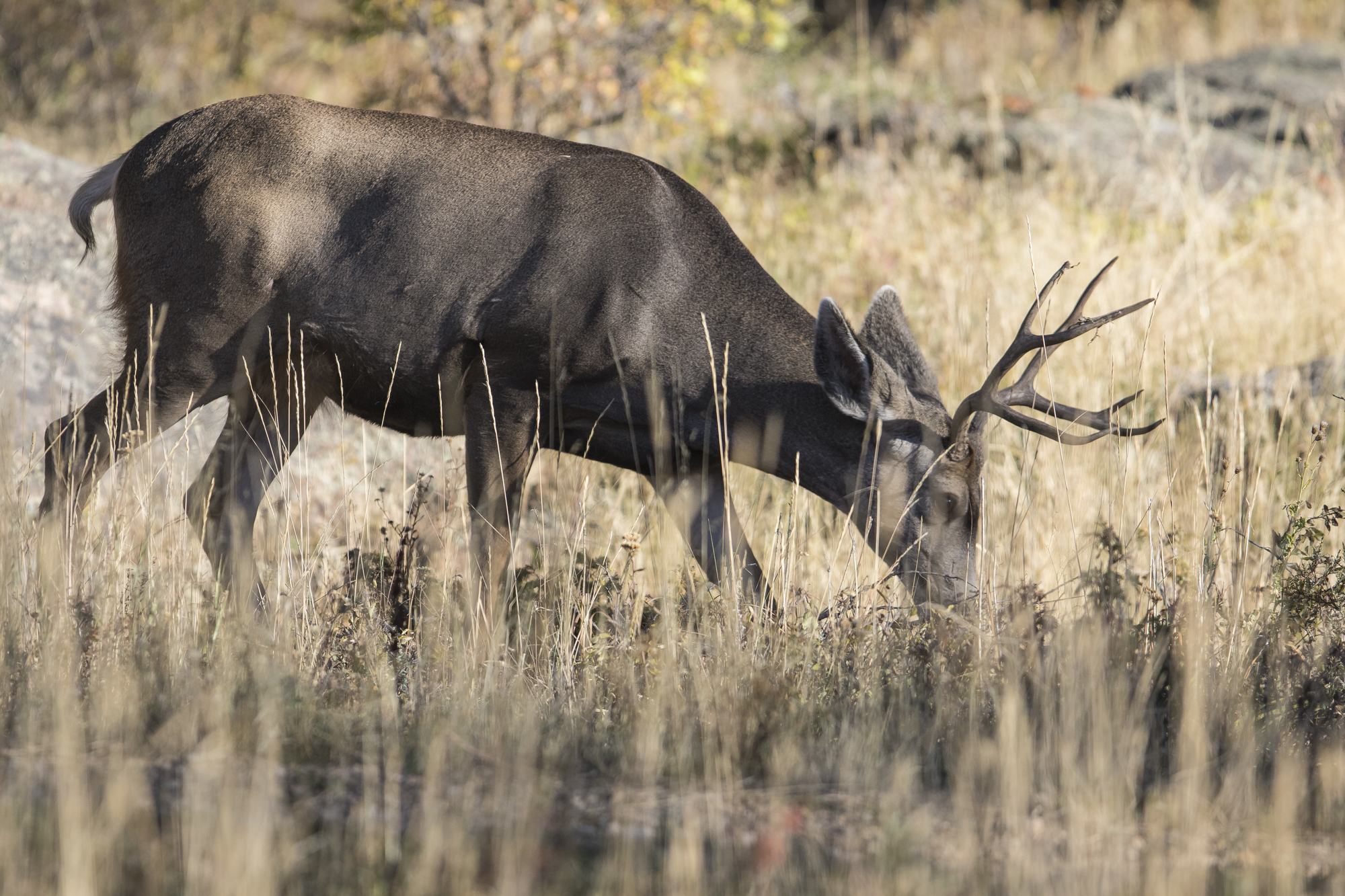
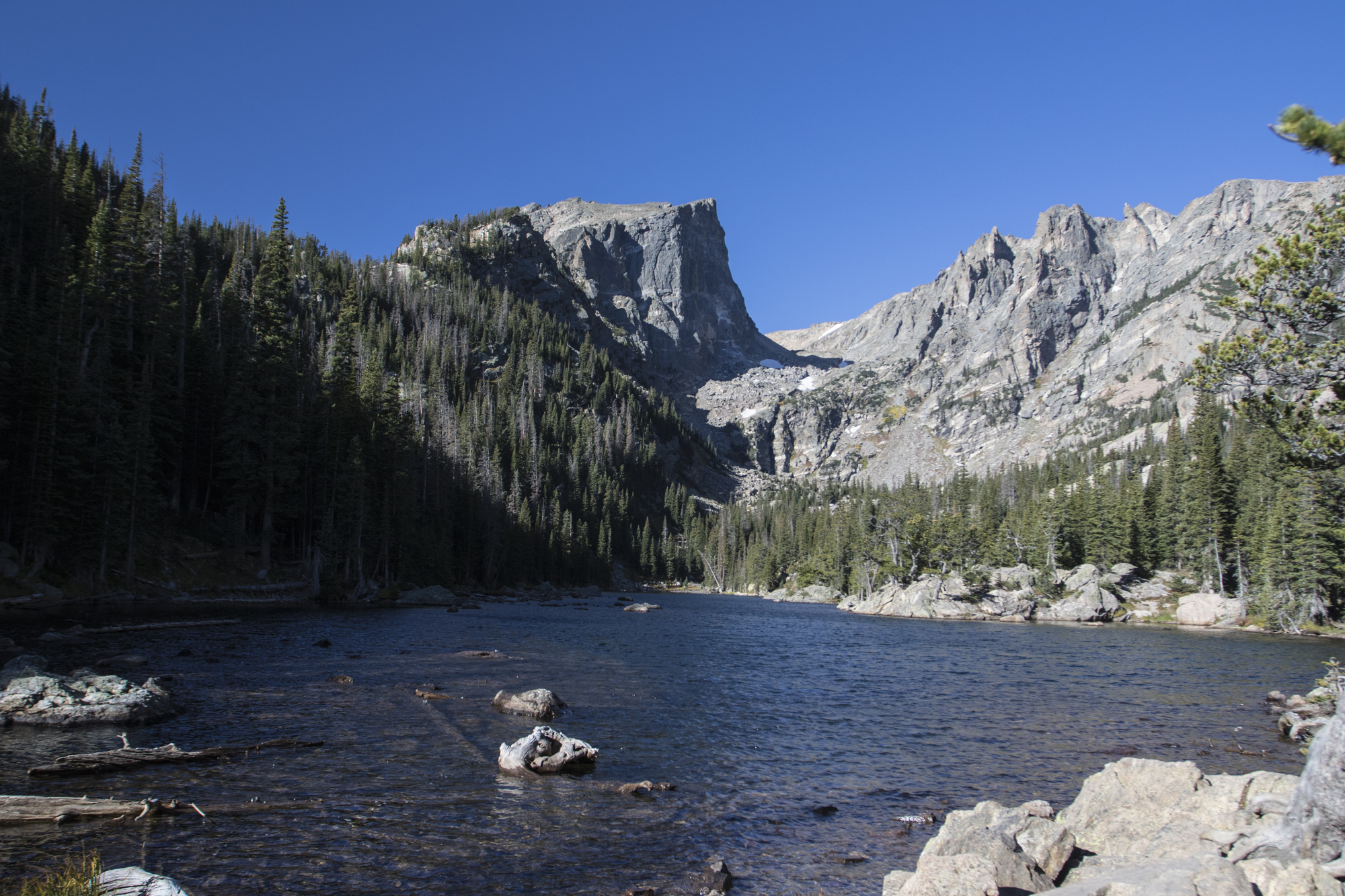
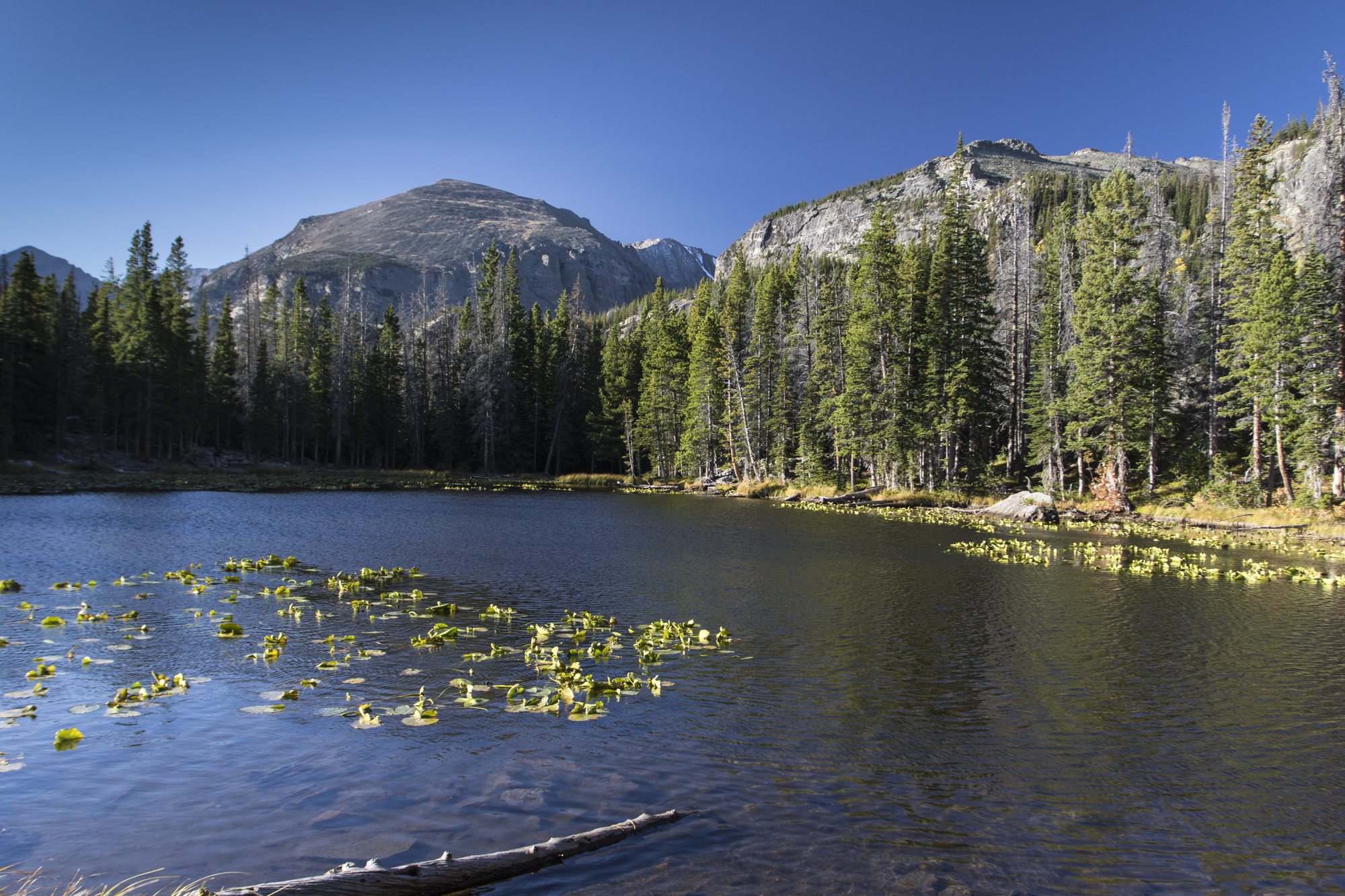
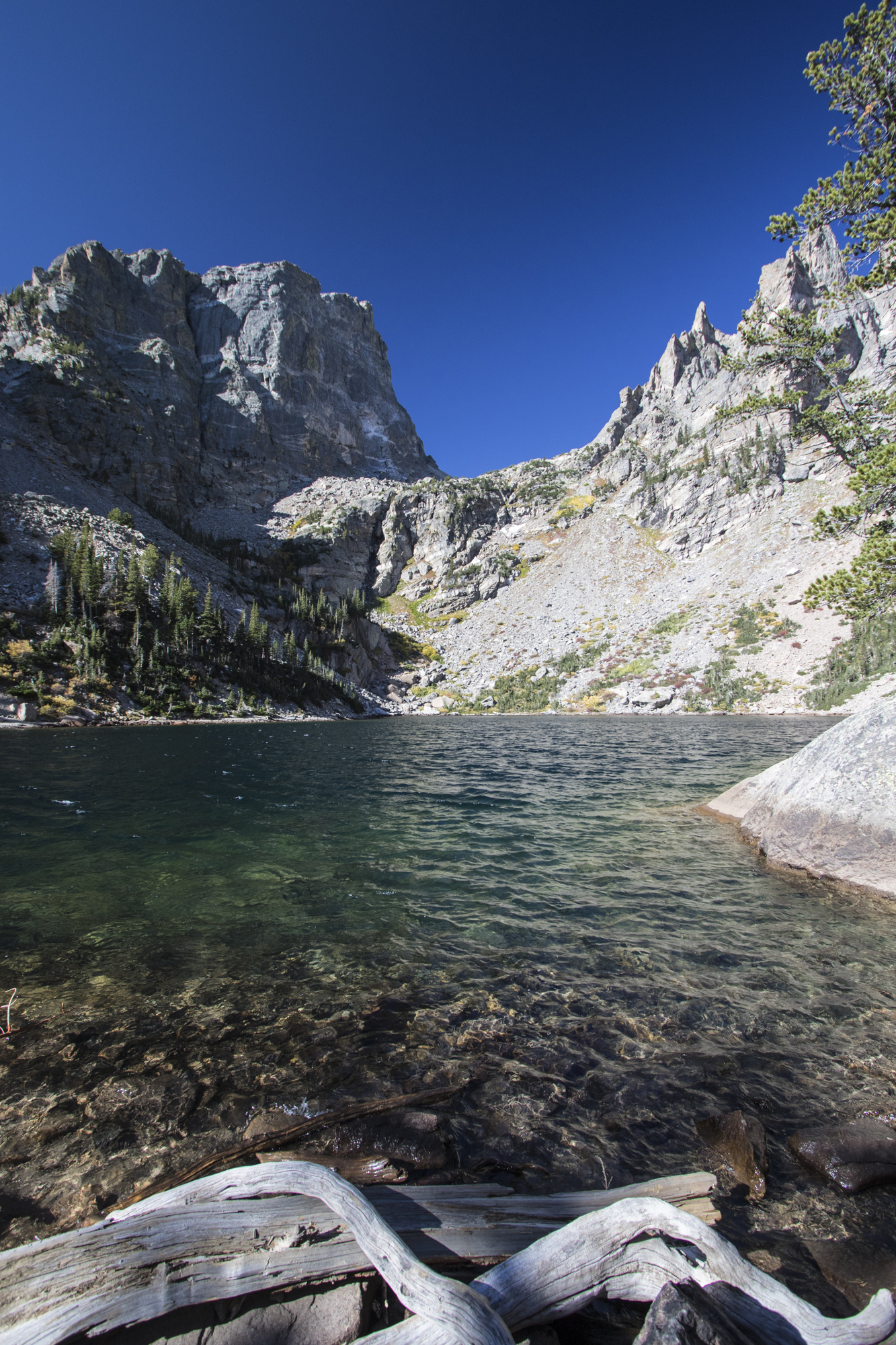
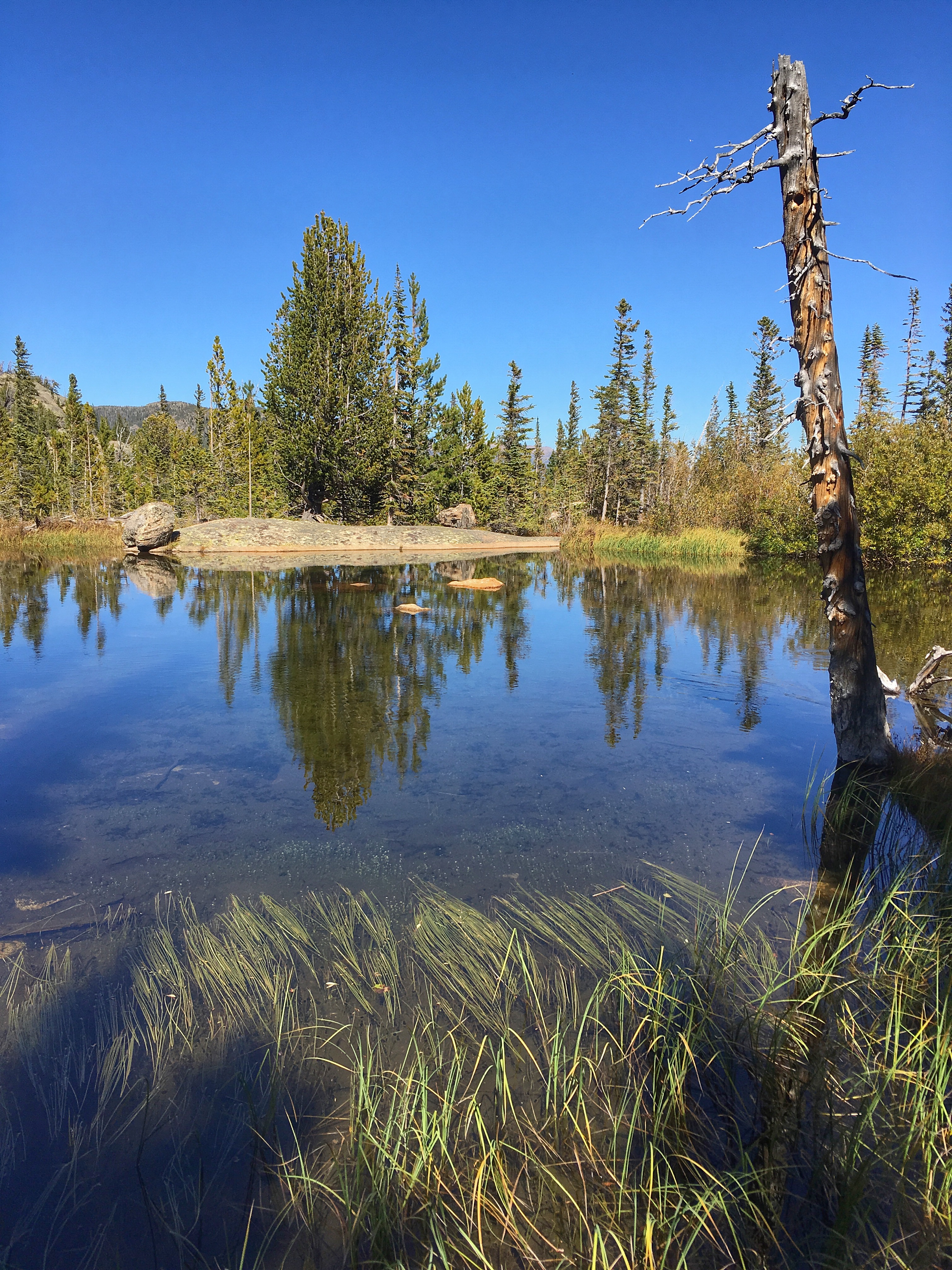
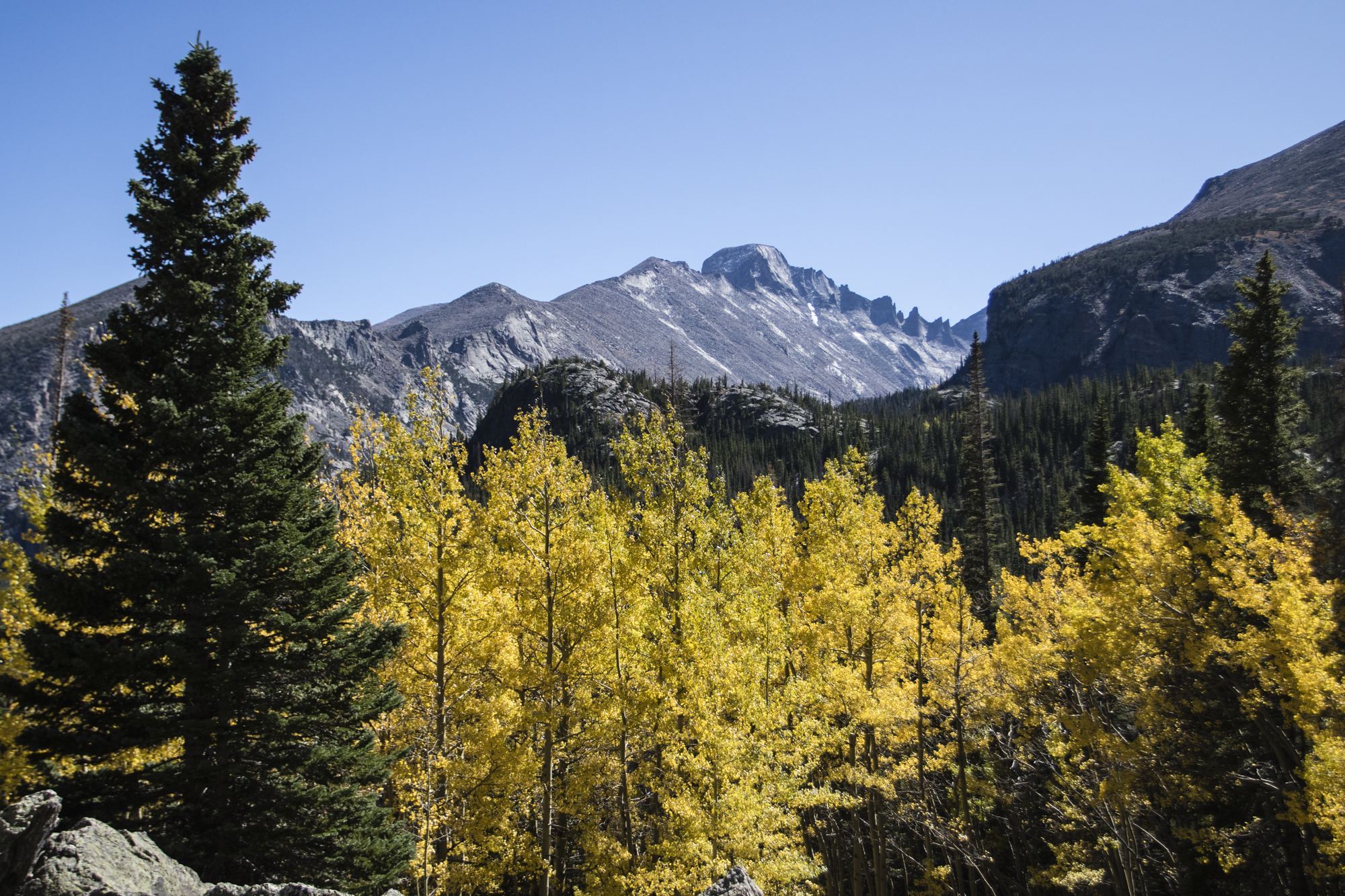
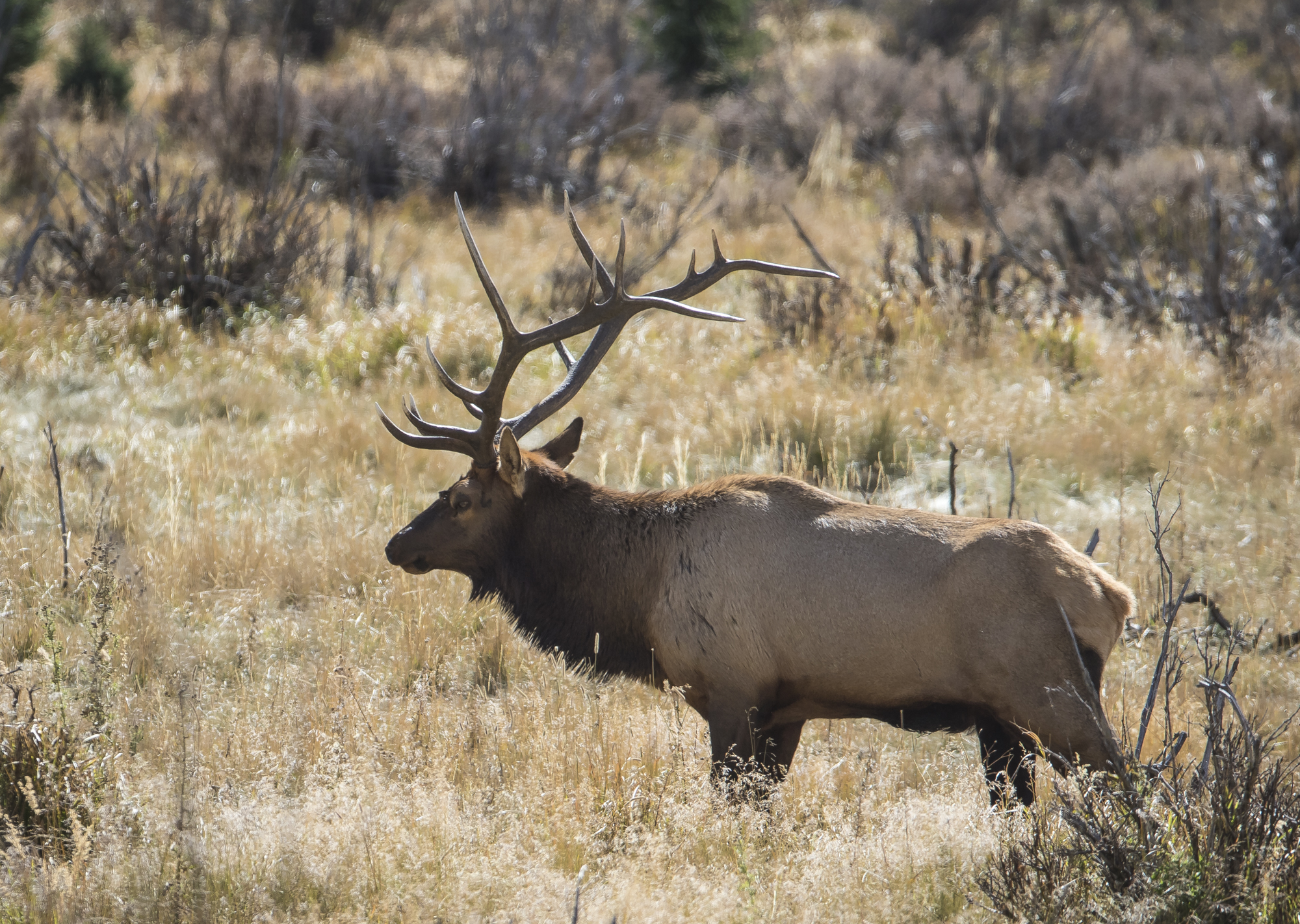
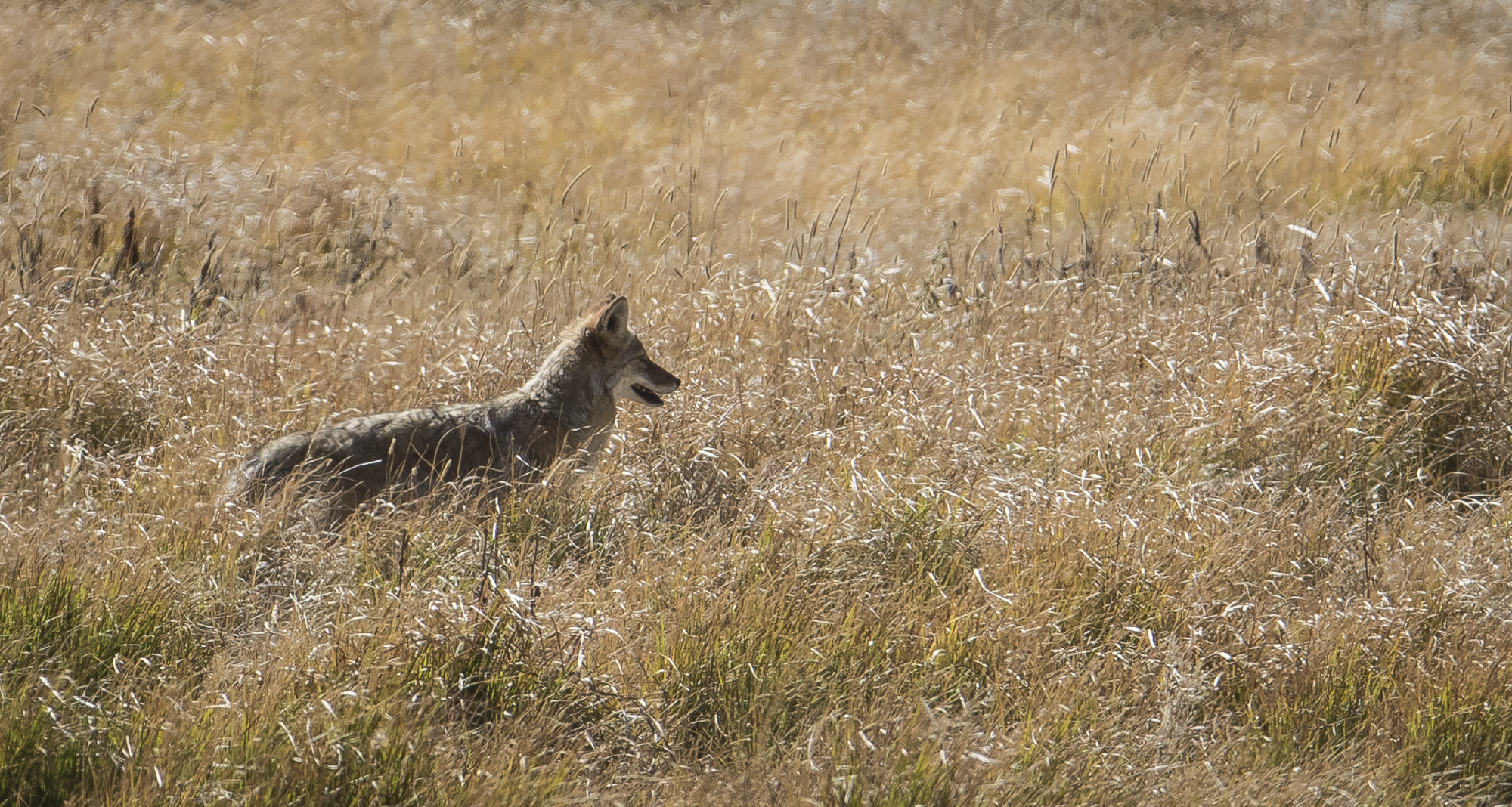
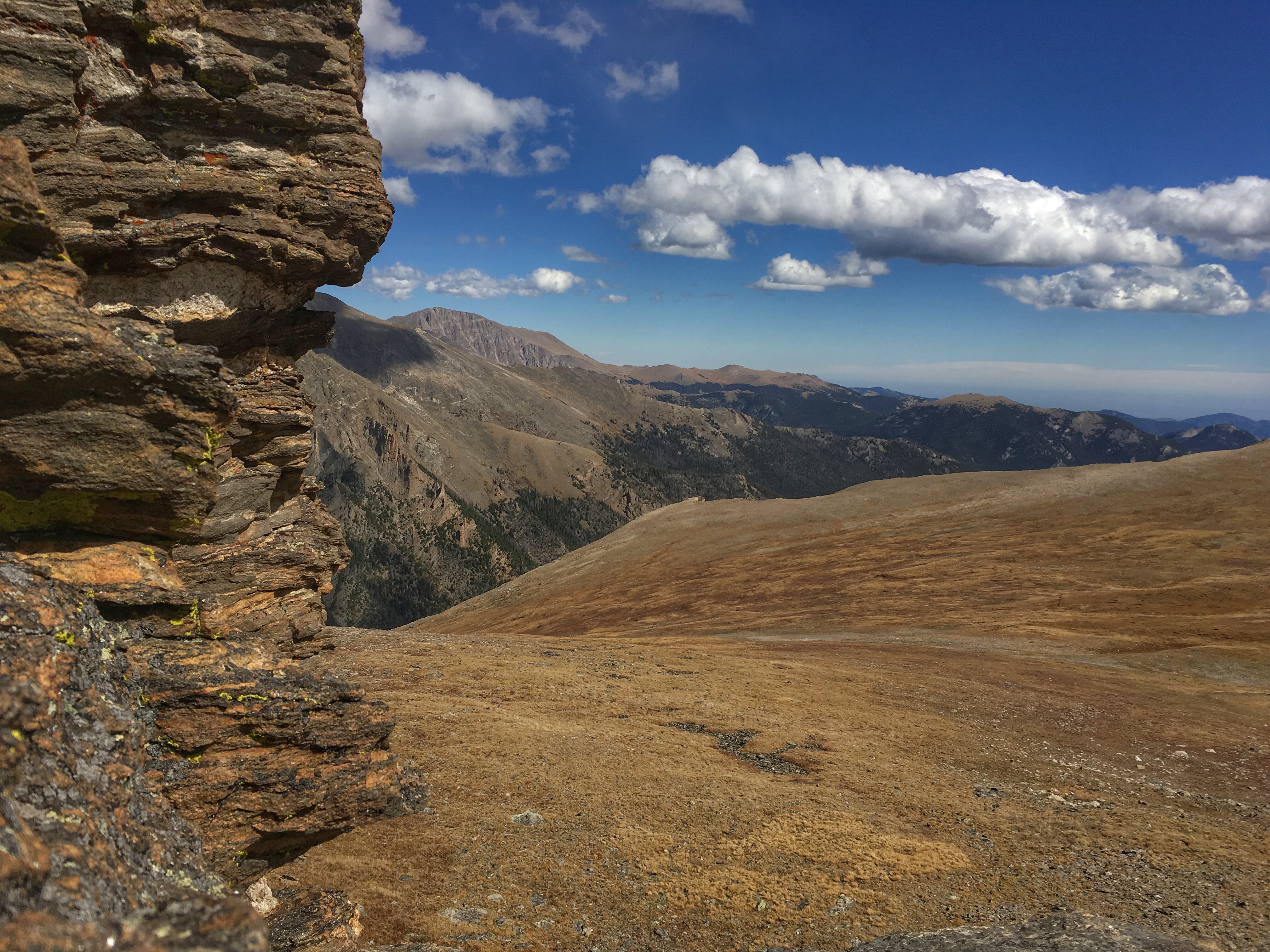
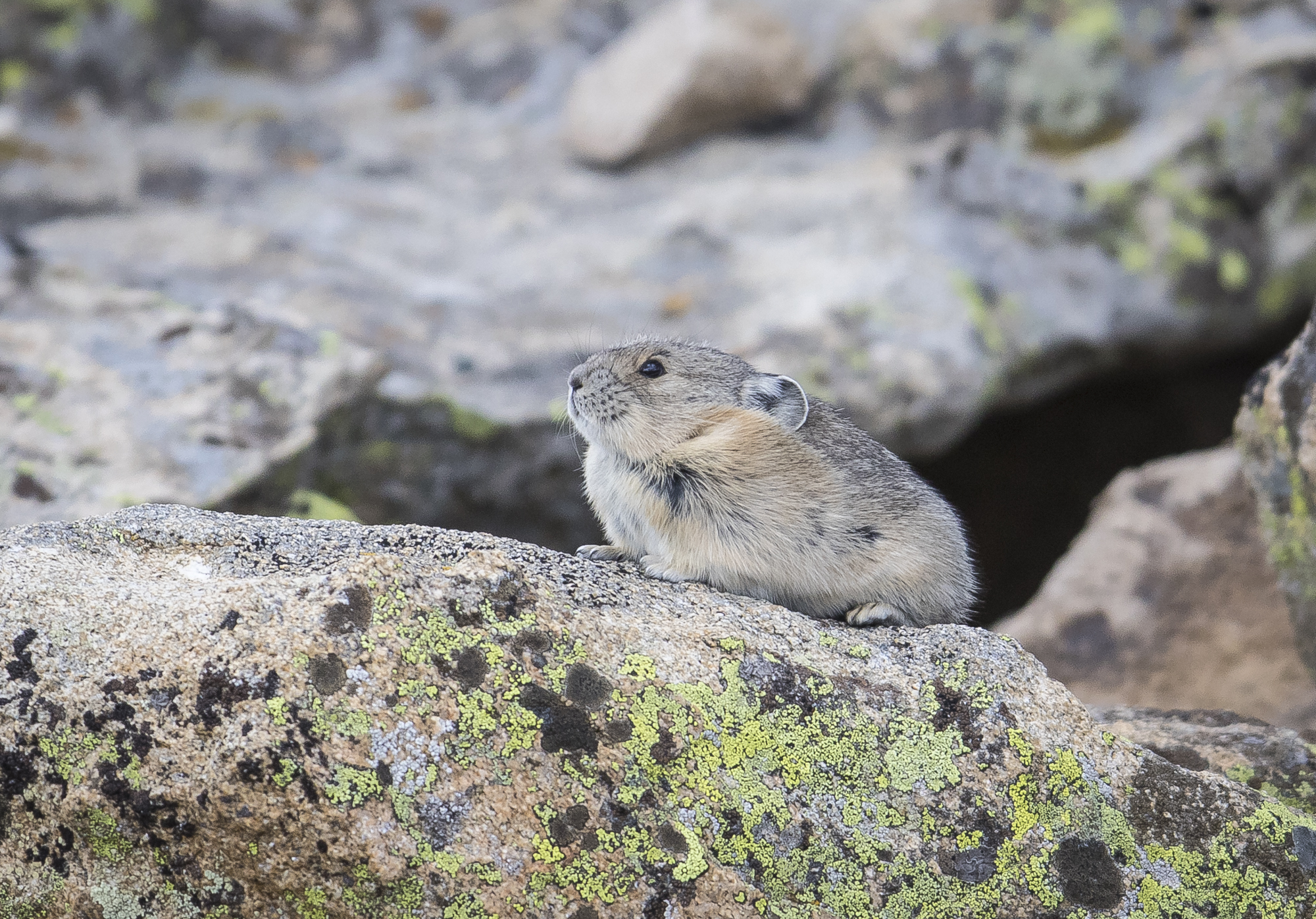
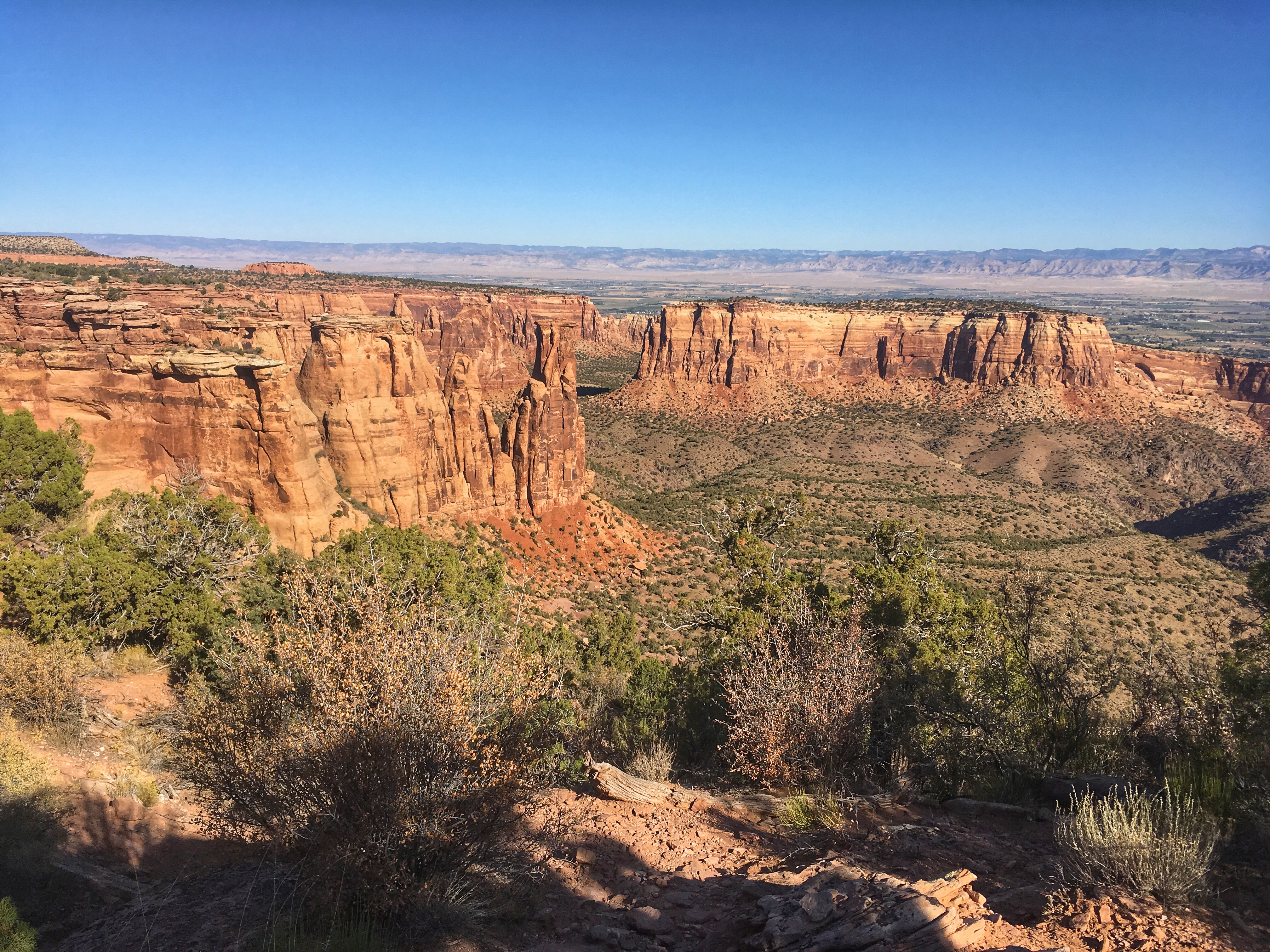
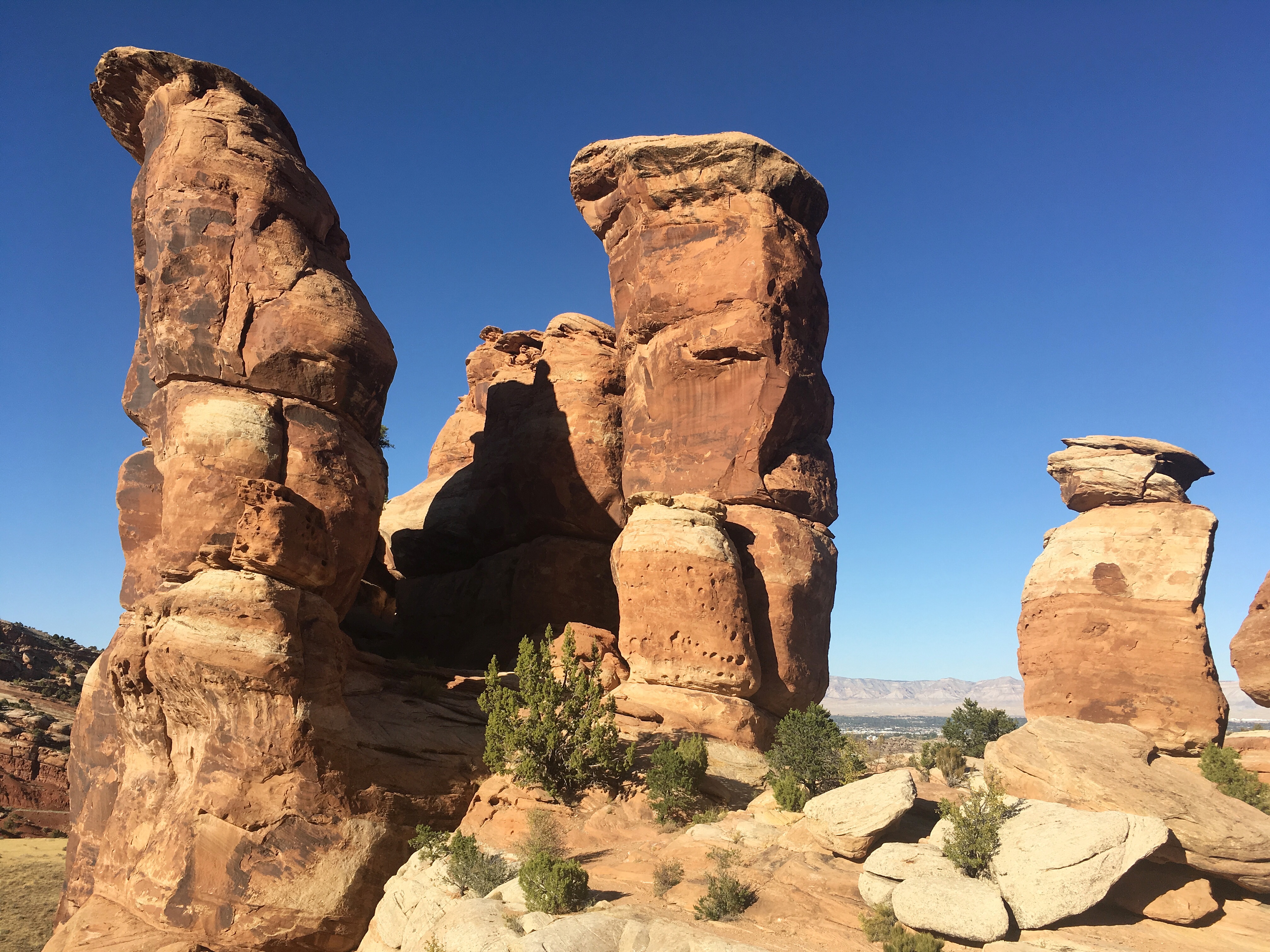
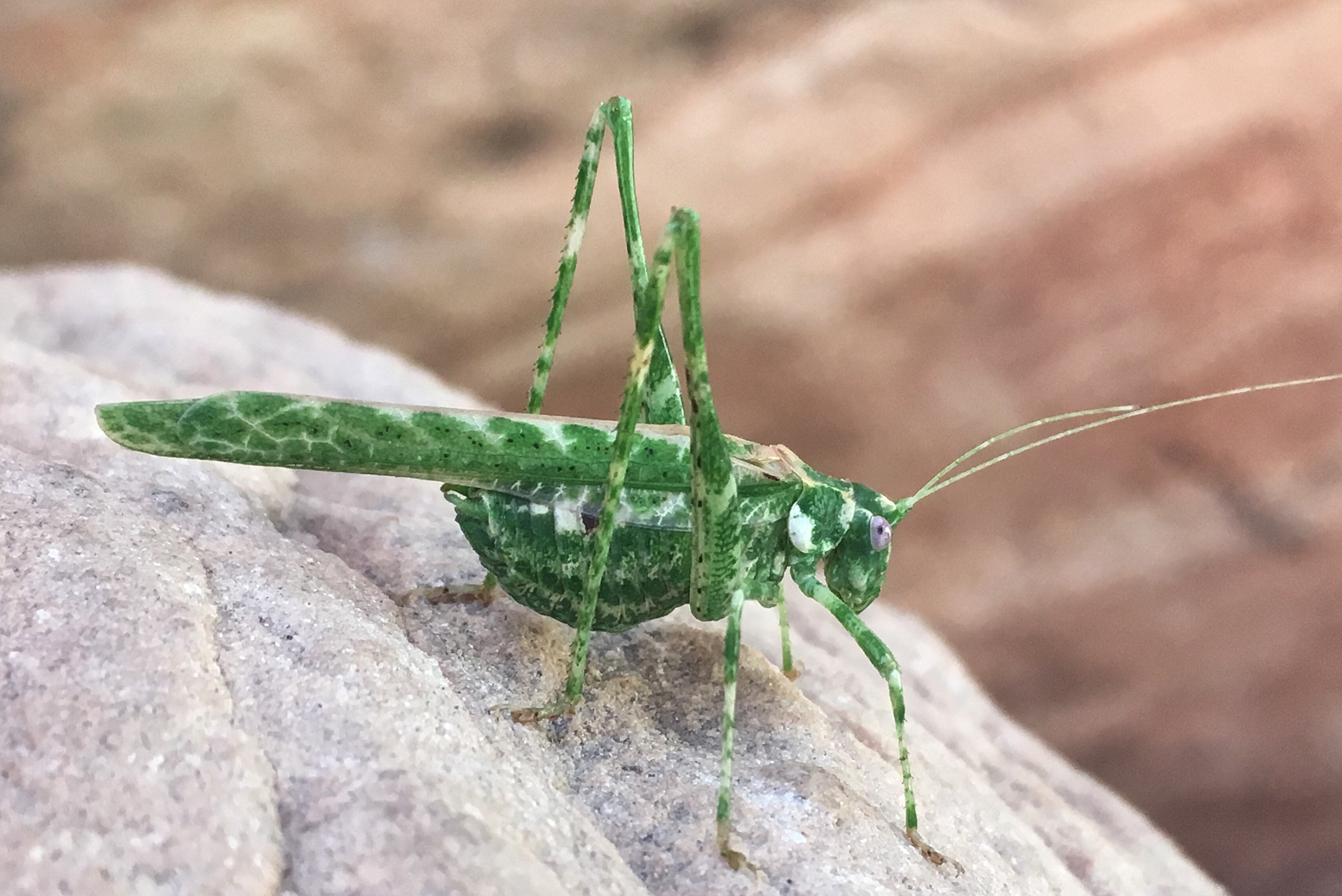
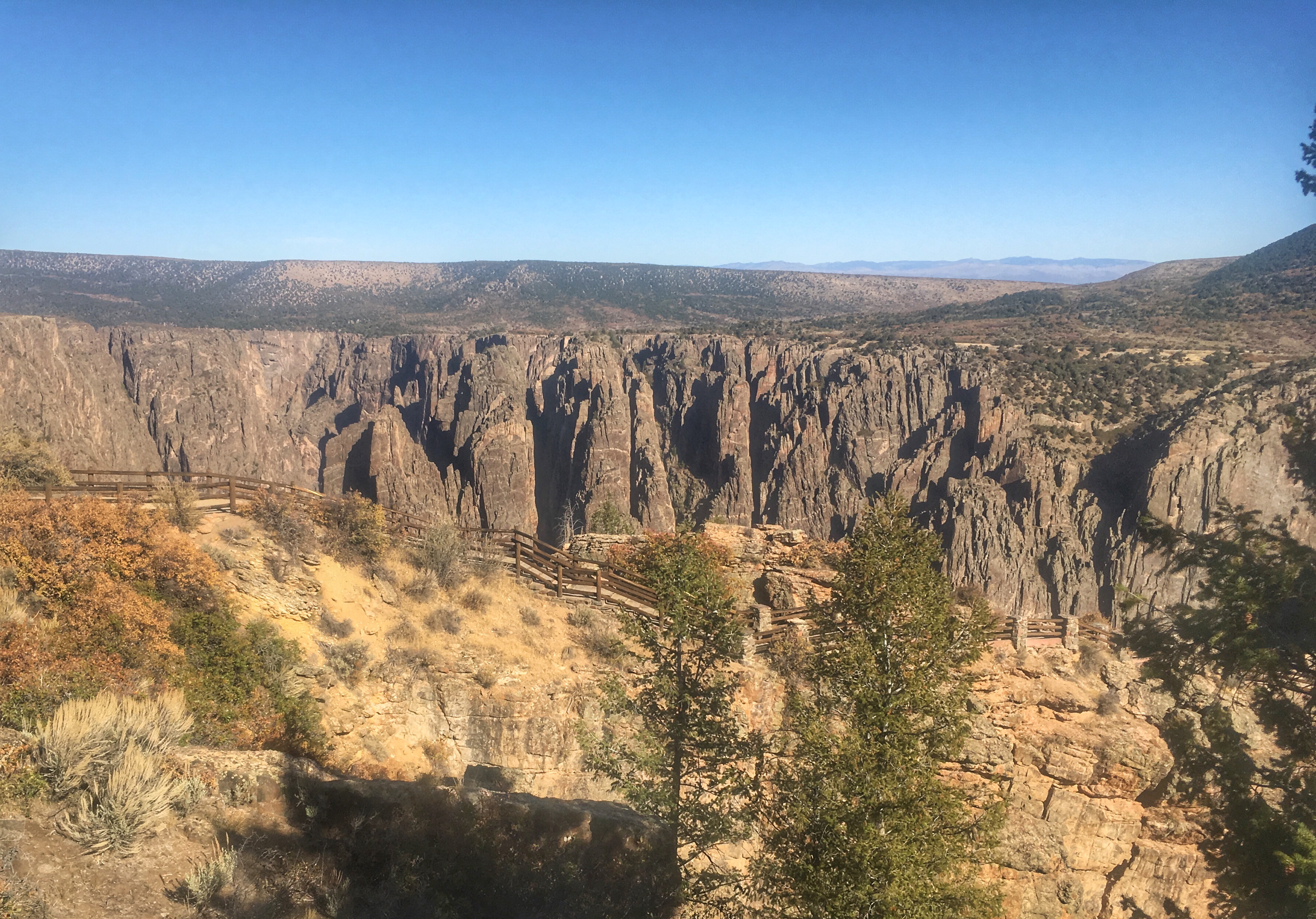
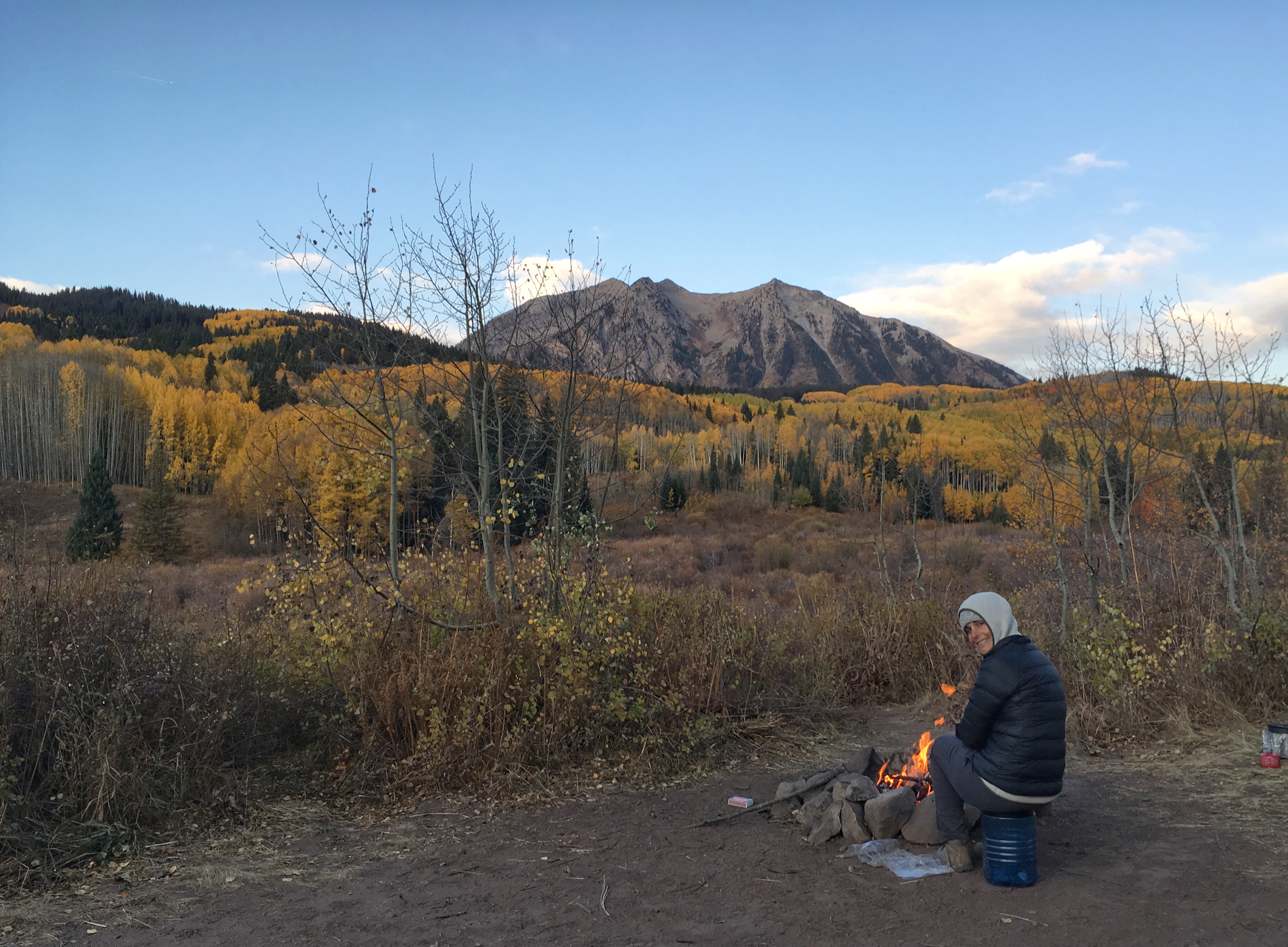
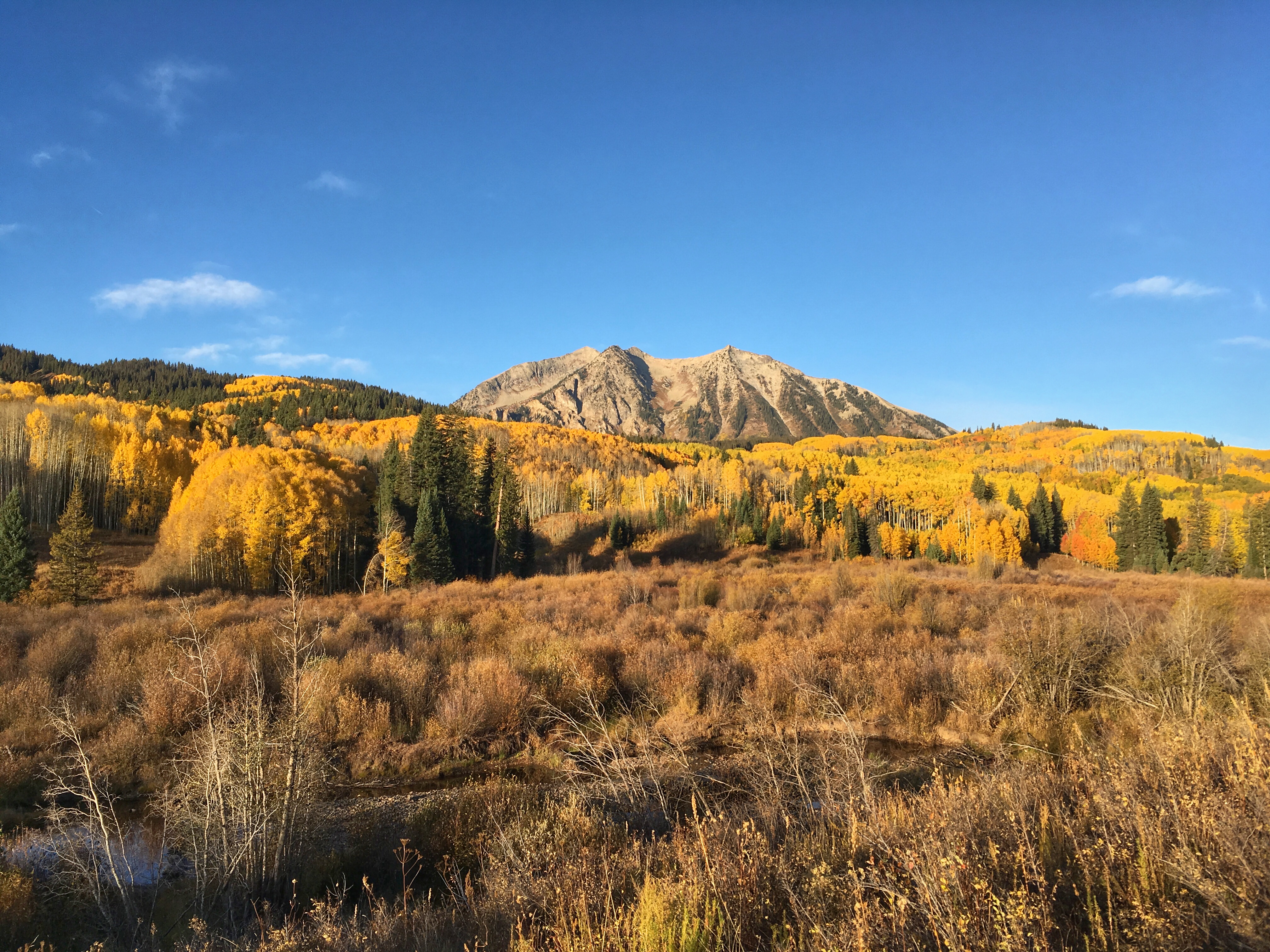
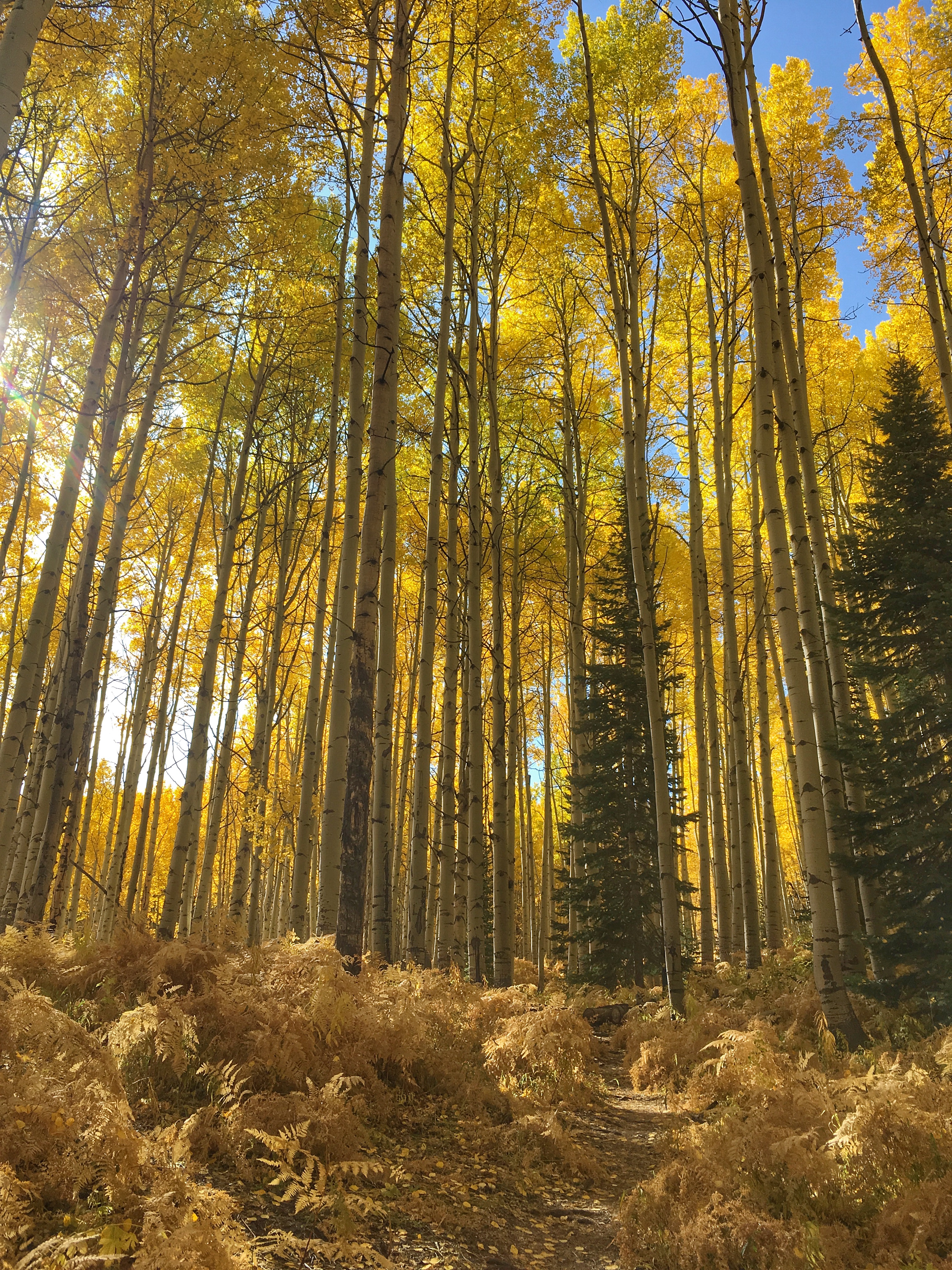
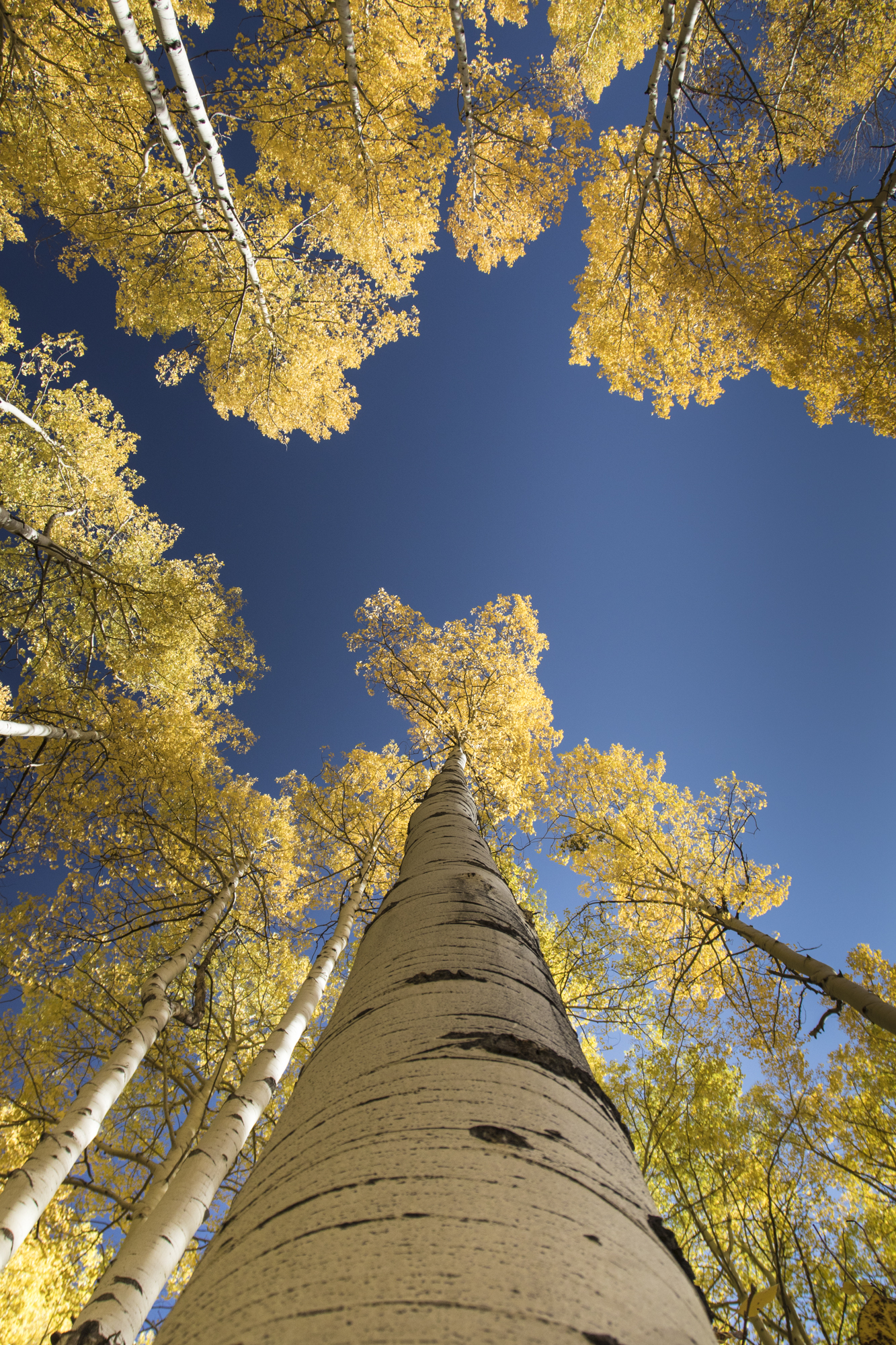
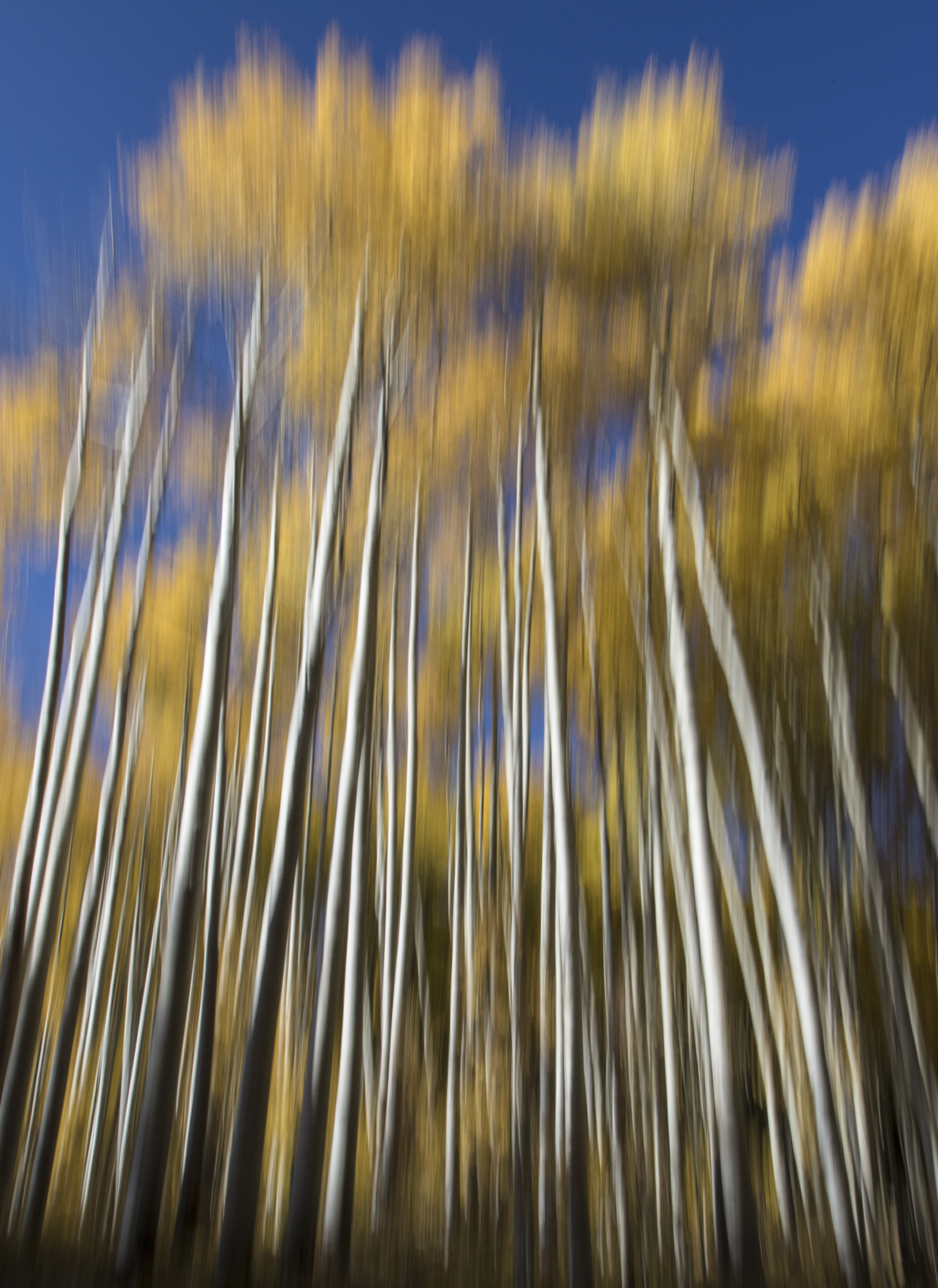
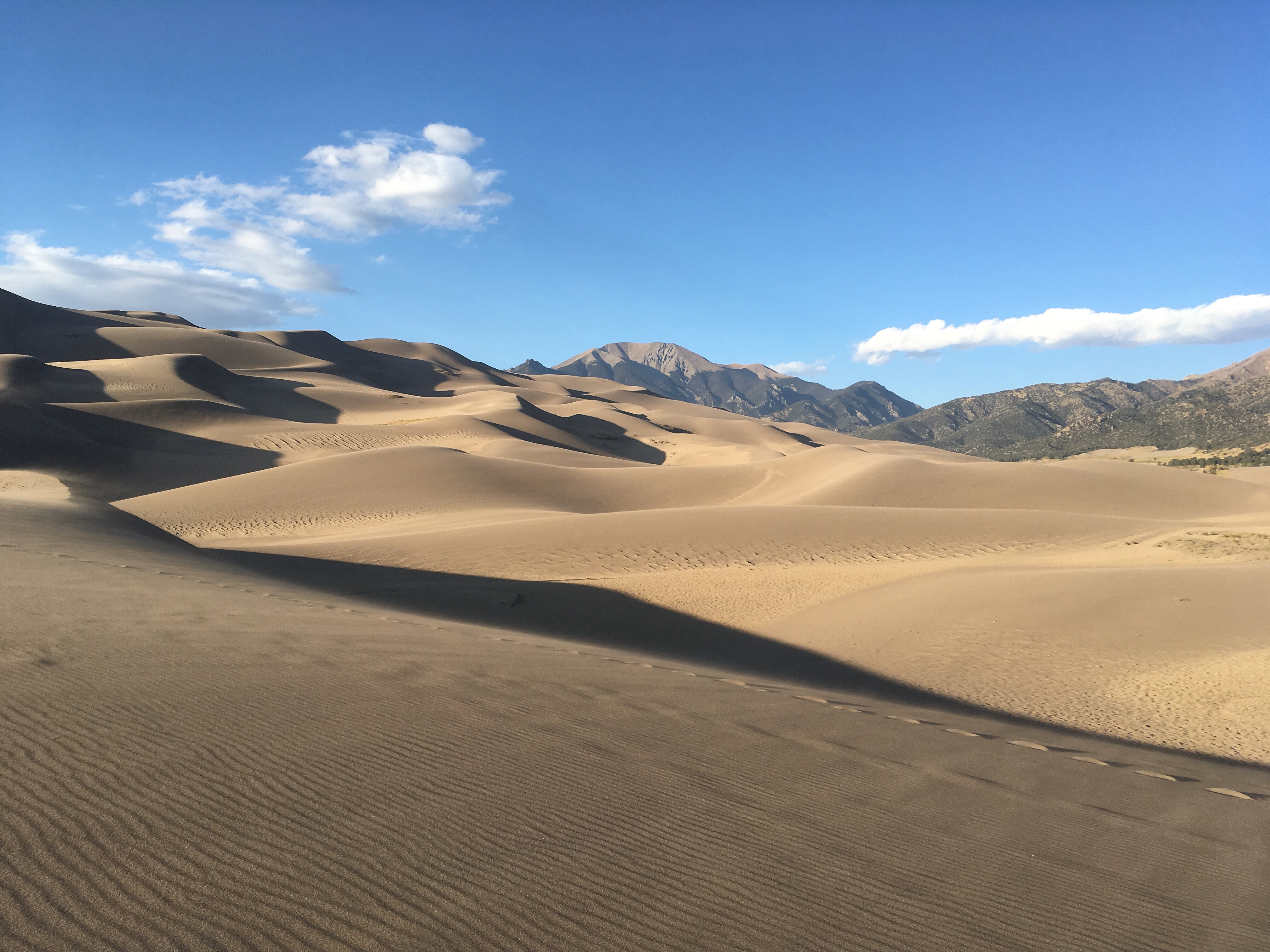
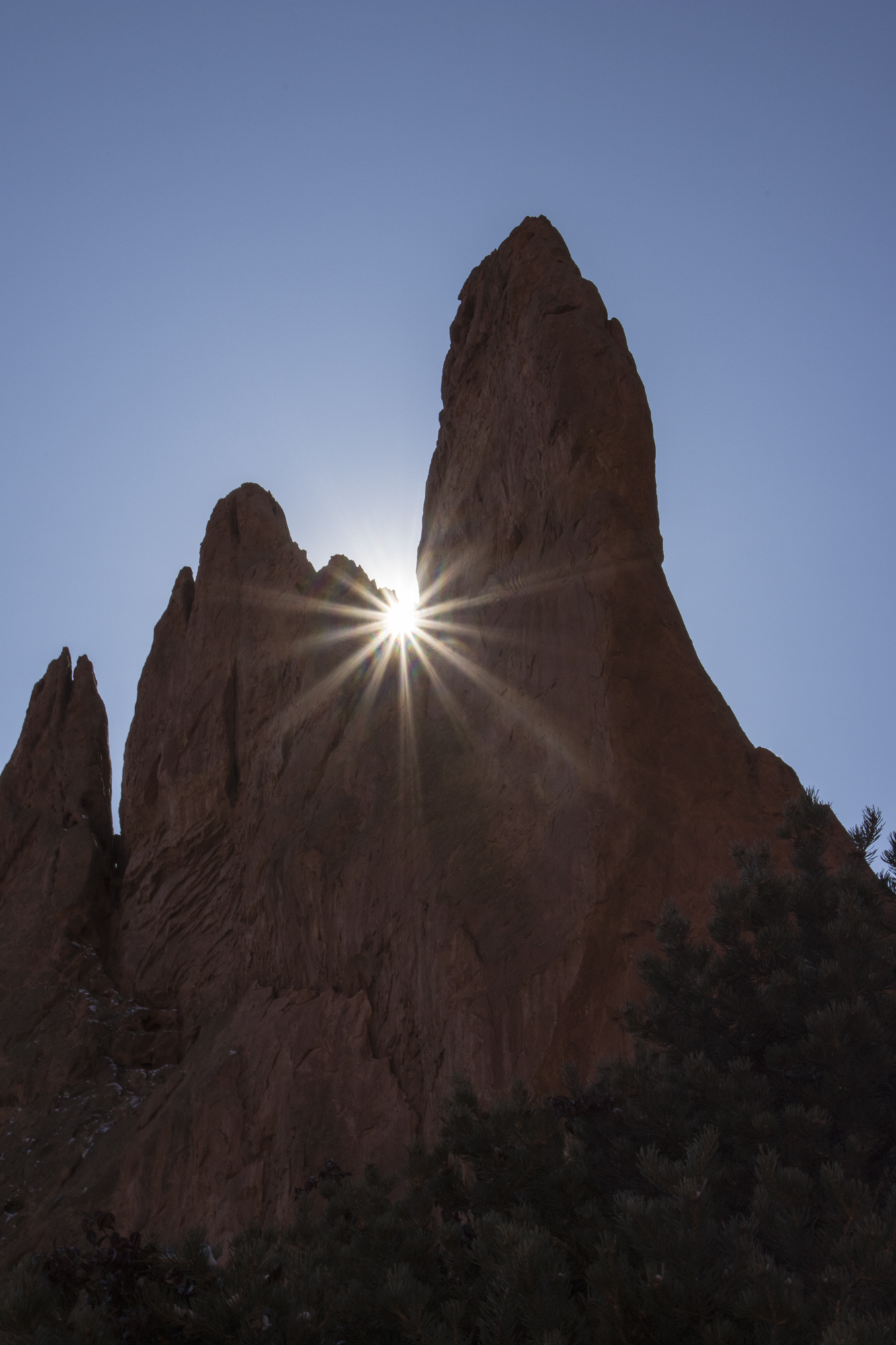
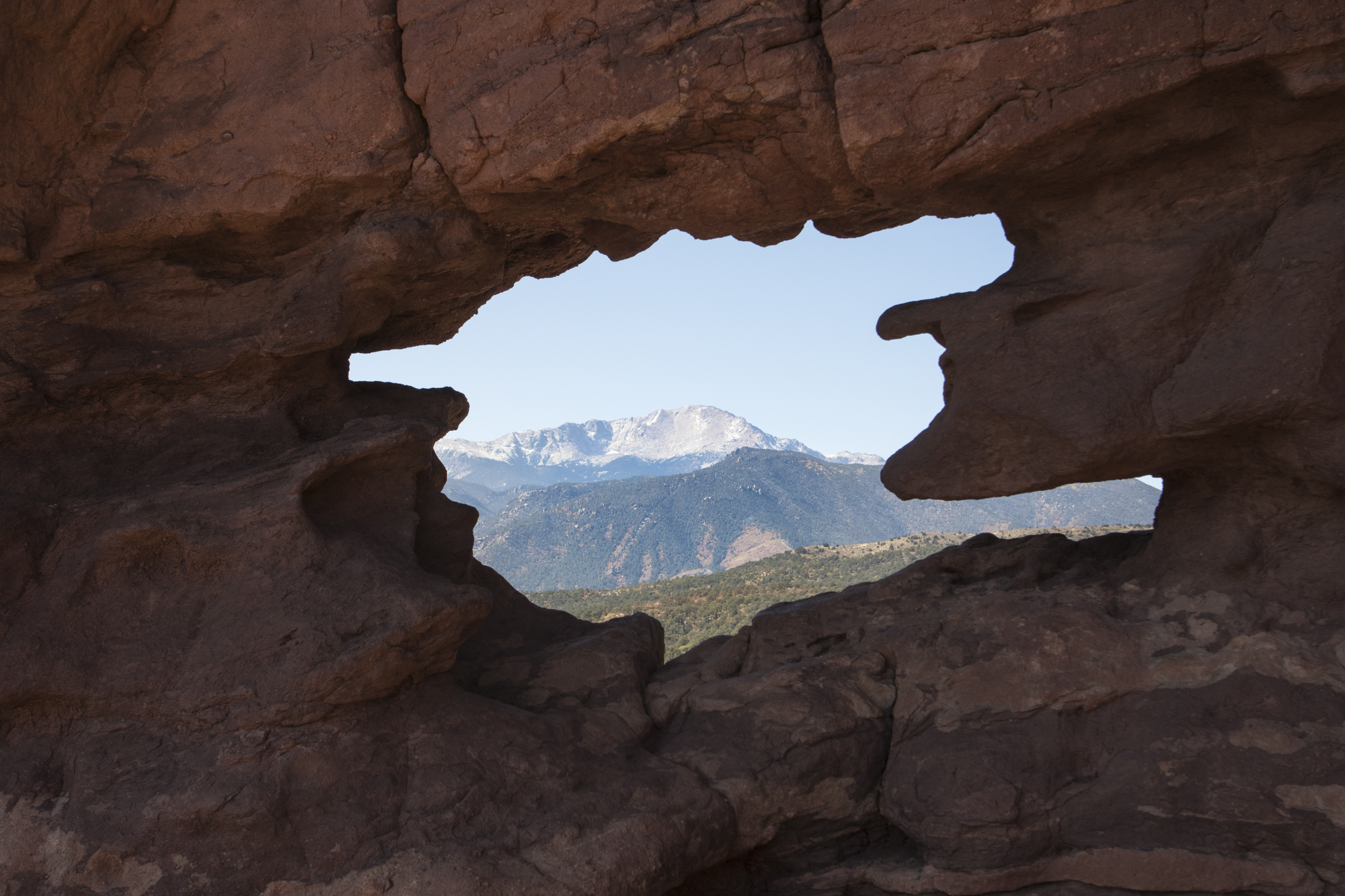
We lucked out and nabbed the best site in the Moraine Park Campground in Rocky Mountain National Park (click photos to enlarge)Buck mule deer next to our car one morningBear LakeNymph LakeDream LakeA small lake along the trailA great view for our lunch breakThe trail above what is the highest elevation visitor center in the National Park System, the Alpine Visitor Center, in Rocky Mountain National ParkBull elk watching his haremA coyote passing through got the elk’s attentionSpectacular views along the Tundra Communities Interpretive TrailWe saw a couple of pika at the end of the trail, dashing among the rock piles as they gathered grasses for winterOur amazing campsite along East Inlet Trail (more on this spot in the next post)Colorado National Monument was like another world, and just a half-day drive from Rocky Mountain National ParkWe saw several Desert Bighorn Sheep along the roadDevil’s Kitchen TrailA stunning Bush Katydid, Insara sp.The trail just below the visitor center at Black Canyon of the Gunnison National ParkThe Painted Wall at Black Canyon of the Gunnison National ParkOur beautiful campsite in Kebler Pass, near Crested Butte, COThe view at sunrise from our campsiteThe gold of an aspen forest in OctoberI have never seen aspen trees as big as these – it is humbling to walk through a grove of these beautiful trees this time of yearArtsy take on the aspensOrange and yellow of aspens in peak colorThe strange juxtaposition of dunes and mountains at Great Sand Dunes National ParkMelissa atop the highest dune on a very windy afternoonEarly morning at Garden of the GodsA view of distant Pike’s Peak through a rock window at the Siamese Twin formation at Garden of the Gods
Wishing all of you a wonderful holiday. Melissa and I hope to see you out somewhere in the wilds soon.
Look closely at nature. Every species is a masterpiece, exquisitely adapted to the particular environment in which it has survived. Who are we to destroy or even diminish biodiversity?
~E.O. Wilson
Yes, it is finally crawling to a close, another season of caterpillar searching, wrangling, and releasing. This one a bit less productive than some perhaps, but rewarding nonetheless. After a couple of caterpillar classes at the Museum and Botanical Garden, we ended with a bang at the Museum’s BugFest event last weekend. It was the usual phenomenal turnout with an estimated 25,000+ attendees. I am never sure how many folks we actually see at out caterpillar booth, but it was a steady stream of curious onlookers for a full 8 hours.
It was so busy this year, that I didn’t take the time to photograph some of our herd of larvae (around 50 different species). As usual, some of the best finds, like the Spun Glass Slug Moth caterpillar mentioned in an earlier post, pupated right before the big event.
This strange beauty never made it to BugFest, preferring to pupate about a week before the big event (click photos to enlarge)
We start searching a week or so ahead of BugFest, and we always lose some of our herd to the many hazards that caterpillars face – a few larvae erupted with parasitoid wasps or flies, and some we discovered as they were being used as the larval lunch special of the day for some of the many predators out there. With as many hazards as they face, it is sometime amazing we find any caterpillars at all.
While searching for clearwing moth larvae on coral honeysuckle, I came across this scene – a Florida Predatory Stinkbug with its prey
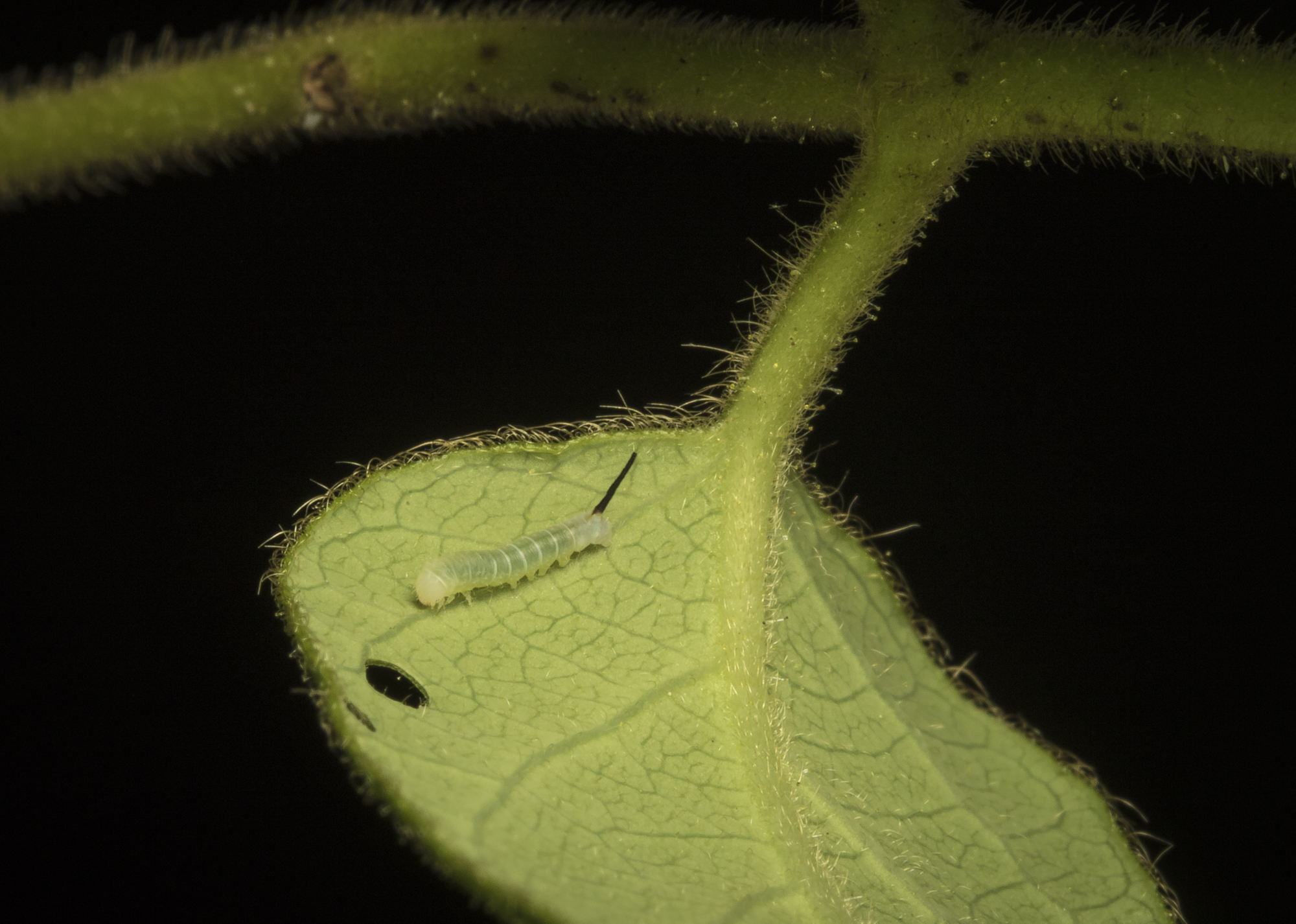
But, butterflies and moths are prolific little critters, and enough survive to keep it all going. I enjoyed watching some egg-laying behavior of several species in the week leading up to our caterpillar classes, including a snowberry clearwing (aka bumblebee moth) laying her eggs on a honeysuckle vine. I collected one egg and photographed the tiny newly hatched larva five days later.
A newly hatched Snowberry Clearwing caterpillar
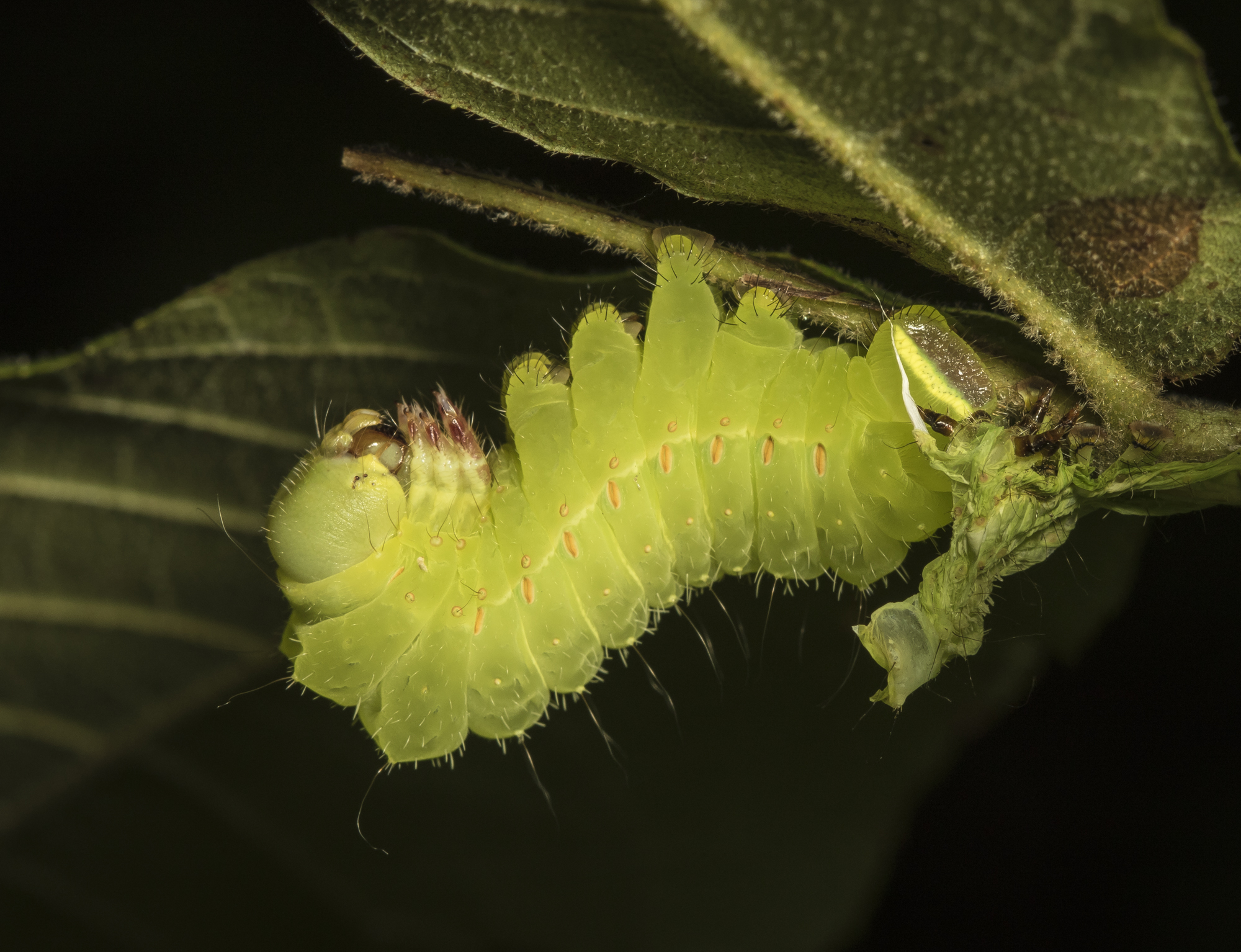
The show-stoppers this year were two Imperial Moth larvae, one brown in color, the other green. Melissa found both, the brown one when it was a second instar about two weeks before BugFest. She found the green giant the day before, and I wished I could share the looks on the faces of people as they walked along the tables and first laid eyes on that behemoth.
Imperial moth larva recycling its shed skin
The rest of the critters included a wide range of caterpillars found throughout our region. As I mentioned, I took only a few minutes to quickly photograph some of the larvae before the crowds started arriving and asking questions. Here are a few more of my favorites…
The beautiful colors of a Smartweed CaterpillarEarly instar of a Blinded Sphinx (we think)A Hog Sphinx on wild grape
Though the Imperial Moth larva were crowd favorites, my choice for caterpillar of the day was the weird and wonderful Curve-lined Owlet. These bizarre-looking caterpillars feed on greenbrier and mimic the brown, curled edges of dying leaves (and perhaps the vine tendrils). They often gently wave back and forth, looking like a dead leaving moving in a breeze. When I pointed it out to people, most were stunned that it was a caterpillar, so their camouflage seems to be quite effective.
Curve-lined owlet, my choice for caterpillar of the day
The aftermath of all this larval love involves releasing the stars of the show onto their host plants from whence they came. A few that pupated will be housed in proper conditions until they emerge sometime next year, and then they will be released into favorable habitat with the hopes they will create more of their kind. Meanwhile, I may let the macro lens rest for a bit, and see if I can find something a little bigger to ponder while I wander.
If you examine a butterfly according to the laws of aerodynamics, it shouldn’t be able to fly. But the butterfly doesn’t know that, so it flies.
~Howard Schultz
I’m not sure anyone could use that quote when describing the sphinx moths. They certainly look like they were made to fly and I have always been intrigued by their streamlined shapes. Last year, I managed to photograph the green beauty known as a Pandorus Sphinx, Eumorpha pandorus. It had come to a light along our breezeway at work.
Pandorus Sphinx Moth (click photos to enlarge)
The unique wing shape, colors, and pattern are very eye-catching and make this large moth look as though someone designed it for both fashion and night-time flight.
Last week we had a chance encounter (while grilling after dark) with another of the fighter jets of the moth world. This time it was the stunning Tersa Sphinx, Xylophanes tersa. The genus name combines the Greek words xylon meaning “wood” and phanes meaning “to appear” or “appear to be.” Indeed, the wings and body of this moth look like exquisite wood veneer.
Tersa Sphinx
The larvae feed on weeds in your yard such as Madder, Poor Joe, and Virginia Buttonweed. I found one last year in our yard on Diodia teres (Poor Joe) and the caterpillar is also quite appealing to the eye.
Tersa Sphinx caterpillar
I still have a few of these moth jets I want to see (the Abbott’s, Virginia Creeper, Hydrangea, and Azalea Sphinx’s to name a few), so I’ll keep looking around lights and setting out my moth sheets every summer. I suppose my bucket list actually is a bit different than most…
I thought about not saying anything else in this post other than the quote above, because it really does sum up what we found one night this week. Yes, it is that time of year again when we caterpillar-lovers are out and about searching for something cool, something bizarre, something strange and beautiful. Melissa and I both have caterpillar programs today and then next weekend is the annual BugFest celebration at the NC Museum of Natural Sciences, where, once again, we will host a caterpillar booth. So, bear with me as I will no doubt share a few lovely larva images over the next couple of weeks.
We often find our best specimens at night, either by regular flashlight or UV flashlight (many species glow in UV light). And so it was Thursday night…some fine specimens indeed…
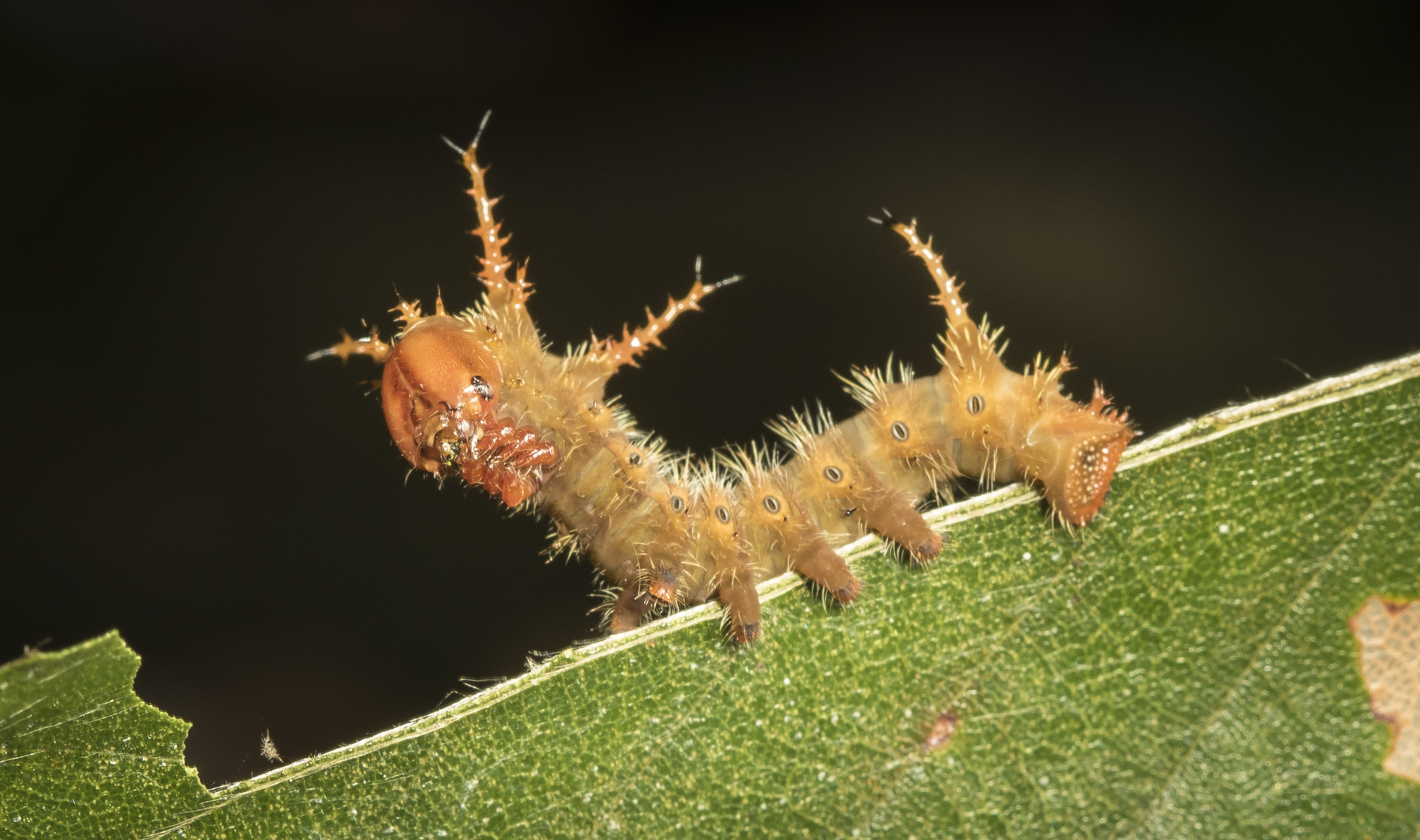
Black-blotched Schizura (click photos to enlarge)
The Schizura group are some of the leaf edge caterpillars – they chew out a section of leaf and then position their body within that section. The strange protuberances of the caterpillar’s body help disguise it by blending in with the jagged edges of the leaf blade.
Crowned Slug
One of my favorites, the Crowned Slug, looks like an alien creature. They, like many of the slug caterpillars, are difficult to find because they tend to feed on the undersides of tree leaves (plus, they blend in). These are best located with a UV flashlight.
The highlight of the evening was a species that I have wanted to find for several years. Being a true caterpillar nerd, I have poured over my copy of Wagner’s field guide countless times since it first came out, and been amazed at some of the bizarre larvae that can be found in our area. There are several that were on my “larval bucket list” and it is always a thrill to find one. For this species, I have seen the tiny moth a few times at home and at work, so I knew they were around.
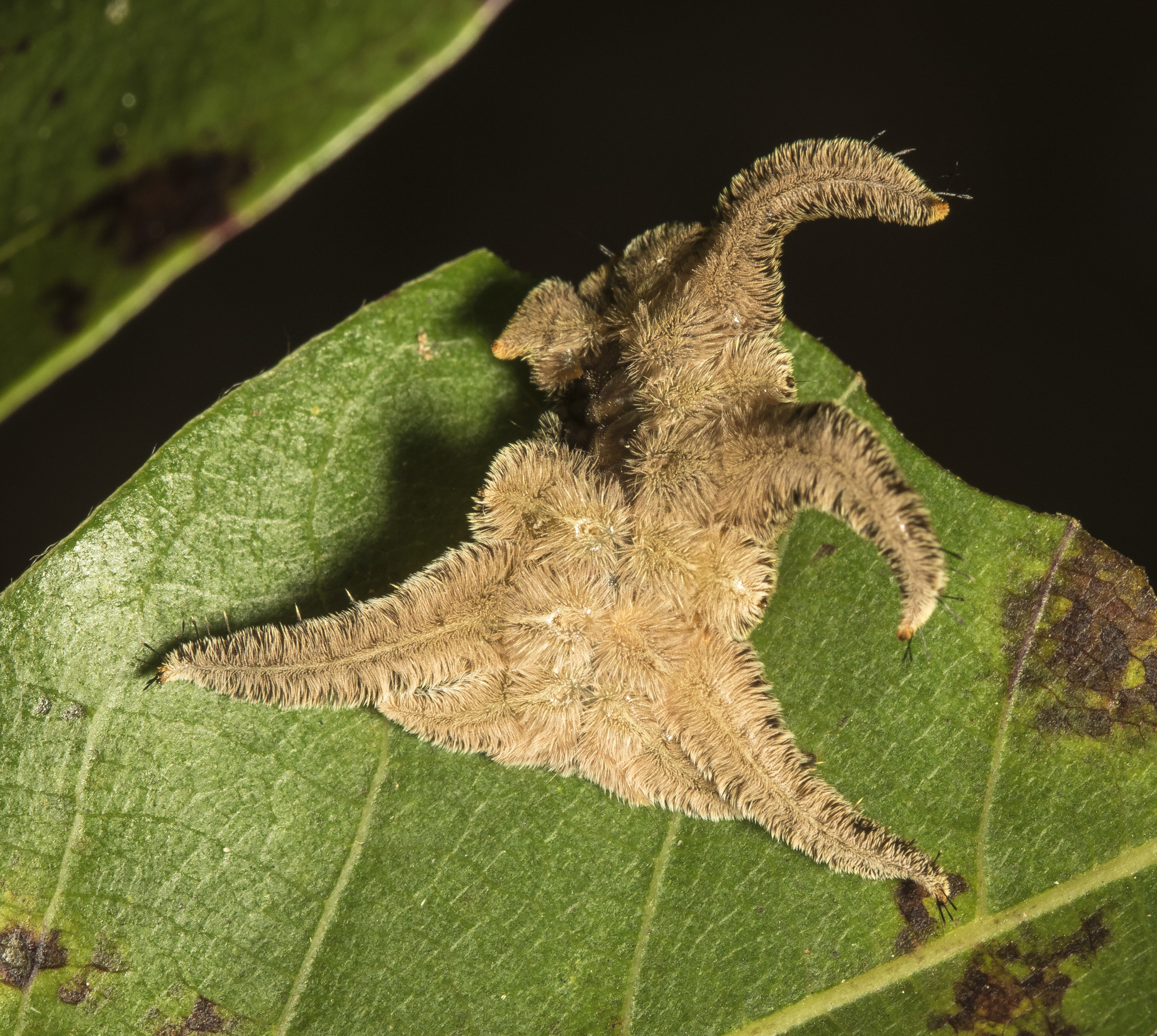
The strange-looking Spun Glass Slug Moth
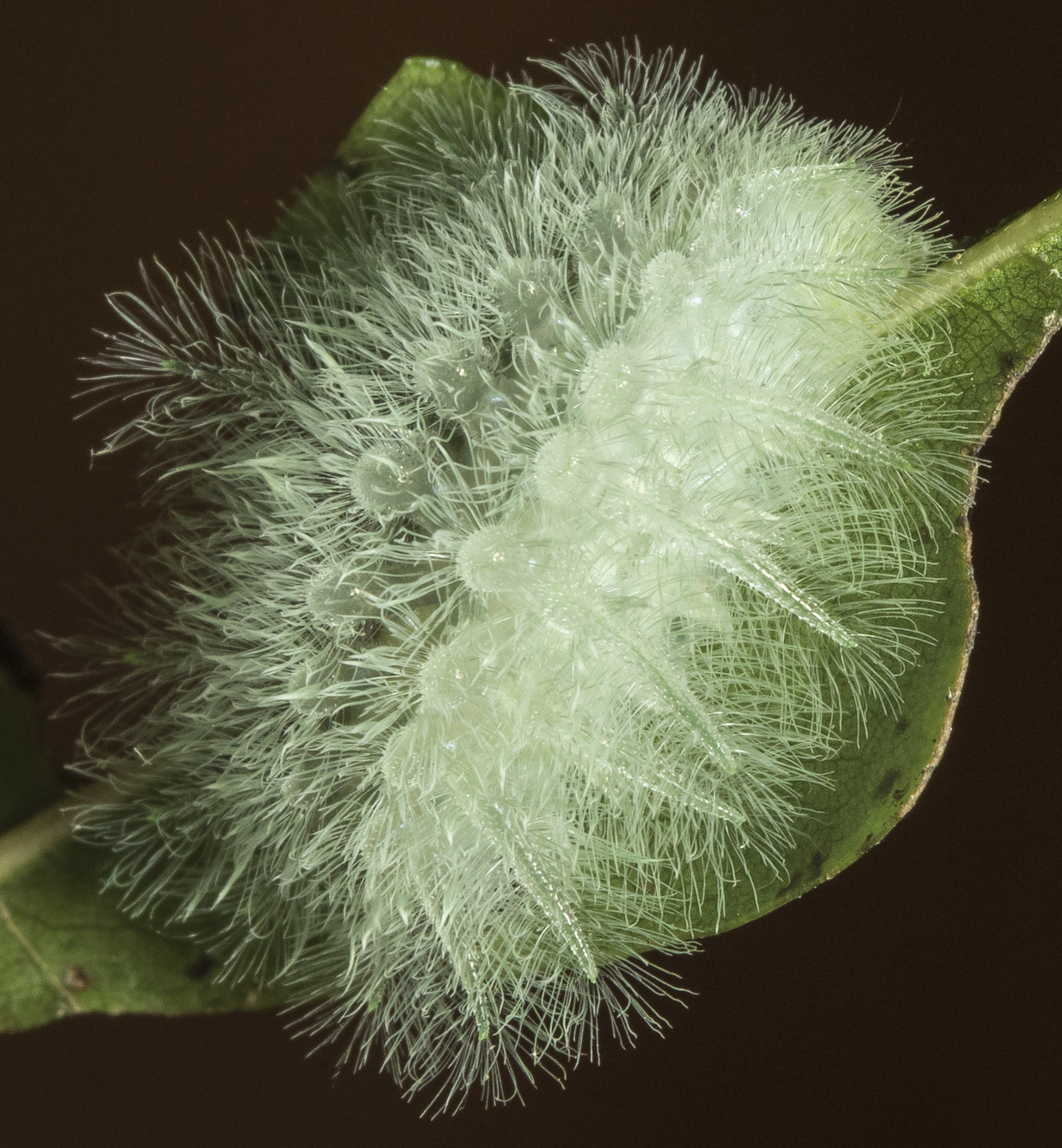
And this week, I finally found the exquisite larva (with the aid of a UV flashlight).
Spun Glass Slug
This is the last instar of this translucent little beauty. It was found underneath an oak leaf (various oaks and American beech are the host plants). It is one of the so-called stinging caterpillars (tufts of spines that can inject venom if touched). Apparently, when it gets ready to pupate, the numerous “arms” fall off.
A closer look
Of course, now I want to find some of the earlier instars. I guess it is good to have goals in your life…
Summer is a promisory note signed in June, its long days spent and gone before you know it, and due to be repaid next January.
~Hal Borland
There is a change in the air…it doesn’t seem as humid; hurricanes are in the news; and at our house, we are starting to look for caterpillars. Yes, Fall must be coming and with it, the museum’s BugFest event (and some other caterpillar-related programming at both Melissa’s work and mine). Our annual love-hate relationship with “caterpillar wrangling” is starting and will continue for the next three weeks. So, our labor for this Labor Day, was to start looking for some interesting larvae. If things run true to form, we will find a lot of really cool caterpillars in the next week or so, and then many of them will pupate before their big day (this year, BugFest is September 21…really pushing it to be able to find many of our caterpillar species still in their larval state). But, the fun is in the finding. Here are a few highlights from recent searches.
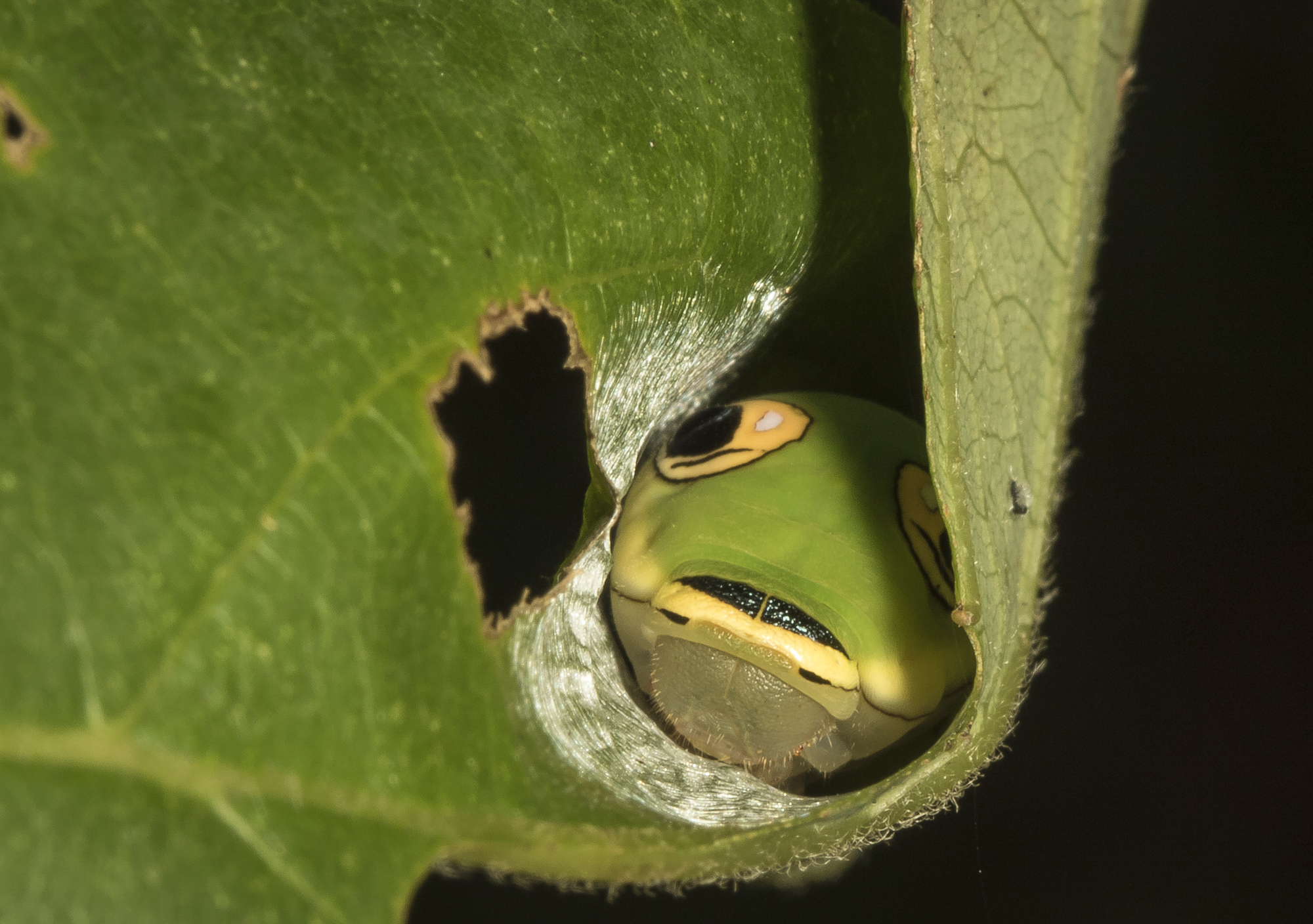
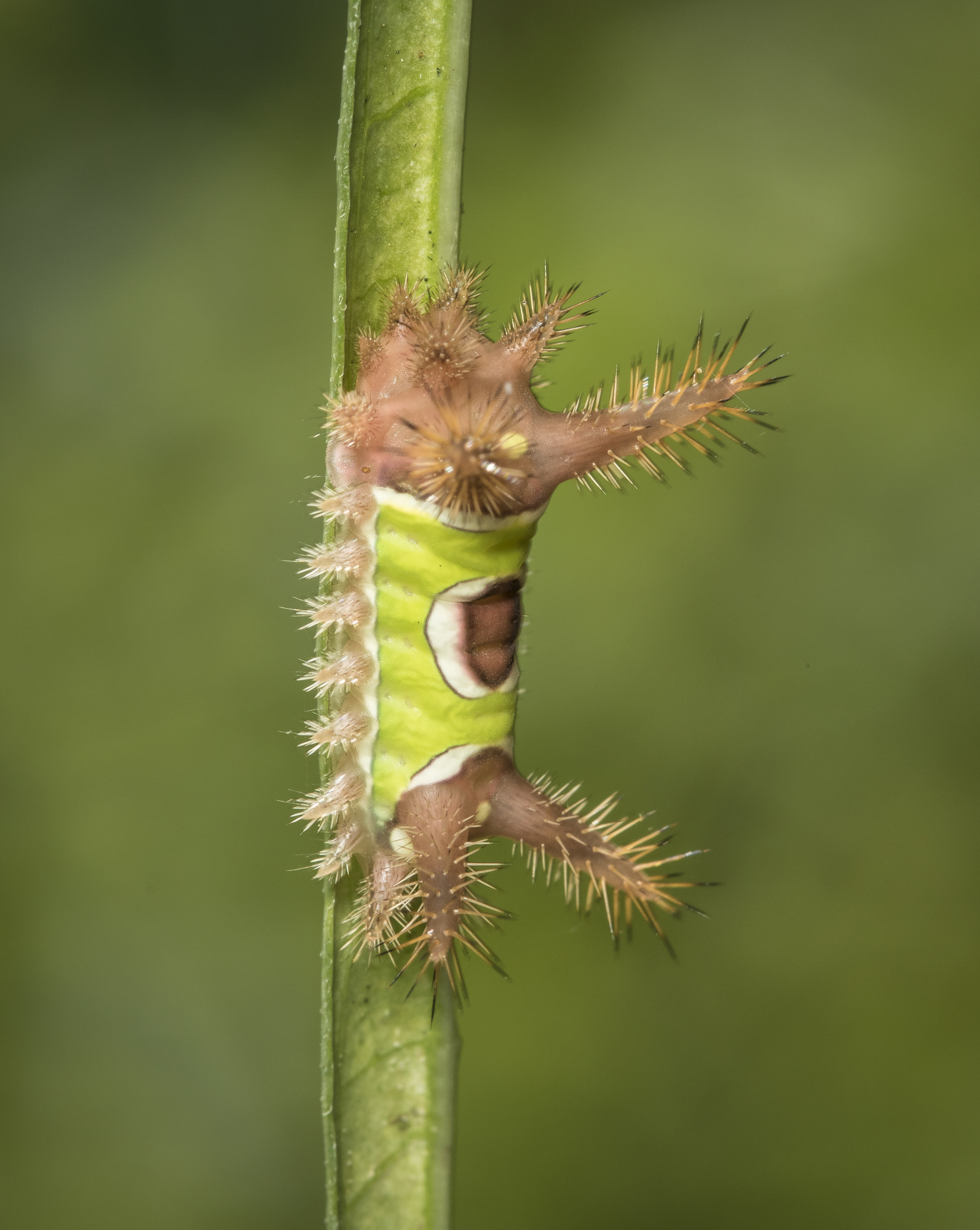
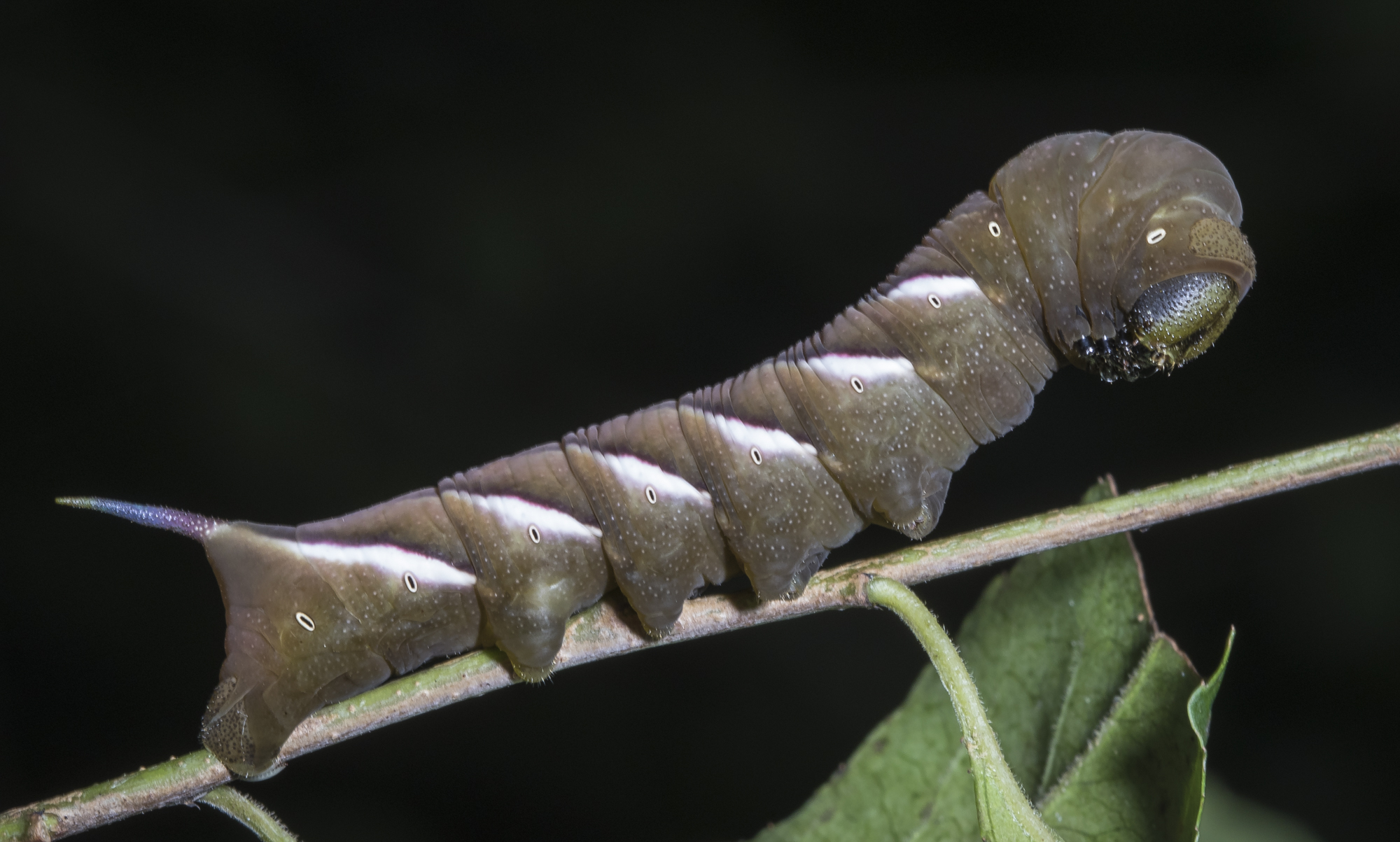
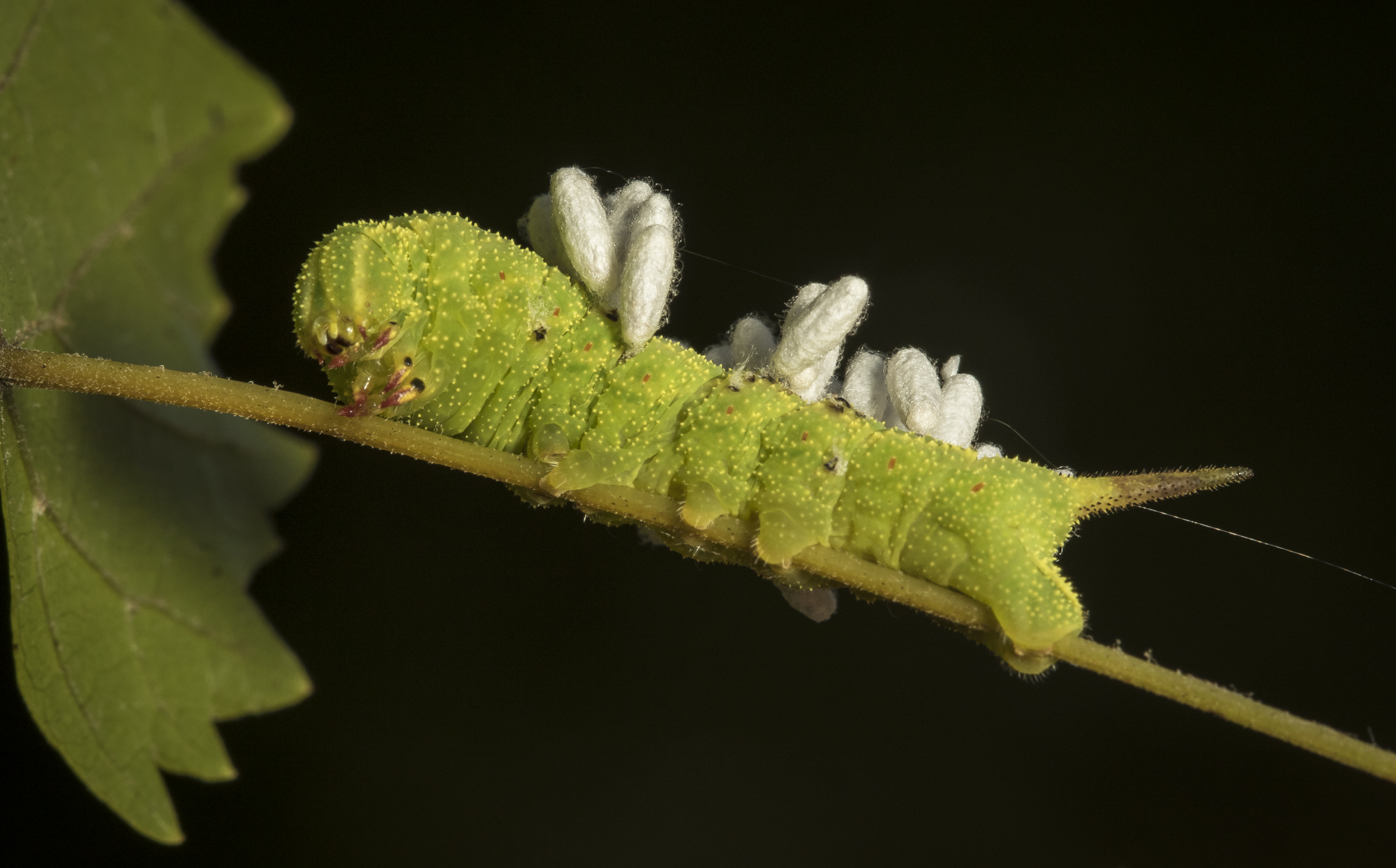
Peek-a-boo look at a last instar Spicebush Swallowtail caterpillar in it folded leaf lair (click photos to enlarge)While looking for Spicebush Swallowtail larvae, I spotted this colorful array of insect eggs on a twigIt appears as though some parasitoid wasps were first to hatch in this batch of what look like eggs of some Hemipteran bug (perhaps a stink bug)This is one is tough to identify – either a Double-lined Prominent or a Variable Oakleaf caterpillar (they can look very similar and are both quite variable)A luna moth larva just after a molt. This one is feeding on a hickory. instead of the usual SweetgumA Puss Moth caterpillar (do not touch these as they have painful “stinging” spines hidden under that “fur”). This is probably a next to last instarOne of our most common “stinging” caterpillars, the SaddlebackOne of the more bizarre-looking slug caterpillars – the Monkey SlugAn early instar Imperial Moth larva feeding on American Beech. Will it last until BugFest?A brown form of Pawpaw Sphinx on Deciduous HollyA Hog Sphinx with parasitoid wasp cocoonsThe defensive posture of a Drab Prominent on the underside of an American Sycamore leaf
You always end up getting involved in things because of, you know, the strange things your life brings you into contact with.
~Edward Norton
I have had a couple of unusual “pets” these past few months. You may recall in an earlier post, I reported on receiving some orphaned Eastern Hercules Beetle grubs one day at work.
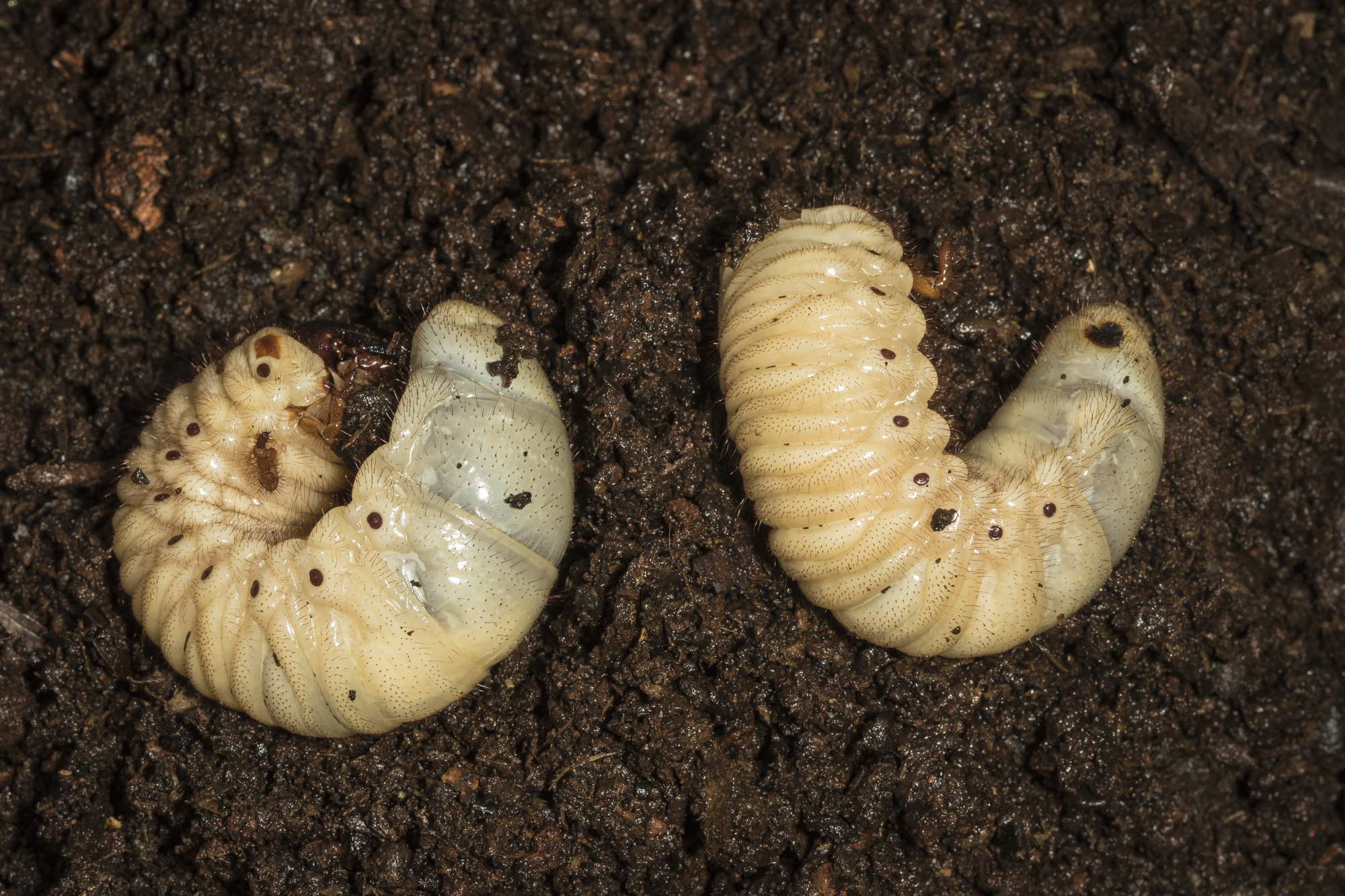
Eastern Hercules Beetle grubs (click photos to enlarge)
A woman brought them in after they were discovered in the hollow of a large tree she had taken down in her yard. She wasn’t sure what they were, but hoped someone at the Garden could tell her and might take them. The front desk volunteer apparently thought, Hmmm, who here would want something like this?…Oh, Mike, he probably would. And that is how I came to have two large grubs in a flower pot of rotten log and topsoil on our screen porch since late March. They are pretty easy pets to take care of – I checked them once or twice a week, spritzing the soil surface each time with a little water to prevent them from drying out. A few times over the summer, I refreshed their rotten log food supply with decayed wood and a couple of apple slices. On several occasions, I showed them to a few house guests (we have tolerant friends) and to visitors during some programs at work. The last time I did this was about two weeks ago for a group of summer camp kids. To do this, I gently poured the soil out into another bucket to reveal the grubs. On the last pour, I noticed one of the grubs had made what looked like a chamber in the soil (it was an impression in the soil about the size of a large chicken egg). I should have known what was about to happen, but it didn’t register at the time.
This past Sunday afternoon, I went out to once again spritz them with water, and when I lifted the lid off the bucket, I was amazed (and a little startled at first) at what I saw…
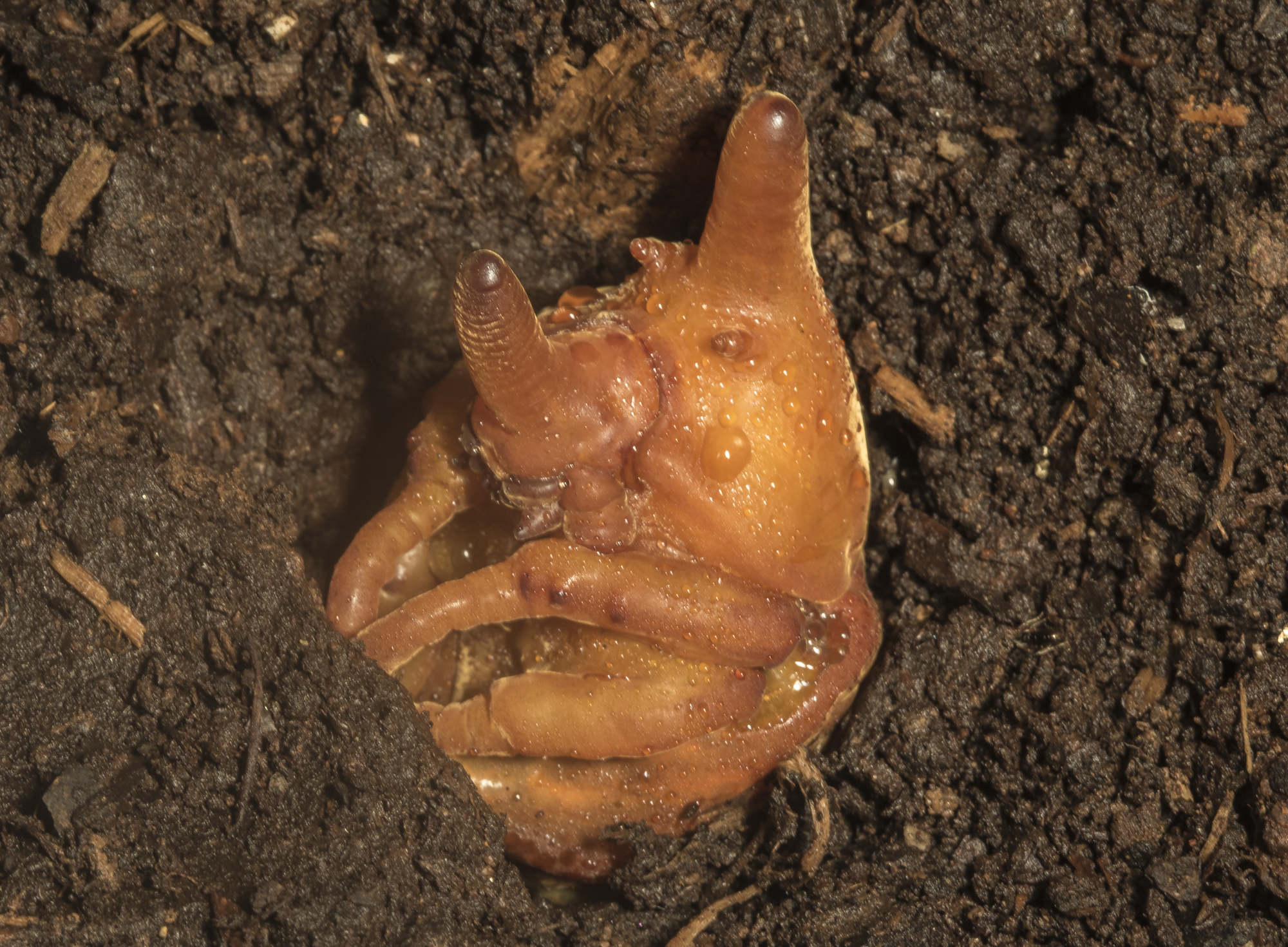
The alien on our porch, the pupa of an Eastern Hercules Beetle
…and it moved! It’s alive! One of the grubs transformed into a bizarre-looking pupa. This will become a male beetle, as evidenced by the horns, which apparently are quite fragile in the pupal stage. The impression I had seen in the soil a couple of weeks ago was the start of a pupation chamber. The larvae make these one to two weeks prior to pupating. I was probably lucky that my disturbance of the soil had not disrupted this transformation.
The reference I bought talked about this delicate life stage, but did not give information on how long the pupa stage lasts. Another web search found a site that summarized the life stages of the Eastern Hercules Beetle (from the University of Kentucky Critter Files on Eastern Hercules Beetles):
Adult longevity: Typically 3-6 months. The rare adult will live up to a year plus.
Egg-laying to egg hatch: 1 month
Egg hatch to pupation: 12-18 months
Pupation to emergence: 2-3 months, depending on temperature
Emergence of teneral adults to fully-formed adults: About 1 month
I am amazed at the life span of these amazing insects. It looks like I will have these pupae until December or so, when they will emerge as adult beetles. But, they apparently remain in the soil for a month or more while they harden their exoskeleton and change to the adult coloration. Stay tuned. I really want to have one of these giant beetles (with about a 6-inch wing span) flying around the house one day next spring:)
































 Roads End Naturalist