Contemplating the flow of life and change through living things, we make new discoveries about ourselves.
~Ansel Adams
I just returned from another wonderful trip to Yellowstone National Park. It is still beautiful, still magical, still a place you must reckon with and not take lightly. It is as it should be, wild.
Wolf watchers at Slough Creek (click photos to enlarge)
At times, it may not seem that way, especially in the some of the more popular spots like Old Faithful and the Grand Canyon of the Yellowstone. Even my favorite part of the park that includes Little America and Lamar Valley, can be crowded with wildlife seekers, especially where there are wolves, as is the case this year at Slough Creek.
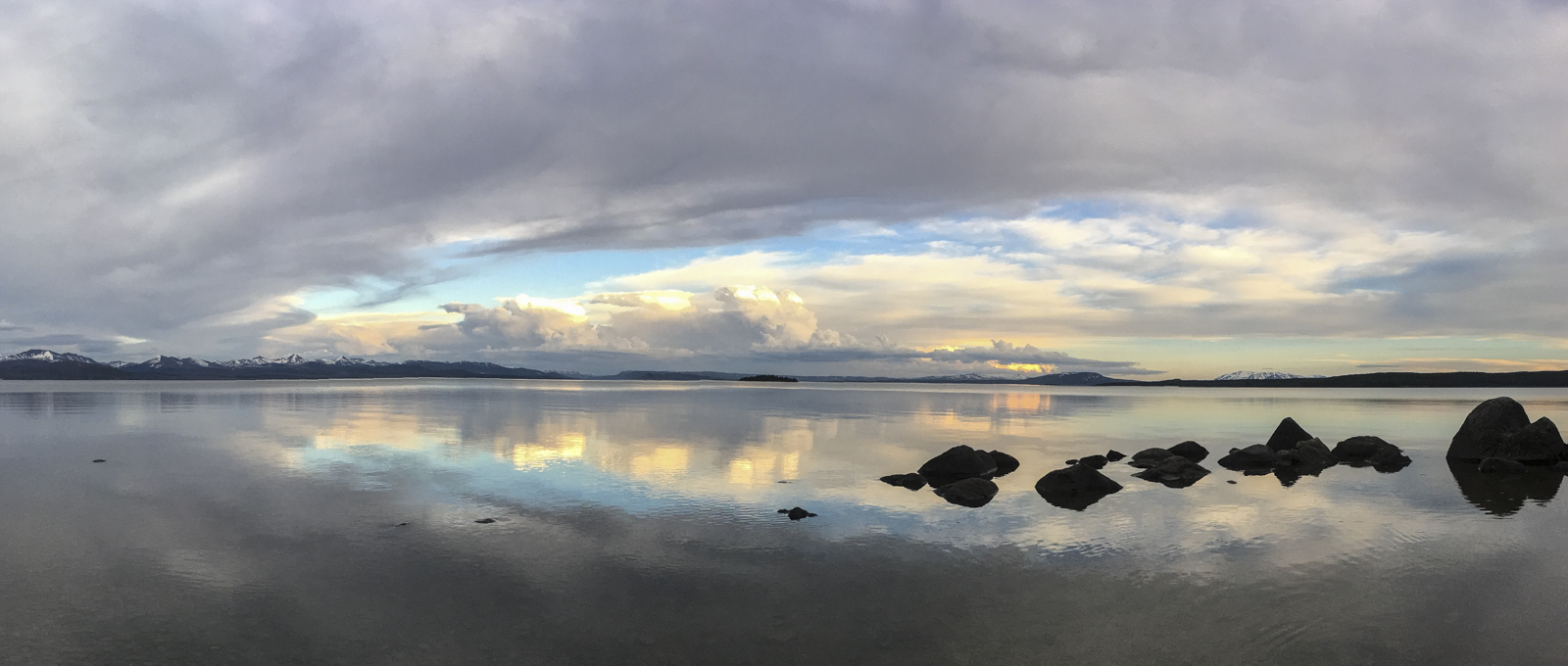
Shoreline of Yellowstone Lake at sunset
But, if you try, you can find a peaceful spot to just watch and listen as the natural world goes on about its business, seemingly uninterested by our comings and goings.
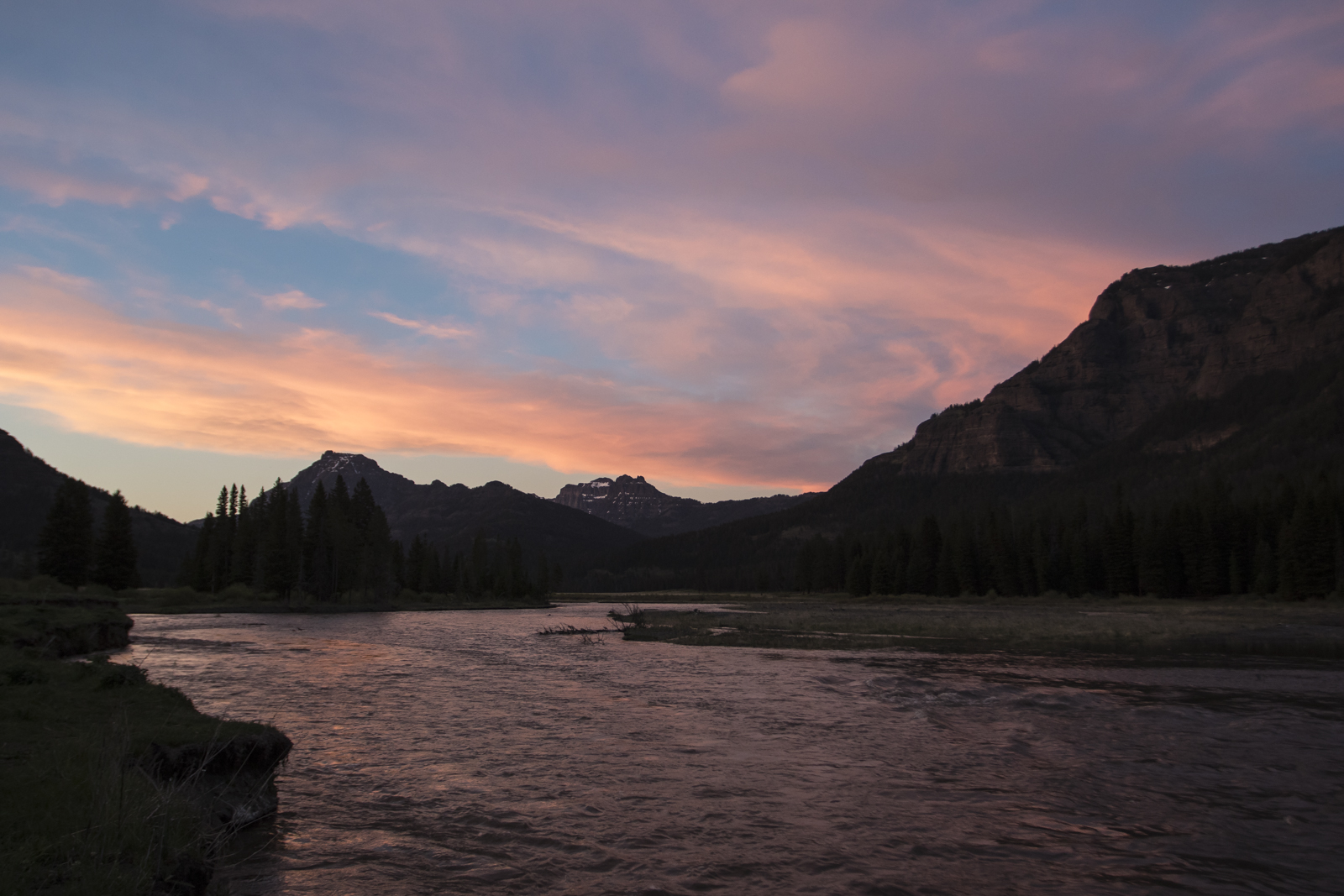
Sunset sky along Soda Butte Creek
You can pause and look at the sky, listen to water flowing by, and think about your place in this world.
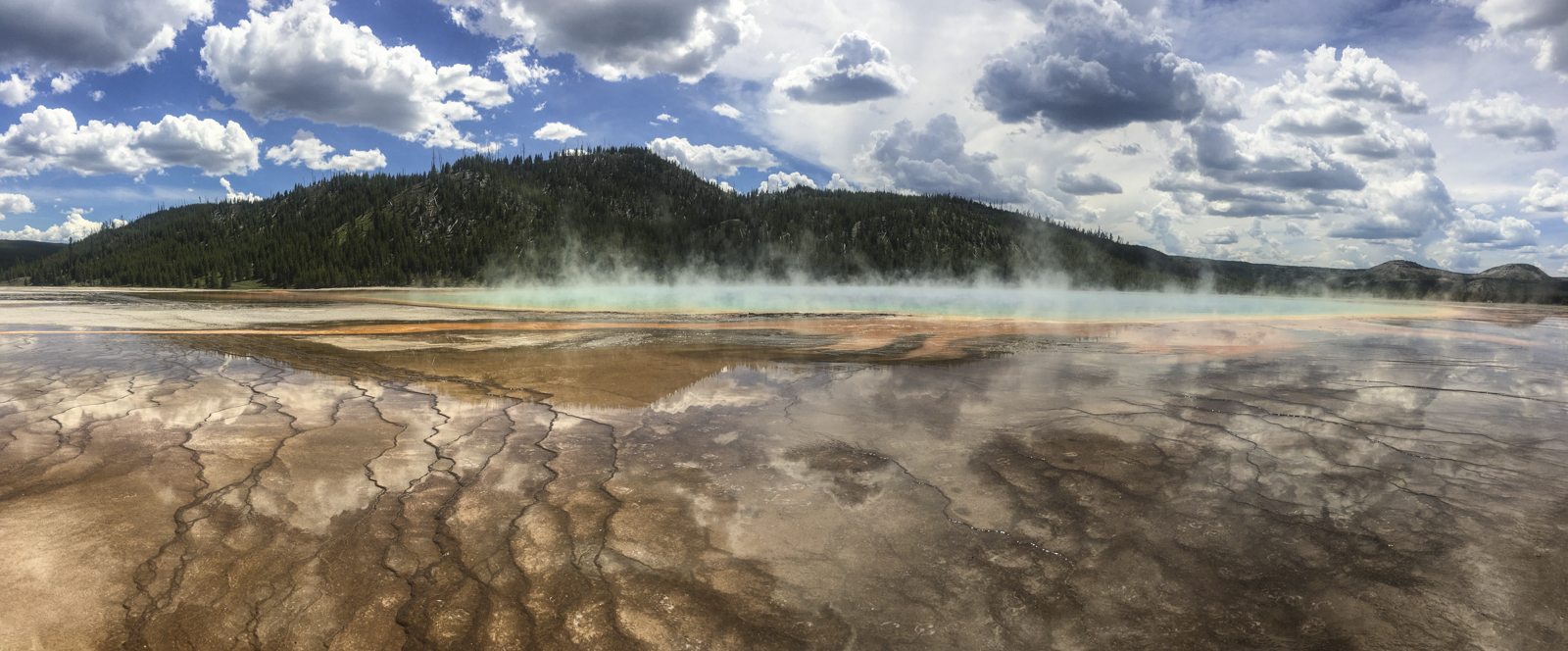
Grand Prismatic Spring
Or marvel at the life and beauty in extreme environments, and ponder whether these conditions may exist elsewhere in our universe.
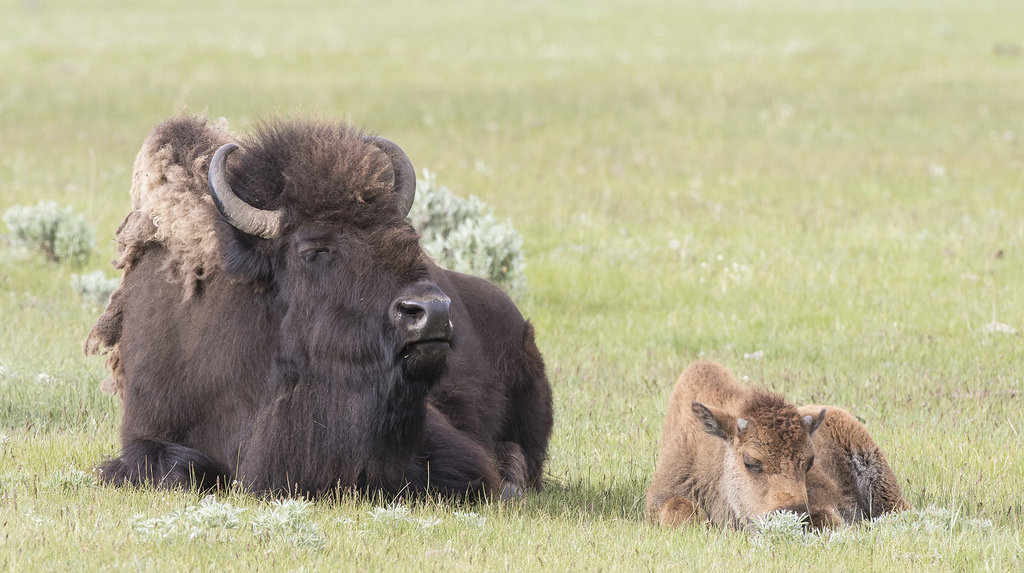
Bison cow and calf
You can spend time enjoying peaceful scenes like herds of bison with their newborn calves.
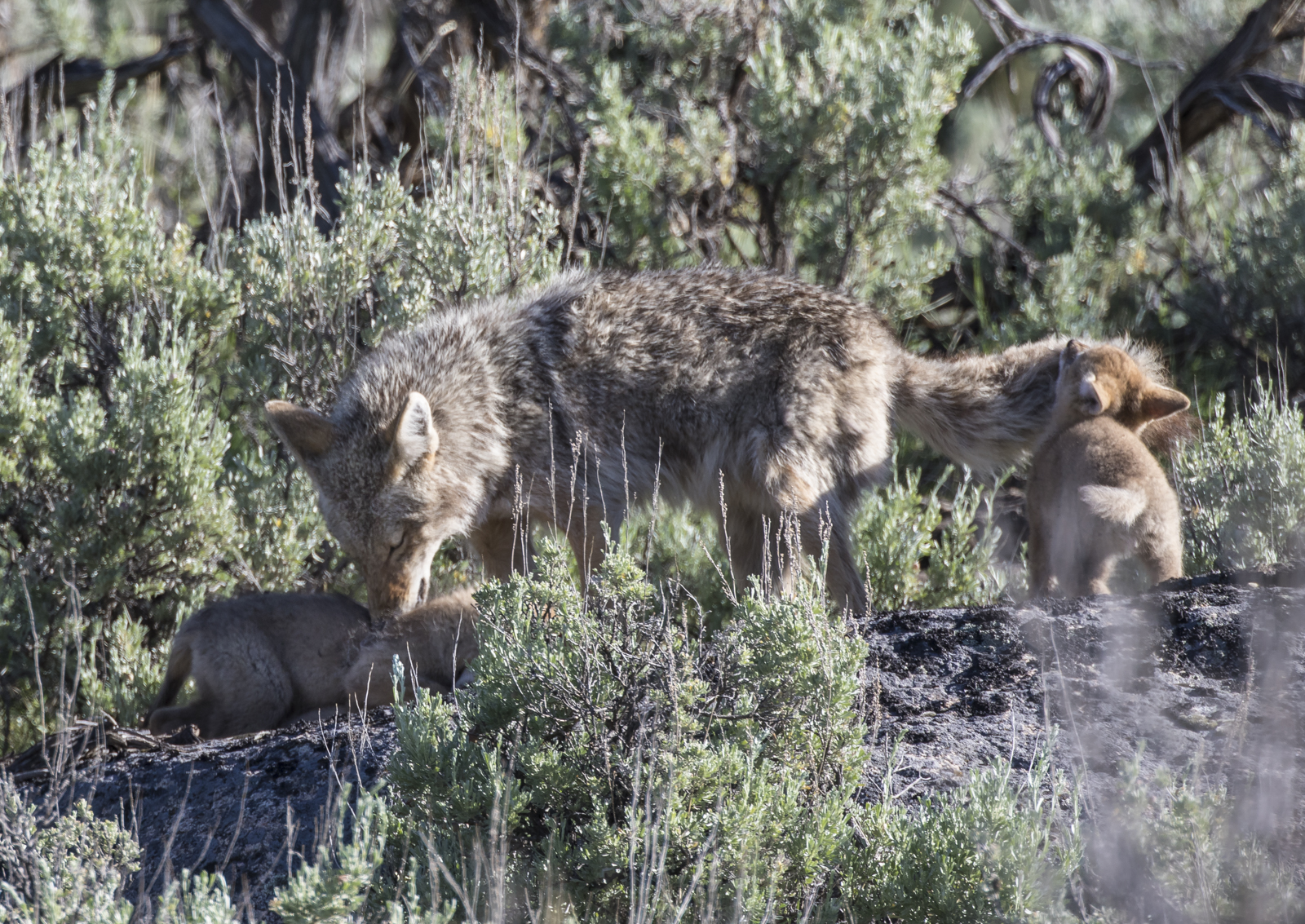
Coyote with playful pups at den site
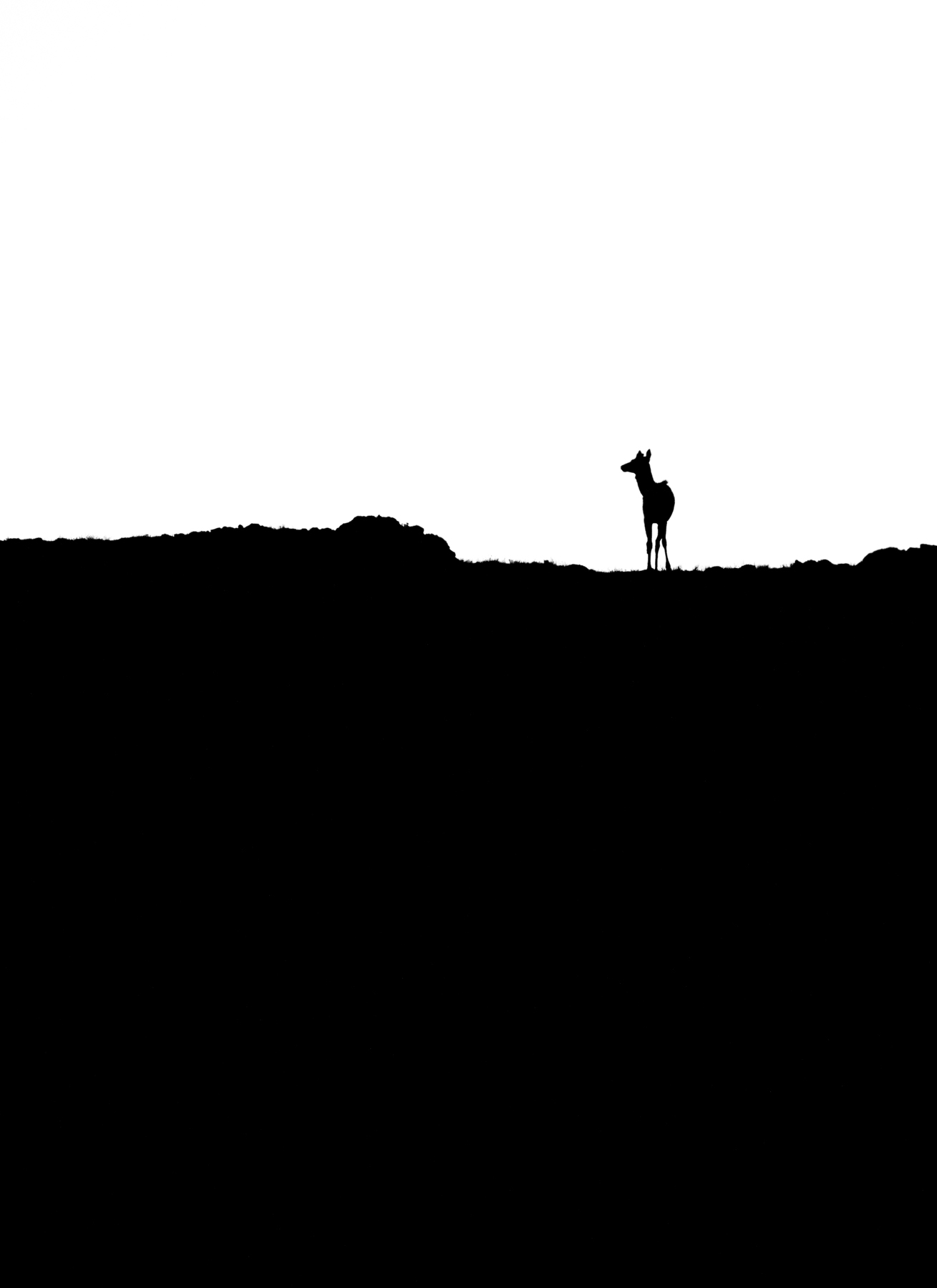
Or watch the family life of predators like these coyote pups tugging at their parent’s tail or a group of nine wolf pups tussling in a grassy meadow. Scenes of predator and prey, sky and water, life and death, scenes of beauty, moments of peace, time to reflect…that is some of what an experience in a place like Yellowstone provides. It is something we need in times like these, what we all need, to help us see the good in the world, and in ourselves.
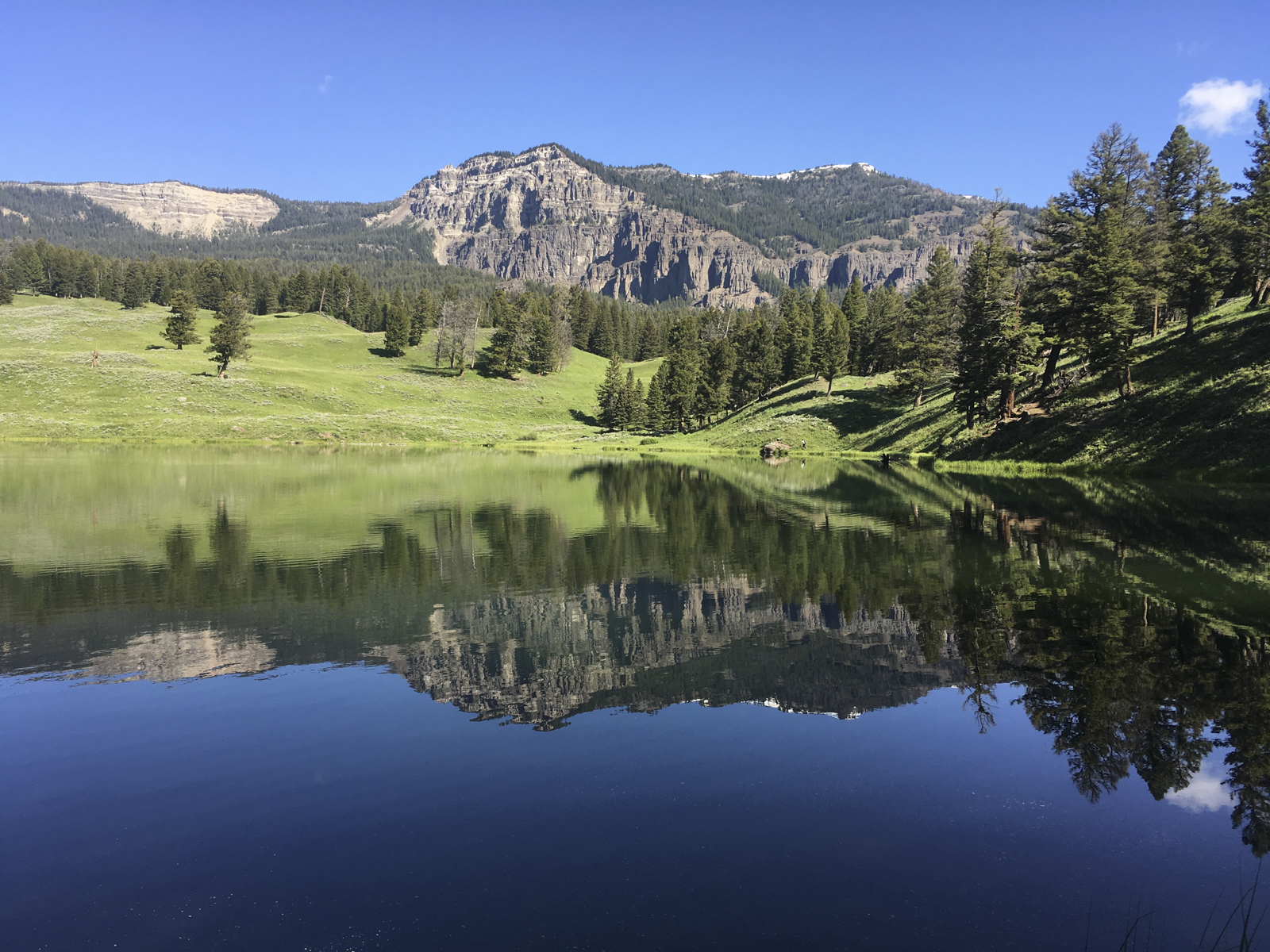
More peaceful scenes from Yellowstone, June, 2016…
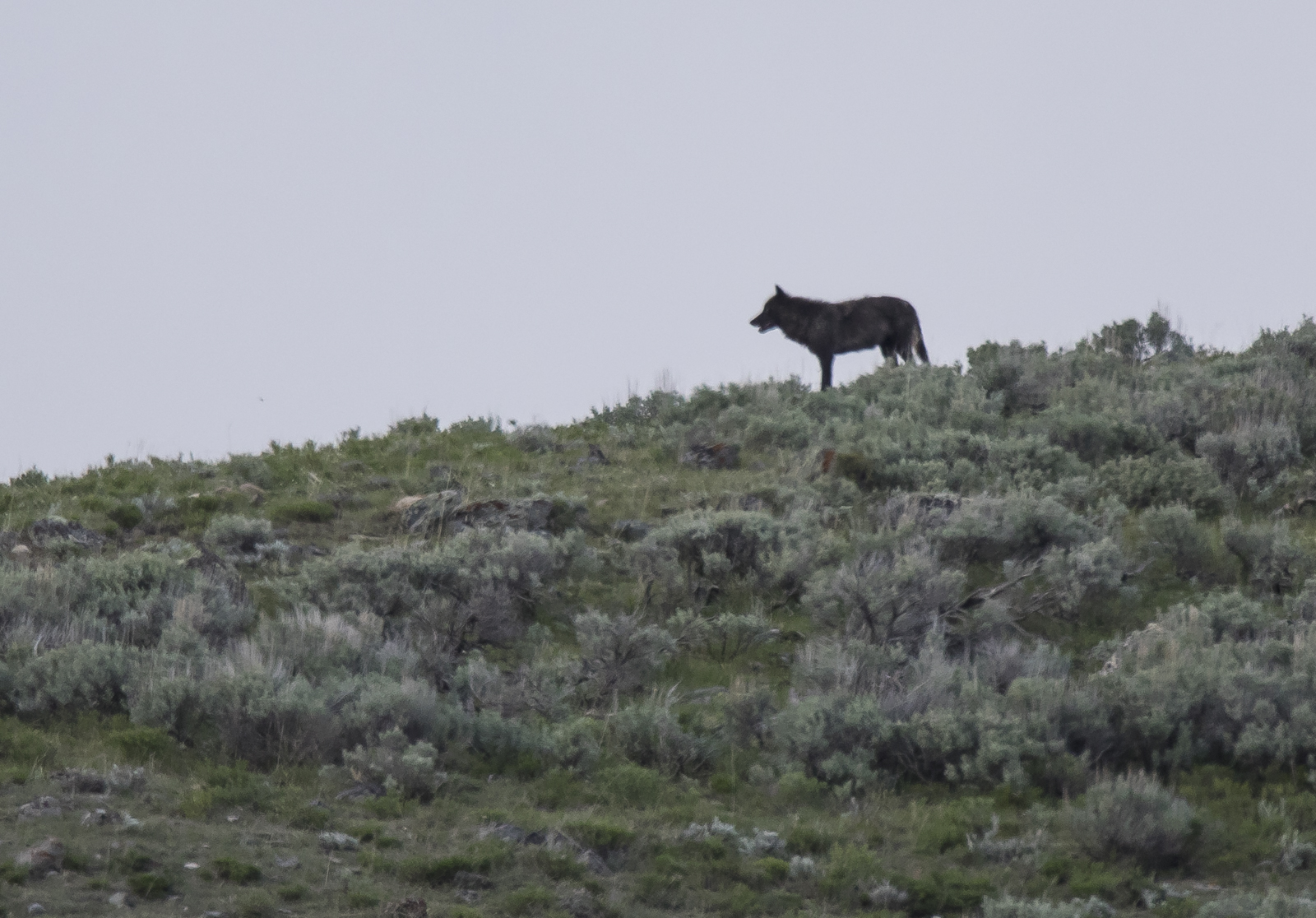
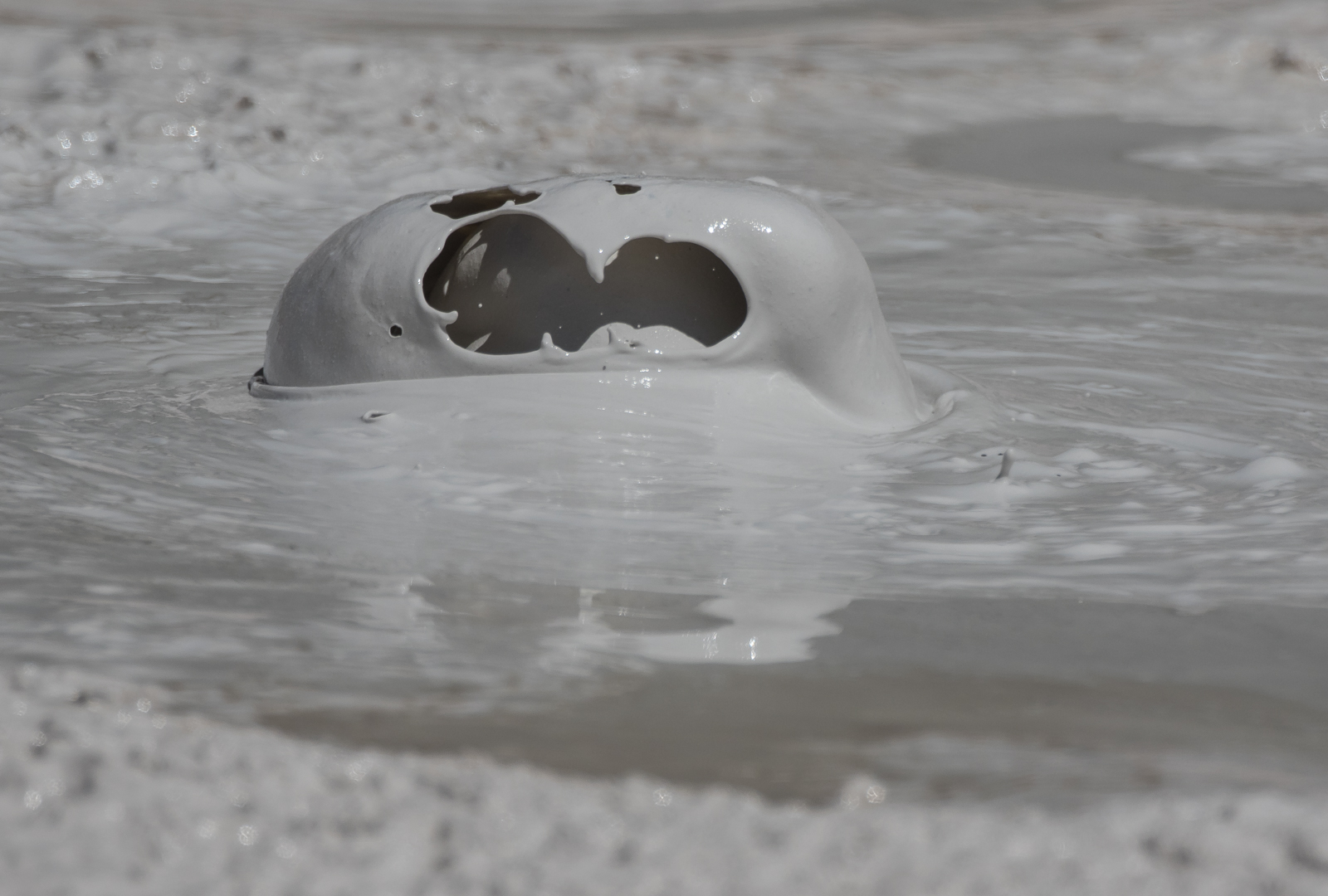
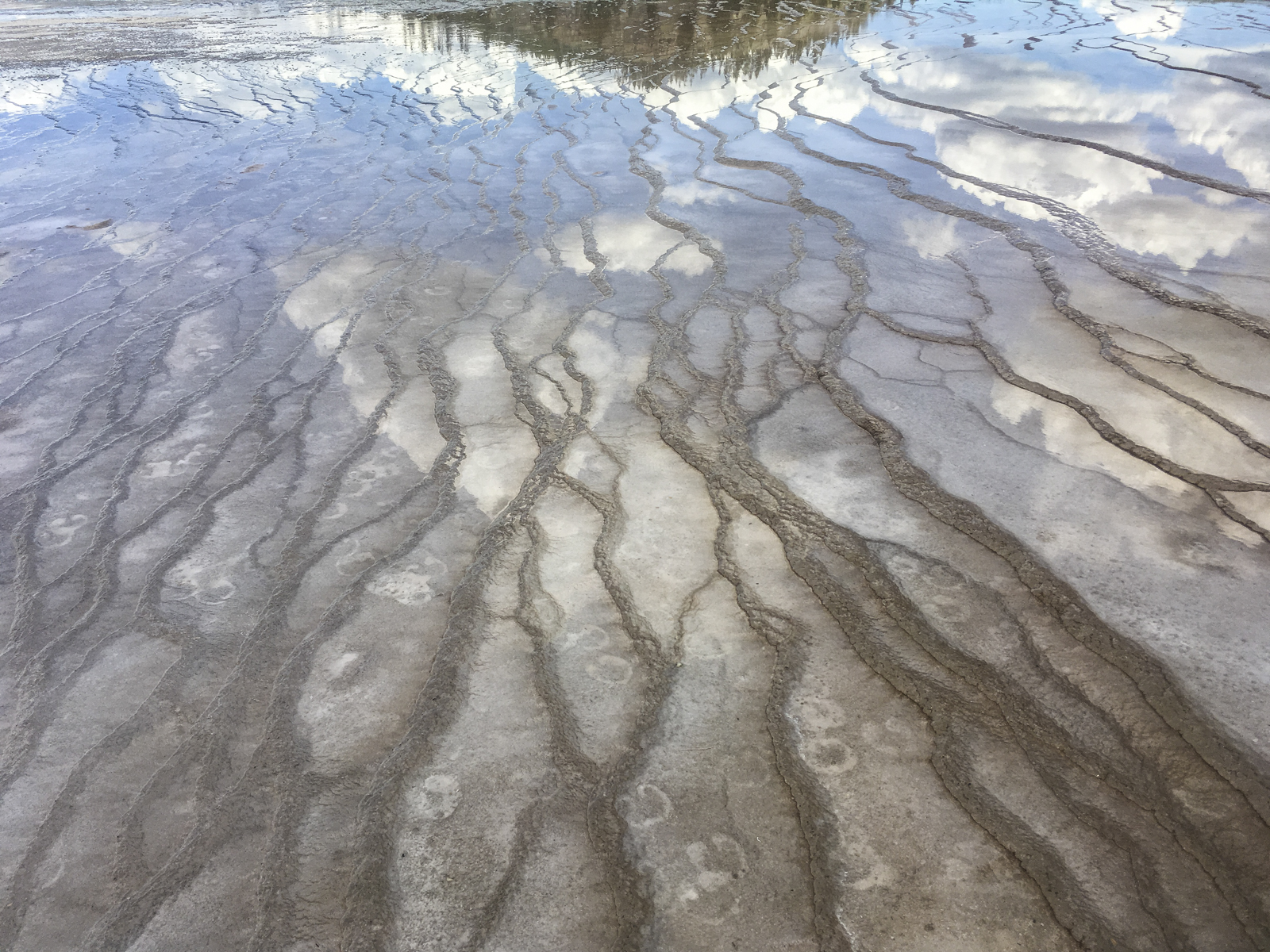
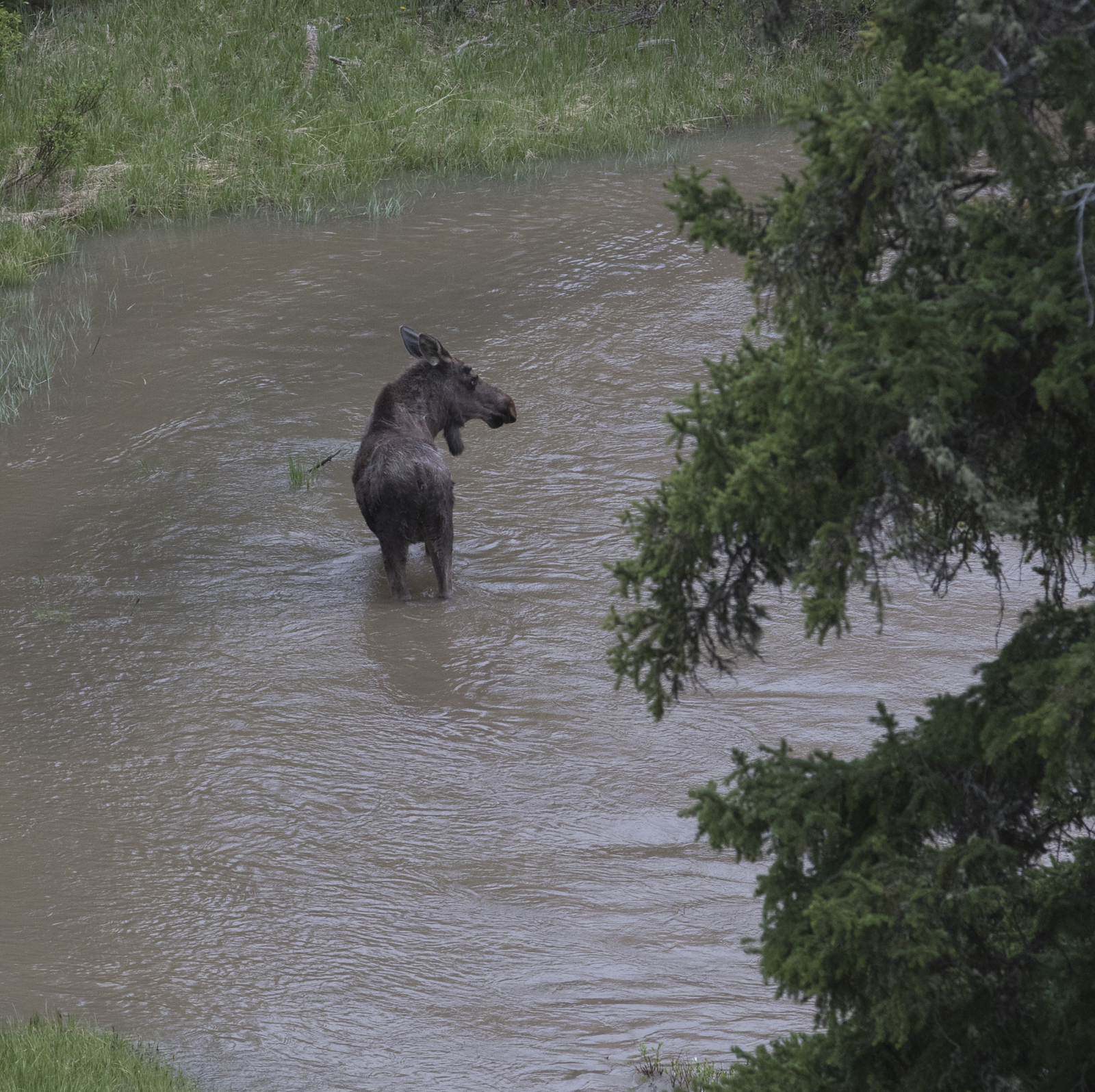
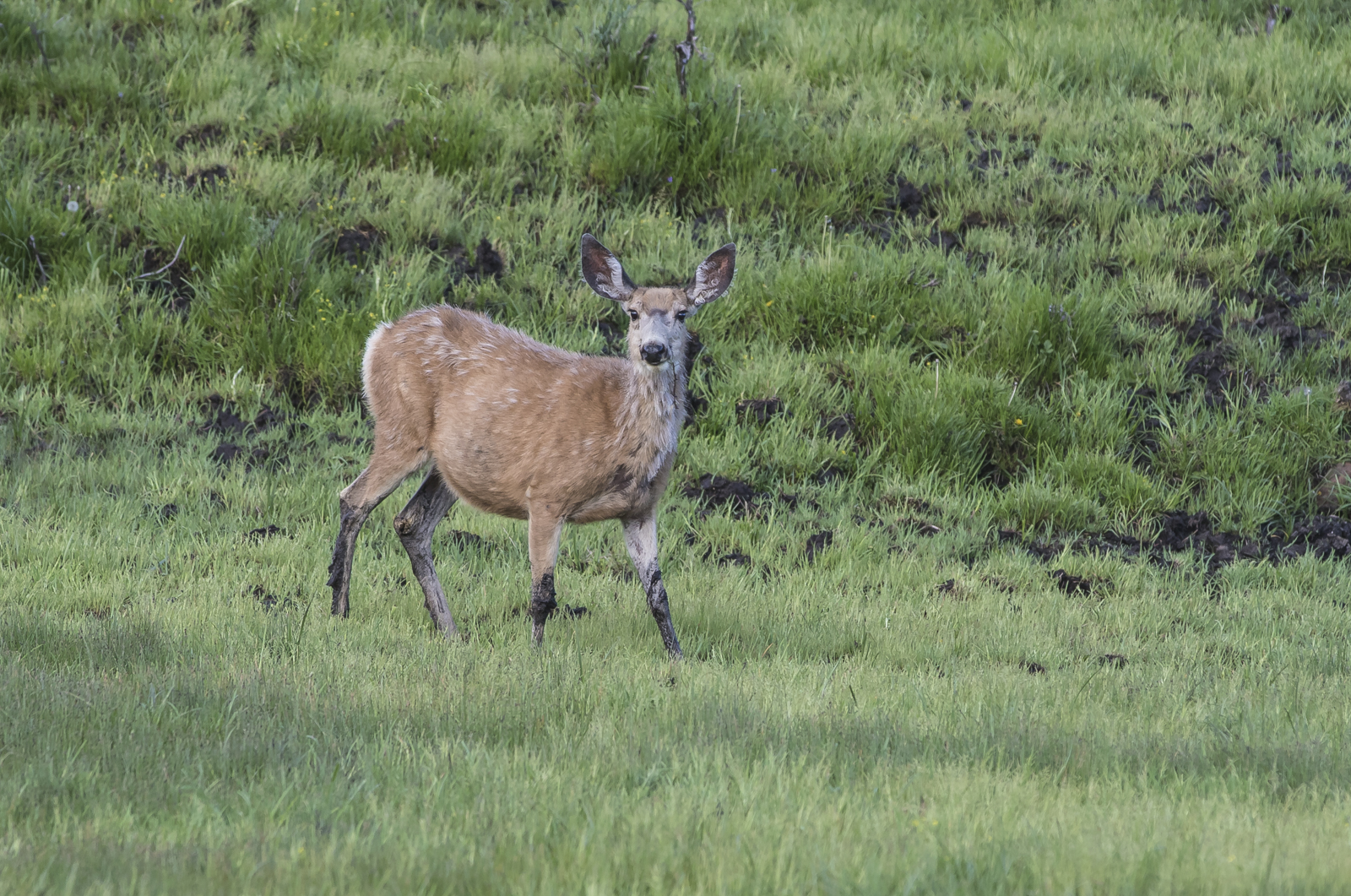
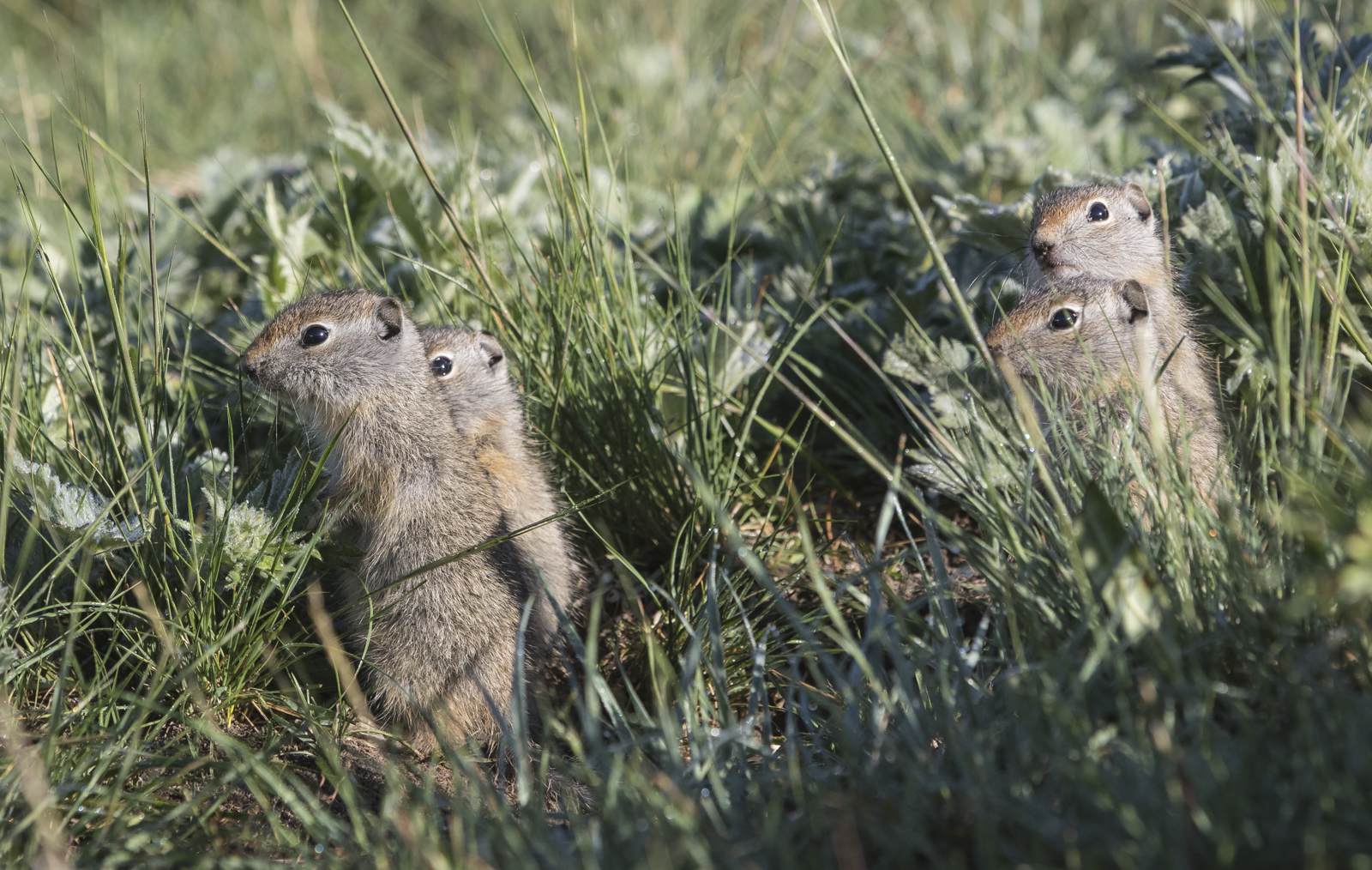
Grand Geyser in eruptionGrizzly in Round PrairieBlack wolf of the Lamar Canyon pack near bison carcassMud pot bubblePronghorn doe in Little AmericaReflections at Grand Prismatic SpringMoose in Soda Butte CreekSugar Bowl, a type of clematisMule deer doe feeding in muddy spot in Lamar ValleyA group of baby Uinta Ground SquirrelsBison along the Yellowstone River in Hayden ValleyTrout Lake
The Peace of Wild Things
When despair for the world grows in me
And I wake in the night at the least sound
in fear of what my life and my children’s lives may be
I go and lie down where the wood drake
Rests in his beauty on the water, and the great heron feeds.
I come into the peace of wild things
Who do not tax their lives with forethought
Of grief. I come into the presence of still water.
To find the universal elements enough; to find the air and the water exhilarating; to be refreshed by a morning walk or an evening saunter; to be thrilled by the stars at night; to be elated over a bird’s nest or a wildflower in spring — these are some of the rewards of the simple life.
~John Burroughs
A few short days after the Ohio birding trip, I joined a museum-sponsored trip to our mountains to look for birds. I had gone as an assistant on this trip 4 years ago, but was a participant this time (Melissa was helping out and driving the museum bus). This trip, Mountain Birding, fills every spring, with many people going multiple times over the years. It is greatly enhanced by the presence of one or two of the museum’s ornithologists and their extraordinary knowledge of the birds of our state and their birding skills in the field.
Bobolink meadow (click photos to enlarge)
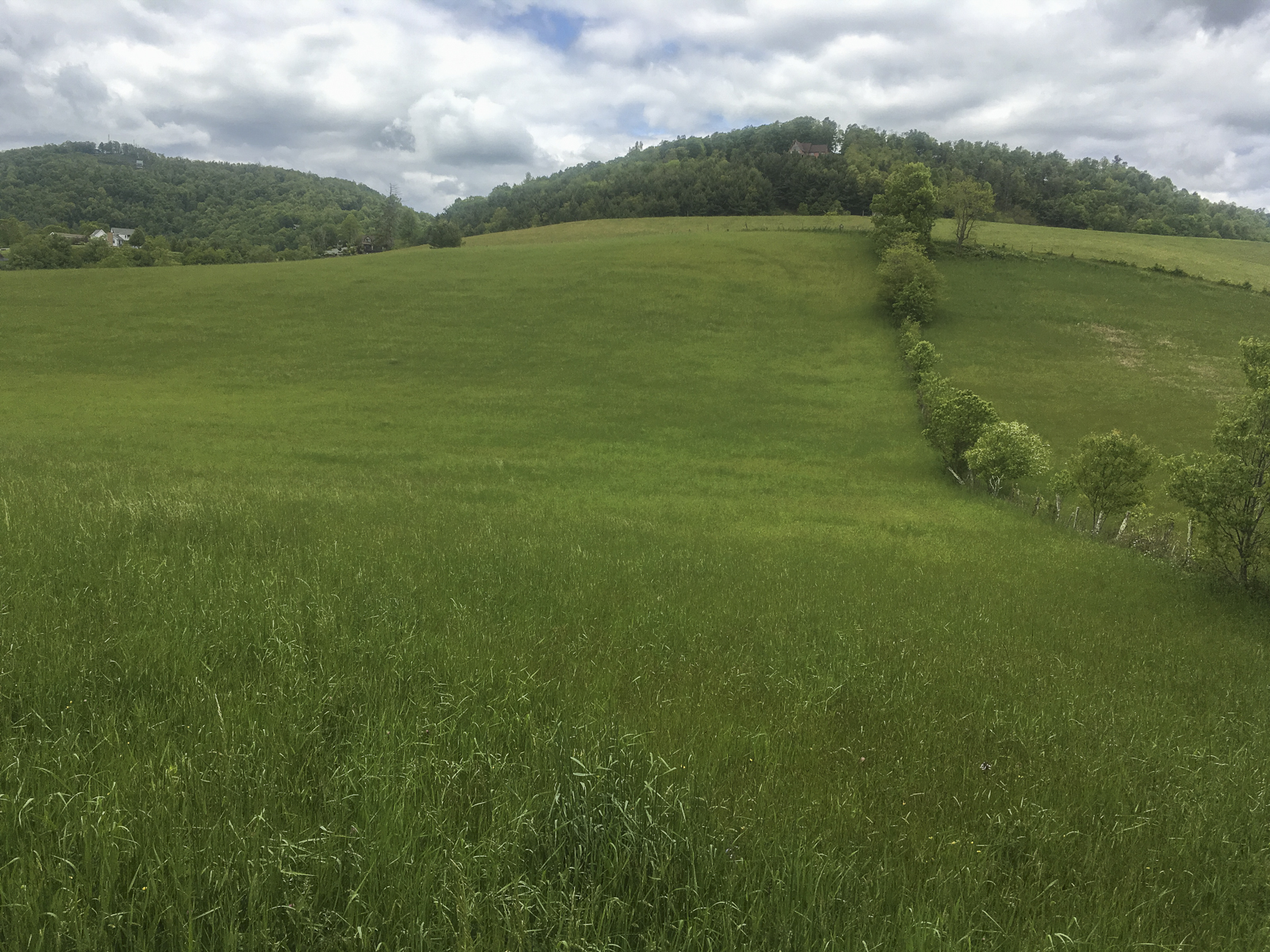
As on my previous trip, the first stop was a meadow not far from the Blue Ridge Parkway. Several years ago, a flock of bobolinks was documented using this field. The farmer was approached and a deal struck to have him delay mowing the pasture until the birds had finished nesting. That deal has proven favorable to the birds and they have been a regular fixture here since. As we walked up to view the field below, we could see several males giving chase to one of the duller-colored females.
Male bobolink surveying his domain
The males like to sit atop prominent perches, singing, and on the lookout for females and rival males. Male bobolinks are boldly patterned in black and white with a half-tone straw-colored head during the breeding season. The Cornell web site suggests some observers describe the males as a bird wearing a tuxedo, but backwards. By fall, the males will molt to more closely resemble the females. These birds nest in the tall grasses, much like their cousins, the red-winged blackbirds, that were also abundant here.
He takes flight to chase a female
We watched them for well over a half hour as they chased, sang, and hid in the grasses. An Eastern meadowlark with a nearby nest provided another observation challenge during this time, as she brought a large clump of food (a grub perhaps?) to her nestlings.
Warbler neck is a common affliction in our mountains
The next morning we were up on the Blue Ridge Parkway, near Boone, on a trail around Trout Lake, scanning the trees for warblers. Warbler neck is much more of a hazard in our mountains while warbler watching than it was on our Ohio birding trip. I carried my 500mm lens, but wasn’t expecting much that could compete with the success of the Ohio outing (with a smaller lens). At day’s end, I was pleasantly surprised at a few of the portraits…
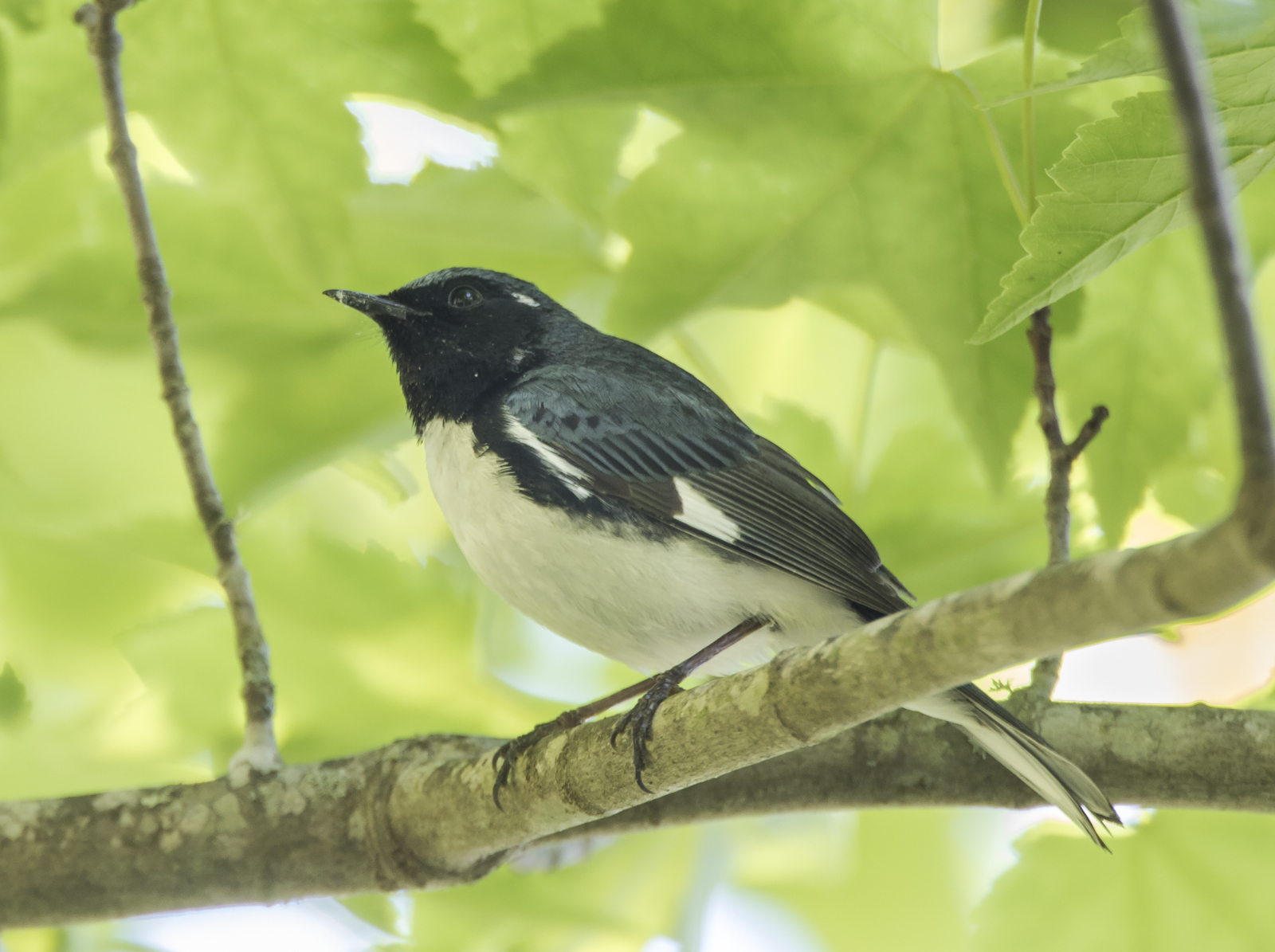
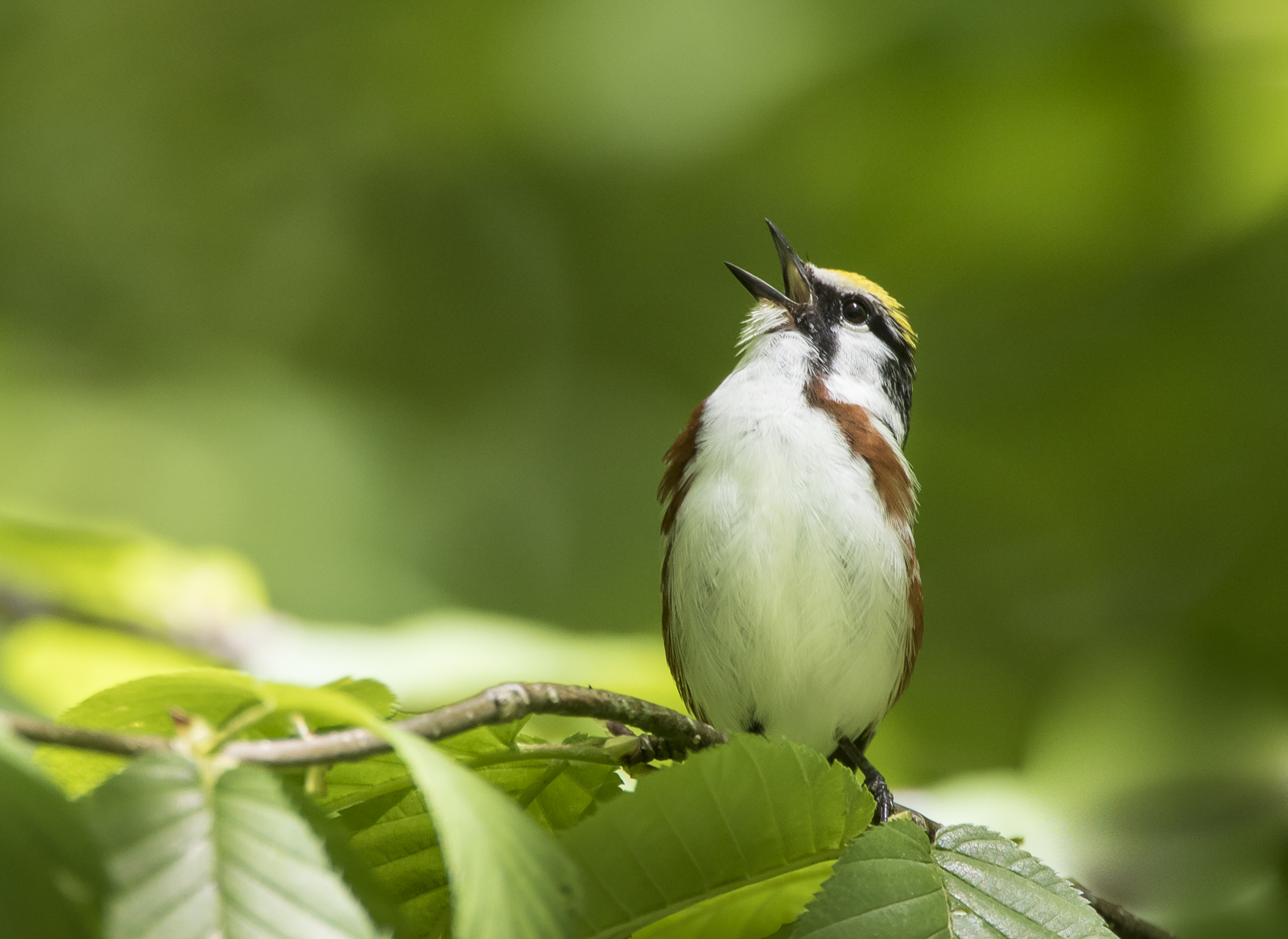
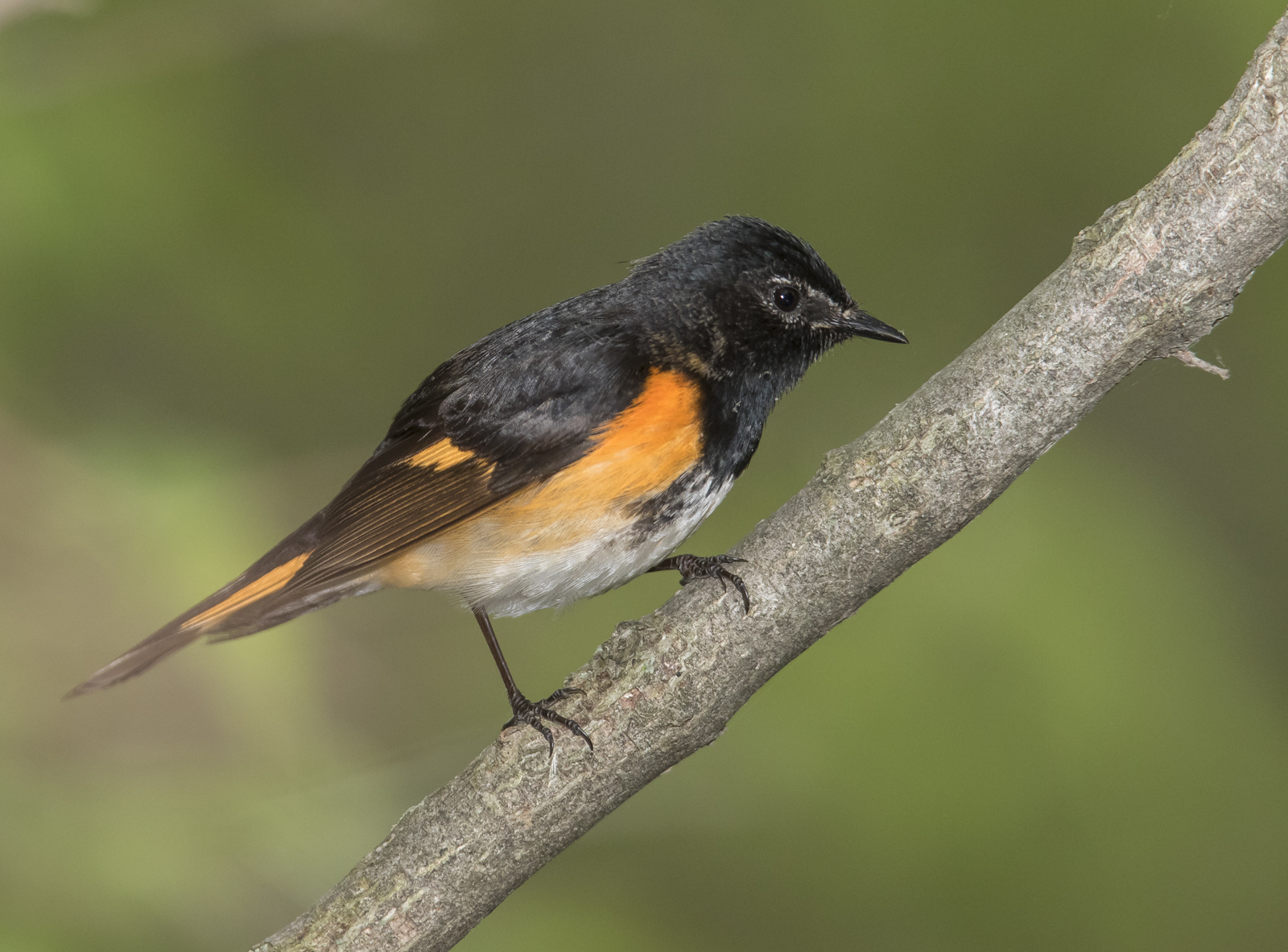
Black-throated blue warblerChestnut-sided warbler singingFemale American redstart forming nest
We soon spotted an American redstart building its nest in a rhododendron next to the road. The museum ornithologists recorded the location as there is little known about this species nesting habits in our state. The nest looked to be about 10 feet high in an upright fork of the thick vegetation of a shrub, making a photo very challenging.
Wild geranium
We moved at a slow pace, taking time to listen and look for birds. That also gave me time to look around and appreciate some of the other beauties along the trails.
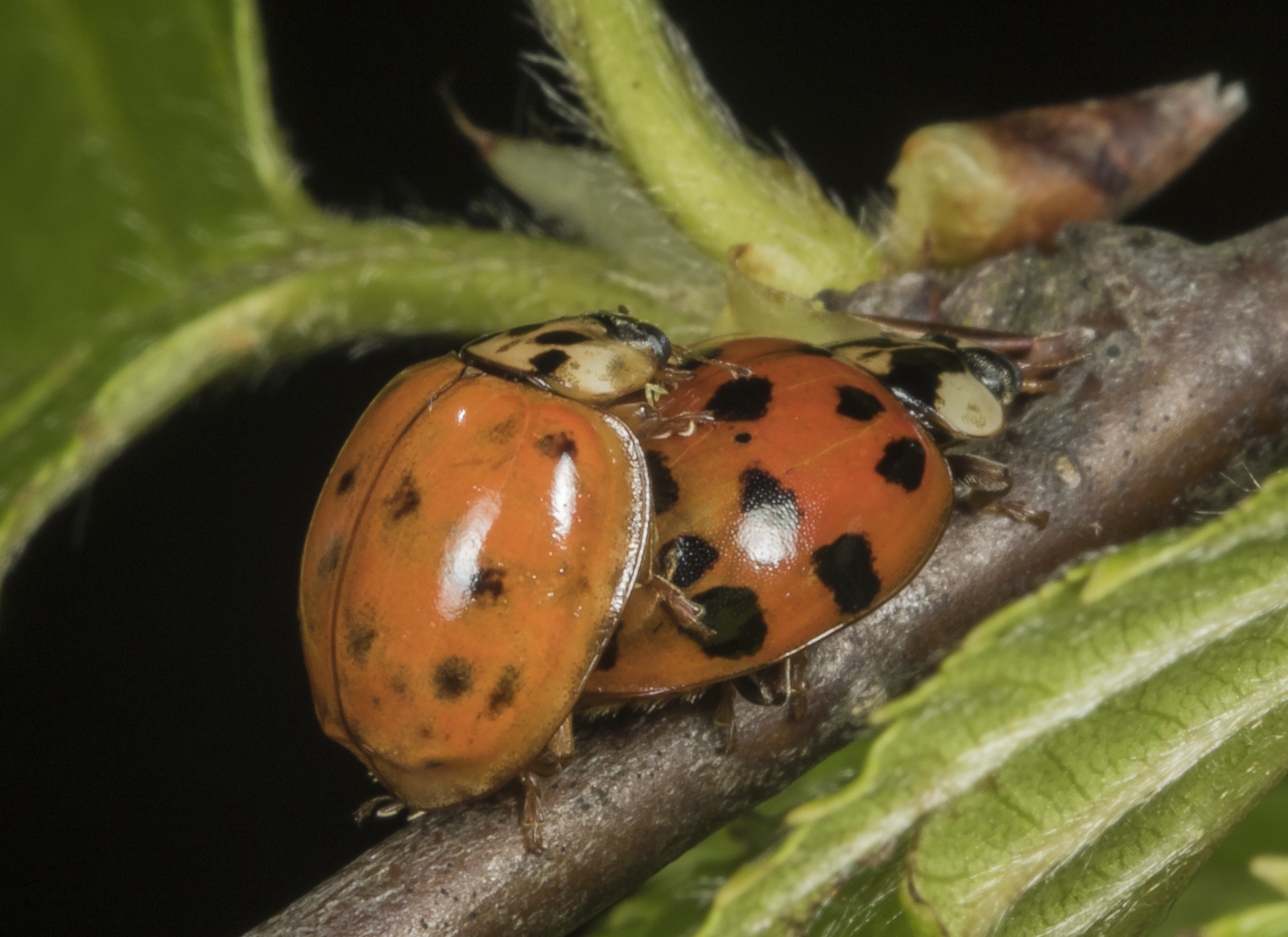
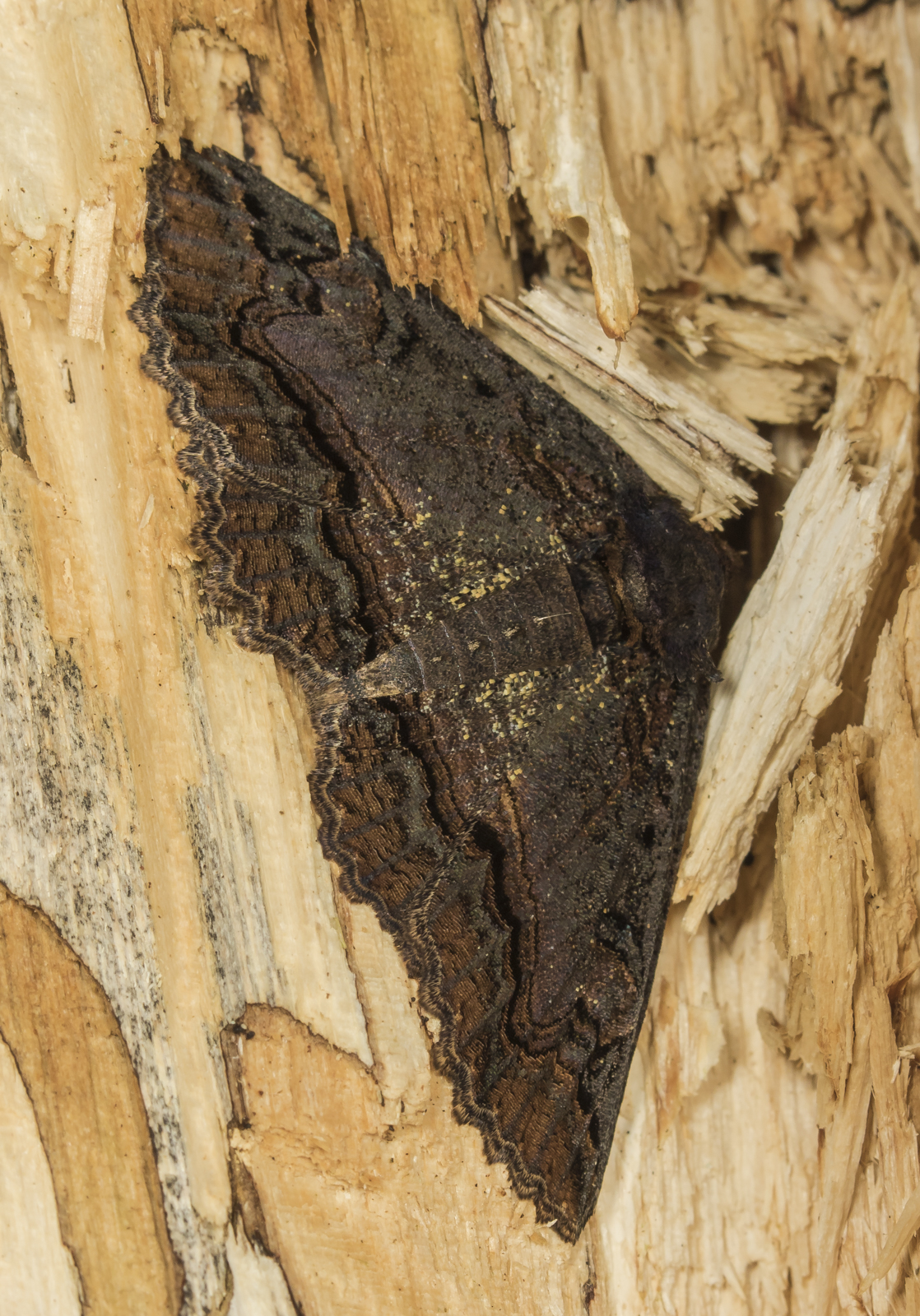
Mating ladybug beetlesA moth looks like a hole in some exposed wood
On a short walk after lunch, we discovered a nest of an Eastern phoebe under a foot bridge (one of their favorite nesting locations is on the supports of bridges and roof beams of outdoor buildings). Walking through a rhododendron thicket proved a nice bit of post-lunch exercise, but not too productive for birds. But, there was a snag that had been riddled by pileated woodpeckers digging for insects. As I looked over the damage, I noticed what looked like an unusual hole in the exposed wood. It turned out to be the dark shape of a moth – one of the bark mimic zale moths I think.
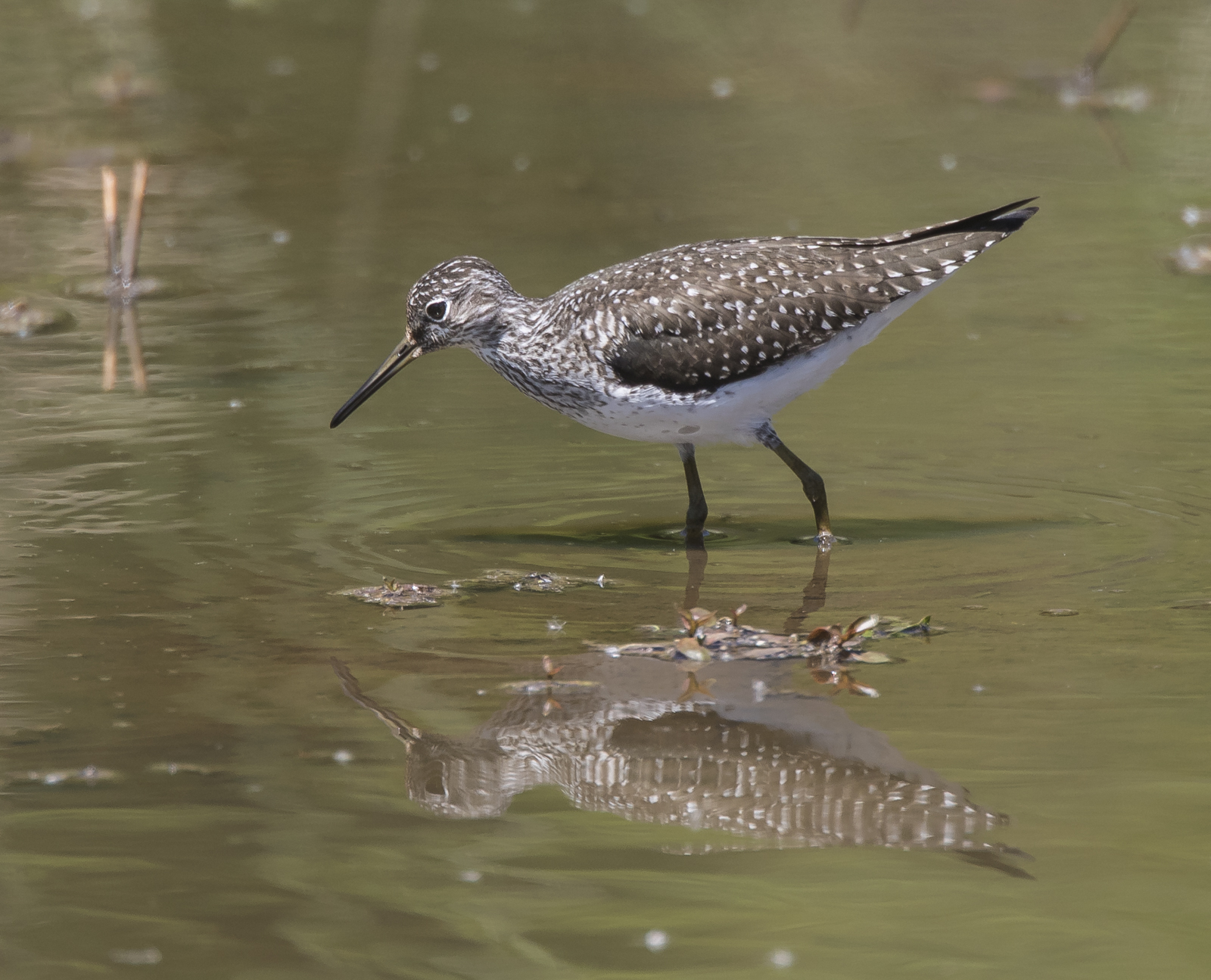
Solitary sandpiperCedar waxwing eating aphids
That afternoon, we drove down to the picturesque area known as Valle Crucis, and walked along a trail at their community park. The name of the town is Latin for “Vale of the Cross,” a reference to a valley in the area where three streams converge to form a shape similar to a cross. The park provides a variety of habitats from grasses, to woodland edges, to a marshy pool , all situated along the Watauga River. Highlights included plenty of red-winged blackbirds, tree and barn swallows, a yellow warbler, cedar waxwings, a lone solitary sandpiper (I know, redundant), and nests of a Baltimore oriole and a least flycatcher.
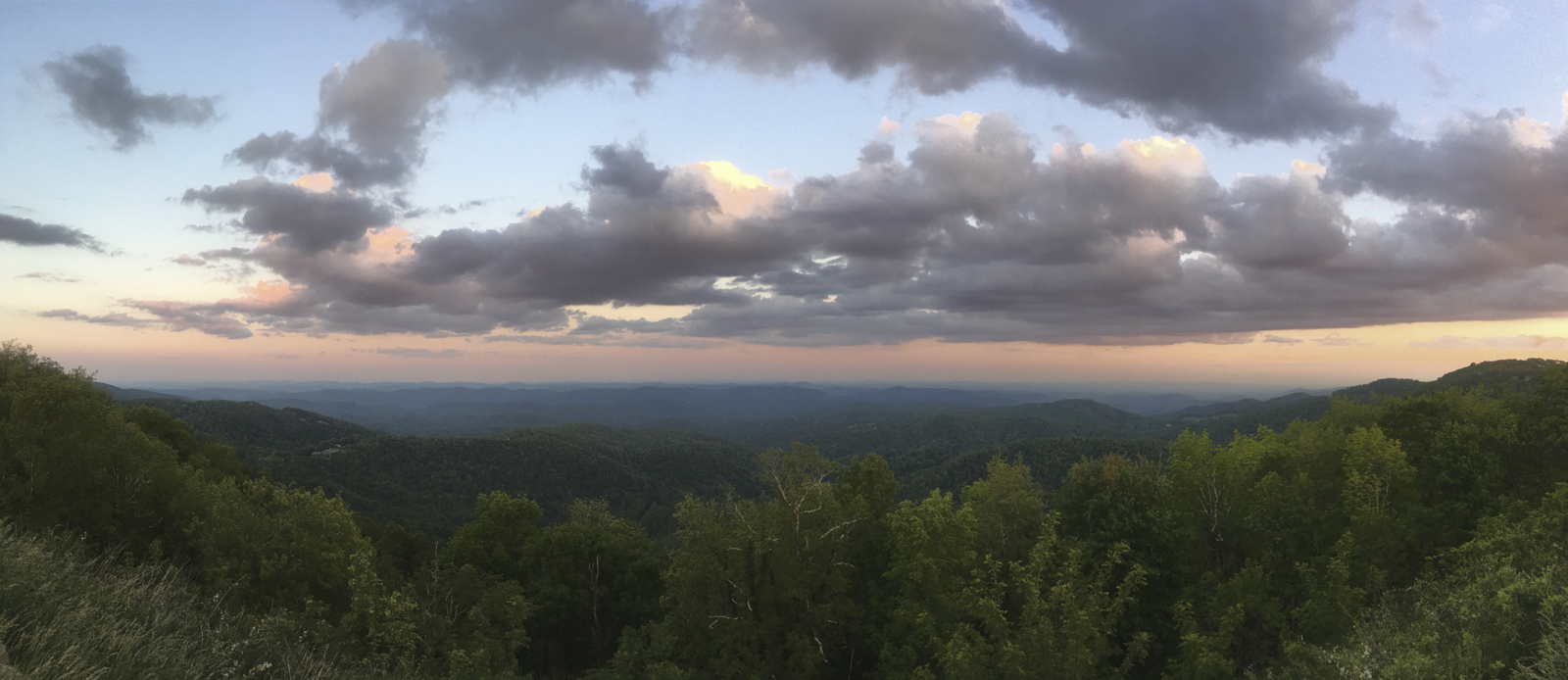
Sunset on the ParkwayA view looking east at sunset
After dinner, we drove back up on the Parkway to enjoy a splendid sunset.
Rich Mountain Gap
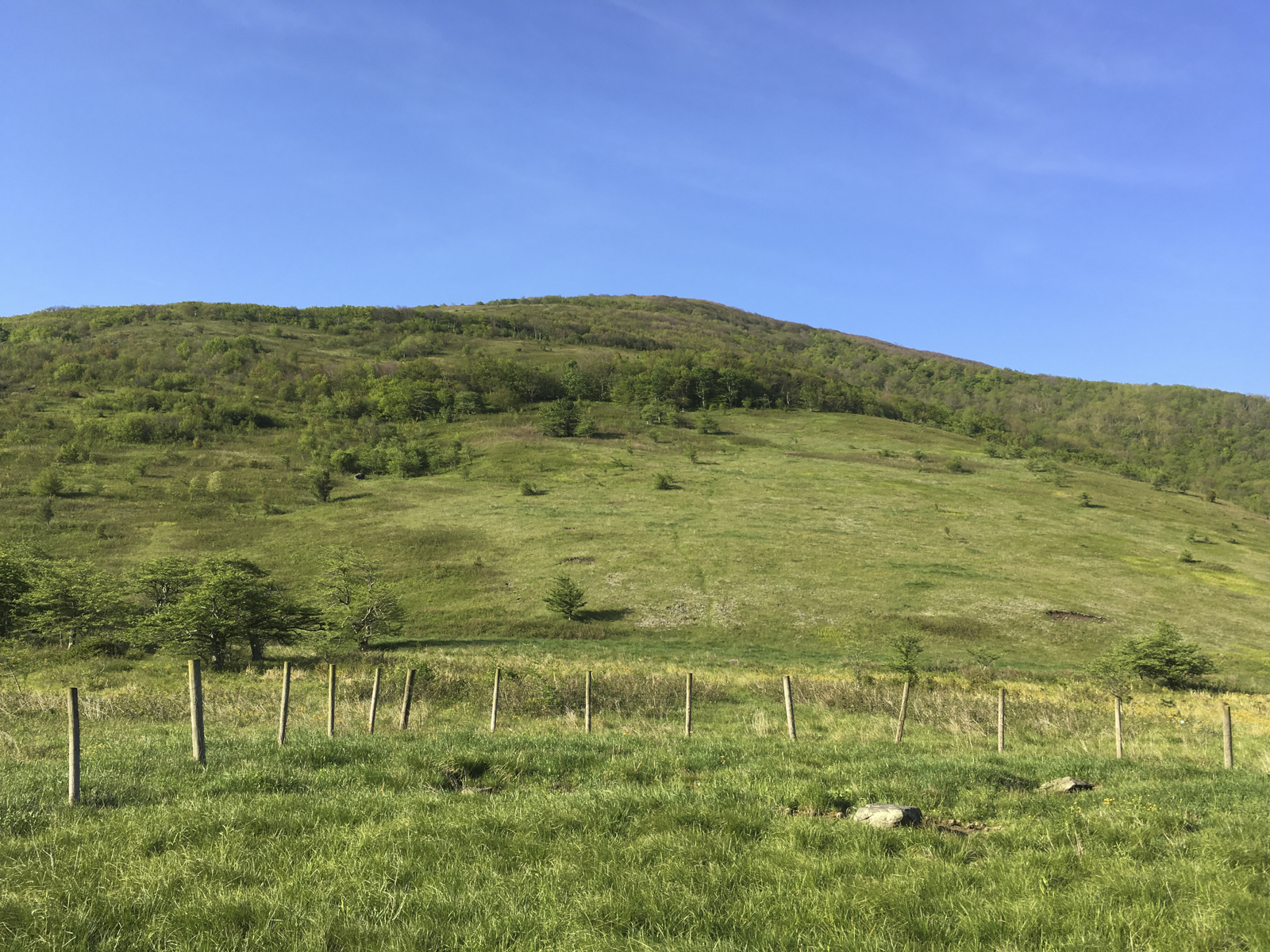
Our final morning proved to be my favorite. This is my third visit to the area around Elk Knob State Park, and it is proving to be a place I want to return to again and again. The peaks here are geologically different than most in the rest of the state, being composed of amphibolite. The unique geology weathers to a more basic soil which gives the region an unusual blend of plant communities. But, the birds quickly grabbed our attention when we got off the bus at Rich Mountain Gap.
American goldfinch
American goldfinches were flitting back and forth across the gravel road, perching in prominent spots for a nice photo op.
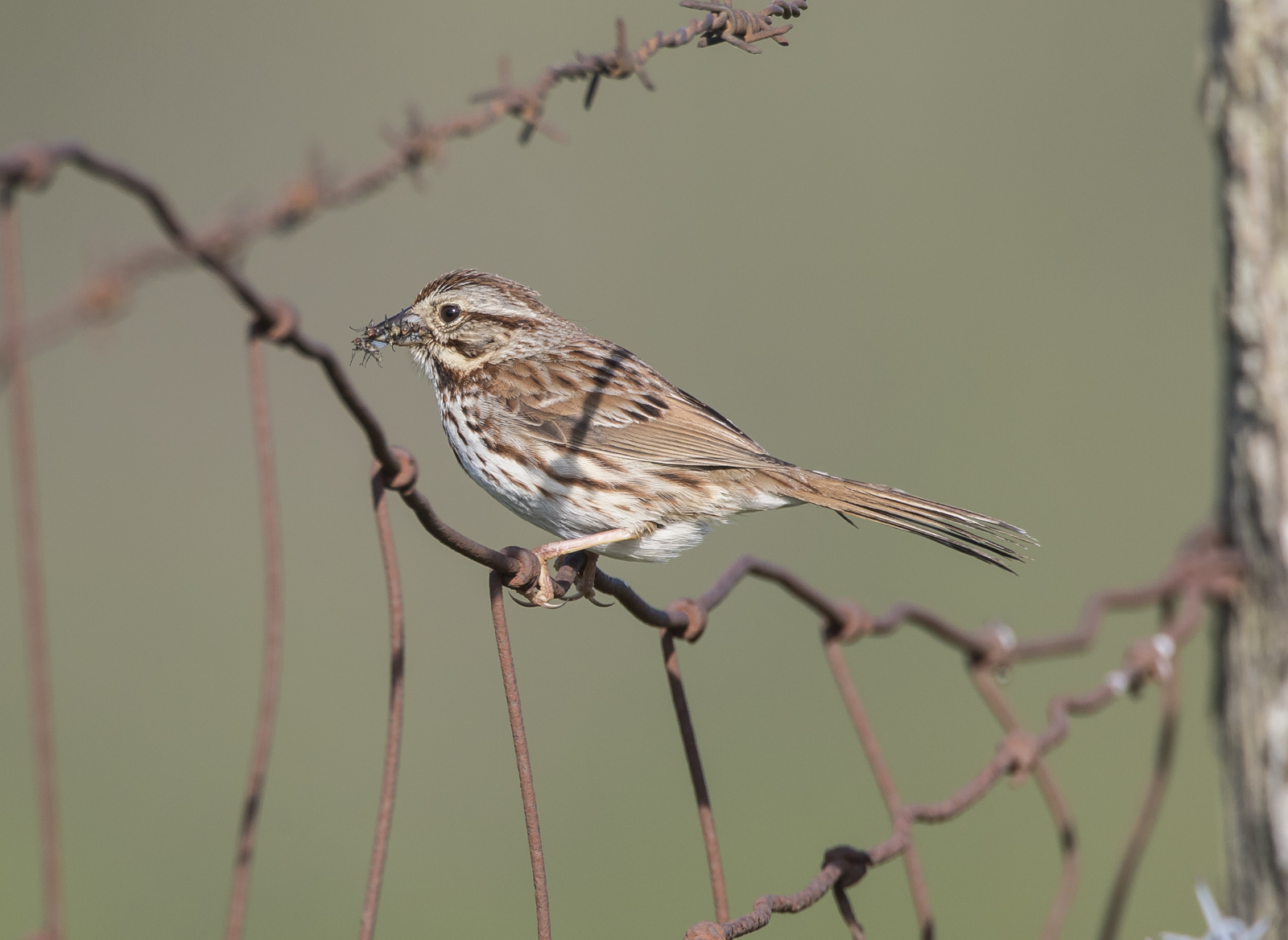
Song sparrow taking food to its nestlings
A snog sparrow ferried food to a hidden nest in the grasses not far from the road.
Beak-full of bugs for hungry mouths
On one trip, her beak was crammed with what looked like a family of true bug nymphs plucked from a nearby leaf.
Raven fly-by
A group of three ravens winged their way by us, causing everyone to look up to observe their distinctive flight patterns and croaks.
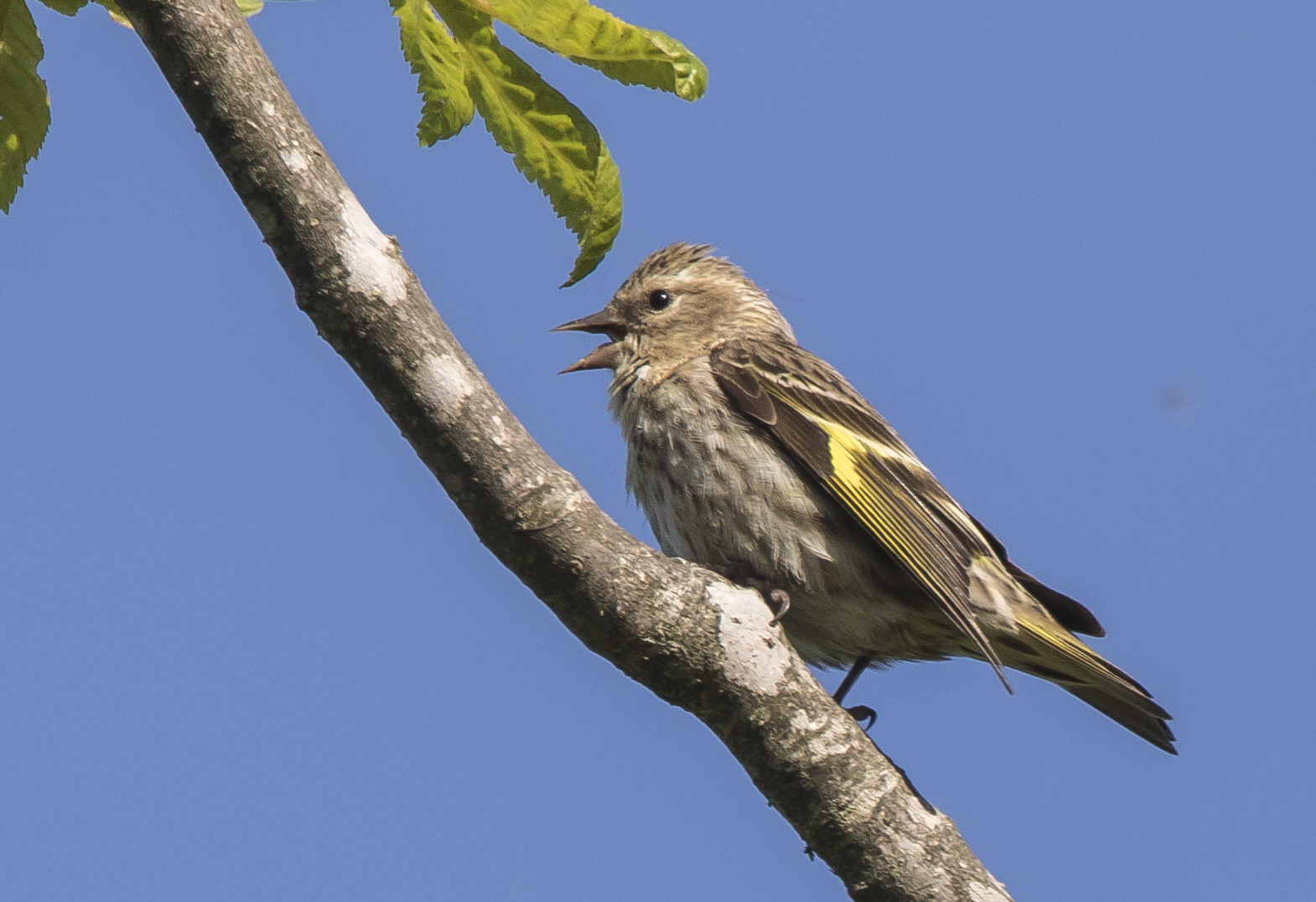
Pine siskin singing
A lone pine siskin made an appearance in a nearby buckeye tree, and was soon joined by a species we all sought…
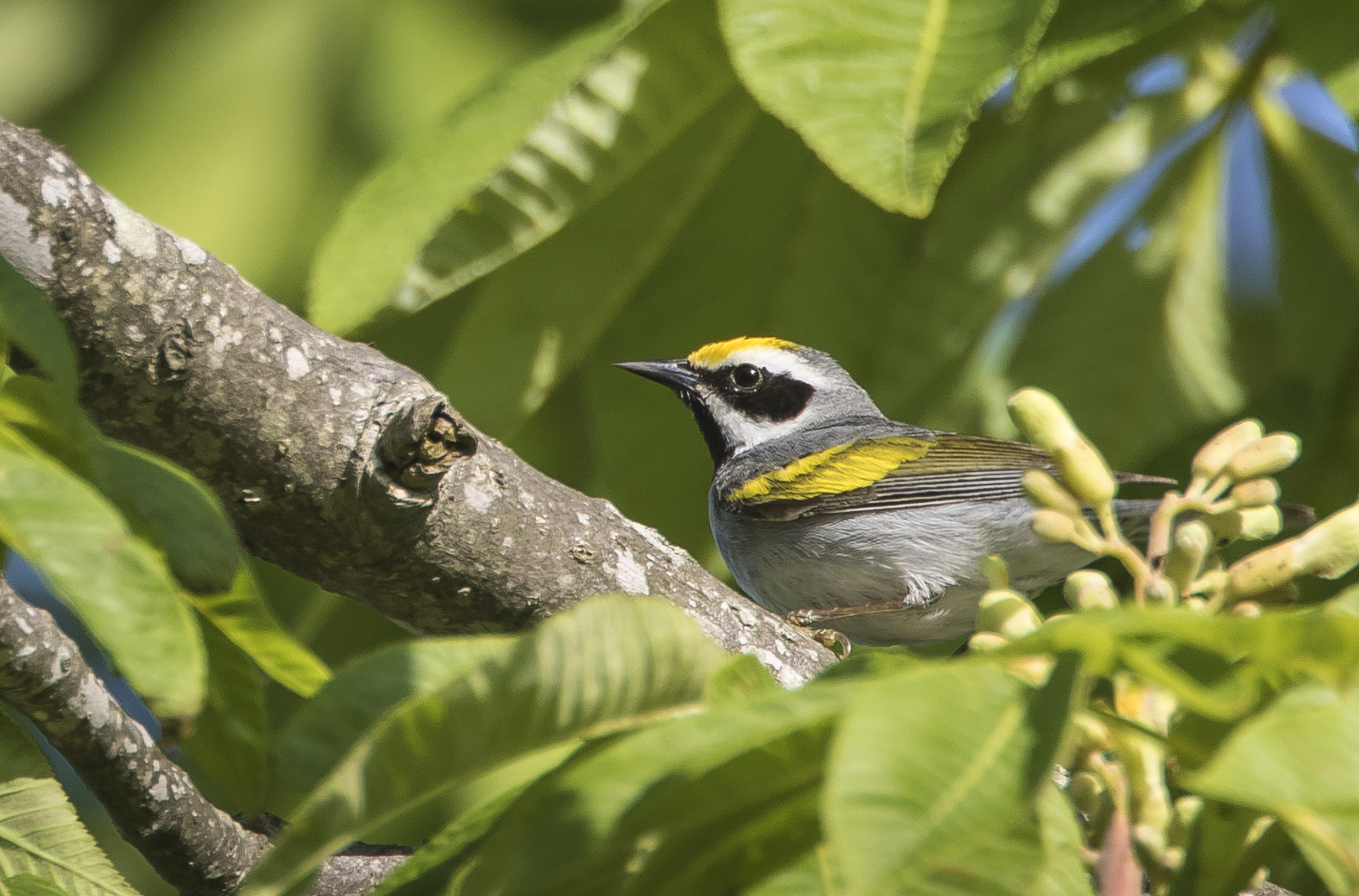
The elusive golden-winged warbler
This area around Elk Knob is one of the last strongholds in our state for a tiny beauty, the golden-winged warbler. These diminutive ground-nesters have suffered one of the steepest declines of any songbird in the last 50 years. This has prompted researchers and conservationists to increase efforts to learn more about this species and develop plans for reversing this declining population trend.
Golden-winged warbler singing with a field sparrow apparently listening
This male gave our group plenty of great looks, including some singing, before disappearing into the thickets.
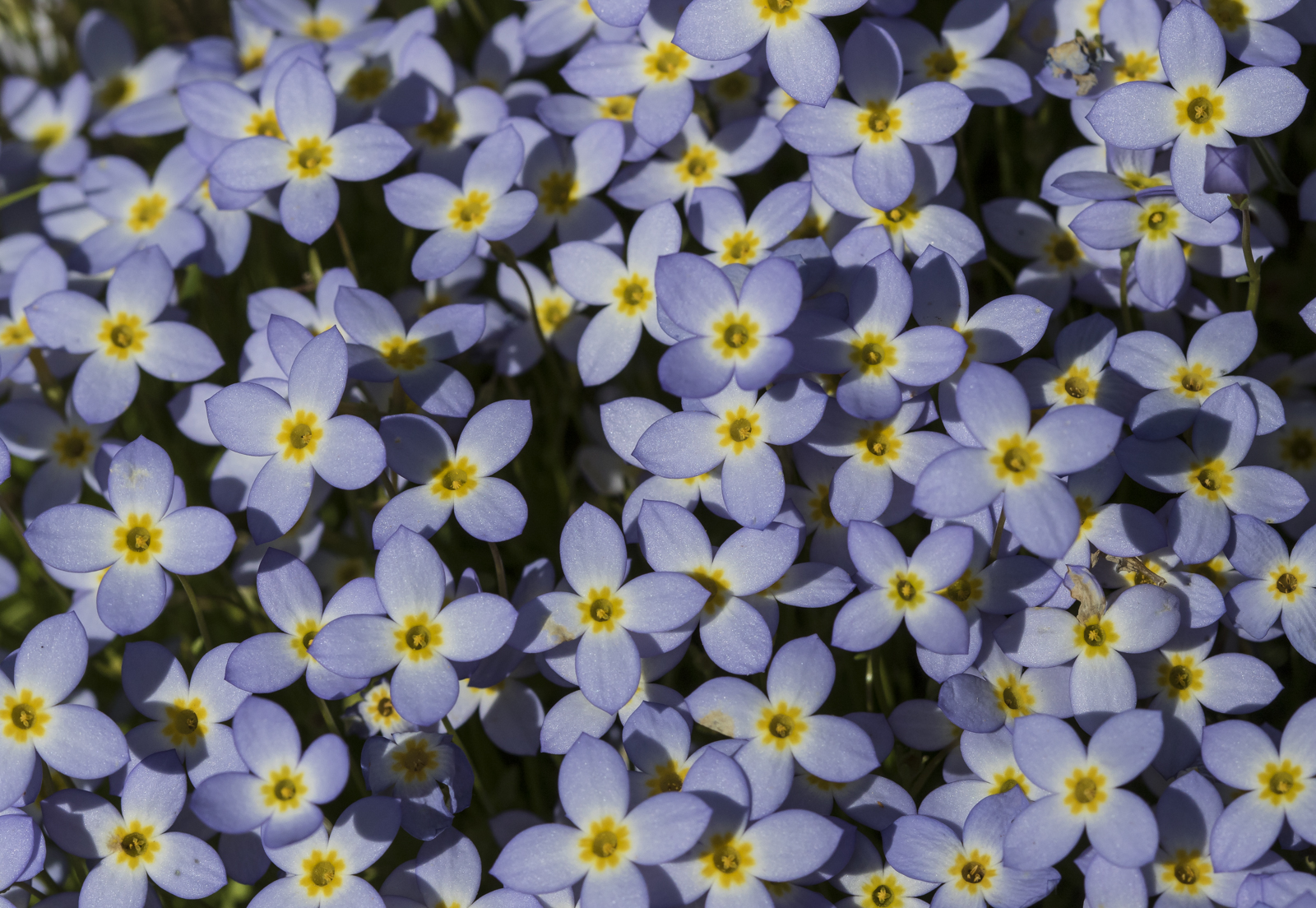
Large-flowered trilliumA sea of bluets
Our lunch break was at nearby Elk Knob State Park and included time to appreciate some of the beautiful wild flowers in bloom.
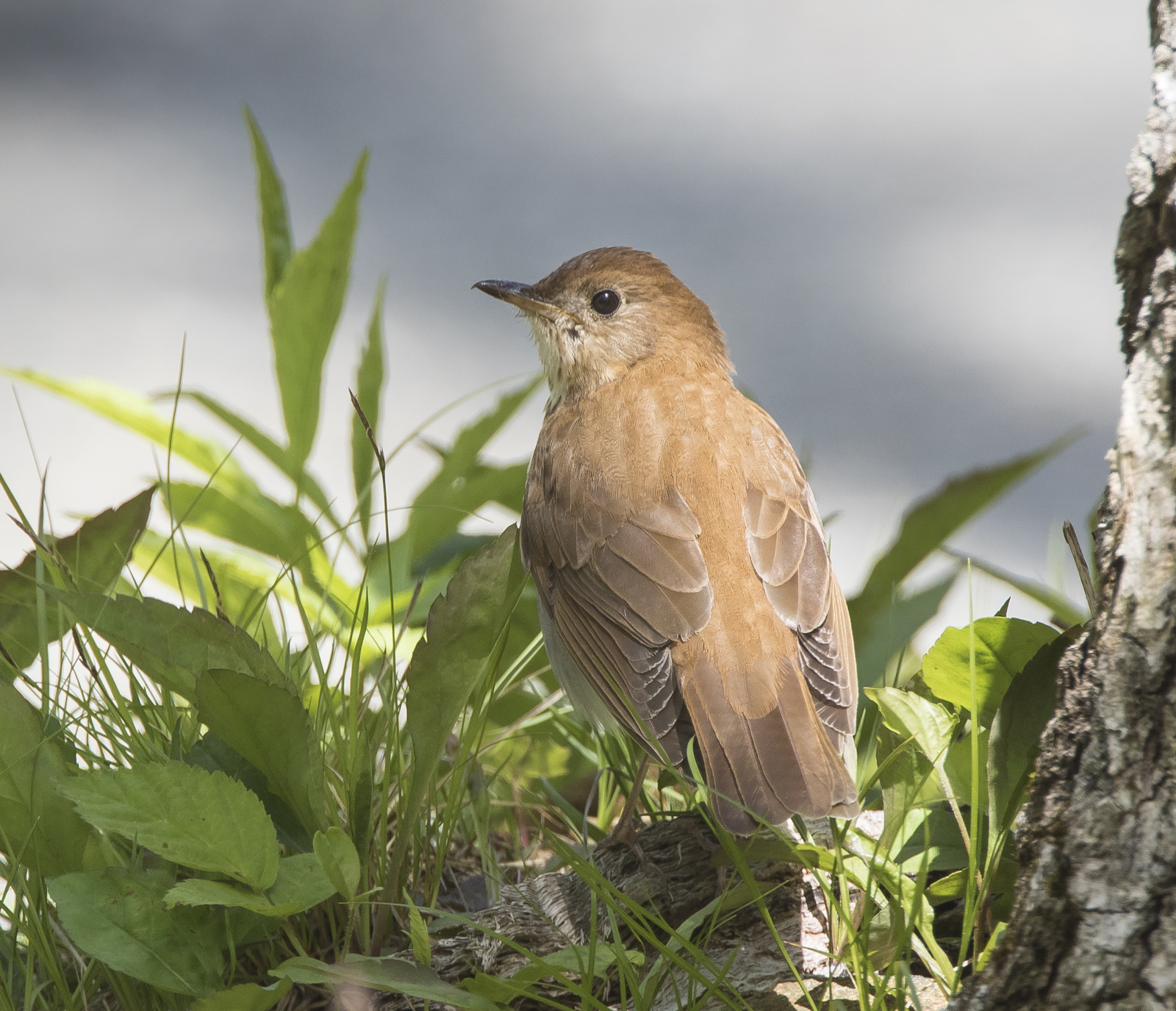
Veery
We also got great views of a veery and a rose-breasted grosbeak in the picnic area.
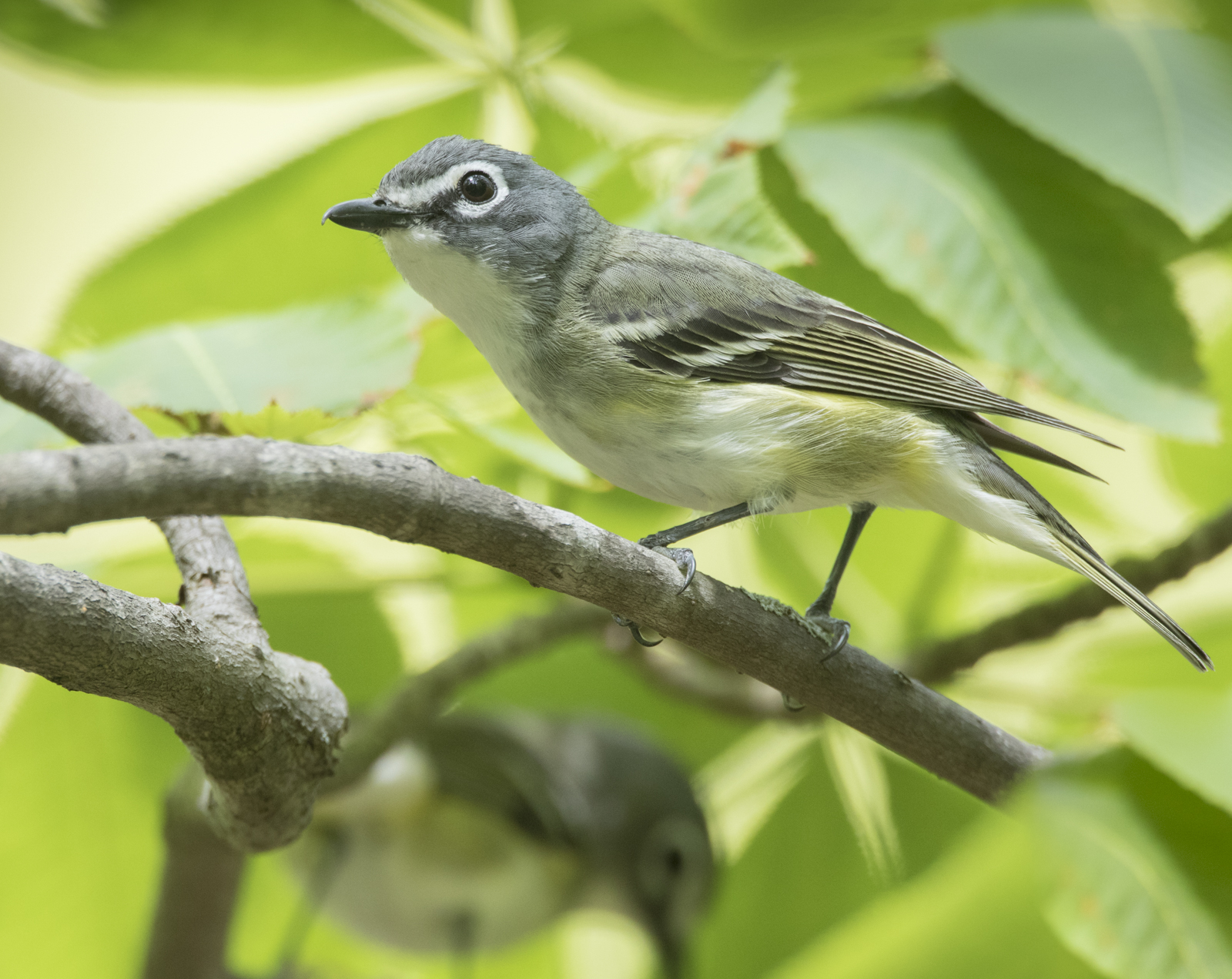
Blue-headed vireo at its nest
My favorite find at Elk Knob was a nest under construction by a pair of blue-headed vireos at the start of the backpackers trail. We heard one singing, and then followed it as it flew into an overhanging sapling adjacent to the trail head. I quickly discovered it was building a nest, a most unusual-looking one. In between visits by the pair of birds we crept in and got a closer look. The nest included a substantial amount of discarded tissue paper. Hopefully, it won’t disintegrate in the rains this week.
Pair of blue-headed vireos working on their tp nest
Formerly part of a complex of birds known as the solitary vireo, it has since been split into three separate species, with blue-headed vireos being the one found in the East. The group walked on down the trail and I hung around next to a nearby tree trunk to photograph the birds as they went back and forth bringing in new nest material, mostly lichens, a few bark strips, and some unidentifiable fluff. With each visit, the bird would place the item onto the nest, pull and tug to secure it, and often push down with its body to help form the cup. As with most vireos, the nest was suspended from a fork in a branch, and probably attached with spider web silk.
Sizing me up
After a couple of minutes, one of the birds came close to investigate me, and, after it left, I moved on, not wanting to alarm them. From a distance, I could see them busily continuing their work after I left. Here’s hoping their proximity to the trail causes them no undue disturbance in the coming weeks. It was a great trip, with lots of sightings, good people, and new knowledge. I can see why it is so popular.
In his plumes dwells the gold of the sun, in his voice its brightness and good cheer. We have not to seek him in the depths of the forest, the haunt of nearly all his congeners, he comes to us and makes his home near ours.
~Frank M. Chapman, 1907
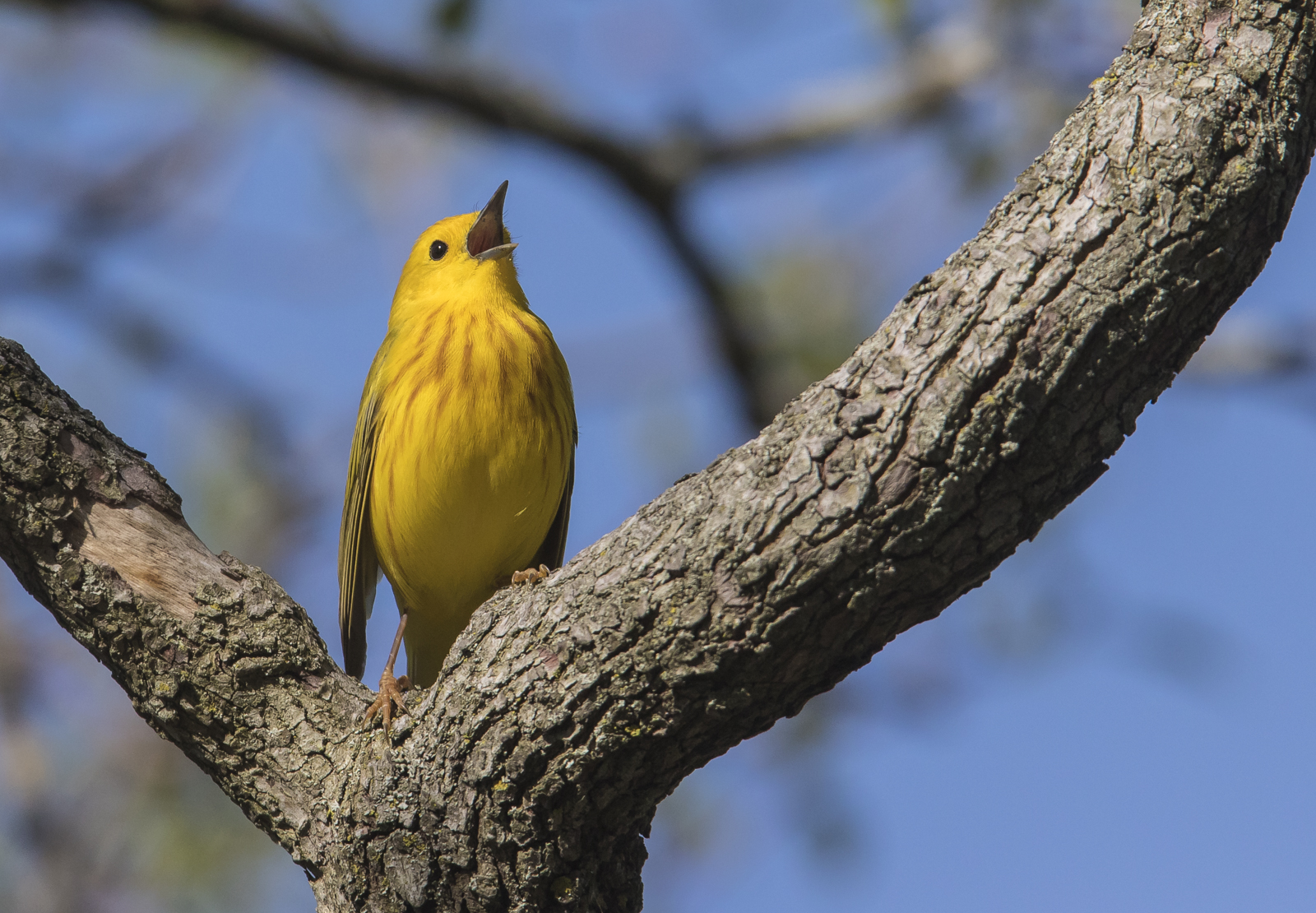
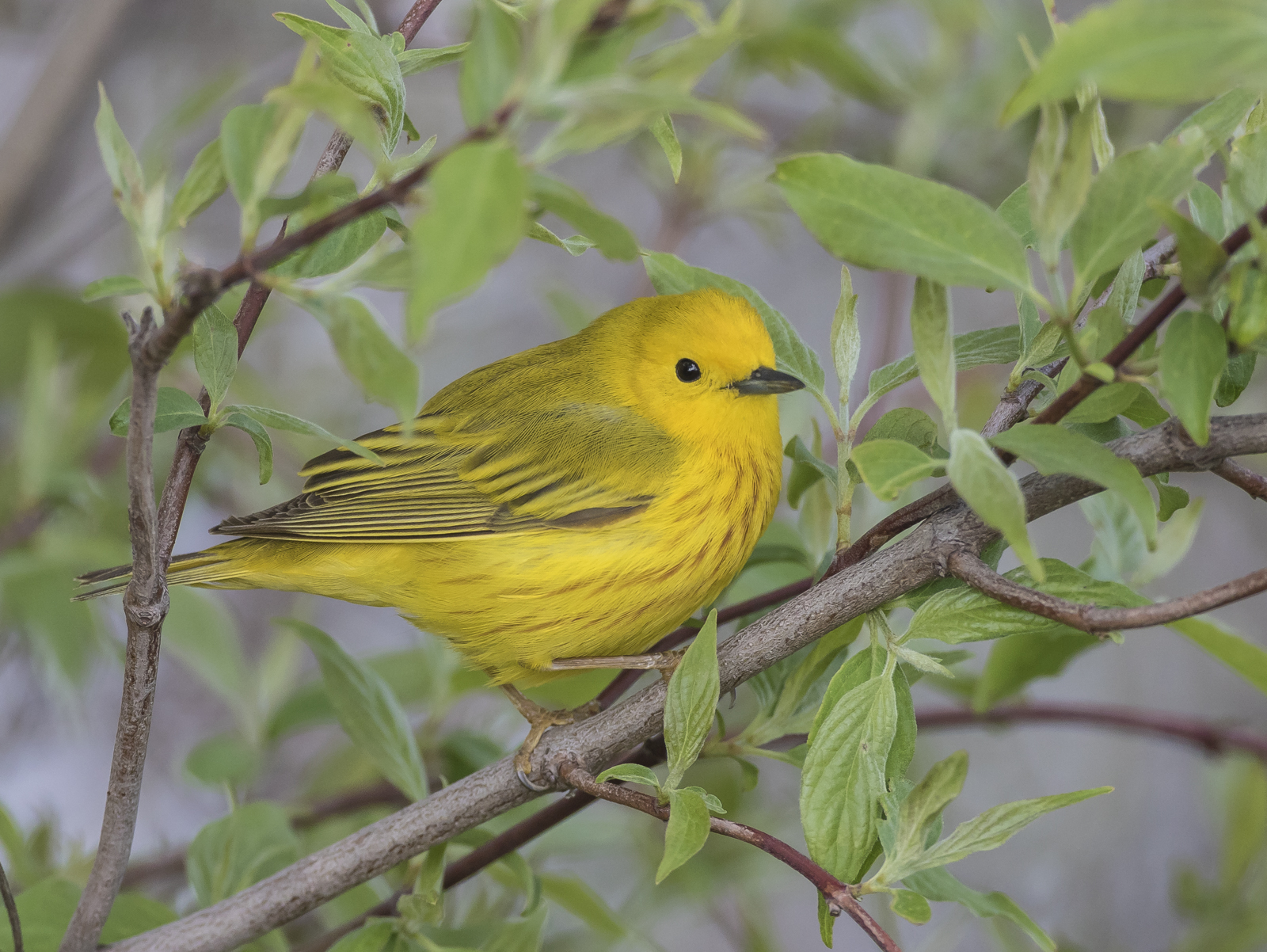
Yellow warbler male (click photos to enlarge)
The most common warbler we encountered on our recent birding trip to Ohio was the yellow warbler, Setophaga petechia. These warblers are the most widely distributed members of their family and are bold in both color and behavior. Both sexes are bright yellow with males having rich rust-colored streaking on the breast, and often a hint of that color on their head.
Yellow warbler preening as we sit nearby in our carThe look after a satisfying preen
On our first afternoon on the refuge, we saw these birds chasing each other, feeding, singing, and preening. They often allowed a close approach, so we were able to get some nice photos within a short time.
Male yellow warbler singingWe heard their song everywhere we went on the refuge and at Magee Marsh
We heard singing males throughout the afternoon at Ottawa NWR and all day the next day at Magee Marsh. It was the start of their brief, but active, breeding season, and they were not wasting any time. The high-pitched song is a distinctive series of whistled notes ending in a rising slur. It is often described as sounding like sweet sweet sweet I’m so sweet. In keeping with the lack of shyness around humans, we often found males singing within a few feet of us.
A pair of yellow warblers right next to the boardwalk at Magee Marsh
On our last morning in Magee Marsh, we had a pair of yellow warblers flitting about right next to us. The male had just chased another male away, and was following the female, in between grabbing a small insect snack. The female then flew into a shrub a few feet away…
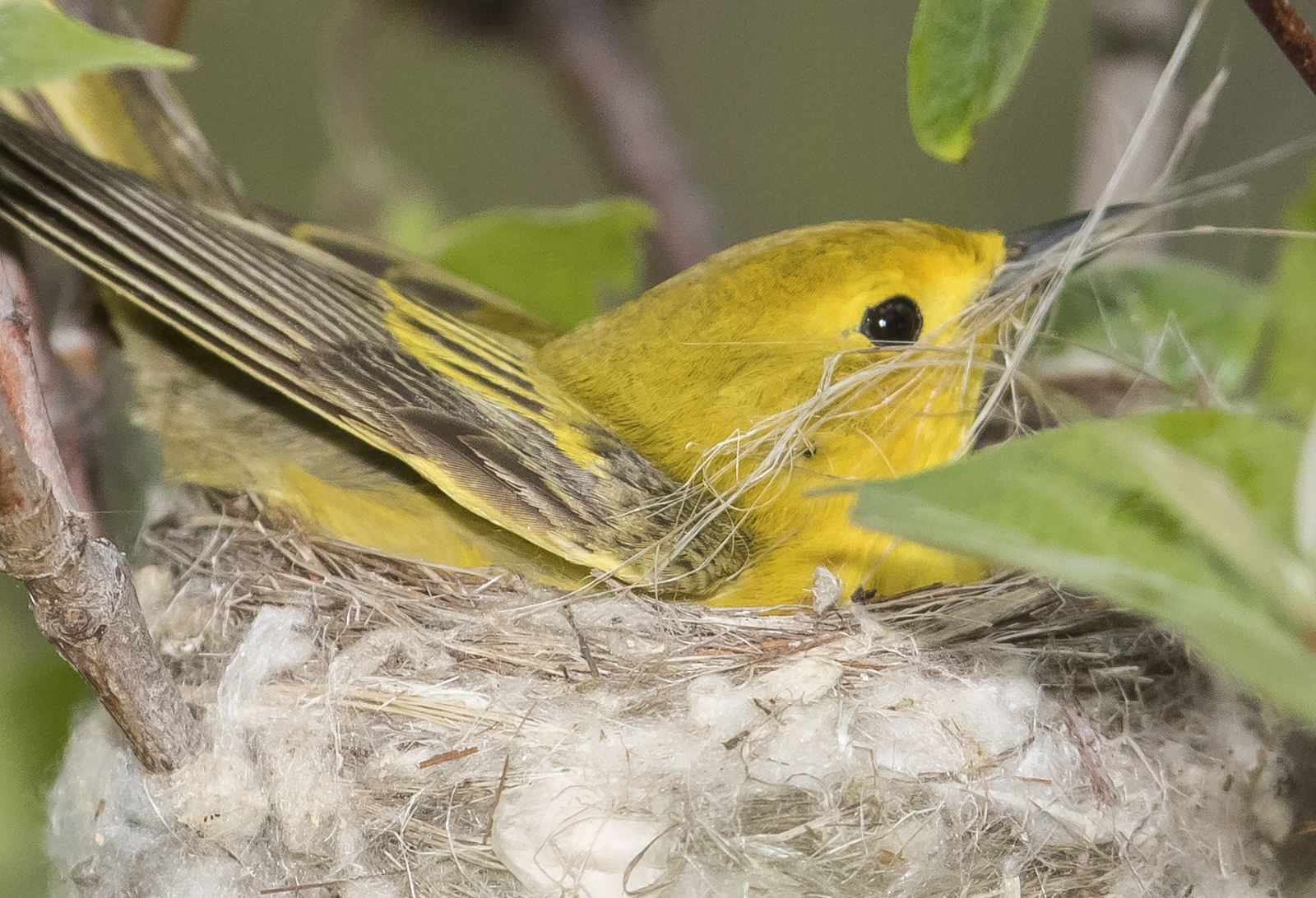
Female on nest
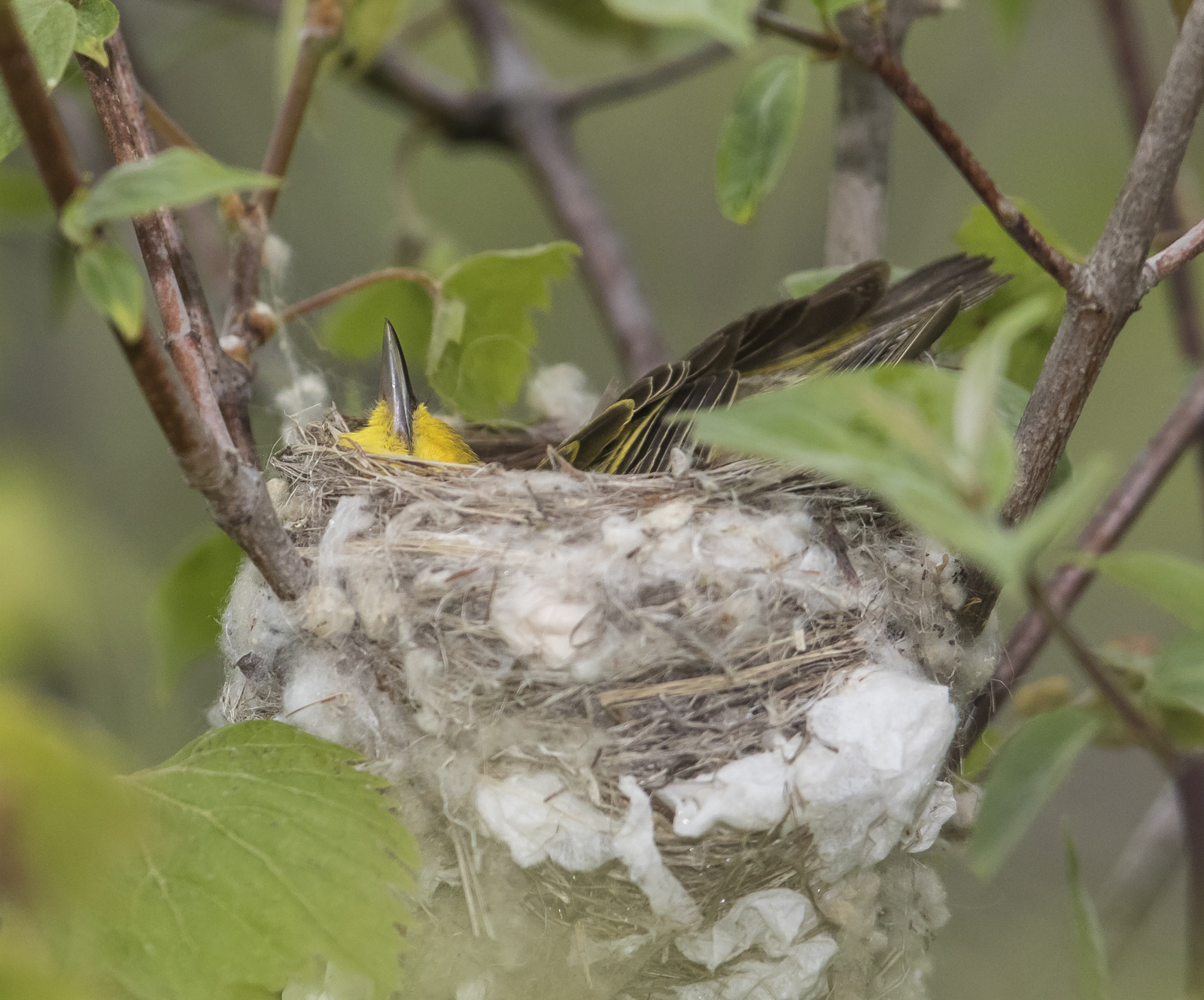
…and right into her nest! We maneuvered around on the boardwalk and found one tiny spot where we could get a clear view through the vegetation and see the nest. Yellow warblers make their nests in a vertical fork of a small tree or shrub, usually within ten feet of the ground. This particular one was about 5 feet from the edge of the boardwalk and at eye level. For the next few minutes, we watched as the female made trip after trip, bringing in material, and forming the nest to her exacting standards.
She brought in several plant fibers on multiple tripsThis time she brought a hair of some sortForming the nest by pressing her wings against the sidesTurning and pressing her body to help shape the nestShe periodically pressed deep into the nest, with only her bill and tail remaining visible
The nest starts as a cup of grasses and bark strips. Plant fibers, spider webs, and plant down adorn the outside. The nest is then lined with animal hair, plant fibers, and down. I’m not sure what the whitish material is on the outside of the nest, although there were cottonwood trees in the area which produce copious amounts of white fluff associated with their seeds. The nests of yellow warblers are often plagued by brown-headed cowbirds laying their eggs in them. If the foreign egg is detected, the yellow warbler often builds a new nest directly on top of the parasitized one, resulting in a nest that can have up to several layers.
The male takes a brief turn at forming the nest
The birds seemed totally uninterested in us, but we decided to move on after a few minutes of observation. It is always a treat to see a nest under construction, and we wished them well in their efforts.
Yellow warblers seem to bring happiness to those lucky enough to observe them
On a birding trip to our mountains this week, my ornithologist friend said that seeing yellow warblers always makes him happy. There is something about their trusting behavior and beautiful color that makes them special. The artist, Marci Moses, once said… Yellow is the perceived color of sunshine. It is associated with joy, happiness, intellect, and energy. Perhaps this brightly-colored warbler is on to something.
From those tall hemlocks proceeds a very fine insect-like warble, and occasionally I see a spray tremble, or catch the flit of a wing. I watch and watch till my head grows dizzy and my neck is in danger of permanent displacement, and still do not get a good view.
~John Burroughs, on trying to observe warblers in the woods, from In the Hemlocks, 1910
Most of us can relate to what naturalist John Burroughs had to say about trying to observe warblers. Birders typically hear them before seeing them, then strain for a glimpse, often looking straight up into the tall trees, trying to catch enough of a view of the flitting creature to confirm an identity. It can lead to the malady known as warbler neck, and can be frustrating . But, when it pays off, it can pay off big, as these tiny songsters are among our most beautiful birds.
Black-throated blue warbler (click photos to enlarge)
Spring is warbler time as they migrate from their wintering areas to their breeding grounds dressed in their finest. While we do have several species that nest here in the Piedmont, many others are passing through, on their way to higher elevations or latitudes to breed and raise their young. But, there is a place where warblers are incredibly abundant during spring migration, or at least that is what I had read. That place is the Magee Marsh Wildlife Area on the south shore of Lake Erie.
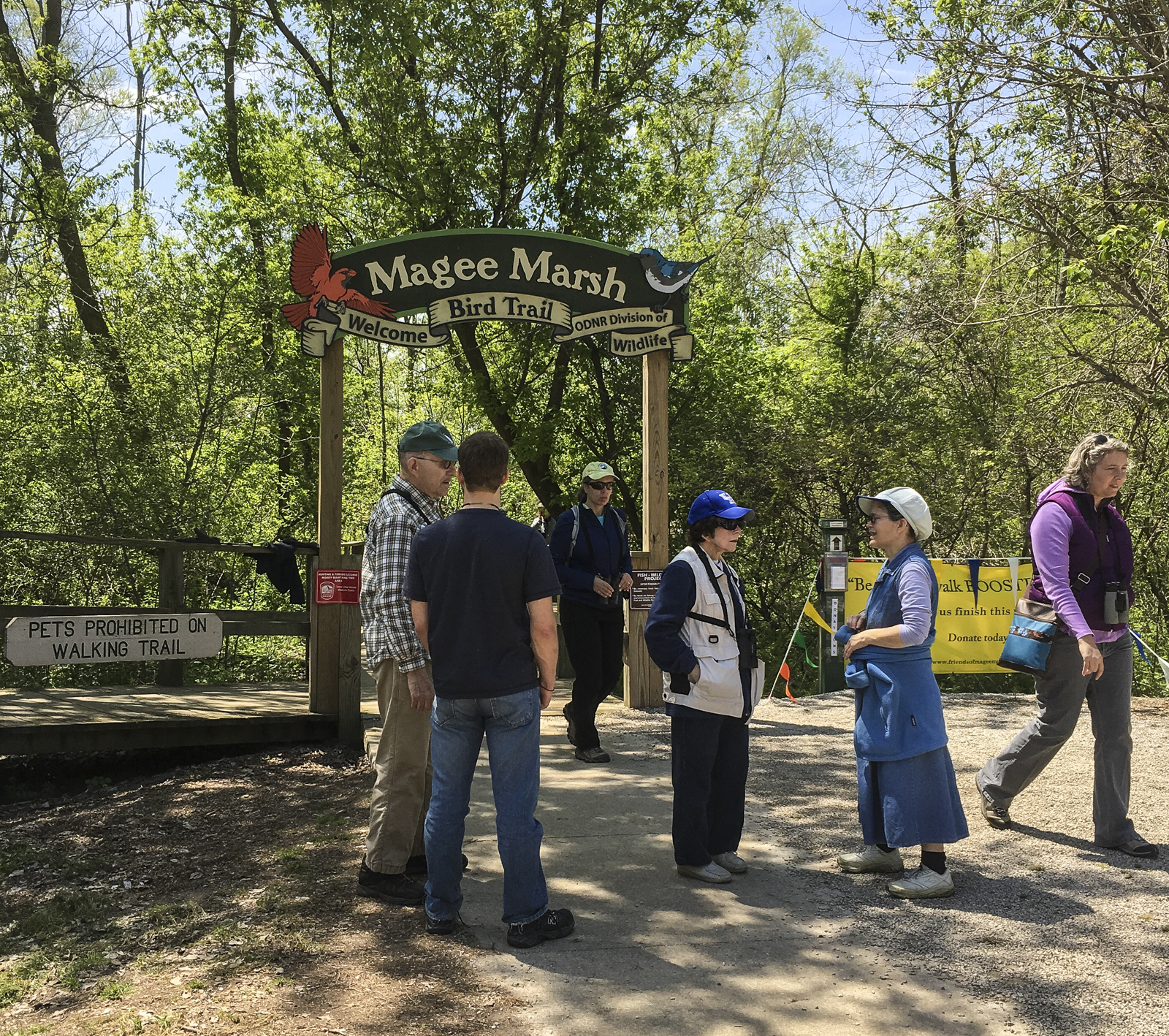
West entrance to Magee Marsh (click photos to enlarge)
It is a 2000+ acre state wildlife management area, adjacent to Ottawa National Wildlife Refuge, and is home to the famed Magee Marsh boardwalk, which regularly appears on lists of the top birding spots in America. It is also home to The Biggest Week in American Birding festival for ten days each May, around the peak of the spring migration.
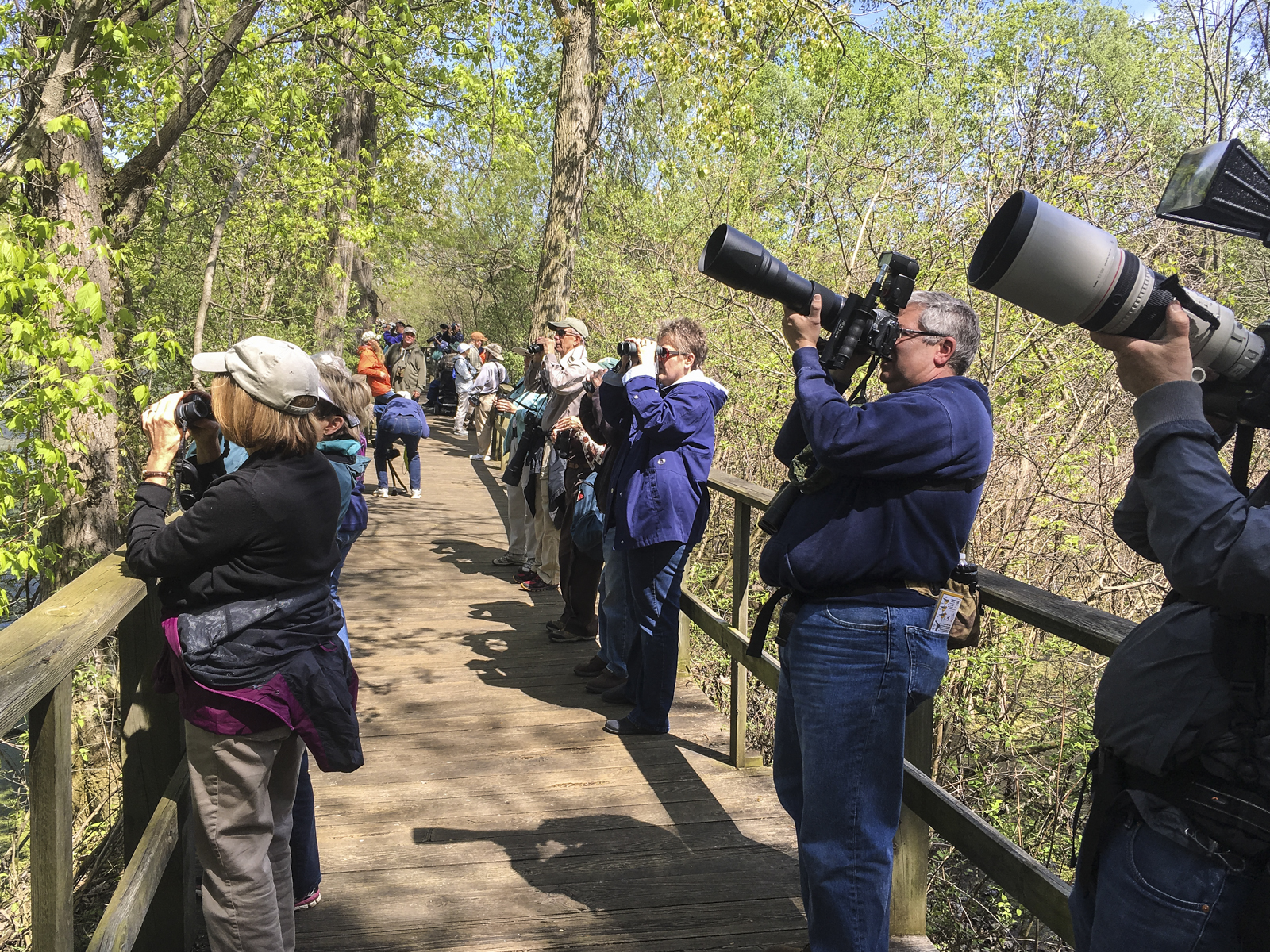
Birders line the boardwalk at Magee Marsh
The boardwalk is just under one mile in length, but is the destination for thousands of birders each spring due to the amazing number and variety of birds that tend to pile up here, waiting for the right conditions to fly across Lake Erie as they migrate north. I was a bit hesitant to visit such a potentially crowded area, but really wanted to see this spectacle, so we decided to arrive on the last day of the festival and spend a day or two birding, hoping the crowds might thin. When I made my lodging reservations, it was apparent we would not have had any choice anyway, as every lodging I could find in the area (it is in rural farmland about 30 minutes from Toledo) was booked through the festival. Birders are obviously good for business. Arriving on Sunday afternoon, we avoided the crowds, and spent a couple of productive hours on Wildlife Drive at nearby Ottawa NWR. The next morning, we arrived at Magee Marsh a little after sunrise, with only a dozen or so cars as company. This is a good start, I thought. It turns out, weather this year had delayed the migration a bit, and the weather last Monday (chilly, with winds out of the north) is the perfect set up for keeping the birds in place, and low, making them much more visible. It would be one of those days to remember…
I have way too many shots like this, or with just twigs where the warbler had been
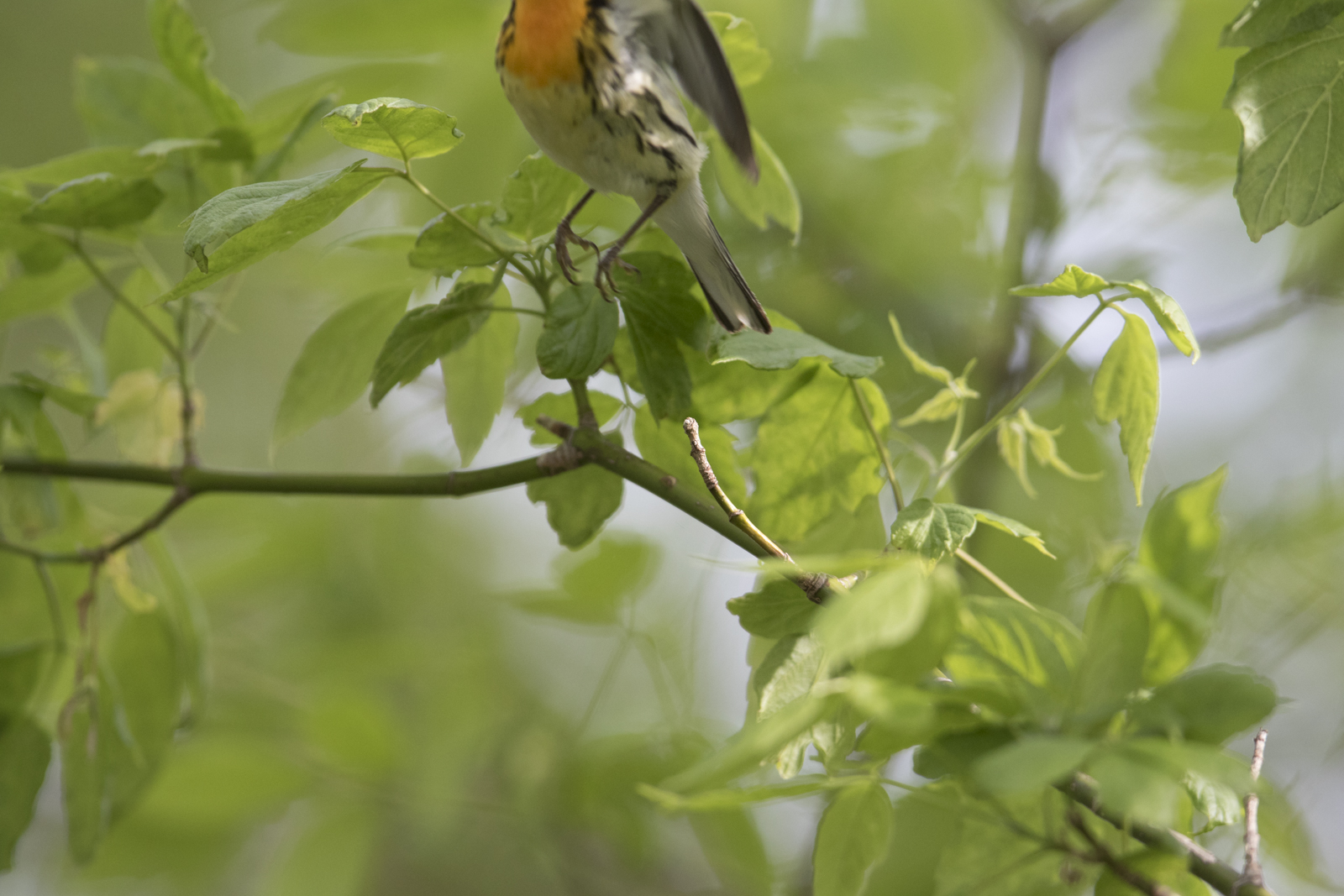
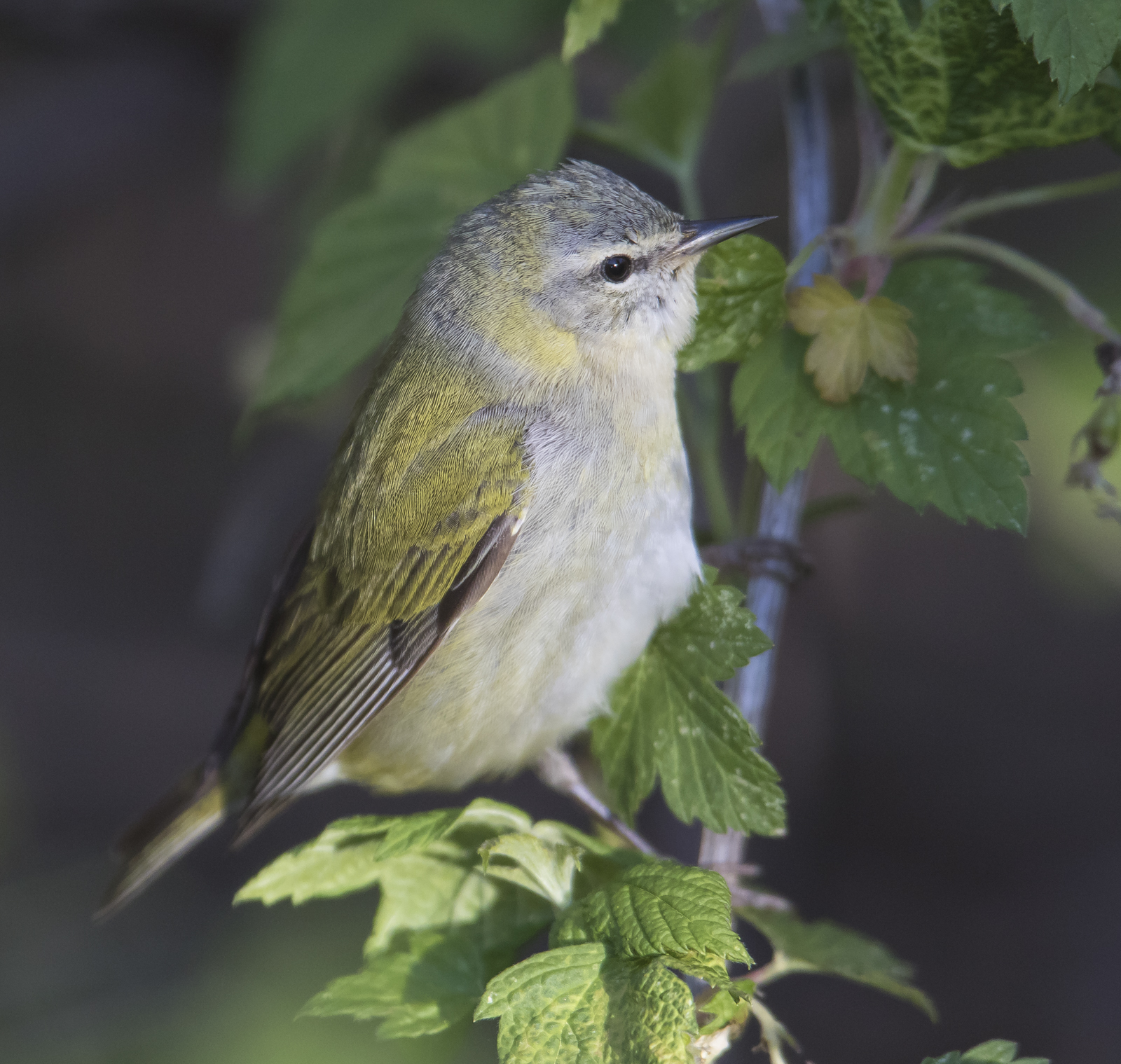
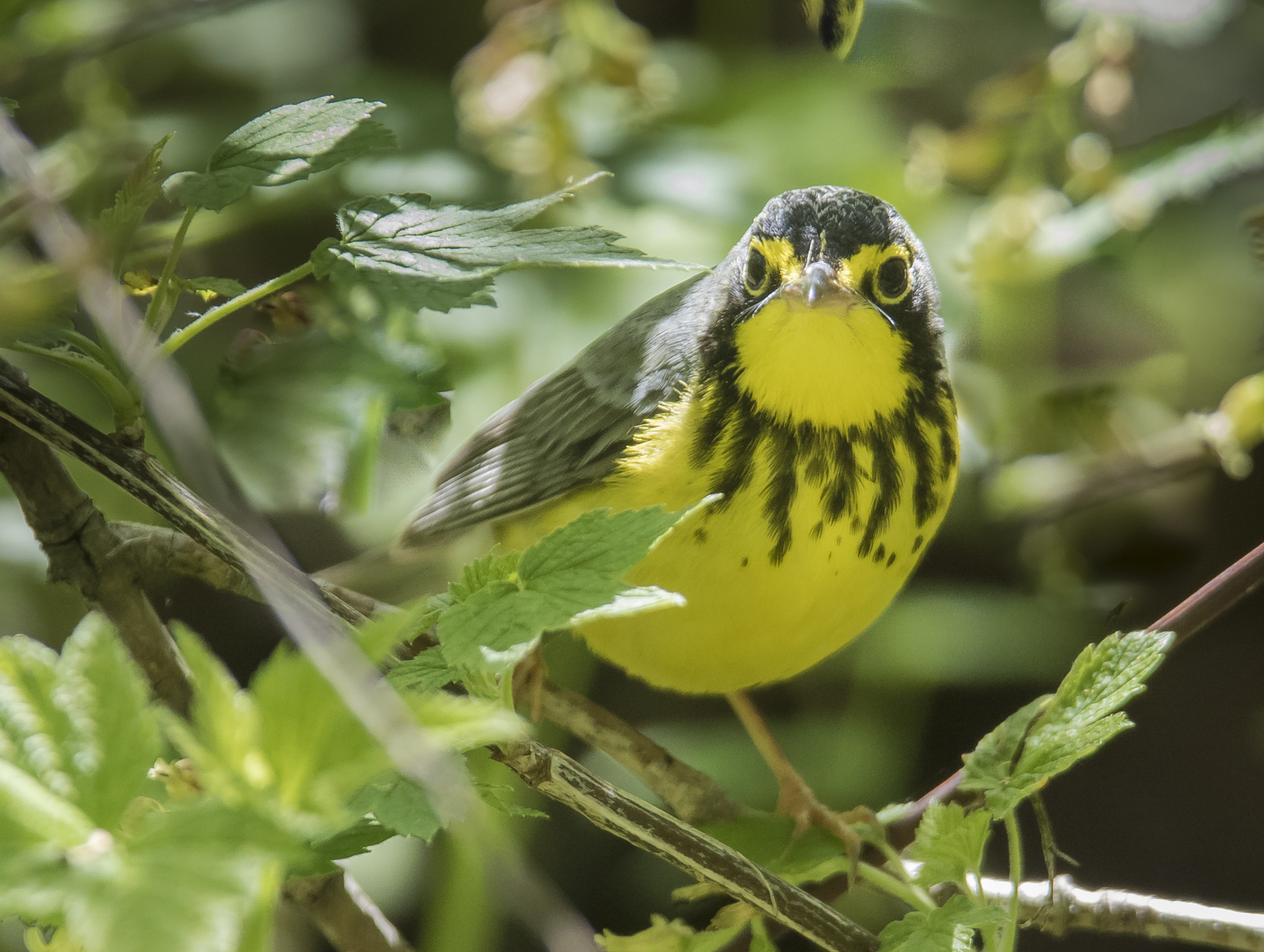
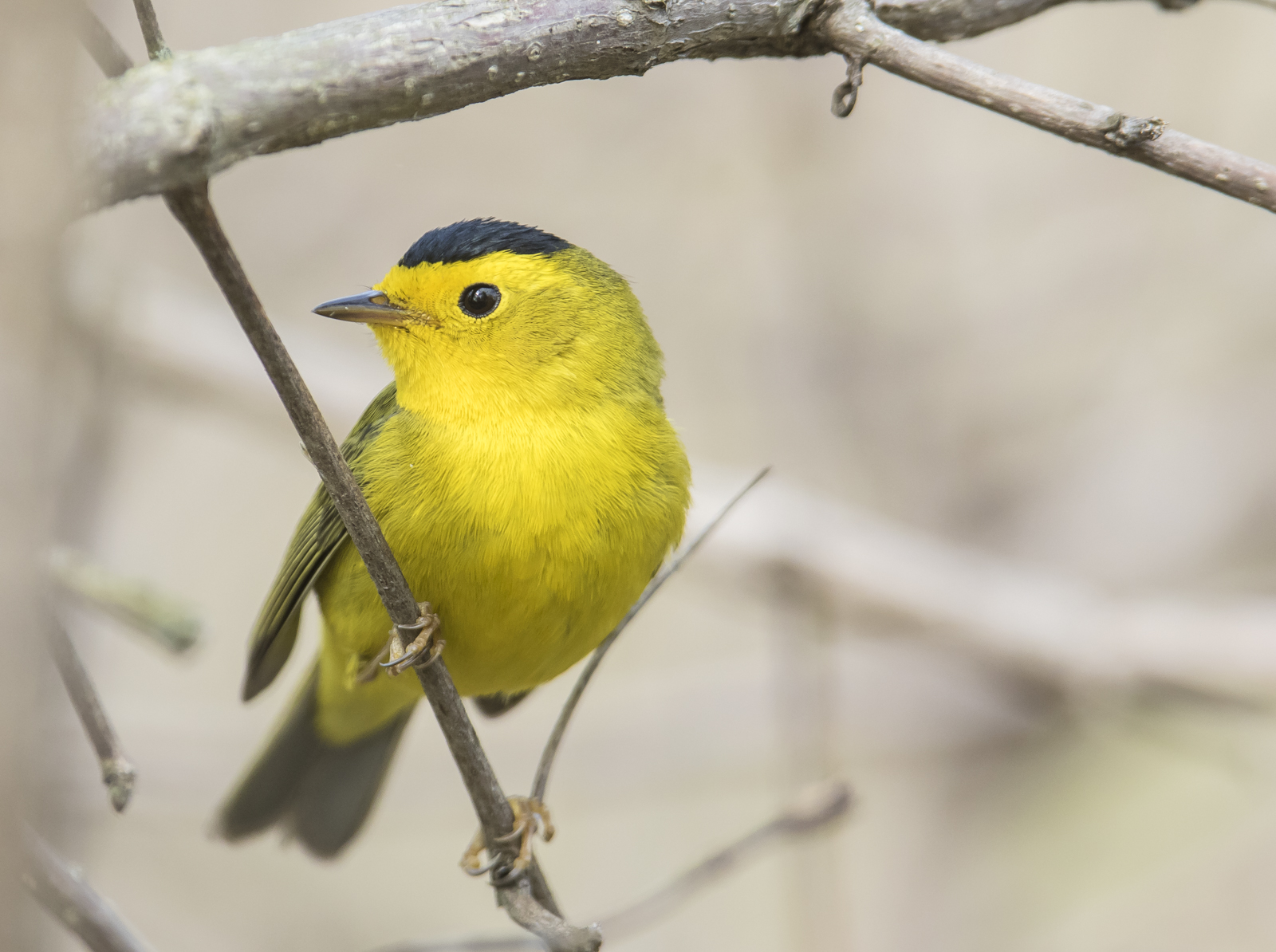
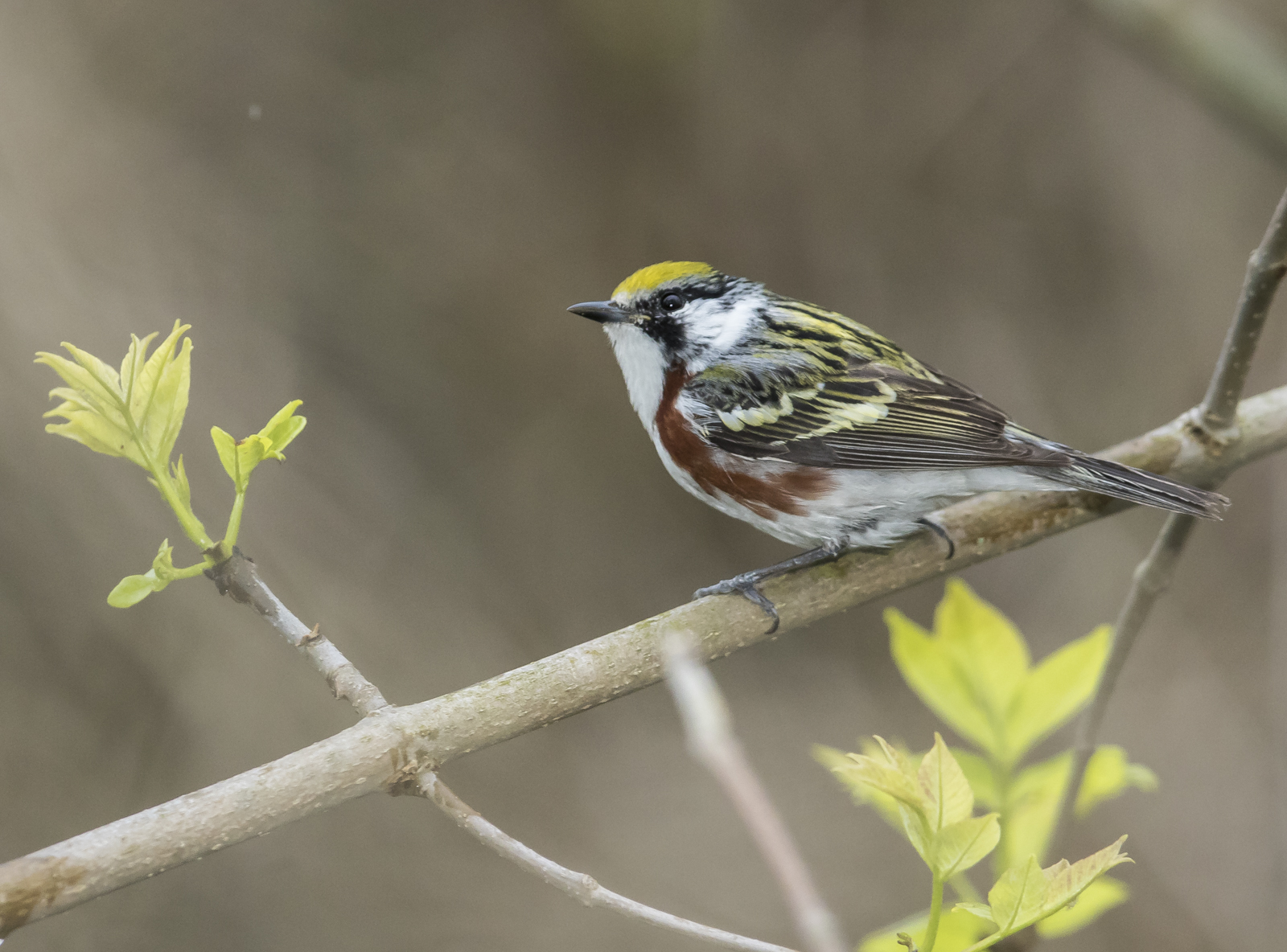
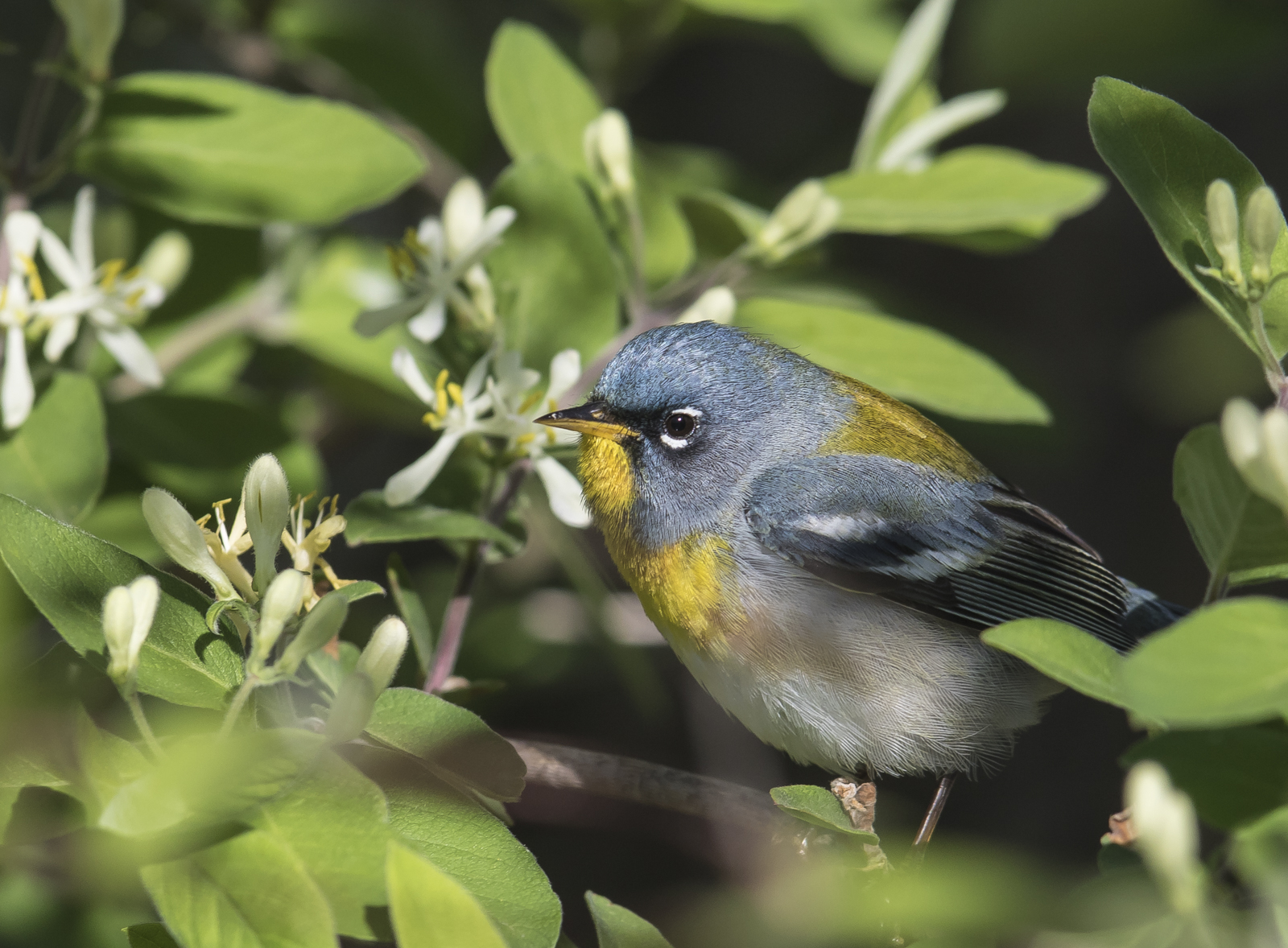
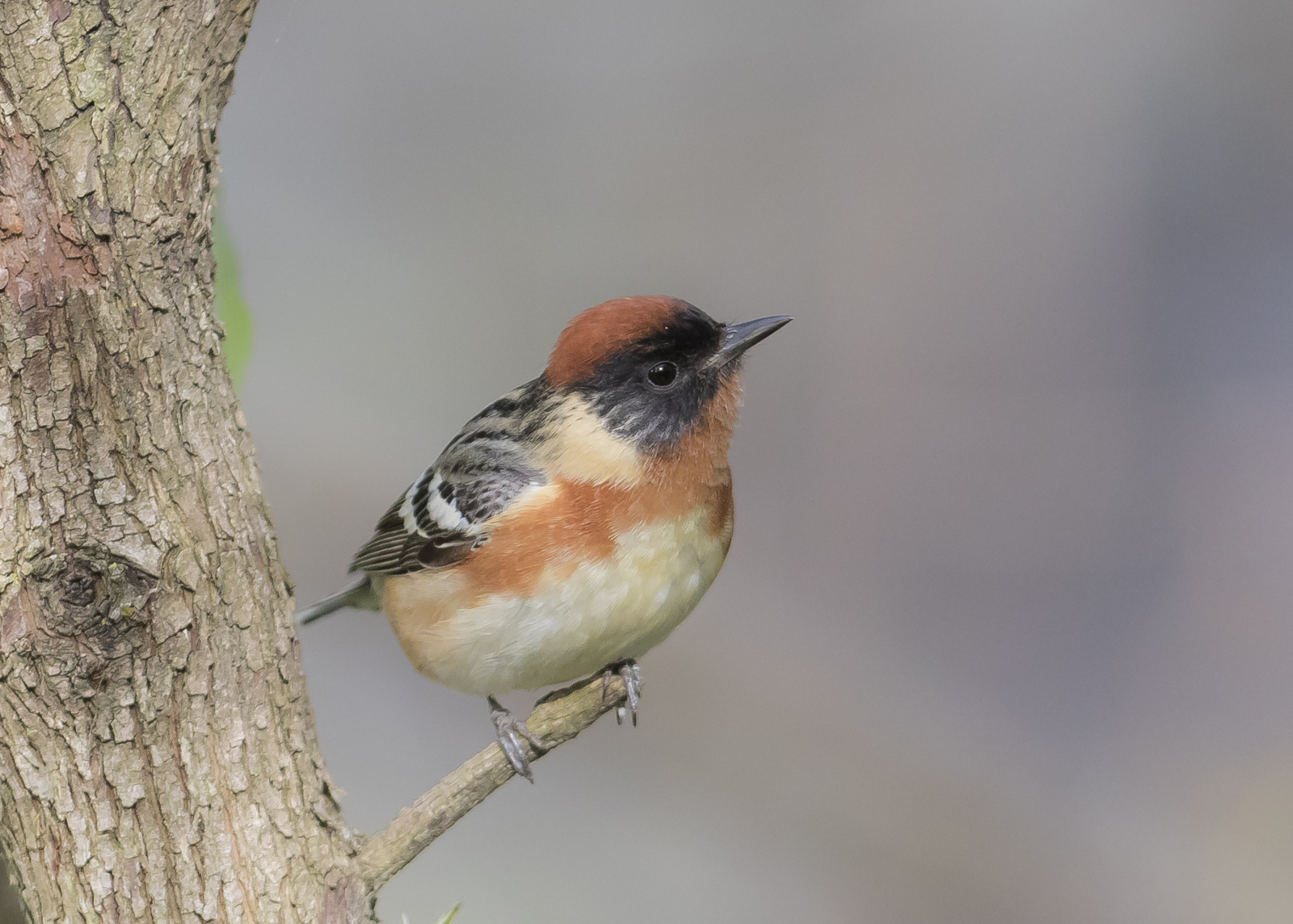
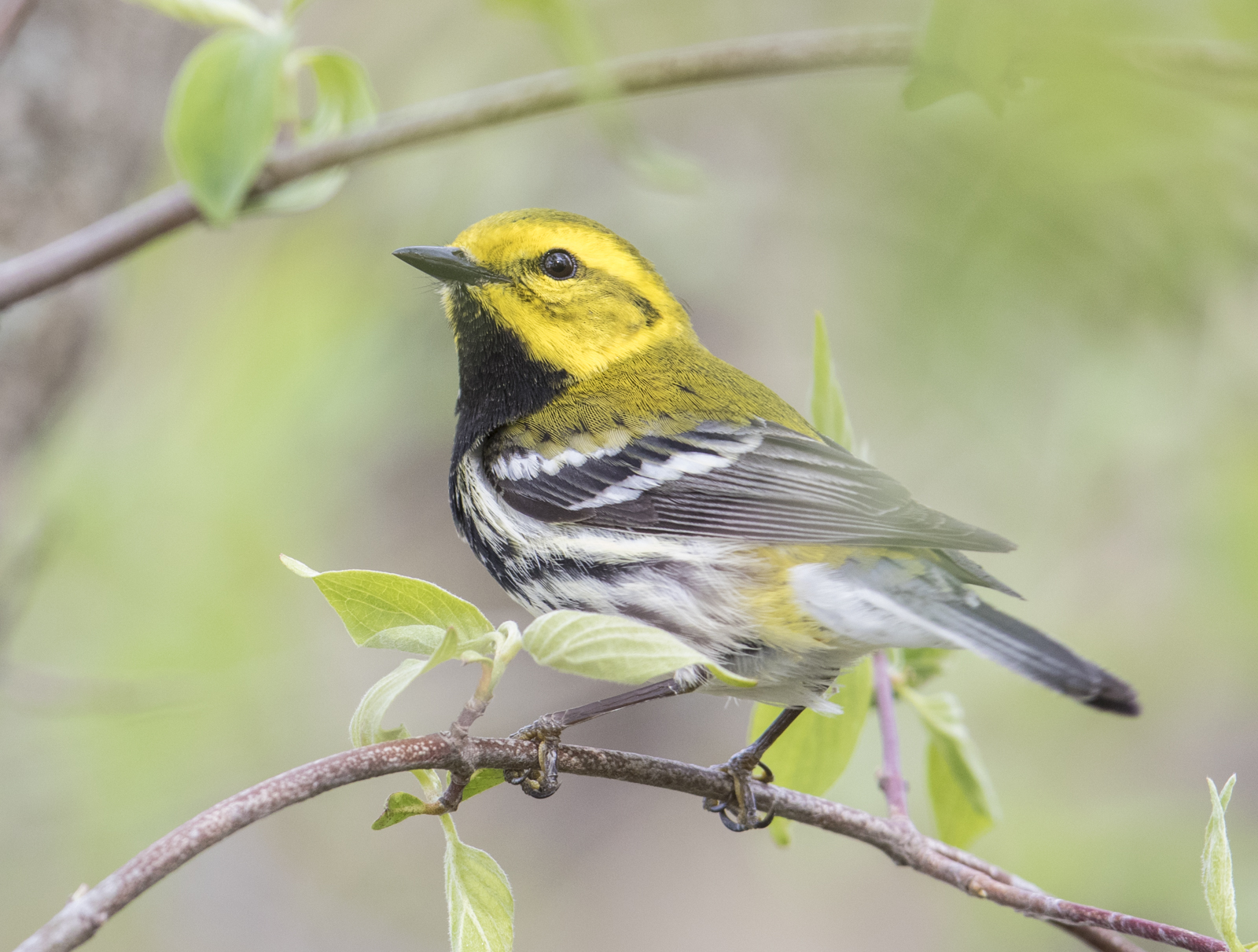
Based on some tips about birding the area I read online, I was carrying my 300mm telephoto, a flash, and my tripod onto the boardwalk. After walking about 50 feet and already seeing several warblers, and viewing the conditions (thick vegetation and close proximity to birds), I carried the tripod back to the car. This is a place for quick photos, maneuverability, and reasonable focal lengths (plus, the tripod is difficult to use when the boardwalk is crowded). Birds were everywhere! And close! As we made our way down the boardwalk, more and more birders started to arrive. But, in spite of the developing crowds (and this is the day AFTER the festival), you could always just walk a few feet and have a bird to yourself. It turned out to be an incredible day, a tiring day, but a really rewarding one. The hype is for real…this is an incredible place to bird. Below are some portraits of some of the 22 species of warblers we observed at Magee Marsh in our day and a half of birding. In addition to these 18 that are represented in photos, we had 4 others – yellow-rumped warbler, prothonotary warbler, worm-eating warbler (heard), and ovenbird (heard). The official checklist for the ten day festival period this year had 34 species of warblers viewed by the throngs.
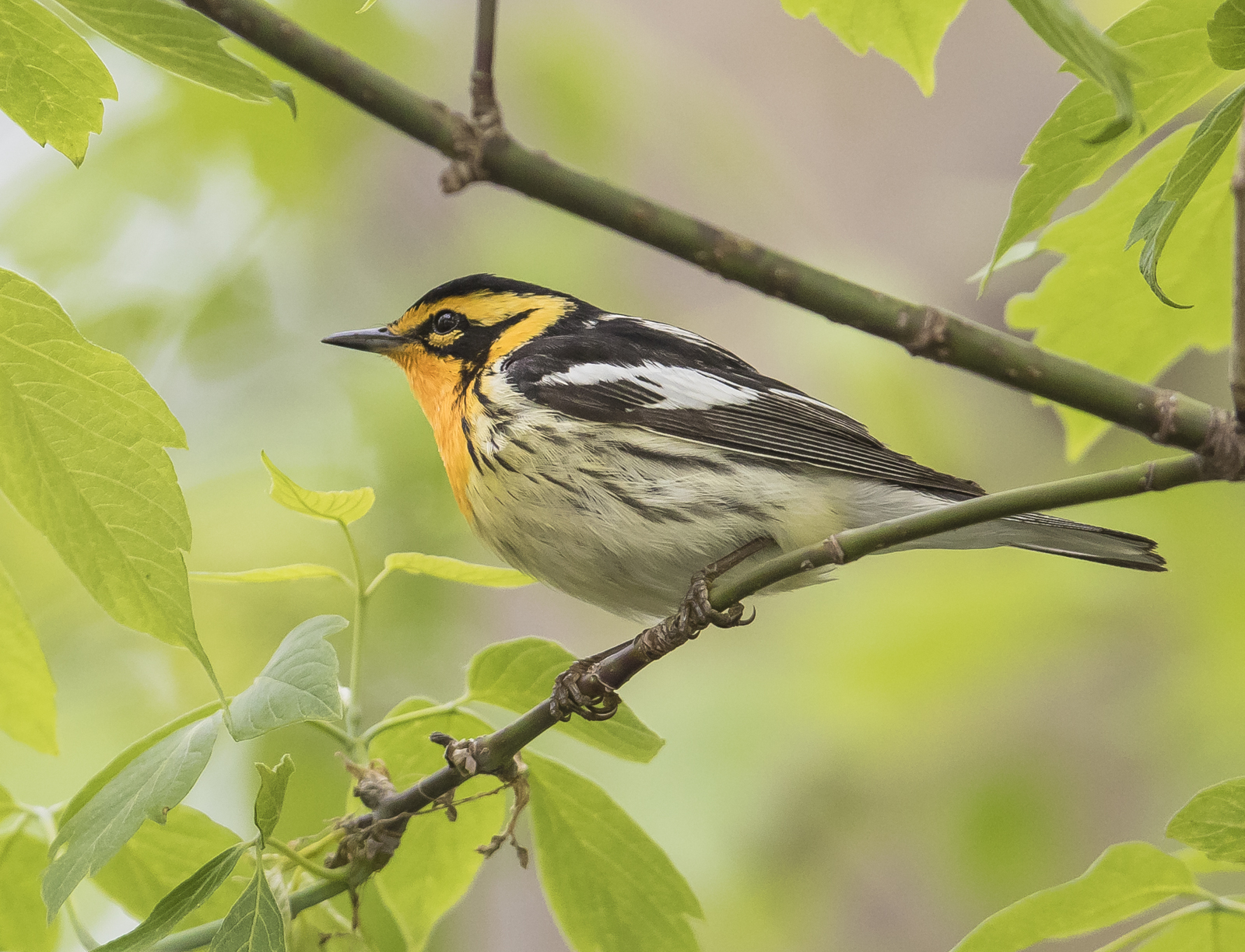
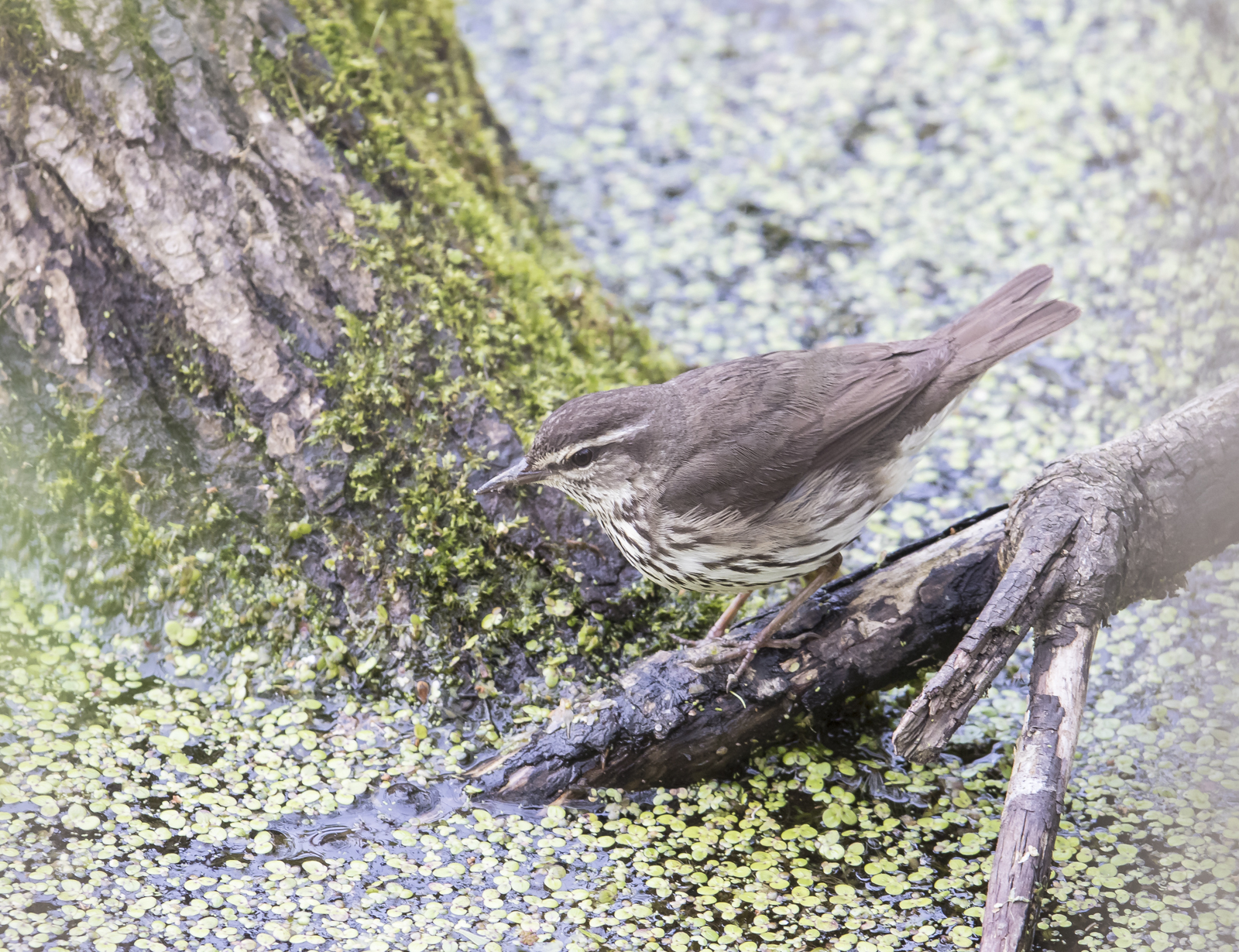
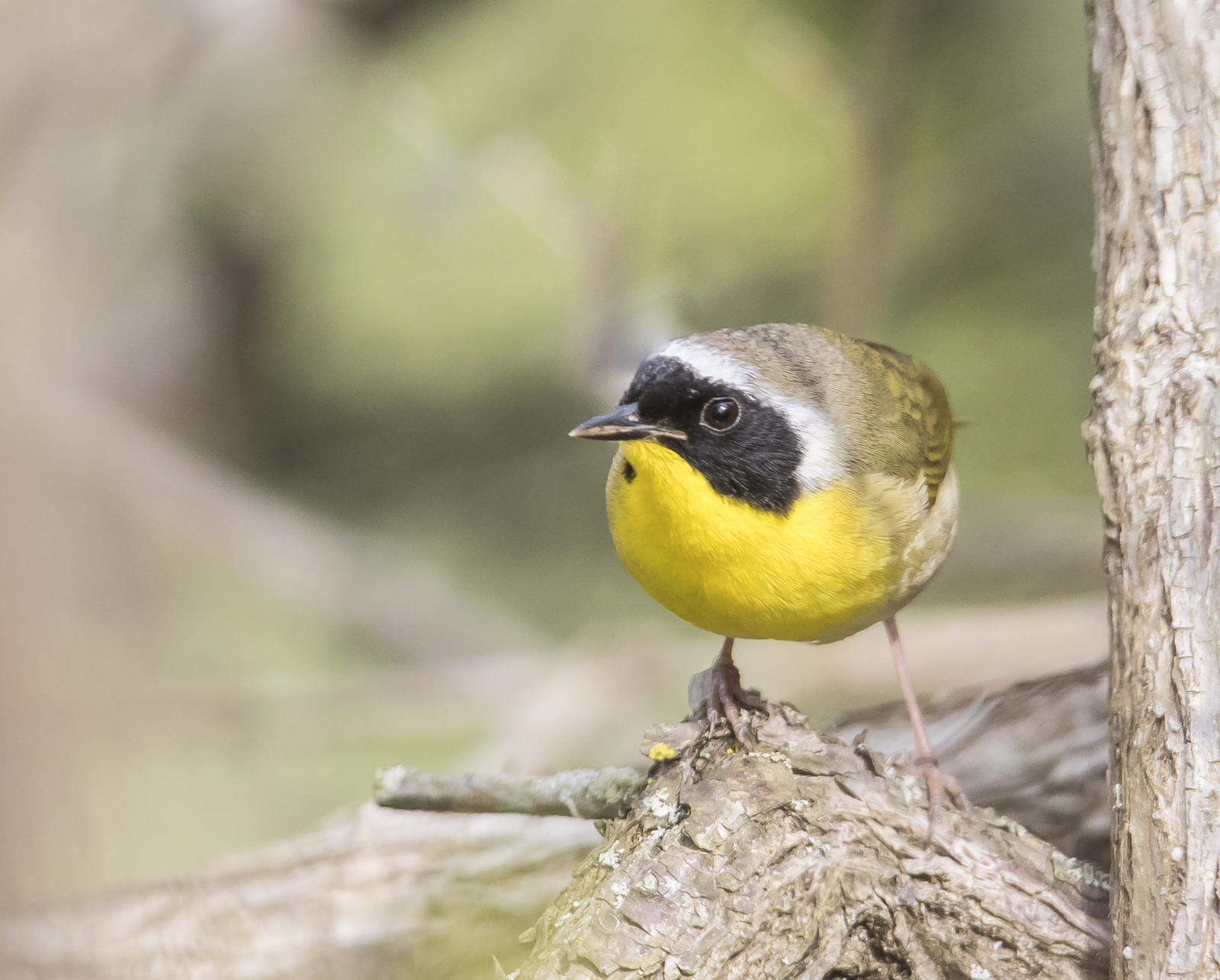
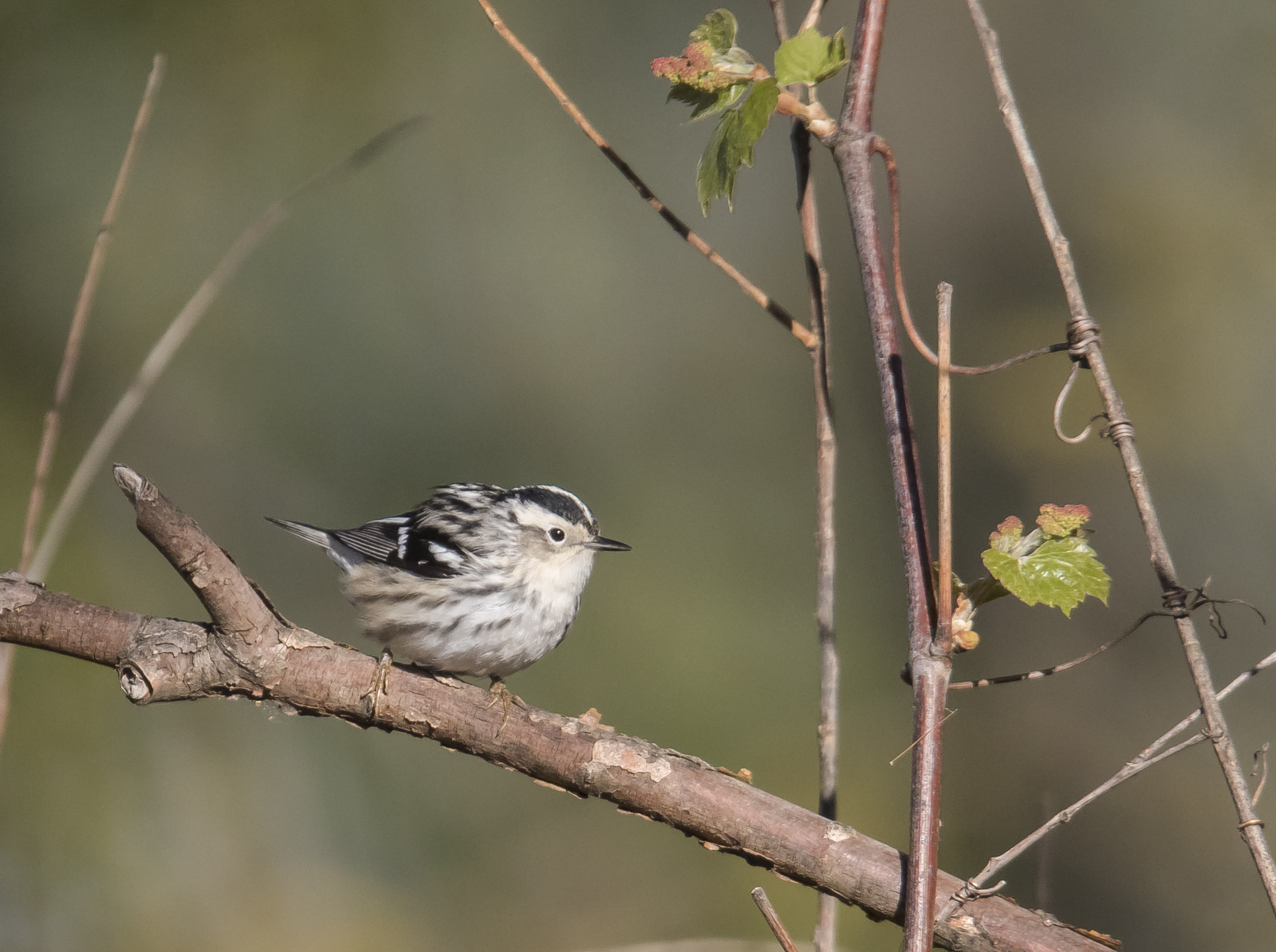
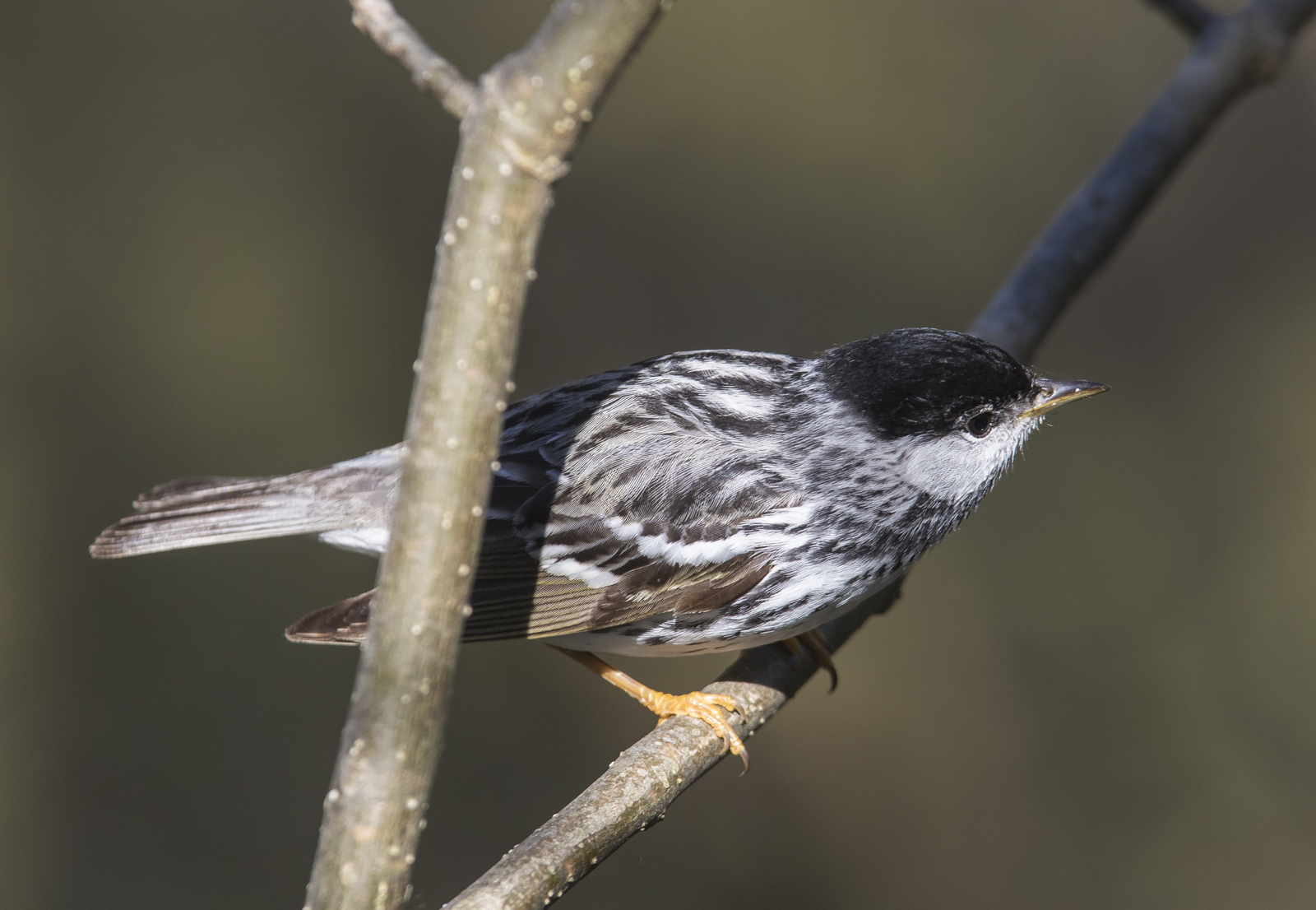
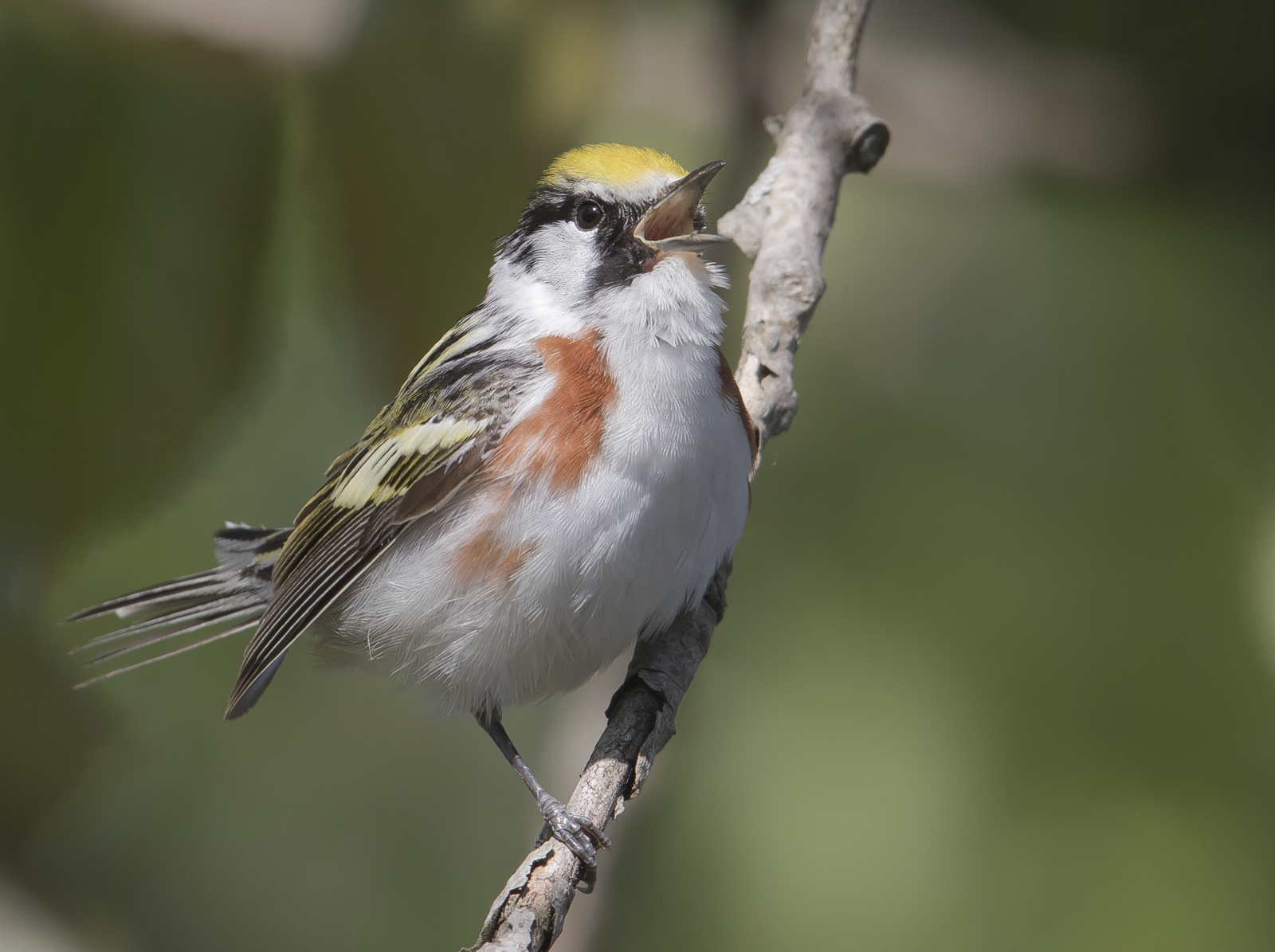
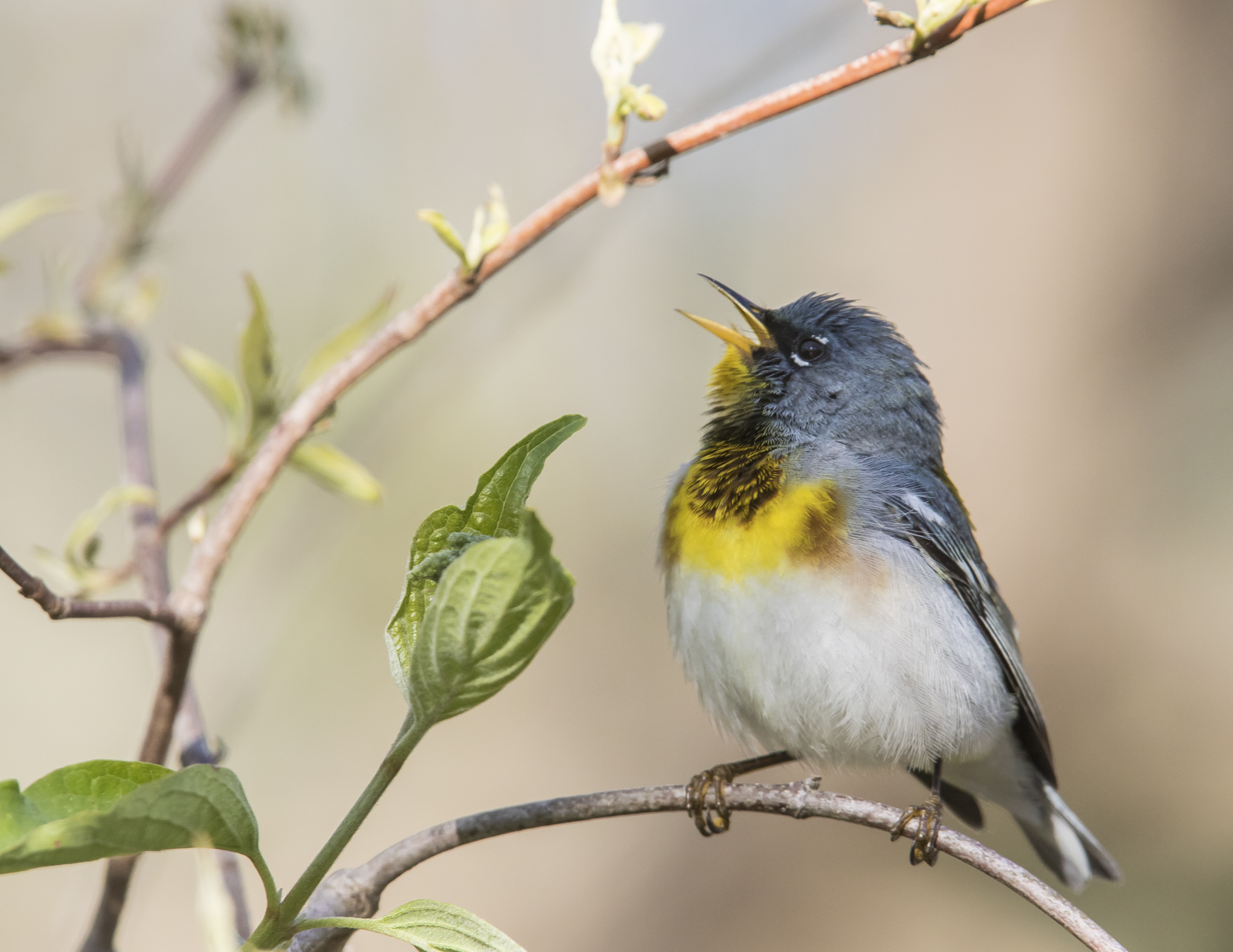
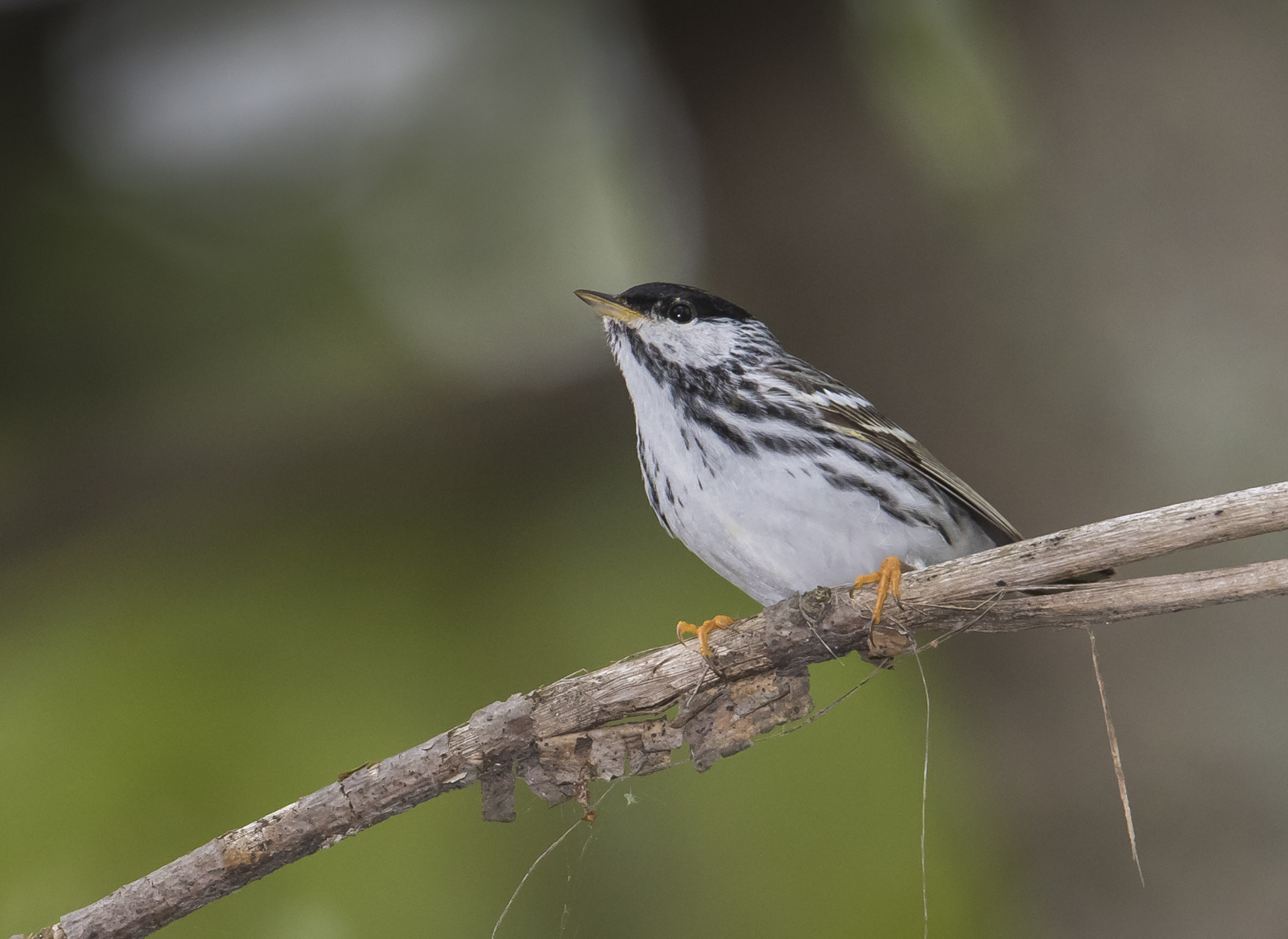
Tennessee warblerCanada warbler, one of the toughest to get a good look at, as they tended to stay hidden in the low shrubsWilson’s warbler, another skulker that was rarely far from a thick tangle of twigsChestnut-sided warblerNorthern parula warblerMagnolia warblerBay-breasted warbler – it took me most of the day to finally get a clear shotBlack-throated green warblerBlackburnian warblerNorthern waterthrushCommon yellowthroat maleBlack-and-white warblerBlackpoll warbler
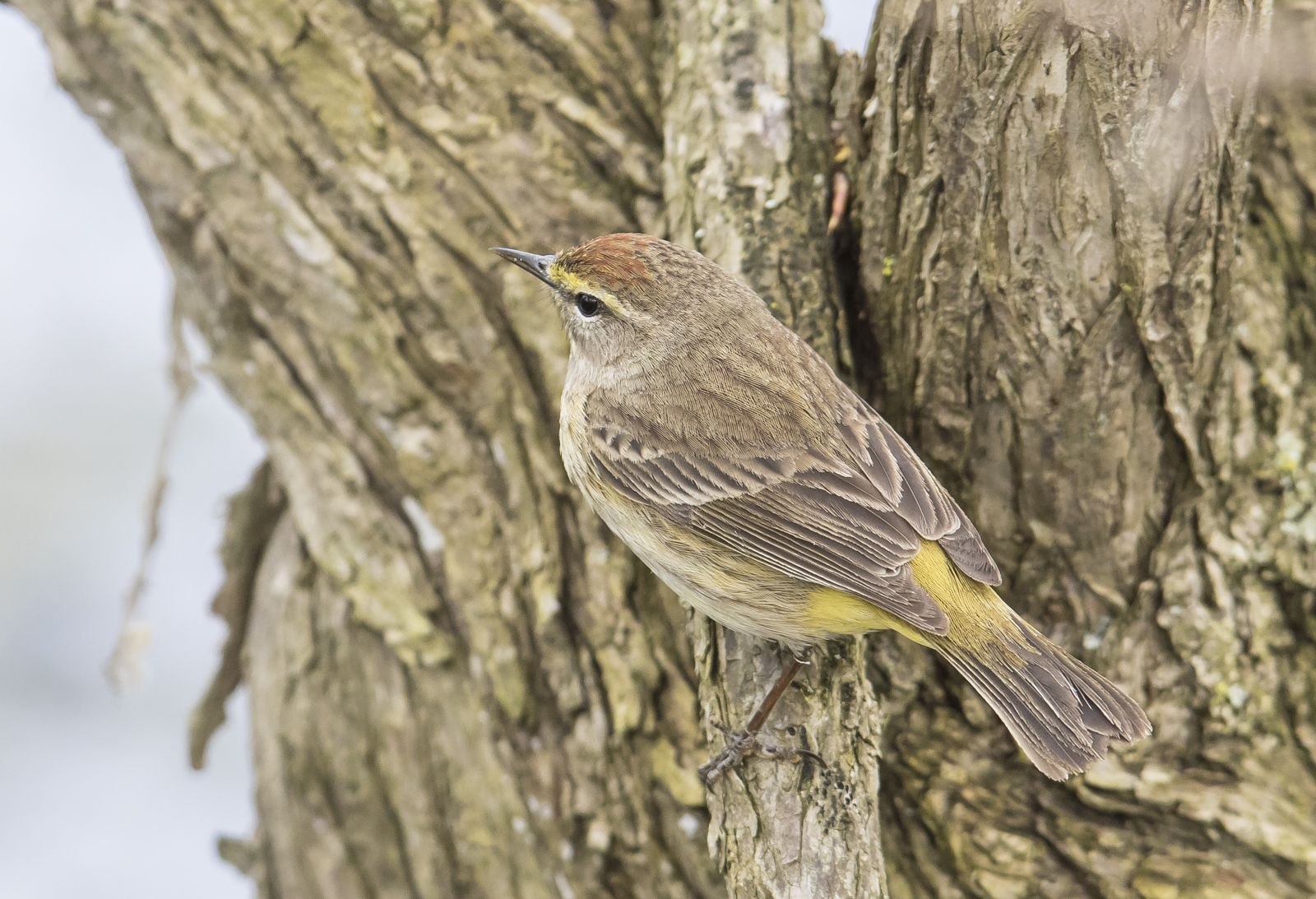
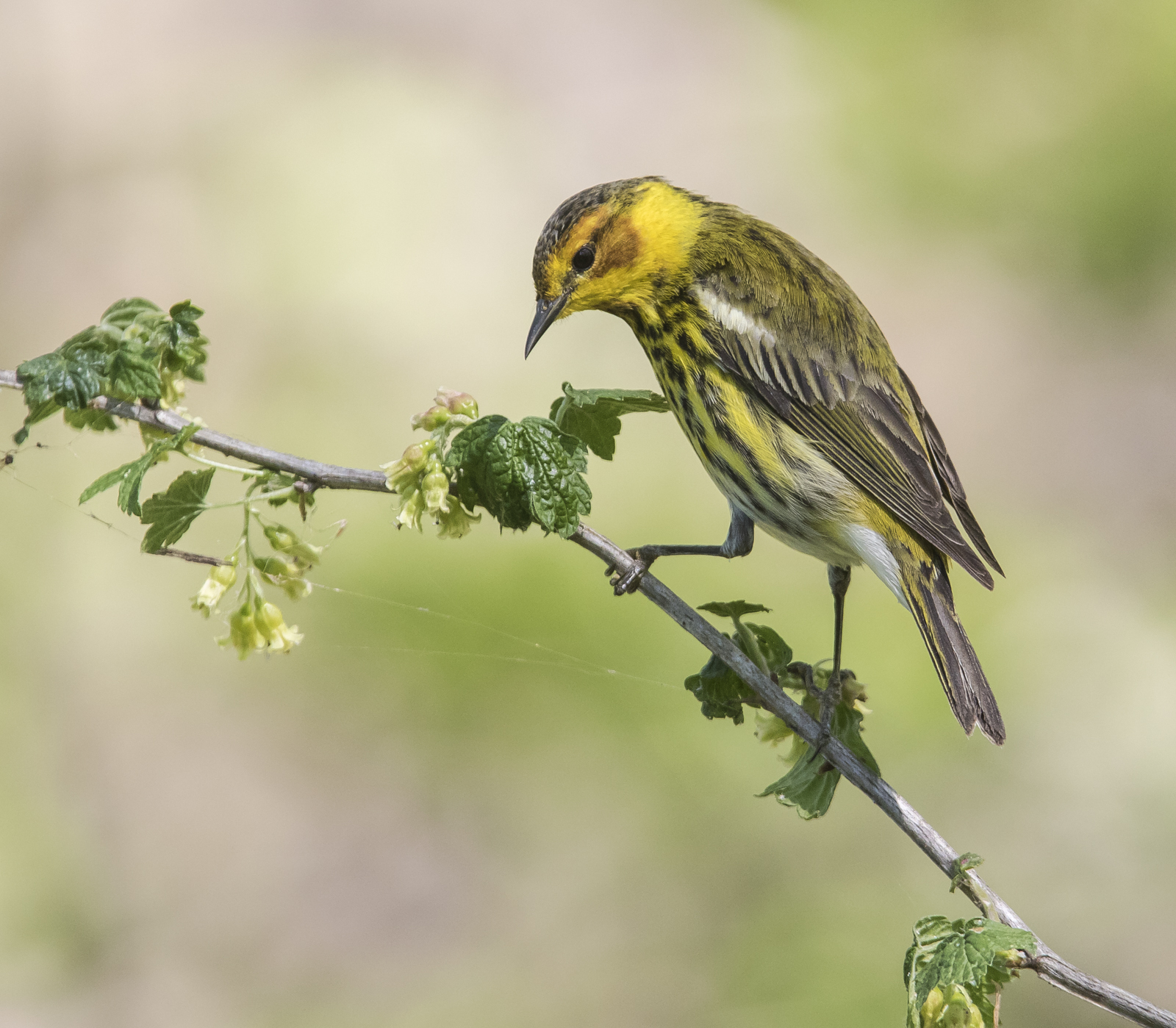
Palm warblerAmerican redstartBlack-throated blue warblerYellow warblerCape May warbler
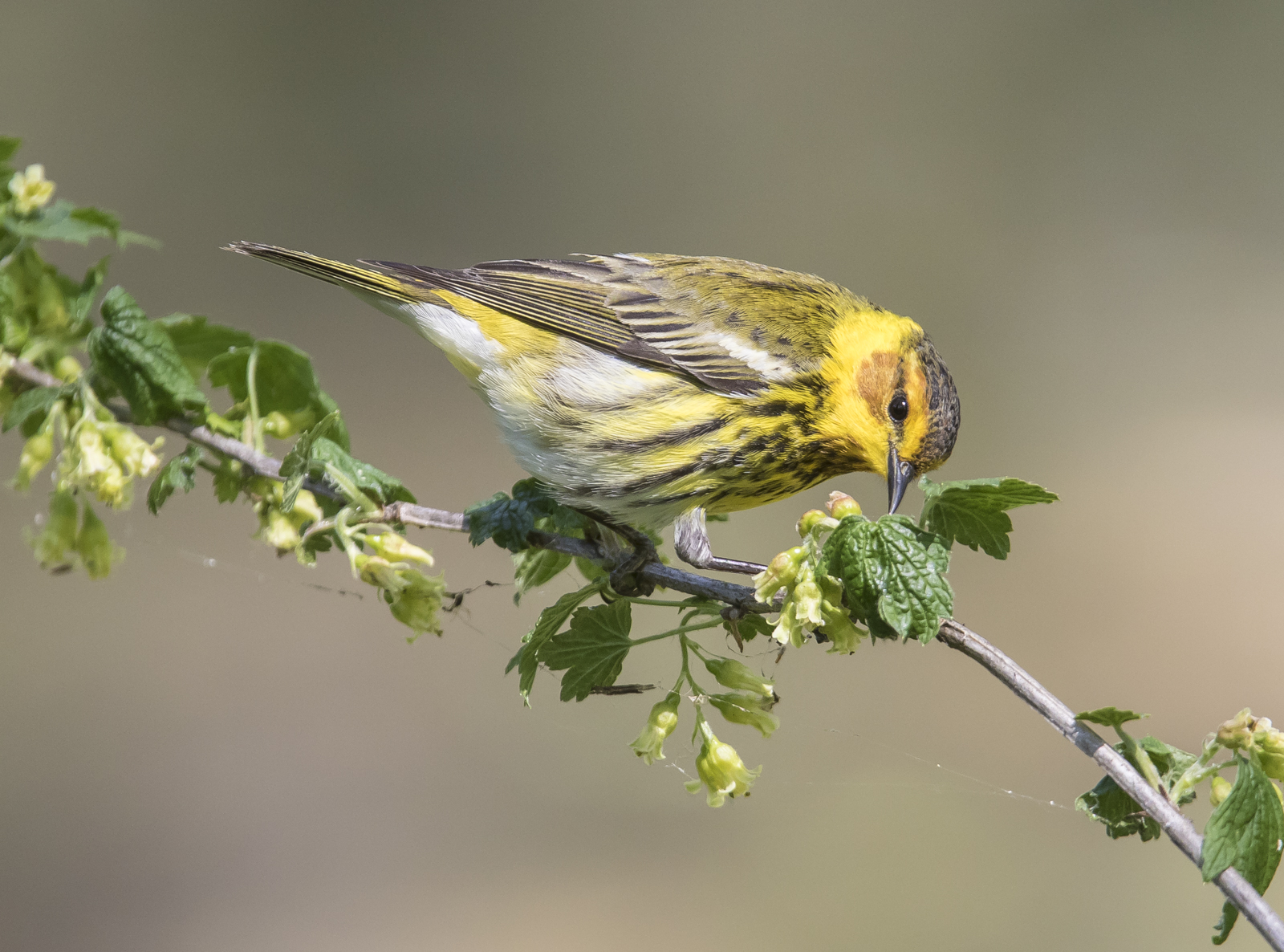
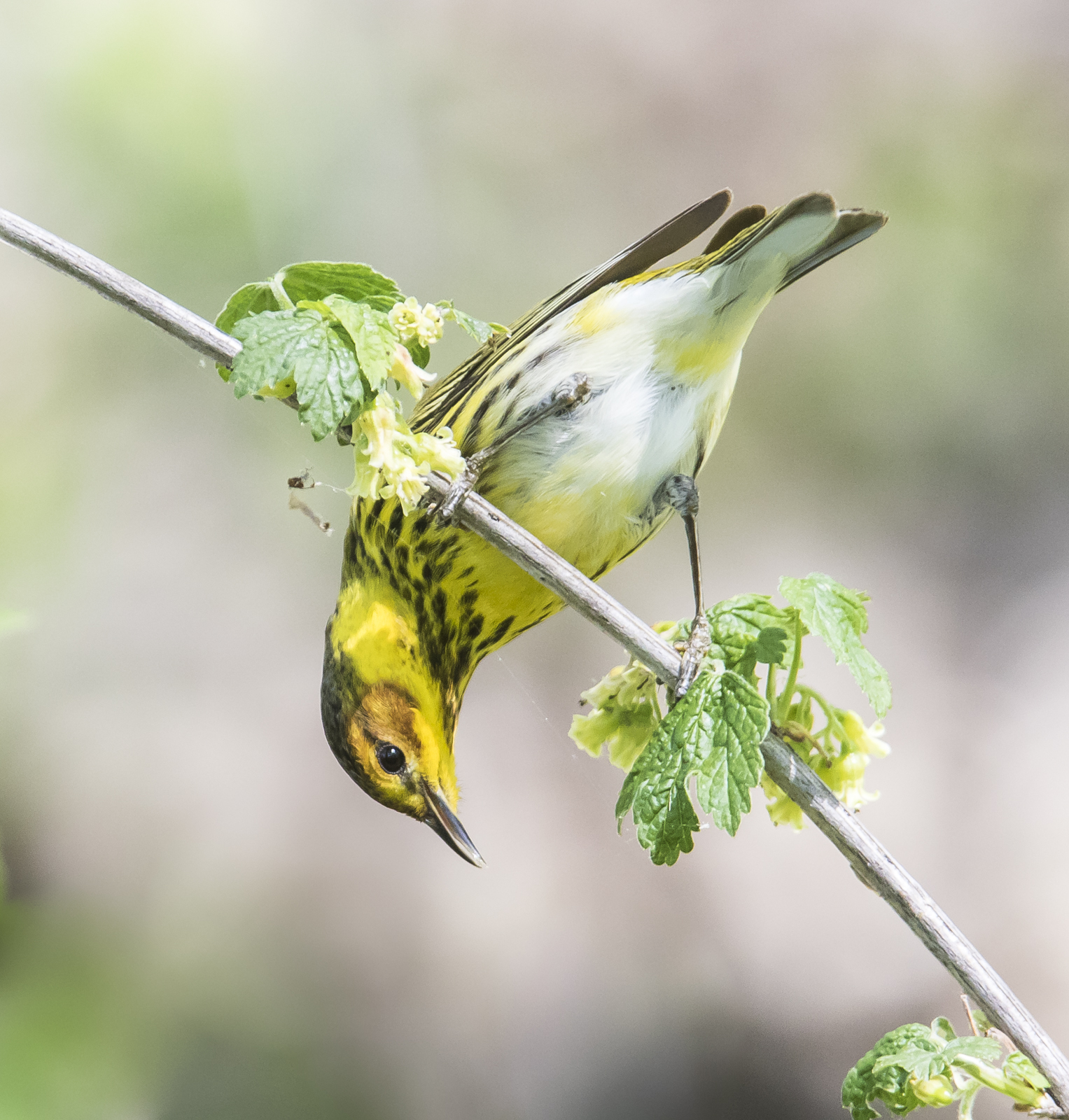
There were a few species we saw that I never managed to get a clear photo of, but, as you can see, it was an amazing day for warbler portraits. The other thing I loved was having the time to watch these beautiful birds do their thing, and to be close enough to observe some of the details of what they were doing. I spent about ten minutes with this Cape May warbler, watching it probe among the flowers on just one branch of this shrub (some type of gooseberry or currant??).
Probing for…?Warblers are great arboreal acrobats
It almost looked as if it was drinking nectar from the flowers, but, after looking at zoomed-in images of this behavior, I think it was meticulously gleaning aphids from the the petioles and flowers.
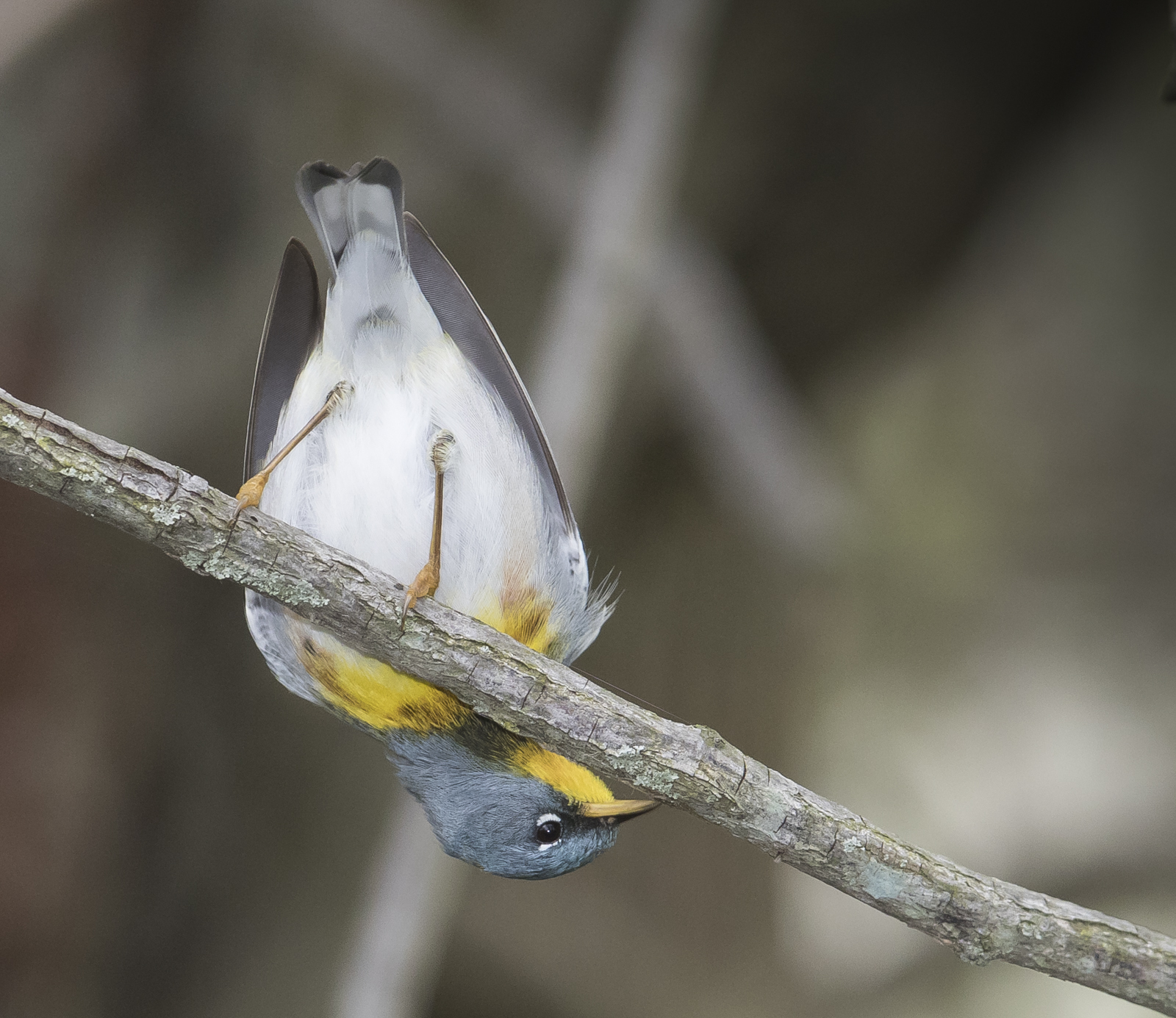
Northern parula doing a head-stand while foraging
While we were there on Monday, most of the birds were busy foraging in the thick vegetation bordering the boardwalk. On calm days, or when there are southerly winds, many of the birds will be higher in the trees feeding.
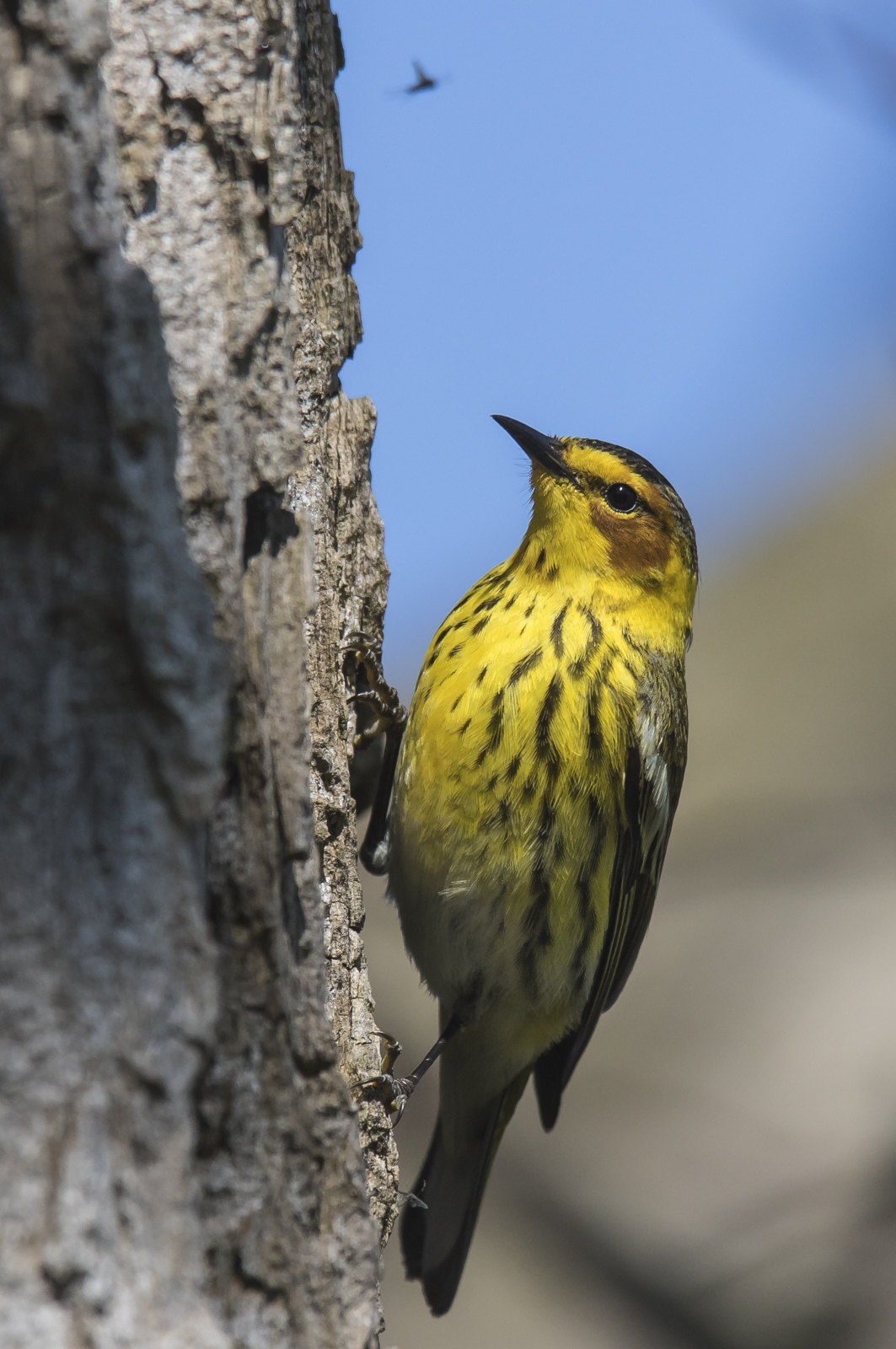
Cape May foraging on tree trunk with a midge taking flight just above the bird
A couple of species (Cape May and Chestnut-sided warblers, in particular), often moved along tree trunks, picking off midges and other tiny insects from the furrows of the bark.
Black-and-white warbler forages much like a nuthatch
Of course, that is the primary feeding strategy of a species like the black-and-white warbler, although it seems to spend more time spinning around branches than it does creeping up trunks.
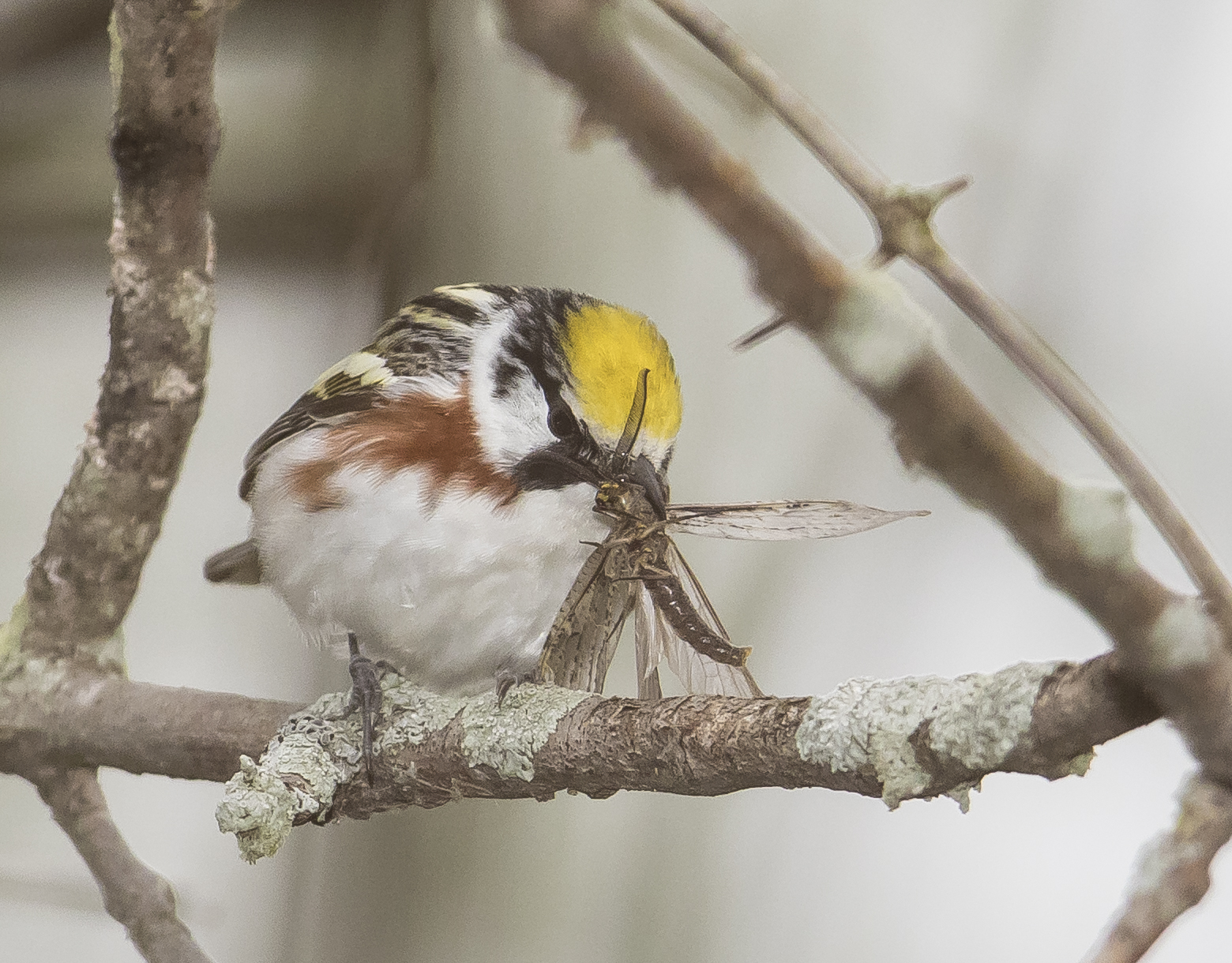
Chestnut-sided warbler with a huge meal
While most of the warblers were feeding on small insects, like midges, one lucky guy managed to snag a beak-full. A chestnut-sided male grabbed a huge winged critter (I think it is a male fishfly), and after struggling to subdue it, dropping it, and recapturing it on the wing…
Going, going, …
managed to gulp it down.
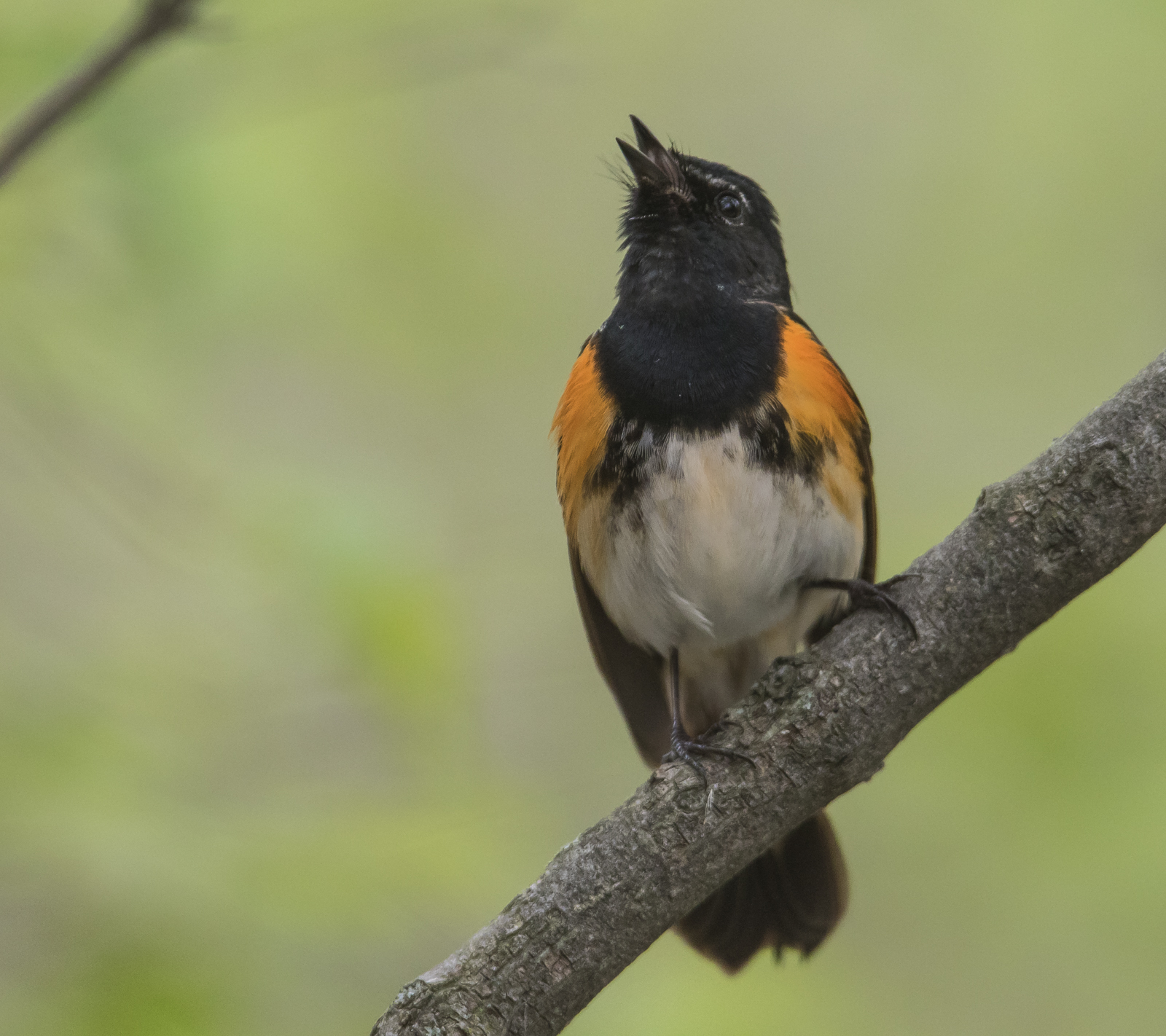
American redstart singing
The other prime activity seemed to be singing. And what a treat, especially for a guy that is losing some of his high frequency hearing, to be so close to so many species of songsters.
Chestnut-sided warbler singingNorthern parula belting it out
It was a fulfilling day of low level warbler-watching. After spending over 12 hours on the boardwalk, we were both pretty tired. I even had my first-ever photo-blisters from gripping and maneuvering a heavy camera rig all day. That night, as predicted, the winds shifted, creating favorable conditions for a flight over the lake (most warblers migrate at night). Many of the birds must have taken advantage of the winds, as the next morning was noticeably different. It was still great, but the birds tended to be higher up in the trees, and, they just were not quite as abundant. Experienced birders recommend spending a few days in the area for this very reason, since conditions can vary considerably from day to day with changes in weather.
The blackpoll warbler is a
When you stop to appreciate what these tiny birds have gone through to make it this far, it is humbling…the blackpoll warbler, for instance, winters in Brazil and migrates almost 5000 miles to its nesting grounds in the boreal forests of Canada and Alaska. During the fall migration, this species takes a more easterly route that includes flying out over the Atlantic Ocean for distances up to 2100 miles non-stop (a flight that has been recorded to take up to 88 hours). The phenomenon of bird migration is one of the greatest spectacles of the natural world, and Magee Marsh is certainly one of the most remarkable places to witness it in spring. I’m glad we were fortunate, on our first visit, to experience it at its best.
The voice of the bullfrog, who calls, according to the boys, “jug-o’-rum, jug-o’-rum, pull the plug, pull the plug”…
John Burroughs, 1905
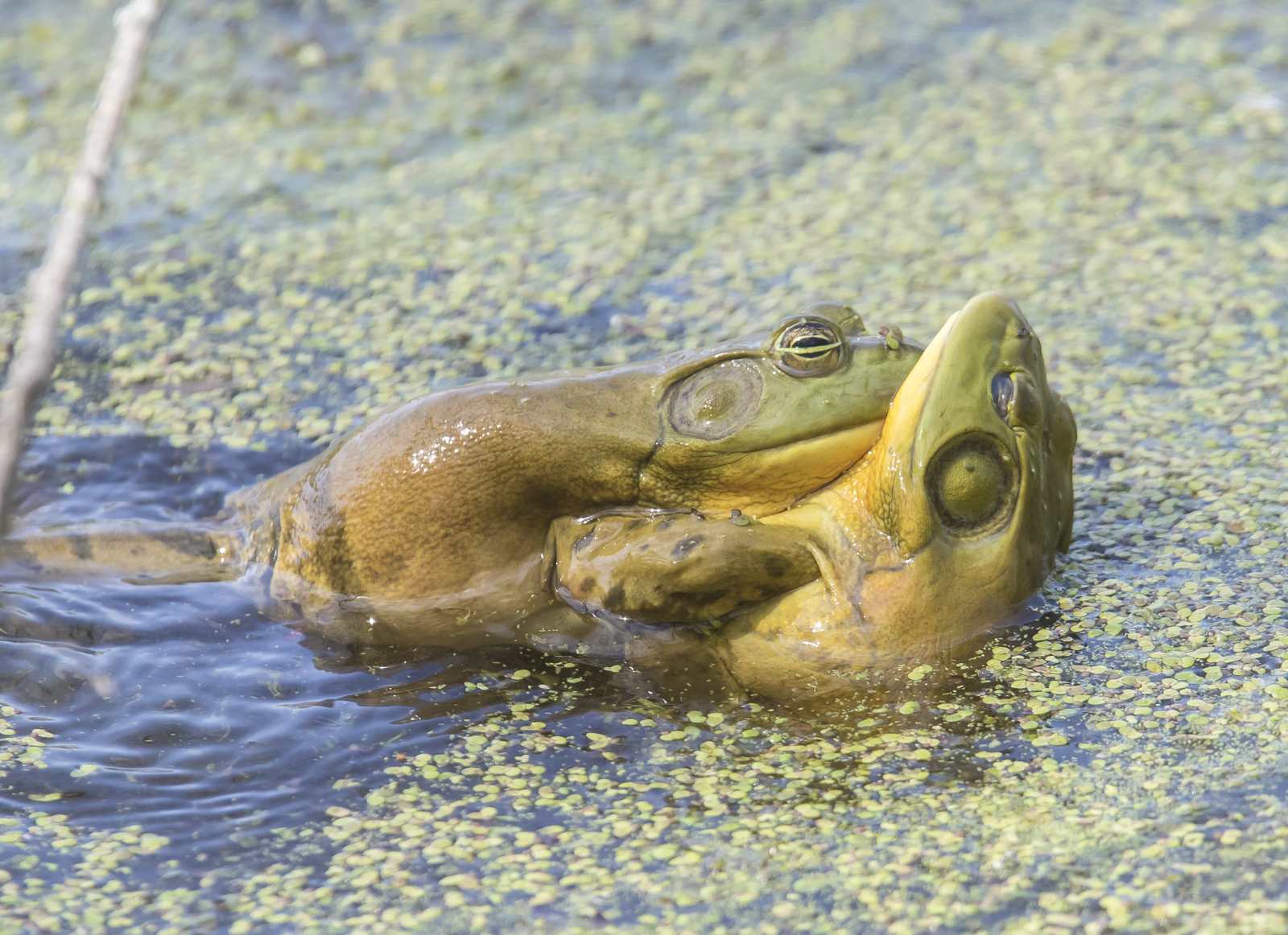
On our birding trip to Ohio last week, I confirmed that I can still hear many of the warbler songs, but only if they are really close. But there is a “song” that I can hear very well, the love song of the American bullfrog, Lithobates catesbeianus. So, on Tuesday morning, while throngs of people on the boardwalk at Magee Marsh were looking up at colorful warblers, I stopped to look down into the water to see where that familiar jug-o’-rum call was coming from.
Male bullfrog in a prime location along the boardwalk at Magee Marsh (click photos to enlarge)
I spotted the caller sitting out in the open water a few feet from the boardwalk. Then, off to the side, another male called. They called back and forth a few times as I maneuvered trying to find a space through the thick shrubs that gave me a clear photo of the bulging yellow throat of the calling male. The first male suddenly skipped across the water surface toward the other male – FROG FIGHT!!
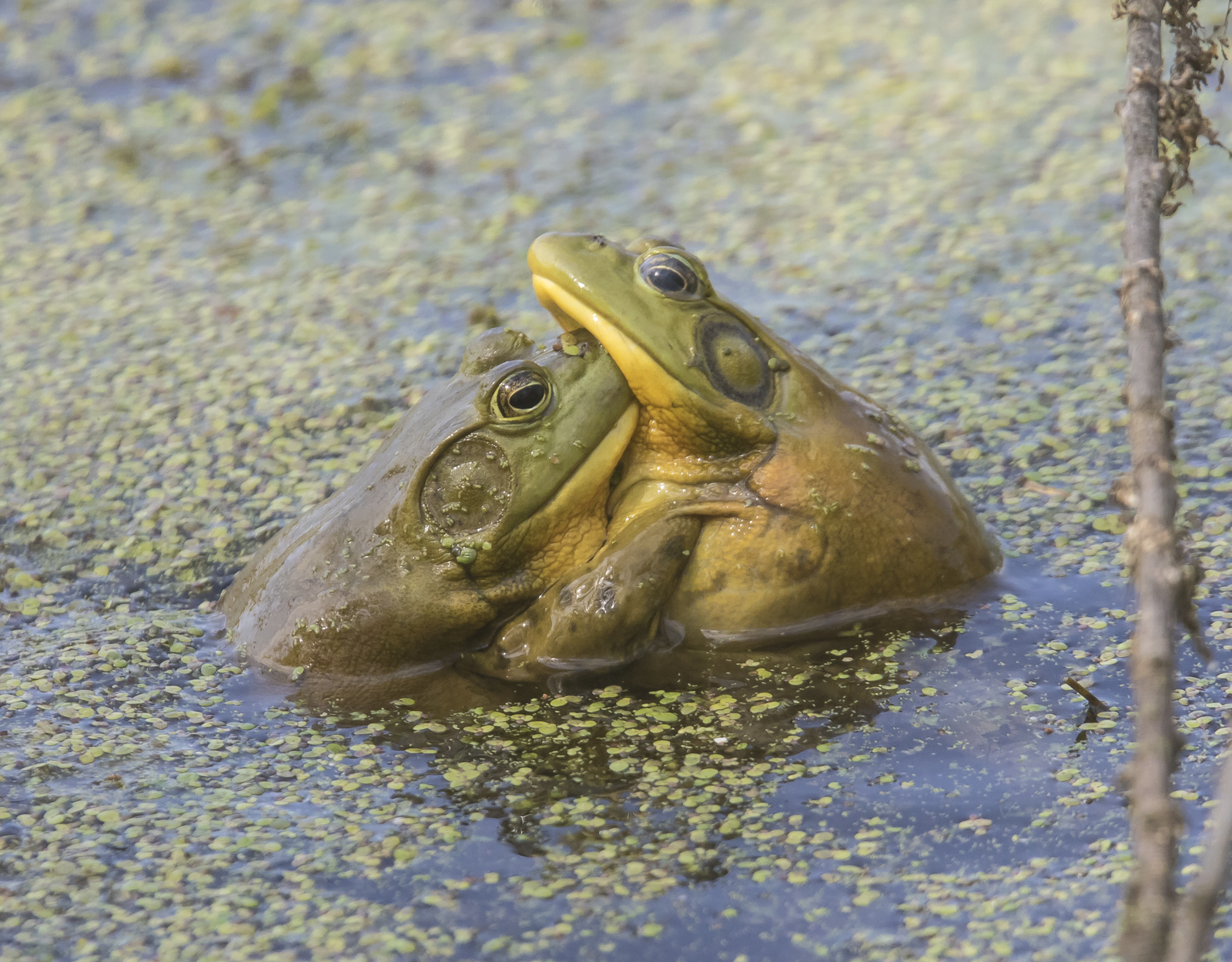
Bullfrog males tangle in a territorial battle
The frog I had been watching went about ten feet across the water and slammed into another male frog coming from the other direction…and the battle was on. Male bullfrogs establish and defend territories in suitable breeding habitat along a shoreline, hoping to attract females. Territories vary in size, but may be roughly 5 to 15 feet across, depending on the quality of the habitat.
Trying to get the upper leg in a wrestling match
Even the hard core birders around me were now watching this duel as the frogs were kicking up quite a bit of water as they tried to wrestle for position and an advantage.
Hard to tell who is winning
After some leg flailing, the frogs locked arms and began a marathon shoving match. I’m not sure about the rules in frog wrestling, but I think the goal is to dunk your opponent until he cries Uncle, and makes a hasty retreat out of your prime spot. My original frog seemed to have one primary strategy – shove your nose into the throat of the other guy.
It turned out to be a winning strategy
After a couple of minutes of struggle, the throat-shoving proved to be a winning strategy, and, as quickly as it had started, the battle was done. The vanquished frog turned tail and hopped away to fight another day, if he is lucky. You see, though these battles rarely cause any harm, there is a price to pay for all this posturing. Male bullfrogs tend to be more exposed in their habitat than the reclusive females, and are more noticeable as they call and move about defending their territories. This makes them more susceptible to predators, of which there are many.
Great blue heron catches a bullfrog for lunch
We saw this firsthand at another marsh impoundment when a great blue heron snagged a bullfrog (an unwary male perhaps?) and managed to gulp it down in just a few seconds. Not even a jug-o’-rum will help that guy…
The most beautiful gift of Nature is that it gives one pleasure to look around and try to comprehend what we see.
~Albert Einstein
We just returned from a whirlwind trip that included stops to see my parents, two areas in Kentucky, and some birding in Ohio. We camped one night in Cumberland Gap National Historic Park which straddles the borders of three states. The next day we traveled north to Daniel Boone National Forest and the Red River Gorge. We had looked online for areas between the Virginia mountains and our Ohio birding destination and the Red River Gorge jumped out as an outstanding place to explore. It has the unusual designation (to me anyway as I had never heard of this before) of a National Geological Area by the U.S. Forest Service.
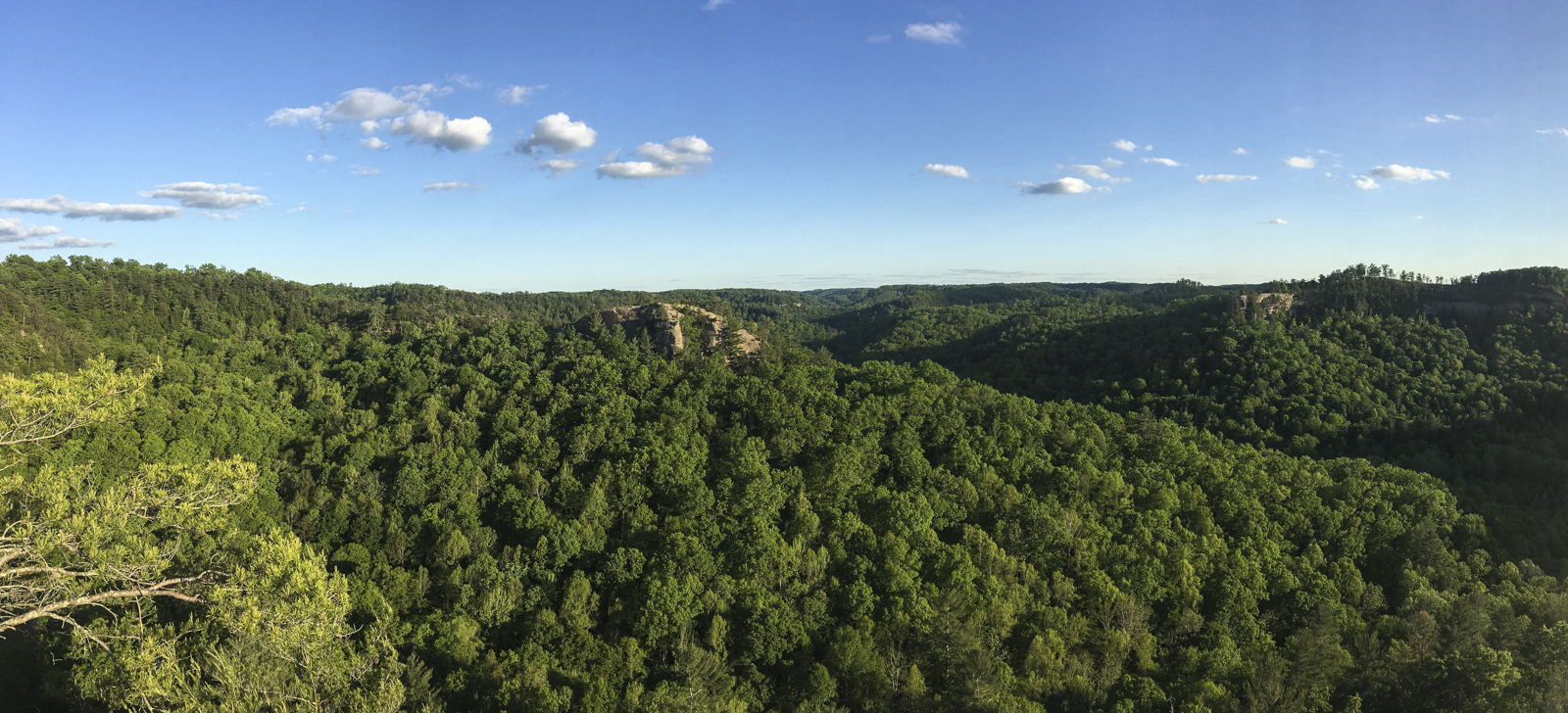
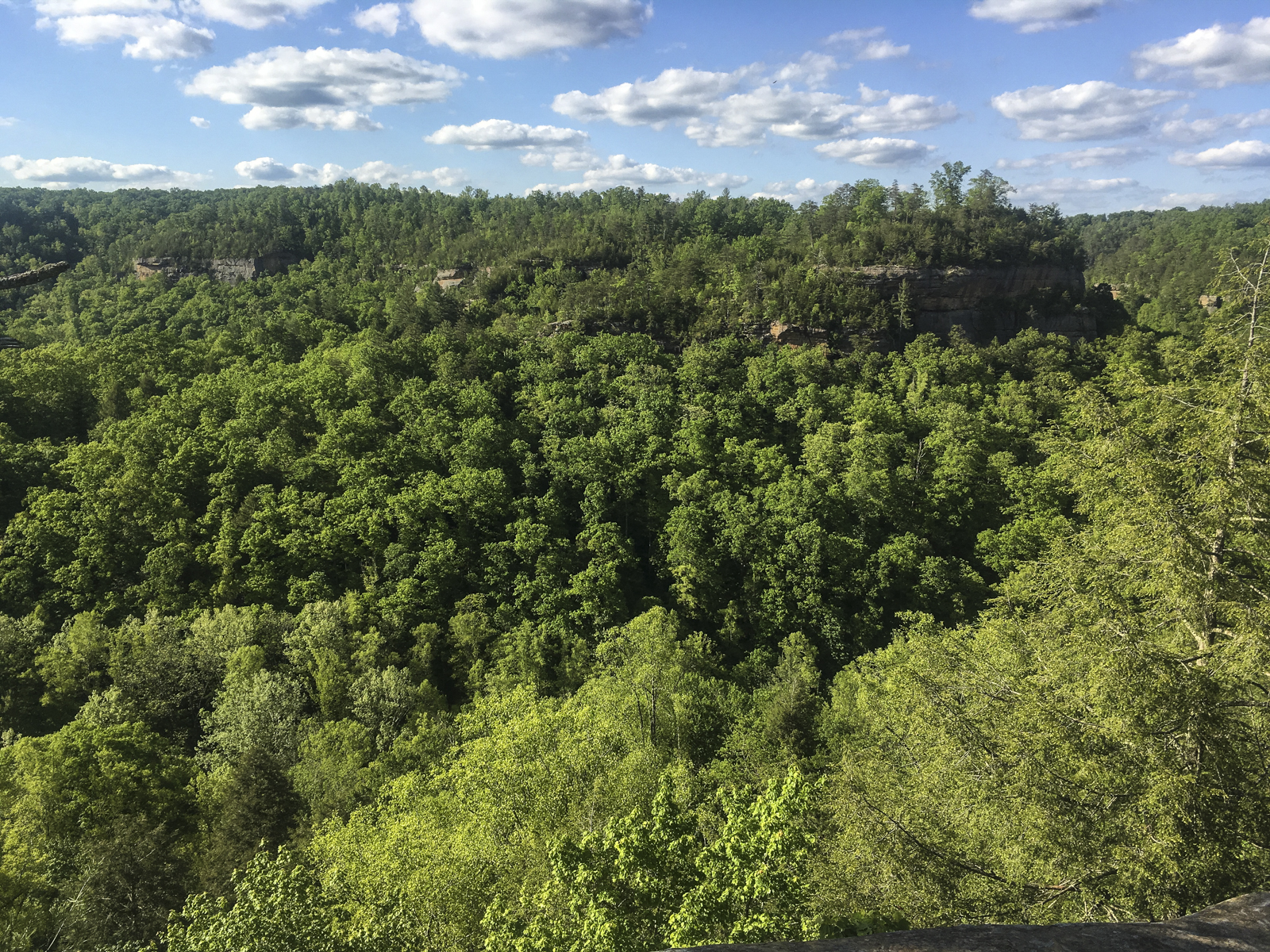
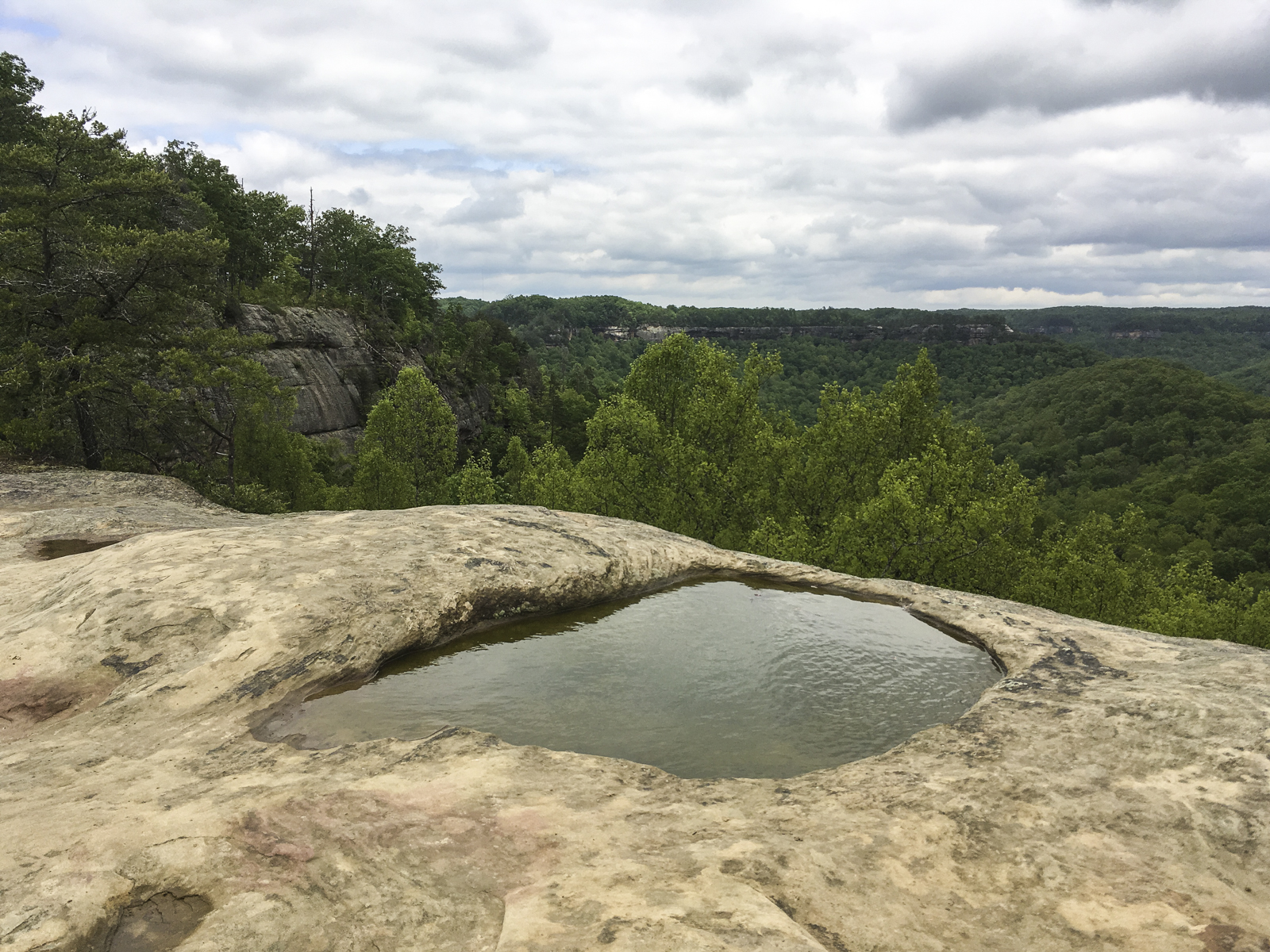
Scenic vista in the Red River Gorge (click photos to enlarge)
The area is known for its scenic vistas, unusual rock formations, waterfalls, sandstone cliffs, and abundant natural stone arches.
Sky Bridge is one of 150 natural arches in the area
With over one hundred fifty natural arches in this region, the Red River Gorge reportedly has more of these unusual geological features than any place outside of Arches National Park in Utah. Natural arches form in a variety of ways, but most in this region are what geologists call ridge-top arches. These form along the many narrow ridges found in this area. There are deep fractures that penetrate the sandstone along these ridges. Water penetrates these fractures and, over time, freeze-thaw action and weathering cause large blocks of sandstone to fall away leaving only a narrow center portion of a ridge. The soft rock underlying the arch-forming layer is gradually eroded away, leaving an open arch. More detailed information is available at this link – History and Geology of the Natural Bridge-Red River Gorge Area.
Wide view of Sky Bridge
Sky Bridge is a large arch, with a span of over 80 feet in its’ two openings. The trail across the top leads to some fantastic views of the gorge and then offers an optional hike down below the arch along the rock face.
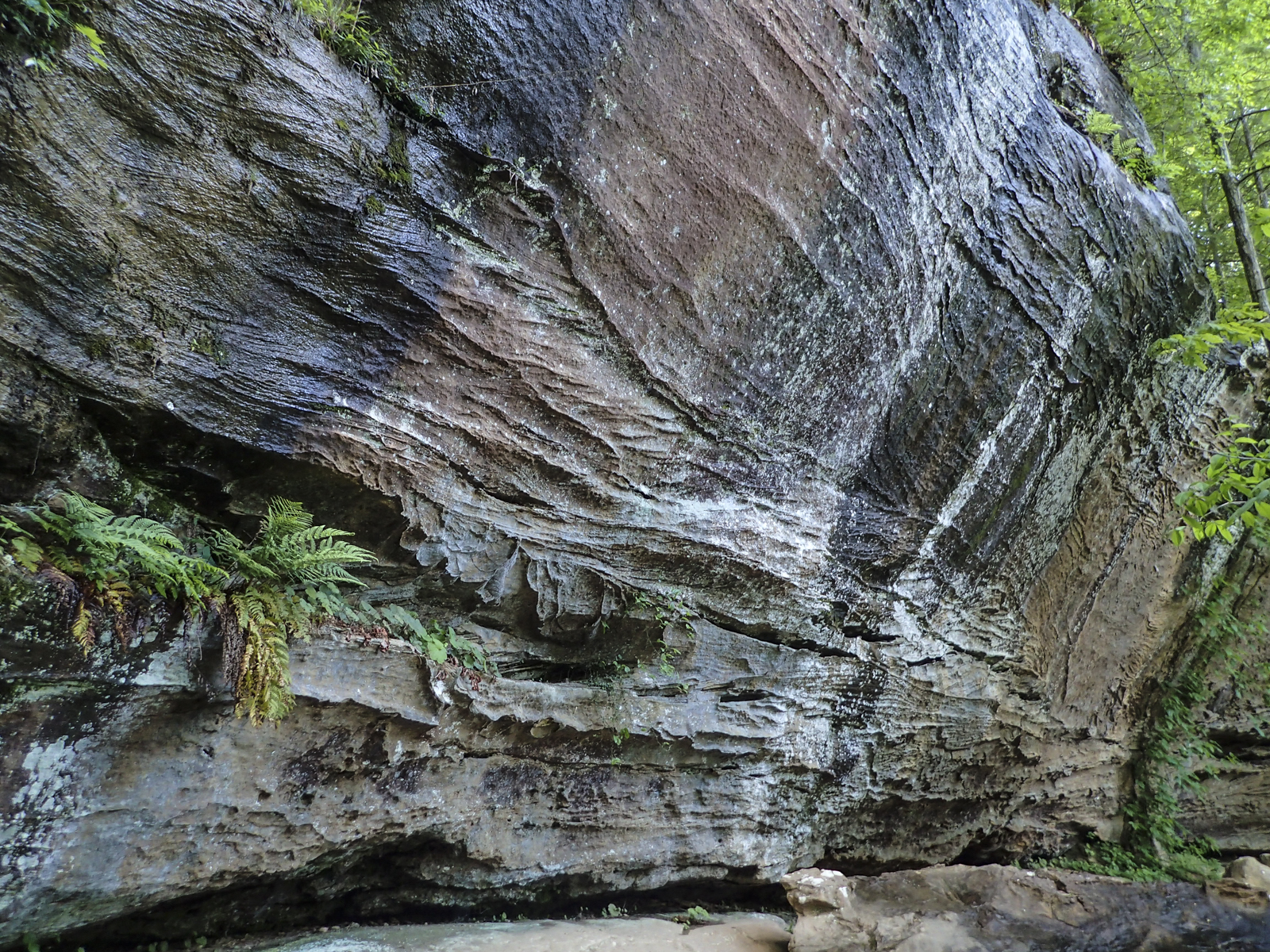
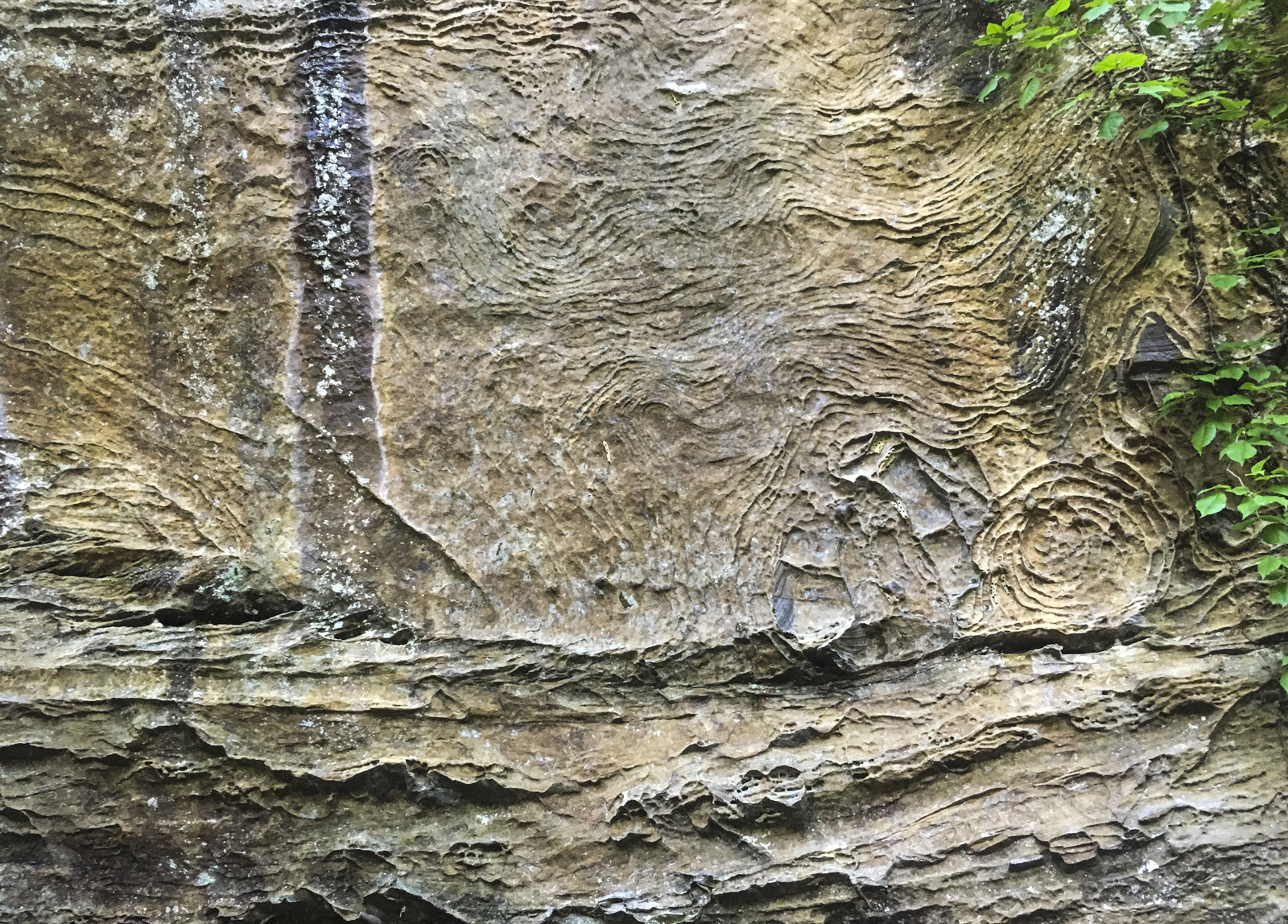
View from atop Sky BridgeRock wall beneath the archPatterns in the rock wall at the base of Sky BridgeAnt lion pits under the rock shelter at Sky Bridge
The arches and rock shelters have proven rich in archeological finds and offer unique habitats for plants and animals. The rock shelter at the base of Sky Bridge had hundreds of ant lion pits in the sand sheltered by the overhang and numerous mud dauber nests scattered on its face.
View along Auxier Ridge Trail
We camped at the Forest Service campground that night, awaking to the sounds of numerous migratory birds. Hooded warblers are especially common in this area, along with black-and-whites, black-throated blues, tanagers, and several species of thrushes. The next morning we decided to hike 6+-miles on one of the more popular trails, the Auxier Ridge and Double Arch Loop. The day was gray and cool, perfect for hiking in these hills.
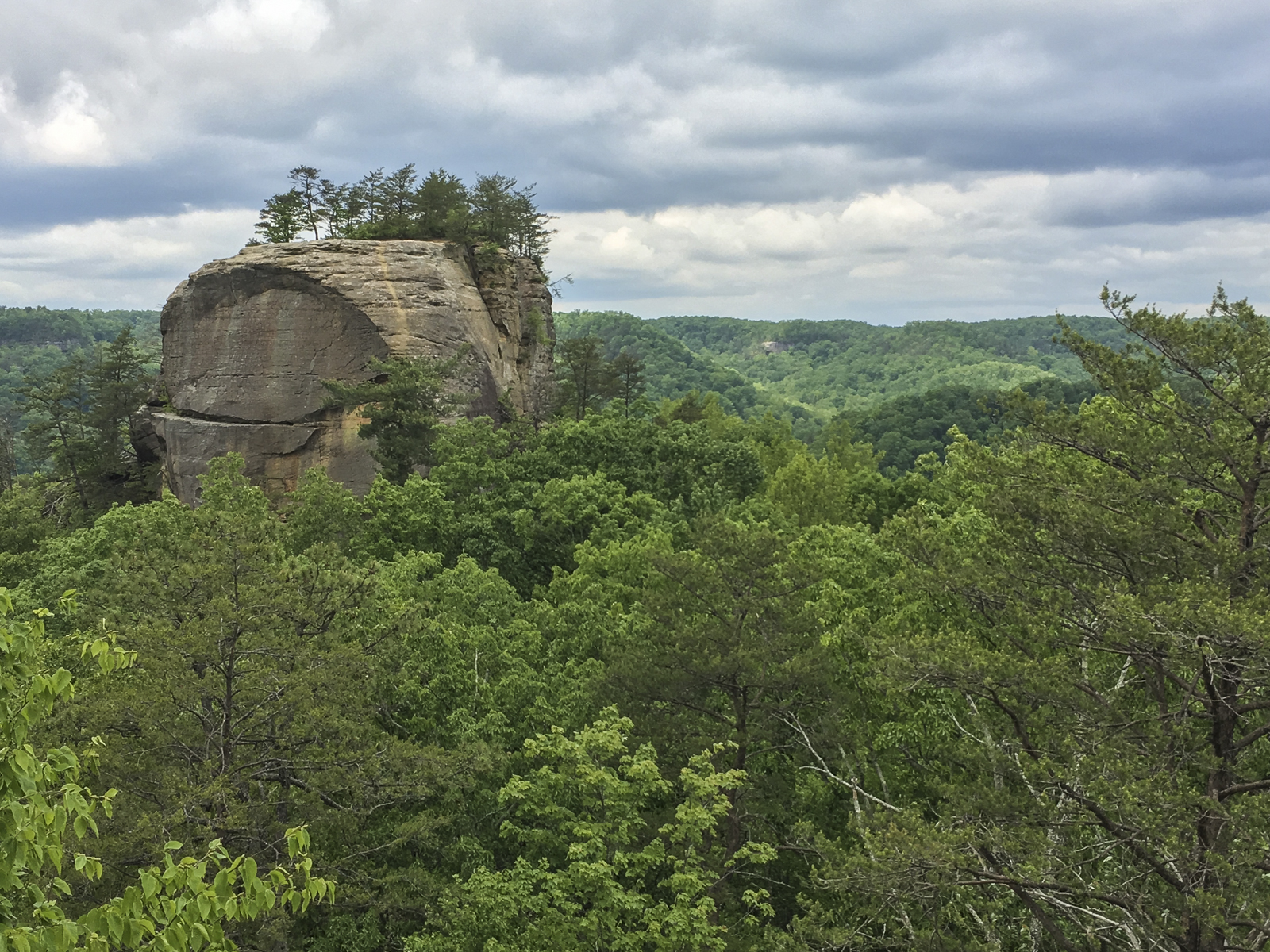
Courthouse Rock
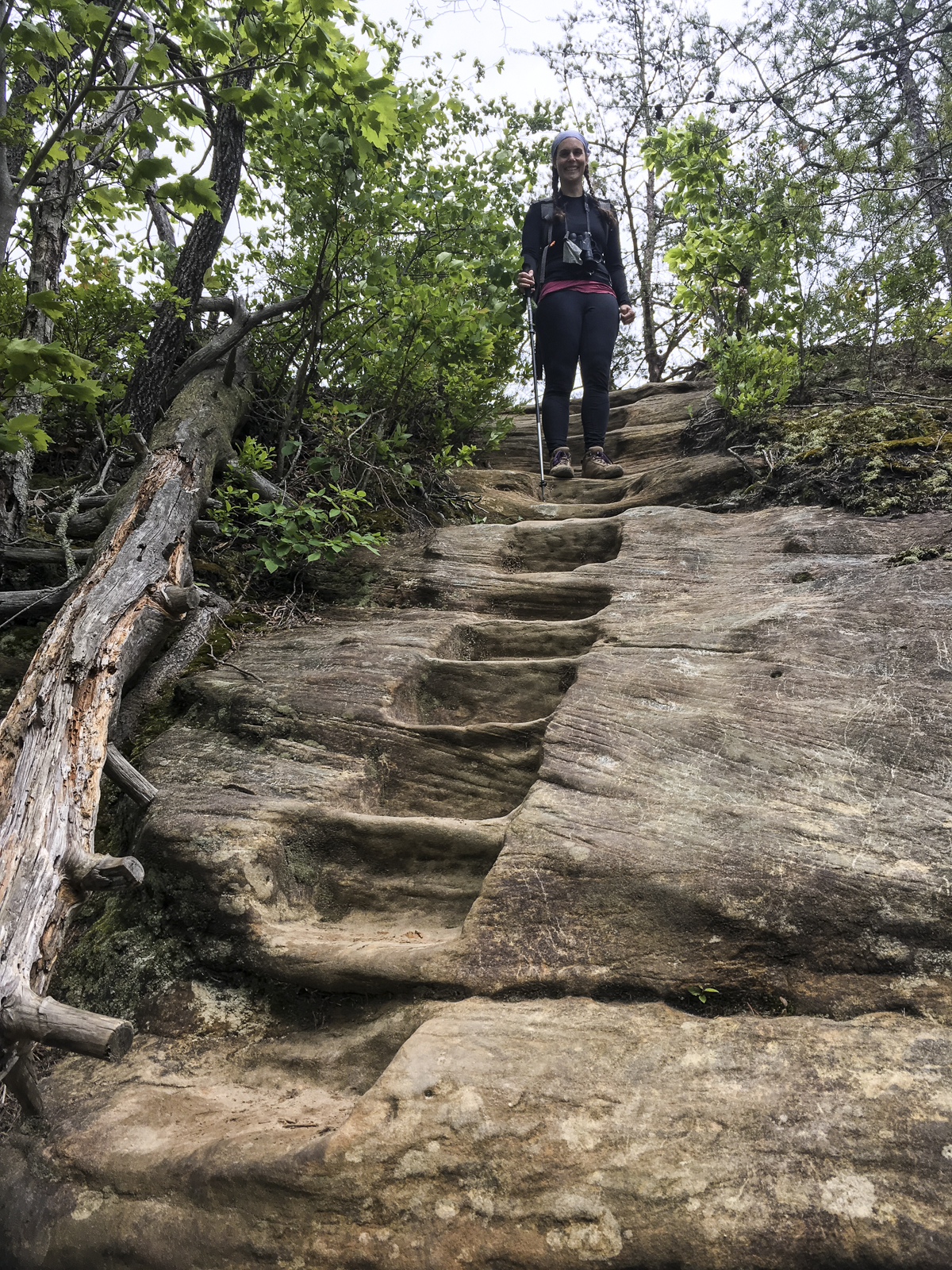
Many of the trails follow the ridge lines, making for an easy hike with great views. Once we got out to Courthouse Rock, the trail descends a staircase along a cliff face and we entered another world, much greener, with rich soil and abundant wildflowers.
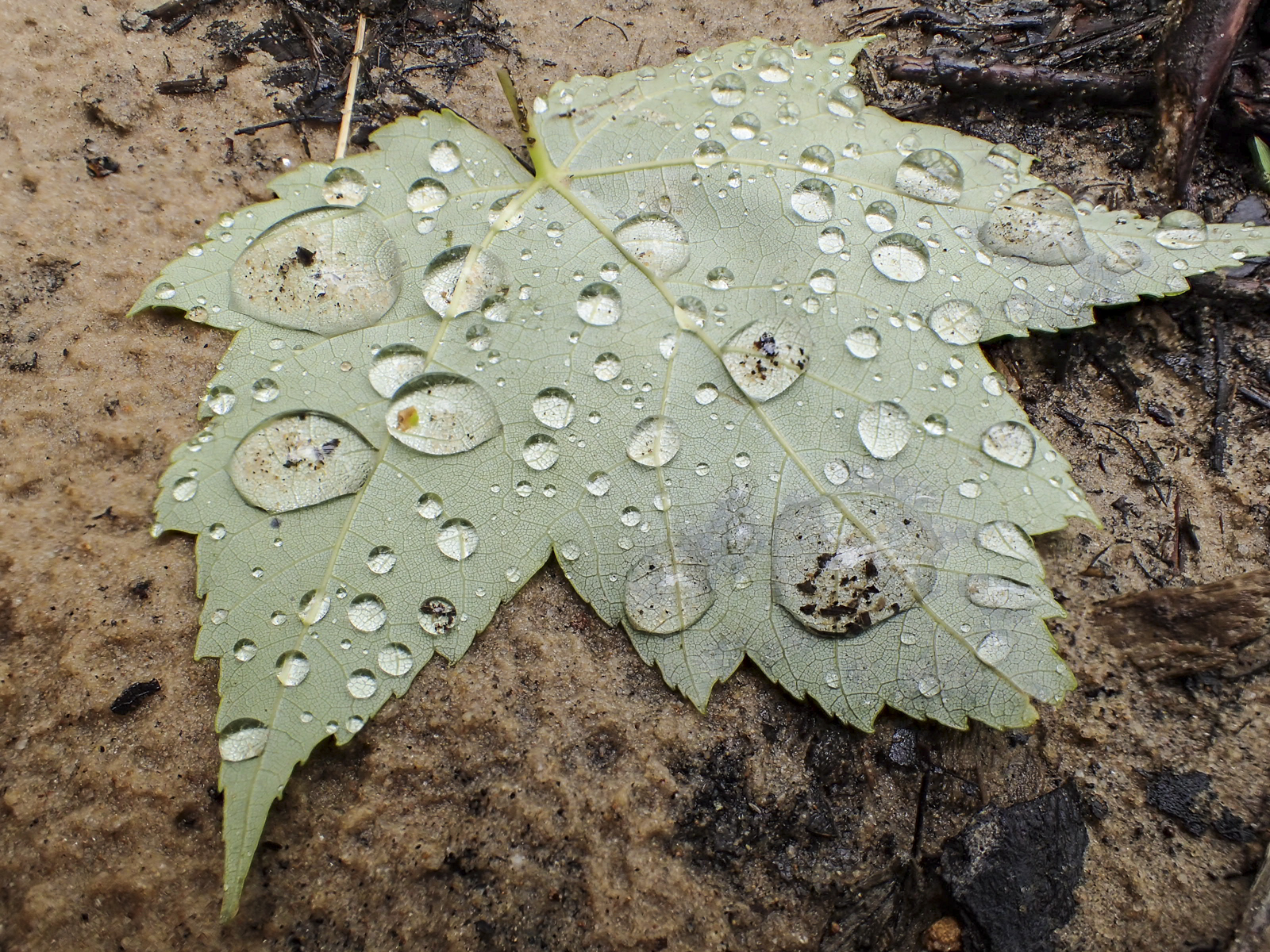
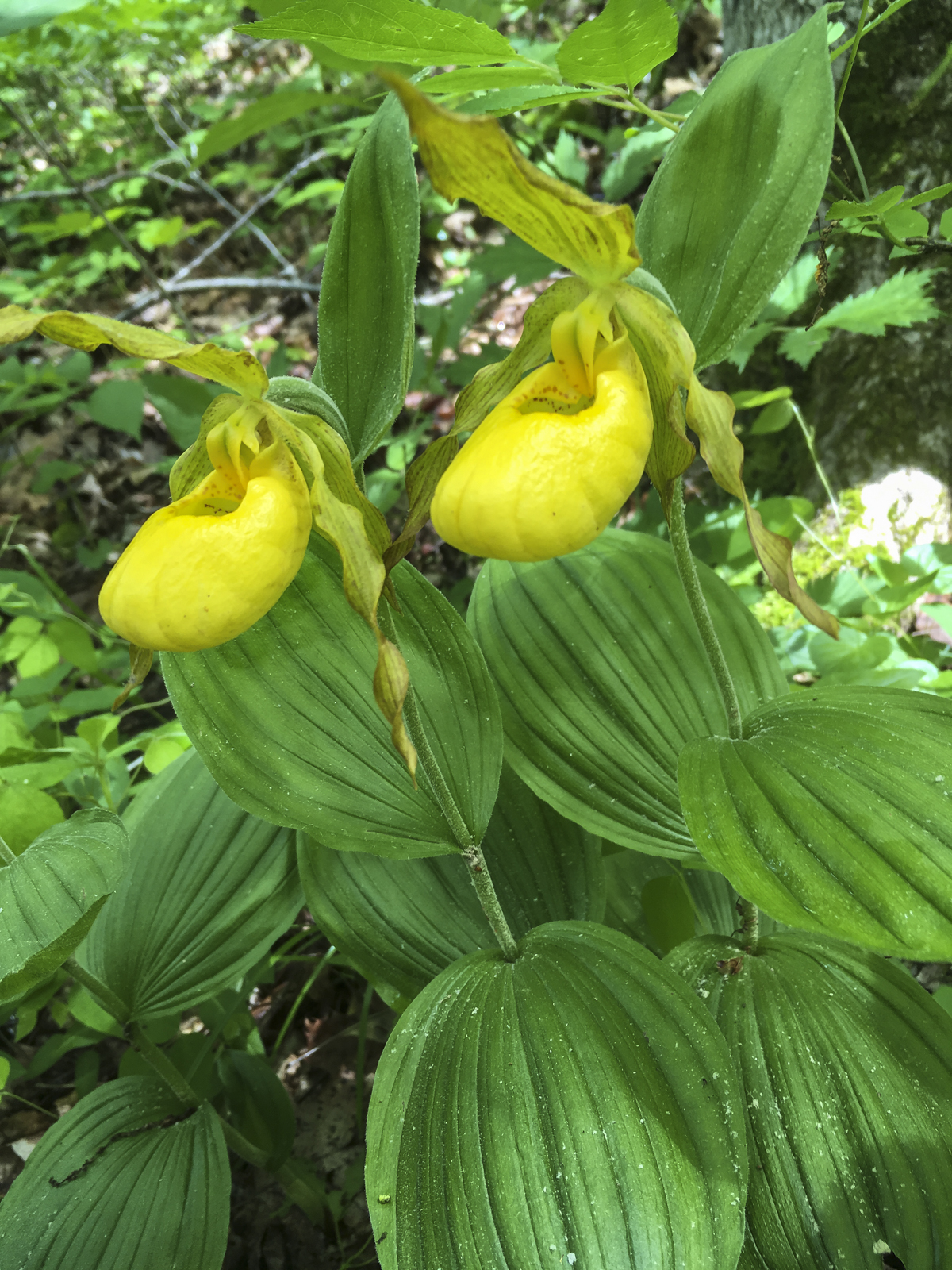
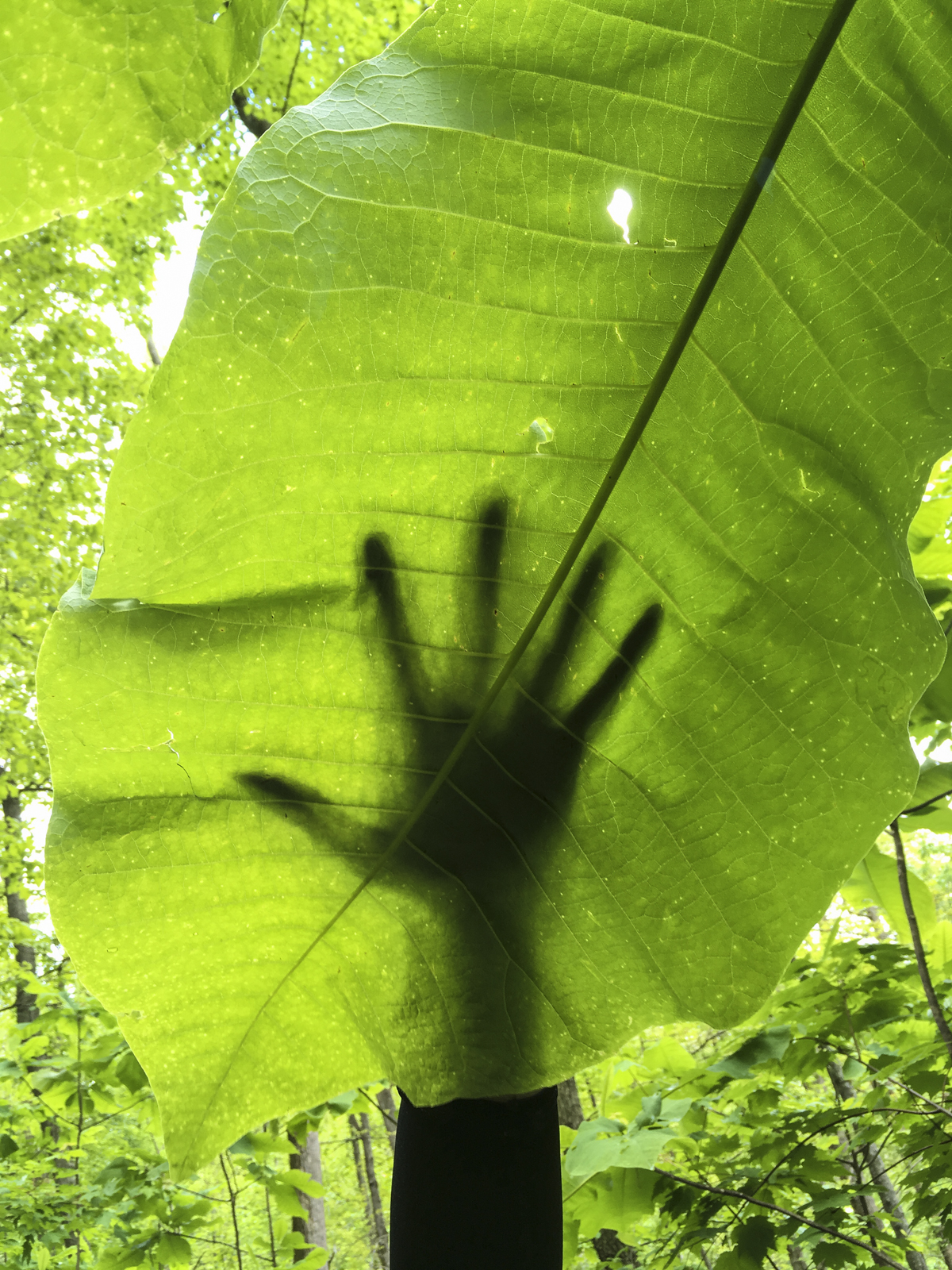
Rain drops on a fallen leaf along the trailYellow lady slippersThe aptly named bigleaf magnolia is common on parts of the trail
The side trail to Double Arch is well worth the extra time, although poison ivy is incredibly abundant along much of the sides of the path.
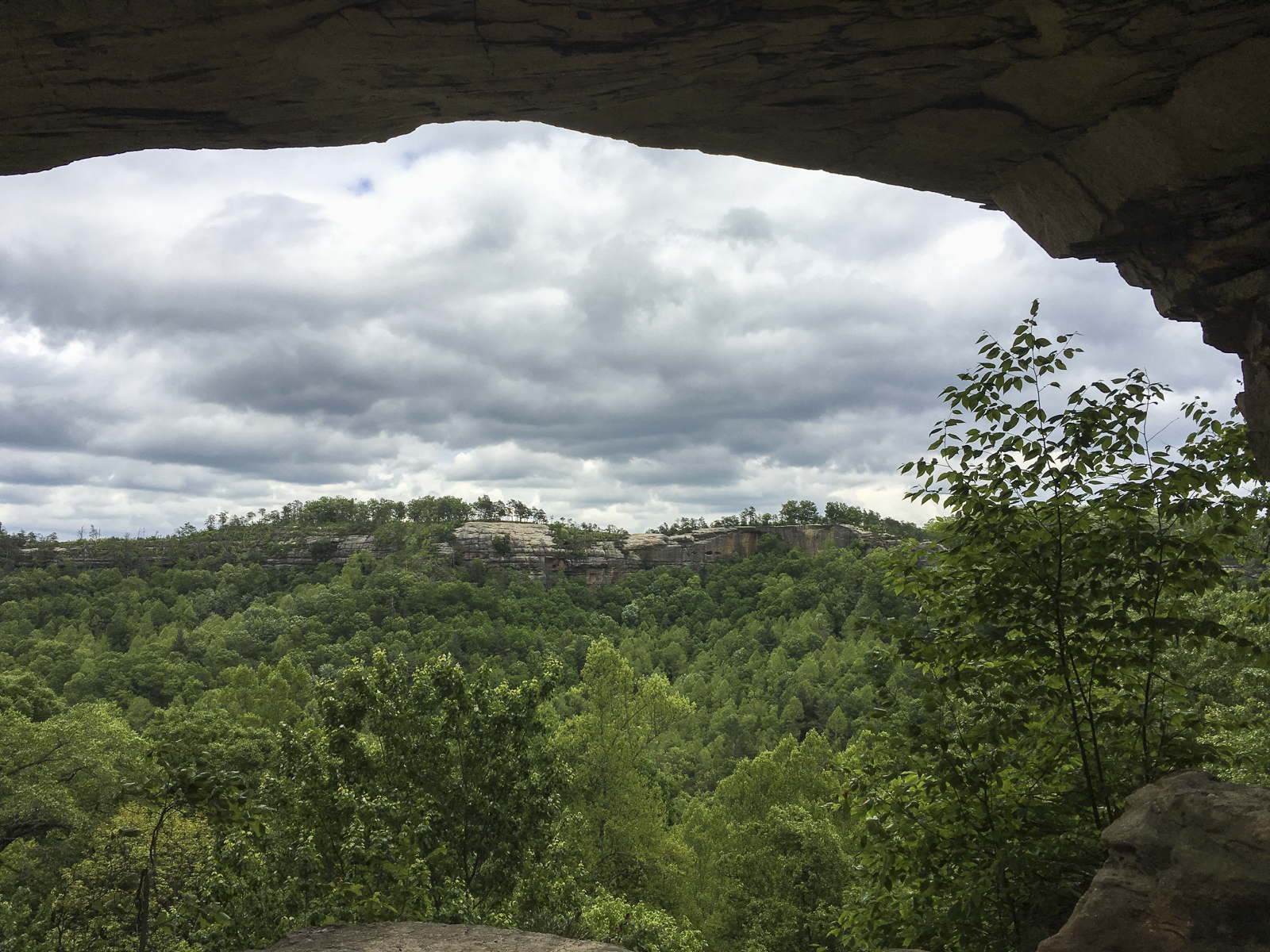
View through Double ArchSteps carved into the sandstone at Double Arch
While only spending a day and a half in Red River Gorge, we learned a lot about the potential for more hiking adventures and primitive camping opportunities. I have a feeling we will be back in the near future to explore this beautiful area.
He seldom gave more than three or four pecks at a time, and would then swing his head round to one side or the other, sometimes raising his scarlet crest.
~O. M. Bryens, on watching a pileated woodpecker feeding
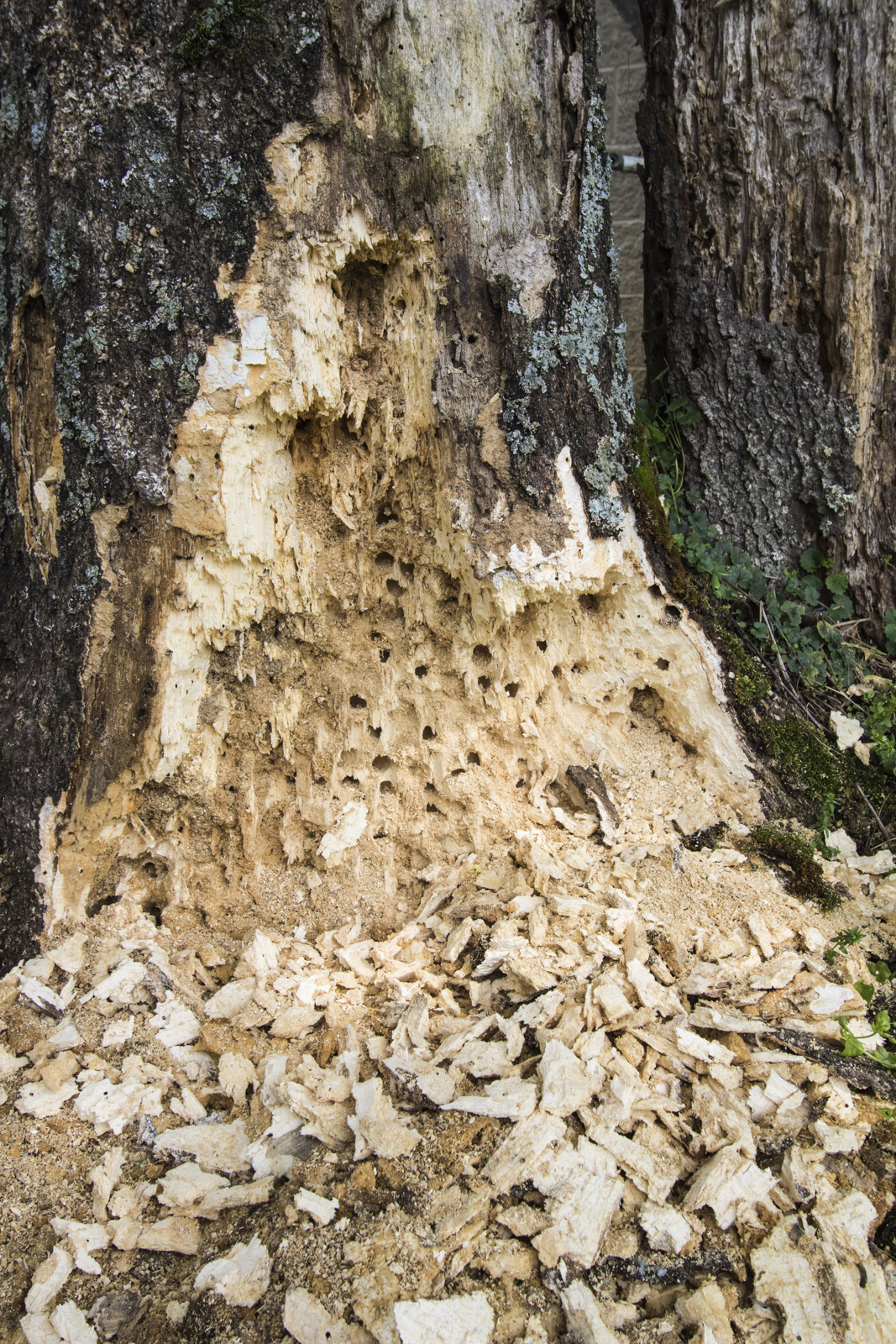
Spent a few days at my folk’s place in Damascus this week, enjoying the beautiful mountain setting, and celebrating somebody’s 85th birthday. A couple of days before we arrived, my Dad spotted a pileated woodpecker working on a stump near his garage.
Stump that has been hammered by a pileated woodpecker (click photos to enlarge)
We walked out toward the garage the first afternoon and a huge bird exploded from the ground where it was feeding. Had this been at home, I would have spent the next couple of days sitting in a blind hoping to get some close ups. But, when you are visiting, you can only grab a camera every now and then hoping to get a shot.
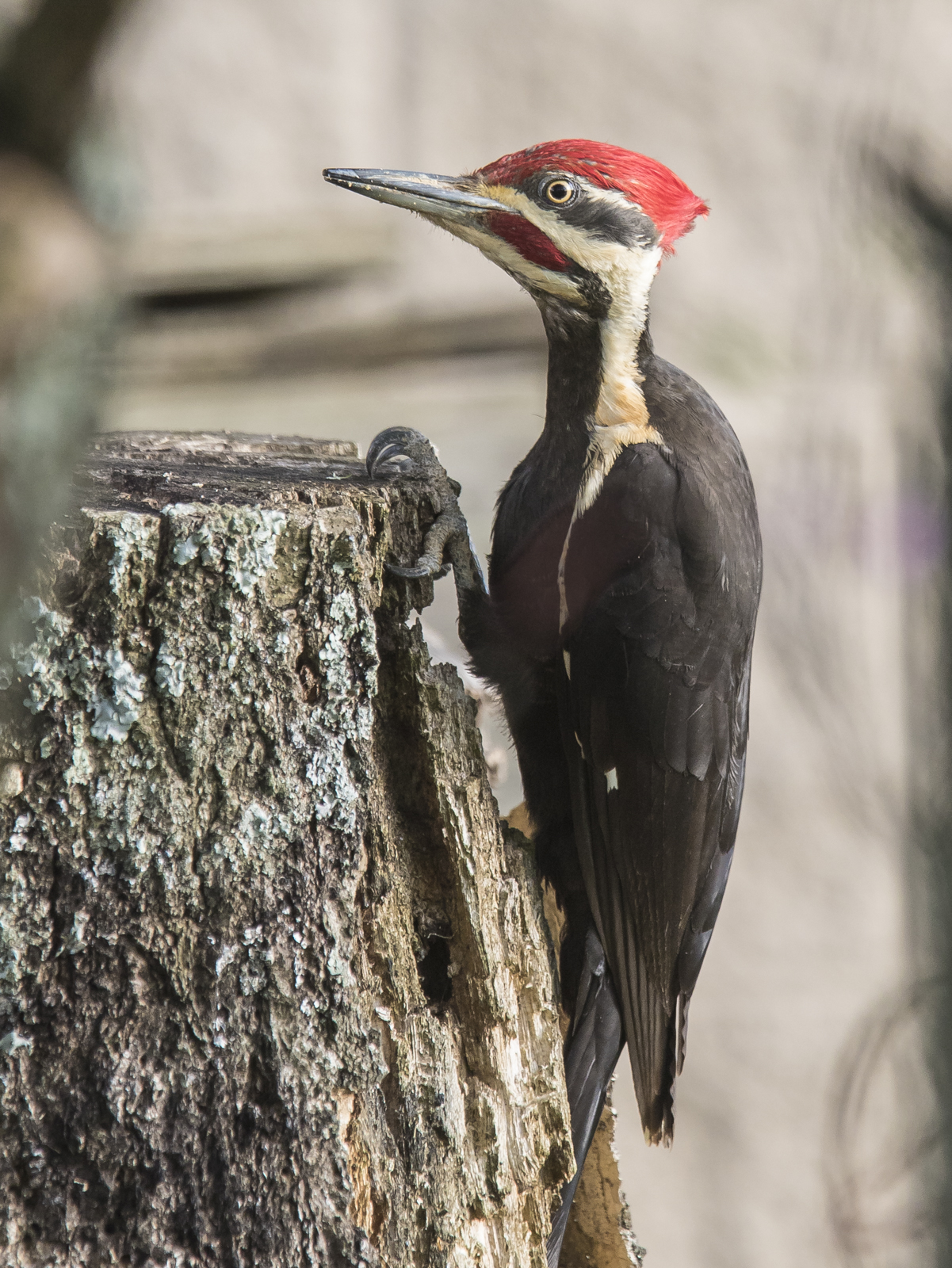
Pileated woodpecker is wary of my approach
Luckily, this particular bird announces its arrival with the typical pileated call. I was inside the house and heard it on the second afternoon. So, I grabbed the camera, eased out the door, walked around the house, and tried to sneak up on the stump. The pileated saw me, moved up the stump and glared at me, then hopped back down and resumed chiseling. But, it was not clearly visible from where i stood, so I took a couple of more steps. And that was it…I had pressed the issue a bit too far, and off it flew. I saw it return a few more times, but decided to not disturb it. I’m not sure what it was after. Carpenter ants are a favorite food, but the holes in the stump look more like some sort of boring beetle larvae was the culprit (or maybe carpenter worms, a type of moth larva).
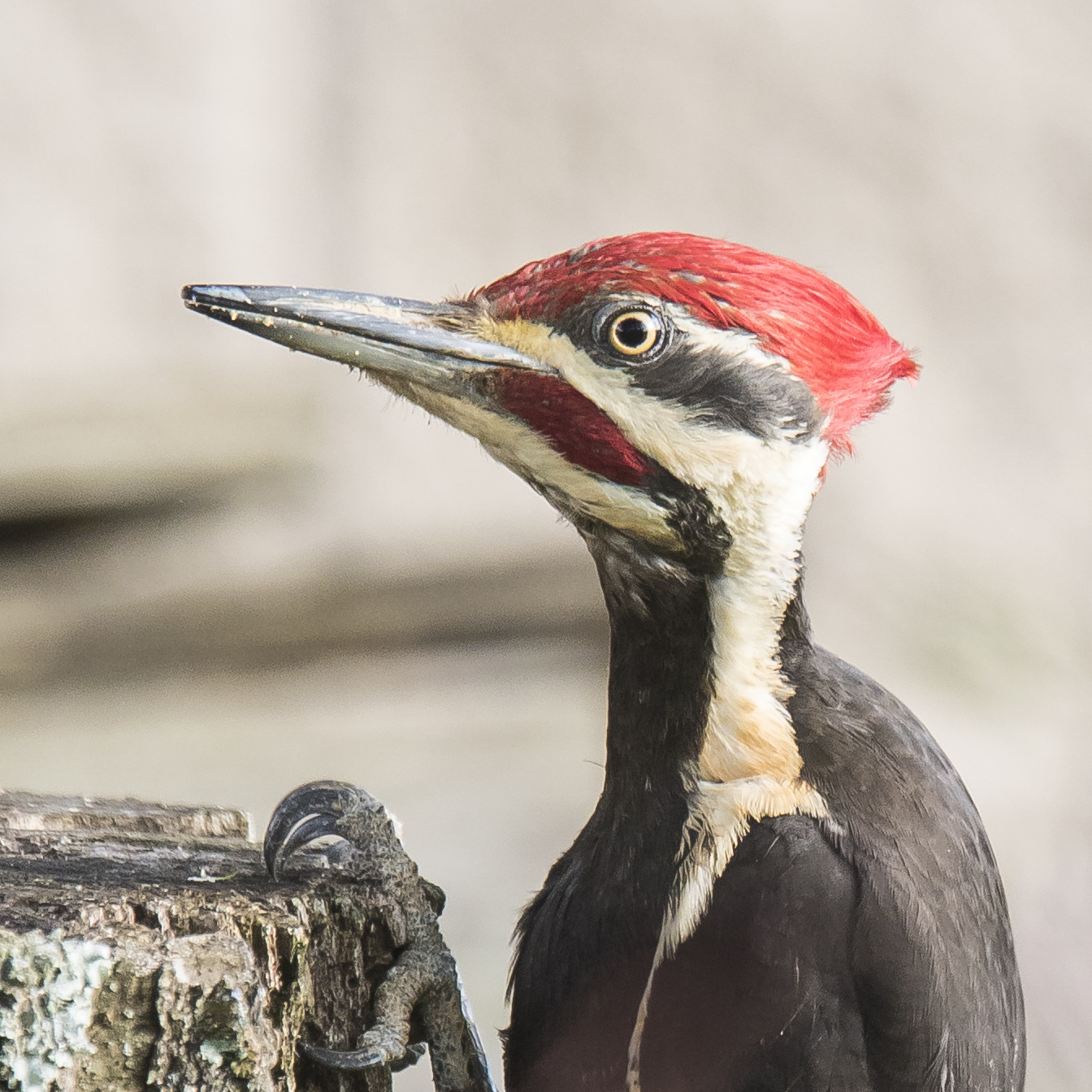
Male pileated woodpecker showing the red stripe on the side of the face
This bird is a male, showing the red stripe coming off the back side of the bill. When it flew, it went across the road up near my folks’ rental cottage to a stand of large trees, undoubtedly where the nest tree is located. This area has a rich bird life due to the mixture of forest, meadows, and the river down below the property.
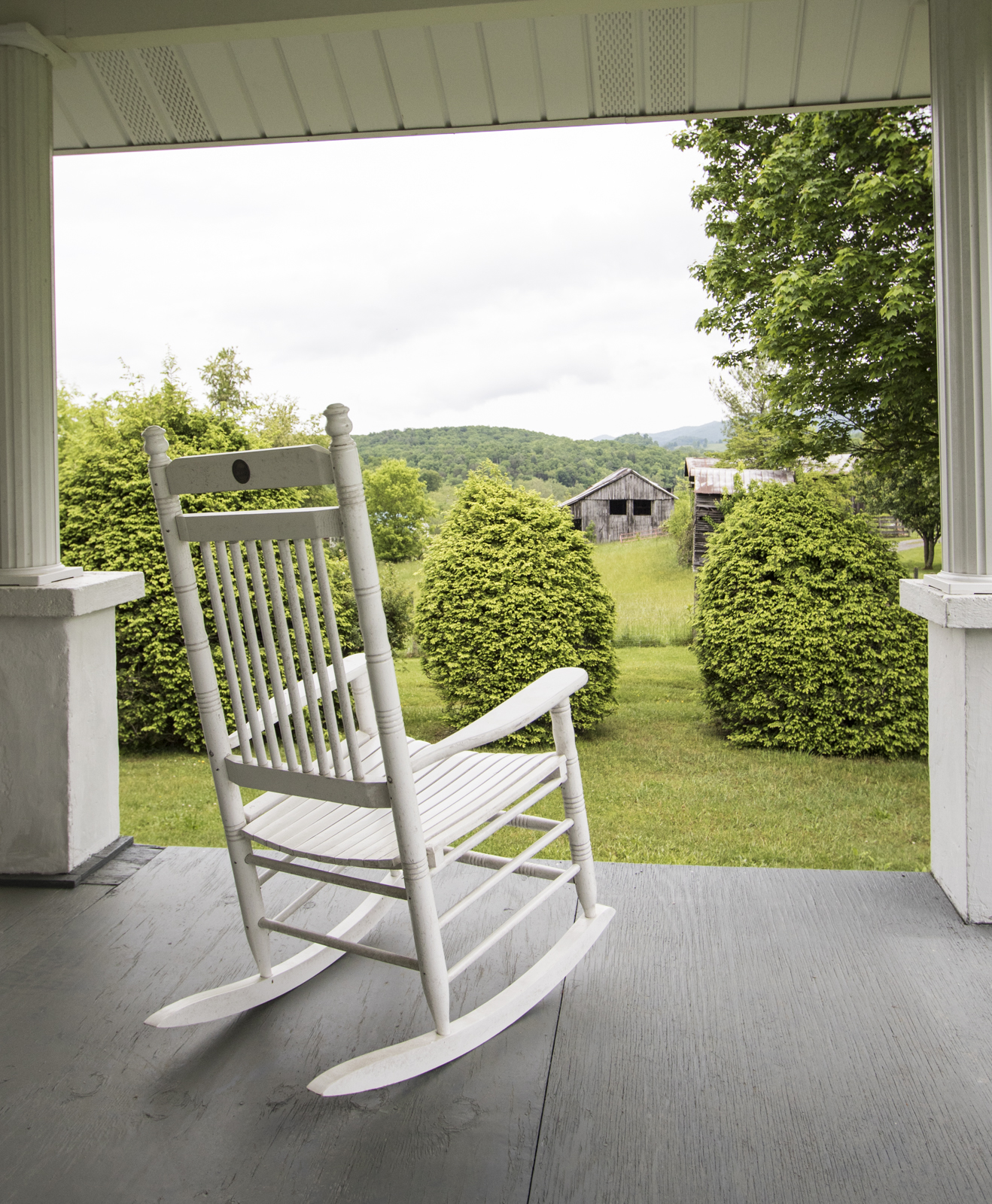
View from one side of the wraparound porch at the Country Cottage
And that reminds me…my folks have a rental property that is situated in the mountains near Damascus, VA. It is close to great hiking, fishing, and the famous Virginia Creeper Trail, a bicycle trail that runs from Whitetop to Abingdon. The bird life is abundant, it is not far from my favorite Virginia State Park (Grayson Highlands), and there is beauty to be found any time of year. If interested in a peaceful mountain getaway, check it out at their web site, the Country Cottage.
I think the most important quality in a birdwatcher is a willingness to stand quietly and see what comes.
~Lynn Thomson
This past week must have been the peak of spring migration in our woods. Every time I looked out, I saw something of interest, either just passing through among the branches, or stopping by the feeders.
Rose-breasted grosbeaks have been very abundant this past week (click photos to enlarge)
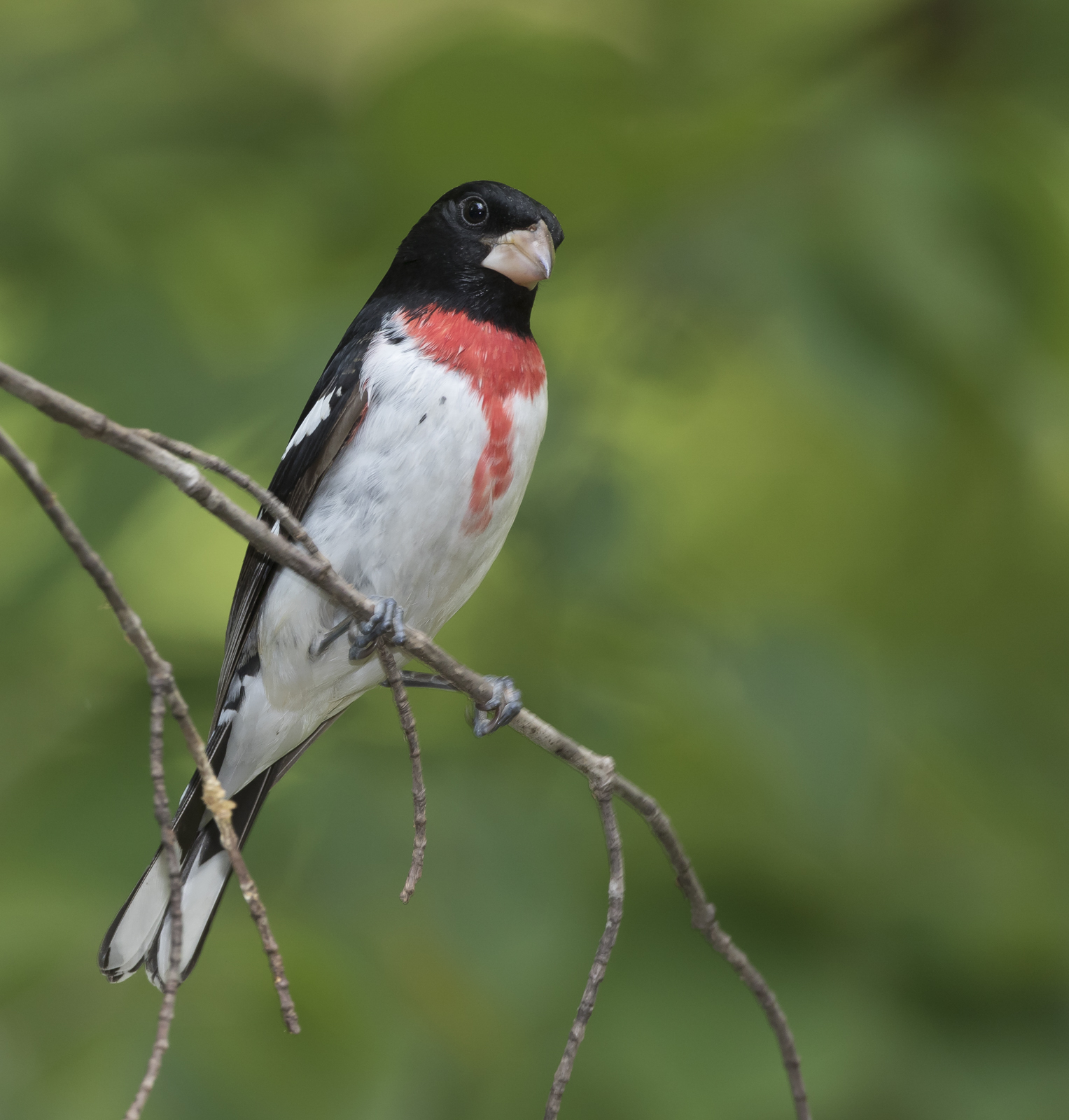
One of my favorite migrants is the rose-breasted grosbeak. They have been here for a couple of weeks now but seem to have reached their peak this past week. I have counted as many as eight at one time near the feeders. The males are one of our more boldly marked birds, with striking black and white and a colorful rose-colored breast and underwings.
Female rose-breasted grosbeak
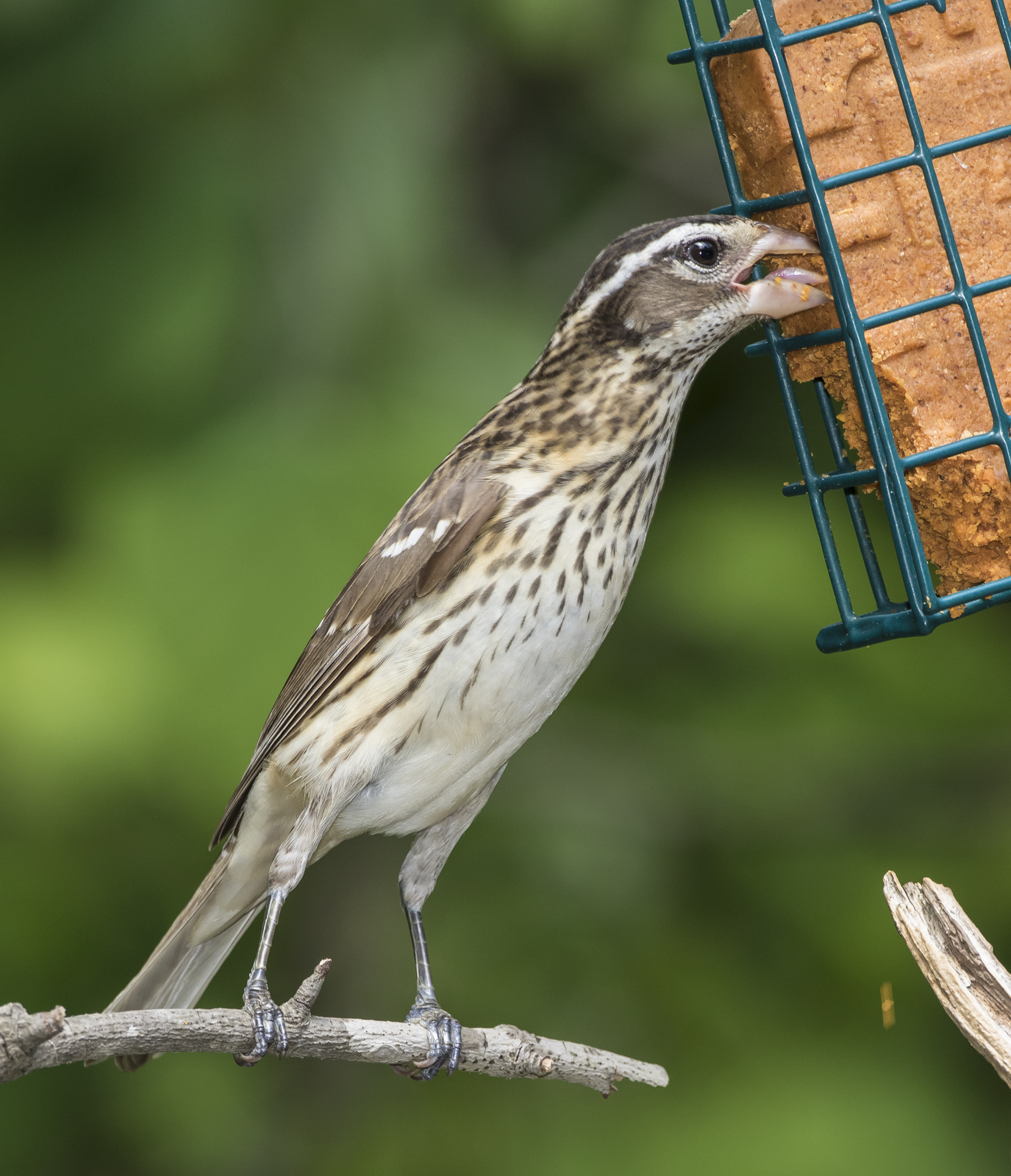
Females arrived about a week after the males and don’t seem quite as abundant. They are drab in comparison, but are still a striking bird, especially with that bold head stripe and huge beak.
Female rose-breasted grosbeak helps herself to some suet
And they have been putting that beak to good use at both the sunflower feeders and the suet. It seems the suet has been getting more than its share of visitors this spring and on a few recent days, the birds have gone through more than one entire suet cake in a day (there are two suet feeders out). I decided to set the camera up with the tripod, 500mm lens, and a flash, to see what I could record. The light is best late in the day when there is a shadow cast on the feeders, but still plenty of ambient light on the trees behind the deck. The flash highlights the birds without appearing too harsh, as is the case earlier in the day. In three afternoons, I had some pretty good luck, plus some bonus species that didn’t visit the suet, but were feeding in nearby trees.
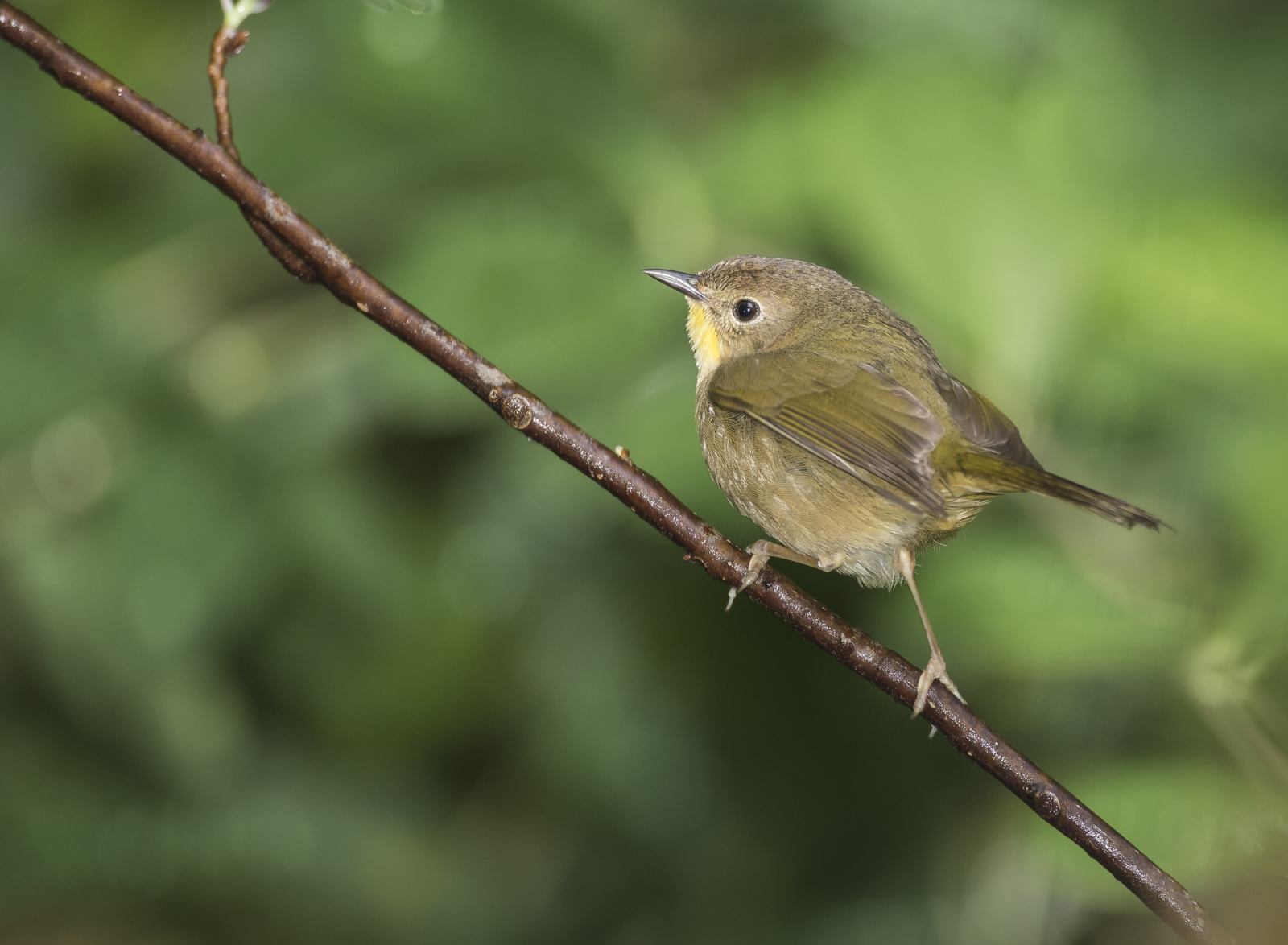
Female common yellowthroat foraging in some low shrubs
Among the passers-by were a few warblers, including a female common yellowthroat, a worm-eating warbler, some northern parulas, and several black-and-whites. Some beautiful non-warblers also made the scene – American goldfinches, northern cardinals, blue-gray gnatcatchers, and summer and scarlet tanagers, along with a few others I’ll mention later.
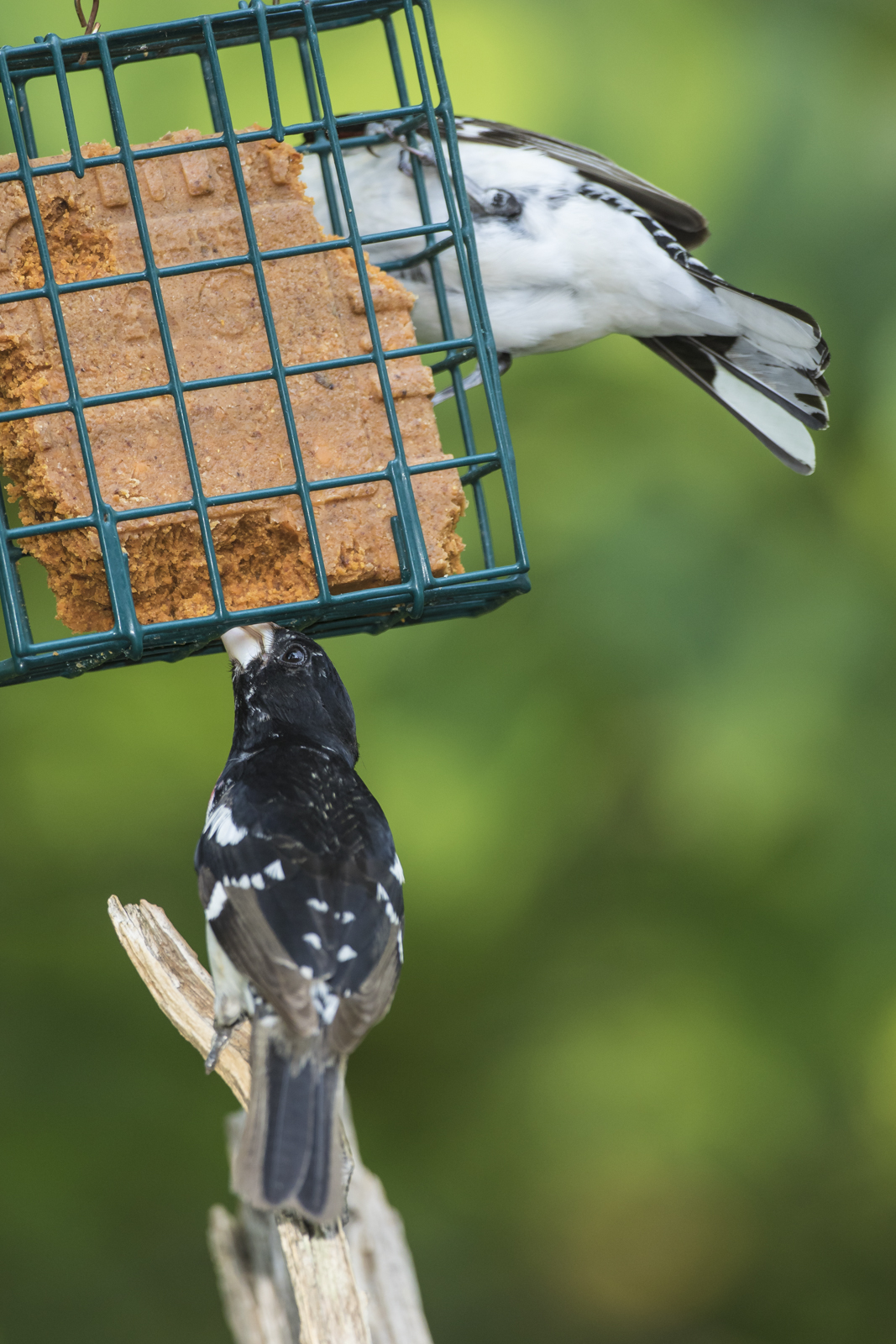
A pair of male rose-breasted grosbeaks at the suet
But most of the action has been at the suet feeders. So, close to one of the feeders on the deck, I attached a branch to the rail with a clamp, and set up the camera in the bedroom with an open door (yup, real wilderness photography), and waited. Here are a few of the highlights…
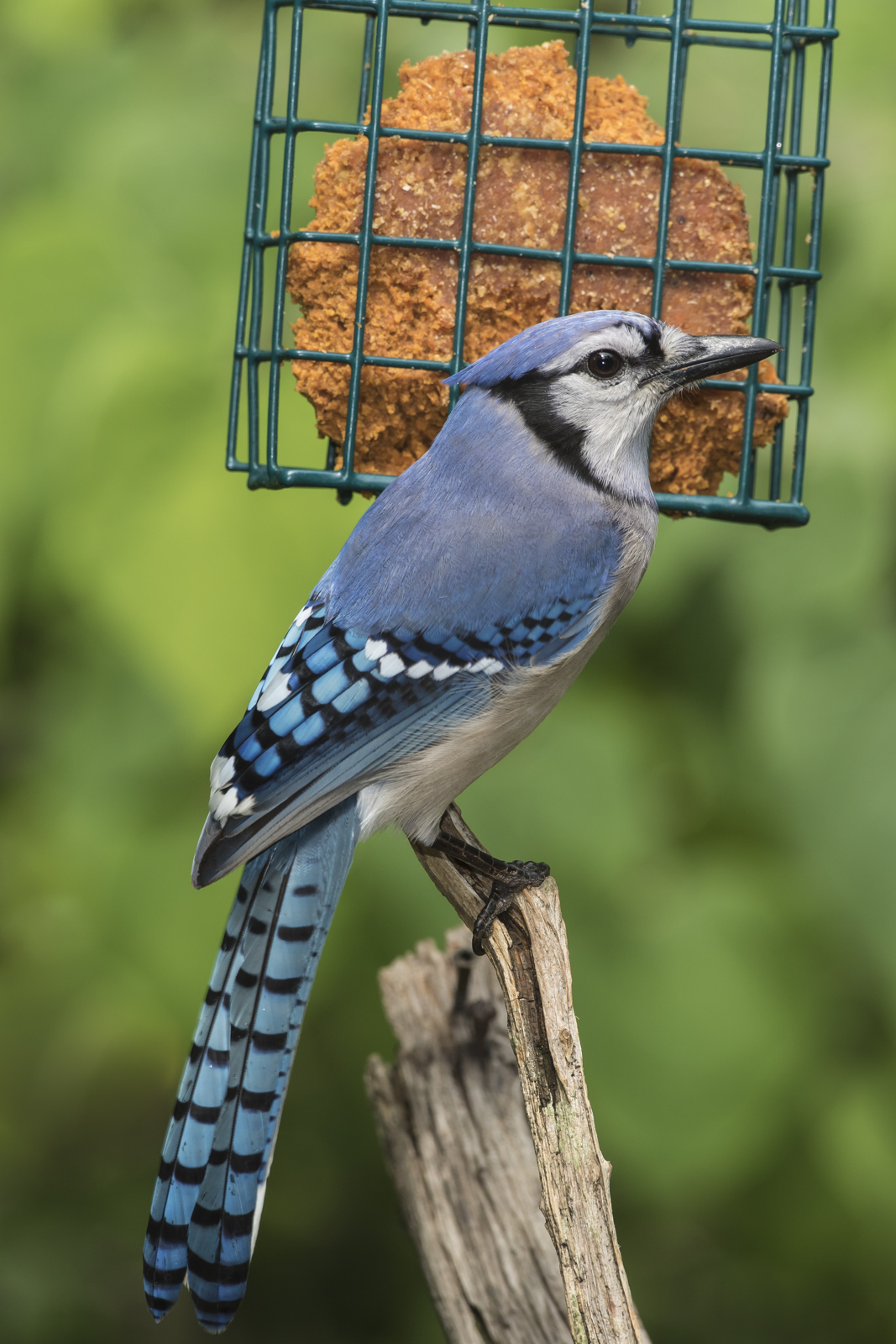
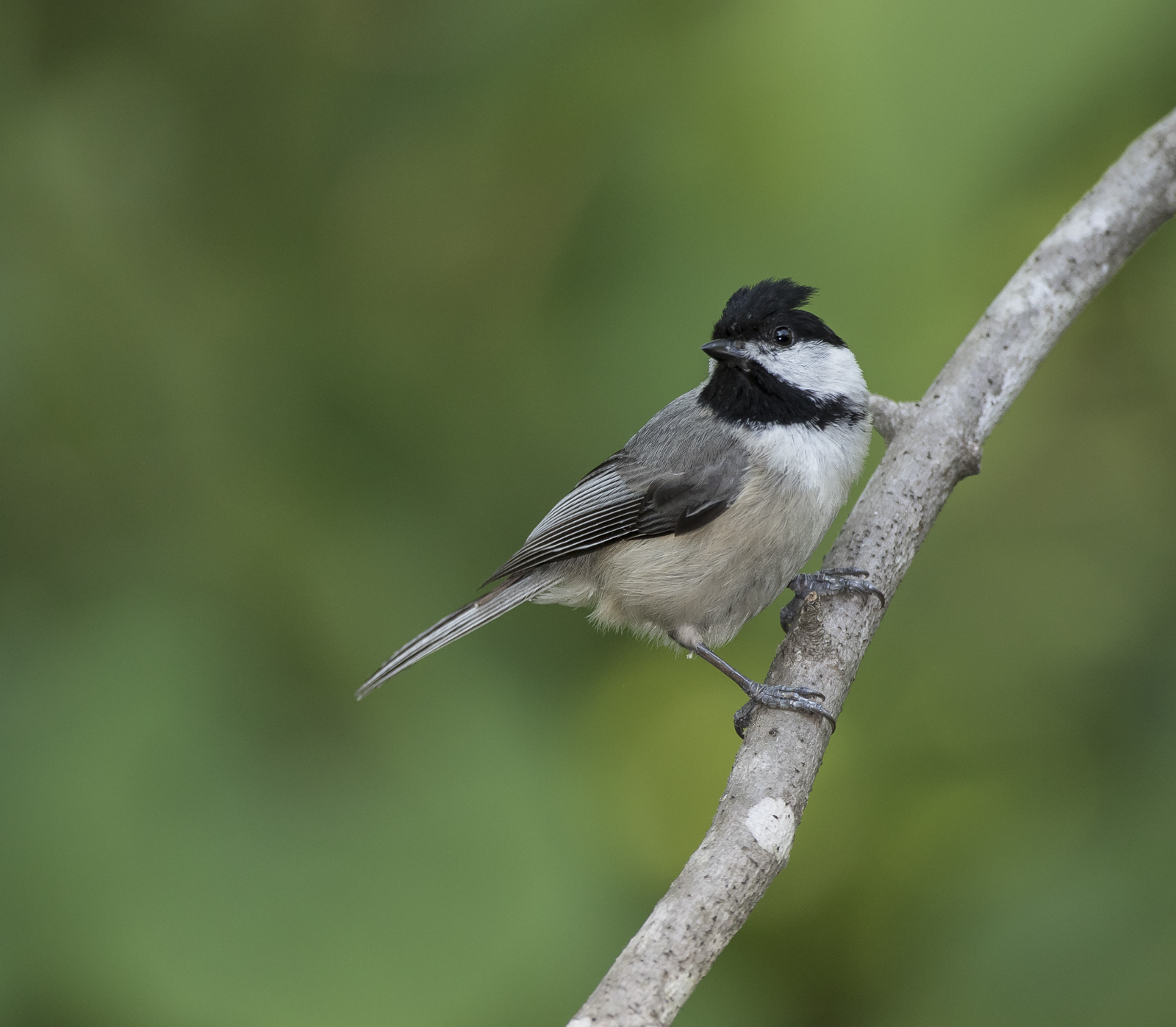
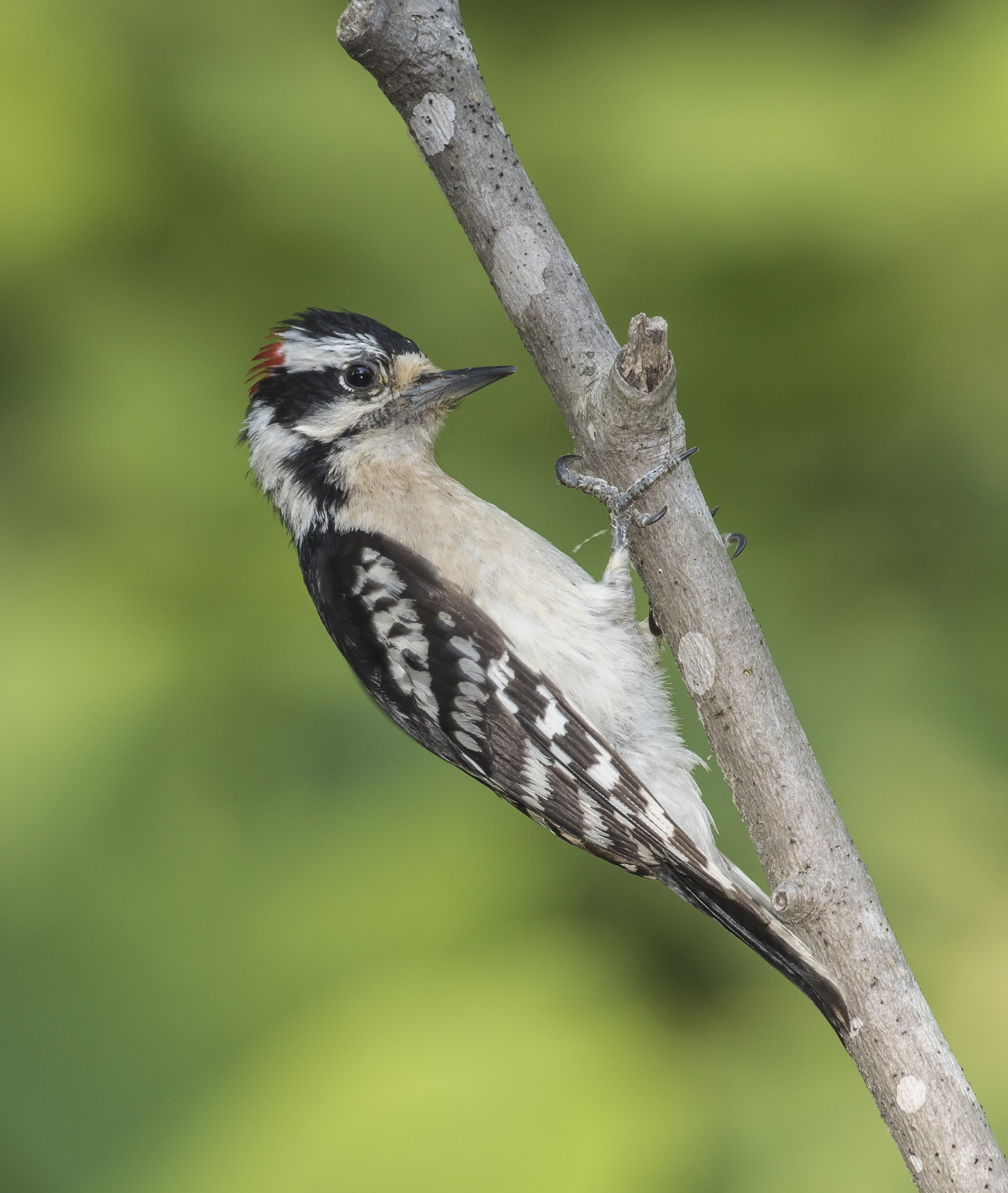
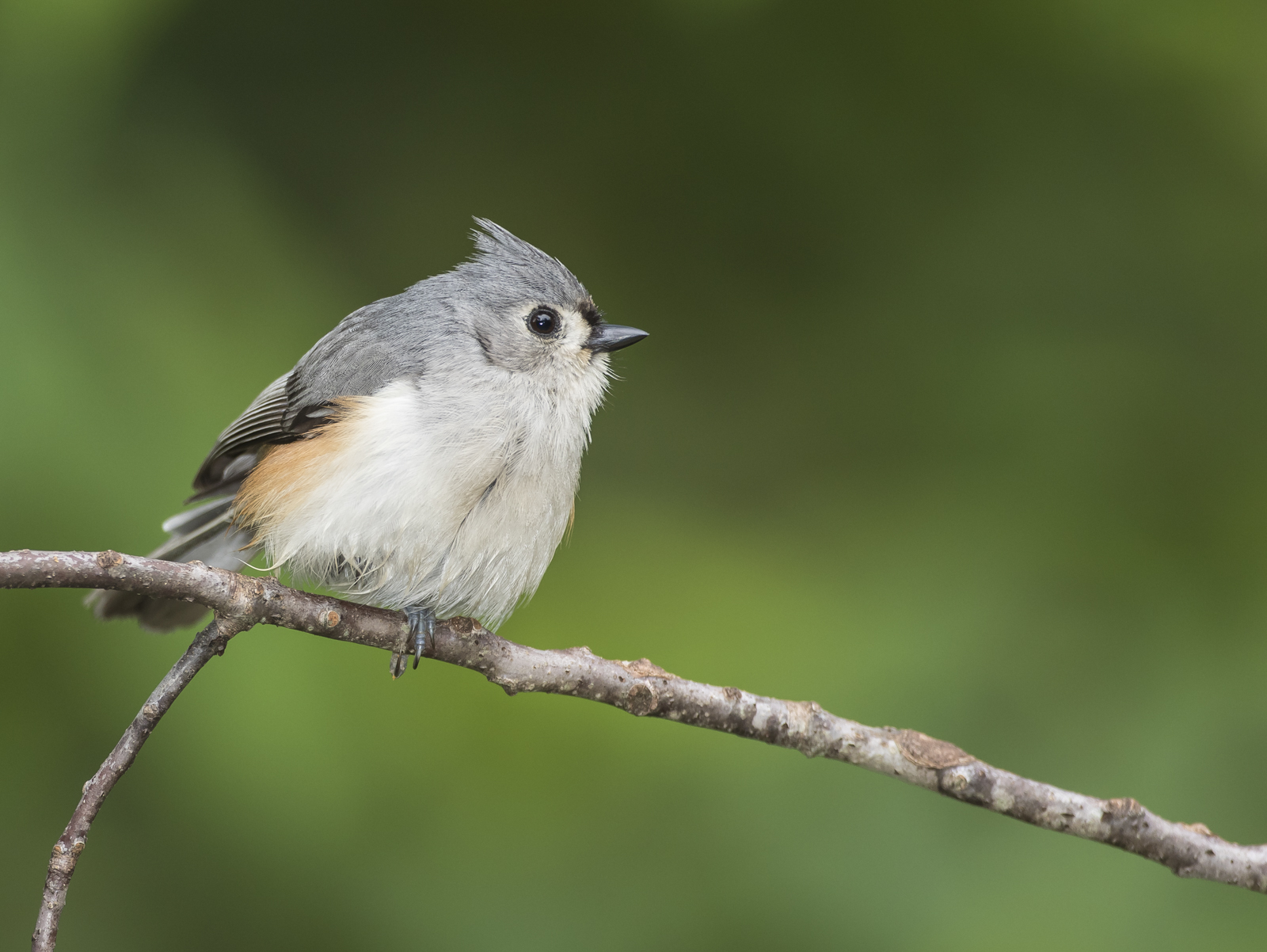
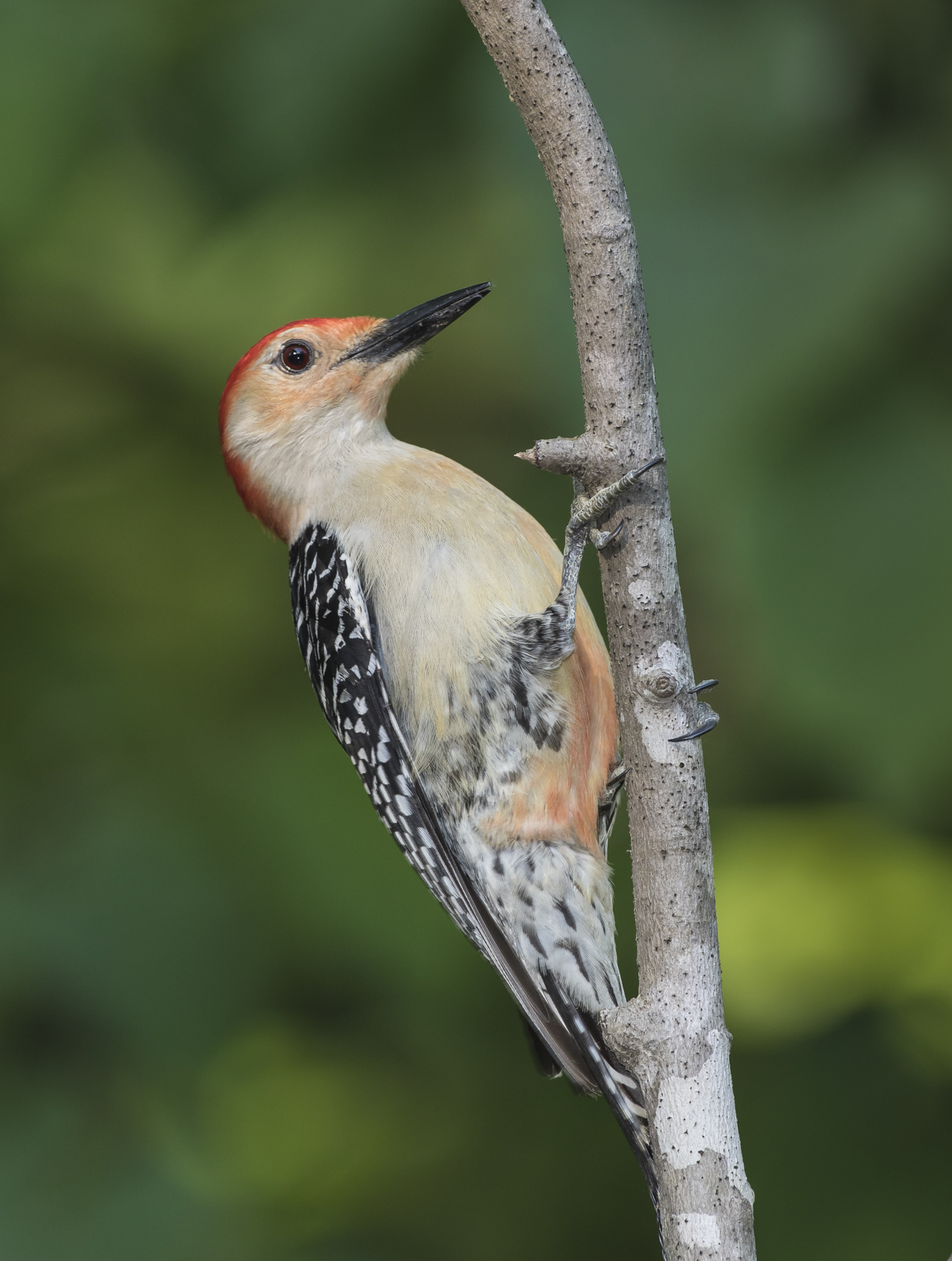
A pair of blue jays have been making the roundsA Carolina chickadee having a bad hair dayDowny woodpecker hanging onTufted titmouse thinking…suet or seed? So many choices…Red-bellied woodpecker male showing how he got his somewhat confusing nameA black-throated blue warbler is the highlight of my suet sightings
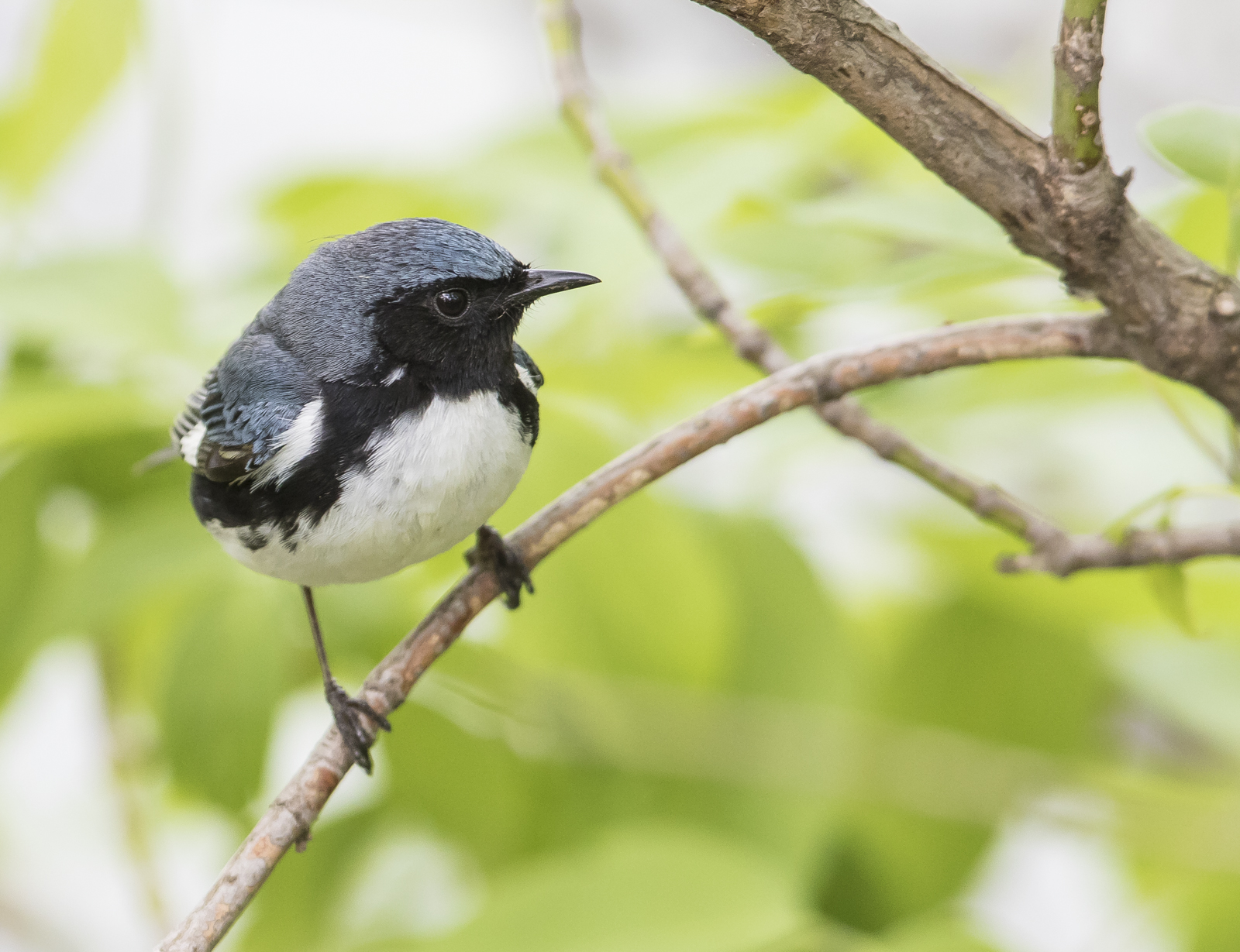
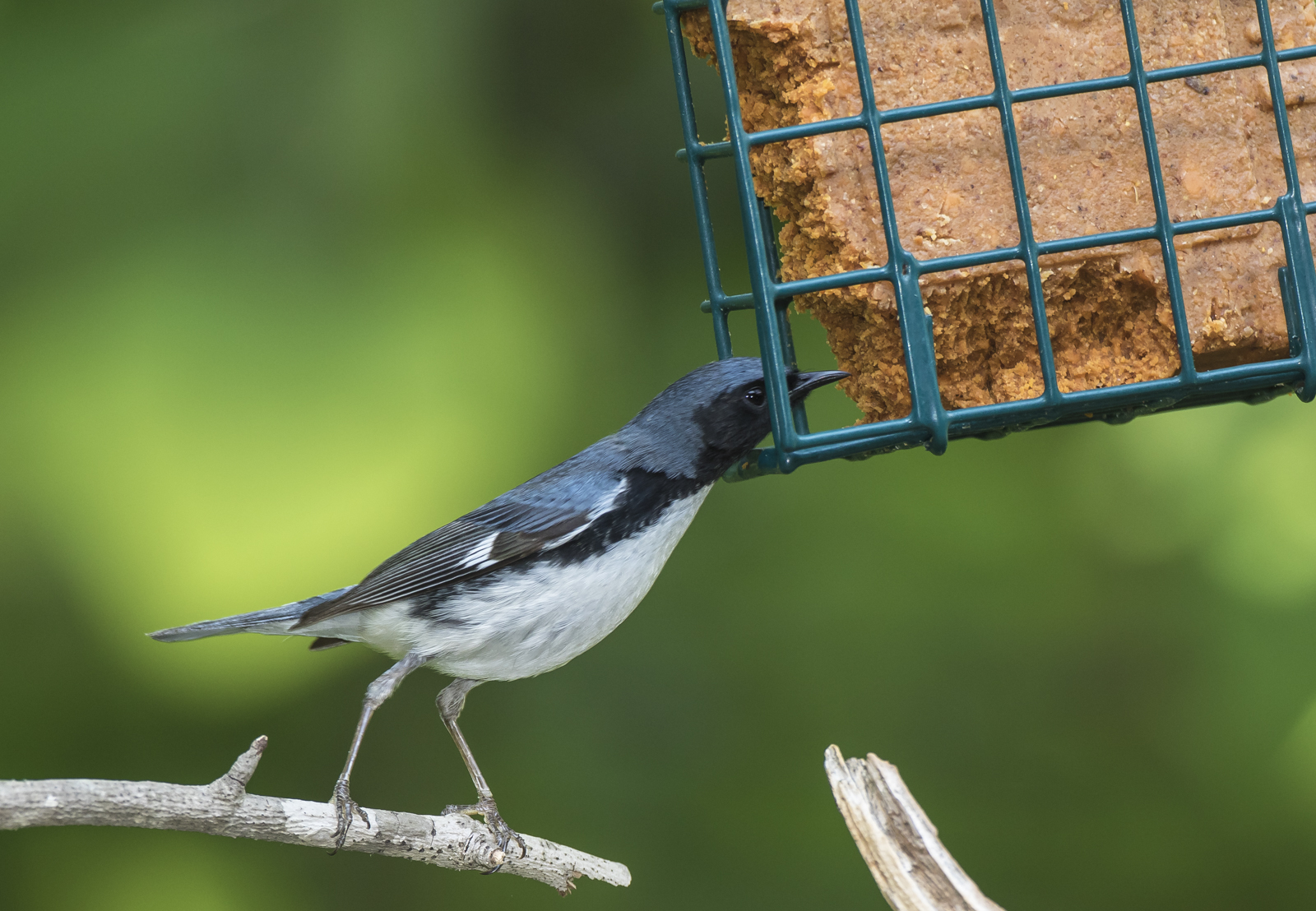
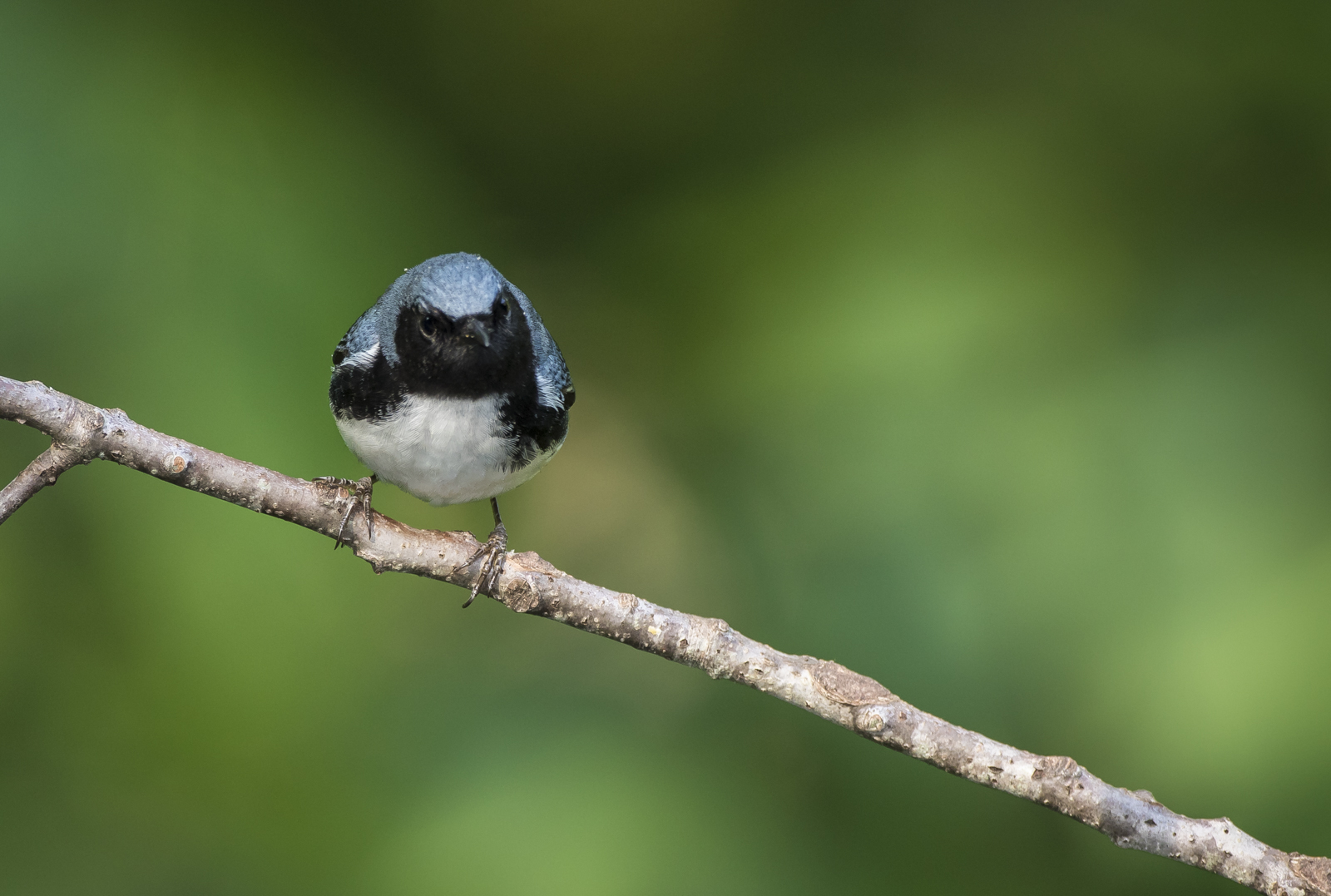
But, of all the birds that are coming to the suet, my favorite has to be a male black-throated blue warbler. This is the first time I have had one of these beauties visit a feeder. There have been several moving through the trees (including one female that I have spotted), but this little guy is a regular visitor at the suet.
This little male is rather bold, but only stays a few seconds on each visit
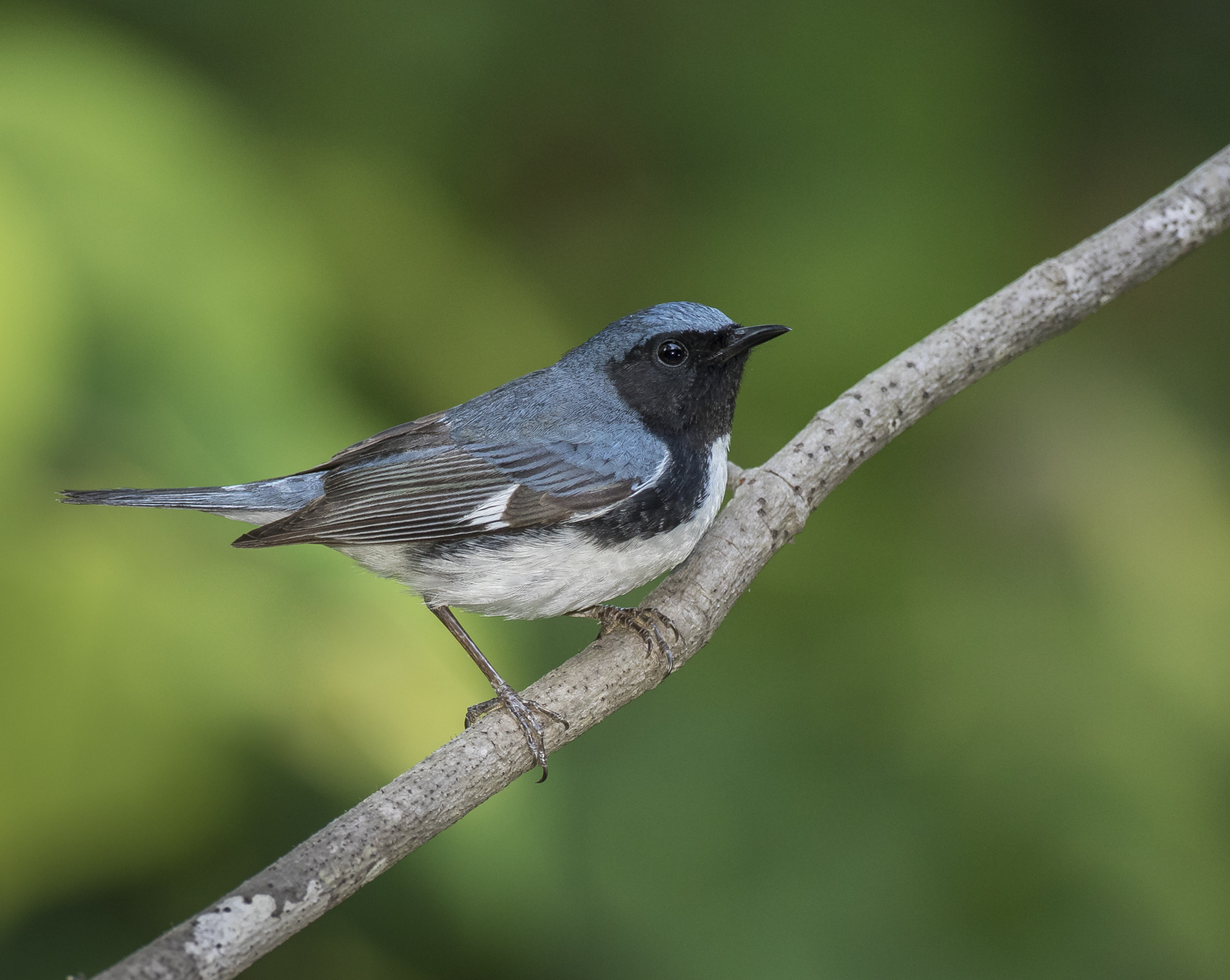
Male black-throated blues are one of our most stunning spring warblers, with a beautiful blue back and top of head, set off by the black throat and sides, and a white belly. They are common spring migrants in the east as they head north or to our mountains to nest. They may look so fresh and bright because they probably spent the winter in the Bahamas or the Greater Antilles. My warbler guide says they are frequent feeders at peanut butter or suet during migration, so I am glad this one (or more than one?) is living up to its reputation.
A quick pose, and then off he goes
I am glad I am around to appreciate the beauty of this tiny visitor, however long it decides to hang around. Sunday afternoon was a special treat with this guy visiting every 30 minutes or so, plus, out in the yard, a great crested flycatcher, two blue-gray gnatcatchers, and two male northern orioles (a new species for the property).
Rose-breasted grosbeak waiting his turn
Oh, and the rose-breasted grosbeaks are still here, chowing down. Guess I had better get some more suet.
One who reviews pleasant experiences and puts them on record increases the value of them to himself; he gathers up his own feelings and reflections, and is thereby better able to understand and to measure the fullness of what he has enjoyed.
~Sir Edward Grey
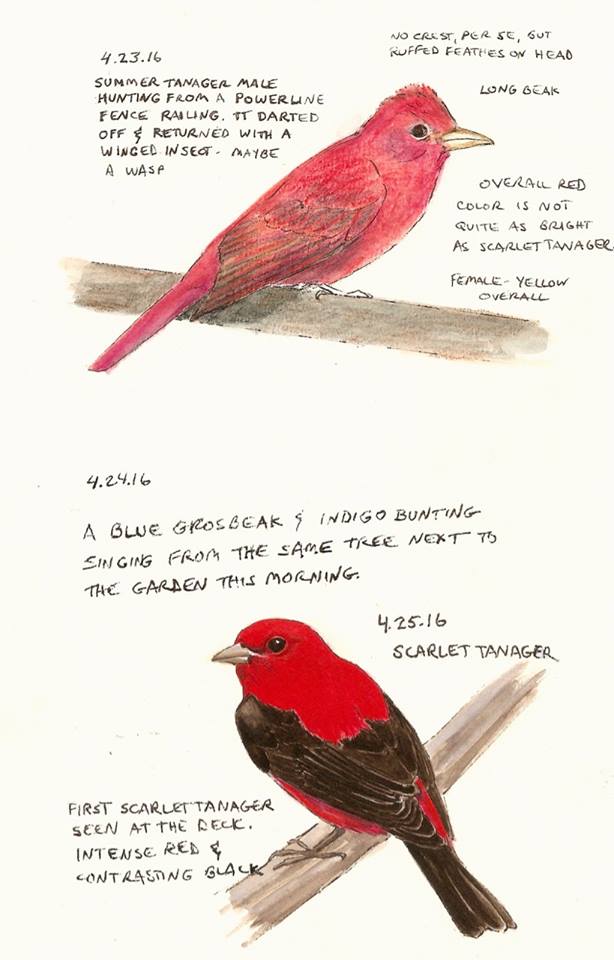
I often get comments like this when I post a blog on some creature I have seen in my wanderings outside…You wear special glasses to see these things……right? Well, while I do wear glasses, they are not special naturalist glasses. What I, and many other naturalist types that I know, see is based on a lot of things – familiarity with an area, knowing what to look for, patience, and being in the right place at the right time, among others. It comes from years of dong this, from learning as much as I can about an animal, and by always being on the lookout for things. It isn’t magic, it is something that can be learned, and the more you do it, the better you will be at it. It also helps that I record a lot of my observations. I used to do it in a paper journal. Now, I tend to do more of it electronically and with digital images. A good friend, neighbor, and former co-worker, Jane, does it using a field sketches and notes about the things she sees in nature. We both agree, the important thing is to get outside and to start recording your observations.
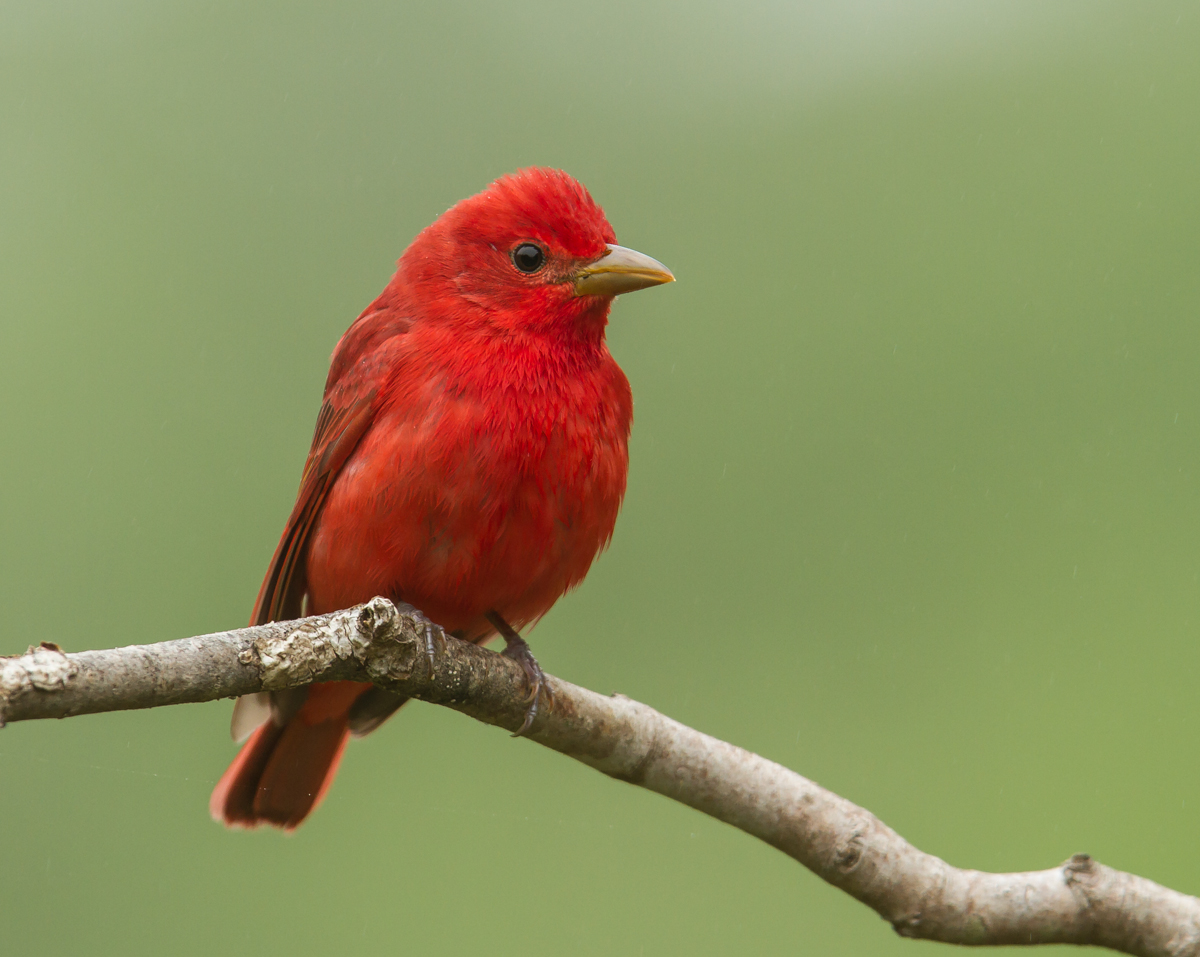
A page from Jane’s journal on tanagers at her feeder (click photos to enlarge)Summer tanager from one of my blog posts in 2014
If this sort of thing appeals to you, Jane and I are offering a workshop next month (June 16-19) in conjunction with Pocosin Arts in Columbia, NC. Their web site describes the purpose of this unique institution – Pocosin Arts is dedicated to nurturing creativity through arts education. Located a few steps from the banks of the Scuppernong River we are surrounded by water, wildlife and the natural beauty of Pocosin Lakes National Wildlife Refuge, making it an ideal place to leave your daily routine behind and immerse yourself in one of our creative workshops. That is exactly what Jane and I hope to share with our participants in this unique setting. Spend a few days exploring the natural wonders of this incredible region, learning how to increase your observation skills, and how to record your observations through field sketches and journaling. Details and registration information are available on the Pocosin Arts web site. Hope you can join us for this exciting outdoor experience.
That is one good thing about this world…there are always sure to be more springs.
― L.M. Montgomery
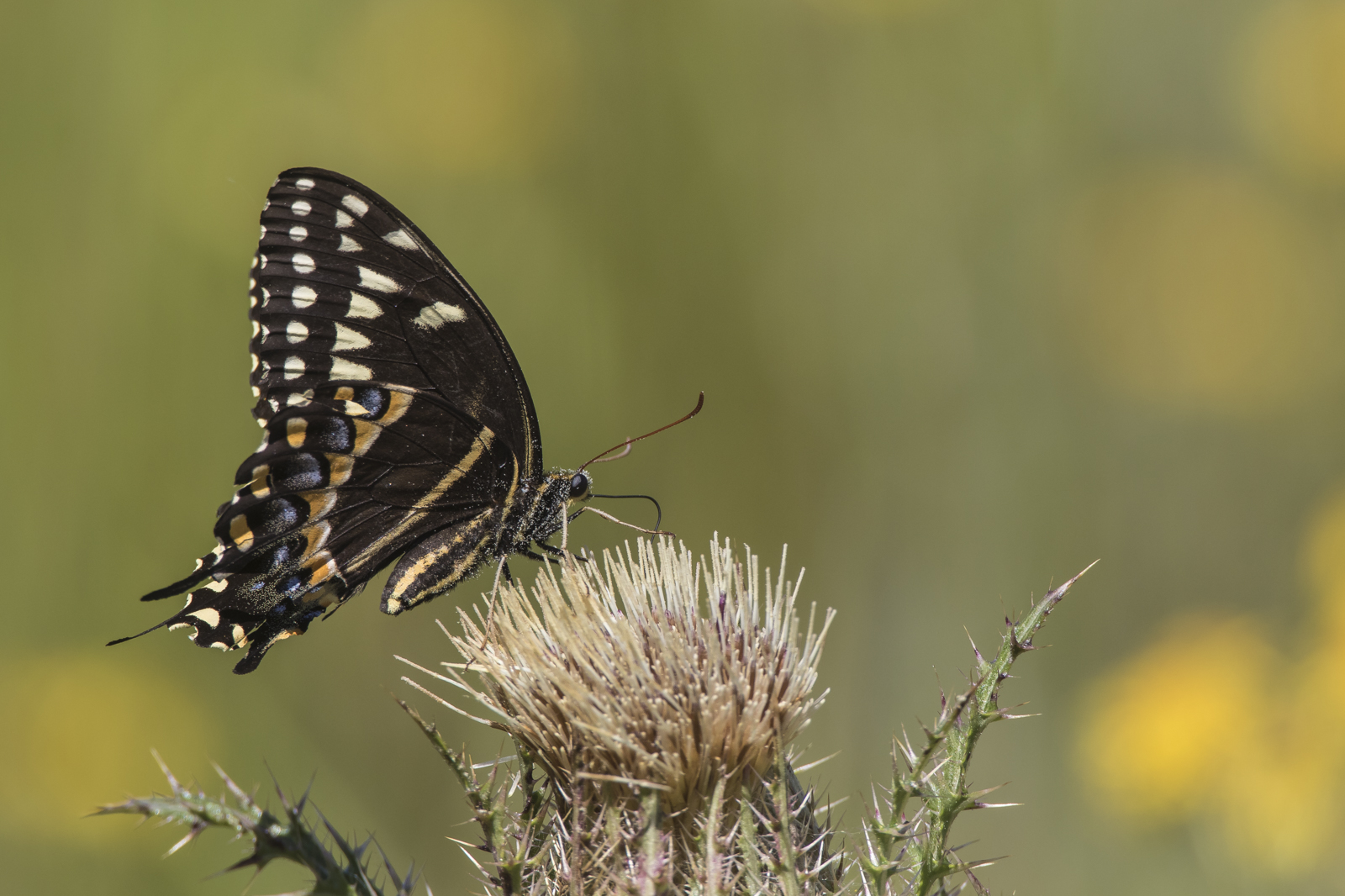
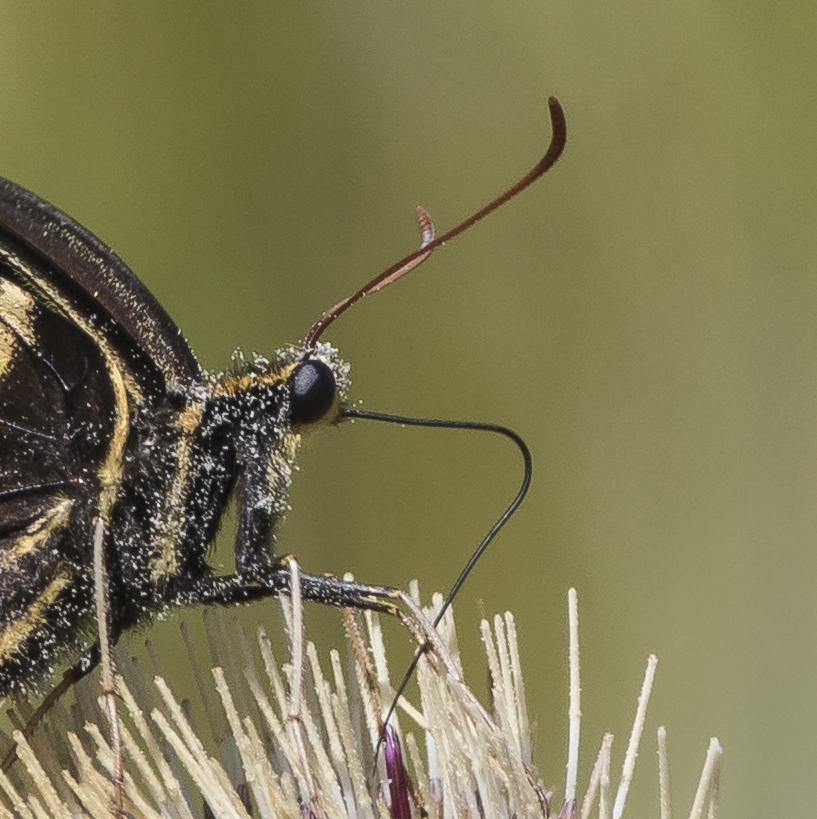
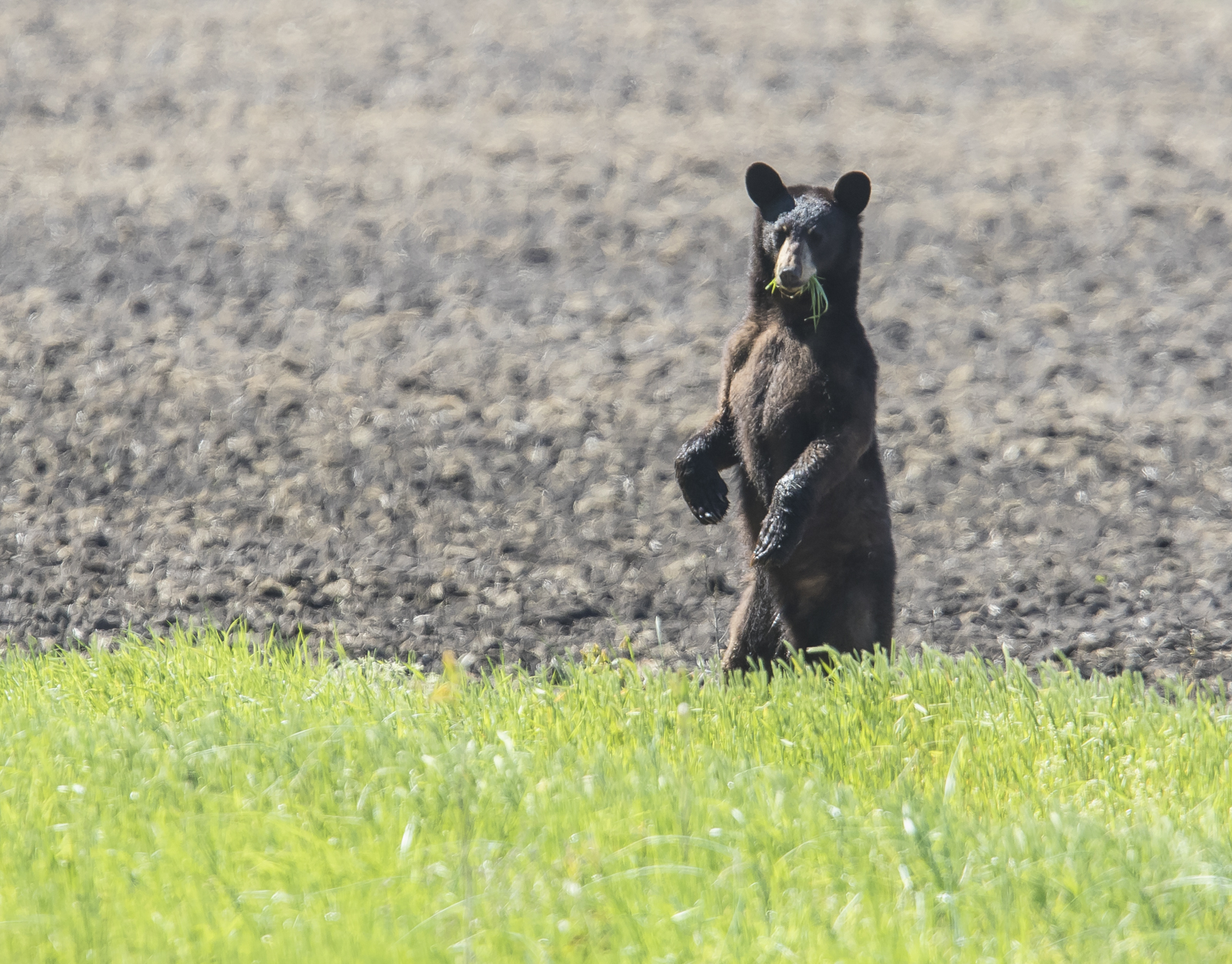
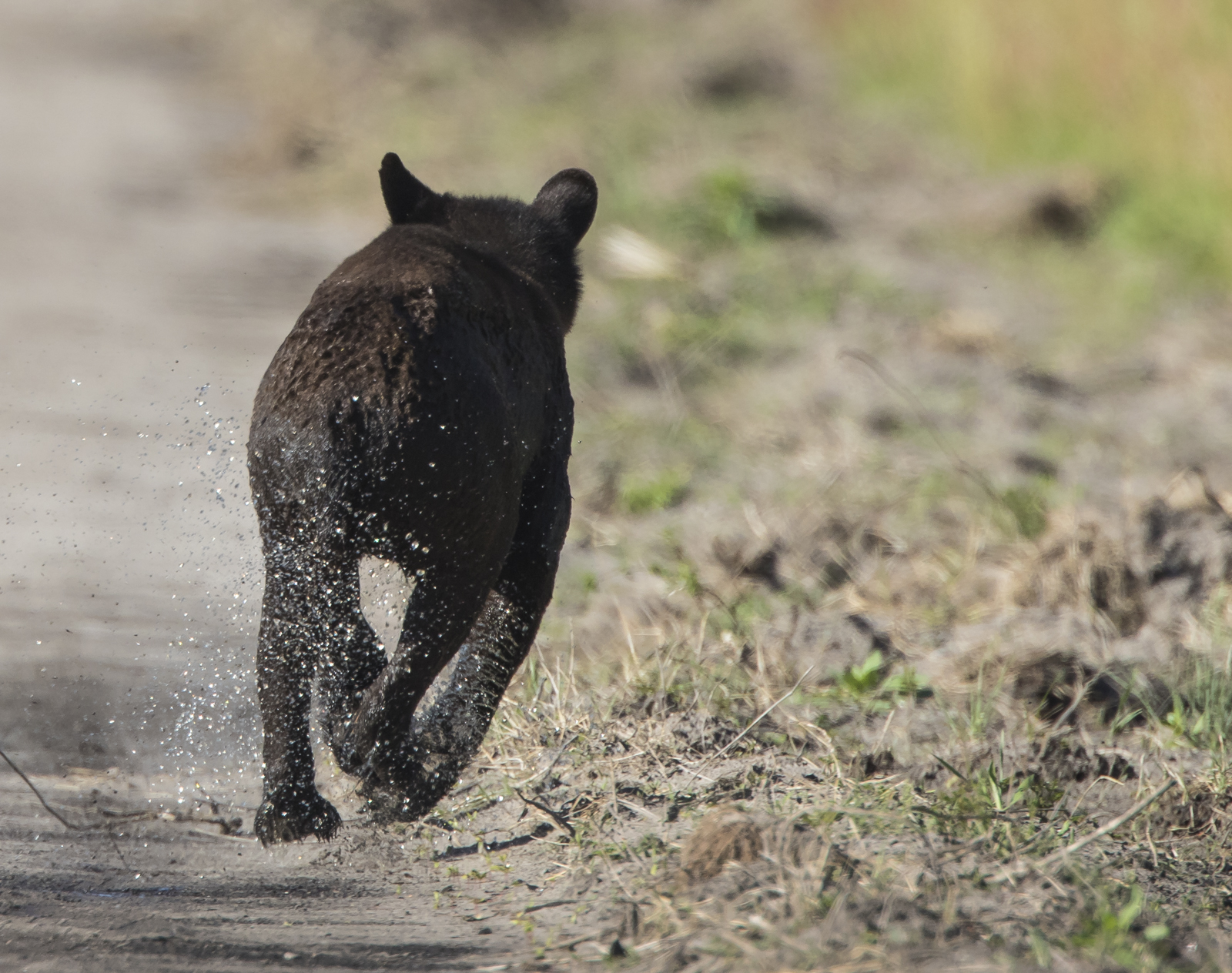
As luck would have it, I spent a few afternoons at the Pungo Unit of Pocosin Lakes National Wildlife Refuge the last week or so of April. I wish I lived closer, so I could make more impromptu runs down that way, particularly in certain seasons, like spring (although winter isn’t too bad either). Spring on the refuge is usually less crowded, and the stifling heat of summer has not yet arrived. The light green of the emerging leaves filters the sunlight with tints of yellow and shadows that aren’t quite as dark as in a few more weeks. Everywhere you look, there is life – an almost solid band of yellow of ragwort flowers along many of the roads; zebra and palomedes swallowtail butterflies by the hundreds flitting along the roadsides; birds singing and searching for insects in the dense pocosin vegetation; frogs and toads calling from the canals; turtles basking on logs and mud banks; and, of course, bears. Here are a few more images from a great time of year at my favorite refuge…
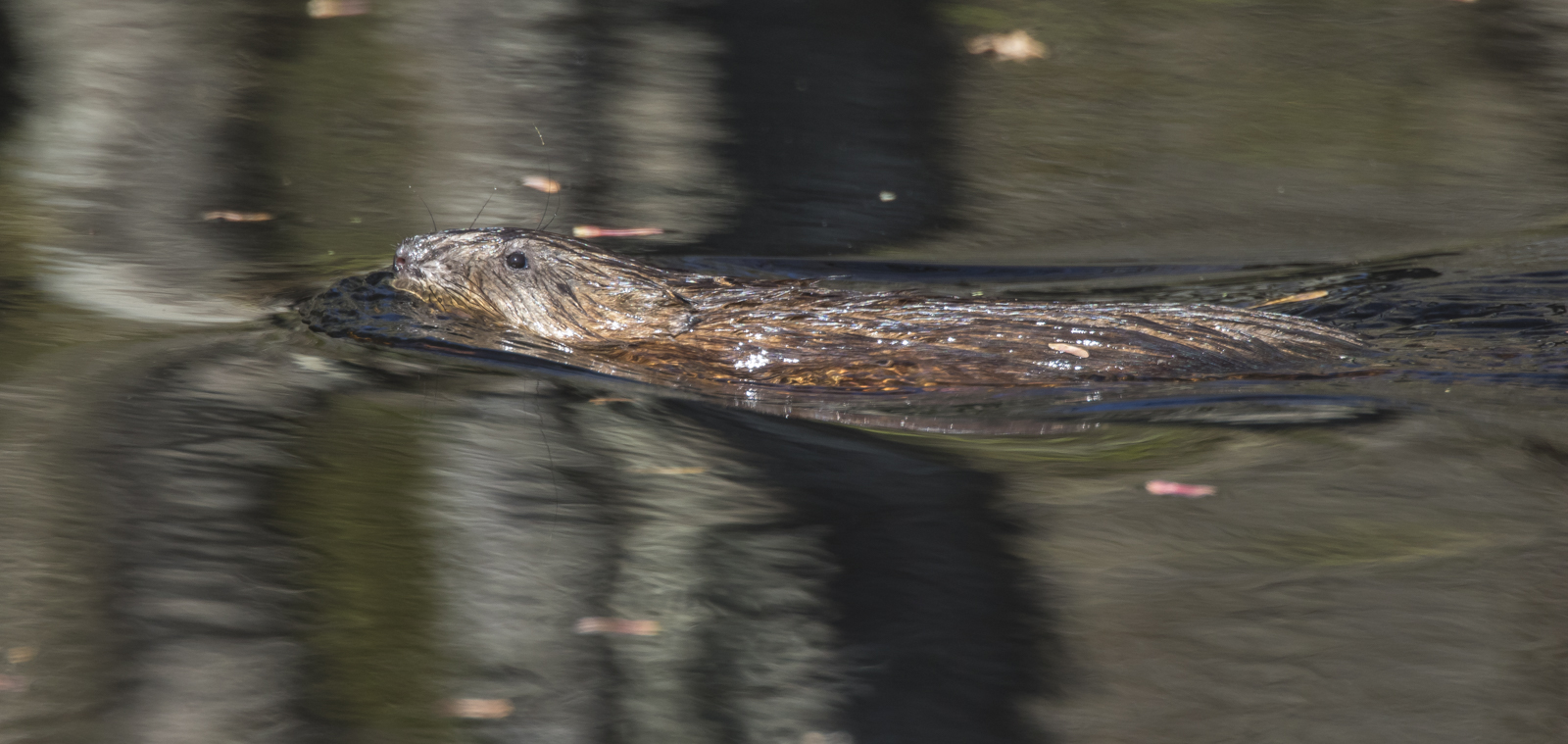
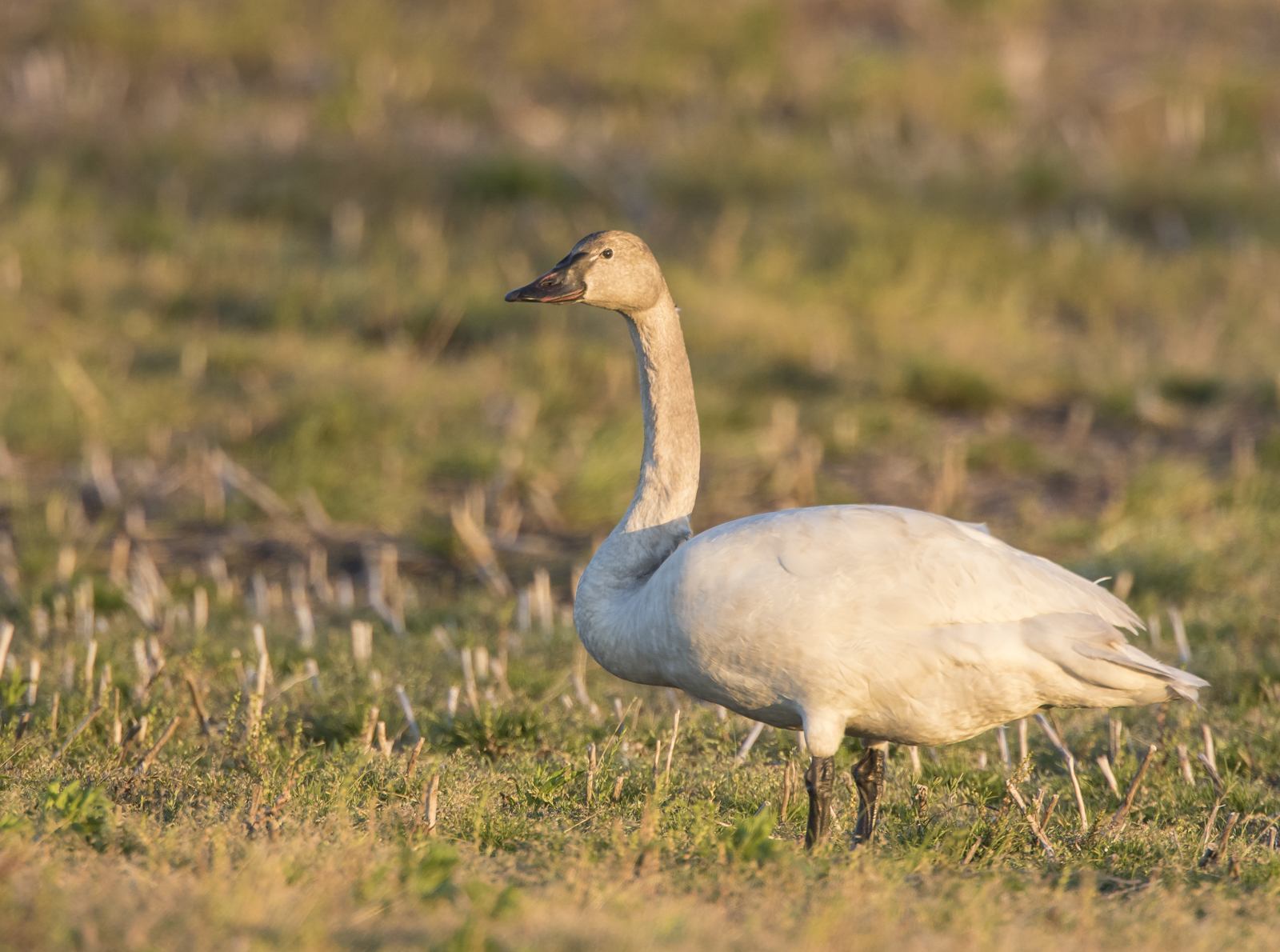
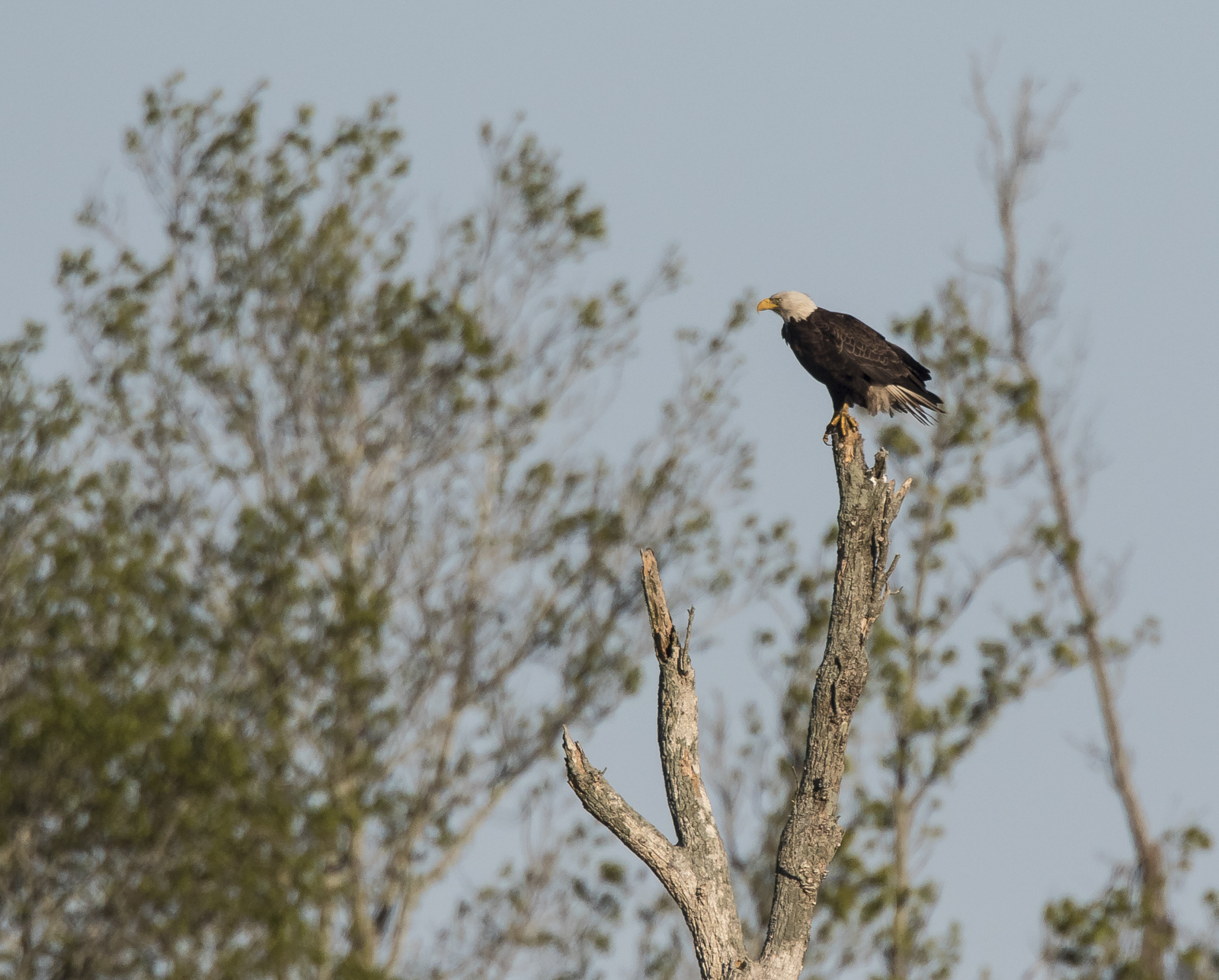
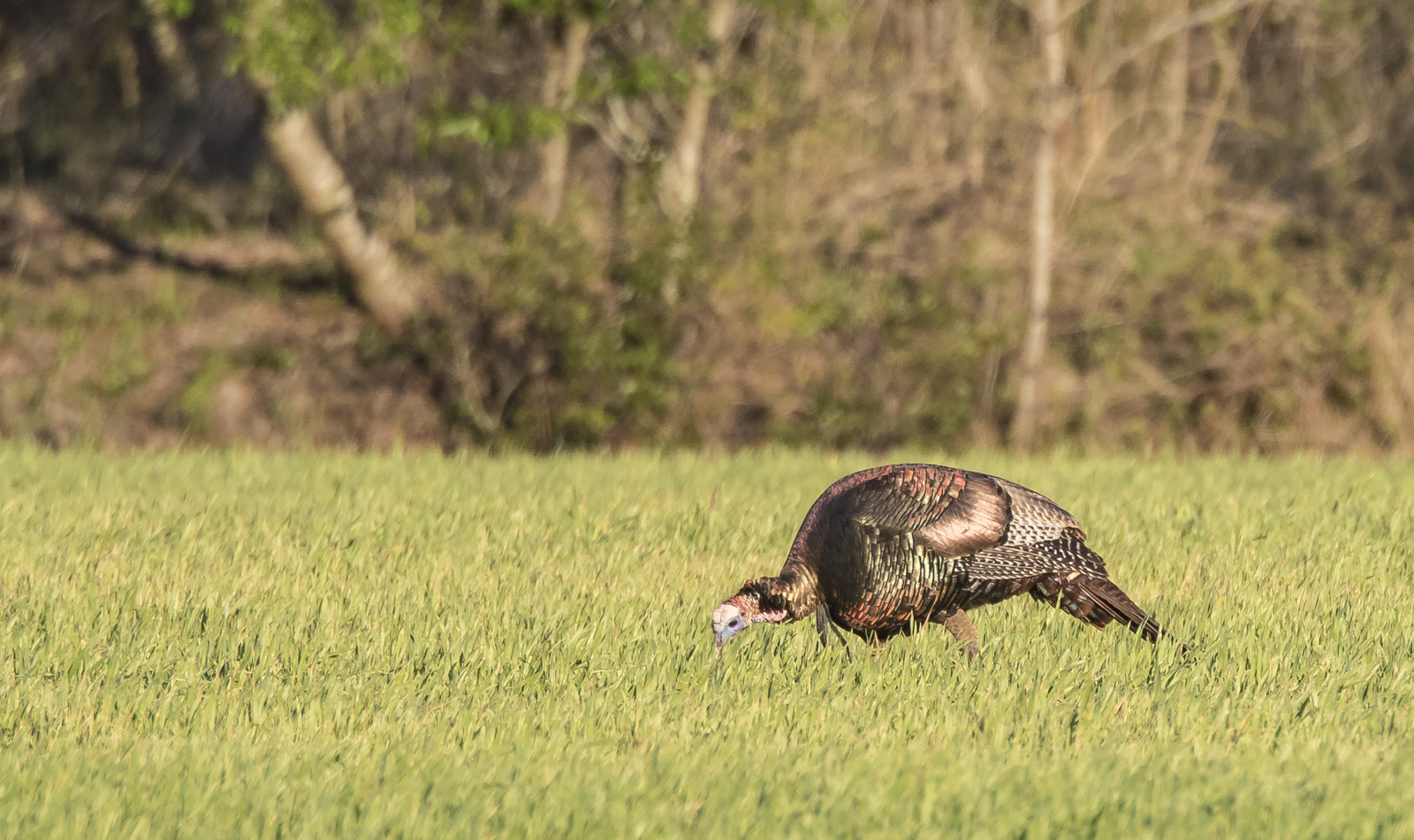
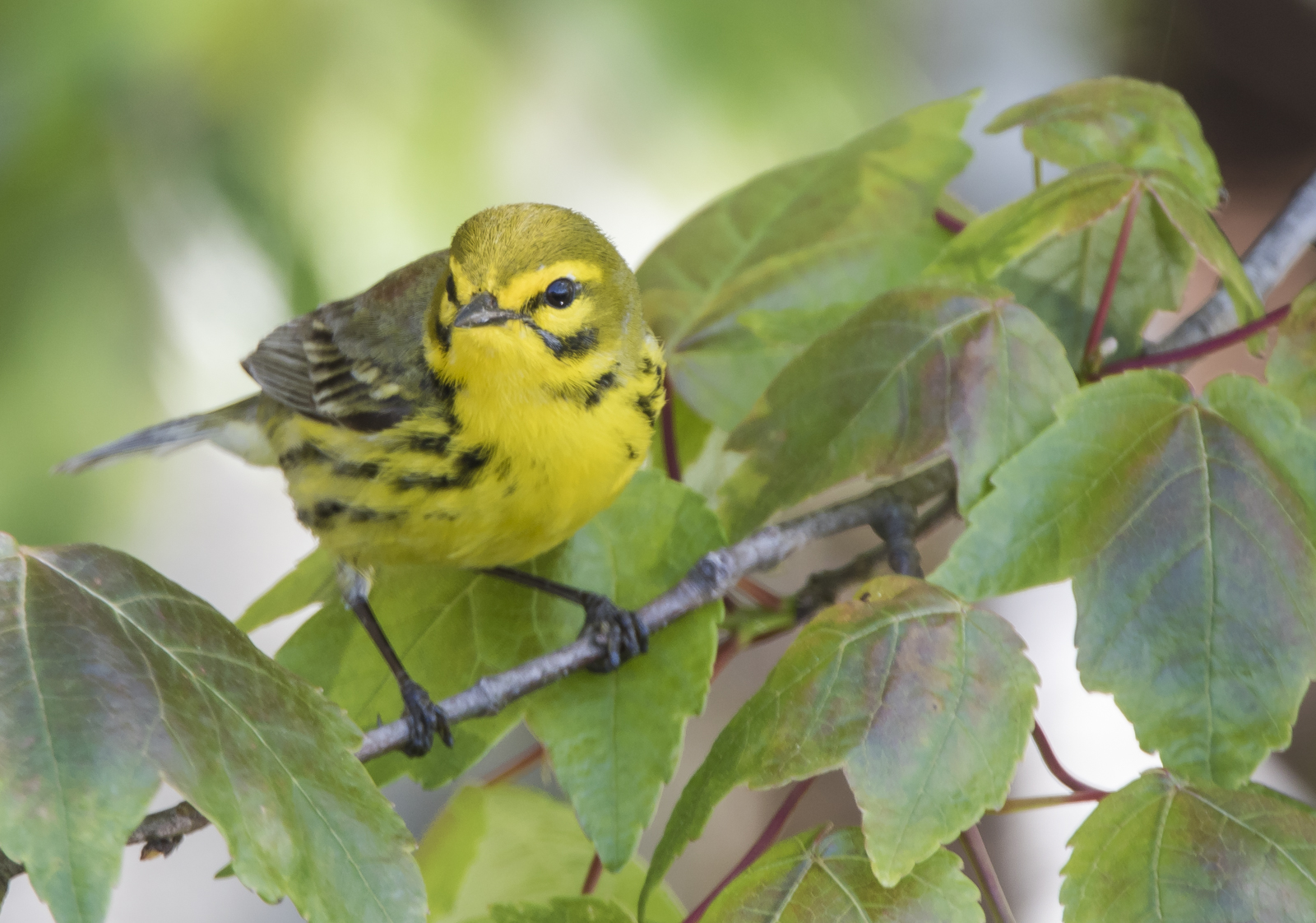
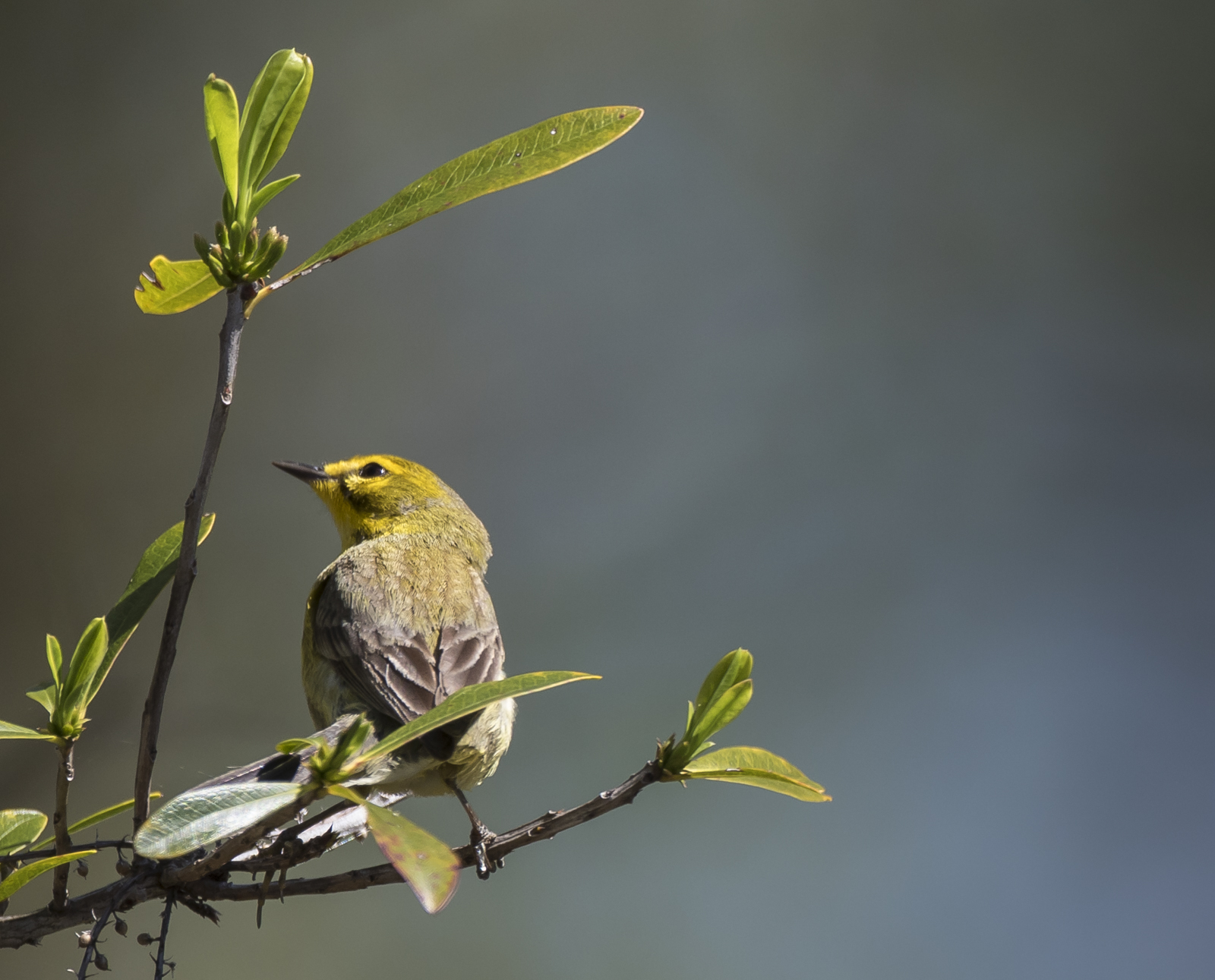
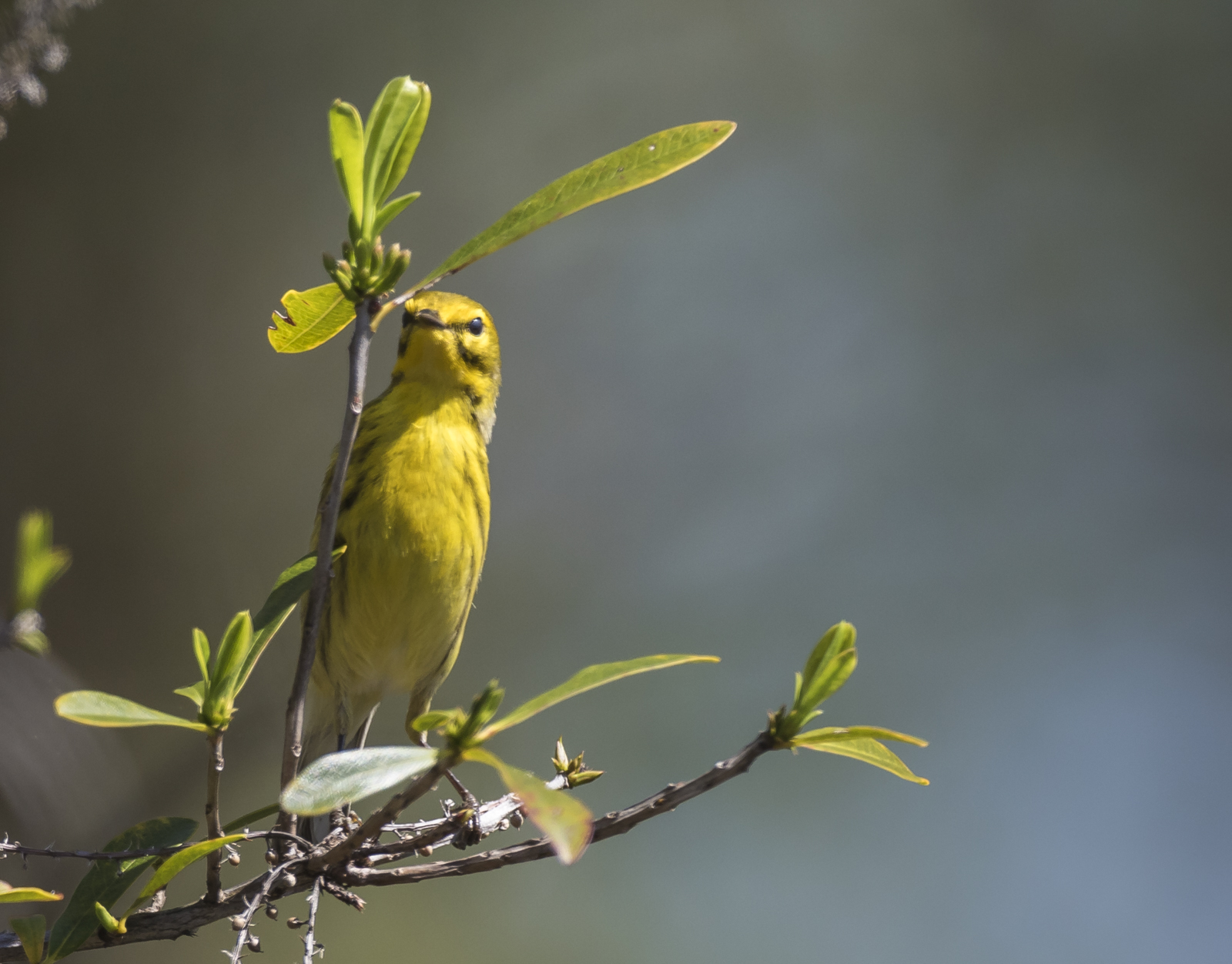
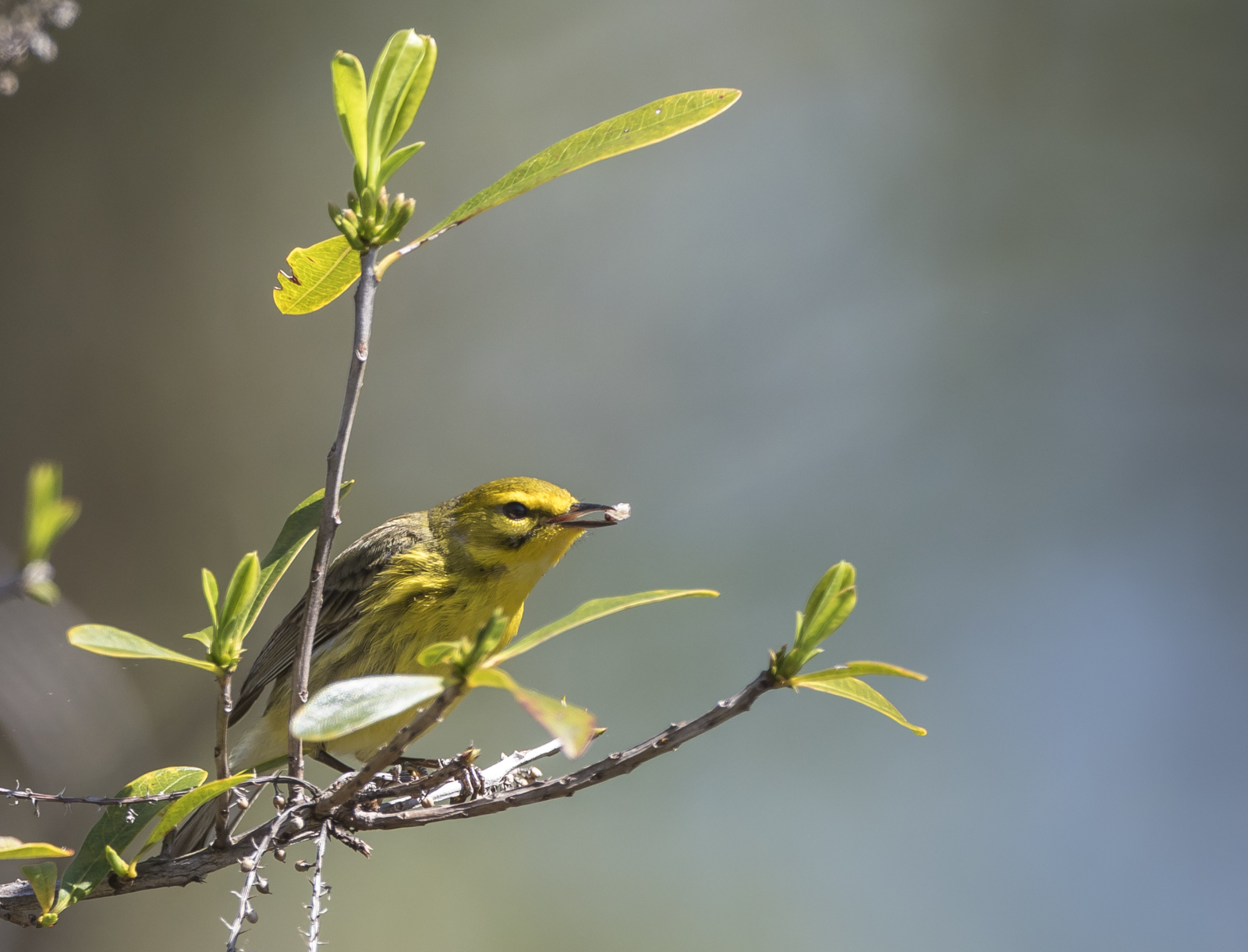
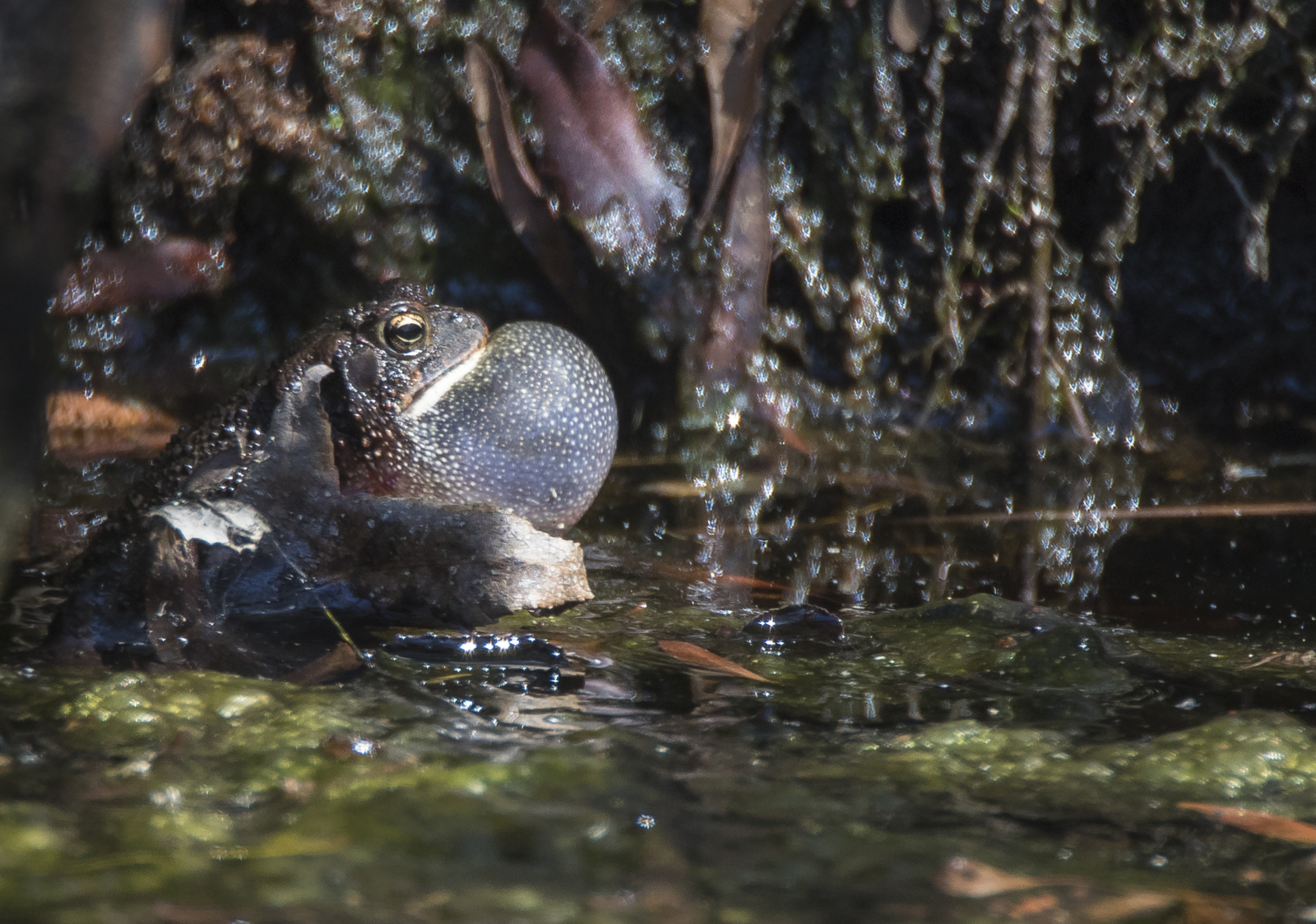
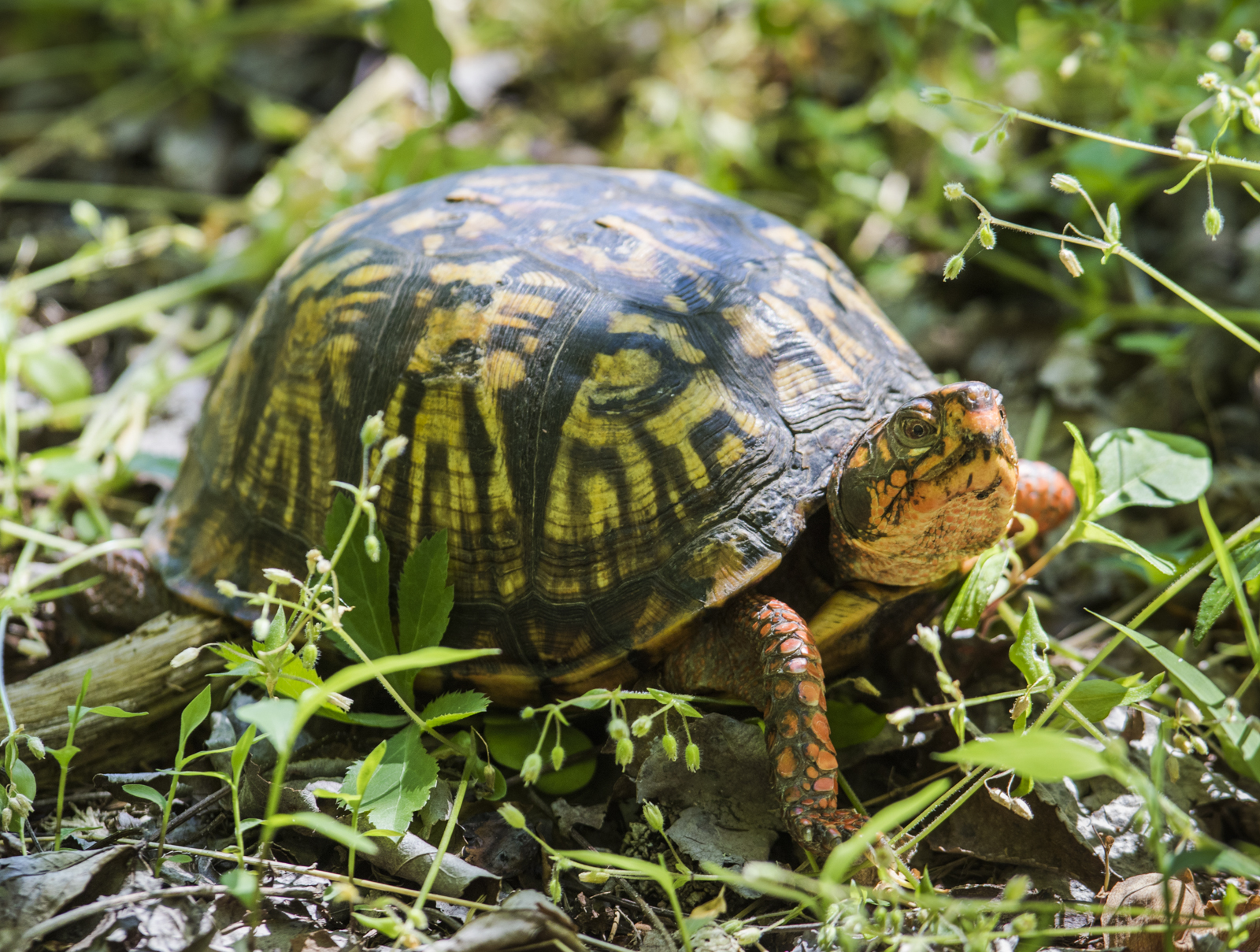
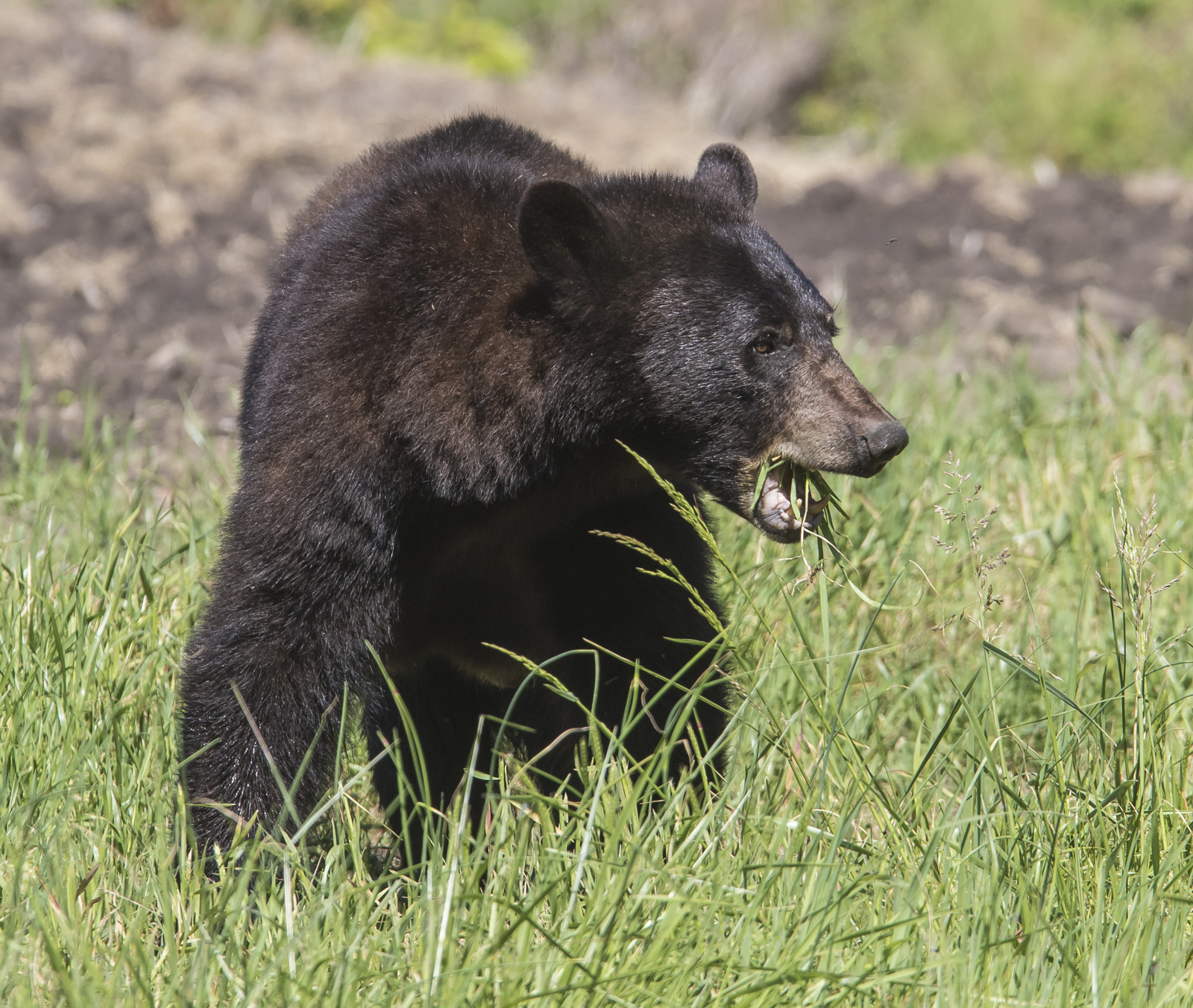
Muskrats seem to be more active this time of year (click photos to enlarge)There were still two tundra swans on the refuge in late AprilAn adult bald eagle surveys the marshWild turkey are abundant on the refuge in springPrairie warblers were seemingly everywhere in the thick vegetationA foraging prairie warbler looks over each twig for a tasty treatIt spies something……and grabs it. The quick snack may have been a scale insect of some sort.American toads called from many of the canalsI’m always amazed that box turtles seem to survive so well here with all the bearsPalomedes swallowtails are abundant in these pocosin habitatsThistle pollen covers a butterfly bodyA yearling cub stands to check us outAnother yearling swam across a canal, climbed up into the road, and decided to go elsewhere when it saw our carA sow black bear contentedly grazes on lush grass along the roadside





































 Roads End Naturalist