
I’ve always enjoyed writing. In second grade, my best friend Kelly and I would spend indoor recess writing poems and stories. Before we moved to Montana, I went through decades of journals that my mom had held on to over the years. It was both embarrassing and hilarious to read my thoughts on boys and school and teenage life. In college, I spent three years pursing a degree in civil engineering, which later evolved into a degree in environmental science. The science- and math-heavy coursework did not lend itself to much writing, nor did the life of a busy college and then graduate student. But fairly early into my work at the Museum, I participated in a workshop about using poetry as a tool to observe and write about nature. It reignited my interest in writing and provided me with tools to help start putting pen to paper. Since then, I’ve written in fits and starts when inspired by experiences outdoors, often in the eastern North Carolina swamps or in the vastness of Yellowstone.
I was fortunate to have a colleague at the North Carolina Aquarium at Pine Knoll Shores that knew I dabbled in photography who sought out a collaboration to put together an exhibit of my work at her site. As that project progressed and focused in on the swamp and savannah ecosystems of eastern North Carolina, it provided a venue to share some of my poetry about the region along with my photographs. Unfortunately, I didn’t manage to get down to the coast to see the exhibit before we moved to Montana, but as far as I know, it’s still there.
I had hoped to pursue writing more as I left my full-time job with the Museum and moved to Gardiner. And by some fortunate alignment of fate, shortly after we had settled in to our new home an opportunity fell in my lap. The Charlotte Mason Institute reached out to Mike and me about writing a nature reader for students in grades 1 through 3 for their Alveary curriculum. They hadn’t been able to find exactly what they wanted that was already published. Their science curriculum coordinator, Danielle, was a fan of this blog and told us how much she enjoyed its sense of discovery and wonder. She asked if Mike and/or I would be interested in writing for them. I was eager for the opportunity, and Mike was enjoying retirement too much to want to take the project on, so I excitedly agreed to do it.
Danielle gave me free rein to think about my experiences in nature and the things that I found fascinating. My experience at the Museum showing teachers the wonders of nature right outside their classroom doors provided a perfect launching point. There are some things that almost everyone can find near their home that kids reading my stories would be able to explore. A few of the topics headed further afield to talk about slightly less local places, and those provided opportunities to describe different ecosystems or showcase natural phenomena that could be tied to experiences back home. Basically, the project was creative, fun, and perfect for me!
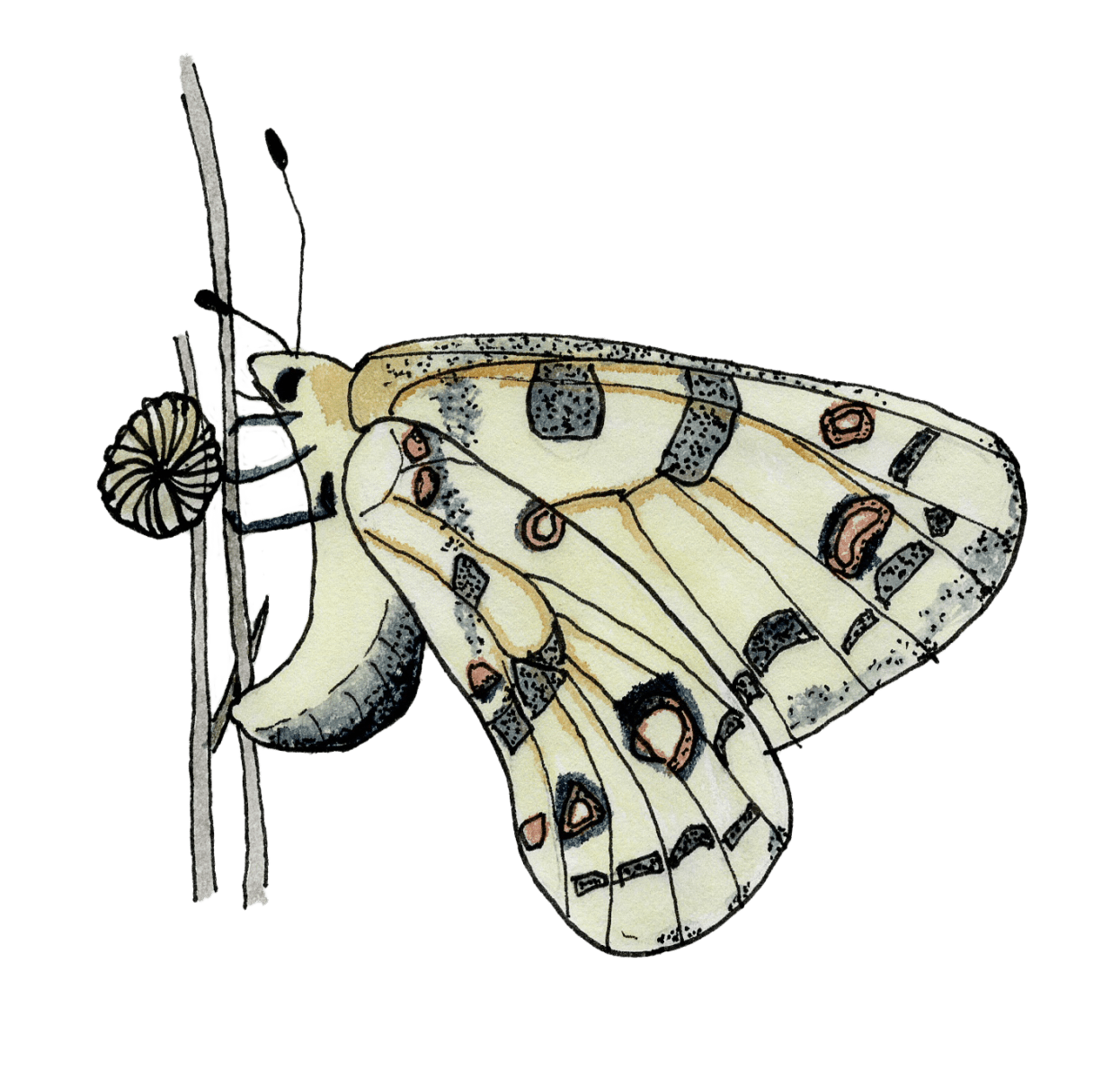
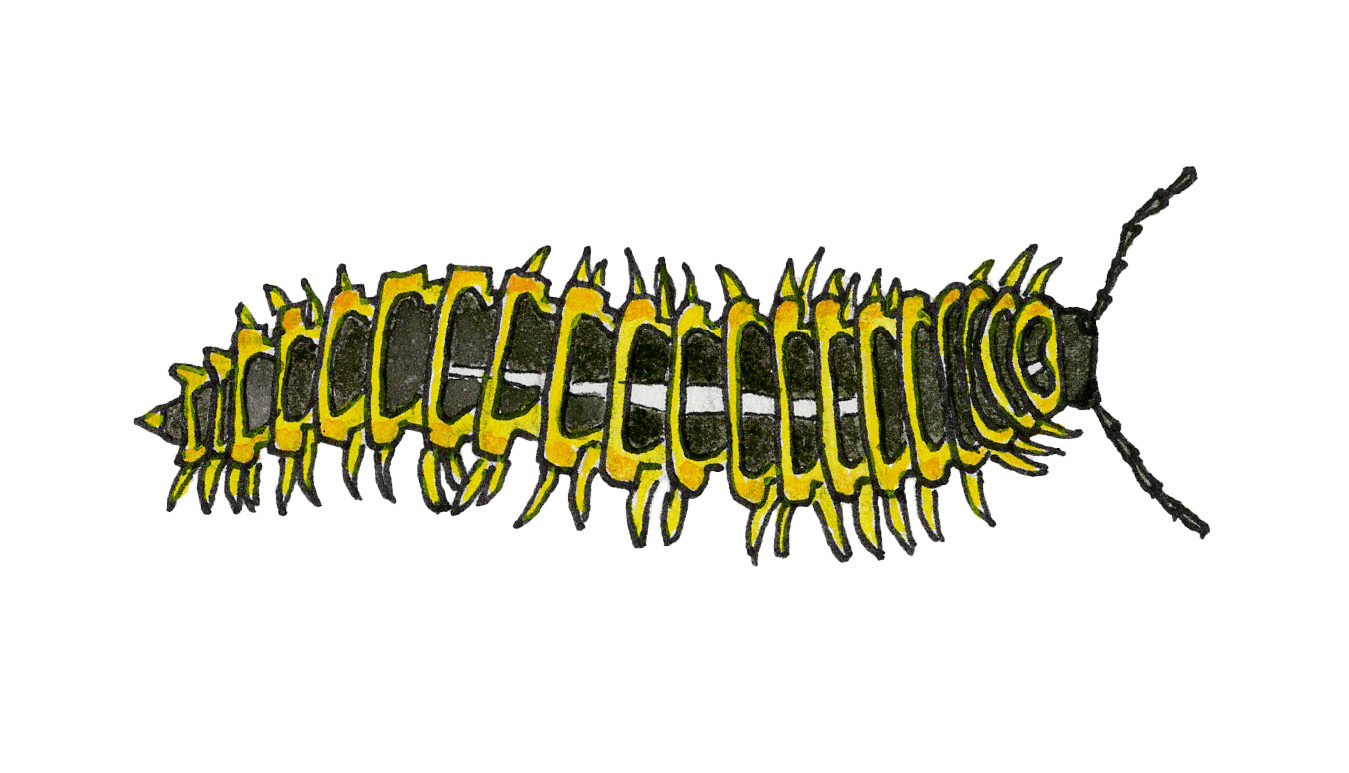
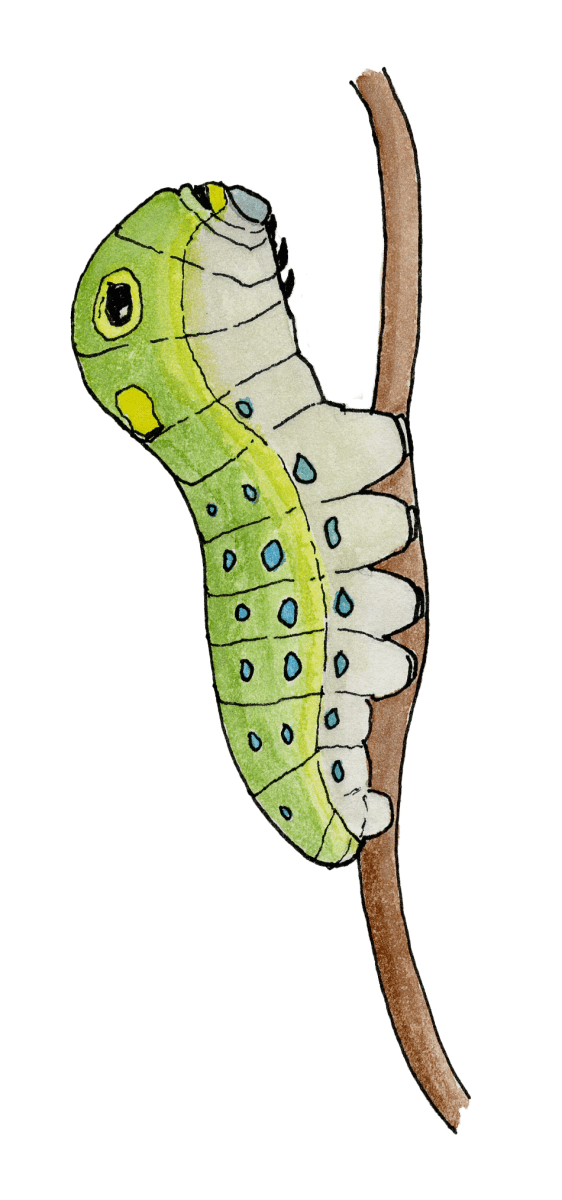
As I was working on the project, I was also exploring drawing and watercolors a bit. I’d taught nature journaling to teachers for years and given away hundreds of sets of watercolor pencils, but rarely took the time to practice those skills myself. My friend, Chris, gifted me a registration for John Muir Laws’ Wild Wonder Nature Journaling Conference, which gave me new ideas and techniques. So I decided to add illustrations to about half of the nature reader stories. Plus, Mike and I had pictures of pretty much everything I was writing about, and we were able to add those visuals as well.
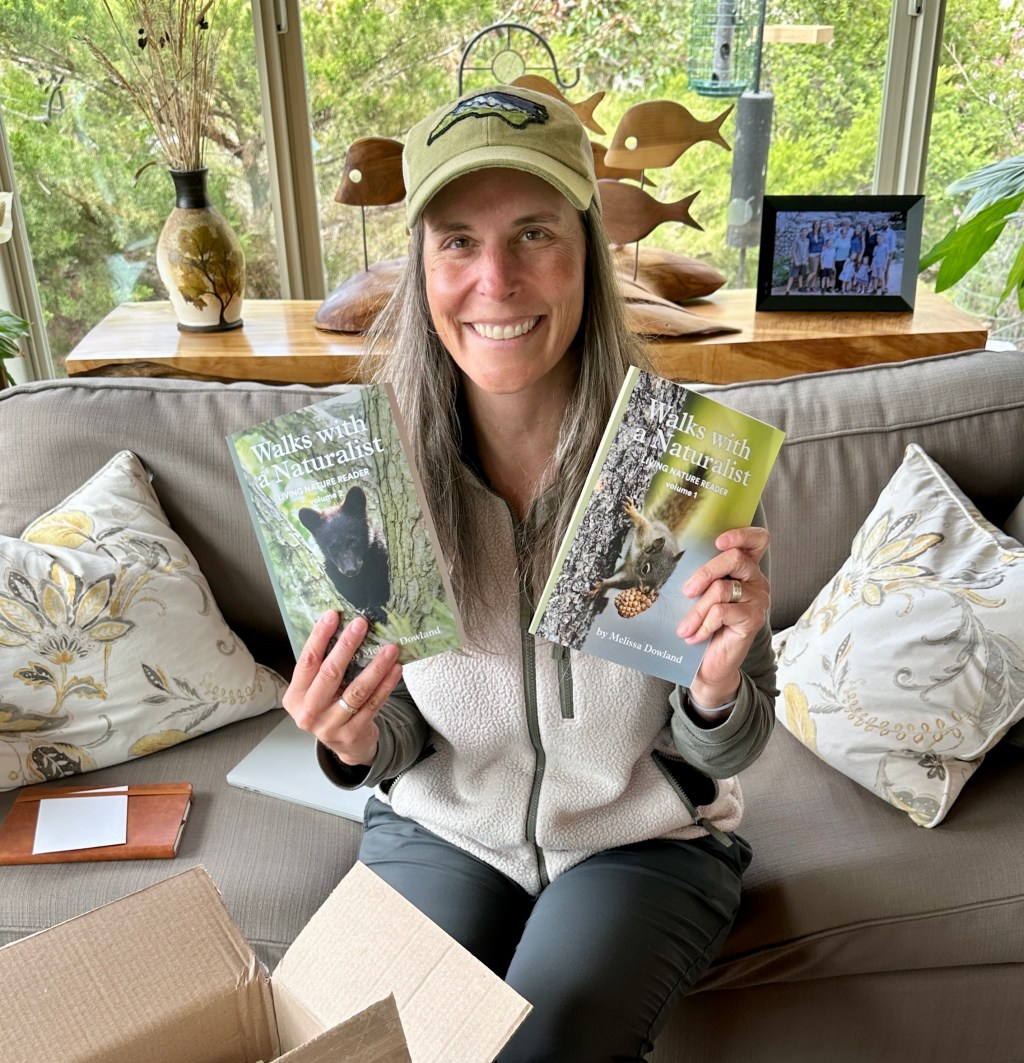
Today, copies of the first two books arrived in the mail! I can’t quite describe how exciting it feels to hold a book that I have written in my own two hands. The covers have my name on them, and the pages are full of my words and illustrations and photographs (and many of Mike’s, too). I guess it’s much like what has driven my career over the last twenty years: I love sharing nature with others. I love making a difference in their lives and helping them see the world with new eyes. I hope that my books will be another way to do just that.
These first two books are designed to go with the Alveary science curriculum for grades 1 and 2. There are thirty stories in each. I’m not a reading specialist, but I’d guess they’re actually written at an upper elementary or early middle school reading level. Fortunately, writing at grade 1-2 reading level wasn’t the goal, as the books are intended to be used by parents or teachers with their students. And though I’m using the word “curriculum” here, the books are really just a collection of nature stories, many of which end with a prompt to go out and explore for yourself. Over the next few weeks, I’m planning to share a few of the stories on the blog (with the permission of the publisher). I hope you enjoy reading them as much as I enjoyed writing them!
Here’s one to get that started…
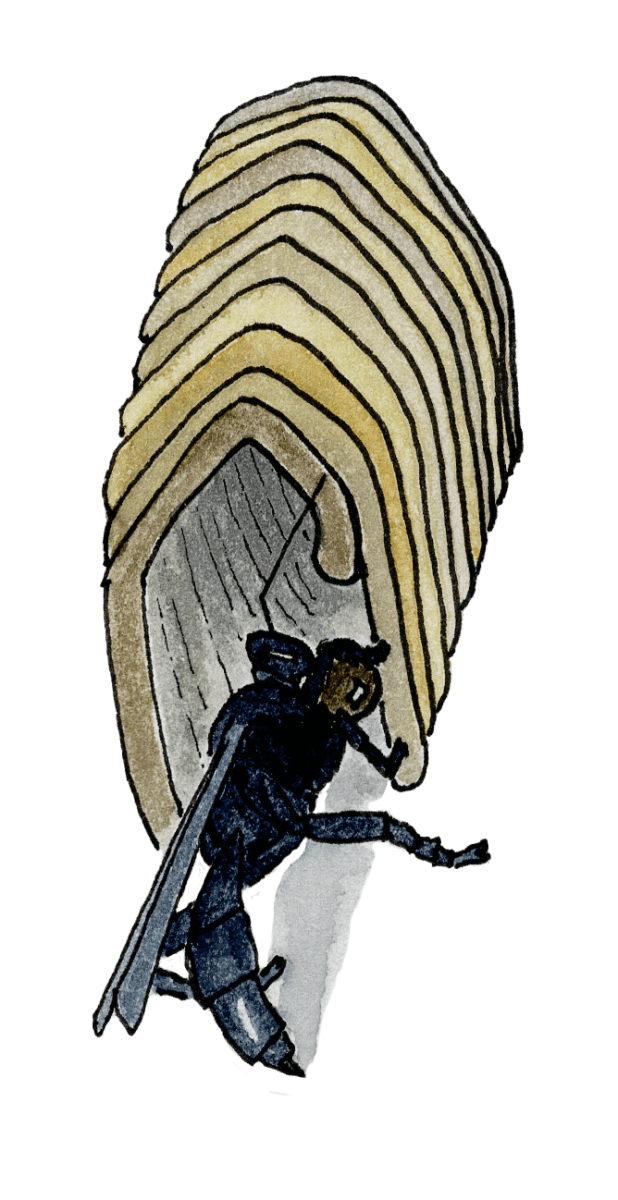
Year of the Cicada
I was born in a cicada year. The summer my mom was pregnant with me, the periodical cicadas showed up. They squeezed their small brown bodies out of holes in the soil, climbed up the nearest tree or fence or house, and split open their backs. Out came an adult cicada that flew away to a tree. They left behind papery exuviae all over the trees and fences and houses. My mom didn’t like it.
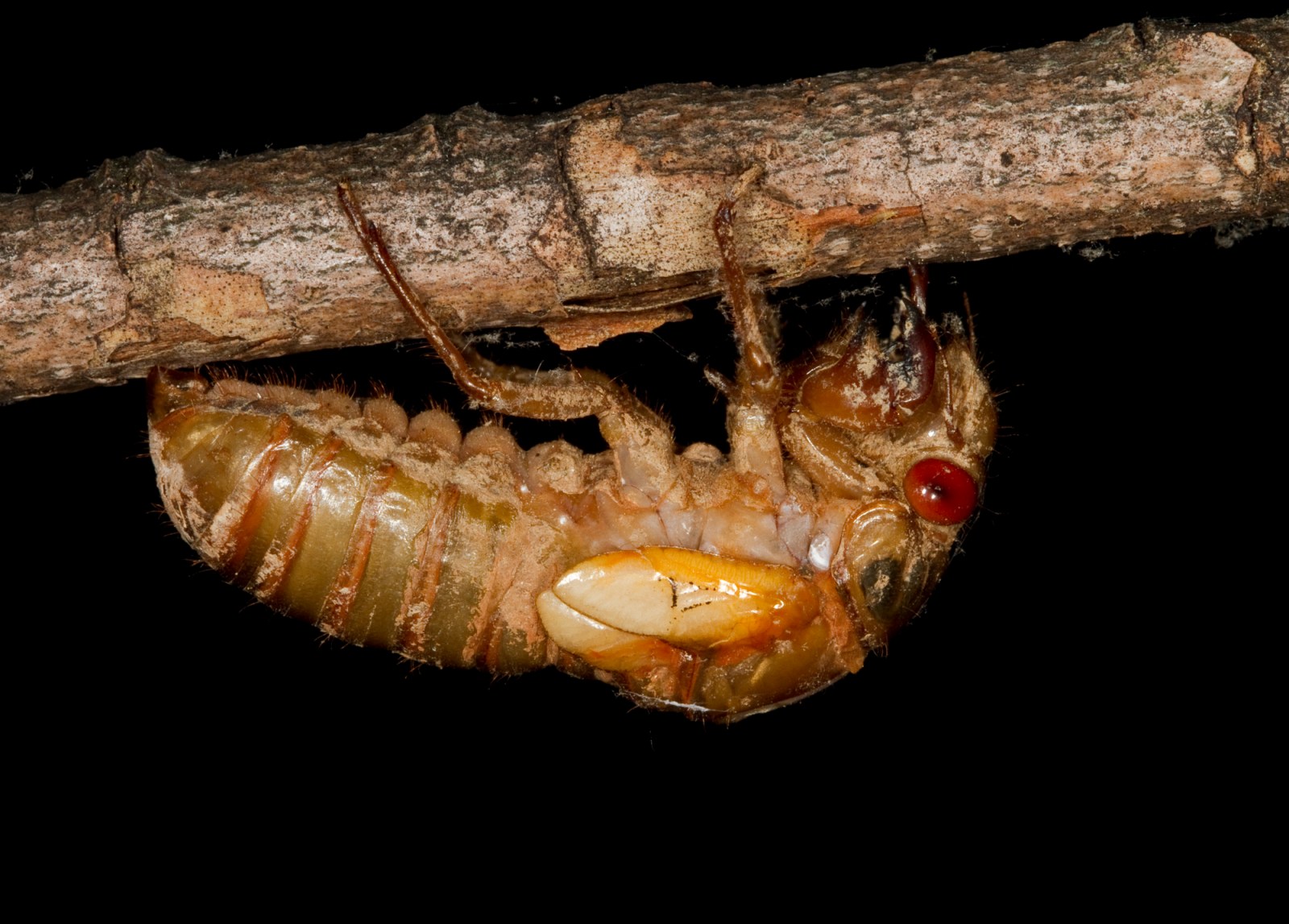
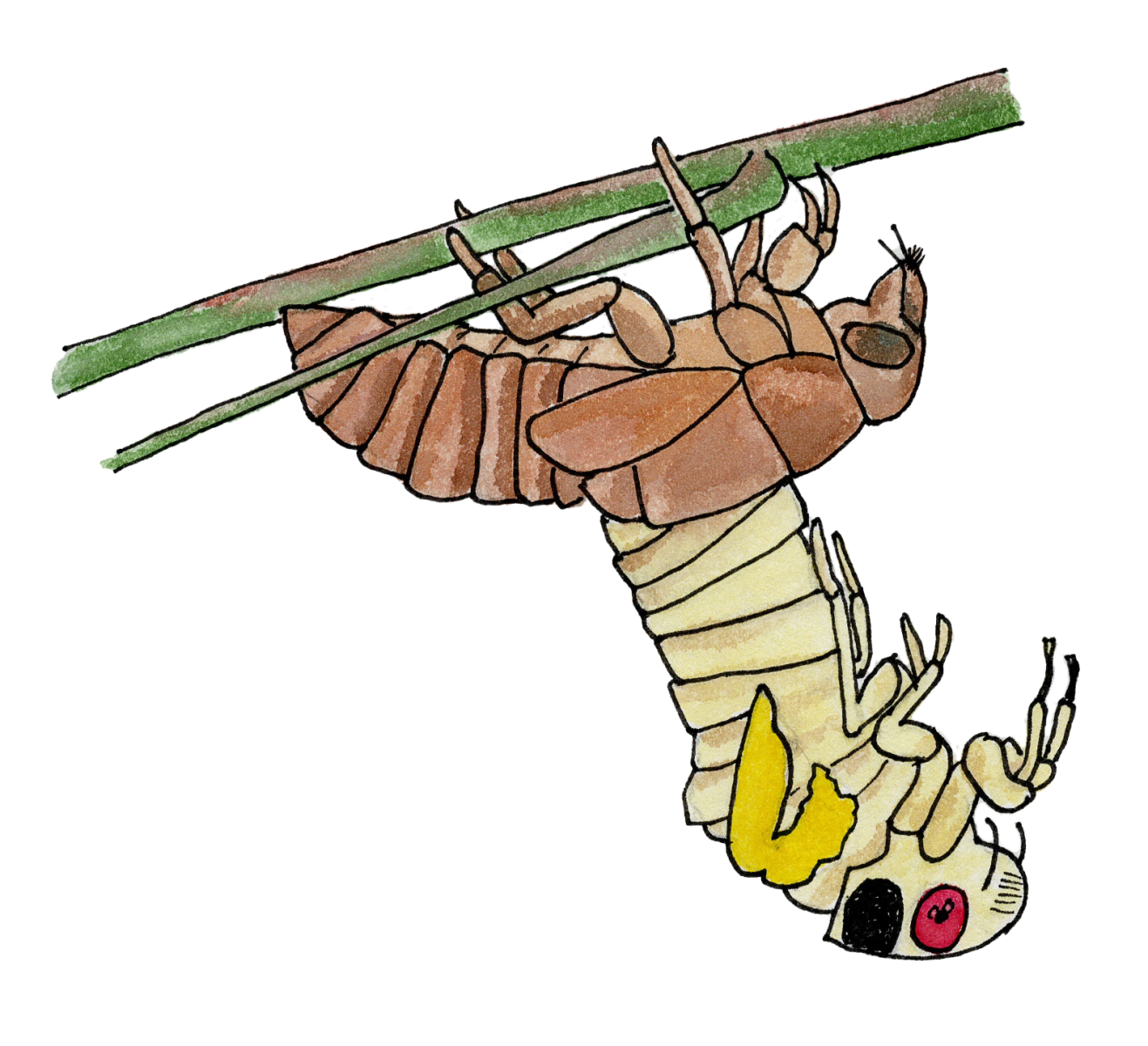
Seventeen years later, just as I finished high school, they came back! The cicadas that were hatched when I was in my mom’s tummy had grown up with me! This time, I could observe them. Holes appeared in the yard. Small brown cicada nymphs crawled up the trees and fences and houses. They sat there until night time. Then they split open their backs. Very slowly, a white ghost-like adult cicada with bright red eyes and two black spots leaned out and back. Its wings were crumpled up. It hung on the papery exuvia for a long time. It pumped fluid into its wings and waited for them to harden. I couldn’t wait that long. It was time for me to go to bed. In the morning, the adult cicadas had changed color from white to dark green and black. But their eyes were still red!
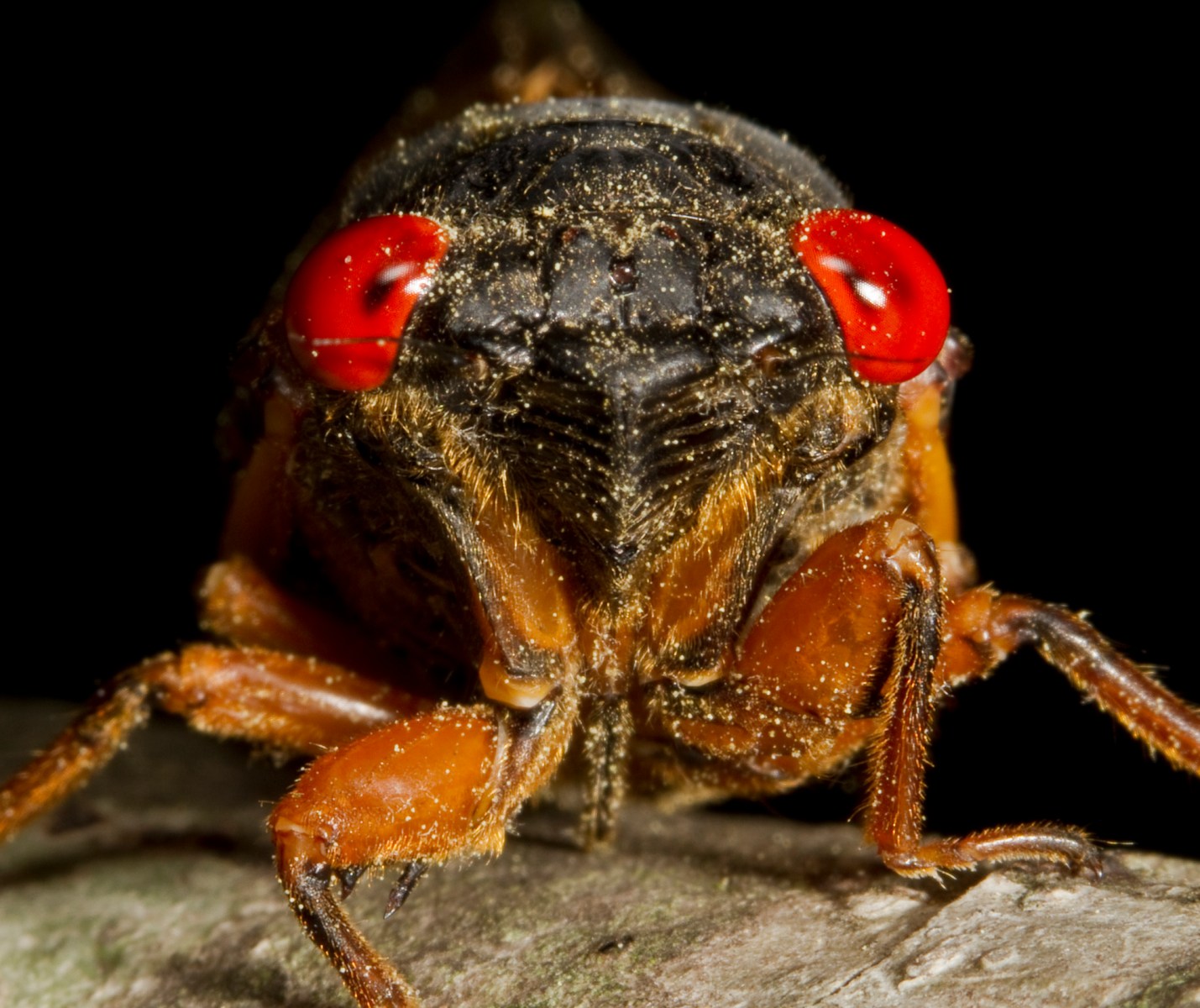
The neighborhood filled with a loud whining sound. It was millions of cicadas all singing at once! The song lasted for weeks. Then, at the ends of twigs on lots of trees, small cuts appeared. It was where the cicadas were laying eggs. Once they hatched, the nymphs would fall from the tree and bury themselves in the ground for another seventeen years.
How the cicadas come only every 17 years seems kind of like magic. My mom didn’t think so. She thought they were gross. But I think it’s amazing! Are there bugs in your yard that might be gross… but are also amazing?
Exuvia: An exuvia is the shed skin of an insect.
Note: Some cicadas are annual cicadas and are around every year. Periodical cicadas occur in broods. There are some on a 13 year schedule, and some on a 17 year schedule. Scientists think the reason they do this is so that there are so many cicadas that predators can’t eat them all. Some will survive and lay eggs for the next generation.
This story is copyrighted by the Charlotte Mason Institute and is shared with their permission. It may not be reproduced without their express written permission.
If you want to read more, the books are available to order here!


Leave a Reply