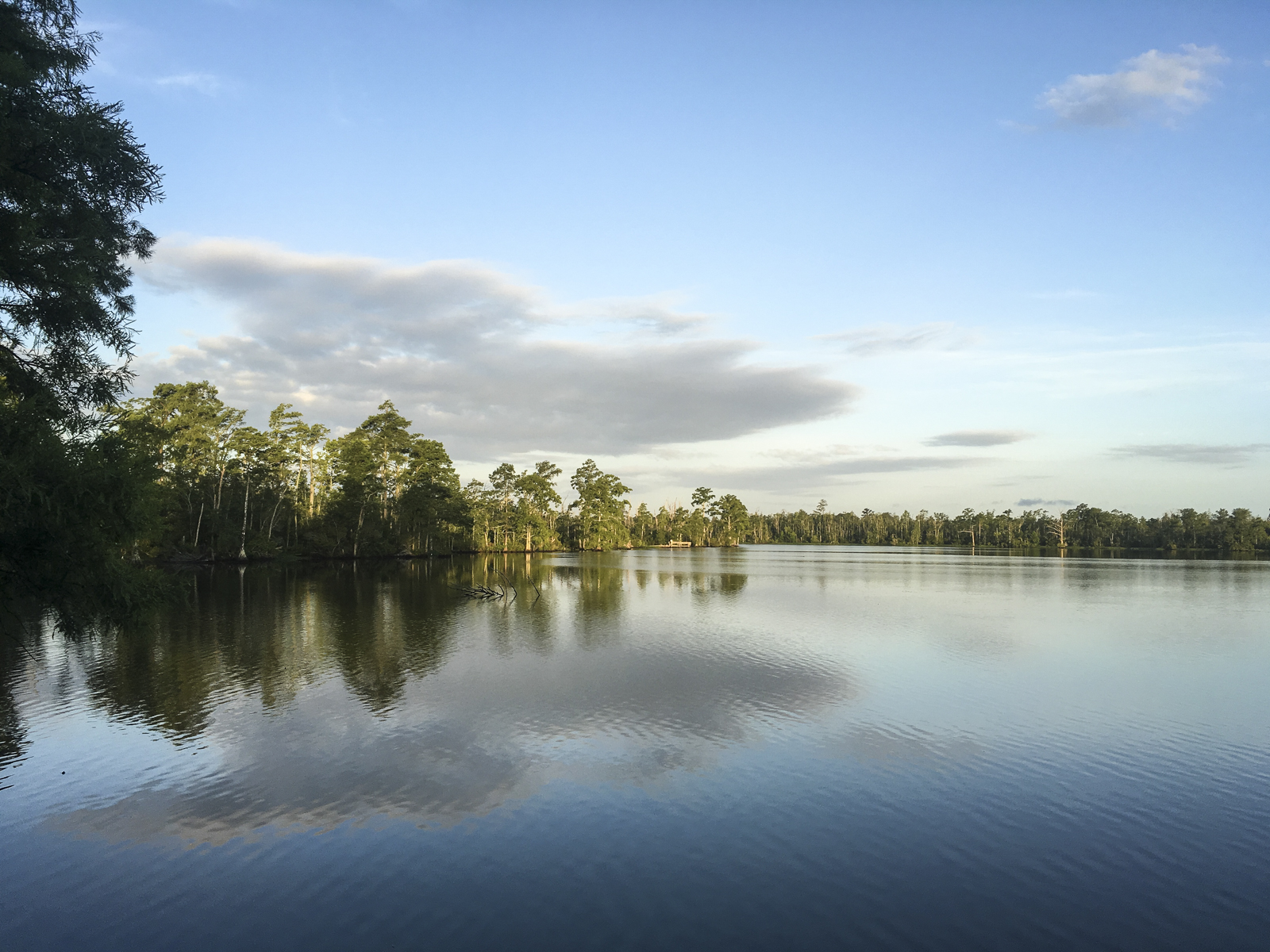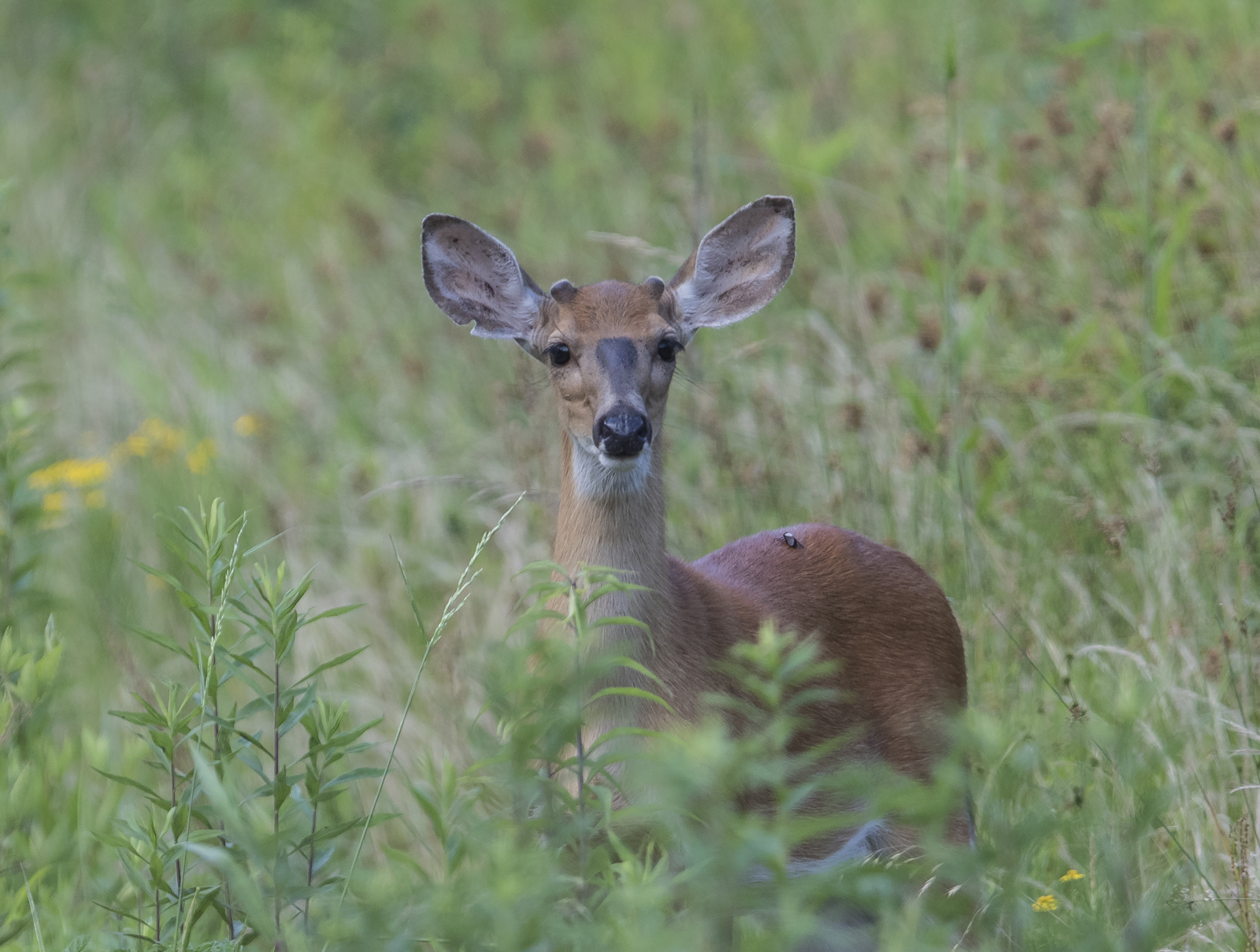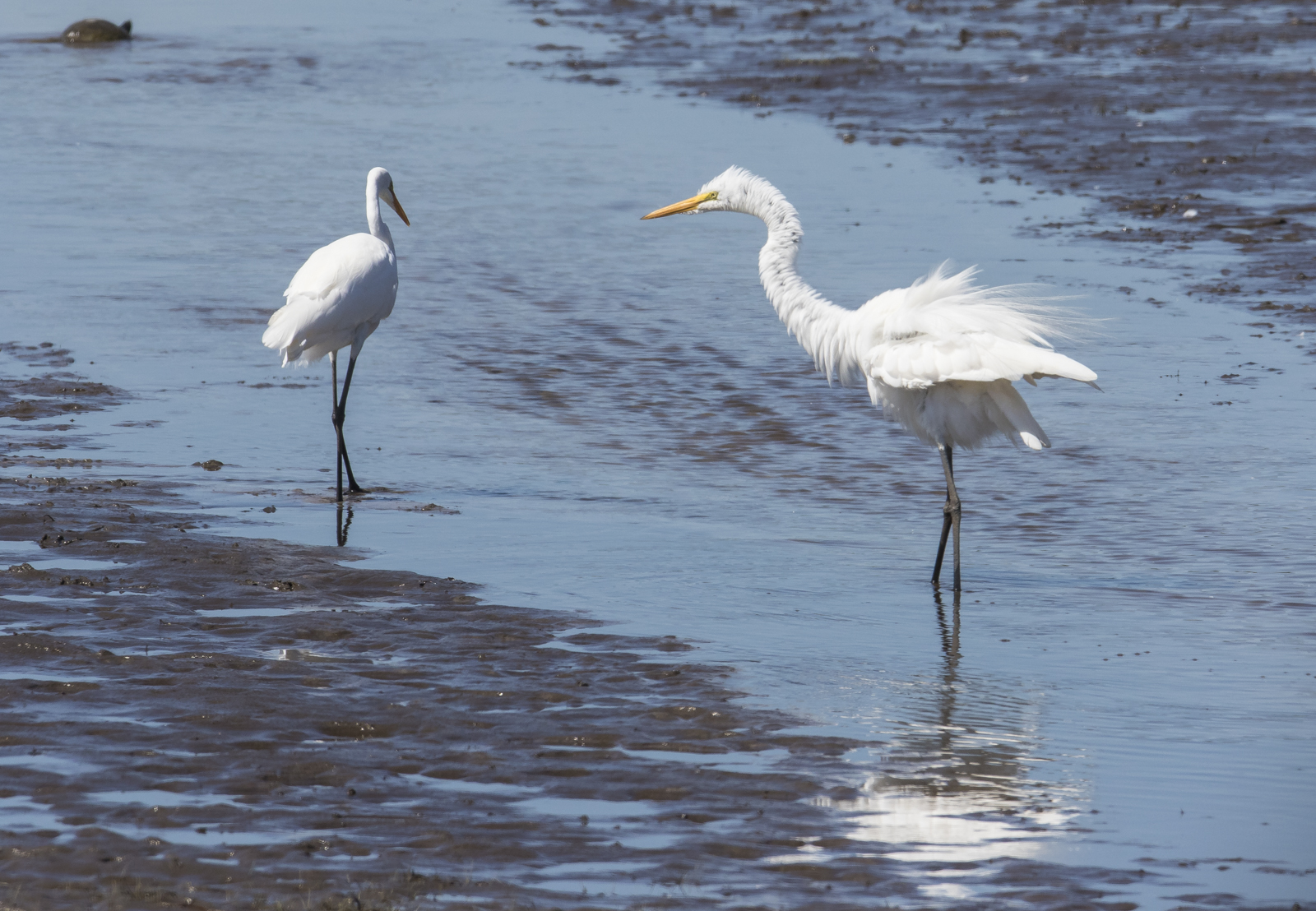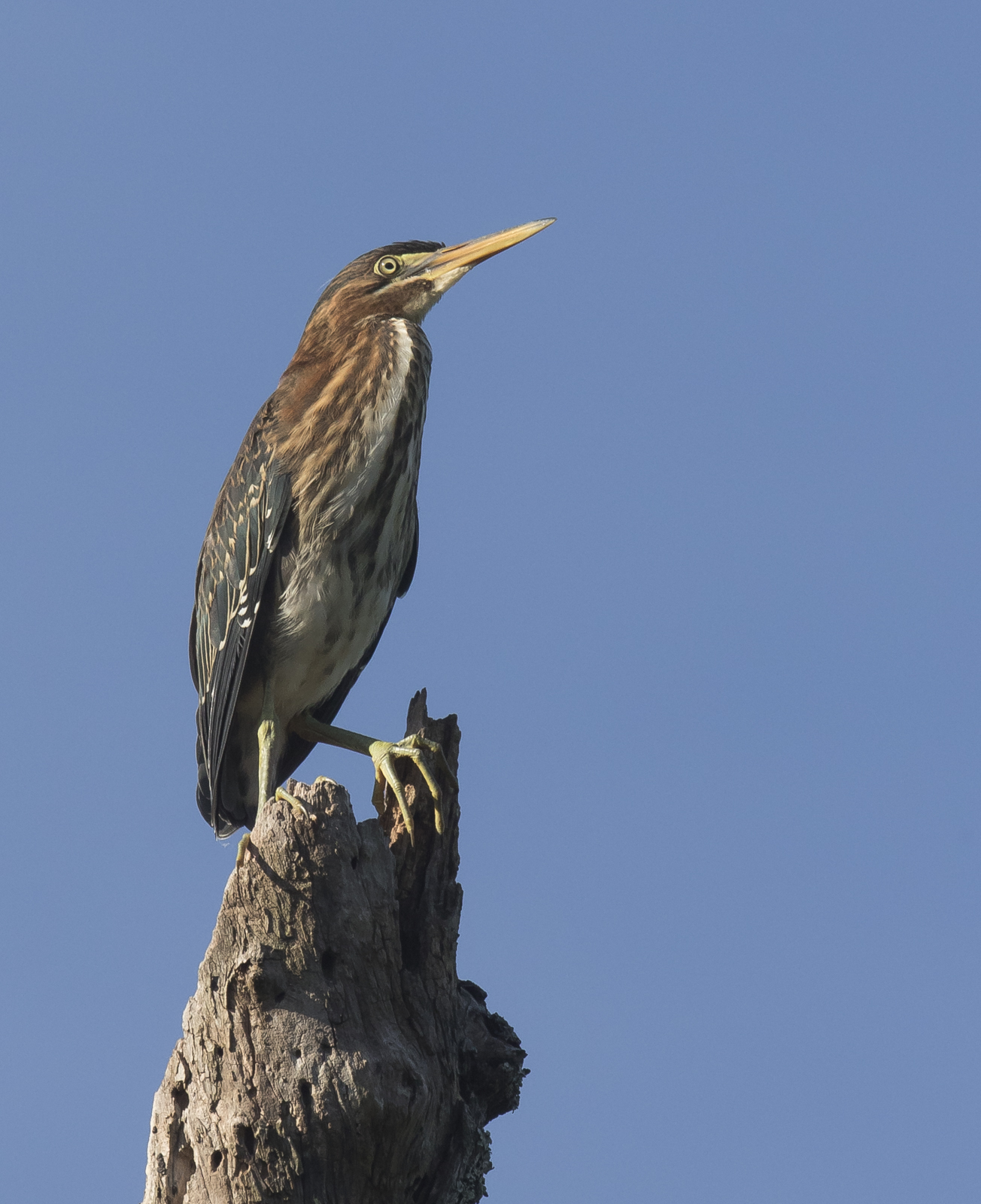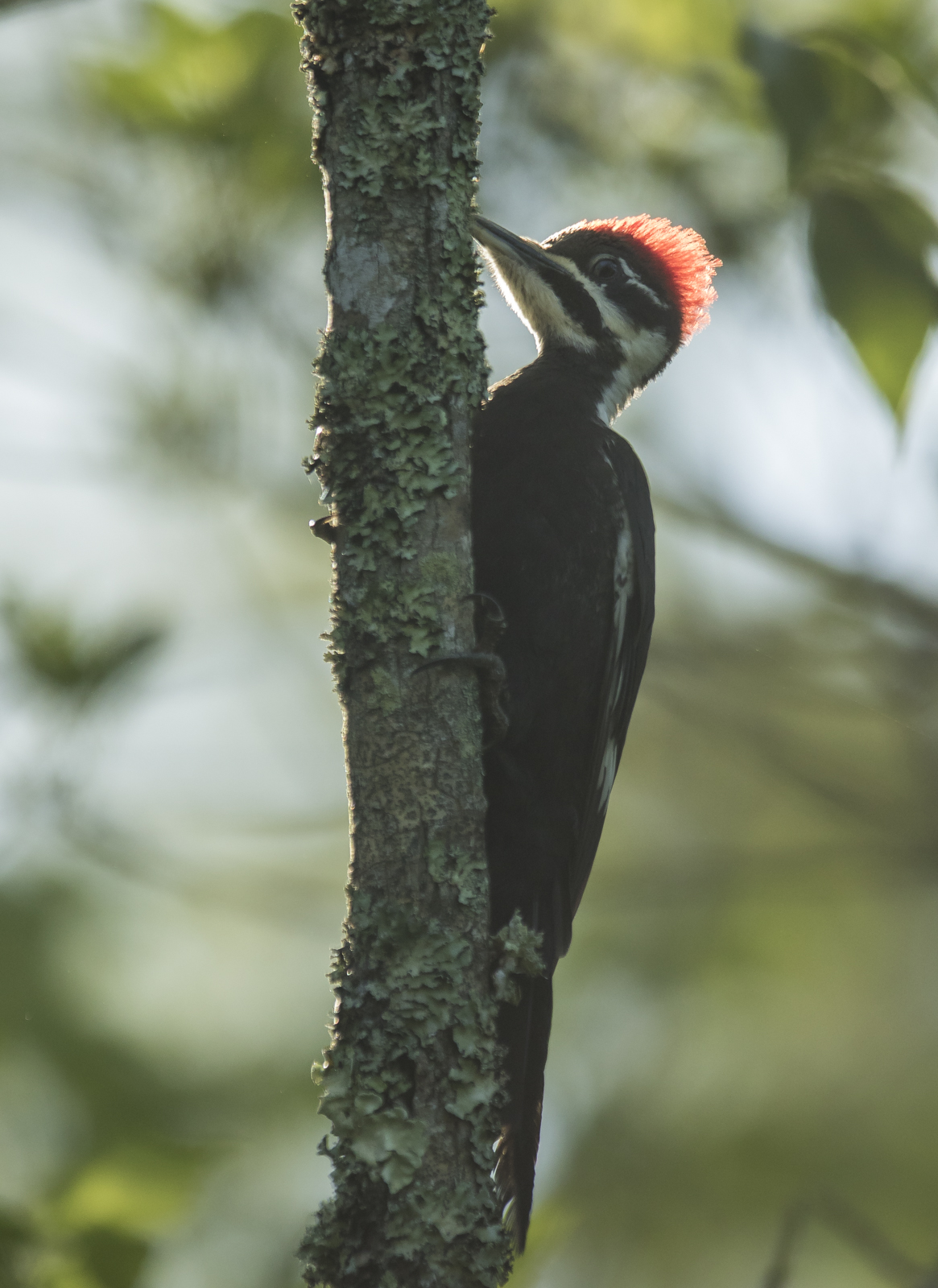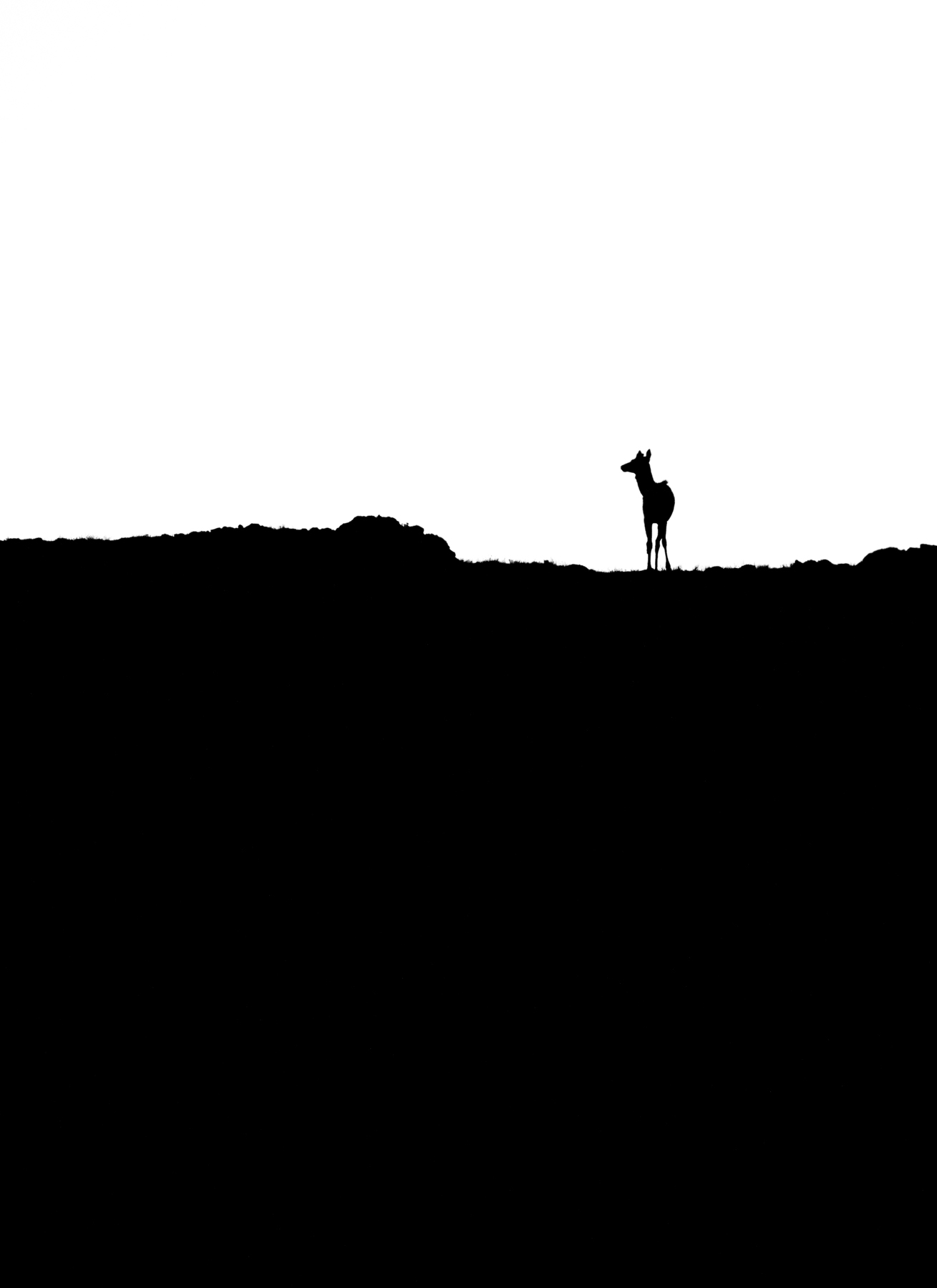
He seldom gave more than three or four pecks at a time, and would then swing his head round to one side or the other, sometimes raising his scarlet crest.
~O. M. Bryens, on watching a pileated woodpecker feeding
Spent a few days at my folk’s place in Damascus this week, enjoying the beautiful mountain setting, and celebrating somebody’s 85th birthday. A couple of days before we arrived, my Dad spotted a pileated woodpecker working on a stump near his garage.
Stump that has been hammered by a pileated woodpecker (click photos to enlarge)
We walked out toward the garage the first afternoon and a huge bird exploded from the ground where it was feeding. Had this been at home, I would have spent the next couple of days sitting in a blind hoping to get some close ups. But, when you are visiting, you can only grab a camera every now and then hoping to get a shot.
Pileated woodpecker is wary of my approach
Luckily, this particular bird announces its arrival with the typical pileated call. I was inside the house and heard it on the second afternoon. So, I grabbed the camera, eased out the door, walked around the house, and tried to sneak up on the stump. The pileated saw me, moved up the stump and glared at me, then hopped back down and resumed chiseling. But, it was not clearly visible from where i stood, so I took a couple of more steps. And that was it…I had pressed the issue a bit too far, and off it flew. I saw it return a few more times, but decided to not disturb it. I’m not sure what it was after. Carpenter ants are a favorite food, but the holes in the stump look more like some sort of boring beetle larvae was the culprit (or maybe carpenter worms, a type of moth larva).
Male pileated woodpecker showing the red stripe on the side of the face
This bird is a male, showing the red stripe coming off the back side of the bill. When it flew, it went across the road up near my folks’ rental cottage to a stand of large trees, undoubtedly where the nest tree is located. This area has a rich bird life due to the mixture of forest, meadows, and the river down below the property.
View from one side of the wraparound porch at the Country Cottage
And that reminds me…my folks have a rental property that is situated in the mountains near Damascus, VA. It is close to great hiking, fishing, and the famous Virginia Creeper Trail, a bicycle trail that runs from Whitetop to Abingdon. The bird life is abundant, it is not far from my favorite Virginia State Park (Grayson Highlands), and there is beauty to be found any time of year. If interested in a peaceful mountain getaway, check it out at their web site, the Country Cottage.
I think the most important quality in a birdwatcher is a willingness to stand quietly and see what comes.
~Lynn Thomson
This past week must have been the peak of spring migration in our woods. Every time I looked out, I saw something of interest, either just passing through among the branches, or stopping by the feeders.
Rose-breasted grosbeaks have been very abundant this past week (click photos to enlarge)
One of my favorite migrants is the rose-breasted grosbeak. They have been here for a couple of weeks now but seem to have reached their peak this past week. I have counted as many as eight at one time near the feeders. The males are one of our more boldly marked birds, with striking black and white and a colorful rose-colored breast and underwings.
Female rose-breasted grosbeak
Females arrived about a week after the males and don’t seem quite as abundant. They are drab in comparison, but are still a striking bird, especially with that bold head stripe and huge beak.
Female rose-breasted grosbeak helps herself to some suet
And they have been putting that beak to good use at both the sunflower feeders and the suet. It seems the suet has been getting more than its share of visitors this spring and on a few recent days, the birds have gone through more than one entire suet cake in a day (there are two suet feeders out). I decided to set the camera up with the tripod, 500mm lens, and a flash, to see what I could record. The light is best late in the day when there is a shadow cast on the feeders, but still plenty of ambient light on the trees behind the deck. The flash highlights the birds without appearing too harsh, as is the case earlier in the day. In three afternoons, I had some pretty good luck, plus some bonus species that didn’t visit the suet, but were feeding in nearby trees.
Female common yellowthroat foraging in some low shrubs
Among the passers-by were a few warblers, including a female common yellowthroat, a worm-eating warbler, some northern parulas, and several black-and-whites. Some beautiful non-warblers also made the scene – American goldfinches, northern cardinals, blue-gray gnatcatchers, and summer and scarlet tanagers, along with a few others I’ll mention later.
A pair of male rose-breasted grosbeaks at the suet
But most of the action has been at the suet feeders. So, close to one of the feeders on the deck, I attached a branch to the rail with a clamp, and set up the camera in the bedroom with an open door (yup, real wilderness photography), and waited. Here are a few of the highlights…
A pair of blue jays have been making the roundsA Carolina chickadee having a bad hair dayDowny woodpecker hanging onTufted titmouse thinking…suet or seed? So many choices…Red-bellied woodpecker male showing how he got his somewhat confusing nameA black-throated blue warbler is the highlight of my suet sightings
But, of all the birds that are coming to the suet, my favorite has to be a male black-throated blue warbler. This is the first time I have had one of these beauties visit a feeder. There have been several moving through the trees (including one female that I have spotted), but this little guy is a regular visitor at the suet.
This little male is rather bold, but only stays a few seconds on each visit
Male black-throated blues are one of our most stunning spring warblers, with a beautiful blue back and top of head, set off by the black throat and sides, and a white belly. They are common spring migrants in the east as they head north or to our mountains to nest. They may look so fresh and bright because they probably spent the winter in the Bahamas or the Greater Antilles. My warbler guide says they are frequent feeders at peanut butter or suet during migration, so I am glad this one (or more than one?) is living up to its reputation.
A quick pose, and then off he goes
I am glad I am around to appreciate the beauty of this tiny visitor, however long it decides to hang around. Sunday afternoon was a special treat with this guy visiting every 30 minutes or so, plus, out in the yard, a great crested flycatcher, two blue-gray gnatcatchers, and two male northern orioles (a new species for the property).
Rose-breasted grosbeak waiting his turn
Oh, and the rose-breasted grosbeaks are still here, chowing down. Guess I had better get some more suet.
One who reviews pleasant experiences and puts them on record increases the value of them to himself; he gathers up his own feelings and reflections, and is thereby better able to understand and to measure the fullness of what he has enjoyed.
~Sir Edward Grey
I often get comments like this when I post a blog on some creature I have seen in my wanderings outside…You wear special glasses to see these things……right? Well, while I do wear glasses, they are not special naturalist glasses. What I, and many other naturalist types that I know, see is based on a lot of things – familiarity with an area, knowing what to look for, patience, and being in the right place at the right time, among others. It comes from years of dong this, from learning as much as I can about an animal, and by always being on the lookout for things. It isn’t magic, it is something that can be learned, and the more you do it, the better you will be at it. It also helps that I record a lot of my observations. I used to do it in a paper journal. Now, I tend to do more of it electronically and with digital images. A good friend, neighbor, and former co-worker, Jane, does it using a field sketches and notes about the things she sees in nature. We both agree, the important thing is to get outside and to start recording your observations.
A page from Jane’s journal on tanagers at her feeder (click photos to enlarge)Summer tanager from one of my blog posts in 2014
If this sort of thing appeals to you, Jane and I are offering a workshop next month (June 16-19) in conjunction with Pocosin Arts in Columbia, NC. Their web site describes the purpose of this unique institution – Pocosin Arts is dedicated to nurturing creativity through arts education. Located a few steps from the banks of the Scuppernong River we are surrounded by water, wildlife and the natural beauty of Pocosin Lakes National Wildlife Refuge, making it an ideal place to leave your daily routine behind and immerse yourself in one of our creative workshops. That is exactly what Jane and I hope to share with our participants in this unique setting. Spend a few days exploring the natural wonders of this incredible region, learning how to increase your observation skills, and how to record your observations through field sketches and journaling. Details and registration information are available on the Pocosin Arts web site. Hope you can join us for this exciting outdoor experience.
That is one good thing about this world…there are always sure to be more springs.
― L.M. Montgomery
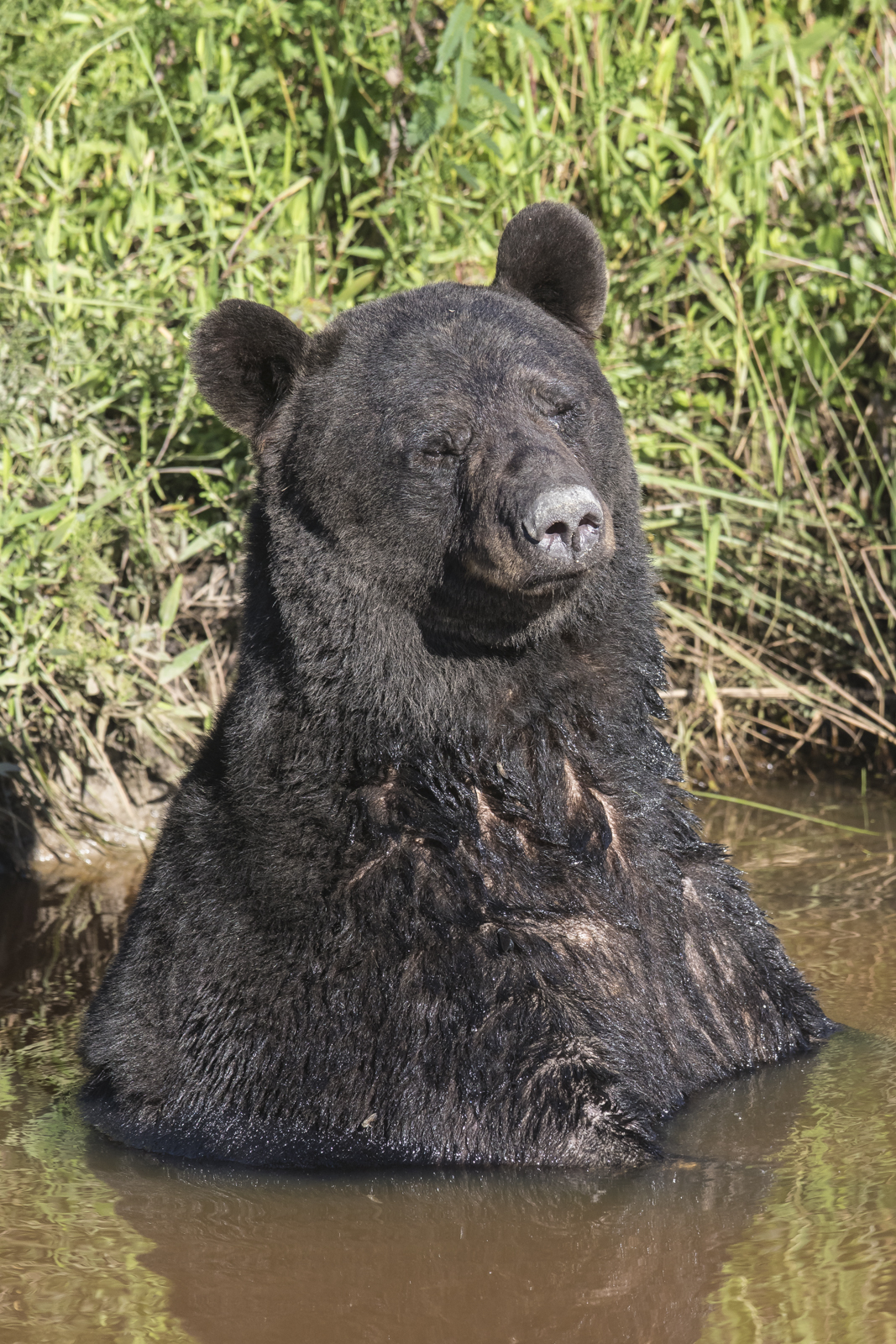
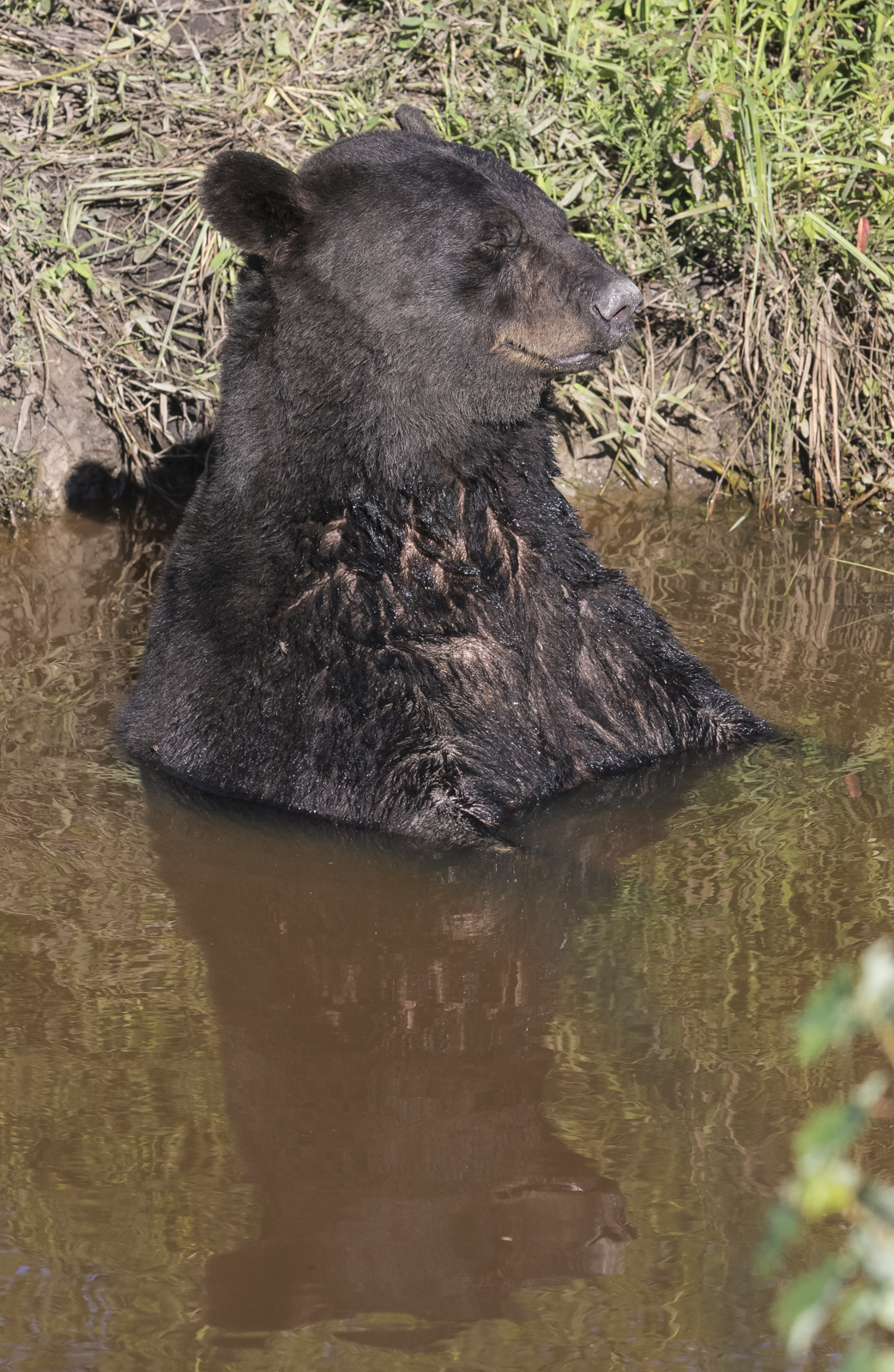
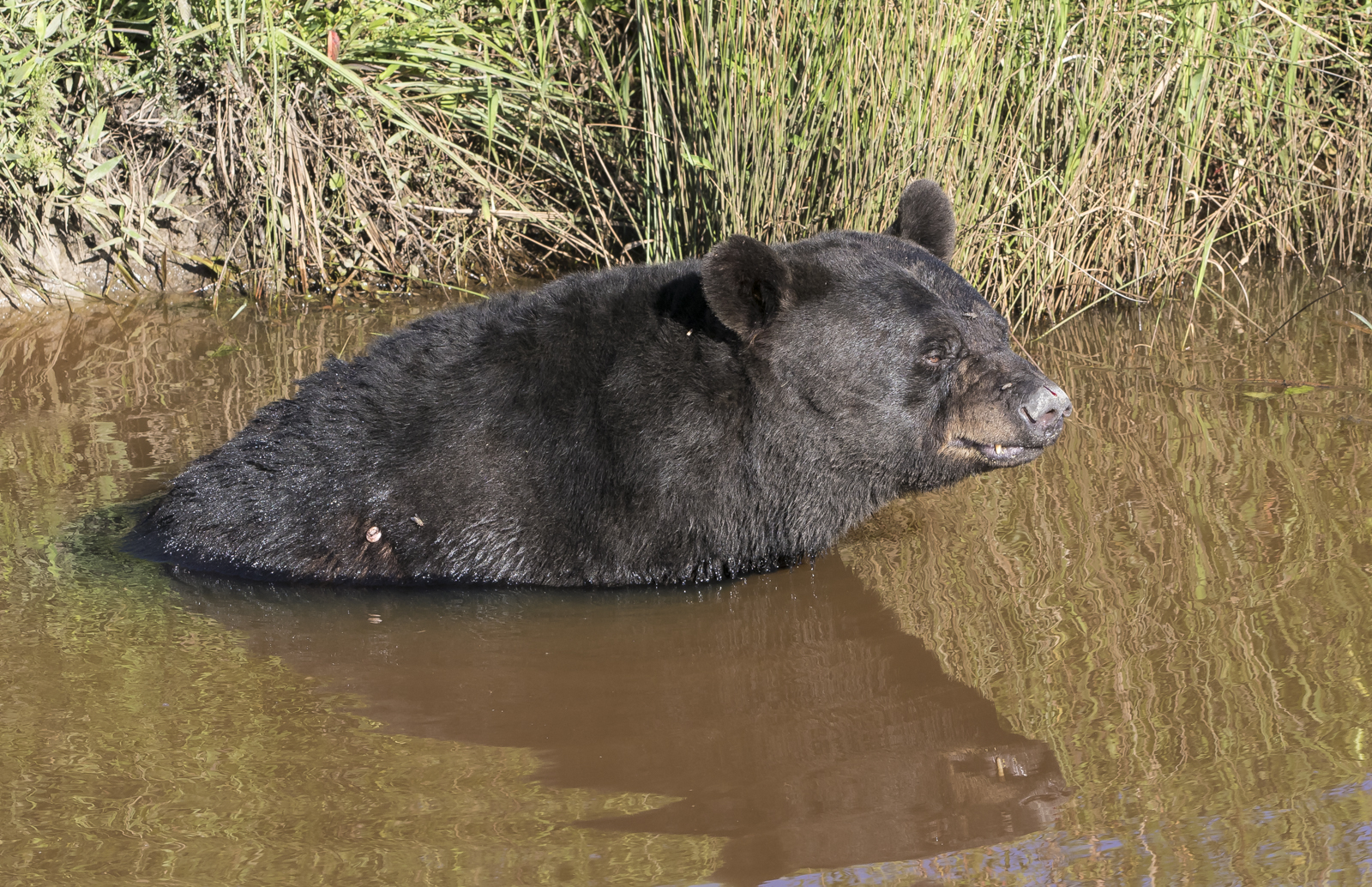
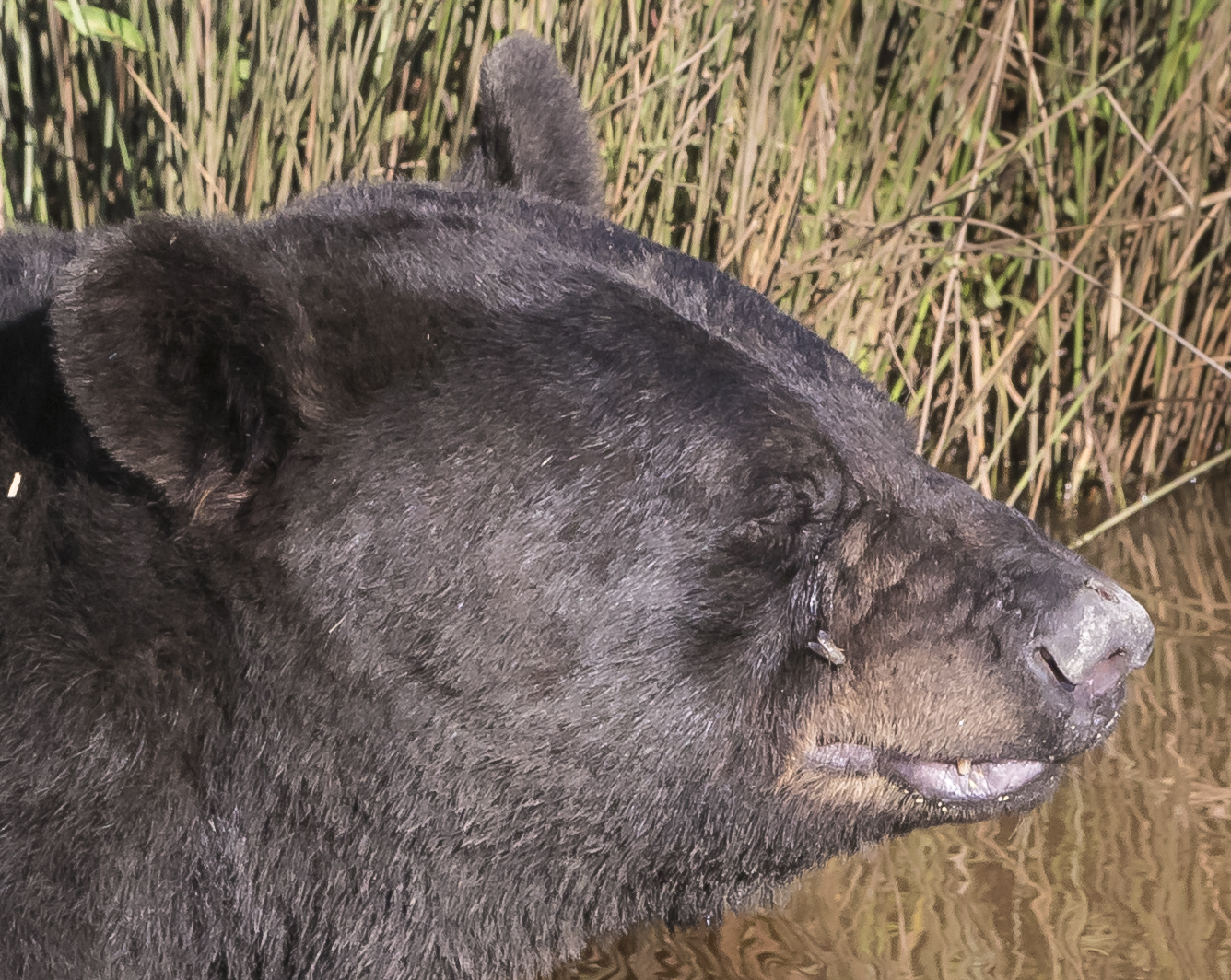
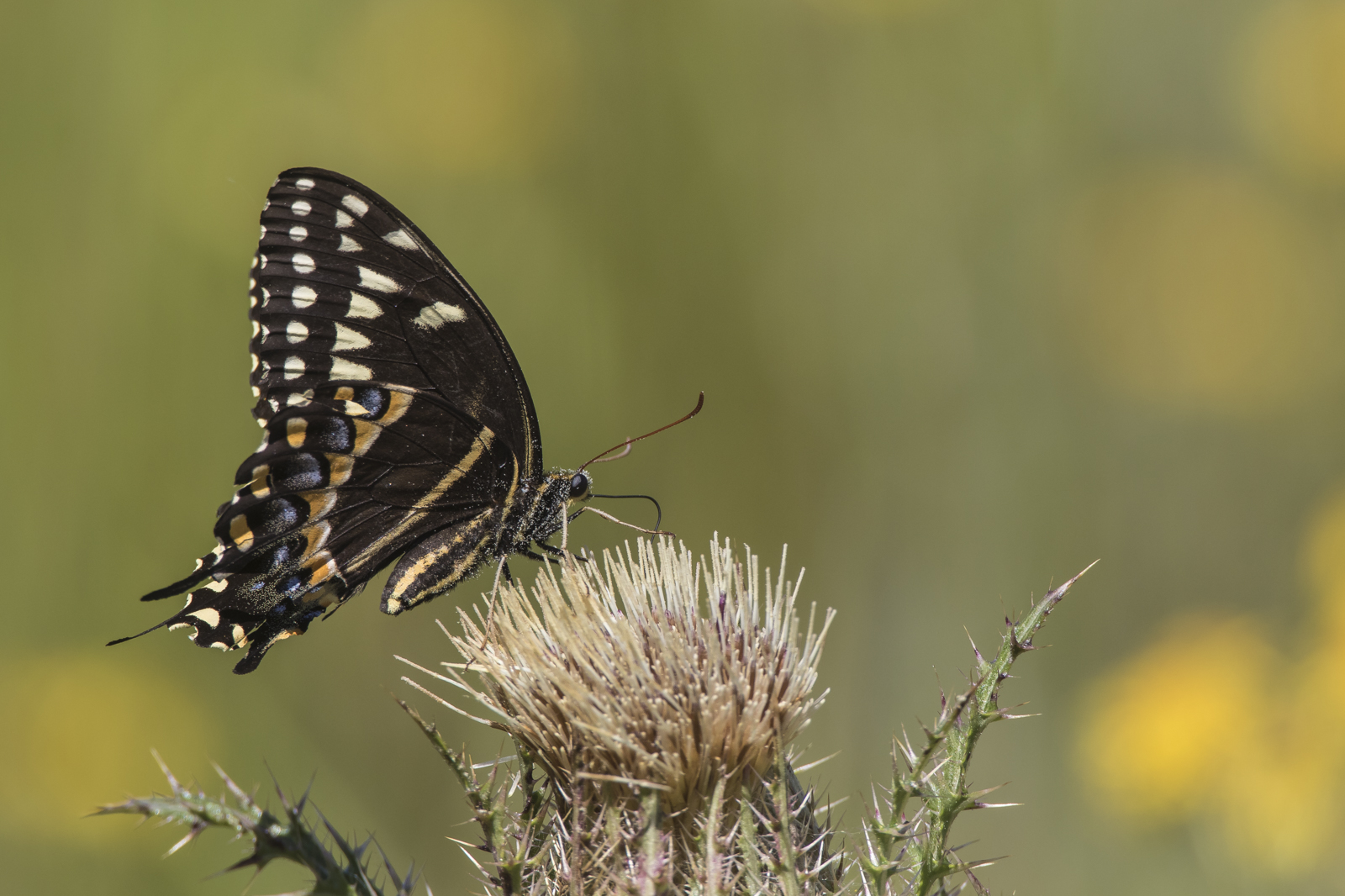
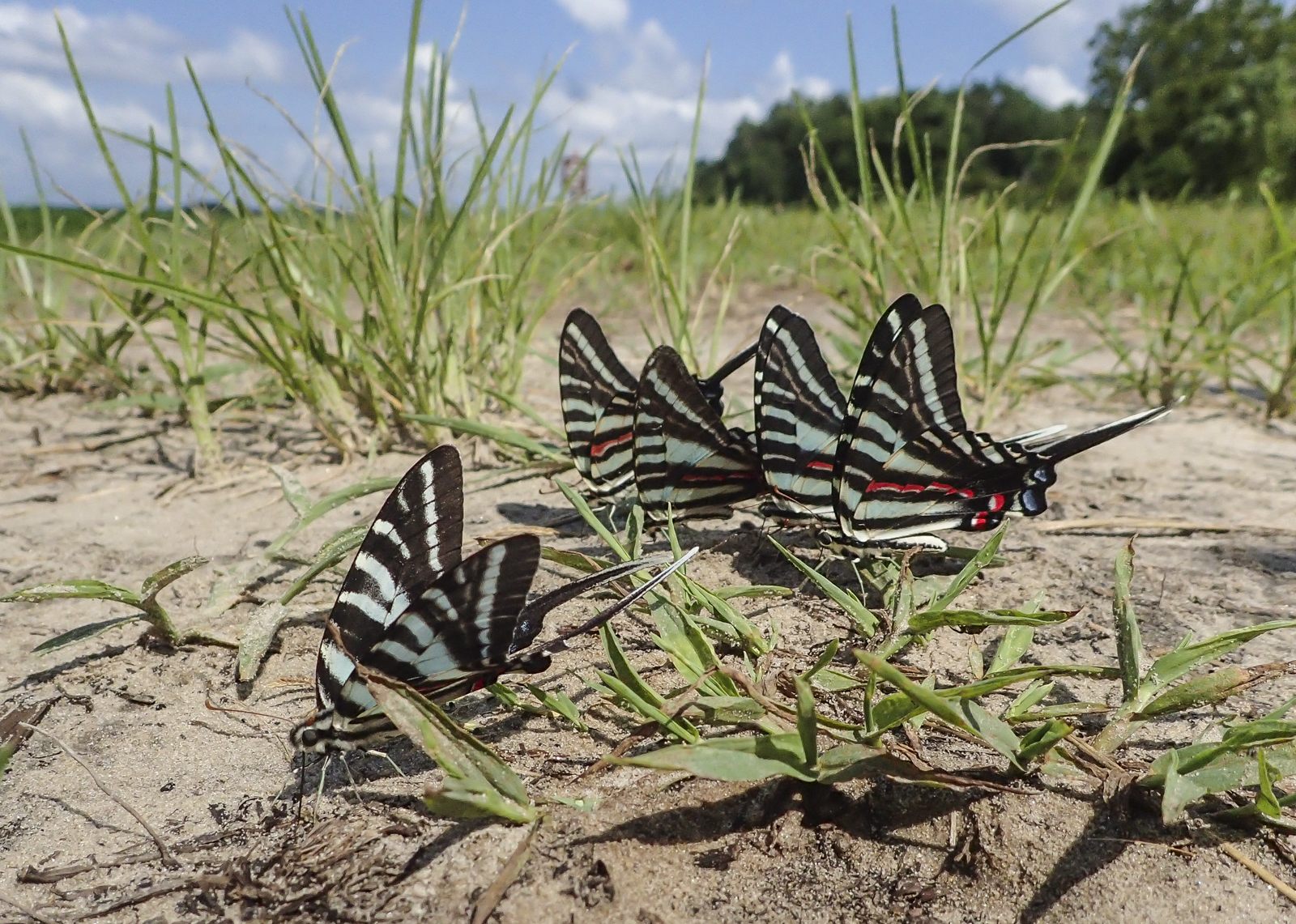
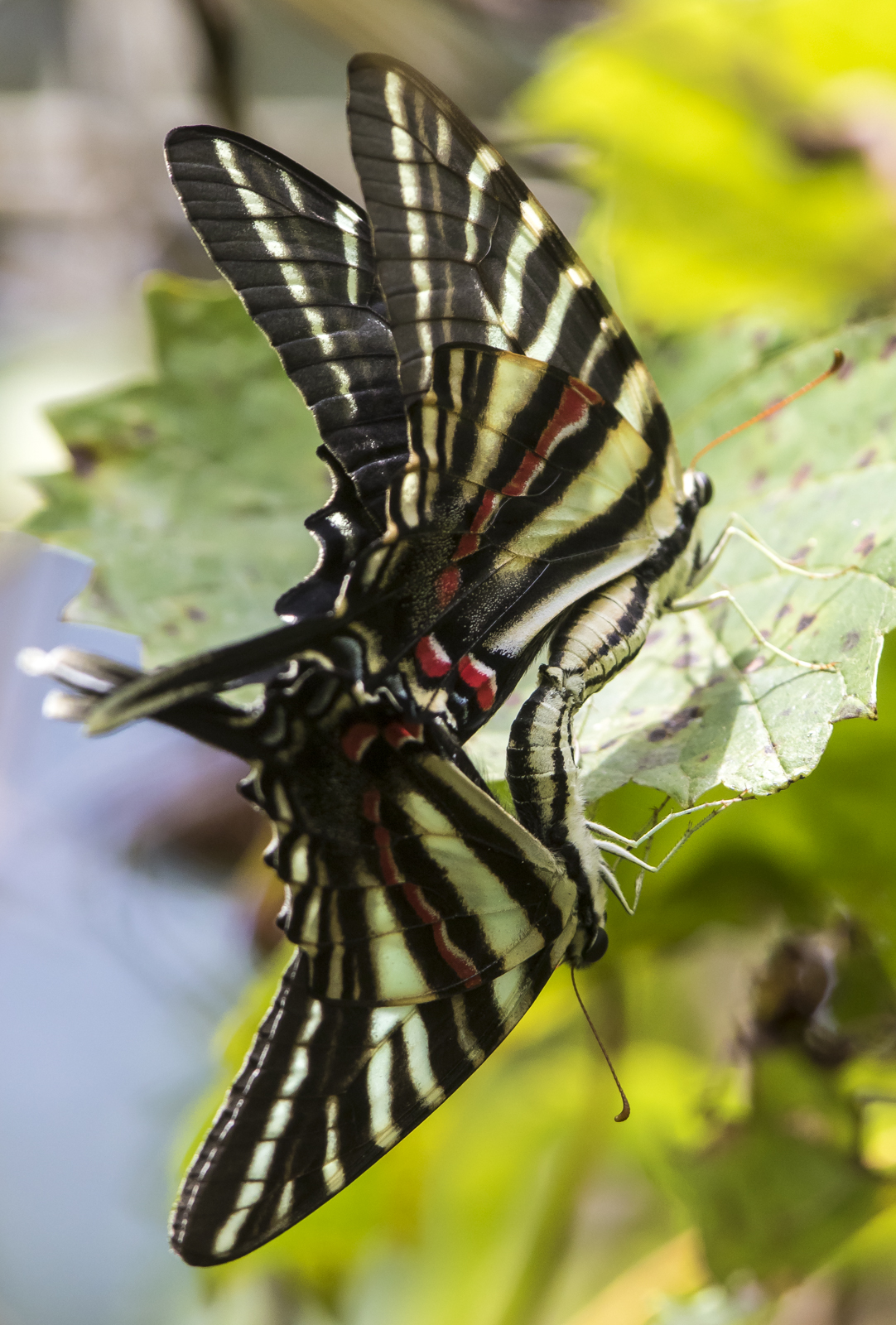
As luck would have it, I spent a few afternoons at the Pungo Unit of Pocosin Lakes National Wildlife Refuge the last week or so of April. I wish I lived closer, so I could make more impromptu runs down that way, particularly in certain seasons, like spring (although winter isn’t too bad either). Spring on the refuge is usually less crowded, and the stifling heat of summer has not yet arrived. The light green of the emerging leaves filters the sunlight with tints of yellow and shadows that aren’t quite as dark as in a few more weeks. Everywhere you look, there is life – an almost solid band of yellow of ragwort flowers along many of the roads; zebra and palomedes swallowtail butterflies by the hundreds flitting along the roadsides; birds singing and searching for insects in the dense pocosin vegetation; frogs and toads calling from the canals; turtles basking on logs and mud banks; and, of course, bears. Here are a few more images from a great time of year at my favorite refuge…
Muskrats seem to be more active this time of year (click photos to enlarge)There were still two tundra swans on the refuge in late AprilAn adult bald eagle surveys the marshWild turkey are abundant on the refuge in springPrairie warblers were seemingly everywhere in the thick vegetationA foraging prairie warbler looks over each twig for a tasty treatIt spies something……and grabs it. The quick snack may have been a scale insect of some sort.American toads called from many of the canalsI’m always amazed that box turtles seem to survive so well here with all the bearsPalomedes swallowtails are abundant in these pocosin habitatsThistle pollen covers a butterfly bodyA yearling cub stands to check us outAnother yearling swam across a canal, climbed up into the road, and decided to go elsewhere when it saw our carA sow black bear contentedly grazes on lush grass along the roadside
The air is like a butterfly With frail blue wings. The happy earth looks at the sky And sings.
~Joyce Kilmer, Spring
Sipping my coffee with the cool air coming in the window before sunrise this morning, I can hear the first songs of the new day – a northern cardinal, a late spring peeper, and my favorite, the melodious call of a wood thrush. Last evening, before the storm, others were singing – the yellow-throated warbler that may be building a nest in the yard, Carolina chickadees, a summer tanager. Over the past few years, I have unfortunately lost some ability to hear high frequency sounds, so I am missing the calls of many other spring migrants, unless they are very close. Melissa tells me there are many black-throated blues out back, a northern parula, and a pair of hooded warblers down the hill. But, I still hear plenty in these woods, and elsewhere as I travel. It is the season of song, it is spring. The urge to sing is strong. During a slight break in the storm last evening, a wood thrush commenced calling, even though it continued to rain and blow. One of the joys of spring bird-watching is to hear these songs, and to see the songsters in action. Last weekend, on a trip to the Pungo Unit of Pocosin Lakes National Wildlife Refuge, we were treated to a couple of energetic vocal displays, the kind that stick with you, and imprint the melodies in your head.
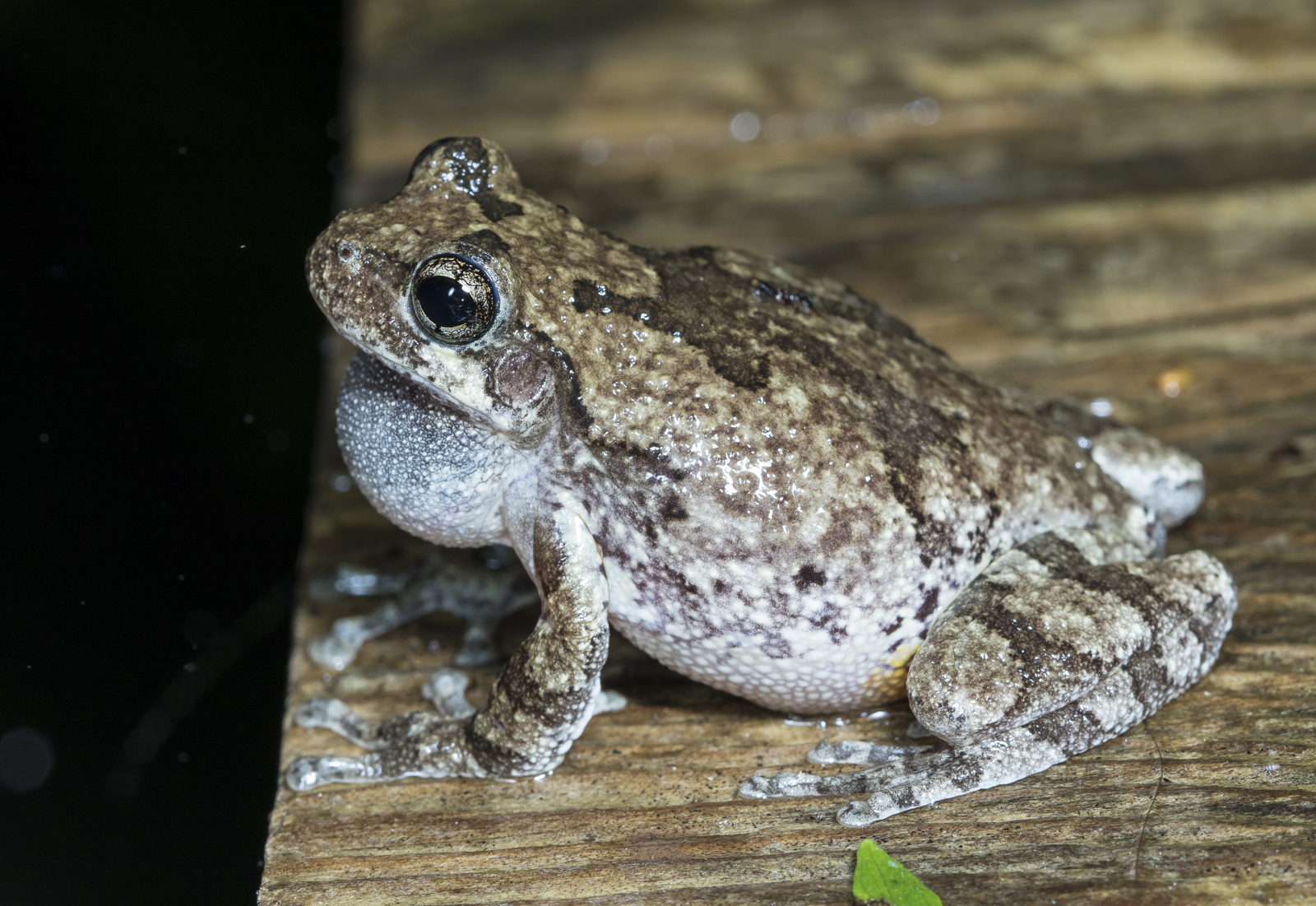
Brown thrasher singing on top of a sweet gum (click photos to enlarge)
Early in the day, there was a lot of stopping and listening for warblers (at least by the others in the car), and prairie warblers seemed to be everywhere in the front half of the refuge that is dominated by thick pocosin vegetation. Later that afternoon, we heard the loud call of a brown thrasher (Toxostoma rufum), a member of the mimic thrush family that includes mockingbirds, catbirds, and thrashers. Normally a secretive bird, foraging in thick vegetation, male brown thrashers change their habits during the breeding season and let forth with a series of loud notes from atop a high, conspicuous perch.
Every time we drove by his corner, the thrasher was singing
We drove by a clump of trees at an intersection of refuge roads a few times before stopping to find the singer. There, atop the tallest tree limb, was a brown thrasher belting out his melodious song. Distinguishing the varied songs of a gray catbird, a northern mockingbird, and a brown thrasher can be tricky (all three species occur on the refuge). But, the thrasher seems to sing louder than the others, and usually repeats a phrase in its song twice, whereas the mockingbird usually repeats three times, and the catbird only once. Brown thrashers are known to have a repertoire of over 1,000 songs, with some researchers saying it exceeds 3,000 song phrases, giving them the largest playlist of any North American bird. This guy was certainly proud of his singing, and probably continued long after we finally moved on.
Red-winged blackbirds were vying for attention in the marsh impoundment
Late in the day, we passed by the large marsh making up one of the refuge’s moist soil units. Managers seasonally control the water level in this impoundment to maximize the production of food and access for wintering waterfowl. This time of year, the water is shallow, with abundant marsh and wetland vegetation, making it an ideal place for many species of birds. We saw American bitterns, lots of great blue herons, and heard several king rails. But the birds of the hour were the red-winged blackbirds (Agelaius phoeniceus). Males were everywhere in the marsh, flying about, chasing other males, and establishing or defending territories.
They would land on a tall reed, and burst into…song?
While we watched, several males were displaying their classic behavior – alight on a prominent perch (usually a tall reed); lean forward, puff up, spread your tail feathers and arch your wings, and let loose with a loud conk-la-ree! The most prominent visual aspect of this display is showing the bright red shoulder patch on each wing, their so-called epaulettes.
Older males tend to have brighter red patchesI noticed they usually lower the nictitating membrane on the eye during part of the callIt may not be that musical, but it is one heck of a display
I wrote about the displays of red-winged blackbirds in an earlier post. Studies have shown that displaying epaulettes can be used to both defend a territory from other males, and to attract a female. In a series of experiments, two researchers explained some of the intricate aspects of this behavior in what they termed the “coverable badge hypothesis“. In one test, they temporarily dyed the epaulettes of some males to a black color and found this reduced the social status of these birds. In another study, by observing males that already had established a territory, and then watching newcomers into that territory, they noticed that the intruders usually conceal their epaulettes (badges) and leave without a fight when the owners display theirs. This is believed to help reduce fights between birds that can result in injury.
It certainly is a display I enjoy watching, and a bird I find fascinating during the nesting season, and in winter, when tens of thousands may flock together on the refuge. I suppose it is no surprise then that their song is the ringtone on my phone. Now, if only I could make it flash red when you call…
Notice the small things. The rewards are inversely proportional.
~Liz Vassey
While sitting out in the yard last week, we noticed a butterfly flitting around a few plants at the edge of the woods, a flight pattern that usually indicates it is a female looking for a place to lay an egg. The butterfly was an Eastern tiger swallowtail, so we knew she was looking for either a tulip poplar or a wild cherry, the two common host plants in these woods. She finally landed on a tulip poplar leaf, paused for a couple of seconds, and flew off. Melissa ran over to look, and after searching for a minute, found an egg.
Eastern tiger swallowtail egg (click photos to enlarge)
Finding butterfly eggs can be relatively easy if you find a female butterfly hovering near her host plants. They usually flit around, twisting and turning, as if searching for something (which they are). They may land on a leaf for a second, “tasting” the leaf with chemoreceptors in their “feet”, to see if this plant is the right one. If not, they move on. If it is, then she may curl her abdomen and linger for a second, attaching an egg in the process. The female secretes an adhesive substance to secure the egg to the leaf.
Eastern tiger swallowtail egg on a tulip poplar leaf
Eastern tiger swallowtails lay a greenish egg that blends very well with the leaf surface, making it tough to spot. The past few days I searched a few more tulip poplar saplings at the edge of the yard and came up with a couple of more eggs.
Can you see the swallowtail egg on this leaf?
Hint…click on the image to enlarge…it is on the right side of the leaf.
Close up of Eastern tiger swallowtail egg
Swallowtail eggs are somewhat spherical, although the base is a bit flattened where it attaches to the leaf surface. Unlike many other butterfly eggs I have seen, swallowtail eggs lack ridges, spikes, or other sculptural elements that can give insect eggs such exquisite shapes. But, in their simplicity, they are both gorgeous and elegant.
First instar larva of Eastern tiger swallowtail (very recently hatched)
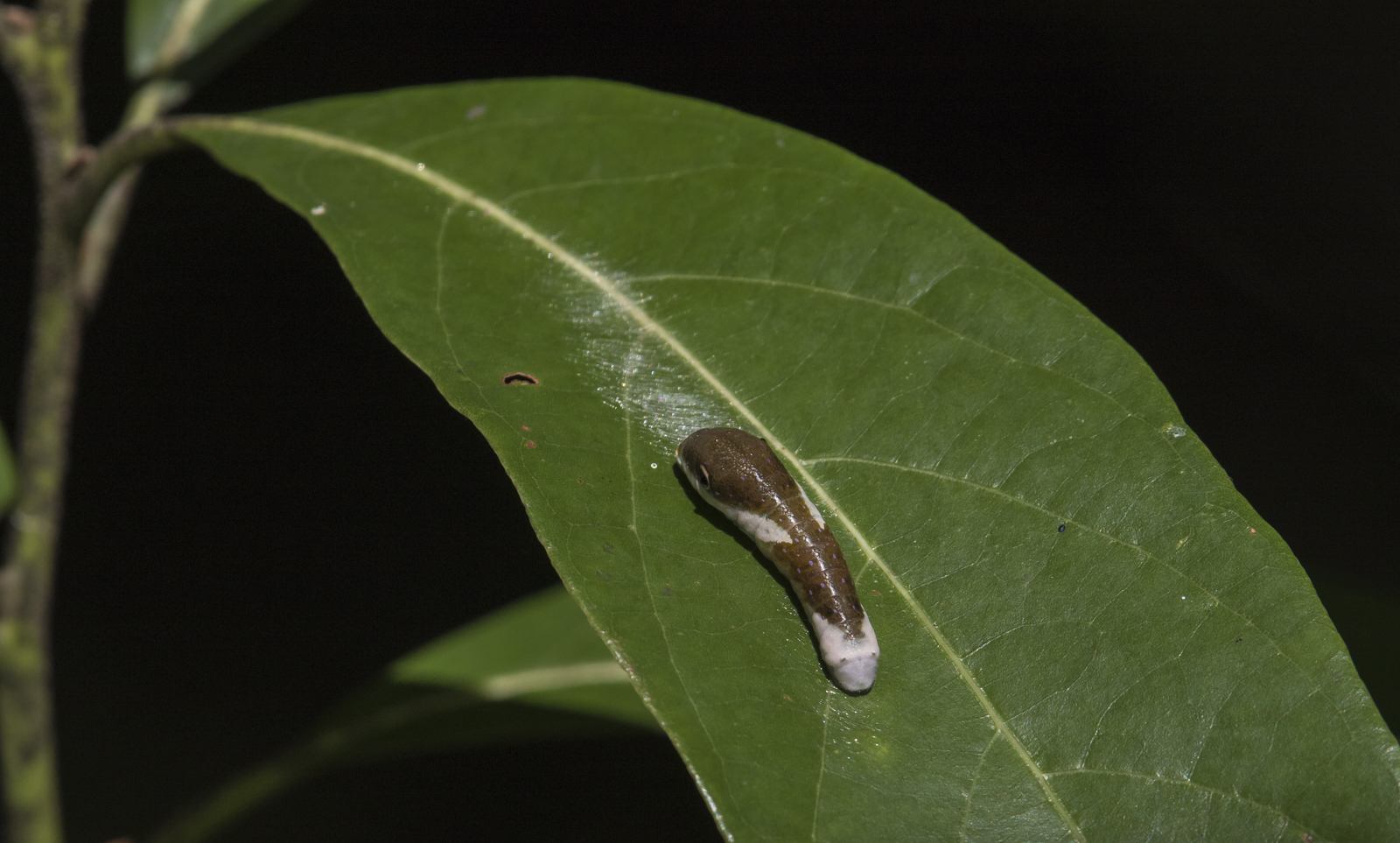
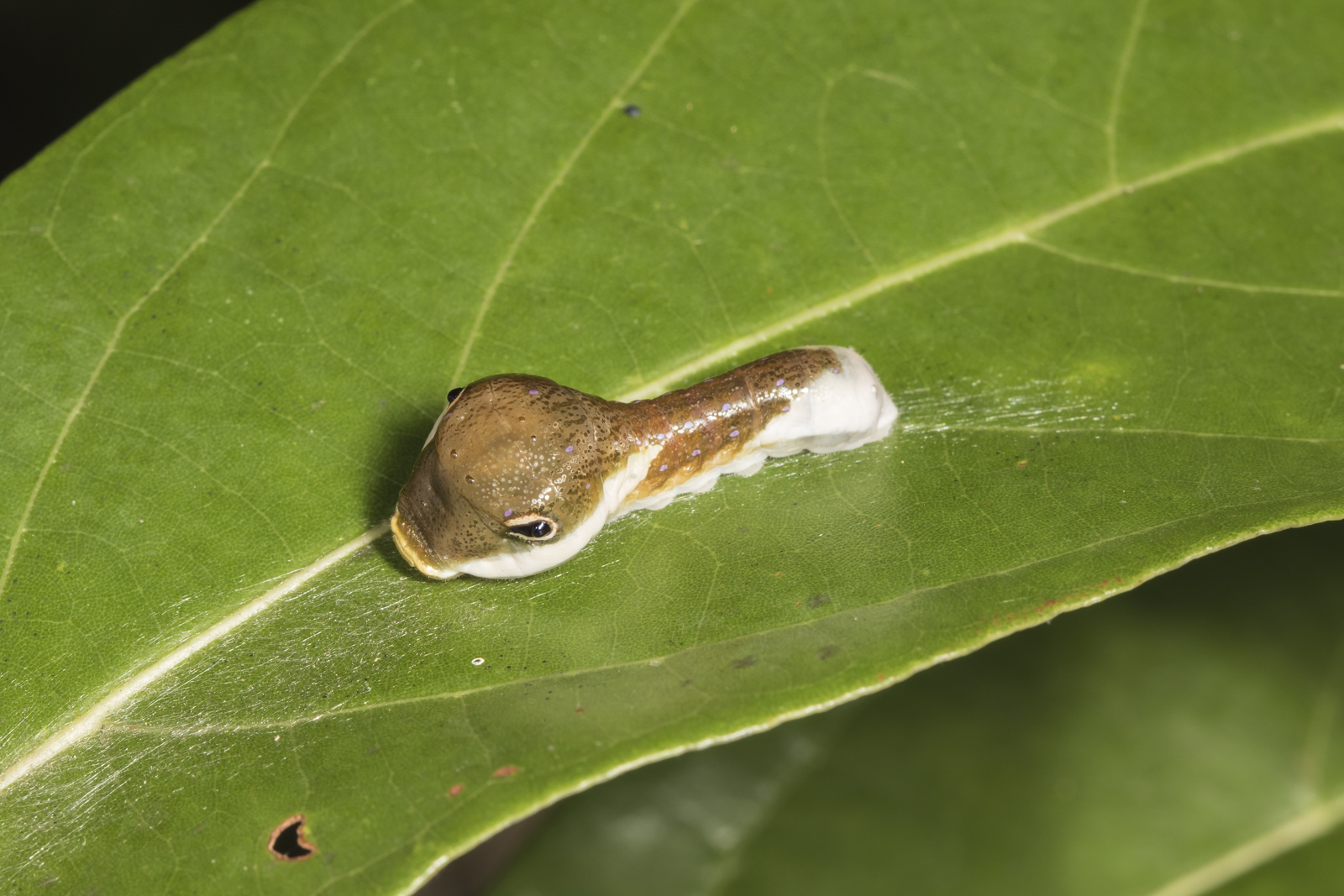
Large numbers of tiger swallowtails are flying this spring, so I would have expected to find even more eggs and larvae than we have. But, this forest is dominated by huge tulip poplars, so I imagine most of the egg-laying occurs high up in the canopy, far beyond the peering eyes of a couple of egg hunters. Over the past couple of days we did find a couple of recently hatched larvae down low, so I grabbed a few photos of these bird poop mimics.
Early instar, “bird poop mimic”, of Eastern tiger swallowtail
Real bird poop on a poplar leaf (probably don’t want to click on this photo)
I even found a couple of leaves with real bird poop, and I couldn’t resist sharing the similarity to our little caterpillars.
Curled caterpillar looking like some bird poop. Note the silk pad the larva has created on the leaf for attachment.
The combination of a dark background color with a white patch on these larvae does make for a distasteful-looking mimic.
Later instar (third?) of Eastern tiger swallowtail
Yesterday evening, we found where one of the dark bird poop mimics had already molted into a green version, suspended above the leaf surface on their characteristic silk pad. The larval stage of this species lasts about two weeks and they molt five times as they progress from newly hatched caterpillar to chrysalis.
Zebra swallowtail egg on underside of pawpaw leaf
The yard has a variety of host plants for different species of butterflies and moths, so I decided to check for eggs of a couple of other swallowtail species. The small stand of pawpaw is usually good for a couple of larvae of the beautiful zebra swallowtail butterflies. This species lays its eggs on the underside of the leaves, so I started searching and eventually found a few eggs. They are white to cream-colored, and usually placed near the edge of the leaf, which makes sense, since the female lands on top of the leaf and then curls her abdomen underneath to lay the egg
Freshly hatched larva of zebra swallowtail (which dark spot is the caterpillar?)
Yesterday, I again looked for the eggs and found freshly hatched larvae, the smallest ones I have ever seen. Zebra swallowtail larvae are black in the first couple of instars.
First instar (recent hatch) of zebra swallowtail
A closer view shows they lack a large white patch so common in the other larvae that mimic bird droppings.
Spicebush swallowtail egg on the underside of a spicebush leaf
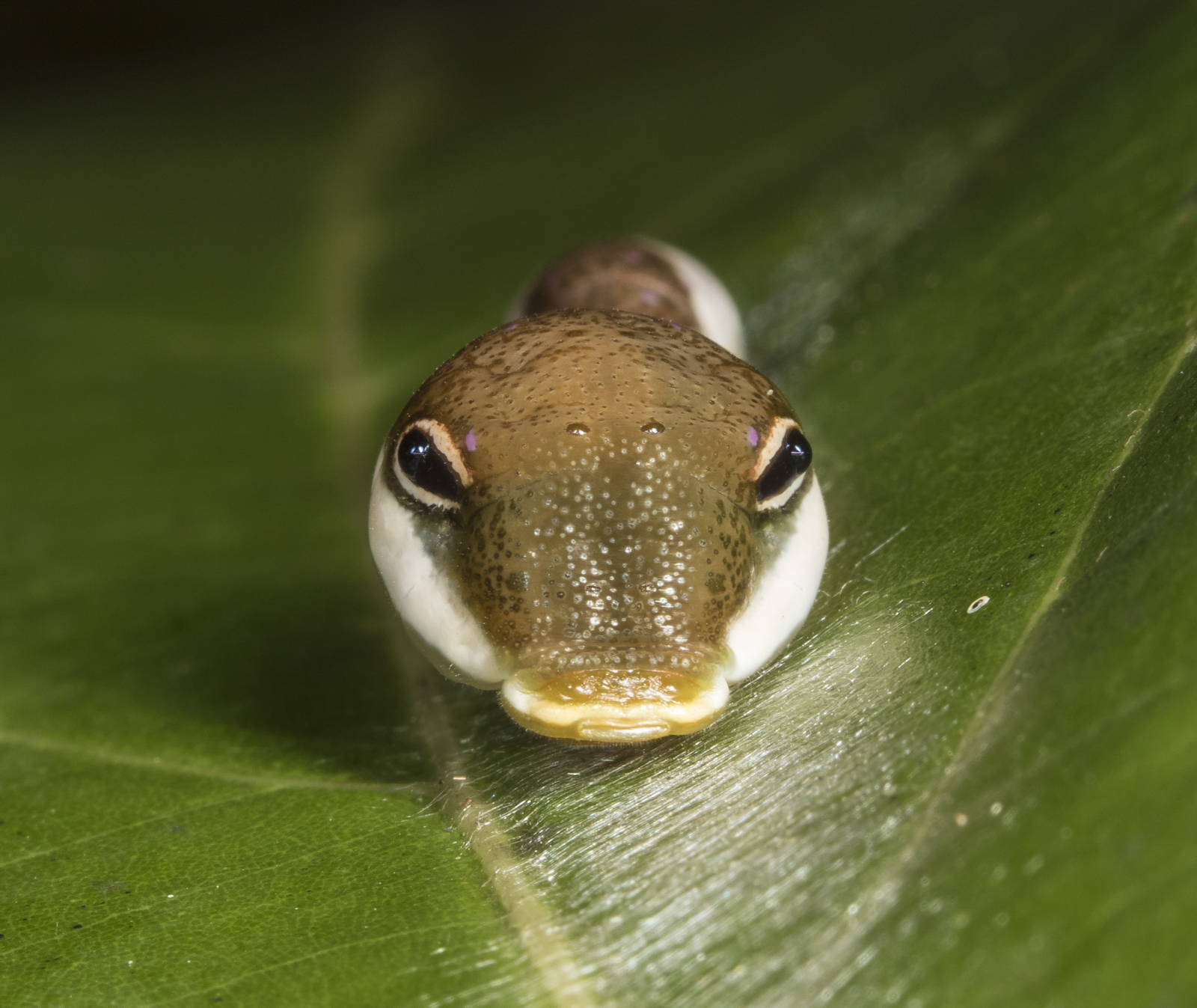
As luck would have it, while eating lunch yesterday, I saw a dark swallowtail hovering around plants, obviously looking for that special place to deposit an egg. She eventually made her way to an isolated spicebush shrub, and began laying. She flitted from one leaf to another, eventually laying three eggs on that shrub, one each on the underside of three different leaves. These eggs look similar to those of the zebra swallowtail, although perhaps a tiny bit larger.
I checked my parsley and fennel leaves in the garden, but no signs yet of black swallowtail eggs, so I will have to be content with three species of swallowtails for the time being. Still, this is a great start to my favorite time of the year – caterpillar season. It reminded me of a post I did last summer after finding three species of swallowtail caterpillars in one day. But I’ll keep looking at the parsley and the pipevine to see if I can break that record and maybe get to a five cat day this year.
Seen upon the ground, the dark bird is scarcely attractive with his clumsy beak overbalancing a head that protrudes with stupid-looking awkwardness; but as he rises into the trees his lovely rose-colored breast and under-wing feathers are seen, and before he has had time to repeat his delicious, rich-voiced warble you are already in love with him.
Neltje Blanchan, 1897
First rose-breasted grosbeak of the season at the feeder (click photos to enlarge)
They’re back. Last Friday, April 22, I saw my first rose-breasted grosbeak at the feeder. Later in the day, there were three males at the feeder (and me with no camera handy). This is a few days earlier than I have seen them the past couple of years. Definitely one of my favorite spring migrants, the male rose-breasted grosbeak is certainly one of the most colorful birds to spend time at our feeders. They seem to prefer the open, platform-style sunflower feeder, but also visit the suet feeder with regularity.
The rose-colored, v-shaped patch, is in stunning contrast to their bold black and white
You can tell they are a favorite of mine, since I seem to post blogs about their arrival each season. I suppose it is a combination of things that make them so appealing – they are regular visitors at the feeders, they tend to stay at feeders for longer periods of time than most birds, they are relatively large with what seems to be an over-sized beak, and they have a stunning color combination. Add their melodious song, and you have a bird to remember, and one to anxiously wait for each spring. First to arrive from their wintering grounds in Central and South America are the colorful males. The brownish females will be along in a few days. Together, they will snarf up sunflower seeds for a few weeks, and then be gone by mid-May, on their way to breeding grounds farther north, or in the higher elevations of our mountains.
Male with some specklingMale with a lot of specklingMale with almost no speckling
Even if I had not seen all three birds on the feeder at once, I would know there are at least three in the yard, based on differences in their plumage. Supposedly, you can see subtle differences in the shape of the rose-colored patch on individual males, but these guys also differ in the amount of speckling on their breast feathers.
This one has a tiny rose speck near the eye
Granted, pictures of birds on a feeder are not my usual thing, but the feeders near the window are suspended on a pulley system out beyond the deck, making it more difficult to position branches and other natural posts for the usual “bird on a branch” photo at feeding stations. I owe all this to the incredibly abundant and pesky squirrels that share these woods (where is the red-tailed hawk when you need it?). The good news is that the birds are close enough to the windows to allow great views to appreciate their subtle differences and beauty. And, it is a definite perk to be sitting here with a cup of coffee, typing on the laptop, and looking out at the roses in the yard, even if it is for only a few weeks.
I too felt a slumberous influence after watching him half an hour, as he sat thus with his eyes half open, like a cat, winged brother of the cat.
~Henry David Thoreau, on watching an owl
I got a surprise email this week from a friend that had been one of my Yellowstone participants last summer. He told me about a barred owl nest that was on the golf course where he plays. A few years ago, there had been one on the course in the same tree and he was able to photograph the young on the day they left the nest cavity. He even published a children’s book about the owl nest. Some friends had told him they saw an owl going in and out of the nest cavity again this week. After speaking to officials at the club, he got permission to go out early, before tee time, to photograph the nest once again. The club is supportive of promoting bird conservation and awareness and is part of the Audubon Cooperative Sanctuary Program for Golf, an award-winning education and certification program that helps managers enhance the valuable natural areas and wildlife habitats that can be found on many golf courses. My friend knows I am a sucker for wildlife photo opportunities and was kind enough to invite me along.
What a barred owl nest cavity looks like about a minute after the owl flies off (click photos to enlarge)
I arrived at the golf course in the predawn light the next morning and we hiked out to the tree. I took my 500mm telephoto, a 1.4X teleconverter, tripod, and flash. I was carrying my gear in a backpack while my friend carried his rig already to go mounted on his tripod. Note to self, that is a better plan. When we arrived at the tree, the owl stared at the two early morning odd-balls and took flight soon after the first photo was taken (I was still assembling my gear onto the tripod, unfortunately). She probably is not used to people standing on the fairway this time of day. She flew across to some trees in a nearby backyard. In a few minutes, the owl let loose with a series of calls, including the monkey-like hooting and squawking I have heard so many times in the past. Shortly afterward, the owl cruised back toward the nest and settled on a branch within sight of the cavity.
Barred owl watching the nest cavity
Something soon caught her attention – there was a squirrel climbing up the trunk near the nest entrance. The owl sailed across, harassing the squirrel as it tried to run around the trunk and hide. After a quick spin around the trunk, the owl landed back on a large branch, only to dive after the squirrel once again when it resumed its climb up the trunk. This time the squirrel leaped across to another tree and moved far enough away to satisfy the protective parent, and the chase ended.
Once the normal activity of the grounds crew commenced, the owl seemed to calm down
A member of the grounds crew showed up near us and started grooming the area and blowing leaves. It seems that the familiar noise and movement of staff helped calm the bird. The owls are undoubtedly accustomed to this daily ritual near their nest and the passage of golfers throughout the day. Maybe we should carry a golf bag next time to ease her concerns.
Preening must be relaxing based on this look
After the squirrel chase, it seems that a good preening was in order.
Nothing like a good scratch in the morningOne feather at a time
We watched the owl preen for several minutes. At times, she almost seemed to doze off in the middle of a feather pull. I think Thoreau might be right…the slow, deliberate movements of an owl are reminiscent of a cat lying in a sunny window and surveying its world.
Heard something
After tidying up the feathers, the owl became more alert and was staring off in various directions for long periods of time.
Shortly after this video clip was made, the owl flew down to the fairway, sat for a few seconds, then returned to another branch with a large beetle. She soon took it into the nest cavity to presumably share with the young owls waiting inside. We waited, but the owl did not reappear, and I needed to leave for a meeting later that day at Pocosin Lakes National Wildlife Refuge. What a great way to start a day. Ironically, after the meeting, I was telling another friend about the owl incident and wishing I could find a screech owl in a similar situation. We drove around the refuge for a couple of hours and saw plenty of wildlife (bear, including our first new cub of the year, beaver, deer, etc.). As we made the final loop, I looked down the road and spotted something in one of the wood duck boxes next to the canal….
An Eastern screech owl peeking out of a wood duck box
Yep, an Eastern screech owl with its head poking out of the entrance hole. I have seen screech owls in wood duck boxes many times over the years, especially in winter. The usual thing is for them to wait until the car is almost close enough to stop for a photo and then they duck back inside. And this one was on the passenger side of the vehicle, so I had no chance at a photo. By the way, this proves that I don’t always have the wildlife on my side of the car as some have suggested:) As I pulled up, my friend got some great shots.
Checking me out as I eased the car forward
We decided to go down the road, turn around and see if I could get a few photos out my side of the car, although I fully expected the owl to disappear back into the box as soon as I pulled up. Well, it surprised me, and even turned and gave me a once over with a rather sleepy look on its face.
What a face
It finally turned, and pulled back in, and we drove on.
Owl or not?
As we pulled away, the sun was setting, and I saw what looked like another owl on top of a snag across the canal. But, it was just a very owl-shaped broken top to a dead tree. Still, a perfect way to end a day with the owls.
We find the works of nature still more pleasant, the more they resemble those of art.
~ Joseph Addison
This Spring has been incredibly beautiful here in the woods. Always a favorite time of year for me, it has been heightened by the almost perfect weather in recent weeks. The fresh green color of the season seems to sparkle in the sunlight streaming through the leaves. On the ground, there are daily discoveries to be made of something emerging from the leaf litter or starting to bloom. And while I have had plenty of chores and appointments to keep me occupied, I try to walk the yard as often as possible, and notice the players in this ephemeral show. If I pause and look around, there are always colors, shapes, and patterns that affirm that this is the month where new life bursts forth and beckons us to slow down and notice, before it disappears for another year.
Here are just a few indicators of the season from the past couple of weeks…
The unusual flower of pawpaw (click photos to enlarge)Trillium leavesA fern fiddleheadMayapple leavesRed buckeye flowers up closeRed buckeye flowers that have fallen into the water garden onto a bed of duckweedFoamflowerEastern tent caterpillar headed down a tree trunk to pupatePhlox flowersThe lacy leaves of Dutchman’s breechesWild columbine
April is a beautiful time on the Haw (click photo to enlarge)
The Haw River flows along the boundary of the community where we live. It is a beautiful, rocky, river that flows 110 miles from its headwaters in Forsyth County, through Jordan Lake, to its confluence with the Deep River, where they combine to form the Cape Fear River. The Haw is also an important resource of recreation and drinking water for more than a million people in central North Carolina. Of course, it, and its river corridor, are also critical habitat for countless species in an area densely populated by humans. Over the years, the Haw has seen its share of pollution, from discharges from numerous textile factories a few decades ago, to runoff and nutrient overload from modern day development and other land altering practices within the river basin. The Haw River Assembly (HRA) has been educating people about, and helping to preserve, this valuable resource since its creation in 1982. I have always admired their work and diligence in standing up for the river. That is why I found myself joining a few other volunteers last Friday as we set out to do a stream monitoring assessment as part of HRA’s Haw River Watch Project.
Our monitoring site, just downstream from the Hwy 64 bridge
Our site is one that has been monitored off and on for several years. It is below the Hwy 64 bridge and easily accessible via a trail from the canoe access parking area.
The rest of our monitoring team doing chemical analyses
That is a good thing, since there is a bit of equipment to tote to your site – nitrate and phosphate test kits, petri dishes, magnifying lenses, a turbidity tube (for measuring water clarity), and a variety of nets and pans for sampling macro-invertebrates.
Juvenile northern water snake greeted us at our site
In addition to the water chemistry analyses, we survey the biology at our site. The primary assessment is for macro-invertebrates, which are used as indicators of water quality. But we are also take note of any other wildlife species. Shortly after we arrived, Elaine spotted a juvenile water snake sunning on a rock. Nearby was a small cloud of Eastern Tiger Swallowtails puddling for minerals along the bank of an island in the river channel.
Mayfly nymph pulled form underside of a rock in the river
But what we really wanted to learn was what was in the river, so most of us waded out into the water, sampling with nets as we went, and trying not to slip on the slick diatomaceous slime coating most of the boulders. This slippery surface is caused by a coating of algae and associated organic matter that coats the outside of underwater rocks and logs, especially in the slower moving portions of the river. It is an important food source for many macro-invertebrates, but can make for tricky footing for river monitors (it helps to have a long-handled net to brace yourself). I walked out a few steps and picked up a softball-sized rock in about a foot of water. Turning it over, I found two mayfly nymphs clinging to the underside. They were both very flattened, an ideal adaptation for living under rocks in swift water.
A mayfly nymph in the family Heptageniidae
Almost any small rock that could be turned over had one or more of these flattened bugs crawling about. As any trout fisherman knows, mayflies often constitute one of the primary food sources for fish in flowing waters. They belong to a family of insects called Ephemeroptera, derived from the Greek “ephemera”, meaning short-lived, referring to the short lifespans (hours or days) of most adult mayflies. North Carolina has over 200 species of these fascinating insects. As a group, they vary a great deal in size, shape, and habit, but can be distinguished from other macro-invertebrates by the presence of three (sometimes two) tail filaments, and gills along the sides of the abdomen.
Tiny mayflies were the most common invertebrate we netted
As it turned out, mayflies were, by far, the most abundant organism we collected.And most of them were very small ones that resembled this tiny guy. I am not sure, but I think it is a member of the family Baetidae, one of the most abundant types of mayflies in North Carolina.
Looking across the river at our sample site
Much of the river bottom is exposed rock outcrop and boulders with fast flowing water. Our most productive sampling occurred closer to shore or in areas with vegetation.
Underwater view of vegetation on a boulder in the river
I found myself going back to details I learned in classes I took years ago at Virginia Tech to try to identify (at least on a broad scale) many of the critters we uncovered. But a few things threw me and required some additional sleuthing. An early find resembled a globular egg mass on a tiny twig, but, when I discovered a more complete specimen, turned out to be a water-logged cluster of sweet gum flowers (duh). But another mystery proved to be something more worthwhile.
Small brown cases lined up on leaves of underwater vegetation
Some leaf fragments of some underwater plants ended up in my net and they had several small brown case-like structures adhered to them.
Closer view of cases
When I magnified the image back home, I could see white strands on one end of the case. This reminded me of the tracheal tube remains you see in a shed skin of a cicada nymph, so I assumed this was some sort of pupal case or shed skin of an aquatic critter.
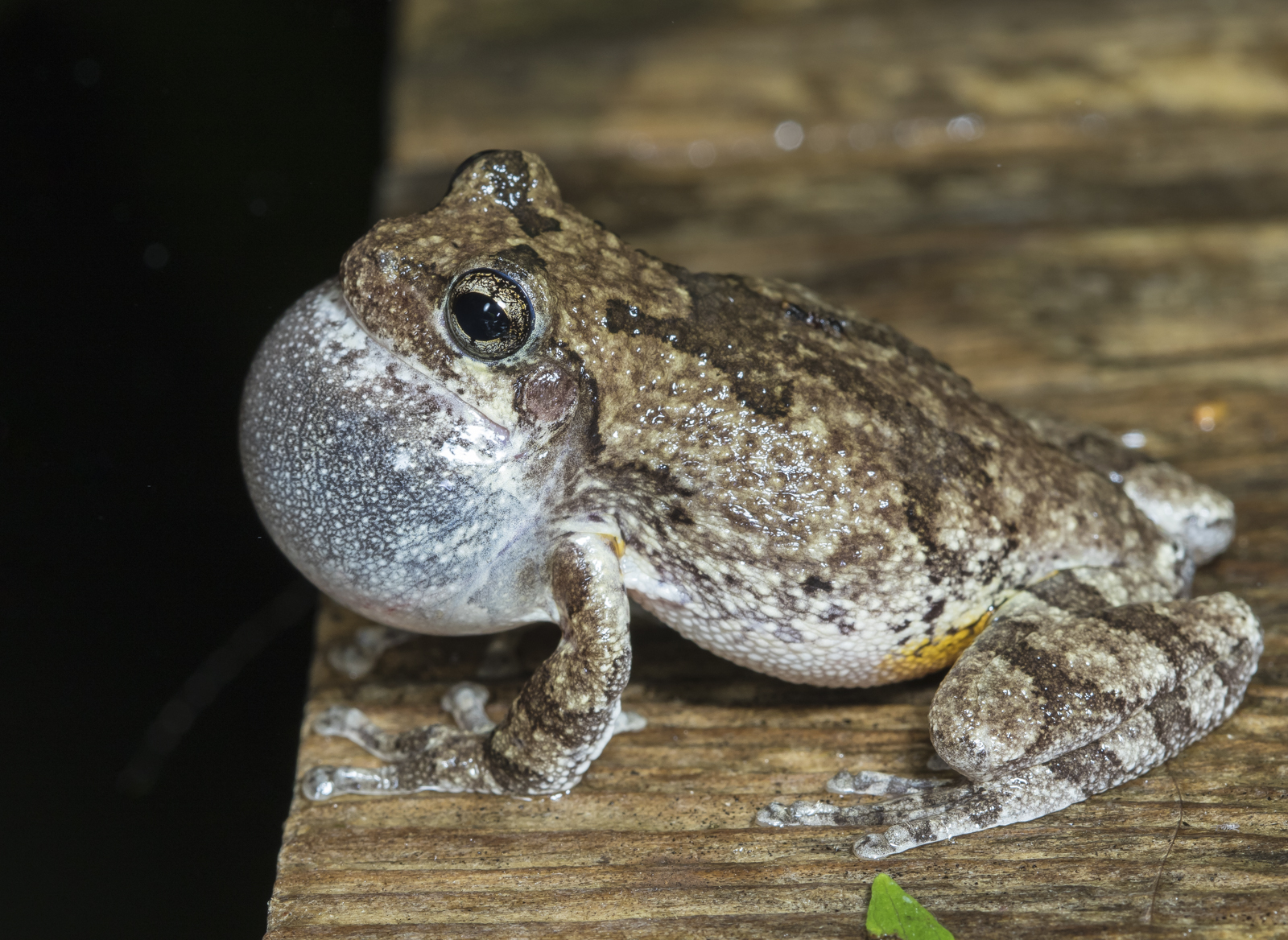
A close up view of the underwater vegetation helped solve the mystery
When I took a closer look at the underwater image from the spot where these cases were collected, I saw a line of black flies lined up on one of the leaves. I then found some images online that suggests the cases are pupal cases of black flies.
Black fly larva
A few of our samples contained some of the distinctive fly larvae. The larvae produce a silk pad and then attach to it with tiny hooks on the tip of their abdomen.
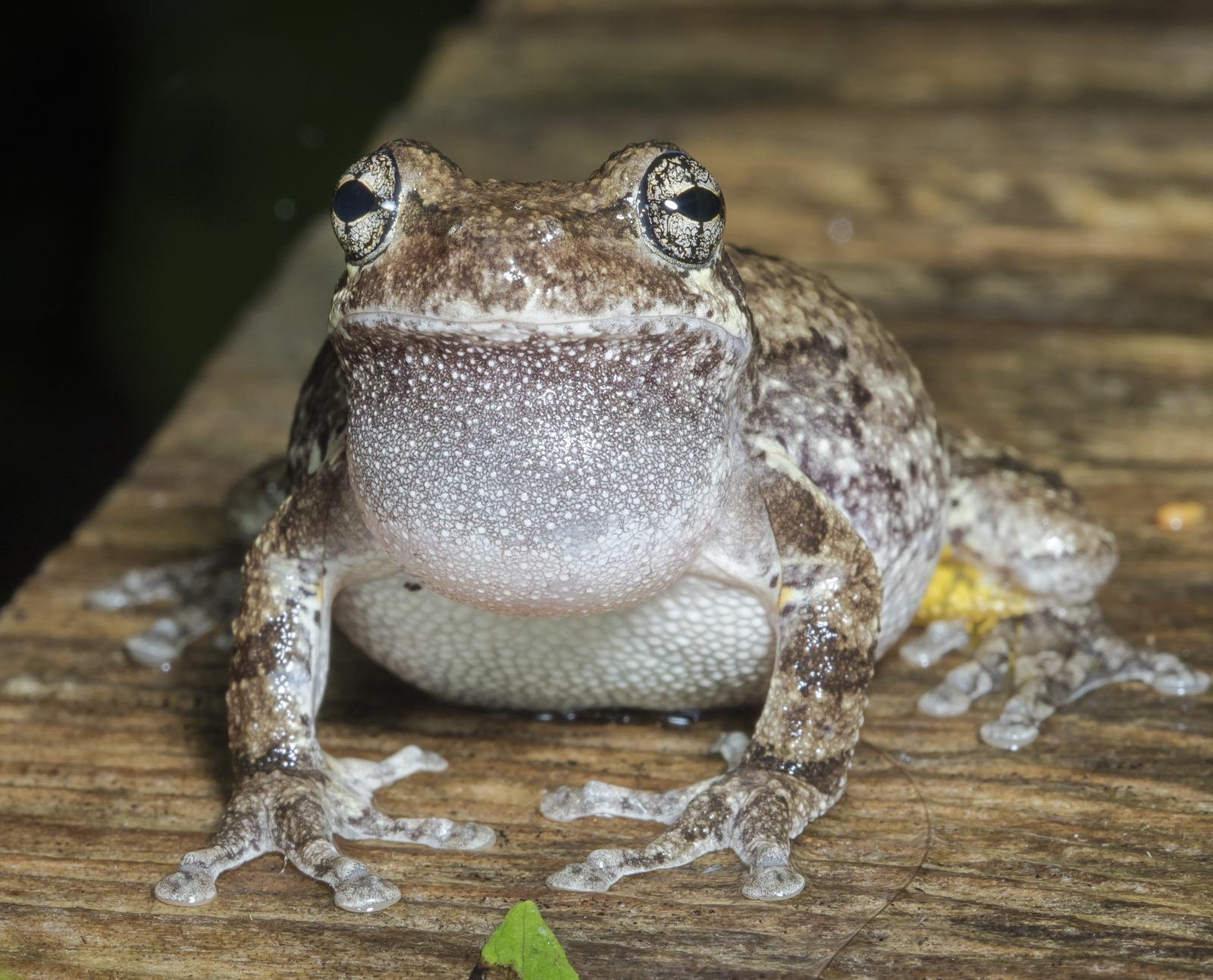
A huge dragonfly nymph was the catch of the day
The best catch of the day was a huge dragonfly nymph. The broad abdomen of this species is diagnostic, and probably helps hide the nymph among the underwater bark and leaf debris it calls home.
Dragonhunter nymph
This is the distinctive aquatic stage of the dragonhunter, Hagenius brevistylus. Dragonhunters are the largest of the so-called clubtail dragonflies in the family Gomphidae. Adult dragonhunters, as the name implies, feed on other dragonflies and other large insects such as butterflies. The immature stage is easily recognized by the huge abdomen and “mickey mouse ears”, which are actually short, rounded antennae. The nymph is exceptionally long-lived, staying underwater for 4 or more years before emerging as a winged hunter.
Another dragonfly nymph
In that same spot, we found another, smaller, dragonfly nymph. Something we noticed about both of our dragonfly specimens was the abundance of tiny tubes covering their body.
Mystery tubes on dragonfly nymph
I’m not sure what they are, but they resemble the mud or silt tubes made by certain species of chironomid midge larvae. If anyone knows for sure, please drop me a note in the comment section. Our samples turned up quite a variety of macro-invertebrates, enough that the water quality index for this site was rated excellent. Below are a few more of the denizens of the Haw we found in our nets…
Large mayfly nymph, possibly in the family IsonychiidaeCaddisfly larva, family Hydropsychidae
Dobsonfly larva (also called a hellgrammite)Shed skin of a stonefly nymphAquatic isopod
We will be sampling again in a few months and I can’t wait to see what we find. We all hope the river can maintain its beauty and diversity of life in the face of increasing pressures within the watershed. And we all owe a huge thank you to the many people and organizations (like the Haw River Assembly) that work so hard to help protect this, and the other waterways, of our state.