Bringing nature into the classroom can kindle a fascination and passion for the diversity of life on earth and can motivate a sense of responsibility to safeguard it.
~David Attenborough
We are finishing up summer camps at work and the adult group tours are starting to ramp up. In a few weeks, our school field trips will begin. While I have always believed in the value of bringing the outdoors indoors for observation, I prefer taking the student outside the classroom to see the diversity of life that surrounds us, no matter where we live. There is so much happening in the Garden right now as we begin to wind down the summer season – fall wildflowers staring to bloom, butterflies and other pollinators abound, seeds and fruit are becoming more noticeable, and visitors seem anxious to stroll our trails and take it all in (especially after all the rains we have had). After work yesterday, I decided to take a stroll through this native plant wonderland before heading home, camera in hand, to see what I could see. There were plenty of things I did not photograph – the stunning stand of cardinal flower that is concentrating hummingbirds along our Piedmont trail; the snapping turtle awkwardly grazing on lizard’s tail leaves in our vernal pool surrounded by hundreds of gray treefrog tadpoles; or the flashes of yellow as goldfinches fly up from their dinner on the seed heads of yellow composites and purple coneflowers. But I did stop to observe and digitally capture a few things that caught my eye, and called me and my macro lens over for a closer look. The diversity of life in this Garden is amazing (and is something we can all do on our own property, at least in some small way, if we plant a variety of native plants).
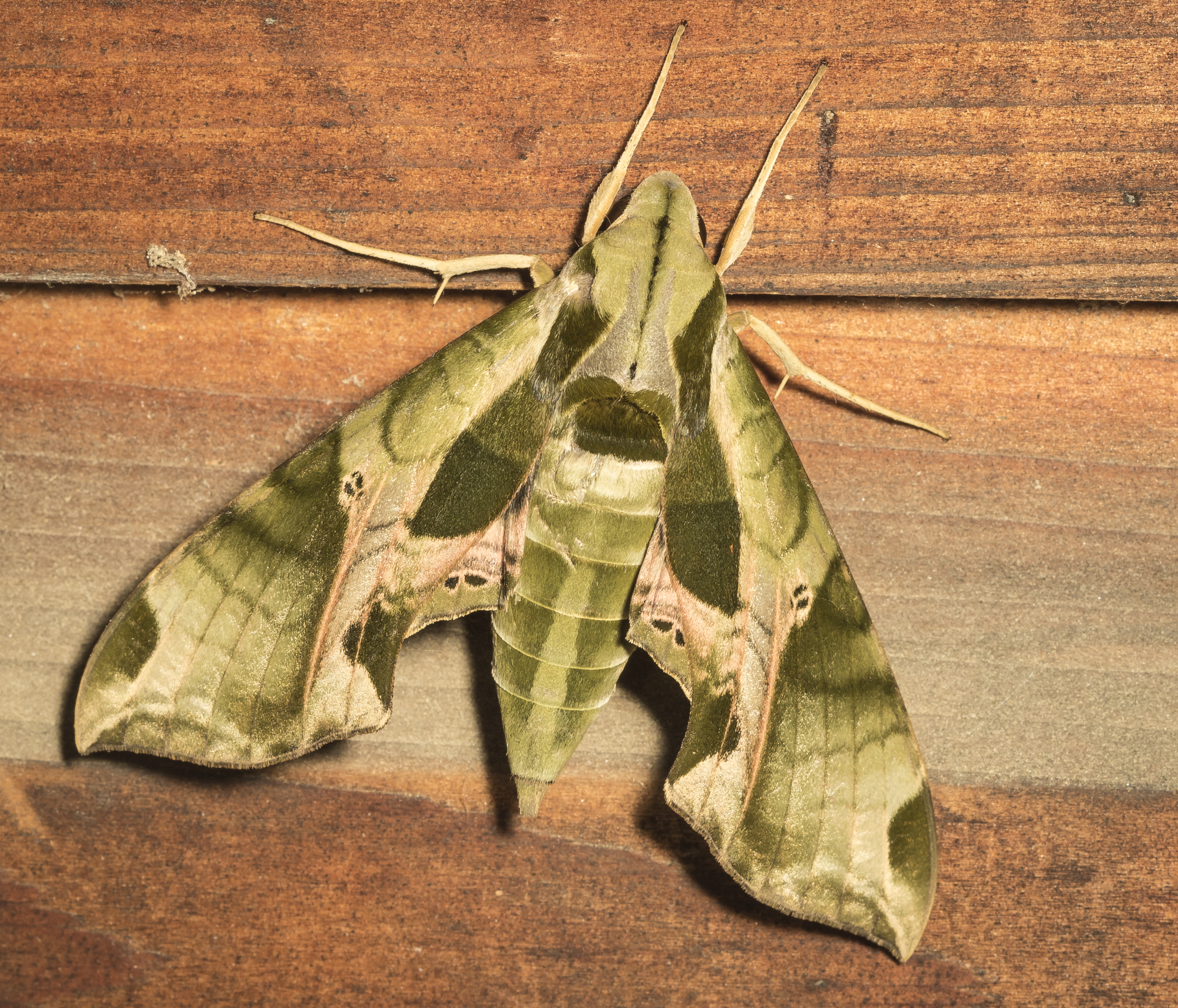
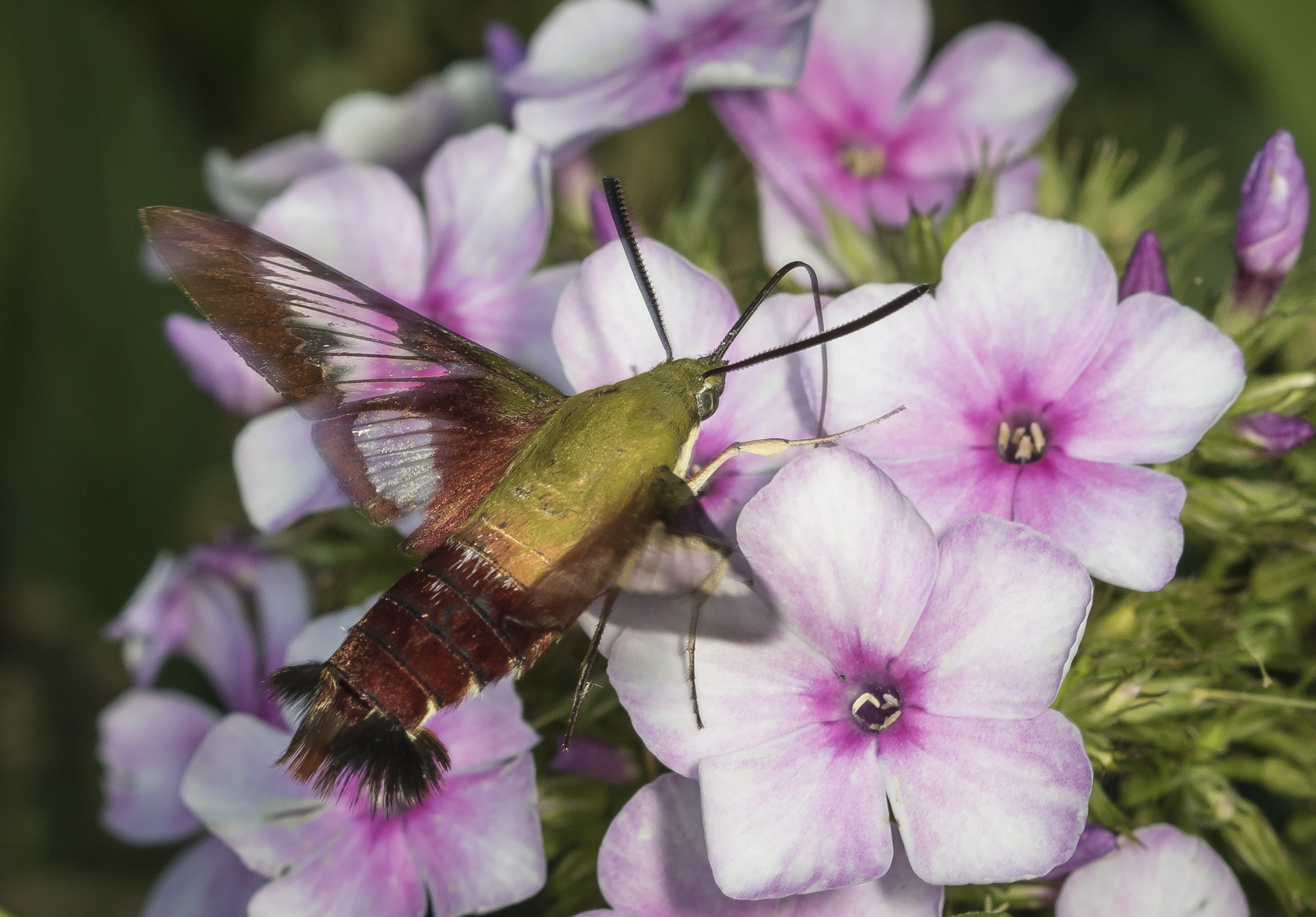
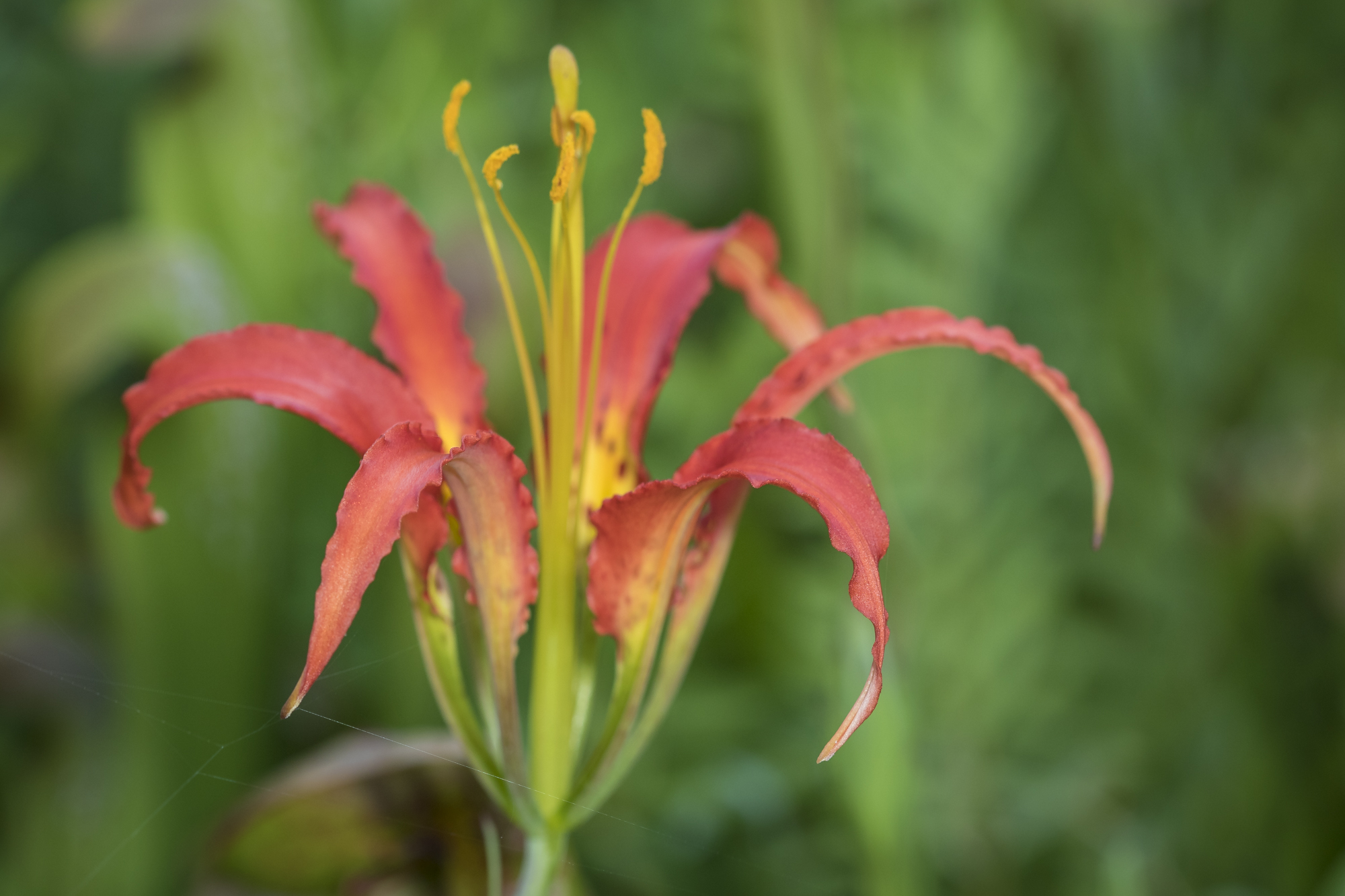
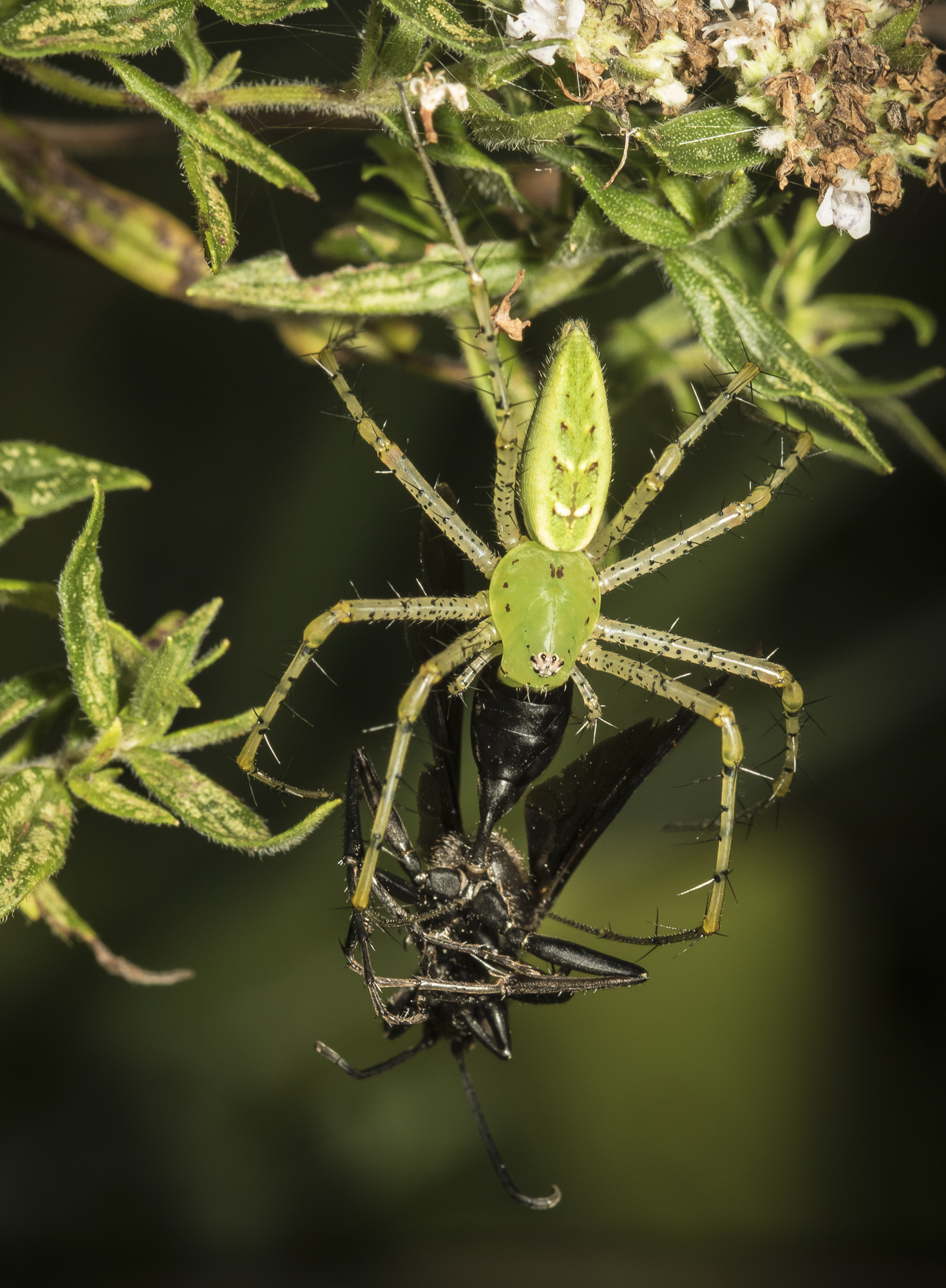
A beautiful Pandorus Sphinx moth resting on a building wall (click photos to enlarge)Right next to the moth was a Question Mark butterfly on a chair arm (see the mark on the underside of the wing for which it is named?)A seed pod of a Few-flowered Milkweed releasing its treasureHummingbird Clearwing moth feeding at Garden PhloxPine lily (Lilium catesbaei) in our carnivorous plant collectionA male Green Lynx spiderA female Green Lynx with a large wasp as dinner
Take a stroll and discover some of the diversity outside your own door. It will be worth it!
Butterflies and zebras. And moonbeams and fairy tales. That’s all she ever thinks about. Riding with the wind.
~Lyrics from Little Wing by Jimi Hendrix
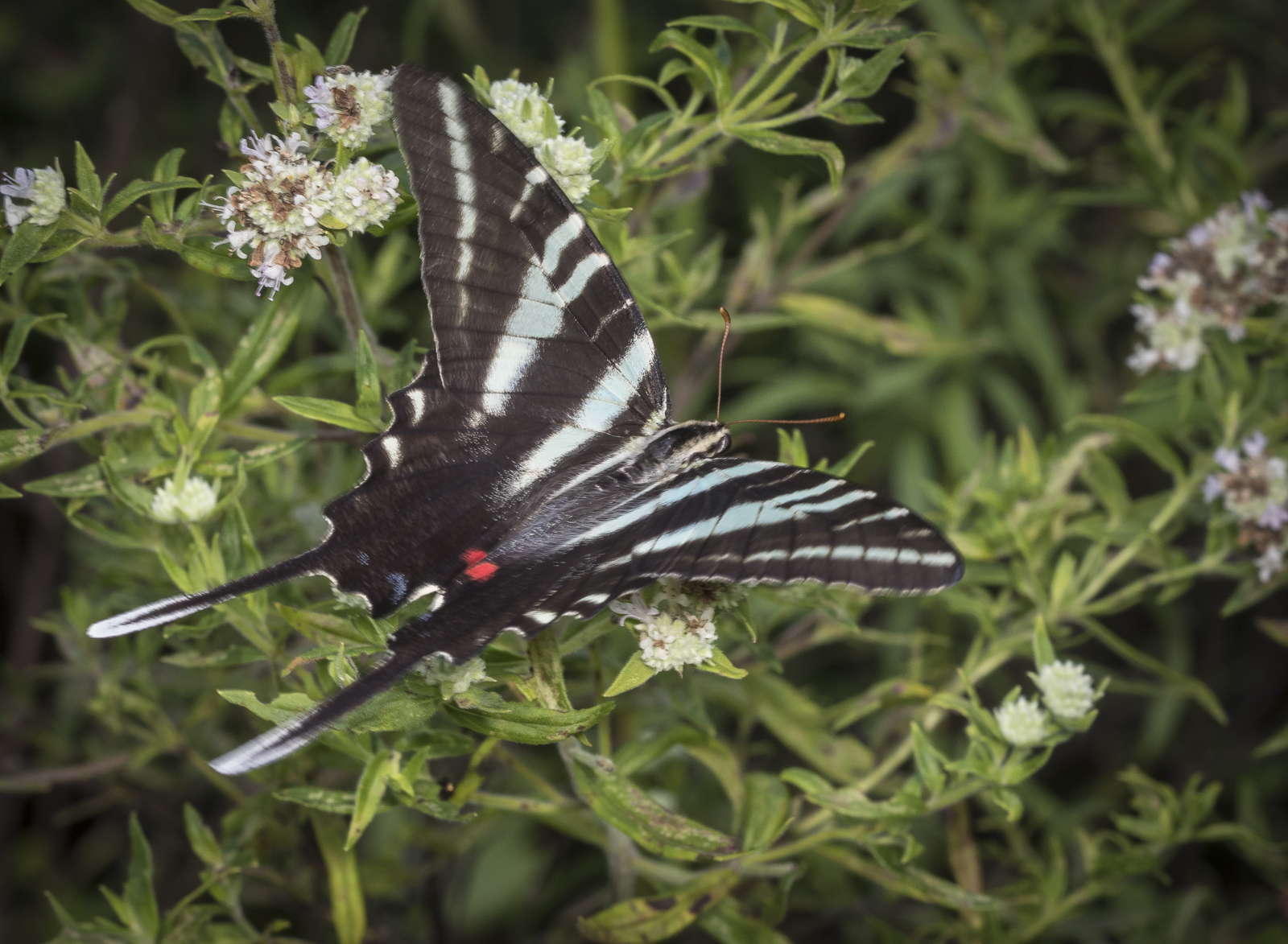
Zebra swallowtail butterfly on mountain mint (click photos to enlarge)
Zebra swallowtails (Eurytides marcellus) are surely one of North Carolina’s most beautiful butterflies. Their bold pattern of black and white stripes, long tails, and the bright red spots near the base of their hind wings never fail to delight me when I spy one flitting through the summer air. They are almost never found far from their host plants, pawpaw. The most I have ever seen were down at Pettigrew State Park and Pocosin Lakes National Wildlife Refuge, where pawpaw is the dominant tree in the understory. I have them occasionally at home (we have several pawpaw trees on our property) and have seen them frequently this summer at work. Last week was a particularly good one for spying these flitting beauties. I am working on a photo collection of the pollinators of the NC Botanical Garden and am trying to get out once a day for at least a few minutes to document the amazing abundance of species visiting our wildflowers. While stalking some wasps on a sunny afternoon after summer camp duty, a stunning butterfly zoomed by, quivering as it foraged on a couple of species of mountain mint (Pycnanthemum sp.) in the roadside Piedmont habitat.
No other local butterfly has this dramatic shape and color combination
There is no mistaking a zebra swallowtail – a rapid flyer, with bold markings and long tails. This one was particularly gorgeous, and fast. The summer generation is larger, bolder in color and has longer tails than the early spring one and this beauty looked fresh. The tails seemed particularly long and the red spots on the hind wings especially bright. There was even a hint of blue in the stripes at certain angles. It was a challenge getting close enough to attempt a photo, and quickly became a frustration as the butterfly never sat still while flitting among the clusters of tiny mountain mint flowers. One reference said that these swallowtails have a shorter proboscis than most, and are therefore more often seen on small flowers than are other species of swallowtails. I managed a couple of in-focus (mostly) pics before I had to head back inside, but was wishing for another chance.
A lucky find – a freshly emerged zebra swallowtail drying its wings
On Friday, we explored the habitat gardens and, as happens on most walks, one of the campers hollered, “Mister Mike, come look at this”. I walked over and peered down into the grasses and saw a newly emerged zebra swallowtail climbing up to finish hardening off its wings. I gently let it climb onto my finger and placed it on a twig of a pawpaw sapling (most likely its dining hall as a larva). At last, a non-fluttering zebra swallowtail! I grabbed a few quick photos, and thanked our young camper for her sharp eyes and inquisitiveness. Hopefully, after a week of exploring the garden, they are all taking home the lesson of the value of planting native species and the rewards of observing the beautiful mysteries of the natural world.
…most will be murderesses, but they have brought murder to a fine art, an act of exquisite precision.
~John Crompton, introduction to his book, The Hunting Wasp
Rusty spider hunter wasp with prey (click photo to enlarge)
As we were starting to get into the car last weekend at my folks’ place, I saw some movement on the driveway. A closer look reveled a large wasp dragging a spider rapidly across the surface. By the time I got the camera out of the car, the wasp had carried her load another few feet. As I leaned in for a photo, she dropped her prize and scurried toward the garage door, circling as if looking for something. I have seen this behavior many times with this group of wasps, the spider hunters in the family Pompilidae.
Adult spider hunters feed on nectar, but females provision their nest with a paralyzed spider for their young. The wasp precisely stings a spider (often one that is much larger than herself) to stun it, not kill it (the developing larva needs “fresh” food, not a rotting spider corpse). Grasping the spider by the pedipalps or chelicerae, she then walks backwards, dragging her prey to a nest cavity she has already dug. If disturbed, she may drop the spider and return later to continue her labors. She may also occasionally drop the spider and scout ahead for the exact location of her burrow, which, as she gets close, she hones in on based on visual landmarks near the entrance hole.
We watched as the wasp disappeared with the spider into a hole in a crack where the pavement met the building. This is a common location for burrows of this species, the rusty spider hunter, Tachypompilus ferrugineus. In most species of spider hunters, the single egg laid on the spiders’ abdomen will hatch in about 10 days. The wasp larva eats the non-vital tissues of the stunned spider first in order to keep its meal as fresh as possible while it feasts. After completing its meal, the wasp larva spins a cocoon and pupates. One researcher reported that the size of the spider may determine the resulting sex of the developing wasp larva, with larger prey leading to female wasps. Rumor has it that many of the spider hunters can inflict a painful sting if grabbed by a careless human, but this female was busy with her provisioning and paid us no mind. We felt lucky to witness one of nature’s classic scenes of life and death in the asphalt jungle of a driveway. You just never know when or where nature will reveal some of her mystery…
Every kid has a bug period…I never grew out of mine.
~E.O. Wilson, naturalist and author
The theme for summer camp last week at work was The Secret Lives of Bugs. We spent five days cruising around garden properties looking for bugs and other beasts. The kids had a great time and I managed a few pics of some of our finds along the way. Here are just a few of the wonderful creatures we discovered…
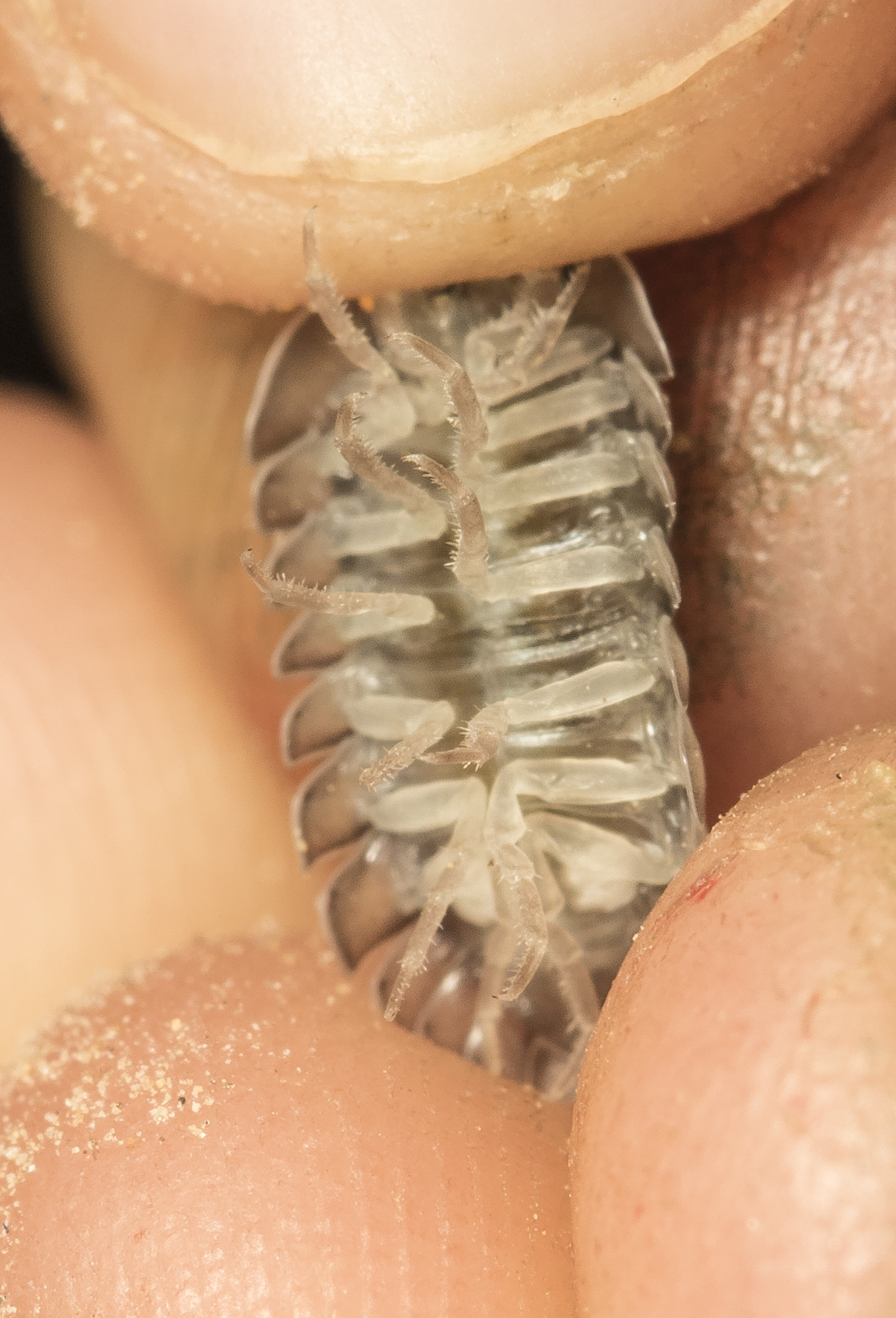
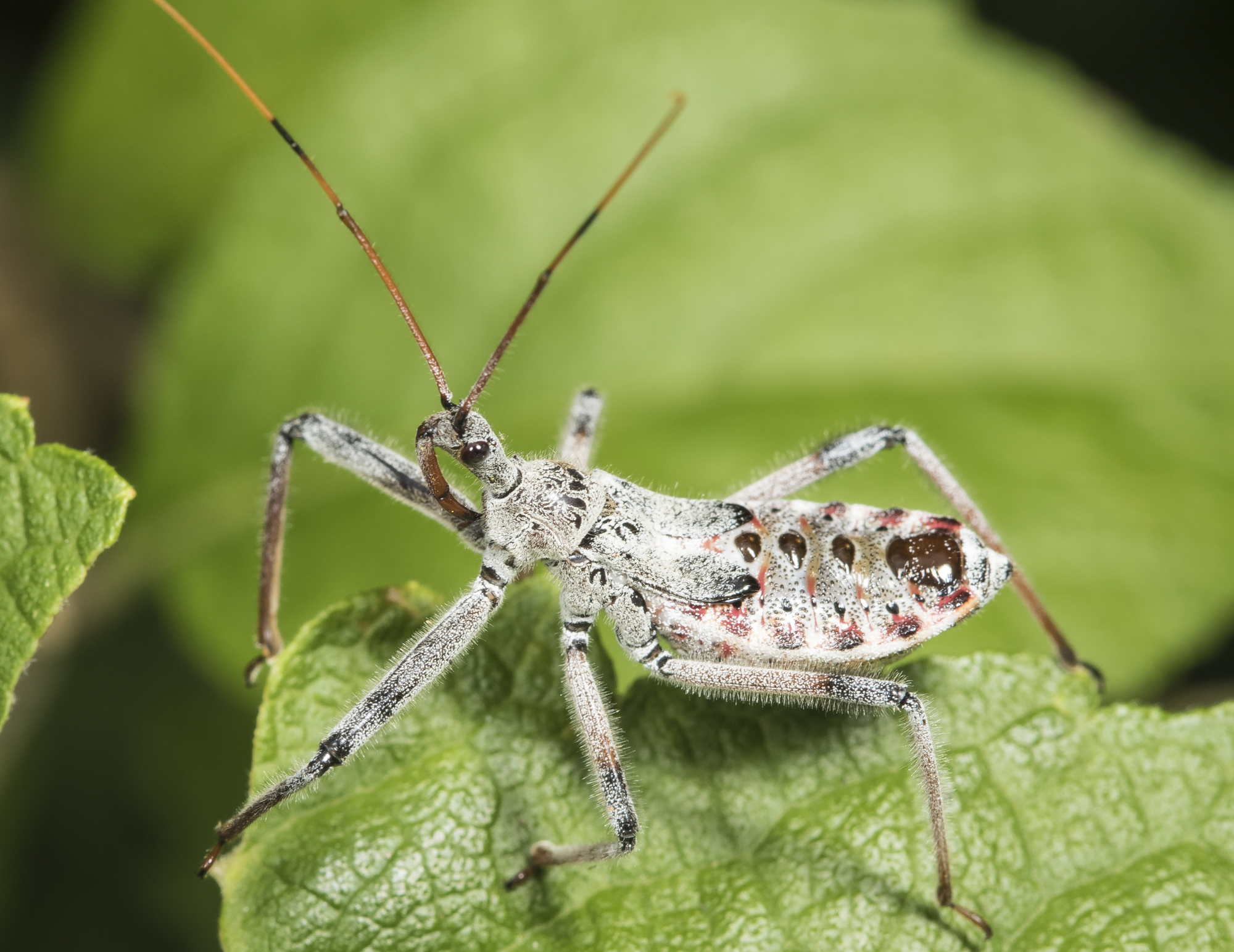
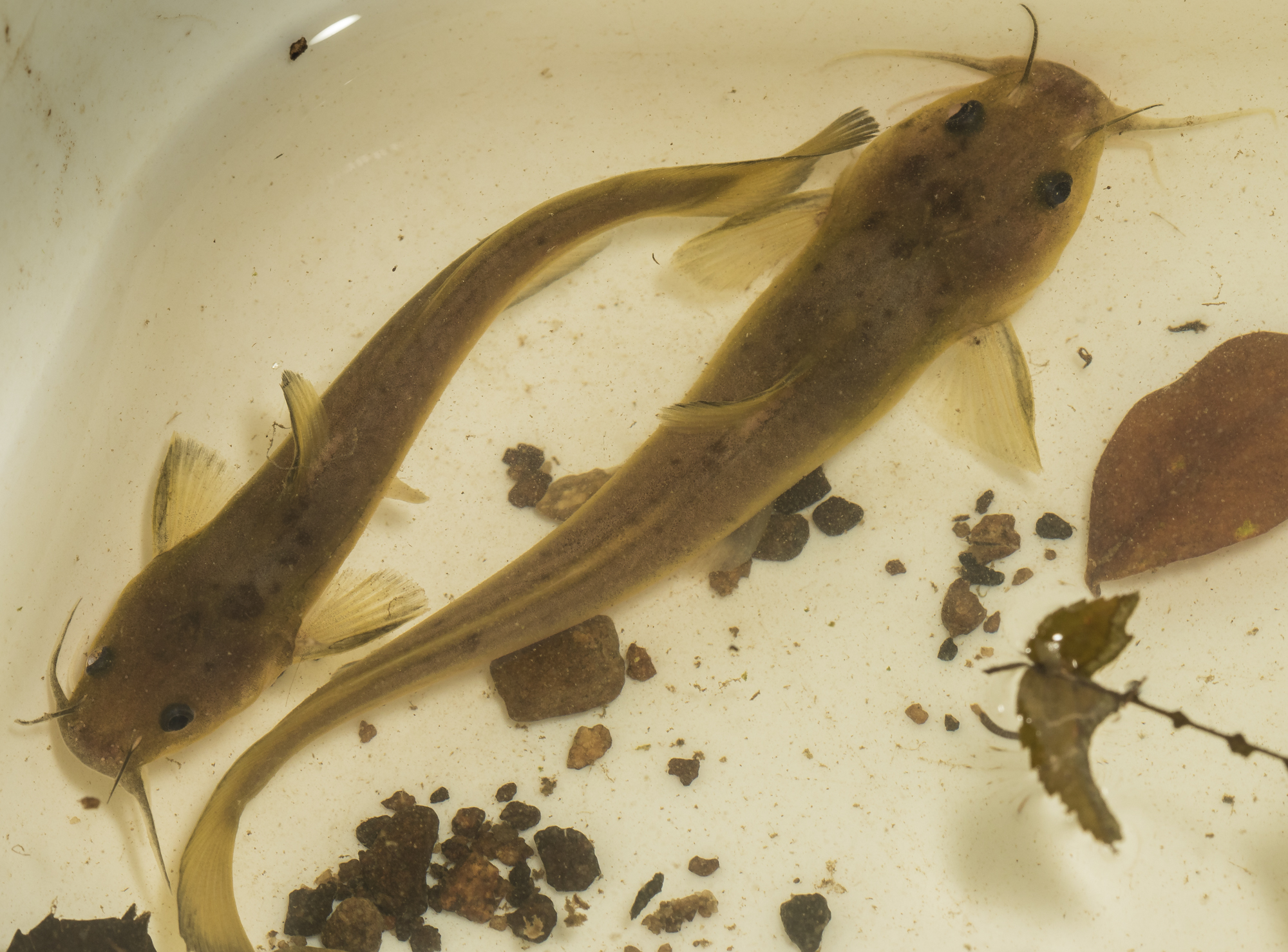
A long-horned beetle brought to us one morning by one of the staff (click photos to enlarge)Campers learned about all sorts of “bugs”, including ones that had more than 6 legs like this isopodThe most common dragonfly at the Garden, the blue dasherOne of my favorite bugs, a spicebush swallowtail caterpillar, still in its bird poop mimic stageEight-spotted forester moth larvaOne of the campers spotted this newly emerged oakworm moth (the wings are not yet pumped out to their full adult size)Assassin bug nymphOne of the highlights of the week was a visit to a honeybee hive at the Carolina Campus Community GardenA male honeybee with a varroa mite (that brown oval) on its thorax. These introduced mites are a major pest of honeybees.We also learned about native bees from an NCSU entomologist. She brought a live bumblebee nest (above) and a drone box, where kids could let male bumblebees (drones) crawl on them (male bees lack stingers).Mating tiger bee flies. These large flies are parasites on the nests of carpenter bees.A signal fly earns its name from its behavior of waving its patterned wings back and forth as it walks, as though giving signalsSampling Morgan Creek yielded some nice bugs, including this unusual dragonhunter dragonfly nymph……and several of the somewhat intimidating hellgrammites (dobsonfly larvae)We also managed some non-buggy critters, like these margined madtoms from Morgan Creek…This gorgeous spotted salamander was found by another staff person as it cruised between buildings on a very rainy day
It has been so busy lately that I tend to forget to “stop and smell the roses”, to take advantage of where I work and live, and to make the time to just look around, ponder, and be amazed. Luckily, I remembered to do just that a couple of weeks ago when I saw some rolled leaves on one of our water garden plants, Powdery Alligator Flag, Thalia dealbata. I am not that familiar with this species, but it seems as though something has taken a liking to the large, canna-like leaves this spring. Horticulture staff commented that this type of defoliation on this species was not common. We were all curious as to who the leaf-rollers might be.
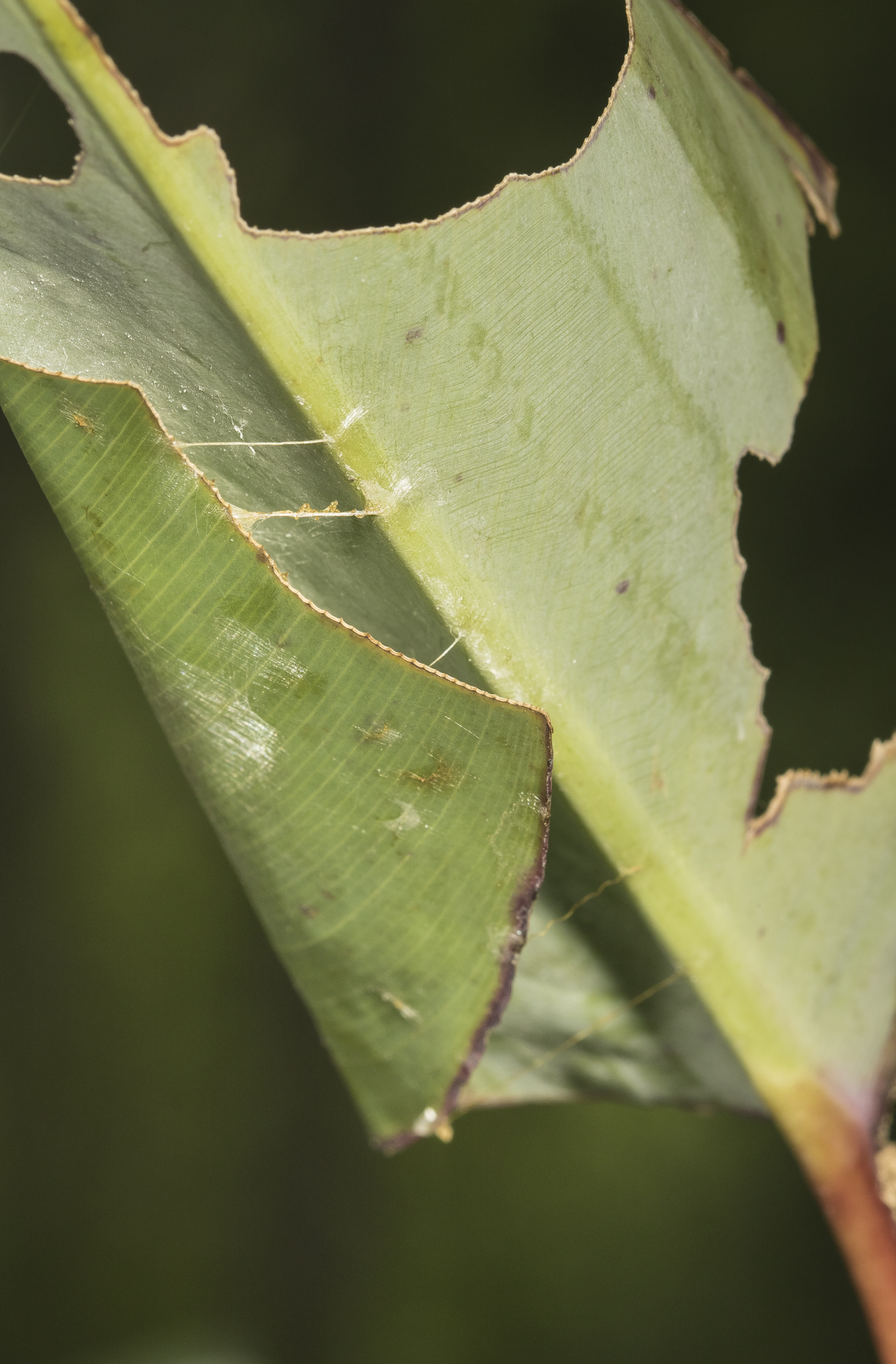
Rolled leaf caused by caterpillar (click photos to enlarge)
I peeked into some of the rolled leaves and could see a green caterpillar in some of them. Leaf-rolling is a great way to provide some shelter for yourself and is seen in many types of caterpillars. I googled leaf-rolling on Thalia and quickly discovered that this was probably the work of the larva of a Brazilian skipper, Calpodes ethlius. Larvae are commonly found on leaves of canna, although Thalia is also mentioned as a host.
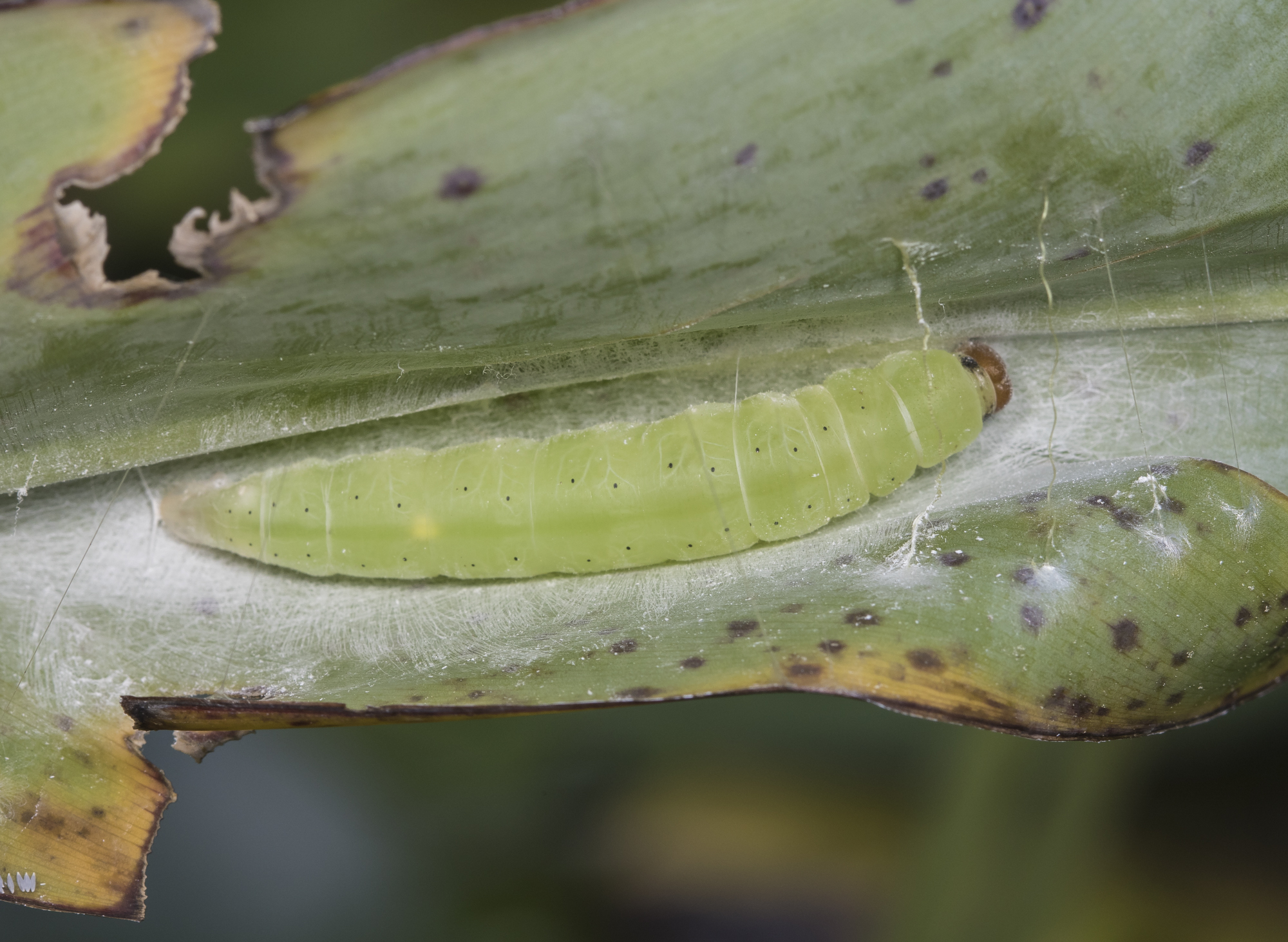
Peeking under the leaf reveals the leaf-roller tucked inside
To create their feeding shelter, the newly hatched larva chews two parallel lines of leaf tissue from the leaf margin toward the center of the leaf. It attaches silk strands to both the outer and inner edges. As the silk dries, it contracts, pulling the leaf into an open-ended tube in which the larva hides.
Teasing open the leaf roll reveals the prepupa
That first day, I had teased open a shelter and seen the small caterpillars but did not have my camera. On my next visit, several days later, I found some huge larvae and a prepupa. I must confess I didn’t notice it was already in the prepupa stage until I looked at the images. Close inspection of the photo above reveals the silk strand that forms a girdle attaching the larva to the leaf ,about 1/3 the way down the body from the head. You also can see the large amount of silk along the leaf midrib and how it appears the posterior end of the larva may be attached by silk strands.
On another leaf, a chrysalis
Inspecting another rolled leaf, I found the strange-looking chrysalis of this species. I had seen a photo online and had hoped to be able to see one for myself, and here is was!
An unusual shapeSmall horn-like projection at the anterior of the chrysalis along with a silk girdleThe posterior of the chrysalis with the proboscis sheath extending from below
There is a small anterior horn (could this be the antenna inside?) and a long tube coming from the underside that extends beyond the posterior part of the chrysalis. We wondered what that was and I finally found a reference that said it contains the long proboscis of the skipper. I cut this leaf and brought it into my office where I set it up in a vial of water in the window, hoping to witness the emergence of the adult.
The day before emergence – an odd-looking pupa
Five days passed, and the pupa took on a new look. You could see more of the developing skipper inside.
The eye looks huge in the developing pupa
The huge eye of the adult was particularly noticeable. In many species, when you can see more of the adult inside the pupa, that is a signal that it will soon emerge. As luck would have it, I had off-site first aid training the next morning, and when I returned…
The freshly emerged Brazilian skipper
I found an empty chrysalis, and, at first, no skipper. Searching the office, I finally saw some movement under some of the debris-pile on my table next to the window. I grabbed a twig and gently picked up the fresh skipper. What a beauty (and that eye is huge)!
According to the official record-keepers of The Butterflies of North Carolina, the Brazilian skipper is a somewhat rare species in our state, especially in the Piedmont. Details of the flight period and life history in our state are not well known. It is a migrant from further south (it is more common in Florida), but it does breed in North Carolina. I’ll drop a note to the compilers of the list and let them know we have this rare beauty this summer at NCBG. I’m really glad I peeked inside that leaf roll.
Ah, summer, what power you have to make us suffer and like it.
~Russell Baker
It’s been too long since I have visited my other favorite place, the Pungo Unit of Pocosin Lakes National Wildlife Refuge. So, with Melissa in Yellowstone leading a museum youth group, I decided to make a day-trip this past weekend to look for bears and whatever else summer on the Pungo might bring. It was about 9 a.m. by the time I pulled onto the refuge dirt roads. Things started surprisingly slow…no bears at all (n fact, not much of anything) for my first complete circuit through the refuge. That is pretty unusual for a Pungo summer – no bears! The greenhead flies and deer flies were pecking on my windows whenever I stopped the car, but I decided to get out anyway and spend some time along the edges of a wetland to see what I could see.
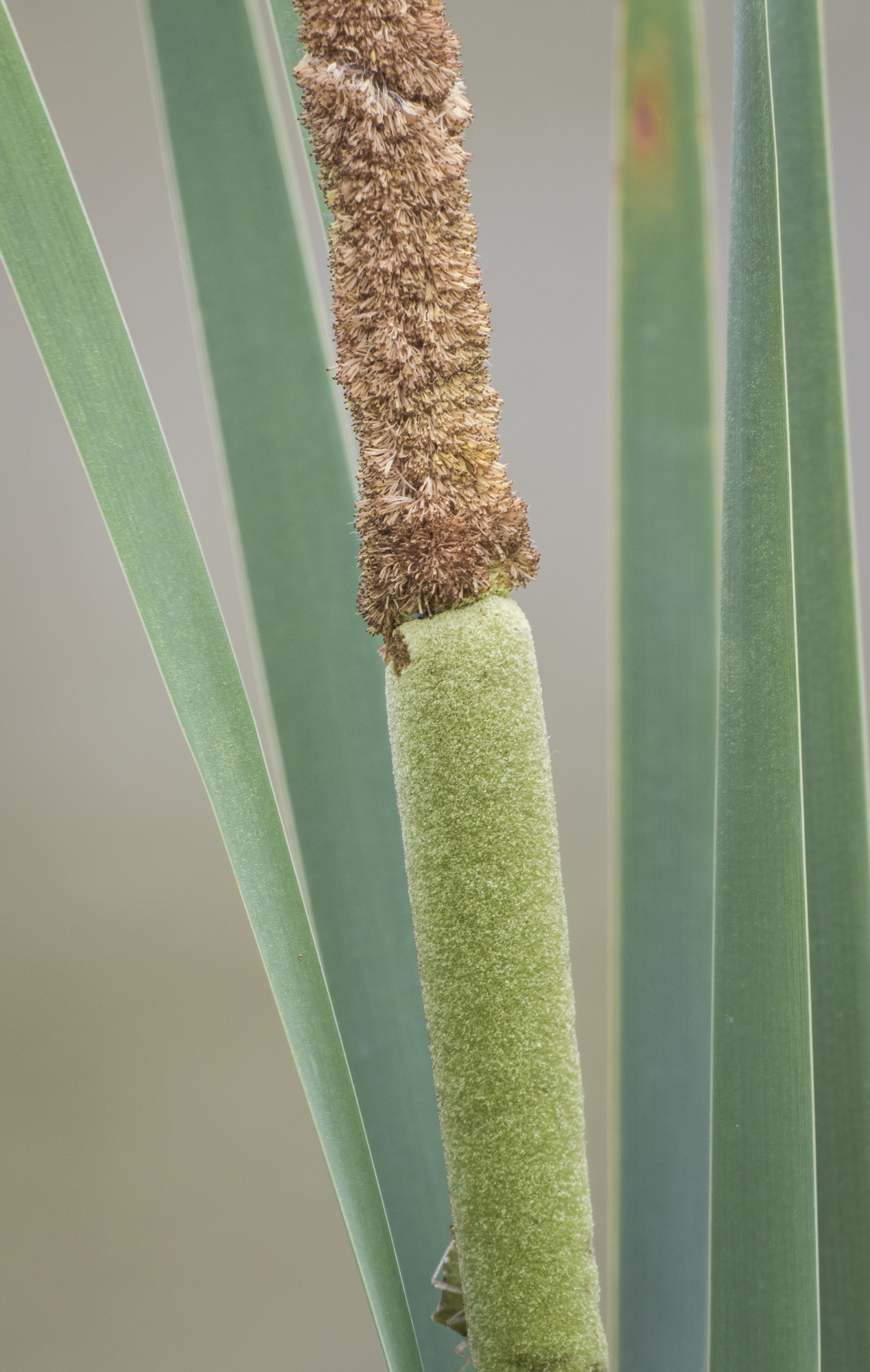
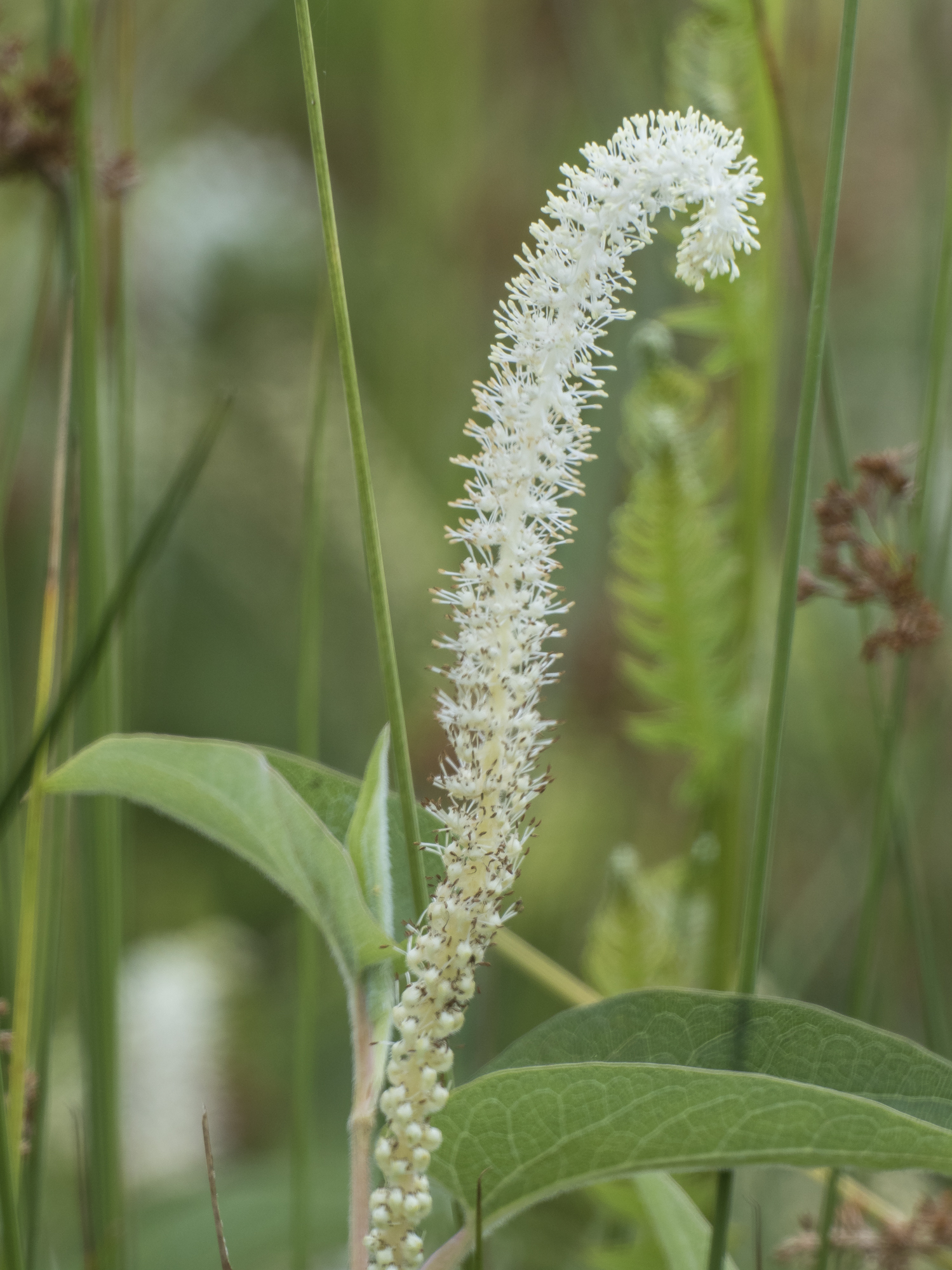
Cattail flower spike – female part below, male part is the brown spike above (click photos to enlarge)Lizard’s tail, Saururus cernuus
The vegetation seemed even thicker than normal as I scanned the marsh, but darting movements quickly caught my eye…dragonflies, and lots of them.
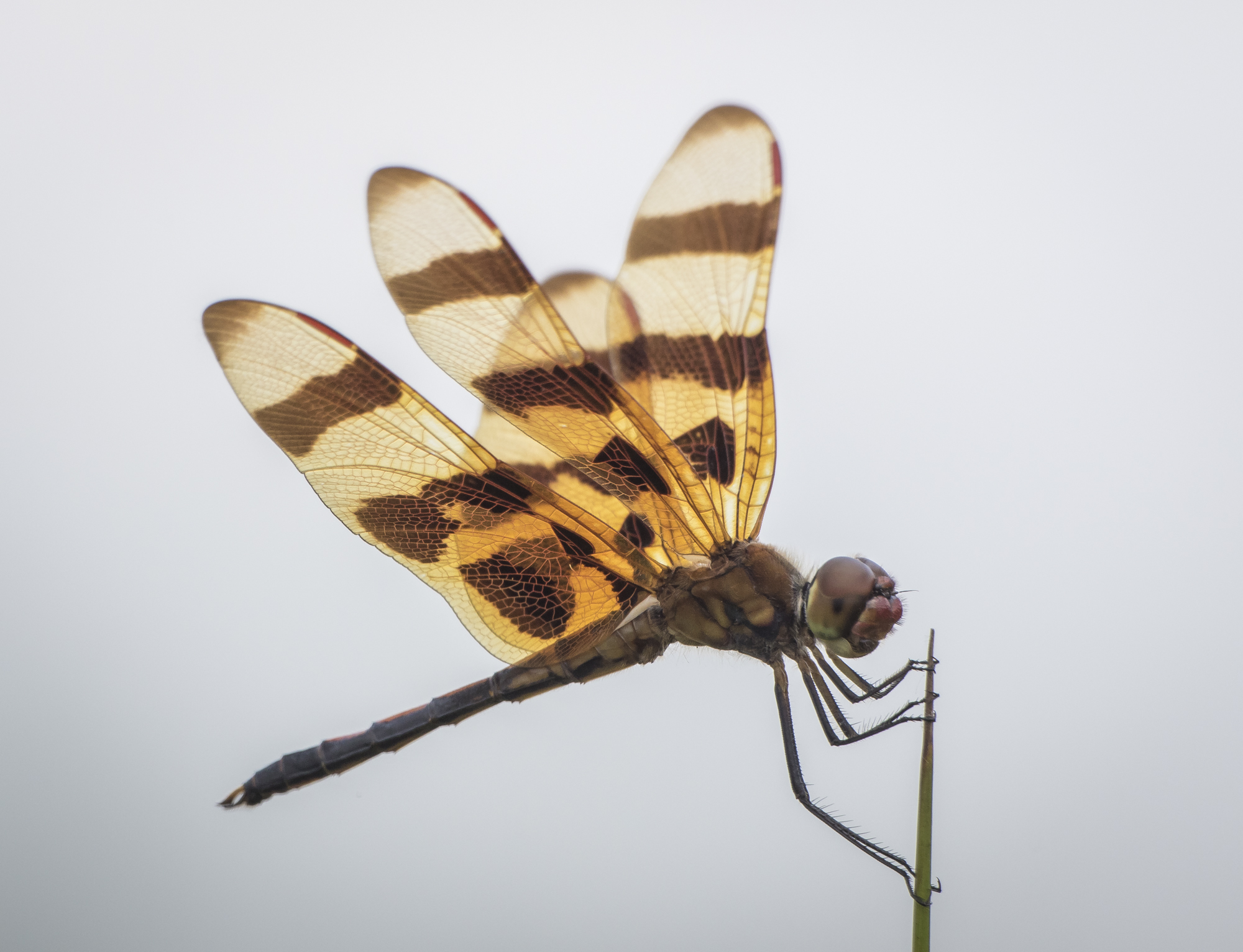
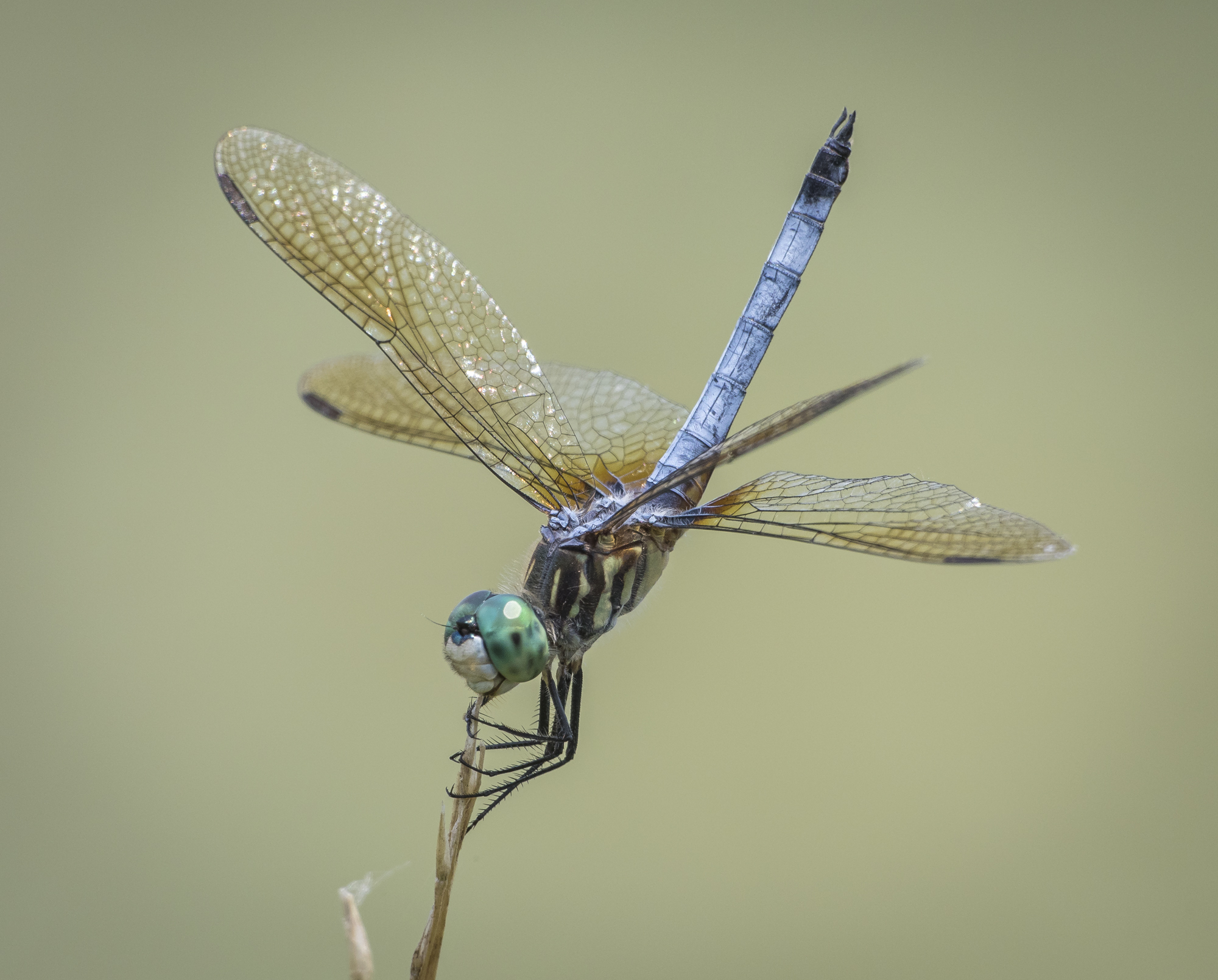
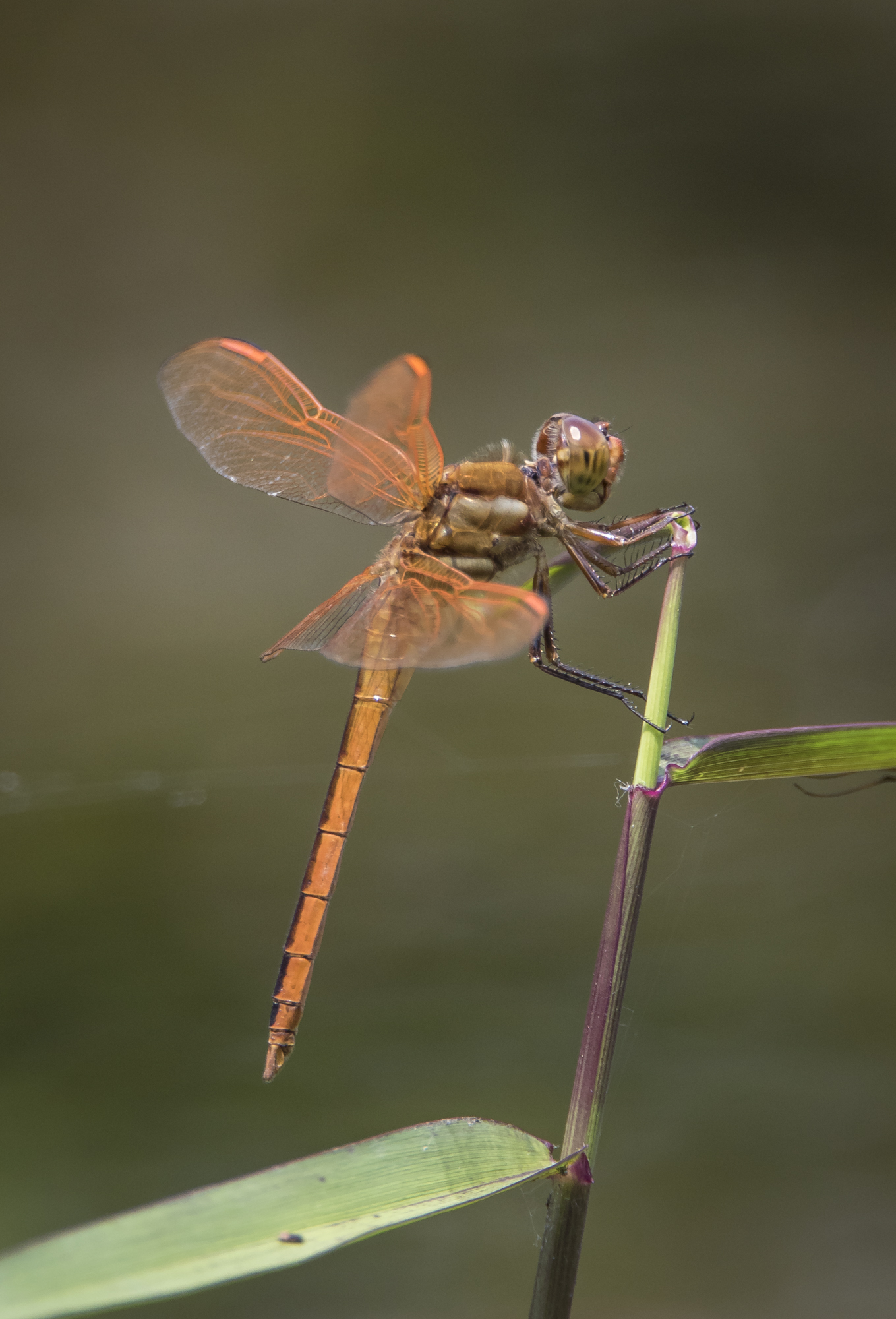
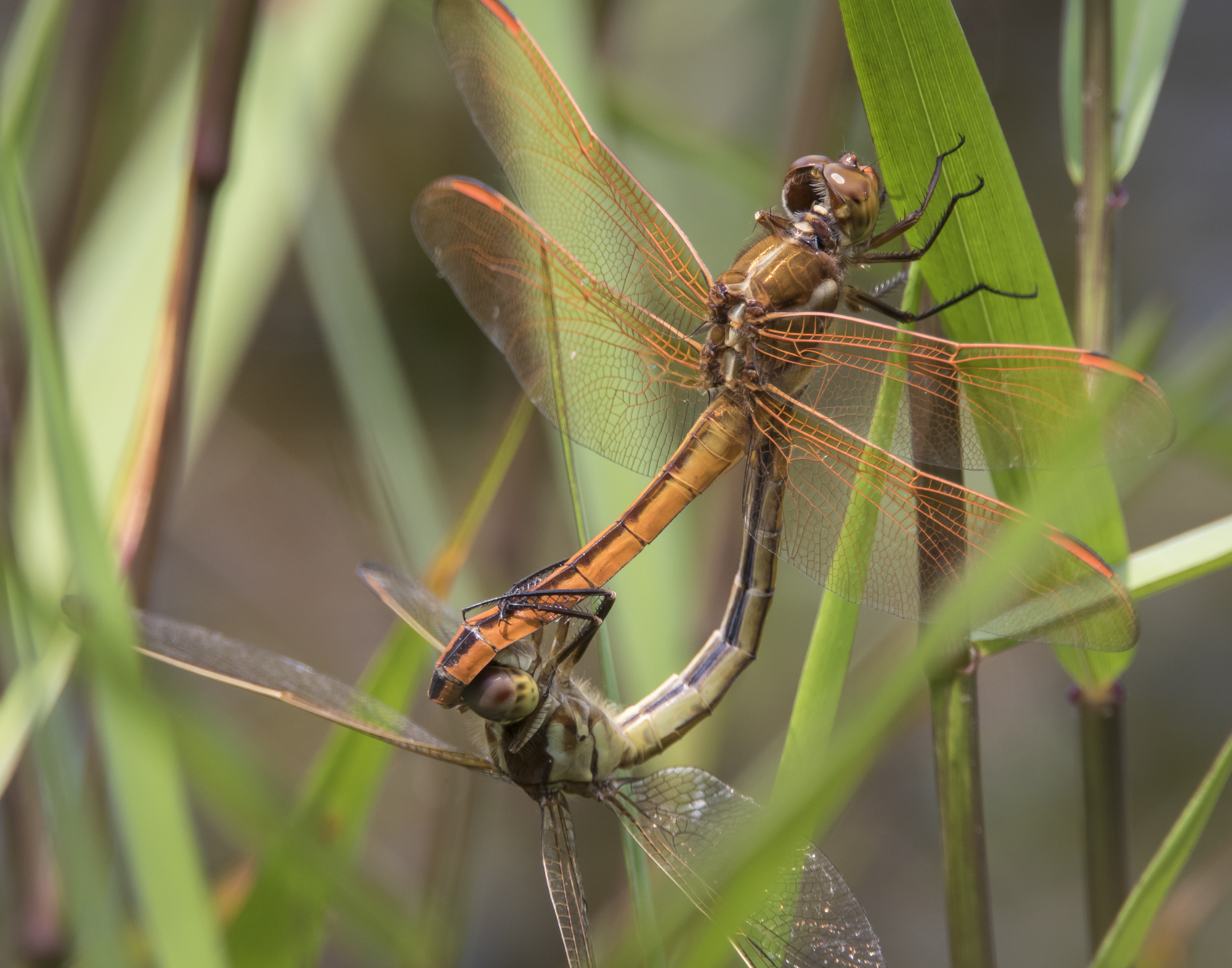
Halloween pennant balancing on a stemBlue dasher in obelesk position – a handstand-like posture used frequently by males of this species when guarding territory. It may also reduce their temperature on sunny days by minimizing their surface area exposed to direct sun rays.Golden-winged skimmer, male
This male golden-winged skimmer was close to the edge of the canal and patrolling frequently, returning to the same stem each time. Suddenly, he made a quick move into a thicket of stems and stopped. I leaned in and could see he had found a mate and had assumed the position – the so-called wheel position.
Golden-winged skimmer in wheel position
Males transfer sperm to a specialized pouch in their second abdominal segment. They then grab a female by the head (or “neck”) and she curls the tip of her abdomen up to where he has stored his sperm. It lasted several seconds and then they briefly flew in tandem before she broke off and started laying eggs. She does a quick splash into the water with the tip of her abdomen, laying an egg with each dip. He stayed nearby guarding her from any other males that might be in the vicinity.
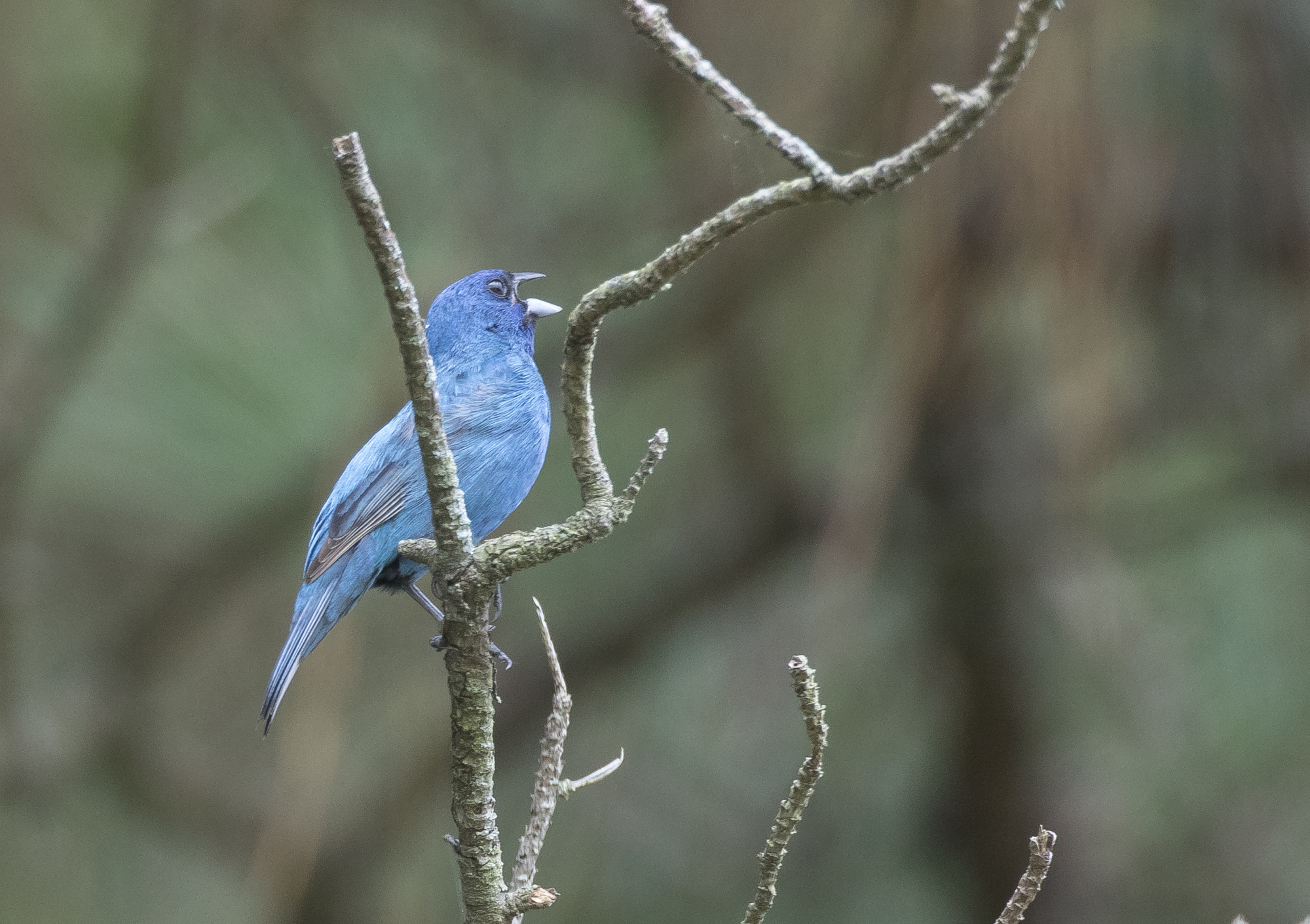
Indigo bunting singing
While sitting there in a cloud of dragonflies, I began to see and hear a lot of songbird activity. I didn’t make much effort to photograph them until this male indigo bunting perched nearby singing his heart out. Some other species of note included a blue grosbeak, great blue herons, wood ducks, yellow-billed cuckoos, prothonotary warblers, great-crested flycatchers, several northern bobwhite, some wild turkey, killdeer, and lots of red-winged blackbirds and common grackles. But, as hoped, this day turned out to be about something else…
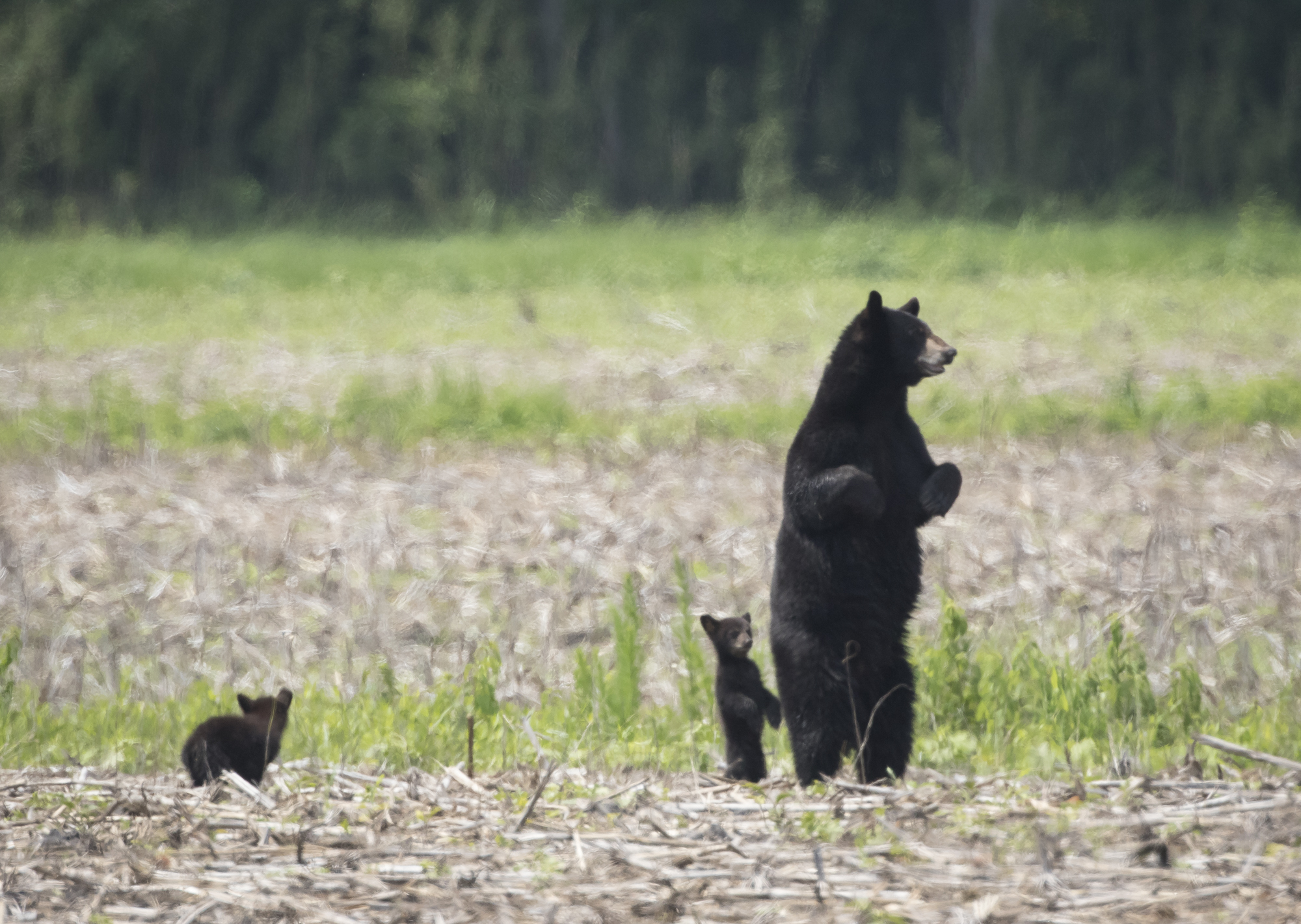
Bear sow with two cubs of the year (so-called COYs)
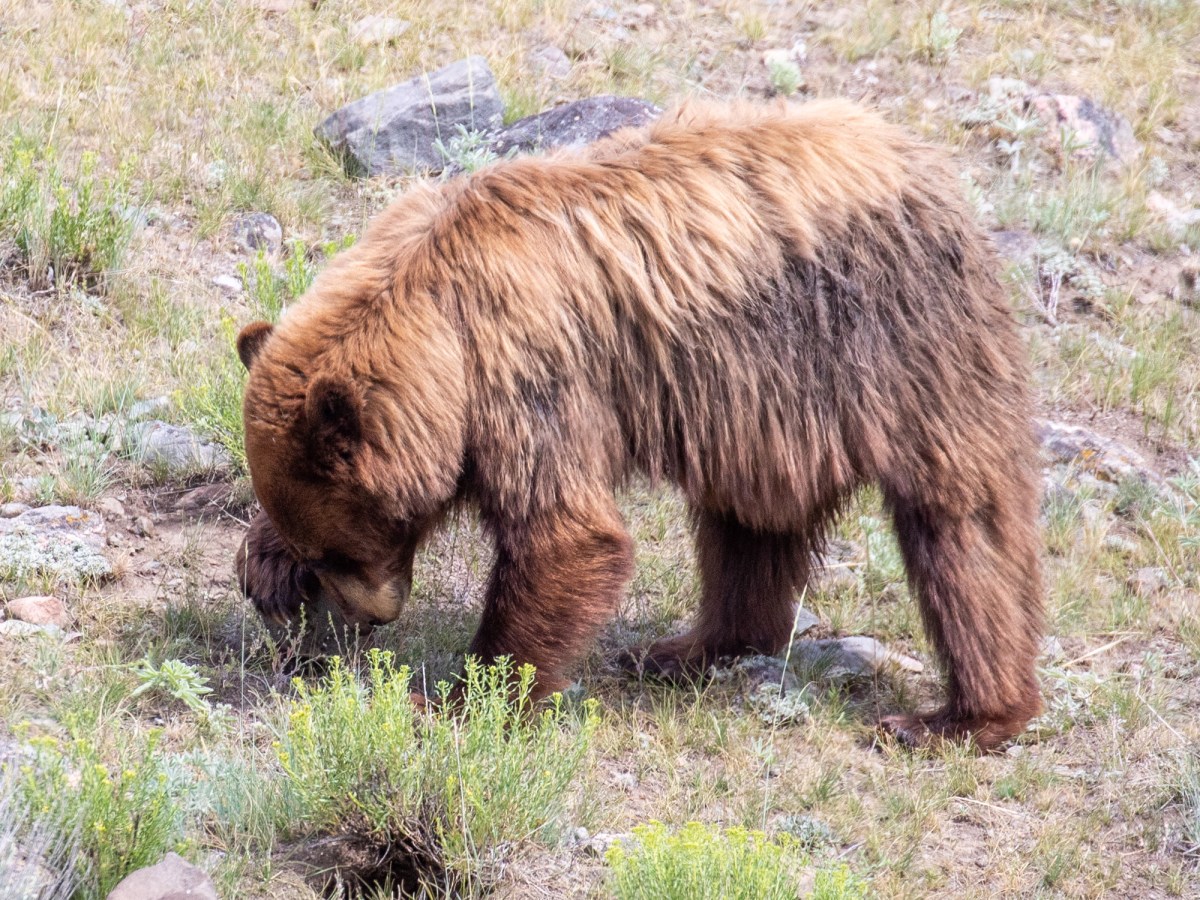
Though skunked by bears for the first hour, I quickly made up for it. Driving along Pat’s Road I found a field with six bears, (including a sow with 3 tiny cubs) scattered out in the open feeding on the sparse vegetation and maybe some leftover corn on the ground from last winter. I went around to the back edge of the field and watched. Soon, another sow with 2 cubs of the year came out closer to me. The heat of the day made for less than ideal atmospheric conditions for photos (especially with my bigger lenses) with many soft images the result. But it was great being able to watch these bears do their thing, the youngsters sticking close to mom, and her having to often lift a leg over one of them as it would get underfoot. I thought back a few weeks ago to seeing black bears with cubs in Yellowstone, along with 75 or more people along the road each time. It made me really appreciate the quiet and solitude of Pungo.
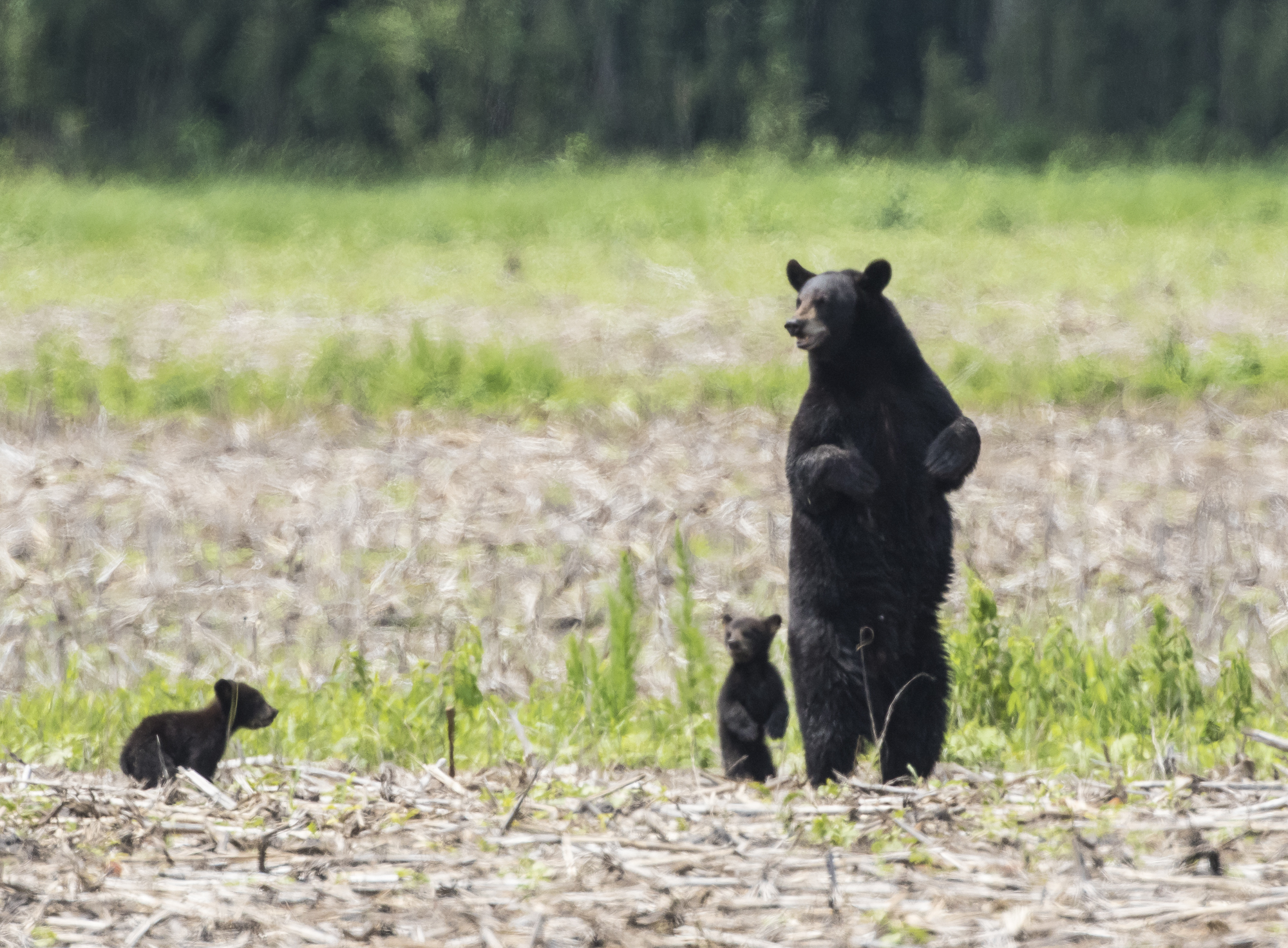
She caught my scent and stood up. So did the first little one.
The mother bear finally headed off to the woods and, as she traveled, the young ones struggled a bit to keep up. At one point, she passed downwind of me and must have picked up my scent. She stopped, raised up, looking around to see where that human smell was coming from. One cub joined her and seemed to mirror every move she made as she looked this way and that.
Looking where mom is looking
She finally dropped down and quickly got her youngsters to the safety of the woods. In the next thirty minutes my bear count went up to 14, all in the two fields on either side of where i stood.
Female bear , with company…
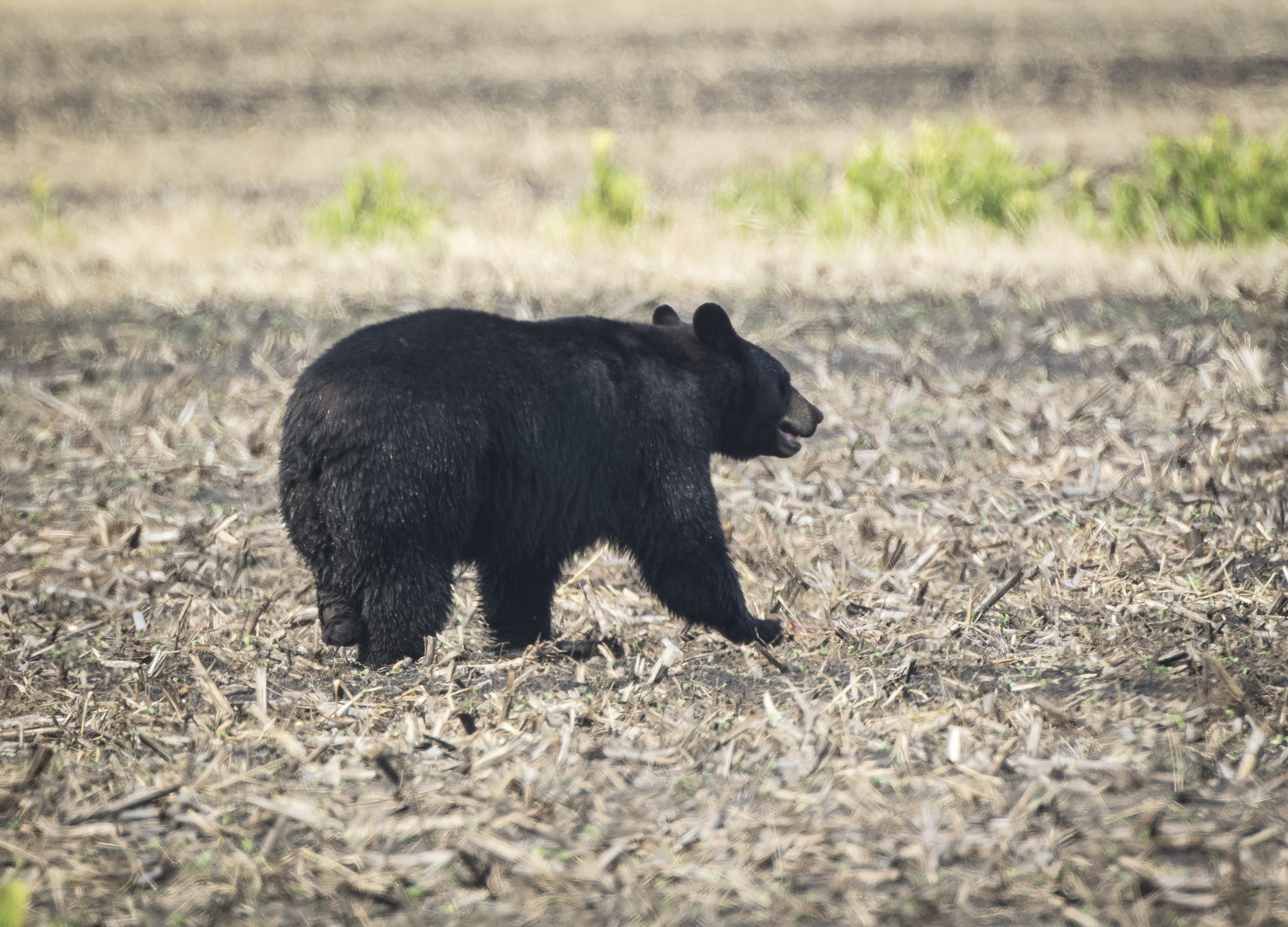
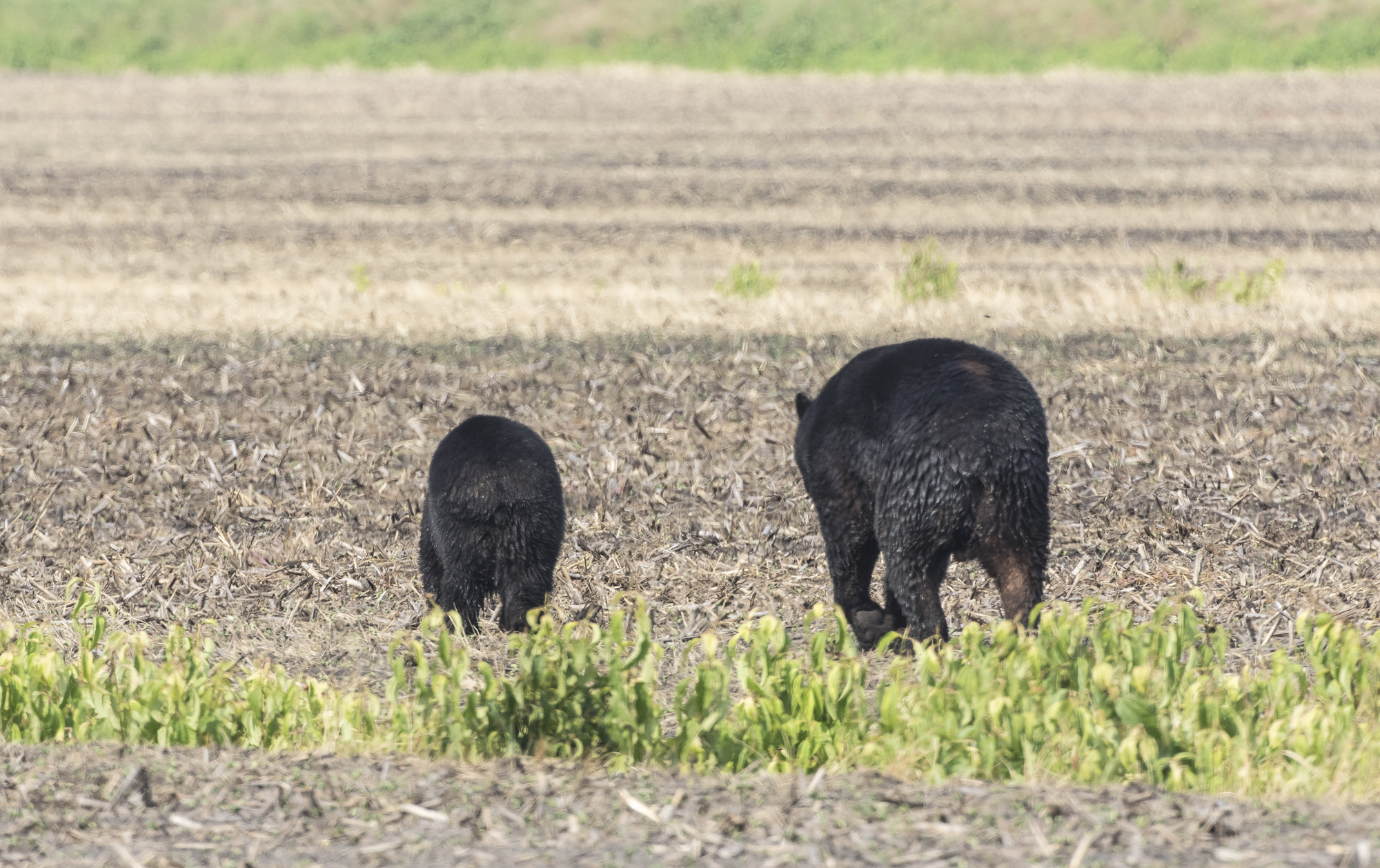
I decided to drive around a bit more as more of these bears starting heading for the shade of the forest. Less than a half-mile away I encountered my first really big bear of the day – a big boar courting a much smaller female. June and early July are the prime mating season for black bears at Pungo, so you tend to see more of the big males this time of year as they search for females that are receptive to mating. This female was limping as she walked and I finally realized she either had a deformity or was missing her entire left hind foot (look closely at the photo above).
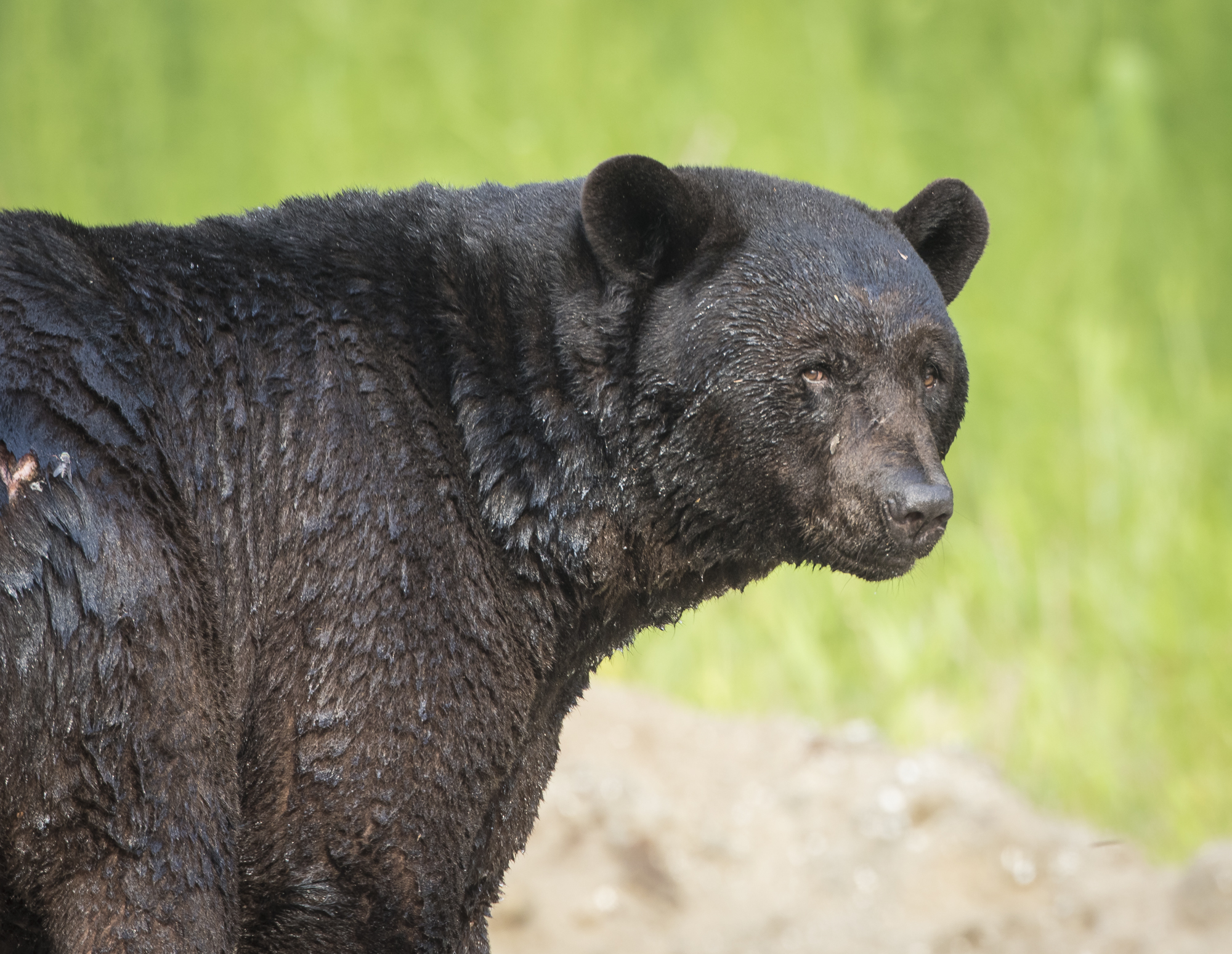
This huge boar was courting her all day, and he has the scars to prove he is worthy
The male following her was a bruiser – a big boy with plenty of battle scars.
Wherever she went, he followed
They crossed a canal into a field and munched away at things I could not see from my vantage point. Both bruins just ambled along, nibbling as they walked, with the male keeping close to the limping female. I was shooting a lot of images and suddenly remembered I had loaned all of my compact flash memory cards to Melissa for her Yellowstone trip. My camera has two card slots, one for each type of memory card. That is a great feature because you can just keep shooting if you run through one of your cards. And, if you are like me (with my old camera), I always ran out of memory right when something amazing was happening. But, today, I only had the one card in the camera. The male was getting closer and closer to the female and I thought they might mate at any time, so I decided to run back the 50 yards or so to the car and get another card. The bears were far enough away (and headed in the opposite direction), so I left my camera and telephoto lens there on the tripod as I ran back. I had my camera bag open at the car and was trying to find one of my other cards when I glanced back toward the bears and saw another huge bear come out of the woods not far from my camera. I think I actually yelled, Noooooo, and took off back toward my camera gear. The last thing I wanted was for a curious bear to knock it over into the canal or decide to test the toughness of my lens. By the way, I should remind everyone that I am taking these photos with a telephoto lens and I am attentive to what the bears are doing and how they are behaving. I don’t want to stress them (or myself) by getting too close.
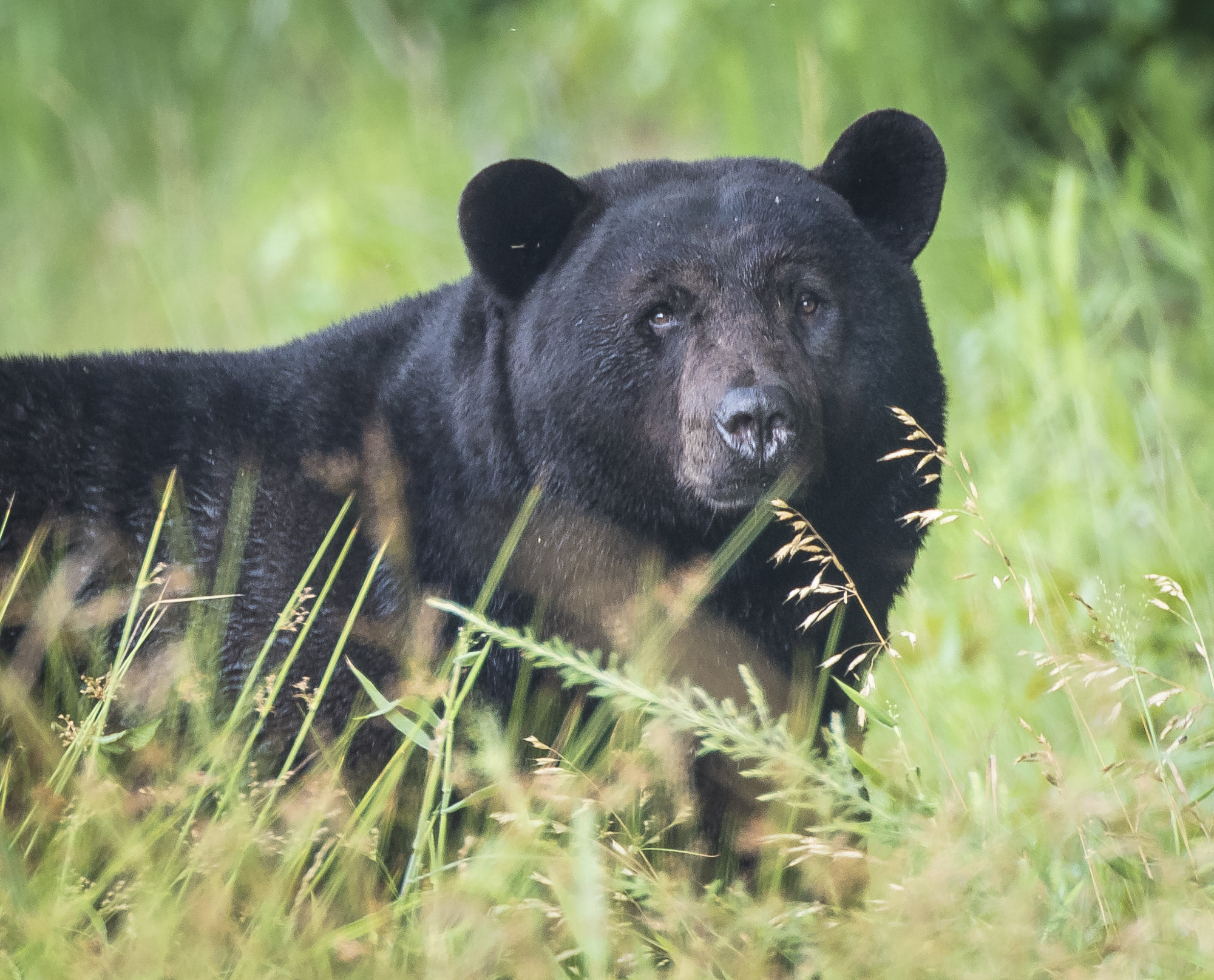
A handsome admirer soon showed up, trailing the female and her suitor
The new bear walked over to the edge of the canal, looked out at the other bears, and slowly turned and went back into the woods. But not before glancing at the panting human who was now standing next to his camera gear. This was another large male, but one that was much more handsome, lacking the many scars of the bigger fella out in the field. I am pretty sure he was trailing the female (he came out on the same pathway as they did), saw the bigger male, and thought better of it.
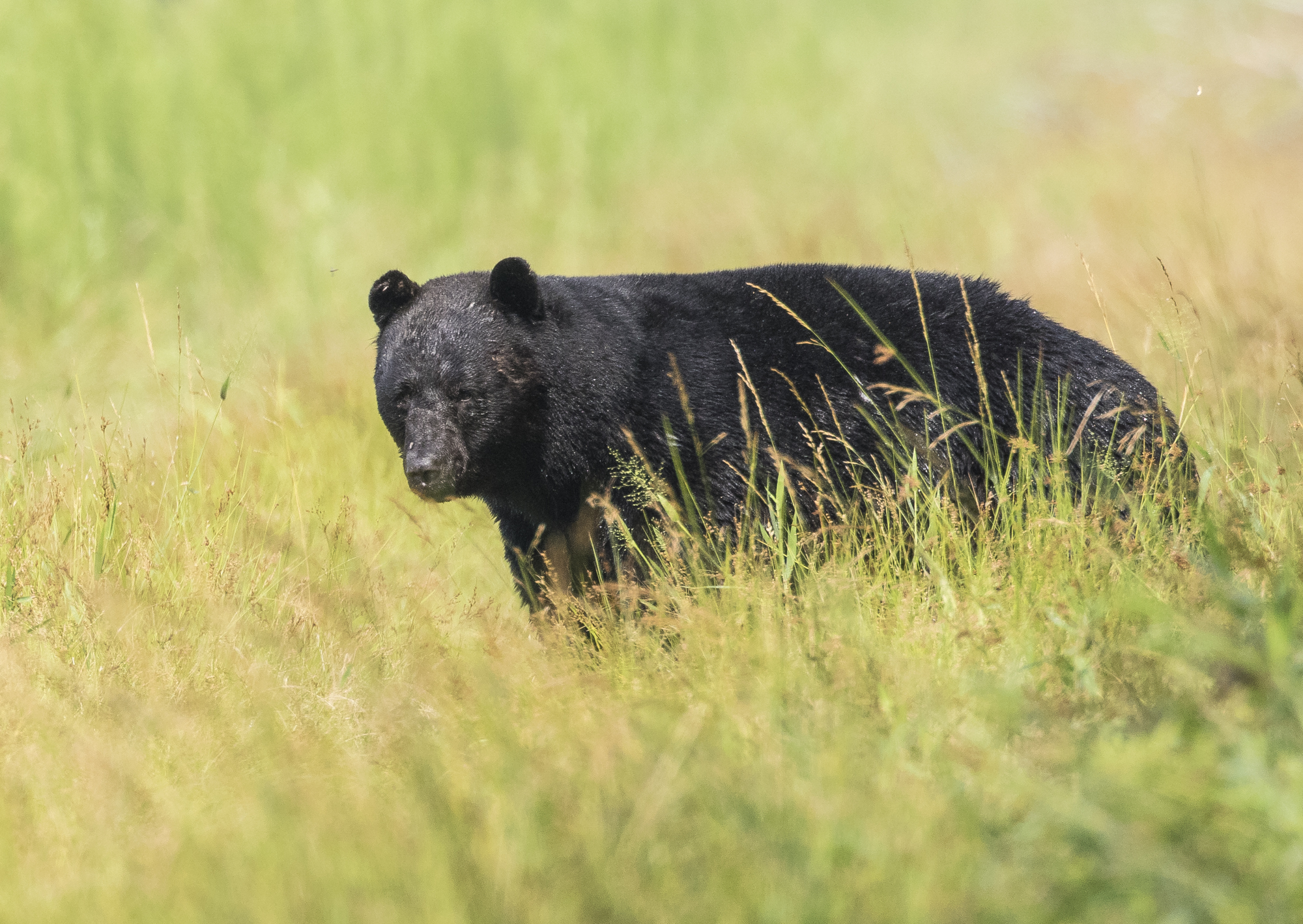
I drove through the refuge one more time and returned to the same spot where I had earlier seen so many bears. The fields did not disappoint and i soon had another 7 bears in view. Another large male cruised across the field and headed toward a small pond I had found while walking around earlier. I walked back to where I could cross a small canal and slowly headed that way, hoping to catch the bear cooling off in the water. When I got near, I could not see him or any ripple in the water, so I thought he had gone on by. I started to walk past the pond when he suddenly rose up out of the water from behind some tall vegetation and climbed out.
You looking at me?
He shook off, walked a few steps and then realized I was standing there watching. He gave me a glance that reassured me that I didn’t want to get any closer, and then ambled away.
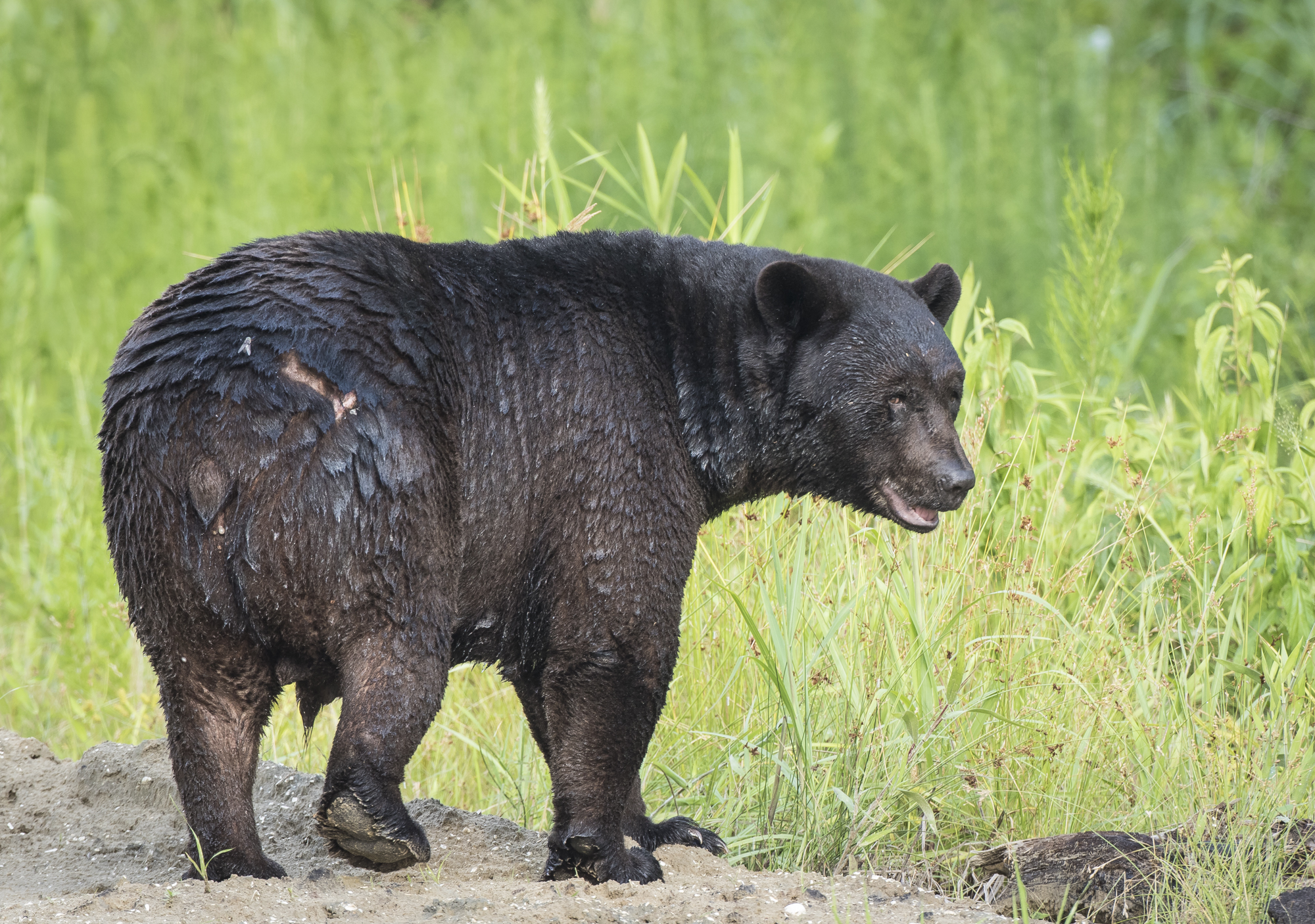
This big guy had a fresh battle scar on his rear
He looked like another warrior and had a big scar on his rump from a fairly recent fight. The other thing I noticed when I looked at most of the bear images back home was that almost every bear had an escort of several biting flies of one sort or another (you can see a big horsefly near the scar in the photo above). Life can be tough for bears (and humans) out here.
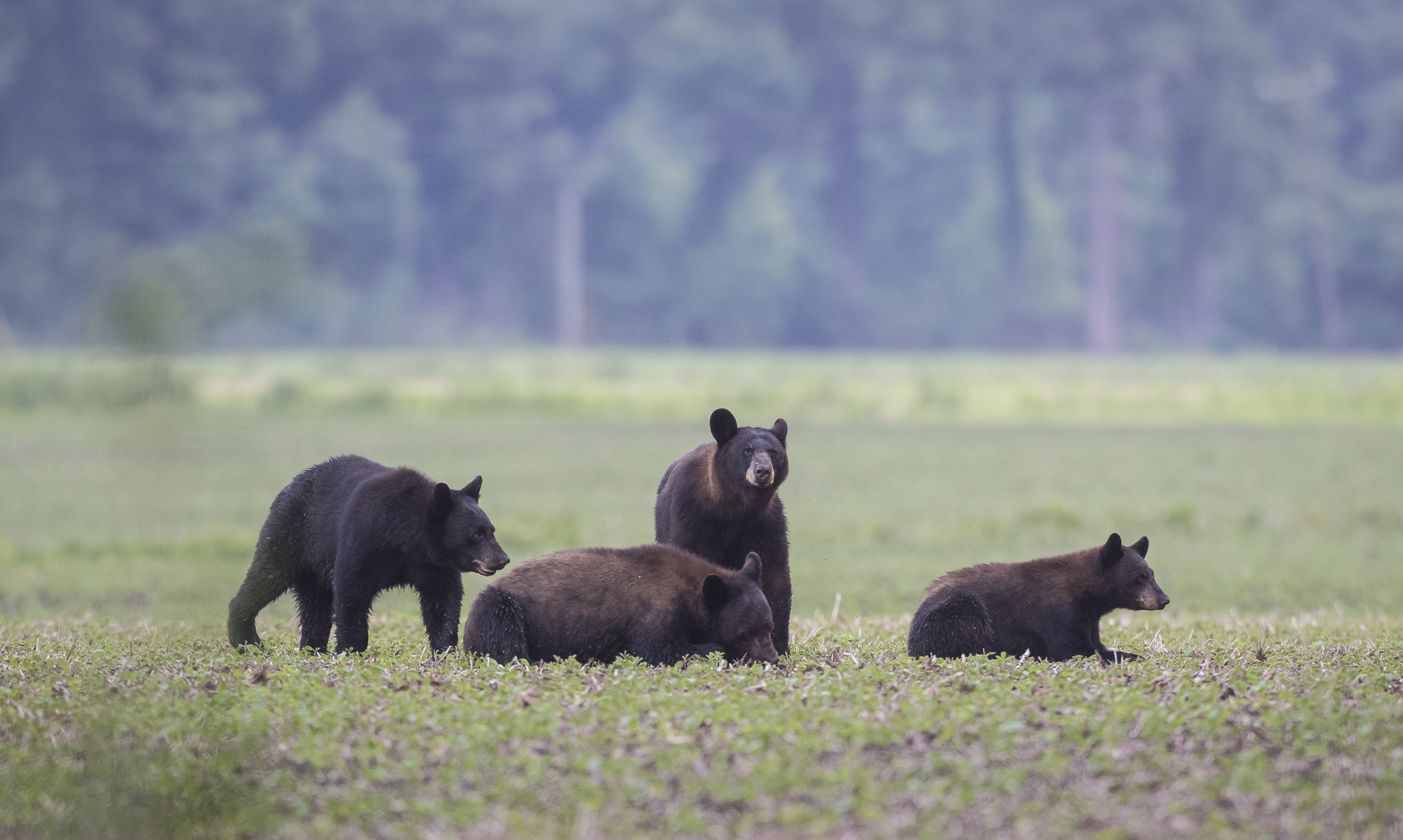
My last bears of the day, a family of four
My last bears of the day was a family of four, including 3 large cubs from a previous year (cubs are usually “kicked out” in their second year). The mother is the one facing the camera in the photo above. The group strolled back and forth across the field, munching on sprouting soybeans, and causing a few of the solo young bears nearby to abandon their feeding and head back into the woods. I ended the day with 21 different bears, including 5 cubs of the year (with two different sows) and 4 large boars. It was a hot, sweaty day, but one well worth it. Ah, summer at Pungo…can’t wait to go back!
In such surroundings – occasional as our visits may be – we can achieve that kind of physical and spiritual renewal that comes alone from the wonder of the natural world.
~Laurence Rockefeller
To celebrate our wedding, Melissa and I did something we have never done – went to our favorite place, without a group. While we have had a day or two to ourselves here and there over the years, we were always prepping for a group’s arrival. This time, it was just us, and we were going to do another first – camp and backpack in Yellowstone. Even though I have been there over 40 times, I had never camped in the park or backpacked. So, this was going to be something special…except the weather decided maybe we needed a reminder of our inability to control things in this amazing landscape. It decided to rain, and rain, and rain a bit more. An entire day of rain on our first full day in the park and that was something I had never experienced in all my trips. But, it turned out to be just fine as we had a chance to spend time with friends and relax a bit, which has always been tough when leading a group.
Here are a few of the highlights of our time in our shared paradise (oh, and I just returned from dropping Melissa off at 4 a.m. at the airport so she can lead a trip to Yellowstone with a youth group from the museum, lucky her)…
The Slough Creek cliffs held a special treat again this year (click photos to enlarge)Golden eagle nest on cliff face
It was a great trip for birds…
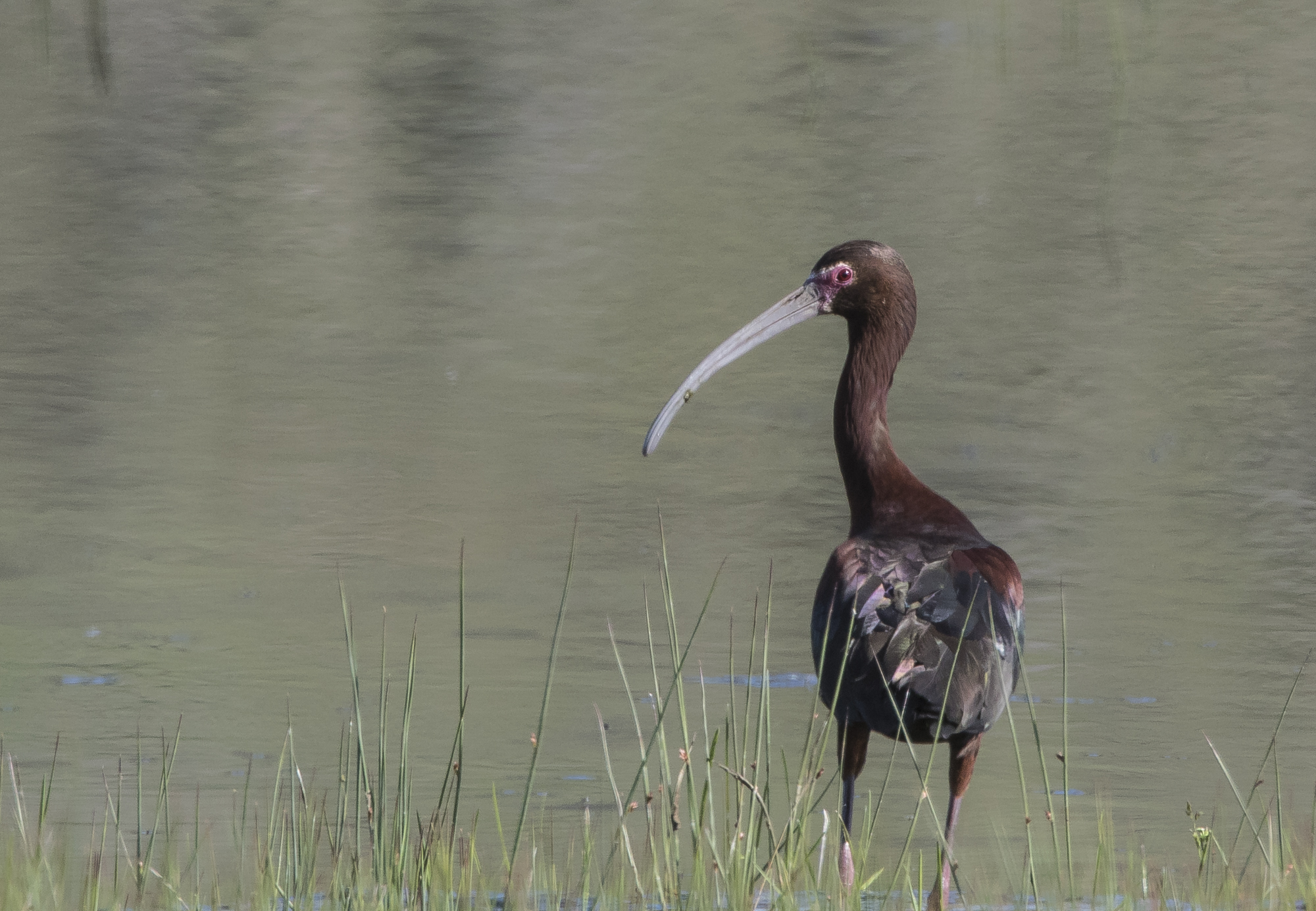
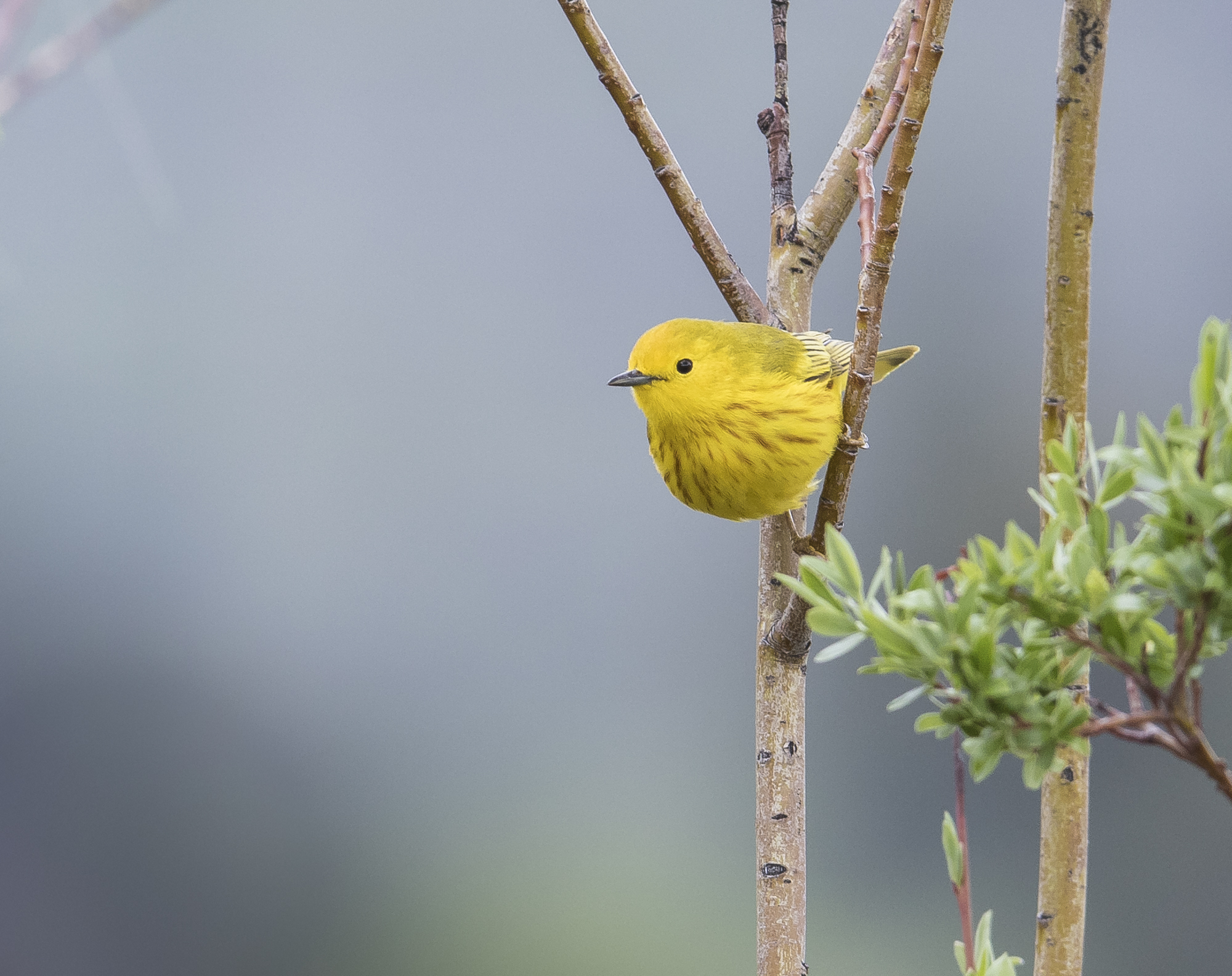
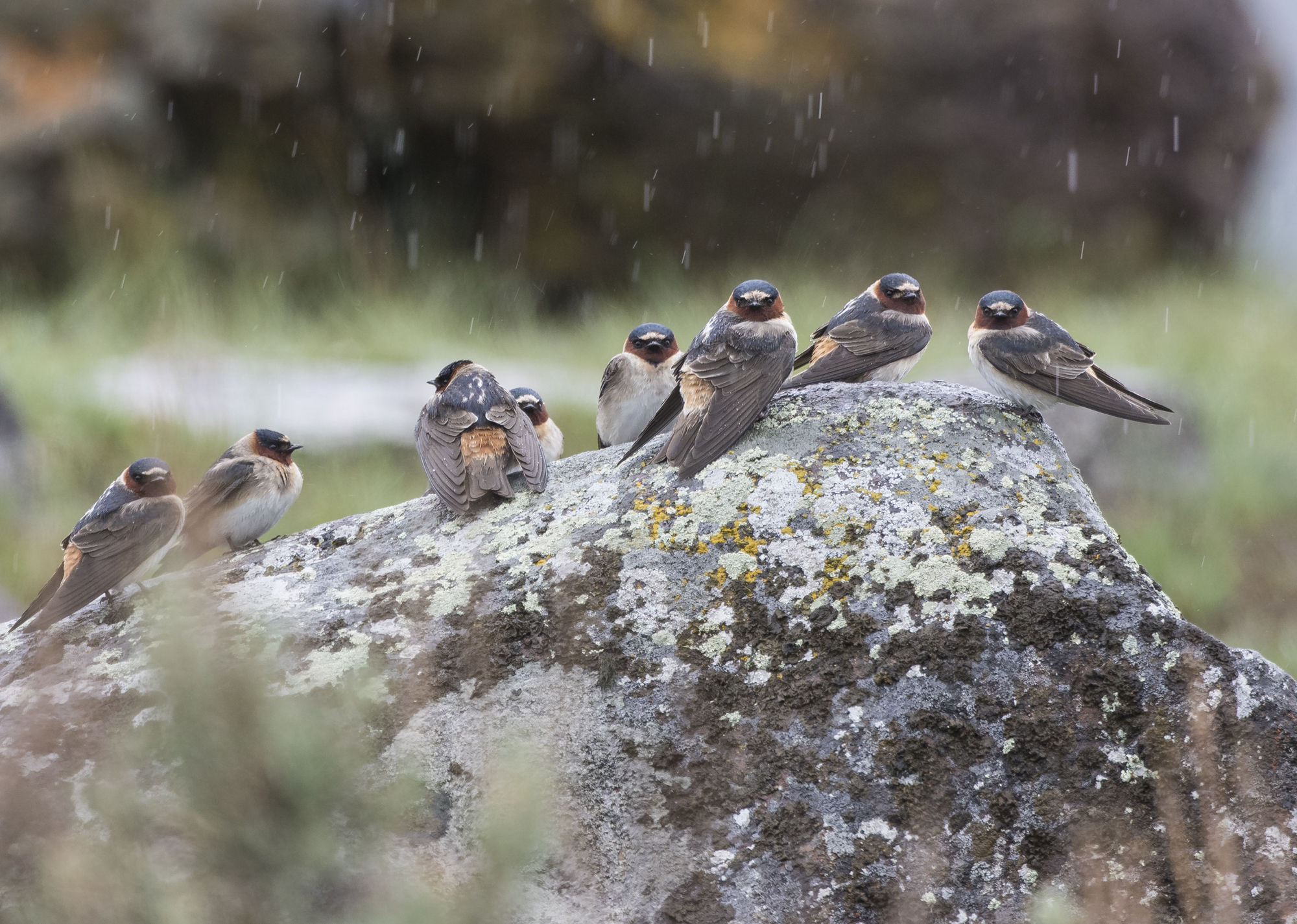
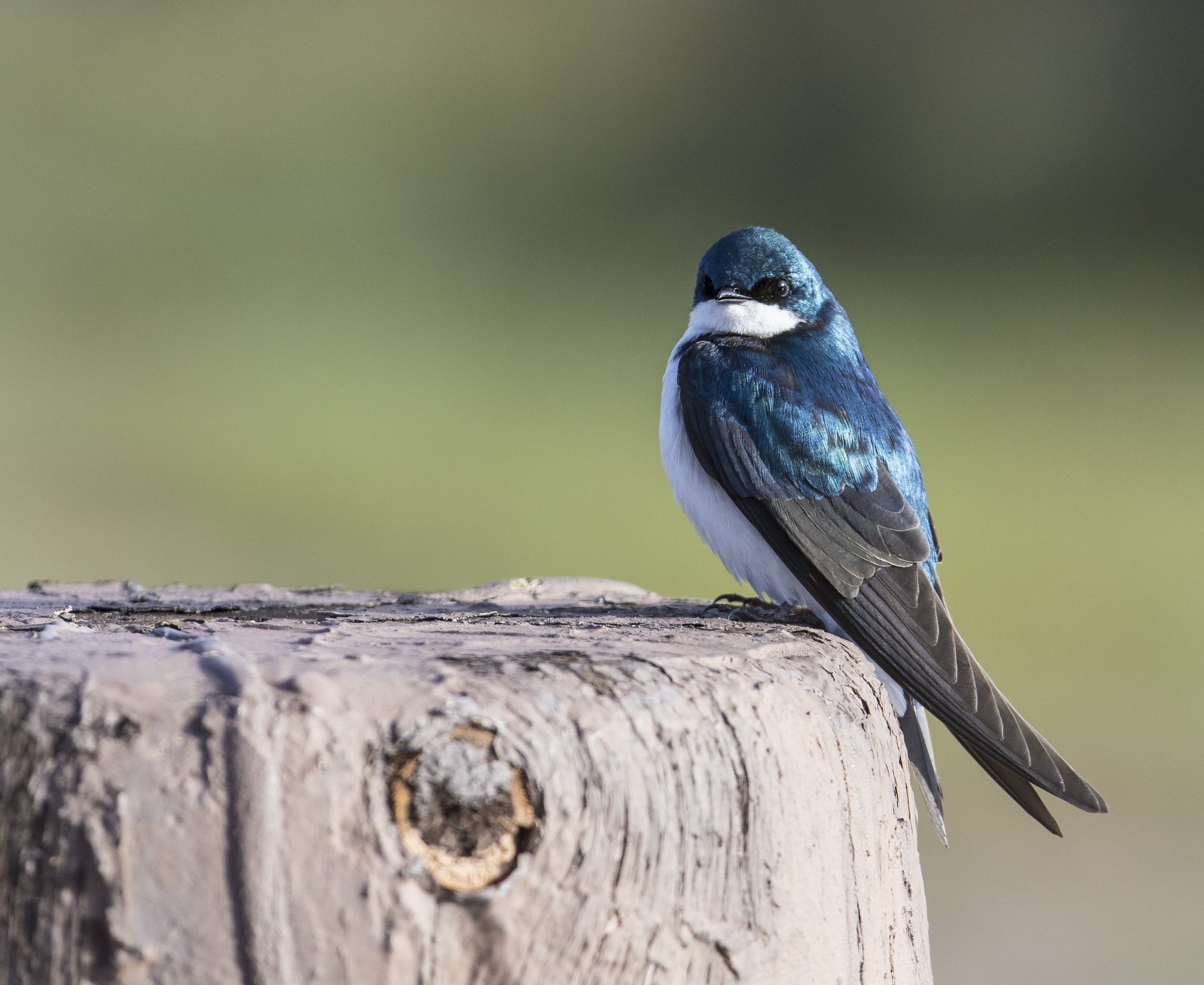
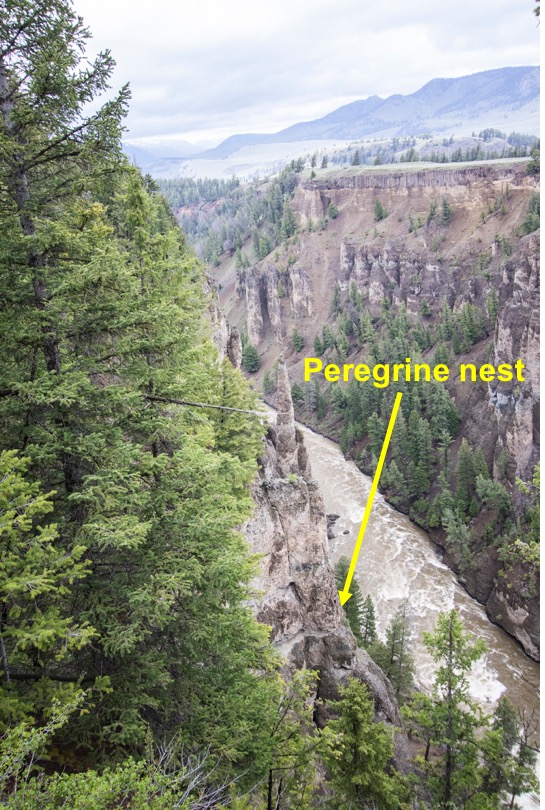
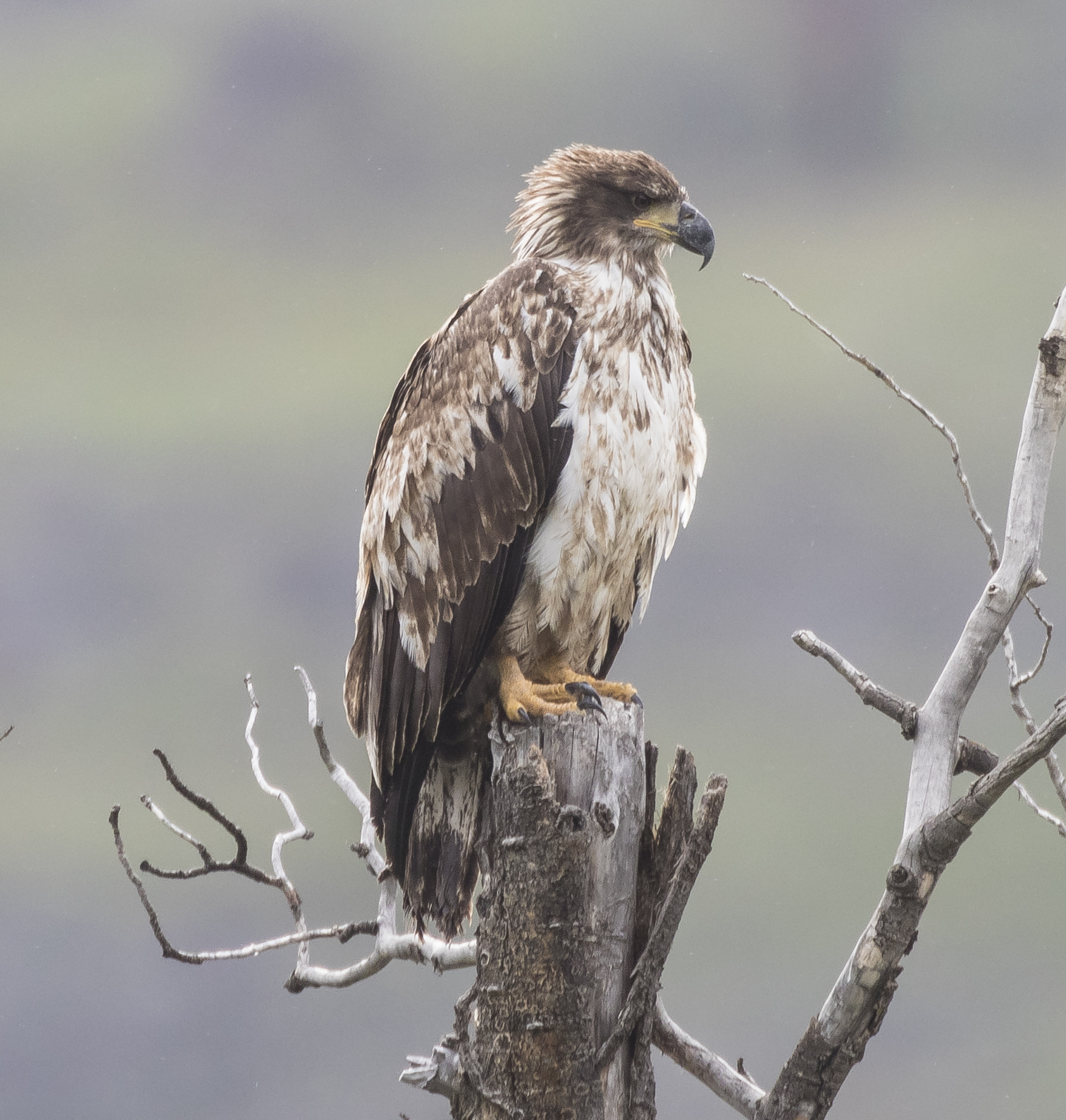
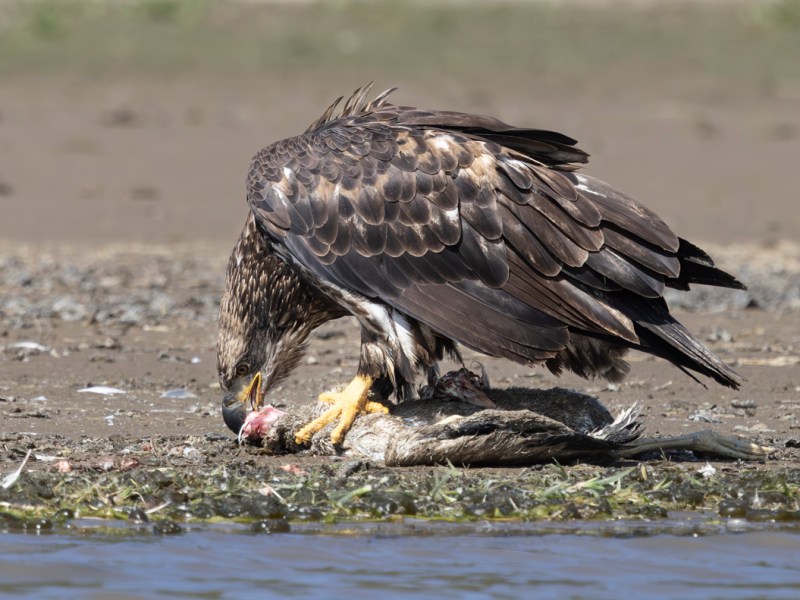
Swainson’s hawk carrying a snakeWhite-faced ibisYellow warbler at the beaver pondThe cliff swallows had just returned and did not seem to appreciate the rain eitherTree swallow eyeing the cameraA male mountain bluebird looking finePeregrine falcon on her precarious nest on the edge of a cliffPeregrine nest location from overlook near Calcite SpringsImmature bald eagleBald eagles and ravens on elk carcass in Soda Butte Creek
Other wildlife made an appearance as well…
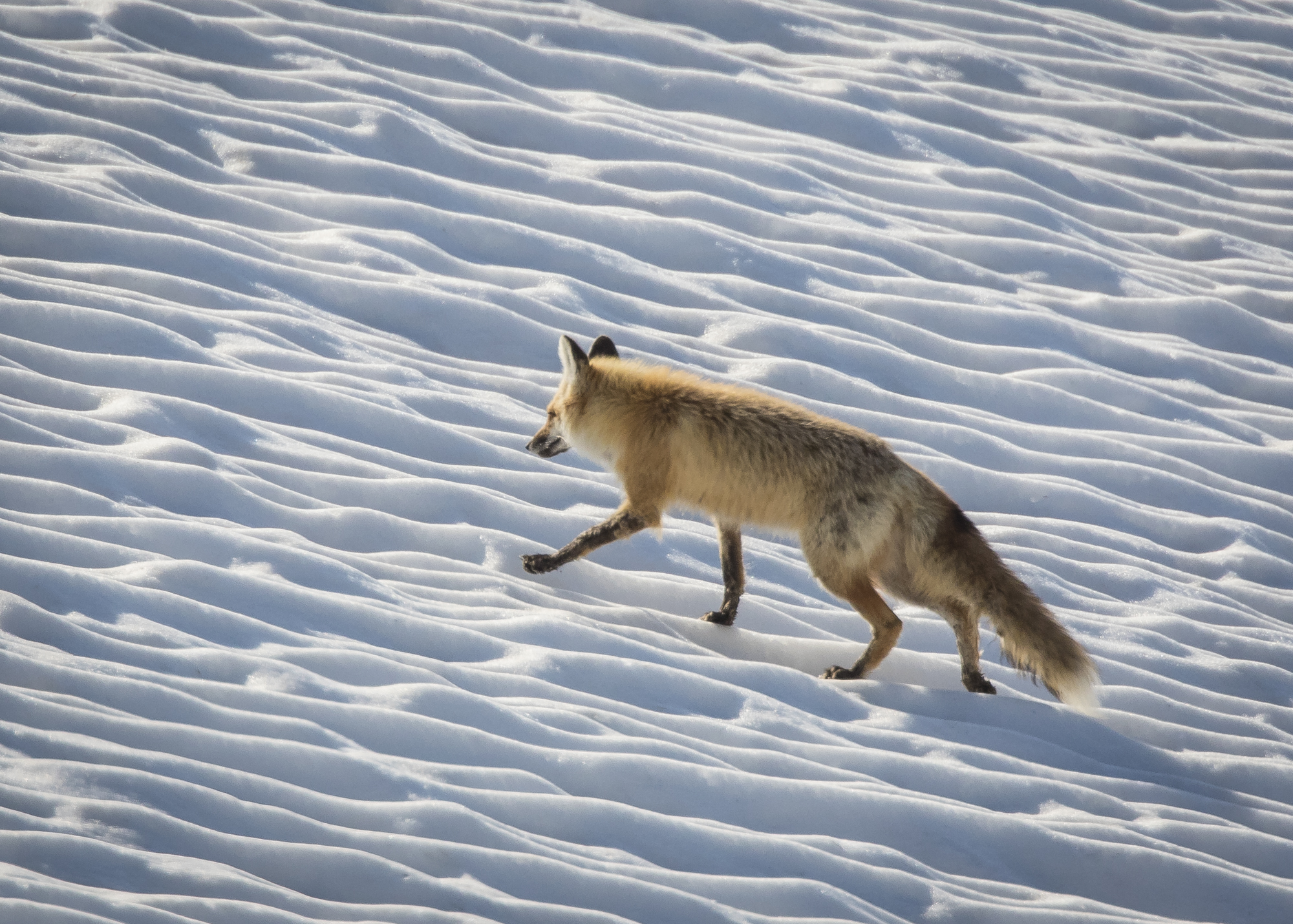
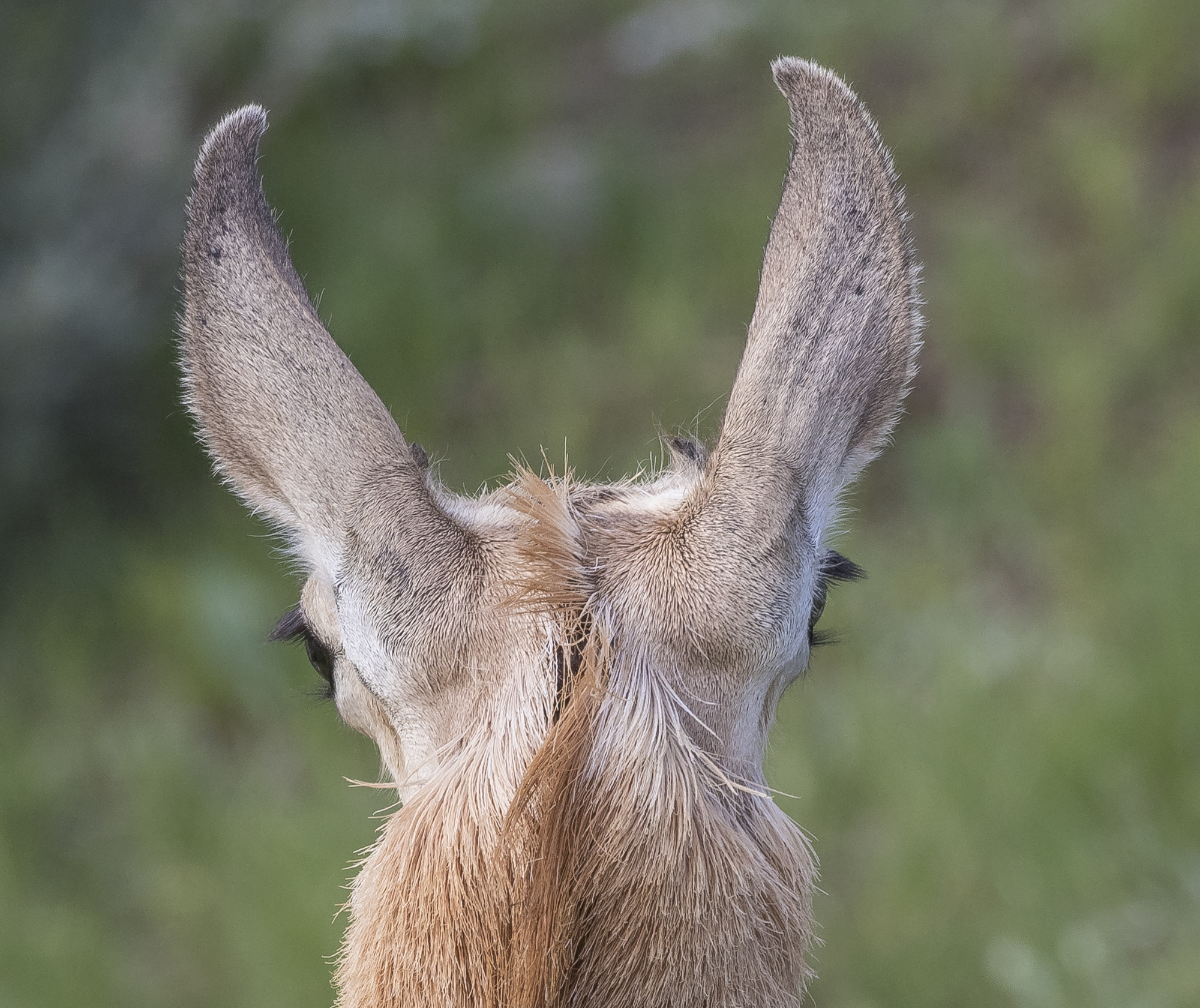
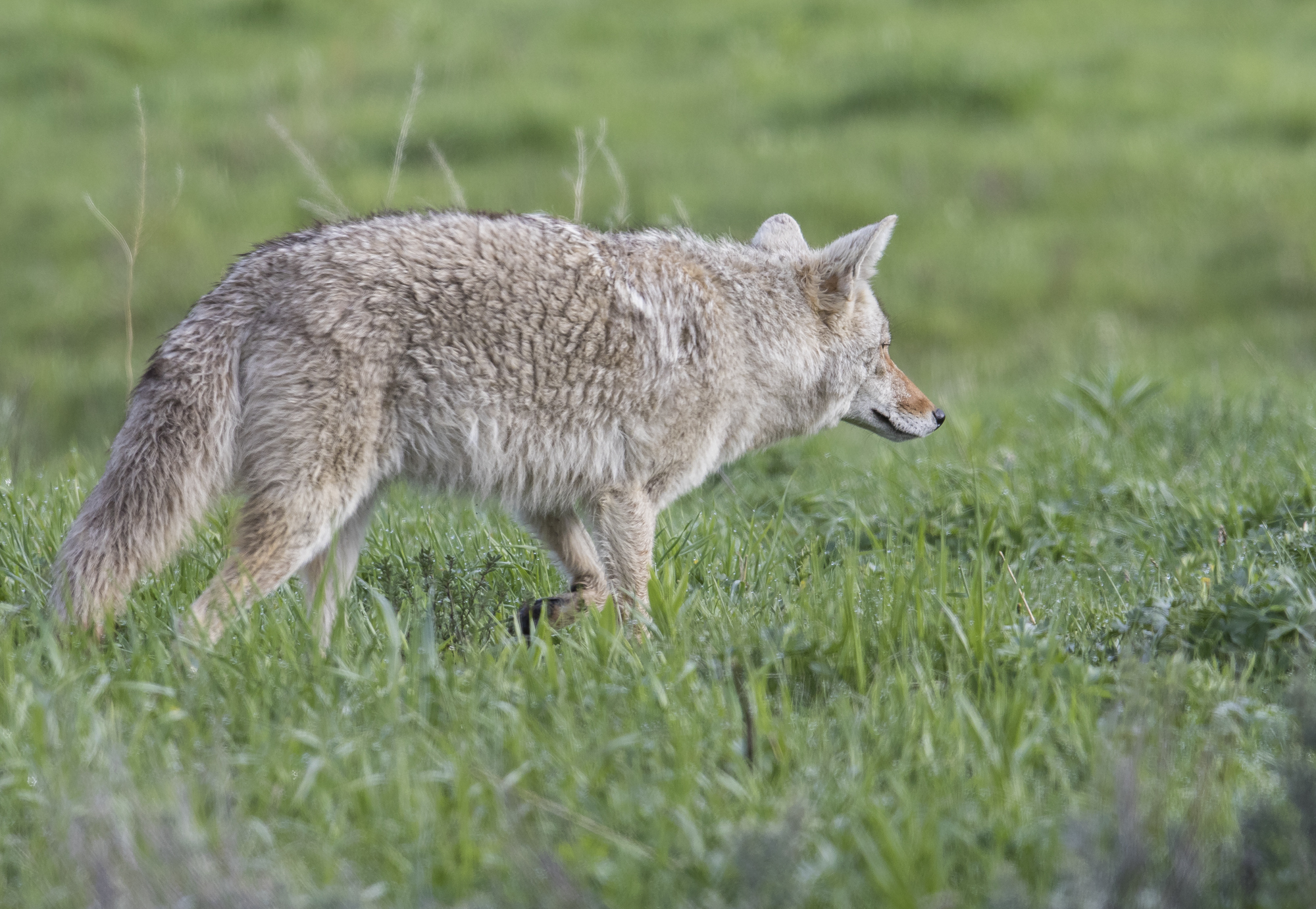
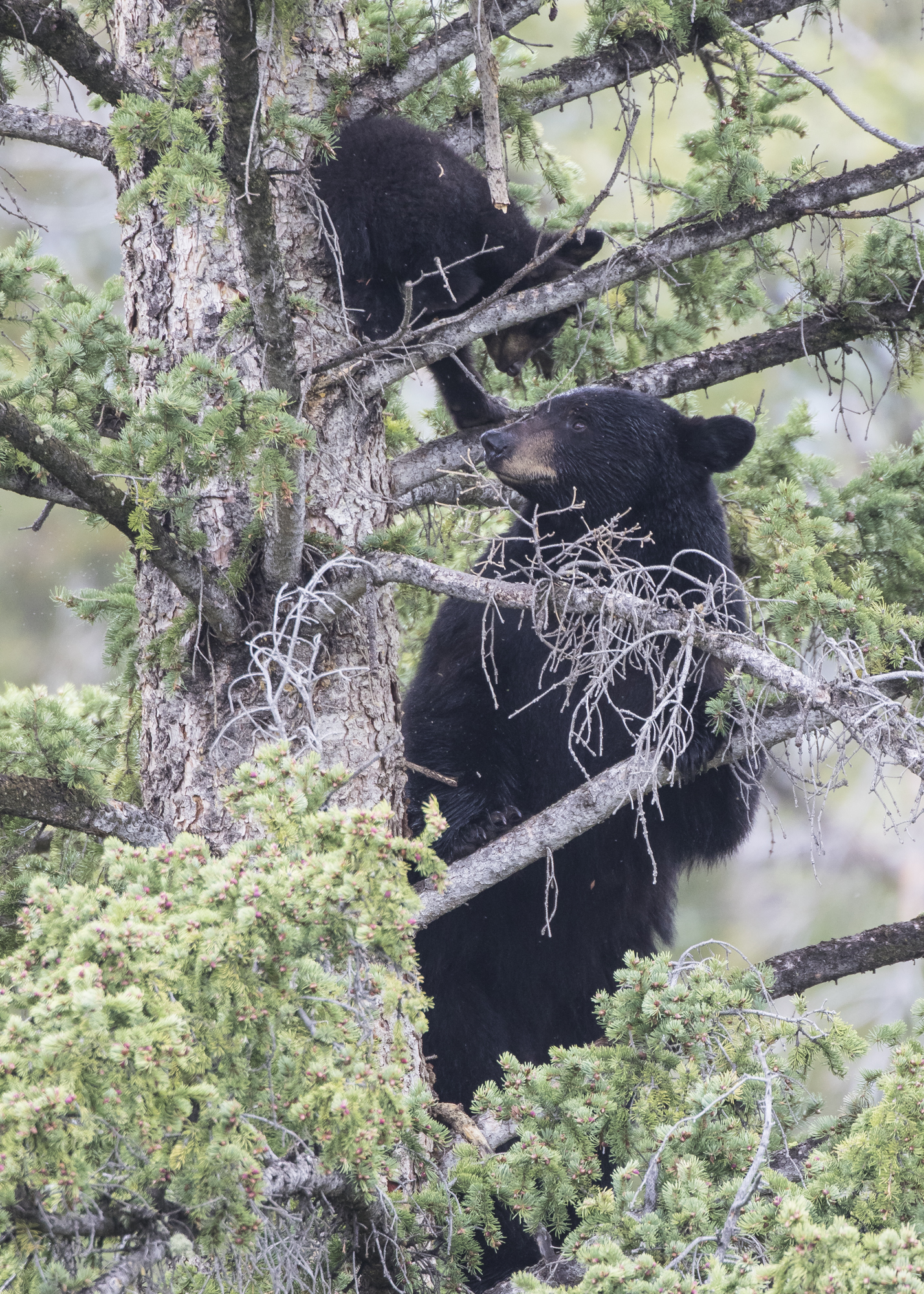
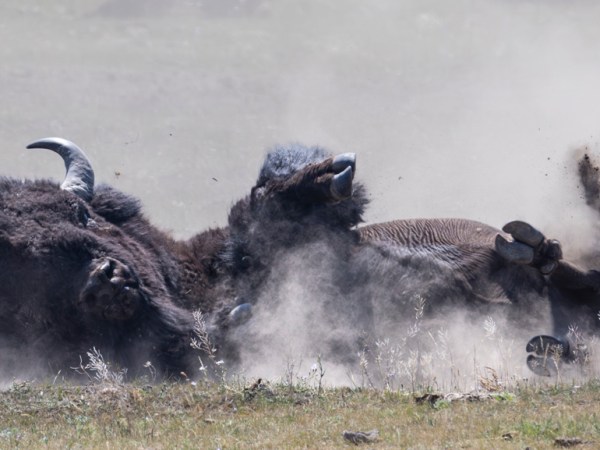
Red fox on snow field at Dunraven PassPronghorn buck surveying his domainPronghorns can even survey the scene behind them due to the placement of their large eyesCoyote on the prowlSometimes signs are not enoughNewborn bison calf gets cleaned by momThis mom finally had to climb the tree to retrieve her babyA discussion on tree-climbing behavior once they were back on the ground
And, as usual, the scenery was fantastic…
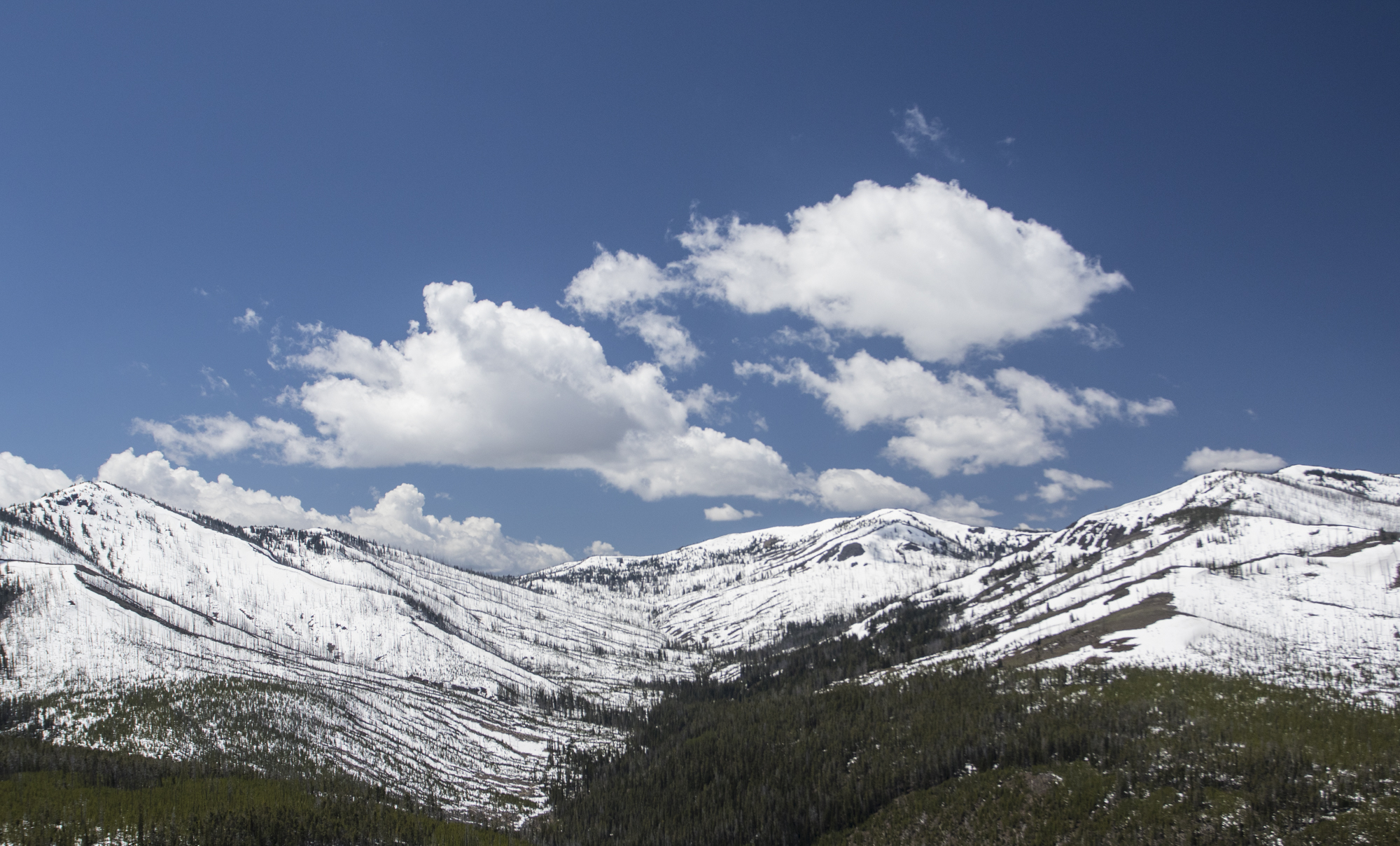
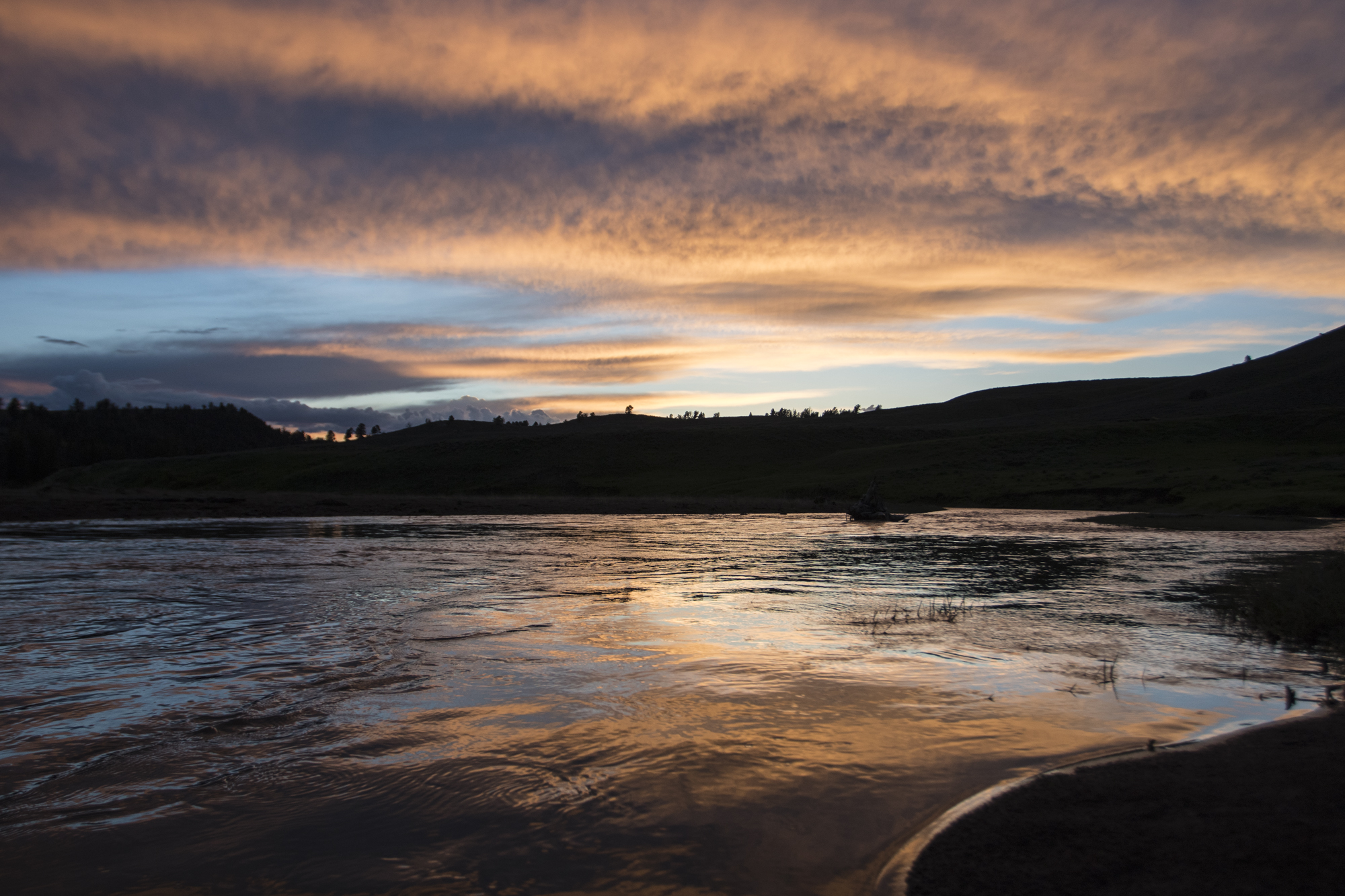
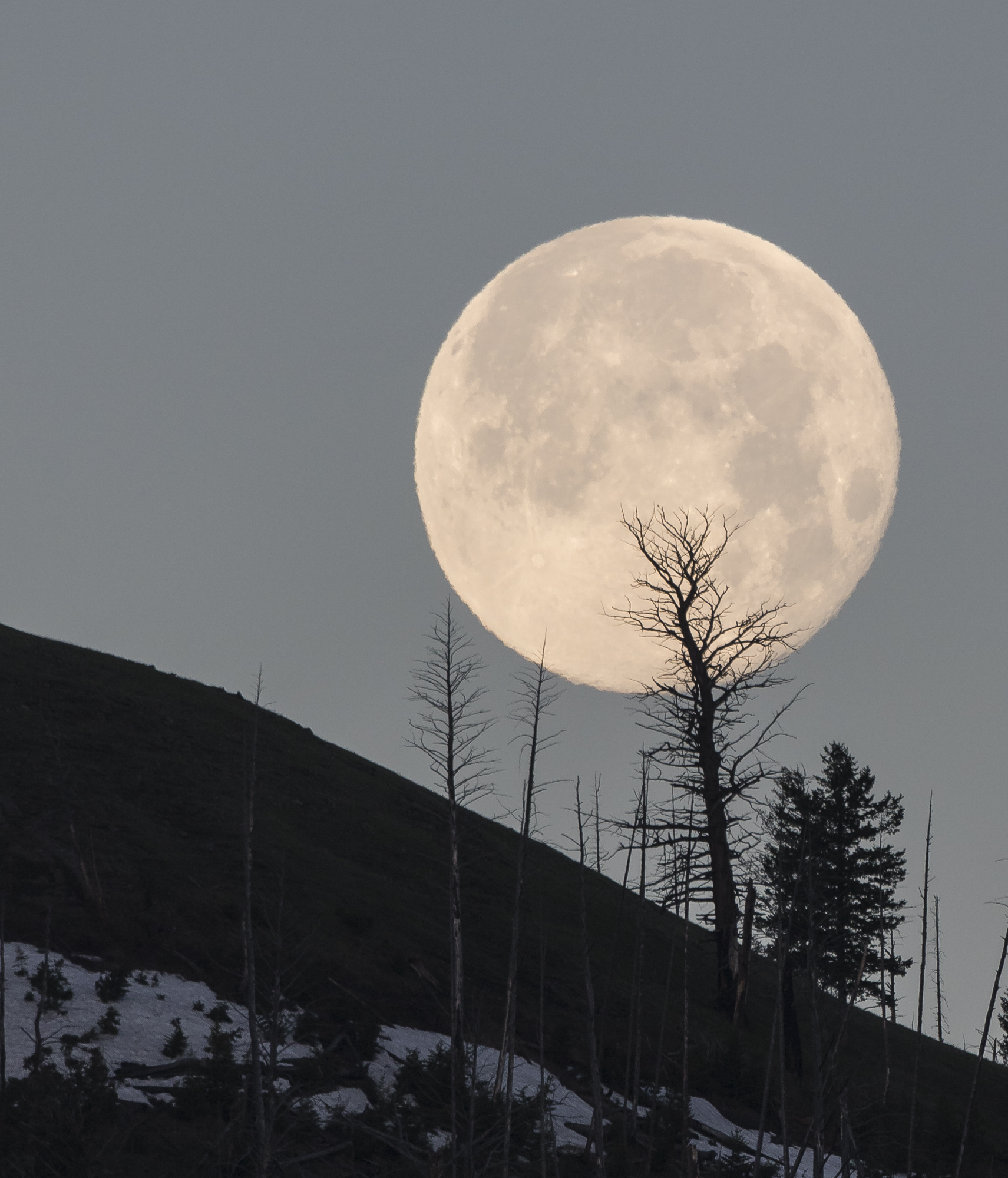
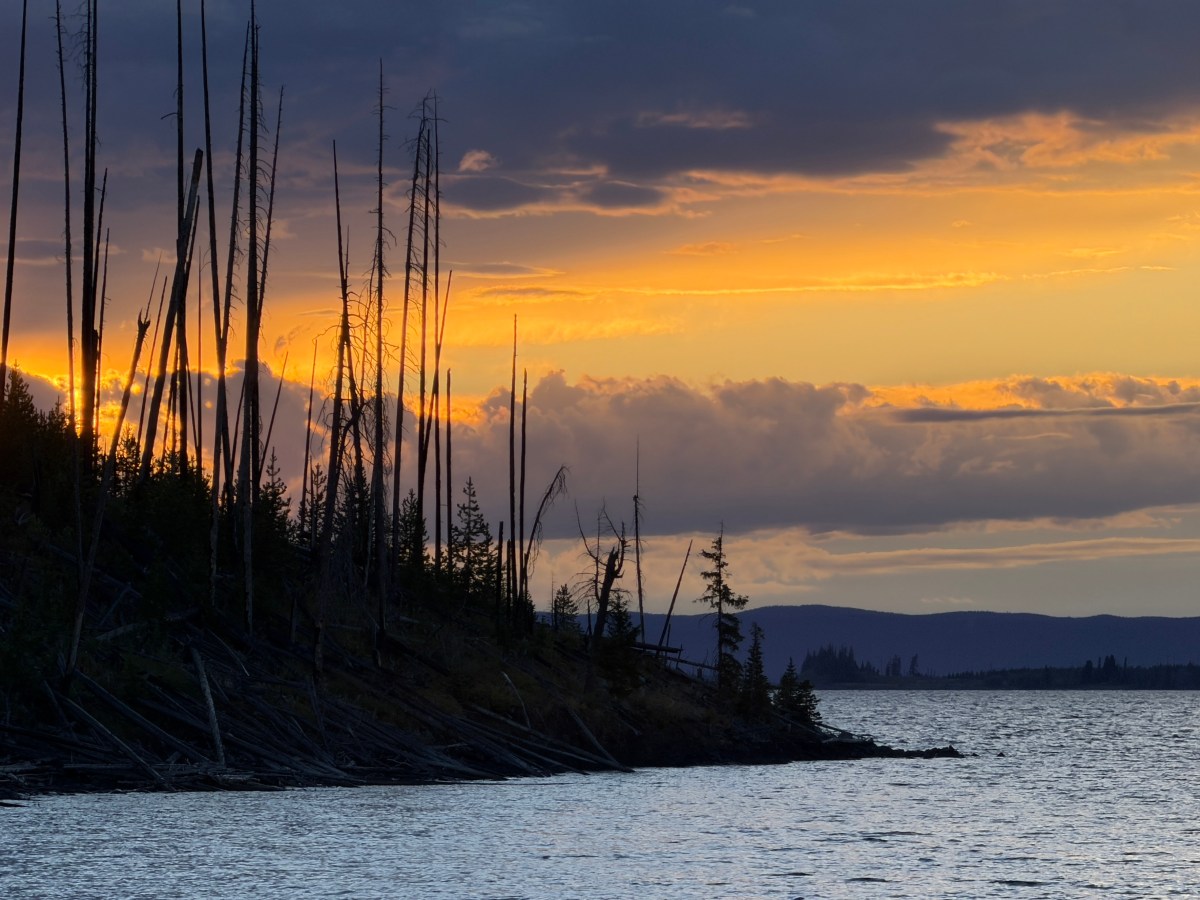
Late season snow at Dunraven PassDaisy geyser erupts creating a rainbow in the mistReflections near Junction ButteDouble rainbow along Soda Butte CreekSunset along the Lamar RiverFull moon setting in Lamar Valley
Things are not always what they seem; the first appearance deceives many…
~Phaedrus
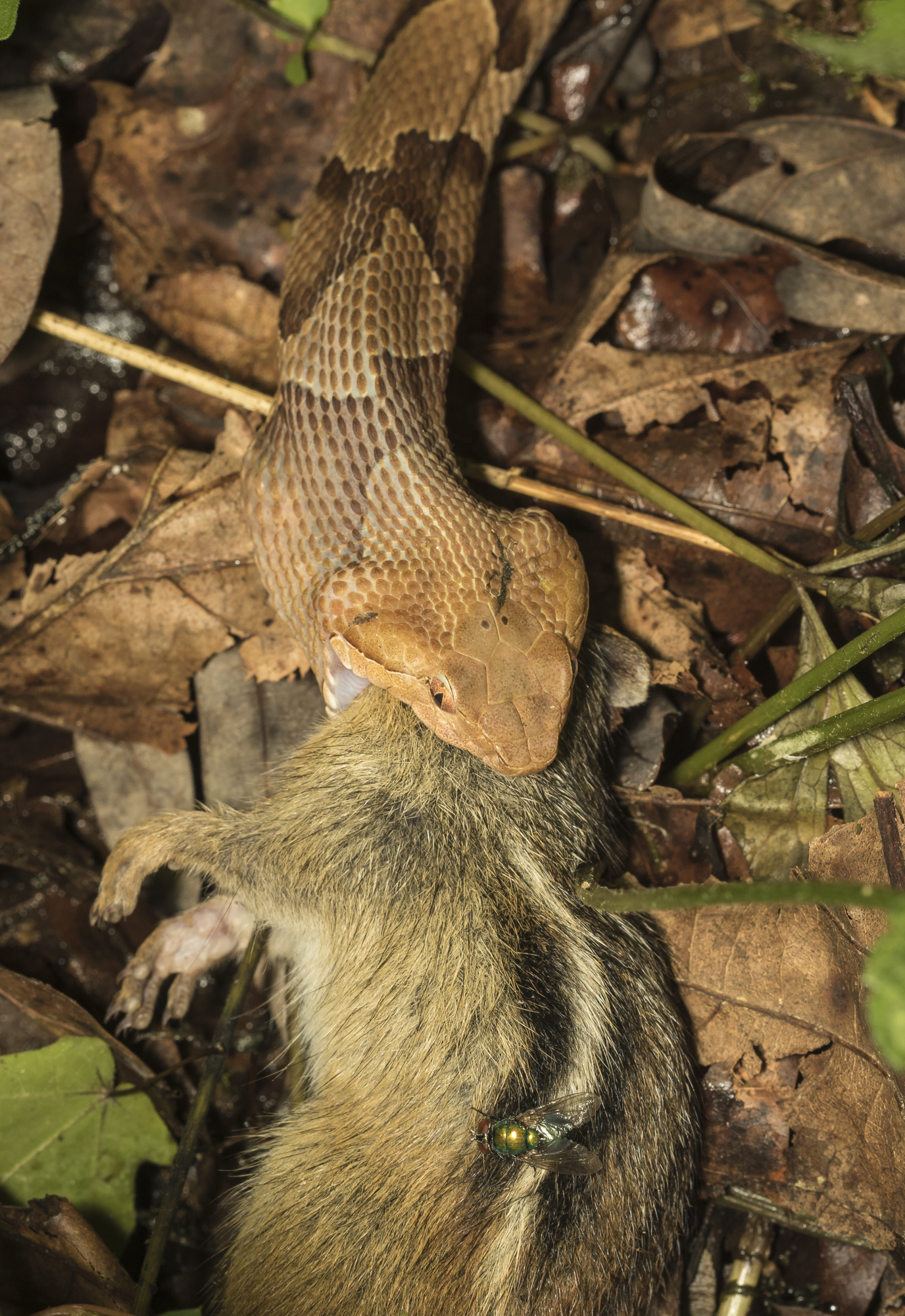
You may have noticed some long lapses in my blog posts. These past few weeks have been busier than usual, not so much for work, but for personal reasons – a wedding and honeymoon trip to Yellowstone (more on that soon). This post hails back to the couple of days after our wedding and the day before we headed to our favorite place (that “Y” park). One of the joys of living out here in the woods is being able to watch all sorts of wildlife in the yard. Chipmunks are a favorite of mine, so I was distressed when I went out one morning and saw a dead one lying on the walkway to the front door. I immediately blamed the neighbor’s cats (someone down the road has 4 or 5 outdoor cats that have been seen here in the yard a few times). I went over and inspected the victim – no obvious chew marks or injuries, but when I picked it up (I was wearing work gloves) I noticed some fur slid off quite easily, exposing a patch of skin. I told Melissa about it, fuming over the harm to wildlife done by outdoor cats, but speculated that another possibility was that a copperhead had bitten the chipmunk and was waiting for it to die before trailing it to dine.
I tossed the dead chipmunk over in the woods, determined to discuss this with the neighbor. A few minutes later, I was walking down the driveway, looked over, and saw a copperhead on the walkway where the chipmunk had been. I usually try to move copperheads from inside our deer fence (they seem to like to lie on our walkway, unfortunately) but this one quickly scurried into the thick vegetation when I tried to lift it with my homemade snake stick. Hoping to lure the snake back out, I retrieved the chipmunk and placed it back on the walkway. About 10 minutes later, I walked by and noticed the chipmunk was gone!
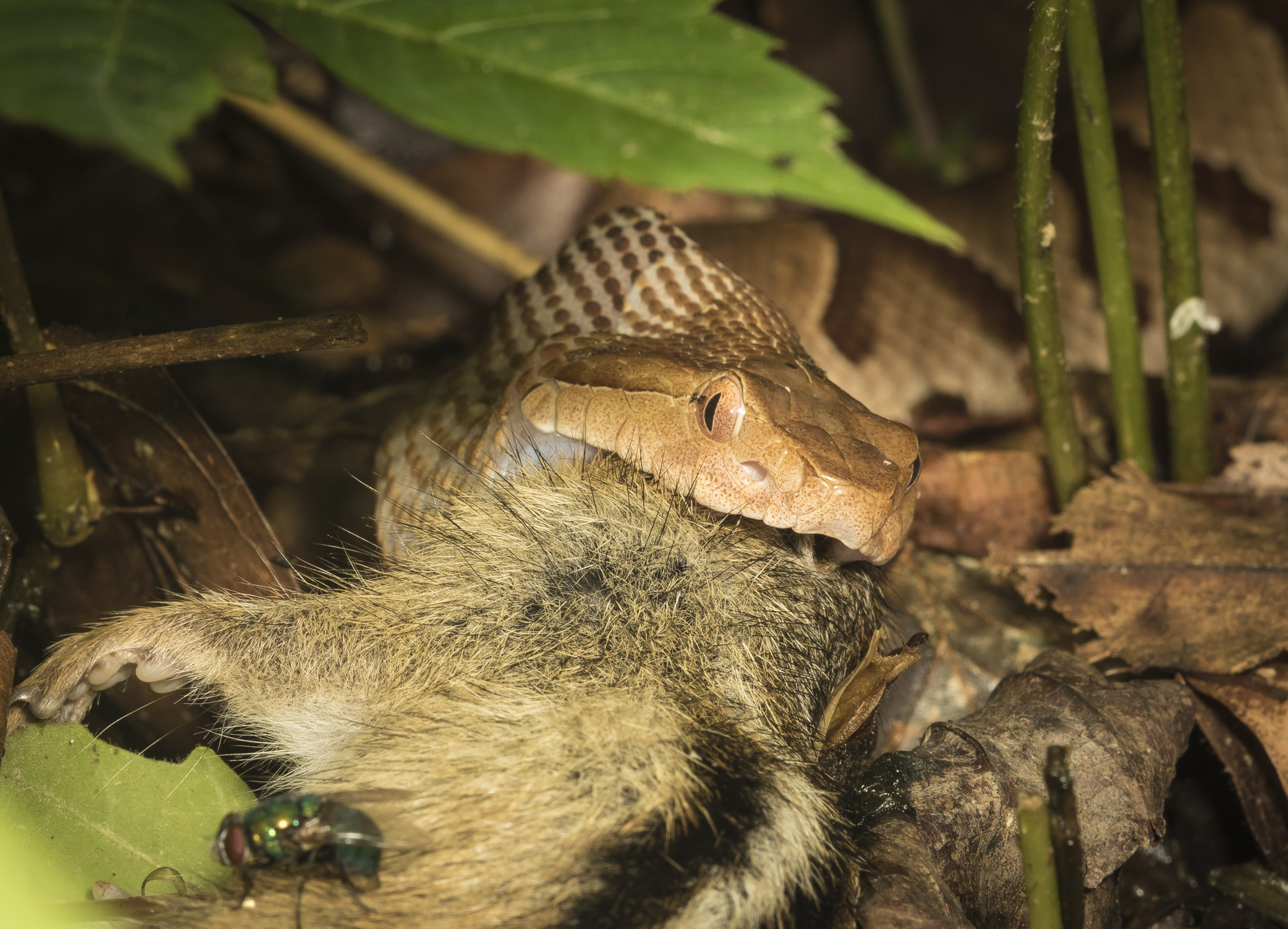
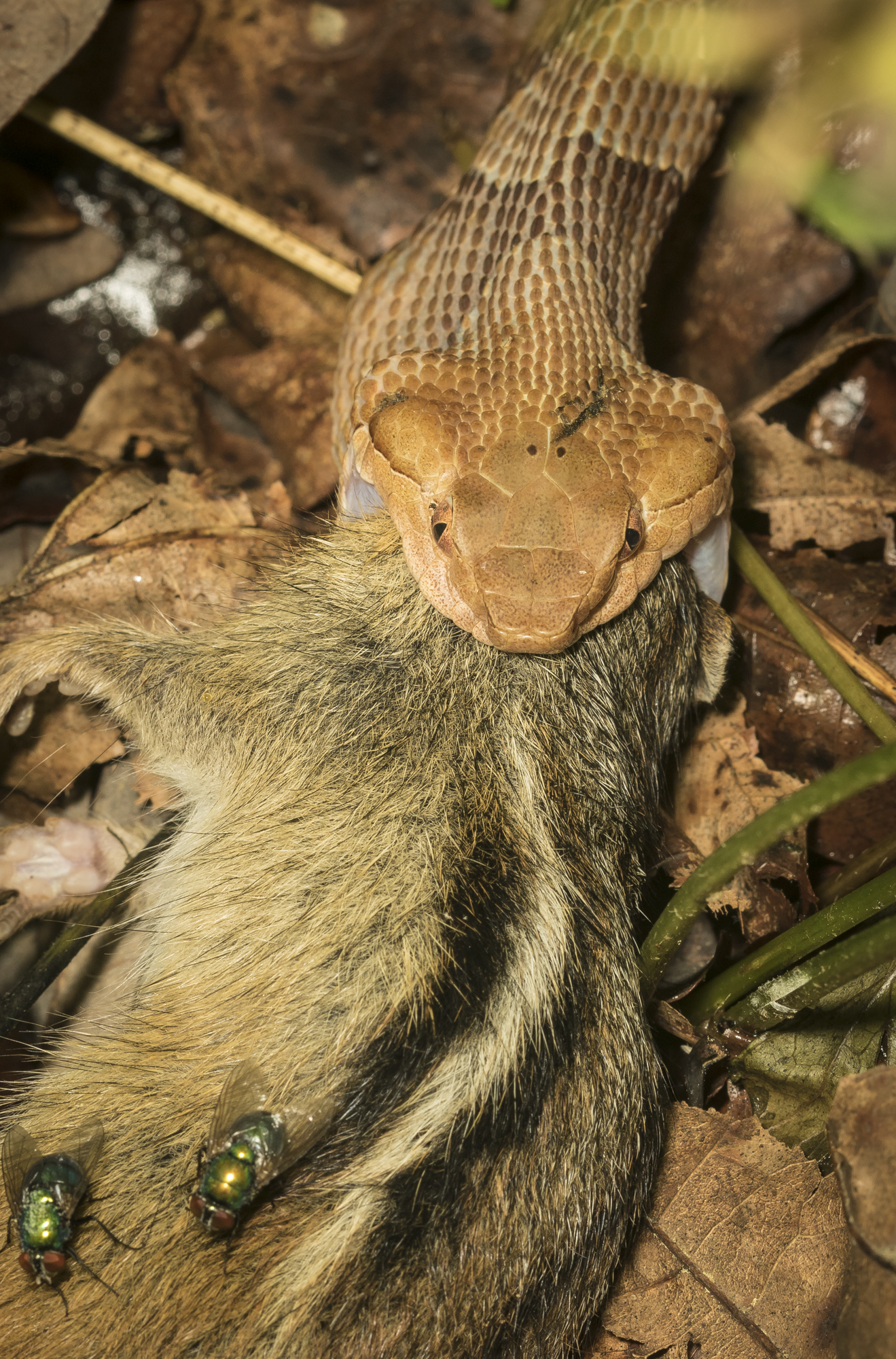
I walked over and saw a slight movement in the vegetation along the walkway…there was the copperhead starting to swallow its prey.
Copperhead beginning to swallow an Eastern chipmunk (click photos to enlarge)Eye level view of copperhead lunchNote the flies on the carcass
Our friend, Jeff Beane (Museum herpetologist), discussed copperhead behavior in an article for Live Science back in 2014. In it, he described copperheads as being “mobile ambush predators.” Mostly, they get their prey by “sit-and-wait ambush”; however, they sometimes do hunt, using their heat-sensing pits to find prey. Primary prey includes mice and other small rodents, birds, lizards, small snakes, frogs, salamanders and certain large insects (especially cicadas and large caterpillars).
For small prey, copperheads will strike and hold the victim until it dies, and then swallow. For prey that presents a possible danger to the snake (like a rodent that could bite or scratch), it will strike, inject venom, and recoil quickly, allowing the victim to wander off. The venom breaks down blood cells and leads to circulatory collapse. The snake then trails the prey using a behavior known as SICS (strike-induced chemosensory searching). This involves searching movements of the snake’s head coupled with an elevated rate of tongue-flicking. A snake’s tongue collects particles in the air, and inserts them into its Jacobson’s organ in the roof of its mouth. Receptors then send a sensory message to the reptile’s brain. Research suggests that copperheads primarily track the scent of the envenomated tissues after a strike rather than just the scent of the prey itself. I managed only a few photos before the snake pulled its meal back into the cover of the plants. I was amazed to see what I assume were several blowflies already on the carcass in way less than an hour from when I assume the chipmunk died. These flies seek out dead animals to lay their eggs on, where their larvae serve as important decomposers. A lot can happen just outside your door when you live in the woods!
It commonly chances that I make my most interesting botanical discoveries when I am in a thrilled and expectant mood…some rare plant which for some reason has occupied a strangely prominent place in my thoughts for some time will present itself. My expectation ripens to discovery. I am prepared for strange things.
~Henry David Thoreau, 1856
The strange and miraculous Venus flytrap was the subject of the last post. But, North Carolina is home to a variety of other carnivorous plants, and we saw many of them on our recent trips to the Green Swamp and Holly Shelter. Here is a quick summary of some of these amazing insect-eating flora…
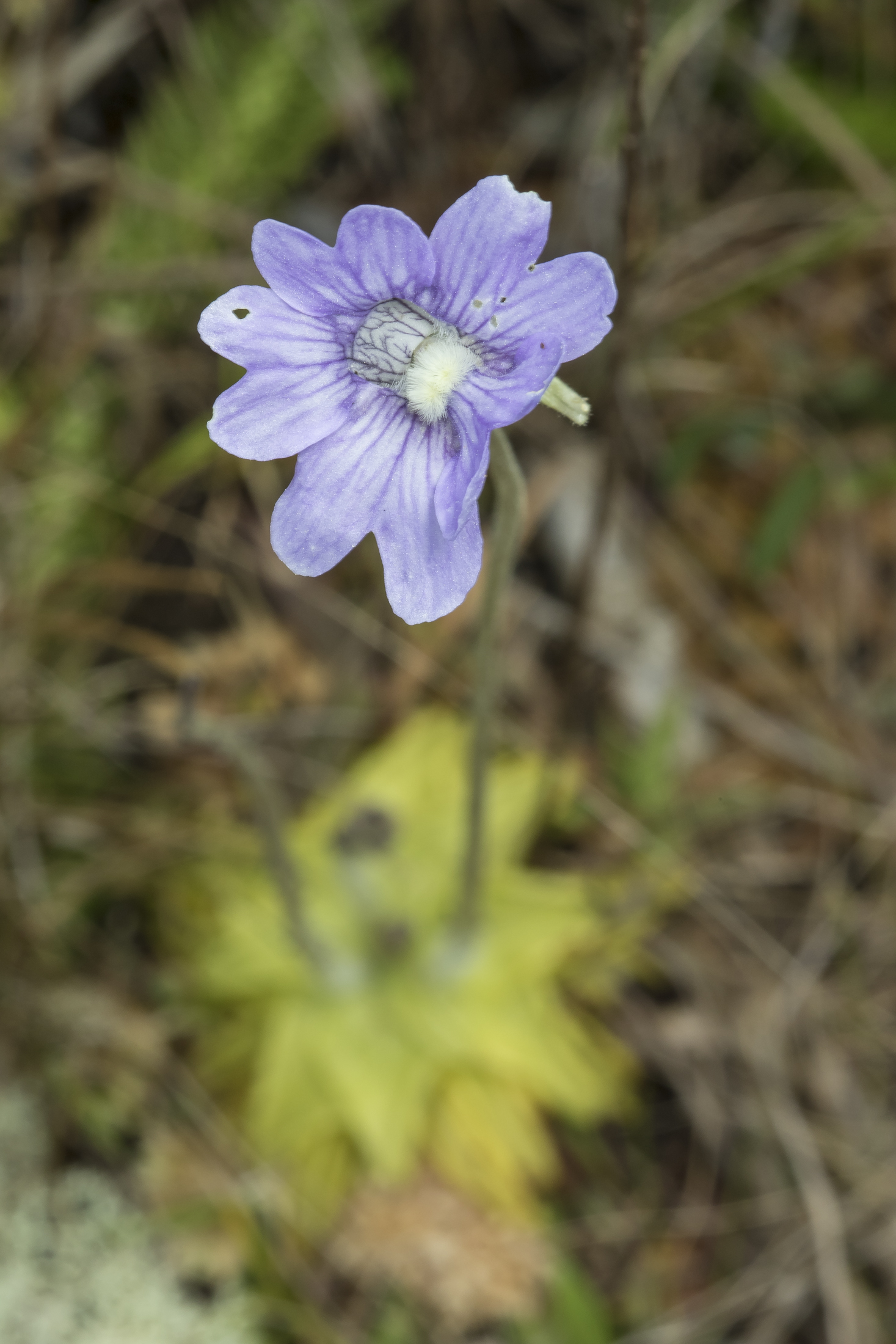
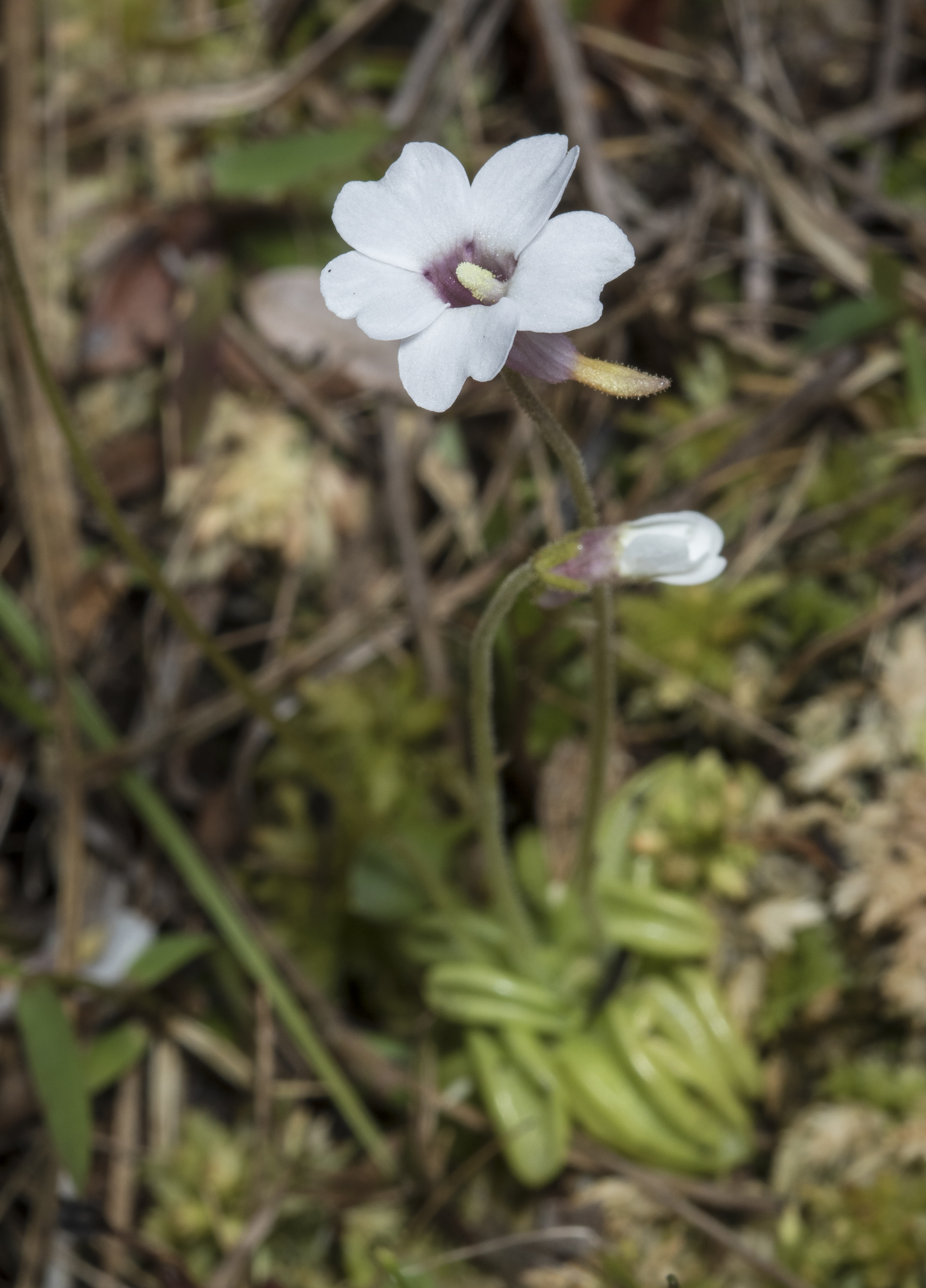
Butterwort flower and leaves (click photos to enlarge)
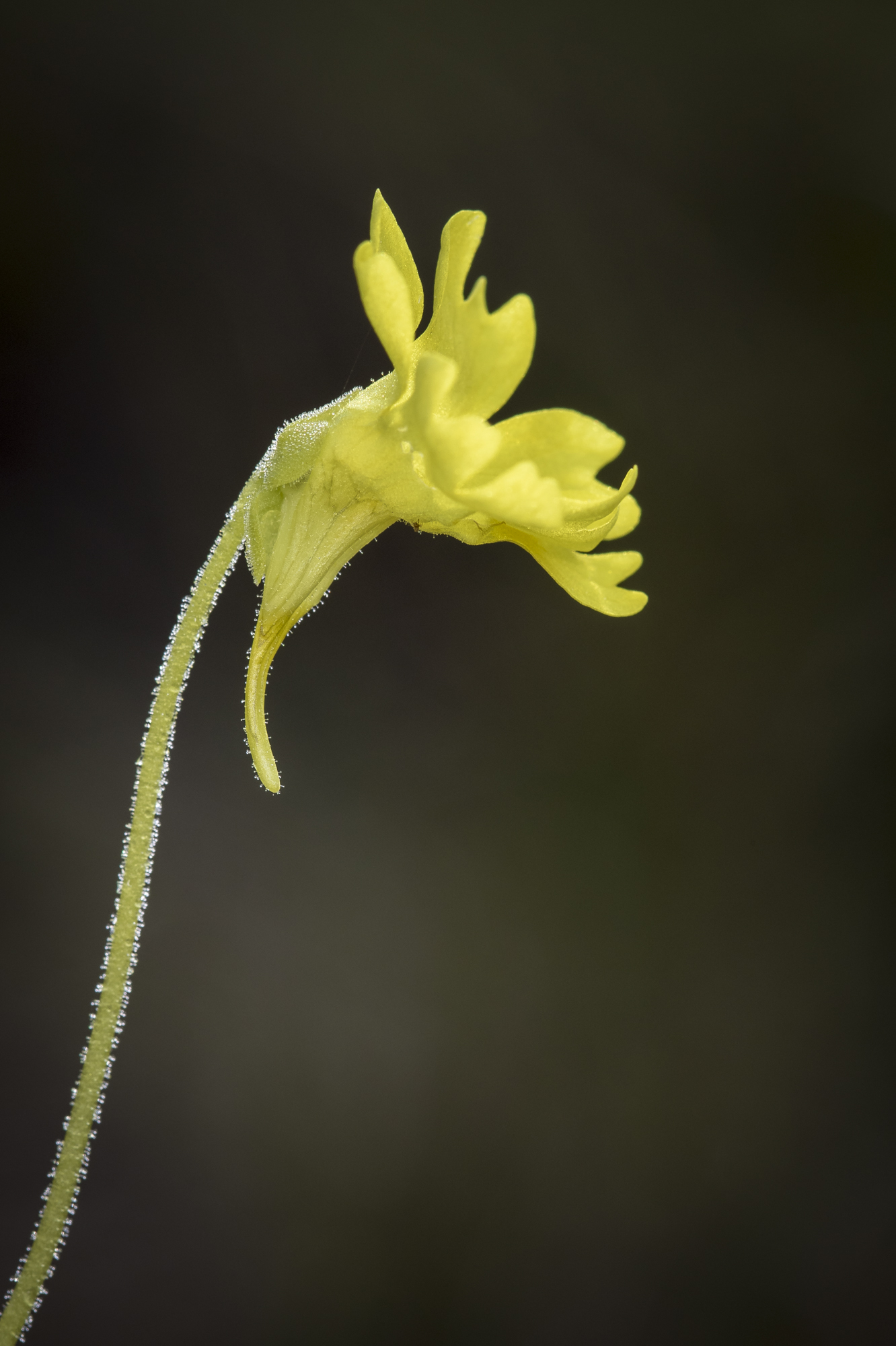
Butterworts – Pinguicula sp.- Latin, pinguis, means fat. Common name refers to glistening leaves. Three species of this plant equivalent of flypaper are found in NC.
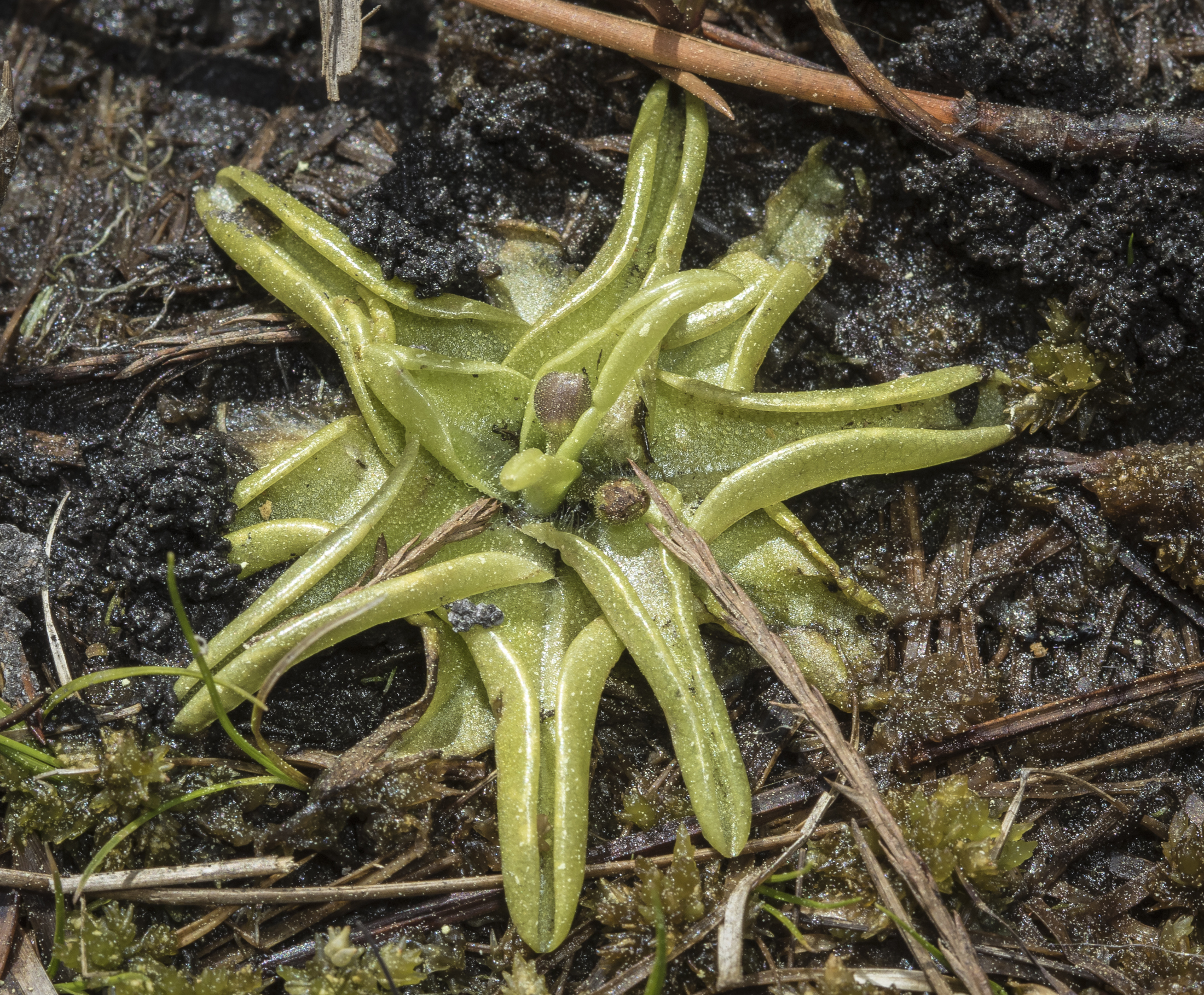
Blue butterwort, Pinguicula caeruleaYellow butterwort, P. luteaSmall butterwort, P. pumilaBasal rosette of butterwort leaves act like flypaper
The leaves of butterwort use two specialized glands, scattered across the leaf surface, for prey capture and digestion:
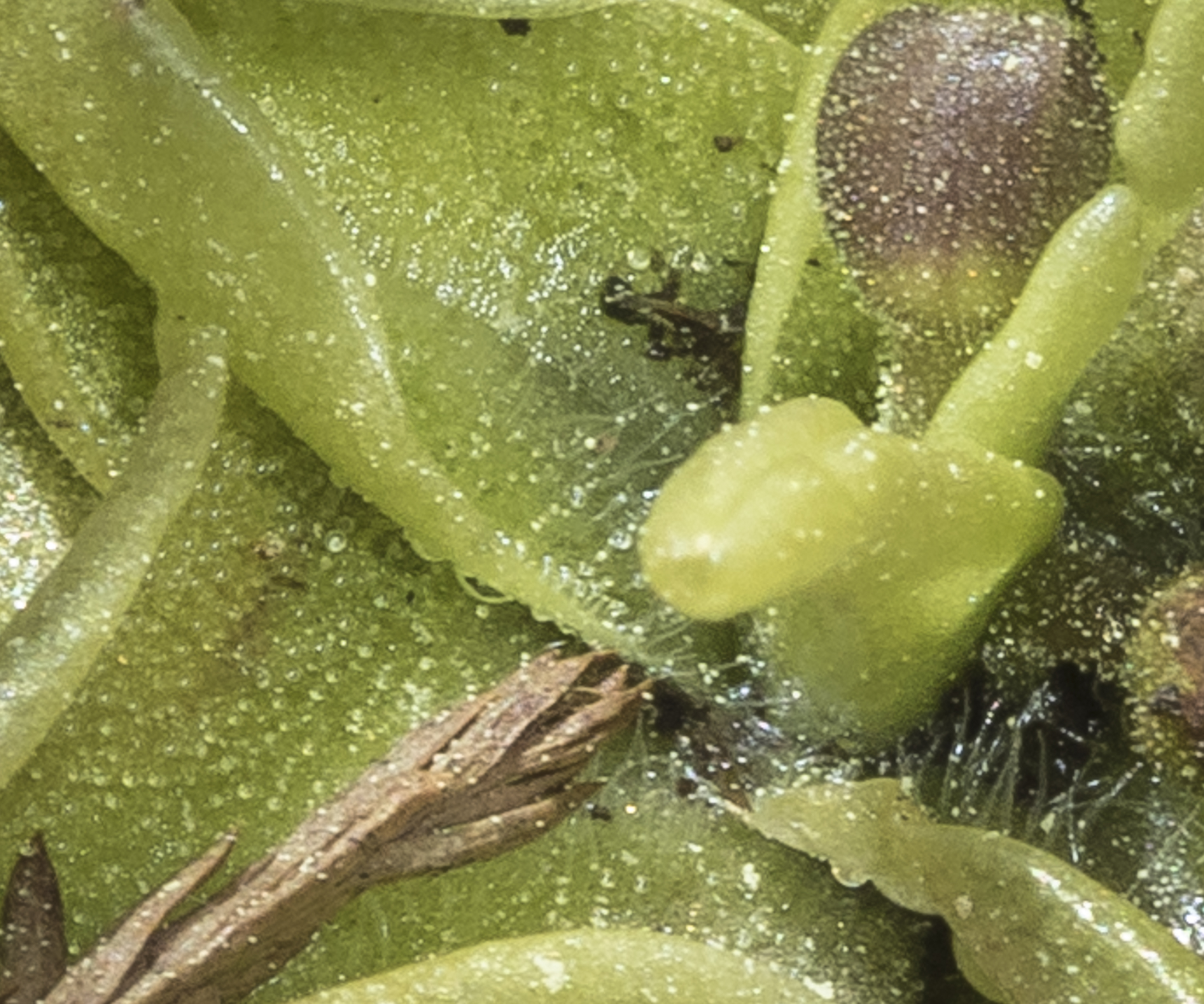
Close-up of butterwort leaves
1) a peduncular gland, consisting of a few secretory cells on top of a single stalk that produce a mucilaginous secretion that traps insects; 2) sessile glands, which lie flat on the leaf surface and release enzymes that digest soft parts of the insect body. These fluids are then absorbed back into the leaf surface through holes. Butterworts produce a strong bactericide which prevents insects from rotting while they lay exposed on the leaves and are being digested. This property has long been known by northern Europeans, who applied butterwort leaves to the sores of cattle to promote healing.
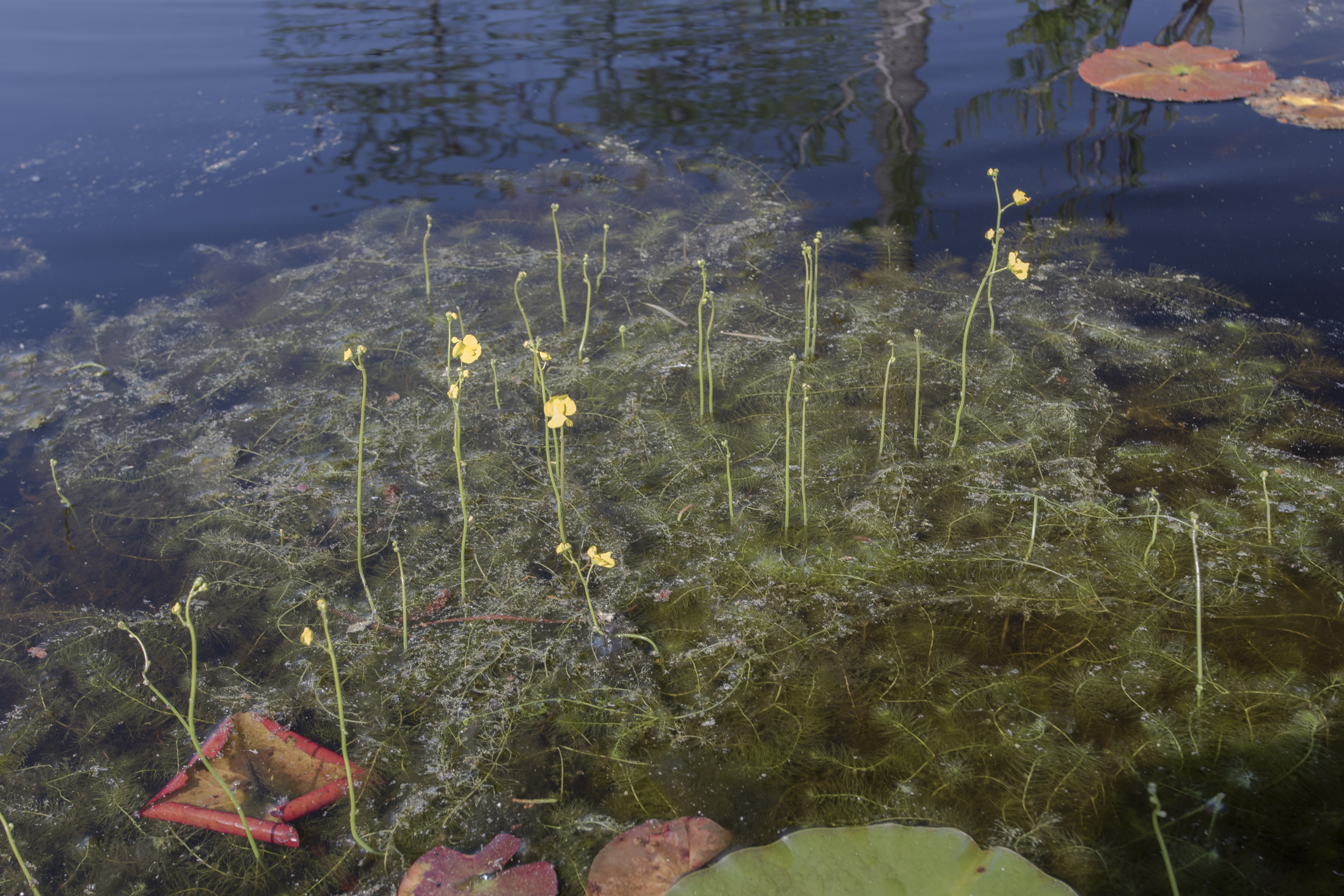
An aquatic species of bladderwort
Bladderworts – Utricularia sp. – Latin, utriculus, meaning wine flask, leather bottle, bladder, small womb, or bagpipe; refers to the shape of the trapping mechanism.
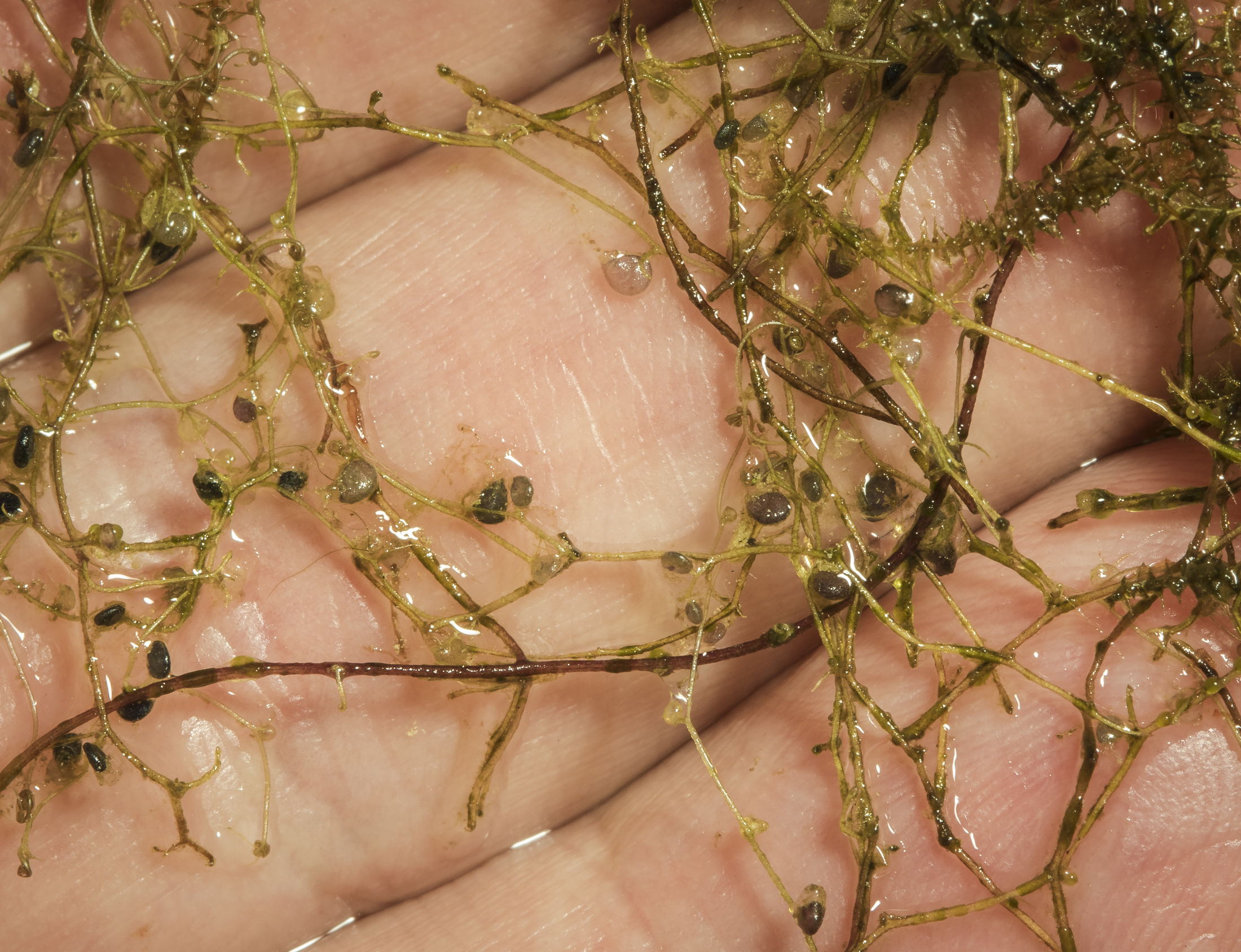
Bladderwort traps are small pouches attached to stolons
Bladderworts are the largest genus of carnivorous plants with over 200 species worldwide. About 16 species are found in NC with most found in the Coastal Plain. Most are aquatic or occur in wet soils. They lack roots, but they do have underground or underwater stolons (creeping plant stems) that behave as roots.
The most common bladderwort we saw was the tiny terrestrial species, U. subulata, that grows in wet sand
Bladders are scattered along the length of the plant under water (or wet soil) suspended from small stalks. Each is concave, under pressure, and sealed by a trapdoor kept watertight by a mucilaginous sealant. One touch of the tiny trapdoor trigger hairs, and the door swings open sucking prey and surrounding water into the low-pressure trap. Their traps suck in prey in less than one one-hundredth of a second, making this one of the speediest movements in the plant world. Once the prey is inside, a swirl of water pushes the door back again and the prey is trapped. Glands on the the inside of the bladder secrete enzymes that dissolve soft-bodied prey within hours. Other cells transport water back out of the trap, and it is reset.
Sundews in a roadside ditch
Sundews – Drosera sp. – Greek for dewy. One of the most abundant groups of carnivorous plants with over 160 species worldwide. There are five species in NC.
Close-up of a leaf of D. intermedia
Leaves lure, capture, and digest insects using stalked mucilaginous glands covering their leaf surfaces. These hairs trap insects in the sticky “goo”, and then proceed to digest them.
Leaves often curl to help pool the released enzymes and nutrients
Sundews move their tentacles toward their prey, causing them to get even more stuck.
Even the flower stalks and buds of D. brevifolia seem to trap small flying insects
Enzymes dissolve the prey and released nutrients are then absorbed through the leaf surface.
Yellow pitcher plants at Holly Shelter Game Lands
Pitcher plants – Sarracenia sp. – After Michel Sarrazin (1659–1735), the first naturalist to send pitcher plants to Europe for study. Pitcher plantsare passive pitfall traps (they don’t move). Pitchers are modified leaves and many species have lids or hoods which keep out rainwater.
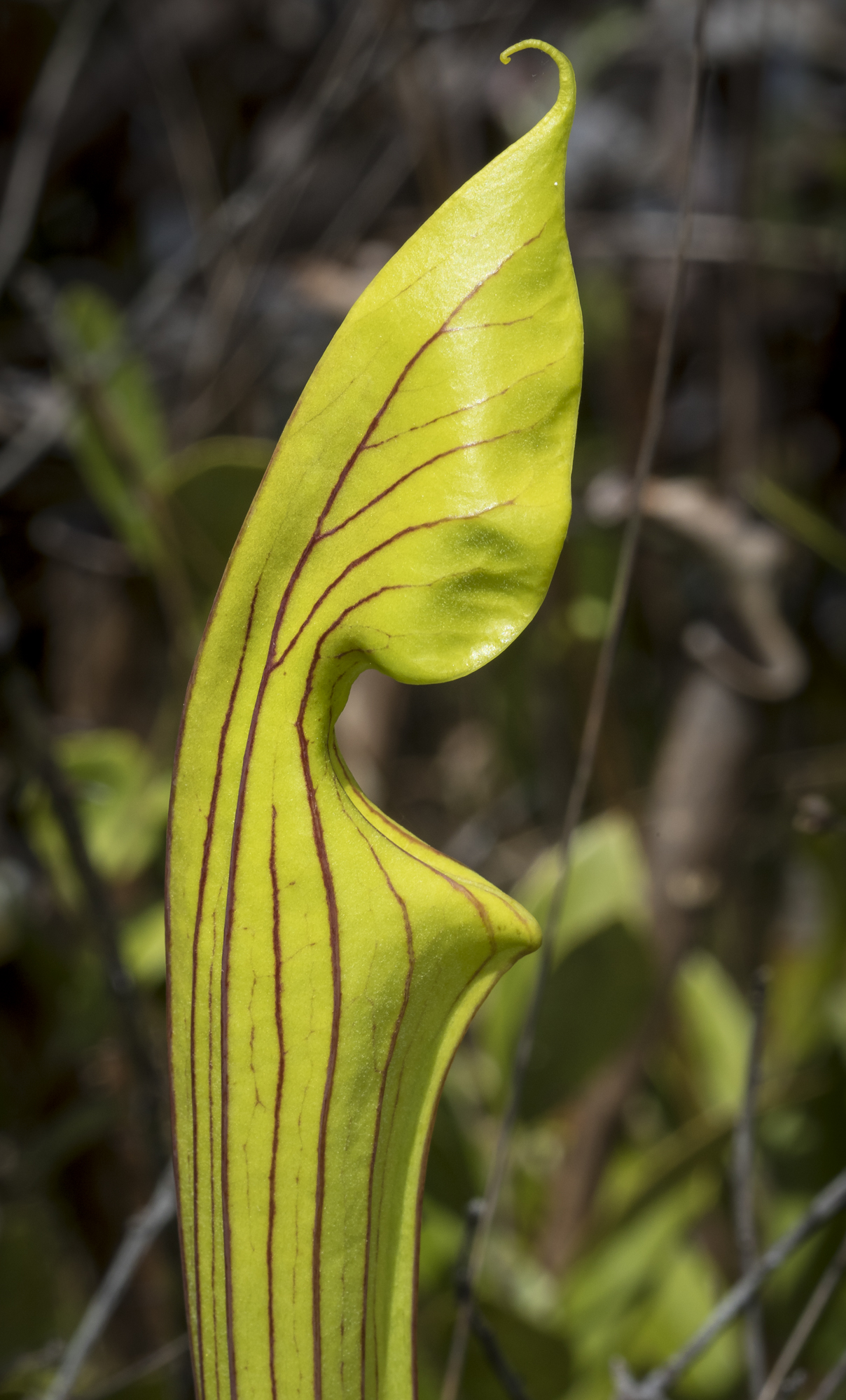
Yellow pitcher plant leaf before the trap tube opens
Prey are lured by nectar and colors/patterns on the pitcher that mimic a flower. At least one species, S. flava, has a toxic alkaloid in the nectar that may intoxicate prey.
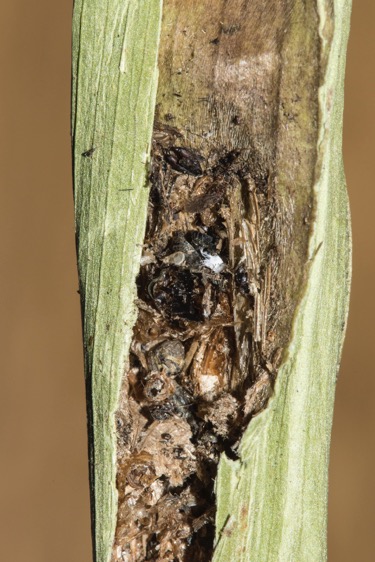
Dissected pitcher showing downward pointing hairs and prey
Prey fall into the trap due to the slippery inner wall of the upper section. Narrowing diameter of the tube and downward pointing hairs in lower portions further inhibit escape. Digestive enzymes are secreted and nutrients are absorbed by the plant tissues.
Purple pitcher plants lack a lid and collects rainwater
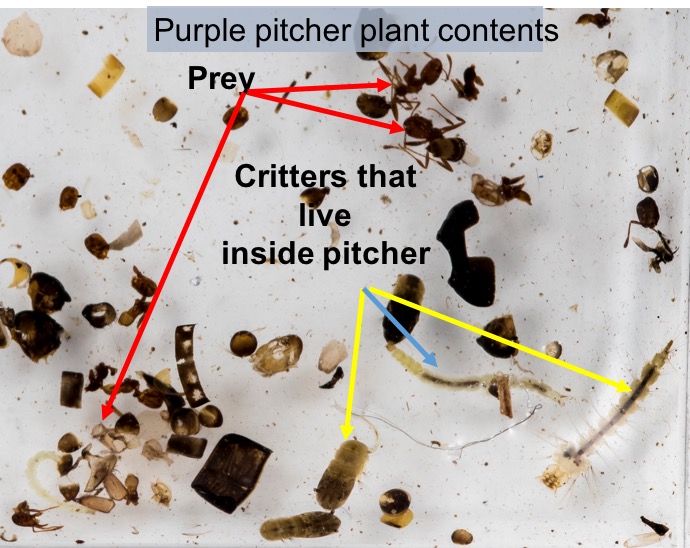
Prey are believed to drown in the open pitcher of purple pitcher plants, S. purpurea. Microorganisms living inside the pitchers contribute to decomposition and nutrient uptake by the plant. If you look inside one of these pitchers, you may see things swimming in what you would think would be a deadly soup. We pulled a turkey baster full of liquid out of one pitcher and found both prey remains and living organisms that use it as a home.
The material siphoned out of a purple pitcher plant pitcher…yellow lines indicate a live mosquito larva and pupa; the blue line is a live midge larva
The larvae of a small, non-biting mosquito (Wyeomyiasmithii) and a midge (Metriocnemusknabi) live in the liquid in the pitcher, somehow withstanding the digestive enzymes that kill other insects.
This has been a quick glimpse into the lives of these strange and wonderful plants. I have so much more to learn about these amazing plants and their specialized adaptations for surviving in nutrient poor soils in these intriguing habitats.
The great wonder of the vegetable kingdom is a very curious unknown species of Sensitive. It is a dwarf plant. The leaves are like a narrow segment of a sphere, consisting of two parts, like the cap of a spring purse, the concave part outwards, each of which falls back with indented edges (like an iron spring fox-trap); upon anything touching the leaves, or falling between them, they instantly close like a spring trap, and confine any insect or anything that falls between them. It bears a white flower. To this surprising plant I have given the name of Fly trap Sensitive.
~Arthur Dobbs, colonial governor of North Carolina, 1760
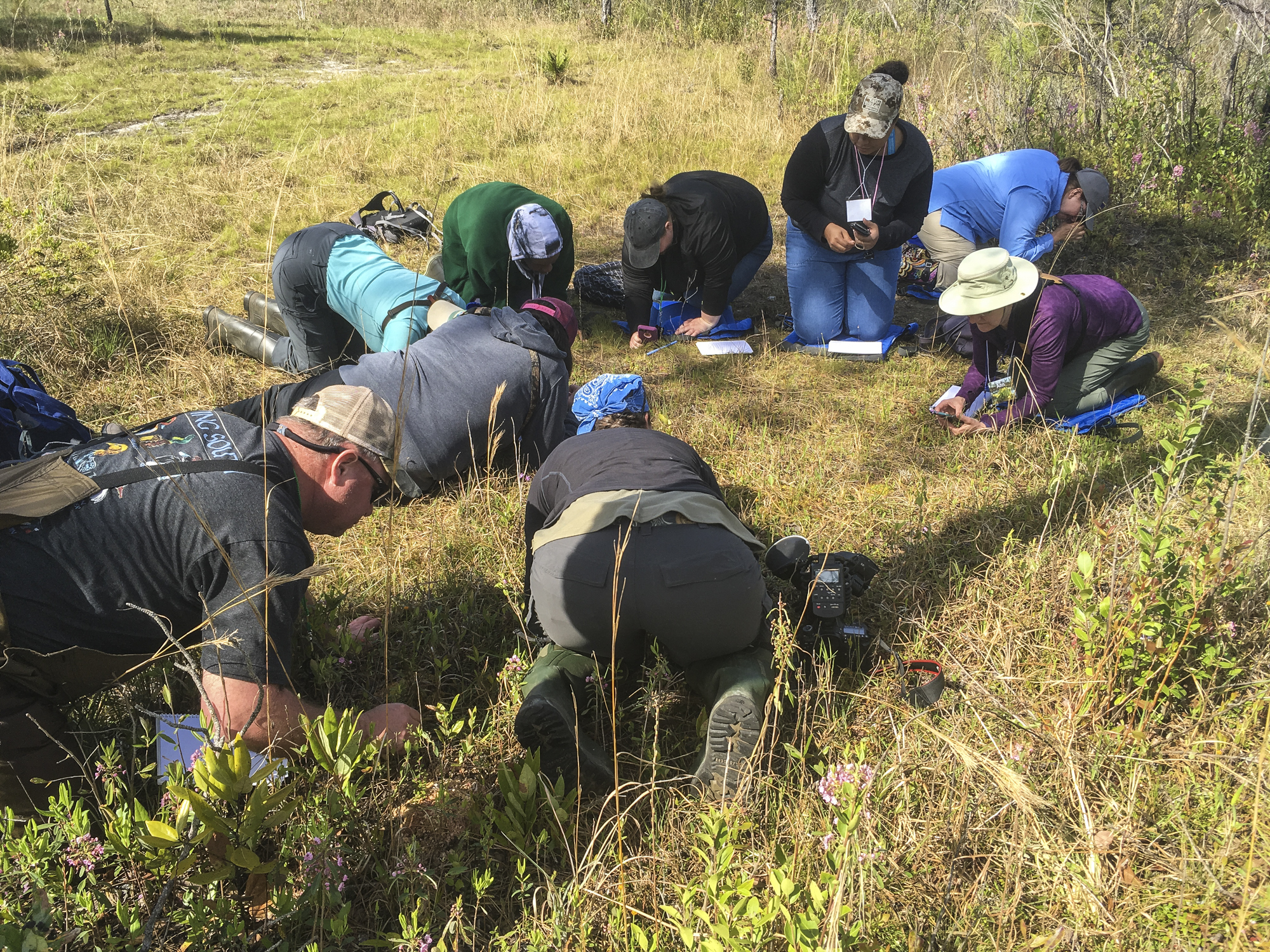
Educators taking a closer look at Venus flytraps (click photos to enlarge)
A couple of weeks ago I posted this image from an Educator Trek to Holly Shelter Game Lands and asked you to consider what these people were studying. It was one of the highlights of our session – examining the amazing carnivorous plant, the Venus flytrap, Dionaea muscipula.
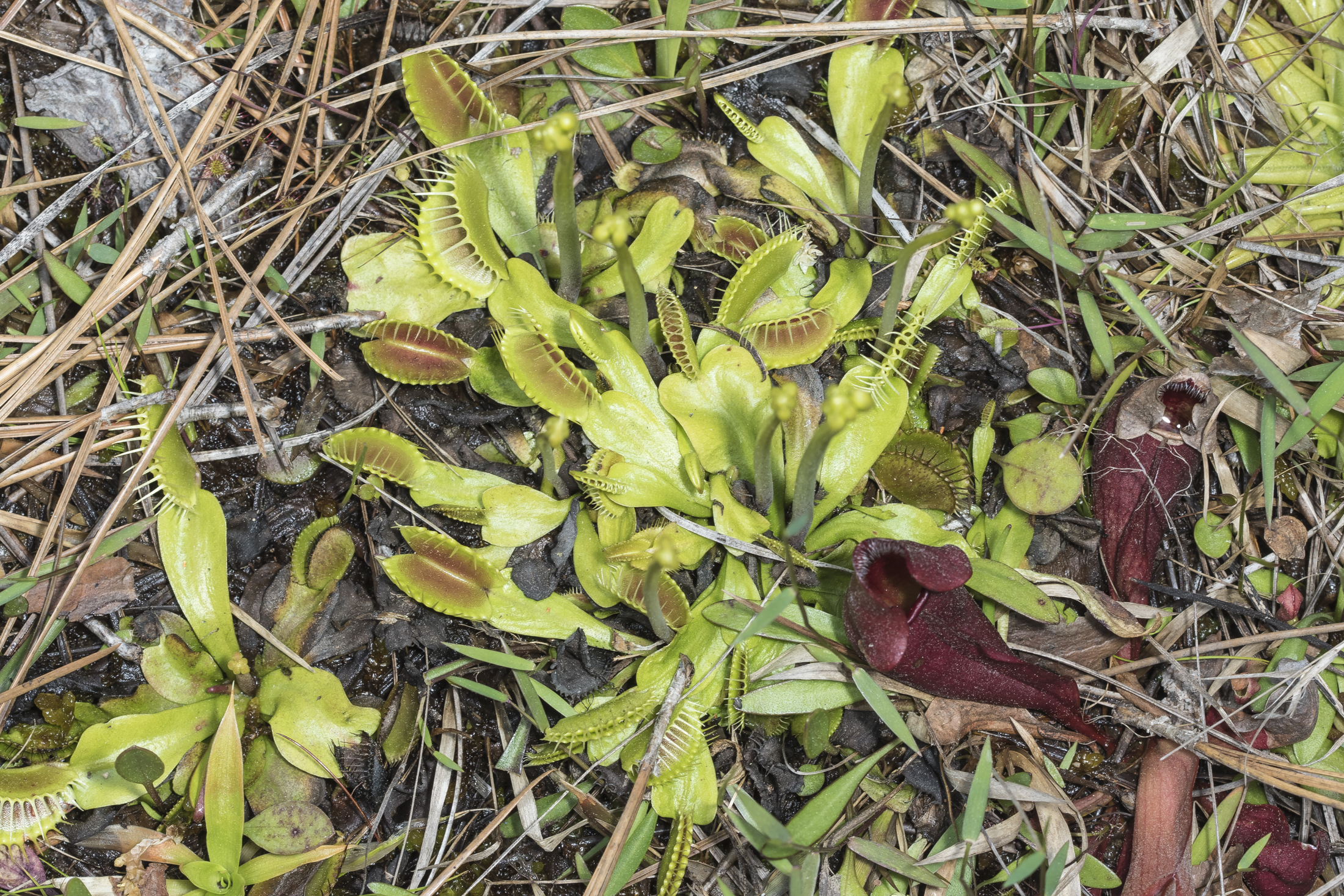
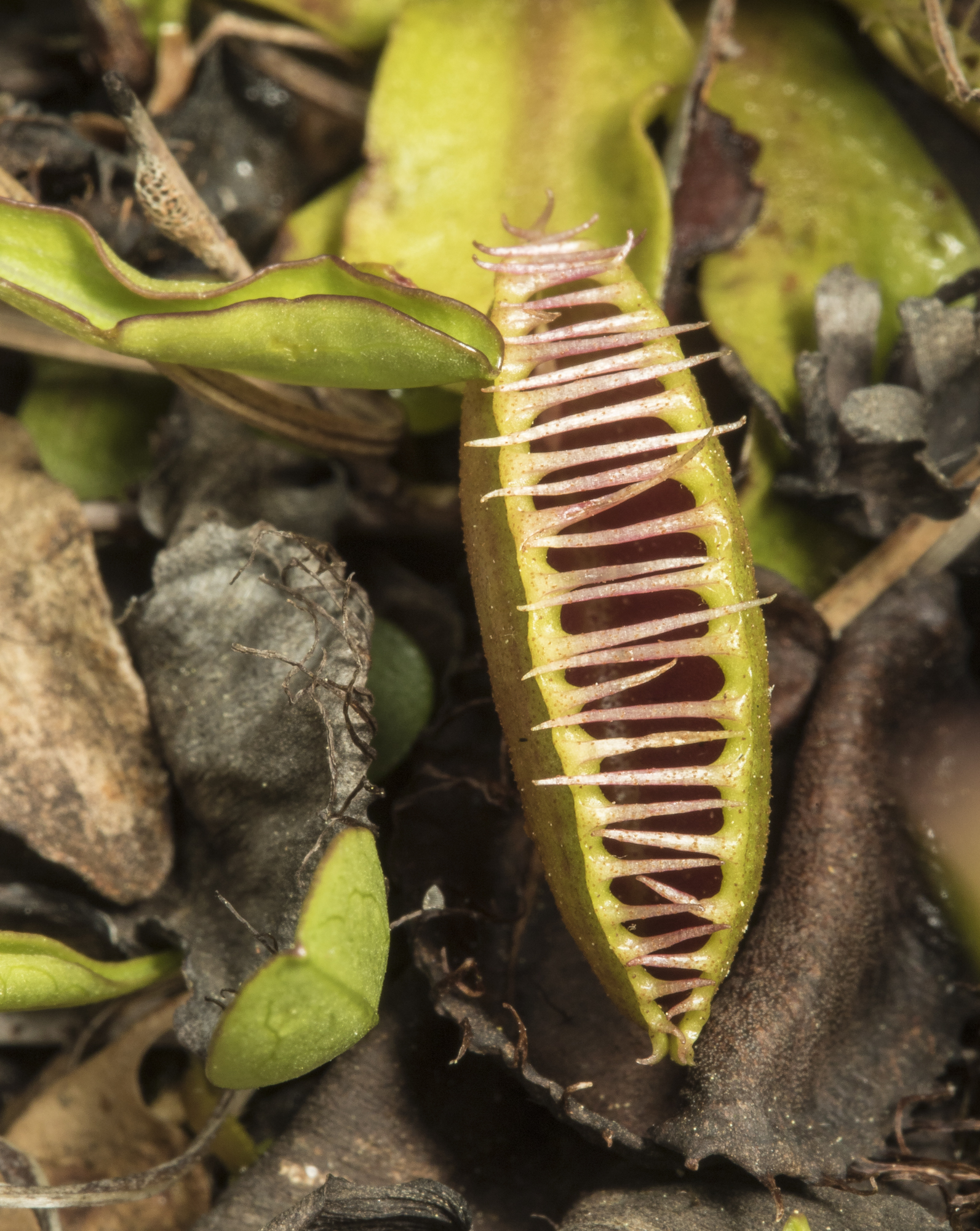
The traps are highly modified leaves (note flower stalk emerging from center). These plants grow in moist, nutrient-poor soils, only within about a 75-mile radius around Wilmington, NC. The carnivorous habits are an adaptation to secure needed nitrogen from their invertebrate prey.Each trap consists of two hinged lobes with a fringe of fleshy “teeth”.On the inner surfaces of the lobes are trigger hair projections, called trichomes, that cause the lobes to snap shut when prey comes in contact with them.Two trigger hairs must be touched by prey within 20 seconds (or one hair twice). The trap shuts rapidly (in less than a second).
When a non-prey object, like raindrops or a human with a pine needle, causes the trap to shut, it typically is loosely closed as in the photo above. If no other disturbance occurs to the trigger hairs, the trap will reopen within several hours. If, however, a prey item is caught, and is struggling and continues to hit the trigger hairs 4 or 5 more times, the trap shuts tightly and begins to release digestive enzymes. The enzymes gradually digest the soft parts of the prey. The nitrogen (and other nutrients) released are then absorbed by the lobes and the trap will reopen after several days. Each trap can open and close 4 or 5 times before that trap dies. New leaves with traps are then produced from underground stems.
A trap ready for a snack.
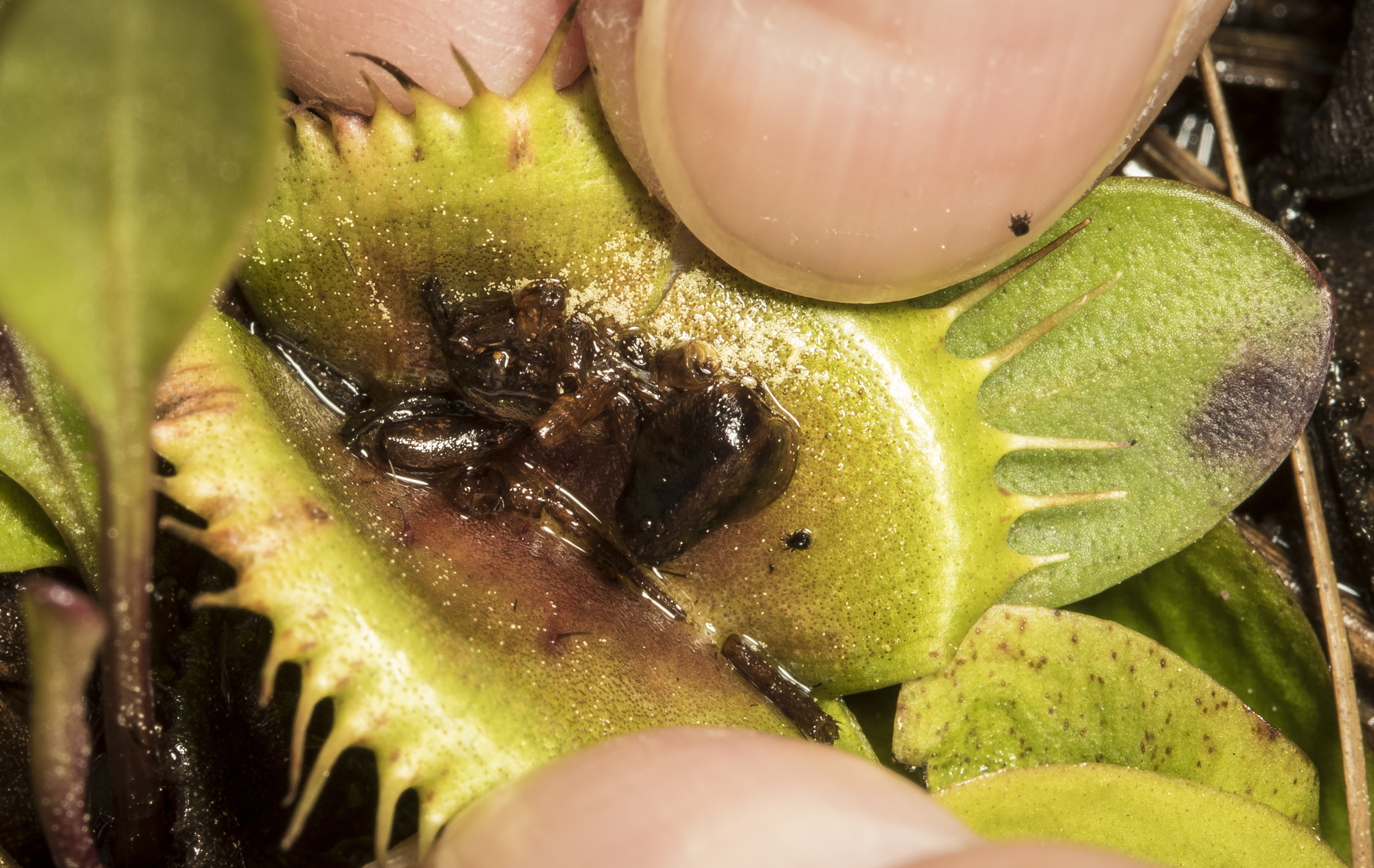
A recent publication on flytraps provides results of a collaboration between researchers at the NC Botanical Garden, NC State University, and the US Fish and Wildlife Service. They examined the diet of flytraps in the field to investigate if there is any overlap between their prey and their pollinators (which seems like a bad idea from the plants’ perspective). We decided to look for ourselves and see what we could find in a few of the traps.
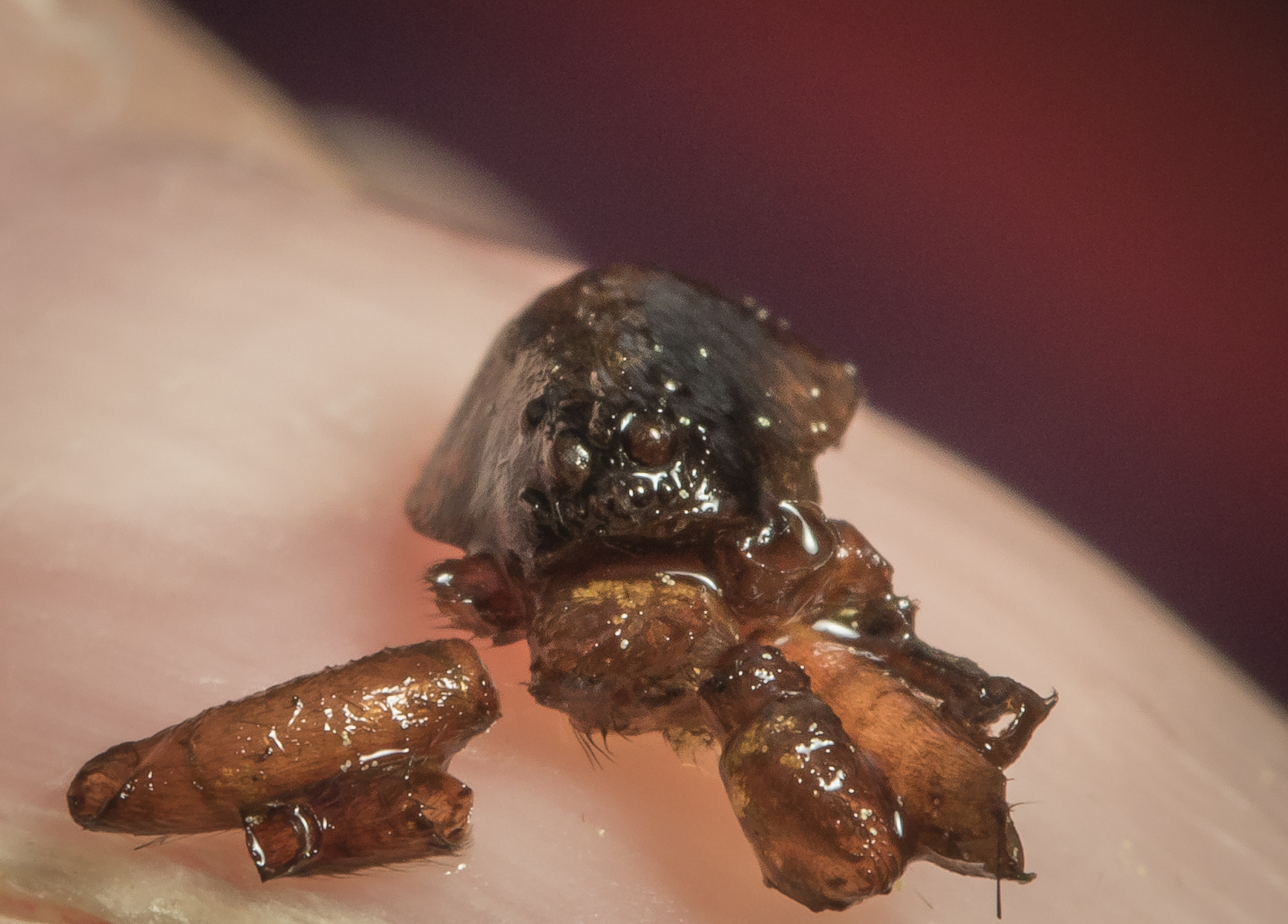
We gently opened a few traps to see what they had eaten.A spider (probably some sort of wolf spider) as prey in one trap.
Our limited results were in line with what the scientists found – 40% of the prey they found in traps were spiders. The second largest group of prey were ants. In other words, Venus flytraps seem to specialize in eating crawling invertebrates, whereas the pollinators they found were primarily flying insects (bees and beetles). This makes sense when you look at the architecture of this plant. Traps are low to the ground, rarely rising more than an inch or two off the substrate. In contrast, the small white flowers are borne on stalks rising about 12 inches above the traps, helping to ensure that the plant minimizes the risk to its flying pollinators. Perhaps a more appropriate name for this wonder would be “Venus spidertrap”.
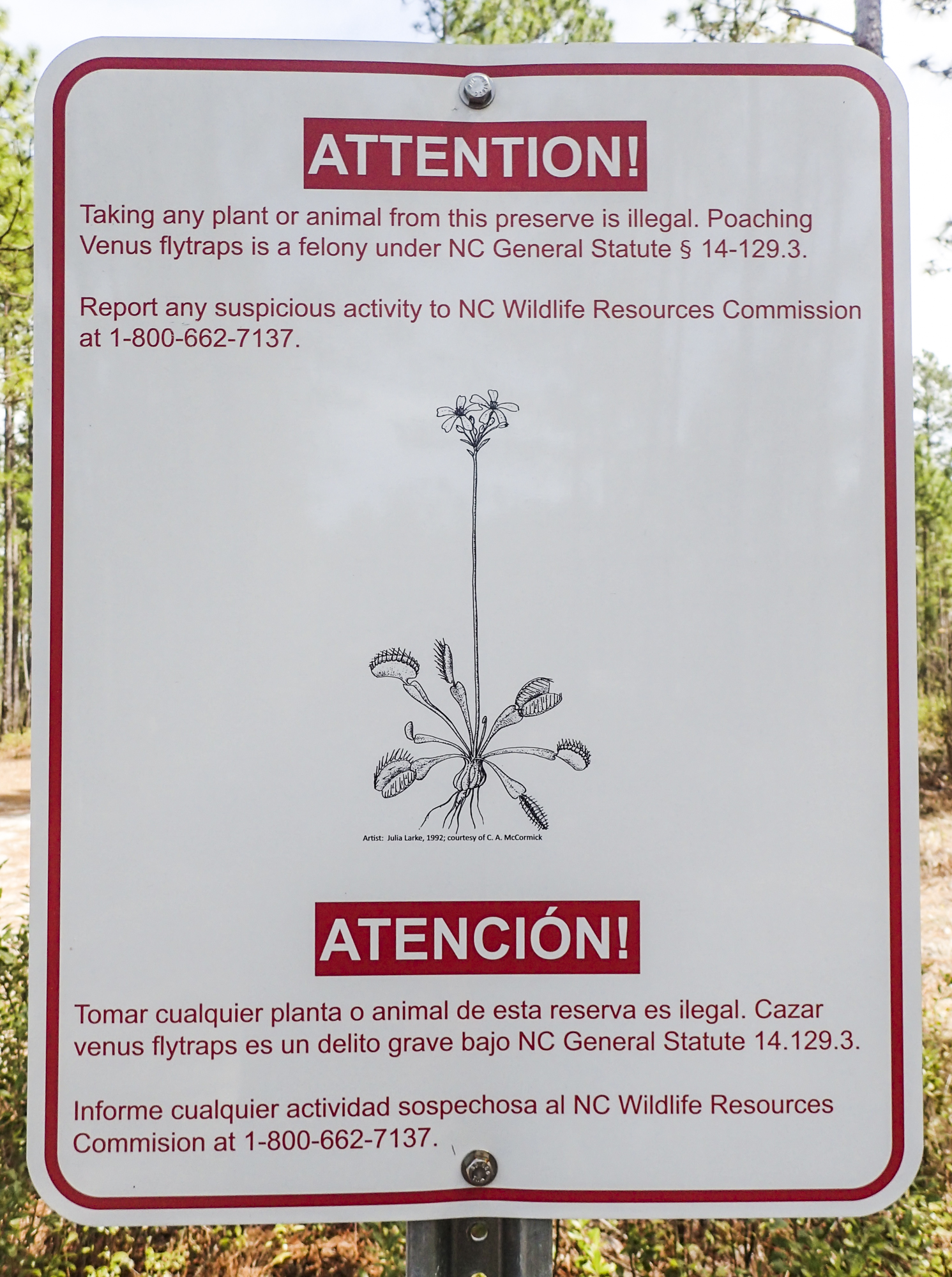
Poaching Venus flytraps is now a felony in North Carolina.
After observing these botanical marvels, we can appreciate why Charles Darwin called them “the most wonderful plant in the world”. In recognition of its limited global range (primarily in NC) and concern over its conservation, North Carolina designated the Venus flytrap as the official state carnivorous plant in 2005. And, as of 2014, Venus flytraps are protected from poaching by a law that makes it a felony to dig them up in the wild. If you would like to learn more, and see some flytraps (and other insect-eating plants) up close, you can visit the carnivorous plant collection at the North Carolina Botanical Garden. They should be blooming soon!