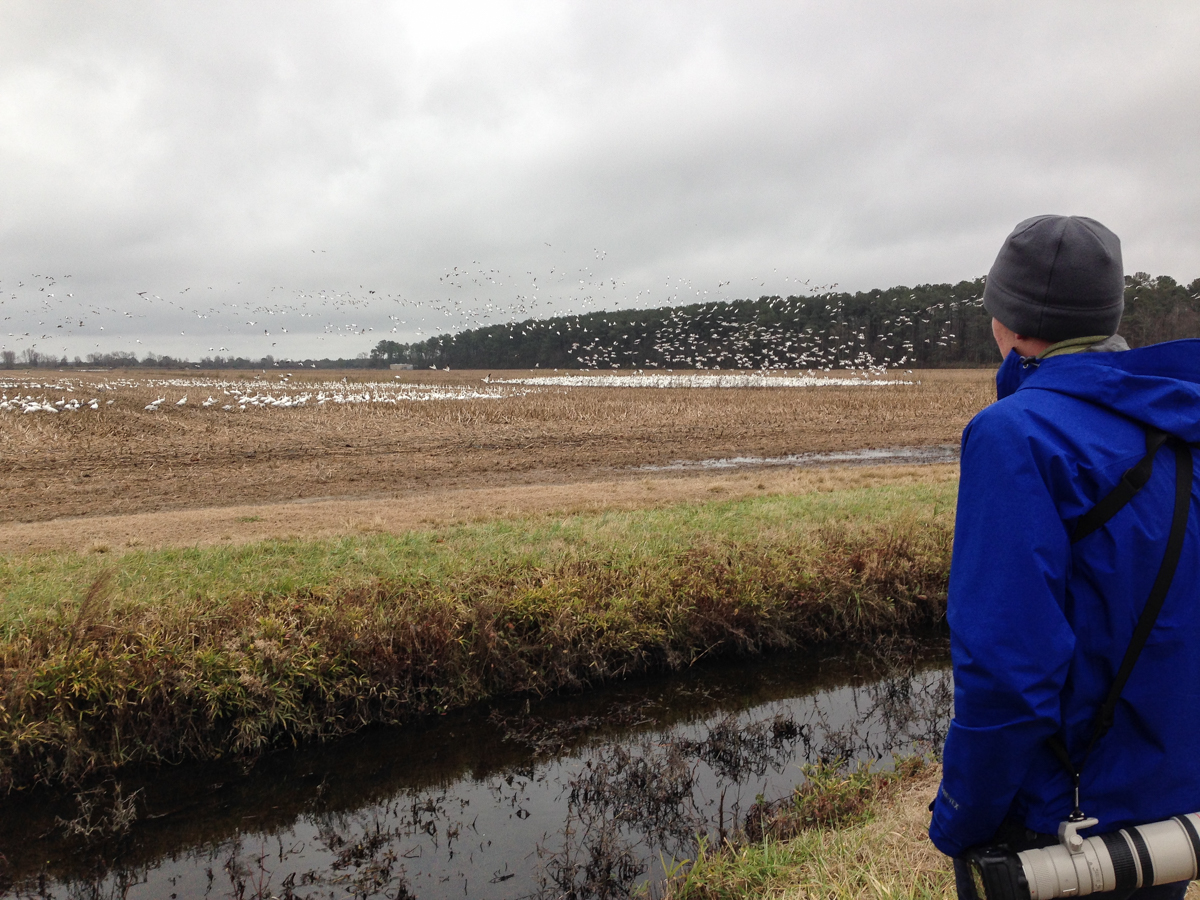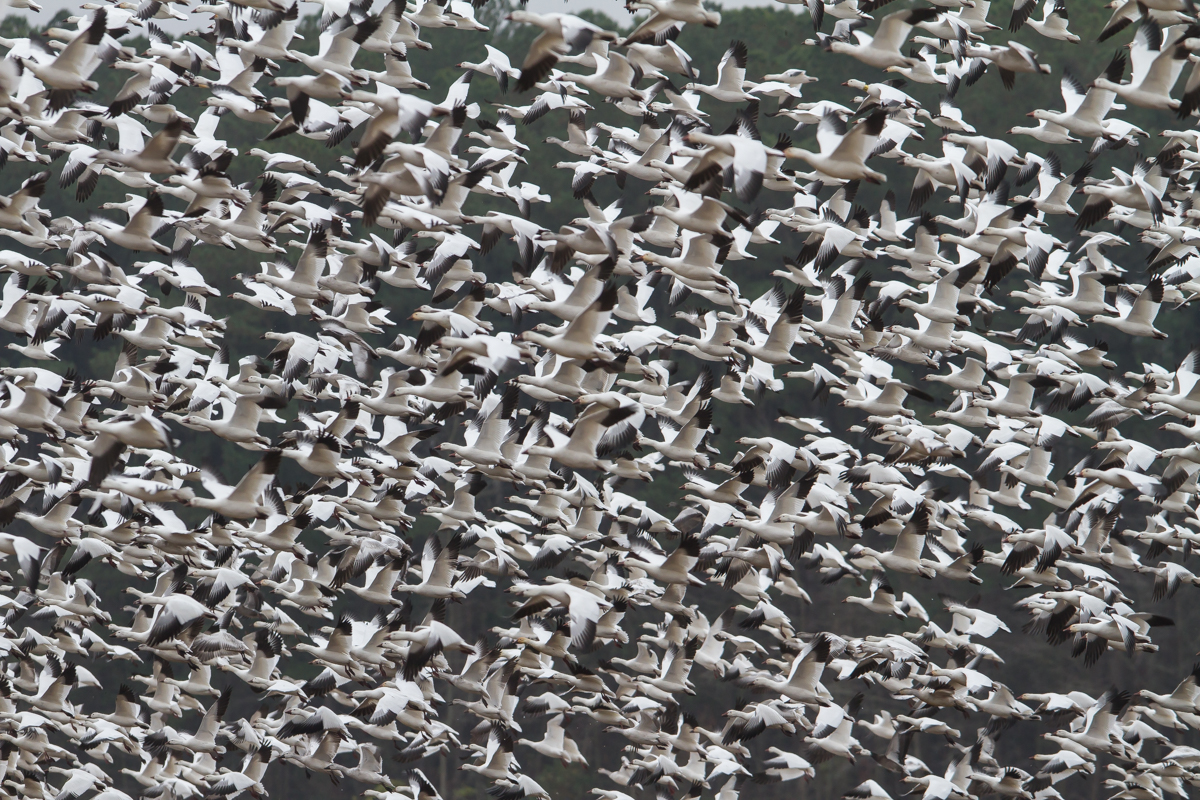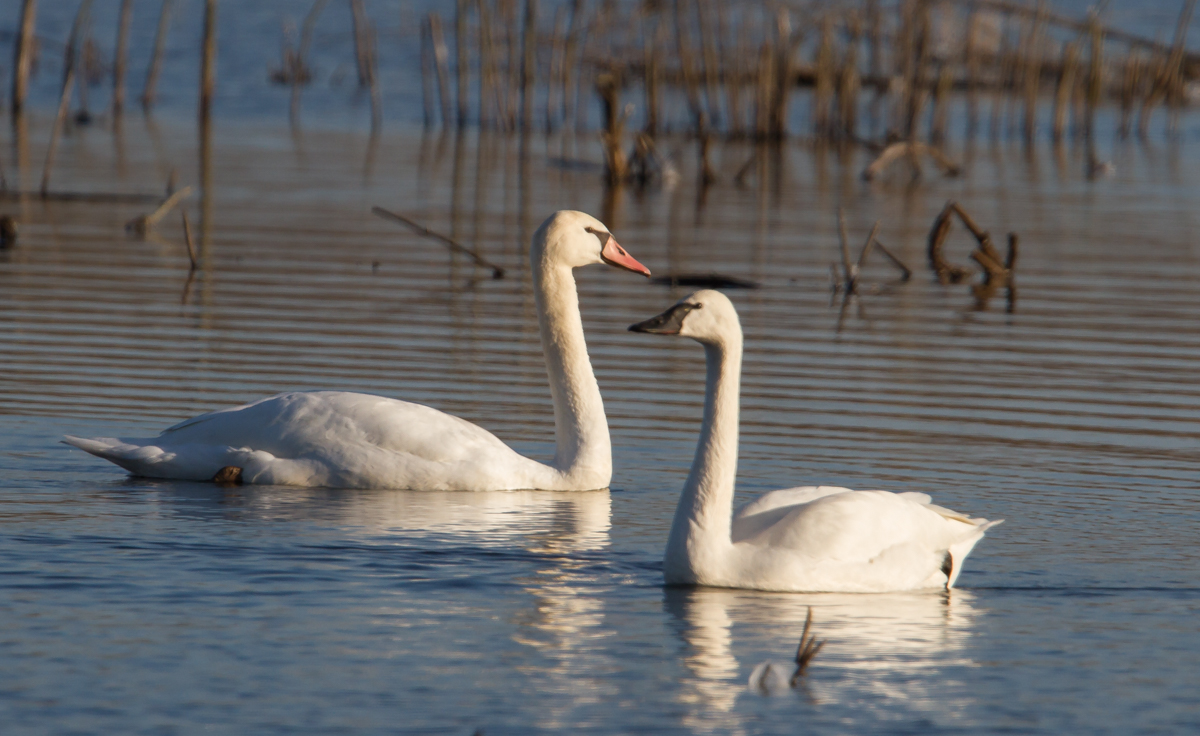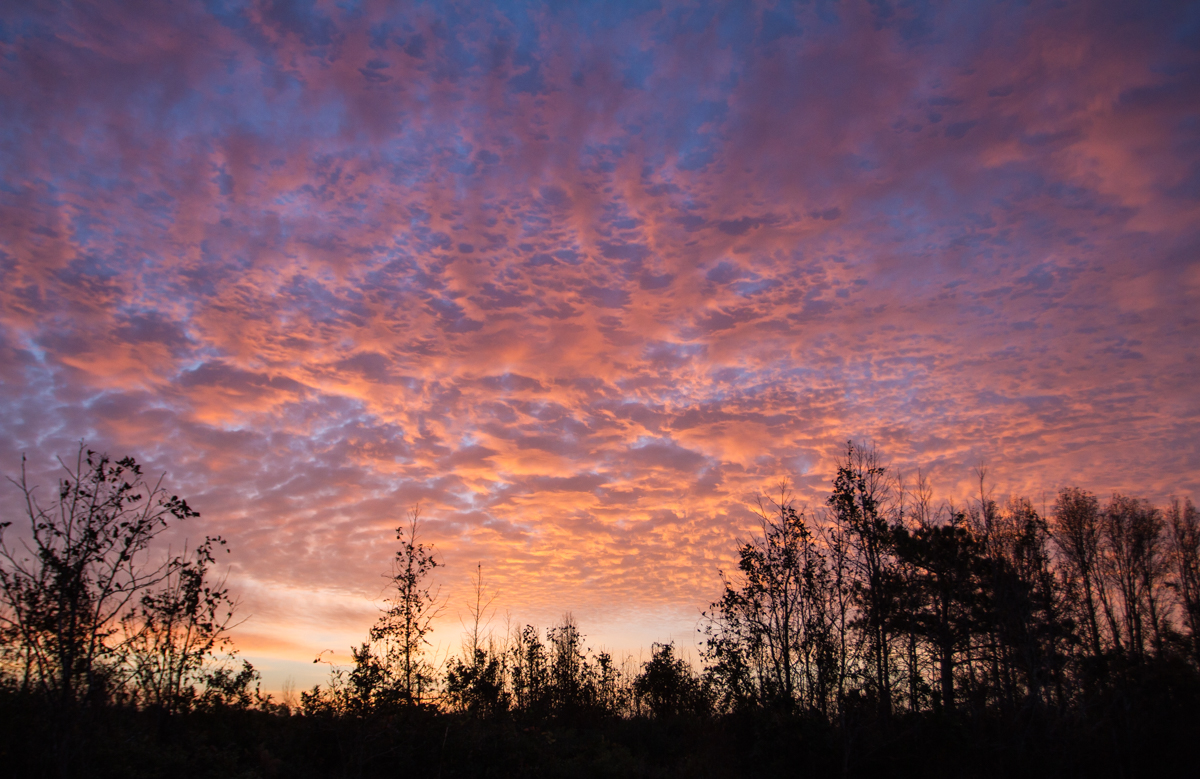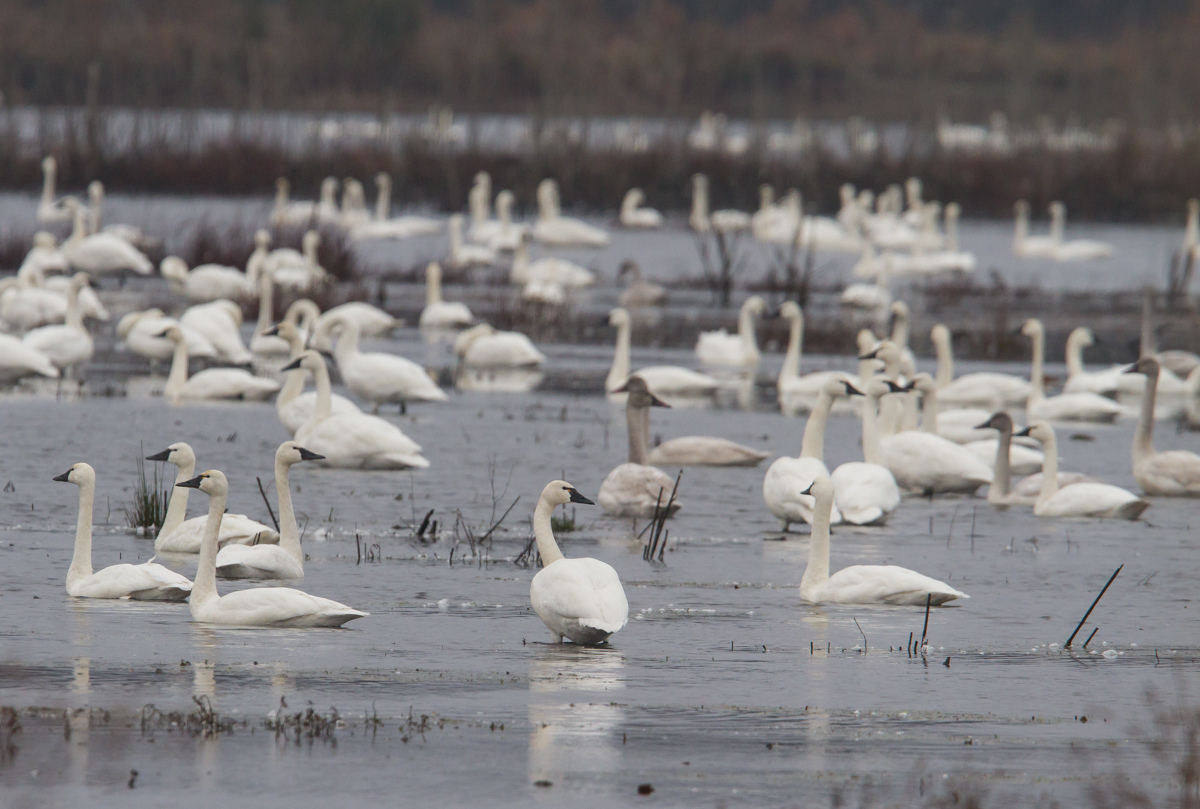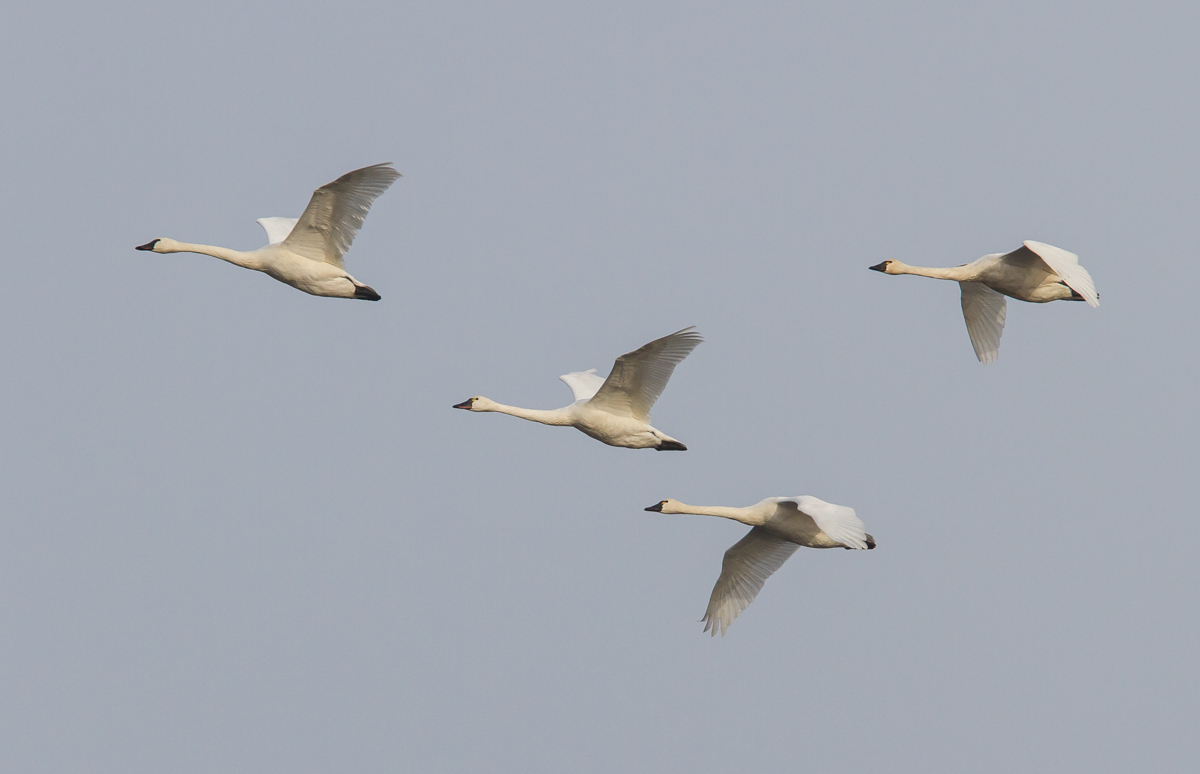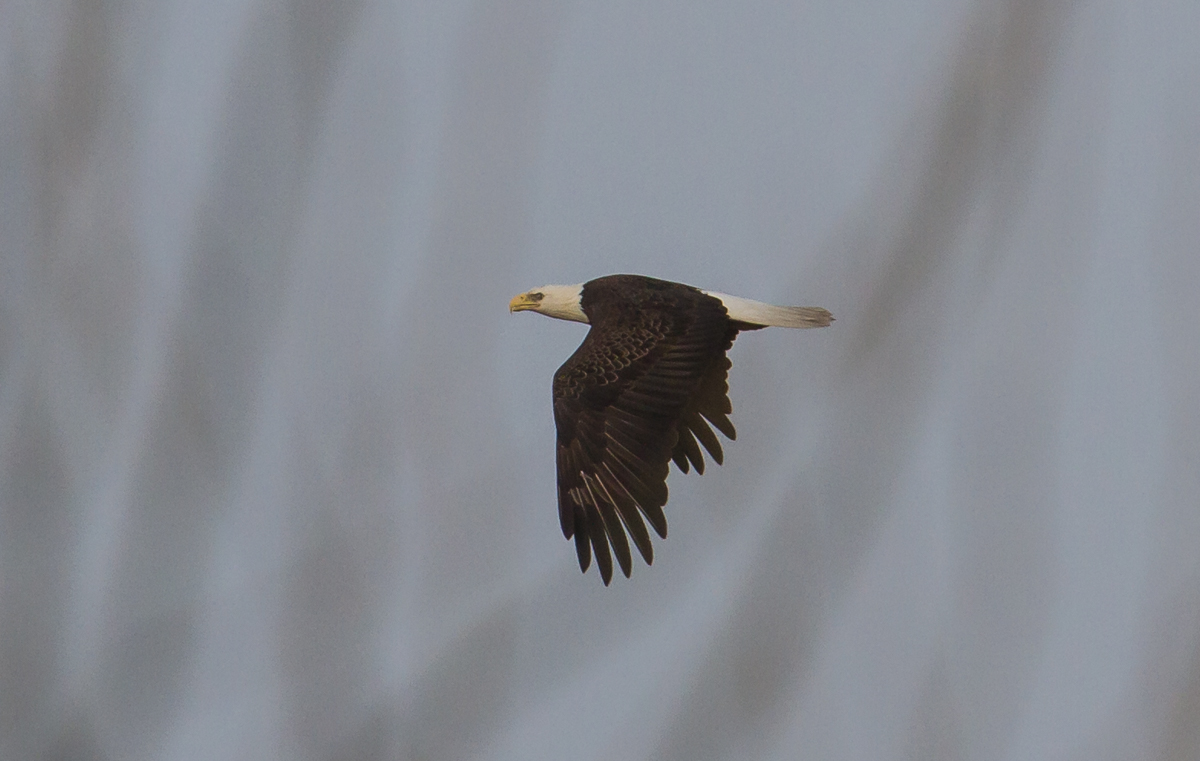
Welcome to our new website! We hope you like it. Please let us know if you notice something missing or that needs a correction. ~Mike & Melissa

  • The Second 100

    Our job is to record, each in his own way, this world of light and shadow and time that will never come again exactly as it is today.

    ~ Edward Abbey

    Once again, I find it hard to believe I have reached another milestone, post #200 on this blog. I’m not sure what, if anything, is important about 100 posts, other than it being a way to mark time. Those of us that enjoy nature are, perhaps, more aware of time. We notice the subtleties in the passage of seasons and the changes in the presence or absence and the activities of our natural neighbors. There is something comforting about the passage of time in nature, and in its cycles, in knowing that spring will come again after a long winter. Being aware of time also helps me put perspective on things, much like standing in awe at a sunset in Lamar Valley does. We are all but tiny portions of a much grander scheme, one that started long before us, and will continue long after we are gone. Without a connection to the natural world, I think it easier to rush through life as if what is happening to you is all that is really going on in the world, all that is important. I think recording what has passed over time helps me see the bigger picture, that there is a world out there that is making the best of every moment, and that we should do the same.

    Last sunset
    Crane Ponds at sunset, Bosque del Apache National Wildlife Refuge (click photos to enlarge)
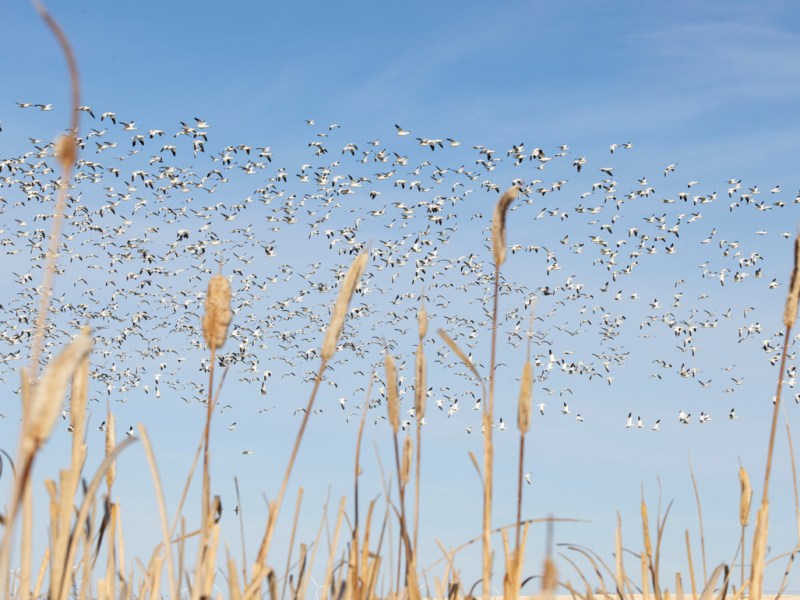
    Snow Geese at Bosque del Apache
    Snow Geese at Bosque del Apache

    Ten months have passed since blog #100. The next 100 started off with one of my bucket list sites – Bosque del Apache National Wildlife Refuge in New Mexico. Bosque is about birds and sky, light and sound. It is a place where you are constantly amazed at the sheer numbers of birds and their ever present calls.

    Great Horned Owl at sunrise
    Great Horned Owl at sunrise

    It is also a place of intimate moments with individual birds set in incredible light.

    Anhinga on palm trunk - wings spread
    Anhinga, Viera Wetlands, Florida
    Spoonbill bill
    Roseate Spoonbill, Merritt Island NWR
    white pelican pouch stretch vertical closeup
    American White Pelican, Viera Wetlands

    Florida, in winter, was another highlight in this group of blogs, another place of birds where it is easy to see their amazing diversity.

    Snow Geese flying over field
    Snow Geese at sunset, Pocosin Lakes NWR
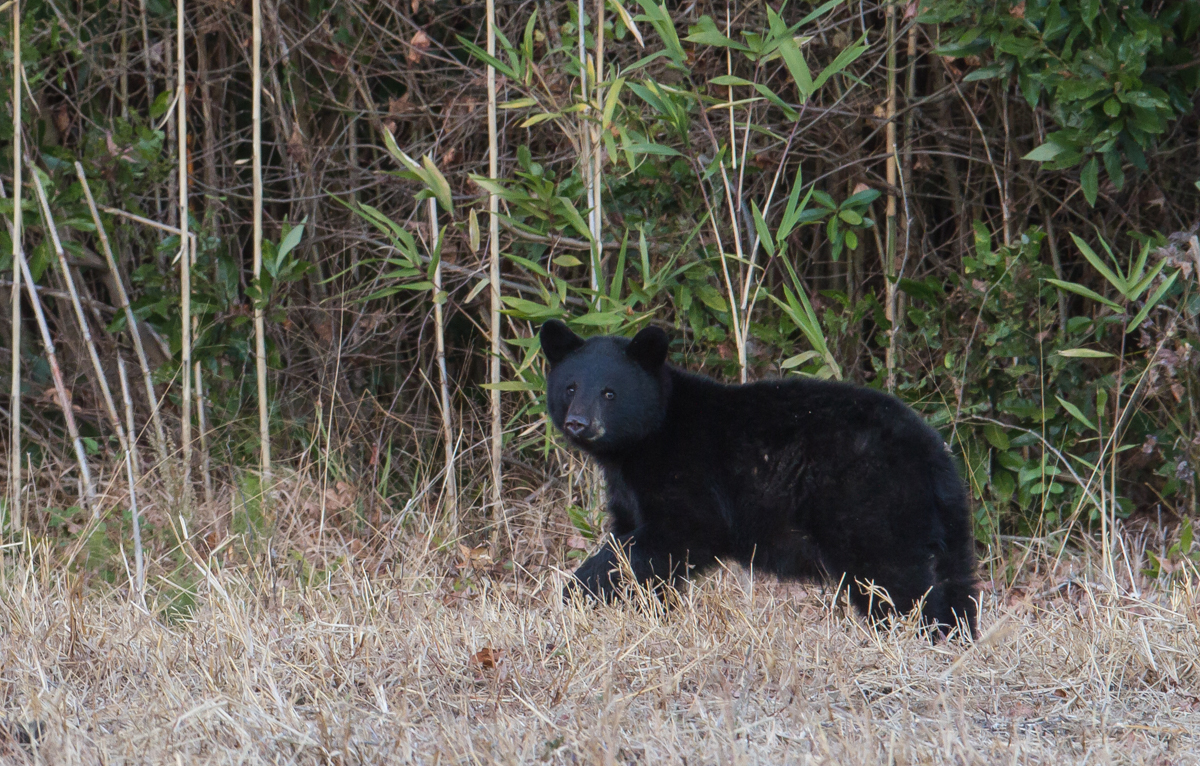
    Bear standing looking st snow geese
    Black Bear looking at Snow Geese coming into corn field
    Bobcat 1
    Bobcat

    It was a good winter for leading trips, especially to my favorite refuge, Pocosin Lakes. As always, it provided amazing encounters, spectacles, and special moments with a host of species.

    Grizzly in Hayden Valley with snow on nose
    Grizzly in Hayden Valley
    Grizzly standing
    Grizzly standing

    Yellowstone, as always, provided special memories. This year was certainly the year of the Grizzly, perhaps because it was earlier in the season than usual, and snow still covered much of the high country.

    Queets River 1
    Queets River, Olympic National Park
    Sea stacks at sunrise
    Sea stacks at sunrise, Washington coast
    Fog in forest
    Sunrise through the trees at Olympic National Park

    Within the past month, I reported on the amazing landscapes that make up Olympic National Park – mountains, rocky coasts, and forests of giant trees. Once again, I am reminded of the importance of people in a previous time, that made decisions to set aside special places for all time so we could all benefit from them and enjoy their wildness.

    Rose-breasted Grosbeak male 2
    Rose-breasted Grosbeak
    Upland Chorus Frog calling side view 2
    Upland Chorus Frog calling
    Monkey Slug caterpillar 5
    Monkey Slug caterpillar

    But, as is usually the case, most of my time has been spent close to the wildness of home. I am fortunate to live in a place that still retains some of its cast of characters that help make the passage of time outside my windows so fascinating.

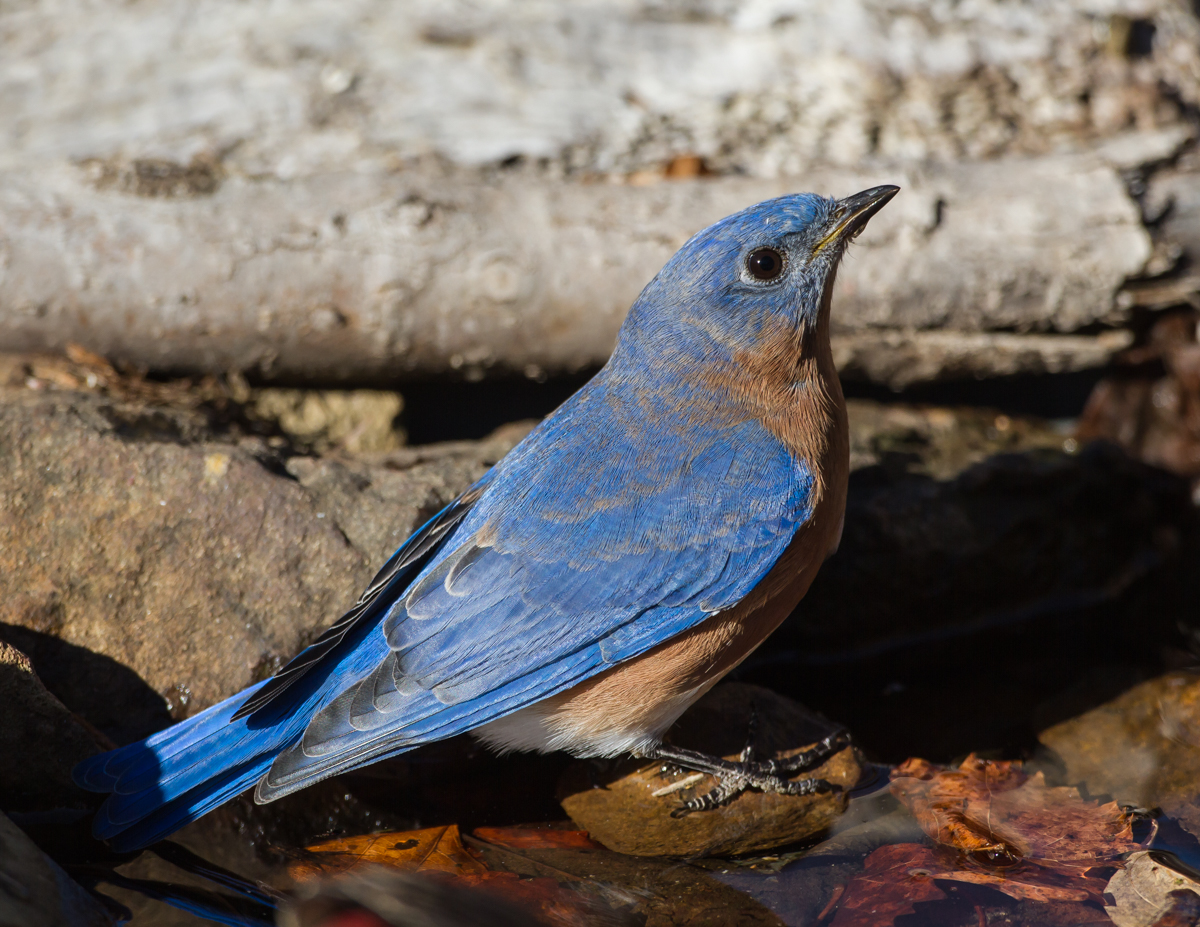
    Bluebird with grub 3
    Eastern Bluebird bringing food to nest
    spider web in fog 1
    Spider web in morning fog along power line
    Dogwood Borer Moth
    Dogwood Borer Moth attracted to porch light
    Spotted Salamander larva just prior to hatching from egg

    I am thankful for the chance to observe them and learn something about them. It inspires me to want to record what I observe and share some of their amazing stories in the hopes that we will all start to appreciate and conserve the special places that surround us, while there is still time.

    Our ideals, laws and customs should be based on the proposition that each generation, in turn, becomes the custodian rather than the absolute owner of our resources and each generation has the obligation to pass this inheritance on to the future.

    ~Charles A. Lindbergh

  • Willet or Won’t It?

    It is important to share the shore with shorebirds and respect their needs. Their lives depend on it.

    ~Walker Golder

    This time of year, the beaches of North Carolina are breathing a sigh of relief as the huge tourist crowds of summer are starting to thin. They are also seeing lots of activity from wildlife, both on land and in the surf. The characters are changing daily as migrating birds, butterflies, fish, and other coastal creatures make their way to their winter destinations. But, on almost any beach in autumn, you are likely to see a couple of standard shorebirds – Sanderlings and Willets.

    Sanderling
    A Sanderling in a rare restful pose (click photos to enlarge)

    The former are the wind-up toys of the shorebird world, rapidly running to and fro along the surf line in search of morsels exposed in each wave, and squabbling over the right to do so.

    Willet on beach
    Willet striding on the beach

    The more stately of these two shorebirds, and one of our larger species, is the Willet. They are already in their winter plumage of drab gray above and a white belly (they are more brown during the breeding season). Since this one did not fly while I sat with it, I did not get to photograph their diagnostic bold black and white wing patterns, nor did I hear its piercing pill-will-willet call that is often given when they are in flight.

    Willet probing 1
    Willet probing the sand

    Willet, and many other shorebirds, were once rare north of Virginia due to market hunting. The Migratory Bird Treaty Act of 1918 banned this large scale hunting for food, and helped start a comeback for this now common species. New threats include habitat destruction and rising sea levels, and this combination may greatly restrict their access to suitable foraging and nesting areas in the future.

    Willet probing
    Searching the waves for a meal
    Willets use their long gray legs to stride up and down the beach in search of food. Their stout bill is used to probe the sand (or mud when feeding in marsh edges and mudflats). The sensitive bill tip can detect prey which is then quickly grabbed. This also allows Willets to feed at night, when many other shorebirds, which rely solely on eyesight, cannot.

    Willet with small mole crab
    Snapping up a small Mole Crab
    Favorite prey items include small fish, worms, mollusks, and crabs. On this afternoon, Mole Crabs were the main course. A tiny Mole Crab was snapped up and gulped all in one motion while I watched.
    Willet with mole crab
    Larger Mole Crabs require a little more work
    Willet with mole crab 2
    First, you need to carry them above the surf line
    This particular Willet was quite adept at finding and catching the Mole Crabs as they surfaced to ride the wash from the surf back down the beach.
    Willet with mole crab on beach 2
    Then drop them on the sand
    When it caught a large crab, the Willet would run back up above surf and drop it on the sand.
    Willet with mole crab on beach 1
    Maybe poke your food a little and get it in the right position
    It seemed to poke at the crab a couple of times with its bill…
    Willet with mole crab 3
    Then pick it back up before the wave washes it away
    and then would grab the crab just before the incoming wave might give it a chance at escape…
    Willet swallowing mole crab 1
    And gulp
    and then the crab was picked it up and quickly swallowed head first.
    Willet swallowing mole crab
    It does finally go down
    Seems akin to me swallowing a whole zucchini squash or half a loaf of bread all at once as it did take some doing, but, the lump soon disappeared and those long legs carried the hunter back into the foam for another try. Each time this Willet rushed toward the water, I wondered, “will it catch something?”…in the 10 or 15 minutes I watched, it caught three large Mole Crabs and one appetizer-sized one, not a bad percentage at all. Come to think of it, I could use a crab cake about now…
  • Larval Leftovers

    Every September, for as long as I can remember (or at least well more than a decade), I have been collecting caterpillars in preparation for the annual BugFest event at the North Carolina Museum of Natural Sciences. It is always great fun to share these larval lovelies with the thousands of visitors that make the pilgrimage to this super annual event. But, there is a price to pay – the care and feeding, and eventual release, of all the stars. And so it was, again this year. Given the timing of the event in mid to late September, it is always touch and go as to whether we will find enough caterpillars or if the ones we do find will actually make it to the big day without pupating. So, here are a few brief stories of some of this year’s stars, or almost stars, as the case may be.

    Stinging Rose Caterpillar 1
    Stinging Rose Caterpillar (click photos to enlarge)

    I was very happy when I found this unusual beauty, a Stinging Rose Caterpillar (Parasa indetermina) on a willow, the week before BugFest. These odd-shaped and brightly colored larvae are one of the stinging caterpillars, and this one was sure to be a crowd-pleaser. But, as is often the case when dealing with nature, it was not to be.

    Stinging Rose Caterpillar with parasite cocoons
    Parasitic wasp cocoons on the Stinging Rose Caterpillar

    A few days before the big event, it succumbed to a common caterpillar threat, the emergence of parasitic wasp larvae that quickly spun cocoons, coating the caterpillar’s body with what look like tiny cotton swab tips. I was going to take it anyway, to share that unusual aspect of the ecology of life as a larva, but, the day before the event, the caterpillar shriveled up to nothing, cutting short this one’s chance at fame. These parasites are fairly common and I always find a few caterpillars that already have the cocoons present when I am out collecting. But it is particularly disappointing when you collect something unique, only to find out later that the parasitic larvae were already at work, but you just could not tell until they popped out in a moment reminiscent of the classic scene from the movie Alien.

    Spiny Oakworm shedding
    Spiny Oakworm shedding its skin

    In what looks like another scene from a space aliens movie, I was witness to one of the miracles of the caterpillar world when one of my captives managed to molt under my care. This one, a Spiny Oakworm (Anisota stigma), was still for almost two days and I suspected it was undergoing changes related to either molting or pupation. Right before packing up for the event, I saw this change-of-clothes act. Note the dramatic difference in color between the freshly molted larva and its cast skin. The caterpillar gradually darkened just in time to share its new look with the crowds.

    Puss Caterpilar underside
    Underside of Puss Caterpillar

    I already posted on my experience with one of the most notorious of the stinging caterpillars, the Puss Caterpillar. When I was transporting it for release (my goal is to release these critters back into the general area where they were collected each year) I placed it in a plastic container like the ones you buy fresh salad in at the grocery store. When the larva crawled around the clear sides it provided me with a great view of the underside of this furry beast, something you don’t normally get to see.

    Monarch larva chewing leaf
    Monarch caterpillar chewing milkweed leaf

    A friend loaned me a couple of large Monarch Butterfly larvae, and this one was busy all during the event chewing the edges of a Common Milkweed leaf. I grabbed a moment during the busy day to get a portrait of the feeder in action.

    Spiny Oak-Slug top view
    Spiny Oak-Slug during the event

    Several of the stars started to wander off their food plants during the event. This is usually a sign that their time as a caterpillar is coming to an end and a pupa is on the way. Most larvae go through what I call a “walk-about” stage for several hours before starting to pupate. If they are not contained, they will wander off to some suitable spot and undergo yet another miraculous change in their extraordinary life cycle. And so it was with one of the small beauties of this year’s event, a Spiny Oak-Slug.

    Spiny Oak-Slug cocoon
    Spiny Oak-Slug cocoon

    But, at least it waited until after the event to complete the change from dazzling caterpillar to drab cocoon. It should overwinter in this state and emerge next spring.

    Luna Moth caterpillar
    Luna Moth caterpillar

    I found several large Luna Moth caterpillars the week of the event, and, as usual, a few pupated before the big day. And a couple decided to start the big change during the event itself and had to be confined to caterpillar detention (aka the pupation cage).

    Luna Moth larva changing color prior to pupation
    Luna Moth larva changing color prior to pupating

    Like many species, Luna larvae undergo a noticeable color change right before they start spinning a cocoon, in this case, changing from brilliant green to a pinkish-brown color.

    Spicebush Swallowtail nearing pupation
    Spicebush Swallowtail in walk-about phase

    Another color changer is one of my favorite caterpillars, the Spicebush Swalllowtail. They, too, are bright green, along with their uncanny false eye-spots and other markings. When they start the walk-about phase, they gradually change to a more yellow-orange base color.

    Spicebush Swallowtail nearing pupation 1
    Spicebush Swallowtai

    You can see why these guys are one of my favorites.

    Spicebush Swallowtail prepupa
    Spicebush Swallowtail prepupa

    Once they find a suitable site, they begin laying down their two silk attachment points to form a prepupa. That usually lasts about a day, and then they shed their skin one last time, and, voila, a chrysalis appears.

    It is always a bittersweet time when BugFest is over and I release all my specimens. I know the chills of winter will soon be upon us and it will be several months before I can once again observe and photograph one of nature’s most amazing life forms.


  • That’s a Caterpillar?

    The most beautiful thing we can experience is the mysterious.  It is the source of all true art and science.

    ~Albert Einstein

    There are some creatures that are so bizarre that they leave me baffled as to why they are the way they are. This is one of them.

    Monkey Slug caterpillar
    Monkey Slug, caterpillar of the Hag Moth (click photos to enlarge)

    Even the name is a mystery – Monkey Slug. I suppose if you squint and look at it, you could imagine a very hairy cartoon-like monkey with a few extra arms. One reference said it resembled a terrestrial octopus. That I can see. And the Hag Moth part probably comes from the likeness of the hairy arms to an old witch’s disheveled hair. But, no matter how you look at it, you probably would not guess this strange-looking bug is a caterpillar.

    Monkey Slug caterpillar 6
    Back lit Monkey Slug (early instar)

    It belongs to the slug caterpillar family, Limacodidae, many of whom are so-called stinging caterpillars, due to the presence of urticating spines. There is disagreement in the references on this species’ stinging ability, with the guru of caterpillars, David Wagner (author of Caterpillars of Eastern North America), stating that he has been unable to get this species to “sting” even by rubbing it on his arm. Others say that people vary in their susceptibility, so I will let it go untested. They certainly look like they could hurt you, with a dense coating of short hairs and long spines, especially in the earlier stages (instars).

    Monkey Slug caterpillar 4
    Later instar (perhaps the last) of a Monkey Slug

    As they grow and molt, they take on a more carpeted appearance, with short, stiff, brush-like hairs, densely covering their dorsal surface. Monkey Slugs are characterized by six pairs of arms (some short, some long) that are deciduous and can break off without any apparent harm to the critter.

    Monkey Slug caterpillar 1
    Monkey Slug showing curled tips to the arms

    To my eye, a Monkey Slug (especially the last instar) resembles a dead leaf with curled edges. Some researchers have speculated that it looks like a tarantula shed, which also has urticating hairs. Many of our insect eating birds migrate to the tropics and thus might encounter these distasteful objects in the forest, which would then give a tarantula shed mimic some advantage, but who knows. I have never found an adult, but they, too, are mimics – the male looks like a wasp, and the female has the likeness of a bee, complete with faux pollen sacs on her legs.

    Monkey Slug caterpillar 2
    From the side it looks like a crown

    I have only seen a few of these caterpillars over the years, but two of my former colleagues at the Museum each found one and brought them to BugFest last week, where they drew lots of curious looks and questions from the hundreds of visitors wandering by our booth. Monkey Slugs can be found on a wide range of shrubs and trees but may be relatively scarce, or just darned hard to spot in vegetation.

    Monkey Slug caterpillar 3
    Monkey Slug gliding along a twig

    I’m just glad they found these two and I had a chance to reacquaint myself with one of the more outlandish denizens of our forests. May there always be mysteries…

  • Definitely Not a Baby Rattle

    Venomous snakes are among the most maligned and misunderstood animals on earth.

    ~In Snakes of the Southeast by Whit Gibbons and Mike Dorcas

    In a recent post, I mentioned my first ever encounter with a juvenile Canebrake Rattlesnake while at Alligator River National Wildlife Refuge. A few days ago, I had the opportunity to drive through the refuge again, and this time was rewarded with an encounter with a much larger specimen of Crotalus horridus.

    Canebrake Rattlesnake adult defensive posture 1
    Canebrake Rattlesnake drawing back into defensive posture when I stopped the car (click photos to enlarge)

    This one was a beauty, and big…I am guessing maybe 4 feet or so in length and several inches in girth.. It looked like a tree limb in the road as I approached, but I knew from previous encounters this limb would move when I pulled up in the car and got out.

    Canebrake Rattlesnake adult
    Don’t tread on me

    It immediately made a tight coil and started to rattle – that distinctive sound that would undoubtedly stop me cold if I did not see the snake beforehand. It was a magnificent animal, one of the largest I have ever seen. I think it is a male, based on the length of the tail (the area of the body behind the vent on a snake). The tail of a male rattlesnake is longer and less sharply tapered from the body than that of a female. But, I am no snake sexing expert, so if someone out there knows better, please drop me a note.

    Canebrake Rattlesnake adult 2
    The rattlesnake made a tight coil and rattled every time I moved

    I walked around the snake, admiring its robust body, the length of its rattle, the powerful head, and the strongly keeled scales. The snake initially had its head tilted downward with some of the coil raised off the ground, but then dropped its body and tightened the coil, presenting a large, rough-textured lump with penetrating eyes. I quickly put on my 300 mm telephoto lens (no macro shots on this one) and remained at a respectful distance while trying to get a few angles for photographs. Every time I moved, the snake would raise its tail tip and vibrate it, producing that characteristic percussive rattle. When I stopped, the tail would drop, and all was quiet.

    I set the camera on a tripod for a quick video hoping to capture the sound, but in my haste to set up and to not keep the snake in the road too long, I didn’t do such a great job, but you can still see it in action. Unfortunately, it was windy, and the snake was several feet from the camera microphone, so the rattling sound is a bit faint. The loud crunching noise is a boot on the gravel each time I took a step.

    Canebrake Rattlesnake adult head
    Canebrake Rattlesnake stretching out its head and neck when I walked away

    I wanted the snake to get out of the road (this one was a couple of hundred feet from where I found a roadkill Canebrake Rattlesnake earlier this summer), so I grabbed the camera and backed away. The large rattler slowly stretched its head and neck out toward the roadside vegetation and began to deliberately crawl toward safety. The look of power and striking angles on the head of these big rattlesnakes is just so impressive.

    Canebrake Rattlesnake adult rattle
    Impressive rattle

    I noticed as it crawled that it carried its tail tip high off the ground, unlike most snakes. This is probably an adaptation to preserving the delicate segments that form the rattle. The tissue making up the rattle is akin to a thin brittle fingernail. And, just like we can break our nails, a rattlesnake can break off segments of its rattle. A newborn rattlesnake has a rounded button at the tail tip. Each time the rattlesnake sheds its skin (probably one to three times per year on average depending on food availability and health of the snake) it adds a new segment to its rattle. If the rattle ends in a smooth button, it is complete, and has not been broken off. If it ends in a squarish or tiered piece (like this one where you see what look like pointy projections off to each side), it has been broken and some segments are missing. This, coupled with the fact they produce a segment each time they shed, is why you cannot accurately age a rattlesnake by the number of rattles. Their trademark sound is made by the segments knocking against one another as the snake rapidly vibrates its tail. The many interlocking connections of the segments, plus the hollow spaces between them, help amplify the sound. But, whenever you are in rattlesnake habitat, be sure to keep both your eyes and ears open, as not every rattler will rattle if you accidentally get too close too quickly. Luckily, they are usually just trying to get out of harms way if given a chance. Populations of these impressive creatures are dwindling almost everywhere they occur, so please watch out for them, and educate yourself and others about the important role they play in our environment.


  • Looking Sharp

    In summer the empire of insects spreads.
    ~ Adam Zagajewski

    Spiny Oak-Slug 1
    Spiny Oak-Slug (click photos to enlarge)

    In honor of BugFest happening today, I thought I would post another unusual caterpillar portrait – the Spiny Oak-Slug, Euclea delphinii.

    Spiny Oak-Slug side view
    Slug caterpillars move in a gliding fashion rather than the usual larval crawling motion

    As a member of the slug caterpillar group, the Spiny Oak-Slug lacks the usual paired prolegs of most caterpillars and, instead, has medial sucker-like appendages on the first seven abdominal segments. This causes them to move in a gliding fashion, much like a slug, rather than the crawling motion of most caterpillars.

    Spiny Oak-Slug top view
    Both a beauty and a beast, the Spiny Oak-Slug is well armed with urticating spines

    As you might suspect by its appearance, it is another of the stinging caterpillars, and can impart a painful stinging sensation to anyone that touches it. This species is highly variable in color, but all are well-armed with three pair of elongate spiny lobes on the front end and two pair on the rear. I have read that their sting is not quite as painful as some, but I think I’ll just take that as fact without any further testing. There are two generations per year in the south and the larvae feed on a variety of deciduous trees and shrubs (this one is on a species of willow). When you take a close look at this spiny mini-beast, you can’t help but admire the intricate detailing and patterns – such beauty in such an untouchable package.


  • Io You

    …mysterious and little known organisms live within walking distance of where you sit. Splendor awaits in minute proportions.

    ~E.O. Wilson

    Io caterpillar
    Io Moth caterpillar (click photos to enlarge)

    Here is another of my favorite caterpillars, the Io, Automeris io. Beautiful, but it is also one of the so-called “stinging caterpillars”. The urticating spines contain a venom that can cause a painful sting. I have found this species several times on a variety of host plats, this time on a willow here in Chatham County.

    Io caterpillar 2
    The bristly appearance of an Io larva from above

    If ever there was a caterpillar that you should think to yourself, maybe I shouldn’t touch this, the Io is it. The large spines are in distinct clusters and are found over the entire dorsal surface of its body. They do not try to hide since they are well-armed against most predators.

    Io caterpillar head
    Close up of caterpillar head showing ominous-looking clusters of spines

    This one in in its last instar, and has crawled off the willow, indicating it may be ready to pupate. They form a loose, papery cocoon on the ground. I am hoping it waits until after BugFest, but only the Io knows for sure.

  • Puss Cat

    Never touch anything that looks like Donald Trump’s hair.

    ~Gwen Pearson

    Puss caterpillar 2
    Puss Caterpillar, or is it? (click photos to enlarge)

    I just love that quote. It is the title of an article in WIRED last week on a particularly painful caterpillar known by various names – Puss Caterpillar, Asp, and Southern Flannel Moth Caterpillar, Megalopyge opercularis. I find one of these every couple of years as I wander the woods and fields, especially in early September in preparation for the NC Museum of Natural Sciences’ biggest special event, BugFest. Years ago, I started a caterpillar tent at BugFest as a way to share my passion for all things caterpillar and now I volunteer at the event. People really do love to look at (and learn about) caterpillars. Most of the larvae are fun to raise, identify, and are totally harmless. But, there are a few that can inflict pain when touched. They have “urticating hairs” that contain venom. And this one is supposedly the most painful of all.

    Puss caterpillar 1
    Next to last instar of Puss Caterpillar

    I found one last week on a Red Maple. This species feeds on a variety of tree leaves, which fortunately makes it less likely someone will accidentally encounter one unless it falls out on you or you are climbing up there amongst them. This one looked a little different than most I have found, especially in its more strawberry-blonde coloration. But there was something else I couldn’t quite peg. I found an incredible online resource on these moths and their larvae that helped me see the reason (see http://entnemdept.ufl.edu/Creatures/MISC/MOTHS/puss.htm). Turns out, the color can vary from grayish-brown to tan. The big thing I learned was about the different looks of this caterpillar as it goes through its various molts (instars). The caterpillar had become still a couple of days ago and made a silken pad for itself on a leaf. This is usually a sign of impending change, a molt. After reading more about it and seeing pictures of the last two instars of these larvae, I went out to look at my Puss Caterpillar again.

    puss caterpillar later instar
    Puss Caterpillar, last instar

    It had molted and, did indeed, look different, more like the pictures you usually see in field guides (most guides use an image of the caterpillars in their last instar as the key for identification). The color was slightly darker, with more tints of gray. It had some noticeable tufts on each side, tipped in white. And the whole effect was as if someone had given the furry little guy a good combing and maybe put some mousse in to tidy up the hairs, especially along the dorsal crest and “tail”. I looked for the shed, but, as the reference stated, most usually eat their shed skin, and it appears mine followed suit.

    puss caterpillar
    Top view of next to last instar
    puss caterpillar later instar 1
    Top view of last instar

    While transferring the caterpillar back into its cage, I did what I really did not want to do – I accidentally touched it. Just a glancing brush, with my knuckle. I immediately pulled away and said a few choice words, expecting the worst. I have been “stung” by a few other species in the past, and most felt like a wasp sting, the pain usually dissipating in a few minutes. This one started out with a mild stinging sensation, but then seemed to move deeper. Soon, it felt as if my knuckle bones had been shot with some painful solution. Luckily, I had apparently just barely touched it, so the pain did not spread as I have read it often does. The knuckle soreness lasted several hours and then finally faded. I made a promise to myself to be extra careful when anywhere near these little “fur balls”. There is a lot of good information on the referenced site, so rather than repeating it all here, I refer you to the Featured Creatures page on this species from the University of Florida. If you want to see this, other cool caterpillars, and lots of interesting displays on all things arthropod-ish, be sure to come to BugFest at the NC Museum of Natural Sciences in downtown Raleigh this Saturday, September 20. And remember, if you see something that looks like a crawling eyebrow or that rich guy’s windblown coiffure, don’t pet it.

  • Stately Garden Visitor

    This weekend, while I was picking beans in the garden, I felt I was being watched. I looked around, and, sure enough, had a visitor.

    box turtle from side 1
    Eastern Box Turtle in garden puddle (click photos to enlarge)

    It was a beautiful Eastern Box Turtle, Terrapene carolina. This one was particularly striking, with a bright, bold pattern on both its shell and head.

    box turtle head
    Close up of the head of male Eastern Box Turtle

    I suspected it was a male just from the bright colors (they often are brighter), and as I got a closer look, I saw another indicator of maleness in Eastern Box Turtles, red eyes. Males usually have red irises, females have yellow or brown irises. Of course, the best indicator is a concave area on the underside of its shell (plastron) if its a male; females are flatter.

    box turtle from above
    Intricate patterns of an Eastern Box Turtle from above

    Archie Carr, the famous Florida naturalist, once wrote, “Everyone likes box turtles”. I think he is right. Everyone I know pauses when they see one and many will stop a car and rush to help one across a road (cars are one of the primary causes of death in box turtles). Perhaps because of their endearing qualities, they were named the state reptile of North Carolina in March of 1979. I was looking for a quote about box turtles when I came across a newspaper article published the day after the NC Senate approved the bill making that designation official. Some members of the House had spoken in favor of box turtles while a few of the representatives from the mountains questioned an eastern turtle’s ability to represent our state’s western region (I guess the name Eastern Box Turtle overshadowed the fact that the turtles are found throughout the state). The bill’s sponsor, Rep. Chris Barker, wore a turtle embroidered vest, had a small child bring in two turtles in a box, and spoke highly of the turtle’s qualities that would make it a good representative of our state. “In order for a turtle to make progress, he must stick his neck out. I think state officials and the General Assembly should emulate this”. Of course, it should come as no surprise that there were some dissenting opinions, although it was only one no vote in the Senate. That Senator explained it this way – “I don’t feel we should be represented by something that sticks its head in a shell and forgets what’s going on”. Hmmm, guess it always depends on how you look at something. At least most people like the turtle…

  • Baby Rattle

    …a wonderful creature, when we consider his form, nature and disposition…he is never known to strike until he is first assaulted or fears himself in danger, and even then always gives the earliest warning by the rattles at the extremity of his tail.

    ~William Bartram, 1791

    I made some time last week to do a day trip down to eastern North Carolina for some wildlife viewing. Spent the morning at the Pungo Unit at Pocosin Lakes NWR, but saw only a few butterflies and birds, along with a friend from the area. We chatted for awhile and exchanged notes on our lack of wildlife encounters that morning. After that, I decided to head over to Alligator River NWR and see what might be moving around over there. I did eventually spot a couple of bears and some cool insects (more on the bugs in a later post). I also came across a roadkill Cottonmouth. It saddens me anytime I see animals hit by cars, but especially on these wildlife refuges, where the gravel roads, and the purpose of the place, should slow people down enough that they can avoid most animals before making them a casualty. I was headed out for the long trip home when I came across what looked like another roadkill snake. As I opened the door, I thought I saw a flicker of movement, so I got out and took a closer look.

    Canebrake Rattlesnake juvenile
    Young rattlesnake in road (click photos to enlarge)

    I could see it was a small rattlesnake, about 13 or 14 inches total length. It had flattened its body but was not moving. I grabbed a twig from the roadside and gently touched its tail…the head jerked toward the twig. The little guy was alive after all. The grayish color and small size at first made me think this could be a Pygmy Rattlesnake, a species of small rattler found primarily in this part of the state. But the pattern didn’t seem right from what I remembered seeing before. It took comparing the images with some field guides and consulting a herper friend when I got back, to confirm that it was, instead, a very young Canebrake Rattlesnake, (Crotalus horridus). Canebrakes are what most people call the Timber Rattlesnakes that are found in the Coastal Plain. Those in the Coastal Plain tend to be lighter in color than those in the mountains and usually have an orange or brown stripe running down the middle of the back.

    Canebrake Rattlesnake juvenile 1
    A young Canebrake Rattlesnake

    After reading more about this species, I think this one could have been a very young Canebrake. Females typically give birth in August or September, to anywhere from 4 to 20 young, that average about 13 or 14 inches in length.

    Canebrake Rattlesnake juvenile 3
    Closeup of head and button of young Canebrake Rattlesnake

    Young snakes usually have very conspicuous body patterns and an enlarged button at the end of their tails instead of the segmented rattle of larger specimens.

    Canebrake Rattlesnake juvenile 2
    The snake was very docile as I tried to help it get out of the road

    As I gently nudged the snake back toward the woods with the twig, it occasionally curled up in a defensive posture, but never struck. When it finally reached the vegetation, it picked up speed and disappeared into the thicket. It was a privilege to see this, my first young rattlesnake, and to ensure that it made it at least one more day in what could be a long life. Studies have shown that female Timber Rattlesnakes may not reach sexual maturity for 5-10 years and then may only have young every 3 or 4 years. Populations are believed to be declining throughout much of their range due to habitat destruction and human-related activities, so I’m glad this one is in a relatively safe habitat…maybe I’ll see it again on a future visit.


Search the Archives

Due to our site update, photos on older posts may not display correctly. Sorry for any inconvenience.


Recent Posts