• Changes

    Posted by

    Science has never drummed up quite as effective a tranquilizing agent as a sunny spring day. 

    ~W. Earl Hall

    It’s coming. We can see it and hear it in our woods. The big change is near – the approach of spring in the Piedmont! The first warm days last weekend ushered in a host of other firsts – our first butterfly of the season (a Question Mark), the first Spring Peepers calling, the first sightings of the numerous Green Frogs in our disheveled water gardens, and so much more. This morning I see the long-range forecast calls for a string of sunny days ahead, something that seems like another first for this year, so I anticipate a lot of other noticeable changes in the coming days. Here are a few of the highlights of our woods wanderings last weekend. As in many of our recent walks, all photos were taken with my phone. At the bottom is a list of bird species we saw or heard on Sunday, a very good day for bird activity, especially raptors and woodpeckers.

    Melissa spotted this (we think it is a Mud Salamander, Pseudotriton montanus) in our little creek over the weekend, a first sighting for this species on our property. Unfortunately, this is our only pic, as one misstep (mine) caused a flood of muddy water to cascade over it and by the time it cleared, this beauty had vanished. (click photos to enlarge)
    The first spider webs of the season magically appeared on Sunday morning as the fog made their presence known throughout our woods – this one a tiny orb web
    A Bowl and Doily Spider web in the fog
    A sheet web on the forest floor
    American Beech leaves continue to hang on and provide a canvas for the fog droplets
    A view of our south slope woodlands across the creek and up the hill from the house (this area is much more open than the woods near our house, which is on the hill you see in the background)
    Our latest bench on the south slope (one of 4 currently in our patch of woods)
    One of the first plants to begin leaf out – Painted Buckeye (Aesculus sylvatica)
    Our first snake of the year, a Brown Snake (Storeria dekayi). These small, harmless snakes are common in the leaf litter in our woods and feed primarily on earthworms, slugs, and other small invertebrates.

    Birds from our Sunday explorations in our woods:

    Turkey Vulture, Cooper’s Hawk, Red-shouldered Hawk, Red-tailed Hawk, Barred Owl, Red-headed Woodpecker, Red-bellied Woodpecker, Hairy Woodpecker, Downy Woodpecker, Pileated Woodpecker, Northern Flicker, Yellow-bellied Sapsucker, Eastern Phoebe, American Crow, Carolina Chickadee, Tufted Titmouse, Winter Wren, Carolina Wren, Eastern Bluebird, Northern Cardinal, and the still usual suspects at our feeders – Evening Grosbeak, Purple Finch, Pine Siskin, American Goldfinch, Ruby-crowned Kinglet, Pine Warbler, White-breasted Nuthatch, Red-breasted Nuthatch, Dark-eyed Junco

  • Plants, People, Privilege?

    Posted by

    soft-soled sneakers step through
    messy mud, slip on
    stained stepping stones,
    dealing death-blows to decades of
    root work, rhizomes, winter rosettes of
    limp leaves no longer lifelike, lingering
    bereft, half-buried, burdened by
    compaction
    and lack of traction and
    human tracks from

    soft-soled sneakers, sealed over
    brown feet, belonging to
    bodies of brown men marching
    mindless of my mental melancholy;
    scaling steep slopes, not slipping
    while gripping
    rough ropes and roof ridges using
    driver-drills, dawn to dusk
    ratcheting roofing rivets while
    saws shriek, cutting stick-straight seams in
    patterned panels placed precisely under
    expert eyes, as I
    watch wanton waste from windows.

    This is my privilege:
    to prioritize plants over people,
    woo wildlife without the weight of worry,
    wander winding wooded paths protected
    by my purchasing power bought
    by my birthright as a
    white-collar white woman.
    Woke? but wallowing
    while watching

    soft-soled sneakers step through
    messy mud

    roof lines and trees

  • Living in the Wet Woods

    Posted by

    Nana always said the rain was nature’s way of adding sparkle to the outdoors.

    ~Mehmet Murat Ildan

    Surely the woods are sparkling now after what seems like weeks of rain. We actually have had some occasional nice weather, but the past few days have been soakers. Our clay soils have added some slickness to our woods walking and the usually intermittent stream below the house has been running at full capacity for several weeks now. Yesterday, there were two small waterfalls providing a wonderful soundscape for a walk in the woods. I have left the “real” camera at home this week and used my iPhone for recording what I see (plus a couple of trail camera images at the end of the post).

    The unnamed creek below our house (maybe we will call it Buckeye Bottoms for all the Painted Buckeye that thrive in the creek bottom?) (click photos to enlarge)

    Perhaps the raindrops do provide a certain sparkle to the woods when you stop and look closely.

    Raindrops on a skeletonized leaf

    Rainy days definitely hep me walk more slowly and take notice of (and appreciate) details of our woods.

    American Beech leaf still hanging on. This is a characteristic of this wonderful tree (especially the younger ones) – it hangs onto its leaves longer than any other species in our woods and provides a golden brown patchwork to the forest in winter
    Beech trees also provide a beautiful canvas for crustose lichens
    A single Heartleaf Ginger leaf in a mossy embrace at the base of a tree trunk
    A fallen branch reveals the patterned underside of a fungus

    I have a dilemma with the trail cameras out now. I love checking them to see what surprises they unveil, but I hesitate to walk our woods too much for fear of disturbing the wildlife I am trying to record. But, the woods provide such a peaceful and fulfilling setting that I’m sure we will find a balance. I set one camera on still photos mode for the first time this week just to see how those images compare to the video. I put it on a small tree facing uphill on our south-facing slope where the deer have obviously been digging through the leaves for acorns (and maybe hickory nuts). Below is one of a series of images the camera provided. There were six deer in this herd and four of them were bucks with 6 or more points!

    The trail camera on our south-facing slope captured a herd of deer foraging for acorns

    This week I started placing one trail camera on a specific spot of interest in the woods rather than along a main game trail or the creek. I’m hoping to learn how some various small woodland features are utilized. On one walk, we discovered a stump hole that had a smaller well worn hole in it. The camera shows a mouse running in and out after dark. This mouse seems to have a longer tail than most of the other mice I have seen, so I am not sure what species this is. If anyone has ideas, please drop me a note.

    A mystery mouse caught by a trail camera as it runs in and out of a stump hole near the house

    While we enjoy walking in our rainy woods, I am looking forward to that thing called sunshine returning this weekend. I believe the woods will start to explode with signs of spring over the next week. Stay tuned…

  • A Week in Winter

    Posted by

    If one could take the cover off the ground in the fields and woods in winter, or have some magic ointment put upon his eyes that would enable him to see through opaque substances, how many curious and interesting forms of life he would behold in the ground beneath his feet as he took his winter walk.

    ~John Burroughs

    I spent a lot of time outside this past week enjoying our woods. The trail cameras definitely help me spend more time exploring, walking slowly, or simply sitting and watching as I try to find new places for them or go every couple of days to open the surprise gift that is the record caught on the memory card. The week started sunny and mild (you remember that thing called sunshine, right?) and ended wet and cold. On those bright cloudless days, I spent some time observing the grosbeak frenzy at the feeders and tried to capture some more moments of birds in flight. I came close to getting the shot I had hoped for, the dueling grosbeaks in mid-air, but focus was a tad off. Here is a sampling…

    A pair of male Evening Grosbeaks discussing who should or should not be on the feeder (click photos to enlarge)
    A male Evening Grosbeak approaching the feeder in great light.

    Melissa participated in a museum live event yesterday with cameras on the bird feeders to make observations for the Great Backyard Bird Count. I spent some time watching the behaviors and tried to estimate the time it takes for a grosbeak to eat one seed. After many trials, it averaged between 4 and 5 seconds for an Evening Grosbeak to pick up, open, swallow the kernel, and discard the shell of a single sunflower seed. No wonder our bird seed budget has tripled since they showed up.

    Waiting for an opening, this male Purple Finch bides his time on a nearby branch
    A Pine Siskin heading for the seed while the grosbeaks are gone

    Throughout the week, we have spent time walking the winter woods, appreciating their quiet and beauty.

    We have been spending more time on our sunny south-facing slope after creating another sit spot next to a huge oak tree
    Dried stalks of Beechdrops (Epifagus virginiana) at the base of one of our large American Beech (Fagus grandifolia) trees. This parasitic plant obtains its nutrients from the roots of the beech tree. It flowers in late summer, but the dried stalks usually remain throughout the winter.
    The outdoor dining area for a Gray Squirrel that was feasting on hickory nuts
    This avian crime scene was on a bent over tree trunk parallel to the ground. It looks like the work of an Accipiter (Sharp-shinned or Cooper’s Hawk) that had caught a Downy Woodpecker. A Cooper’s Hawk has been frequenting the yard the past few weeks, hunting the many birds that have been crowding the feeders.
    Another Round-lobed Hepatica (Anemone hepatica) about to bloom along the creek
    A beautiful fungus (I believe it is a False Turkey Tail) on a fallen tree branch
    A textured land snail creeping along a rock
    There are four Raccoons living in this huge Tulip Poplar just outside our deer fence. Three seem to use the dinner-plate-sized hole just below the fork, while one squeezes into the top of a long narrow slit in the trunk below. This is from one of our trail cameras pointed skyward.

    With the apparent onset of the monsoon season these past few days, it seems a perfect time to go out and search for lovelorn amphibians. Our friend, Alvin, called us Thursday night to remind us it was an ideal situation for the salamander run. Spotted salamanders breed on cold, rainy nights from January through early March. They migrate from their upland underground hideouts to vernal pools (that are fish-less) to breed. See a previous post for more on this fascinating behavior. We bundled up and headed out, and immediately found a group of swirling salamanders in one of our small pools out front. They are hard to see in the vegetation in this pool so we wanted to check some other likely places. We drove a couple of miles to a spot where they traditionally cross the road (or at east try to) to reach a nice vernal pool. We found some egg masses and one salamander near the pool but no large gathering. We did manage to help several across the road and saw a few that did not get any relief from oncoming traffic. I texted a neighbor to see if we could check his pool and when he welcomed us over, we stopped and walked up toward this created wetland. As we got close, we started seeing salamanders marching with us toward the water.

    A large Spotted Salamander (Ambystoma maculatum) crawling toward a breeding site

    There were dozens of writhing salamanders in the water in what is known as a breeding congress. We were mesmerized by all the action. I was able to count 37 at one point but I’m sure there were many more out of sight in the fallen leaves and aquatic vegetation. Wow!

    I’ll leave you with this short clip of action in the pool as an amphibian reminder that, in spite of it all, life goes on and we should enjoy what time we have on this magical planet. Happy Valentine’s Day!

  • Air Traffic Uncontrolled

    Posted by

    A song is like a picture of a bird in flight; the bird was moving before the picture was taken, and no doubt continued after.

    ~Pete Seeger

    The Evening Grosbeaks continue to delight us by devouring sunflower seeds every morning in a feeding frenzy of yellow, black and white. My high count was one day this week when I managed to see 26 of them (mostly males) flitting between the two feeders. Things can get crazy when they all show up at once and jostle for position at the hanging sunflower tray outside our window.

    This hectic scene is repeated several times each morning

    I have many photos of them at the feeder and sitting in nearby branches waiting their turn. But, how many images of a bird on a stick (even a beautiful bird like an Evening Grosbeak) does one really need?

    Male Evening Grosbeak perched near feeder (click photos to enlarge)

    After watching them one morning, I decided to try to capture them in flight as they came into the feeder or hovered near it trying to find a space. At first, I was hand holding the camera (and 300 mm telephoto) trying to anticipate their movements. That resulted in a lot of photos like the two below…

    Out of focus grosbeak headed to feeder
    Many images had only part of a bird

    I then figured out it might be easier to pre-focus on an area and snap the shutter when I thought the bird might cross through the field of view.

    Male Evening Grosbeak with landing gear down

    I didn’t like having the feeder in the photo, so I pointed the camera to the right of the feeder and hoped I could catch them coming in. I soon discovered having the camera on a tripod and just watching the birds (without looking through the viewfinder) was the easiest way to get some pics. I just pressed the shutter whenever any bird was flying (of course, this also left me with a lot of blank images to delete). Below is a selection of incoming grosbeaks…

    Incoming male Evening Grosbeak
    Male with wings spread
    Female grosbeak zooming in
    Female grosbeak making a sharp turn
    This is one of my favorites, the bullet bird giving me a glance as it zooms by
    Male grosbeak getting ready to land
    The feeder is shaded by the roof’s shadow at about 11 a.m and this image was taken in full shade, but I like the total spread of the wing

    So, I now have a bunch of images of birds in flight near the feeder. What’s next? Well, if they are still here the next sunny morning we have, I want to capture the full version of the pic below. Every once in a while, the birds take their feeder squabbles to the air and really go at it with beaks and feet locking as the fly in a tangle of brilliant feathers. I’ll let you know if I am successful.

    Male grosbeaks squabbling over position at the feeder (oh, for a camera pointed just a little higher)
  • Wildlife Neighbors

    Posted by

    There is a way that nature speaks, that land speaks. Most of the time we are simply not patient enough, quiet enough, to pay attention to the story.

    ~Linda Hogan

    I recently bought another trail camera and have been putting them out in our woods the past few weeks trying to document who shares our 14 acres. I look for game trails and natural junctures (like our creek bed), placing the cameras on trees for a couple of days, and then retrieving the images. It is always a thrill to see what triggered the cameras and when. I’m also starting to look for places where there has been obvious recent activity, like the pileated log from my last post. Of course, the photographer in me wishes the images were a higher quality, but the naturalist in me is delighted with what the cameras are recording when the woods are on their own.

    By far, the greatest number of captures have been of Eastern Gray Squirrels. Our woods seem extra full of them this year, perhaps due to the extraordinary mast year we have had that produced an abundance of acorns and hickory nuts. There have been many trips that did not record any animal as there is a delay between when teh camera senses movement and when it starts recording. The mouse on the pileated log from the last post is a prime example. During the day, a quick moving squirrel or a bird flying in front of the camera can leave me with nothing but guesses as to what set it off.

    Below are some of my favorite captures from the last four weeks of trail cameras (best if viewed full screen) with notes on each…

    One of the mystery visitors (what do you think it is?)
    I think one of these guys is the culprit from that first clip (I have recorded 4 raccoons at one time on the trail cam, possibly siblings?), Notice the interaction of the two in the background
    The second most recorded animal has been White-tailed Deer, with as many as 5 in the field of view at once
    I have seen this buck on a couple of cameras, both day and night
    This buck is an 8-pointer, but has 5 points on one side and 3 on the other. I have seen this one and the one above bedded down near our fence during daylight recently
    This was the first time a coyote was caught on camera. He looks up toward the house before running, so I assume I made some noise like splitting wood or chainsawing a log. The cameras have caught one coyote on several other occasions this past week at night and once have recorded two. We hear them on occasion but I have only seen one on our property with my own eyes..
    This is the wildlife neighbor I have enjoyed seeing the most. It has been caught 3 times now on camera. Before this, we had only ever seen tracks in the snow. The black legs (especially front legs) and lack of a black tail tip is characteristic of a Red Fox (Gray Foxes have black tail tips). This one seems to lack the usual white tail tip of Red Foxes (or it is very faint).

    I usually take my camera with me when I go check the trail cameras, but earlier this week I was in a hurry and just wanted to make a quick trip. As I headed down slope, I noticed something through the gray tree trunks. I pulled up my binoculars…it was the Red Fox staring at me. It looked at me for a few seconds and then trotted off down toward the creek. Suddenly, three deer, apparently startled by the fox, came running up toward me. It was a doe and two beautiful bucks (the 6 and 8-pointers shown above). They stopped, looked at me, and may have realized I was without camera, so they gave me a nice pose. I decided to wait another day to retrieve the trail cam footage. I hope the other wildlife neighbors will reveal themselves “in person” some day. In the meantime, I’ll let the trail cams tell me who is out there.

    Here is a complete list of species recorded this month:

    Eastern Gray Squirrel, Eastern Chipmunk, mouse (species unknown), Dark-eyed Junco; American Robin, Hermit Thrush, Pileated Woodpecker, Red-bellied Woodpecker, White-tailed Deer, Raccoon, Virginia Opossum, Red Fox, Coyote, unidentified moths

  • Wood-hen in the hood

    Posted by

    The bird already possessed a common name; and it is a pity that Latham did not know it. In its native land it was, and still is, commonly called, the log-cock…and because of its cackling cry, “wood-hen,” “laughing woodpecker,”…

    ~in Life Histories of Familiar North American Birds, Arthur Cleveland Bent, 1939

    My father called them wood hens and taught me to pay attention to their distinctive call when we were out deer hunting. When they called, it usually meant something was moving in the woods nearby, maybe a deer. Their most accepted common name is Pileated Woodpecker, and I have enjoyed seeing and hearing them ever since those days as a kid prowling the woods. We are lucky to have several that make our slice of forest heaven their home and we see them frequently, often very close to the house. The scientific name, Dryocopus pileatus, means tree cleaver with a crest, a great summary of its distinctive looks and habits. They are creatures of the forest, and prefer tracts of large trees, for both nesting cavities and foraging.

    A male Pileated Woodpecker perched on a snag (click photos to enlarge)

    They are our largest woodpecker, from 16-19 inches in length (about the size of a crow). The Birds of the World Online compendium describes them as a keystone species as they play a crucial role in many forest ecosystems in North America by excavating large nesting, roosting and foraging cavities that are subsequently used by a diverse array of birds and mammals—for shelter and nesting. They typically excavate nest holes near the tops of large standing dead trees which are later used by a variety of other woodland creatures like Wood Ducks, Southern Flying Squirrels, and Eastern Screech Owls. Their large size and stout, chisel-like bills enable them to break open tree trunks and fallen logs in search of their favorite prey, large ants (like Carpenter Ants) and beetle grubs. This incessant chipping away at forest pillars undoubtedly helps speed the process of decomposition and forest recycling of nutrients and provides access for a variety of other woodland creatures that might feed on invertebrates associated with decaying trees and logs. I have watched deer, robins, and squirrels scratch in the wood chips and poke into holes created by these woodpeckers as they search for a tasty morsel.

    The chisel-like bill can blow apart a tree trunk like a shotgun blast

    As we walk our woods, we find plenty of evidence of their presence even when we don’t see or hear them. We have many large dead trees and a substantial crop of fallen logs that provide feeding sites for our woodpeckers. I have recently found numerous big branches, stumps, and logs that look like someone took a hatchet to them and splintered them into hundreds of pieces with some of the wood chips measuring 4 and 5 inches in length.

    A large branch on the ground splintered by woodpecker activity
    A small tree trunk has been chipped away by a Pileated Woodpecker

    When I got my second trail camera (we have two Browning Strike Force PRO XD trail cameras), I was eager to set it up on a large log down slope from our house that had recent woodpecker activity. I left the camera up two days, attached to a tree about 6 feet from the log. When I retrieved it, I could tell the woodpecker had been there as there were new chips scattered along the length of the log. The camera captured over two hours of feeding activity by a male Pileated Woodpecker along with day-time visits by a few other species (American Robin, Dark-eyed Junco, and Gray Squirrel). I have included two clips that highlight some of the more interesting behaviors (view full screen with sound up)…

    Pileated Woodpecker pounding on fallen log and calling
    Slow motion clip of woodpecker eating a large beetle grub

    At night, the log continued to draw the attention of forest neighbors including a Red Fox, White-tailed deer, Raccoon, and a very energetic mouse.

    The nocturnal log is also active

    The first few clips after dark showed nothing, but the next in the series revealed a very fast mouse was the culprit. In some clips it was triggering the camera but disappearing before it was recorded. And all this is happening on just one log in the forest. I can’t wait to see what else the cameras reveal.

  • Winter Walks

    Posted by

    Go to the winter woods: listen there, look, watch, and “the dead months” will give you a subtler secret than any you have yet found in the forest.

    ~William Sharp

    Our two trail cameras have given me a new excuse to walk in our woods every couple of days (to retrieve images) and it has reminded me how lucky we are to live where we do. We have a little over 14 acres of hardwoods on fairly rugged terrain. There is a simple wooden bench (two boards) set on stones down slope from the house and it provides a nice view of the creek bottom and opposing south-facing slope in winter.

    View from the bench looking down slope to a large bed of Christmas Ferns (click photos to enlarge)

    Yesterday, I wandered down to reset the cameras and took some pics with my phone of the winter woods. I like the expanded views in winter, the crisp air, the sounds of mixed flocks of birds moving through the trees, and the subtle signs of life that appear when you stop to look closely.

    The creek on our property disappears underground for much of the summer, but flows nicely after winter rains

    The creek bottom extends along the back side of a number of large wooded lots in two neighborhoods and offers an oasis for birds and other wildlife. It also provides a reprieve from many of the human noises we can hear from the ridge top (distant sounds of traffic on Hwy 64, neighbors out in their yards, etc.). For that reason, I decided to haul a cedar log from our yard down to the creek and create another sit spot. Again, nothing fancy, but rather something from the land that blends. This tree trunk had once stood along what I assume was a property line on our ridge and had barbed wire nailed to it (you can see the grooves in it from the years of wire being attached). It now sits on some of the countless irregular-shaped rocks scattered about the tract and is placed up against a beech tree facing the creek. I like to imagine we will spend many hours here contemplating the beauty that surrounds us.

    Wooden bench along the creek

    Sitting there, I started noticing things all around me that spoke of the quiet beauty of winter…

    A skeletonized leaf on a bed of moss
    Mushrooms on a mossy tree trunk
    Vivid orange mushrooms on a fallen branch (perhaps Crowded Parchment, Stereum complicatum?)
    Artist patterns turned into mushrooms on a log (perhaps Turkey Tail, Trametes versicolor?)

    When I returned to the house, I looked in some mushroom field guides, and reminded myself of the awe I feel for those that can easily identify our varied fungi. I plugged a couple of them into iNaturalist and labeled the photos as it suggested. If anyone has other ideas, please let me know.

    Before I left, I noticed a group of tiny dancers, some sort of fly, probably involved in a mating flight, bobbing up and down in a small animated troupe highlighted by the sun. It reminded me that even in winter, life is striving to continue, to take advantage of any opportunity of warmth, of sunlight, of the future. Here’s a quick phone clip…

    After spending time with the flies (it’s not often I get to say that), I walked along the creek, noticing the tracks of deer and raccoon, the diggings of squirrels, and then was startled to see a true sign of spring – the first wildflower of the season – a Round-lobed Hepatica, Hepatica americana.

    Round-lobed Hepatica blooming along the creek

    All the field guides talk about it blooming from February-March in the Piedmont, but here it is showing its striking purple colors in January. I had seen a friend’s social media post recently of one blooming elsewhere nearby…indeed, climate change in my lifetime. But, troubling as it may be, it is amazing what finding a hint of a season to come does to your mind. I think it is universal among observers of nature as this quote from 19th century naturalist and writer, John Burroughs, so eloquently states…

    Nothing is fairer, if as fair, as the first flower, the hepatica. I find I have never admired this little firstling half enough. When at the maturity of its charms, it is certainly the gem of the woods. What an individuality it has! No two clusters alike; all shades and sizes. A solitary blue-purple one fully expanded and rising over the brown leaves or the green moss, its cluster of minute anthers showing like a group of pale stars on its little firmament, is enough to arrest and hold the dullest eye.

    The hepatica reminded me we had found some other early signs of spring a few days ago – the first Spotted Salamander egg masses of the season in our small pools and an adult salamander waiting her turn for the next rainy night hiding under a rotting log just outside our deer fence. So, in spite of the abundance of winter birds at our feeders (the grosbeaks, siskins, and finches are still abundant), the march of time carries us toward the green and warmth of the next chapter in our wooded landscape’s story. I’m hoping to read many more pages as this year passes.

    A chilly Spotted Salamander under a log near one of our gates
  • Finally

    Posted by

    We usually get what we anticipate.

    ~Claude M. Bristol

    It has been a great year for those birds from up north (a so-called bird irruption). This occurs periodically when cone crops fail across vast stretches of Canadian boreal forests. Other factors can contribute, and different species may react differently, but those that migrate far from their normal range are usually just looking for food resources. It looked like it could be a good irruption year when we saw a Red-breasted Nuthatch early last fall. Then Pine Siskins started arriving along with Purple Finches (both of the latter species were absent here in our woods last year). And then I started hearing reports of Pine Grosbeaks in New Jersey and Evening Grosbeaks moving south. Evening Grosbeaks are sort of the holy grail of irruptive species (well, the Snowy Owl seen this winter on the OBX is probably a bigger thrill, but I have not seen Evening Grosbeaks in the Piedmont since 1998!).

    To stoke the anticipation, friends in northeastern NC reported Evening Grosbeaks at their feeder back in November and I saw reports in Chapel Hill and other nearby locations in December. Why aren’t they here? I whined. Then a couple of weeks ago, a friend texted me he was just down the road watching them at a neighbor’s feeders and asked if I had seen them (NO!!!). After a couple of days they were seen at a closer neighbor’s house. I waited…

    Then, this weekend, Melissa saw one at the feeder out back, but it spooked before I got there (but that counts, right?). Finally, on Monday, I saw them (and the wait was, indeed, worth it).

    Five males and one female Evening Grosbeak (Coccothraustes vespertinus) on our platform feeder (click photos to enlarge)

    These grosbeaks are hard to miss when they finally make an appearance. First, they are rather chunky, boldly patterned birds.

    Female Evening Grosbeak

    Females (and immature males) are mostly gray with bold black and white wings and a wash of yellow on their necks.

    Male Evening Grosbeak

    Males are even harder to miss – black and yellow with a very bold white wing patch and a bright yellow forehead and eye stripe.

    And that bill…

    Grosbeak beak

    A reminder that the name “grosbeak” comes from the French “gros bec”, which means large beak. That huge, conical beak is useful for crushing seeds (and no doubt inflicting a painful bite on bird banders). It turns out that the several types of grosbeak found in the U.S., though similar in their beak adornments, are not all related. Pine and Evening Grosbeaks are members of the finch family, Fringillidae, which also includes Pine Siskins, crossbills, and goldfinches. Rose-breasted and Blue Grosbeaks belong to the family Cardinalidae that includes Northern Cardinals, Indigo Buntings, and tanagers.

    But, as I said earlier, of all the NC grosbeaks, the Evening Grosbeak is the toughest to regularly find in our state. Historically, Evening Grosbeaks were birds of the north and west, hardly ever seen in the eastern half of the U.S. much before the late 1800’s. Then, for reasons not totally understood (but probably related to Spruce Budworm outbreaks in eastern Canada and increased planting of Boxelder, another valuable food source), the breeding range expanded eastward. The number of wintering birds in the northeast peaked between 1940s and mid-1980s but has declined dramatically since then. And in NC, the Birds of North Carolina, Their Distribution and Abundance web site states that their status in the Piedmont is “erratic winter visitor; strongly declining.”

    But this year, they are back, and in good numbers. I counted a maximum of 25 between our two feeding stations yesterday (and I am guessing I missed several as they are so active). They have been coming mainly in the morning, an ironic schedule given their name. In fact, In his Life Histories of Familiar North American Birds, Arthur C. Bent made this observation – Ordinarily the species is not crepuscular, and in fact it might better be called “morning grosbeak,” for it is most active early in the day.

    A male waits is turn for a spot at the feeder

    Each morning this week, they are going through a lot of sunflower seed and making it tougher for the usual group of Purple Finches to crowd in on the platform feeders. Most of the other bird species are either hitting the tube feeders or the suet when the black and yellow throng arrives, as the grosbeaks tend to be somewhat pugnacious at feeding time. Again, looking back to Bent’s Life Histories, he commented: Although evening grosbeaks are ordinarily gregarious and sociable, feeding harmoniously when scattered openly on the ground, their behavior is quite different when crowded on the feeding trays. There they are often selfish, hostile, and belligerent, pushing their way in, sparring with open beaks, and threatening to attack or drive out a new arrival. They are bosses of the tray and are intolerant of other species, driving away even the starlings; only the blue jay seems able to cope with them. Even the females of their own species are not immune to attack by the males. But, so eager are they for their food, that the tray remains crowded full of birds as long as there is standing room.
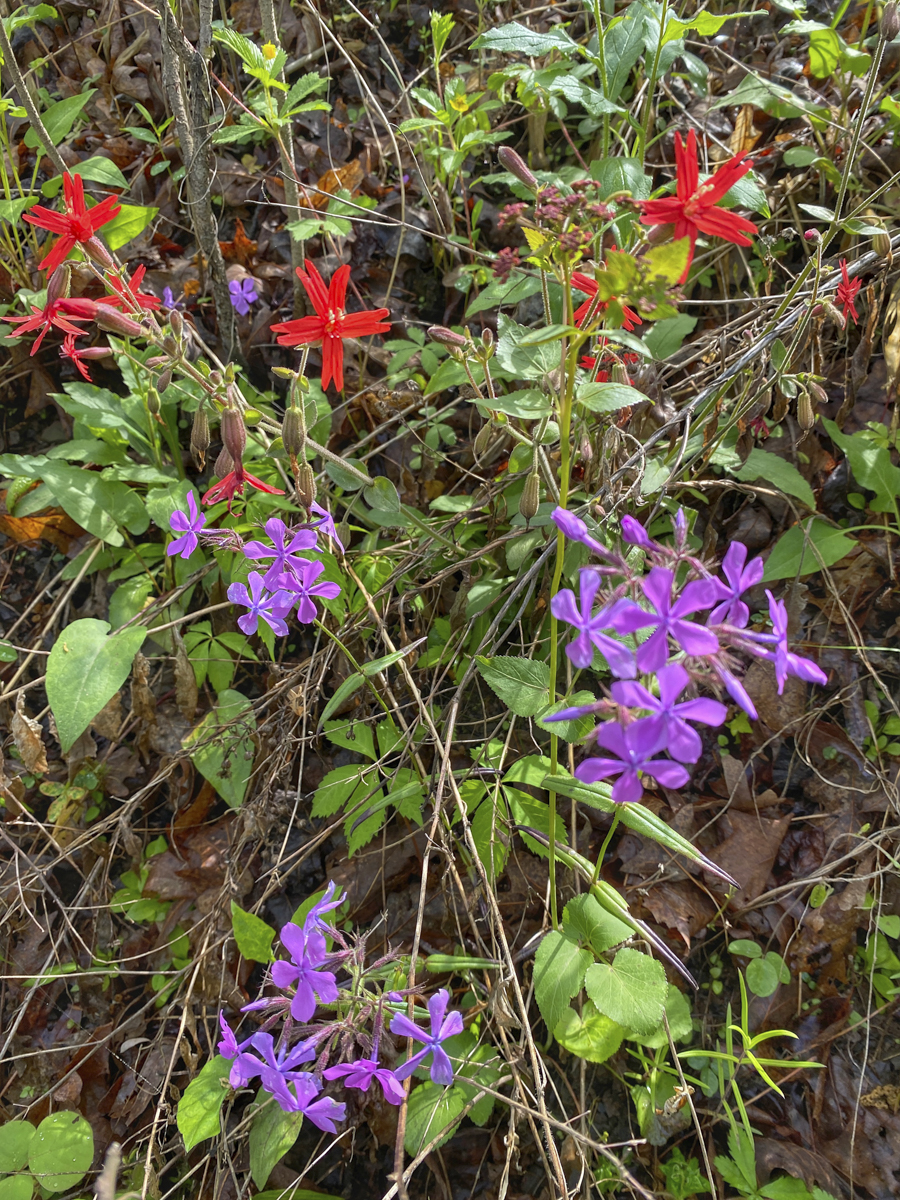
    Well, I guess not all Canadians are kind…

    Things can get pretty hectic when a flock of Evening Grosbeaks descends on your feeder

  • How Many Birds?

    Posted by

    Now Bird-Lore proposes a new kind of Christmas side hunt, in the form of a Christmas bird-census. We hope that all our readers who have the opportunity will aid us in making it a success by spending a portion of Christmas Day with the birds and sending a report of their ‘hunt’ to Bird-Lore before they retire that night.

    ~Frank Chapman, originator of the Christmas Bird Count, 1900

    It was a tradition in the late 1800’s for men and boys to gather into teams during the holidays and go out into the woods and fields and shoot as many birds, mammals, and other critters as they could find. Whichever team killed the most wildlife was the winner. These so-called side hunts often took a huge toll on local wildlife including many species of songbirds. In the winter of 1900, out of concern for the wanton destruction of so many birds, Frank Chapman, an ornithologist with the American Museum of Natural History, proposed an alternative – gather together and count birds instead of shooting them. He published the results of the first count in his magazine, Bird-Lore, which later became Audubon magazine. That first census had 27 volunteers in 25 locations in the U.S. and Canada, and tallied a total of about 90 species across all the counts. That tradition became what is now the Audubon Christmas Bird Count, with over 81,000 observers in 2646 count circles (participants divide up a set 15-mile diameter circle and estimate the total number of birds in that area) participating in the Americas in 2019. They tallied more than 42 million birds representing more than 2500 different species. This is the longest running citizen science wildlife census in the world and the collected data is used by scientists and conservation organizations for bird research and protection efforts.

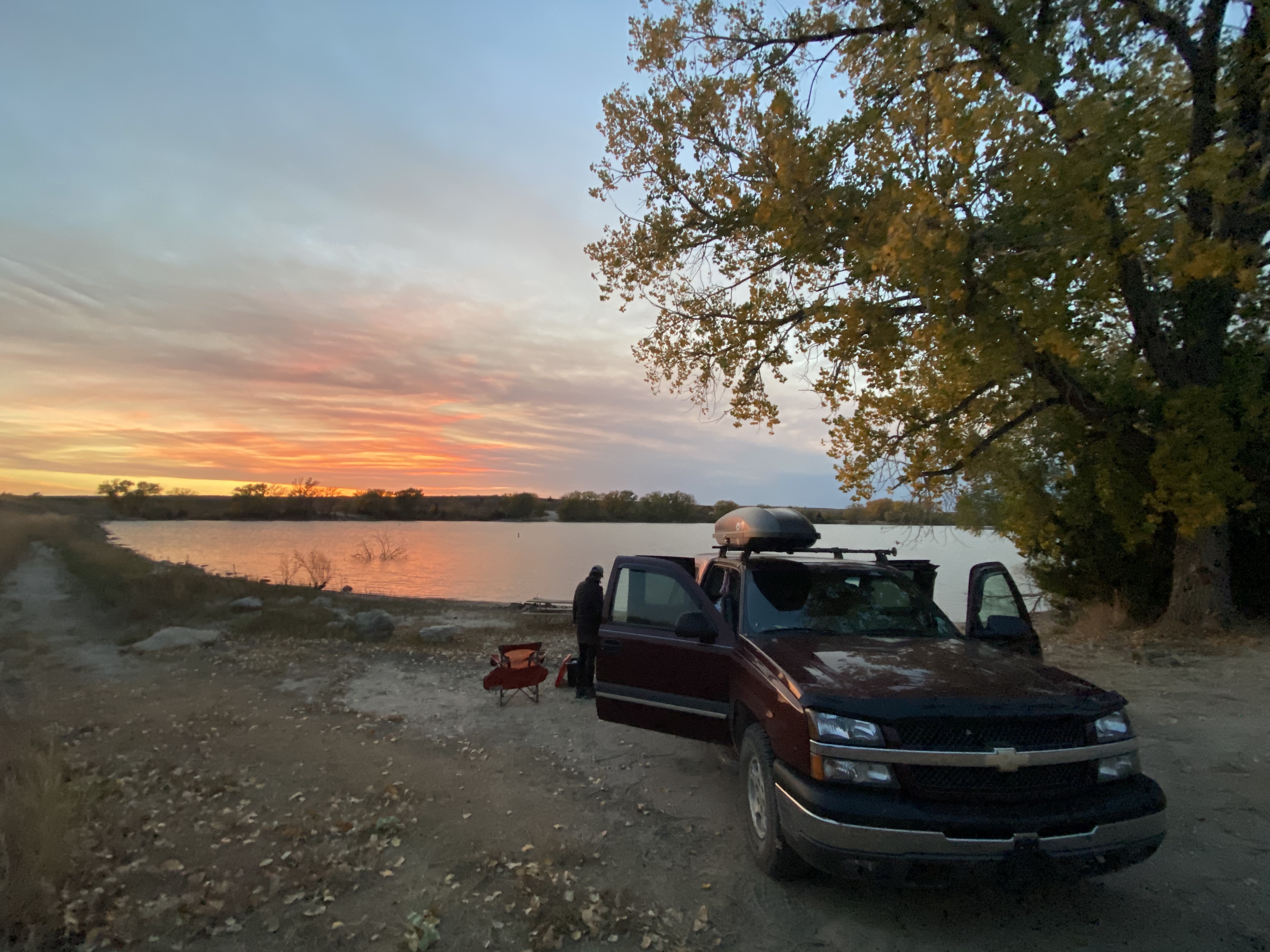
    So, as we have done for most of the past several years, this past week, we headed east the day before our count centered on Pettigrew State Park, and spent the night at the campground so we would be out early the next morning. Our portion of the count circle is the Pungo Unit of Pocosin Lakes National Wildlife Refuge, about a 40 minute drive from the campground, even though it is only about 8 miles as the soon-to-be-counted crow flies. The afternoon before the count was rewarding with lots of swans, Snow Geese, and more visitors than usual. We even ran into some friends that were watching five Sandhill Cranes feeding in a cornfield near the refuge entrance.

    The sunset show the night before our Christmas Bird Count was spectacular with a cloud of Snow Geese swirling over the field (click photos to enlarge)

    The next morning, we headed out before sunrise and arrived at Pungo as the birds were beginning to stir. We headed to a marsh impoundment to eat breakfast and search through the couple of thousand Tundra Swans for the Trumpeter Swan we had seen a few weeks before. Unfortunately, we neither saw nor heard this rare species, so it eluded us for our tally this year.

    One of several raptors we observed on the count day, this Red-tailed Hawk (Buteo jamaicensis) was searching the nearby marsh for a potential meal

    As visitors started arriving at the marsh, we decided to head over to the observation platform to estimate the swan numbers on the lake. We were in for a nice surprise in the canal next to the platform – an American Bittern! Somehow, we missed it as we drove in and parked, but Melissa spotted it alongside the canal when we climbed the platform.

    Pungo Lake was dotted with Tundra Swans (Cygnus columbianus) and a dense line of Snow Geese (Chen caerulescens) on the far side

    I eased down to the truck and grabbed my camera, and for several minutes the bittern provided us with a close up view of its hunting style and funky, neck-weaving movements through the grasses. Its long toes help support it as it strides atop aquatic vegetation and the striped neck helps it blend in to the grasses it calls home. This is a species we see occasionally at this refuge but one that is particularly welcome on count day. We told a friend about it later that day, and when he went to see it, there were two bitterns!

    When we climbed to the top of the observation platform, Melissa whispered, There’s a bittern right there
    The bittern begins to assume the pose – Nothing but us marsh grasses here, move on…
    I have told people when looking for bitterns, to look for a clump of grass that has eyes
    The bittern ignored our nearby vehicle and strutted through the marsh grasses searching for prey
    One of the things I find fascinating about bitterns is their neck wriggle, which is particularly noticeable when they slink through the grass

    The day turned out much warmer than the previous one, and the good weather brought out all sorts of unusual wildlife (for December anyway). We saw a lot of spider silk floating through the air and a large adult orbweaver. And at one point, we were startled by a huge water snake along the edge of a canal. But, though we looked, “our” canebreak rattlesnake was not at its long-time hollow tree den site.

    Can’t remember ever seeing a large Spotted Orbweaver (Neoscoma domiciliorum) on a Christmas Bird Count in the past
    Walking in the woods on a very well used bear trail
    Surprised to see a very large Brown Water Snake (Nerodia taxispilota) out and about (although it looks like it had just emerged from a muddy retreat and it was very sluggish)

    We have a disadvantage in getting a true assessment of the number of birds in this location because so many areas are closed to access when the waterfowl are present. And on this count day, we had an even bigger problem – crowds (not something we want during this time of Covid). The weather, the holidays, and perhaps weariness of being trapped inside during the pandemic, brought out a lot of visitors. Unfortunately, many of them were not obeying the rules. We saw multiple groups of people walking into closed areas, resulting in some disturbance to the birds and actually reducing the numbers of birds we saw and counted (especially ducks). Several times during the day, we attempted some on-site education about refuge rules and Melissa finally texted the refuge law enforcement person to make them aware of the unusual number of violations. I understand the desire to get closer to the birds to see them, and I actually wish the refuge had more accessible observation areas around the lake (maybe some day), but rules is rules, and the number of people ignoring or missing the signage for closed areas was the most I have ever witnessed.
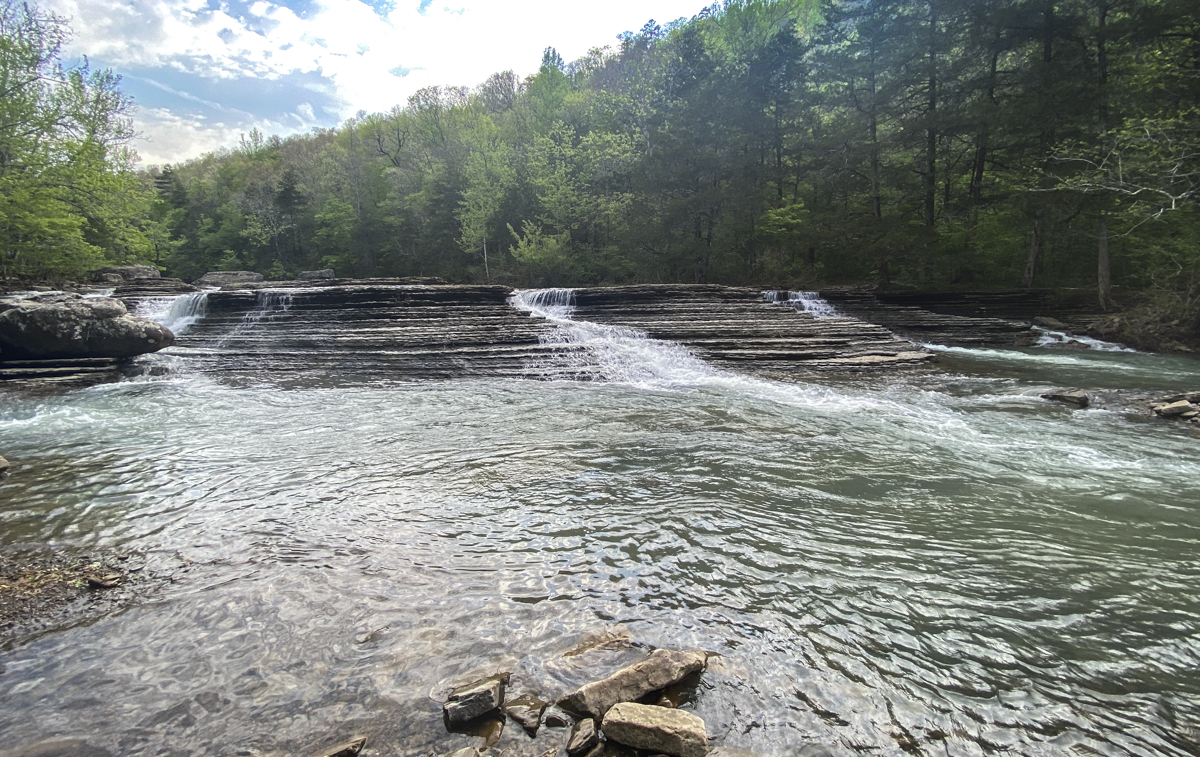
    We still ended the day with a reasonable number of birds. Compared to previous years, there were fewer duck species and fewer swan numbers (one area that was packed with swans had all the birds flushed by people walking in on them as we were approaching). Obviously, when counting birds in such a large area that has so much inaccessible habitat (dense pocosin vegetation, closed areas to protect the waterfowl, and flooded forests), we are only getting a sampling of the total number and types of birds present. But, the value is in looking at these trends over time and seeing changes. One notable change has been the number of Bald Eagles observed since I started the count back in the mid-1980’s. Back then, seeing one eagle in the entire count circle was a big deal. We had 3 just in our portion this day. Our complete list for our portion of the count circle is at the end of this post. Overall, the Pettigrew Count did pretty well, with some unusual species recorded in other sections (including Short-eared Owls, a Yellow-headed Blackbird, and some Evening Grosbeaks).

    We camped that night back at the park and decided to run by the Pungo Unit the next morning before heading home. The Snow Geese were right on schedule, flying out from the lake about 8 a.m. to feed in the fields, and we were one of only two cars to witness it (what a difference a day makes).
    Snow Geese setting their wings for a landing
    The morning after the count, the Snow Geese gave us a great show, coming and going to the fields for corn. A Bald Eagle flew over part of the field, resulting in this classic blast off (sound on)

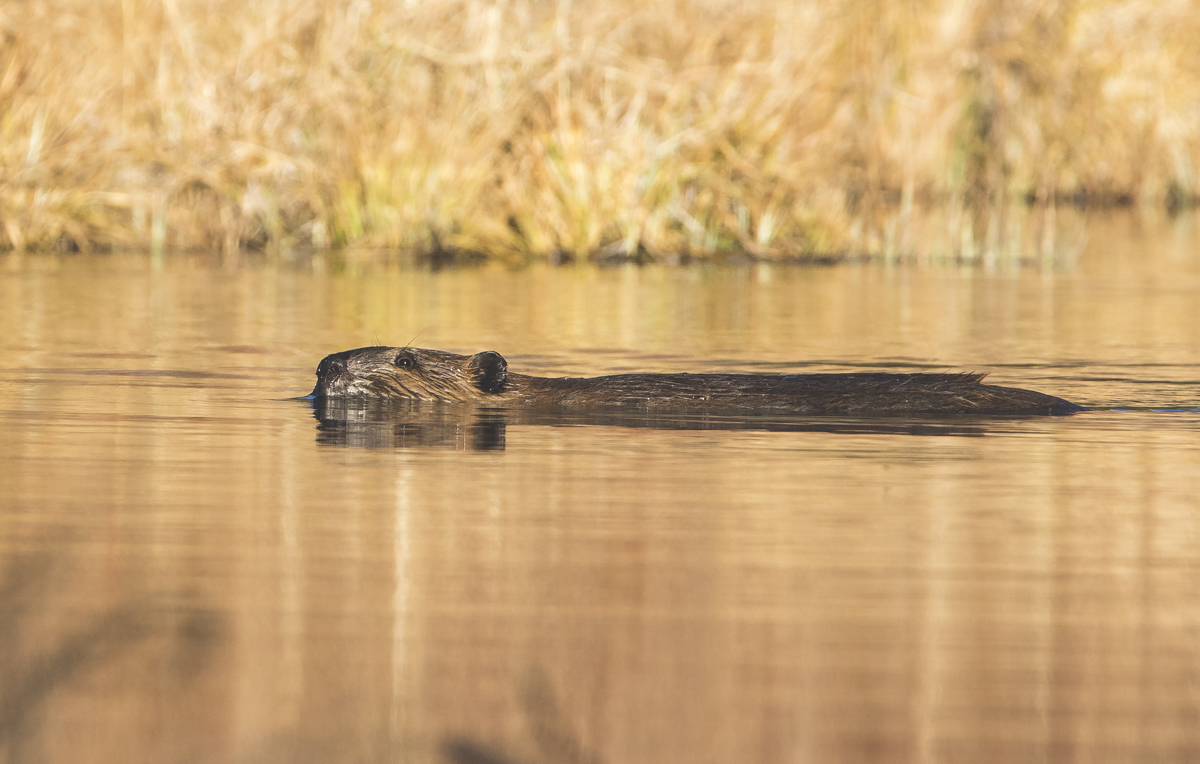
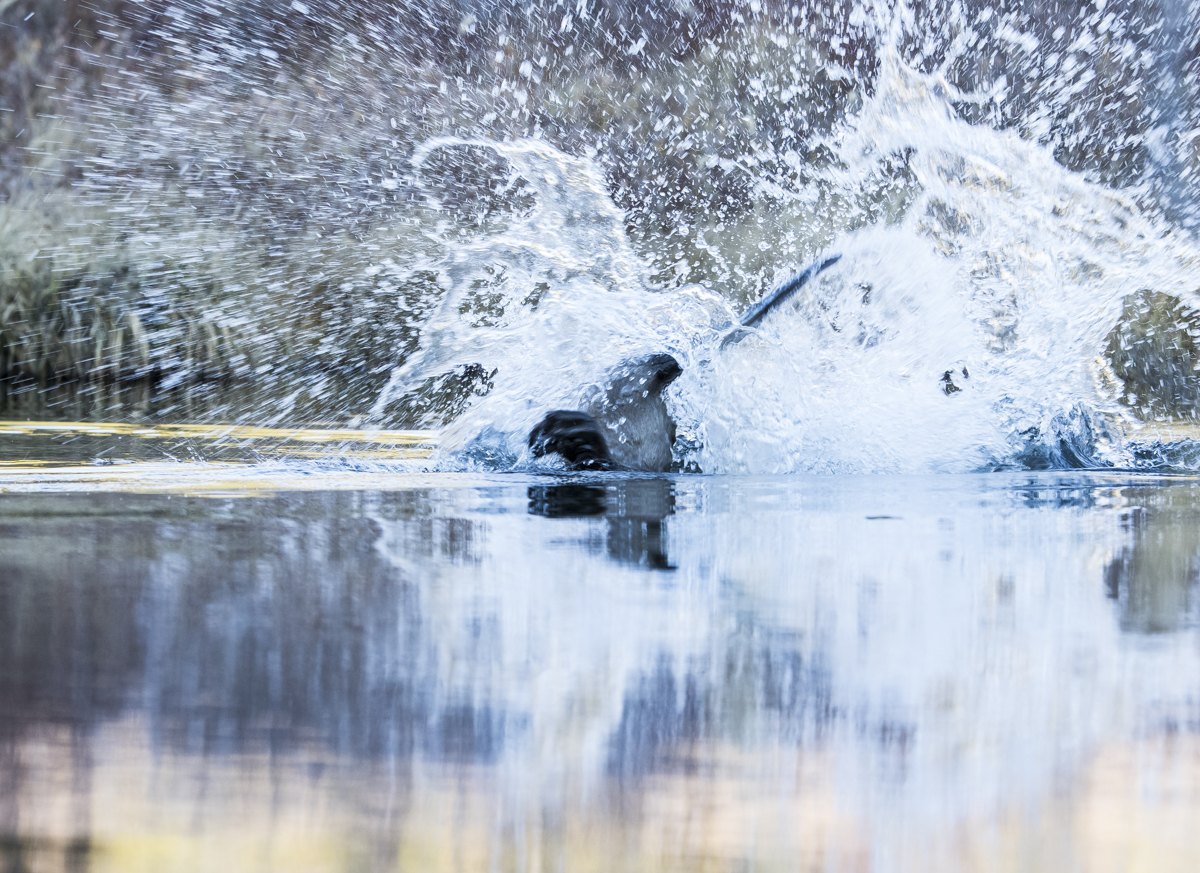
    We went back to the platform, hoping to see the bittern(s) again, but no luck. However, we did have a nice encounter with a Beaver swimming in one of the canals. It didn’t seem to mind us slowly following along in our truck, but then it suddenly went under and disappeared when four River Otters showed up. Not a bad way to end a trip to our favorite wildlife watching destination.

    Checklist of species for our portion of the Pettigrew Christmas Bird Count:

    Snow Goose – 20,000; Ross’ Goose – 2; Canada Goose – 45; Tundra Swan – 10,000; Wood Duck – 3; Northern Shoveler – 40; Gadwall – 2; American Black Duck – 35; Green-winged Teal – 124; Ring-necked Duck – 6; Bufflehead – 6; Ruddy Duck – 13; Great Blue Heron – 6; Sandhill Crane – 4 (not sure where the fifth guy from the day before and after was); American Bittern – 2; Pied-billed Grebe – 1: American Coot – 6: Northern Bobwhite – 4; Wild Turkey – 8; Killdeer – 52; Ring-billed Gull – 3; Mourning Dove – 70; Turkey Vulture – 21; Northern Harrier – 4; Cooper’s Hawk – 1; Bald Eagle – 3; Red-shouldered Hawk – 2; Red-tailed Hawk – 1; American Kestrel – 1; Belted Kingfisher – 1; Yellow-bellied Sapsucker – 1; Red-bellied Woodpecker – 11; Downy Woodpecker – 4; Hairy Woodpecker – 3; Pileated Woodpecker – 3; Northern Flicker – 7; Eastern Phoebe – 12; Blue-headed Vireo – 3; Blue Jay – 1; American Crow – 24; Carolina Chickadee – 18; Tufted Titmouse – 5; Tree Swallow – 15; Ruby-crowned Kinglet – 4; Red-breasted Nuthatch – 1; Brown-headed Nuthatch – 3; House Wren – 1; Carolina Wren – 10; Gray Catbird – 8; Northern Mockingbird – 9; Brown Thrasher – 1; Eastern Bluebird – 6; American Robin – 48; Purple Finch – 5; American Goldfinch – 13; Song Sparrow – 39; White-throated Sparrow – 86; Savannah Sparrow – 87; Field Sparrow – 1; Swamp Sparrow – 8; Eastern Towhee – 1; Eastern Meadowlark – 10; Red-winged Blackbird – 1000; Rusty Blackbird – 8; Common Grackle – 10; Palm Warbler – 4; Yellow-rumped Warbler – 67; Pine Warbler – 2; Northern Cardinal – 20

Search the Archives

Due to our site update, photos on older posts may not display correctly. Sorry for any inconvenience.

Recent Posts