Mindful of different ways of being, our awareness as a species shifts –
We recognize the soul of the land as our own.
~Laurence S. Rockefeller Preserve, unattributed
Back from Yellowstone, back from paradise. Thirteen days, some alone, some with my group, some with old friends. Why is it so special? Why do I long to return when there are so many other places to explore? Is it that it was here, so many years ago, that I first knew the power of wild places? Is it that I have seen the magic of Yellowstone in the faces and thoughts of the many people I have guided over the years? I don’t know for sure, but it is an influential place for me, and always will be. There is something to knowing a wild place too, knowing its rhythms, knowing where to look to find its secrets. And there are the lucky ones, the friends that call this place home – Dan, Cindy and Kelly, Beth, Laurie, Jan and Leo. And others who love it like I do that I frequently see in my travels – Parks and his group, Melissa and Megan and the North Carolina teachers, Bill the wolf interpreter, Bob. It certainly is also the wildlife, so abundant, so different from that at home. Perhaps it is the soul of the land, a feeling I have of being connected to something grand, something far bigger and more powerful than what I experience back home, something that demands respect and awareness. I may never truly know, but that may be just fine. Maybe I should just accept that there is something special about this place…
Whatever evaluation we finally make of a stretch of land, no matter how profound or accurate, we will find it inadequate. The land retains an identity of its own, still deeper and more subtle than we can know. Our obligation toward it then becomes simple: to approach with an uncalculating mind, with an attitude of regard. To try to sense the range and variety of its expression – its weather and color and animals. To intend from the beginning to preserve some of the mystery within it as a kind of wisdom to be experienced, not questioned. And to be alert for its openings, for that moment when something sacred reveals itself within the mundane, and you know the land knows you are there.
~Barry Lopez
I do know this…every time I leave, I know I will be back. Until then, some images to remember it by….
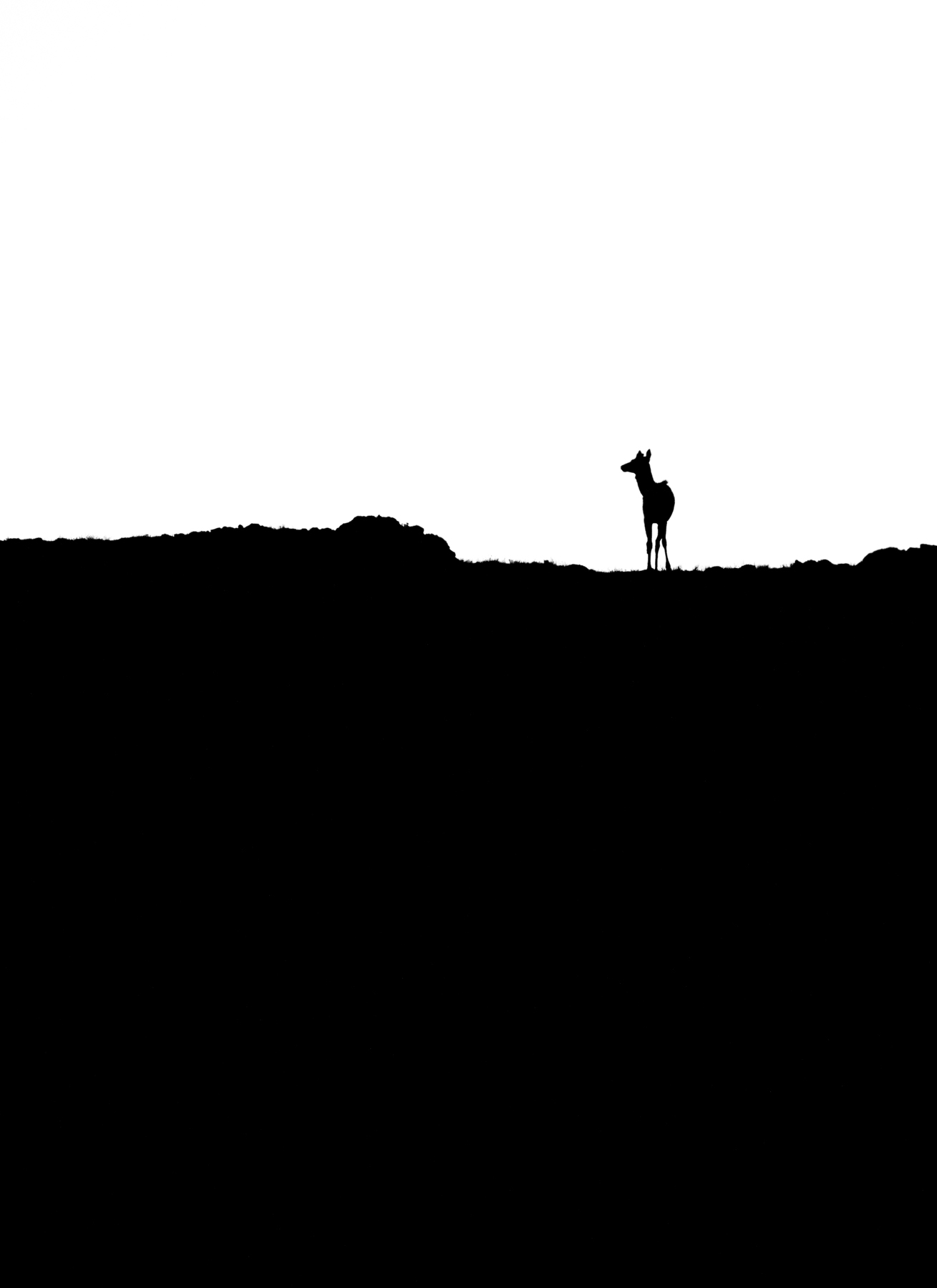
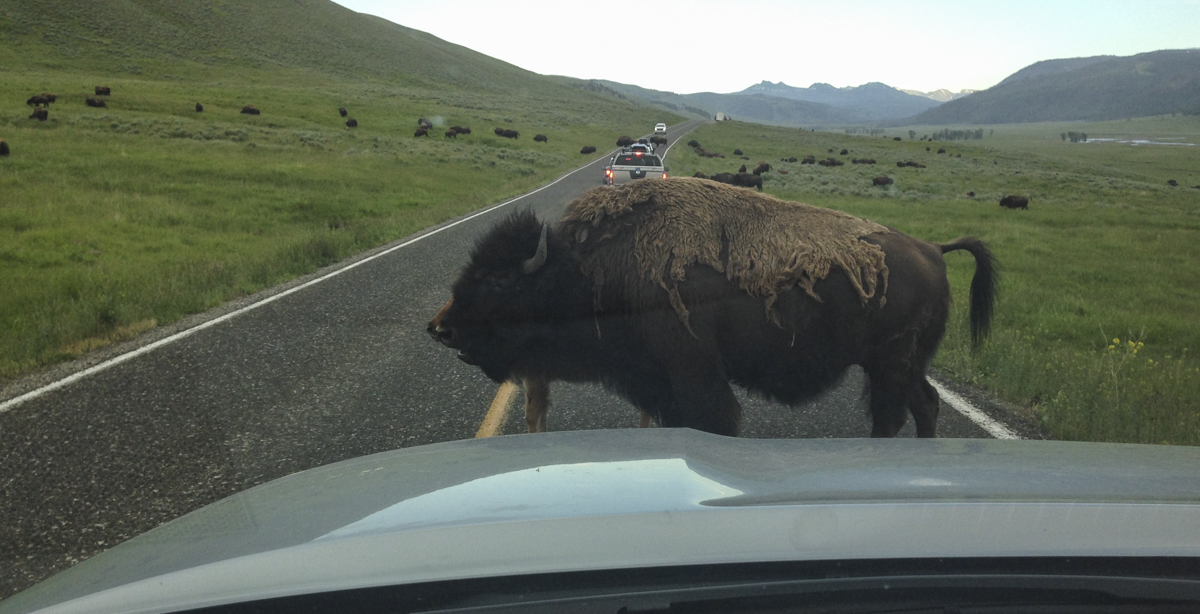
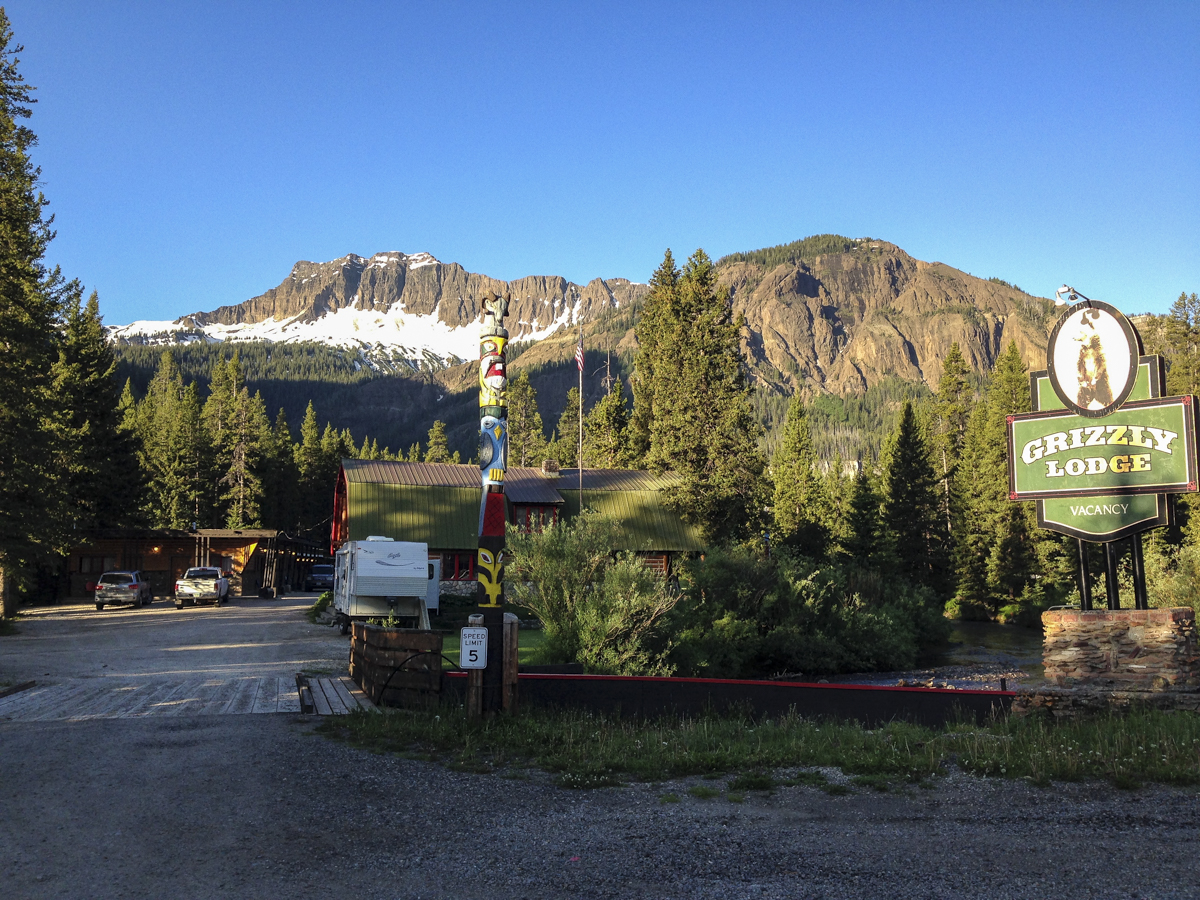
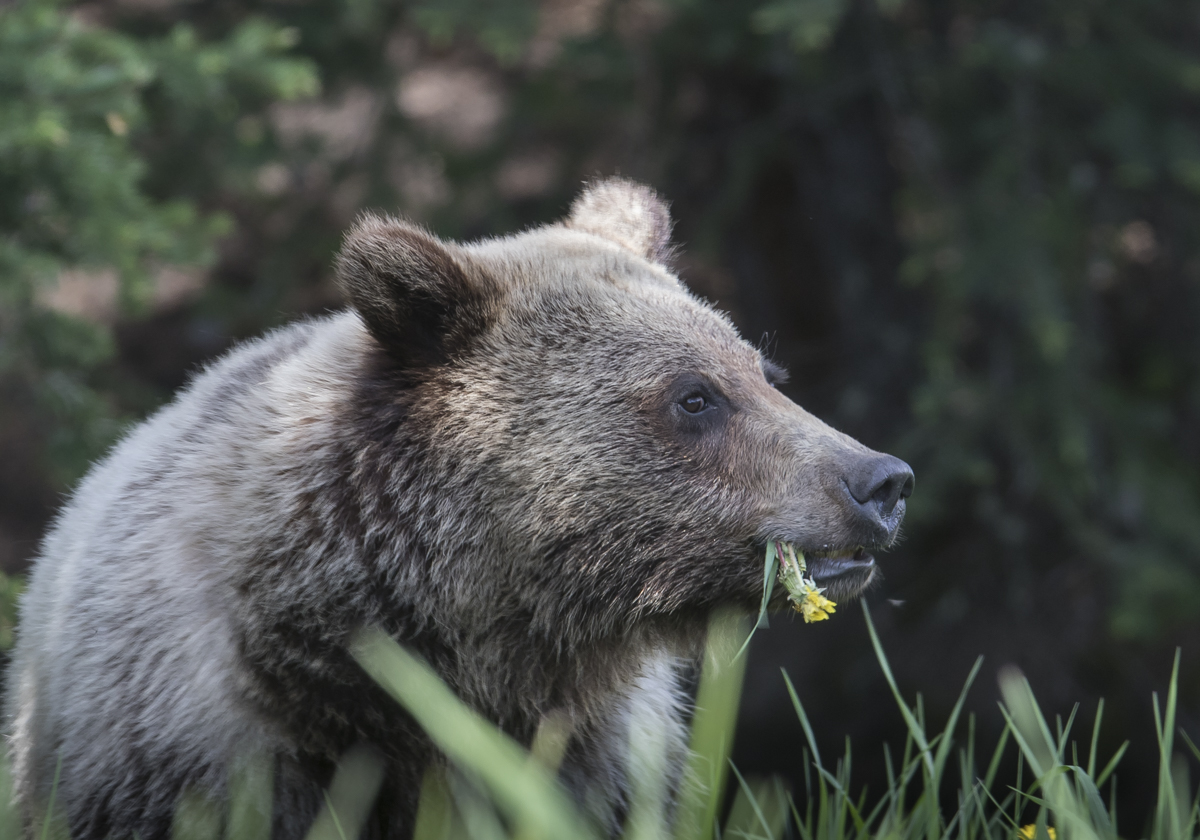
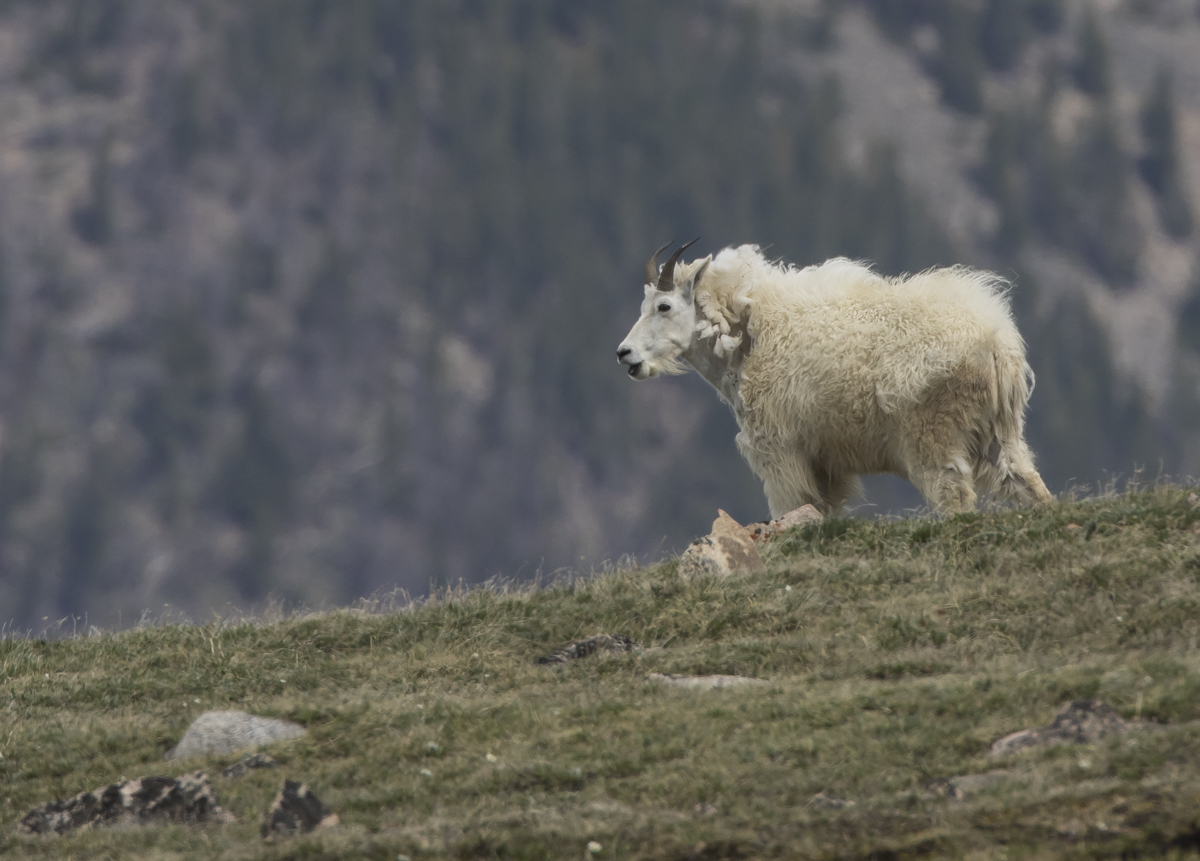
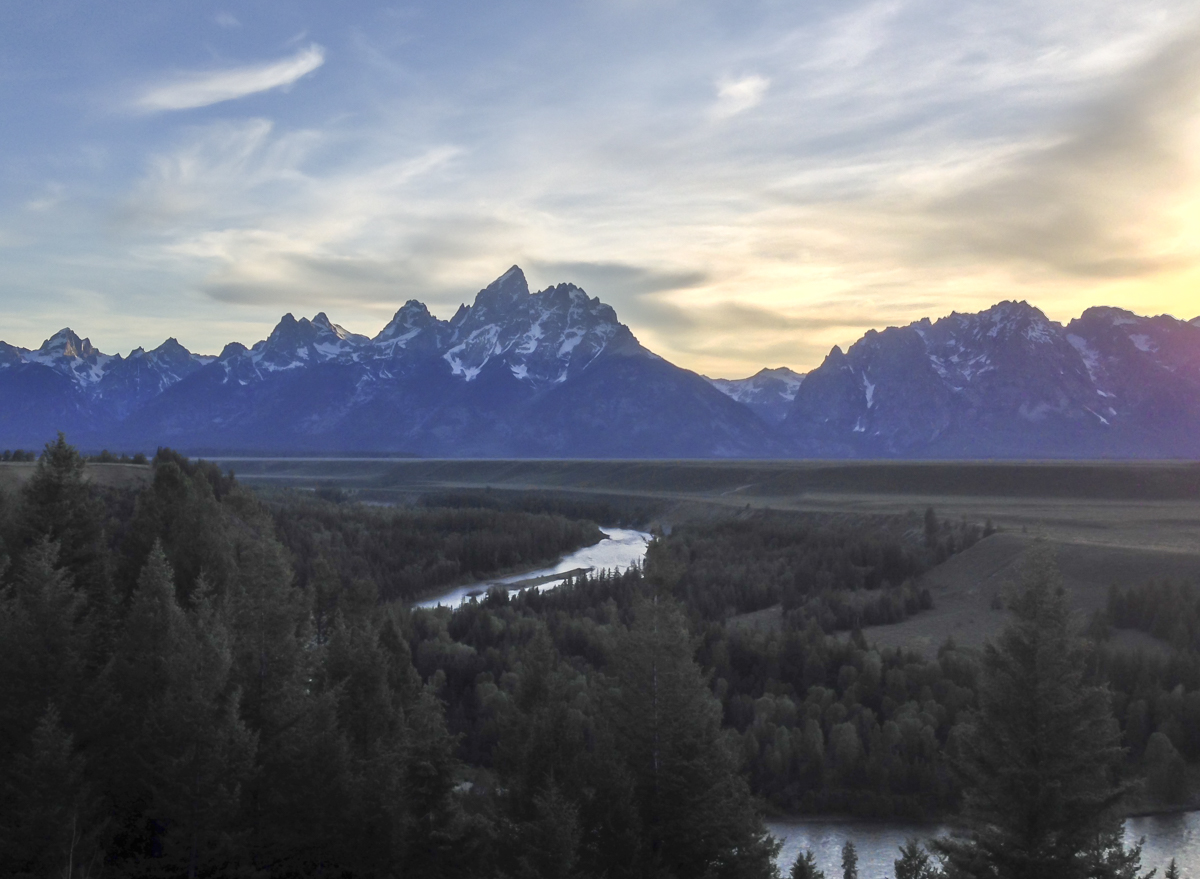
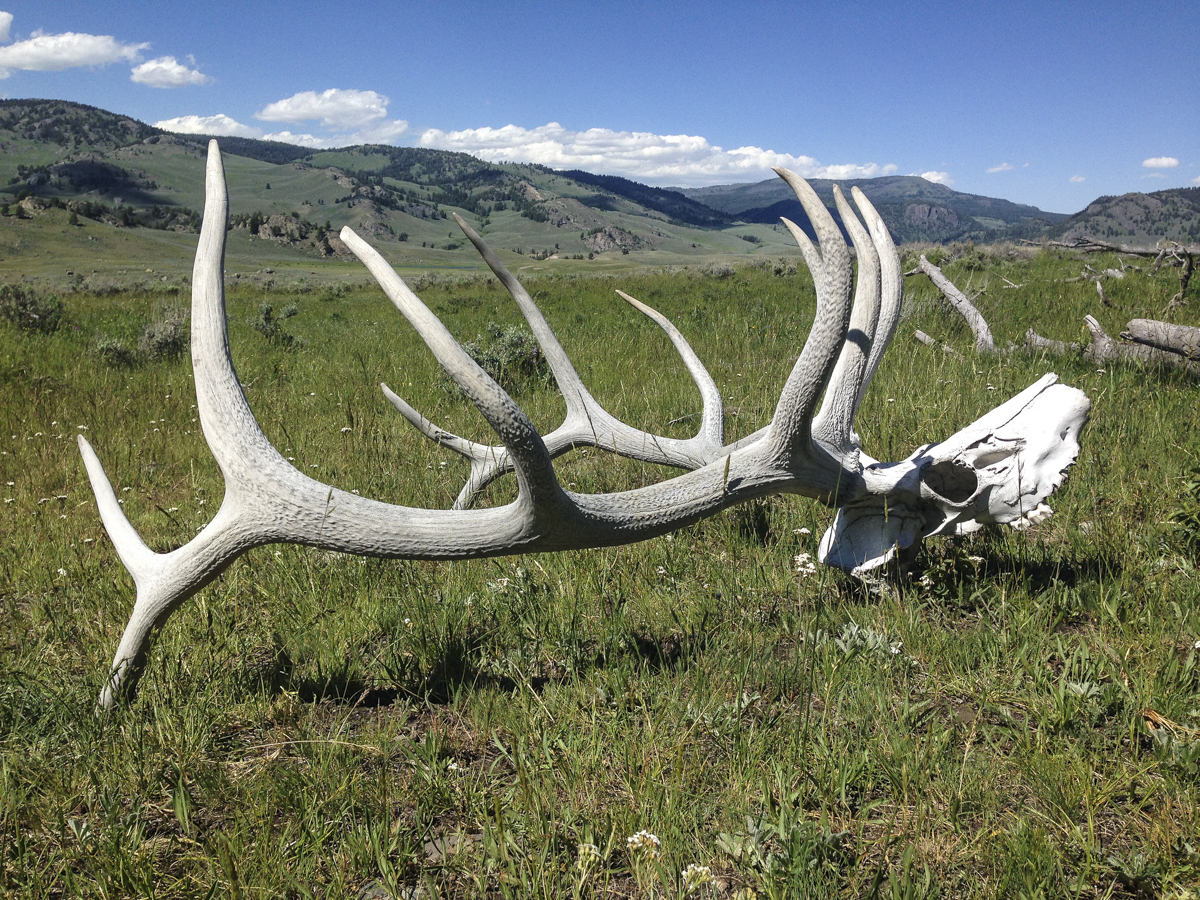
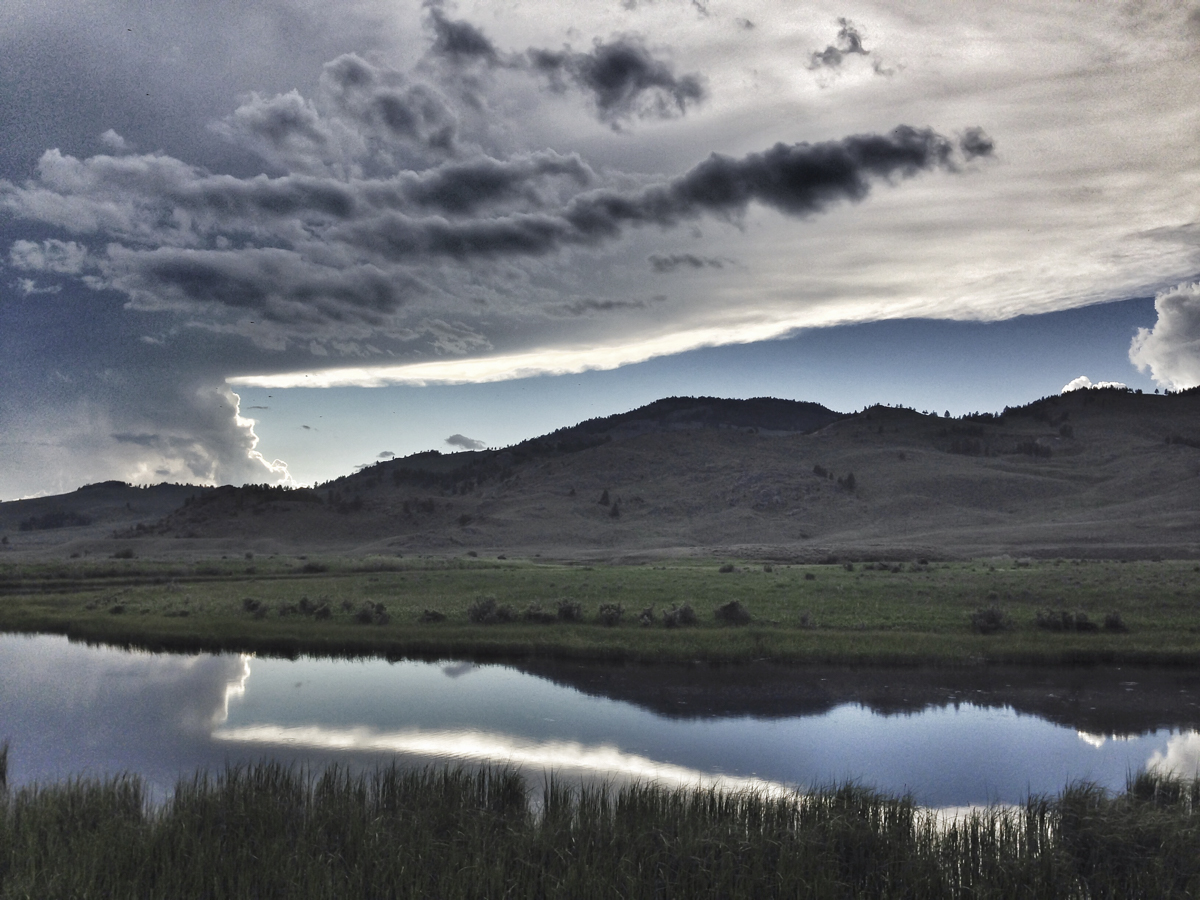
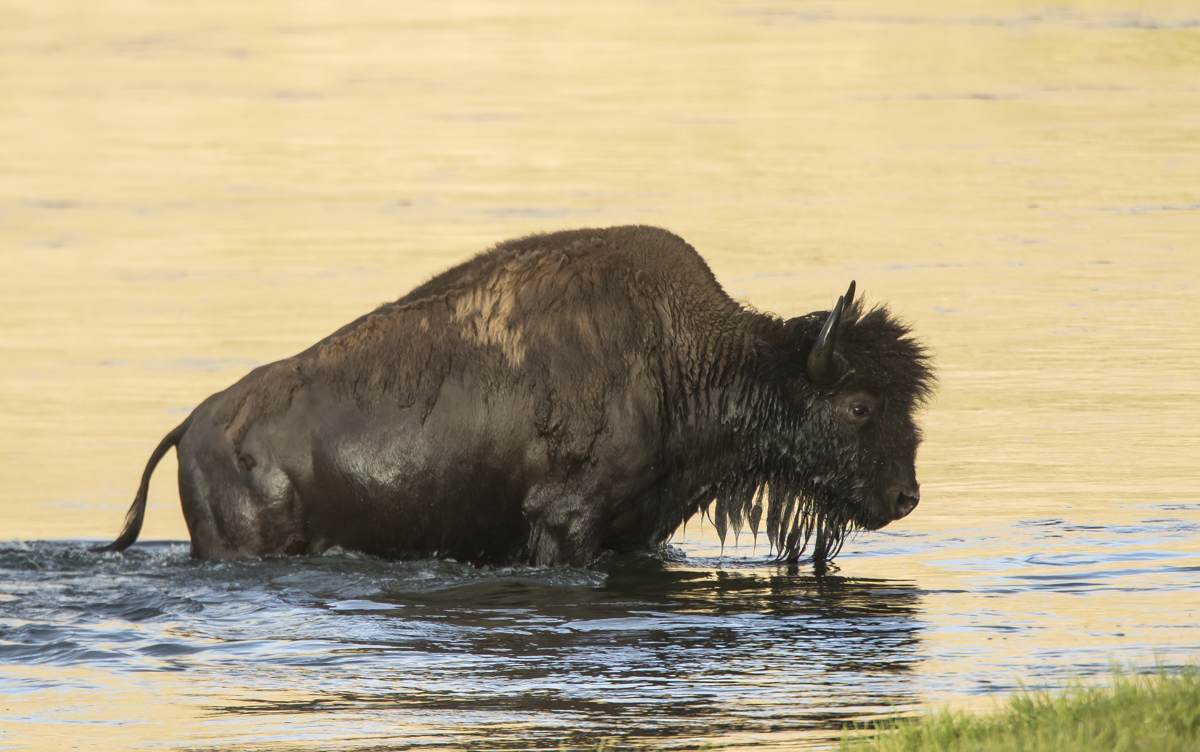
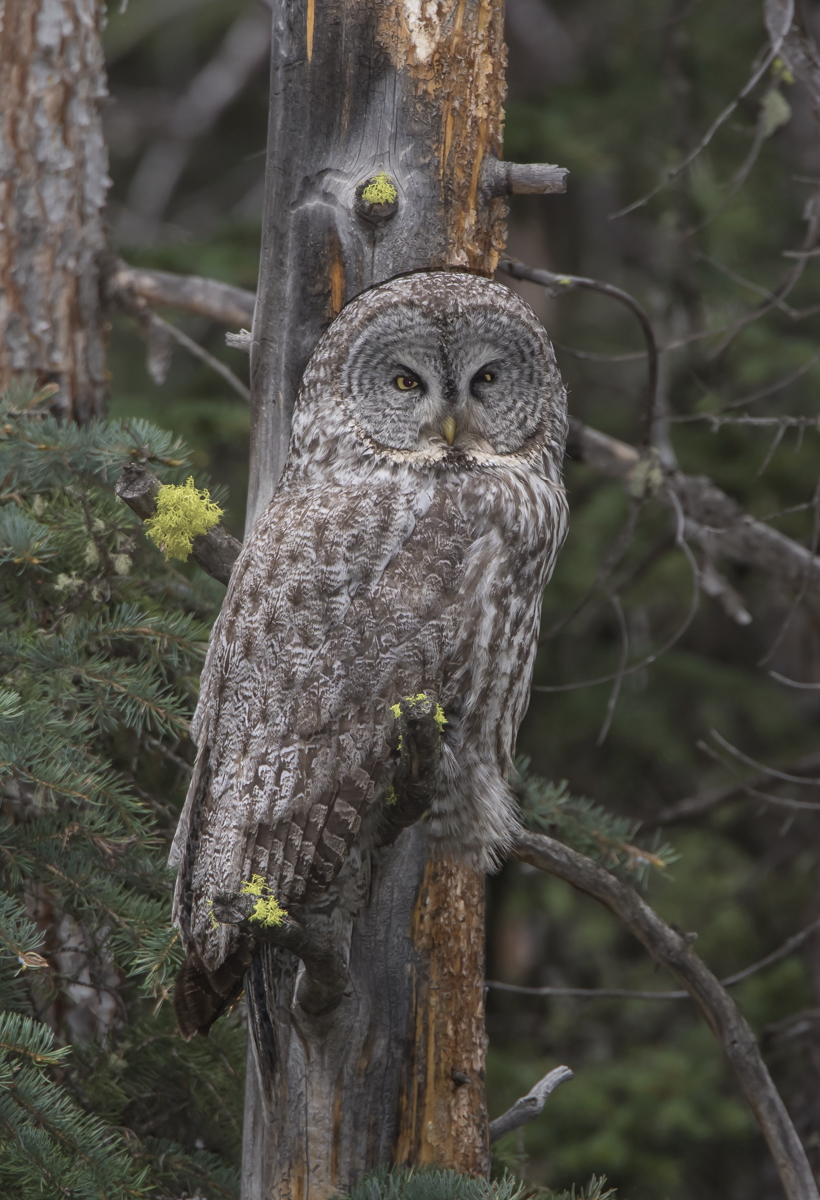
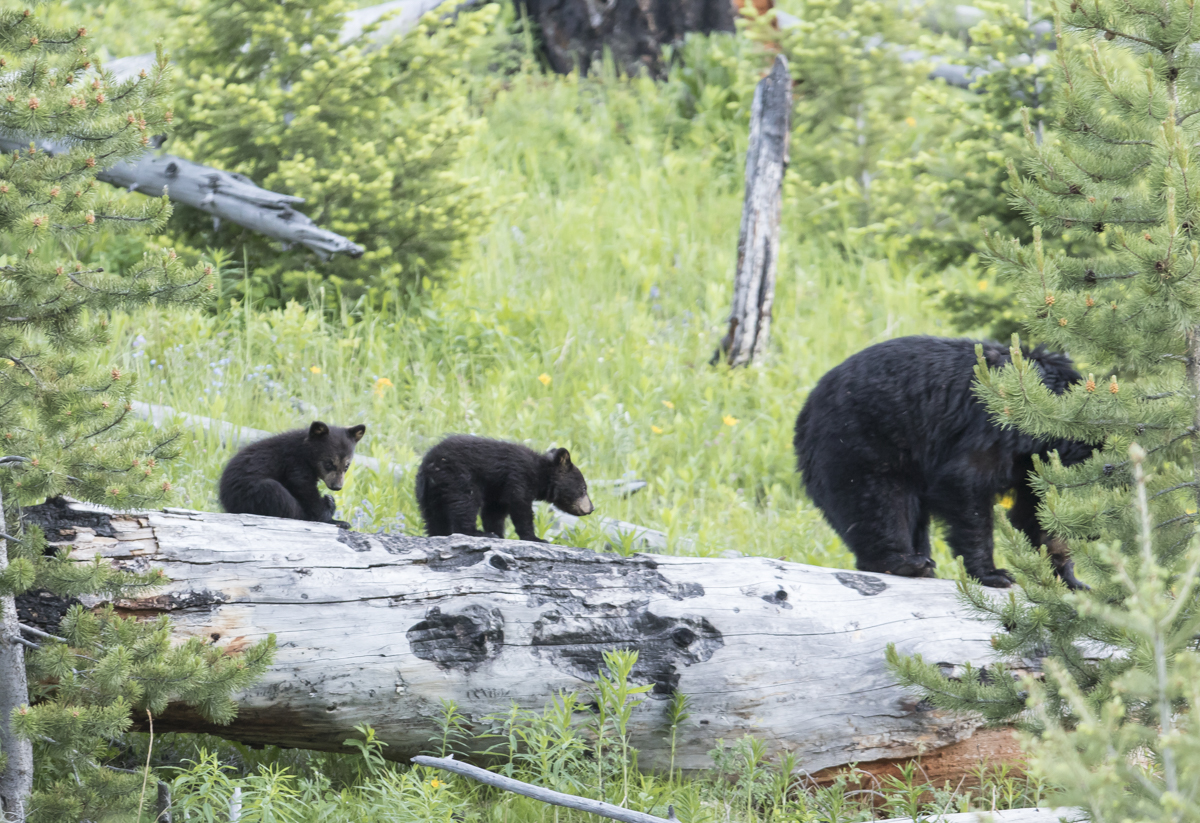
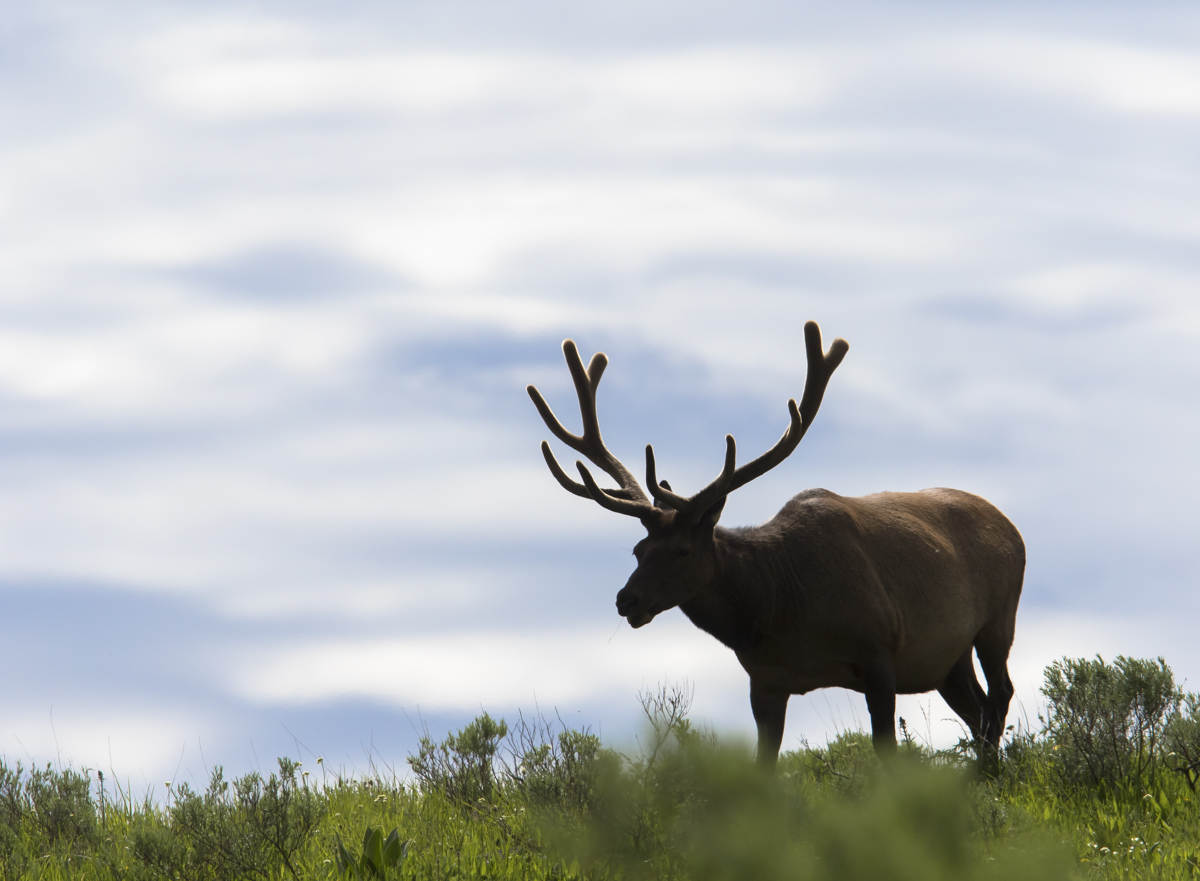
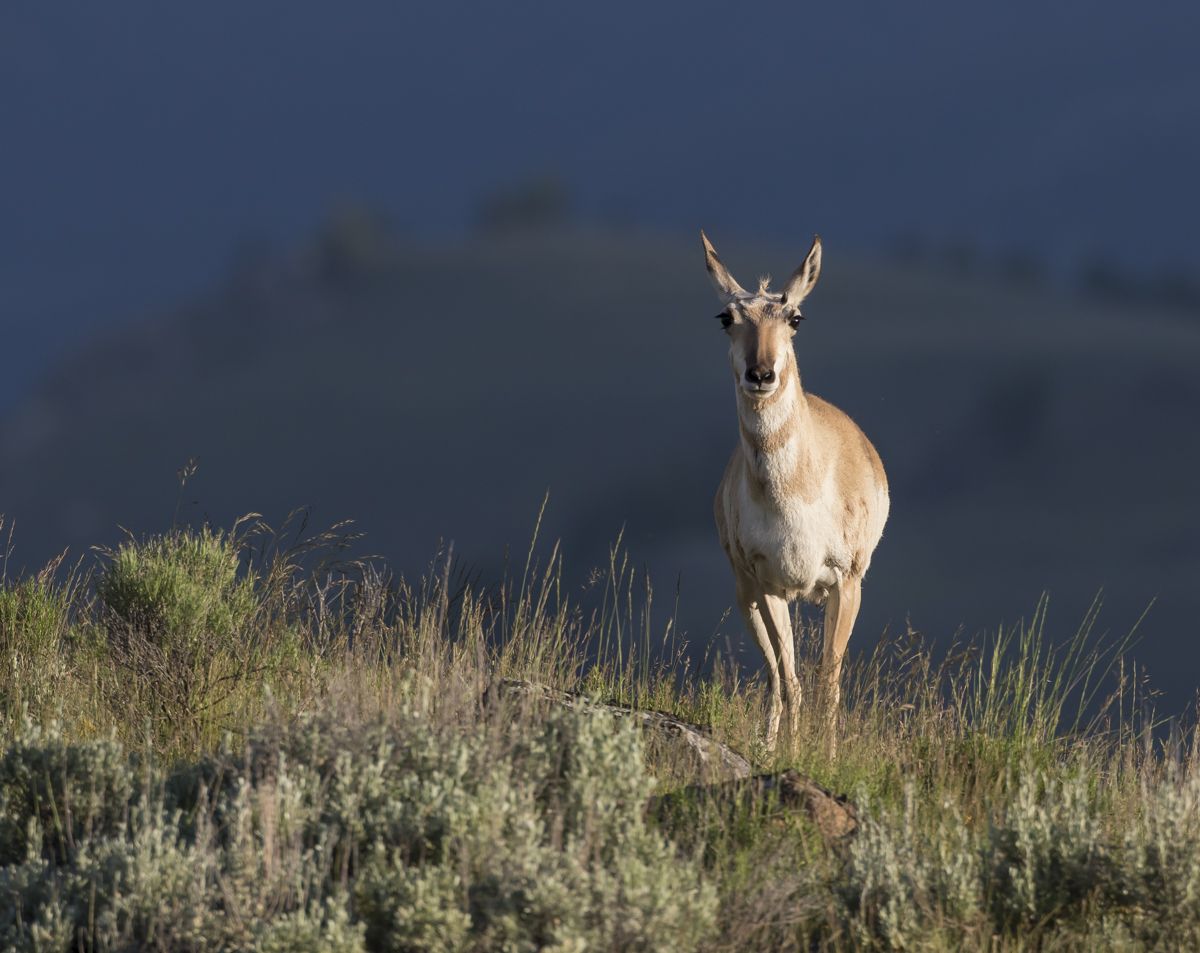
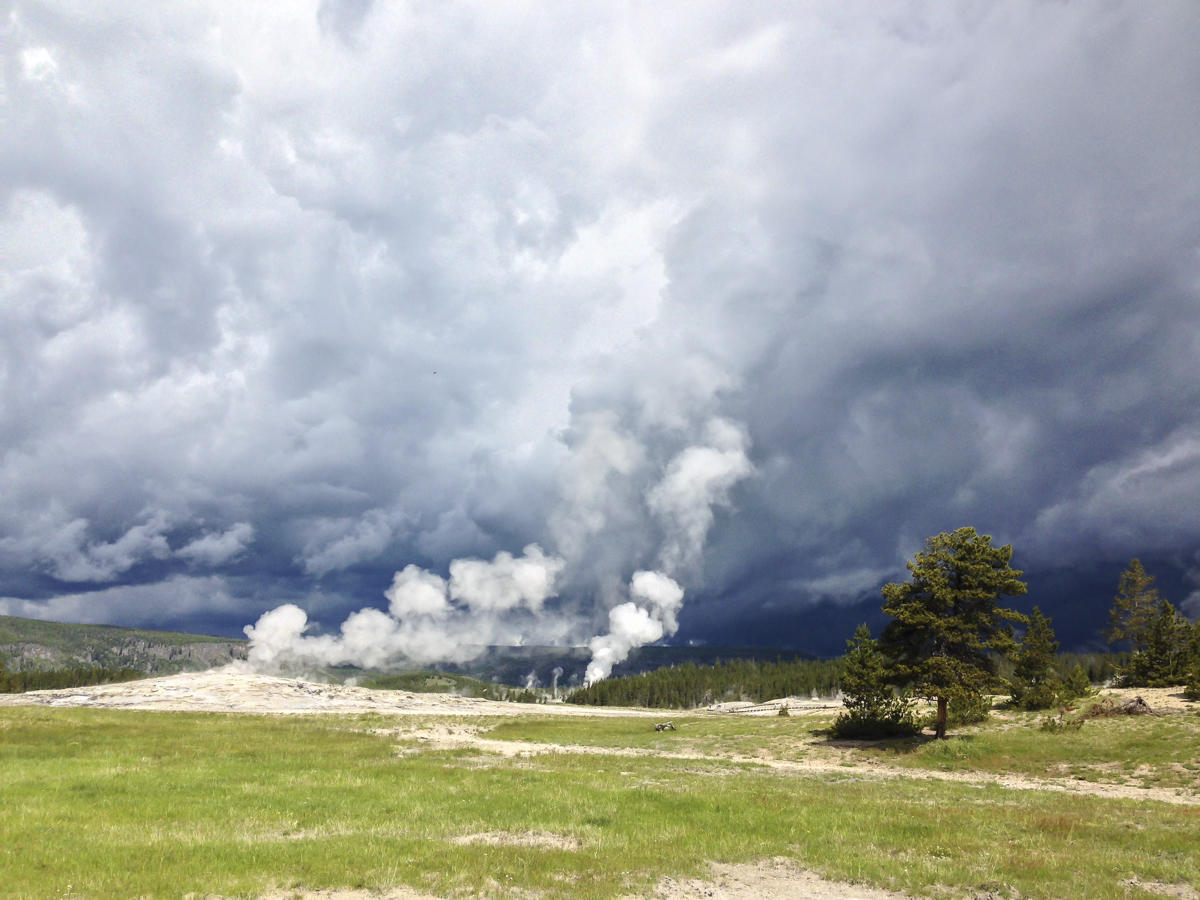
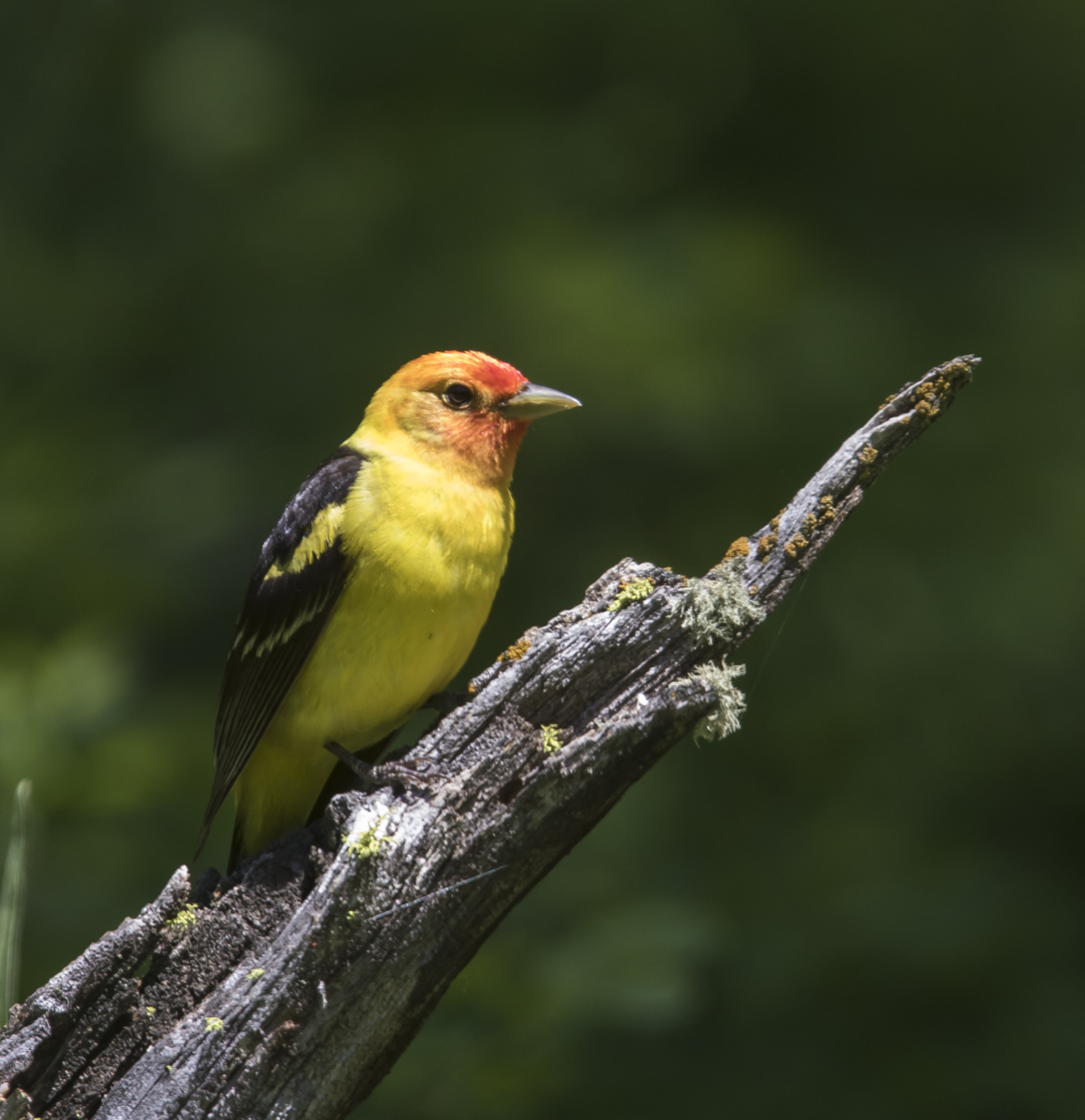
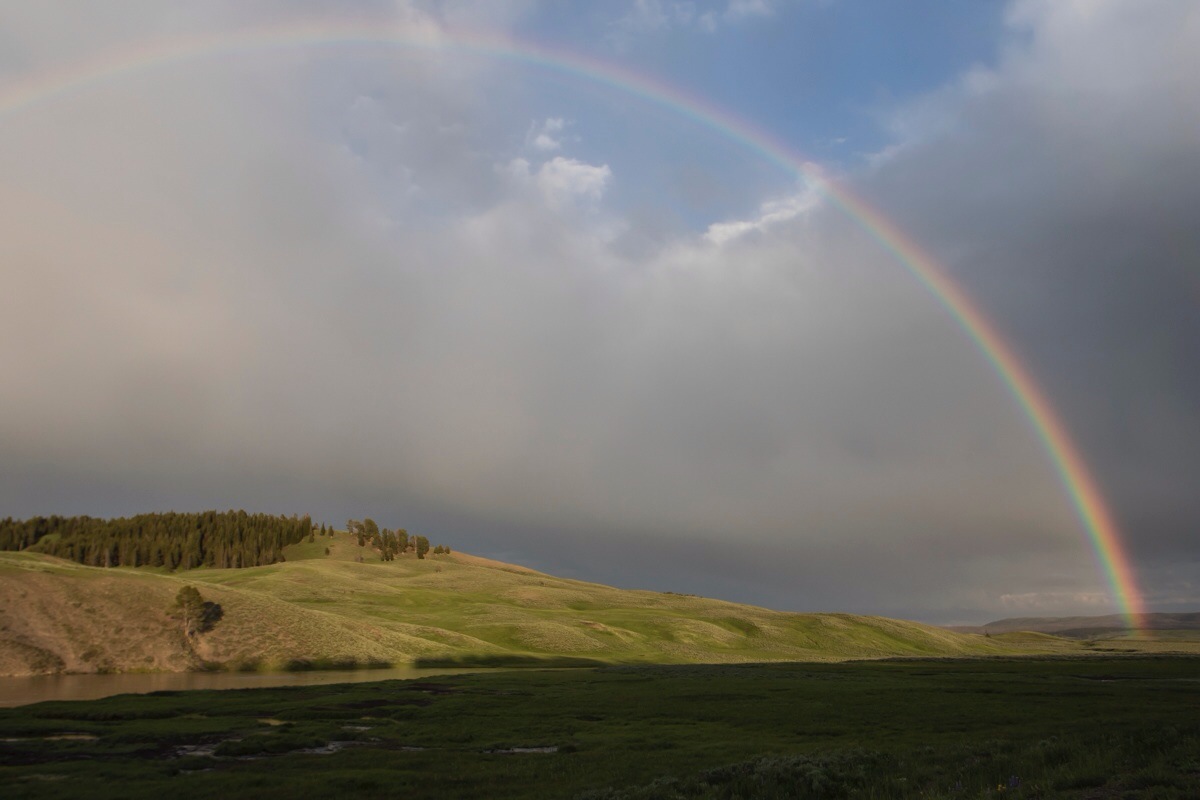
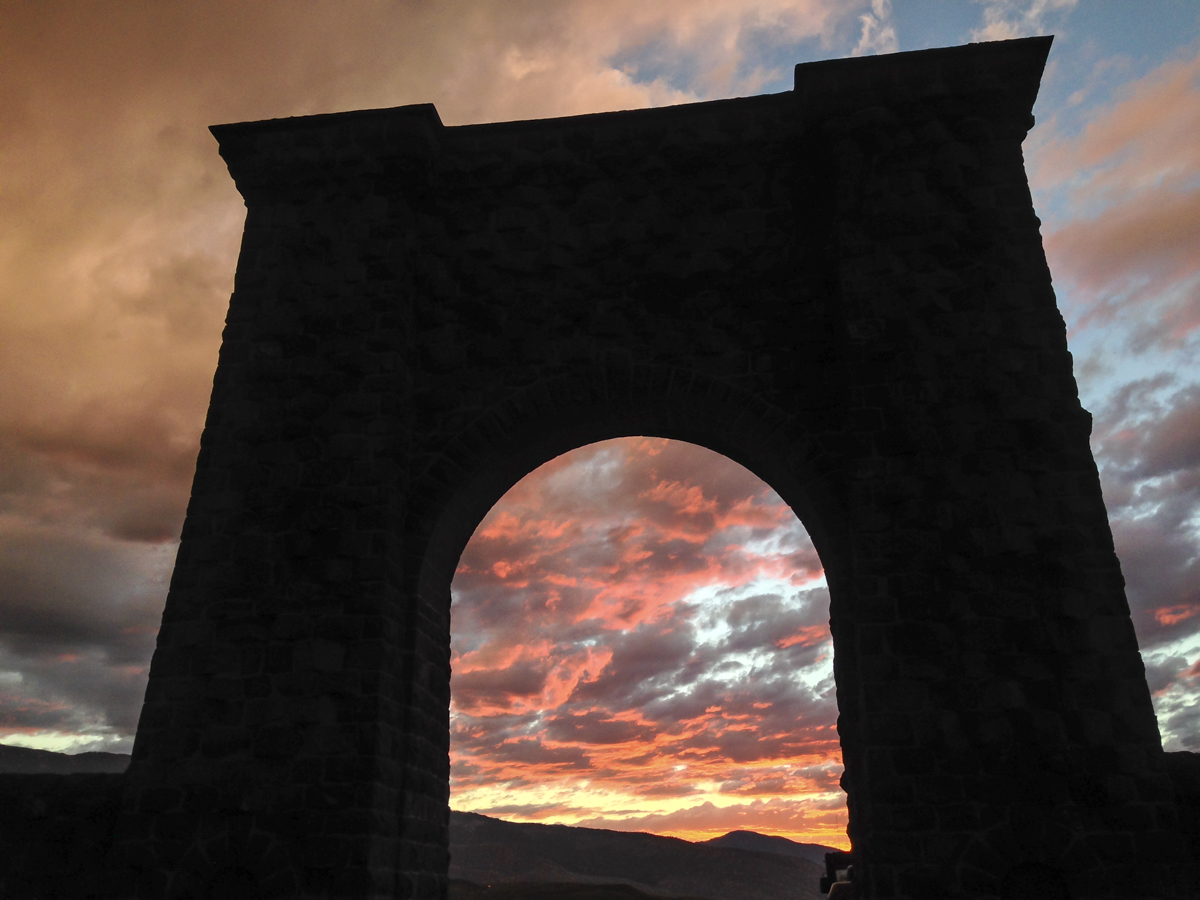
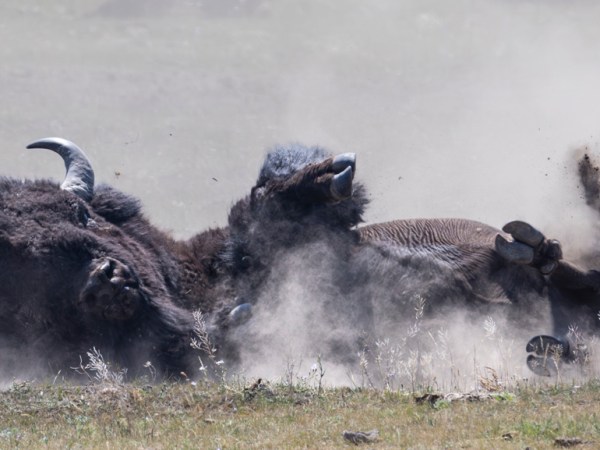
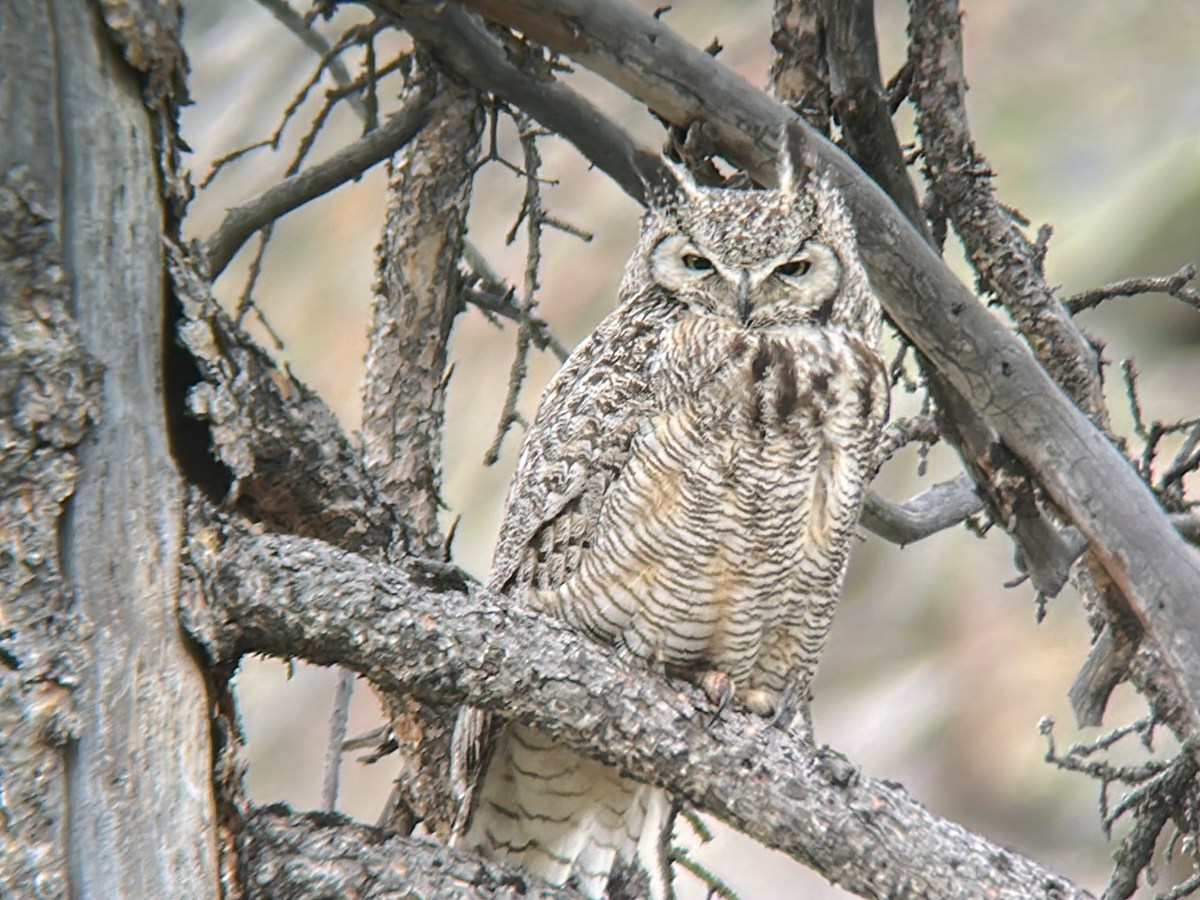
Traffic control in Lamar Valley (click photos to enlarge)Appropriately named lodging in Silver GateGrizzly Bear dining on Dandelion flowersRocky Mountain Goat surveying his domainSnake River overlook, Grand Teton National ParkElk skull that has been in this same spot in Little America for at least 4 yearsStrange clouds at sunset at Slough CreekBison emerging from a swim across the Yellowstone RiverGreat Gray Owl out toward the BeartoothsSo many Black Bears and cubs this yearA rarity to photograph these days – a mature bull ElkPronghorn doe at sunriseView down the Upper Geyser BasinWestern Tanager maleAfter the storm in Hayden ValleyMajestic sunset at Roosevelt Arch
The beauty and charm of the wilderness are his for the asking, for the edges of the wilderness lie close beside the beaten roads of the present travel.
~Teddy Roosevelt
There is never enough time. Though the days are incredibly long, I still feel the pressure to move, to see more, to drive to another spot in hopes of seeing something spectacular for my group. And, of course, they must see the prime attractions of the park – Old Faithful, the Grand Canyon of the Yellowstone, the incredible thermal features. But those areas can be so crowded, so hectic. That is one of the reasons I love the northern section of the park so much…the expansive views and smaller crowds, plus the incredible wildlife, make it easier to feel connected to the park and a to gain a sense of getting away from it all. This is also true as you pass out the northeast entrance of the park and head out along the Beartooth Highway, considered by many to be America’s most scenic roadway.
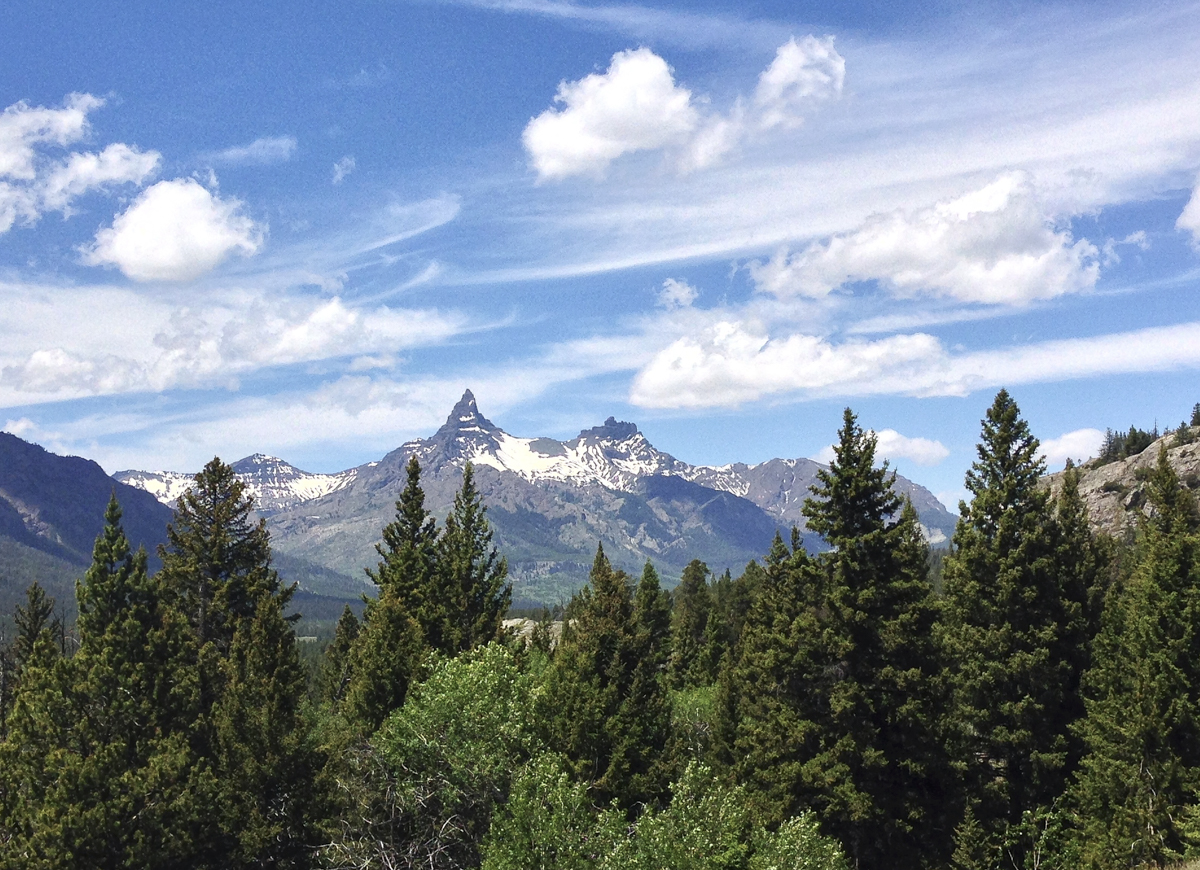
Pilot and Index Peaks along the Beartooth Highway (click photos to enlarge)
I had originally planned a trip to the Beartooths on the last full day of our trip, but a variety of factors caused me to move up that plan and we headed north a few days early. A quick stop for lunch at a scenic pullout gave us time to admire the view, taking in two prominent glacial-carved peaks – Pilot and Index. As we gained elevation we passed the beautiful aquatic mirror known as Beartooth Lake. But as we climbed higher, I could see the top of the mountain was shrouded in clouds. Hoping it would clear, we kept driving.
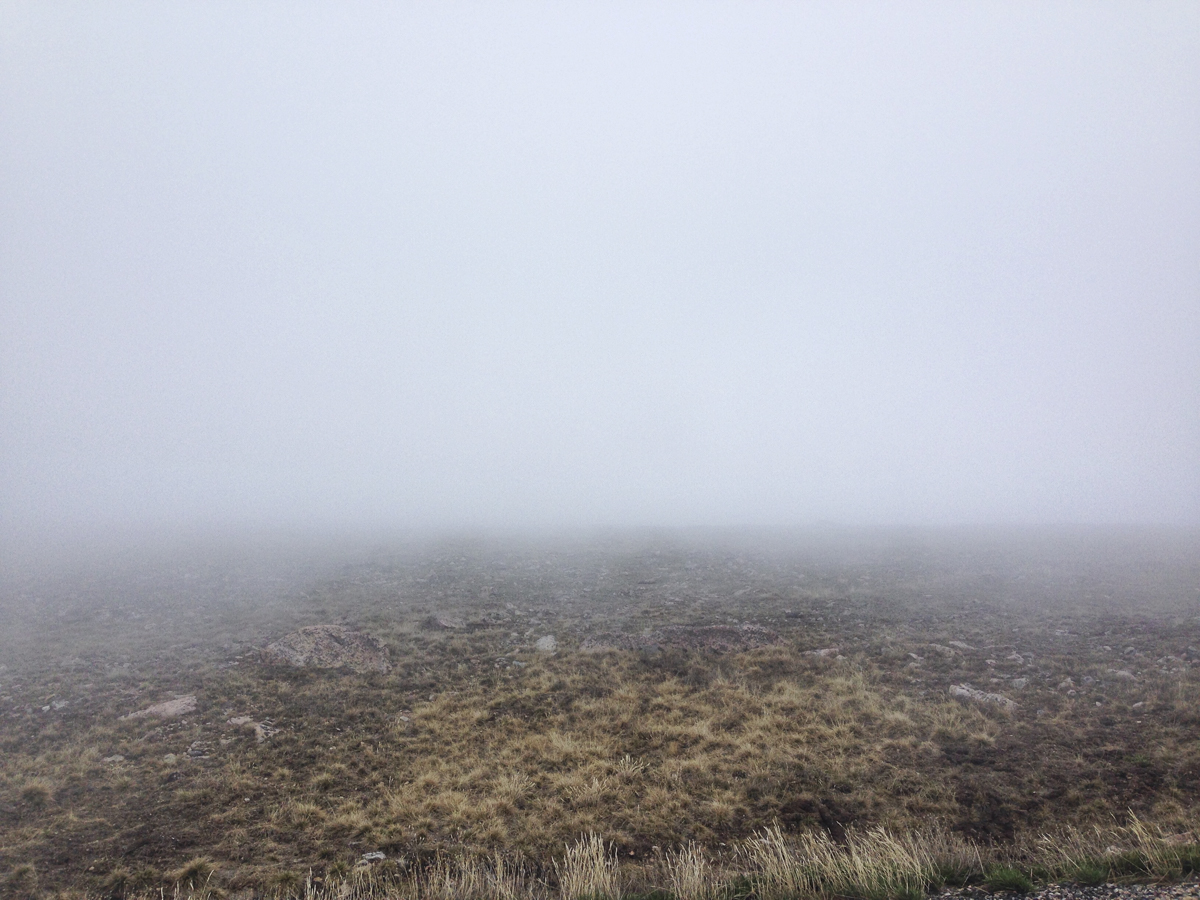
Socked in at Beartooth Pass
But it only got thicker and more gray, to the point where we could see only a few feet in any direction, not the glorious vistas or wildlife viewing I had hoped for. We turned around near the top and returned to Silver Gate.
A couple of days later, we joined my friend, Dan Hartman, for a short hike starting part way up the road toward the Beartooths. One of his favorite wildlife areas is an aspen grove near the road that has many species of nesting birds.
Hairy Woodpecker leaving nest
Quaking Aspen are not only beautiful trees, they also provide excellent habitat for cavity-nesting birds. After spending just a few minutes in this grove, we had spotted the nests of several species including Hairy Woodpecker, Northern Flicker, Red-naped Sapsucker, House Wren, and Mountain Bluebird. Although I could have spent several hours in this productive area, I decided to head back up to the Beartooths since we were part-way there and my group had not yet seen the top of the mountain. Dan agreed to go with us, so we headed up the highway following his car.
Grizzly Bears along the Beartooth Highway
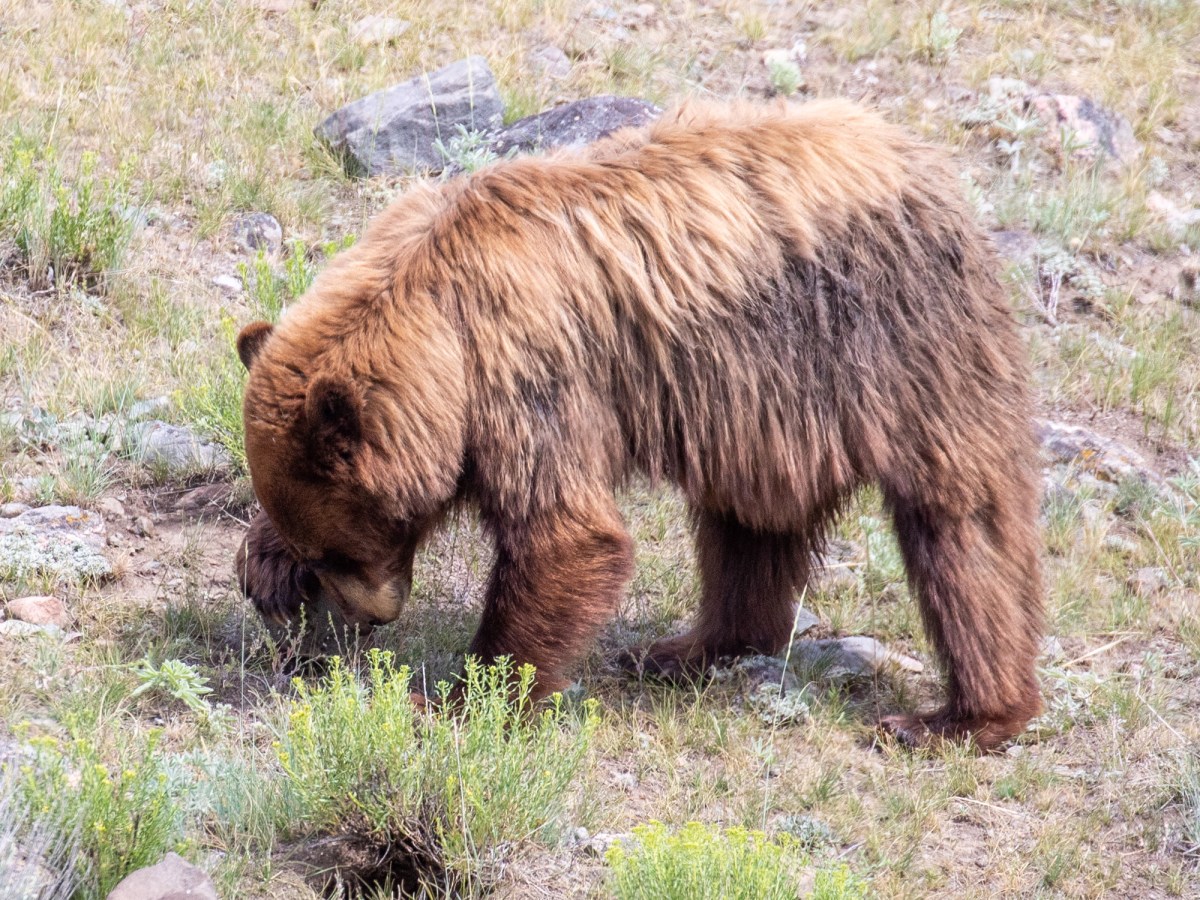
We had barely gone 100 yards when he stopped, pulling off the highway, and jumping out of the car with his camera. As I pulled up I was stunned to see two young grizzlies down over the bank. I grabbed my camera, which still had my telephoto on it from the aspen grove, and jumped out next to my car. We all took photos of the bears, heads down, actively feeding. Another car pulled up and both bears paused momentarily and looked their way.
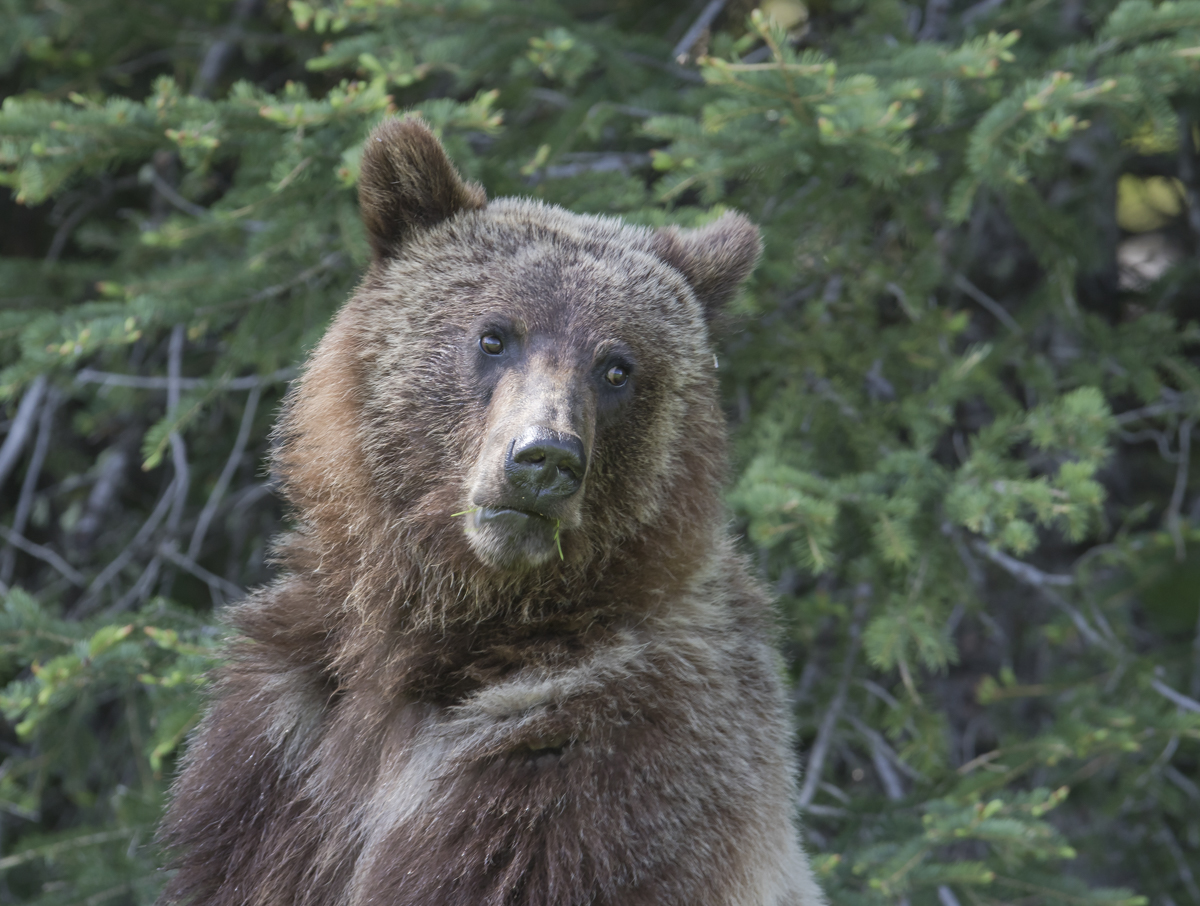
Grizzly eating Dandelion
As I watched the bears I noticed they were mainly feeding on one of the more common roadside plants – Dandelions. Looking at the photos back home, almost every bear bite captured by my camera was a Dandelion flower or leaf. The only other food item I detected was some Horsetail, another common plant common along the roadside.
Grizzly Bear standing up
These bears are probably siblings, most likely 3-year-olds, out on their own for their first season (grizzly young stay with their mother for two years). They seemed focused on feeding and basically ignored us except when another car would drive up. Being outside the park, there was not much traffic, but when a few guys on motorcycles stopped with the engines chugging, both bears took notice and stood up to check out the noisy interlopers. Finally, we decided to move on as the bears decided to ease back into the treeline, making them almost impossible to see from the road.
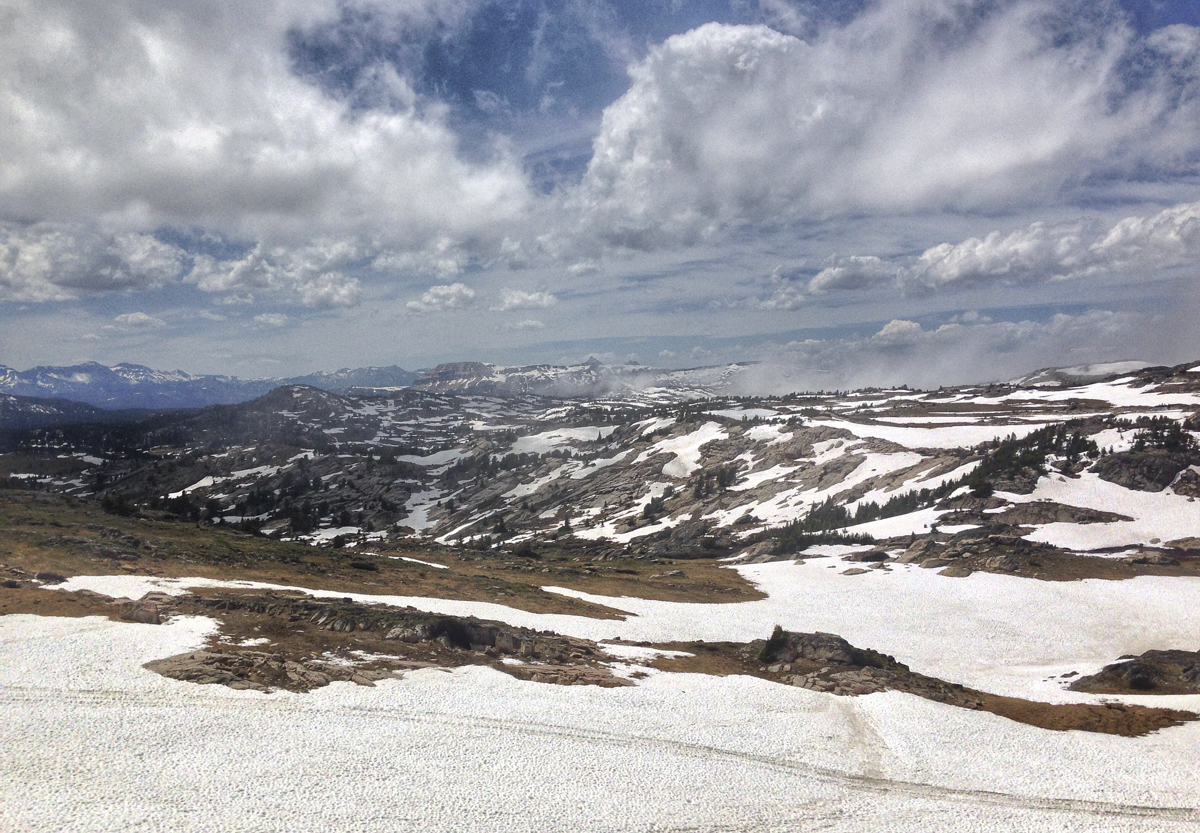
View from high on the Beartooth Highway
Climbing higher up the mountain we could see the changing landscape as trees dropped out and snow still covered large patches of the rocky terrain.
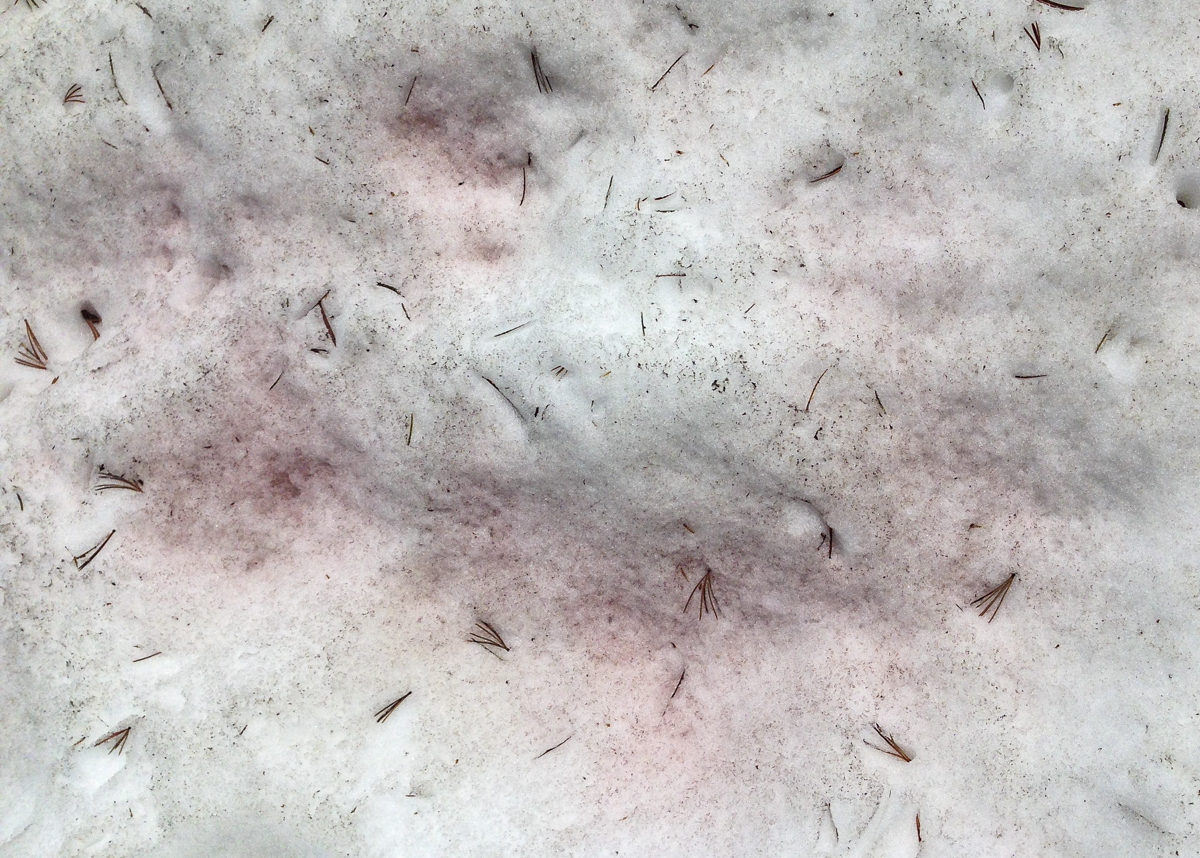
Watermelon snow at high elevation
The high elevation views are also interesting if you glance downward. Here and there at these heights you may find an anomaly known as watermelon snow. This pink snow is caused by a cold-loving algae that has a secondary red pigment in addition to chlorophyll. The red pigment probably plays a role in protecting the algal cells from the intense sunlight at these altitudes. It may also absorb heat and hasten the melting of the snow around the cells.
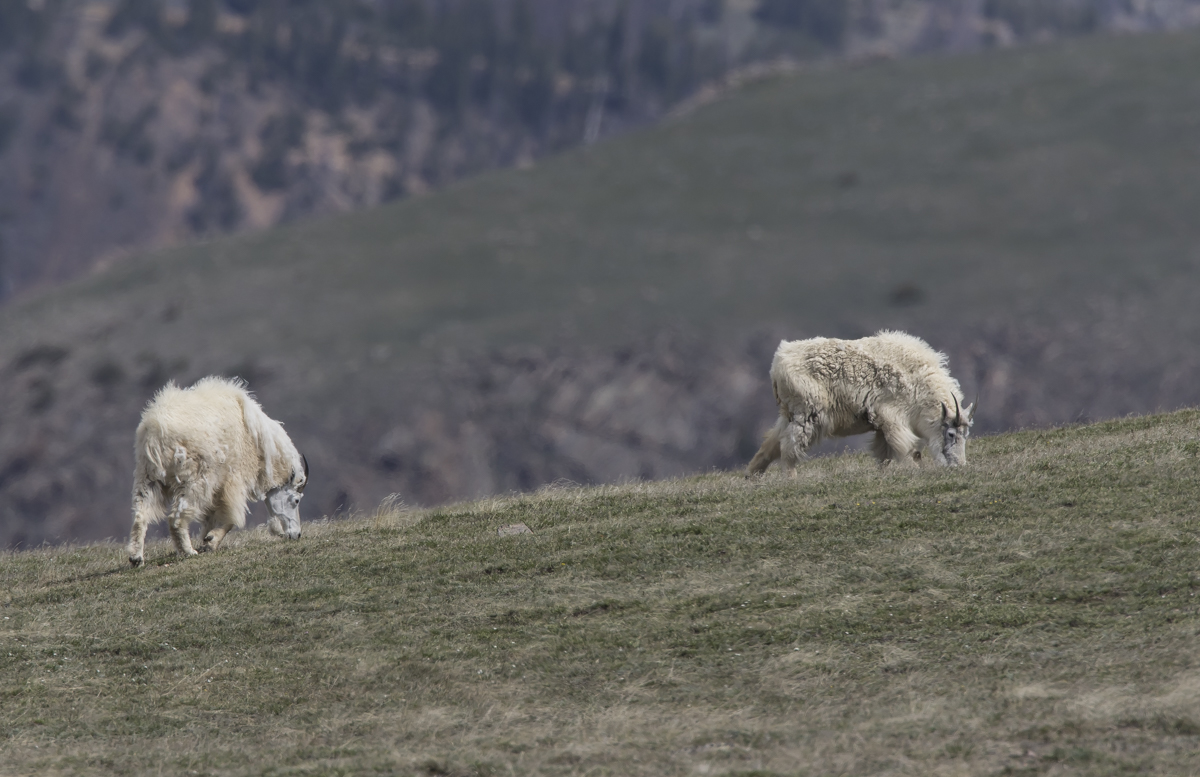
Rocky Mountain Goats
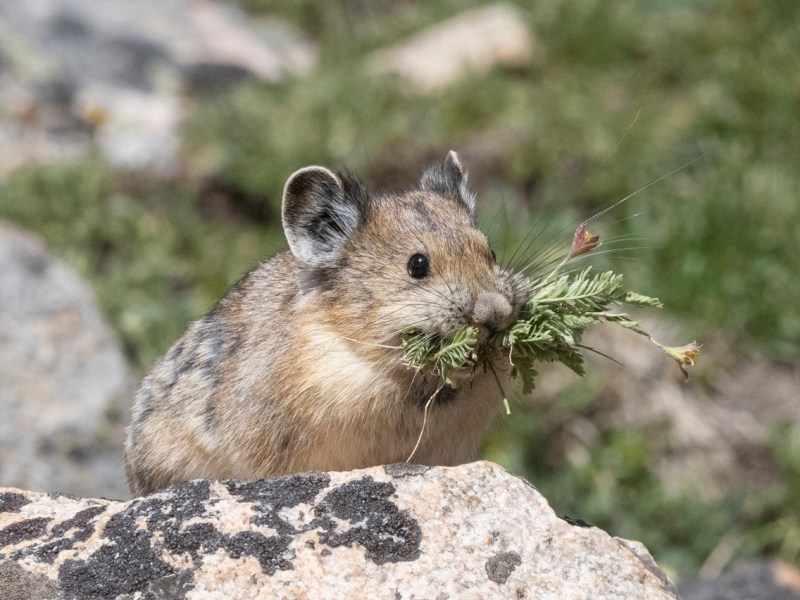
The roadway gets up over 10,000 feet above sea level as you go over the pass. Gusty winds are a common companion at these heights and I always marvel at the group of animals that make this landscape their home including Yellow-bellied Marmots, Pika, Rosy Finches, and the non-native Rocky Mountain Goats. We stopped to view a band of several Rocky Mountain Goats grazing on the alpine vegetation on the wind-swept slopes. They gradually worked their way over the hill, vanishing from view. If you are ever in this part of the Yellowstone region, I highly recommend a side trip up the Beartooth Highway. I always feel as if I am in a totaly different world, a world of sky, snow, rock, and animals adapted to extremes. And it is a place where feeling the wind in your face and simply taking a breath can make you feel so vibrant. It is a wonderful tonic…perhaps we can learn something from Rocky Mountain Goats and Pikas.
The Greater Yellowstone Ecosystem, with Yellowstone at its core, is one of the largest nearly intact temperate-zone ecosystems on Earth.
~National Park Service
Yellowstone National Park was established in 1872 primarily to protect the unique geological features of the region including almost half of the world’s active geysers. At that time, natural areas and wildlife habitat were abundant throughout the West. That is no longer the case, and the region protected by the park and adjacent federal, state, private, and tribal lands constitutes one of the largest and most important wildlife habitats in the world. Known as the Greater Yellowstone Ecosystem (GYE), it encompasses about 22 million acres and provides critical habitat for the largest free-roaming Bison herd and one of the largest Elk herds in North America, as well as one of the most important Grizzly Bear habitats in the contiguous United States.
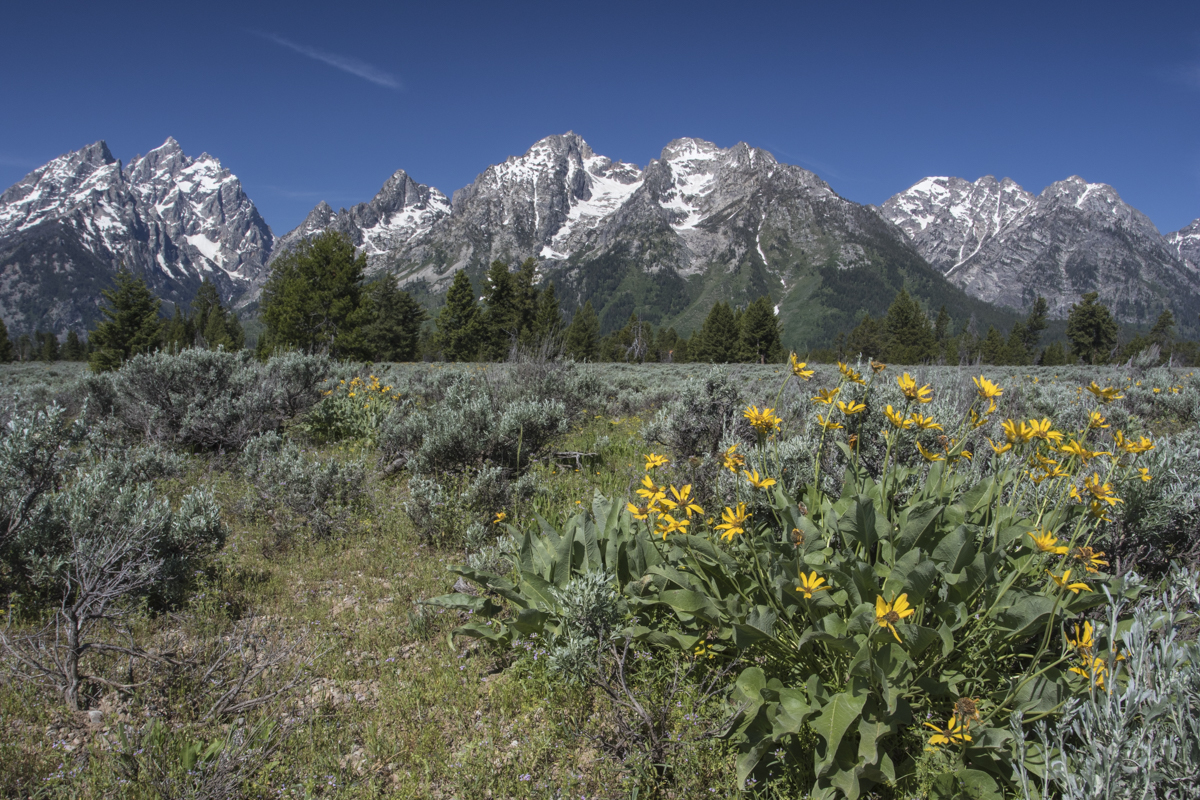
Teton Range (click photos to enlarge)
On this trip, we spent an afternoon and morning in the other national park within the GYE, Grand Teton National Park. It had been several years since I visited this scenic jewel, but as the Teton Range came into view, I remembered why many consider this to be one of our most spectacular park landscapes.
View along Teton Park Road, Grand Teton National Park
One thing that makes the Tetons so dramatic is their abrupt rise thousands of feet above a relatively flat valley floor. This is due in large part to a series of massive earthquakes along the Teton Fault that started an estimated 10 million years ago. These quakes caused dramatic shifts in the landscape along the fault with the mountain block lifting skyward and the valley block dropping. The average elevation of the valley floor is 6500 feet. The surrounding peaks of the Teton Range include elevations of 12,605 for the impressive Mount Moran, and up to 13,770 for Grand Teton.
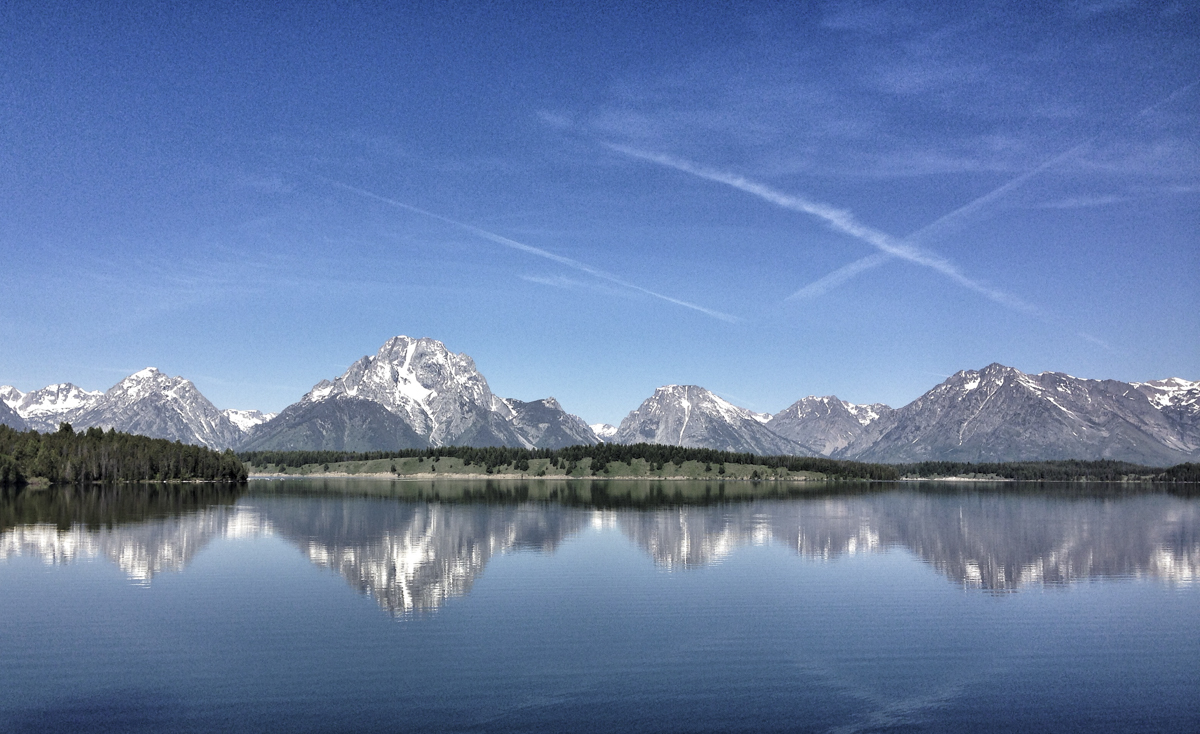
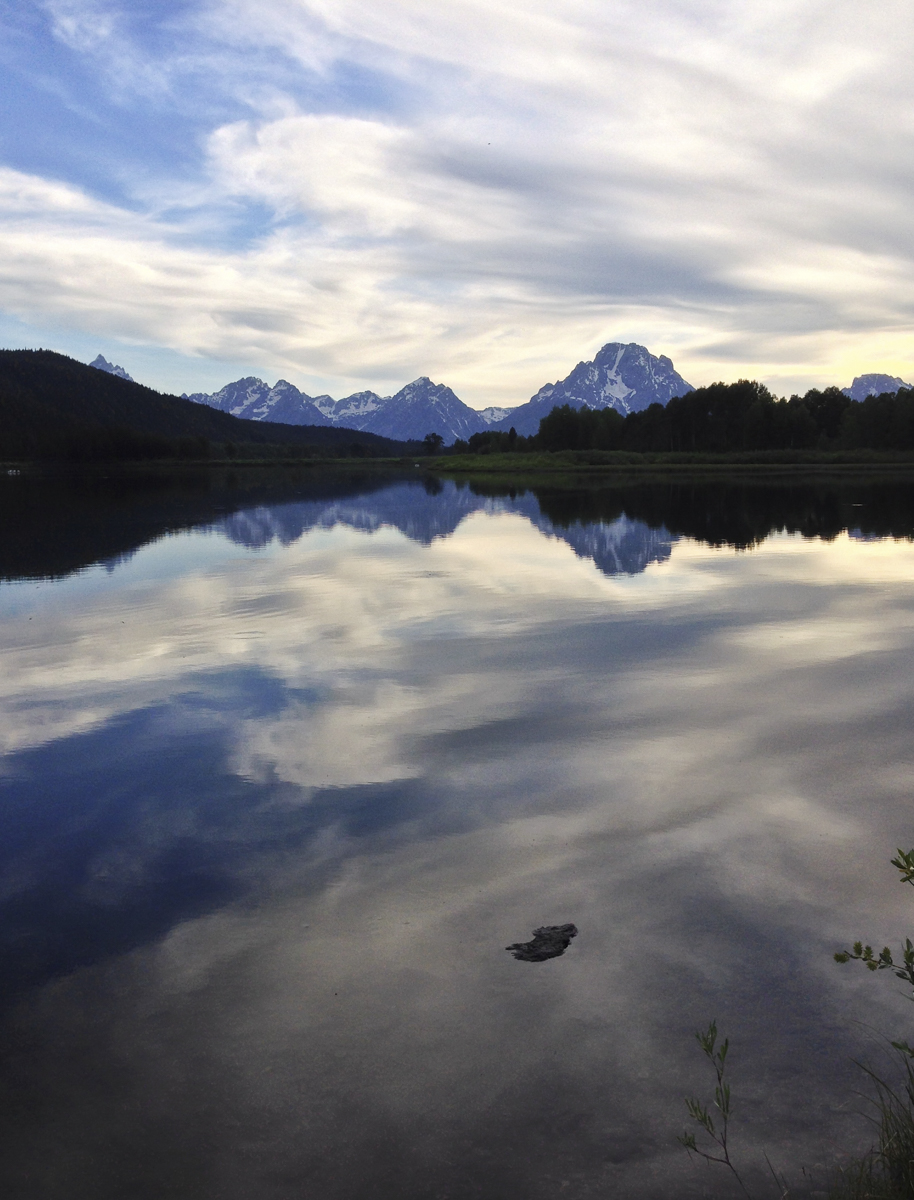
View of the Teton Range from Oxbow Bend
Spending such a short amount of time here is tough….where to go, what to see, and where to spend a sunrise or sunset. One of my favorite places is the famed Oxbow Bend with a view of the mountain peaks reflected in the calm waters. It is probably better as a sunrise viewing point, but any time of day can be spectacular.
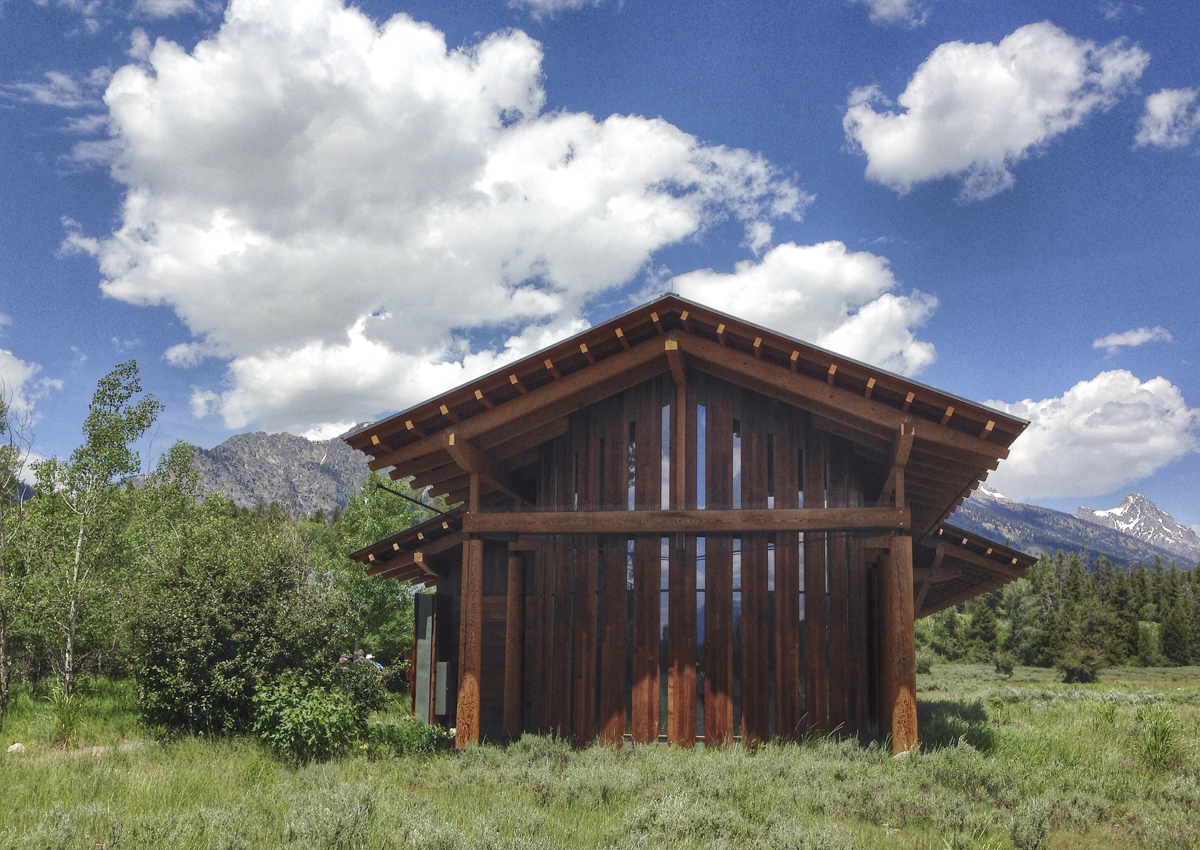
Visitor Center at the Laurence S. Rockefeller Preserve
But I had one special destination in mind for this visit, something I had heard about from someone else that had visited it – the Laurence S. Rockefeller Preserve (LSR Preserve) in the southern portion of the park. It is a beautiful area of about 3000 acres, donated by Laurence S. Rockefeller, with the expressed intent of providing a unique setting for people to connect with nature. The LEED-certified building is beautiful and is a place filled with sensory exhibits – the sights and sounds of nature to be found on the trails within the preserve. The parking lot is intentionally small (50 cars) to limit the number of visitors at any one time, providing for a more personal experience with nature. The spirit and words of Laurence S. Rockefeller and other conservationists and naturalists adorn the interior walls. Here is one of my favorites…
In the midst of the complexities of modern life, with all its pressures, the spirit of man m=needs to refresh itself by communion with unspoiled nature. In such surroundings – occasional as our visits may be – we can achieve that kind of physical and spiritual renewal that comes alone from the wonder of the natural world.
~Laurence S. Rockefeller
I must say, the brief experience in the Tetons was a bit of a relief from the huge crowds found in the more developed areas of Yellowstone like Old Faithful and Canyon. This reminded me more of my beloved Lamar Valley in its simplicity and pace. Although it made for a long drive back to our lodging in Silver Gate, it was time well spent in a phenomenally stunning setting. And I came away appreciating the dedication and foresight of the people that helped make this park possible, especially the values of Laurence S. Rockefeller. I’ll leave you with one additional quote from the LSR Preserve that I hope our society will embrace…
How we treat our land, how we build upon it, how we act toward our air and water, will in the long run tell what kind of people we really are.
My group was tired last night so I dropped them off at the lodging and then went back out to just spend some time alone in my special place. We spent the day in the geyser basins, a highlight of a visit to Yellowstone for almost everyone. But, everywhere we went it was crowded, so many people. It started me wondering why other people come to this special place? What is it they take away with them when they leave?
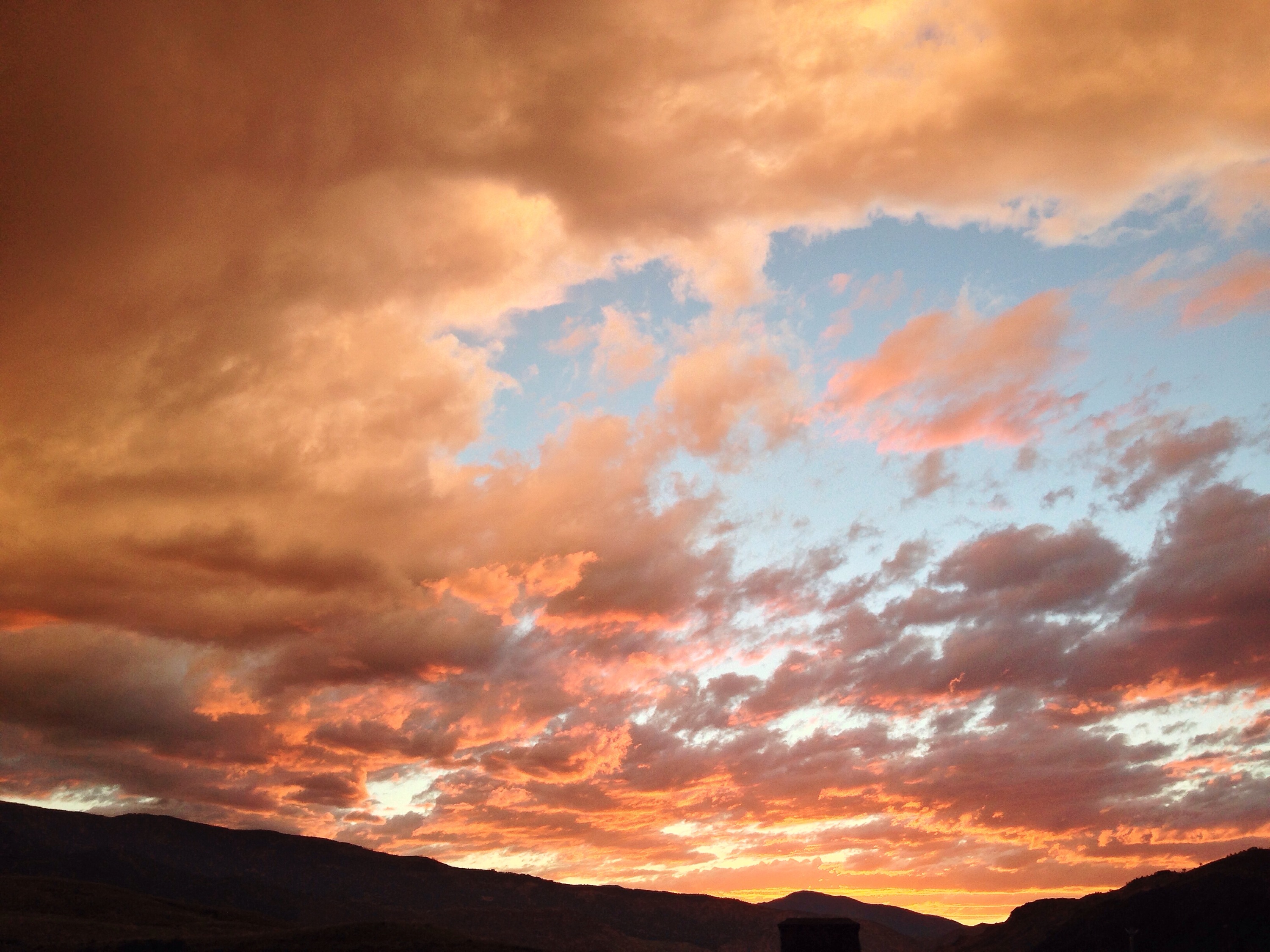
Sunset in Hayden Valley (click photos to enlarge)
As I drove into Hayden Valley, the sky reminded me of one of the reasons I love this park. There is freedom here. Freedom to be who you are, to think big, to be inspired to reach for something bigger than yourself. It is vast and wild. I truly believe that helps me put things in perspective. There is beauty in the simplicity of the cycles of life that are so evident here. There is so much to understand and appreciate. It makes me want to learn, to try to understand how everything fits together. But most of all, it gives me a sense of peace. I want that for the other people I see, but I’m not so sure that some of them are finding it. I watch as people take selfie’s near a bison or geyser. I hear complaints about the food at the restaurants or about the traffic jams (I guess I might be guilty of that last one). But this is Yellowstone, the world’s first national Park. I want them all to appreciate it.
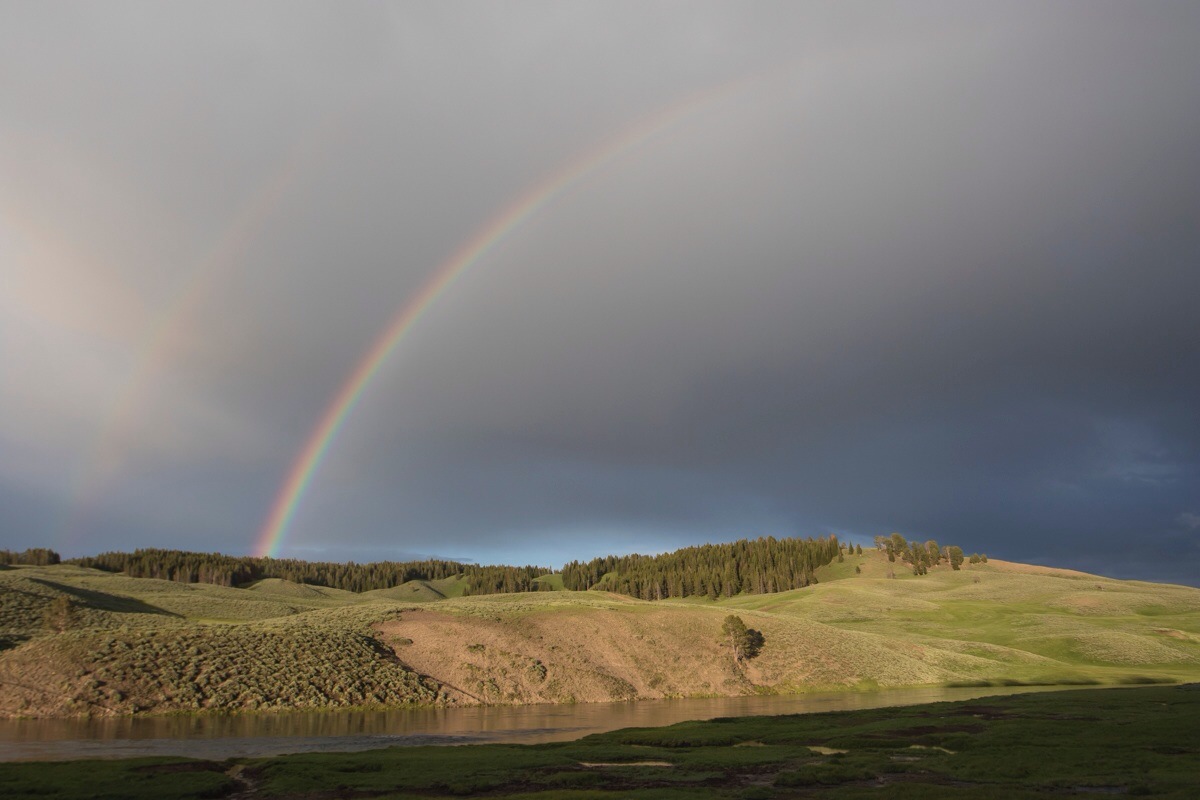
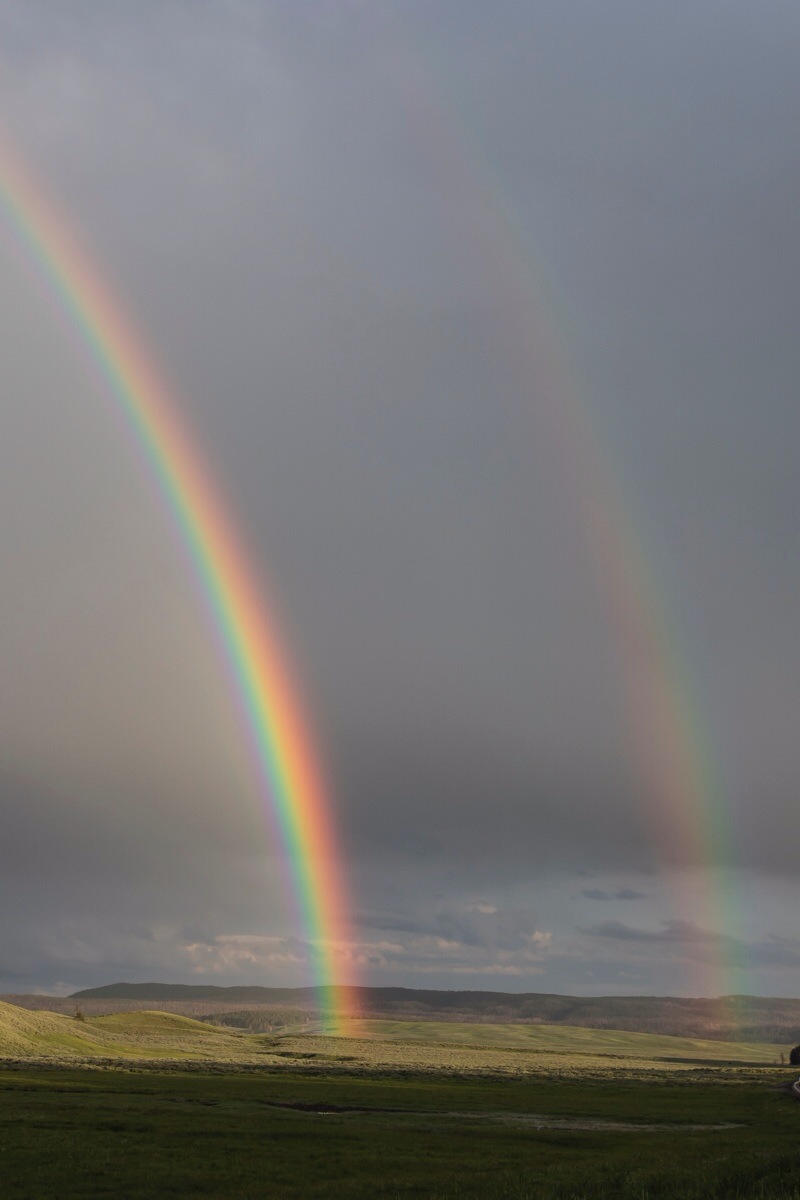
Double rainbow after the storm
A brief storm moved across Hayden Valley the other night as I contemplated all of this. The sky was soon electric with color.
Rainbow in Hayden Valley
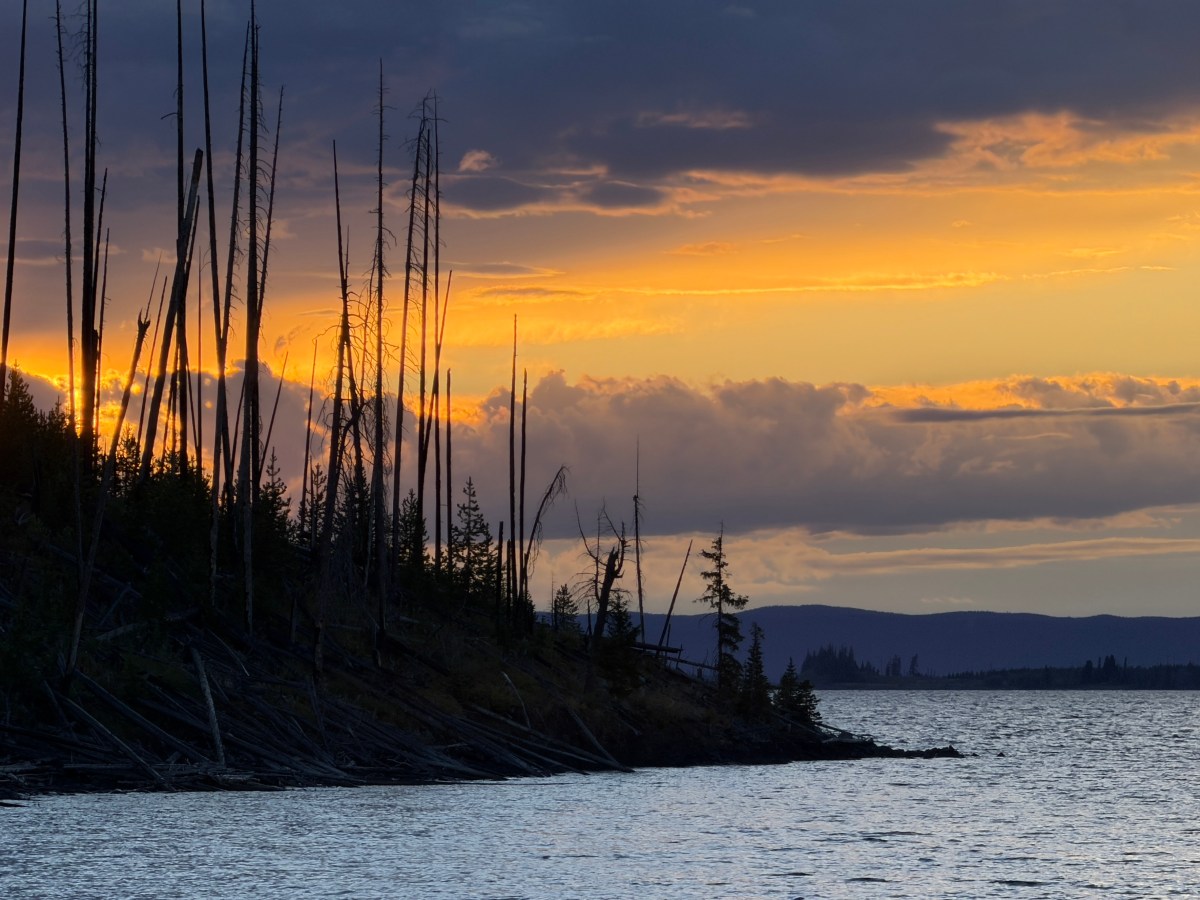
I wish everybody here could take a moment and look at the sky, to take in it’s beauty. We should all look up every day and see how it changes in both bold and subtle ways. I think the skies of Yellowstone have a lot to say about why life is good and why we should make the most of it. So, wherever you are, take a moment and look up, and try to learn what the sky is trying to tell us.
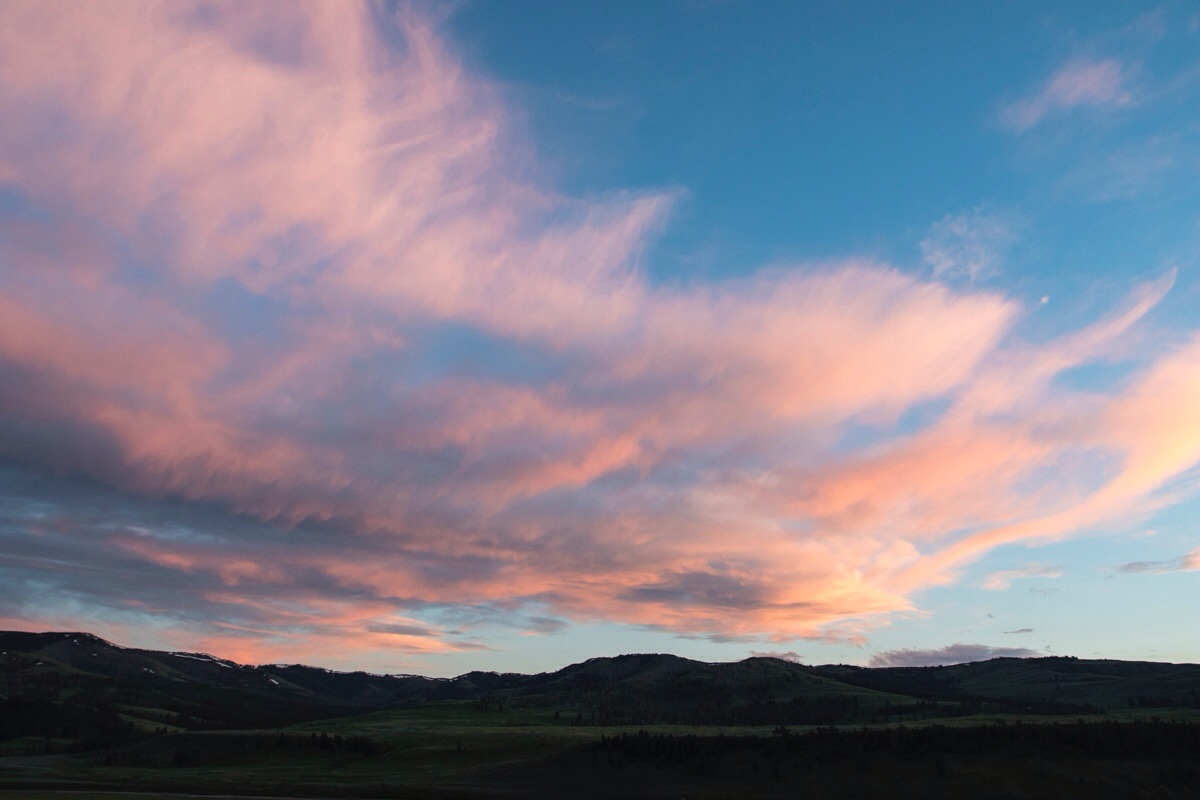
Here are some of the sky messages I have seen this week.
Sunset in Lamar Valley
The Beartooths peeking out of the clouds
Sky reflection at Grand Prismatic Spring
Brilliant sunset at the North entrance to Yellowstone
Looking across Yellowstone Lake at sunrise to West Thumb Geyser Basin
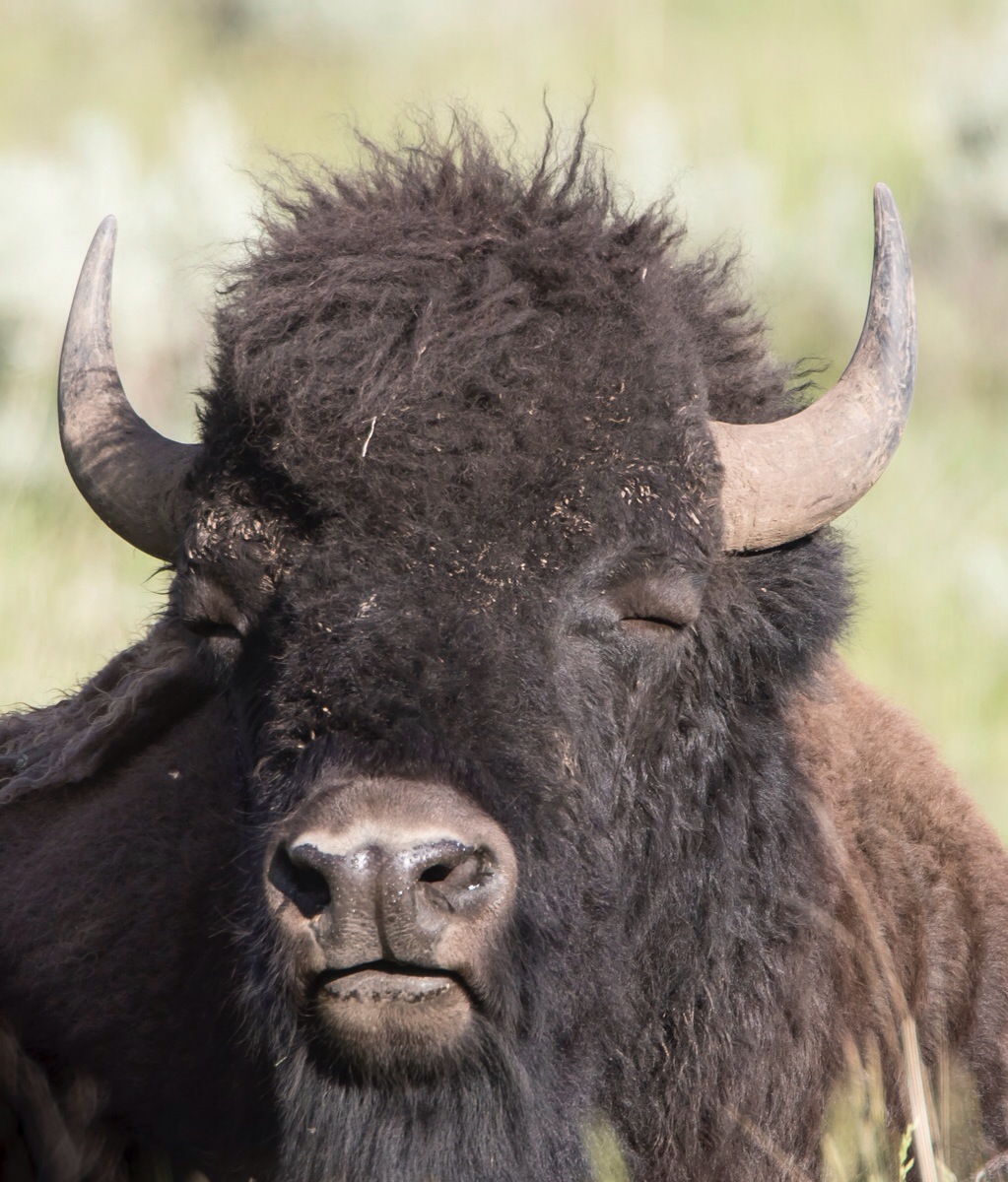
There are so many people here this week. So many faces. Many are international visitors. I guess many are in Yellowstone for the first time. I realized how important faces are to us humans, how that is what we usually look at first in another person, and how it can often tell us so much. I have seen tired faces climbing the boardwalk steps at Mammoth, hot faces of people out in the intense sun this week, and surprised faces when a one ton Bison bull suddenly steps in front of someone’s car. But mostly I have seen happy faces, smiling faces. In watching the wildlife I started wondering about their faces and what they might tell us. They look wise and strong. I think I will look more closely and see what I can learn from and about them. Here are some of the faces of Yellowstone wildlife…
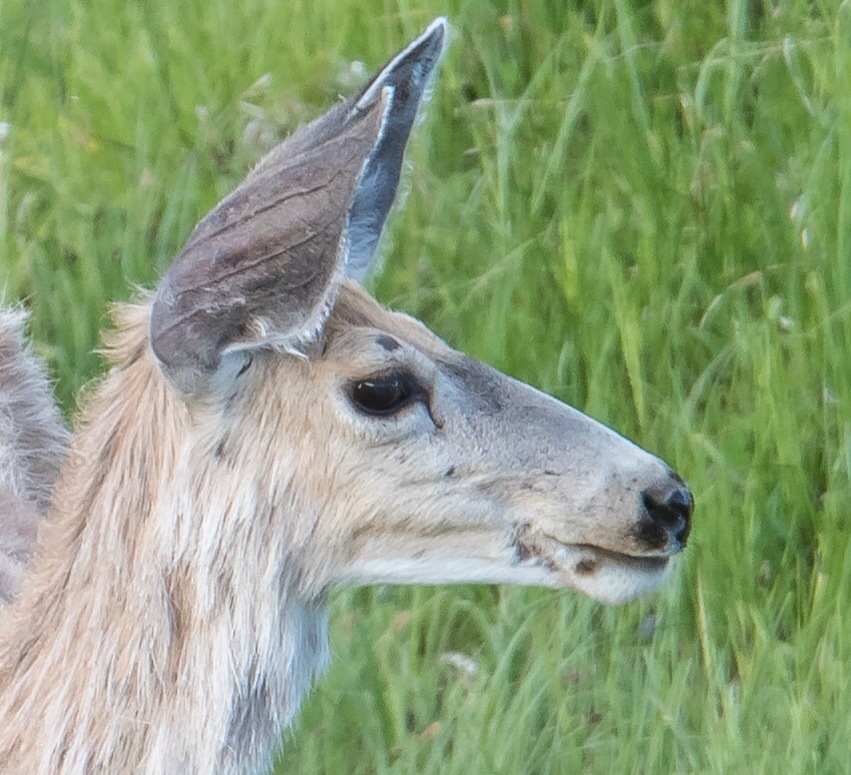
Yellow-headed Blackbird (click photos to enlarge)Pronghorn doe… Check out those eyelashesGreat Gray Owl outside the park toward BeartoothsWestern GrebeLesser Scaup female with male close behindBull Elk in velvetKing of Lamar ValleyMule Deer doeRaven that just brought a chunk of meat to youngElk cowPronghorn buck – note black cheek patch as aid in identifying males
Note…this may be my last post until I return due to limited cell service
This may not be what you expected if this came up in a Google search. My last post was about being back in Yellowstone… my paradise. It being early June, the park is full of babes… of the wildlife kind. I have seen many in my first couple of days, many too far away to get a photograph, but cool to see nonetheless. Of those eluding a portrait there have been Rocky Mountain Goats on high cliffs, Ravens that apparently fell out of the nest, a Chipping Sparrow nest with hungry babies, and Rocky Mountain Bighorn Sheep sleeping on what looked like a vertical wall of rock.
Thus far, three species have allowed me to grab some baby pictures.
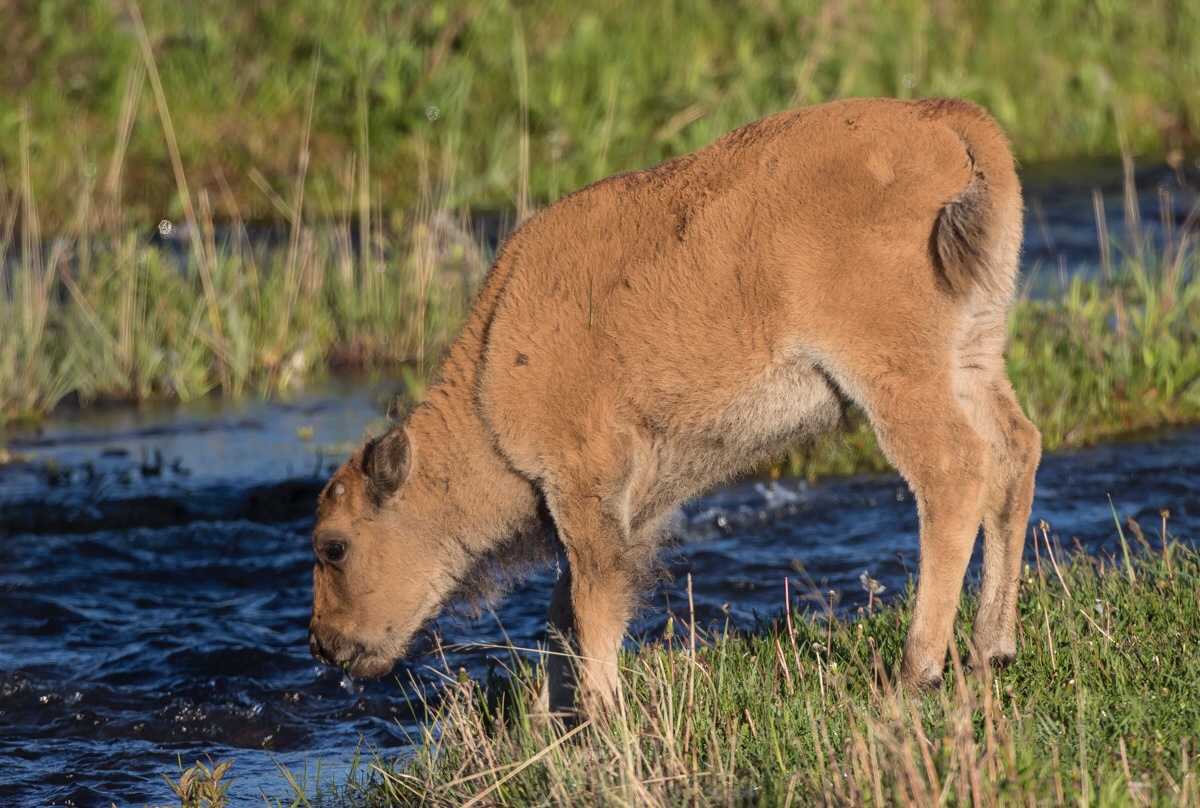
The orange – red baby Bison are common in Lamar Valley (click photos to enlarge)
Baby bison are everywhere in Lamar Valley. They spend much of the day sleeping, and then have bursts of energy and playfulness. I can sit and watch them for hours.
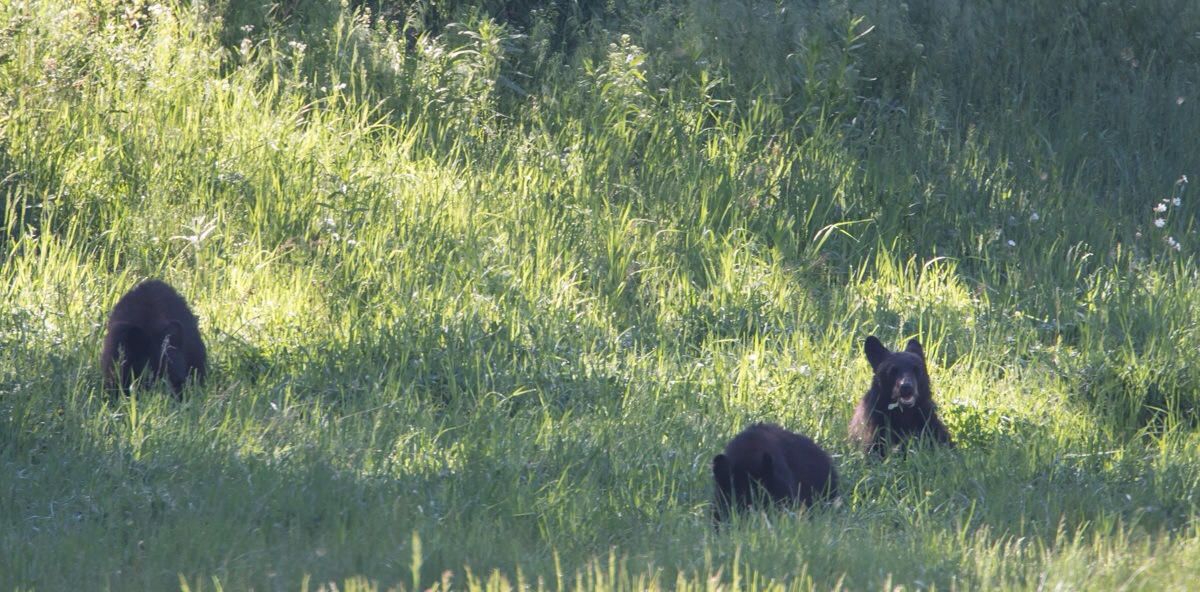
These three yearling Black Bear cubs and their mother are causing a lot of traffic jams near Tower
One set of siblings of a famous bear family provided some great viewing, but not so great photographs. Driving south, there was a huge bear jam near Tower, and when I saw that there were three 1-year-old cubs, I knew it was the same group I had seen last summer as cubs of the year. Their mother seems to have a preference for meadows close to the road and probably enjoys the huge backups of cars she causes. I drove through and parked in a pull out some distance away and then walked back toward the group of bears. I stopped well ahead of the 100 yard minimum distance required for bears and wolves and set up my tripod in the shade of a tree. Rangers were already on the scene directing traffic and trying to manage the crowds. There was a lot of contrast between the shady areas in the bright sunlight grasses so the photographs were not all that great, plus I was pretty far away.
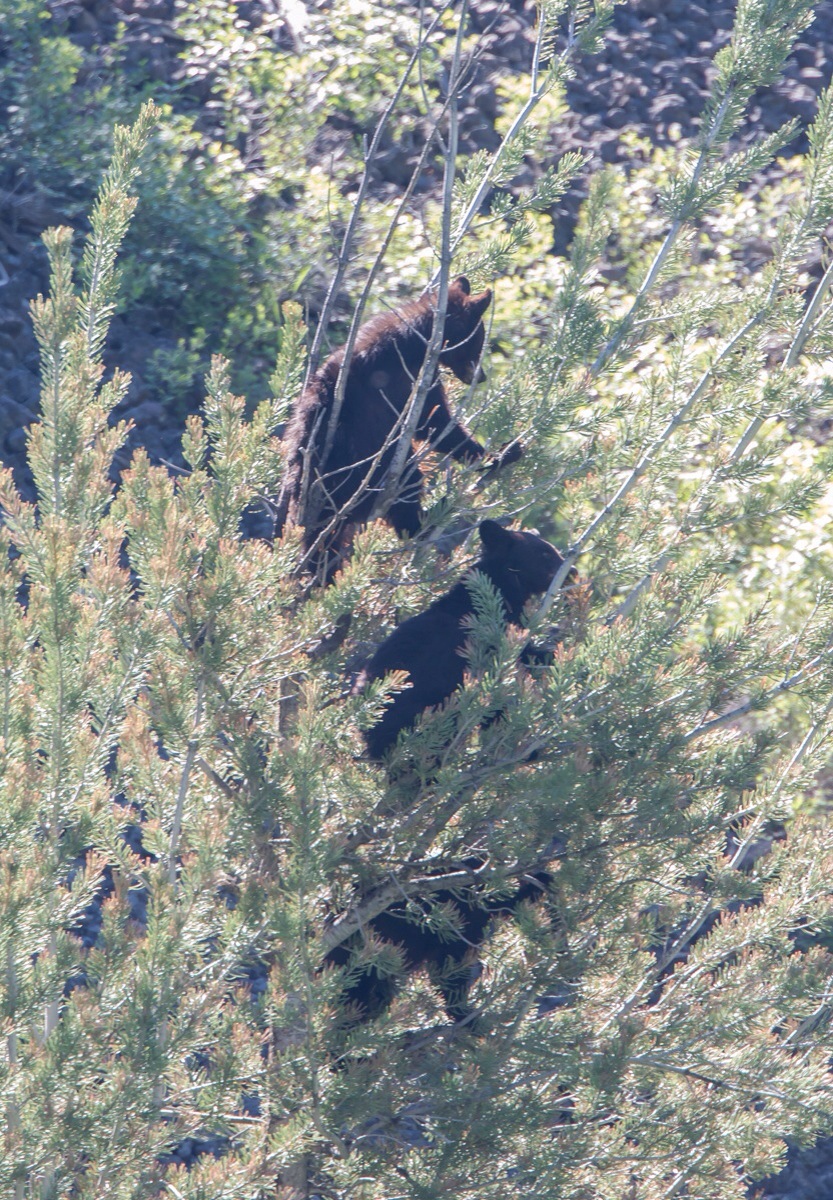
Bear cubs playing in a tree
At one point all three cubs climbed a small tree and begin playing in it… the tree was shaking back-and-forth, but I have a feeling most of the people in cars that went by never even saw them. Finally, mom climbed a short distance up the tree and must have scolded them, as all three came down and followed her up the slope (to take a nap no doubt). The bear jam began to break up, and the ranger closest to me walked straight towards me. I was wondering what I had done when suddenly he spoke up and thanked me for obeying the rules and being a respectful photographer. He said it isn’t often that he doesn’t have to tell someone to get back. I appreciated his comments and thanked him for what he does.
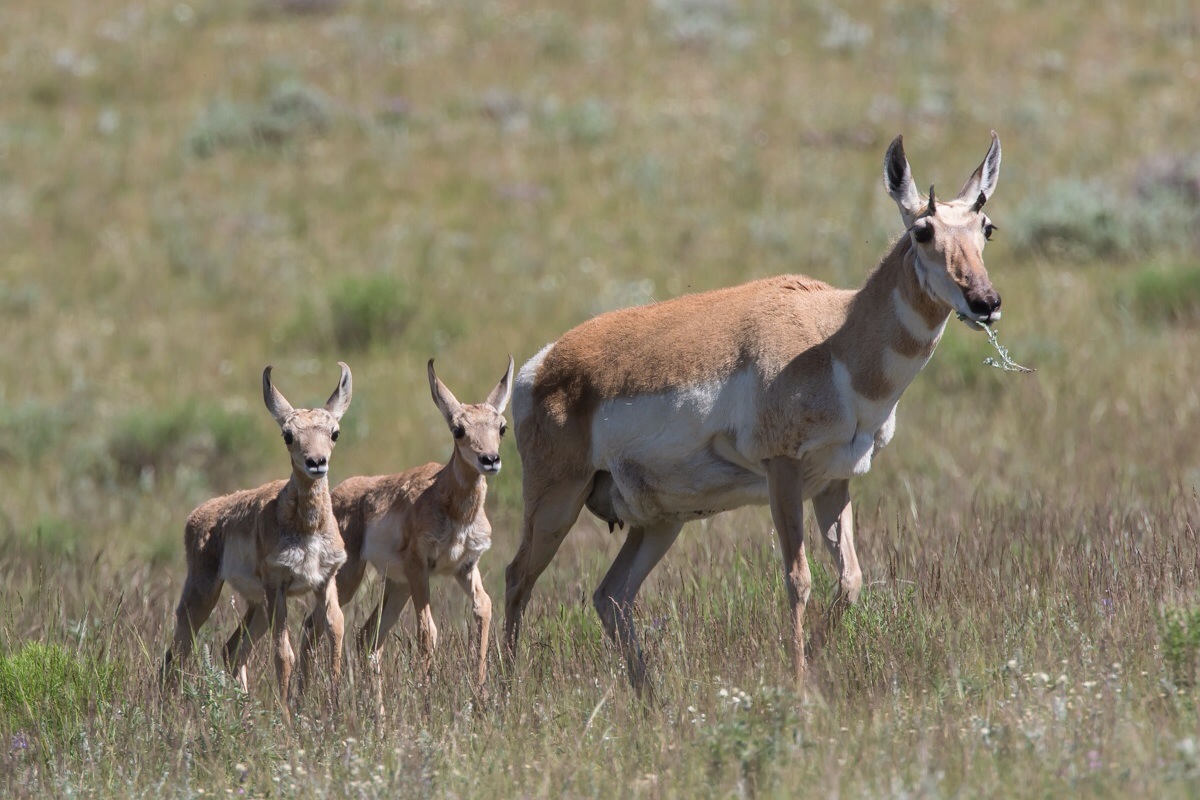
Pronghorn mothers typically have twins
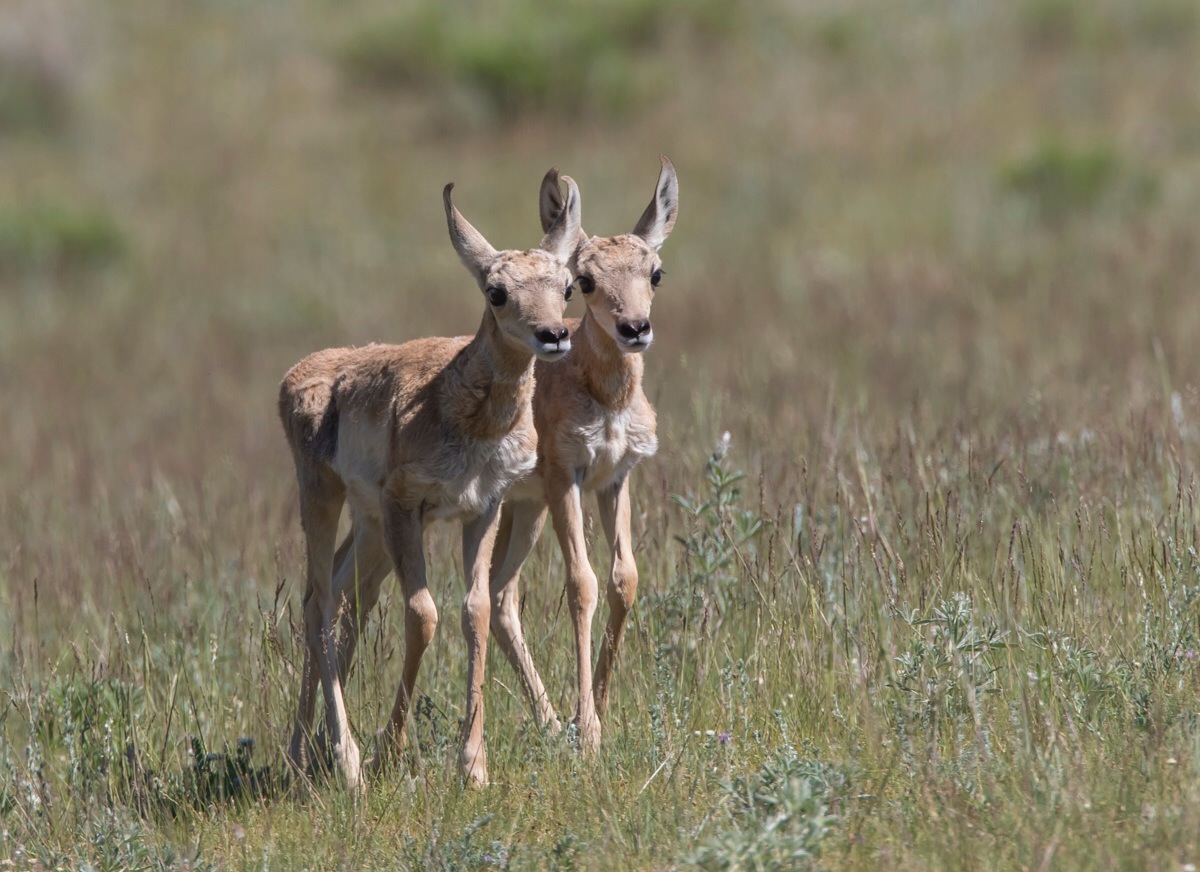
My favorite baby animal thus far has been the Pronghorn Antelope. Yesterday, one mother had twins following her through the sagebrush flats. Twins are actually normal for Pronghorn, but there is a high mortality rate to predators. The youngsters were so cute as they followed along in their mom’s footsteps.
A mothers’ work is never done
Mother Pronghorns clean the droppings from their fawns’ rear end as a way to reduce scent that might attract predators. Being a mother is never easy.
Thanks, mom
The mother often leaves the babies hidden in some sagebrush for long periods of time as she wanders off to feed.
This morning I saw a female with only one fawn. The baby laid down next to some sagebrush and the female and another doe crossed the road and started feeding several hundred yards away. It is amazing that they can relocate their baby in this landscape that looks so similar to our eyes.
Baby Pronghorns in Little America
I am looking forward to seeing what other new life greets me in the coming days.
Sunrise
A quick post from my favorite place. Arrived yesterday in Yellowstone. Surprisingly hot for this time of year here… 87° in Bozeman. But, the park continues to amaze.
Bison calf from the car window in a bison jam.
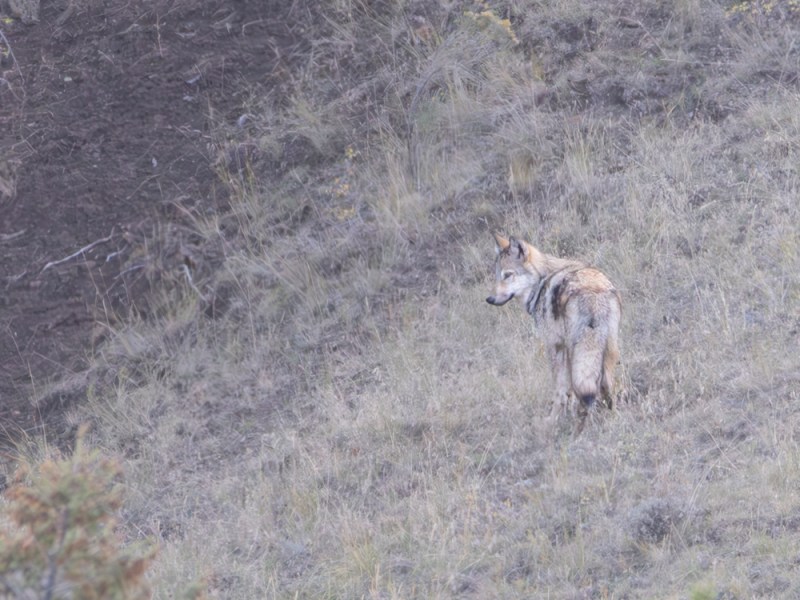
Relatively little wildlife on my way in yesterday save for the usual bear jams near Roosevelt. But then late in the day… two wolves in Lamar Valley. Too far for an image, but beautiful light. Bison everywhere in Lamar. Lots of road blocks, of the Yellowstone kind.
Yellow-headed Blackbird perched on Big Sagebrush.
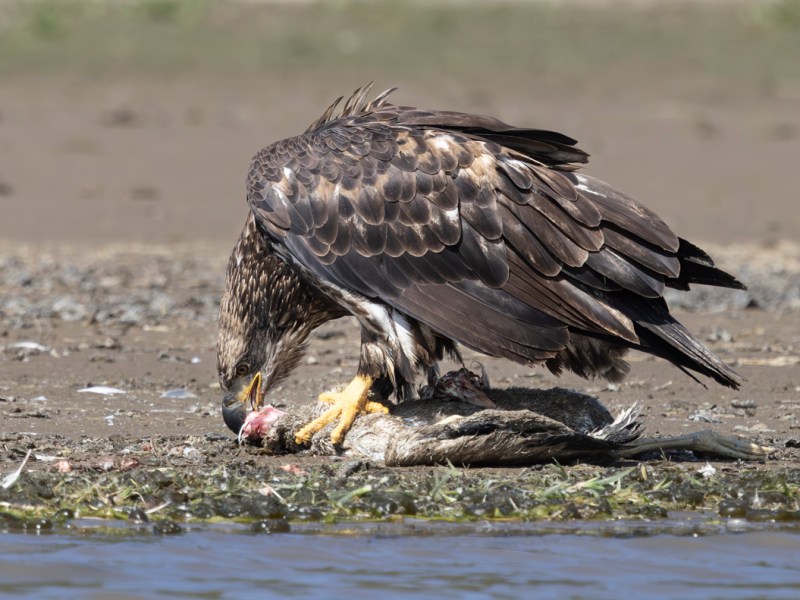
This morning there was a coyote feeding on a Bison calf carcass down by the river. A Bald Eagle and a few Ravens waited their turn for breakfast. Standing alone on Slough Creek watching Pronghorn… Just another morning in paradise.
The moment one gives close attention to anything, even a blade of grass, it becomes a mysterious, awesome, incredibly magnificent world in itself.
– Henry Miller
Something caught my eye yesterday as I walked toward the house along the stone steps. It was on the tip of a leaf of one of the wildflowers yet to bloom.
A tiny hunter positioned on the tip of a leaf, waiting for what may come its way (click photos to enlarge)
I believe it was a juvenile Assasin Bug of some sort, most likely the Wheel Bug, Arilus cristatus.
Adult Wheel Bugs have what looks like half of a toothed gear (or wheel) attached to their back.
The nymphs of Wheel Bugs lack the unusual wheel or crest that gives the adult its common name. From what I have read, no one is quite sure of the purpose of this unusual anatomical feature.
The nymph does show the characteristic piercing – sucking mouthpart of Wheel Bugs.
Though lacking the namesake wheel, the nymph does share the diagnostic mouthparts of the adult Wheel Bug. All True Bugs (family Hemiptera) share these elongate, beak-like mouthparts. Wheel Bugs are voracious predators, taking all types of insects and other invertebrates, large and small. When they encounter a potential prey, they grab it with their front legs and stick their hypodermic-like beak into the organism, injecting it with saliva. This juice contains a toxic, paralytic substance that immobilizes and kills the prey within 30 seconds. The saliva also contains enzymes which help dissolve the insides of the victim . After that, the predator sucks out the body fluids of its quarry.
And the defensive bite of an adult Wheel Bug can be quite painful for humans as well. They are not aggressive but will bite in self-defense if accidentally grabbed or pushed against. It feels like a really bad bee sting.
The tiny warrior reacts when I get close with the macro lens.
When I brought the macro lens close for a shot, the little guy was defiant, or curious, not sure which. Either way, it was fascinating to look closely at this creature. Wheel Bugs supposedly have only one generation per year (the picture of the adult was taken in September a couple of years ago). The eggs overwinter and hatch in spring. I will keep an eye out for them as they molt and mature the next few months. If any reach that “armored vehicle” stage of adulthood (and they are large as adults, over one inch in length) I will try to share some close-ups of this fascinating garden neighbor.
My wildflower garden is between seasons right now, so color is hard to come by. The whites, light blues, and pinkish-reds of spring’s onslaught of ephemerals and early bloomers has passed, and the bright yellows, oranges, and kaleidoscope of colors of summer flowers has not quite exploded onto the scene. This is especially true in my largely shaded yard. There are few openings in the canopy and the understory is in its jungle-takeover phase, especially with the recent rains. So, green is the dominant color out my windows right now, lots of it. But, if you look around some of the edges, where there is some dappled sunlight filtering in at least part of the day, you will see a hint of color.
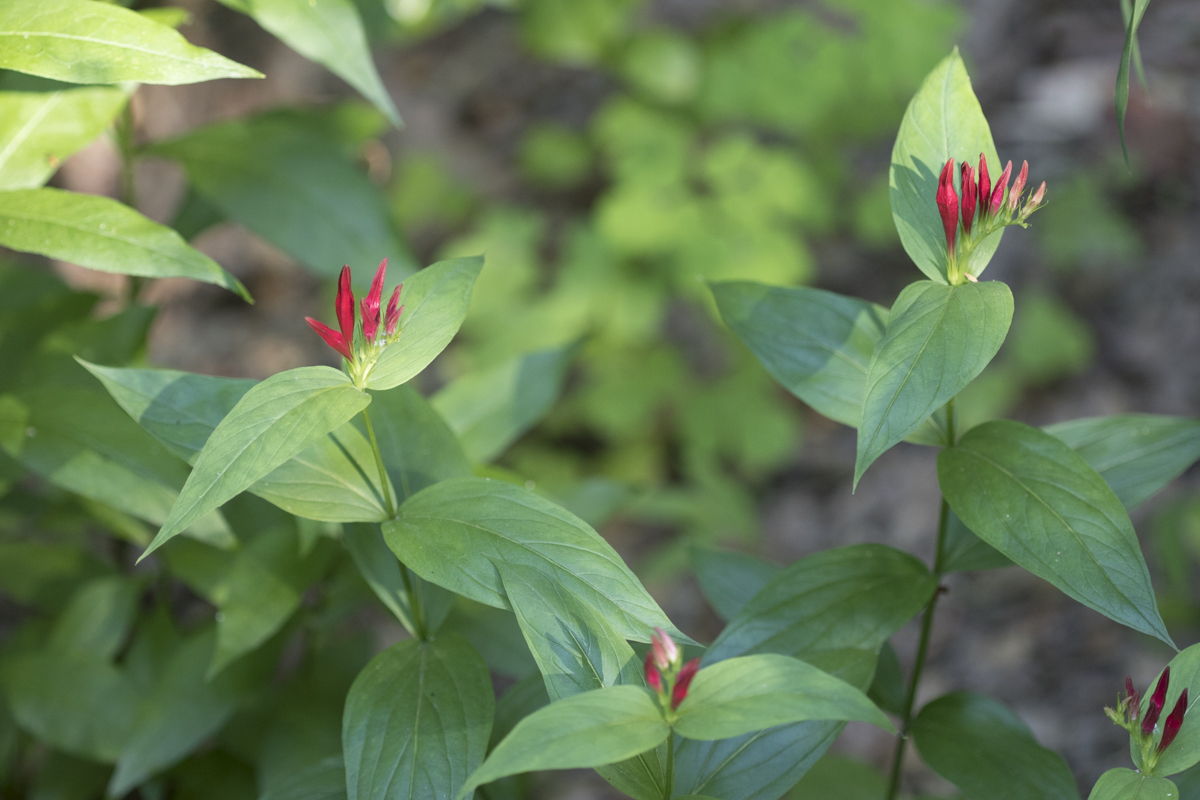
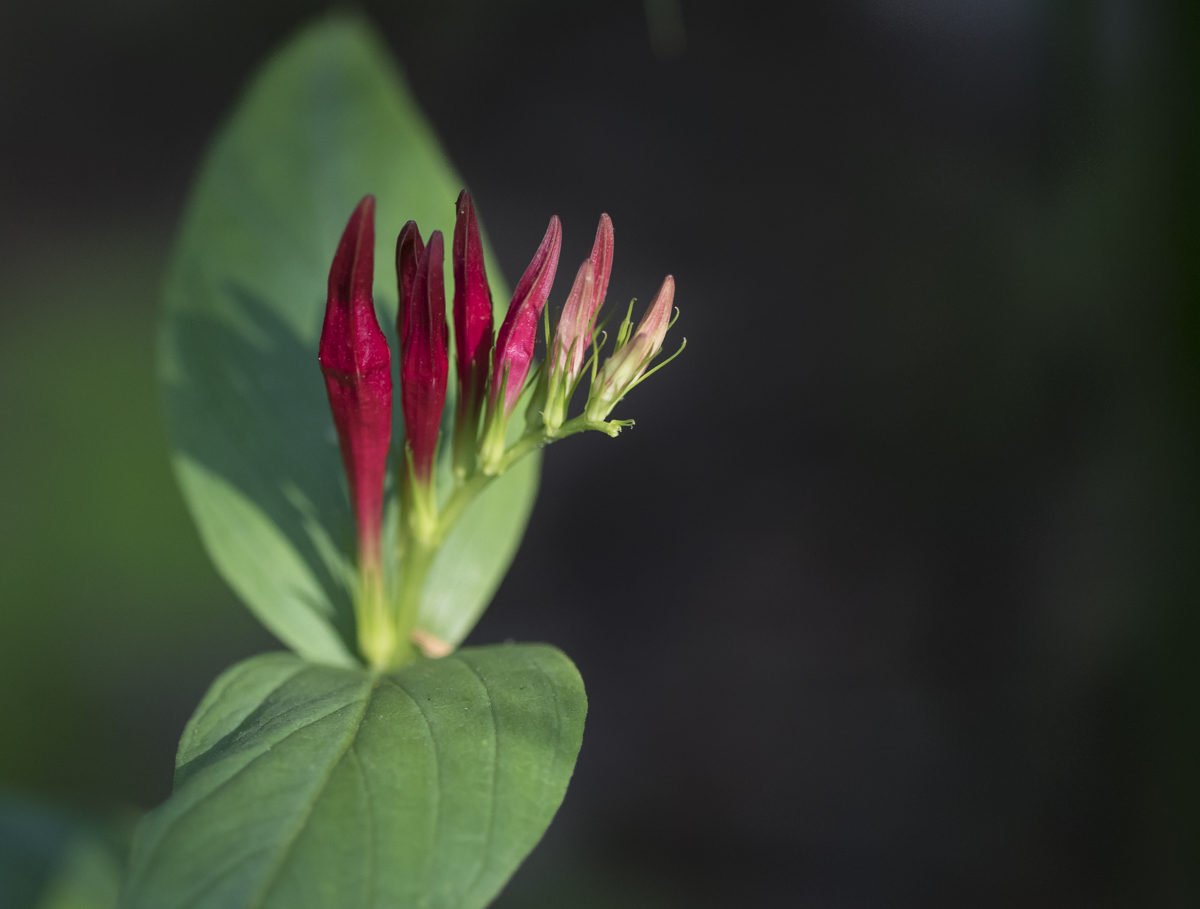
Spigelia offers a dash of color in the shade garden this time of year (click photos to enlarge)
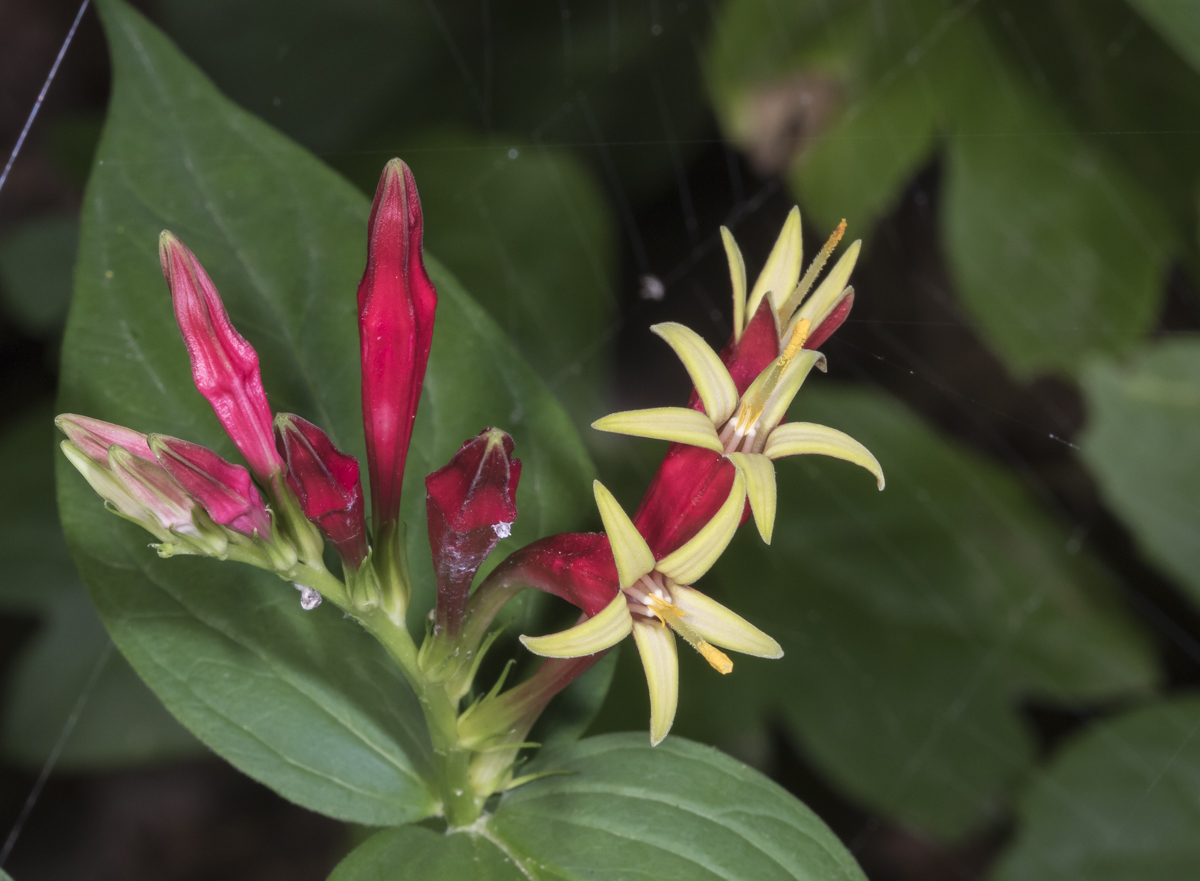
As you get closer, the faint glimmer transforms into a fiery combination of scarlet and yellow.
Spigelia marilandica flowers
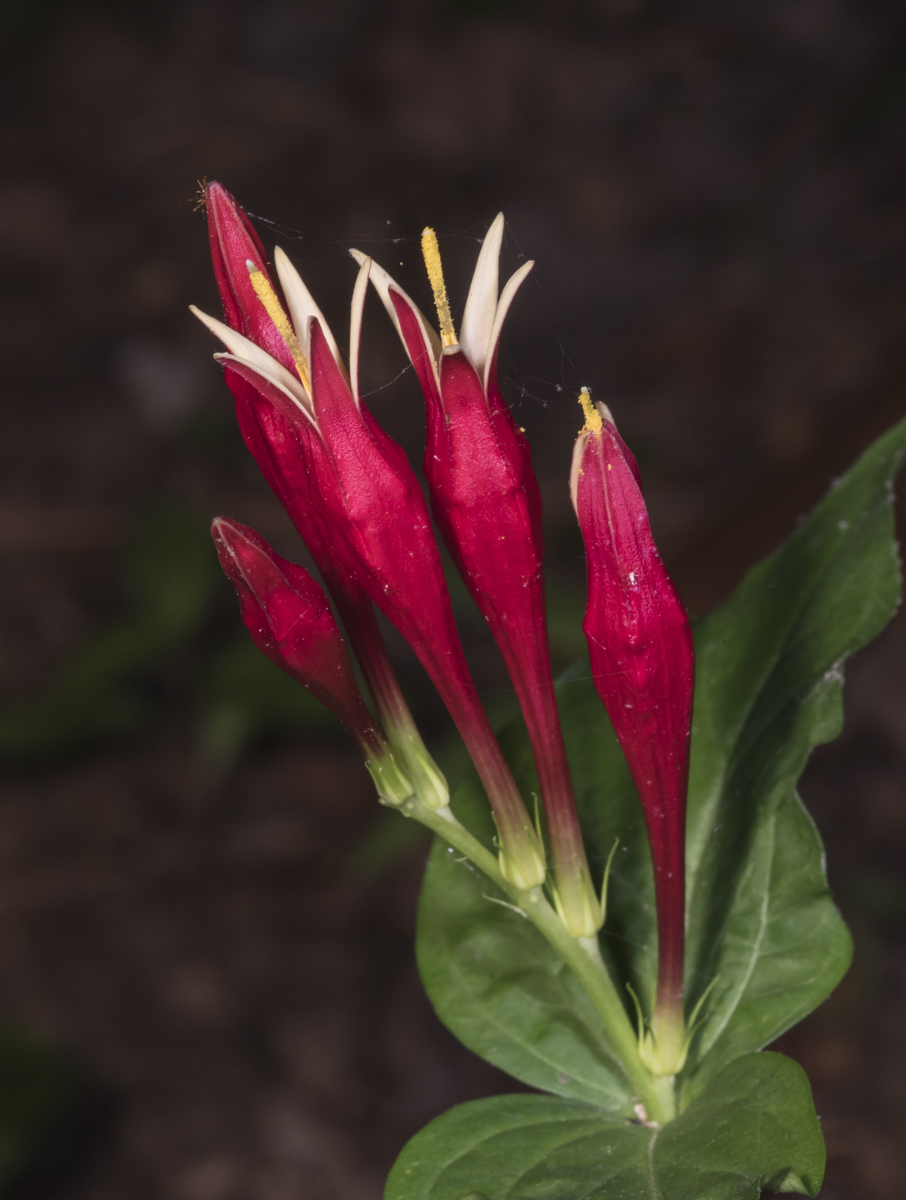
These are the flowers of an uncommon wildflower, Spigelia marilandica. It goes by many common names – Indian Pink, Woodland Pink Root, Worm Grass, most of which refer to its use by Native Americans as an effective treatment for intestinal worms. All parts of the plant contain a poisonous alkaloid, spigeleine (a compound related to strychnine), which gives the plant its medicinal properties and makes it toxic if too much is consumed.
Spigelia flower buds in late afternoon light
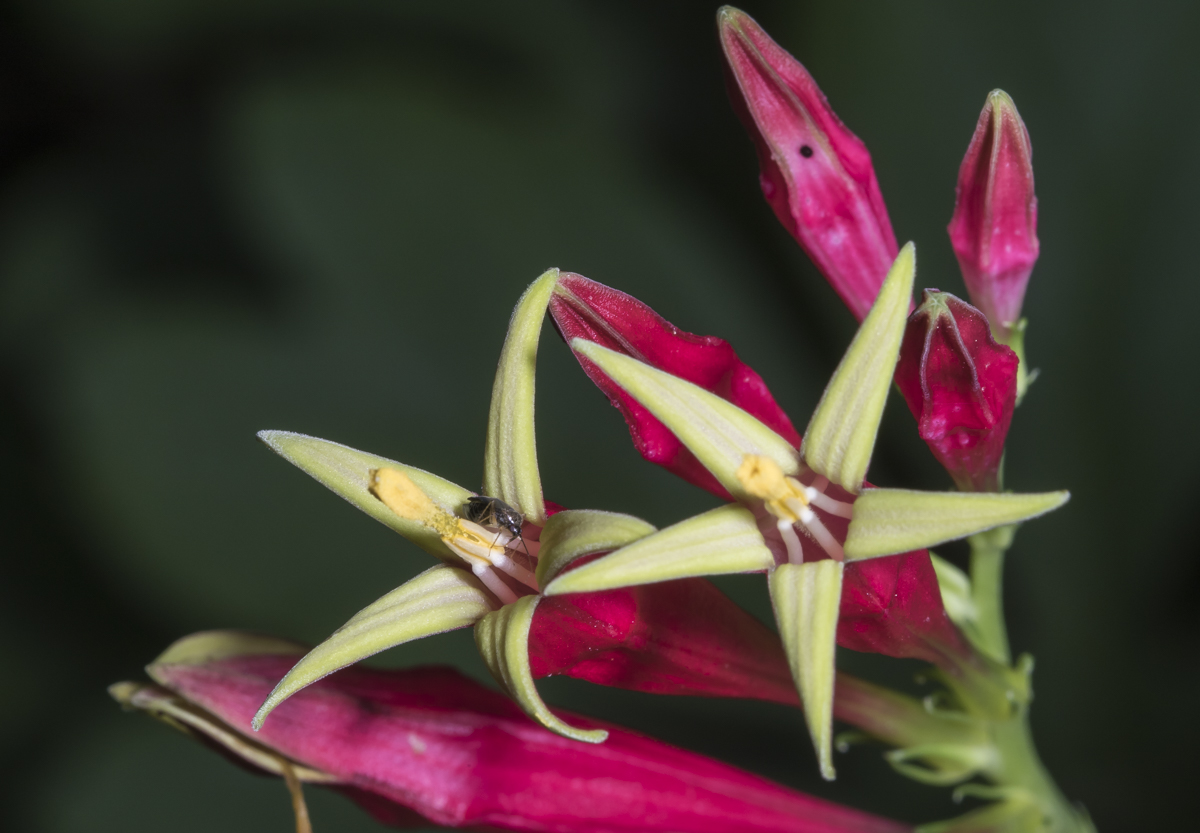
The flowers are arranged in an unusual manner on an arched, one-sided spike at the top of the plant. There is a swelling a little over midway on the flower, and then the tip splits into five bright yellow petals when it opens. One field guide described the flower buds as resembling bowling pins sharpened to a point.
The color combination of scarlet and yellow is eye-catching
Flowers can be self-pollinating, but Ruby-throated Hummingbirds are known to pollinate these plants. In fact, it is listed as one of the top ten native plants for hummingbirds by Operation Ruby Throat in South Carolina. Spigelia is apparently more common in that state. The only place I have seen this delicate flower in the wild is in Great Smoky Mountains National Park. The plants in the yard were obtained from the NC Botanical Garden in Chapel Hill, a great place to learn about and purchase native plants.
Spigelia blossoms close up
I read that the seed capsules swell and then split open, shooting the seeds away from the plant. This gives me another reason to appreciate this fiery beauty, and something to look for later this summer. It is becoming increasingly apparent that I could never leave the yard and still have so much to see and learn from nature.
How completely the life of a bird revolves about its nest, its home! In the case of the wood thrush, its life and joy seem to mount higher and higher as the nest prospers.
~John Burroughs, essay on Wood Thrush, 1871
On a walk in the woods last week, I spotted a small bird that I didn’t recognize. It was brownish in color and perched on a log. When I got the binoculars on it, I recognized that big-eyed, spiky-feathered look of a young bird…a fledgling of some sort. My first thought was Ovenbird, and within a couple of seconds, an adult Ovenbird flew in, confirming it. Turns out there were at least two young, and they both flew off with the adult soon after. Earlier this spring, I had heard a male Ovenbird singing frequently in this same area, so it seems a pair had built a nest and successfully fledged some young. I smiled, as it is never easy for birds to successfully rear young with so many things that can go wrong. What had started us on this path through the trees was seeing a Wood Thrush flying by with a beak full of worms. No doubt headed to a nest to feed some hungry babies. The Ovenbirds had distracted us, but we continued on in the direction where we had lost sight of the Wood Thrush.
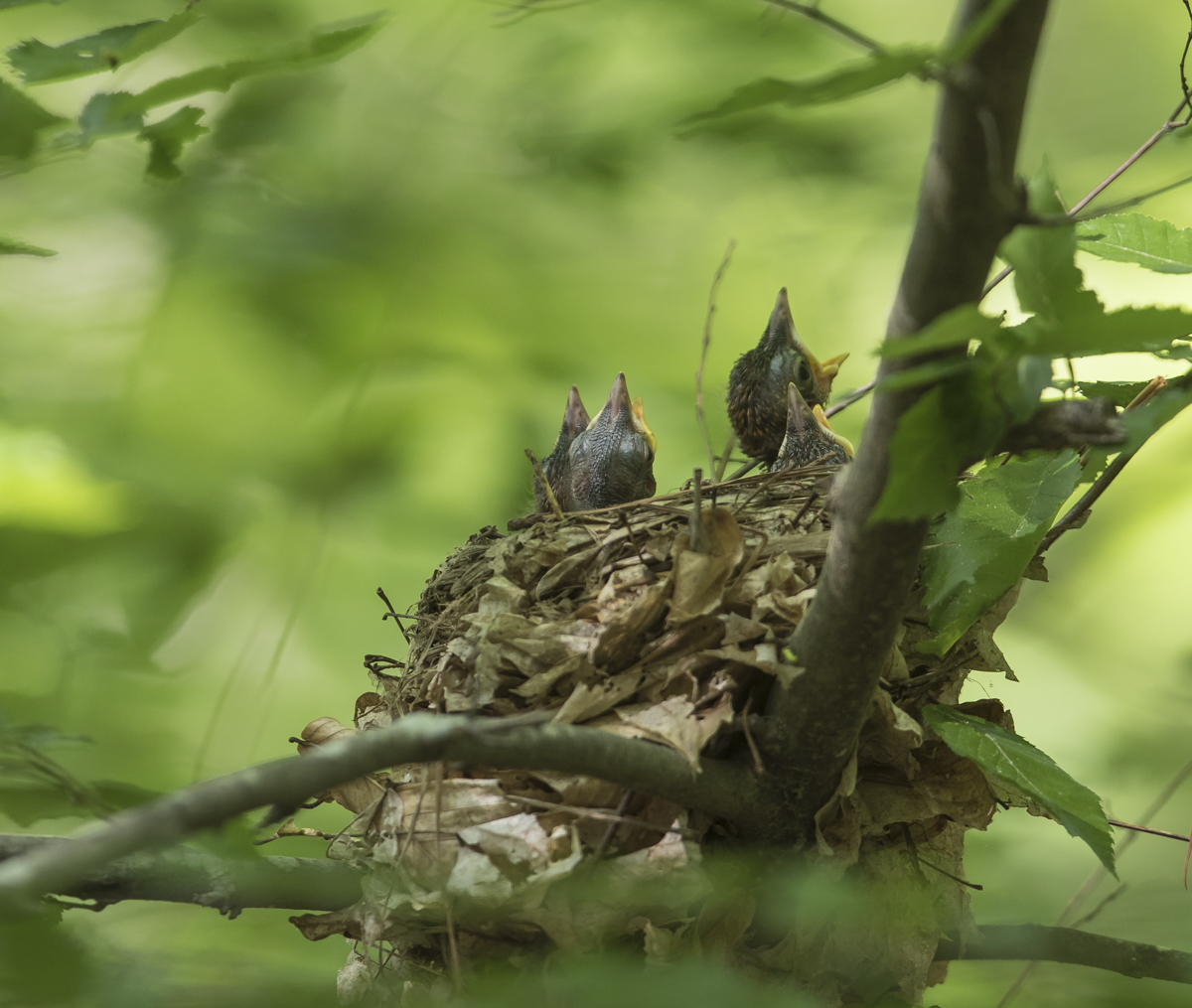
The nest (click photos to enlarge)
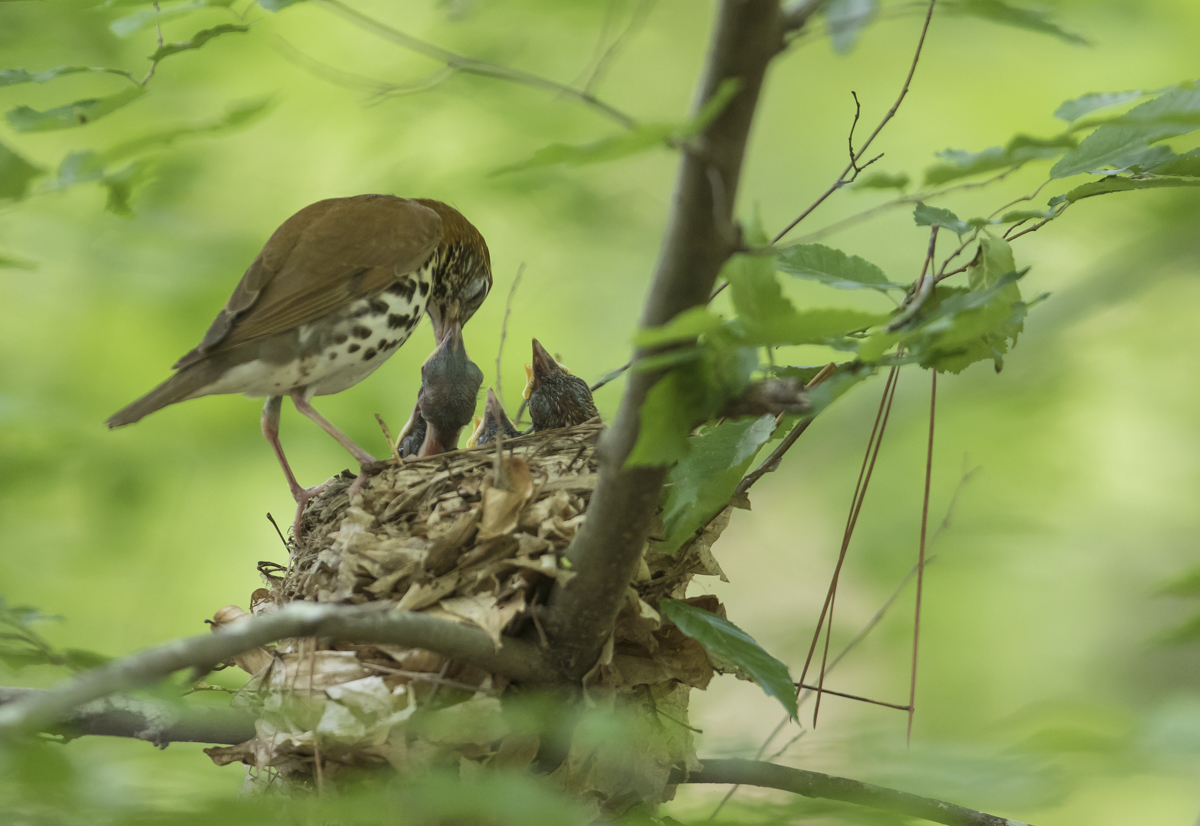
Suddenly, there it was, less than twenty feet away, a Wood Thrush nest with an adult bird sitting on the edge. We gave it a wide berth as we walked out to the nearby gravel road and the adult stayed with the nest, watching us. The nest was about 7 feet off the ground in a fork of a small Ironwood (Hornbeam) tree. I was surprised at how visible it was – good for photography, but bad for protection from predators.
Adult feeding nestlings
Over the next two days, I sat in a camouflage blind and observed the comings and goings of the two parents as they brought beak-fulls of food (mainly earthworms) to the four nestlings.
Four nestlings raising their beaks in anticipation as an adult bird lands on a nearby twig
Based on what I could see of the young through my telephoto lens, I am guessing they were three or four days old.
Although I could not tell the difference between the sexes of the adults by their feather pattern, I could differentiate them by their behavior. The female would often fluff out her belly feathers and sit on the nestlings as if brooding. The male never did this, and frequently left the nest well before the female returned with a beak full of food. To my surprise, on a couple of occasions, he even sang quietly while at the nest, perhaps in response to other males singing loudly nearby.
Most of the time I observed the nest, one of the adults was sitting nearby. This seemed like a good strategy given the number of potential threats in these woods – American Crows, Blue Jays, Black Rat Snakes, Raccoons, Gray Squirrels, feral or neighborhood cats…the list was pretty long. I did see one of the adult Wood Thrush harassing a Blue Jay that approached within about twenty feet of the nest. When it finally left, the Wood Thrush pair stayed off the nest for several minutes and then came back, checked on things, and resumed their feeding. The typical pattern was for one of the birds to be on or next to the nest until the other adult was in view with more food, then it would fly off to forage while the other bird fed the young.
This clip shows an example of the typical feeding sequence. The female is the one initially at the nest. She leaves when she spots the male coming in. He brings in the food and proceeds to stuff morsels into the open beaks before him. Notice the spider that has apparently escaped from the beak in transit and is clinging to the breast of the adult male. Then watch what happens with the spider after the initial feeding sequence.
After doling out the food, the adult bird waits until one of the young birds presents a fecal sac, then it grabs it, and eats it. Only once did I see the adult take the fecal sac and fly off with it as I have seen with many other species. Some references imply that the adult Wood Thrush do this for the first few days of the nestlings life, and then presumably fly off with it to discard it away from the nest. All of this is to keep the nest area clean and to avoid providing clues to predators as to the nest location.
I was gone for three days, and was looking forward to seeing how much the young birds had grown on my return. The next morning when I went out, I could see from the road that something was wrong.
Wood Thrush nest after predation
The nest was slightly skewed in position, and there were no tiny heads poking up above the rim. Dang it…something had found the nest. I knew it would be empty, but I checked anyway. Sure enough, the babies were gone. Looking around I didn’t see any feathers or other signs left by the predator. I assume the adult birds escaped harm. The nest was only slightly messed up, one side showing a little disturbance. My best guess is an aerial predator – either American Crows or Blue Jays. Both birds are active in this area every day, both are extremely intelligent and sharp-eyed. I worried that my photography of the nest (from a camouflage blind that I removed after each session) might put it in danger, and now I feel sick about that. But, I will never know.
It turns out, Wood Thrush may be particularly susceptible to nest predation and that is one reason given for their decline in numbers in recent decades. Fragmented forests (tracts that have portions cleared for some purpose) tend to allow more predators (and nest parasites such as Brown-headed Cowbirds), access to forest-dwelling species such as Wood Thrush. And, since Wood Thrush tend to build their nests in fairly visible locations, they often suffer nest predation. I found several studies that showed a nesting success rate for Wood Thrush of between 26-30%. One study, in Great Smoky Mountains National Park, placed small cameras at Wood Thrush nests and documented the variety of dangers over the nesting cycle. It seems there are many more hazards when the nest contains just eggs. Egg predators included White-footed Mice, Blue Jays, American Crows, Gray Squirrels, Eastern Chipmunks, Black Rat Snakes, and Black Bears. Once the eggs hatched, the number of documented predators dwindled to three – American Crows, Black Bears, and an Eastern Screech Owl.
Interestingly, it is not just an issue of modern times. While reading John Burroughs’ essay on Wood Thrush from the late 1800’s, I found this quote…
There is no nest-builder that suffers more from crows and squirrels and other enemies than the wood thrush. It builds as openly and unsuspiciously as if it thought all the world as honest as itself.Its favorite place is the fork of a sapling, eight or ten feet from the ground, where it falls an easy prey to every nest-robber that comes prowling through the woods and groves.
I imagine his world was one of a patchwork of forest and cleared farmland, perhaps similar to the fragmented forests and developments of today. All of this points to the fact that it is a tough world out there for our song birds. This spring, I have seen evidence of successful fledging of Carolina Chickadees, Carolina Wrens, Eastern Bluebirds, Ovenbirds, and Downy Woodpeckers near the house. I have also observed nest failures of this Wood Thrush and a Northern Cardinal nest. There are obviously many hazards that birds face and we should make every effort to minimize those that we can, such as window kills, outdoor cats, the overuse of pesticides, and the destruction of habitat. Planting native plants is certainly a way to encourage birds and provide more food. I have a small amount of grassy lawn and I never saw the Wood Thrush foraging in it (like we see with American Robins searching in lawns). Instead, they were always in the leaf litter in the natural areas of the yard or beyond, flipping leaves in search of prey that included earthworms, caterpillars, a moth, and spiders. A diverse habitat can support a diversity of invertebrates and therefore a diversity of birds and other wildlife – it is as simple as that. I still hear numerous male Wood Thrush singing all around the property. I imagine the pair I observed will attempt a second brood. Nature is persistent, and, if given a chance, will persevere. Let’s all do what we can to give it that chance.